Dublin is one of those rare cities where you could spend a single day and feel like you have experienced something meaningful, or an entire week and still be discovering new corners. The trick is knowing how to structure your time. Pack too much in and you will exhaust yourself dashing between attractions. Leave your days too open and you risk missing the experiences that make Dublin genuinely special.
This guide gives you flexible, realistic itineraries for every length of visit — from a whirlwind 24 hours to a full week that includes day trips into the Irish countryside. Each plan is built around walking distance, opening hours, and the natural rhythm of the city, so you spend your time enjoying Dublin rather than figuring out logistics.
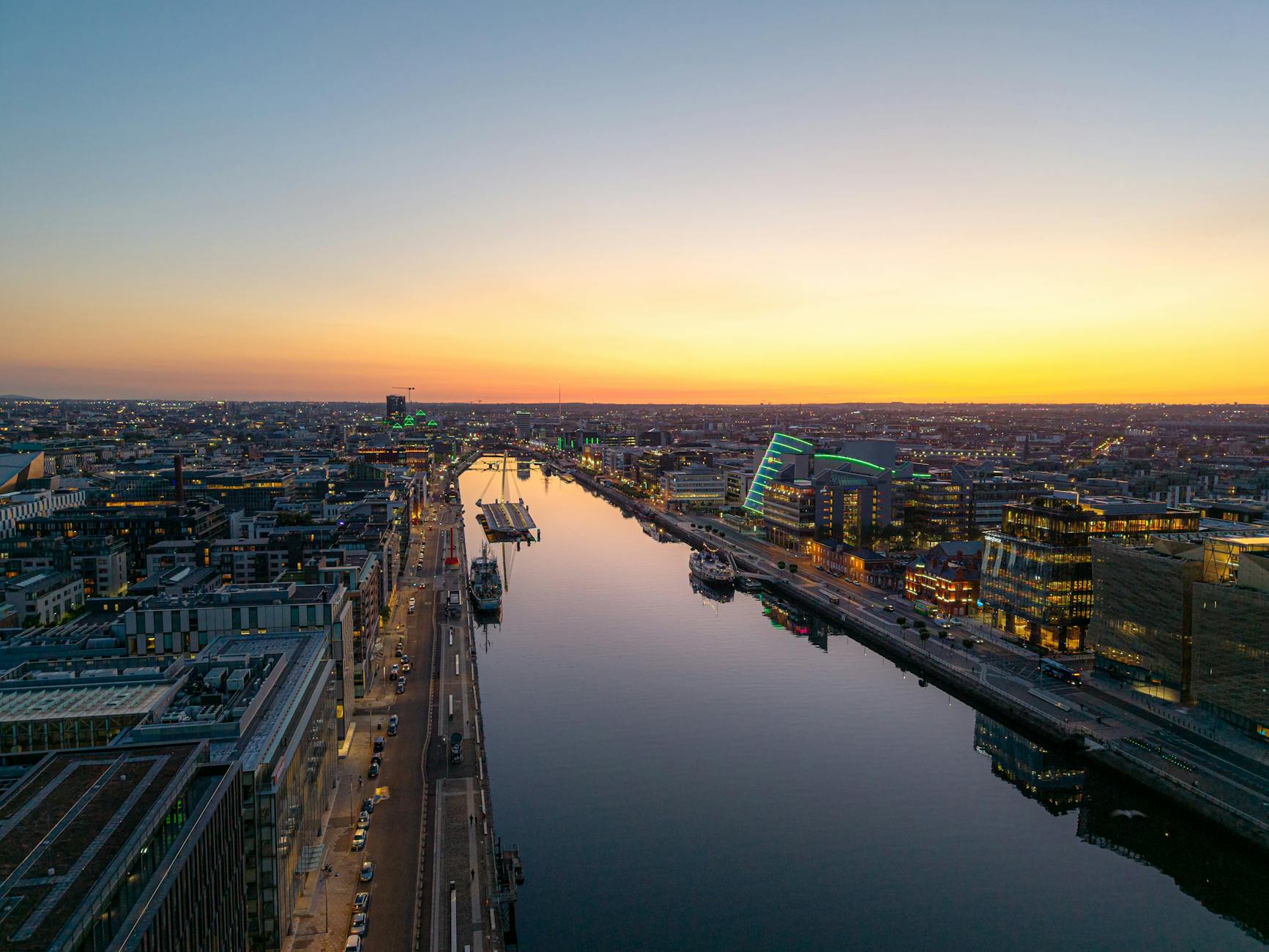
We have also included practical advice on how many days you actually need, the best time to visit, whether a Dublin city pass is worth the money, and tips for first-time visitors. Use these itineraries as a starting framework and adjust them to suit your own interests and pace.
How Many Days Do You Need in Dublin?
The honest answer is that it depends on your travel style, but here is a practical breakdown. One day is enough to hit the absolute highlights — Trinity College, a walk through the city centre, Temple Bar, and a Guinness — but it will feel rushed. Two days allow you to see the main sights at a comfortable pace with time for a proper pub evening. Three days is the sweet spot for most visitors: enough time to explore the city’s major attractions, wander through its neighbourhoods, and take a half-day trip to the coast. Four to five days let you add a full day trip to Howth, the Wicklow Mountains, or Kilkenny while still having relaxed mornings. A full week opens up ambitious day trips to the Cliffs of Moher, Giant’s Causeway, or Galway, using Dublin as your base.
For first-time visitors on a European trip that includes other cities, we recommend three days in Dublin. If Dublin is your main destination, four to five days gives you the best balance of sightseeing, culture, and relaxation.
One Day in Dublin: The Essential 24-Hour Itinerary
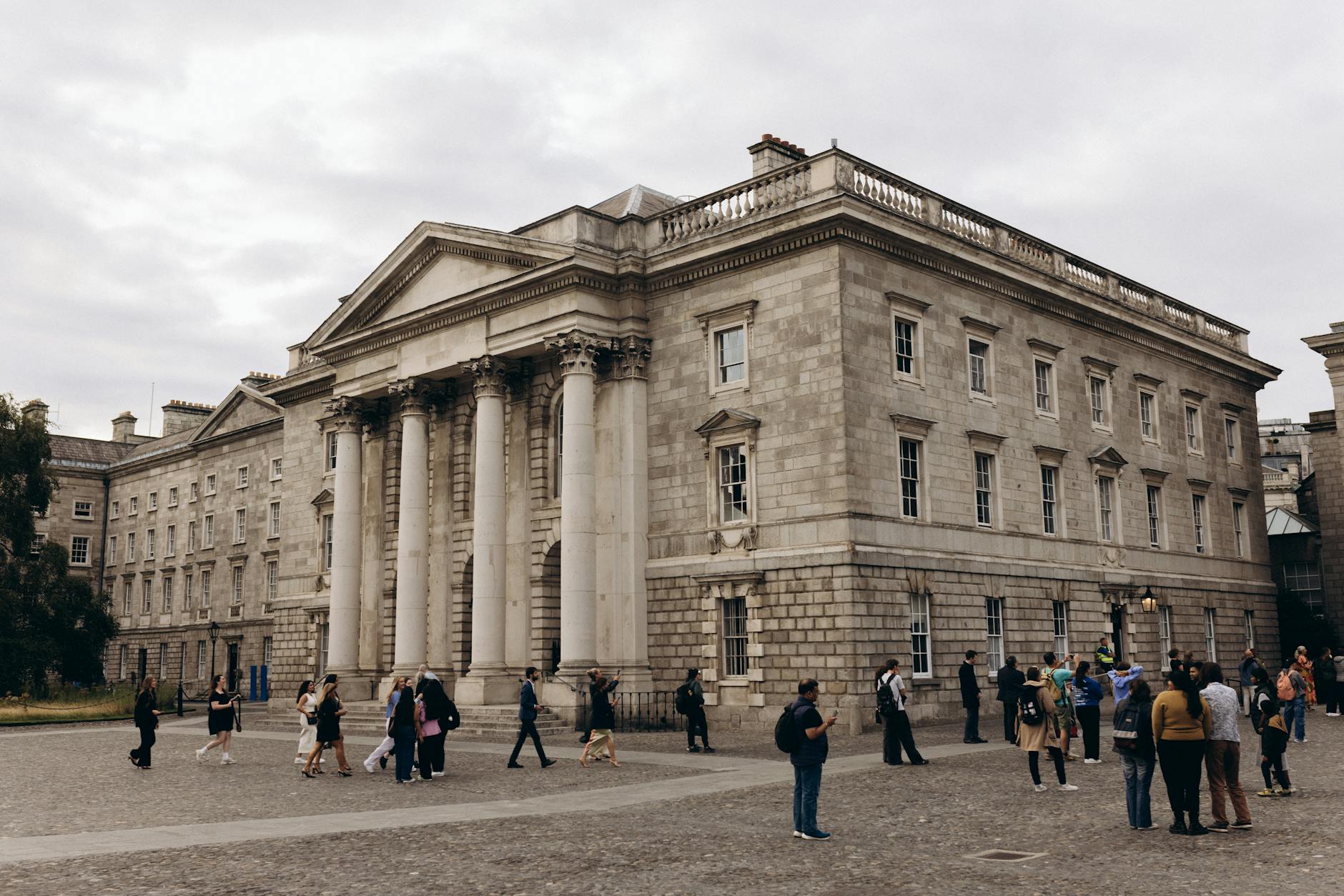
Morning (9:00am – 12:30pm)
Start your day at Trinity College Dublin, arriving when the campus opens to beat the crowds. The Book of Kells Exhibition houses one of the world’s most famous illuminated manuscripts, dating to around 800 AD. After viewing the manuscript, walk through the stunning Long Room of the Old Library — a 65-metre hall lined with 200,000 of the library’s oldest books. Book your timed entry ticket online in advance, as walk-up availability is limited.
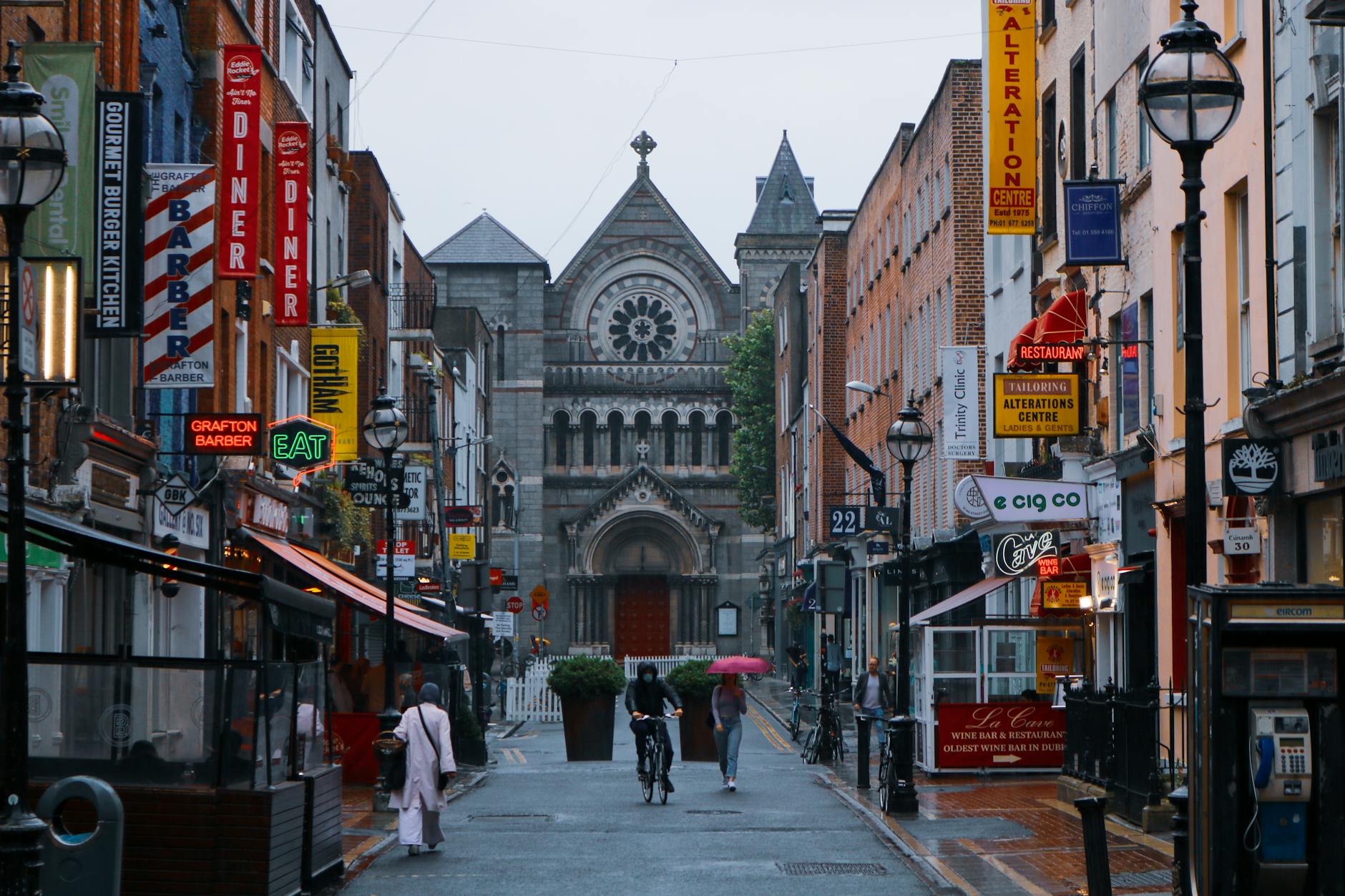
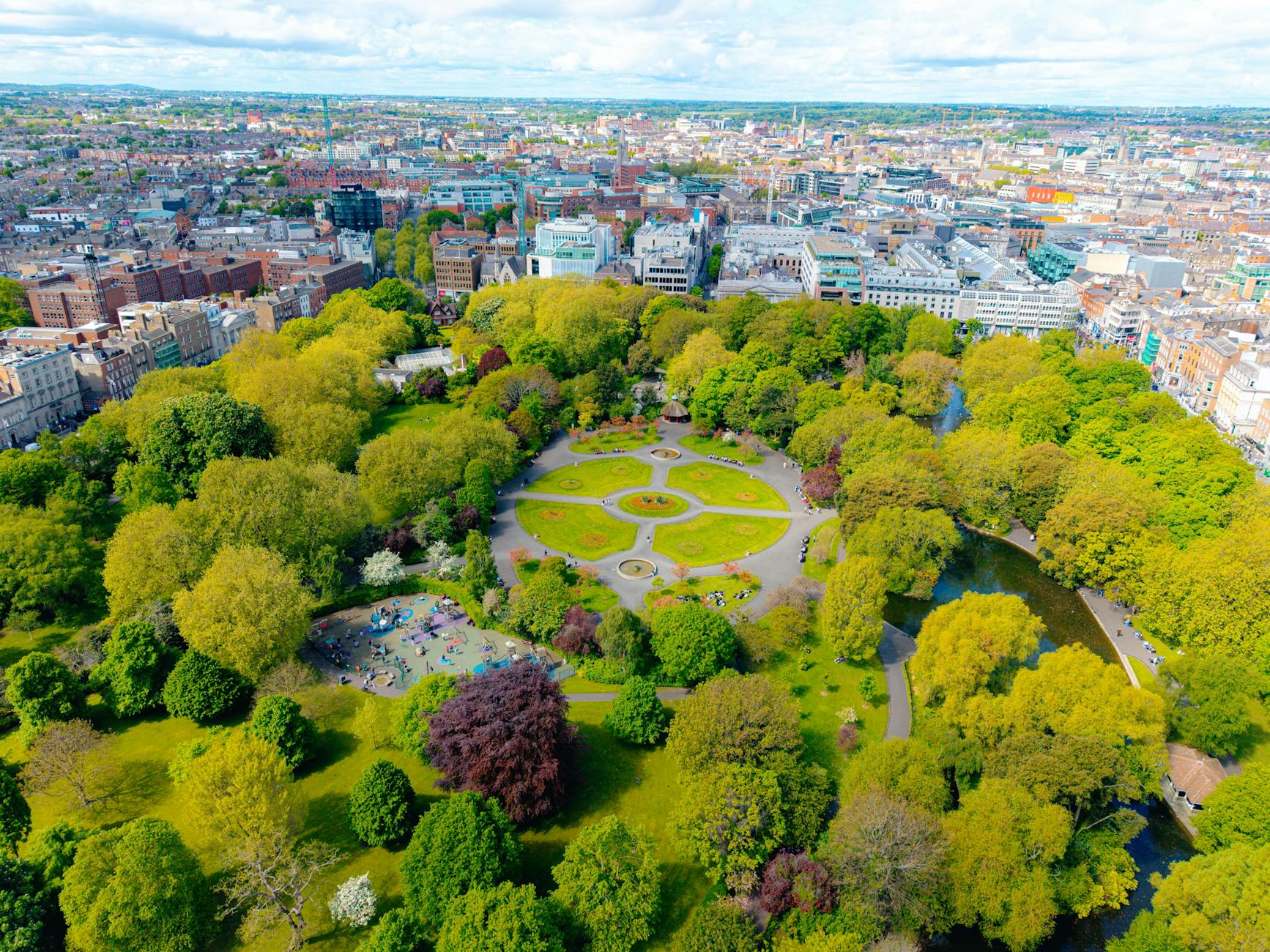
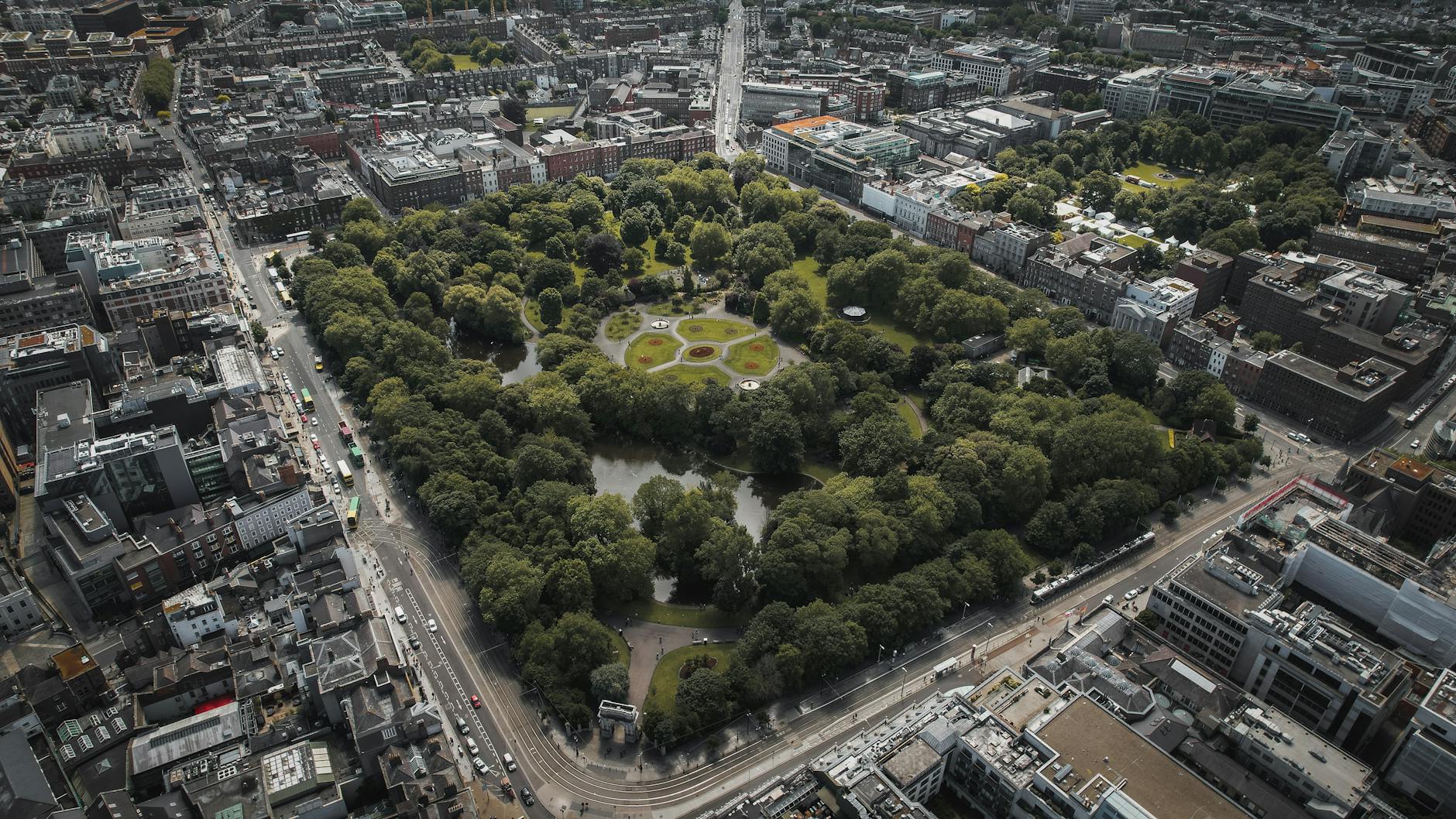
From Trinity, walk south through the college grounds to St Stephen’s Green, Dublin’s most central park. Take 15 minutes to loop through the Victorian gardens and cross to Grafton Street, Dublin’s premier pedestrianised shopping street. Even if you are not shopping, the street performers and atmosphere are worth the stroll.
Afternoon (12:30pm – 5:00pm)
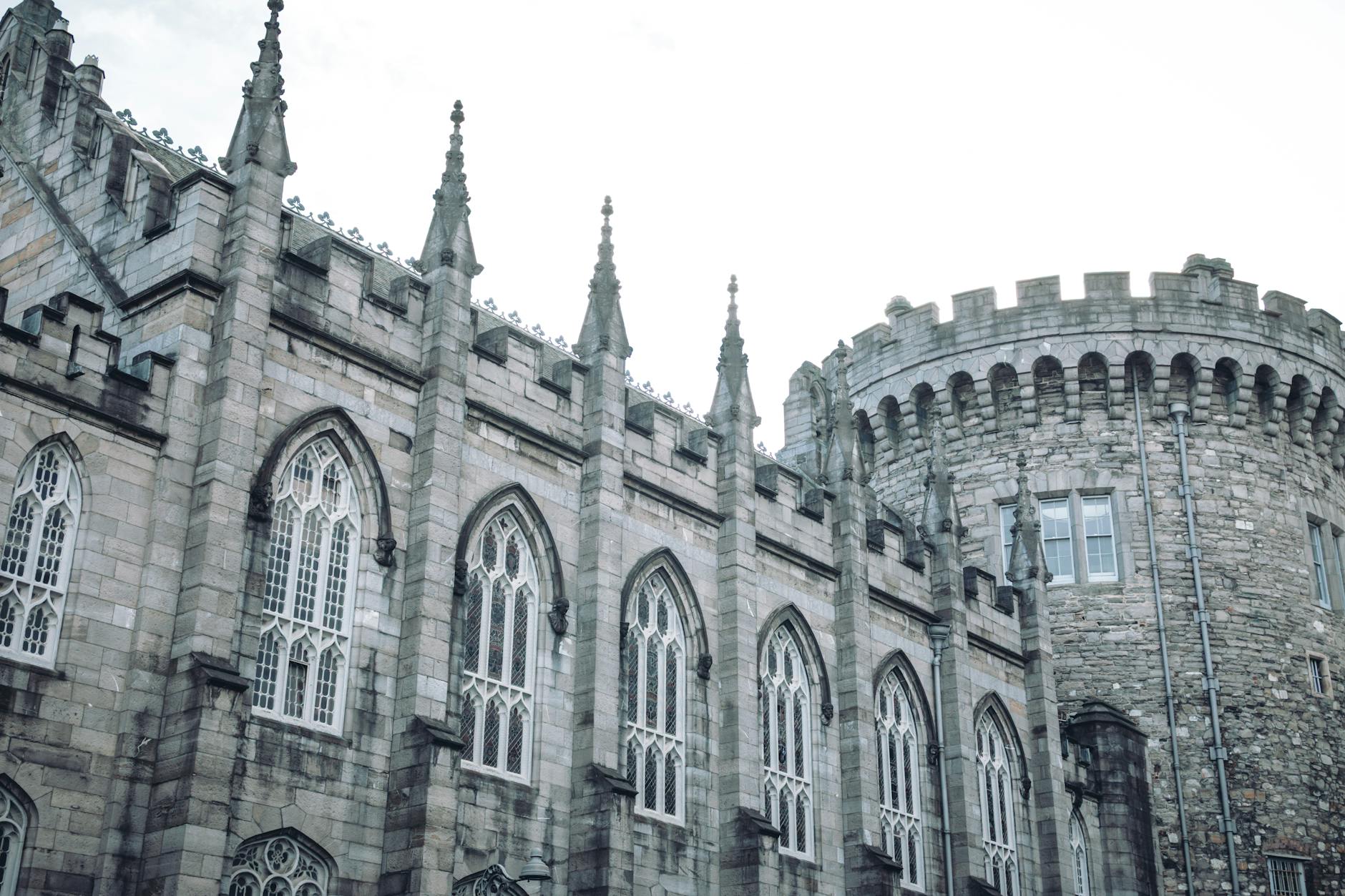
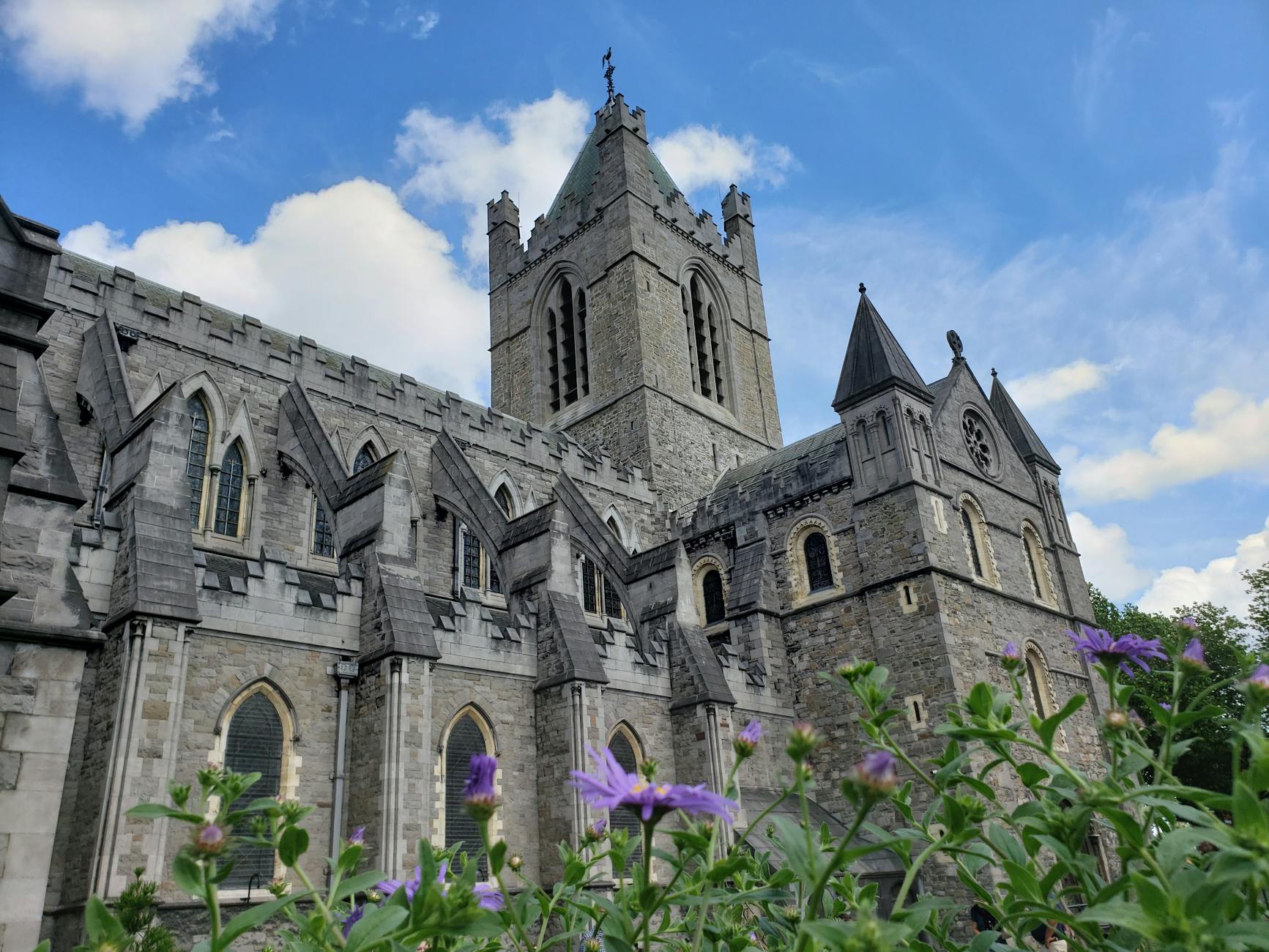
Head north across the Liffey to Dublin Castle for a guided tour of the State Apartments, which takes approximately 45 minutes. The castle has served as a seat of power for over 800 years and its ornate interiors tell the story of Ireland’s complex relationship with British rule. Nearby, Christ Church Cathedral is worth a brief visit for its medieval crypt — the oldest surviving structure in Dublin.
In the afternoon, make your way to the Guinness Storehouse at St James’s Gate. This seven-floor experience walks you through the history and brewing process of Ireland’s most famous export, culminating in the Gravity Bar on the top floor where you pour your own pint and enjoy 360-degree panoramic views of the city. Allow at least 90 minutes for the full experience. Book online for the best price — the Storehouse uses dynamic pricing and walk-up tickets are significantly more expensive.
Evening (6:00pm onward)
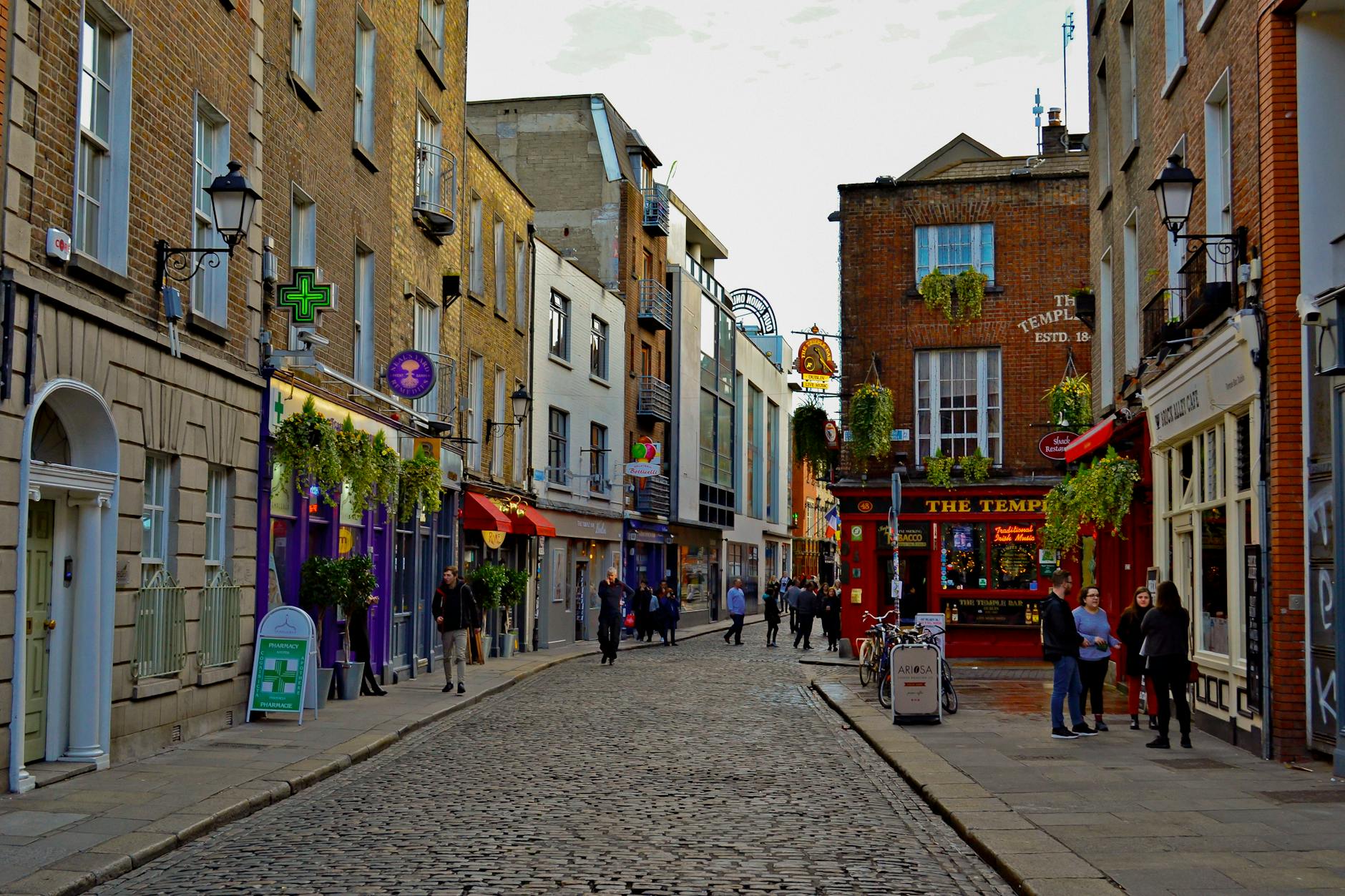
Walk back towards the city centre and spend your evening in Temple Bar. Start with dinner at one of the area’s better restaurants — The Vintage Kitchen (a BYOB gem) or Gallagher’s Boxty House for traditional Irish food. Then follow the sound of live music into whichever pub catches your ear. The Temple Bar Pub, Oliver St. John Gogarty’s, and Darkey Kelly’s all host nightly trad sessions. End the night with a whiskey at The Palace Bar on Fleet Street, one of Dublin’s most beautiful Victorian pubs.
Two Days in Dublin: The Perfect Weekend
Day 1: The Highlights
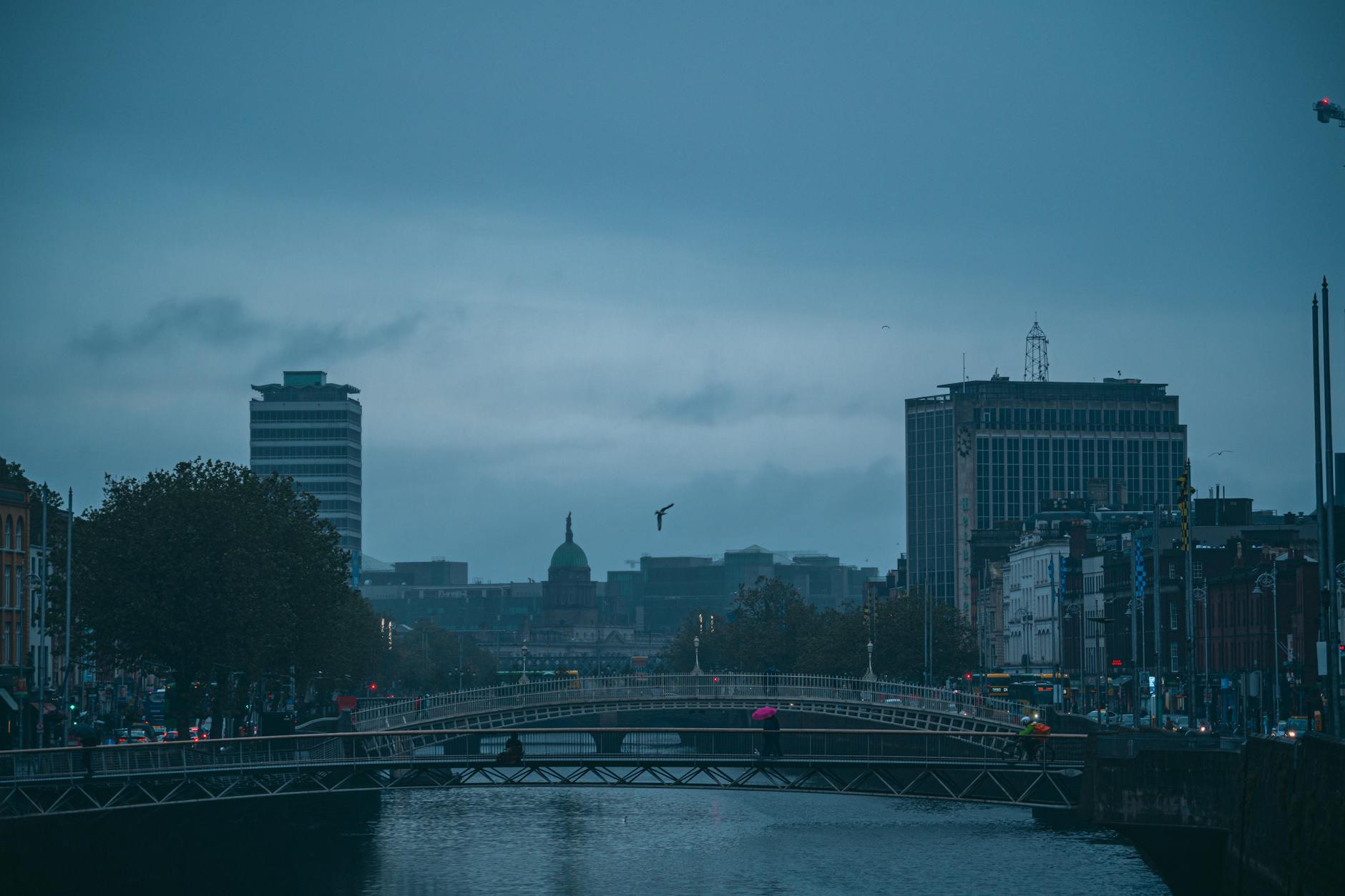
Follow the one-day itinerary above. This covers Trinity College, the Book of Kells, St Stephen’s Green, Grafton Street, Dublin Castle, Christ Church Cathedral, the Guinness Storehouse, and an evening in Temple Bar. With a second day available, you can take a slightly more relaxed pace and add a stop at the Chester Beatty Library inside Dublin Castle — a free museum housing an extraordinary collection of manuscripts, prints, and art from across Asia, the Middle East, and Europe, consistently rated one of Ireland’s best museums.
Day 2: History, Culture, and Local Life
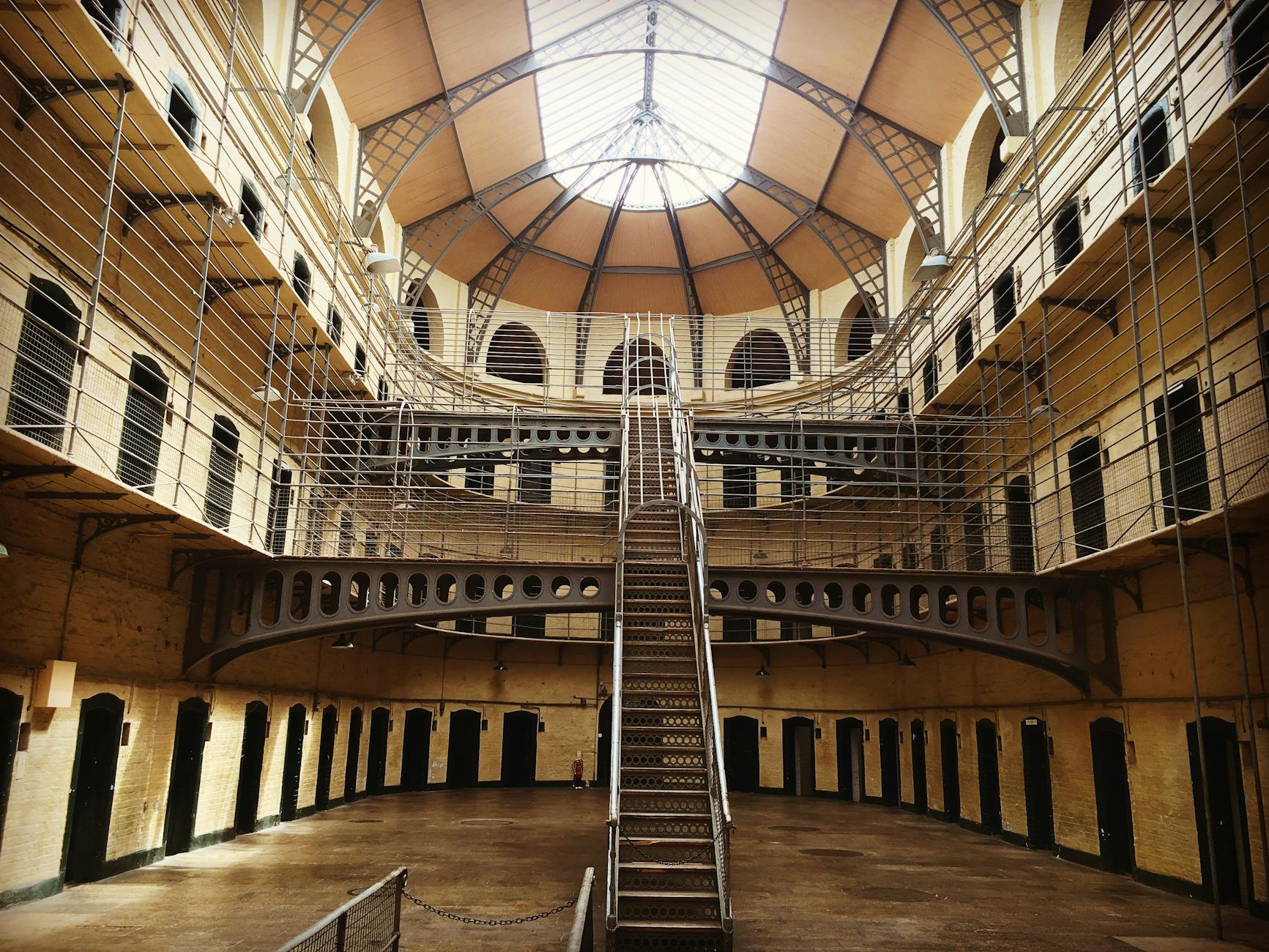
Morning: Begin at Kilmainham Gaol, one of Dublin’s most powerful visitor experiences. This former prison is where the leaders of the 1916 Easter Rising were executed, and the guided tour (approximately 60 minutes) brings Ireland’s struggle for independence to life in an unforgettable way. Book well in advance — tours sell out days ahead, especially in summer.
Midday: Walk or take a bus to the Irish Museum of Modern Art (IMMA) in the Royal Hospital Kilmainham, followed by lunch in the Stoneybatter neighbourhood — try L. Mulligan Grocer for excellent pub food and craft beer.
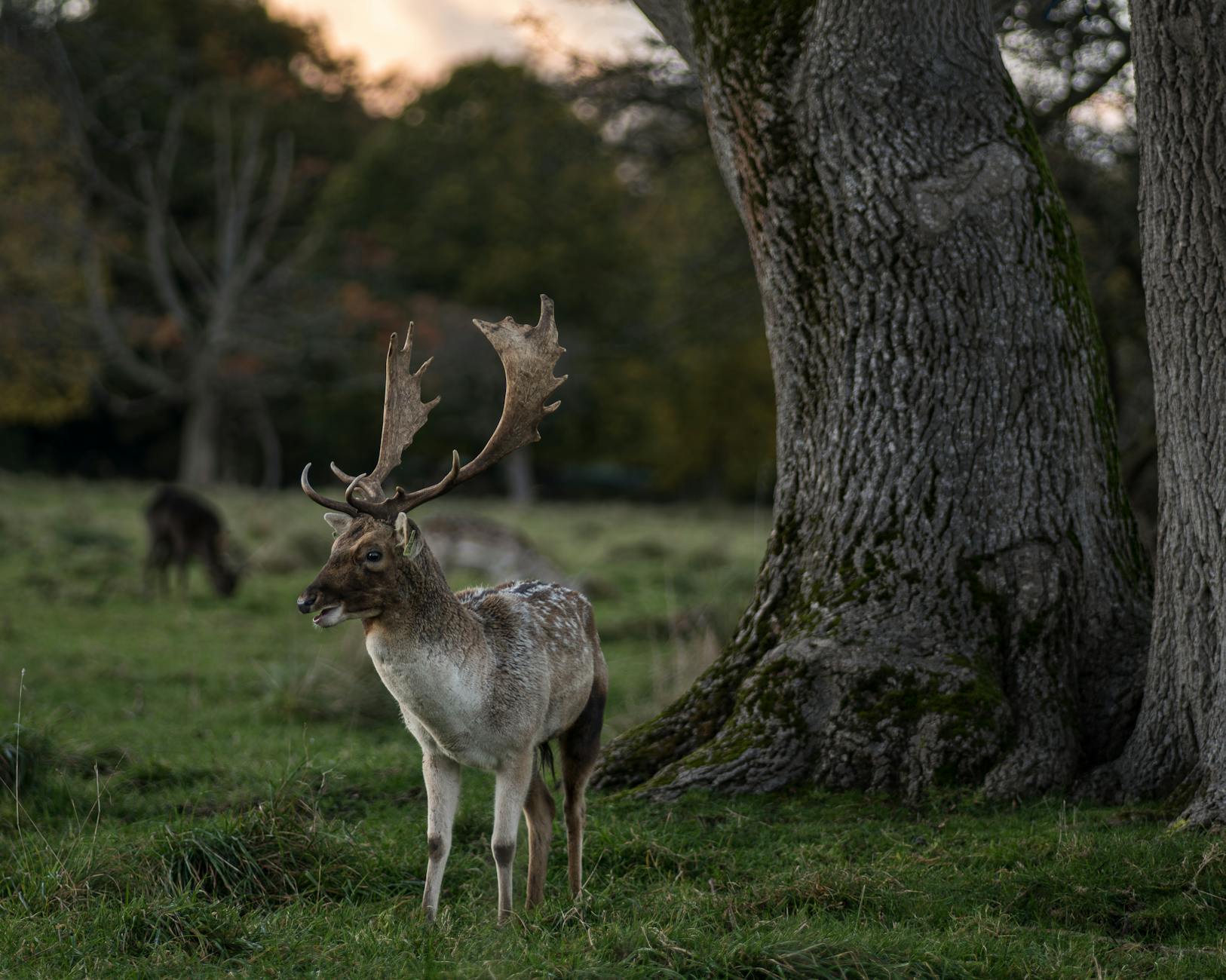
Afternoon: Explore Phoenix Park, one of the largest enclosed urban parks in Europe. Look for the herd of wild fallow deer that has lived here since the 17th century, visit the Wellington Monument, and stroll through the People’s Flower Gardens. The park is vast, so give yourself at least an hour.
Evening: Head to Camden Street or Wexford Street for a more local nightlife experience. Start with dinner at Sprezzatura (handmade pasta) or Neon (Asian street food), catch a live music gig at Whelan’s, and finish the night at one of the street’s many late-night pubs and bars.
Three Days in Dublin: The Complete City Break
Days 1 and 2
Follow the two-day itinerary above. By the end of day two, you will have covered Dublin’s essential attractions, explored its history, experienced both the tourist and local sides of the city’s nightlife, and visited its finest park.
Day 3: The Coast and Georgian Dublin
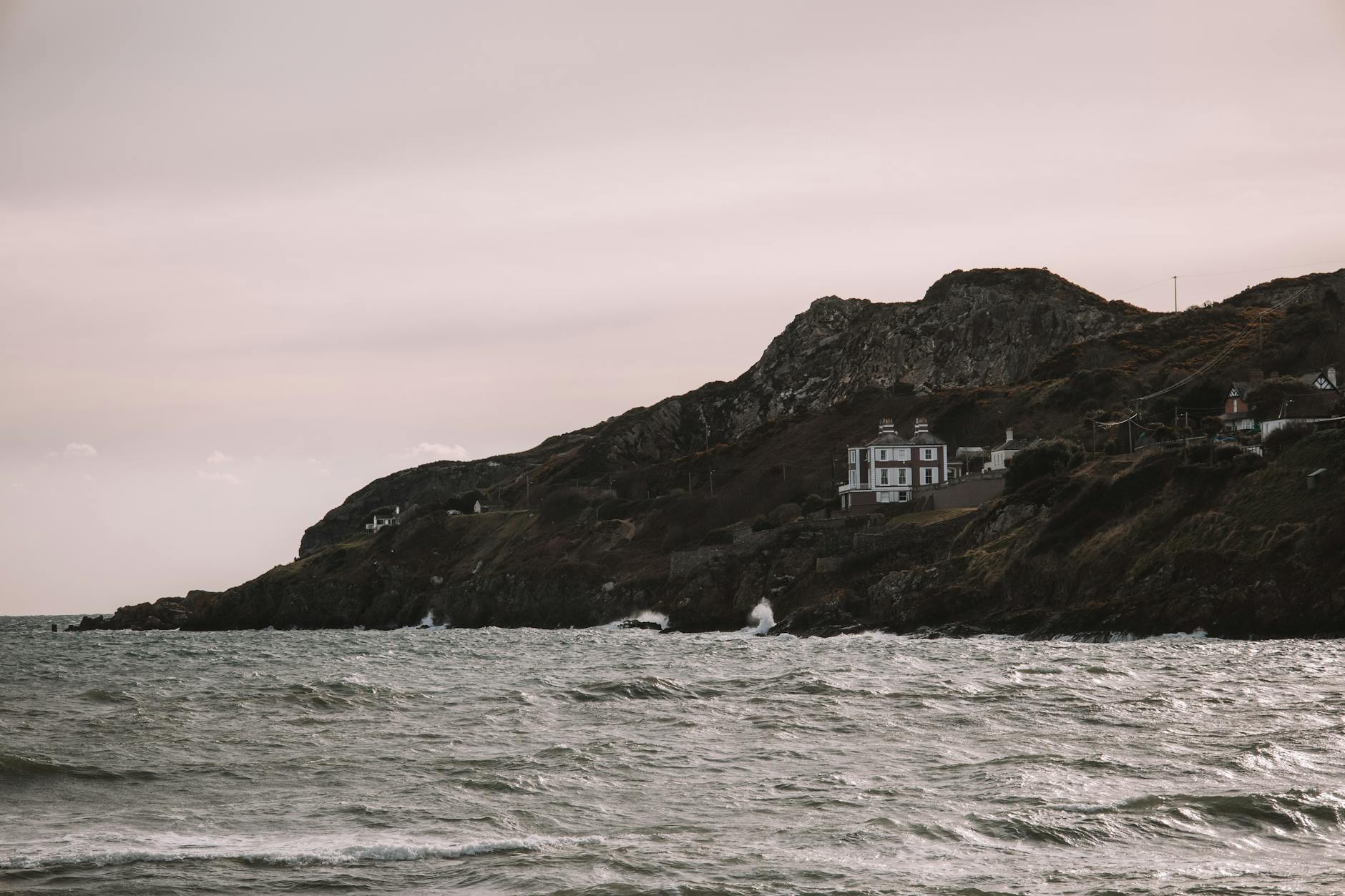
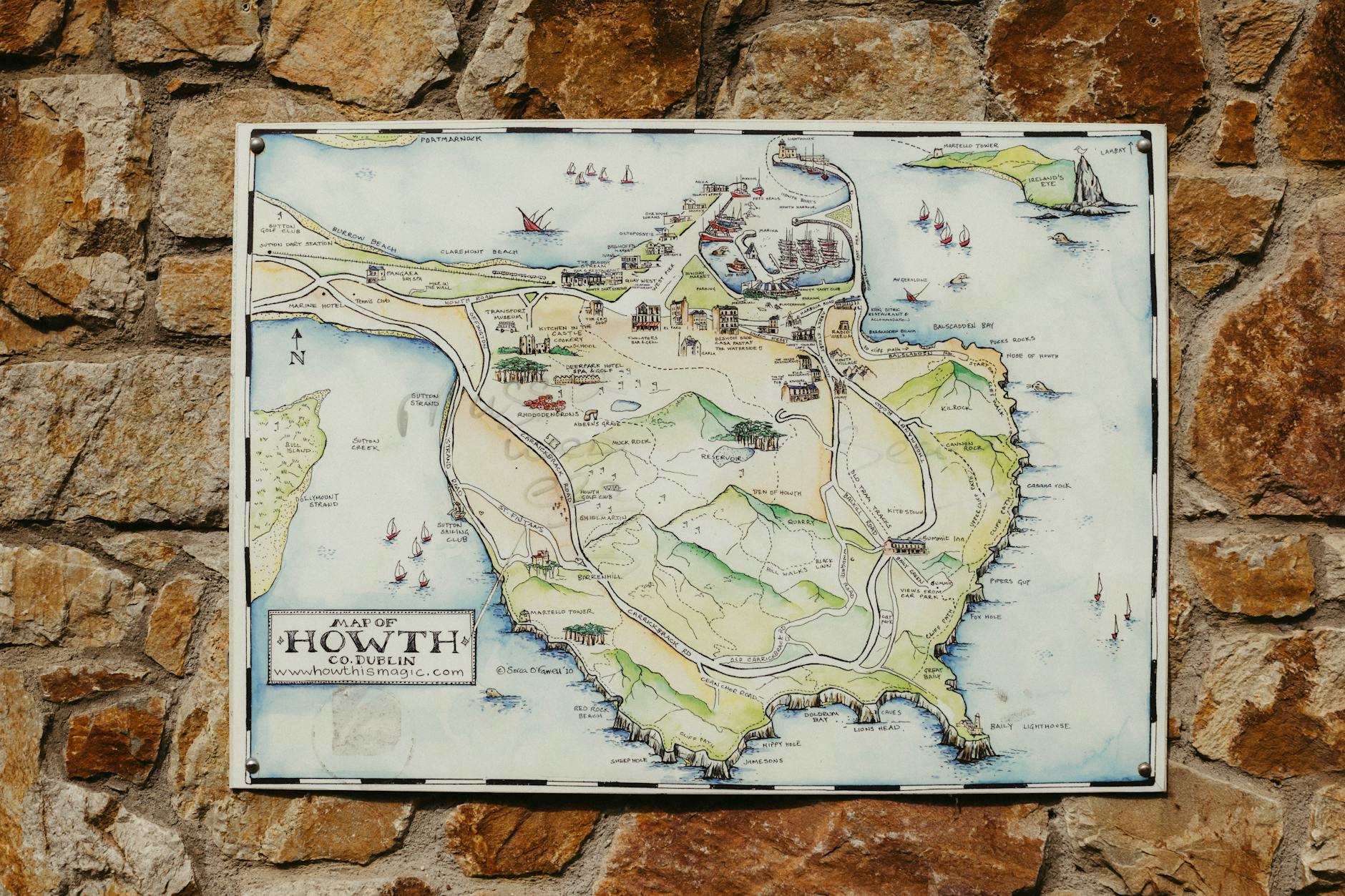
Morning: Take the DART train to Howth (30 minutes from the city centre). This fishing village on a rocky peninsula is one of Dublin’s most rewarding half-day trips. Walk all or part of the Howth Cliff Path — a loop that ranges from 6km to 12km depending on which route you take, with spectacular views of the Irish Sea, Ireland’s Eye island, and the Dublin Mountains. The east-side loop to the Baily Lighthouse takes approximately 90 minutes and is the most scenic section.
Lunch: Return to Howth village for fresh seafood at the harbour. King Sitric, Octopussy’s, or Beshoffs Bros for fish and chips are all excellent choices.
Afternoon: Back in Dublin, spend the afternoon exploring Georgian Dublin. Walk through Merrion Square (where Oscar Wilde’s former home overlooks a statue of the writer reclining on a rock), admire the famous coloured doors of the Georgian townhouses, and visit the National Gallery of Ireland on Merrion Square West — free entry, with an outstanding collection that includes works by Caravaggio, Vermeer, and Jack B. Yeats.
Evening: For your final night, try one of Dublin’s cocktail bars or speakeasies. The Blind Pig, Vintage Cocktail Club, or 9 Below offer a different side of Dublin’s nightlife. Or head to The Cobblestone in Smithfield for what many consider the best traditional music session in the city.
Five Days in Dublin: Going Deeper
Days 1–3
Follow the three-day itinerary above.
Day 4: South Dublin and the Whiskey Trail
Morning: Visit St Patrick’s Cathedral, Ireland’s largest church and the final resting place of Jonathan Swift. Walk through The Liberties, Dublin’s oldest neighbourhood, stopping at the Teeling Whiskey Distillery for a tour and tasting. This was the first new distillery in Dublin in 125 years and offers an excellent introduction to Irish whiskey.
Afternoon: Continue the whiskey theme at the Jameson Distillery Bow St. in Smithfield for their Premium Tasting or Blending Class experience. Alternatively, visit the Pearse Lyons Distillery in a converted church on James’s Street — one of Dublin’s most atmospheric distillery experiences.
Evening: Explore the Stoneybatter neighbourhood for dinner and drinks. This northside village has become one of Dublin’s most vibrant food and drink areas, with Proper Order Coffee Co, L. Mulligan Grocer, and The Cobblestone all within walking distance.
Day 5: Wicklow Mountains Day Trip
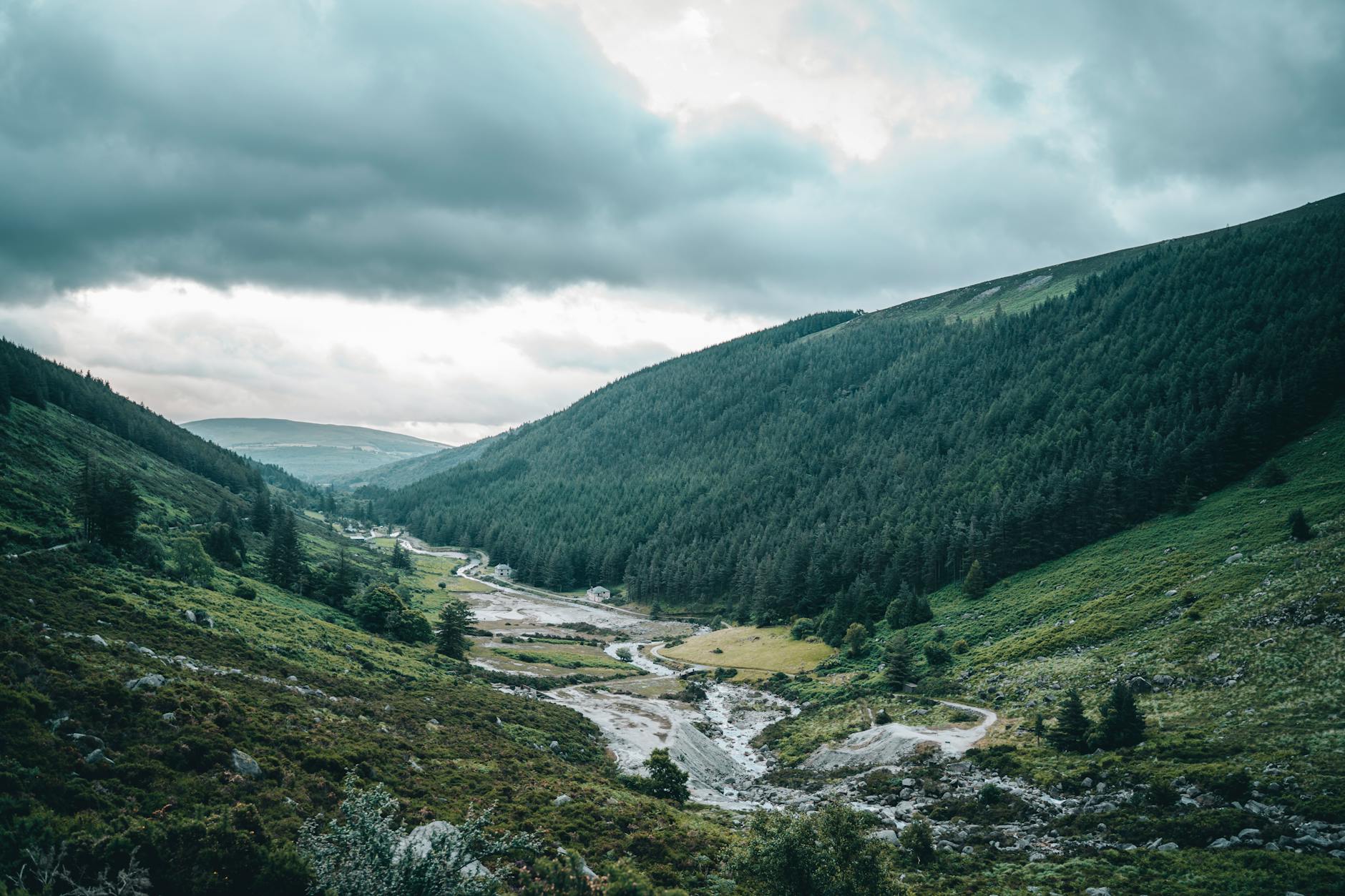
Spend a full day in the Wicklow Mountains, known as the Garden of Ireland. The most popular destination is Glendalough, a stunning glacial valley with a 6th-century monastic settlement founded by St Kevin. The round tower, stone churches, and Celtic crosses set against the backdrop of two lakes and forested mountains make this one of Ireland’s most photogenic sites. The Upper Lake walk takes approximately one hour and is relatively easy.
You can reach Glendalough by tour bus (several operators run daily departures from Dublin, typically €25–40 per person), by public bus (St Kevin’s Bus Service from St Stephen’s Green), or by rental car (approximately one hour drive). Many organised tours combine Glendalough with stops at Powerscourt Waterfall and the scenic Sally Gap mountain road.
One Week in Dublin and Beyond
Days 1–5
Follow the five-day itinerary above. By this point, you will have covered Dublin’s essential sights, explored its neighbourhoods, visited Howth and Glendalough, and experienced the city’s food, pub, and nightlife scenes in depth.
Day 6: Galway and the Cliffs of Moher
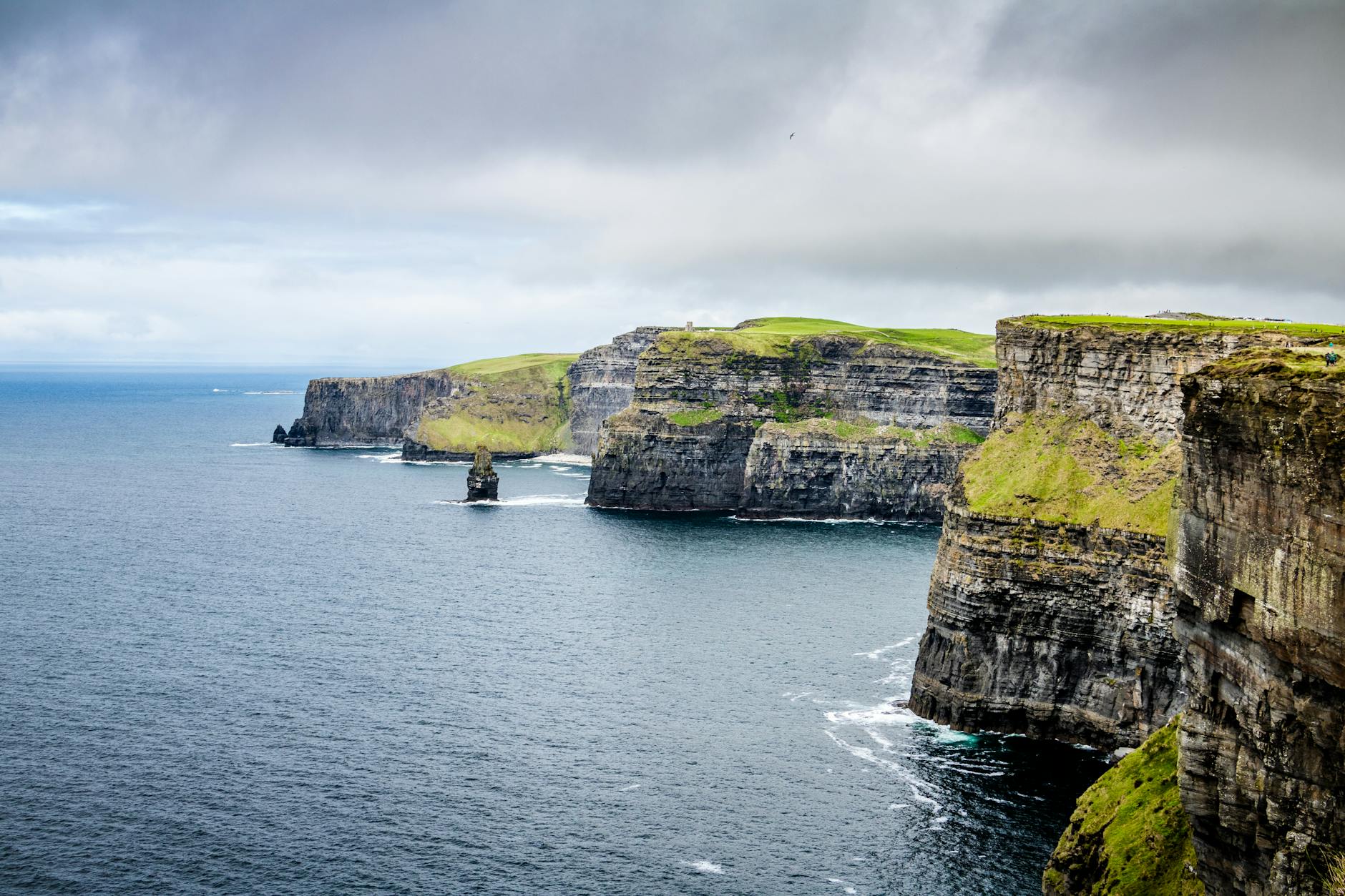
This is an ambitious but hugely rewarding day trip. Organised tours depart Dublin early morning (around 6:30am) and return by 9:00pm–10:00pm, visiting the Cliffs of Moher — Ireland’s most dramatic natural wonder, where sheer cliffs rise 214 metres above the Atlantic — and the lively city of Galway, with its colourful streets, buskers, and excellent seafood. Many tours also stop at the lunar landscape of the Burren. Alternatively, you could take the train to Galway (2.5 hours each way) and spend the day exploring Galway alone, which is more relaxed but means skipping the Cliffs.
Day 7: Dún Laoghaire, Dalkey, or Free Day
For your final day, take the DART south along the coast to Dún Laoghaire and Dalkey. Dún Laoghaire has a beautiful harbour pier walk, seaside cafes, and the Pavilion Theatre. Dalkey is a charming village where Bono and Enya have homes, with Dalkey Castle, excellent restaurants, and a boat trip to Dalkey Island. This stretch of coastline is Dublin at its most relaxed and scenic. Alternatively, use this day to revisit favourite spots, pick up souvenirs on Grafton Street, or spend a lazy morning in one of Dublin’s brunch spots before heading to the airport.
Practical Planning Tips
Best Time to Visit Dublin
The peak tourist season runs from June through August, with the longest days, warmest weather (average 15–20°C), and the most events and festivals. May and September offer similar weather with smaller crowds and better hotel rates. March brings St Patrick’s Day celebrations. Winter (November–February) is cold and dark but has the cheapest accommodation and fewest tourists — Dublin’s indoor attractions and pub culture make it enjoyable year-round.
Is the Dublin Pass Worth It?
The Go City Dublin All-Inclusive Pass costs €89 for one day, €119 for two days, and €139 for three days (2026 prices). It includes entry to over 35 attractions plus a hop-on hop-off bus. The pass is worth it if you plan to visit three or more paid attractions per day — the Guinness Storehouse, Book of Kells, and one other attraction typically covers the one-day cost. It works via the Go City app with a QR code at each venue. If you prefer a slower pace and plan to visit only one or two paid attractions per day, buying individual tickets is more economical.
Getting Around Dublin
Dublin is one of Europe’s most walkable capitals. The city centre is compact — you can walk from Trinity College to the Guinness Storehouse in 25 minutes. For longer distances, the Luas tram has two lines crossing the city, Dublin Bus covers the wider area, and the DART commuter rail runs along the coast from Howth in the north to Greystones in the south. A Leap Card (reusable travel card) offers significant discounts on all public transport. Taxis are metered and plentiful, and ride-hailing apps Free Now and Bolt operate throughout the city.
Booking Attractions in Advance
Several of Dublin’s top attractions require or strongly recommend advance booking: the Book of Kells (timed entry), Guinness Storehouse (dynamic pricing favours early booking), Kilmainham Gaol (sells out days ahead), and the Jameson Distillery (popular time slots fill up). During summer months (June–August), book these at least one week in advance. Everything else can generally be visited without pre-booking.
Budget Planning
A rough daily budget for Dublin: Budget travellers — €80–120 per day (hostel, self-catering or cheap eats, free attractions, pub evening). Mid-range travellers — €150–250 per day (3-star hotel, restaurant lunch and dinner, two paid attractions, pub or cocktail bar evening). Luxury travellers — €300–500+ per day (4/5-star hotel, fine dining, premium experiences, taxis). Dublin is not a cheap city, but free attractions including the National Gallery, Chester Beatty Library, National Museum of Ireland, and Phoenix Park help stretch your budget.
Customising Your Dublin Itinerary
For History Lovers
If Irish history is your primary interest, restructure your days to prioritise Kilmainham Gaol, the GPO Witness History Museum on O’Connell Street (where the 1916 Easter Rising began), Dublin Castle, and the National Museum of Ireland at Collins Barracks, which houses artefacts spanning 1,000 years of military and political history. Add a visit to Glasnevin Cemetery, where many of Ireland’s most significant historical figures are buried, including Michael Collins, Daniel O’Connell, and Eamon de Valera. The guided cemetery tour is one of Dublin’s most engaging experiences.
For Literary Dublin
Dublin is a UNESCO City of Literature and has produced four Nobel Prize-winning writers. Build a literary itinerary around the Museum of Literature Ireland (MoLI) on St Stephen’s Green, The James Joyce Centre on North Great George’s Street, The Dublin Writers Museum on Parnell Square, and the Oscar Wilde statue in Merrion Square. Walk the locations from James Joyce’s Ulysses (self-guided or on a walking tour), visit the pubs where Dublin’s writers drank — The Palace Bar, Davy Byrne’s, and McDaid’s — and browse the shelves at Hodges Figgis, Dublin’s largest bookshop, on Dawson Street.
For Families with Children
Dublin is excellent for families. Top child-friendly attractions include Dublin Zoo in Phoenix Park (one of Europe’s oldest zoos), the interactive galleries at the National Leprechaun Museum, Imaginosity (a children’s museum in Sandyford), and the Viking Splash Tour — an amphibious vehicle tour that drives through the streets and then into the Grand Canal. The DART train to Howth or Dún Laoghaire gives kids a sense of adventure, and Phoenix Park has vast open spaces for running around. Most Dublin restaurants are welcoming to children, particularly at lunch.
For Couples
A romantic Dublin break could include afternoon tea at The Shelbourne Hotel, cocktails at the Vintage Cocktail Club, dinner at Etto or Forest Avenue (both Michelin-starred), a sunset walk along Howth Cliff Path, and an evening of live jazz at The Liquor Rooms. Georgian Dublin — Merrion Square, Fitzwilliam Square, and the surrounding streets — is particularly atmospheric for couples, especially in the early evening light. For a special evening, book a whiskey blending class at Jameson Bow St. or a private tasting at Teeling Distillery.
For Solo Travellers
Dublin is one of Europe’s most welcoming cities for solo travellers. The pub culture is inherently social — sitting at the bar in a traditional pub almost guarantees conversation with locals. Join a free walking tour (several operate daily from outside Trinity College) to meet other travellers, take a food walking tour for a structured social experience, or sign up for a pub crawl. Dublin’s hostels are excellent — Generator Dublin and Barnacles Temple Bar both have social common areas. The city’s compact size means you can explore everywhere on foot without feeling isolated.
Seasonal Itinerary Adjustments
Spring (March – May)
Spring is a beautiful time to visit Dublin. The days lengthen rapidly, parks burst into bloom, and outdoor cafes reopen. St Patrick’s Day (March 17) transforms the city with a multi-day festival featuring a parade through the city centre, live music, and illuminated landmarks. If you visit around St Patrick’s Day, book accommodation months in advance and expect higher prices. April and May offer pleasant weather, moderate crowds, and lower prices than summer.
Summer (June – August)
Peak season brings the longest days (sunset after 10pm in June), warmest temperatures, and a packed events calendar including Bloomsday (June 16), the Dublin International Film Festival, and numerous outdoor concerts and festivals. Hotel prices are at their highest and major attractions are busiest. Book Kilmainham Gaol, the Book of Kells, and the Guinness Storehouse well in advance. The upside is unbeatable energy — the city buzzes with life, outdoor dining thrives, and the DART coastal route is at its most spectacular.
Autumn (September – November)
September is arguably the best month to visit Dublin: summer weather lingers, tourist crowds thin, and prices begin to drop. The Dublin Fringe Festival and Dublin Theatre Festival run through September and October, bringing world-class performances to venues across the city. October sees the Bram Stoker Festival around Halloween — celebrating Dublin’s most famous horror author with immersive events and walking tours. November is quieter and darker, but Dublin’s indoor attractions, cosy pubs, and theatre scene more than compensate.
Winter (December – February)
Winter Dublin has a particular charm. Christmas markets fill Smithfield Square and St Stephen’s Green, the Grafton Street lights are spectacular, and Funderland at the RDS brings fairground rides over the holiday period. January and February are the quietest months, with the lowest accommodation prices and shortest queues at attractions. Wrap up warm, embrace the early dark, and you will have the city’s pubs, museums, and restaurants largely to yourself.
Frequently Asked Questions About Planning a Dublin Trip
How many days do you need in Dublin?
Three days is ideal for most first-time visitors. This gives you time to see the major attractions, experience the pub culture, and take a half-day trip to Howth. If you want to include day trips to Wicklow or further afield, plan for four to five days.
Is Dublin walkable?
Dublin is very walkable. The city centre is compact and most major attractions are within a 30-minute walk of each other. Comfortable shoes are essential as many streets are cobbled, particularly around Temple Bar.
What is the best month to visit Dublin?
May and September offer the best combination of good weather, long days, fewer crowds, and reasonable prices. June through August is peak season with the warmest weather but the largest crowds and highest prices. March is excellent if you want to experience St Patrick’s Day.
Is Dublin expensive?
Dublin is one of Europe’s more expensive cities, comparable to Amsterdam or Copenhagen. Budget travellers can manage on €80–120 per day. Mid-range visitors should budget €150–250 per day. Many of Dublin’s best museums and galleries are free, which helps offset costs.
Should I get a Dublin Pass?
The Go City Dublin Pass is worth it if you plan to visit three or more paid attractions per day. A one-day pass costs €89 and can save over €35. If you prefer a slower pace with one or two attractions per day, individual tickets are better value.
Can I do a day trip to the Cliffs of Moher from Dublin?
Yes, but it is a long day. Organised tours depart around 6:30am and return by 9–10pm. The drive is approximately 3.5 hours each way. It is worth it for the spectacular scenery, but be prepared for a tiring day.
Do I need a car in Dublin?
No. Dublin’s city centre is best explored on foot, and the DART train, Luas tram, and buses cover everywhere else. A car is useful for day trips to Wicklow or the Wild Atlantic Way, but parking in central Dublin is expensive and driving in the city is not recommended.
What should I pack for Dublin?
Layers are essential — Dublin weather changes quickly and rain can arrive at any time of year. Pack a waterproof jacket, comfortable walking shoes, an umbrella, and layers you can add or remove. Even in summer, evenings can be cool. Smart casual clothing is sufficient for restaurants and pubs.
Leave a Reply