Dublin is a compact city with an efficient public transport network that makes getting around straightforward even for first-time visitors. Whether you are arriving at Dublin Airport, heading out to the coastal villages on the DART, or hopping between Temple Bar and the Guinness Storehouse, understanding how the city’s transport system works will save you time, money, and unnecessary stress.
This guide covers every transport option available to visitors in Dublin, from buses and trams to trains, taxis, cycling, and walking. You will find current fares, practical tips that locals rely on, and honest advice about which mode of transport makes sense for different situations. Consider this your single reference for navigating Dublin like someone who has lived here for years.
Dublin Public Transport at a Glance
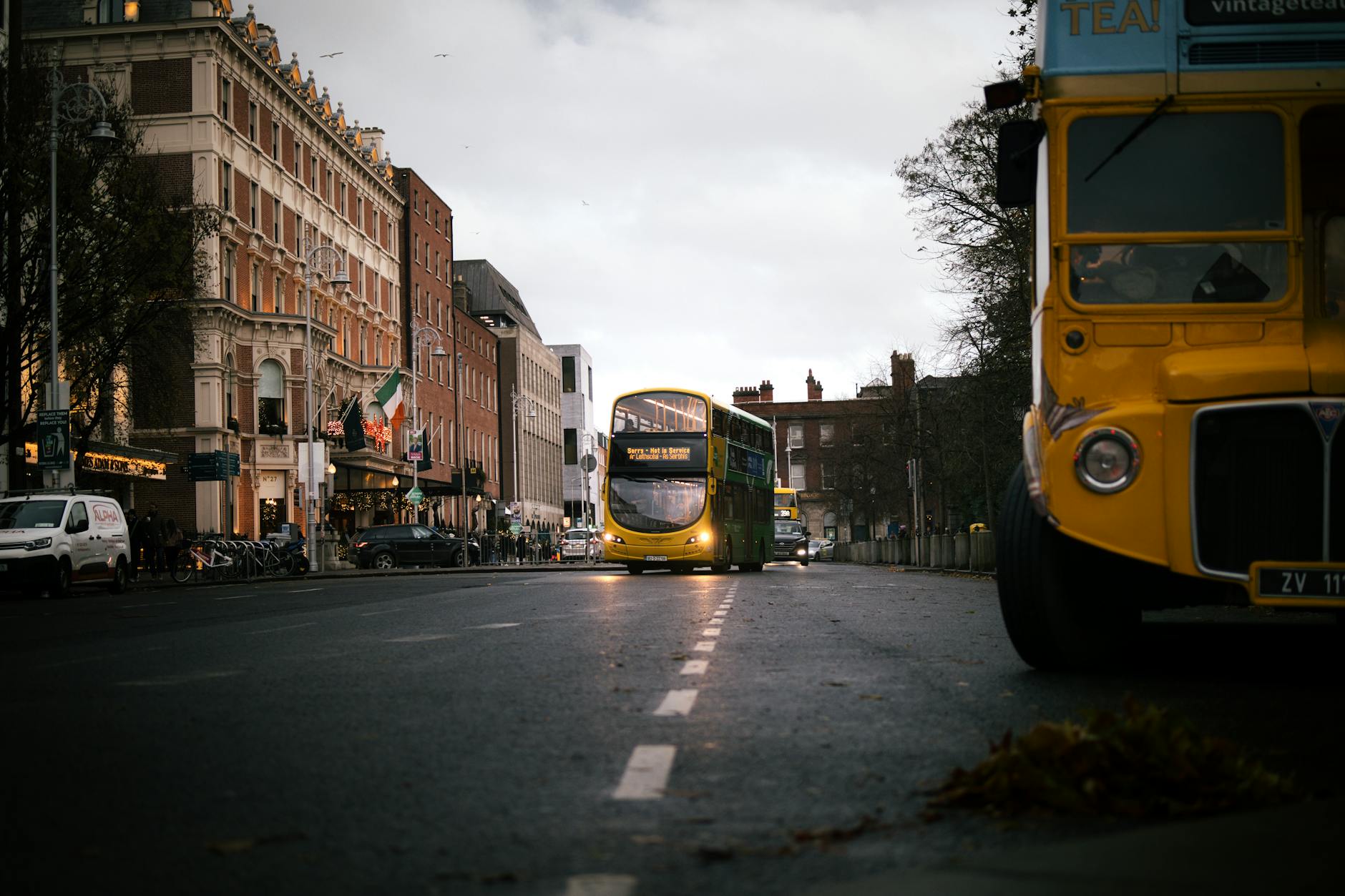
Dublin’s public transport is operated by several companies under the Transport for Ireland (TFI) umbrella. The three main services are Dublin Bus, the Luas tram, and the DART coastal rail. All three accept the Leap Card, which is the cheapest way to pay for journeys. The city is also well served by taxis, ride-hailing apps, bike-share schemes, and an increasingly cyclist-friendly road network.
For most tourists, a combination of walking, the Luas, and the occasional bus or DART journey will cover everything you need. Dublin’s city centre is compact enough that you can walk between many major attractions in 15 to 30 minutes, but the public transport network opens up destinations slightly further afield such as Howth, Dun Laoghaire, Phoenix Park, and the suburbs where some of Dublin’s best restaurants are tucked away.
One important thing to note is that Dublin does not have an underground metro system. The city has been discussing a metro project (MetroLink) for years, but as of 2026 it remains under construction with an expected completion date in the early 2030s. In the meantime, the surface-level Luas tram, the DART, and the extensive bus network handle the city’s public transport needs.
The Leap Card: Your Key to Cheaper Fares
The single most useful thing you can do before catching any public transport in Dublin is to get a Leap Card. It is a rechargeable smart card that works across Dublin Bus, Luas, DART, and commuter rail services, and it gives you significantly cheaper fares compared to paying with cash or buying single tickets. A standard Leap Card costs a refundable five euro deposit and can be topped up with credit at stations, shops, or online.
Leap Visitor Card
If you are visiting Dublin for a short trip, the Leap Visitor Card is usually the better option. Unlike the standard card, it does not require a deposit and offers unlimited travel across all Dublin public transport for a fixed price. The three options are one day for eight euro, three days for sixteen euro, and seven days for thirty-two euro. The card activates when you first tap on, not on the day of purchase, and the validity period is counted in consecutive hours rather than calendar days. A one-day card gives you 24 hours of unlimited travel from your first tap.
You can buy a Leap Visitor Card online, at Dublin Airport, or at various locations in the city centre. If you plan to use public transport more than a couple of times per day, the visitor card pays for itself quickly. A single Dublin Bus fare with a standard Leap Card costs around two euro, so just four or five journeys per day makes the eight-euro daily card worthwhile.
Contactless Payment
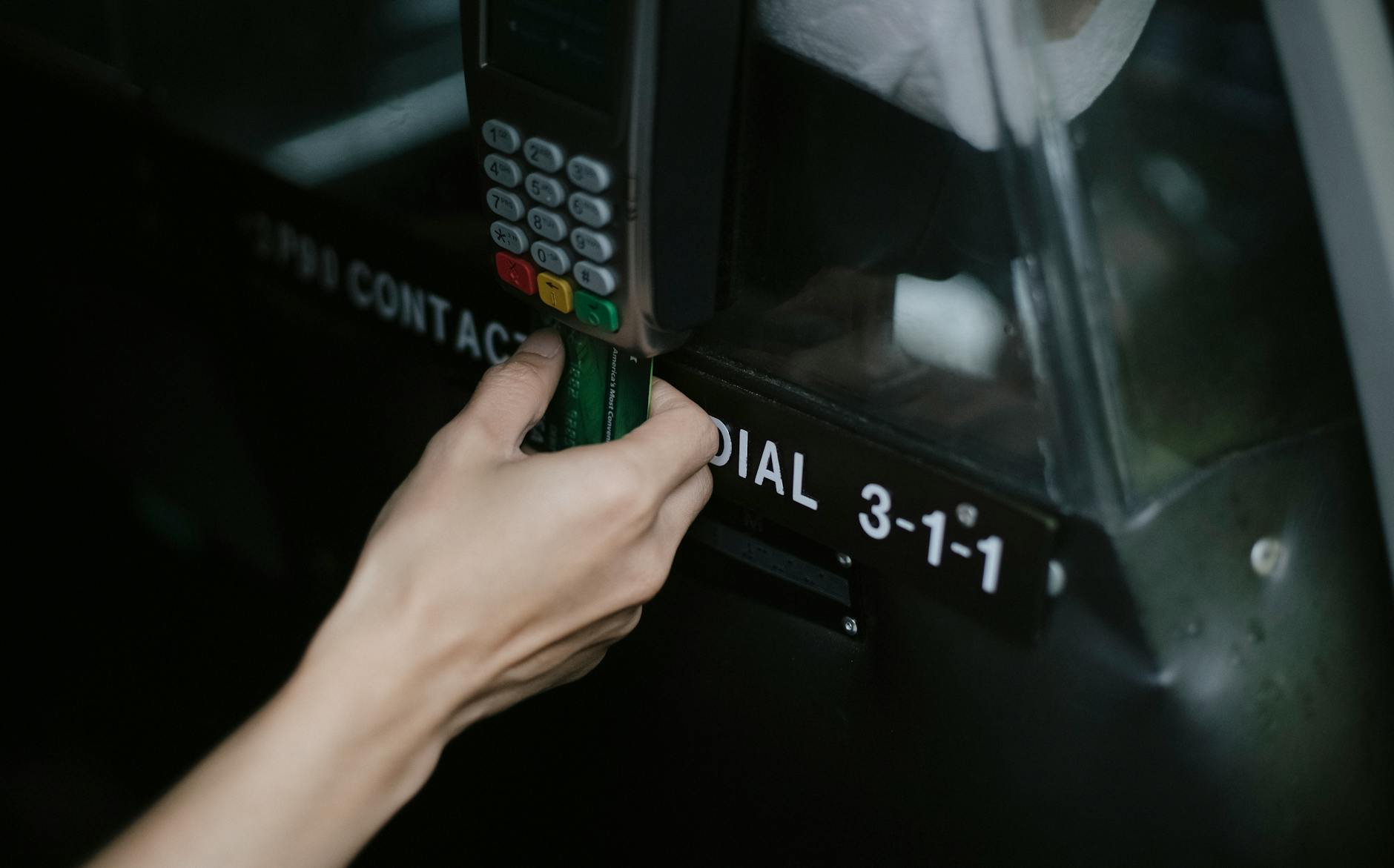
Dublin’s public transport also accepts contactless bank cards and mobile payments on most services. However, you will not benefit from the daily fare capping that the Leap Card provides, so for heavy use the Leap Card remains the cheaper option. If you are only making one or two journeys, tapping your bank card is perfectly convenient.
Dublin Bus: The Backbone of City Transport
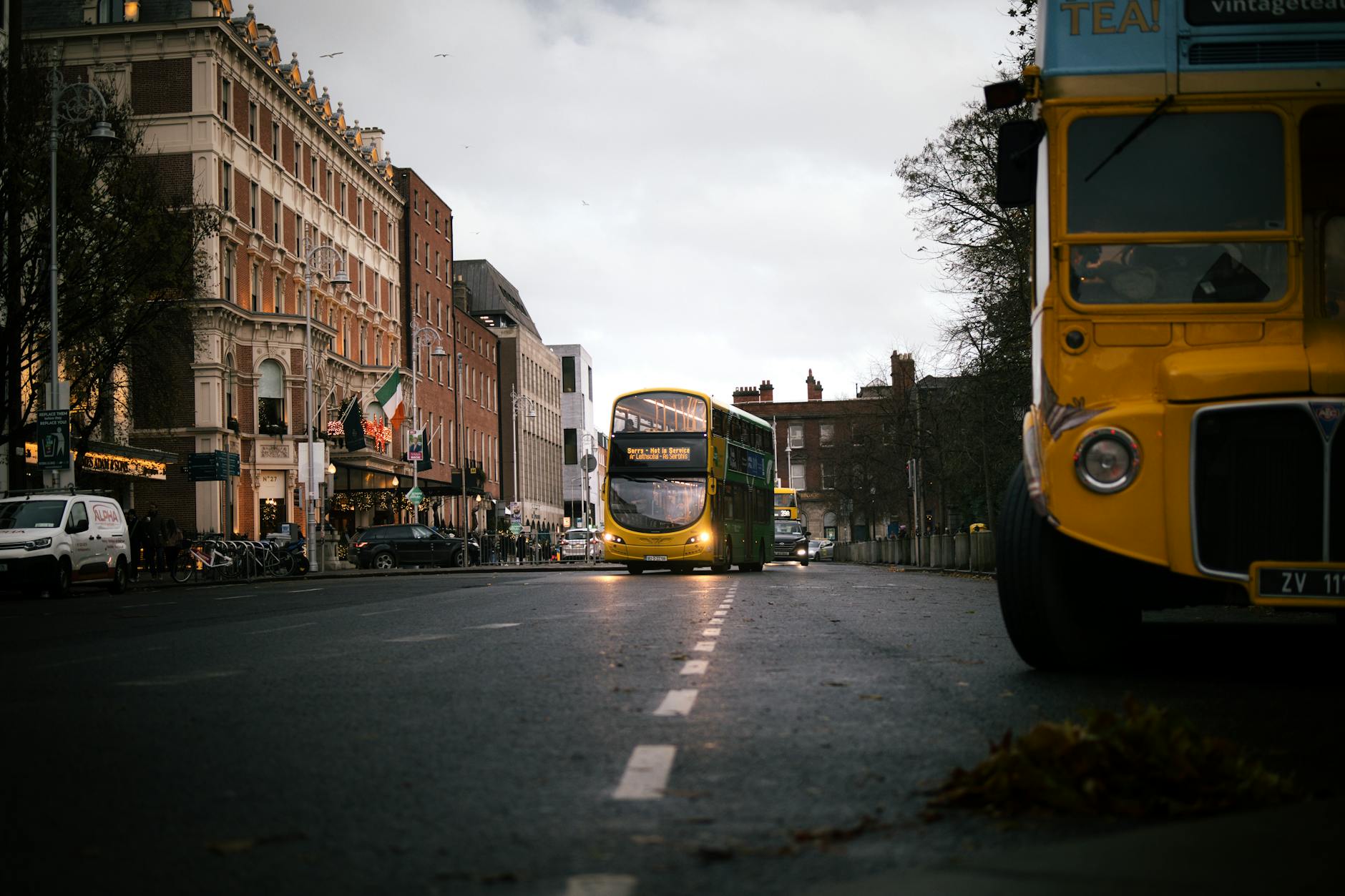
Dublin Bus is the most extensive public transport service in the city, operating over 130 routes that reach virtually every part of Dublin and its suburbs. The iconic double-decker buses are hard to miss, and for tourists they provide a reliable way to reach attractions that are not within walking distance or on a Luas line.
Key Routes for Tourists
Several bus routes are particularly useful for visitors. The number 39A runs from the city centre out to Phoenix Park, which is otherwise a long walk. The number 155 connects the city centre to the Irish Museum of Modern Art at the Royal Hospital Kilmainham and continues to Citywest. Routes 15 and 65 serve areas south of the city centre including Rathmines and Terenure, where some of Dublin’s best independent restaurants and cafes are located.
For getting between the north and south sides of the city, most routes pass through O’Connell Street or the quays, making them natural interchange points. The BusConnects network redesign, which Dublin has been rolling out in phases, has introduced new spine routes (labelled with letters like S1 through S8) that run on high-frequency corridors, making the network easier to navigate than it used to be.
Fares and Payment
A single bus journey with a Leap Card costs around two euro for most city-centre trips, with slight variations depending on the number of fare zones you cross. Without a Leap Card, a cash fare is approximately two euro sixty. Children under five travel free, and children aged five to fifteen pay reduced fares. The Leap Card also provides a daily cap, meaning that once you have spent a certain amount in a day, additional journeys become free.
Frequency and Hours
Most Dublin Bus routes operate from around 5:30 in the morning until 11:30 at night. Key routes run every five to ten minutes during peak hours and every fifteen to twenty minutes at off-peak times. On Sundays and public holidays, services are less frequent, with many routes running every twenty to thirty minutes. Late-night Nitelink services operate on Friday and Saturday nights after the regular services end, running until around 4:30 in the morning on popular routes.
The Luas: Dublin’s Light Rail Tram
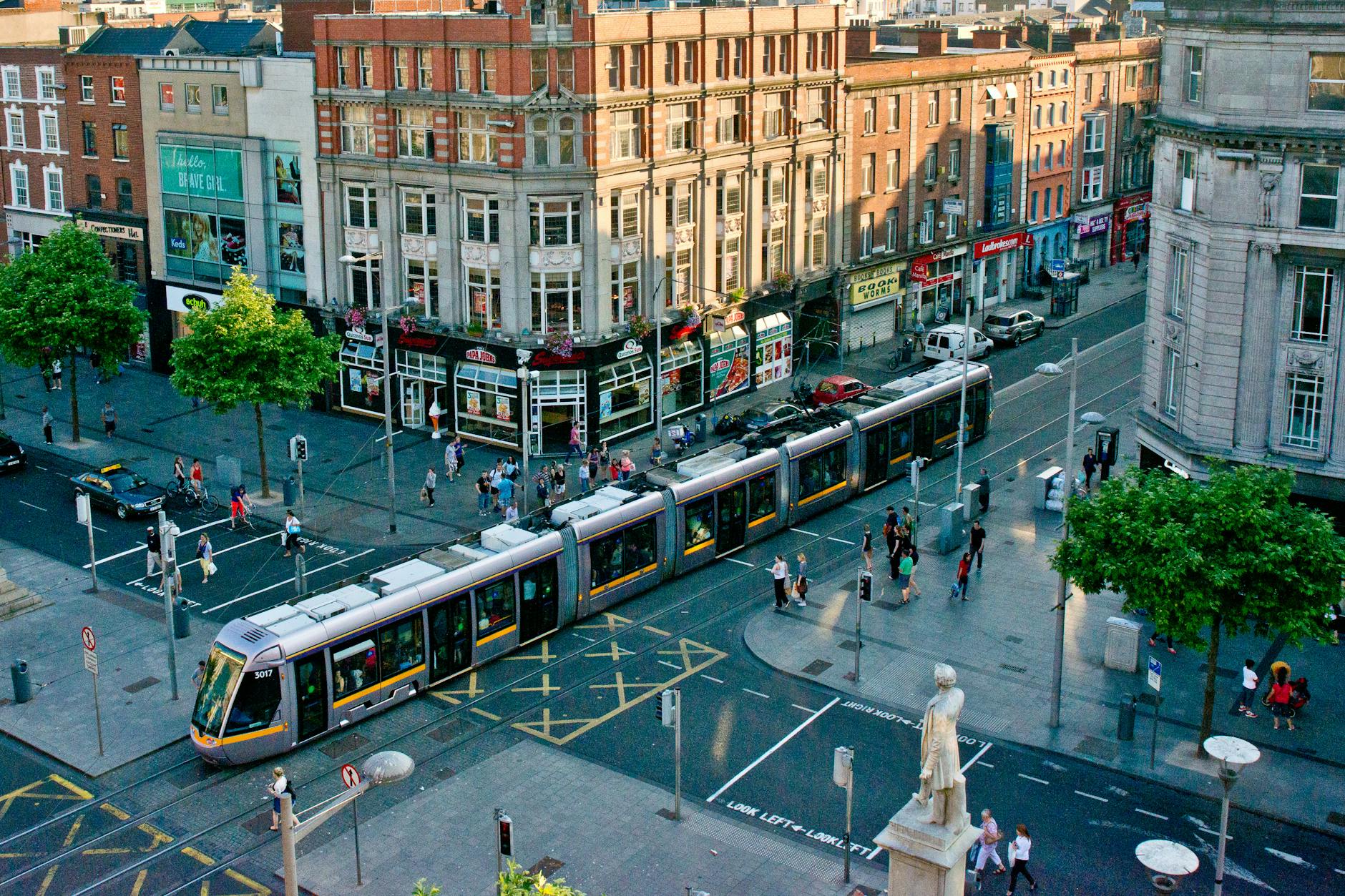
The Luas is Dublin’s tram system and one of the easiest ways for tourists to get around the city centre. It consists of two lines, the Red Line and the Green Line, which together carry over 55 million passengers per year. The trams are modern, clean, and run on a frequency-based system, meaning you rarely need to check a timetable.
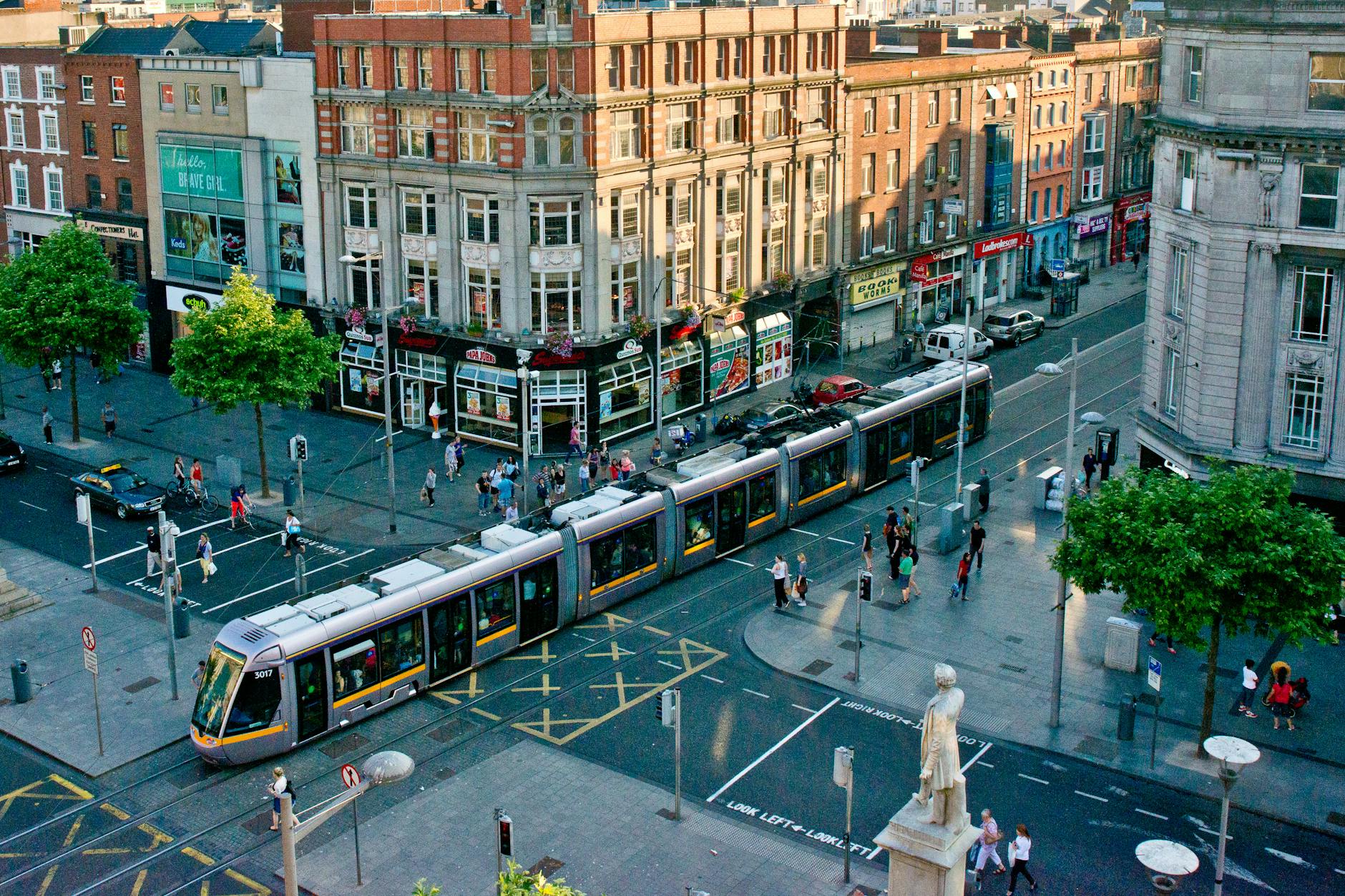
The Green Line
The Green Line runs from Broombridge in the north, through the city centre, and down to Bride’s Glen in the south. It is 22 kilometres long with 35 stops. For tourists, the Green Line is invaluable because it passes through some of the city’s most popular areas. Key stops include Parnell Street for the north inner city, O’Connell Street and Marlborough for the main shopping district, Dawson Street for St Stephen’s Green, and Harcourt for the south city’s restaurant quarter.
The Green Line also provides easy access to Dundrum Town Centre, one of Dublin’s largest shopping centres, and continues south into the suburbs. Trams on the Green Line run every four to five minutes during peak hours, every seven to eight minutes during off-peak, and every ten to fifteen minutes on Sundays and late evenings.
The Red Line
The Red Line runs from The Point in the Docklands area westward to Tallaght and Saggart, with a branch to Connolly Station. For visitors, the Red Line is useful for reaching Heuston Station (for intercity trains to Cork, Galway, and Limerick), the National Museum at Collins Barracks in Smithfield, and the Kilmainham area where you will find Kilmainham Gaol and the Irish Museum of Modern Art.
Red Line trams run with similar frequency to the Green Line. During weekday peaks, expect a tram every five to six minutes. On Sundays, trams run every twelve to fifteen minutes.
Luas Fares
Luas fares are zone-based and typically cost between one euro fifty and two euro forty with a Leap Card, depending on how many zones you travel through. A short city-centre hop might cost as little as one euro fifty, while a journey from O’Connell Street to Dundrum would be closer to two euro twenty. Single tickets purchased at the platform machines cost more than Leap Card fares, another reason to get a card.
The DART: Scenic Coastal Rail
The Dublin Area Rapid Transit, known as the DART, is an electrified commuter railway that runs along the coast from Malahide and Howth in the north to Greystones in the south. It serves 32 stations across 53 kilometres and is one of the most scenic public transport journeys in any European city. Several sections of the route run directly alongside Dublin Bay, providing views across the water to Howth Head, the Wicklow Mountains, and beyond.
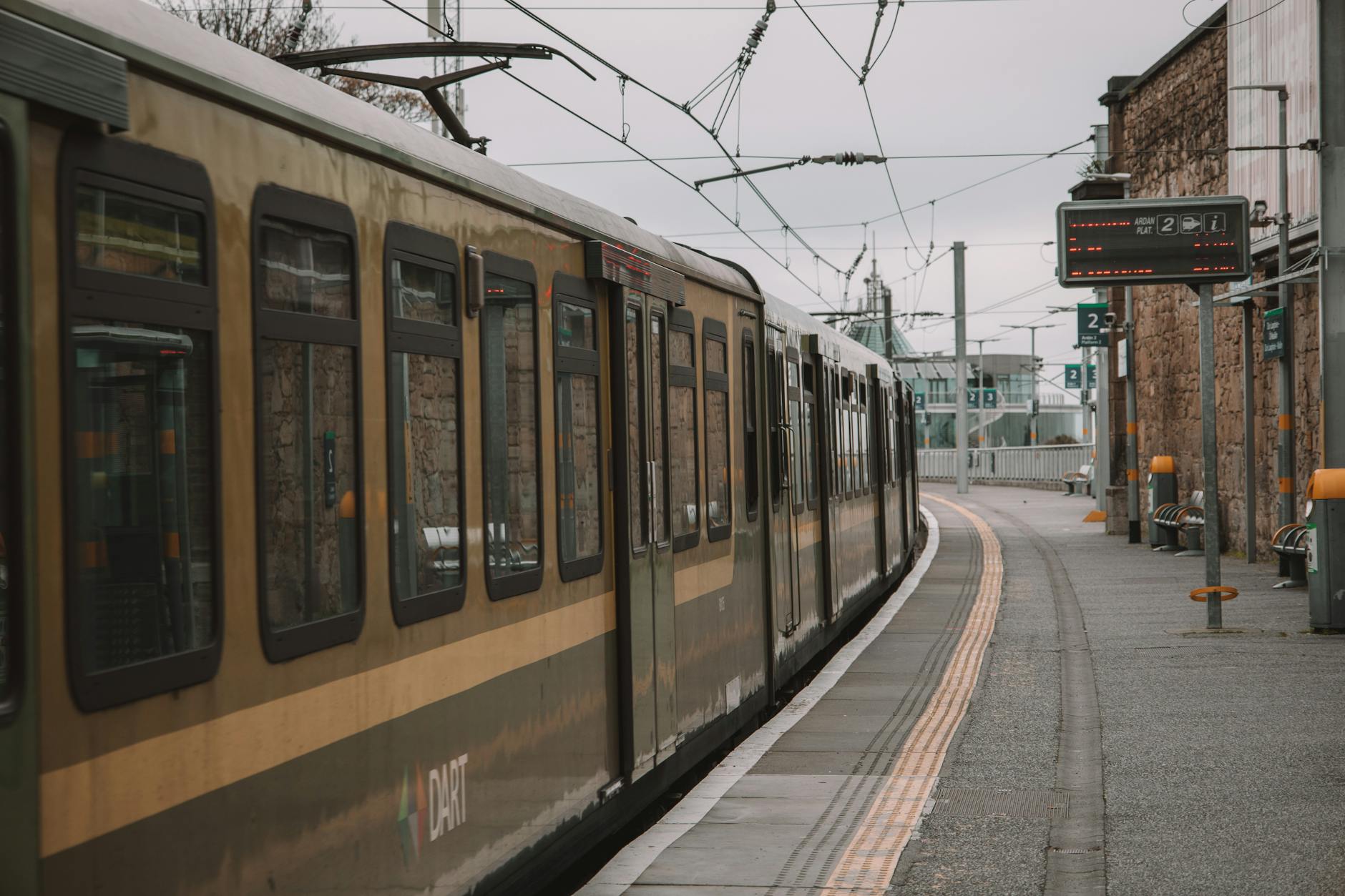
Key DART Destinations for Tourists
The DART opens up some of Dublin’s most rewarding day trip options. Howth, at the northern end of the line, is a fishing village with cliff walks, seafood restaurants, and a harbour seal colony. The journey from the city centre takes about 25 minutes. Dun Laoghaire, on the southern stretch, has a Victorian pier, the Pavilion Theatre, and the People’s Park. Dalkey, a few stops further south, is a charming village with castle ruins and the gateway to Dalkey Island. Bray, near the southern terminus, offers a seaside promenade and the start of the famous Bray to Greystones cliff walk.
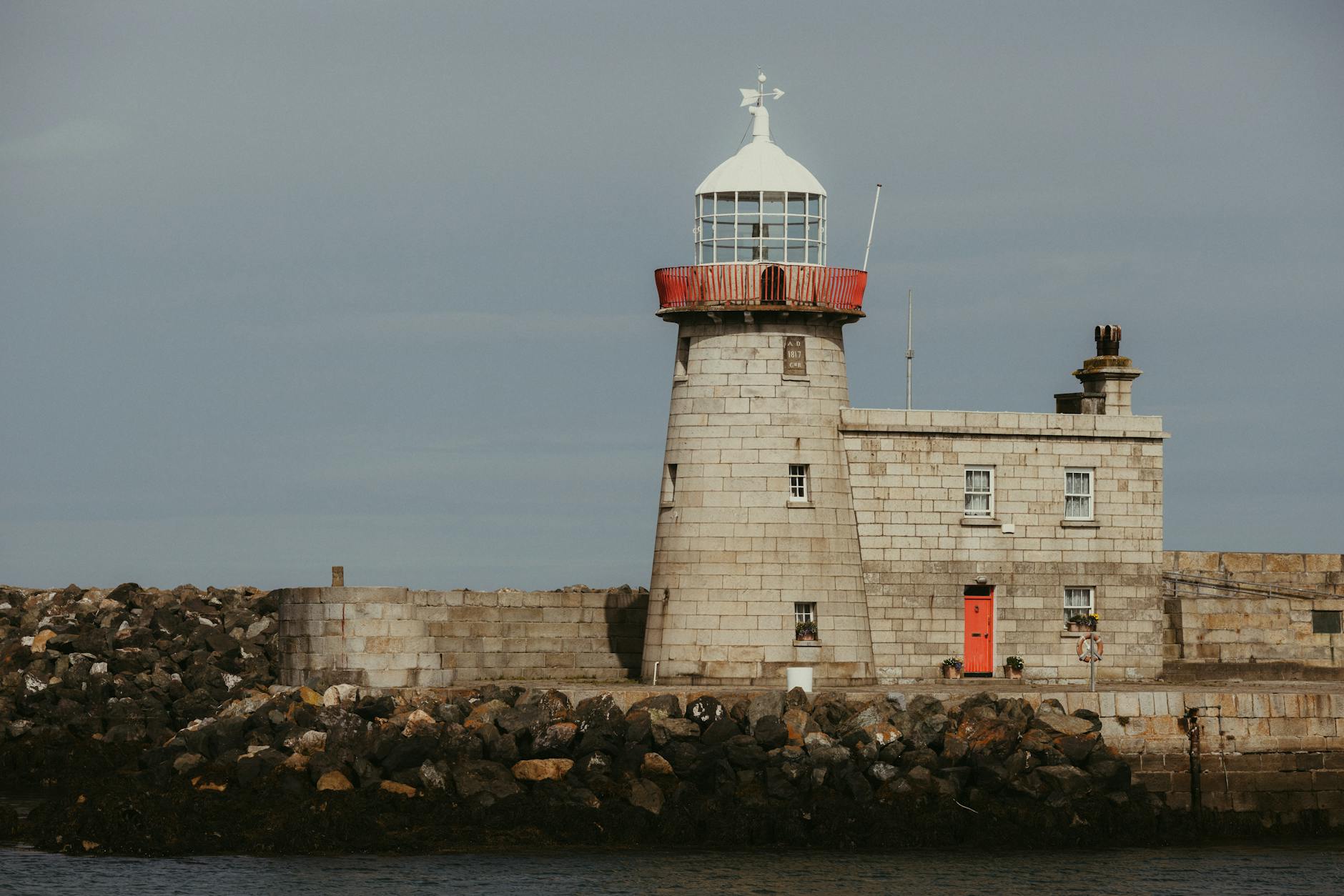
Within the city itself, DART stations at Pearse, Tara Street, and Connolly serve the central area. Grand Canal Dock station puts you in the heart of Dublin’s tech quarter and the Grand Canal Dock waterfront.
DART Frequency and Hours
On weekdays, DART trains run every ten minutes on the core Malahide to Bray section between 6:50 in the morning and 8 in the evening. Outside these hours, trains run every fifteen to twenty minutes. On Saturdays, frequency is roughly every fifteen minutes, and on Sundays trains run every thirty minutes. The first trains depart around 6 in the morning on weekdays (9 on Sundays) and the last services run until around midnight.
Services to the branch termini at Howth and Greystones are slightly less frequent, typically every twenty to thirty minutes. If you are planning a day trip to either destination, it is worth checking the schedule in advance, especially on Sundays when the reduced service can mean a longer wait for return trains.
DART Fares
DART fares depend on the distance travelled. A Leap Card fare from Pearse Station in the city centre to Howth costs around three euro twenty, while a trip to Dun Laoghaire is about two euro fifty. Cash fares at the ticket counter or machines are significantly more expensive. The Leap Visitor Card covers all DART journeys within its validity period, making it exceptional value if you plan to explore the coastline.
Getting From Dublin Airport to the City Centre
Dublin Airport is located about 12 kilometres north of the city centre. There is no rail link to the airport as of 2026, but several bus services and taxis provide efficient connections.
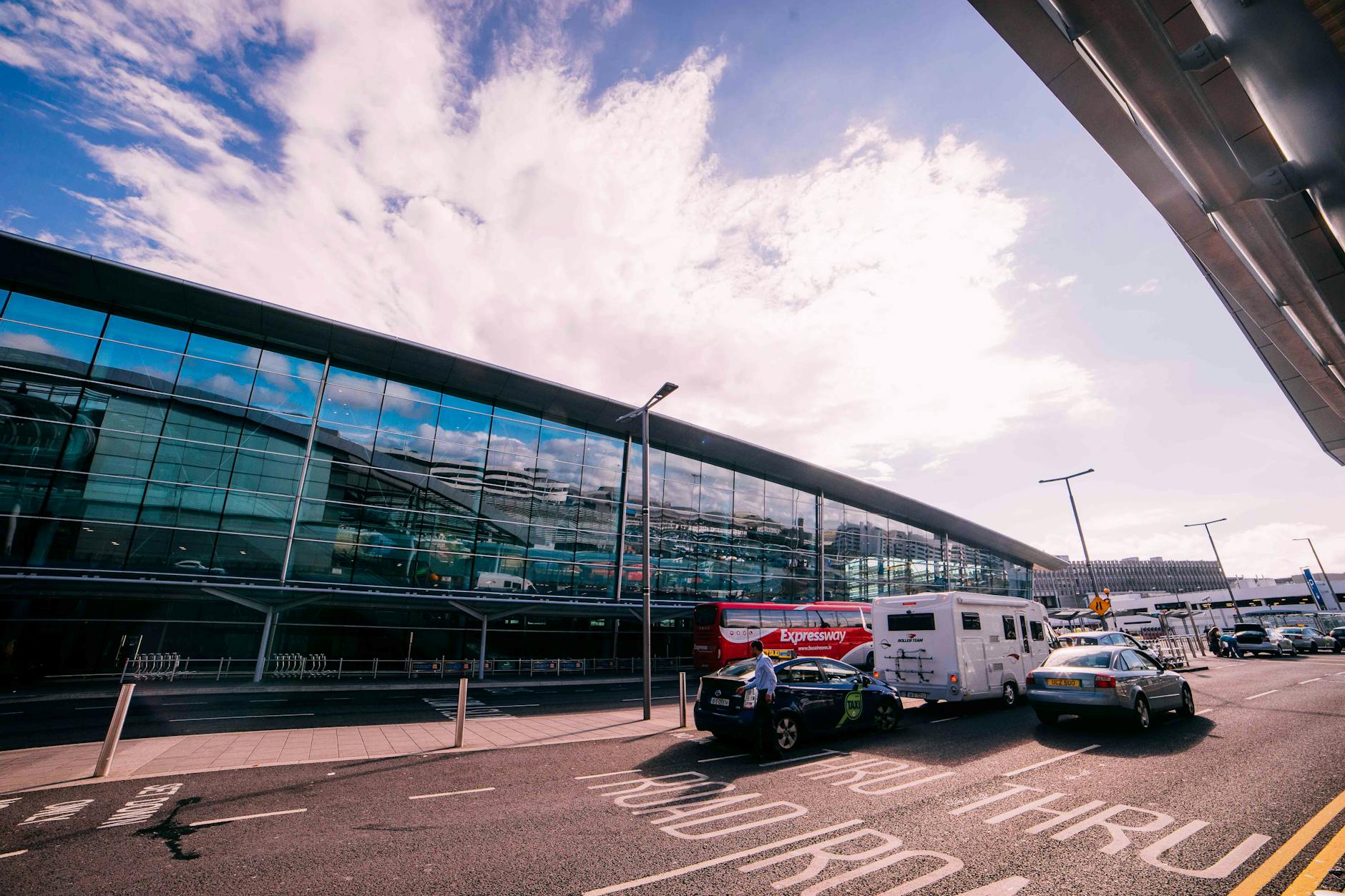
Airport Buses
Three main bus services connect the airport to the city. The Dublin Express (route 782 and 784) runs every 15 to 30 minutes, stops at key locations including O’Connell Street, Temple Bar, and Heuston Station, and costs around seven to eight euro one way. Aircoach runs 24 hours a day and serves multiple routes including direct services to the city centre, with fares from six euro when booked online. Dublin Bus routes 16, 41, and others run from the airport using the standard Dublin Bus fare of around two euro with a Leap Card, making them by far the cheapest option.
For most visitors, the Dublin Express or Aircoach are the best balance of speed and cost. Journey time to the city centre is typically 30 to 45 minutes depending on traffic. During rush hour (7:30 to 9:30 in the morning and 4:30 to 6:30 in the evening), the journey can take longer, sometimes up to an hour.
Airport Taxis
Taxis are available outside both terminals at Dublin Airport and are the most direct option if you want to go straight to your accommodation. A metered taxi from the airport to the city centre costs approximately 25 to 35 euro during the day and 32 to 45 euro at night. The journey takes 25 to 45 minutes depending on traffic. Taxi ranks are clearly signposted outside the arrivals halls. You can also pre-book through apps like FreeNow or Uber, though prices are similar.
Taxis and Ride-Hailing Apps
Dublin has a well-regulated taxi system, with licensed vehicles identifiable by their roof-mounted signs and displayed licence numbers. Taxis can be hailed on the street, picked up at designated taxi ranks, or booked through apps.
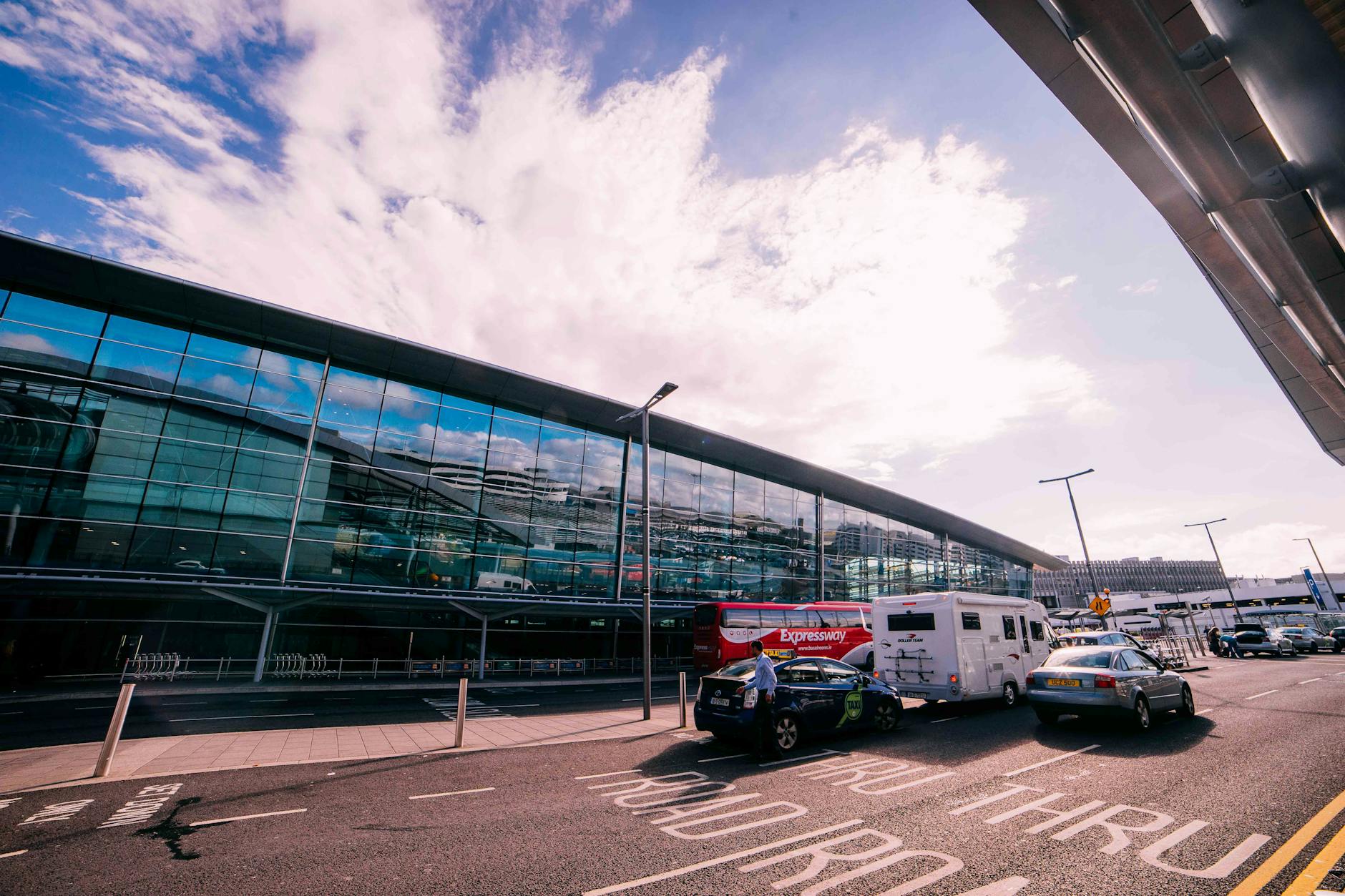
Taxi Fares
Dublin taxis charge metered fares regulated by the National Transport Authority. The initial charge is approximately four euro ten, which covers the first kilometre. After that, each additional kilometre costs roughly one euro thirty-five during the day. A premium rate applies between 8 in the evening and 8 in the morning, as well as on Sundays and public holidays. A typical city-centre journey of three to four kilometres costs around eight to twelve euro.
FreeNow and Uber
FreeNow is the most widely used taxi app in Ireland and connects you to licensed Dublin taxis. The app shows you the estimated fare before you book and allows cashless payment. Uber also operates in Dublin, but it works differently from most other cities. In Ireland, all Uber vehicles must be licensed taxis or private hire vehicles, so you are essentially booking a regular taxi through the app. Both apps are reliable and widely used by locals.
When to Use a Taxi
Taxis make the most sense for airport transfers, late-night journeys after public transport has stopped, trips with luggage, or when you are in a group and the per-person cost of a taxi becomes competitive with bus fares. For routine city-centre journeys during the day, public transport or walking is almost always faster and cheaper.
Walking: Dublin’s Best-Kept Transport Secret
Dublin is one of Europe’s most walkable capital cities. The compact city centre means that most major attractions are within a 30-minute walk of each other, and many of the city’s most interesting streets, laneways, and architecture are best appreciated on foot.
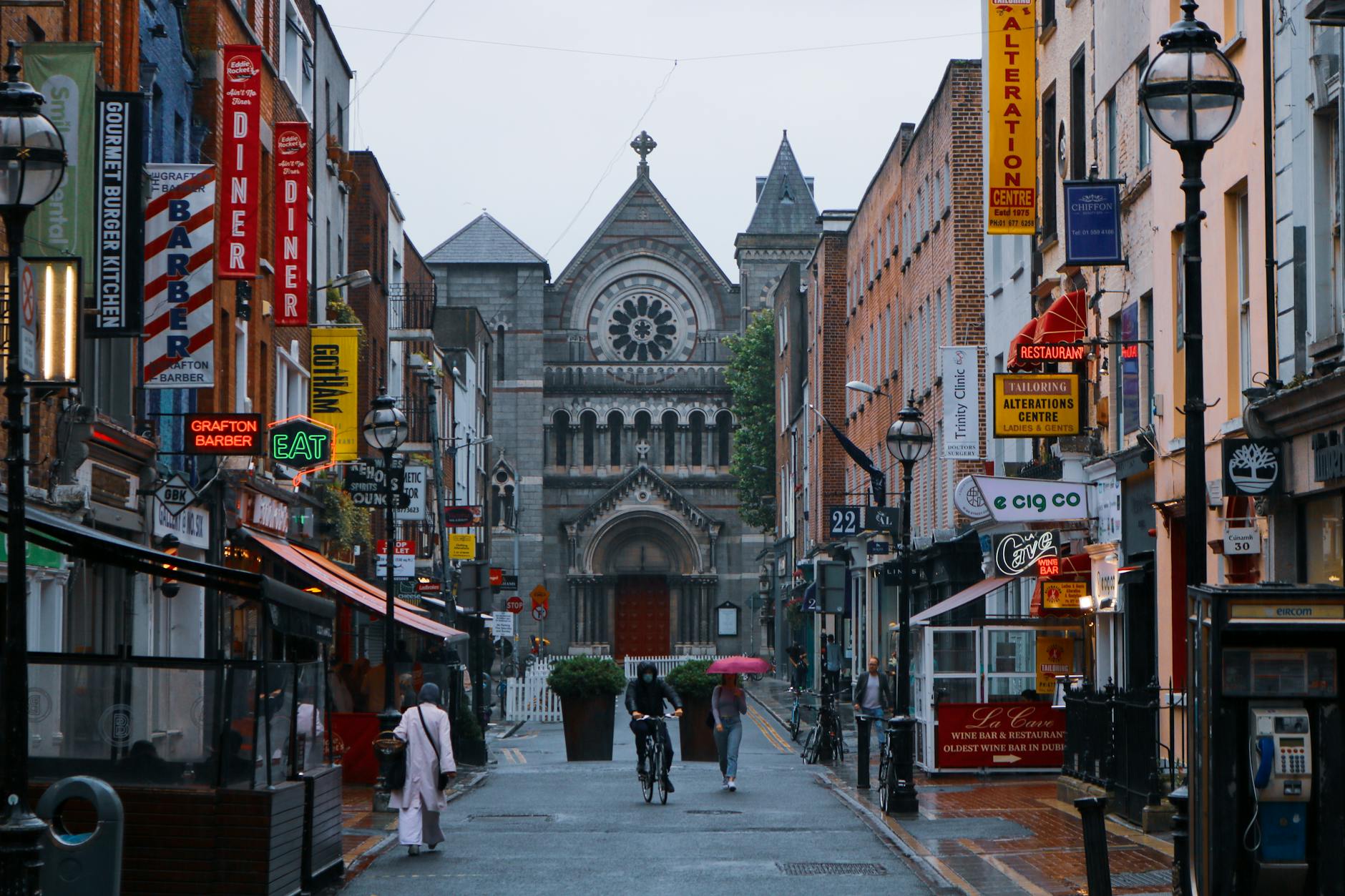
From Trinity College to the Guinness Storehouse is about a 25-minute walk. From O’Connell Street to St Stephen’s Green takes around 10 minutes. The walk from Temple Bar to Kilmainham Gaol follows the River Liffey and takes about 30 minutes, passing through some of Dublin’s most atmospheric streets along the way.
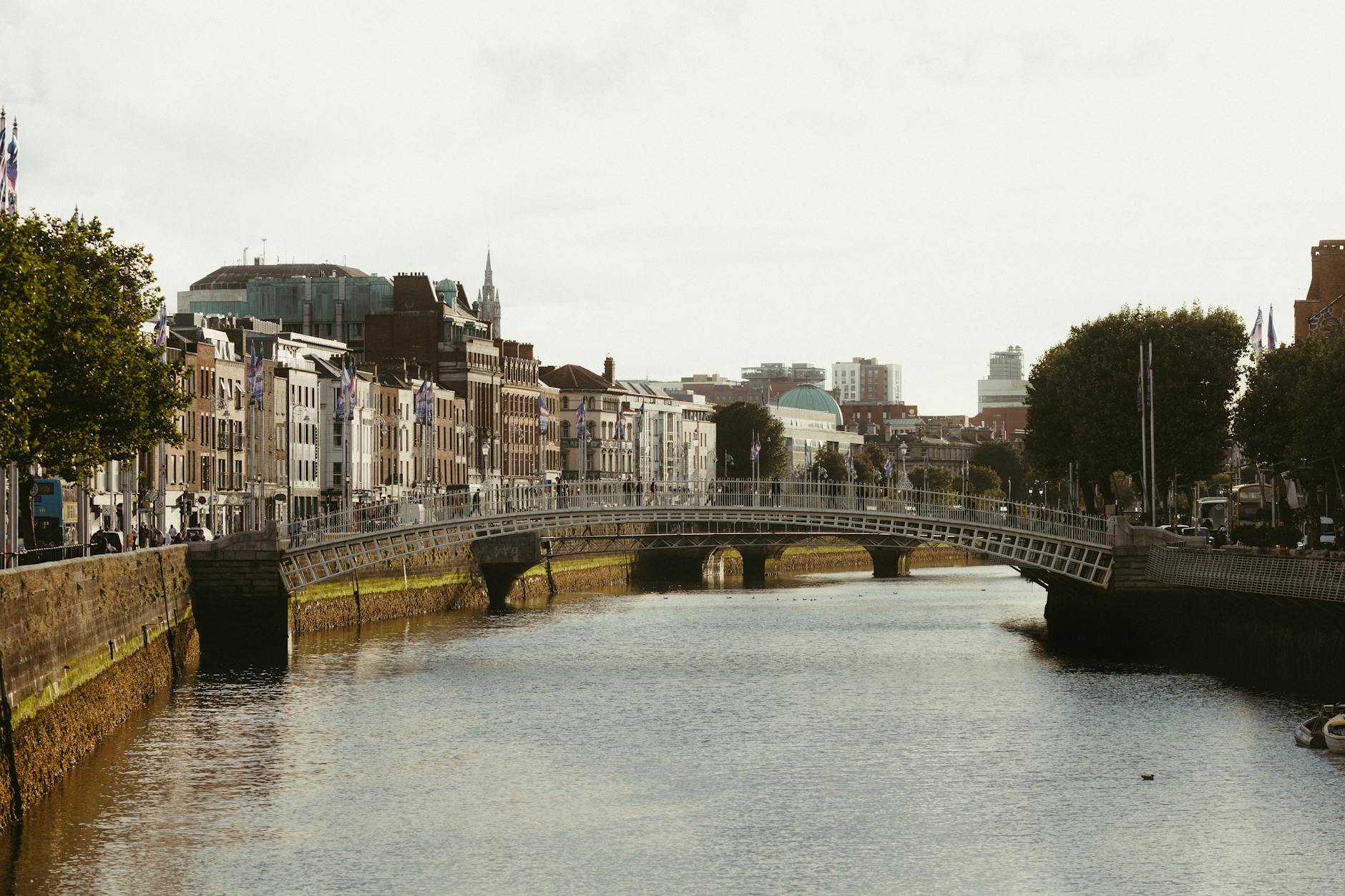
The River Liffey provides a natural orientation line through the city. The north side (where you will find O’Connell Street, the GPO, the Hugh Lane Gallery, and Smithfield) and the south side (Trinity College, Grafton Street, Temple Bar, St Stephen’s Green) are connected by numerous bridges, the most famous being the Ha’penny Bridge and the Samuel Beckett Bridge.
For longer walks, the Grand Canal and Royal Canal greenways provide pleasant car-free routes that connect the inner city to the suburbs. Phoenix Park, which at 707 hectares is one of the largest enclosed city parks in Europe, offers miles of walking paths and is reachable by bus or a 30-minute walk from the city centre.

Cycling in Dublin
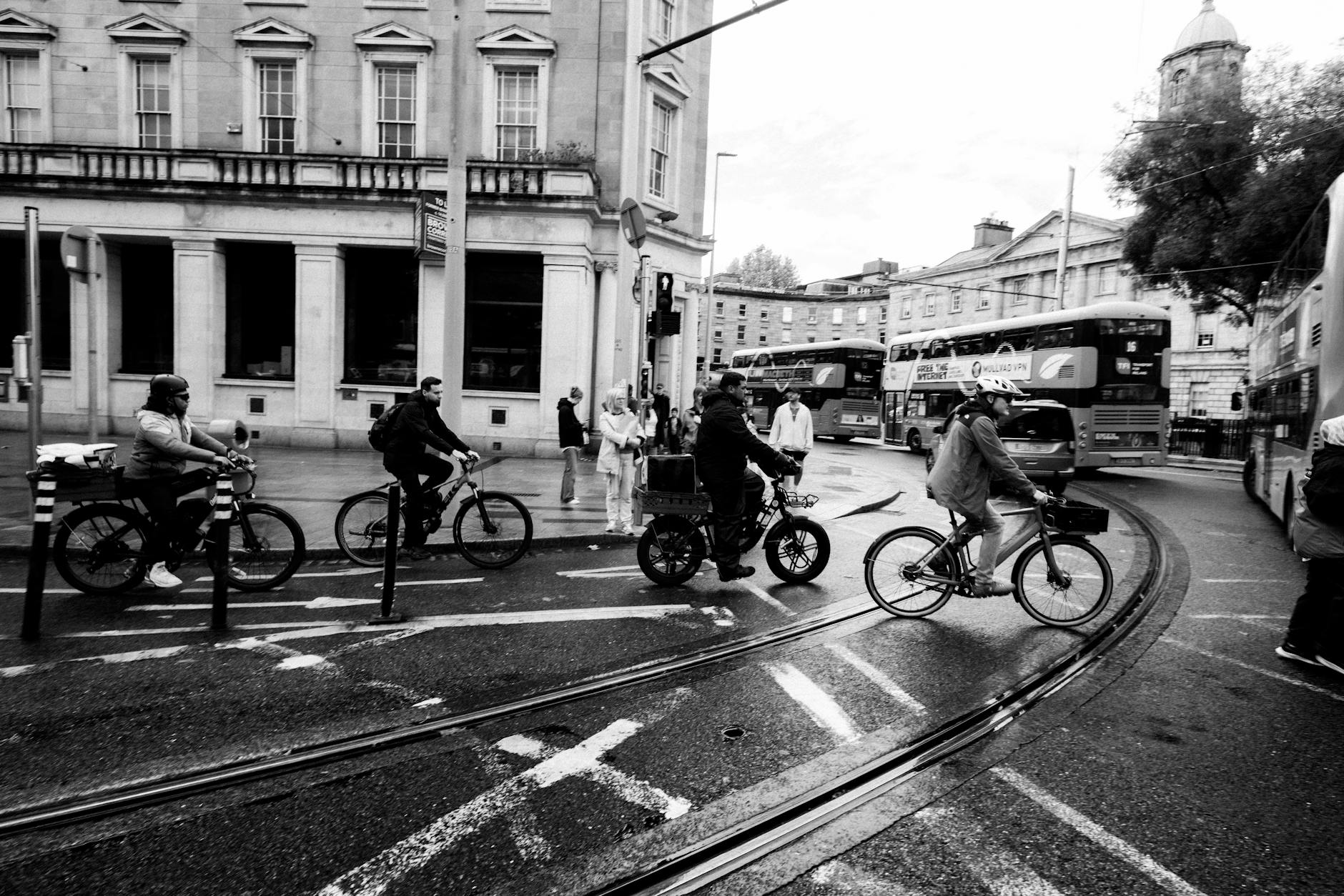
Dublin has invested significantly in cycling infrastructure over the past decade, and bicycles are an increasingly popular way to get around the city. Protected bike lanes now run along many major routes, and the city’s relatively flat terrain makes cycling accessible for most visitors.
DublinBikes
DublinBikes is the city’s station-based bike-share scheme, with over 100 stations spread across the city centre. The scheme is open to anyone aged 14 and over. A one-day pass costs three euro fifty and a three-day pass costs five euro, with the first thirty minutes of each journey included free. For most city-centre trips, you will comfortably finish within 30 minutes, making it effectively free after the initial pass purchase. Bikes are returned to any DublinBikes station, not necessarily the one you collected from.
Bleeper Bikes
Bleeper operates a dockless bike and e-bike rental system across Dublin. Unlike DublinBikes, you do not need to return the bike to a specific station. Regular bikes cost about one euro per 15 minutes, while e-bikes cost slightly more. Bleeper also offers weekly e-bike leases at around 25 euro per week, which could make sense for longer visits. The Bleeper app shows you where available bikes are located nearby.
Cycling Safety Tips
Dublin drivers are generally accustomed to cyclists, but as in any busy city, caution is warranted. Always use the cycle lanes where they exist, wear a helmet (not legally required but strongly recommended), and be extra cautious at junctions. Dublin experiences rain frequently, so waterproof layers are practical. Rush-hour traffic between 8 and 9:30 in the morning and 5 to 6:30 in the evening can be heavy, but the protected cycle lanes on routes like the Liffey Quays keep cyclists separated from motor traffic.
Driving and Car Rental in Dublin
For exploring Dublin city centre, driving is the least practical transport option. Traffic congestion is persistent, parking is expensive and limited, and the one-way system in the city centre can be confusing for newcomers. Most visitors will find that public transport, taxis, and walking cover everything they need within the city.
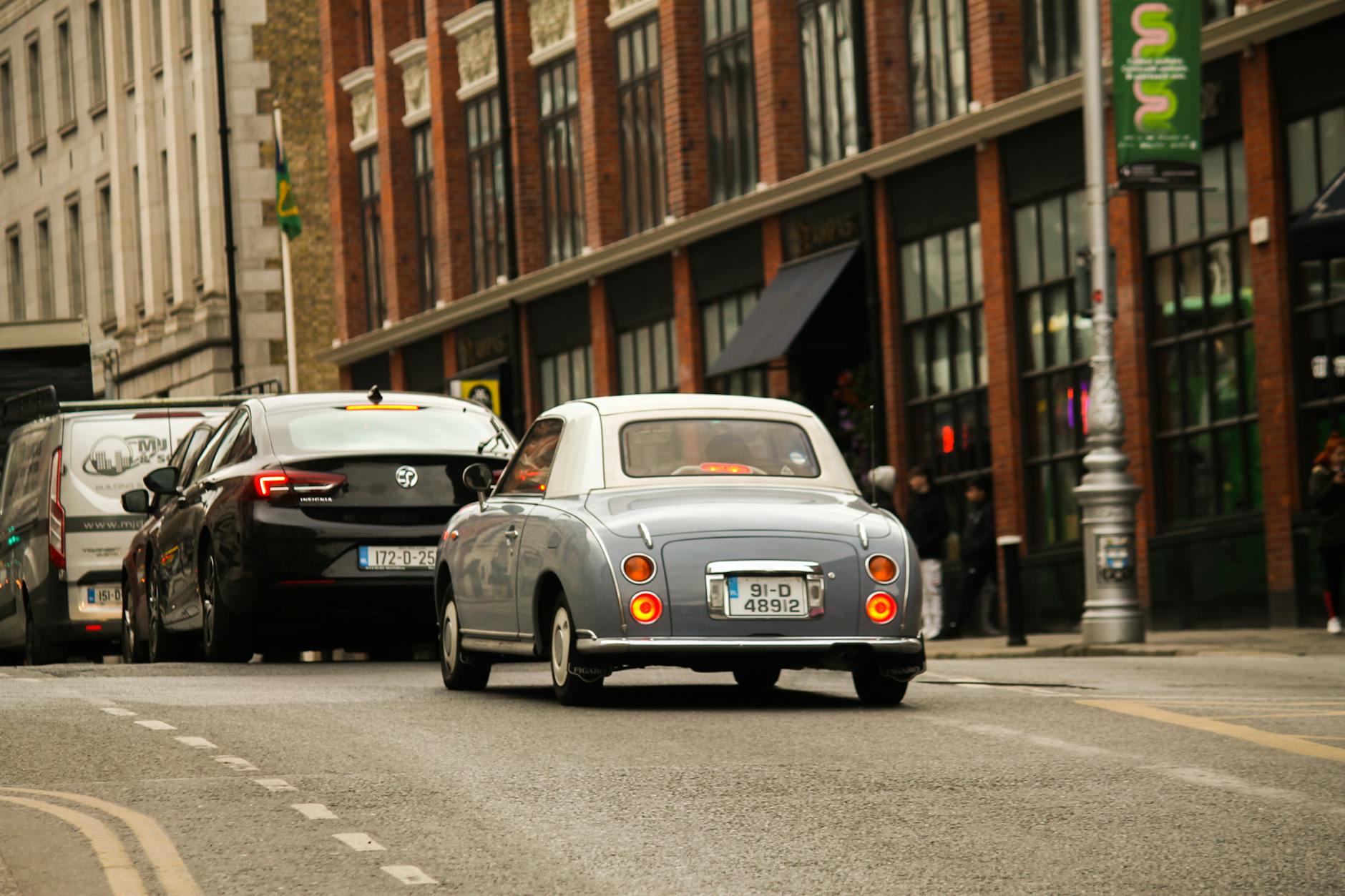
That said, a rental car makes sense if you plan to take day trips beyond the reach of public transport. Destinations like the Wicklow Mountains, the Boyne Valley, and the Wild Atlantic Way are much more accessible with your own vehicle. Major car rental companies operate from Dublin Airport and the city centre, with daily rates starting from around 40 to 60 euro depending on the season and vehicle type.
If you do drive in Dublin, be aware that the M50 motorway that rings the city uses electronic tolling (eFlow), where cameras photograph your number plate and you pay online afterwards. Parking in the city centre costs approximately three to four euro per hour on the street, with multi-storey car parks slightly cheaper for longer stays. Clamping and towing are actively enforced, so always check signage before leaving your vehicle.
Getting Around Dublin at Night
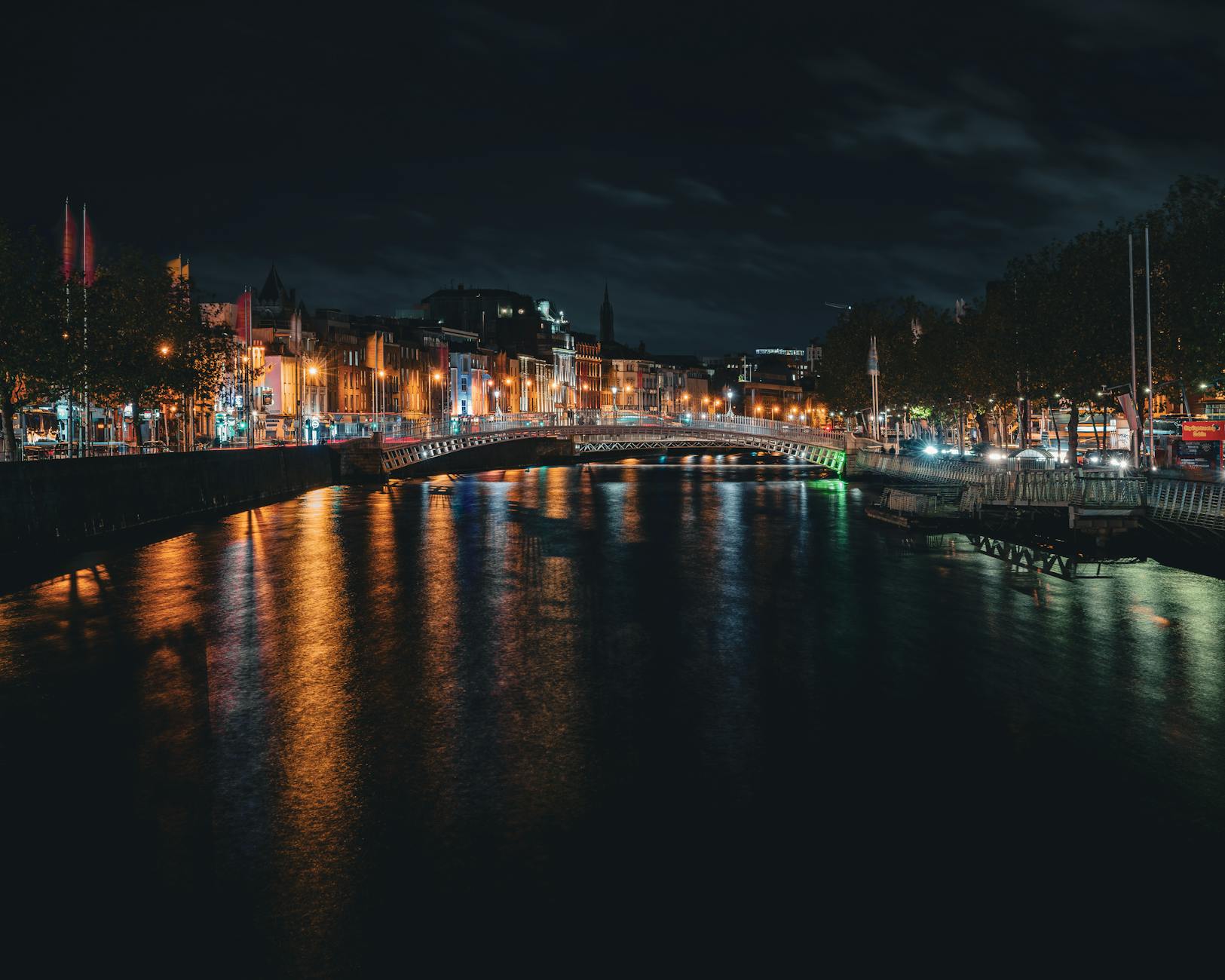
Dublin’s regular public transport services wind down between 11:30 at night and midnight. However, the city is not without options for late-night travel. The Nitelink bus service operates on Friday and Saturday nights, with routes running from the city centre to the suburbs until around 4:30 in the morning. Nitelink fares are around six euro fifty per journey.
Taxis and ride-hailing apps are the most reliable late-night option. FreeNow and Uber operate 24 hours a day, and taxi ranks at popular nightlife areas like Camden Street, Harcourt Street, and Temple Bar stay busy into the early hours. On busy weekend nights, expect to wait 10 to 15 minutes for a taxi during the post-midnight rush. Surge pricing on Uber and higher metered rates after 8 in the evening mean late-night fares will be noticeably higher than daytime trips.
Aircoach also runs 24-hour services to Dublin Airport, which is useful if you have an early morning flight and do not want to risk finding a taxi at 4 in the morning.
Essential Transport Apps for Dublin

The TFI Journey Planner app (available on iOS and Android) is the single most useful transport app for Dublin. It covers bus, Luas, DART, and commuter rail, and provides real-time departure information and route suggestions. Google Maps also works well for Dublin public transport directions and includes walking times between stops and your destination.
Other useful apps include the Luas app for real-time tram arrivals, the Leap Top-Up app for adding credit to your Leap Card remotely, FreeNow and Uber for taxi bookings, Bleeper for bike rental, and DublinBikes for the station-based bike share. Having the TFI Journey Planner and one taxi app on your phone will cover 90 percent of your transport needs.
Intercity Travel From Dublin
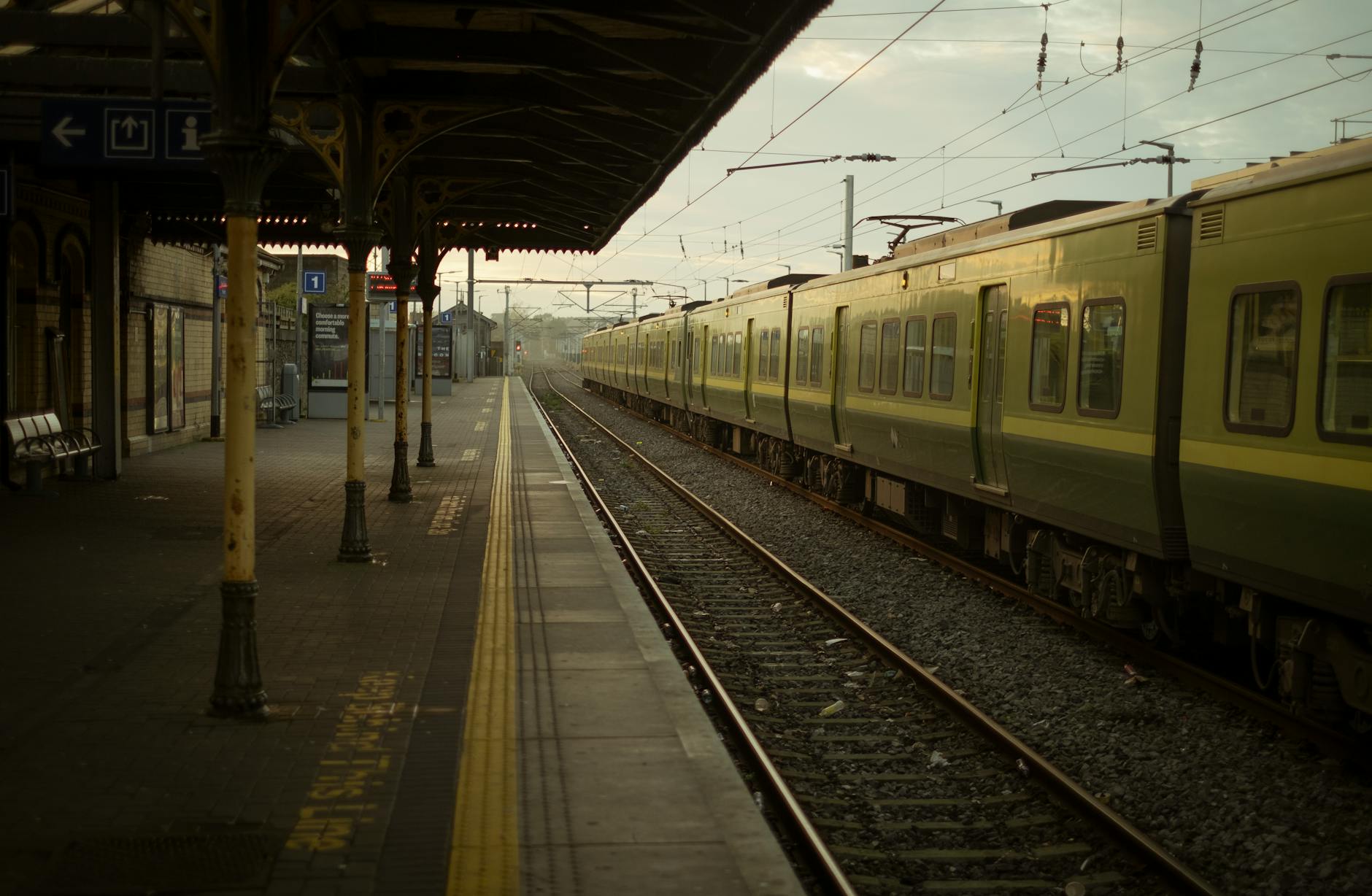
Dublin is the hub of Ireland’s intercity transport network. Two main train stations serve different parts of the country. Heuston Station, on the west side of the city centre (reachable by Luas Red Line), handles trains to Cork, Galway, Limerick, Killarney, and Waterford. Connolly Station, on the north-east side (served by Luas Red Line and DART), handles trains to Belfast, Sligo, Rosslare, and Wexford.
Irish Rail (Iarnrod Eireann) operates all intercity services. The journey from Dublin to Cork takes about two and a half hours, Dublin to Galway around two hours and fifteen minutes, and Dublin to Belfast about two hours. Booking in advance online can secure significant discounts, with the cheapest fares sometimes available for as little as ten euro one way.
For bus travel, Bus Eireann and private operators like GoBus and CityLink run frequent services from Busaras (Dublin’s central bus station, next to Connolly Station) to cities and towns across Ireland. Bus fares are generally cheaper than train fares, though journey times are longer.
Money-Saving Transport Tips
Getting around Dublin does not have to be expensive if you plan sensibly. The Leap Visitor Card at eight euro per day provides genuine unlimited travel, which is hard to beat. Walking between attractions in the city centre eliminates the need for many short bus or tram rides. Choosing DublinBikes for quick hops across the city centre, where the first 30 minutes are free, adds another layer of savings. Booking intercity train tickets online in advance rather than buying at the station can save 50 percent or more on rail fares.
Avoid common tourist mistakes like paying cash on Dublin Bus (which costs more than Leap Card fares and does not give change), taking taxis for short city-centre distances that would be faster on foot, or buying hop-on hop-off bus tours when the regular Dublin Bus network covers the same ground for a fraction of the cost.
Best Transport Options by Trip Type
Weekend City Break
For a two or three-day city break, the three-day Leap Visitor Card at sixteen euro is the best value. Combine it with walking for city-centre sightseeing and use the Luas or bus for anything more than a 20-minute walk. Budget for one taxi ride to or from the airport unless you prefer the bus.
Week-Long Holiday
A seven-day Leap Visitor Card at thirty-two euro covers all your in-city transport. Use the DART to add day trips to Howth, Dun Laoghaire, and Bray without any extra cost. Rent a car for one or two days mid-trip if you want to explore Wicklow, the Boyne Valley, or destinations further afield.
Families With Children
Children under five travel free on all Dublin public transport. Children aged five to fifteen pay reduced fares on the Leap Card. Taxis can be useful for moving between attractions with younger children who tire easily. The DART to Howth or Bray makes for an easy, stress-free family day trip with minimal planning required.
Budget Travellers
Walk as much as possible, use DublinBikes for city-centre journeys, and take the regular Dublin Bus to the airport rather than paying for Aircoach or a taxi. The two-euro Leap Card bus fare is one of the cheapest urban bus fares in Western Europe.
Accessible Transport in Dublin
Dublin’s public transport system has made considerable progress on accessibility. All Luas trams are fully wheelchair accessible with level boarding at every platform. Modern Dublin Bus vehicles are low-floor with wheelchair ramps, and drivers will deploy the ramp on request. DART stations vary in accessibility, with many older stations lacking step-free access, so it is worth checking Irish Rail’s station accessibility information before travelling if you have mobility needs.
Taxis can be booked specifically as wheelchair-accessible vehicles through FreeNow and other operators. Dublin Airport is fully accessible, and the Aircoach and Dublin Express bus services accommodate wheelchairs with advance notice.
Leave a Reply