Dublin is a city that celebrates with enthusiasm and regularity. Barely a week goes by without a festival, cultural event, or public celebration happening somewhere in the capital, and many of the biggest events are completely free. From the half-million-strong St Patrick’s Day parade in March to the twinkling Christmas markets in December, Dublin’s events calendar gives visitors a reason to come at any time of year.
This guide walks you through every major event and festival in Dublin across the full calendar year. Each entry includes confirmed or expected dates for 2026, what you can expect when you attend, whether tickets are needed, and practical tips that will help you make the most of whichever events overlap with your visit. Whether you are planning a trip around a specific festival or simply want to know what will be happening while you are in town, this is the reference you need.
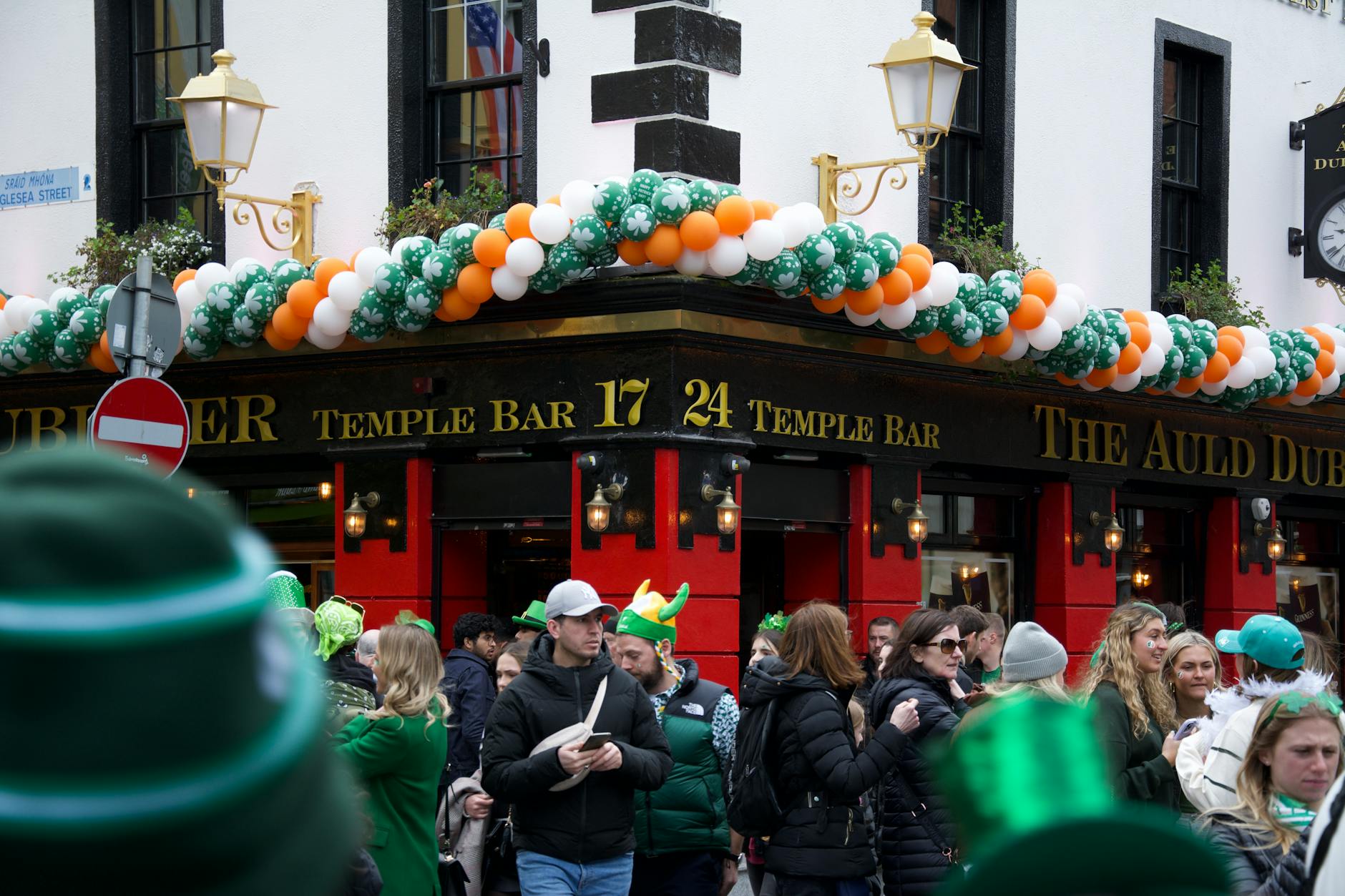
Spring Events (March — May)
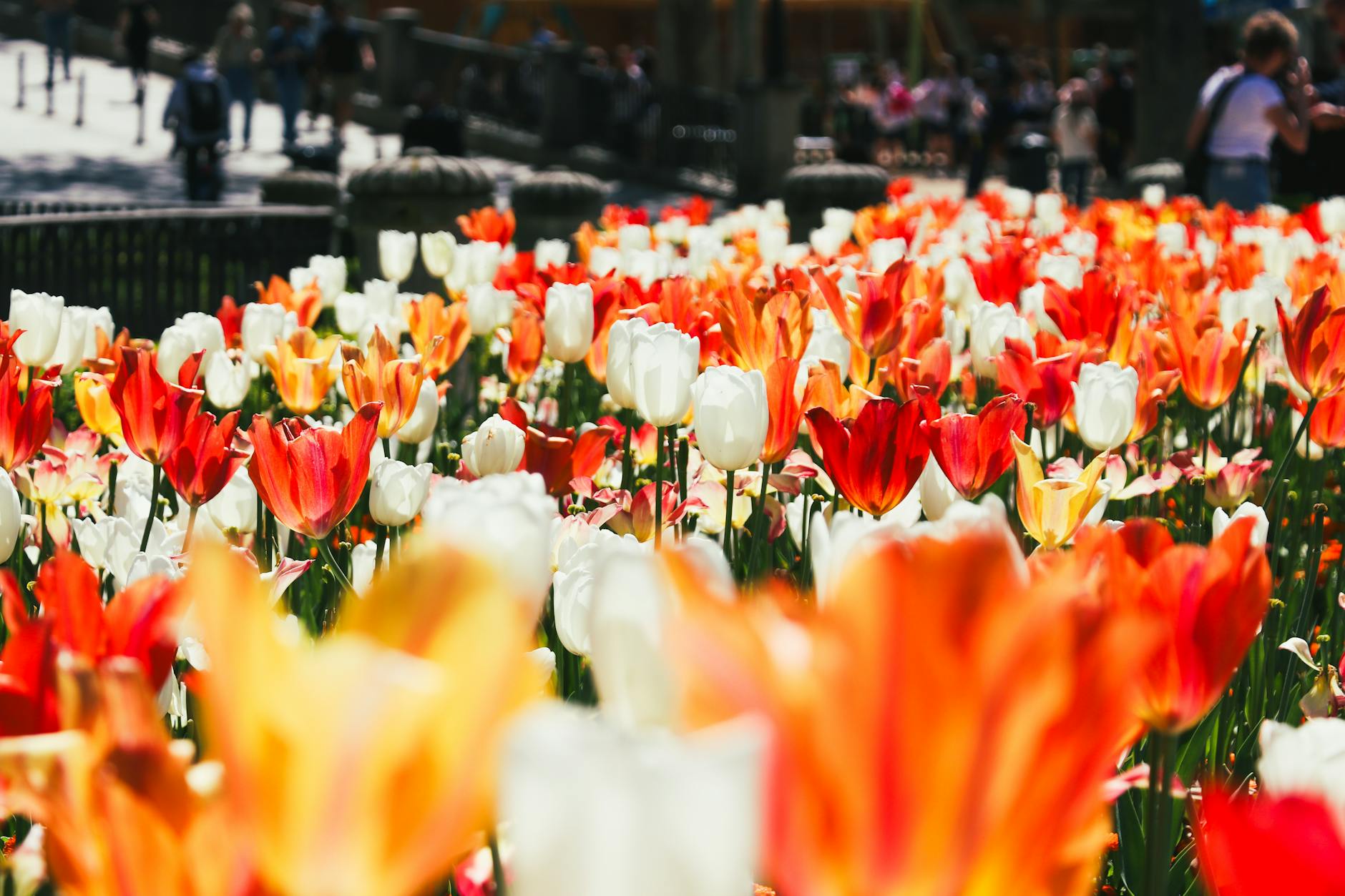
St Patrick’s Festival (March 14—17, 2026)
The St Patrick’s Festival is Dublin’s biggest annual event and one of the largest celebrations of Irish culture anywhere in the world. The 2026 festival runs from March 14 to 17, with the theme ‘Roots’, celebrating the people, places, and stories that form the living roots of Ireland. The centrepiece is the St Patrick’s Day Parade on March 17, when approximately half a million people line the streets from Parnell Square to Kevin Street to watch elaborate floats, marching bands from Ireland and overseas, street theatre companies like Macnas and Bui Bolg, and community groups from across the country.
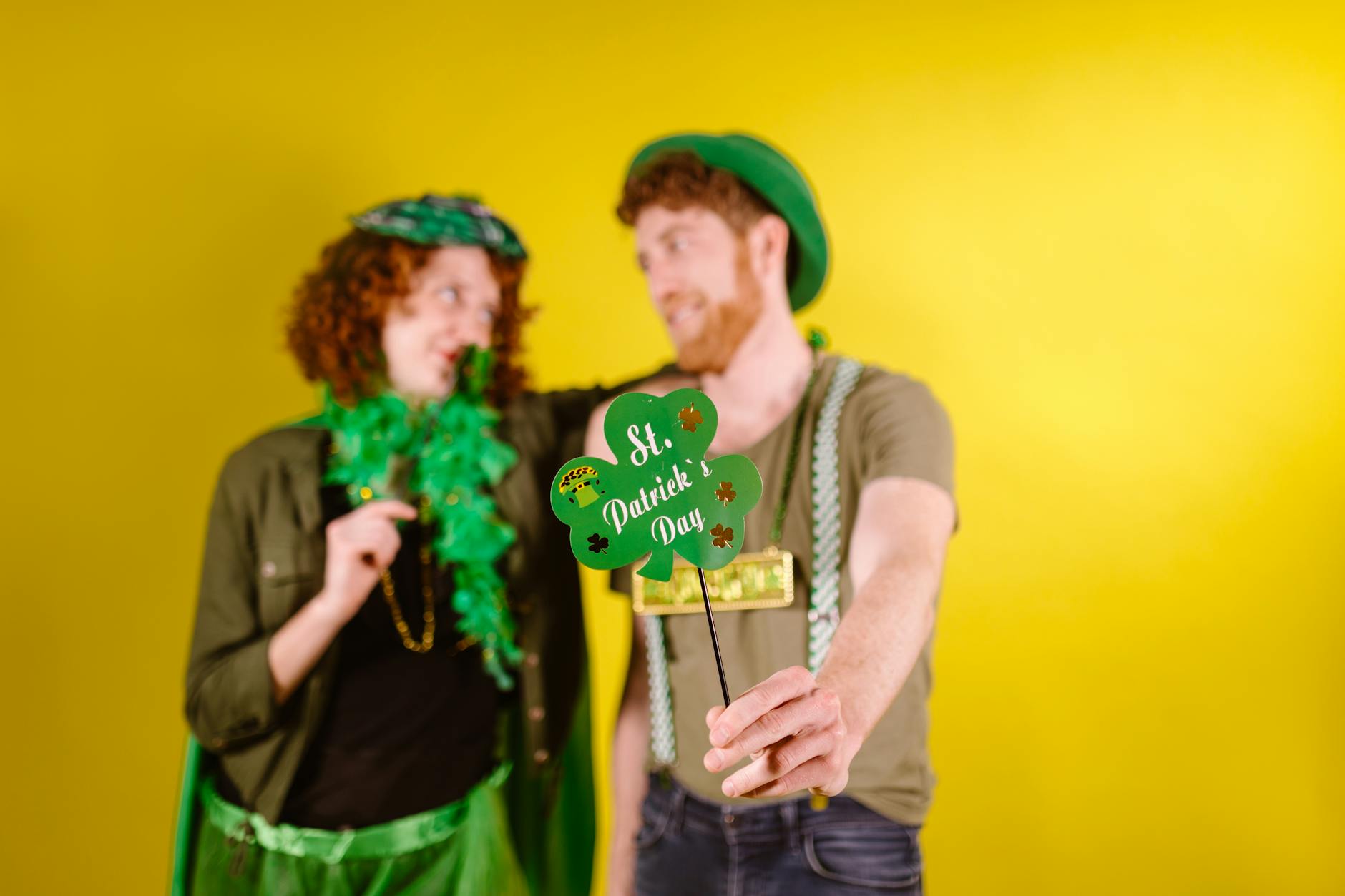
Beyond the parade, the festival programme includes free outdoor concerts, the Family Village at Wood Quay Amphitheatre with games and performances for children, a City Funfair at Custom House Quay, a treasure hunt winding through the city, and live traditional music sessions across the weekend. Evening events feature some of Ireland’s best musicians performing at stages along both sides of the Liffey. No tickets are needed for the parade itself, though some evening events may require booking. The festival has dedicated wheelchair-accessible viewing areas and relaxed parade spaces for neurodivergent visitors.
Tip: Arrive at least an hour before the parade starts to secure a good viewing spot. The stretch along O’Connell Street fills up earliest, so consider watching from Dame Street or Patrick Street for a slightly less crowded experience.
Dublin International Film Festival (Late February — Early March)
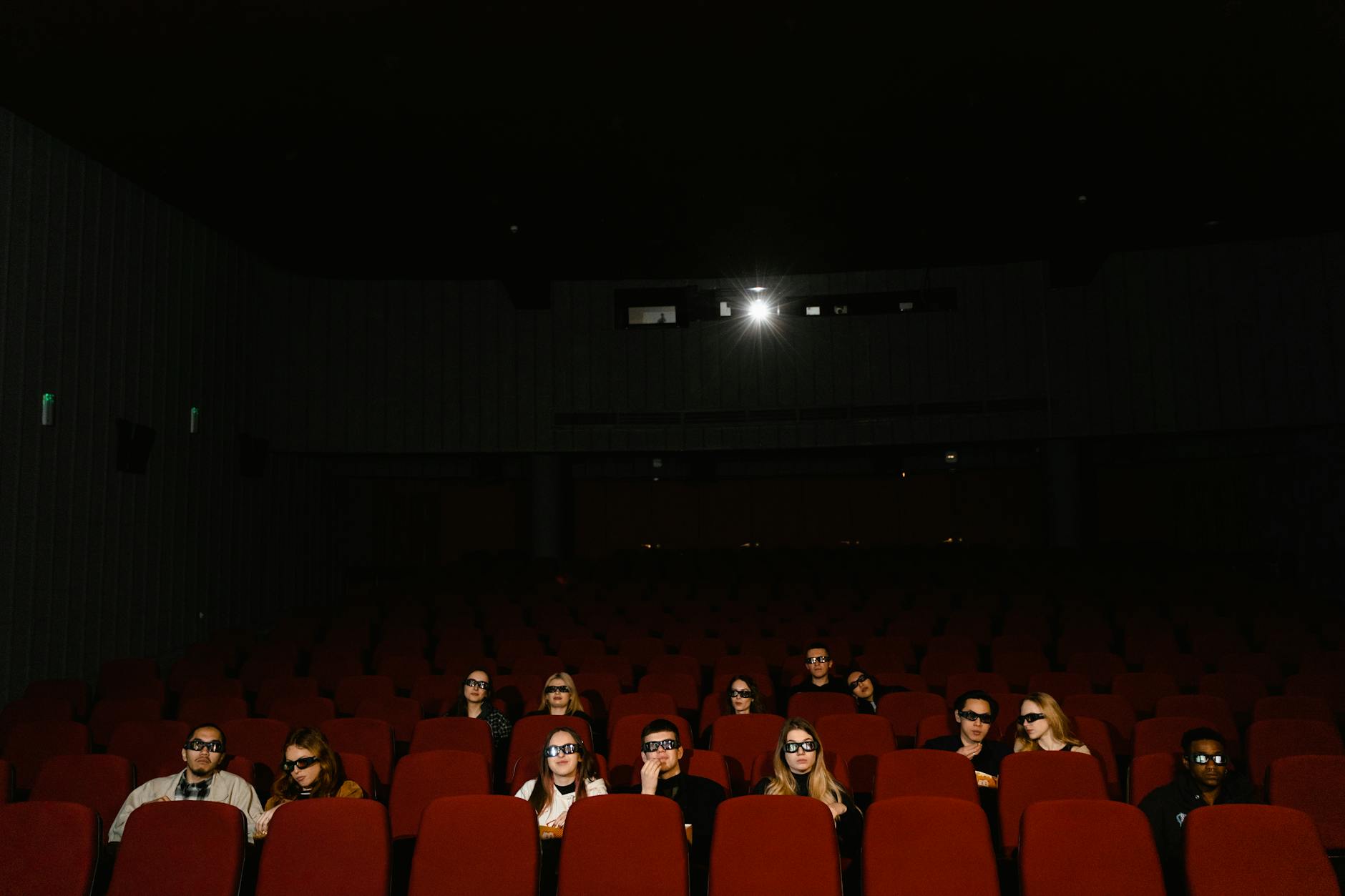
The Dublin International Film Festival (DIFF) is Ireland’s premier cinema event, typically running for ten days across late February and early March. The 2026 edition runs February 26 to March 7. The programme includes Irish and international feature films, documentaries, short films, and special retrospective screenings at venues including the Irish Film Institute (IFI) on Eustace Street, the Light House Cinema on Smithfield Square, and the Savoy Cinema on O’Connell Street. Q&A sessions with filmmakers and actors are a regular feature. Tickets for individual screenings are available through the festival website and typically cost between 12 and 16 euro.
Dublin Coffee Festival (April)
The Dublin Coffee Festival is a three-day celebration of Ireland’s speciality coffee scene, held in April. The festival brings together roasters, baristas, and coffee equipment brands, with live competitions, tastings, workshops, and an industry-only session. It has grown rapidly in recent years and attracts both trade professionals and coffee enthusiasts. Tickets are usually around 15 to 20 euro for a day pass.
New Music Dublin (April 15—19, 2026)
Hosted at the National Concert Hall and various venues throughout the city, New Music Dublin is an annual contemporary classical music festival that showcases new compositions and performances by Irish and international artists. The 2026 festival runs April 15 to 19 and is a highlight for anyone interested in experimental and contemporary music. Most concerts are ticketed, though some free fringe events are included.
Summer Events (June — August)
Bloomsday (June 16, 2026)
Bloomsday is one of Dublin’s most distinctive cultural events and takes place every year on June 16, the day on which James Joyce’s novel Ulysses is set. The full Bloomsday Festival runs from June 11 to 16 in 2026, with a week of readings, performances, walking tours, and re-enactments of scenes from the novel. Many participants dress in Edwardian-era clothing to mark the occasion. Key locations include the Martello Tower in Sandycove (now the James Joyce Tower and Museum), Davy Byrne’s pub on Duke Street, and the James Joyce Centre on North Great George’s Street.
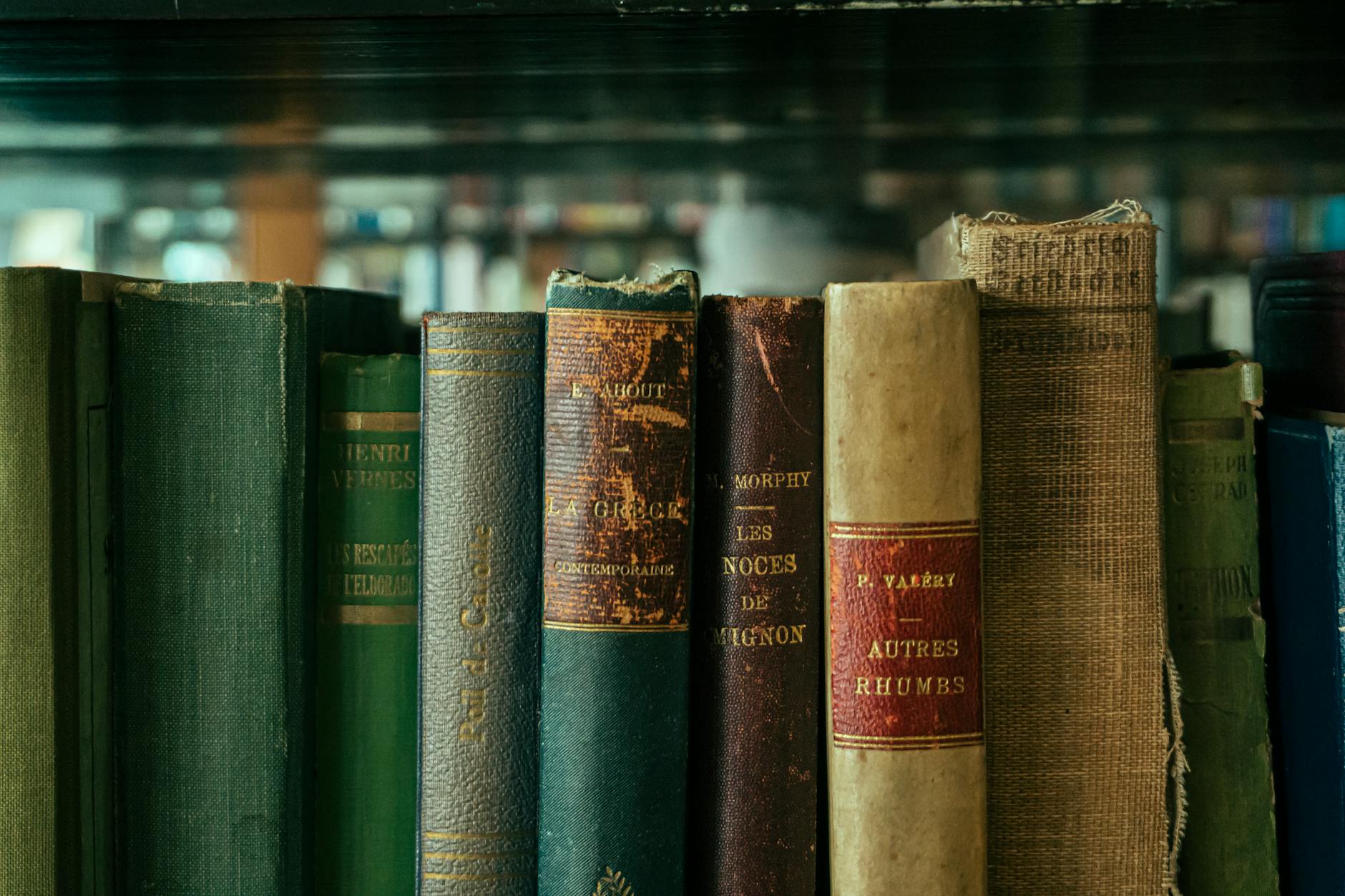
Even if you have never read Ulysses, Bloomsday is worth experiencing for the theatrical atmosphere and the insight it gives into Dublin’s deep literary identity. Most events are free or low cost, and guided walks following Leopold Bloom’s fictional route through the city are an excellent way to see Dublin from a completely different angle.
Taste of Dublin (June 11—14, 2026)
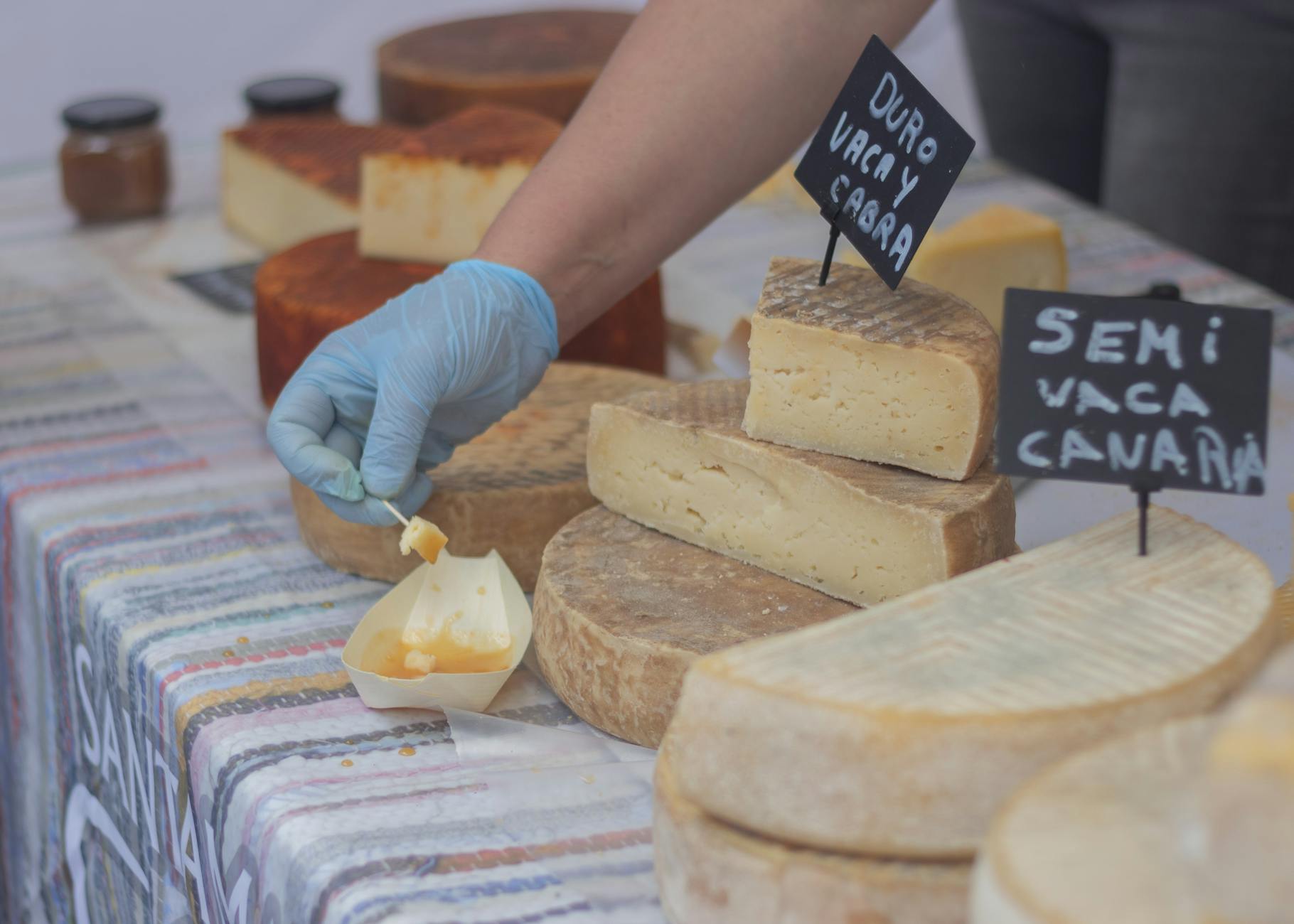
Taste of Dublin is the city’s flagship food festival, held over four days in the Iveagh Gardens (and recently at Merrion Square). Fifteen of Dublin’s best restaurants set up outdoor kitchens serving signature taster portions, while over 50 chefs participate in demonstrations and workshops. The drinks programme features cocktail bars, wine tastings, and craft beer stands. Day tickets typically cost around 25 to 35 euro and include entry to all demonstrations. Food and drink are purchased separately using festival credits. This is one of the best events in Dublin for anyone who loves food and wants to sample multiple restaurants in a single afternoon.
Longitude Festival (July 4—5, 2026)
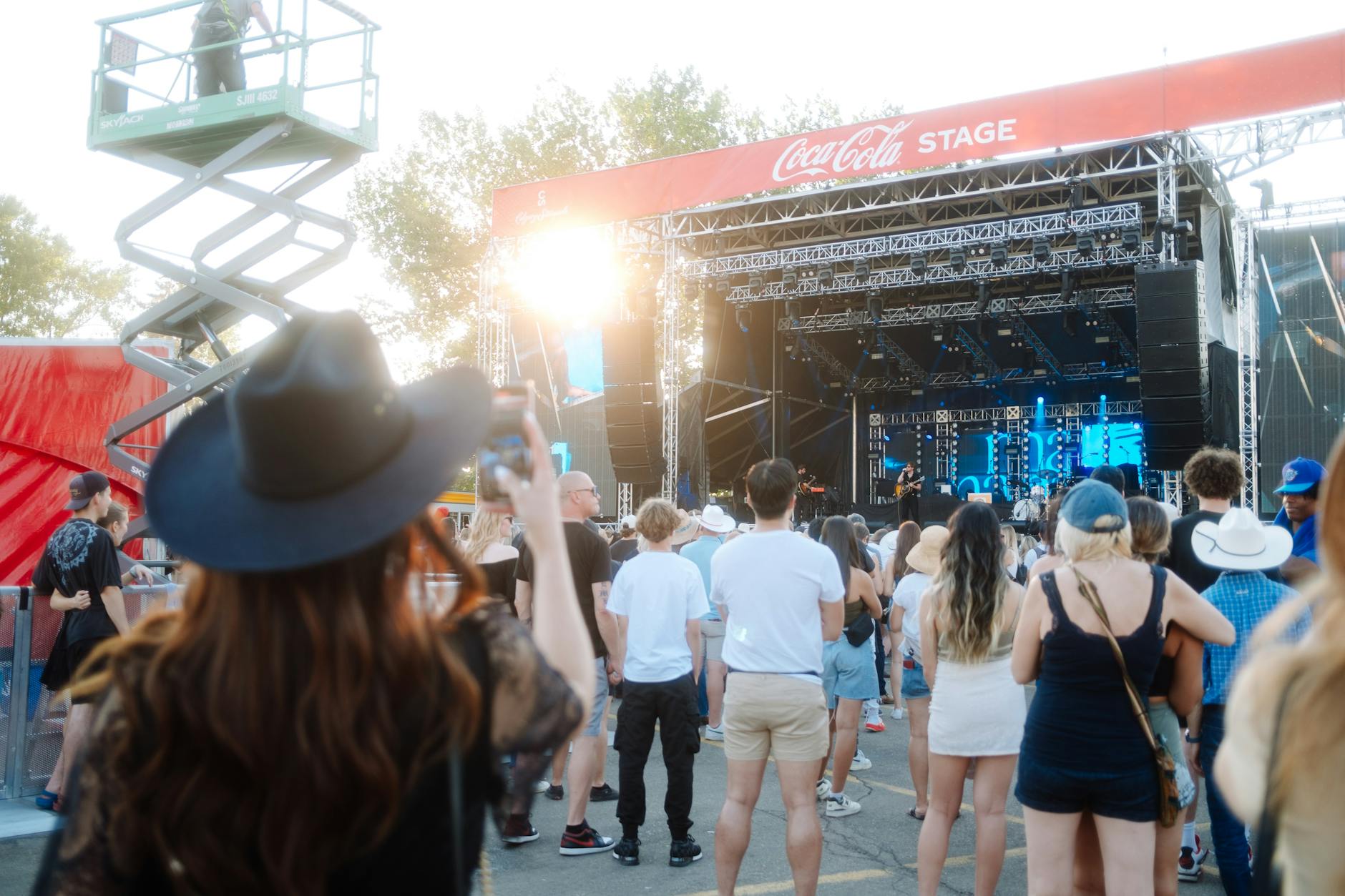
Longitude is Dublin’s biggest outdoor music festival, held at Marlay Park in Rathfarnham over two days in early July. The 2026 edition takes place July 4 and 5. The lineup typically features a mix of international hip-hop, R&B, electronic, and pop acts across multiple stages. Longitude has hosted headliners like Tyler the Creator, A$AP Rocky, and Kendrick Lamar in previous years. Two-day tickets start at around 200 euro. The festival is popular with a younger demographic (mostly 18 to 30) and regularly sells out, so book early if it appeals.
Dublin Horse Show (August)
The Dublin Horse Show, held at the RDS in Ballsbridge over five days in August, is one of Ireland’s oldest and most prestigious sporting and social events. It features show jumping at international level (including Nations Cup competitions), horse breeding competitions, and a lifestyle village with fashion, food, and shopping. The event draws around 100,000 visitors over the week. Day tickets range from approximately 20 to 45 euro depending on the day and the competition schedule.
Summer Concerts at Major Venues
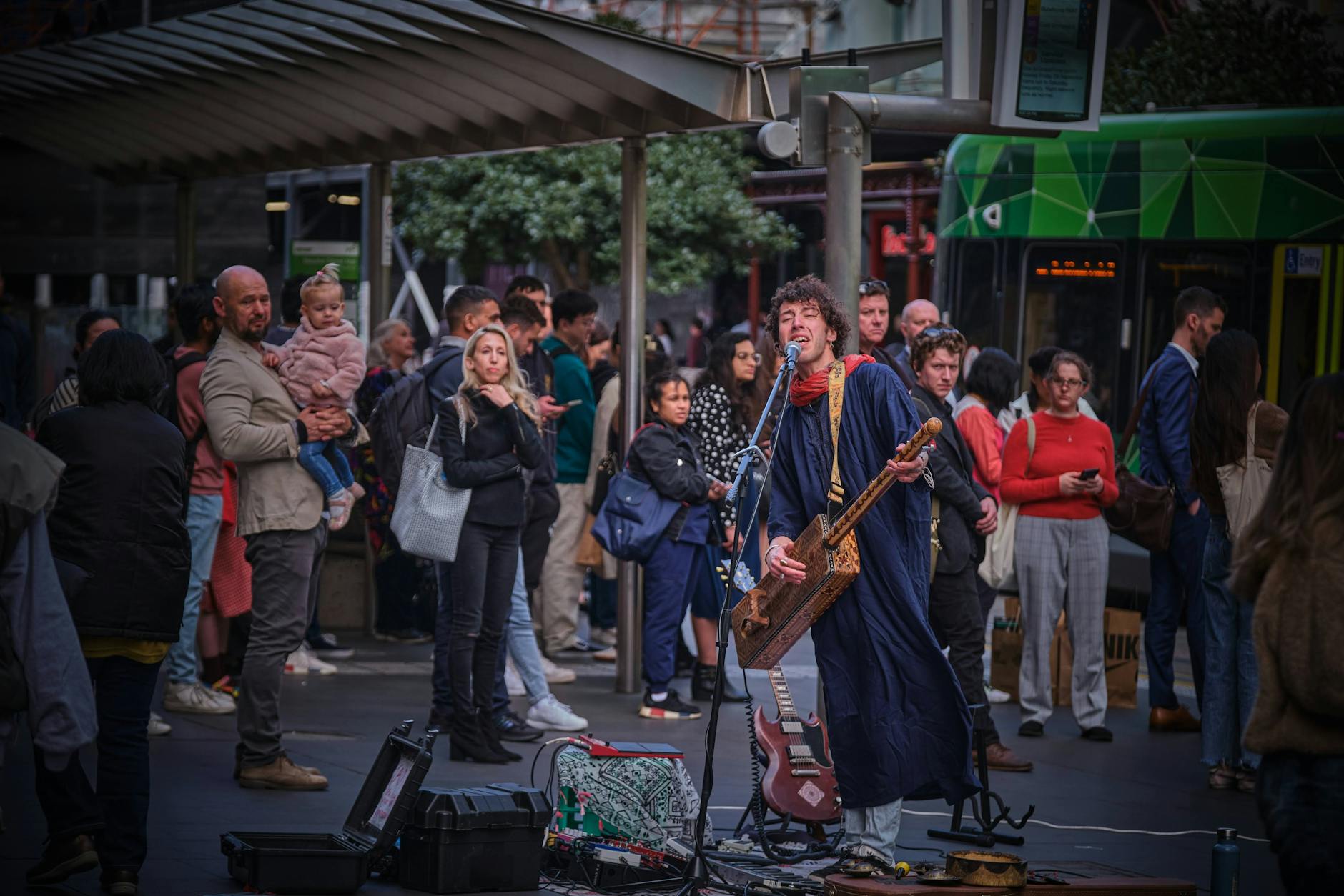
Dublin’s summer concert season runs from May through September, with major international acts performing at Croke Park (capacity 82,300), the Aviva Stadium (51,700), the 3Arena (14,500), and Malahide Castle (various outdoor events). In 2026, confirmed acts include The Weeknd and Bon Jovi at Croke Park in August. These large-scale concerts are ticketed and can sell out quickly, so check Ticketmaster Ireland for announcements if a particular artist is on your radar.
Autumn Events (September — November)
Culture Night (September 19, 2026)
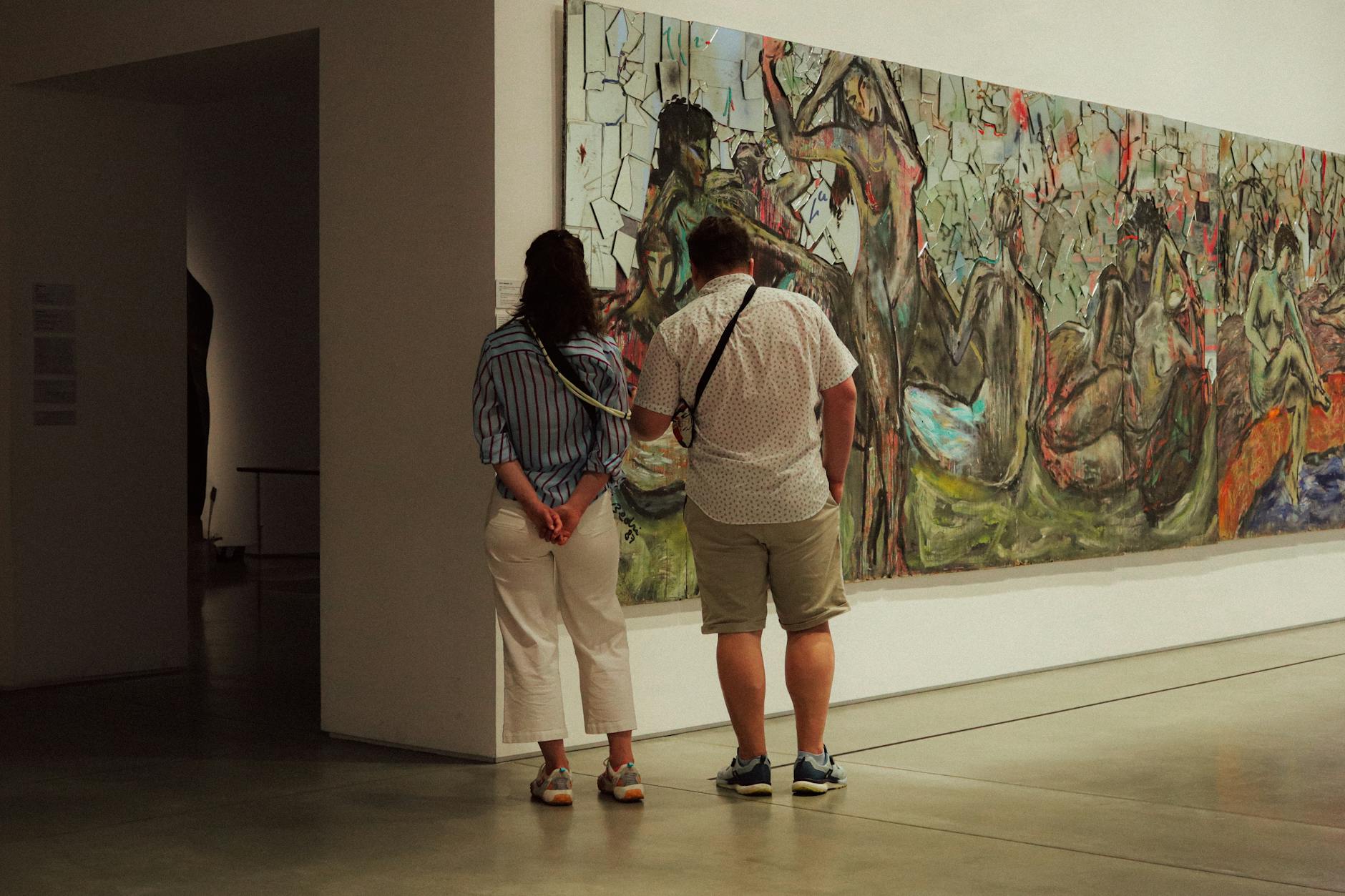
Culture Night is one of Dublin’s most popular free events. On a single Friday evening in mid-to-late September (September 19, 2026), over 350 cultural venues across Dublin city and county open their doors free of charge. Museums, galleries, cathedrals, libraries, artists’ studios, government buildings, theatres, and historic houses all participate, offering specially programmed tours, workshops, exhibitions, and performances. The event runs from approximately 5pm to 11pm and creates a festival atmosphere across the city centre, with many streets and laneways hosting outdoor events, music, and installations. No booking is required for most events, though popular venues can have queues.
Tip: Plan your route in advance using the Culture Night website’s event map. With over 350 events running simultaneously, it is easy to get overwhelmed. Pick three or four venues that interest you most and leave time to stumble upon unexpected performances along the way.
Dublin Theatre Festival (Late September — Late October)
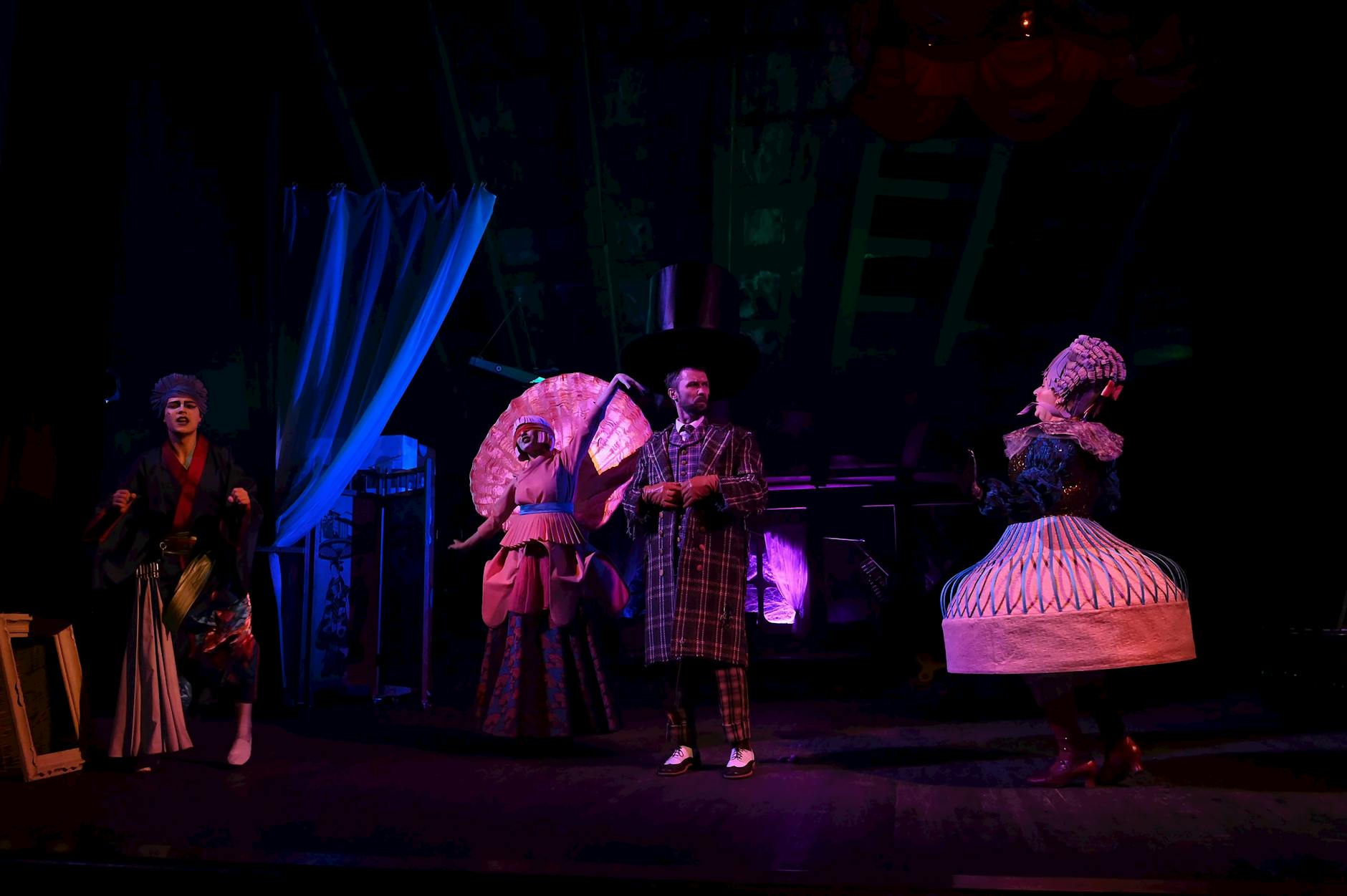
The Dublin Theatre Festival is one of the oldest and most respected theatre festivals in Europe, running annually since 1957. The 2026 edition spans from approximately September 24 to October 26. The programme features a mix of new Irish productions, international touring shows, experimental work, and classic revivals, staged across venues including the Abbey Theatre (Ireland’s national theatre), the Gate Theatre, the Gaiety Theatre, the Olympia Theatre, and smaller fringe venues. Ticket prices vary by show and venue, typically ranging from 15 to 45 euro. The festival consistently programmes work that is challenging, entertaining, and representative of Dublin’s status as one of Europe’s great theatre cities.
Bram Stoker Festival (Late October — Early November)
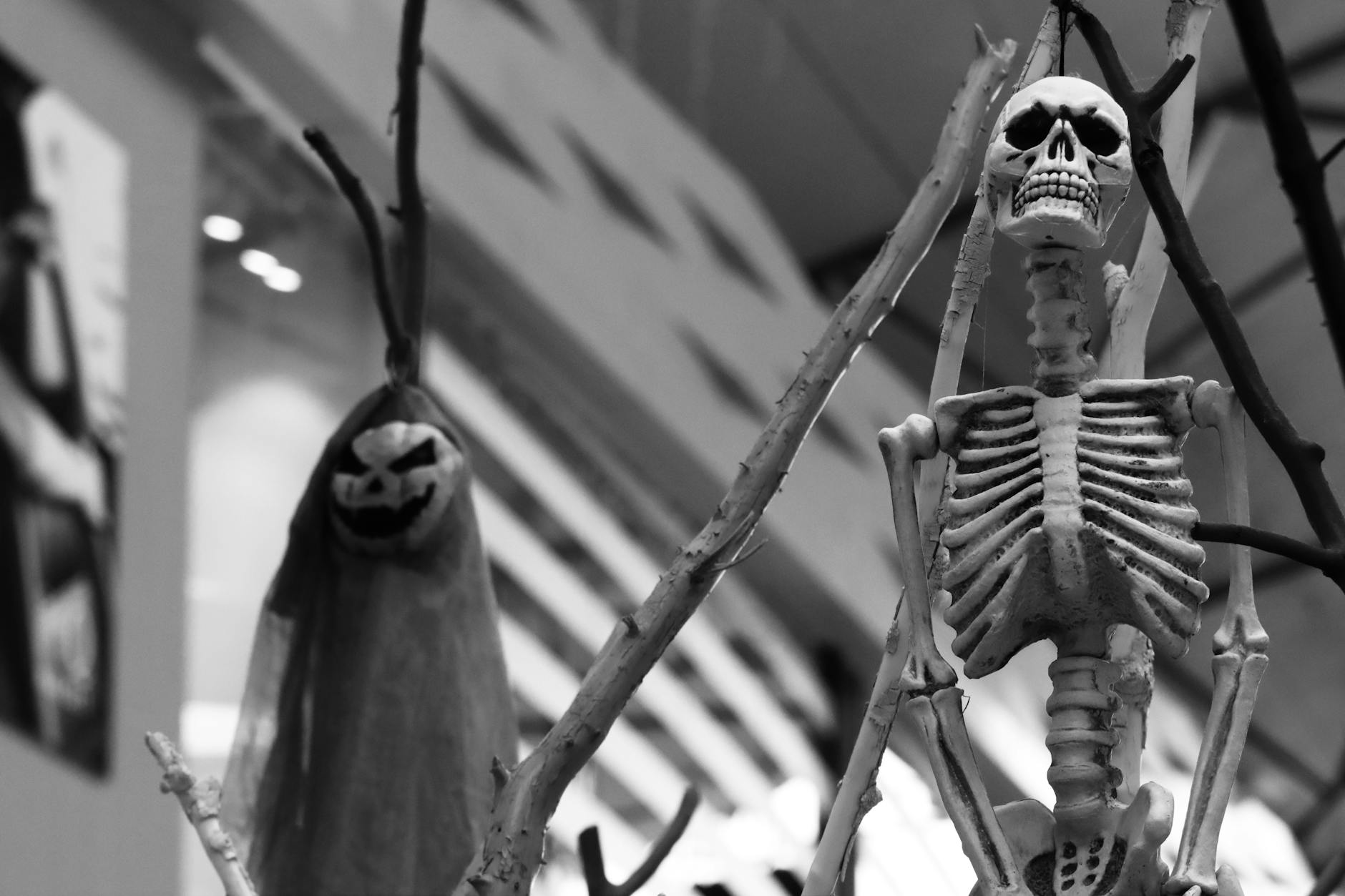
Dublin’s claim to Halloween goes deeper than most cities. Bram Stoker, the author of Dracula, was born in Dublin in 1847, and the city celebrates this Gothic connection with the annual Bram Stoker Festival over the Halloween weekend. The festival typically runs from the last Friday of October through the following Monday. Highlights include a spectacular parade through the city centre featuring giant puppetry by the renowned Macnas theatre company, Stokerland (a free Gothic funpark in St Patrick’s Park with circus acts, street theatre, magic shows, and workshops), theatrical productions of Dracula at venues like the Abbey Theatre, film screenings with live musical scores, and guided walking tours exploring Stoker’s Dublin.
Most of the outdoor events are free, though theatrical performances and special events require tickets. The atmosphere is uniquely Dublin: literary, theatrical, slightly spooky, and entirely family-friendly during the daytime. If you are visiting Dublin around Halloween, this festival alone is worth planning your trip around.
Winter Events (December — February)
Dublin Winter Lights (December)
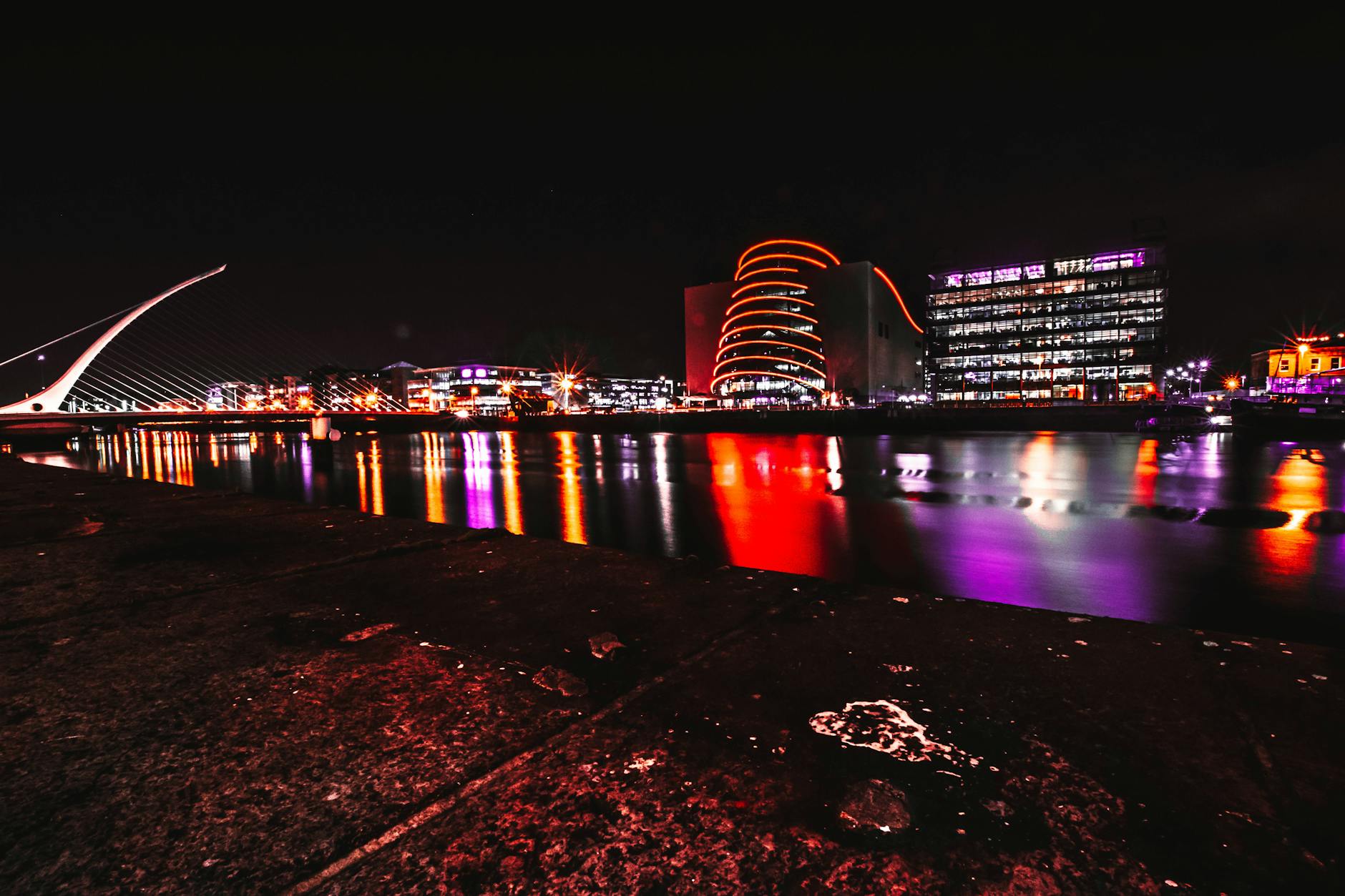
The Dublin Winter Lights festival runs throughout December, transforming the city centre with over 25 illuminated installations, projections, and light displays at well-known locations. The GPO on O’Connell Street, Meeting House Square in Temple Bar, and various bridges along the Liffey are among the locations that host spectacular light shows. The festival is entirely free and provides a magical backdrop for evening walks through the city during the festive season.
Christmas Markets and Festive Events
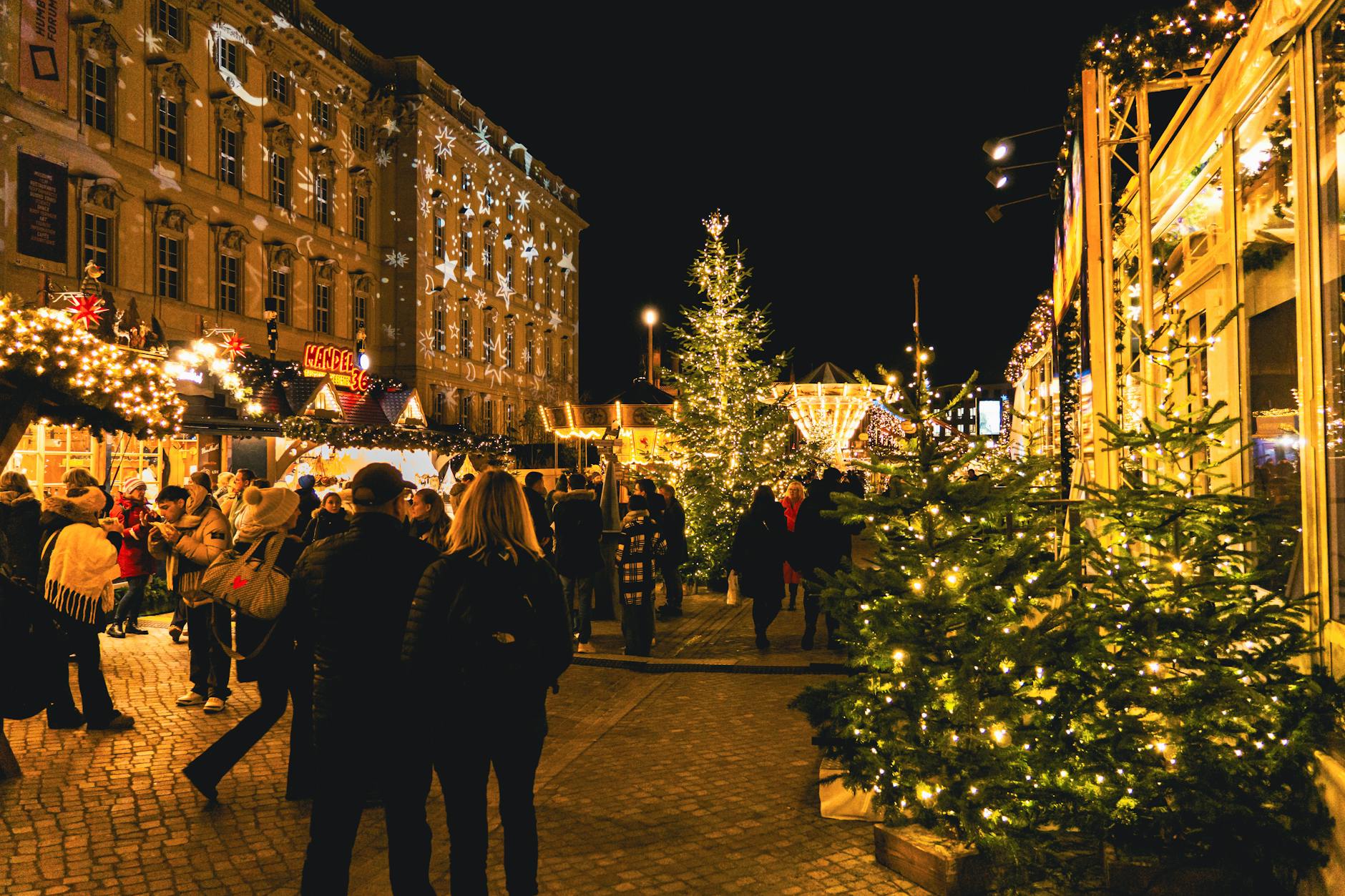
Dublin’s Christmas market scene has evolved significantly in recent years. TwinkleTown at Smithfield Square is one of the city’s largest festive events, typically running from late November through early January. It features an ice rink, a Ferris wheel, vintage fairground rides, family pantomime, and the Twinkle Tavern serving mulled wine and hot chocolate. The Guinness Storehouse also hosts a popular Winter Wonderland with artisan craft stalls, gourmet food producers, and festive events.
Additional Christmas markets and fairs pop up across the city, including the Gifted Craft and Design Fair at the RDS (early December), sustainable craft markets, and Christmas flea markets. Grafton Street’s Christmas lights and the decorated shopfronts along Henry Street create a festive atmosphere for holiday shopping. Many of Dublin’s churches host Christmas carol concerts, and traditional pubs offer particularly warm atmospheres during the festive season.
New Year’s Eve (December 31)
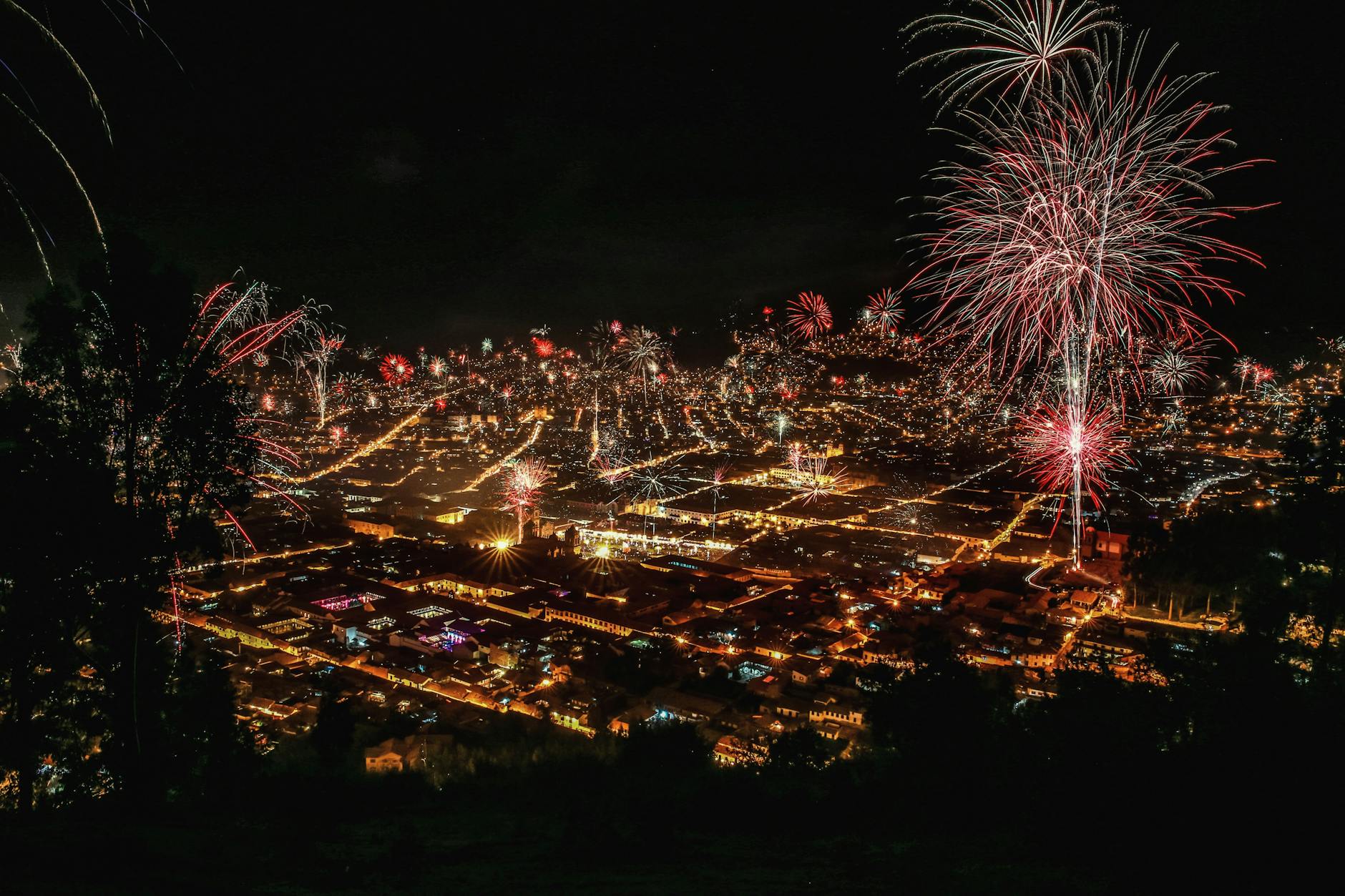
Dublin’s New Year’s Eve celebrations centre around the New Year’s Festival Dublin, which typically takes place in the area around Custom House Quay, the IFSC, and the Docklands. The evening programme includes live music performances, DJs, light shows, and a countdown event with fireworks at midnight. Many of Dublin’s pubs, bars, and restaurants host their own New Year’s parties, with Temple Bar being the most popular (and most crowded) area for ringing in the new year. If you prefer a sit-down evening, restaurants across the city offer special New Year’s Eve menus, though advance booking is essential.
Tip: New Year’s Eve in Temple Bar is fun but extremely busy. For a more relaxed celebration, consider the pubs and restaurants around Merrion Square, Camden Street, or Stoneybatter, where you will find equally good atmosphere without the crush.
Temple Bar TradFest (Late January)
TradFest is one of Dublin’s best-kept secrets. Held in late January when the city is at its quietest, this five-day festival celebrates traditional Irish music, folk, and roots music with performances at venues including Dublin Castle, St Patrick’s Cathedral, City Hall, and Temple Bar’s pubs and performance spaces. The combination of intimate venues, world-class traditional musicians, and the atmospheric winter setting makes TradFest a highlight for music lovers. Some concerts are ticketed while many pub sessions are free, and the festival draws a knowledgeable, enthusiastic audience.
Year-Round Events and Recurring Highlights
Beyond the headline festivals, Dublin has a rich calendar of recurring events that visitors may encounter at any time of year. Traditional music sessions happen every night of the week in pubs across the city, with The Cobblestone in Smithfield, O’Donoghue’s on Merrion Row, and The Stag’s Head on Dame Court being particularly reliable. The National Gallery, Irish Museum of Modern Art, Chester Beatty Library, and National Museum branches are always free to visit and regularly host temporary exhibitions and late-night openings.
Comedy is a strong part of Dublin’s cultural scene, with The Laughter Lounge on Eden Quay and various smaller venues hosting stand-up shows several nights a week. Spoken word, poetry slams, and open-mic nights happen regularly at venues like The Workman’s Club and Wigwam. The Dublin Book Festival (November), Open House Dublin (an architecture festival in October), and the Dublin Fringe Festival (September) are additional events that reward visitors with curiosity and flexible schedules.
Planning Your Visit Around Dublin’s Events
If you are specifically timing your trip to attend a festival, book accommodation well in advance. St Patrick’s Week, the Christmas period, and major concert weekends see hotel prices surge and availability drop quickly. For popular ticketed events like Longitude, concert tours, and specific Dublin Theatre Festival shows, tickets can sell out weeks or even months ahead.
Dublin’s weather is unpredictable at every time of year, so outdoor festivals always carry the risk of rain. A waterproof jacket and layers are essential gear for any outdoor event from March through November. Summer festivals like Taste of Dublin and Longitude can be either glorious or soggy, and the experienced local approach is to dress for rain and hope for sunshine.
For the most current event listings and last-minute additions to the calendar, the Visit Dublin website (visitdublin.com), Dublin.ie, and the entertainment listings in The Irish Times are the best resources. Many Dublin festivals also maintain active social media accounts that announce programme details, special guests, and ticket availability as dates approach.
Free events are a genuine strength of Dublin’s festival calendar. Culture Night, the St Patrick’s Day Parade, Dublin Winter Lights, the Bram Stoker Festival’s outdoor programme, TradFest pub sessions, and the permanent collections at the city’s major museums and galleries mean you can have a culturally rich visit without spending a cent on event tickets.
Monthly Events Quick Reference
January and February
January is one of Dublin’s quietest months for tourism, which makes it an excellent time to visit if you want lower hotel prices and fewer crowds at attractions. TradFest in late January is the month’s standout event. February brings the Dublin International Film Festival, the Six Nations rugby matches at the Aviva Stadium (Ireland’s home games draw passionate crowds), and the beginning of the spring theatre season. Pancake Tuesday (Shrove Tuesday) sees some restaurants and cafes offering special menus.
March and April
March is dominated by the St Patrick’s Festival, which creates a genuinely electric atmosphere across the entire city. Beyond the festival, March marks the beginning of Dublin’s outdoor season, with parks and gardens coming back to life. April brings the Dublin Coffee Festival, New Music Dublin at the National Concert Hall, and the start of the Dublin literary walking tour season. Easter events vary by year but typically include family activities in the city’s parks and special exhibitions at the national museums.
May and June
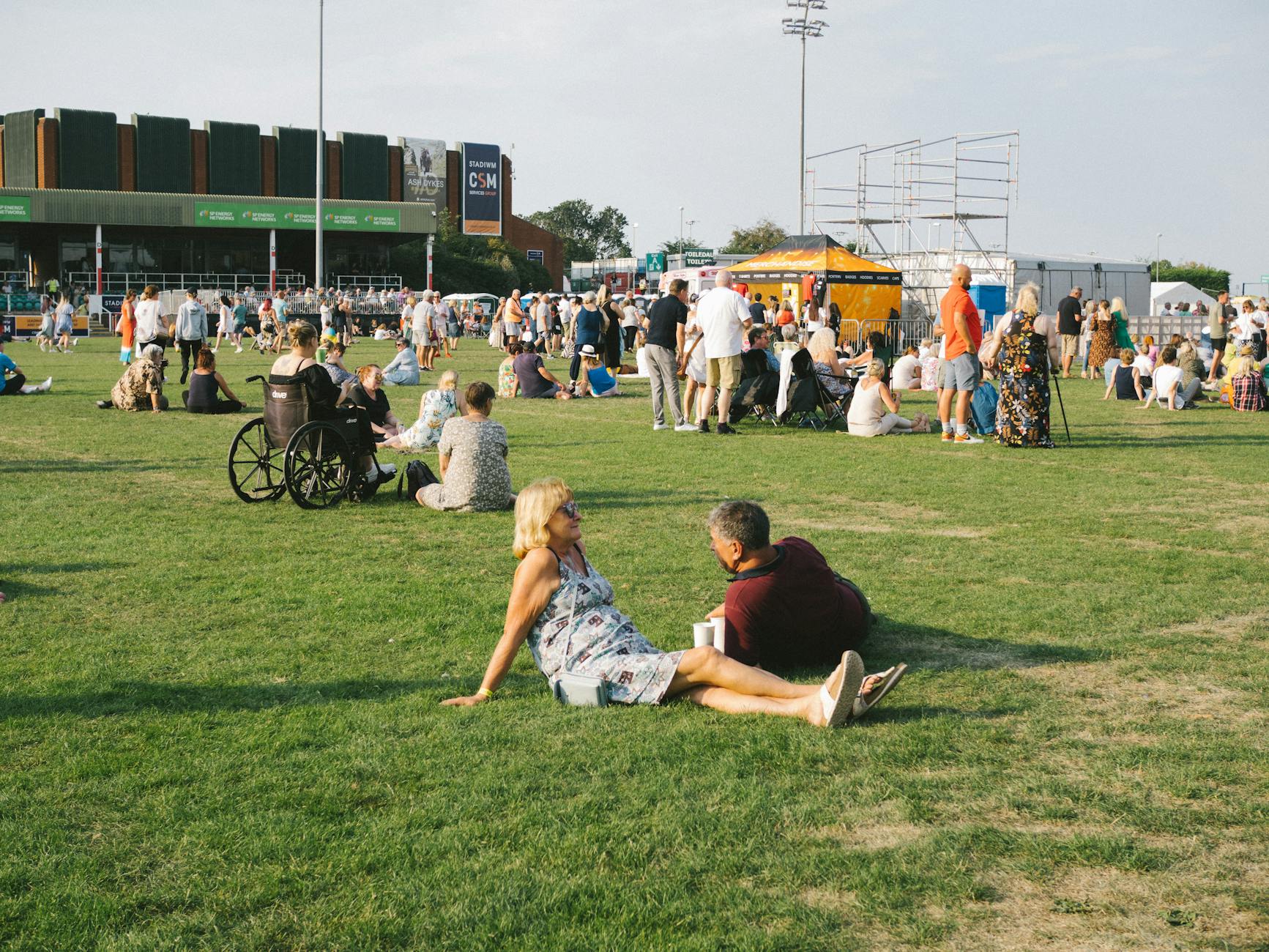
May is one of the best months to visit Dublin, with long evenings, mild weather, and the beginning of the outdoor events season. The International Dublin Gay Theatre Festival takes place in May and is one of the longest-running LGBTQ+ theatre festivals in the world. Forbidden Fruit music festival at the Royal Hospital Kilmainham is another popular May event. June opens with Bloomsday preparations, the Taste of Dublin food festival, and the start of the summer concert season at major venues. Dublin Pride takes place in late June with a colourful parade through the city centre and a week of associated events.
July and August
July and August are Dublin’s peak tourist months, and the events calendar reflects this with major outdoor concerts, Longitude Festival, and the Dublin Horse Show. The National Day of Commemoration in July is a state ceremony at Collins Barracks honouring all Irish people who died in past wars and on service with the United Nations. August is particularly busy for concerts at Croke Park and the Aviva Stadium. The Dun Laoghaire Festival of World Cultures is a free multicultural festival held over a weekend in August with music, food, and performances from around the world.
September and October
September brings Culture Night and the opening of the Dublin Theatre Festival, two of the city’s most rewarding cultural events. The Dublin Fringe Festival runs concurrently with the early part of the Theatre Festival, offering more experimental and emerging work at smaller venues. October is dominated by the Bram Stoker Festival and Halloween celebrations. Open House Dublin, usually held over a weekend in mid-October, opens architecturally significant buildings (including private homes) to the public for free guided tours, and is consistently one of the most popular events in the city.
November and December
November sees the Dublin Book Festival, which brings authors, readings, and book launches to venues across the city. The Christmas season effectively begins in mid-November when Grafton Street’s lights are switched on. December is packed with Christmas markets, the Dublin Winter Lights festival, carol concerts, and New Year’s Eve celebrations. The National Concert Hall hosts a popular series of Christmas concerts throughout December, and the Gaiety Theatre’s annual pantomime is a family tradition that runs from late November through January.
Sporting Events in Dublin
Sport is deeply woven into Dublin’s cultural fabric, and attending a match can be one of the most memorable experiences of a visit. The GAA (Gaelic Athletic Association) All-Ireland Championships in hurling and football build through the summer with semi-finals and finals at Croke Park in July and August. Even if you do not understand the rules, the atmosphere at a packed Croke Park for an All-Ireland final is extraordinary. The Six Nations rugby championship runs from February to March, with Ireland’s home matches at the Aviva Stadium in Lansdowne Road. International football (soccer) matches are also played at the Aviva. Leopardstown Racecourse hosts year-round horse racing with the Leopardstown Christmas Festival being a particularly popular event during the holiday season.
Tickets for GAA matches at Croke Park are available through the GAA website, while rugby and football tickets are sold through the relevant governing bodies. Prices vary significantly by match, with All-Ireland finals and Six Nations internationals being the most expensive and hardest to obtain.
Leave a Reply