Planning a trip to Dublin is exciting, but a few practical details can make the difference between a smooth visit and an unnecessarily stressful one. This guide covers everything you need to know before you arrive, from what to pack and how much to budget, to local customs, safety advice, and the small details that guidebooks often skip.
Whether this is your first time in Ireland or you are returning after a gap, these Dublin travel tips are drawn from local knowledge and updated for 2026. Think of this as the advice a well-informed friend would give you over a coffee before your flight.
Before You Go: Documents and Preparation
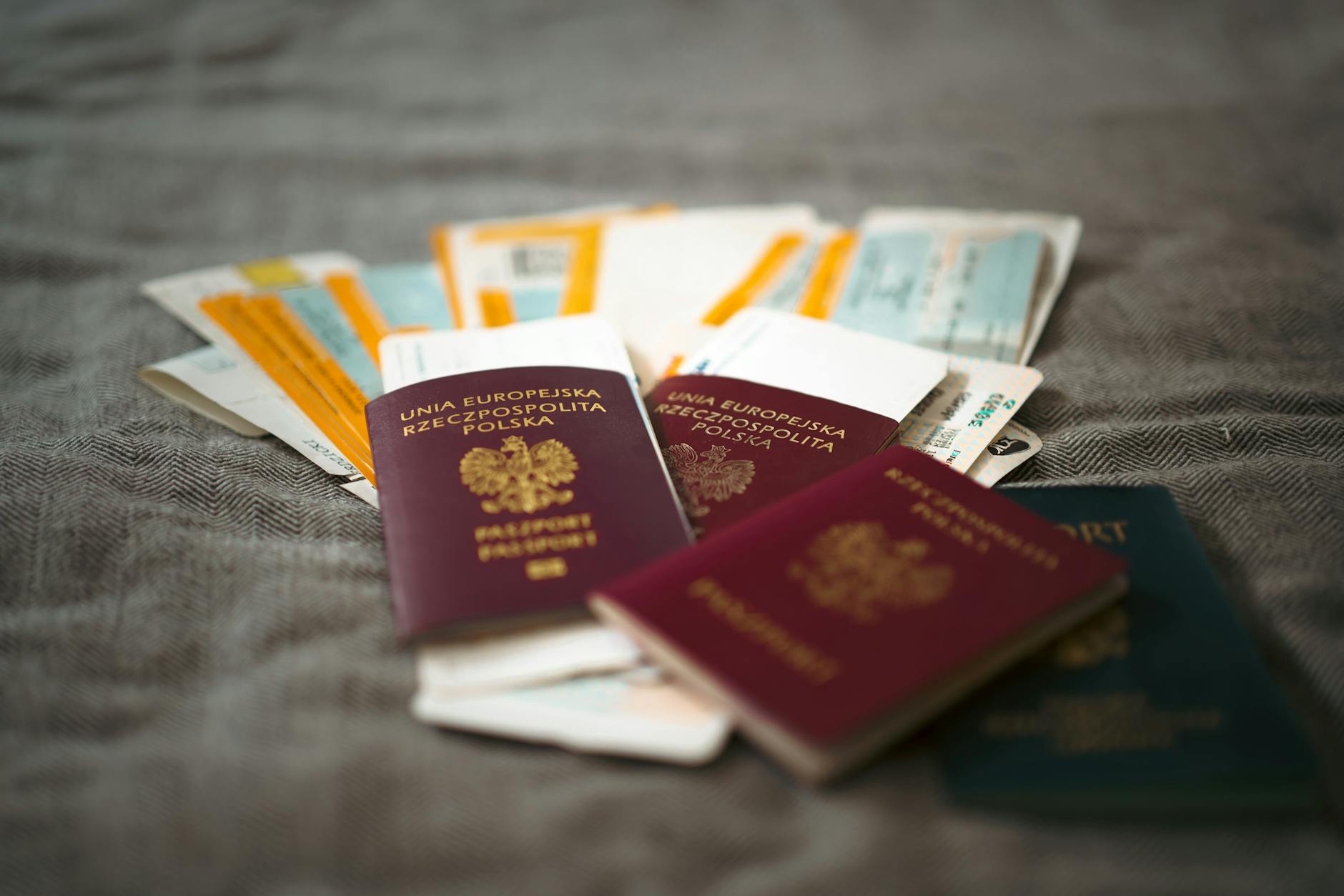
Citizens of the EU, EEA, UK, USA, Canada, Australia, and many other countries do not need a visa to visit Ireland for stays of up to 90 days. Your passport should be valid for the duration of your stay, though Ireland does not require six months of remaining validity as some countries do. Ireland is not part of the Schengen Area, so a Schengen visa does not cover Ireland, and vice versa. If you are arriving from the UK, note that Ireland and the UK share a Common Travel Area, meaning most travellers can move between the two countries without additional checks.
Travel insurance is strongly recommended even though Ireland has excellent healthcare. The European Health Insurance Card (EHIC) or Global Health Insurance Card (GHIC) entitles EU and UK citizens to access public healthcare on the same terms as Irish residents, but this does not cover repatriation or private treatment. Non-EU visitors should ensure their travel insurance includes medical coverage, as hospital stays in Ireland can be expensive.
When to Visit Dublin
Dublin is a year-round destination, but the experience varies significantly by season. Summer (June to August) brings the longest days, with daylight extending past 10pm in mid-June, mild temperatures of 15 to 20 degrees Celsius, and the busiest festival calendar. It is also peak tourist season with the highest hotel prices. The shoulder months of May and September offer similar weather with noticeably fewer crowds and lower prices, making them arguably the best months to visit.
Autumn (October and November) brings shorter days and more rain, but also the Bram Stoker Festival and the start of the theatre season. Winter (December to February) is the quietest period for tourism, but Dublin’s Christmas markets, Winter Lights festival, and TradFest in January give the city genuine character. Temperatures rarely drop below freezing, and the cosy pub atmosphere is at its best when the weather is cold and wet outside.
Weather and What to Pack
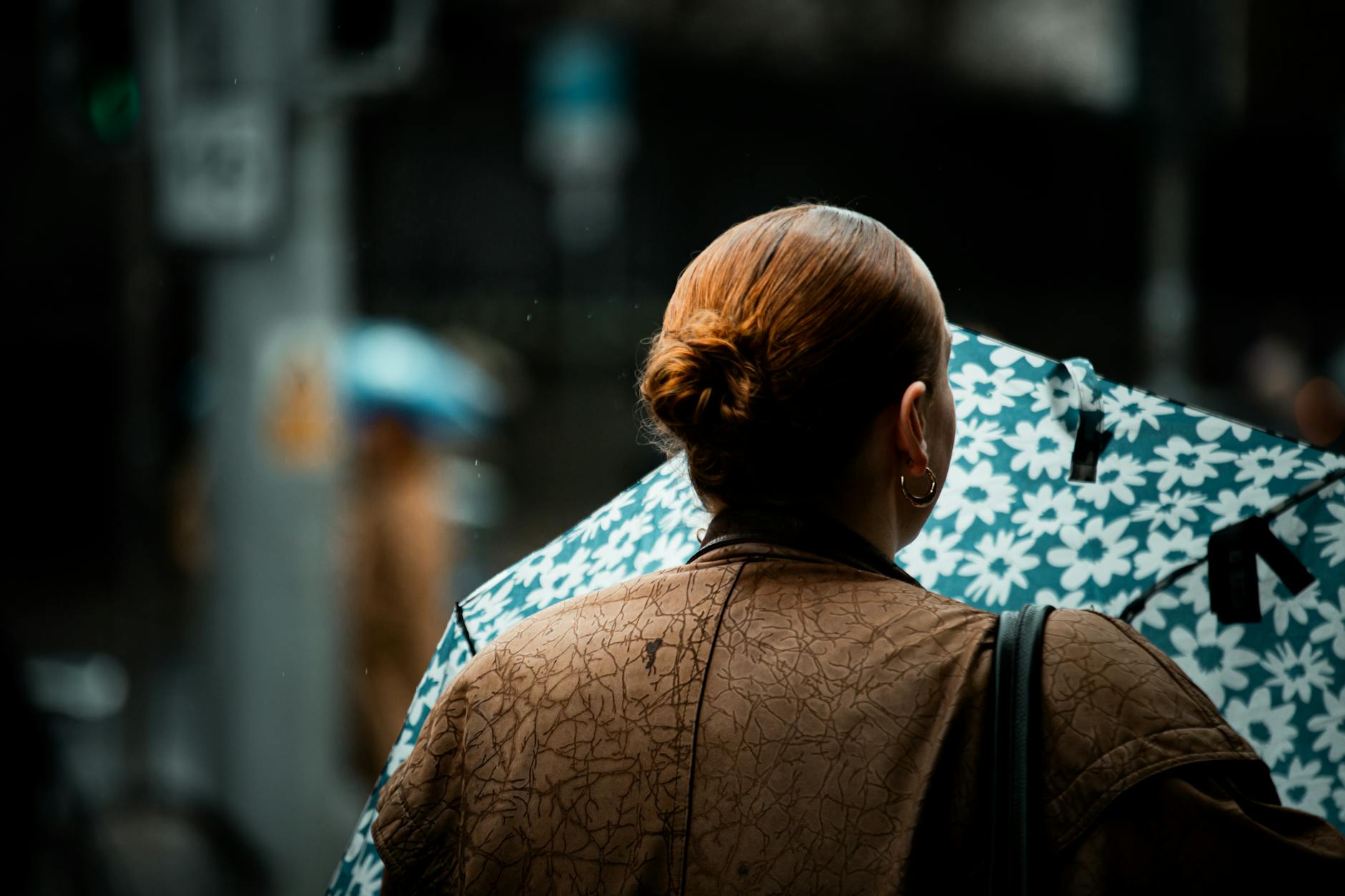
Dublin’s weather is famously unpredictable. The phrase ‘four seasons in one day’ is not an exaggeration. Even in summer, you can experience sunshine, showers, wind, and overcast skies within a few hours. The key principle is to dress in layers and always carry a waterproof jacket. A compact rain jacket that packs into its own pocket is more practical than an umbrella, which is often rendered useless by Dublin’s gusty winds.
Comfortable walking shoes are essential. Dublin’s city centre is best explored on foot, and cobblestone streets, uneven pavements, and the occasional steep incline mean that fashion shoes will punish you by the end of the first day. A crossbody bag or secure backpack is recommended over a shoulder bag for keeping your belongings safe and your hands free.
In summer, bring sunscreen and sunglasses alongside your waterproof jacket. In winter, a warm coat, hat, scarf, and gloves are necessary, particularly if you plan to walk along the coast or visit outdoor attractions.
Money, Currency and Costs
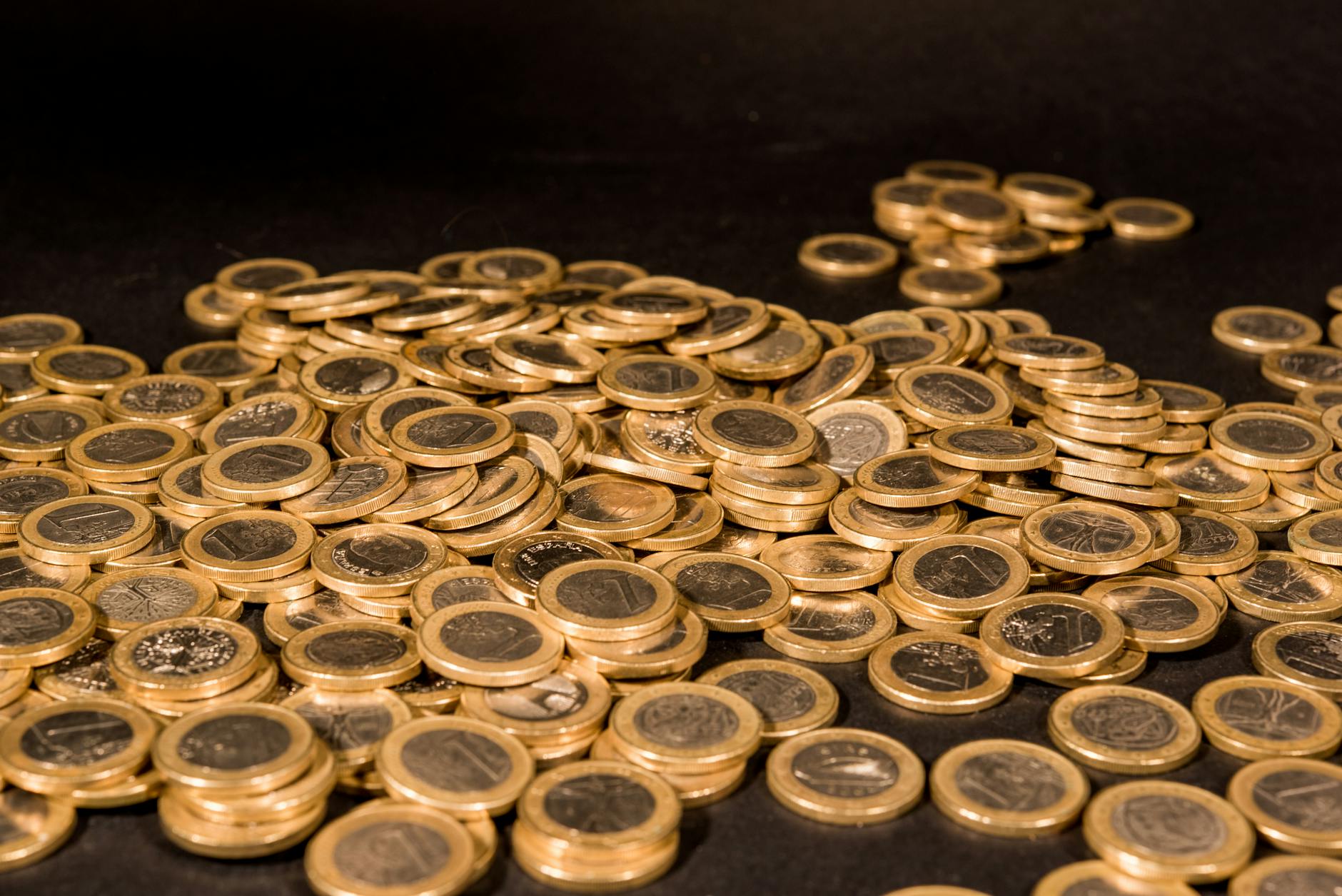
Ireland uses the Euro. Contactless card payments are accepted almost everywhere in Dublin, from shops and restaurants to taxis and even some market stalls. You can get through an entire trip without using cash, but carrying a small amount (30 to 50 euro) is sensible for small purchases, tips, and the occasional place that does not accept cards.
ATMs are widely available and most accept international bank cards. Currency exchange bureaux are found at Dublin Airport and in the city centre, though your bank card will usually offer a better exchange rate. Notify your bank before travelling to avoid having your card blocked for unusual activity.
Typical Costs in Dublin (2026)
Dublin is not a cheap city. A pint of beer in a pub costs around six to eight euro (more in touristy areas like Temple Bar). A meal in a mid-range restaurant runs 18 to 30 euro per main course. A coffee costs around three to four euro. Budget accommodation starts at around 30 to 40 euro per night for a hostel dorm bed, while a mid-range hotel room in the city centre typically costs 150 to 250 euro per night. Public transport fares with a Leap Card are around two euro per journey.
Tipping Etiquette
Tipping in Dublin is much more relaxed than in the United States. In restaurants, a tip of 10 to 15 percent is standard for good service, but check your bill first as some restaurants include a service charge automatically. In pubs, tipping is not expected for drinks ordered at the bar. If you are ordering food or receiving table service in a pub, a small tip is appreciated but not required.
For taxis, rounding up to the nearest euro or adding a euro or two is common but not obligatory. Hotel porters can be tipped one to two euro per bag. Hairdressers, barbers, and spa therapists are typically tipped around 10 percent. Tour guides appreciate tips of five to ten euro per person for a full day, or two to five euro for a shorter walking tour.
Safety in Dublin
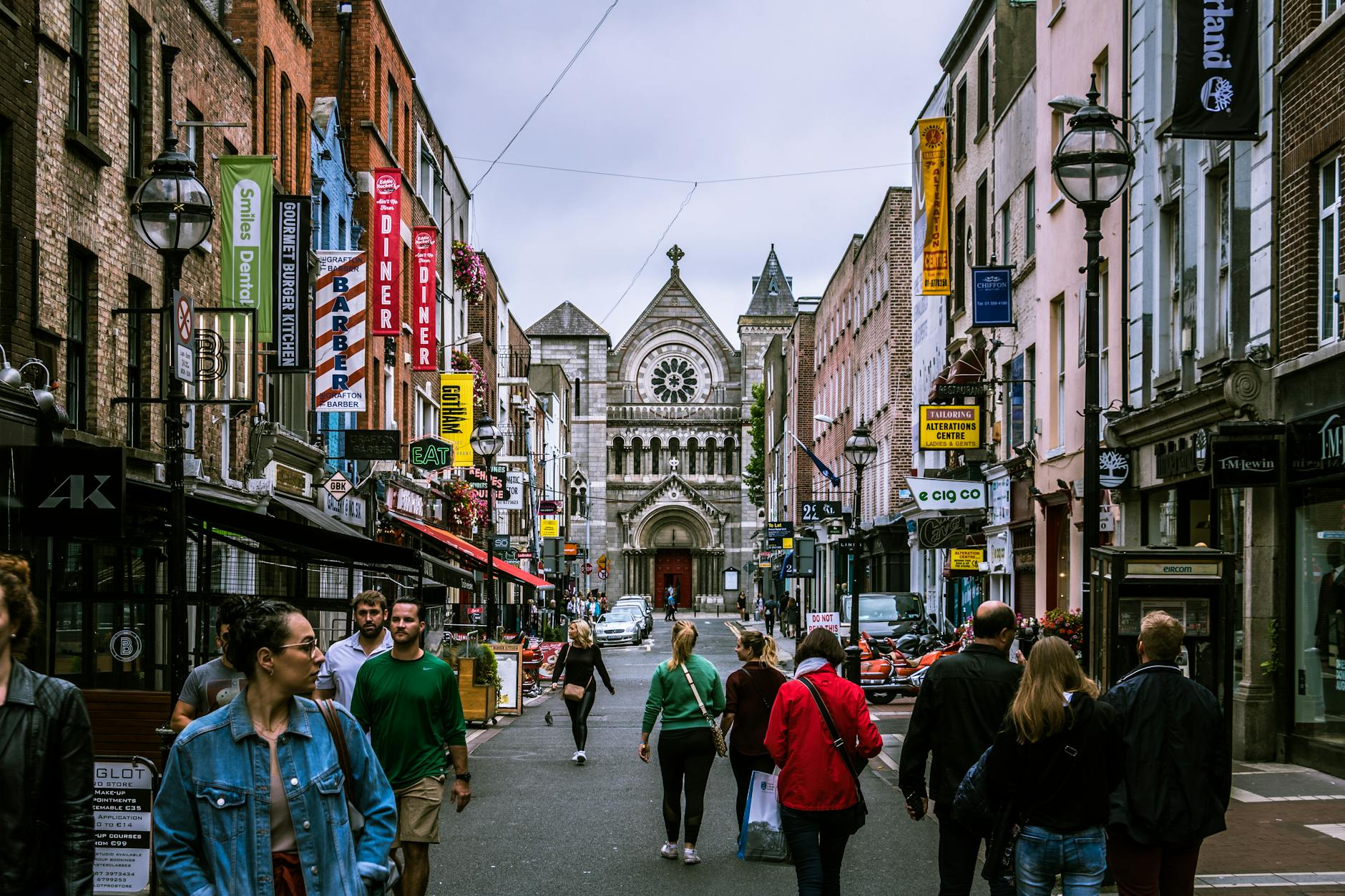
Dublin is a safe city for tourists. Violent crime targeting visitors is extremely rare, and the city centre is generally well-lit and populated into the late evening. That said, common-sense precautions apply. Pickpocketing can occur in crowded areas, particularly on Grafton Street, around Temple Bar, and on busy public transport. Keep your phone and wallet in a secure pocket or bag, and be aware of your surroundings in crowded spaces.
Late at night, stick to well-lit main streets and consider using a taxi or ride-hailing app rather than walking through quieter areas. Some parts of the north inner city (particularly around the boardwalk area along the Liffey) can feel less comfortable after dark. O’Connell Street itself is safe and busy, but the side streets and alleys off it warrant more caution late at night. Overall, Dublin is comparable to other mid-sized European capitals in terms of safety, and millions of tourists visit each year without incident.
Electricity and Plugs
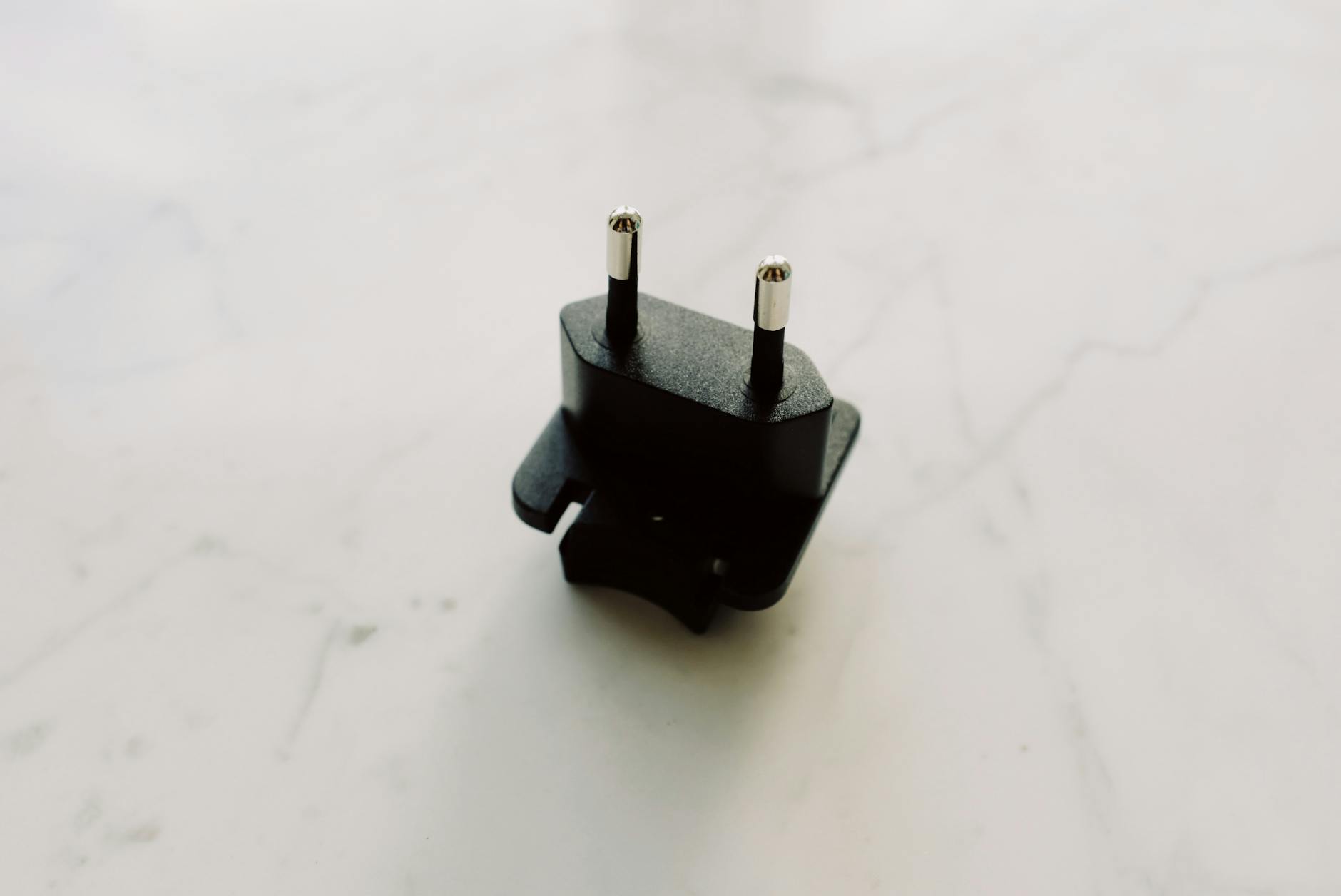
Ireland uses Type G three-pin plugs, the same as the United Kingdom. If you are travelling from continental Europe, the Americas, or Asia, you will need a plug adapter. These can be bought cheaply at Dublin Airport or in electronics shops in the city centre, but it is easier to bring one from home. The voltage is 230V at 50Hz, which is compatible with most modern electronics (phones, laptops, and camera chargers typically work on 100-240V). If you are bringing older appliances from a country with 110V mains, check the label for compatibility and bring a voltage converter if needed.
Connectivity: WiFi, SIM Cards and Phones
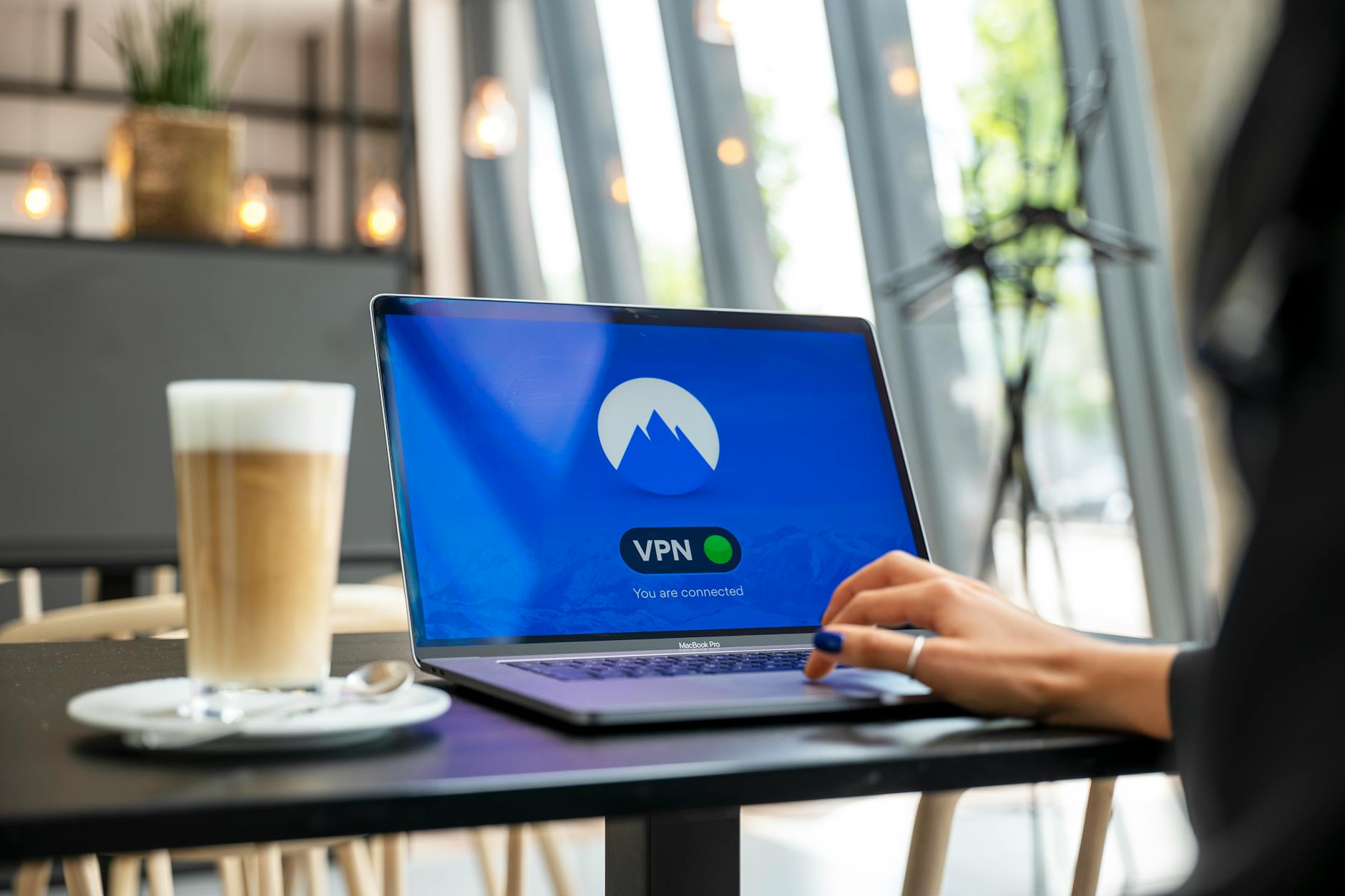
Free WiFi is widely available in Dublin. Most cafes, restaurants, hotels, and shopping centres offer it, and Dublin City Council provides free public WiFi in several city centre locations. For reliable mobile data, EU visitors can use their home mobile plan under EU roaming regulations at no extra cost. UK visitors should check their provider’s current roaming terms, as these have changed since Brexit. Visitors from outside the EU can buy a prepaid SIM card at Dublin Airport or in phone shops on O’Connell Street for around 10 to 20 euro, which typically includes data, calls, and texts.
Dublin Orientation: Understanding the City Layout
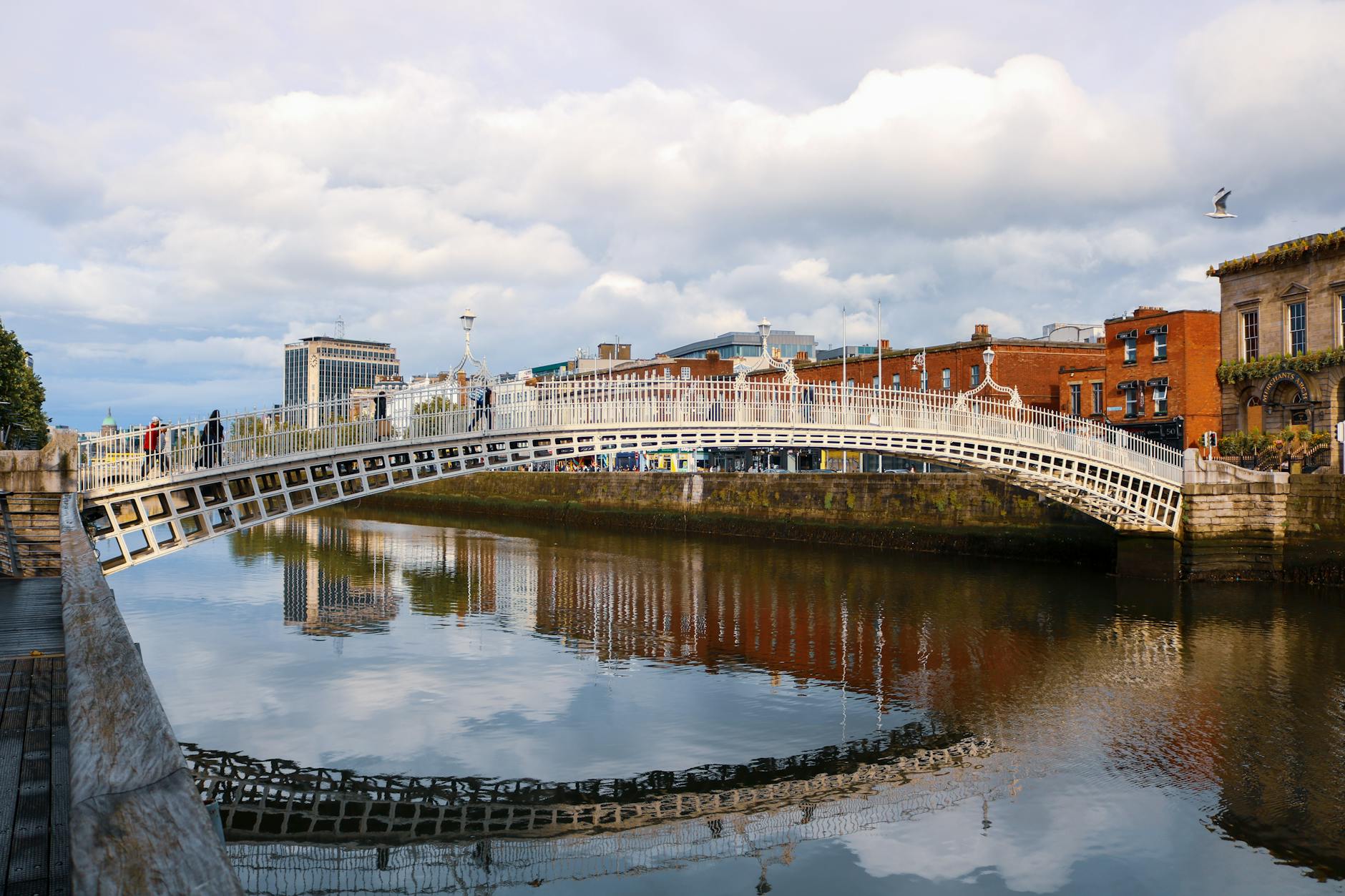
Dublin is divided into two halves by the River Liffey, which runs west to east through the city centre. The south side is home to Trinity College, Grafton Street, Temple Bar, St Stephen’s Green, and most of the upmarket shopping and dining areas. The north side contains O’Connell Street (the city’s widest boulevard), the GPO, Smithfield, and Croke Park. Both sides have their own character and are easily connected by numerous bridges, the most famous being the Ha’penny Bridge.
Dublin also uses a numbered postal district system. Odd numbers (Dublin 1, 3, 5, 7) are on the north side of the Liffey, and even numbers (Dublin 2, 4, 6, 8) are on the south side. Dublin 2 covers the premium south city centre area including Grafton Street and Merrion Square, while Dublin 1 covers the north city centre around O’Connell Street.
Food and Drink Tips
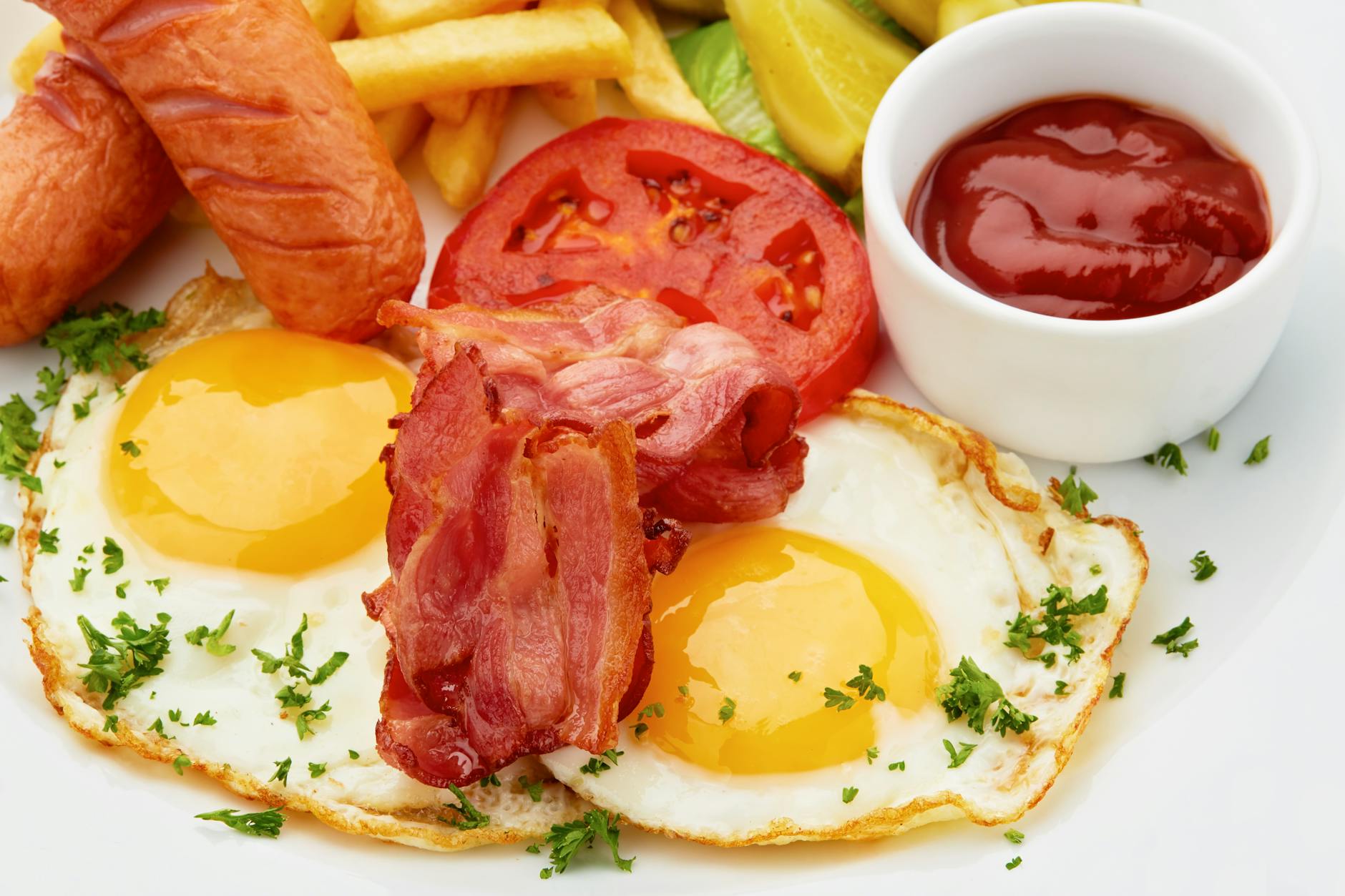
Do not leave Dublin without trying a full Irish breakfast. This hearty meal of bacon, sausages, black and white pudding, eggs, toast, and beans is served in most cafes and hotels and will fuel a full morning of sightseeing. Beyond breakfast, Dublin’s food scene has transformed in recent years, with excellent restaurants spanning everything from modern Irish fine dining to street food markets and authentic international cuisines.
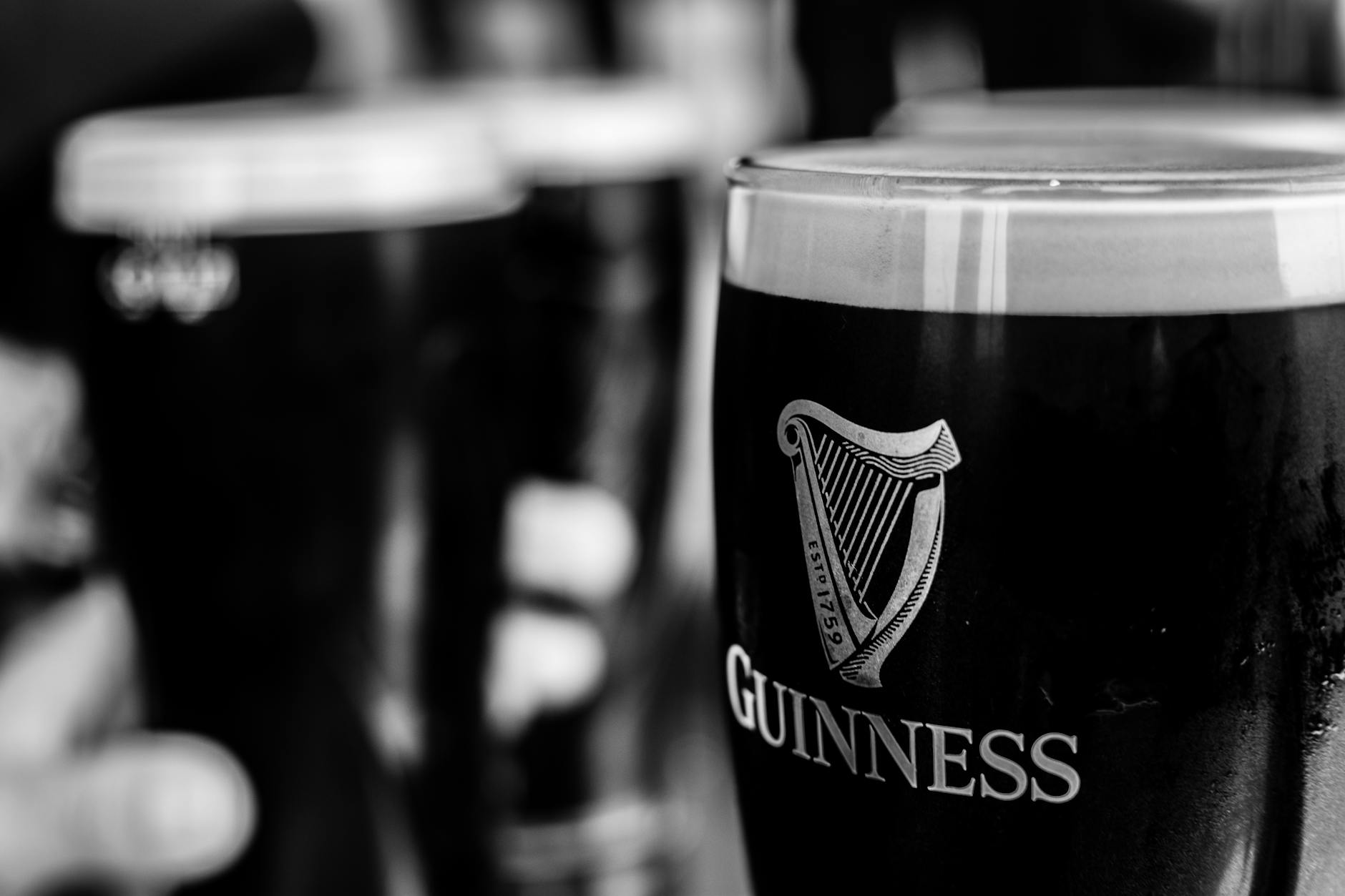
In pubs, you order drinks at the bar and pay immediately rather than running a tab (though some newer bars do offer tabs). Food in pubs is usually ordered at the bar or from a separate food counter. A pint of Guinness in Dublin tastes different from anywhere else in the world and should be experienced at least once, regardless of your usual drinking preferences. If you do not drink alcohol, Dublin has embraced the non-alcoholic drinks trend, and most pubs now stock alcohol-free beers and creative mocktails.
Getting the Most From Tourist Attractions
Book tickets in advance for the Guinness Storehouse, Kilmainham Gaol, the Book of Kells at Trinity College, and EPIC The Irish Emigration Museum. These attractions regularly sell out, especially during peak season, and advance tickets are often cheaper than walk-up prices. Many of Dublin’s best attractions are free, including the National Gallery, the National Museum (all branches), the Chester Beatty Library, the Hugh Lane Gallery, and the grounds of Phoenix Park and St Stephen’s Green.
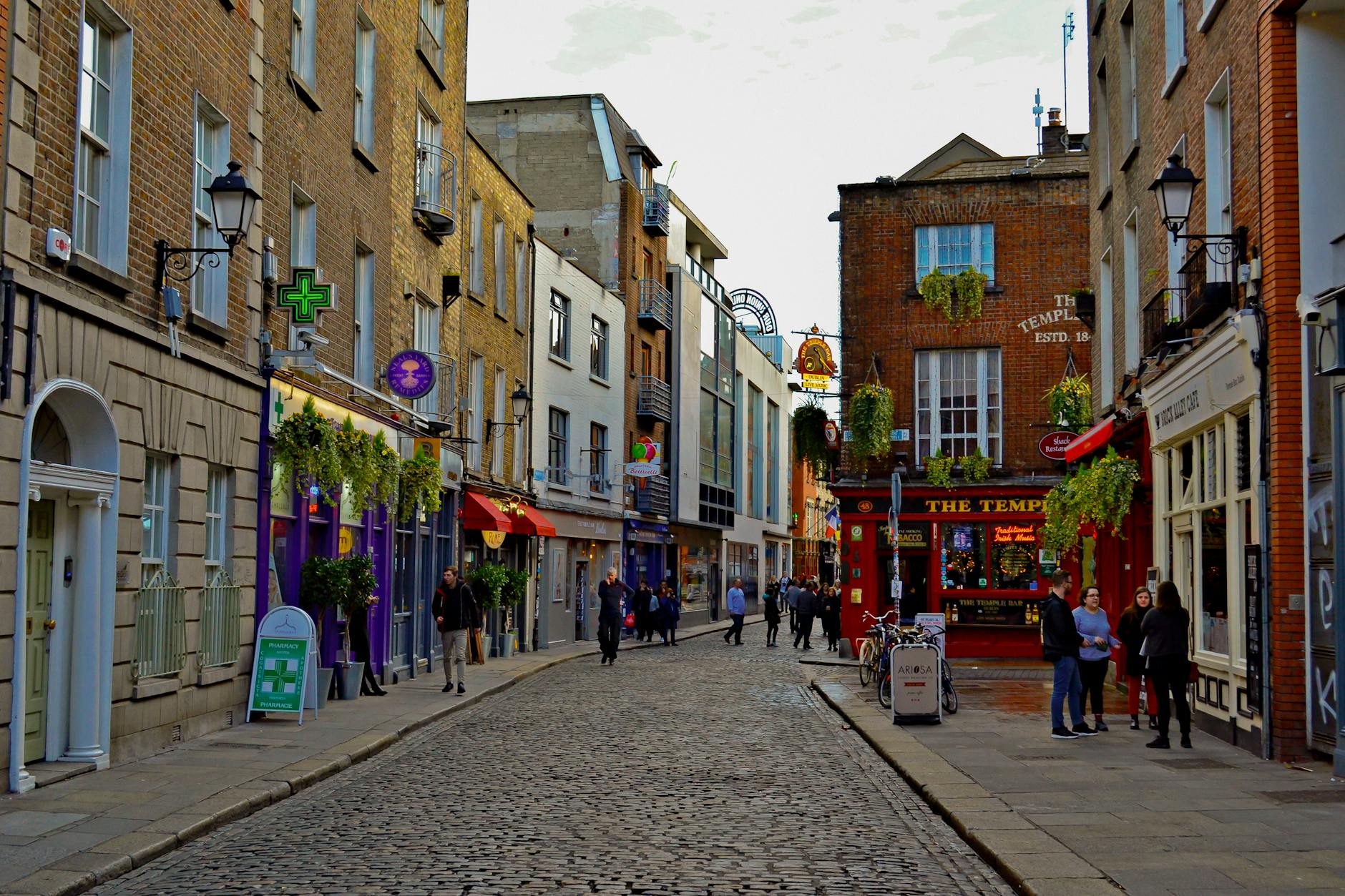
Temple Bar is Dublin’s most famous neighbourhood and worth a visit for its cobblestone character, street performers, and the Temple Bar pub itself. However, drinks in this area cost significantly more than the rest of the city, sometimes two to three euro per pint more. For a more authentic and affordable pub experience, venture to neighbourhoods like Stoneybatter, Portobello, or Rathmines.
Local Customs and Cultural Tips
Irish people are generally friendly, approachable, and happy to help tourists. Do not be surprised if a stranger in a pub strikes up a conversation with you, as this is entirely normal and one of the pleasures of visiting. The Irish sense of humour is dry, self-deprecating, and quick, and what might sound sarcastic is almost always affectionate.
A few cultural notes: Ireland is a modern, progressive country despite its traditional Catholic heritage. Same-sex marriage has been legal since 2015, and the country legalised abortion by popular referendum in 2018. Dublin is a cosmopolitan, diverse city and welcoming to all visitors. Irish is the first official language of the country and you will see bilingual signs everywhere, but English is universally spoken. A few Irish phrases like ‘slainte’ (cheers, used when toasting drinks) and ‘craic’ (fun, entertainment, good times) will endear you to locals.
Health and Pharmacies
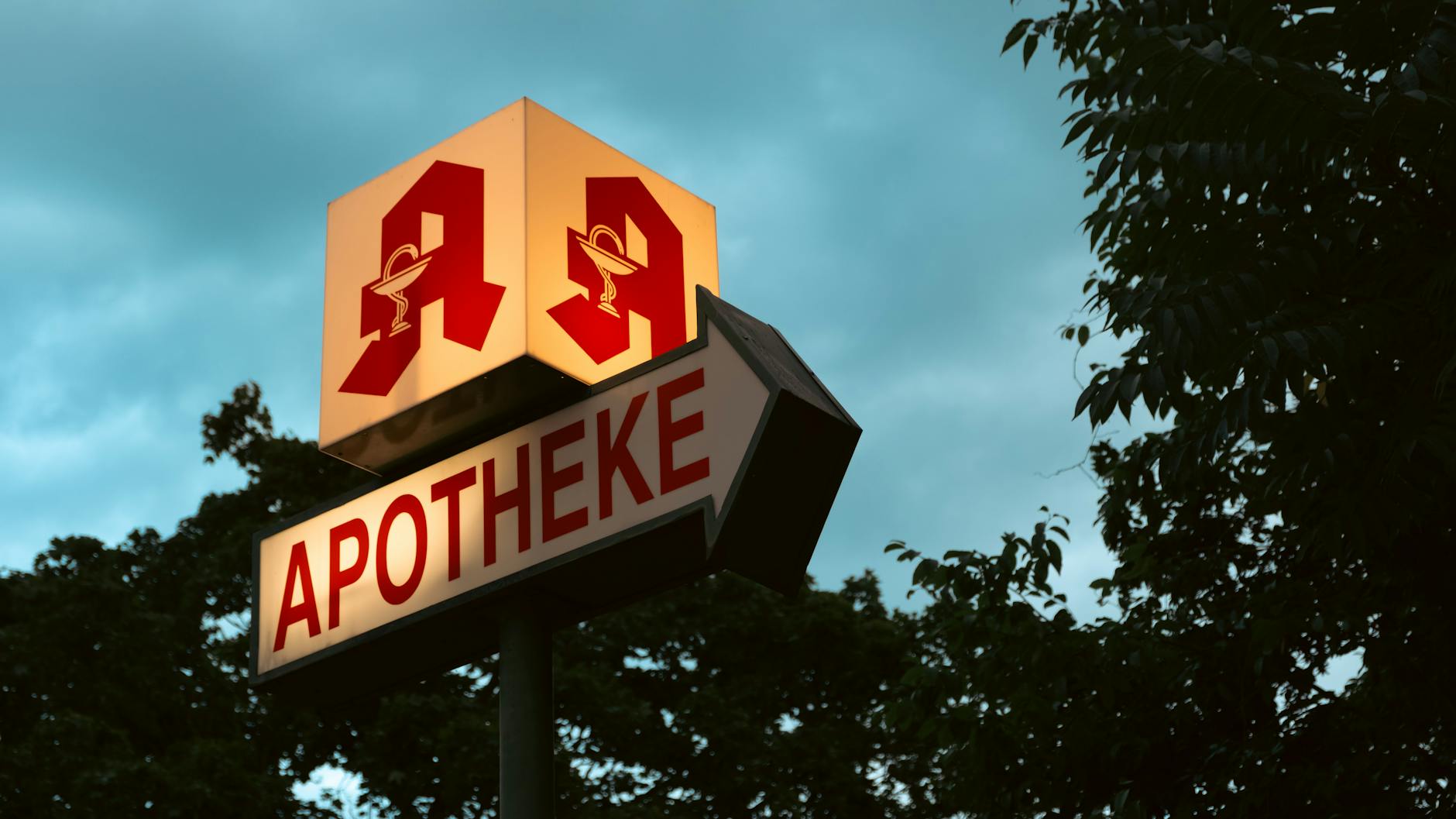
Dublin has excellent healthcare facilities. For minor ailments, pharmacies (called chemists in Ireland) are widely available and pharmacists can advise on over-the-counter remedies. Boots and Lloyds are the main pharmacy chains, with multiple locations in the city centre. For non-emergency medical issues, GP (general practitioner) visits cost around 50 to 65 euro without insurance. In an emergency, call 112 or 999 for ambulance, fire, or police services. The main emergency departments are at the Mater Hospital (north side) and St Vincent’s Hospital (south side).
Dublin tap water is safe to drink and tastes good. Refilling a reusable water bottle is both practical and environmentally friendly, and many cafes will happily refill your bottle for free.
Practical Details Worth Knowing
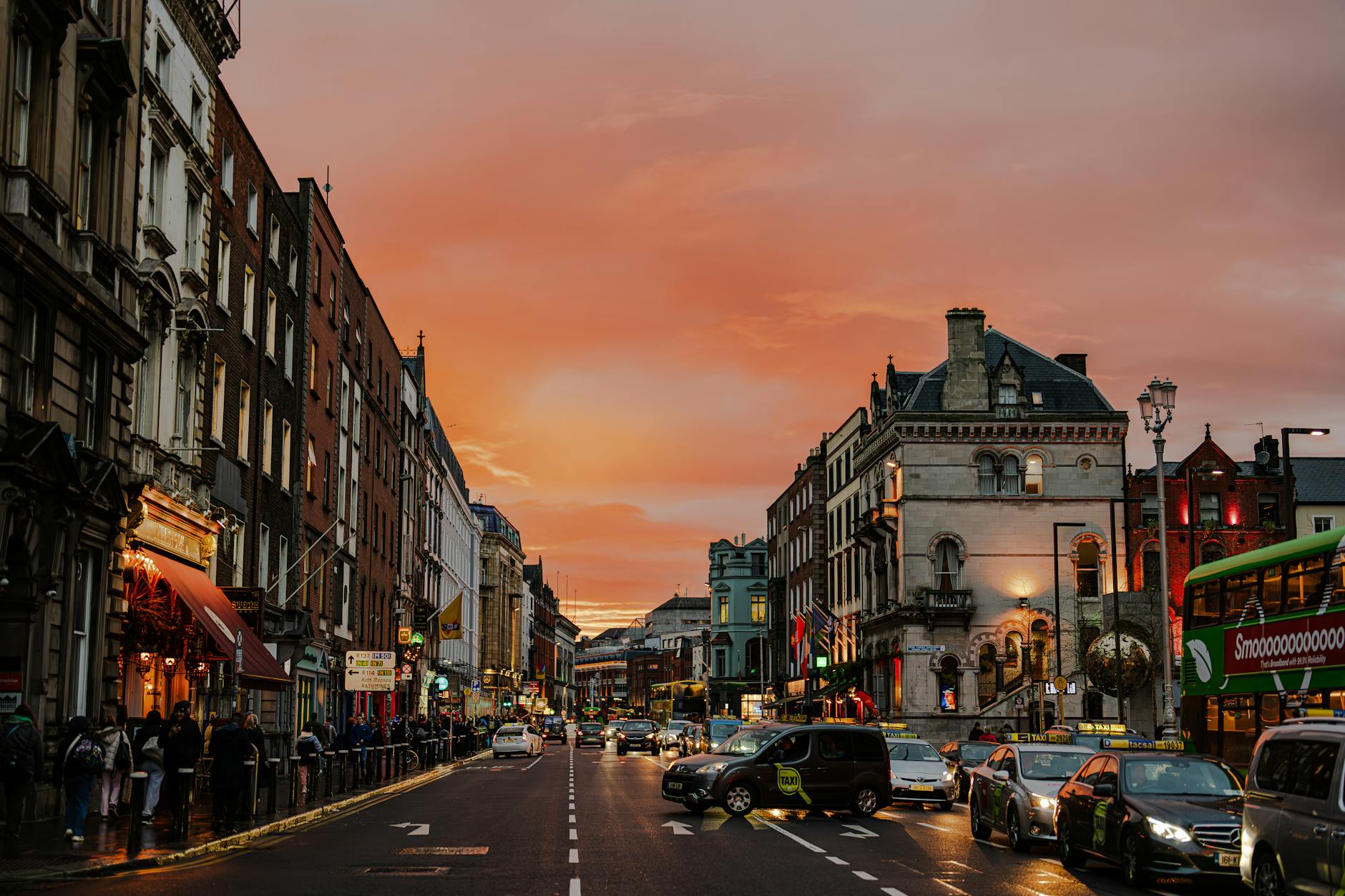
Shops in Dublin generally open from 9 or 10 in the morning until 6 in the evening, with late opening until 8 or 9 on Thursdays. Sunday opening hours are shorter, typically 12 to 6. Supermarkets and some shopping centres have extended hours. Pubs traditionally close at 11:30pm on weeknights and 12:30am on Fridays and Saturdays, though many city-centre bars now have late licences until 2:30am. Nightclubs typically stay open until 3 or 4 in the morning.
Smoking is banned in all enclosed public spaces in Ireland, including pubs, restaurants, and hotels. This was one of the first nationwide workplace smoking bans in the world when introduced in 2004. Smoking areas are available outside most pubs. Public drinking (consuming alcohol on the street) is illegal in Dublin, though enforcement is relatively relaxed outside of problem areas.
The legal drinking age in Ireland is 18. You may be asked for photo ID in pubs and off-licences (liquor stores), particularly if you look under 25.
Luggage Storage and Left Luggage
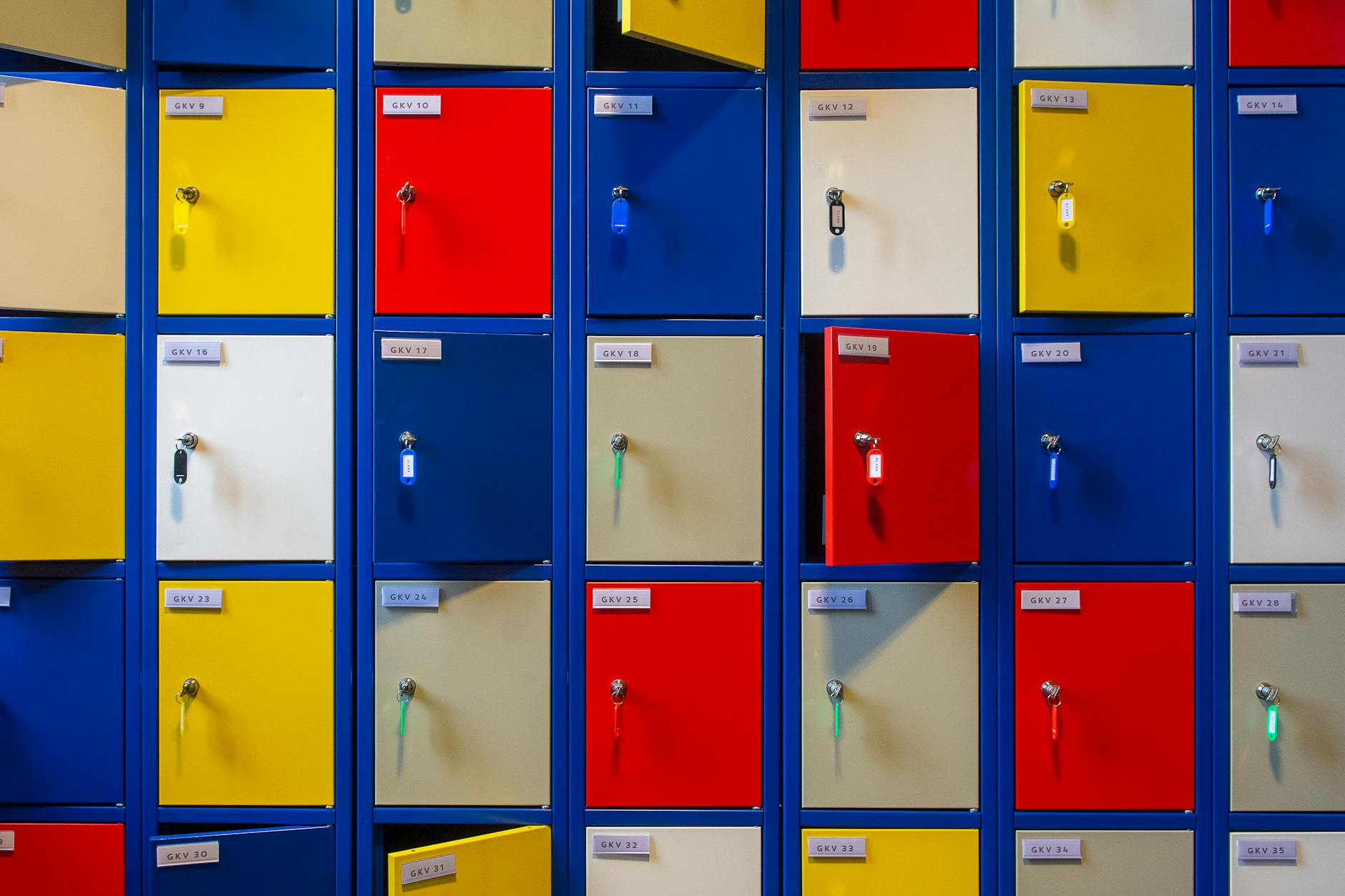
If you arrive in Dublin before your hotel check-in time or have a late flight after checkout, luggage storage options are available. Dublin Bus (Busaras) station and Connolly Station both have left luggage facilities. Several private luggage storage companies like Bounce and LuggageHero operate across the city centre, with rates typically starting at five to seven euro per bag per day. Having your hands free makes an enormous difference when exploring on foot, so storing bags rather than dragging them between attractions is money well spent.
Essential Apps for Dublin
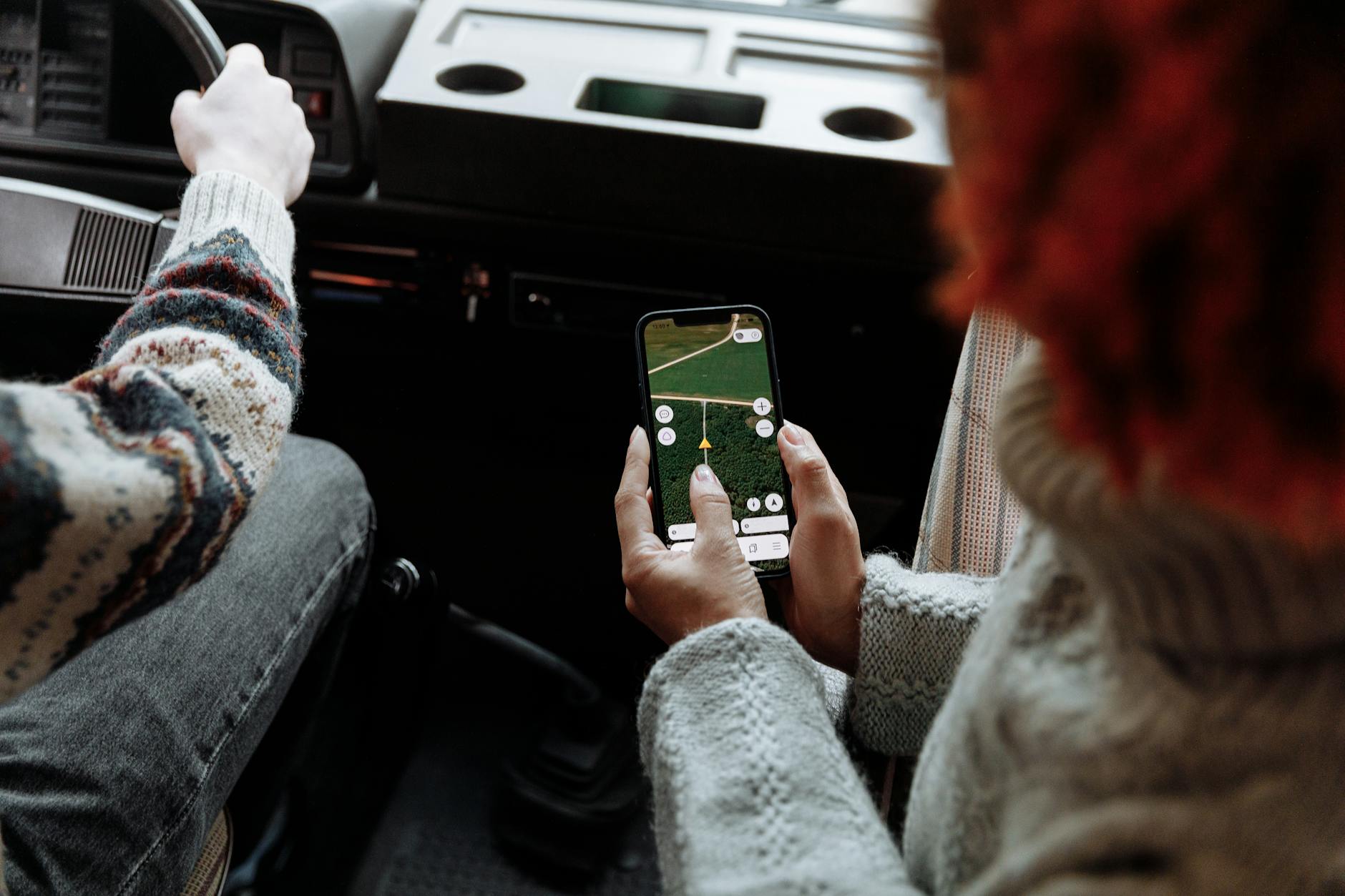
The TFI Journey Planner app handles all public transport planning. Google Maps works well for walking directions and transit. FreeNow or Uber handle taxi bookings. The Leap Top-Up app lets you add credit to your transport card remotely. For restaurants, Google Maps reviews are more reliable than TripAdvisor in Dublin, as locals use Google more actively. The DublinBikes app manages bike-share rentals. Having these six apps on your phone covers virtually every practical need during your visit.
Day Trip Planning From Dublin
Dublin makes an excellent base for exploring Ireland. Day trips by DART train to Howth (25 minutes) and Bray (45 minutes) are free with a Leap Visitor Card and offer coastal walks and seafood. Glendalough, the Cliffs of Moher, the Giant’s Causeway, Kilkenny, and Galway are all accessible as day trips by tour bus or rental car. Book guided tours at least a few days in advance during peak season, and consider renting a car for one or two days if you want to explore the Wicklow Mountains or Boyne Valley independently.
Accessibility in Dublin
Dublin has made significant improvements in accessibility for visitors with disabilities. Modern Luas trams offer level boarding at all stations, most Dublin Bus vehicles have wheelchair ramps, and major attractions including the Guinness Storehouse, EPIC Museum, and the National Gallery are fully accessible. Older buildings and some DART stations may present challenges, so checking accessibility information on venue websites before visiting is recommended. The Irish Wheelchair Association provides useful guidance on accessible tourism in Dublin.
Sustainable Travel Tips
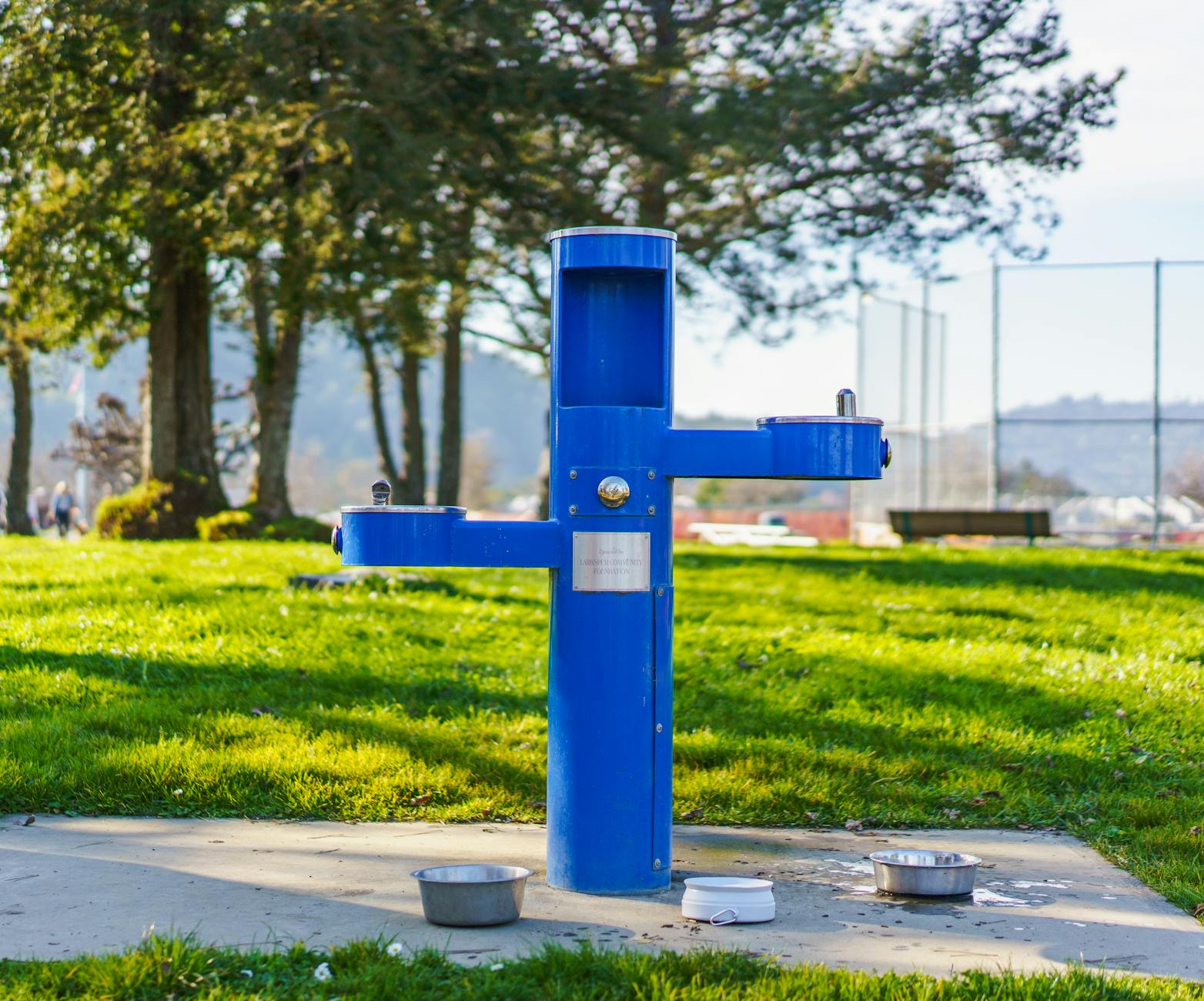
Dublin tap water is clean and tastes excellent, so bring a reusable water bottle rather than buying plastic. The city’s DublinBikes scheme and Bleeper e-bikes offer green alternatives to taxis for short journeys. Many Dublin restaurants now prioritise locally sourced and seasonal ingredients, and the weekend farmers markets at places like Temple Bar Food Market and the People’s Park Market in Dun Laoghaire showcase local producers. If shopping for souvenirs, look for genuine Irish-made crafts rather than mass-produced items imported from elsewhere.
Common Mistakes to Avoid
Spending your entire visit in Temple Bar is probably the most common tourist mistake. The area has character, but Dublin has dozens of neighbourhoods that are more authentic and significantly cheaper. Other common errors include not booking Kilmainham Gaol tickets in advance (they sell out days ahead), paying cash on Dublin Bus (which costs more than Leap Card fares and does not give change), expecting Uber to work like it does in the US (Dublin Uber drivers are all licensed taxi drivers), and scheduling too many attractions into a single day when Dublin is best enjoyed at a relaxed pace with time for wandering, coffee stops, and spontaneous pub visits.
Finally, do not skip the north side of the city. Many tourists stay exclusively south of the Liffey, but the north side is home to some of Dublin’s best experiences, including the Jameson Distillery in Smithfield, The Cobblestone pub for traditional music, Croke Park for GAA culture, and the Glasnevin Cemetery museum. Dublin is a city that rewards curiosity, and some of its best moments happen when you wander beyond the obvious tourist trail.
Leave a Reply