Choosing where to stay in Dublin can make or break your trip. The right neighbourhood puts you within walking distance of everything you want to see, while the wrong one can mean expensive taxi rides and missed opportunities. Dublin is a compact, walkable capital — but its distinct neighbourhoods each offer a very different experience for visitors.
This guide breaks down every major area where tourists stay in Dublin, covering the best neighbourhoods, accommodation types, budget tiers, and practical booking tips. Whether you are visiting Dublin for the first time, planning a romantic weekend, travelling with young children, or looking for the cheapest bed in the city, you will find detailed, honest recommendations below — including 2026 prices, seasonal advice, and the specific strengths and weaknesses of each area.
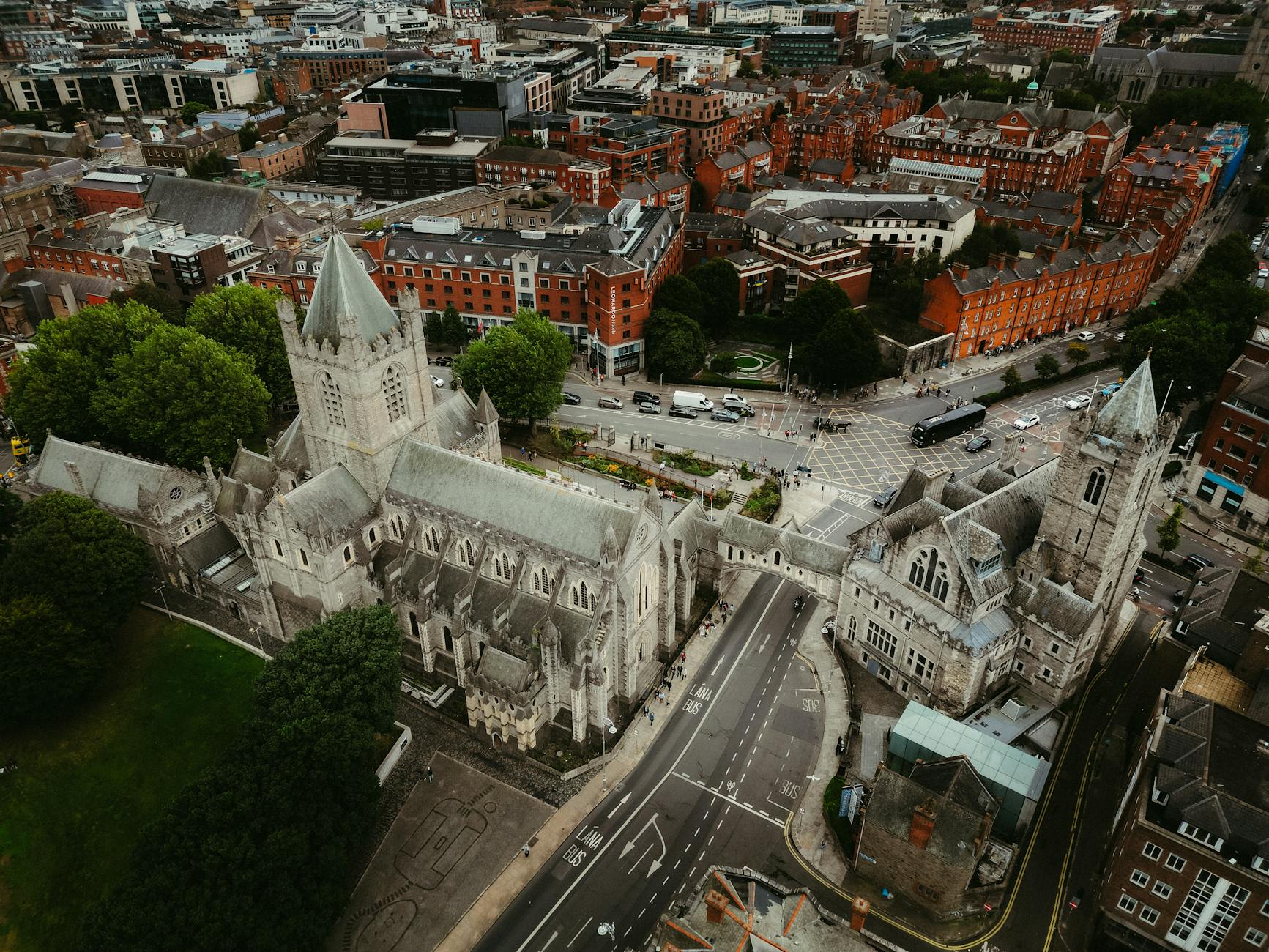
We have researched current hotel prices, walked the neighbourhoods ourselves, and compared every major booking platform to bring you the most comprehensive accommodation guide for Dublin available anywhere online. Use the table of contents below to jump to the section most relevant to your trip.
Quick Guide: Best Areas to Stay in Dublin by Traveller Type
Before we dive into the detail, here is a quick-reference summary. Every area is covered in depth further down the page, but if you are short on time, this table tells you where to focus your search based on your travel style and priorities.
| Traveller Type | Best Area | Why | Avg. Nightly Rate (2026) |
|---|---|---|---|
| First-time visitors | St Stephen’s Green / Grafton Street | Central, walkable, close to Trinity College, safe | €150–€280 |
| Budget backpackers | Smithfield / North City | Cheapest hostels, walkable to centre, Jameson Distillery | €25–€60 |
| Couples / Romance | Merrion Square / Ballsbridge | Elegant Georgian architecture, quiet streets, fine dining | €180–€400 |
| Families with children | Portobello / Ballsbridge | Quiet, parks nearby, family rooms available | €120–€220 |
| Nightlife lovers | Temple Bar / Camden Street | Pubs, live music, restaurants on your doorstep | €130–€250 |
| Business travellers | Docklands / Grand Canal | Near tech offices, conference venues, modern hotels | €160–€350 |
| Long-stay / Digital nomads | Rathmines / Ranelagh | Local cafes, co-working spaces, supermarkets, good value | €90–€160 |
| Luxury seekers | St Stephen’s Green / Merrion Square | 5-star hotels, Michelin restaurants, designer shopping | €350–€700+ |
| Coastal escape | Howth / Dún Laoghaire | Seaside villages, cliff walks, DART access to city centre | €100–€180 |
Understanding Dublin’s Layout: Northside vs Southside
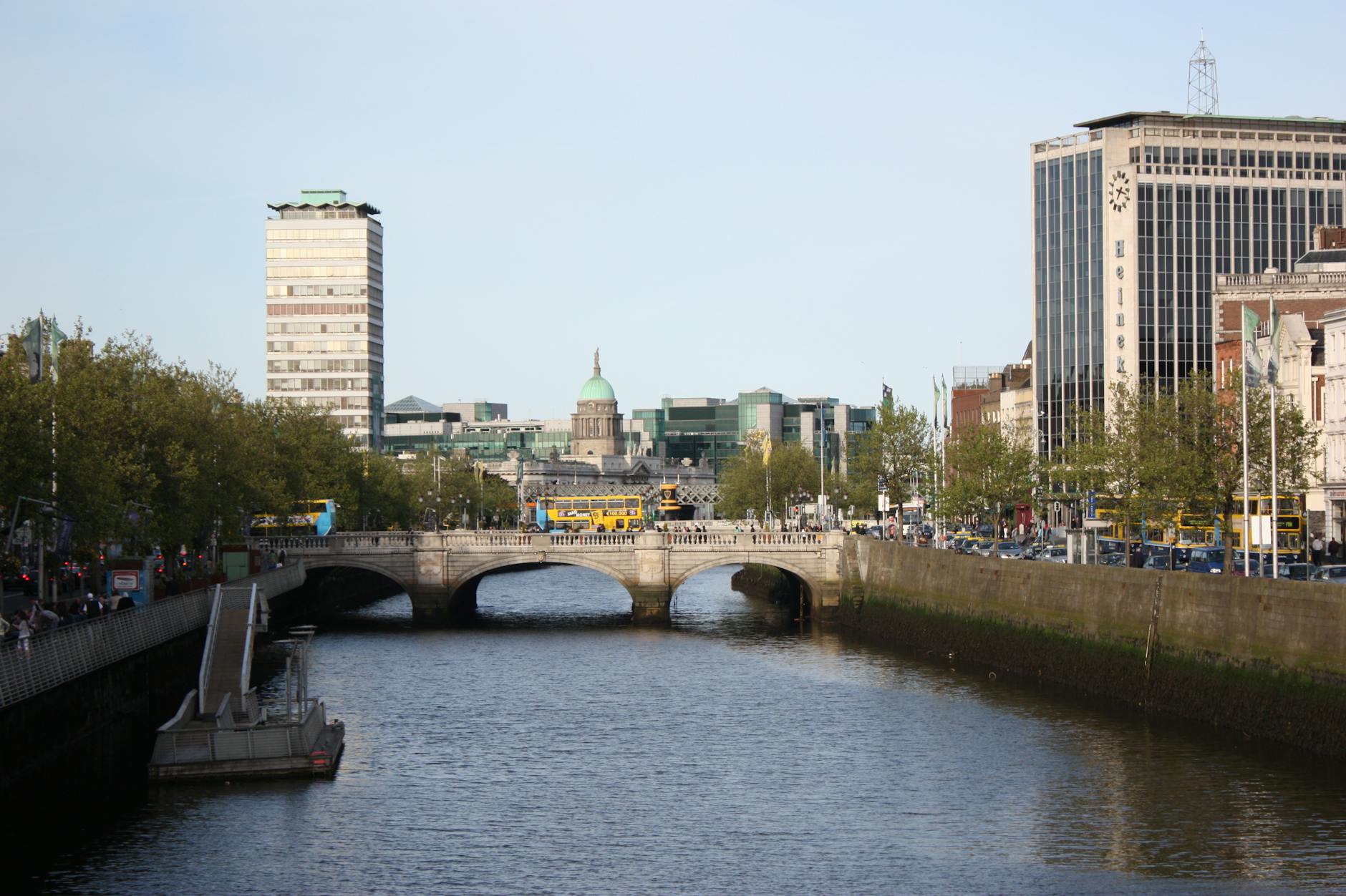
The River Liffey cuts Dublin in two, and locals take the north-south divide seriously. For tourists, the distinction matters because it affects price, atmosphere, safety perception, and proximity to different attractions. Here is what you need to know.
Southside Dublin is generally considered the more affluent, tourist-friendly half of the city. This is where you will find St Stephen’s Green, Grafton Street, Trinity College, Merrion Square, Temple Bar, and most of Dublin’s luxury hotels. The southside tends to be quieter after dark (outside Temple Bar), with well-maintained Georgian streetscapes and a concentration of museums, galleries, and upscale restaurants. Hotel prices are typically 20-40% higher on the southside compared to equivalent quality on the northside.
Northside Dublin includes O’Connell Street, Smithfield, Phibsborough, and Stoneybatter. It is more affordable, more residential in character, and home to some of Dublin’s most exciting food and nightlife scenes. The northside has undergone significant regeneration in recent years, and areas like Smithfield and Stoneybatter are now among the trendiest neighbourhoods in the city. Budget travellers will find the best hostel and budget hotel options here. The main caution is that some streets around O’Connell Street and Gardiner Street can feel less safe late at night — though this is an issue of specific streets rather than the entire northside.
For first-time visitors, we generally recommend staying on the southside within walking distance of St Stephen’s Green. For repeat visitors or budget-conscious travellers, the northside offers better value and a more authentic Dublin experience.
Best Neighbourhoods to Stay in Dublin
Dublin’s neighbourhoods each have their own personality. Below, we cover the ten best areas for visitors, with honest assessments of what each area offers and who it suits best.
1. St Stephen’s Green & Grafton Street — Best for First-Time Visitors
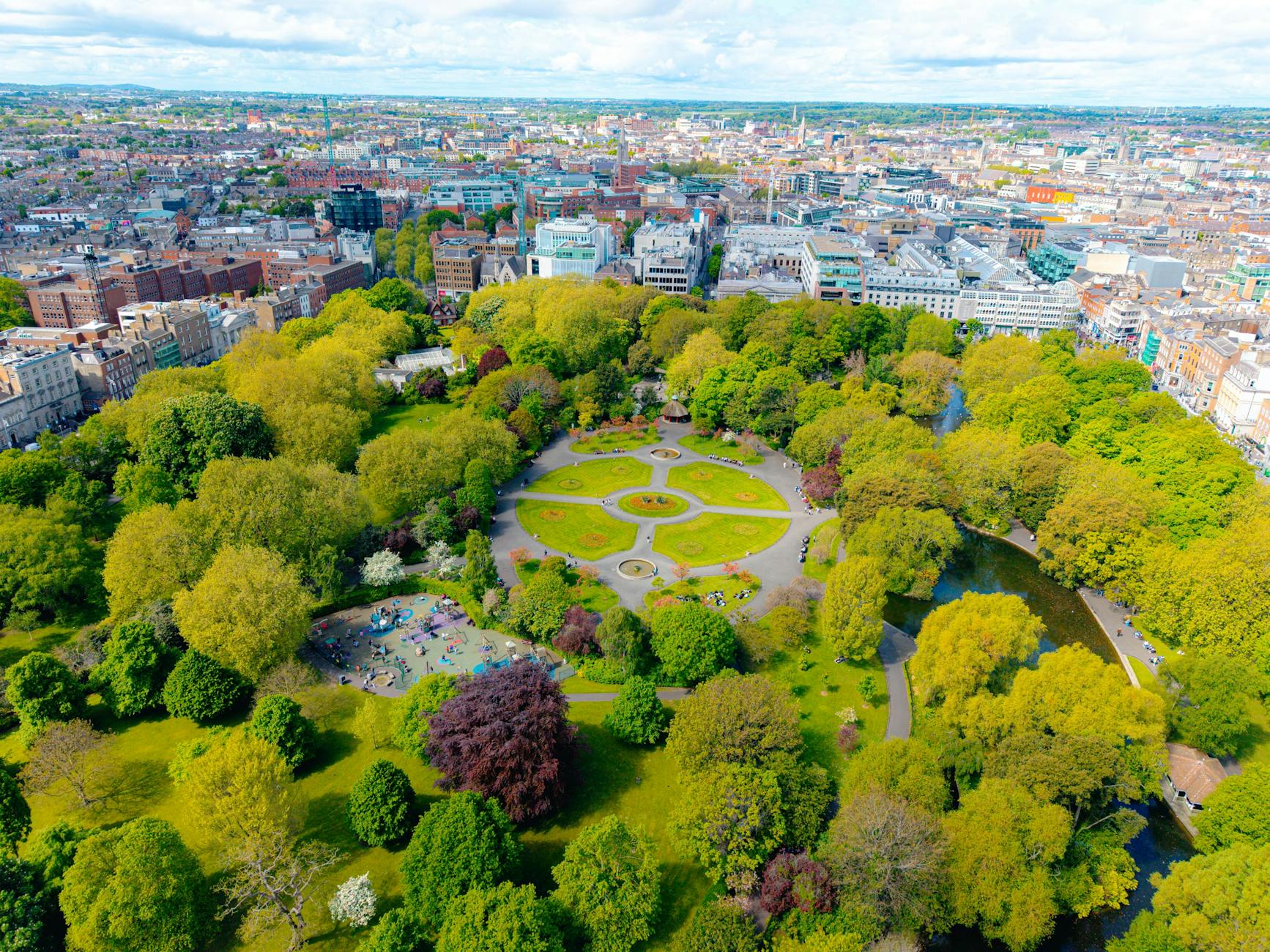
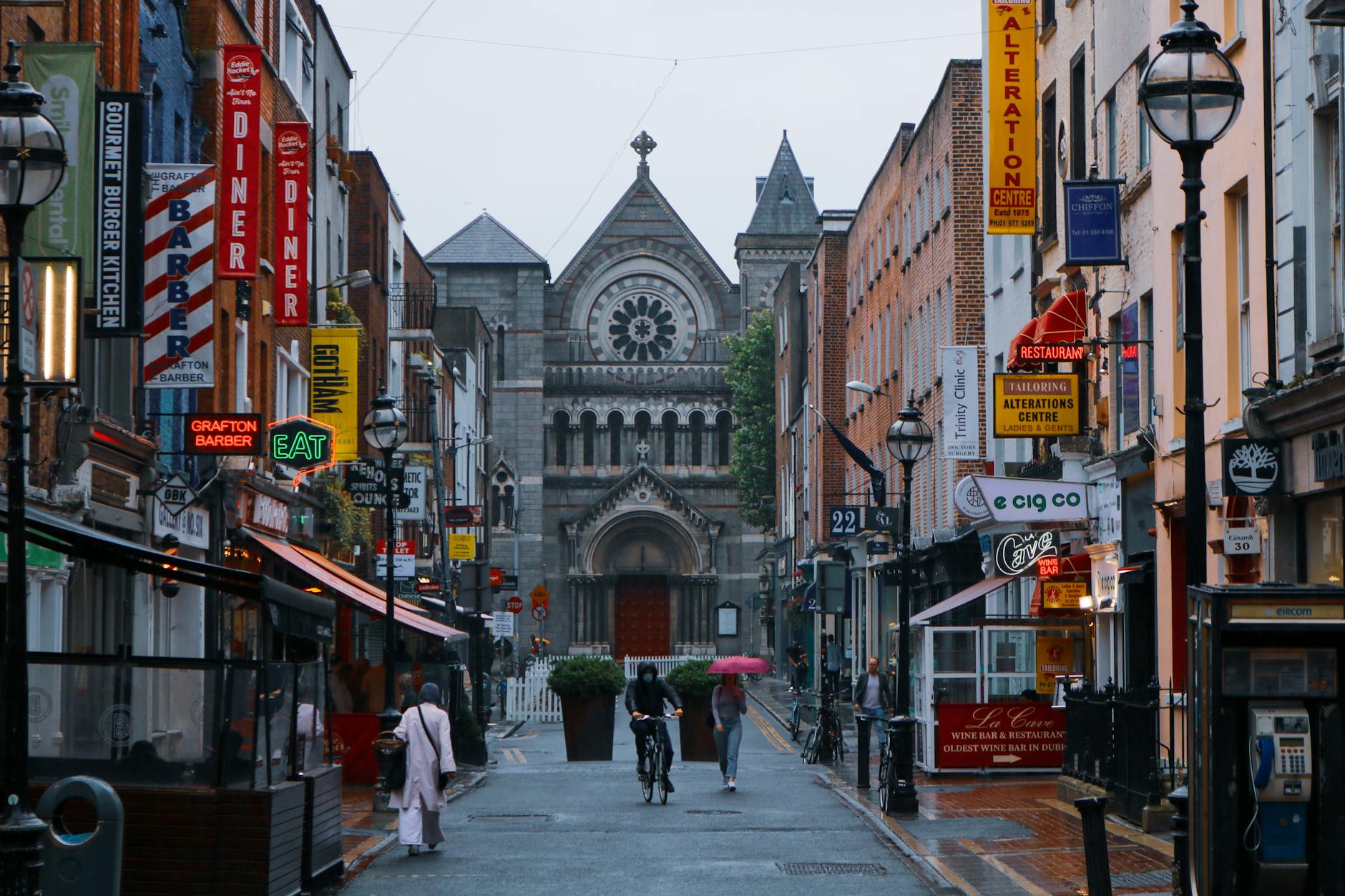
If this is your first time in Dublin and you want to be in the heart of everything, St Stephen’s Green is the gold standard. This Victorian park sits at the top of Grafton Street, Dublin’s premier pedestrianised shopping street, and puts you within a 15-minute walk of Trinity College, Dublin Castle, the National Gallery, and dozens of restaurants and pubs.
The area is home to some of Dublin’s finest hotels — The Shelbourne (dating from 1824), The Westbury, and Conrad Dublin all face or sit within steps of the Green. Mid-range options like the Staunton’s on the Green and various Grafton Street hotels bring the entry point down to around €150 per night. The area feels safe at all hours, is well-lit, and has excellent transport connections including the Luas (tram) Green Line stop at St Stephen’s Green, which connects directly to the Northside and suburban areas.
Pros: Unbeatable central location, beautiful park, safe at all hours, excellent dining and shopping, strong transport links. Cons: Premium prices, can feel touristy, limited budget options, street noise on Grafton Street. Best for: First-time visitors, luxury travellers, couples, older travellers who want walkability.
2. Temple Bar — Best for Nightlife (With Caveats)
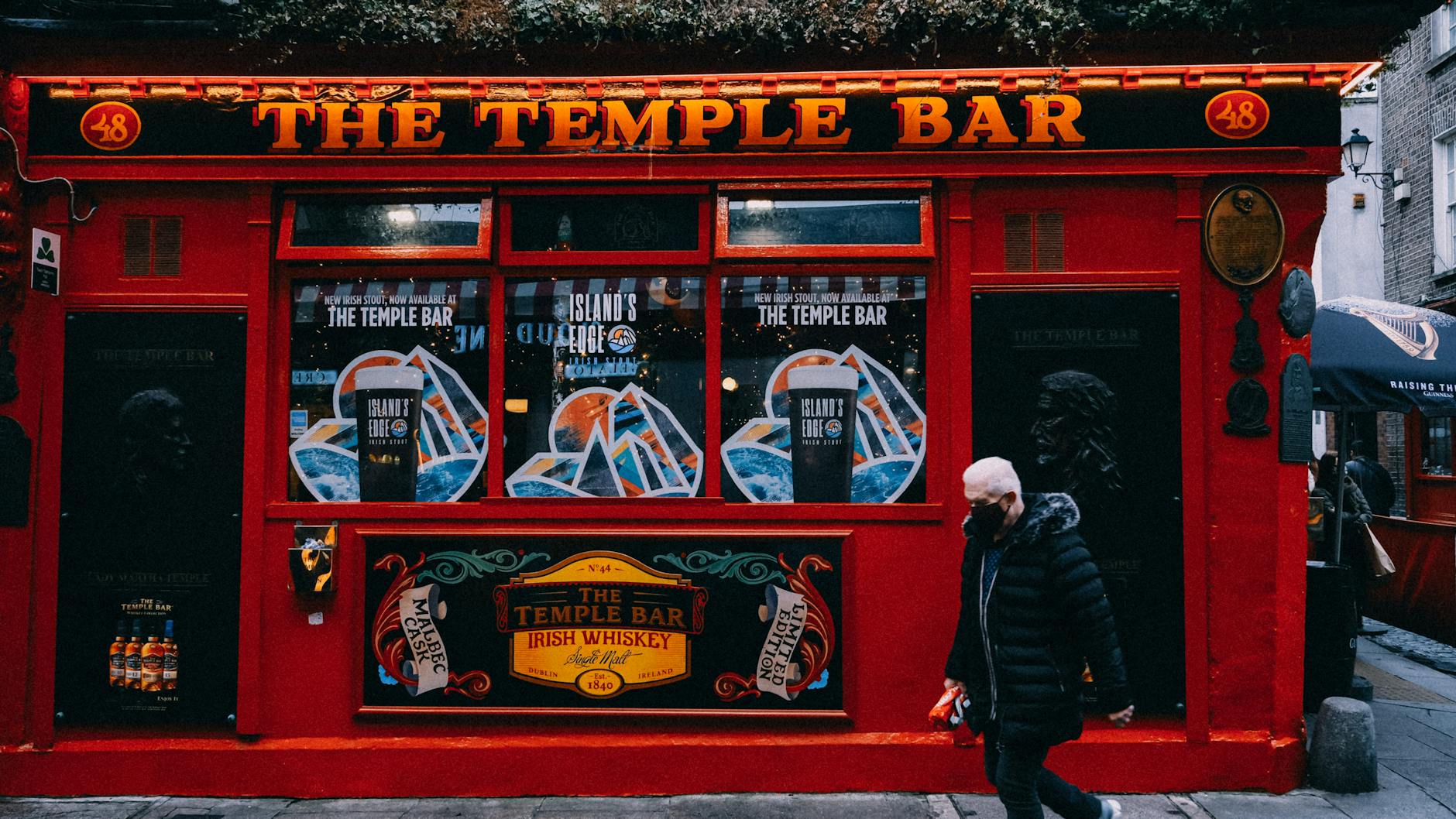
Temple Bar is Dublin’s most famous neighbourhood and its reputation precedes it. This cobblestoned cultural quarter on the south bank of the Liffey is packed with pubs, live music venues, restaurants, galleries, and street performers. It is colourful, energetic, and unapologetically touristy.
Should you stay here? That depends entirely on your priorities. If you want to stumble out of a pub at midnight and be in bed two minutes later, Temple Bar is ideal. If you value sleep, peace, or value for money, look elsewhere. Pubs in Temple Bar charge a significant premium on drinks (expect to pay €7-€9 for a pint compared to €5.50-€6.50 elsewhere), and hotel rooms overlooking the cobblestoned streets come with a soundtrack of live music and revellers until the early hours. Light sleepers should specifically request back-facing rooms or simply stay in an adjacent area like Dame Street or the Liberties, which are a five-minute walk from Temple Bar’s action but dramatically quieter.
Pros: Unmatched nightlife and atmosphere, cultural venues, central location, restaurants for every taste. Cons: Noisy until 3am, overpriced drinks and dining, very touristy, not representative of “real” Dublin. Best for: Nightlife lovers, groups of friends, short weekend breaks where sleep is not a priority.
3. Merrion Square & Fitzwilliam — Best for Couples & Culture
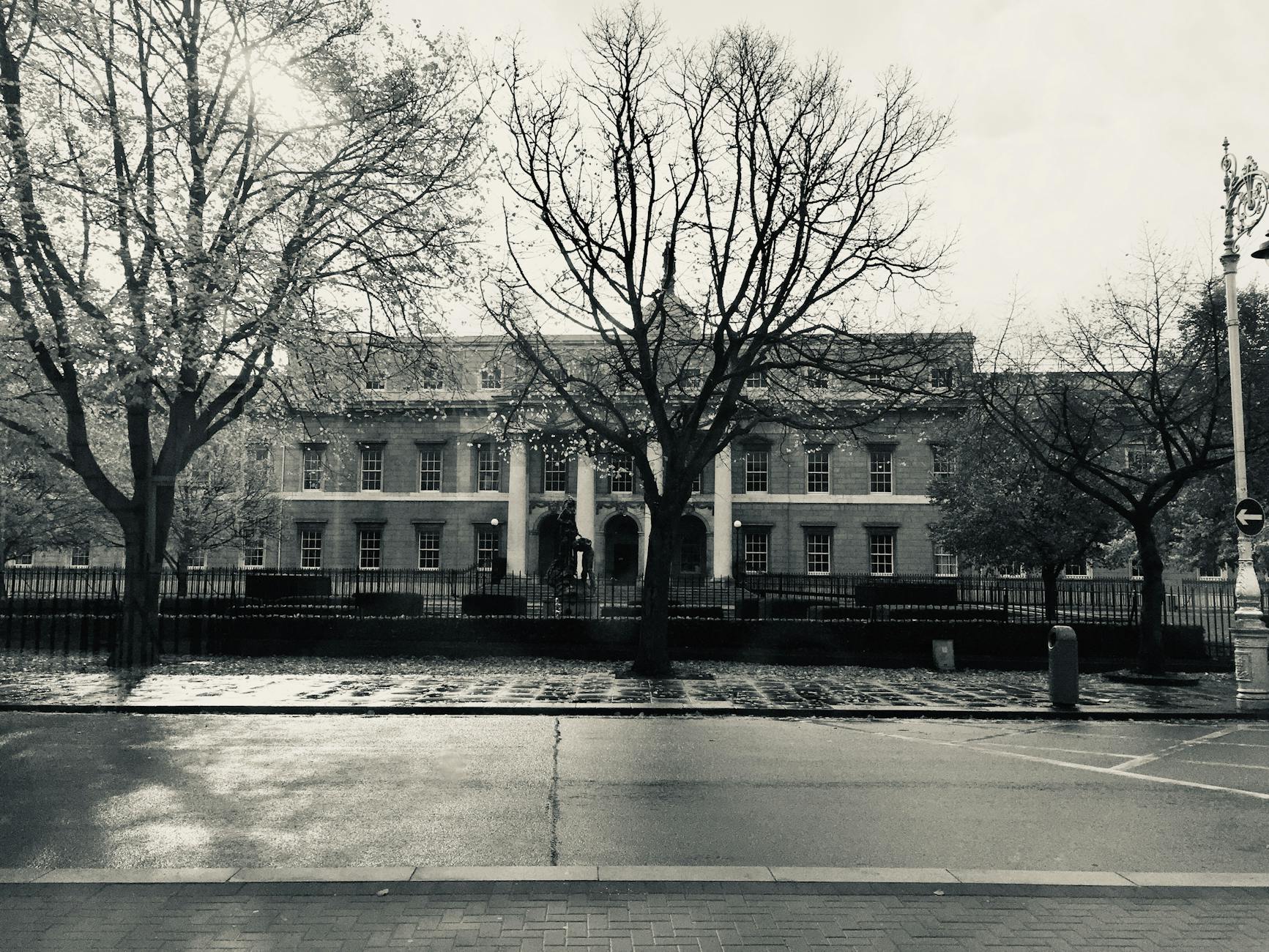
Merrion Square is Dublin at its most elegant. This Georgian square is surrounded by beautifully preserved 18th-century townhouses with their famous colourful doors, and is home to the National Gallery, Natural History Museum, and the gardens of Leinster House (Ireland’s parliament). Oscar Wilde’s childhood home is here, marked by a whimsical statue in the park.
Accommodation around Merrion Square tends towards the upscale — The Merrion Hotel (a five-star built from four Georgian townhouses) is one of Dublin’s finest, while Number 31 (a boutique property combining a modernist mews with a Georgian townhouse) regularly features in “world’s best boutique hotel” lists. The area is quieter than Grafton Street but still just a ten-minute walk from Trinity College and Temple Bar. Fitzwilliam Square, one block south, offers similar elegance with slightly lower prices.
Pros: Beautiful architecture, world-class museums, quiet and refined, excellent restaurants (several Michelin-starred options), safe. Cons: Expensive, fewer casual dining/pub options, can feel quiet in evenings. Best for: Couples, culture lovers, business travellers, anyone who appreciates architectural beauty.
4. Smithfield & Stoneybatter — Best for Budget Travellers
If you want authentic Dublin on a budget, head to the northside. Smithfield, a regenerated market square anchored by the Jameson Distillery, has become one of Dublin’s coolest areas. The Lighthouse Cinema (an independent arthouse cinema), excellent street art, and a growing food scene give it a creative, local vibe that Temple Bar can only dream of.
Adjacent Stoneybatter is Dublin’s oldest neighbourhood and one of its most characterful. The Cobblestone pub is legendary for traditional Irish music sessions, while L. Mulligan Grocer serves some of the city’s best craft beer and gastropub food. Accommodation here is significantly cheaper than the southside — expect to pay €25-€40 for a hostel dorm bed and €80-€130 for a private hotel room. The area is a 10-15 minute walk to O’Connell Street and a 20-minute walk to Temple Bar.
Pros: Excellent value, authentic local atmosphere, great traditional music, walkable to centre, increasingly trendy. Cons: Less polished than southside, some streets feel rough after dark, fewer tourist amenities. Best for: Budget travellers, backpackers, music lovers, repeat visitors who want a local experience.
5. Portobello & The Canal — Best for Families
Portobello sits along the Grand Canal, about a 15-minute walk south of St Stephen’s Green. It is one of Dublin’s most pleasant residential neighbourhoods, with tree-lined streets, independent coffee shops (try Bretzel Bakery), and a relaxed, village-like atmosphere that feels worlds away from the tourist centre.
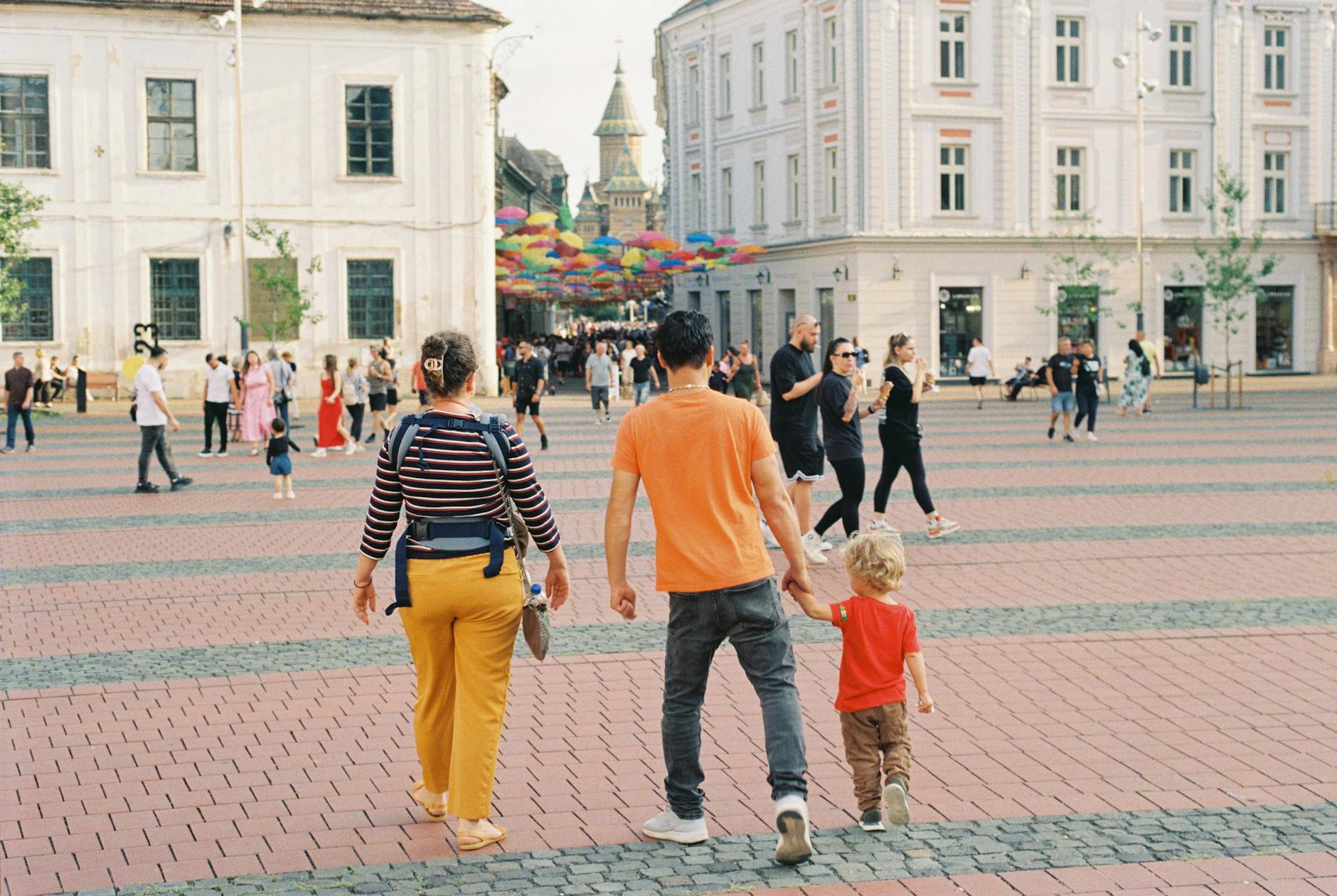
For families, Portobello offers the best of both worlds: quiet, safe streets with parks and playgrounds, but still close enough to walk to the city centre. The canal towpath is perfect for a morning stroll or an evening walk with a pushchair. Accommodation options here lean towards apartments and guesthouses rather than large hotels, which is often better for families who need kitchens and extra space. Prices are moderate by Dublin standards — expect €120-€200 per night for a family-sized apartment.
Pros: Family-friendly, quiet streets, excellent cafes, canal walks, moderate prices, local atmosphere. Cons: Limited hotel options, 15-20 min walk to main attractions, fewer evening entertainment options. Best for: Families with children, long-stay visitors, anyone who values peace and quiet.
6. Ballsbridge — Best for a Refined Suburban Stay
Ballsbridge is Dublin’s embassy district, located about 2km southeast of the city centre. This affluent, leafy neighbourhood is home to the Aviva Stadium, the RDS showgrounds, and some of Dublin’s most impressive Victorian and Edwardian residential architecture. The Herbert Park Hotel, InterContinental Dublin, and Clayton Hotel Burlington Road all serve business and leisure travellers who prefer a quieter base.
The DART railway and several bus routes connect Ballsbridge to the city centre in about 10-15 minutes, so you are never far from the action. The neighbourhood has excellent restaurants (particularly along Baggot Street Upper), a number of pubs popular with locals rather than tourists, and a safe, well-maintained feeling that makes it ideal for families and older travellers.
Pros: Safe and elegant, good transport links, excellent dining, family-friendly, competitive hotel prices for the quality. Cons: Not walkable to most attractions, requires public transport or taxi, limited nightlife. Best for: Families, business travellers, older couples, anyone attending events at the Aviva or RDS.
7. Docklands & Grand Canal Dock — Best for Business & Modern Luxury
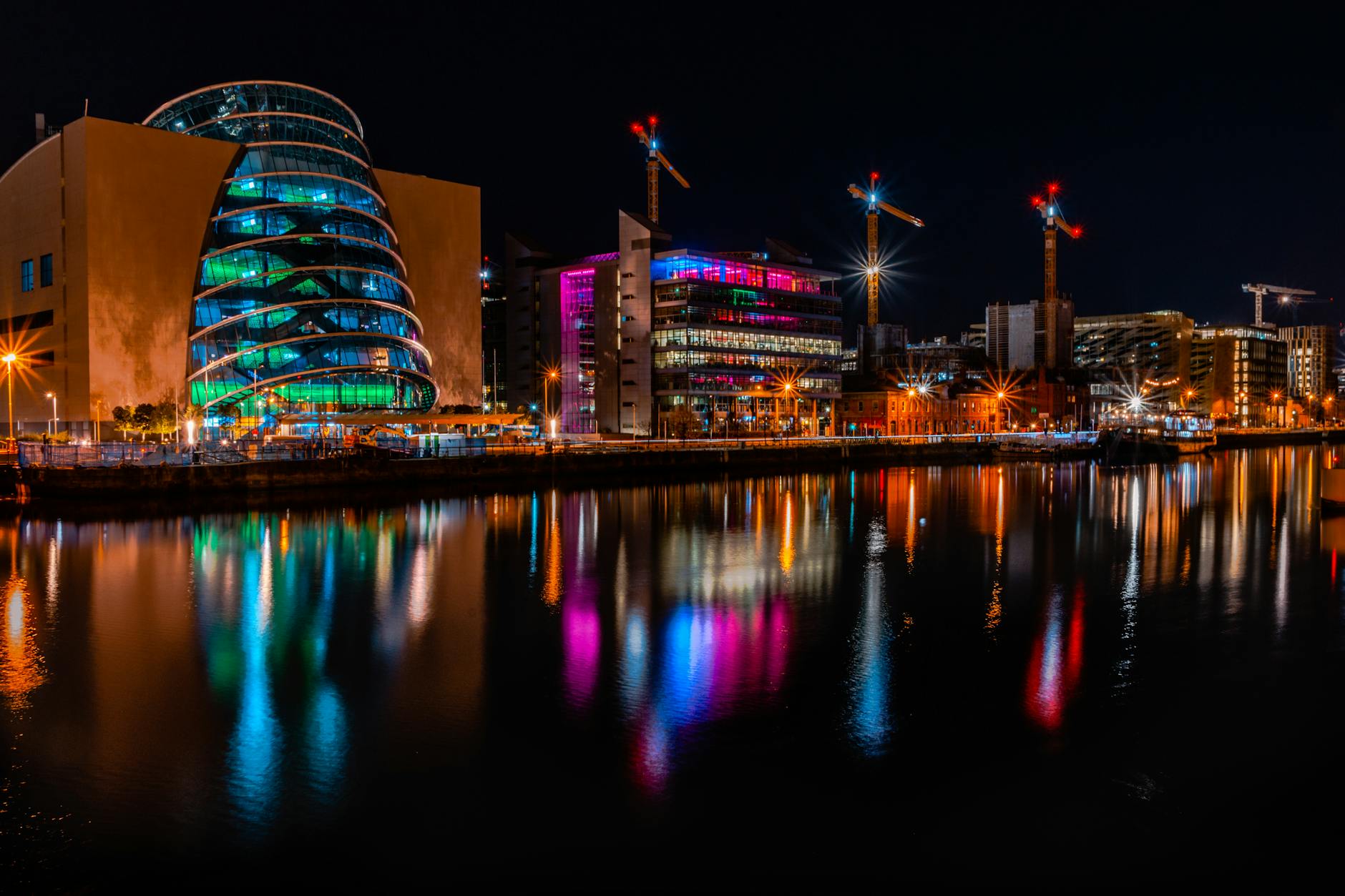
Dublin’s Docklands have been transformed over the past two decades from industrial wasteland to a gleaming tech hub. This is where Google, Meta, and dozens of other multinational companies have their European headquarters, and the accommodation reflects it — expect sleek, modern hotels with conference facilities, rooftop bars, and waterfront views.
The Marker Hotel (with its angular rooftop terrace overlooking Grand Canal Dock) is the area’s landmark property, while The Spencer and the Gibson Hotel offer strong mid-range options. The area is connected to the city centre by the Luas Red Line and is about a 20-minute walk to Temple Bar. While the Docklands can feel soulless compared to Dublin’s historic neighbourhoods, there are excellent restaurants and bars along the waterfront, and the Bord Gáis Energy Theatre brings world-class performances to the area.
Pros: Modern, clean, well-connected, waterfront dining, excellent conference facilities. Cons: Lacks Dublin character, feels corporate, limited pubs/traditional atmosphere, expensive. Best for: Business travellers, conference attendees, modern luxury seekers, tech workers visiting Dublin offices.
8. O’Connell Street & North City Centre
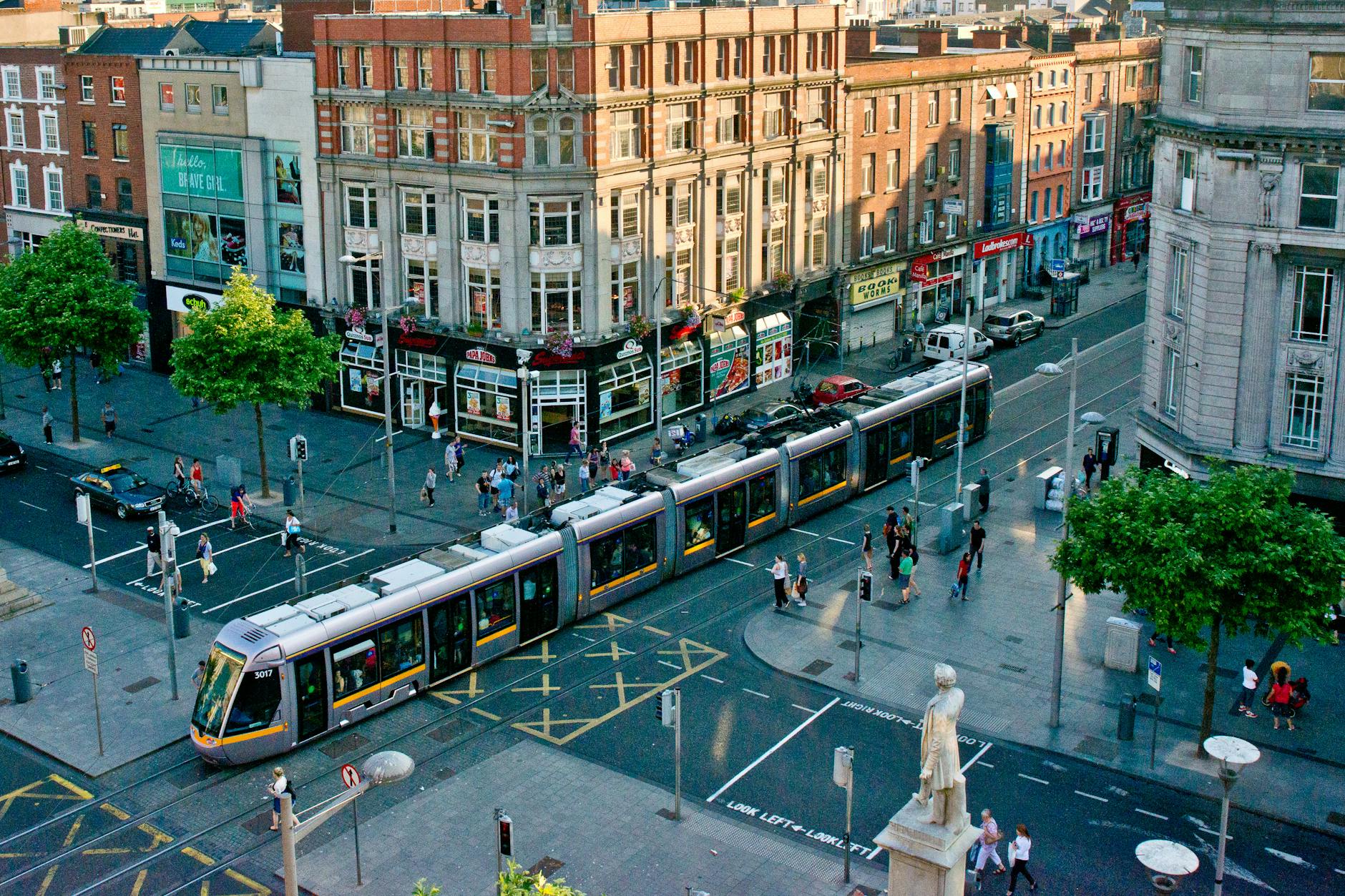
O’Connell Street is Dublin’s widest and most historically significant street — the GPO (General Post Office), scene of the 1916 Easter Rising, stands at its heart, and the towering Spire marks the centre of the city. Accommodation here is plentiful and spans every budget, from large chain hotels (Gresham Hotel, a city institution since 1817) to modern budget options.
The area is extremely well-connected by bus, Luas, and DART, making it ideal if you plan to take day trips from Dublin. However, O’Connell Street and surrounding side streets (particularly towards Gardiner Street and east of the Spire) can be rough after dark — pick-pocketing and anti-social behaviour are reported more frequently here than in other tourist areas. This should not deter you from staying here, but do choose your specific hotel carefully and stick to well-lit, busy streets at night. The streets immediately around the Gresham and north towards Parnell Square are generally fine.
Pros: Central, well-connected, affordable, close to bus and rail stations for day trips. Cons: Safety concerns on some streets after dark, can feel gritty, some hotels are dated. Best for: Budget-conscious travellers, day-trippers, anyone who values transport connections over atmosphere.
9. Ranelagh & Rathmines — Best for Long Stays & Local Living
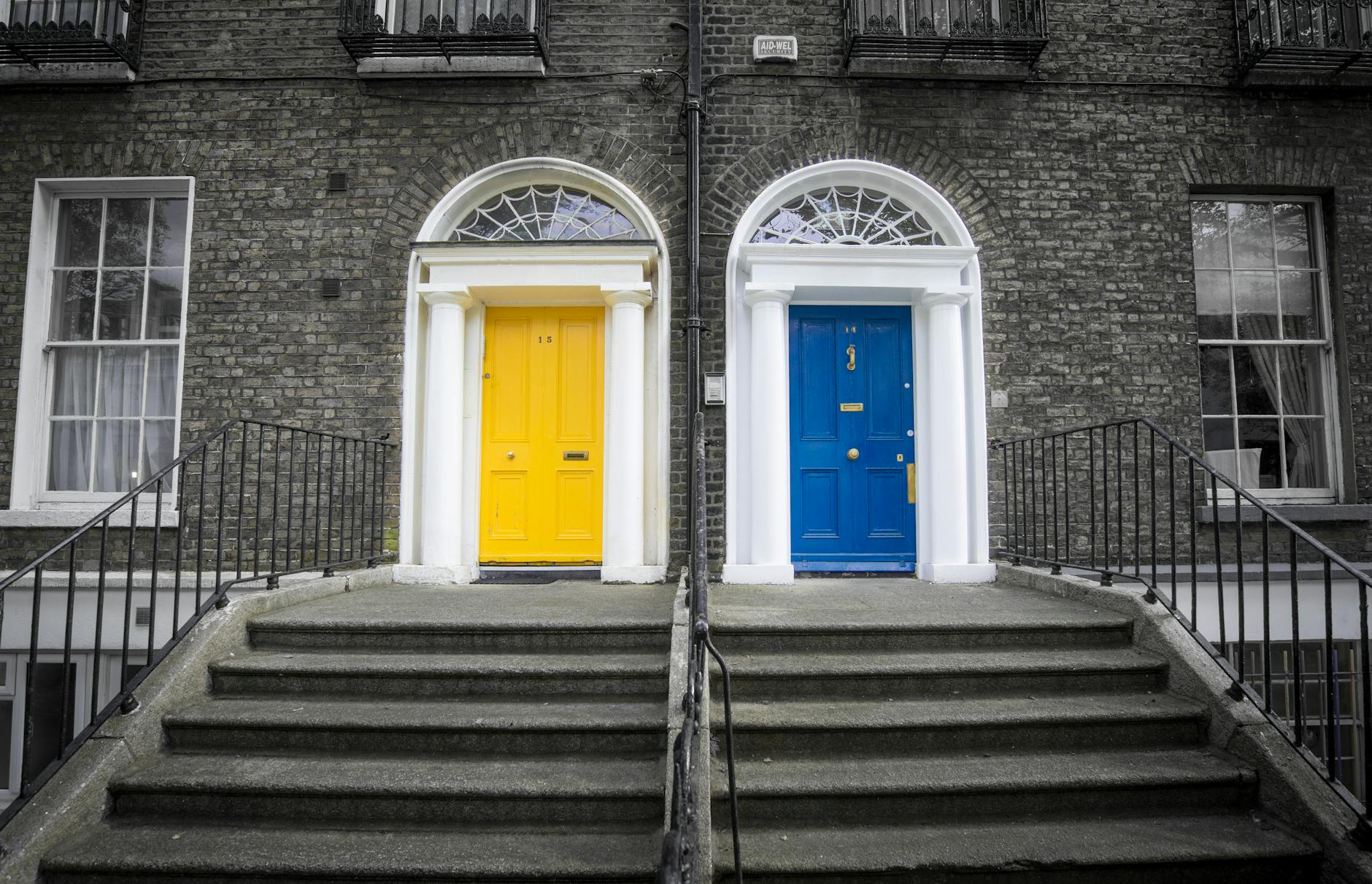
If you are staying in Dublin for a week or more, consider basing yourself in Ranelagh or Rathmines. These adjacent neighbourhoods, about 2-3km south of the city centre, are where young Dublin professionals live — and for good reason. The restaurant and café scene is excellent (The Hill pub, Kinara Kitchen, Forest Avenue), there are independent bookshops and boutiques, and the Luas Green Line connects you to St Stephen’s Green in about 10 minutes.
Accommodation here is primarily apartments and Airbnbs rather than hotels, which suits longer stays perfectly. You will have access to supermarkets, laundrettes, and all the everyday amenities that hotels cannot provide. A one-bedroom apartment in Ranelagh typically costs €90-€150 per night on short-term rental platforms — considerably less than a comparable hotel in the city centre, and you get a kitchen, washing machine, and a genuine neighbourhood experience.
Pros: Local atmosphere, excellent restaurants and cafes, good value for apartments, Luas access, supermarkets. Cons: No major hotels, 20-30 minute walk to centre, limited tourist infrastructure. Best for: Long-stay visitors, digital nomads, foodies, anyone who wants to live like a local.
10. Howth & Dún Laoghaire — Best Coastal Alternatives
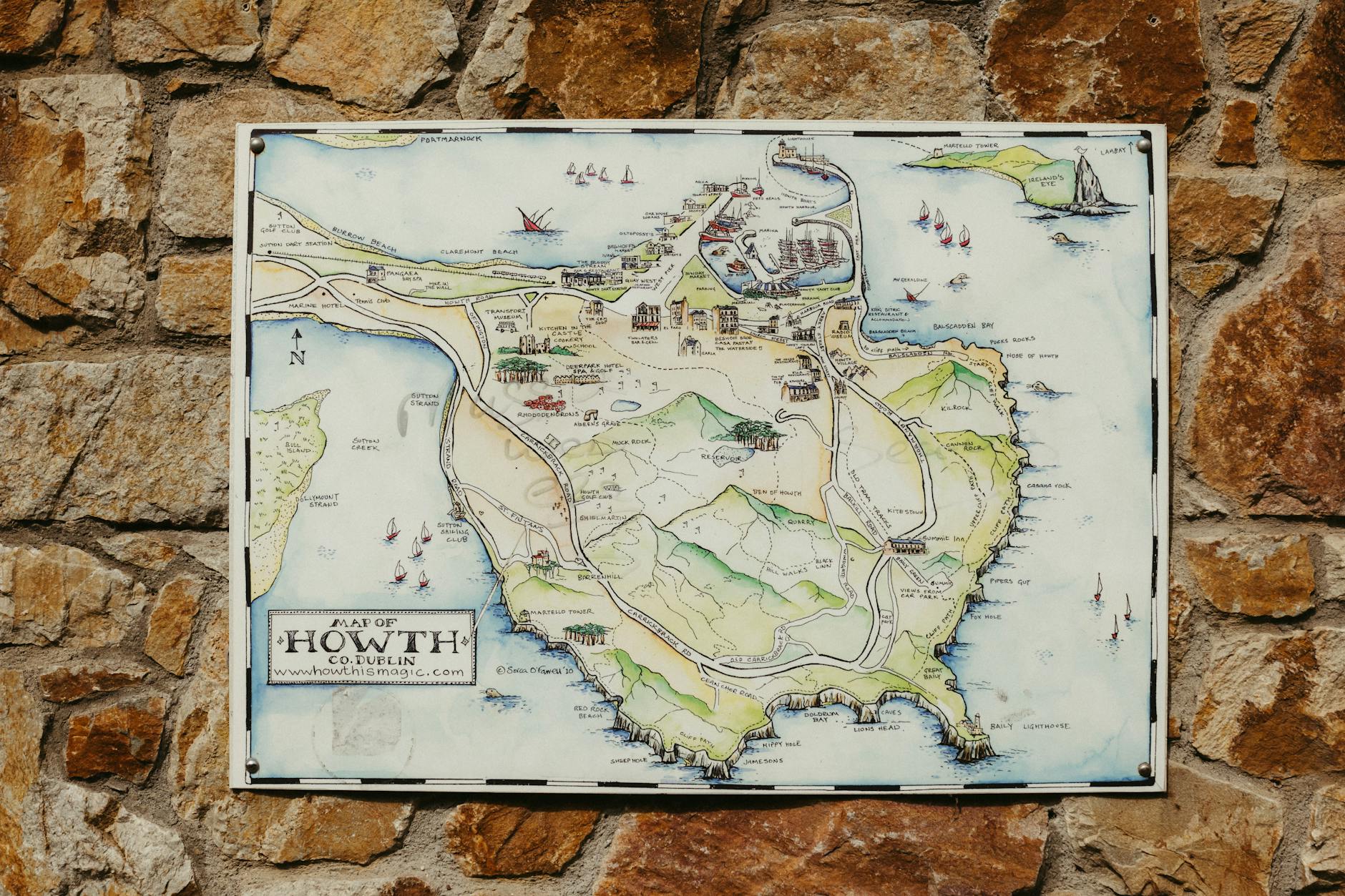
For travellers who want sea air and stunning coastal scenery, the fishing villages of Howth (north of Dublin) and Dún Laoghaire (south) offer a completely different experience. Both are connected to Dublin city centre by the DART coastal railway in about 25-30 minutes, making them practical bases for sightseeing.
Howth is the more picturesque of the two, with a working fishing harbour, cliff walk trails, and excellent seafood restaurants. Accommodation options include guesthouses, B&Bs, and a handful of boutique hotels, typically priced at €100-€180 per night. Dún Laoghaire is larger, with more shops and restaurants, a Victorian pier that is perfect for evening walks, and slightly more accommodation options.
Pros: Scenic, peaceful, fresh seafood, cliff walks, DART connection to city. Cons: 30+ minutes to city centre, limited nightlife, last DART around 11:30pm, taxis back are expensive. Best for: Nature lovers, walkers, seafood enthusiasts, couples seeking a romantic escape, anyone who finds city centres overwhelming.
Types of Accommodation in Dublin
Dublin offers every type of accommodation from world-class luxury hotels to shared hostel dorms. Understanding what is available — and what each type really costs in 2026 — helps you make the right choice for your budget and travel style.
Luxury & 5-Star Hotels
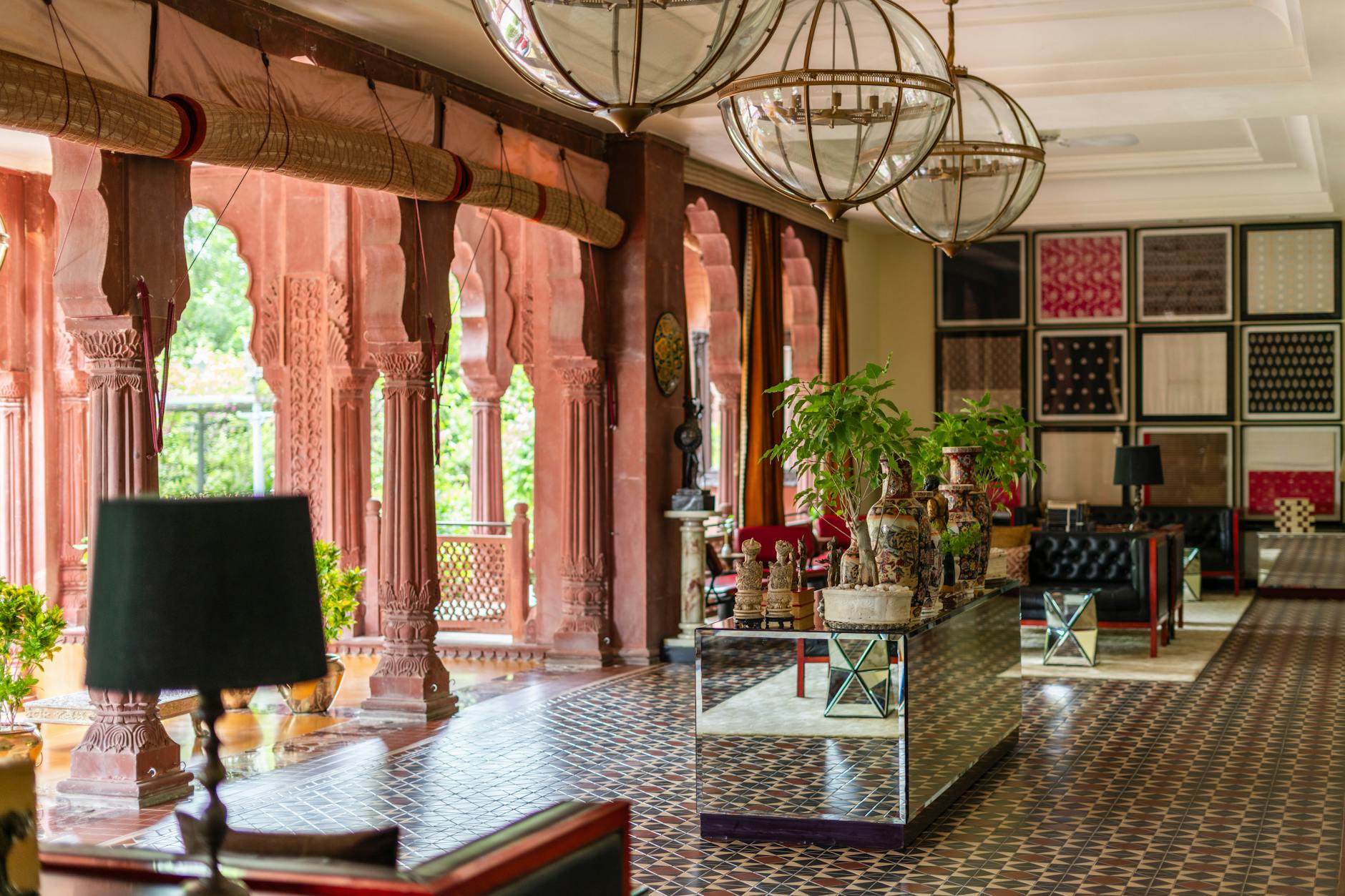
Dublin’s luxury hotel scene is world-class. The Merrion (built from four Georgian townhouses around private gardens) is widely regarded as the city’s finest, while The Shelbourne has been the address of choice for visiting dignitaries and celebrities since 1824. The Westbury offers a prime Grafton Street location, and the InterContinental in Ballsbridge provides a more suburban, resort-style luxury experience. Expect to pay €350-€700+ per night for a standard room, rising to €1,000+ for suites during peak season (June-September and St Patrick’s weekend).
Boutique Hotels
Dublin excels at boutique accommodation. Number 31 (a converted modernist mews in the city centre) tops most “unique stays” lists, while The Dean (on Harcourt Street) attracts a younger crowd with its rooftop bar and design-forward rooms. The Wilder Townhouse and Iveagh Garden Hotel are newer entrants that combine Georgian architecture with contemporary Irish design. Boutique hotels typically cost €150-€300 per night and offer a far more characterful experience than chain properties.
Mid-Range Chain Hotels
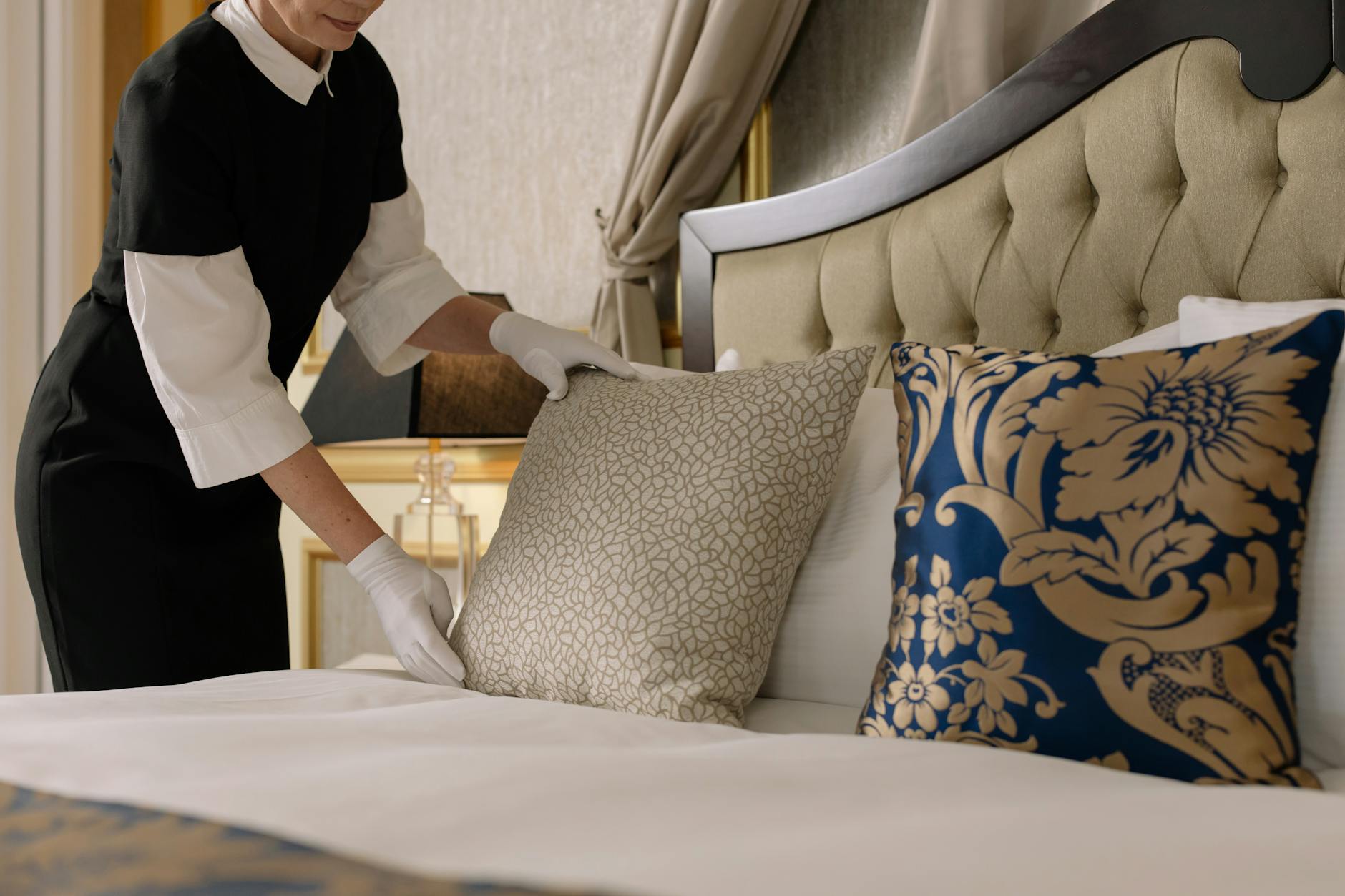
Irish hotel chains like Clayton, Maldron, and Dalata dominate the mid-range market, with clean, modern rooms typically priced at €120-€200 per night. International brands including Holiday Inn, Hilton Garden Inn, and Travelodge also have strong Dublin presences. These hotels are predictable in quality and often offer the best value for families and business travellers who prioritise reliability over character. Most mid-range hotels include breakfast, which can save €15-€25 per person per day.
Budget Hotels & Hostels

Dublin is not the cheapest city in Europe, but budget accommodation is available if you know where to look. Generator Dublin (Smithfield) is one of Europe’s best-designed hostels, with private rooms from around €70 and dorm beds from €25. Abigail’s Hostel and Kinlay House are well-established city centre options. For budget hotels, the Maldron Parnell Square and Point A Dublin offer simple, clean rooms from €80-€110 per night. Booking early (at least 6-8 weeks ahead) is essential for budget options, as they sell out faster than premium rooms.
Self-Catering Apartments & Vacation Rentals
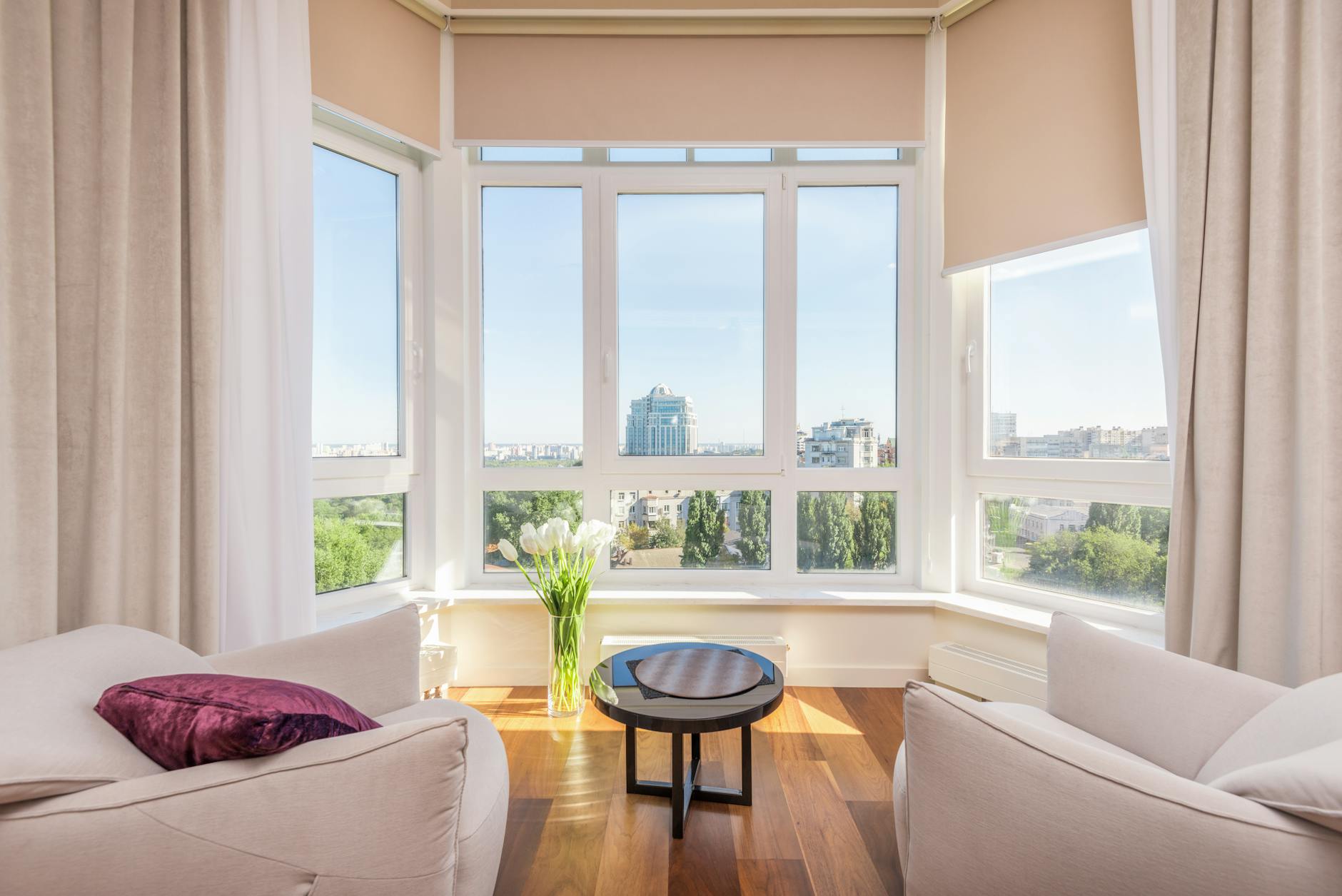
Self-catering apartments have become increasingly popular in Dublin, particularly for families and groups. A well-located one-bedroom apartment costs €100-€180 per night on Airbnb or Booking.com, while two-bedroom apartments suitable for families run €150-€250. The savings on dining out (especially breakfasts) can be significant, and having a kitchen, washing machine, and separate living space makes a real difference on stays longer than three nights. The best areas for apartment rentals are Portobello, Rathmines, Ranelagh, and the Liberties, where residential housing stock is abundant.
B&Bs & Guesthouses
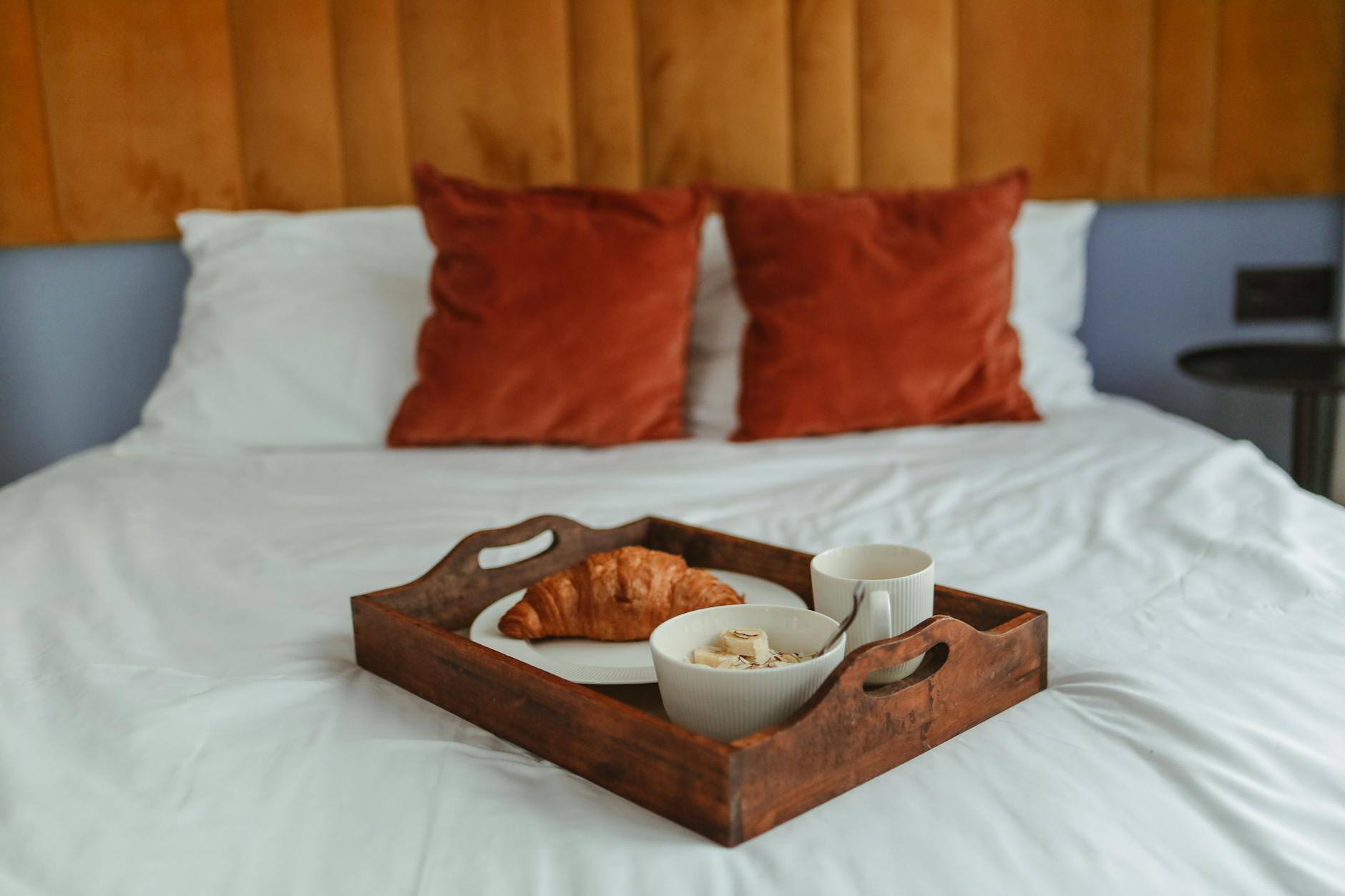
The traditional Irish bed and breakfast remains one of the most charming ways to experience Dublin. B&B owners take genuine pride in their hospitality, and a full Irish breakfast (rashers, sausages, eggs, black and white pudding, toast, and unlimited tea) is almost always included. City centre B&Bs are rare, but you will find excellent options in Ballsbridge, Glasnevin, Drumcondra, and the coastal villages. Expect to pay €90-€160 per night for a double room with breakfast. The personal recommendations and local knowledge B&B owners provide are genuinely valuable — they know restaurants, shortcuts, and hidden attractions that guidebooks miss.
Dublin Accommodation Prices: What to Expect in 2026
Dublin hotel prices have risen significantly since 2020, driven by strong tourism demand, limited new hotel supply, and Ireland’s growing popularity as a destination. Here is what to budget in 2026, based on our research across major booking platforms.
| Accommodation Type | Low Season (Nov-Feb) | Shoulder (Mar-May, Oct) | Peak Season (Jun-Sep) | Events/Holidays |
|---|---|---|---|---|
| Hostel dorm bed | €20-€30 | €25-€40 | €35-€55 | €45-€70 |
| Budget hotel (double) | €70-€100 | €90-€140 | €120-€180 | €150-€220 |
| Mid-range hotel (double) | €100-€160 | €140-€220 | €180-€280 | €220-€350 |
| Boutique hotel | €130-€220 | €170-€280 | €220-€380 | €300-€450 |
| 5-star luxury hotel | €250-€400 | €350-€550 | €450-€700+ | €600-€1,000+ |
| Airbnb (1-bed apartment) | €80-€120 | €100-€160 | €140-€220 | €180-€280 |
| B&B (double with breakfast) | €80-€120 | €100-€150 | €130-€180 | €150-€220 |
Money-saving tips: Book at least 8-12 weeks in advance for the best rates. Avoid dates around major events (St Patrick’s Festival, rugby internationals at the Aviva, concerts at Croke Park) when prices can double. Consider staying Sunday through Thursday when business hotels drop their rates significantly. Use comparison sites like Booking.com and Google Hotels, but always check the hotel’s direct website — many Irish hotels offer 5-10% discounts for direct bookings.
Practical Booking Tips for Dublin Hotels
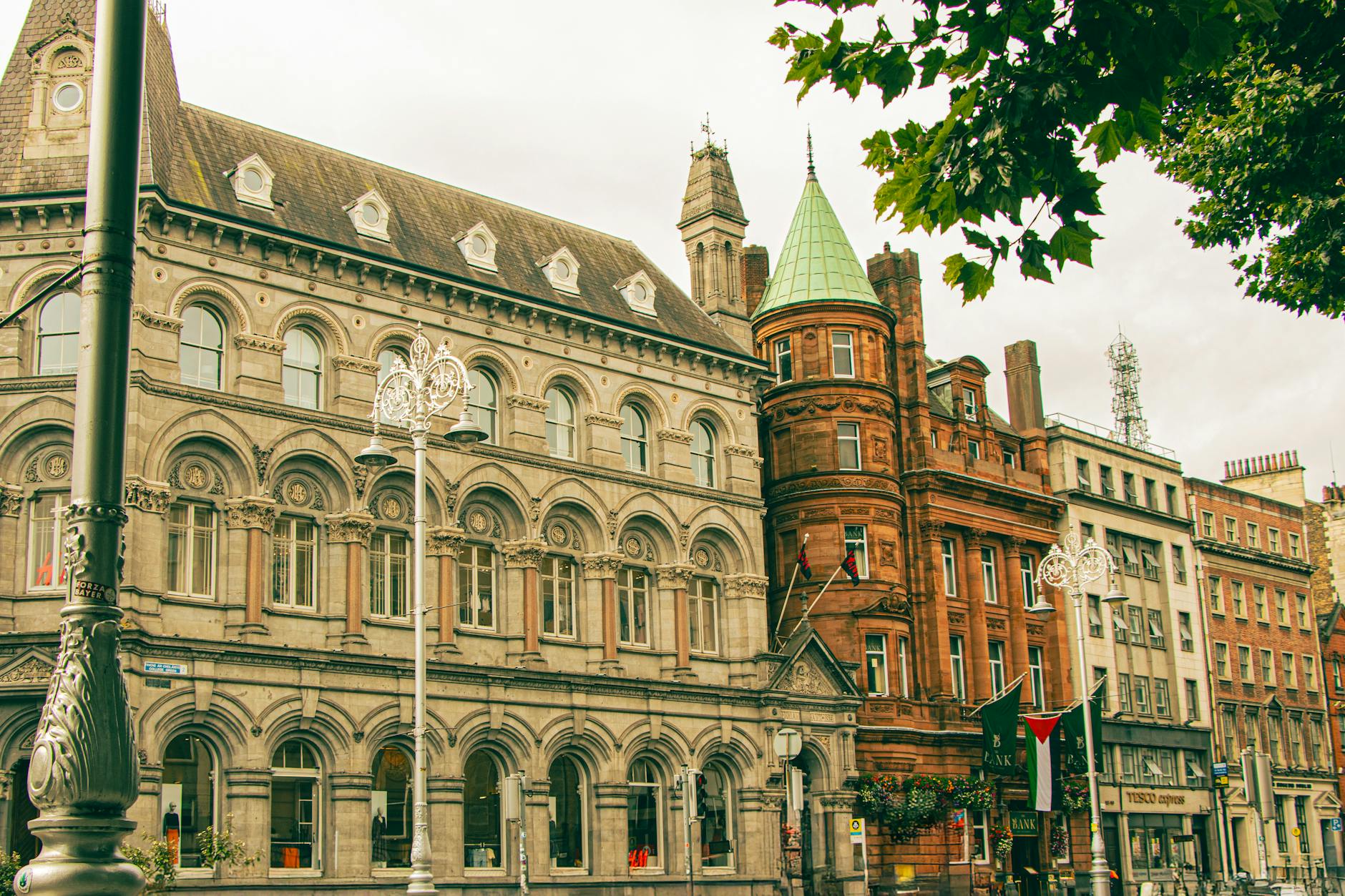
Dublin has some unique accommodation quirks that catch first-time visitors off guard. Here are the practical details that will help you choose and book the right place.
Air conditioning is rare. Most Dublin hotels — even four and five-star properties — do not have air conditioning. Ireland’s mild climate means it is rarely needed, but during the occasional summer heatwave (yes, they happen), rooms can get warm. Ask your hotel specifically about AC before booking if this matters to you, or request a north-facing room which stays cooler.
Georgian buildings mean small lifts (or none). Many of Dublin’s most charming hotels are housed in Georgian townhouses built in the 1700s-1800s. These buildings often have small, slow lifts retrofitted into narrow stairwells — and some have no lift at all. If you have mobility issues or heavy luggage, confirm lift access before booking. Some properties like Number 31 and The Wilder require stair access to certain rooms.
Noise is the number one complaint. Dublin is a sociable city, and pub culture means noise on the streets until 2-3am, particularly on weekends. If you are a light sleeper, request a back-facing room when booking (not just at check-in), and avoid ground-floor rooms in any hotel near a pub. Earplugs are a wise investment. The quietest areas for sleeping are Ballsbridge, Portobello, Ranelagh, and Merrion Square.
Check-in is typically 3pm, checkout 11am. Most Dublin hotels follow this standard. If you arrive early, hotels will usually store your luggage while you explore. Several luggage storage services operate near Connolly Station and Heuston Station if you need to store bags between checkout and a late flight. Ask your hotel about late checkout — midweek, many will accommodate until 12pm or 1pm for free.
Breakfast is not always included. Unlike B&Bs, many Dublin hotels charge separately for breakfast — often €15-€25 per person at higher-end properties. Check whether breakfast is included when comparing prices. A full Irish breakfast from your hotel restaurant is a quintessential Dublin experience, but if you are watching the budget, a café breakfast can be had for €8-€12.
Getting from Dublin Airport to Your Hotel
Dublin Airport is located about 12km north of the city centre. How you get to your hotel depends on where you are staying and how much you want to spend.
Aircoach (€7-€8 single, €12 return): The best value option for most travellers. Aircoach runs 24/7 with services every 15-30 minutes to the city centre, with stops along O’Connell Street, Temple Bar, St Stephen’s Green, and Ballsbridge. Journey time is 30-50 minutes depending on traffic. Buy tickets online for a small discount.
Dublin Bus 16 and 41 (€3.80): The cheapest option but slower, with frequent stops. Route 16 serves the southside via O’Connell Street and Rathmines. Route 41 runs to the north city via Drumcondra and O’Connell Street. Allow 45-60 minutes. You will need a Leap Card or exact change.
Taxi (€30-€45): Taxis are available 24/7 from ranks outside both terminals. The fare to the city centre is metered and typically costs €30-€40, rising to €40-€50 during night hours (10pm-8am) or heavy traffic. Taxis seat a maximum of four passengers comfortably. For families with car seats needed, book a taxi in advance through Free Now or Lynk.
Private transfer (€45-€80): Pre-booked transfers are useful if you have a lot of luggage, need a car seat for children, or are arriving very late at night. Companies like Dublin Airport Transfers and Irish Chauffeurs operate meet-and-greet services. Prices are fixed and include waiting time if your flight is delayed.
When to Book: Seasonal Guide to Dublin Accommodation
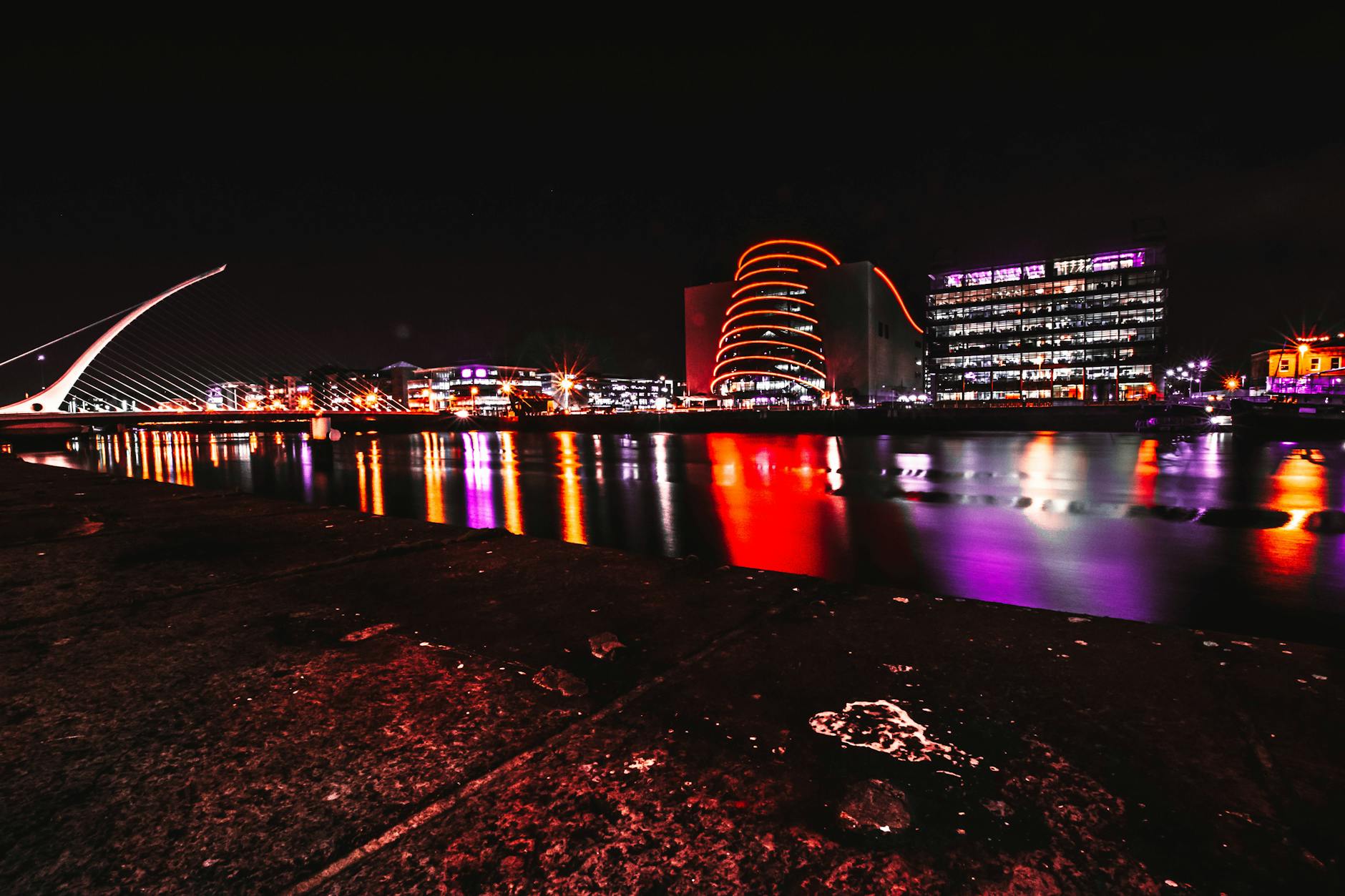
Timing your Dublin trip (and your booking) correctly can save you significant money. Here is a seasonal breakdown to help you plan.
Peak season (June to September) sees the highest prices and lowest availability. Dublin gets 18+ hours of daylight in summer, the weather is (relatively) warm, and festivals and outdoor events fill the calendar. Hotels frequently sell out, and last-minute bookings may be limited to expensive options. Book 3-6 months in advance for peak season.
Shoulder season (March to May, October) is arguably the best time to visit Dublin. March brings St Patrick’s Festival (book well ahead — prices surge), while April and May offer milder weather, longer days, and manageable crowds. October has beautiful autumn colours and the Bram Stoker Festival. Prices are 20-30% lower than peak season, and availability is much better.
Low season (November to February) is the most affordable time to stay in Dublin. Expect shorter days and more rain, but Dublin’s pub culture, museums, and indoor attractions shine in winter. Christmas markets (November-December) bring festive cheer, and the city is beautifully lit. Hotel prices can be 30-50% lower than summer rates, and you will have the major attractions largely to yourself.
Safety Tips for Dublin Accommodation
Dublin is generally a safe city for tourists, but like any capital, it has areas that require more caution — particularly at night. Here is practical, honest advice about staying safe.
The safest areas for visitors are the streets around St Stephen’s Green, Grafton Street, Merrion Square, Ballsbridge, Portobello, Ranelagh, and the Docklands. These areas are well-lit, well-patrolled, and busy enough at night to feel comfortable. Most of Dublin’s five-star and boutique hotels are concentrated here for good reason.
Areas requiring more vigilance after dark include O’Connell Street (particularly east towards Gardiner Street and Store Street), the quays along the Liffey late at night, and the area around Connolly Station. These are not dangerous during the day but see more anti-social behaviour after 11pm. Pick-pocketing on crowded streets (particularly Grafton Street and Henry Street during shopping hours) is the most common crime affecting tourists — keep valuables in front pockets and bags closed.
General safety rules that apply anywhere: do not leave valuables visible in your hotel room, use the room safe for passports and electronics, and avoid walking alone down poorly lit side streets late at night. Dublin’s taxi service is regulated and safe — use Free Now or hail official taxis from ranks rather than accepting lifts from unmarked vehicles.
Frequently Asked Questions About Staying in Dublin
What is the best area to stay in Dublin for first-time visitors?
The area around St Stephen’s Green and Grafton Street is the best choice for first-time visitors. It is safe, central, walkable to all major attractions, and served by excellent public transport. You can reach Trinity College, Dublin Castle, Temple Bar, and the National Gallery within a 15-minute walk from any hotel near the Green.
How much does a hotel in Dublin cost per night in 2026?
In 2026, expect to pay €100-€180 per night for a mid-range double room, €25-€50 for a hostel dorm bed, and €350-€700+ for a five-star luxury hotel. Prices vary significantly by season — summer (June-September) is 30-50% more expensive than winter (November-February). Booking 8-12 weeks in advance typically secures the best rates.
Is Temple Bar a good area to stay in Dublin?
Temple Bar is good for nightlife lovers and short weekend breaks, but not ideal for families, light sleepers, or budget-conscious travellers. Pubs and street noise continue until 2-3am, drinks are 20-30% more expensive than other areas, and hotels charge a premium for the location. If you want easy access to nightlife but better sleep, stay on Dame Street or in the Liberties — both are a five-minute walk from Temple Bar’s action.
Should I stay on Dublin’s northside or southside?
The southside is generally better for first-time visitors due to its concentration of attractions, perceived safety, and polished tourist infrastructure. The northside offers better value, more authentic local atmosphere, and increasingly trendy neighbourhoods like Smithfield and Stoneybatter. For budget travellers and repeat visitors, the northside is the smarter choice.
How far in advance should I book Dublin accommodation?
For peak season (June-September) and any dates around major events (St Patrick’s Day, rugby internationals, major concerts), book 3-6 months in advance. For shoulder season (March-May, October), 6-8 weeks is usually sufficient. Low season (November-February) bookings can often be made 2-4 weeks ahead without issues, and last-minute deals are sometimes available.
Is Airbnb cheaper than hotels in Dublin?
Airbnb apartments are often 20-30% cheaper than equivalent hotel rooms, and the savings increase for families and groups who can share a larger space. A one-bedroom apartment in a good location costs €100-€180 per night, while a family-sized two-bedroom runs €150-€250. The biggest saving comes from having a kitchen — Dublin restaurant meals for a family of four can easily cost €80-€120, so even a few home-cooked meals make a significant difference.
What is the best way to get from Dublin Airport to my hotel?
The Aircoach is the best option for most travellers — it runs 24/7, costs €7-€8 single, and stops at key locations across the city centre including O’Connell Street, Temple Bar, and St Stephen’s Green. Journey time is 30-50 minutes. Taxis cost €30-€45 and are worthwhile for groups or late-night arrivals. There is no rail link from Dublin Airport, though one is planned for the future.
Do Dublin hotels have air conditioning?
Most Dublin hotels, including many four and five-star properties, do not have air conditioning. Ireland’s typically mild climate means it is rarely needed, but rooms can get warm during summer heatwaves. If AC is important to you, check specifically with your chosen hotel before booking. Newer hotels (particularly in the Docklands) are more likely to have full climate control systems.
Our Top Recommendations by Budget
Best luxury stay: The Merrion Hotel (Merrion Square) — four Georgian townhouses converted into Dublin’s finest five-star, with private gardens, a Michelin-starred restaurant, and an infinity pool. From €400 per night.
Best boutique stay: Number 31 (Leeson Close) — a hidden gem combining a 1960s modernist mews with a Georgian townhouse. Expect exceptional breakfasts and a design-magazine aesthetic. From €200 per night.
Best mid-range stay: The Dean Dublin (Harcourt Street) — rooftop bar, design-forward rooms, and a location right on the Green Line Luas stop. Popular with younger travellers and couples. From €150 per night.
Best budget stay: Generator Dublin (Smithfield) — one of Europe’s best-designed hostels, with a vibrant social scene, private rooms available, and an unbeatable northside location. From €25 (dorm) or €70 (private) per night.
Best for families: Clayton Hotel Burlington Road (Ballsbridge) — spacious family rooms, swimming pool, playground, and a quiet location with easy bus access to the centre. From €140 per night.
Best apartment rental area: Portobello — canal-side apartments with kitchen facilities, a 15-minute walk to St Stephen’s Green, and a lovely neighbourhood atmosphere. From €120 per night for a one-bedroom.
Finding the right place to stay in Dublin comes down to matching your priorities — budget, location, atmosphere, and practicality — with the right neighbourhood and accommodation type. Use this guide as your starting point, book early for the best rates, and do not be afraid to venture beyond the obvious tourist areas. Some of Dublin’s best experiences are found in the neighbourhoods that most visitors never discover.
Leave a Reply