Dublin has undergone a quiet food revolution. What was once a city better known for pub grub and potatoes has become one of Europe’s most exciting dining destinations, with Michelin-starred tasting menus, vibrant street food markets, and a thriving independent cafe scene all competing for your attention.
Whether you are hunting for the best traditional Irish stew, want to splash out at a two-star Michelin restaurant, or simply need a good spot for brunch on a Sunday morning, this guide covers every angle of Dublin’s food scene. We have eaten our way across the city — from the cobbled streets of Temple Bar to the fishing harbour at Howth — to bring you honest, up-to-date recommendations for 2026.
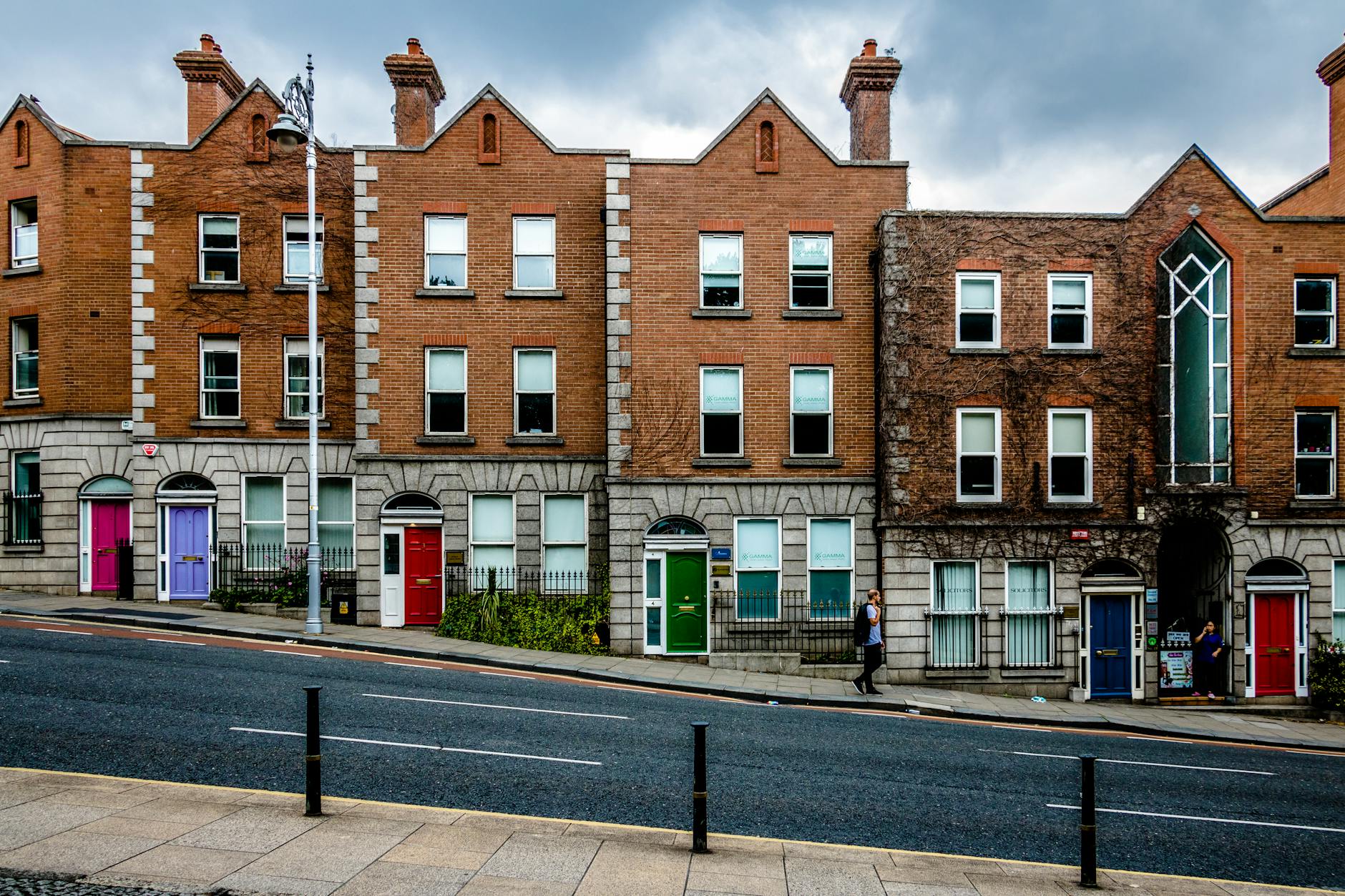
This is a comprehensive resource covering the best restaurants in Dublin across every price point and cuisine type, plus practical tips on food markets, booking advice, and how to eat well without spending a fortune. Use it as your personal Dublin food guide, whether you are visiting for a weekend or spending a full week exploring the city.
What You’ll Find in This Guide
In this Dublin food guide: Traditional Irish food and where to find it — The best restaurants by cuisine and budget — Michelin-starred and fine dining — Seafood restaurants and the Howth experience — Budget-friendly cheap eats — Dublin’s brunch culture — Coffee shops and cafes — Food markets and street food — Vegetarian and vegan dining — Food tours — Tipping etiquette and booking tips — Frequently asked questions.
Traditional Irish Food You Must Try in Dublin
No food guide to Dublin would be complete without covering the traditional dishes that define Irish cuisine. While the city’s dining scene has become increasingly international, the best traditional Irish restaurants serve food that has been refined over centuries — hearty, honest, and built around superb local ingredients.
Dublin Coddle
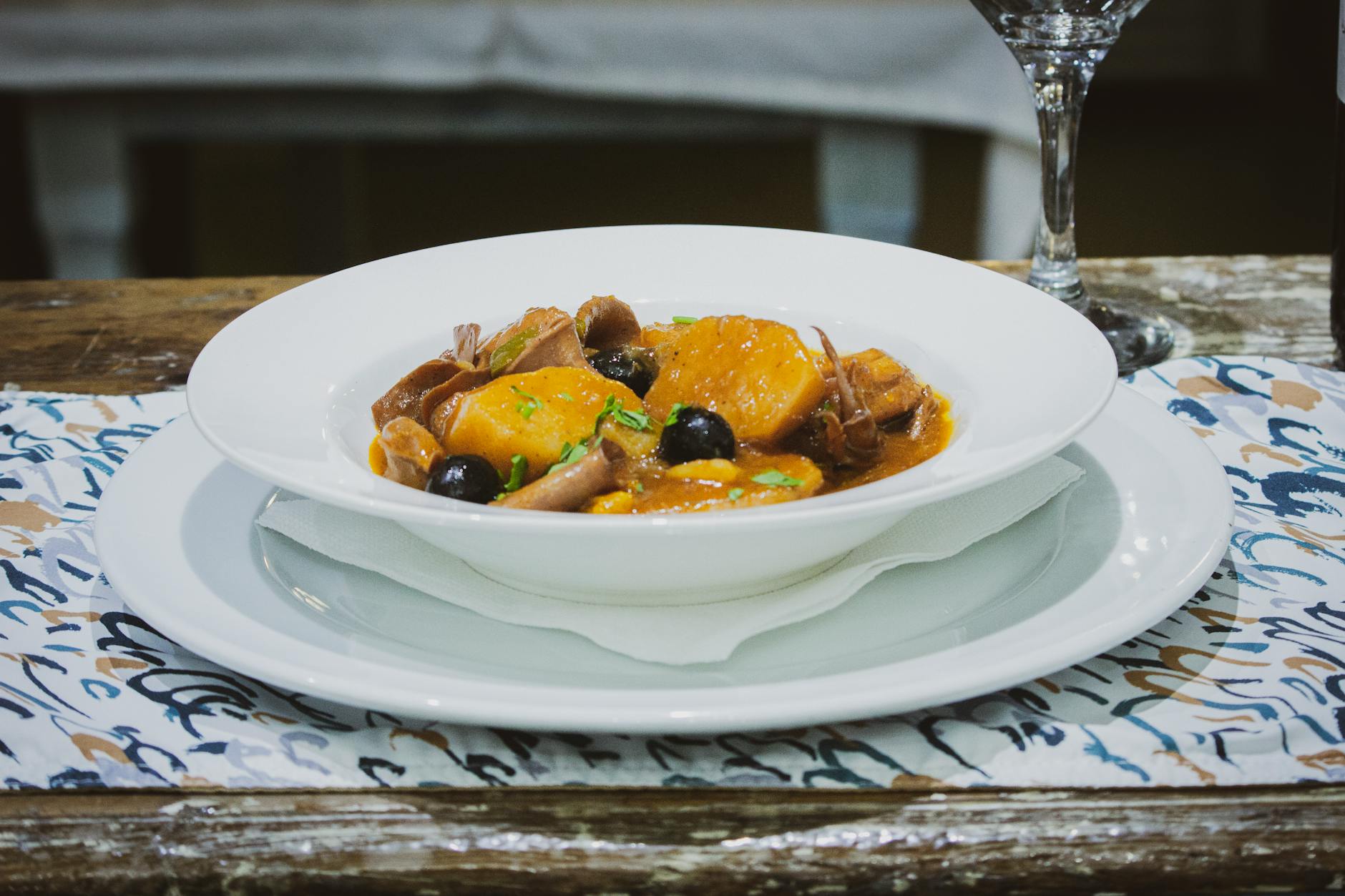
Dublin Coddle is the city’s signature dish and one you will struggle to find outside the capital. This slow-cooked stew layers pork sausages, rashers of back bacon, potatoes, and onions in a rich broth, simmered until everything is meltingly tender. The dish dates back to the 1700s and was traditionally prepared by wives who left it cooking while their husbands were at the pub. The best versions are found at The Winding Stair on Lower Ormond Quay, The Old Mill near Ha’Penny Bridge, and Gallagher’s Boxty House in Temple Bar.
Irish Stew
The country’s most famous dish is built on slow-braised lamb or mutton with potatoes, carrots, onions, and fresh herbs. A proper Irish stew is not thick like a casserole but has a rich, soupy broth that demands crusty soda bread for dipping. Try it at The Brazen Head — Dublin’s oldest pub, dating to 1198 — or at The Celt on Talbot Street, which serves a particularly generous portion.
Boxty
Boxty is Ireland’s answer to the potato pancake, made from a mixture of grated raw potato and mashed potato, then fried until golden and slightly crispy on the outside. The name comes from the Irish phrase arán bocht tí, meaning poorhouse bread, but modern versions are anything but humble. Gallagher’s Boxty House in Temple Bar has built its entire menu around this dish, stuffing the pancakes with fillings like whiskey-sauced beef medallions, smoked salmon, and roasted vegetables.
The Full Irish Breakfast
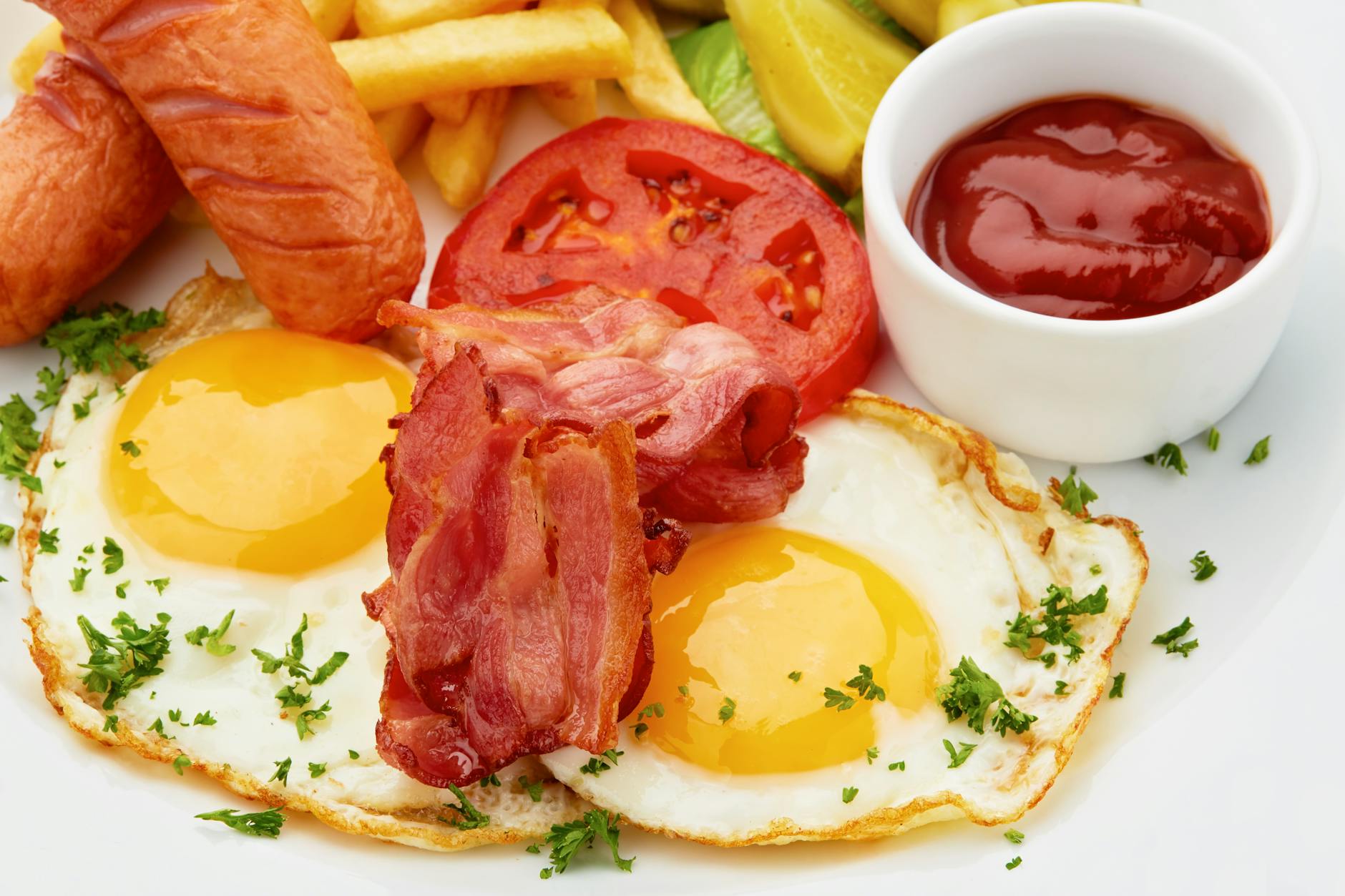
The Full Irish is a rite of passage for any visitor. A traditional plate includes back bacon, pork sausages, black and white pudding, fried eggs, grilled tomatoes, baked beans, toast, and a pot of strong tea. The quality of the pudding is what separates a good Irish breakfast from a great one — look for places that source their black pudding from Clonakilty or Inch House. Brother Hubbard, Matt The Thresher, and Farmer Browns all serve excellent versions, while most B&Bs include it as part of your stay.
Other Dishes Worth Seeking Out
Beyond these staples, look for colcannon (creamy mashed potato with cabbage or kale, loaded with butter), soda bread (dense, slightly sweet bread leavened with buttermilk and bicarbonate of soda), and beef and Guinness pie, which pairs slow-cooked beef with Ireland’s most famous stout in a puff pastry shell. Seafood chowder is another essential — rich, creamy, and packed with Atlantic fish and shellfish. Nearly every pub in the city centre has a version on their menu.
Best Restaurants in Dublin by Area
Dublin is a walkable city, and some of the best dining is clustered in distinct neighbourhoods. Knowing where to head based on what you are in the mood for can save time and help you avoid tourist traps.
City Centre and Creative Quarter
The area around South William Street, Drury Street, and George’s Street is Dublin’s culinary heartland. This is where you will find some of the city’s most talked-about restaurants, from the handmade pasta at Sprezzatura to the Middle Eastern-inspired brunch at Brother Hubbard. Coppinger Row is excellent for Mediterranean sharing plates, while Etto on Merrion Row holds a Michelin star for its understated Italian-Irish cooking. For Asian food, Pickle on Camden Street is widely considered Dublin’s best Indian restaurant, and Big Fan has earned a Michelin recommendation for its modern Chinese menu.
Temple Bar
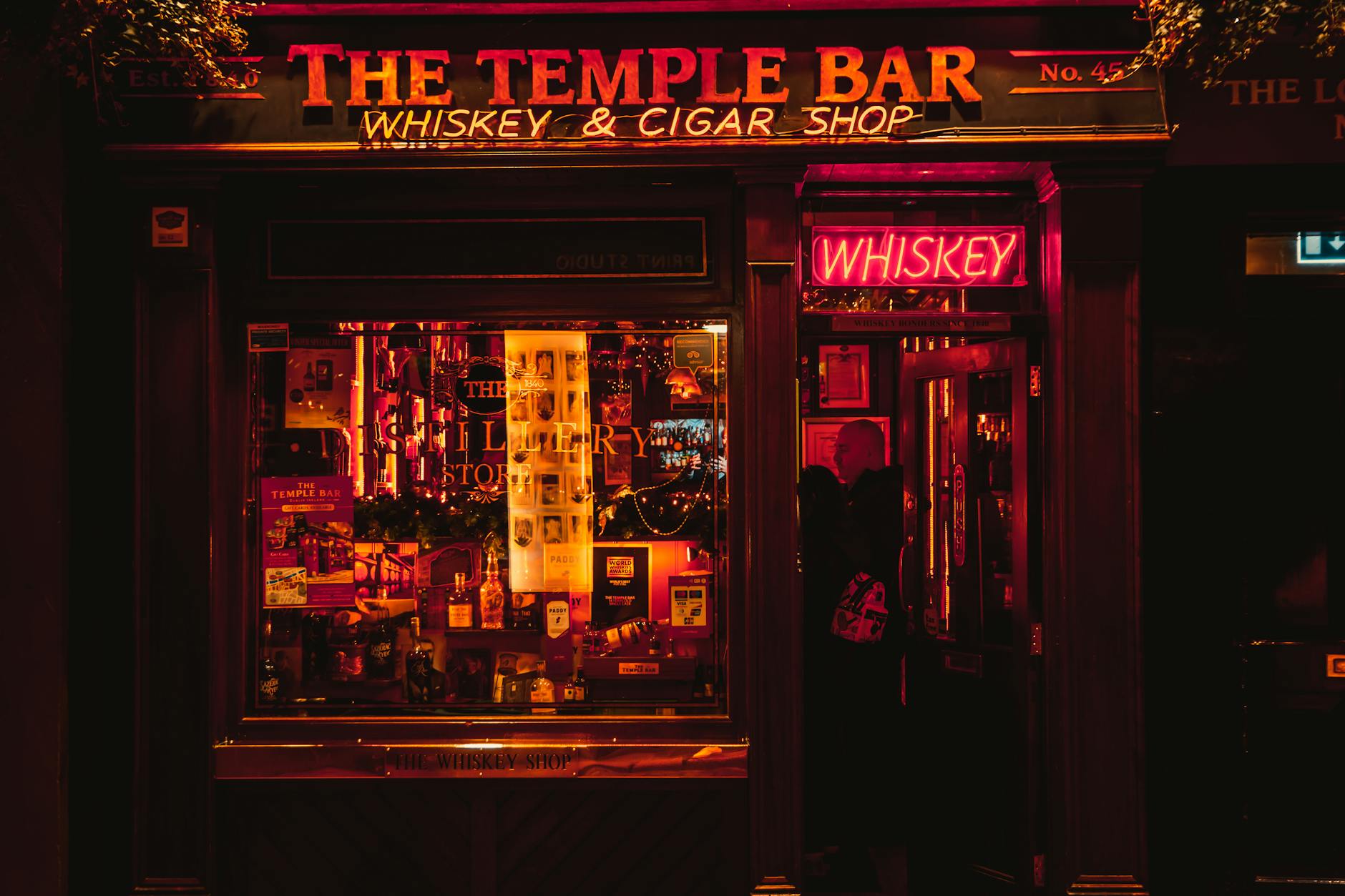
Temple Bar has a deserved reputation as Dublin’s tourist quarter, and prices reflect that. However, there are worthwhile spots if you know where to look. Gallagher’s Boxty House is an institution for traditional Irish food, and the Temple Bar Food Market on Saturdays is one of the best places to sample artisan Irish produce. For a meal that justifies the location premium, try The Vintage Kitchen — a tiny BYOB restaurant that serves a set menu of beautifully executed seasonal dishes at surprisingly reasonable prices.
Stoneybatter and Smithfield
These adjoining northside neighbourhoods have become Dublin’s most exciting emerging food scene. Stoneybatter in particular has a relaxed, village-like feel with independent restaurants and cafes lining its main street. Proper Order Coffee Co serves some of Dublin’s best specialty coffee, while L. Mulligan Grocer reimagines gastropub cooking with locally sourced ingredients and an excellent craft beer selection. Smithfield’s cobbled plaza is home to Third Space cafe and a growing cluster of casual dining spots.
Ranelagh and Rathmines
South of the Grand Canal, Ranelagh has become a favourite dining neighbourhood for Dubliners. Allta, which was awarded Fine Dining Restaurant of the Year in 2025 and is listed in the Michelin Guide, sits on Leinster Road and serves a tasting menu that celebrates wild Irish ingredients. Farmer Browns in Rathmines is a local favourite for hearty brunch, and there are excellent options for pizza, Thai, and Japanese food along both main streets.
Portobello and Camden Street
This strip running south from St Stephen’s Green to the Grand Canal is one of Dublin’s busiest dining corridors. Neon on Camden Street serves fast, flavourful Asian street food at prices that students and tourists alike appreciate. Alma in Portobello brings Argentine flair to weekend brunch, and Two Pups — with locations in Francis Street and Fairview — has a cult following for its creative seasonal brunch menu.
Michelin-Starred and Fine Dining Restaurants
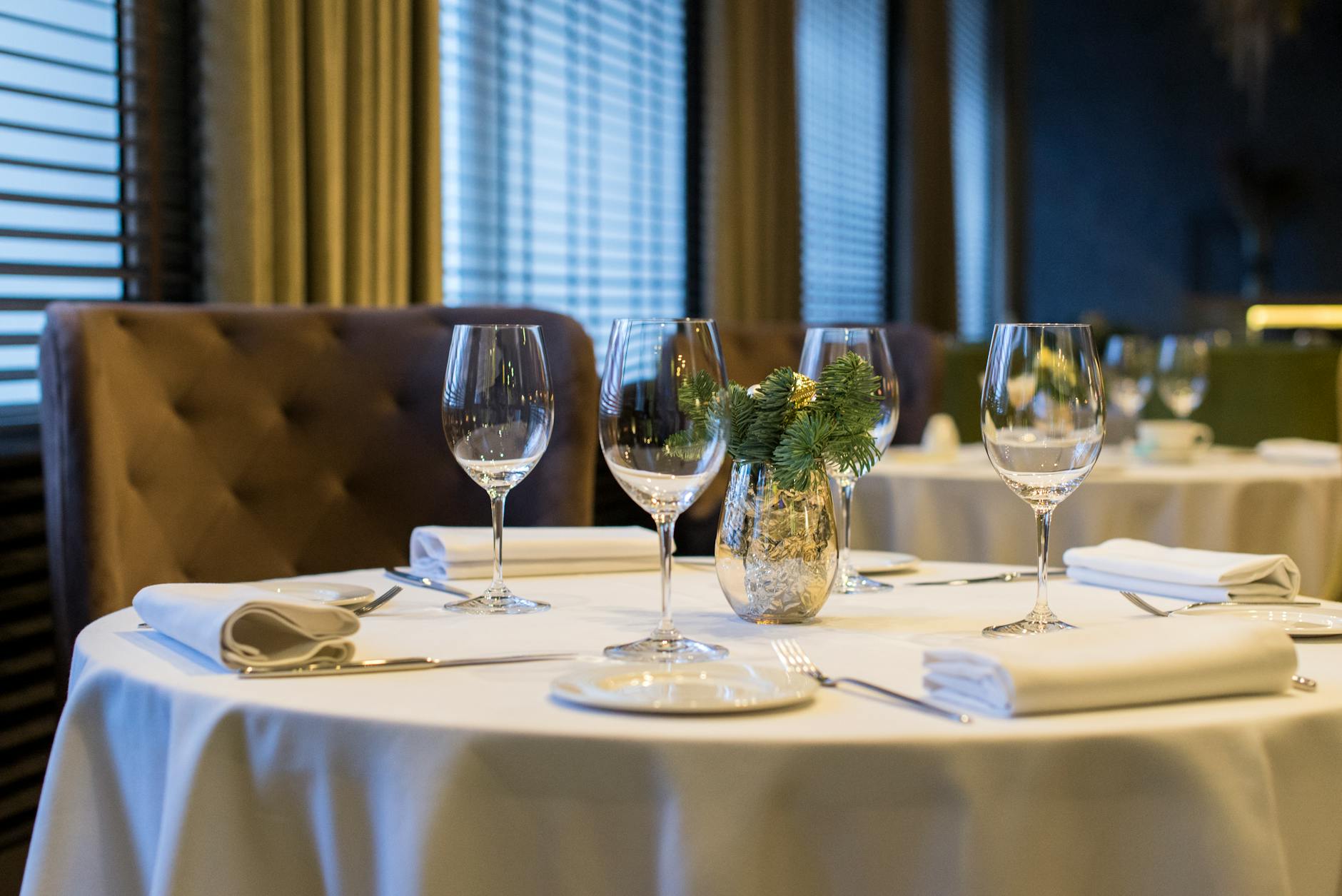
Dublin punches well above its weight for a city of its size when it comes to high-end dining. The 2026 Michelin Guide features several Dublin restaurants across one and two-star categories, and the quality extends well beyond the starred establishments.
Two Michelin Stars
Restaurant Patrick Guilbaud — Located in the Merrion Hotel on Upper Merrion Street, this has been Dublin’s flagship fine dining restaurant for decades. Chef Guillaume Lebrun delivers contemporary Irish cuisine with classical French foundations, using ingredients sourced from Ireland’s best producers. The lunch set menu offers a more accessible entry point to what is widely regarded as Ireland’s finest restaurant. Expect to pay upward of €150 per person for dinner.
Chapter One — On Parnell Square, chef Mickael Viljanen runs one of Ireland’s most creative kitchens. The tasting menu changes regularly and showcases inventive flavour combinations rooted in Irish produce. The dining room is elegant but not stuffy, and the sommelier team is exceptional. Dinner reservations should be made several weeks in advance.
Liath — Situated in Blackrock Market on the DART line south of the city centre, Liath operates an intimate communal dining format. There is one sitting at 7:30pm, Wednesday through Saturday, with a Saturday lunch at 1:00pm. Chef Damien Grey’s seasonal tasting menu is among the most distinctive dining experiences in Ireland, and the setting inside a suburban market building adds an element of surprise.
One Michelin Star
Forest Avenue — Dublin’s newest star holder as of 2026, this restaurant on Sussex Terrace earned recognition for chef John Wyer’s pared-back cooking that allows superb ingredients to shine. The atmosphere is relaxed and modern, making it one of the more approachable Michelin experiences in Dublin. Etto on Merrion Row is another single-star gem, serving precise Italian-Irish cooking in a compact, warmly lit room. One Pico delivers polished modern Irish dishes without the stiffness that can accompany fine dining.
Michelin-Listed and Bib Gourmand
Beyond the starred restaurants, look for Glas (a vegetarian restaurant in the Michelin Guide), Variety Jones on Thomas Street (a family-owned spot that recently reopened after relocation), and Bastible in The Liberties, which serves a short, seasonal menu that changes weekly. These restaurants deliver exceptional cooking at prices well below the starred establishments, typically €40–70 per head for a full meal with wine.
Best Seafood Restaurants in Dublin
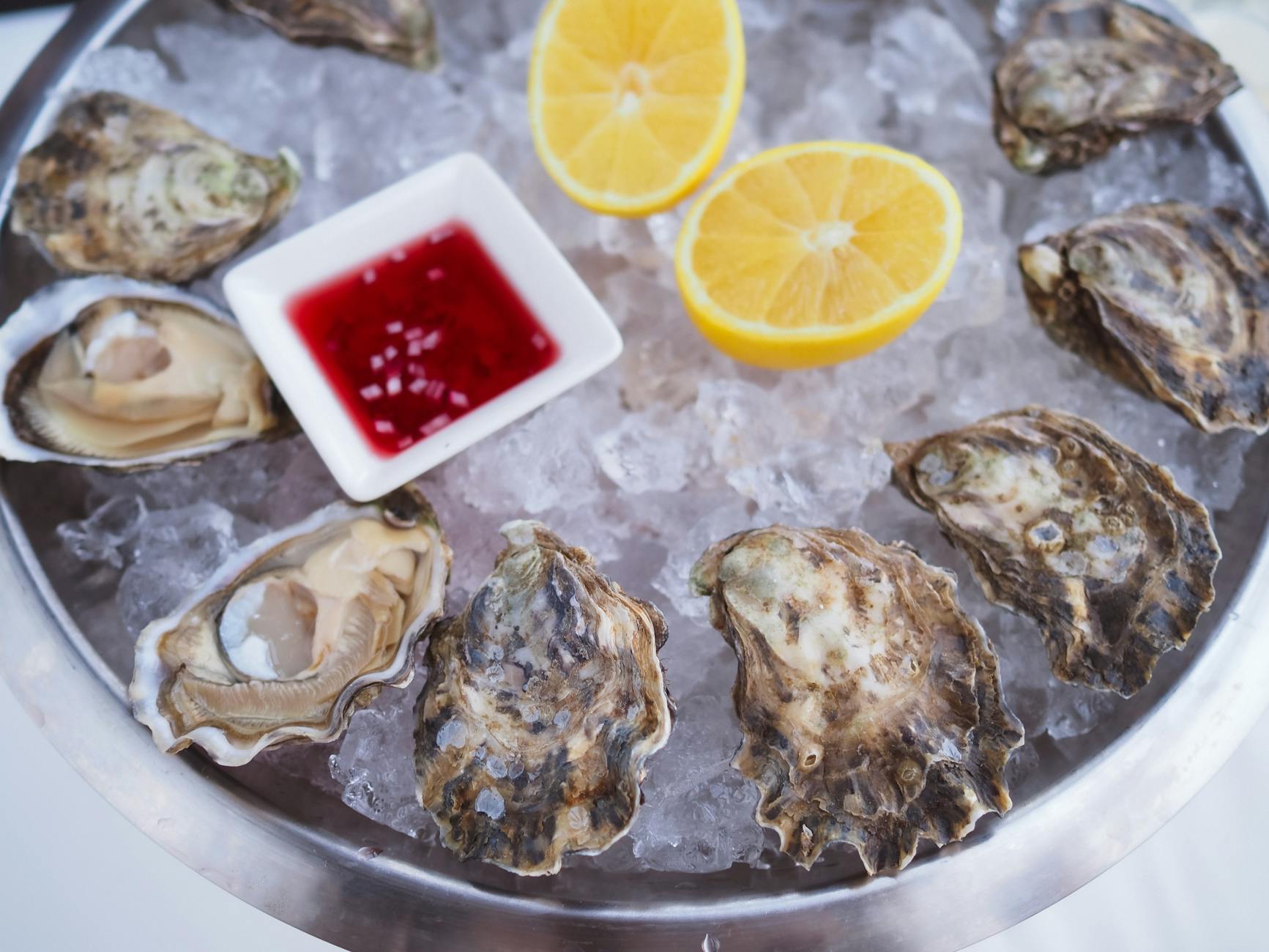
Ireland’s coastline delivers some of Europe’s finest seafood, and Dublin is the best place to eat it. From Galway Bay oysters and Donegal crab to Dublin Bay prawns (actually langoustines, and among the finest shellfish in the world), the city’s seafood restaurants source directly from fishing boats and shellfish beds along the Atlantic and Irish Sea.
City Centre Seafood
SOLE Seafood and Grill has won the Best Luxury Seafood Restaurant award at the World Luxury Restaurant Awards for six consecutive years, making it the city’s premier address for an upscale seafood dinner. Matt The Thresher on Lower Pembroke Street serves excellent fish in a more relaxed setting and is popular with the business lunch crowd. For a casual option, Fish Shop in Smithfield offers some of the best fish and chips in Dublin, using sustainably caught fish with craft beer batter.
Howth: Dublin’s Seafood Village
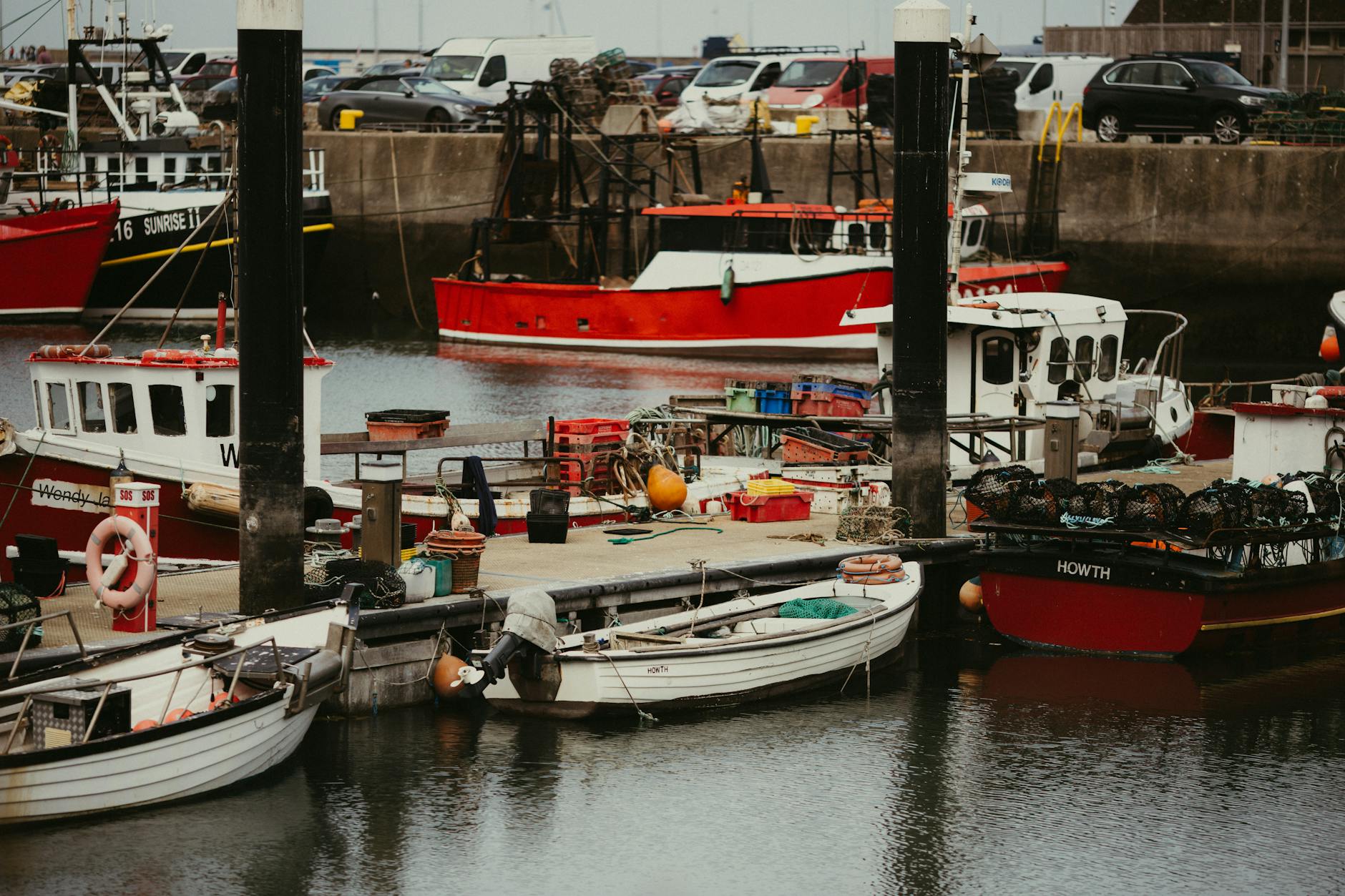
A 30-minute DART ride from the city centre, the fishing village of Howth is Dublin’s seafood pilgrimage. The harbour is lined with restaurants that source fish directly from the boats moored outside their front doors. King Sitric, overlooking the East Pier, is where the MacManus family have served locally caught prawns, lobster, and crab for two generations. Octopussy’s Tapas on the West Pier gets its fish from Doran’s seafood market next door, and The Oar House is consistently rated among Dublin’s best seafood restaurants. For no-frills fish and chips, Beshoffs Bros at the harbour is the locals’ choice. Pair your meal with a walk along the Howth Cliff Path for one of Dublin’s most memorable food experiences.
Best Cheap Eats in Dublin
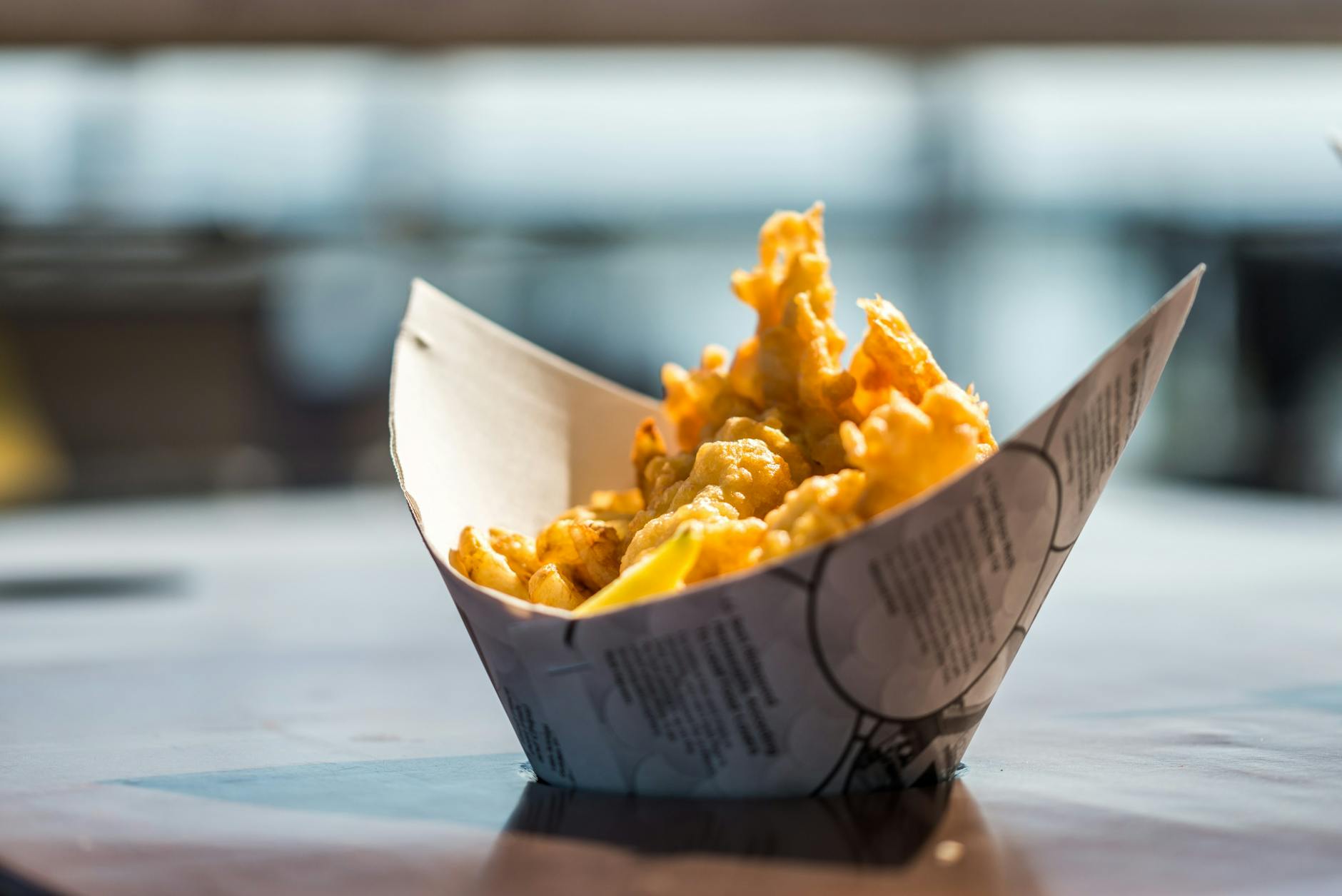
Dublin is not a cheap city to eat in, but there are plenty of ways to eat well on a budget. The trick is knowing where to look beyond the tourist-facing restaurants in Temple Bar and Grafton Street. As a general rule, lunch offers the best value — many restaurants that charge €25–35 for a dinner main offer the same quality for €12–18 at midday.
Under €10
Umi Falafel has five locations around the city serving excellent Middle Eastern food, with most items under €10. Bambino on Stephen Street does generous pizza slices from €4.50 — arguably the best value meal in the city centre. Xi’an Street Food brings authentic hand-pulled noodles and spicy cumin lamb from the Xi’an region of China, with most dishes under €10. For a filling breakfast, Lovinspoon on North Frederick Street serves a full Irish for under €10 with coffee.
Under €15
Boojum is Dublin’s favourite burrito spot, with branches across the city serving freshly made burritos and bowls at lunch. Neon Asian Street Food on Camden Street has over 1,700 Google reviews for its fast, flavourful pho, curries, and stir-fries. Sprezzatura serves handmade pasta at prices that would be unthinkable in most European capitals. Sano Pizza offers fresh Neapolitan pizzas starting under €7, and Coke Lane Pizza slings Neapolitan-style pies from the back of Lucky’s bar in The Liberties.
Set Lunch Menus and Early Birds
Many of Dublin’s best restaurants offer set lunch menus or early bird specials (typically before 6:30pm) that bring high-quality cooking within reach. Etto offers a two-course lunch for a fraction of its dinner price. The Vintage Kitchen in Temple Bar is BYOB, which saves significantly on the drinks bill. Keep an eye out for pre-theatre menus at restaurants near the Bord Gáis Energy Theatre and the Abbey Theatre, which typically run from 5:00pm to 6:30pm and offer two courses for €25–30.
Dublin’s Best Brunch Spots
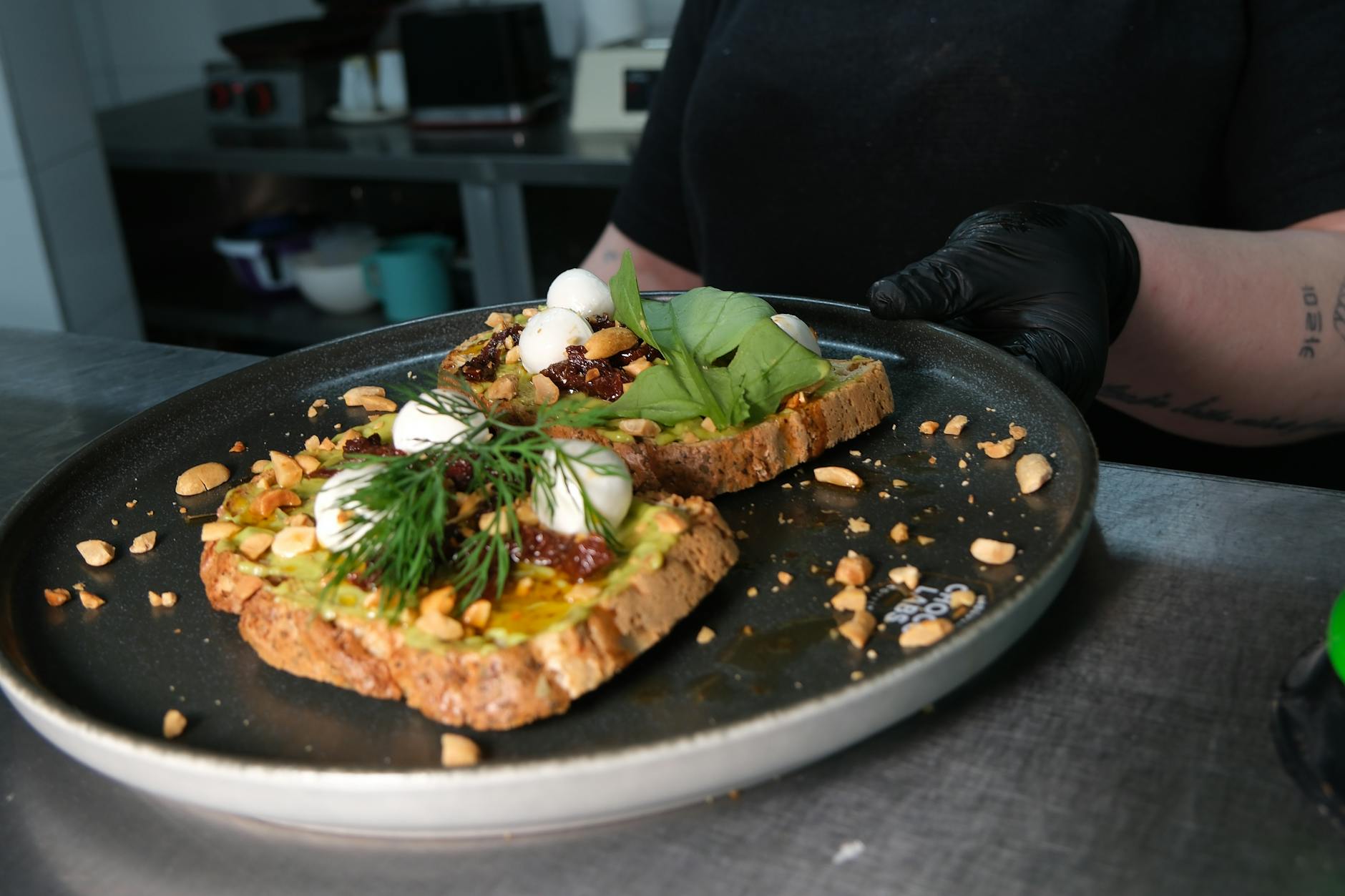
Brunch is taken seriously in Dublin, with queues forming outside the best spots from 10am on weekends. The city’s brunch scene goes well beyond the standard eggs Benedict — expect Middle Eastern flavours, Argentine influences, and creative vegetarian options alongside the classics.
Brother Hubbard — With locations on Capel Street (Dublin 1) and Blackpitts (Dublin 8), this is Dublin’s most celebrated brunch destination. The Middle Eastern-inspired menu features the Full Hubbard (with black pudding and feta), halloumi sabiche, and Moroccan pancakes. Two Pups in The Liberties and Fairview draws a devoted following for its Seasonal Hash with poached eggs and herb yoghurt, alongside Mexican Eggs and housemade granola. Alma in Portobello blends Argentine and Irish flavours across both simple and adventurous dishes.
Farmer Browns operates in Rathmines, Kilternan, and Clonskeagh with a menu featuring breakfast tacos and the Starvin Marvin — a loaded full Irish with bretzel batch toast. Tang, with three city-centre locations, takes a sustainability-first approach with dishes like Cilbir Eggs on roasted garlic yoghurt. Most popular brunch spots get busy by 11am on Saturdays and Sundays, so booking ahead or arriving early is strongly recommended.
Dublin Coffee Culture: Best Cafes and Coffee Shops
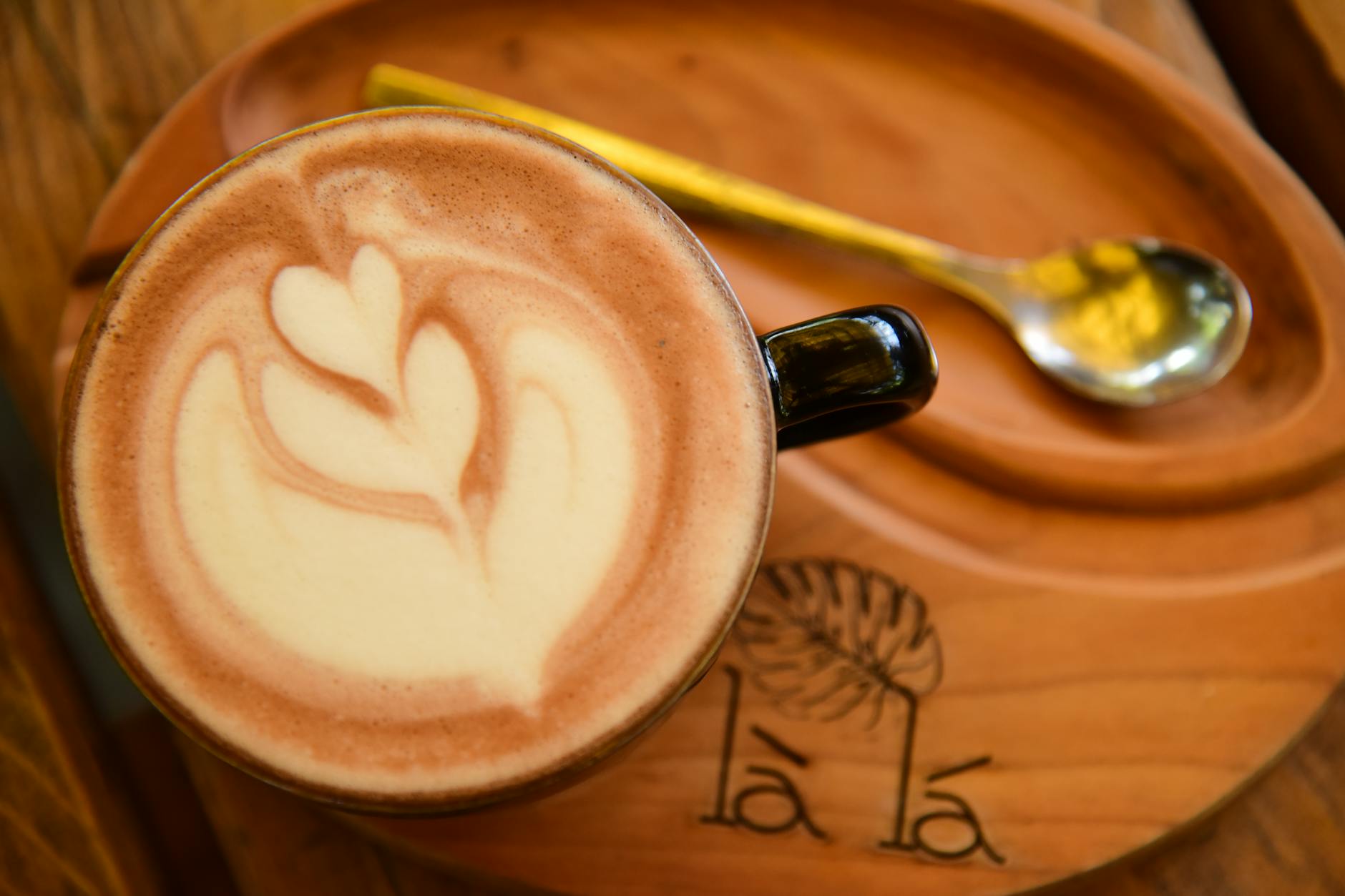
Dublin’s coffee scene has exploded in recent years, with independent specialty roasters and third-wave cafes now outnumbering chain coffee shops in many neighbourhoods. The quality is genuinely world-class — Unfiltered Coffee was ranked 56th on The World’s 100 Best Coffee Shops list for 2026.
Proper Order Coffee Co in Smithfield is frequently named Dublin’s best coffee shop, known for expertly crafted espresso drinks and high-quality pastries. Kaph on Drury Street serves beautifully presented pour-over coffees alongside seasonal brews, and its central location makes it a convenient stop while exploring the Creative Quarter. The Fumbally in The Liberties doubles as a cafe, deli, and bakery, with a spacious industrial interior, locally sourced ingredients, and a loyal community of regulars.
Third Space in Smithfield uses beans from Dublin roaster Imbibe Coffee and has a warm, community-oriented atmosphere. Brew Lab and Clement & Pekoe on South William Street are two more excellent options for specialty coffee in the city centre. For a coffee with a view, the cafes along Howth harbour pair a flat white with one of Dublin’s most scenic backdrops.
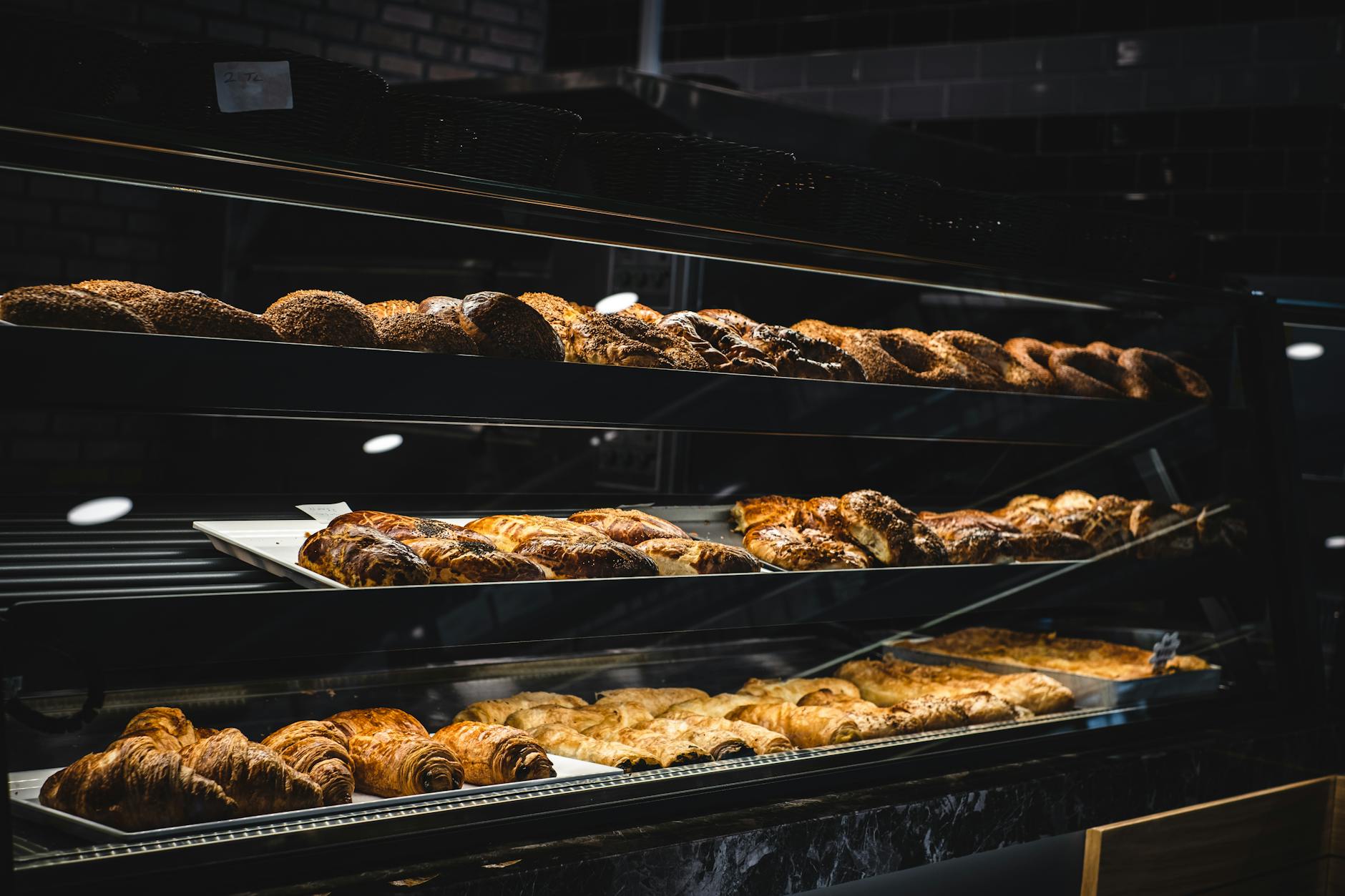
Dublin Food Markets and Street Food
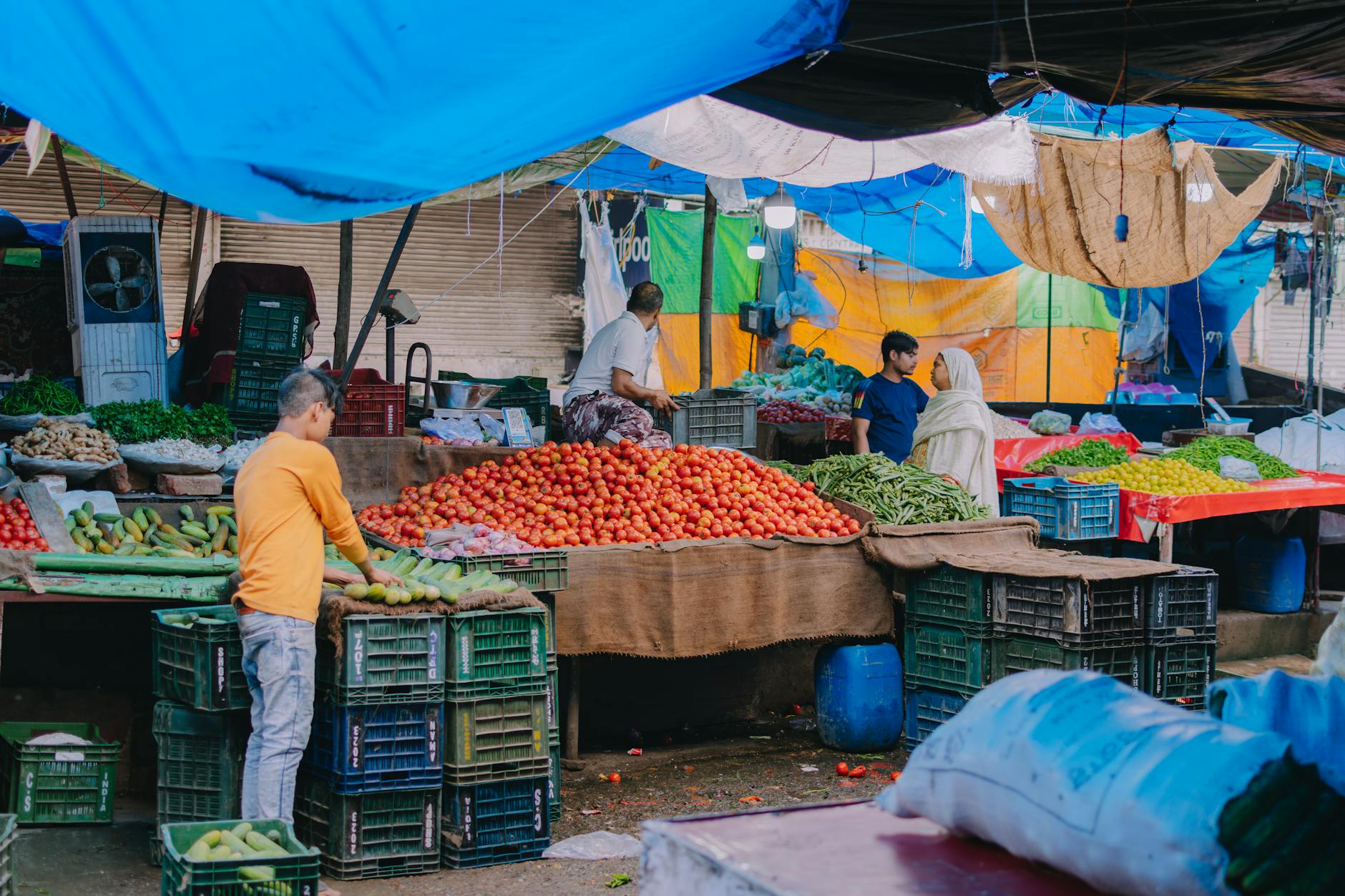
Dublin’s food market scene is one of the best ways to experience the city’s culinary diversity without committing to a sit-down restaurant. Markets are where you will find artisan Irish producers alongside international street food vendors, and they offer some of the best-value eating in the city.
Weekend Markets
Temple Bar Food Market runs every Saturday from 10:00am to 3:30pm in Meeting House Square and is Dublin’s oldest outdoor food market. Expect stalls selling fresh oysters, artisan cheese, organic produce, crêpes, and international street food. Blackrock Market on the DART line south of the city is one of the most eclectic in County Dublin, combining food stalls serving everything from Lebanese to South Korean cuisine with antique stores and craft vendors. Bushy Park Market in Terenure operates 10:00am–4:00pm on Saturdays with dozens of stalls including crêpes, falafel, organic burgers, paella, Polish pierogi, and woodfire pizza.
Weekday Markets
Irish Village Markets operates pop-up markets at various city locations Wednesday through Friday (11:00am–2:00pm), offering diverse international street food including Hawaiian poké, paella, sushi, and falafel. Coppinger Row Outdoor Food Market sets up next to Powerscourt Townhouse Centre every Thursday with Mediterranean and Middle Eastern vendors. These weekday markets are popular with office workers and offer an affordable, flavourful alternative to restaurant lunch.
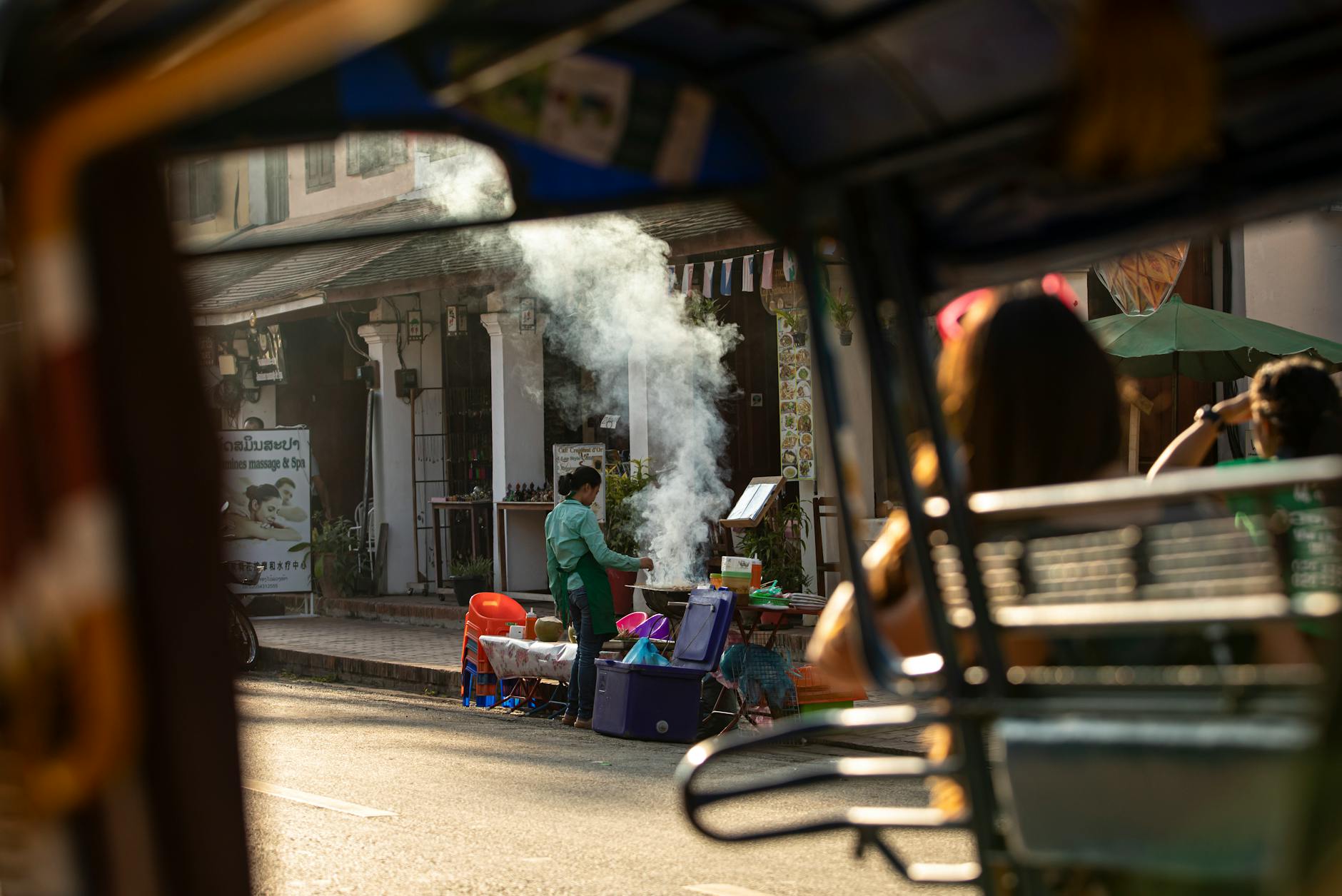
Street Food Standouts
Beyond the formal markets, Dublin’s street food scene has grown rapidly. Coke Lane Pizza (at Lucky’s in The Liberties), Bambino’s pizza slices, and Manifesto on Grafton Street are all examples of high-quality, affordable food that you eat on the go. The area around Camden Street and Wexford Street has the highest concentration of casual, street-food-style eateries in the city.
Best Vegetarian and Vegan Restaurants in Dublin
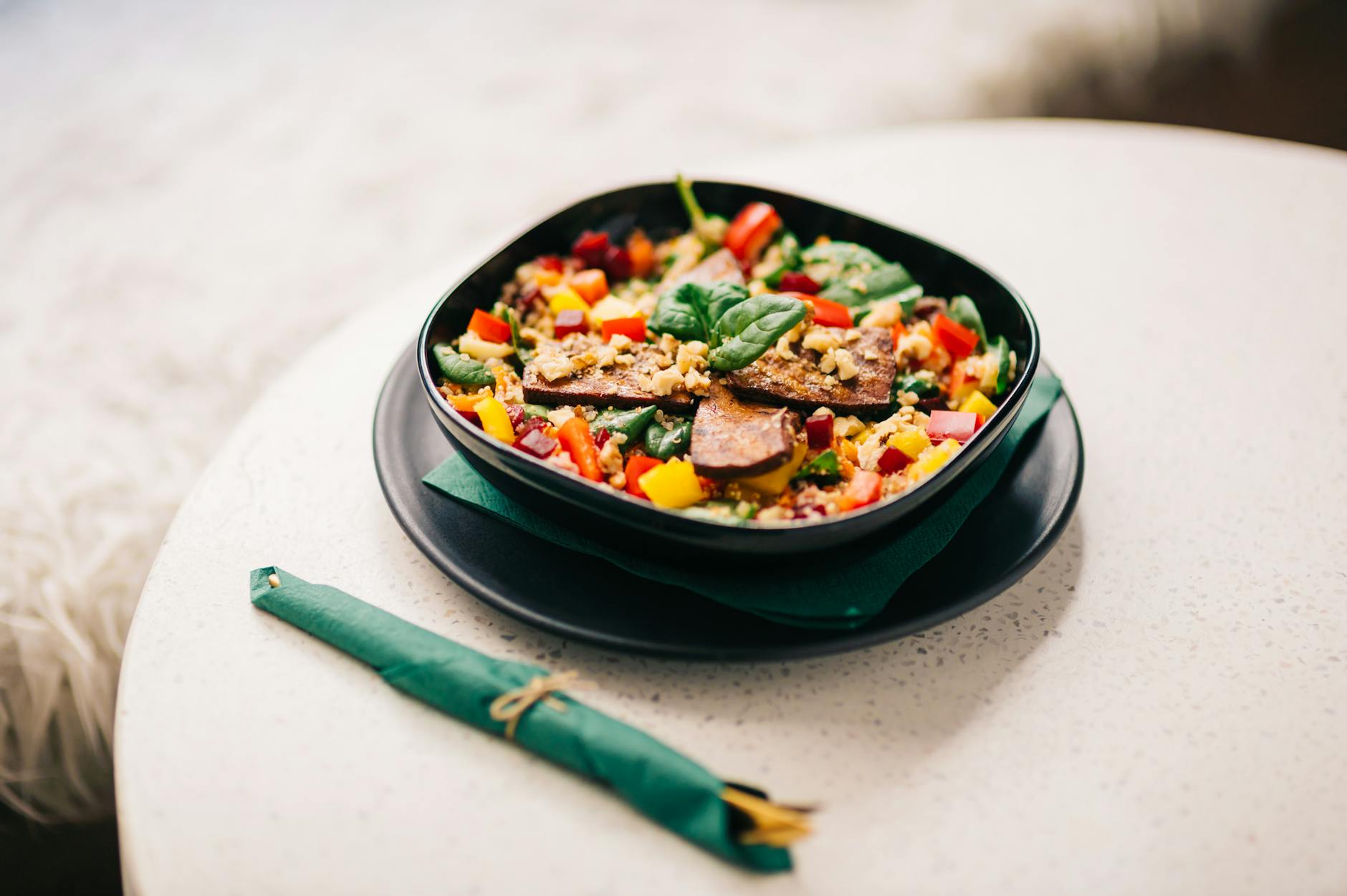
Dublin has embraced plant-based dining with enthusiasm, and vegetarian and vegan visitors have more options than ever. The city now has dedicated plant-based restaurants, Michelin-listed vegetarian fine dining, and a growing number of mainstream restaurants offering creative meat-free dishes.
Cornucopia on Wicklow Street has been Dublin’s spiritual home of vegetarian dining since 1986. Set over two floors, it serves a rotating menu of hearty salads, hot dishes, soups, and baked goods — all vegetarian or vegan. Glas is a Michelin-listed vegetarian and vegan restaurant where chef-owner takes seasonal Irish vegetables and transforms them into refined dishes that rival any fine dining experience in the city. The Saucy Cow in Temple Bar takes a different approach with loaded vegan burgers, fries, and indulgent brunch plates.
Govinda’s on Abbey Street is one of Dublin’s oldest vegan restaurants, offering wholesome meat-free versions of classic dishes. Nutbutter at Grand Canal Dock specialises in bowls, tacos, and smoothies with a focus on whole, plant-based ingredients. Most of the mainstream restaurants listed throughout this guide also offer strong vegetarian options — Brother Hubbard, Two Pups, and Tang are particularly good for meat-free brunch.
International Cuisine: Dublin’s Global Food Scene
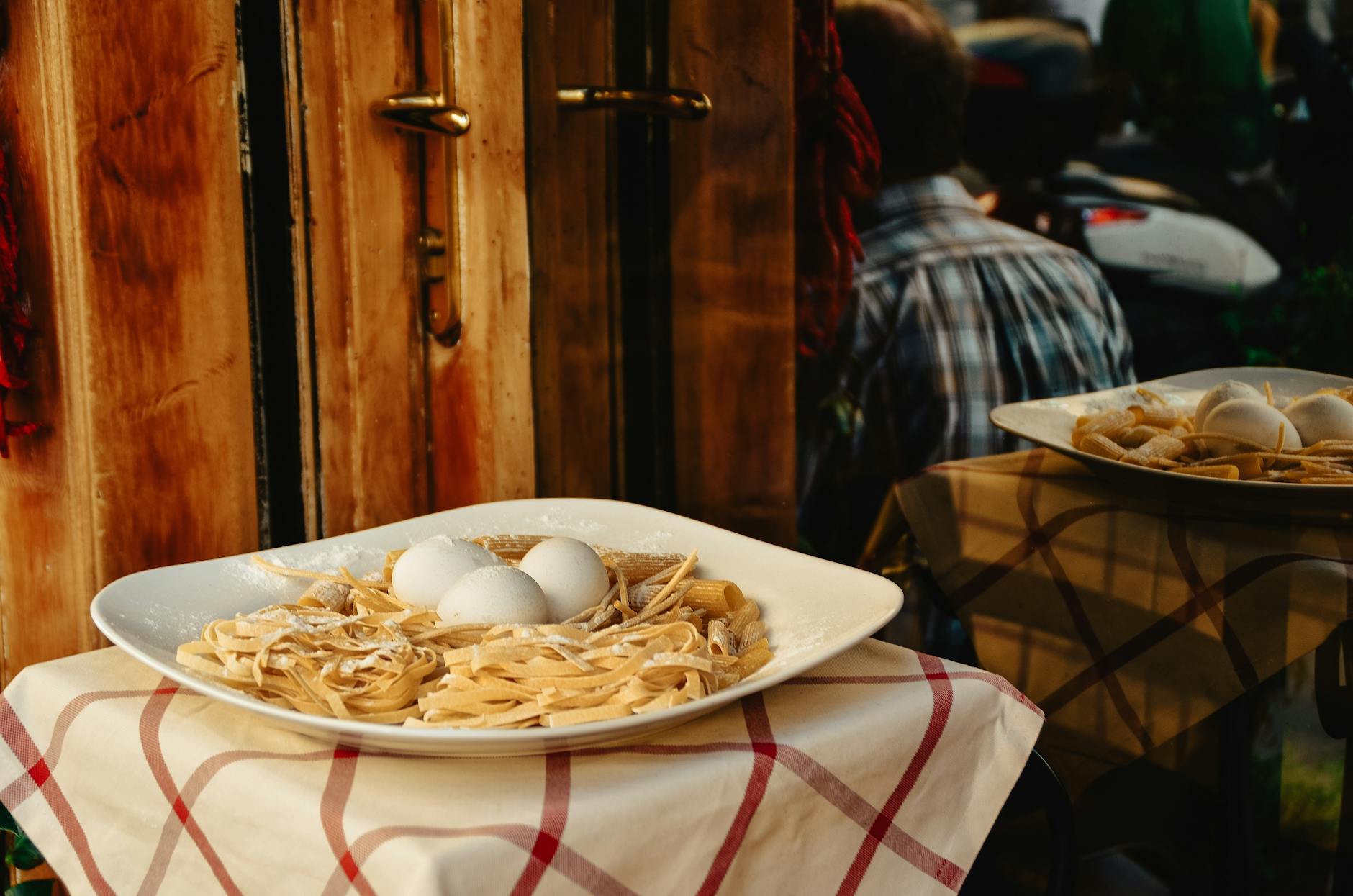
As a cosmopolitan European capital, Dublin’s restaurant scene stretches well beyond Irish cuisine. Immigration, travel, and a generation of internationally trained chefs have created a dining landscape where you can eat your way around the world without leaving the M50.
Italian: Dublin’s Italian food scene ranges from casual Neapolitan pizzerias like Sano and Coke Lane to refined trattorias like Etto (Michelin-starred). Big Mamma’s Gloria, a 180-seat osteria on Westmoreland Street, brings the theatrical Italian dining concept that has taken Paris and London by storm. Asian: Pickle (Indian, Camden Street), Big Fan (Chinese, Michelin-recommended), Achara (Northern Thai BBQ, Aston Quay), and Musashi (Japanese, multiple locations) are all outstanding. The Ivy Asia brings pan-Asian fine dining to the city centre. Mexican: Boojum for casual burritos, and 777 on South Great George’s Street for a more refined take. Middle Eastern: Shouk for incredibly cheap, vibrant Israeli-Palestinian food, and Umi Falafel for quick, satisfying falafel wraps.
Best Gastropubs and Pub Food in Dublin
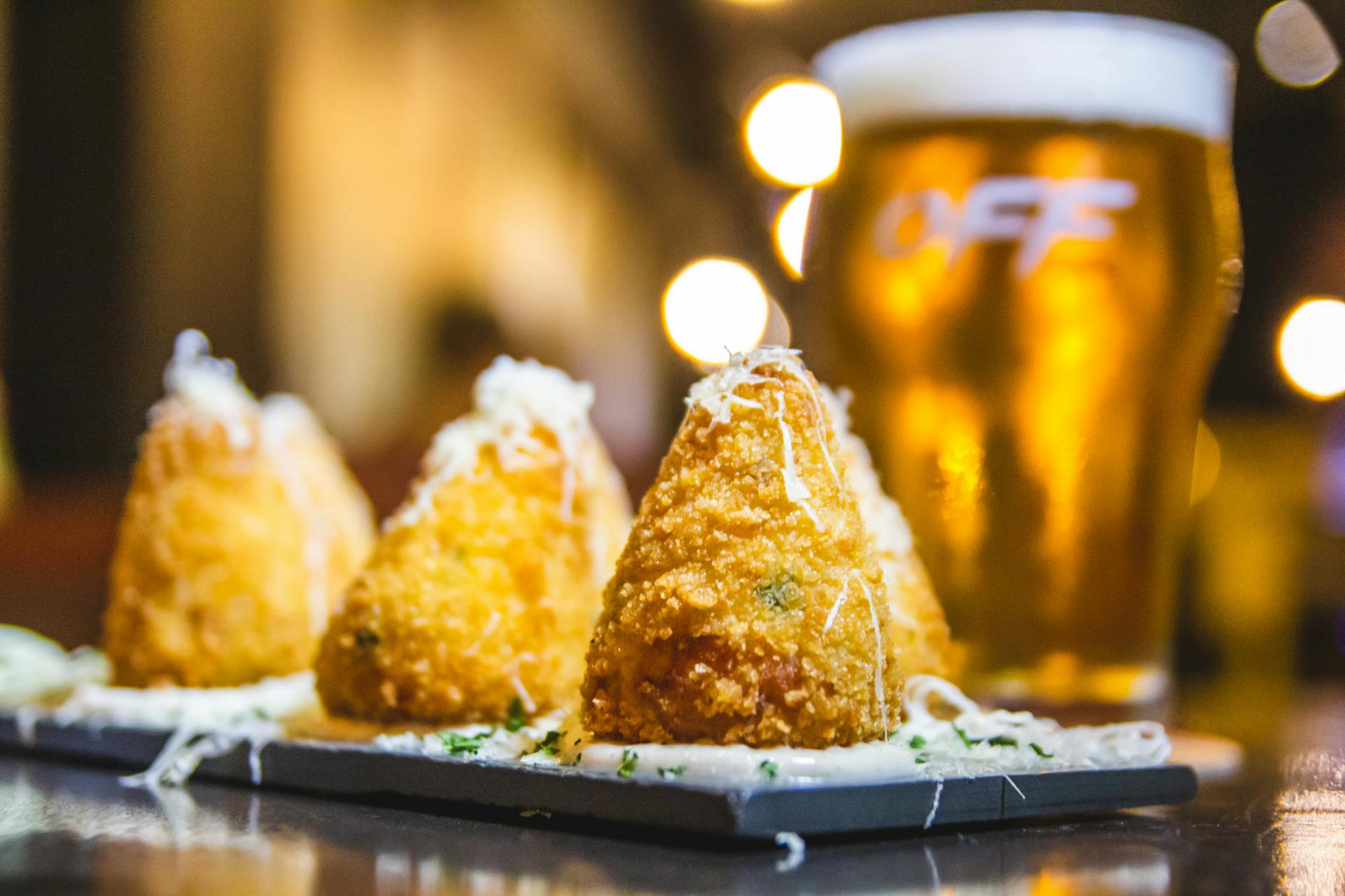
The gastropub movement has transformed Dublin’s pub dining from an afterthought to a destination in its own right. Several pubs now serve food that rivals dedicated restaurants, while maintaining the warmth and informality that makes an Irish pub special.
L. Mulligan Grocer in Stoneybatter leads the pack, pairing carefully sourced, seasonal Irish food with one of the best craft beer selections in the city. The Winding Stair overlooks the Ha’Penny Bridge and serves a menu rooted in traditional Irish cooking with modern refinement — their Dublin coddle and seafood chowder are among the best in the city. Hawksmoor on Suffolk Street brings premium steak and cocktails to a beautiful Georgian building, while Brookwood on Baggot Street is the place for serious beef lovers, with marble floors and art deco lamps.
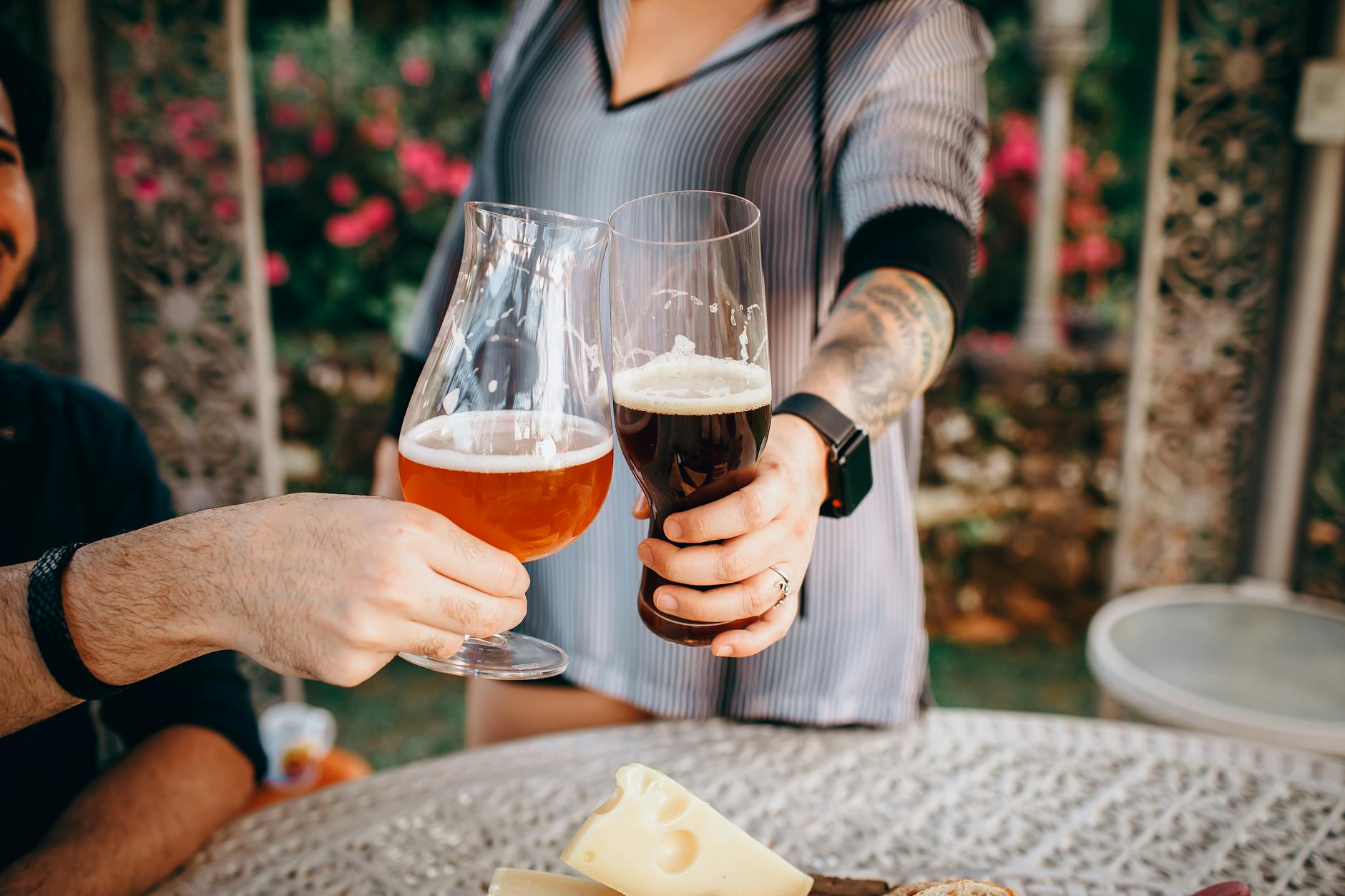
For a more traditional pub meal, The Brazen Head (Dublin’s oldest pub, established 1198) serves solid Irish stew and hearty pies. The Hairy Lemon on Stephen Street and O’Neill’s on Suffolk Street are both reliable for generous portions of classic pub fare at reasonable prices.
Dublin Food Tours Worth Taking
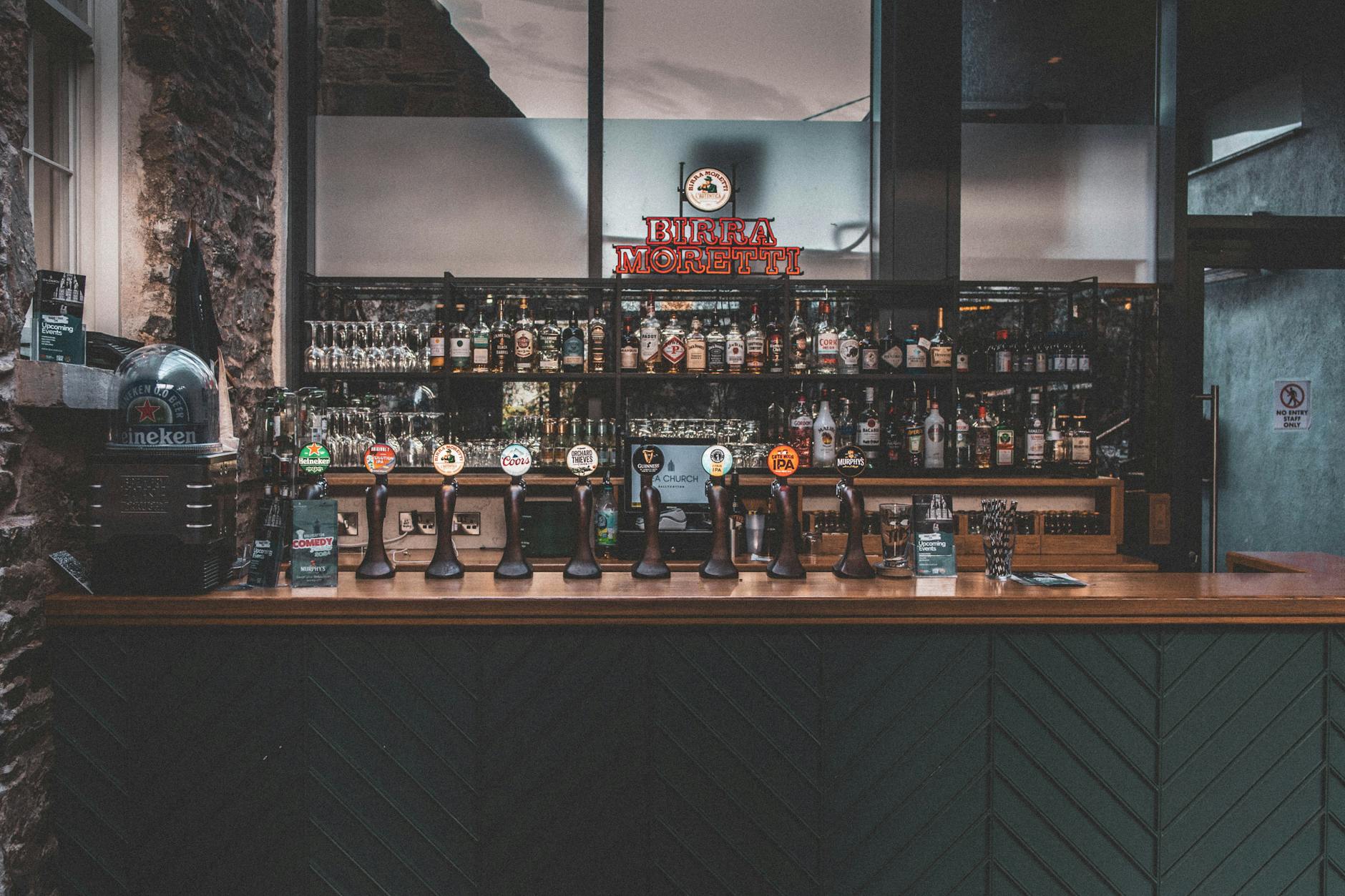
A guided food tour is one of the best ways to get under the skin of Dublin’s food scene, especially if you are visiting for the first time. The best tours combine food sampling with local history and insider knowledge of the city’s neighbourhoods.
Walking Food Tours Dublin operates in The Liberties, one of Dublin’s oldest neighbourhoods, and combines food stops with stories about the area’s history. Their Food on Foot and Drinks on Foot tours are both highly rated and keep groups small for a more personal experience. Secret Food Tours Dublin starts near Trinity College and visits local eateries for traditional Irish dishes, keeping groups to a maximum of 12 people. The 3-hour Dublin Delicious Walking Food Tour visits award-winning restaurants and food shops in the city centre and includes enough food to replace a full meal.
Most tours run for 2.5 to 3 hours, include multiple food stops (enough to replace lunch or dinner), and offer free cancellation with 24 hours’ notice. They typically cost €60–85 per person. Book at least a few days in advance during summer months, as popular tours fill up quickly.
Practical Tips for Eating in Dublin
Tipping Etiquette
Tipping in Dublin restaurants is appreciated but not obligatory. A tip of 10–15% is standard for sit-down meals where you have received table service. Many restaurants add a service charge of 10–12.5% to the bill automatically — check before adding extra on top. For casual dining, counter-service restaurants, and coffee shops, tipping is not expected but a euro or two is welcome. Pub food ordered at the bar does not require a tip.
Booking and Reservations
Dublin’s best restaurants fill up quickly, especially on Friday and Saturday evenings. For Michelin-starred restaurants, book 2–4 weeks in advance. For popular brunch spots, either book online (many use Resy or OpenTable) or arrive before 10:30am to avoid queues. Midweek dining (Tuesday to Thursday) is generally easier to get into and some restaurants offer better-value midweek set menus.
When to Eat
Lunch in Dublin typically runs from 12:00pm to 2:30pm, and this is when you will find the best set-menu deals. Dinner service starts at most restaurants between 5:00pm and 6:00pm, with peak time from 7:30pm to 9:00pm. Early bird menus (available before 6:30pm or 7:00pm) can save 30–40% on the same food served later in the evening. Sunday brunch runs from approximately 10:00am to 2:00pm at most venues.
Dietary Requirements
Dublin restaurants are generally very accommodating with dietary requirements. Most menus clearly mark vegetarian, vegan, and gluten-free options. Coeliac disease is relatively common in Ireland, so gluten-free awareness is high. If you have allergies, mention them when booking and again when ordering — staff are trained to take this seriously under EU food allergen regulations.
Frequently Asked Questions About Eating in Dublin
What is Dublin’s signature dish?
Dublin Coddle is the city’s most iconic traditional dish — a slow-cooked stew of sausages, bacon, potatoes, and onions. It originated in the 1700s and remains a beloved comfort food. You will find it at traditional restaurants like The Winding Stair, The Old Mill, and Gallagher’s Boxty House.
How much does a meal cost in Dublin?
Expect to pay €8–15 for a budget meal (street food, falafel, pizza slices), €15–25 for a casual restaurant lunch, €25–40 for a mid-range dinner main course, and €80–150+ per person for fine dining with wine. Set lunch menus and early bird specials offer the best value at higher-end restaurants.
Do I need to book restaurants in advance in Dublin?
For Michelin-starred and popular restaurants, booking 2–4 weeks ahead is advisable, especially for Friday and Saturday evenings. Casual restaurants and cafes generally do not require reservations on weekdays, but weekend brunch at popular spots should be booked or arrived at early.
What is the best area in Dublin for food?
The Creative Quarter (around South William Street and Drury Street) has the highest concentration of quality restaurants. Stoneybatter and Smithfield are the most exciting emerging areas. For seafood, head to Howth. For brunch, Portobello and Ranelagh have the strongest offerings.
Is Dublin good for vegetarian and vegan food?
Dublin has an excellent and growing plant-based dining scene. Cornucopia has served vegetarian food since 1986, Glas is Michelin-listed for its vegetarian tasting menus, and most mainstream restaurants offer creative meat-free options. Vegan visitors will find dedicated options at The Saucy Cow, Govinda’s, and Nutbutter.
What time do restaurants close in Dublin?
Most Dublin restaurants stop taking orders between 9:00pm and 10:00pm, with some staying open later on weekends. Late-night dining options are more limited than in southern European cities, but you can find food until 11:00pm or midnight at places like Bunsen (burgers), Boojum (burritos), and some Temple Bar restaurants.
Should I tip in Dublin restaurants?
A tip of 10–15% is customary for sit-down meals with table service. Check whether a service charge has already been added to the bill before tipping extra. For counter-service restaurants, coffee shops, and pub food ordered at the bar, tipping is not expected.
Are Dublin food markets worth visiting?
The food markets are among Dublin’s best dining experiences. Temple Bar Food Market (Saturdays), Blackrock Market (weekends), and the weekday Irish Village Markets pop-ups all offer high-quality, affordable food from artisan producers and international street food vendors. They are an excellent way to sample a wide range of Dublin’s food scene in one visit.
Leave a Reply