Dublin after dark is a different city entirely. The daytime crowds around Trinity College and Grafton Street thin out, fairy lights flicker above narrow cobbled lanes, and the sound of fiddles, bodhráns, and laughter spills from the doorways of hundreds of pubs, bars, and music venues. This is a city that was built for nights out.
The Irish pub is not just a place to drink — it is a social institution, a music venue, a storytelling arena, and for many visitors the single most memorable part of a trip to Dublin. But Dublin’s nightlife stretches far beyond the traditional pub. The city now has a thriving cocktail scene, a growing number of craft beer taprooms, world-class whiskey experiences, rooftop bars with skyline views, and late-night clubs that keep the music going until the early hours.
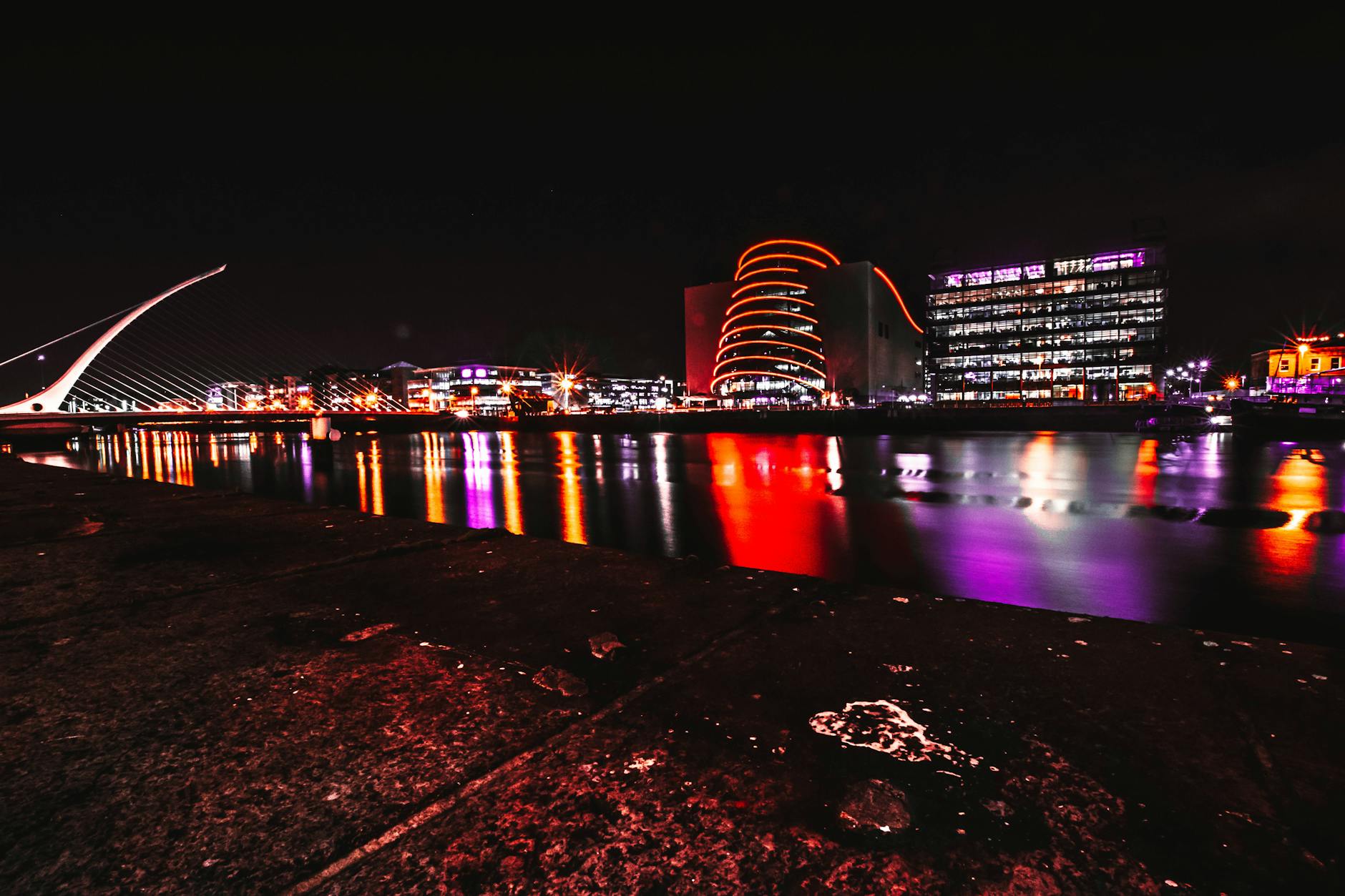
This guide covers every corner of Dublin’s nightlife scene in 2026 — from the best traditional pubs with live trad sessions to hidden speakeasy cocktail bars, outdoor beer gardens, and the clubs where Dubliners dance until closing time. Whether you want a quiet pint of Guinness in a Victorian snug or a late-night dance to techno in a basement venue, you will find what you need here.
What You’ll Find in This Guide
In this Dublin nightlife guide: The best traditional Irish pubs — Live music and trad sessions — Dublin’s nightlife areas — Cocktail bars and speakeasies — Nightclubs and late-night venues — Rooftop bars and beer gardens — Craft beer breweries and taprooms — Whiskey bars and distillery experiences — Pub crawl routes — Practical tips on prices, last orders, and safety — Frequently asked questions.
Best Traditional Irish Pubs in Dublin
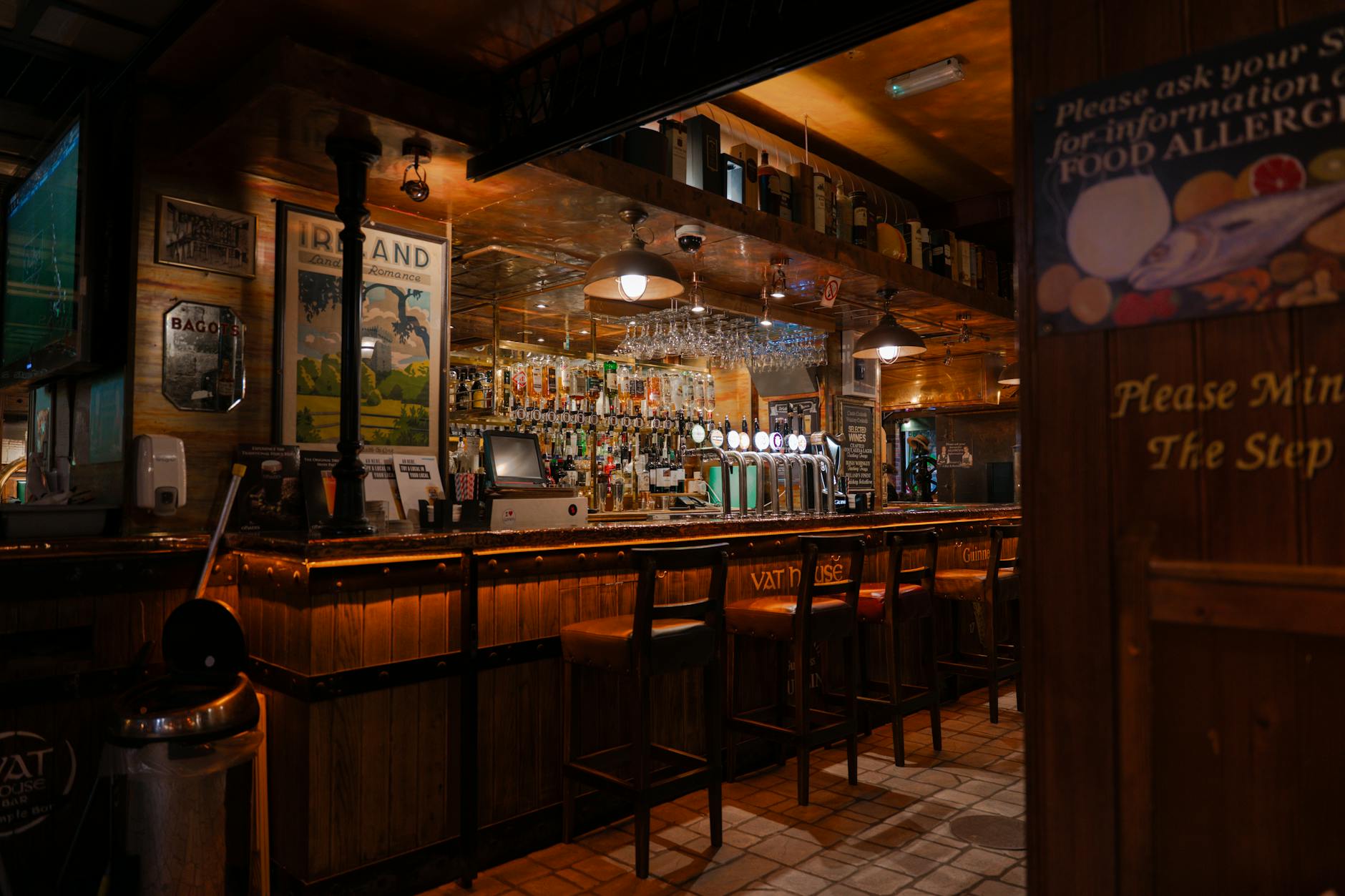
The traditional Irish pub is Dublin’s greatest cultural export, and the city has hundreds to choose from. The best ones combine beautifully preserved Victorian or Edwardian interiors with a genuine atmosphere that has evolved over decades — or in some cases centuries — of serving the local community. Here are the pubs that every visitor should experience.
The Historic Icons
The Brazen Head — Dublin’s oldest pub, established in 1198, sits on Bridge Street Lower near the Liffey. The low ceilings, stone walls, and cosy courtyard have barely changed in centuries. Live music plays every evening, and the pub serves solid traditional food. Famous former patrons include James Joyce, Jonathan Swift, and Robert Emmet. It is an unmissable stop for anyone interested in Dublin’s history.
Mulligan’s — On Poolbeg Street behind Trinity College, Mulligan’s has been pouring what many consider Dublin’s best pint of Guinness since 1854. The interior is dark, wood-panelled, and completely unpretentious. There is no music, no television, and no food — just excellent stout and good conversation. James Joyce mentioned it in his writing, and John F. Kennedy drank here as a young journalist in 1947.
Kehoe’s — First licensed in 1803 on South Anne Street, Kehoe’s is the quintessential Dublin pub. The Victorian interior features stained-glass windows, mahogany fittings, and intimate snug nooks that are perfect for quiet conversation. The upstairs bar has a more relaxed feel. It gets packed on Friday evenings but is worth the squeeze for the atmosphere alone.
The Hidden Gems
The Gravediggers (John Kavanagh’s) — Officially called John Kavanagh’s, this family-run pub beside Glasnevin Cemetery has been serving pints since 1833. It earned its nickname from the gravediggers who would pass their glasses through a hole in the wall during shifts. There is no music, no Wi-Fi, and no frills — just a plain wooden bar, a fireplace, and one of Dublin’s most perfectly pulled pints. It is a short bus ride from the city centre and well worth the journey.
The Long Hall — On South Great George’s Street, this Victorian gem has been serving since 1766. The interior is a masterpiece of old Dublin — red leather banquettes, antique clocks, ornate chandeliers, and a long mahogany bar that gives the pub its name. It is one of the most photogenic pubs in the city and a favourite with locals who prefer to drink away from Temple Bar.
Toner’s — On Baggot Street, Toner’s is one of the few Dublin pubs that W.B. Yeats is known to have visited. The interior retains its original Victorian shopfront and old grocery shelves behind the bar — a reminder of the days when Irish pubs doubled as general stores. The rear beer garden, Toner’s Yard, is one of the largest in the city centre and a sun trap on warm afternoons.
The Palace Bar — Dating to 1823 on Fleet Street, The Palace Bar was a favourite haunt of Dublin’s literary set, including Flann O’Brien and Patrick Kavanagh. The back room features a stunning stained-glass ceiling and is one of the most beautiful small spaces in any Dublin pub. It remains a working journalist’s local to this day.
Live Music and Traditional Sessions
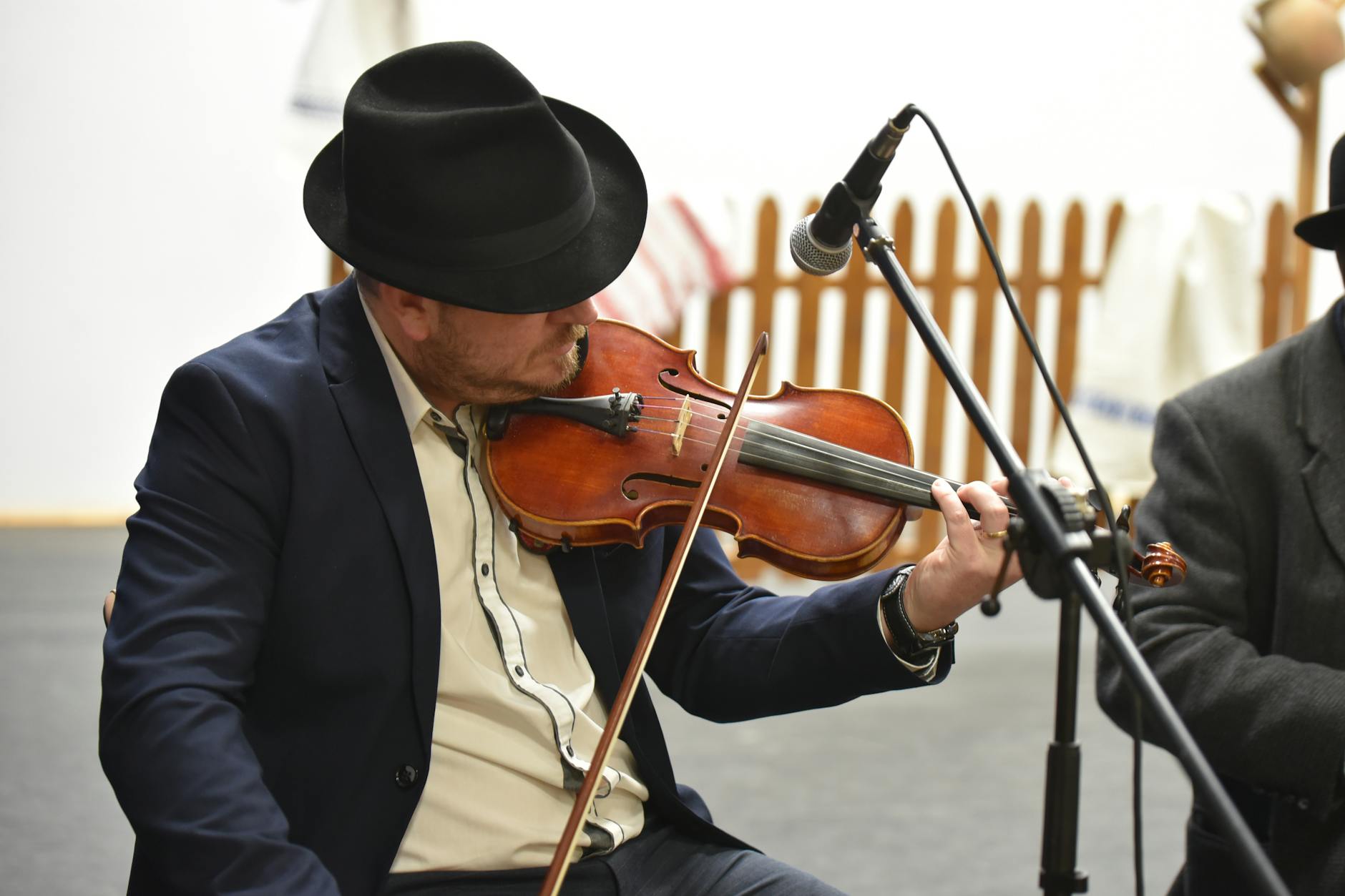
Live music is the heartbeat of Dublin’s pub culture. On any given night, you can find traditional Irish sessions, singer-songwriters, rock bands, and everything in between playing across the city. Many of the best music venues charge no cover, and the quality of musicianship in even the smallest pubs can be extraordinary.
Best Pubs for Traditional Music
The Cobblestone — Smithfield’s legendary pub describes itself as “a drinking pub with a music problem,” and it is the undisputed home of traditional Irish music in Dublin. Trad sessions run seven nights a week: Monday from 6:30pm, Tuesday to Thursday from 4:30pm, Friday from 2:00pm, and Saturday and Sunday from 2:30pm. The front bar is intimate and authentic, while the back room hosts ticketed gigs from some of Ireland’s finest traditional musicians. Arrive early for a seat — it fills up fast.
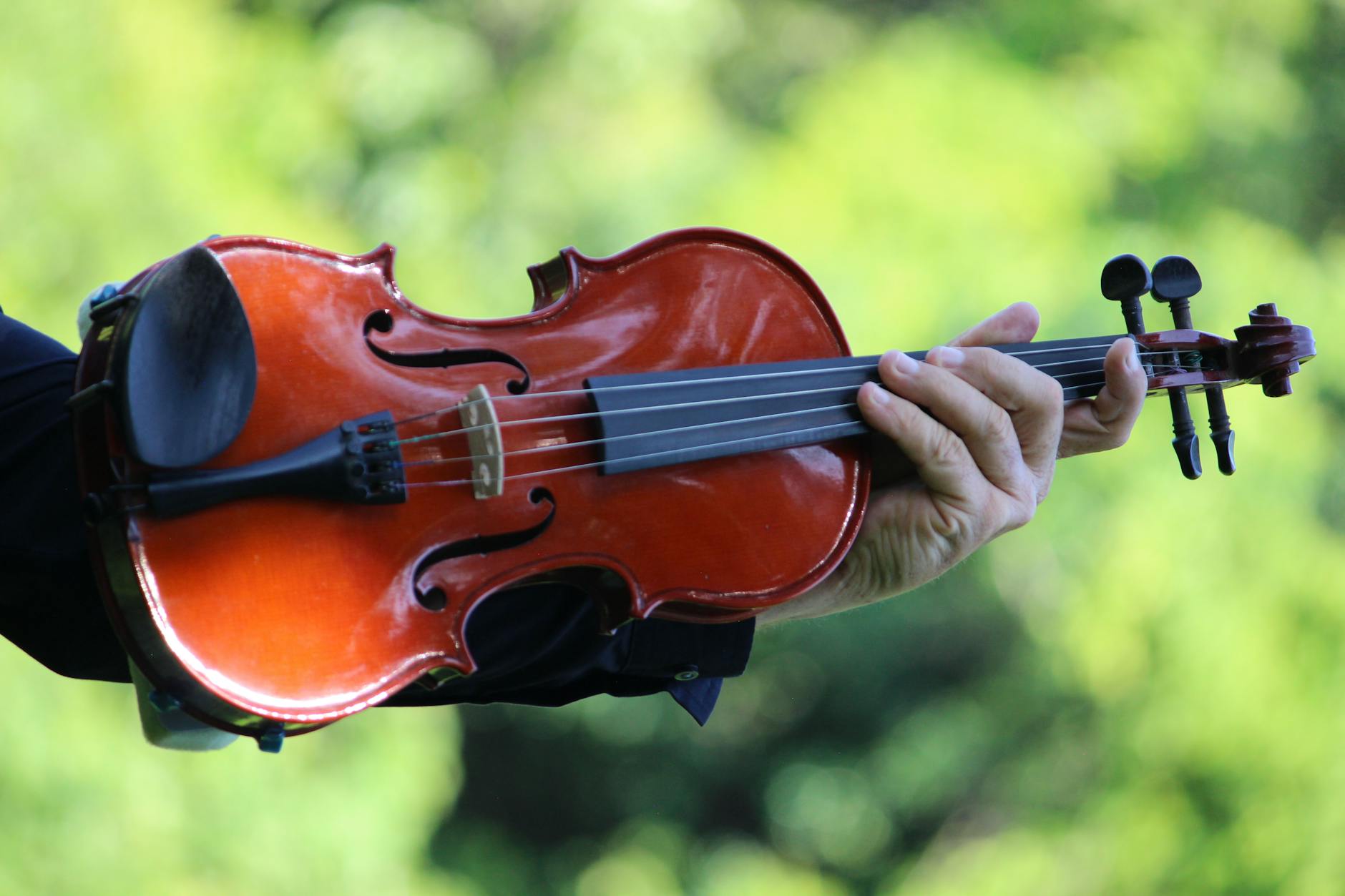
O’Donoghue’s — On Merrion Row near St Stephen’s Green, this pub has been a cradle of Irish traditional music since The Dubliners first played here in the 1960s. Nightly sessions feature fiddles, tin whistles, bodhráns, uilleann pipes, and the occasional burst of sean-nós singing. There is no cover charge, and the atmosphere is wonderfully unselfconscious.
Darkey Kelly’s — On Fishamble Street in Temple Bar, Darkey Kelly’s hosts live trad sessions every evening, but the Saturday afternoon céilí (traditional Irish dance session) is the highlight. Locals and visitors join in the set dancing, and the energy in the room is infectious. It is one of Dublin’s most joyful musical experiences.
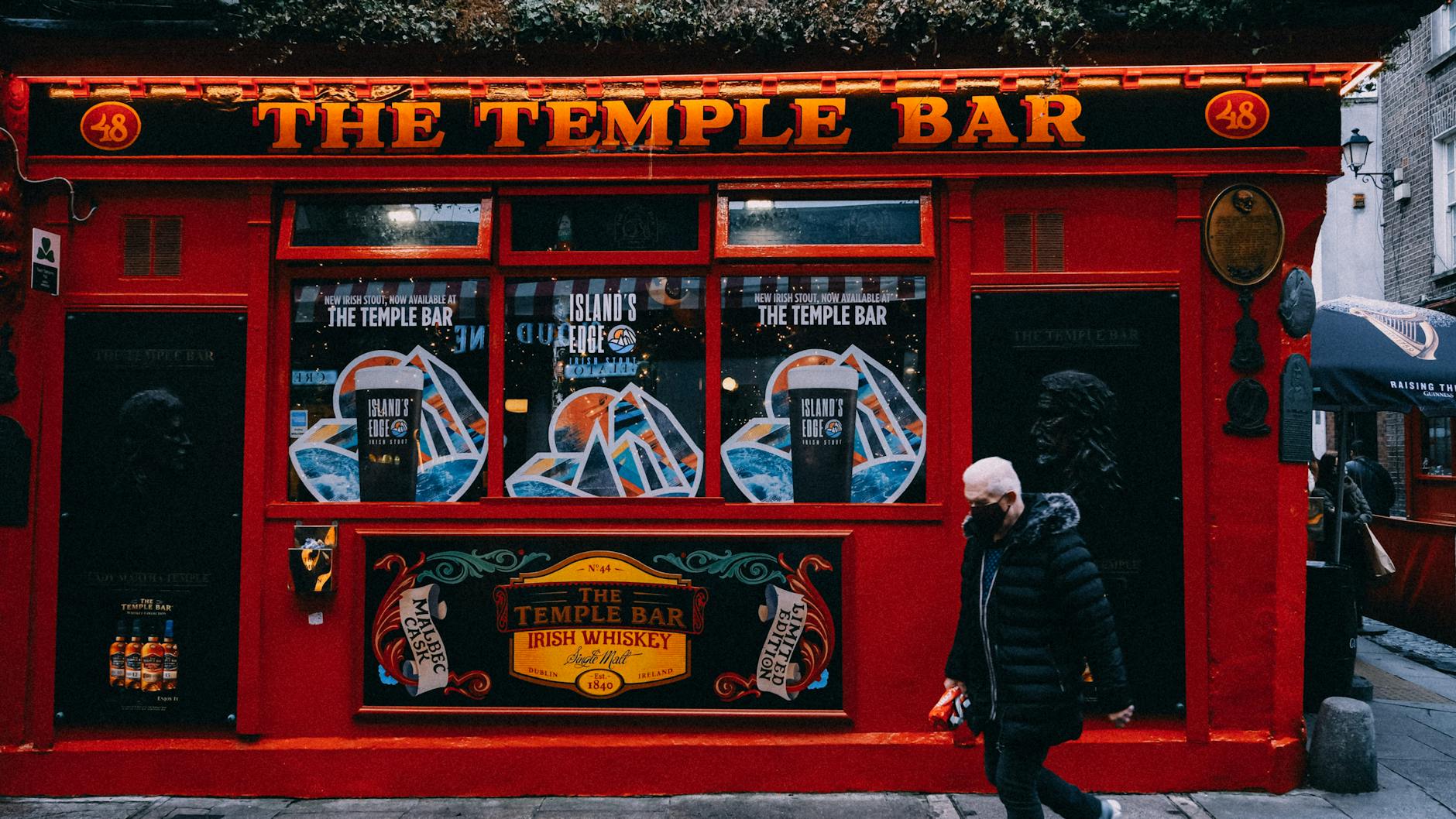
The Temple Bar Pub — Named ‘Traditional Irish Music Pub of the Year’ ten years running, The Temple Bar Pub hosts live music from early afternoon until late every single day. The red exterior is one of the most photographed sights in Dublin. Yes, it is touristy, but the musicians are genuinely talented, and it delivers exactly what most visitors are looking for.
Live Music Venues Beyond Trad
For contemporary live music, Whelan’s on Wexford Street is Dublin’s most important small venue — countless Irish and international acts have played their first Dublin show here. The Workman’s Club on Wellington Quay hosts everything from indie to electronic across its multiple rooms. Vicar Street is the city’s premier mid-size venue, seating around 1,000 for comedy, folk, rock, and world music. For arena-scale shows, the 3Arena on the docklands handles the biggest international tours.
Dublin’s Best Nightlife Areas
Dublin’s nightlife is concentrated in several distinct areas, each with its own character. Knowing which neighbourhood suits your mood can make the difference between a great night and a forgettable one.
Temple Bar
Dublin’s most famous nightlife quarter is a compact web of cobbled streets between Dame Street and the River Liffey. Every pub has live music, the streets buzz with energy, and the atmosphere is electric — especially on Friday and Saturday nights. The trade-off is price: pints here can cost €1–2 more than elsewhere in the city, and the crowds are overwhelmingly tourist-heavy. Temple Bar is essential for a first visit, but locals tend to drink elsewhere. The Saturday food market in Meeting House Square is worth the daytime trip.
Camden Street and Wexford Street
This southside strip is where Dublin’s twenty-somethings and thirty-somethings go out. The density of bars, pubs, and late-night venues here is extraordinary. Whelan’s anchors the live music scene, Cassidy’s and The Bleeding Horse serve as reliable pubs, Devitt’s hosts nightly trad sessions, and a string of late-night venues keep things going into the early hours. It is less polished than Temple Bar but far more authentic.
Harcourt Street
Running south from St Stephen’s Green, Harcourt Street is Dublin’s clubbing strip. Copper Face Jacks is the legendary late-night institution (ask any Irish person about “Coppers”), Dicey’s Garden Club draws a younger crowd with its massive beer garden and affordable drinks, and The Black Door offers a more upmarket late-night option. This area is busiest from 11pm onward and skews towards a student and young professional crowd.
South William Street and the Creative Quarter
For a more refined night out, this pocket of streets between Grafton Street and George’s Street has become Dublin’s stylish drinking quarter. The cocktail bars here — including 9 Below, Pygmalion, and Bar 1661 — are among the city’s best. It is an excellent area for a weekend cocktail or a more relaxed evening away from the noisier strips.
Smithfield and Stoneybatter
The northside’s most exciting nightlife area is centred on The Cobblestone for trad music, Fidelity Bar for craft beer and DJs, and a growing number of independent bars and venues along Stoneybatter’s main street. The vibe is local, unpretentious, and a world away from Temple Bar. L. Mulligan Grocer serves excellent craft beer alongside some of the best pub food in the city.
Best Cocktail Bars and Speakeasies
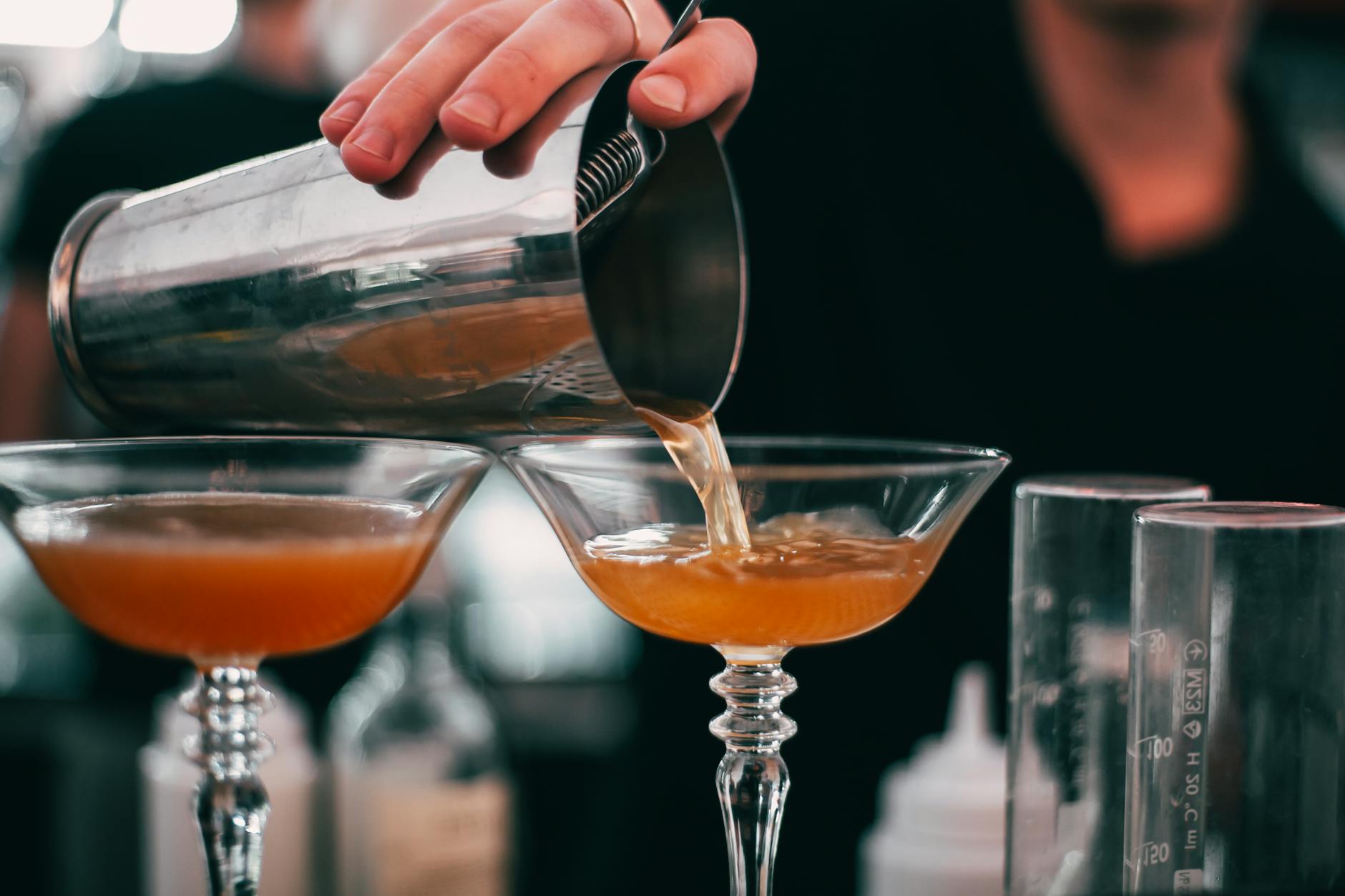
Dublin’s cocktail scene has matured enormously in recent years, and the city now has a collection of bars that rival anything in London or New York for creativity, quality, and atmosphere. Several operate in the speakeasy tradition — hidden behind unmarked doors or disguised as something else entirely.
Speakeasy Bars
The Blind Pig — Dublin’s most celebrated speakeasy is hidden above a restaurant on Crow Street in Temple Bar. Look for the secret entrance, whisper the password (hint: check their social media), and descend into a 1920s Prohibition-era world of impeccable craft cocktails. The bartenders here are among the best in Ireland. The Little Pig, its sister bar, offers a similarly intimate experience with red velvet walls, tasselled lampshades, and blues music playing in the background.
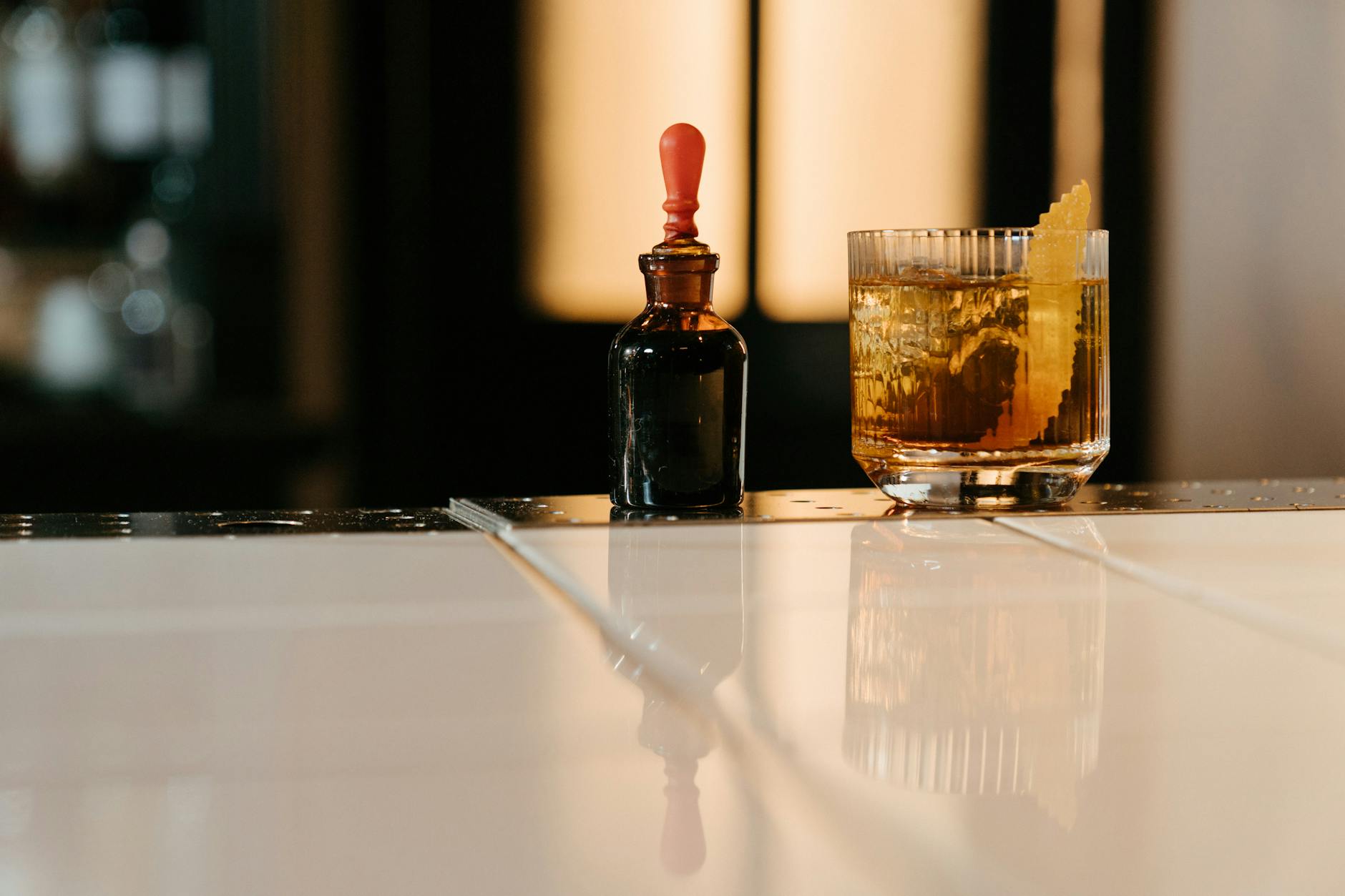
Vintage Cocktail Club (VCC) — Behind a discreet door on Crown Alley in Temple Bar, VCC is a 1920s-style clandestine bar spread over two floors. The cocktail menu is extensive and award-winning, the decor is gloriously over-the-top, and the intimate booth seating makes it ideal for date nights. Book in advance, especially on weekends.
El Silencio — A hidden Mexican-themed speakeasy that specialises in margaritas (11 varieties), tacos, and a dark, moody atmosphere with graffiti-covered walls. It is a departure from the classic Irish drinking experience and all the better for it.
Craft Cocktail Bars
9 Below — Set in a Georgian basement on Stephen’s Green, this bar channels mid-century elegance with arched ceilings, painted swallows, and stone-alcove banquettes. The cocktail list is inventive and seasonal. Bar 1661 on Green Street is dedicated to Irish poitin (Ireland’s original spirit) and craft cocktails made with local ingredients. The Liquor Rooms on Wellington Quay offer a late-night cocktail and live music combination in atmospheric underground vaults.
Nightclubs and Late-Night Venues
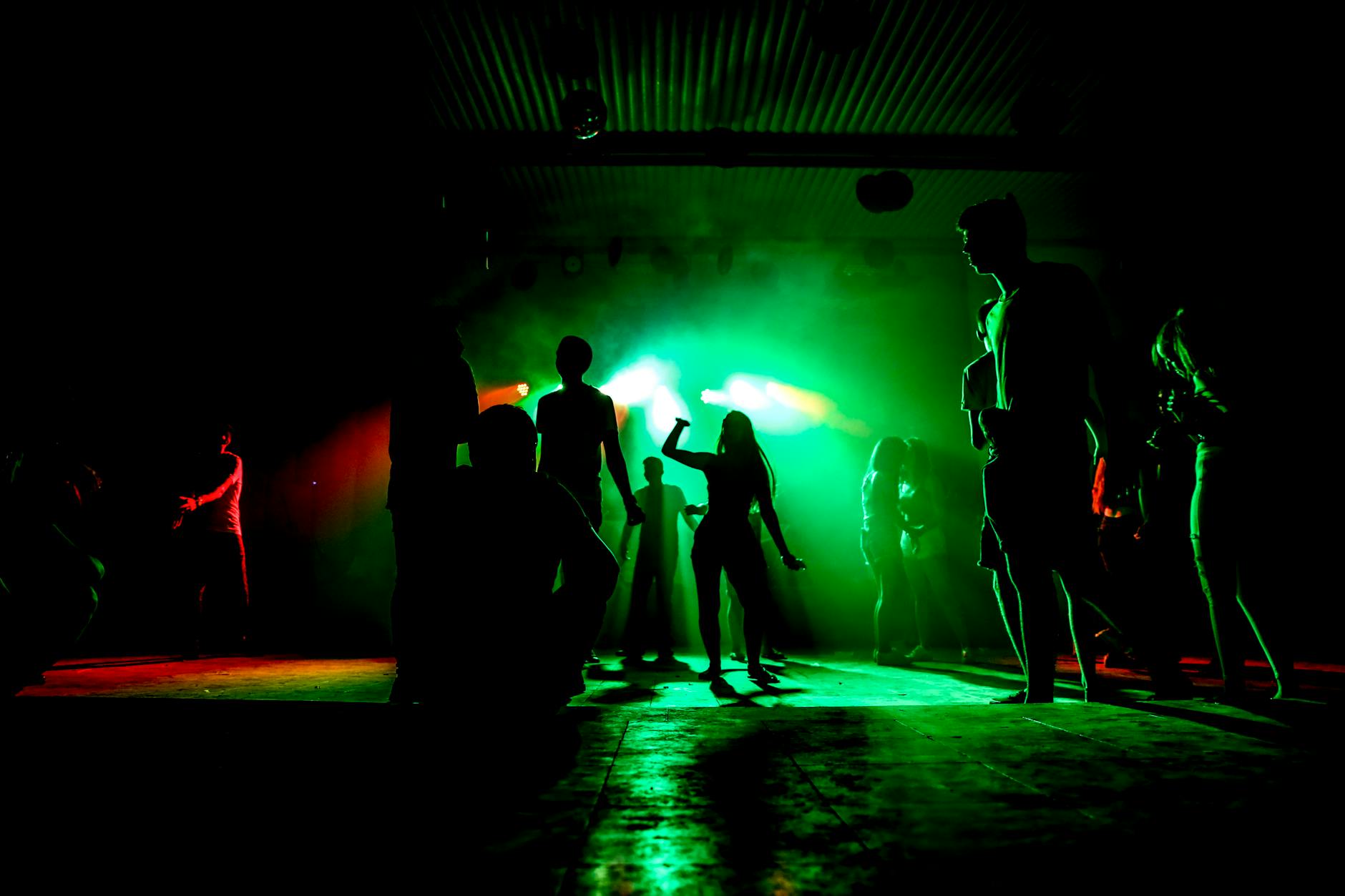
Dublin’s club scene has evolved significantly, with a mix of legendary institutions and newer venues that focus on quality sound, underground music, and inclusive atmospheres. Most clubs open their doors around 10:30pm–11:00pm and serve last drinks at 2:30am, with doors closing by 3:00am.
Copper Face Jacks — Known simply as “Coppers” to every person in Ireland, this Harcourt Street institution has been Dublin’s most famous nightclub for decades. The main floor mixes contemporary club music with Irish pop staples, while the basement nightclub features an award-winning sound system and a 22-foot LED wall. It is not sophisticated, but it is an absolute Dublin rite of passage. Expect long queues after midnight on weekends.
Block. — A cornerstone of Dublin’s underground electronic scene, Block. operates with a strict no-phones policy that creates a genuinely immersive dance experience. The focus is on house, techno, and quality DJs rather than commercial music. If you care about sound systems and dancefloor culture, this is the one.
The George — Dublin’s most iconic LGBTQ+ venue on South Great George’s Street has been a nightlife institution since 1985. Known for high-energy drag shows, themed club nights, and a welcoming atmosphere that draws a diverse crowd. Wigwam on Middle Abbey Street blends daytime cafe culture with late-night club energy, with the basement hosting techno, house, garage, and trance nights. Opium Live on Liberty Lane is a multi-level venue with Japanese-inspired decor, a whiskey bar, and club nights that pull in both local and international DJs.
Dicey’s Garden Club — Famous for its massive outdoor beer garden, affordable drinks deals, and a fun, unpretentious atmosphere that draws students and young professionals. Hang Dai transforms from a Chinese restaurant into a neon-lit late-night bar with a custom-built sound system, playing disco and house until close.
Rooftop Bars and Beer Gardens
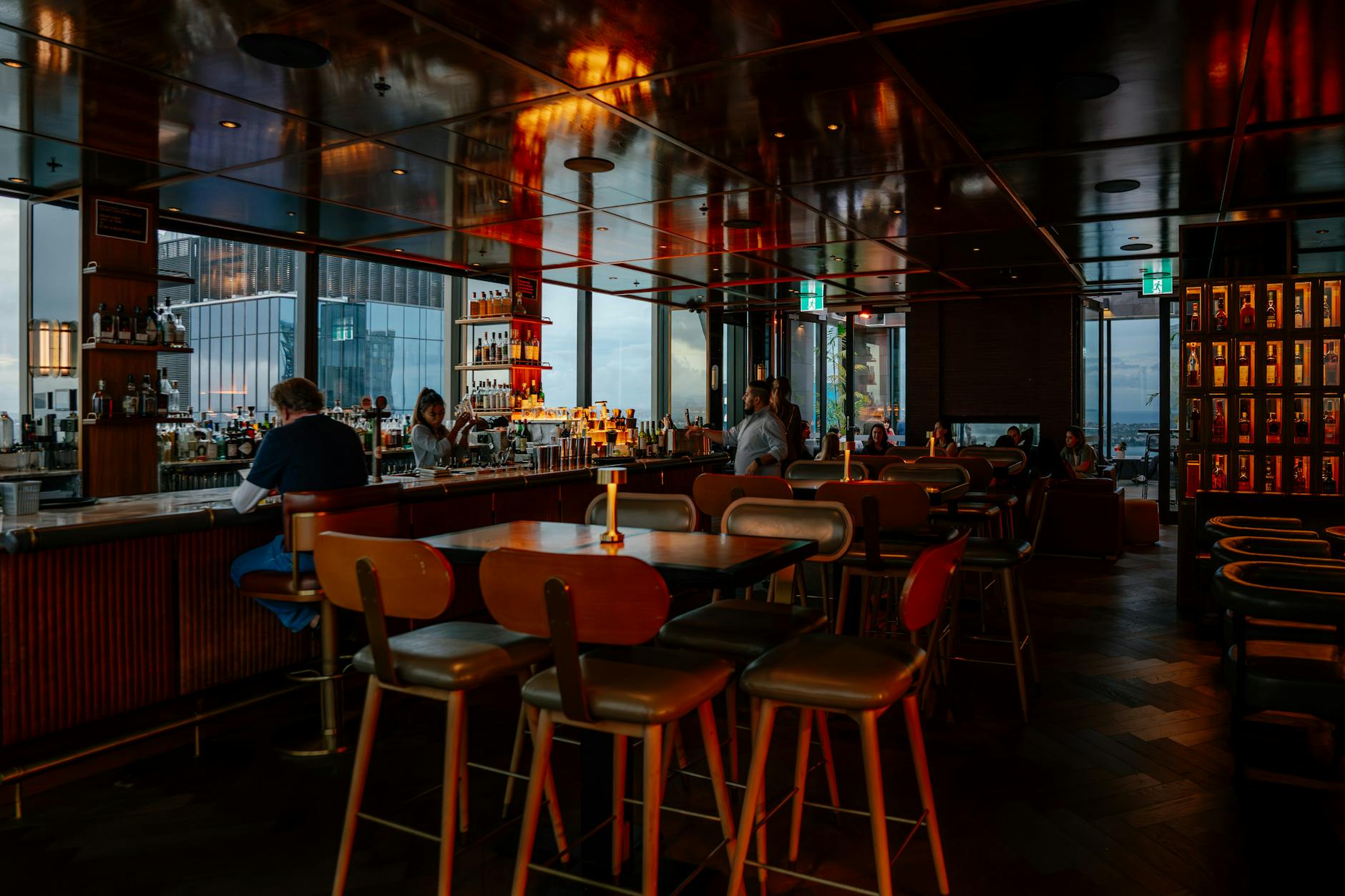
Dublin may not have the climate of Barcelona, but when the sun comes out — or even when it doesn’t — the city’s outdoor drinking spots fill up fast. Rooftop bars are a relatively recent addition to the Dublin scene, and several offer genuinely impressive views.
Rooftop Bars
Sophie’s at The Dean — Perched atop The Dean hotel on Harcourt Street, Sophie’s has panoramic views across the Dublin skyline, floor-to-ceiling glass inside, and a wraparound terrace outside. The pizza is excellent and the cocktail menu is well-crafted. It is Dublin’s best-known rooftop bar and gets very busy on weekends — book in advance. WXYZ Bar at the Aloft Dublin City hotel sits on the 7th floor with a large outdoor terrace and impressive city views. The Marker Hotel’s rooftop bar in the Docklands offers a more upmarket experience with skyline views across Grand Canal Dock.
Beer Gardens
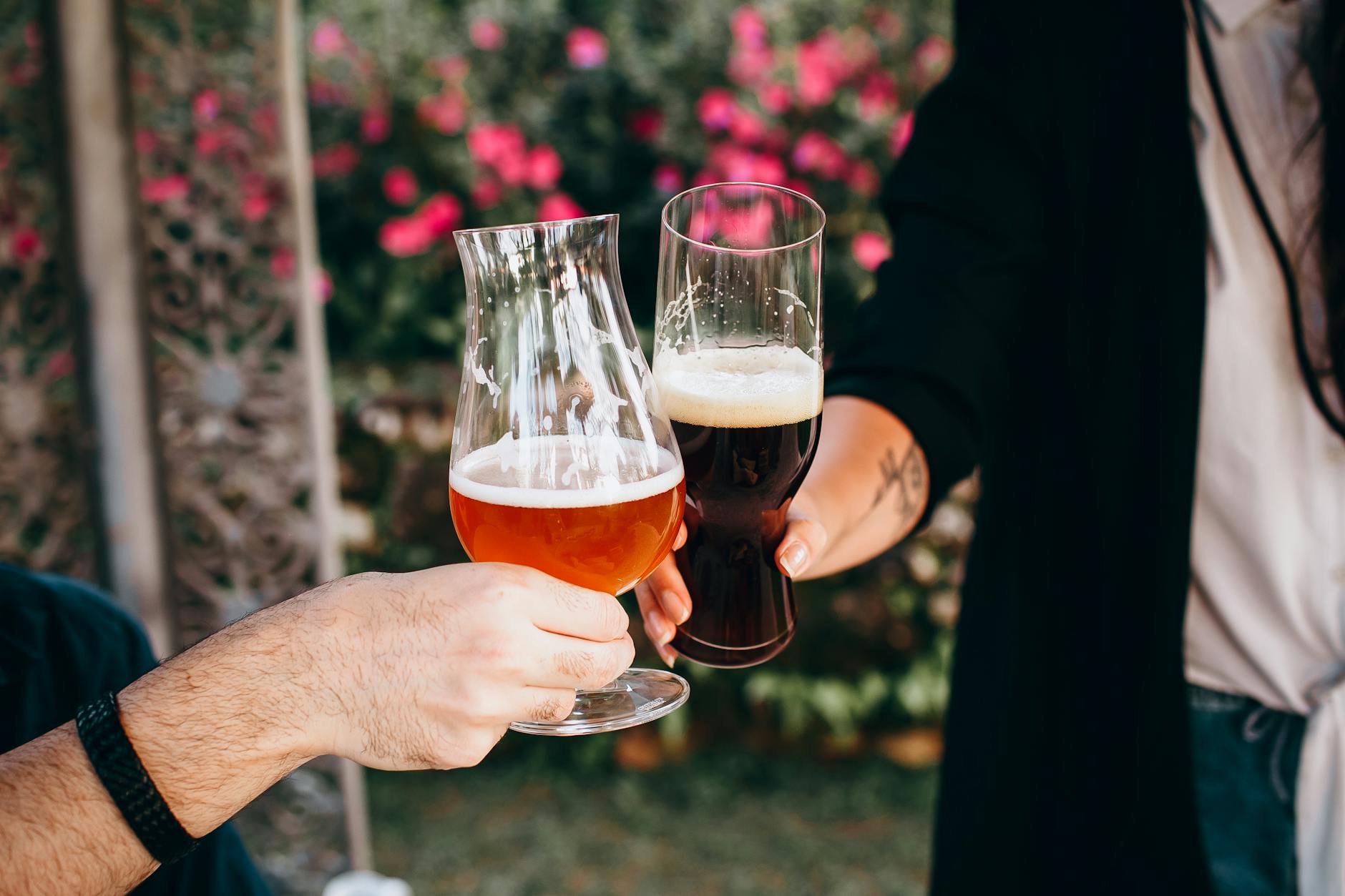
Toner’s Yard behind Toner’s pub on Baggot Street is one of the largest beer gardens in the city centre and a glorious sun trap on warm days. Bonobo in Smithfield has long wooden tables under beautiful greenery and an excellent craft beer selection. The Swan Bar on Aungier Street has a south-facing terrace attached to one of Dublin’s finest Victorian pubs — a well-kept secret. Fade Street Social has a covered rooftop beer garden designed for all weather conditions. Opium’s rooftop garden above Wexford Street is a lush, tropical-style escape that is covered and heated, combining cocktail bar energy with a relaxed garden atmosphere.
Craft Beer: Best Breweries and Taprooms
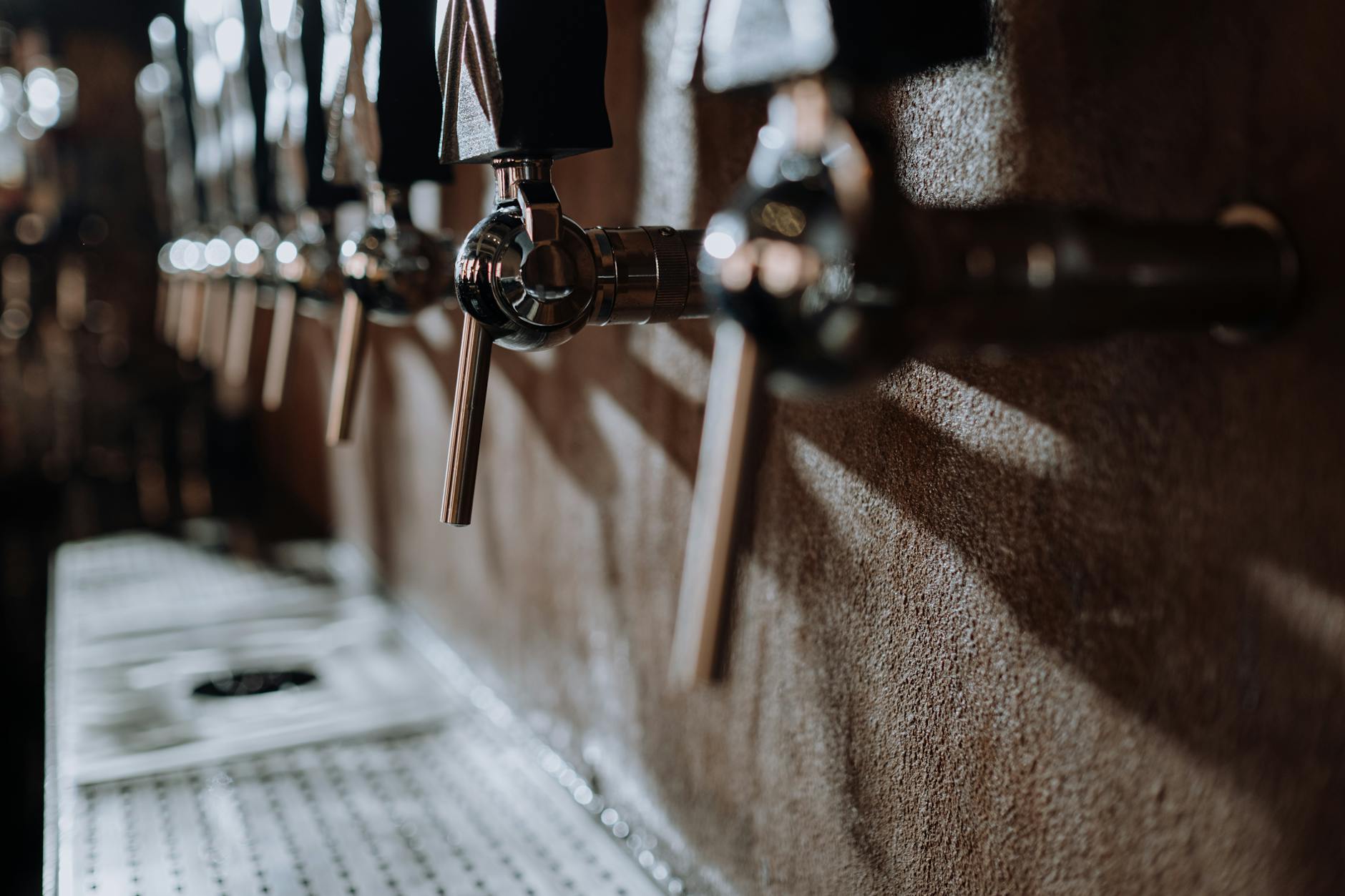
Ireland’s craft beer revolution is in full swing, and Dublin is at its centre. The city is home to a growing number of independent breweries, taprooms, and specialist beer bars that serve everything from crisp pilsners and hazy IPAs to barrel-aged stouts and wild-fermented sours.
Rascals Brewing HQ in Inchicore is one of Dublin’s standout brewery taprooms, with a big, bright venue serving inventive beers alongside excellent pizza. Their range includes Chardonnay Saisons, Mint Chocolate Stouts, and Strawberry Vanilla Milkshake IPAs — it is playful, fun, and the quality is consistently high.
Guinness Open Gate Brewery at St James’s Gate is the experimental arm of the world’s most famous brewery. This is where Guinness tests new recipes — expect small-batch lagers, hop-forward ales, porters, and sours that you will not find anywhere else. It is separate from the Guinness Storehouse tourist experience and offers a more intimate, craft-focused visit.
Fidelity Bar in the city centre is a high-energy craft beer destination with rotating taps, guest DJs, and a recently expanded space (Fidelity Studio) serving Asian-inspired food alongside the beers. The Porterhouse on Parliament Street brews its own beer on-site and pours around 20 taps alongside live music and hearty food. Underdog is one of Dublin’s best-curated beer bars, with an ever-changing selection that showcases both Irish and international microbreweries.
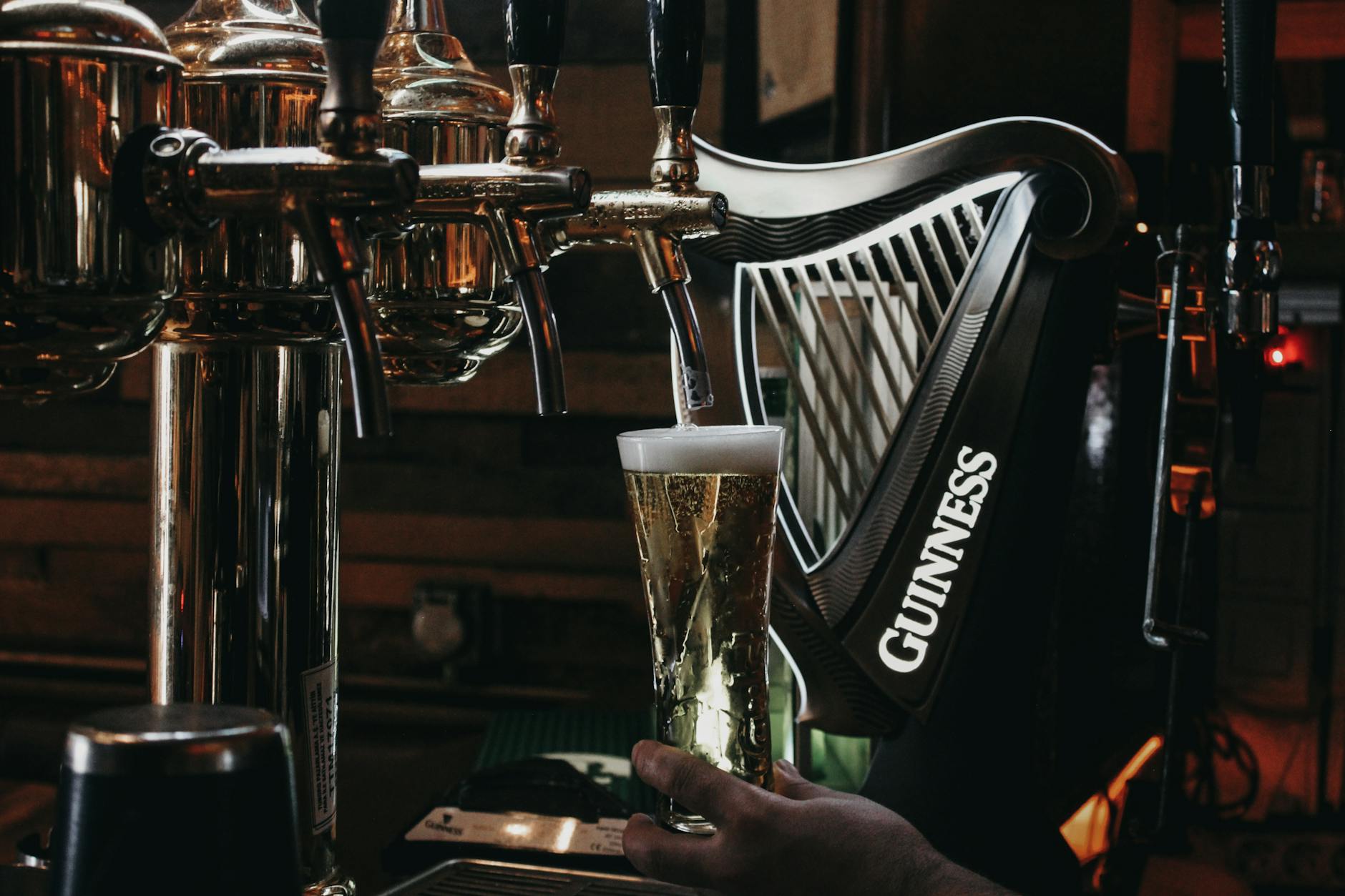
L. Mulligan Grocer in Stoneybatter deserves a special mention for combining one of the city’s best craft beer selections with outstanding gastropub food. For a more industrial experience, BrewDog’s Dublin outpost has a microbrewery, beer school, and outdoor spaces with fire pits and shuffleboards.
Whiskey Bars and Distillery Experiences
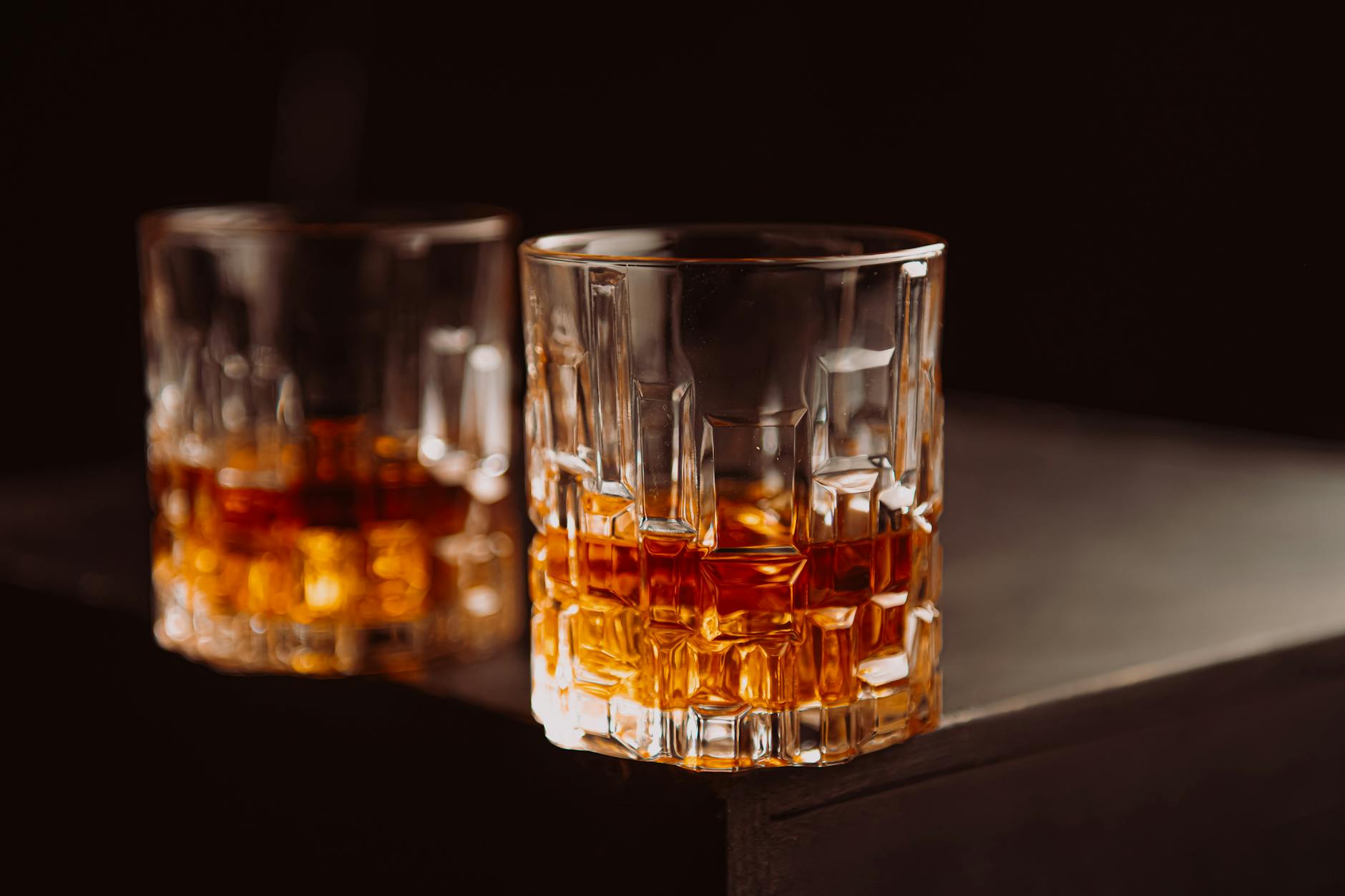
Ireland invented whiskey (the word comes from the Irish uisce beatha, meaning “water of life”), and Dublin is the best place in the world to explore it. The city offers everything from casual whiskey bars with hundreds of bottles to full distillery tours where you can blend your own.
Distillery Experiences
Jameson Distillery Bow St. on Smithfield Square is Ireland’s most visited whiskey attraction. Founded in 1780, it offers five guided experiences: the Bow St. Experience Tour (45 minutes with three whiskey tastings and a cocktail), a Premium Whiskey Tasting in John Jameson’s private office, a Whiskey Blending Class where you create your own blend, a Cocktail Making Class, and a Cask Draw Experience in Dublin’s only live maturation warehouse. The Premium Tasting at €40 is the best value for serious whiskey enthusiasts. Book online in advance, especially during summer.
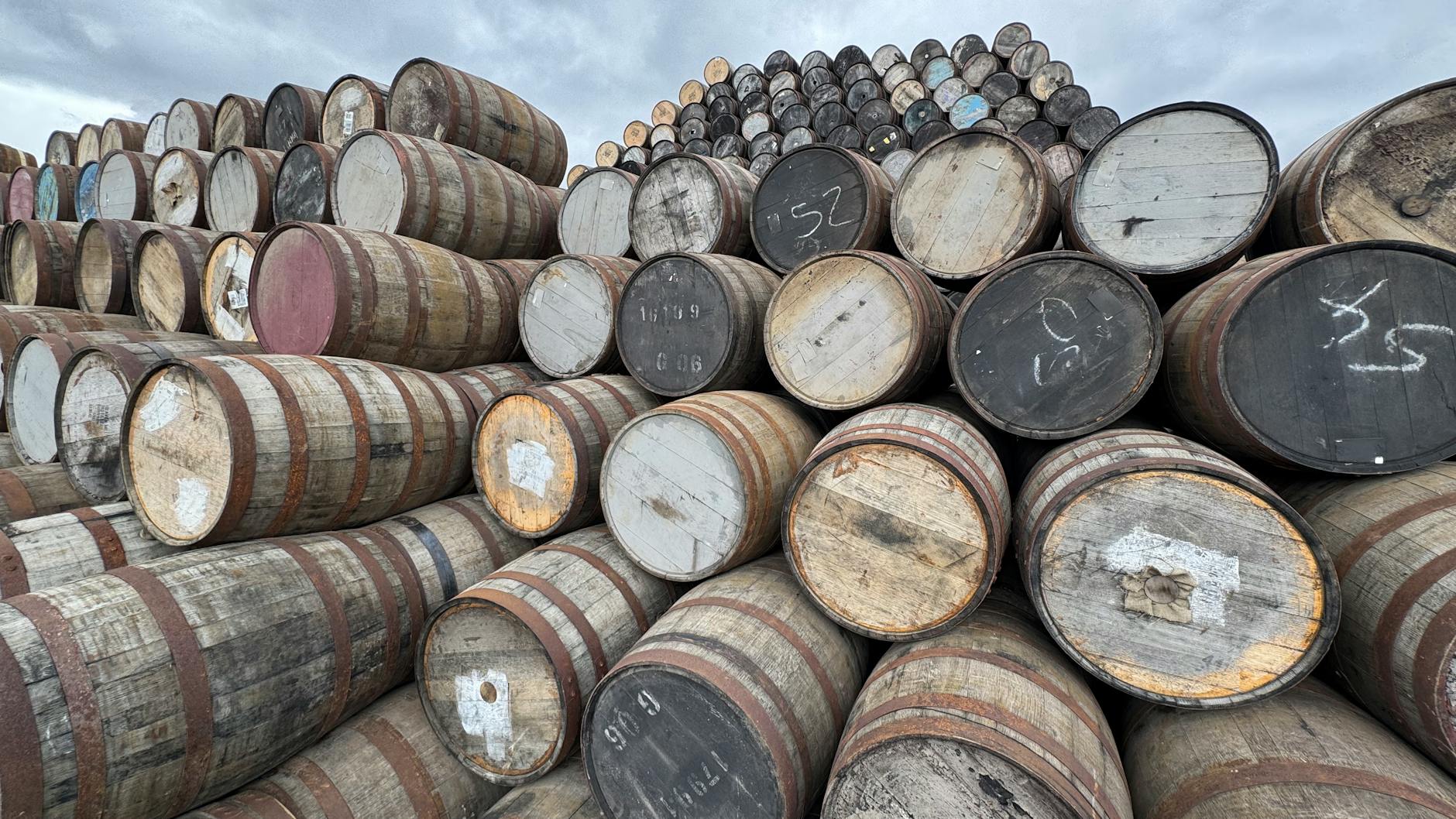
Teeling Whiskey Distillery in The Liberties was the first new distillery in Dublin in 125 years when it opened, and offers excellent tours and tastings in a beautifully designed space. Pearse Lyons Distillery, housed in a converted church on James’s Street, is one of Dublin’s most atmospheric distillery experiences, with whiskey matured in barrels beneath the church’s vaulted ceiling.
Whiskey Bars
The Palace Bar on Fleet Street has an excellent whiskey selection to complement its literary history. The Dingle Whiskey Bar on Nassau Street is a cosy space dedicated to Ireland’s artisan distilleries. For a wider international selection, Bar 1661 specialises in Irish poitin and whiskey-based cocktails, while The Shelbourne Hotel’s Horseshoe Bar on St Stephen’s Green serves premium Irish whiskeys in one of Dublin’s grandest settings.
Dublin Pub Crawl Routes
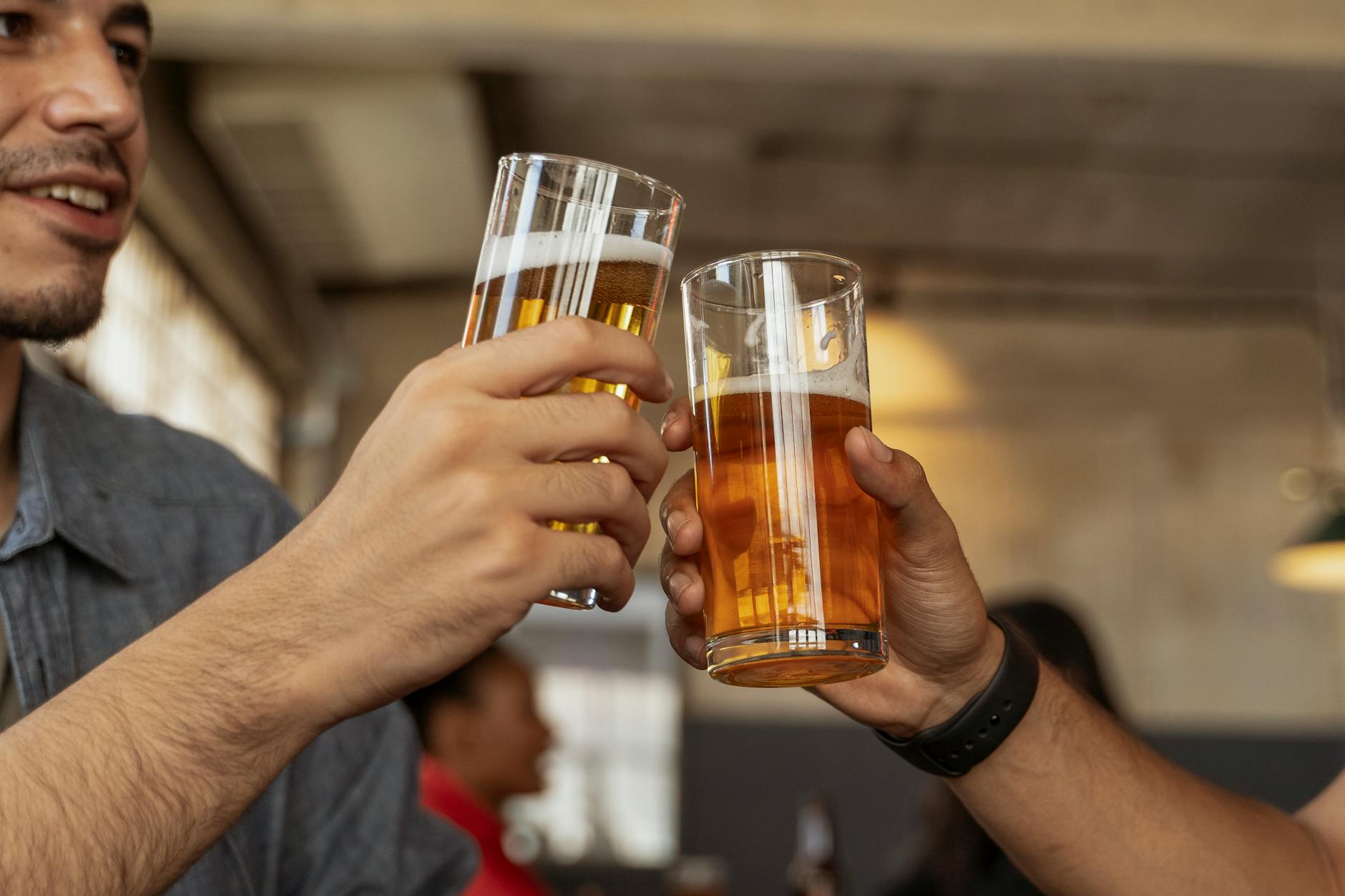
A pub crawl is one of Dublin’s great social traditions, and the city’s compact centre makes it easy to hop between venues on foot. Here are three tested routes that cover different sides of Dublin’s nightlife.
The Classic Temple Bar Route (3–4 hours)
Start at The Temple Bar Pub for live music and photographs, move to The Porterhouse for a craft beer, cross to Darkey Kelly’s for a trad session, stop at Vintage Cocktail Club for a speakeasy cocktail, and finish at The Palace Bar for a whiskey nightcap. This route covers about 800 metres and is ideal for first-time visitors.
The Local’s Southside Route (4–5 hours)
Begin at Kehoe’s on South Anne Street, walk to The Long Hall on George’s Street, then down to Devitt’s on Camden Street for a trad session, across to Whelan’s for live music, and finish at 9 Below for cocktails near Stephen’s Green. This route covers about 1.5 kilometres and gives you a taste of how Dubliners actually drink.
The Northside Craft and Trad Route (3–4 hours)
Start with a distillery tour at Jameson Bow St. in Smithfield, walk to The Cobblestone for trad music, pop into Fidelity Bar for craft beer, then take a short stroll to L. Mulligan Grocer in Stoneybatter for food and beer. This route covers about 1 kilometre and showcases Dublin’s most exciting emerging nightlife area.
Practical Tips for Dublin Nightlife
Prices
A pint of Guinness or lager in the city centre costs €6–€8 in most pubs, with Temple Bar charging €7–€9. Craft beers run €6.50–€8.50 per pint. Cocktails at specialist bars cost €13–€18. Nightclub entry ranges from €5–€20 depending on the night and venue. Pubs outside the immediate city centre are typically €1–€2 cheaper per pint.
Last Orders and Closing Times
Standard pub closing times are: Monday to Thursday last orders at 11:30pm, Friday and Saturday last orders at 12:30am, and Sunday last orders at 11:00pm. However, many pubs have late licences that extend service to 1:30am or 2:00am. Nightclubs serve last drinks at 2:30am and close by 3:00am. Ireland has been discussing later licensing laws, so check locally for any changes during your visit.
Age and ID
The legal drinking age in Ireland is 18. Expect to be asked for photo ID (passport or driving licence) at most pubs and all nightclubs, especially if you look under 25. Some late-night venues operate an over-21s or over-23s policy, particularly on weekends.
Getting Home Safely
Dublin has reliable late-night transport options. The Nitelink bus service runs on Friday and Saturday nights from the city centre to suburban areas, with services departing from College Street, D’Olier Street, and Westmoreland Street. Taxis are plentiful but expect queues at popular ranks on weekend nights — ride-hailing apps like Free Now and Bolt are typically faster. The Luas tram runs until approximately 12:30am on weekends.
Tipping
Tipping at the bar in Irish pubs is not expected or customary. If you are at a cocktail bar with table service, a tip of 10–15% is appreciated but not required. Nightclub staff do not expect tips. If a bartender has been particularly helpful or made a series of cocktails, leaving a euro or two is a nice gesture but entirely optional.
Frequently Asked Questions About Dublin Nightlife
What time do pubs close in Dublin?
Standard last orders are 11:30pm Monday to Thursday, 12:30am Friday and Saturday, and 11:00pm Sunday. Many pubs hold late licences extending service to 1:30am or 2:00am. Nightclubs serve until 2:30am and close by 3:00am.
Where is the best area for nightlife in Dublin?
Temple Bar is the most famous and best for first-time visitors. Camden Street and Wexford Street are where locals go out. Harcourt Street is the main clubbing area. South William Street has the best cocktail bars. Smithfield and Stoneybatter offer the most exciting emerging scene.
How much does a pint cost in Dublin?
A pint of Guinness or lager costs €6–€8 in most city centre pubs, and €7–€9 in Temple Bar. Craft beers range from €6.50 to €8.50. Cocktails cost €13–€18 at specialist bars. Pubs outside the immediate centre are typically €1–€2 cheaper.
Is Temple Bar worth visiting?
Yes, but go in with realistic expectations. It is tourist-heavy and more expensive than other areas, but the live music is genuine, the atmosphere is electric, and it is an essential Dublin experience for first-time visitors. Balance a Temple Bar evening with nights in Camden Street or Stoneybatter for the full picture.
Where can I hear live traditional Irish music in Dublin?
The Cobblestone in Smithfield is the gold standard, with sessions seven nights a week. O’Donoghue’s, Darkey Kelly’s, The Temple Bar Pub, and The Brazen Head all host nightly trad sessions. Most sessions start between 4:30pm and 9:00pm and are free to attend.
Are Dublin nightclubs expensive?
Entry fees range from €5 to €20, with most venues charging €10–€15 on weekend nights. Drinks inside clubs are comparable to pub prices. Dicey’s on Harcourt Street is known for its affordable drinks deals, while venues like Block. charge a modest door fee for higher-quality programming.
What should I wear to Dublin pubs and clubs?
Dublin pubs have no dress code — jeans and casual wear are perfectly fine everywhere. Nightclubs are slightly more selective, with most requiring smart casual attire. Trainers are usually fine, but very scruffy clothing or sportswear may get you turned away at the door of some late-night venues.
Is it safe to go out at night in Dublin?
Dublin is generally safe for a night out, particularly in the main nightlife areas which are well-lit and busy. Standard precautions apply: stay aware of your surroundings, keep your belongings secure, stick to well-populated areas, and use licensed taxis or ride-hailing apps to get home. Temple Bar and the southside nightlife areas have visible security presence on weekend nights.
Leave a Reply