Dublin for Families: The Complete Guide to Visiting with Kids (2026)
Ar an gComhartha Seo — On this sign
- Quick Answer: Is Dublin Good for Families?
- Best Dublin Family Attractions at a Glance
- Top Family Attractions in Dublin
- Parks, Playgrounds and Green Space
- Beaches and the Coast
- Family Day Trips by DART and Beyond
- Getting Around Dublin with Children
- Where to Stay with Kids
- Eating Out with Kids
- Dublin with Teenagers
- Family Tours Worth Taking
- Christmas and Seasonal Family Events
- Rainy Day Plan
- Visiting Dublin with a Baby or Toddler
- A Three-Day Dublin Family Itinerary
- Doing Dublin as a Family on a Budget
- Practical Tips for Families
- Dublin for Families: FAQ
- Keep Planning Your Family Trip
- Dublin Family Guides in Detail
- Keep Reading
Dublin is one of the easiest big cities in Europe to visit with children. The centre is small enough to cross on foot, most of the headline attractions sit within walking distance of each other, and the DART train turns the whole coast into a string of easy half-day adventures. Add a genuinely warm attitude to kids in pubs, cafés and restaurants, and you have a city break that works as well for a family of five as it does for a couple.
This guide pulls together everything we’d tell a friend planning a Dublin trip with children — the attractions that are actually worth the admission, the free parks and beaches locals use, how to get around with a buggy, where to eat without the stress, and a ready-made three-day plan. Prices and opening hours are for 2026 and we flag the ones that change seasonally. For the wider picture, pair this with our things to do in Dublin guide and our day trips from Dublin round-up.
Quick Answer: Is Dublin Good for Families?
Yes — emphatically. Dublin combines a compact, walkable centre with a huge amount of green space (Phoenix Park alone covers about 1,750 acres), a clutch of hands-on museums that children love, and a coastline of beaches and cliff walks a short DART ride from O’Connell Street. The two things to plan around are the weather, which is changeable year-round, and accommodation, which is expensive and books up fast in summer and over St Patrick’s weekend.
Best Dublin Family Attractions at a Glance
| Attraction | Best for ages | 2026 price (family) | Time needed |
|---|---|---|---|
| Dublin Zoo | All ages | €62.50 online / €75 at the gate (family of 4) | 3-4 hours |
| Dublinia (Viking & Medieval) | 5-12 | €34.85 (1 adult + 2 children) / €50.50 (2 + 2) | 1.5-2 hours |
| EPIC The Irish Emigration Museum | 8+ | €39 (1 adult + 2 children) / €47 (2 + 1) / €57 (2 + 2) | 1.5 hours |
| National Leprechaun Museum | 6+ | €13-€18 per ticket | 45-50 minutes |
| Phoenix Park & playgrounds | All ages | Free | Half day |
Top Family Attractions in Dublin
Dublin Zoo
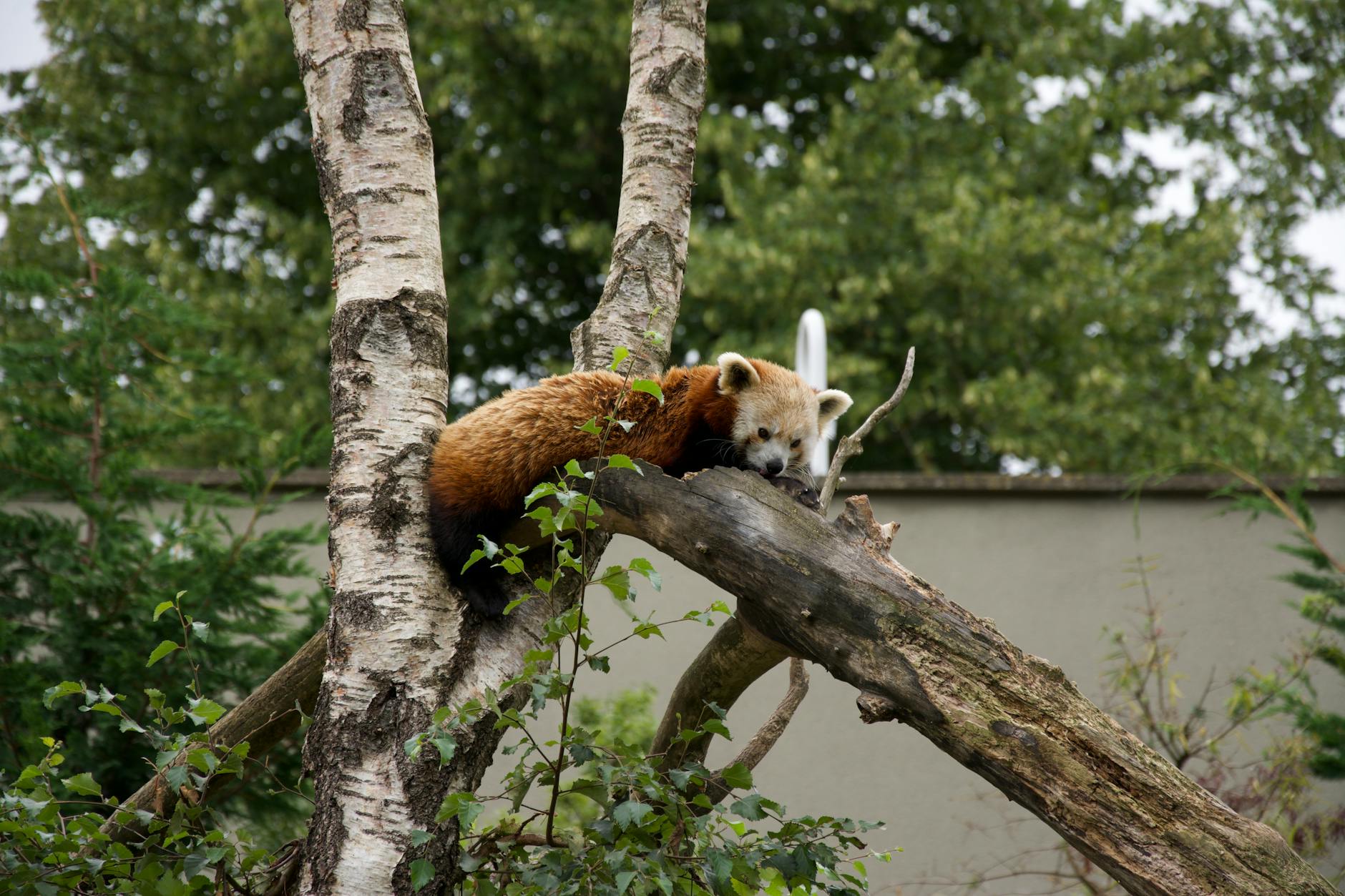
If you do one paid attraction with kids, make it the zoo. Opened in 1831, it’s one of Europe’s oldest zoos and one of Ireland’s most popular visitor attractions. The 70-acre site inside Phoenix Park is organised into habitats rather than rows of cages — the African Savanna with its giraffes and rhinos, the Kaziranga Forest Trail where Asian elephants wade through their own bathing pool, and the Sea Lion Cove with an underwater viewing window that small children will not want to leave. Budget three to four hours, bring a raincoat whatever the forecast, and book online to skip the queue. Adult tickets are around €23, children €17, with family tickets bringing the per-head cost down. You can walk in through the park from Heuston Station, or take Dublin Bus route 11, which serves the Phoenix Park area.

Dublinia
Right next to Christ Church Cathedral (a combined ticket covers both), Dublinia is a hands-on heritage centre that brings Viking and medieval Dublin to life — and it’s pitched perfectly at the 5-to-12 bracket. Children can try on Viking helmets, board a reconstructed longboat, walk through a smelly, noisy medieval street and grind grain like a 13th-century Dubliner. The brave can climb St Michael’s Tower for one of the best free-with-ticket views over the rooftops. It rarely needs more than two hours and is an ideal rainy-day option in the heart of the old city.
EPIC The Irish Emigration Museum
EPIC has been voted Europe’s Leading Tourist Attraction more than once, and while the subject — about 1,500 years of Irish people leaving and shaping the world — sounds grown-up, the delivery is gloriously interactive. Each of the twenty galleries has touchscreens, games and a stamp for the souvenir “passport” children carry around, which keeps older kids (roughly 8 and up) genuinely engaged. It sits in the vaulted basement of the CHQ building in the Docklands, a flat ten-minute riverside walk from the city centre, so it pairs well with a stroll past the Famine memorial statues and the Jeanie Johnston tall ship.
The Smaller Kids’ Spots
Younger children have two good indoor options right in town. The National Leprechaun Museum is more storytelling than museum — a guided romp through Irish folklore, for ages 6 and up, with an oversized “giant’s room” — and the National Wax Museum Plus on Foster Place has a Science & Discovery zone and a (mild) horror chamber for braver tweens.
The Free Museums Worth Knowing
Dublin’s national museums are free, and the National Museum of Ireland – Archaeology is quietly brilliant for children: real bog bodies and Viking gold that older children find genuinely gripping. It rarely asks for more than an hour and is a short walk from St Stephen’s Green. The much-loved Natural History Museum — the “Dead Zoo” on Merrion Street — has been closed for refurbishment since September 2024 with no reopening date yet, but a small Dead Zoo Lab at Collins Barracks keeps some of the collection on show. See our full Dublin museums guide for the rest.
Parks, Playgrounds and Green Space

Dublin’s parks are its secret weapon for families, and they’re all free. Phoenix Park is the headline act — about 1,750 acres of walled parkland on the western edge of the centre, home to the zoo, a wild herd of fallow deer you can often see up close near the Papal Cross, the Victorian flower gardens, and miles of car-free paths for scooting and cycling. The visitor centre runs family events and you can hire bikes at the Parkgate Street entrance. Read our dedicated Phoenix Park guide for the full layout.
Closer to the shops, St Stephen’s Green has a proper playground, a duck pond and plenty of lawn for a picnic, while Merrion Square hides the cheerful, much-photographed Oscar Wilde statue children love clambering near. Slightly further out, Herbert Park in Ballsbridge, Bushy Park in Terenure (with a brilliant playground and pond) and St Anne’s Park in Raheny are where Dublin families actually spend their weekends.

Beaches and the Coast
People forget Dublin is a seaside city. The DART runs right along the bay, so sand is never far. Sandymount Strand is the closest — a vast flat beach (made famous by James Joyce) that’s perfect for a blustery walk and kite-flying, though the tide goes out a very long way. Seapoint and Killiney to the south are better for a paddle, and on the north side Dollymount Strand on Bull Island is a five-kilometre stretch backed by a nature reserve. None of this costs a cent, and a bucket-and-spade afternoon is a great way to balance out a museum-heavy morning.
Family Day Trips by DART and Beyond
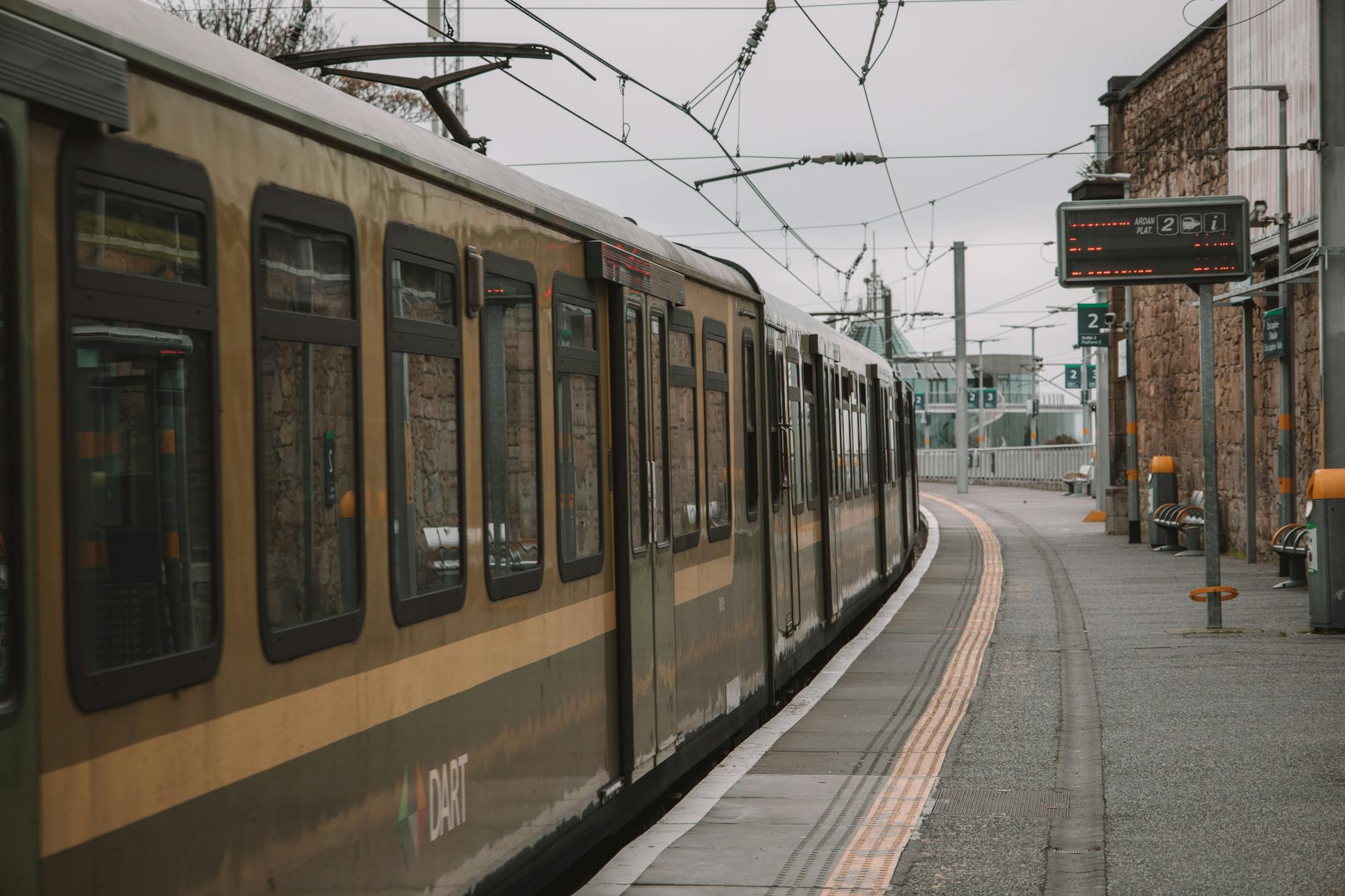
The single best thing about Dublin with kids is how easily you can escape it. A child’s day return on the DART costs only a couple of euro and the journeys themselves — hugging the coast, often right above the water — are part of the fun.
- Howth (north line): a working fishing village with seals in the harbour, fish and chips on the pier, and an easy cliff loop with a lighthouse at the end. Our Howth Cliff Walk guide has the family-friendly route.
- Malahide (north line): a fairy-tale castle with parkland, a butterfly house and a big playground in the castle grounds, a short walk from the station.
- Bray and Greystones (south line): a classic seaside promenade with an aquarium (Sea Life Bray), an amusement arcade, and — for energetic families — the scenic cliff walk between the two towns.
- Powerscourt & Glendalough (Wicklow, by car or tour): waterfalls, gardens and monastic ruins among the mountains. See our Glendalough day trip guide.
- Emerald Park (formerly Tayto Park, Co. Meath): Ireland’s only theme park and zoo, with a wooden rollercoaster, about 25 km northwest of Dublin — the one for thrill-seeking older kids.
Getting Around Dublin with Children
The centre is flat and compact, so for many families a buggy and good rain cover beat any ticket. When you do need transport, it’s straightforward: buses, the Luas tram and the DART all take buggies (you don’t need to fold on the Luas or DART), and children under five travel free. For everyone else a Leap Card caps your daily and weekly spend and works across all three networks — there’s a Child Leap Card for ages 5-15. Taxis are metered, plentiful and legally required to carry you, though you’ll need to bring your own car seat for little ones. Our Dublin transport guide and Leap Card guide cover the details.
Where to Stay with Kids
For families, location and a bit of space matter more than a fancy lobby. The streets immediately around St Stephen’s Green and the south Georgian core put you within walking distance of the Green, the museums and Grafton Street while staying a little quieter than the river. Anything in or right beside Temple Bar can be loud at night, so light sleepers should look a street or two back. Aparthotels and self-catering apartments are often the smart choice — a kitchen for breakfasts and a separate bedroom can transform a trip. We compare the best options in our family-friendly hotels guide and apartment rentals guide.
Eating Out with Kids

Dublin is relaxed about children in cafés and restaurants, and many pubs that serve food welcome families, though not late into the evening. You’ll rarely struggle to find high chairs or a kids’ menu. Reliable crowd-pleasers include the Avoca cafés (Suffolk Street has a lovely top-floor café), Eathos and Cornucopia for healthier plates, and any number of pizza and burger spots around the centre. For a treat, the dessert counters at Murphy’s Ice Cream (made in Dingle) are a rite of passage. Self-catering families will find Tesco, Dunnes and SuperValu branches throughout the centre for picnic supplies — and a picnic in St Stephen’s Green is both cheaper and often less stressful than a sit-down lunch with tired toddlers.
Dublin with Teenagers
Teenagers need a different menu, and Dublin delivers. EPIC lands far better with this age group than the toddler-focused attractions, and the Guinness Storehouse — yes, even for under-18s — is a genuinely good visit for the brewing science, the views from the Gravity Bar (a soft drink stands in for the pint) and the Instagram value. A Croke Park Stadium tour with its rooftop Skyline walk, the Kilmainham Gaol tour for history-minded teens, and the surf and coastal walks down in Bray all play well. Older teens also appreciate the freedom Dublin’s small, safe centre gives them to wander Grafton Street and the bookshops while you grab a coffee. For inspiration, our Dublin walking tours guide includes options that keep teenagers engaged.
Family Tours Worth Taking
A couple of tours are genuinely family-friendly rather than an endurance test. The Viking Splash Tour — a WWII amphibious vehicle that trundles around the city before splashing into the Grand Canal Basin, with everyone roaring in plastic Viking helmets — is pure, slightly silly fun that kids remember for years. Hop-on hop-off buses are a sane way to cover ground with tired legs and cover the main sights with commentary. And a short harbour or bay boat trip from Howth or Dún Laoghaire usually turns up seals and sea birds. Book the Viking Splash ahead in summer, as departures sell out.
Christmas and Seasonal Family Events
Dublin does Christmas beautifully for families. From mid-November the city lights up: the windows of Brown Thomas and Arnotts, the Christmas market and funfair, and seasonal shows at the Gaiety and the Bord Gáis Energy Theatre (the pantomime is a beloved Irish tradition). The Funderland indoor amusement park runs at the RDS over the festive break. In spring, the St Patrick’s Festival (13–17 March in 2027) ends with the huge parade on the 17th, free to watch; the full family programme comes out in January. The city is busy and accommodation premium-priced, so book months ahead. Summer brings outdoor cinema, festivals in the parks and the long bright evenings that make a seaside trip after dinner possible. See our Dublin events and festivals calendar to time your visit.
Rainy Day Plan
It will rain at some point — Dublin averages about 135 rainy days a year — so have a wet-weather plan ready. The good news is that most of the best indoor options are clustered together. Dublinia, the free national museums, EPIC and the Wax Museum are all within the central core. The National Aquatic Centre in Blanchardstown has a full water park with slides and a wave pool if you need to burn off serious energy, and the city’s cinemas, indoor play centres and the Ark — a dedicated children’s cultural centre in Temple Bar running shows and workshops — round things out. Our things to do in Dublin when it rains guide has the full list.
Visiting Dublin with a Baby or Toddler
Dublin is buggy-friendly in the centre, where pavements are wide and kerbs mostly dropped, though some Georgian areas and the cobbles of Temple Bar give the wheels a workout. Baby-changing facilities are standard in shopping centres (Stephen’s Green Shopping Centre, the Ilac, Dundrum Town Centre south of the city), in the larger museums and in most family restaurants. Breastfeeding in public is legally protected and completely unremarkable here. Pharmacies (Boots, McCabes, Hickey’s) stock every brand of formula, nappies and baby food, so you needn’t pack a suitcase full — and supermarkets are cheaper for the bulky basics. If you’re flying in, most car-hire desks rent car seats, but book them ahead in summer.
A Three-Day Dublin Family Itinerary
This plan balances big-hitter attractions with downtime and keeps walking distances sane. Adapt the pace to your children’s ages — and build in flexibility for weather.
Day 1 – City centre and Vikings. Start at Dublinia (Dublin Castle and its gardens, a few minutes away, are closed to visitors until January 2027) for a hands-on Viking morning and the climb up St Michael’s Tower. Lunch near Christ Church, then a gentle afternoon among the bog bodies and Viking gold of the National Museum of Ireland – Archaeology and a run-around in St Stephen’s Green. Early dinner in a family-friendly café before everyone flags.
Day 2 – Phoenix Park and the zoo. Dedicate the day to the park: arrive at Dublin Zoo for opening, picnic among the deer afterwards, and hire bikes or scoot the car-free avenues. If energy allows, the Wellington Monument and the Victorian flower gardens are an easy add-on. A quiet evening back near your hotel.
Day 3 – Seaside by DART. Take the DART north to Howth for seals in the harbour, fish and chips on the pier and the easy stretch of the cliff path, or to Malahide for the castle and the playground in its grounds. Back in town for a final treat — Murphy’s ice cream and a wander down Grafton Street, where the buskers are entertainment in themselves.
Doing Dublin as a Family on a Budget
A family trip here doesn’t have to be punishing on the wallet. The most memorable parts — Phoenix Park and its deer, the beaches, the national museums, the buskers on Grafton Street, a DART ride along the bay — are all free or nearly so. Self-cater your breakfasts, carry a picnic, and use the Leap Card daily cap to keep transport predictable. A Dublin Pass only pays off if you’re cramming in several paid attractions a day, which is rarely the right pace with young kids, so do the maths first. For the full money-saving playbook see our Dublin on a budget guide.
Practical Tips for Families
- Dress for four seasons in a day. Layers, a waterproof and a spare pair of socks for everyone will save many a meltdown.
- Book the zoo, Dublinia and EPIC online. It’s cheaper and you skip the queue, which matters with impatient children.
- Travel light on supplies. Nappies, formula and snacks are all easy to buy here — don’t overpack.
- Aim for one big thing a day. Two major attractions plus a park beats four museums and a tantrum.
- Eat early. Pub kitchens and family welcomes wind down in the early evening; restaurants stay open later.
- Keep coins for the buskers. Grafton Street’s street performers are some of the best free entertainment in the city.
Dublin for Families: FAQ
What is the best area to stay in Dublin with kids?
The south Georgian core around St Stephen’s Green is the sweet spot — walkable to the Green, the museums and Grafton Street, and quieter than the riverside. Self-catering apartments or aparthotels there give families the extra space and a kitchen that make a real difference.
How many days do you need in Dublin with children?
Three days is ideal: one for the central sights, one for Phoenix Park and the zoo, and one for a seaside DART trip. Two days covers the highlights; a longer stay lets you add Wicklow or a theme-park day without rushing.
Is Dublin Zoo worth it?
For families, yes. It’s spacious, well laid out by habitat, strong on conservation, and easily fills three to four hours. Booking online saves money and time.
What free things can families do in Dublin?
Plenty: Phoenix Park and its deer, the national museums (Archaeology, and Collins Barracks with its small Dead Zoo Lab), St Stephen’s Green and its playground, all the beaches and coastal walks, and the buskers on Grafton Street. You could fill two days without paying admission anywhere.
Is Dublin easy to get around with a buggy?
In the centre, very — it’s flat, compact and mostly buggy-accessible, and buses, the Luas and the DART all take buggies without folding. The cobbles of Temple Bar and some Georgian pavements are the main bumps.
Are restaurants in Dublin child-friendly?
Mostly yes. Cafés and pubs serving food welcome children (pubs typically until early evening), high chairs and kids’ menus are common, and staff are relaxed about families.
What’s the best time of year to visit Dublin with kids?
Late spring and summer bring the longest days, which means the most daylight for parks and beaches. December is magical for Christmas lights and markets but cold and dark early. Whenever you come, plan for some rain.
Can you do day trips from Dublin with children?
Absolutely — it’s a highlight. The DART reaches Howth, Malahide and Bray, all with beaches, castles or harbours, and Wicklow’s gardens and waterfalls are a short drive. See our day trips from Dublin guide.
Keep Planning Your Family Trip
Dublin rewards families who slow down — one big attraction, one green space and a bit of seaside a day is the formula. From here, dig into the specifics with our guides to things to do in Dublin, day trips, getting around, and visiting on a budget.
Dublin Family Guides in Detail
Each part of a family trip has its own guide below — the attractions, the wet-weather backup plan, the food, and the day-by-day itinerary that ties it all together.
- Best Family Attractions in Dublin (All Ages) — Every significant family attraction ranked by age suitability, with current prices and honest time estimates.
- Dublin Zoo: The Complete Family Visit Guide — one of Ireland’s most popular family attractions — habitat by habitat, plus when to arrive and how to save.
- Rainy Day Activities for Kids in Dublin — Dublin gets about 135 wet days a year. Here’s the indoor plan — museums, soft play, pools and cinemas.
- Family-Friendly Restaurants in Dublin — Kids’ menus, high chairs and patient service — where to eat with children without paying tourist prices.
- Dublin Day Trips with Kids — Cliff walks, castles and theme parks within easy reach by DART, bus or car.
- Dublin Playgrounds, Parks & Outdoor Spaces for Families — Dozens of free playgrounds across the city, from compact Georgian squares to full suburban facilities.
- Visiting Dublin with a Baby or Toddler — Naps, strollers, changing facilities and feeding — the logistics nobody writes about.
- Dublin Family Itinerary: 3-Day Plan with Kids — An hour-by-hour three-day plan that balances the big sights with the downtime children actually need.
Keep Reading
- Emerald Park (Tayto Park) — Ireland’s only full-scale theme park, priced, and which ticket suits which age.
Lean na Comharthaí — Keep following the signs