Dublin’s History & Literary Heritage: A Cultural Guide (2026)
Ar an gComhartha Seo — On this sign
- Dublin Through the Ages: A Quick Timeline
- Viking and Medieval Dublin
- Dublin Castle and the Anglo-Norman City
- Georgian Dublin: The Golden Age
- 1916 and the Road to Independence
- A City of Writers: Dublin’s Literary Heritage
- Following the Literary Trail
- Museums and Galleries for History Lovers
- Living Culture: Music, Language and the Pub
- A History Walking Route
- The Great Famine and the Emigrant Story
- Dublin in the 20th Century
- Sacred Dublin: The Cathedrals and Churches
- Where the Writers Drank and Wrote
- Best History and Heritage Tours
- Historic Houses and Landmarks Beyond the Centre
- Tips for Visiting Dublin’s Historic Sites
- Dublin History & Heritage: FAQ
- Keep Exploring Historic Dublin
- Dublin History & Literary Guides
- Keep Reading
Few cities wear their history as openly as Dublin. A thousand years of it are written into the streets — Viking foundations under the Liberties, a Norman castle at the centre, Georgian squares of imperial confidence, a bullet-scarred post office where a republic was declared, and a literary tradition so rich the whole city is a UNESCO City of Literature. You can read the entire story on foot in an afternoon.
This guide is your map to Dublin’s past and its astonishing literary heritage: the key eras and where to see them, the writers who made the city famous and the places that shaped them, and the museums, tours and walks that bring it all together. For the practical side of a visit, pair it with our things to do in Dublin and Dublin museums guides.
Dublin Through the Ages: A Quick Timeline
| Era | What happened | Where to see it |
|---|---|---|
| 841 AD | Vikings found a settlement at the “black pool” (Dubh Linn) | Dublinia, National Museum |
| 1204 | Dublin Castle begun under King John | Dublin Castle |
| 1700s | Georgian golden age; Dublin booms | Merrion & Fitzwilliam Squares |
| 1845-52 | The Great Famine | Famine memorial, EPIC |
| 1916 | The Easter Rising | GPO, Kilmainham Gaol |
| 1922 | Irish Free State established | Leinster House, Collins Barracks |
Viking and Medieval Dublin
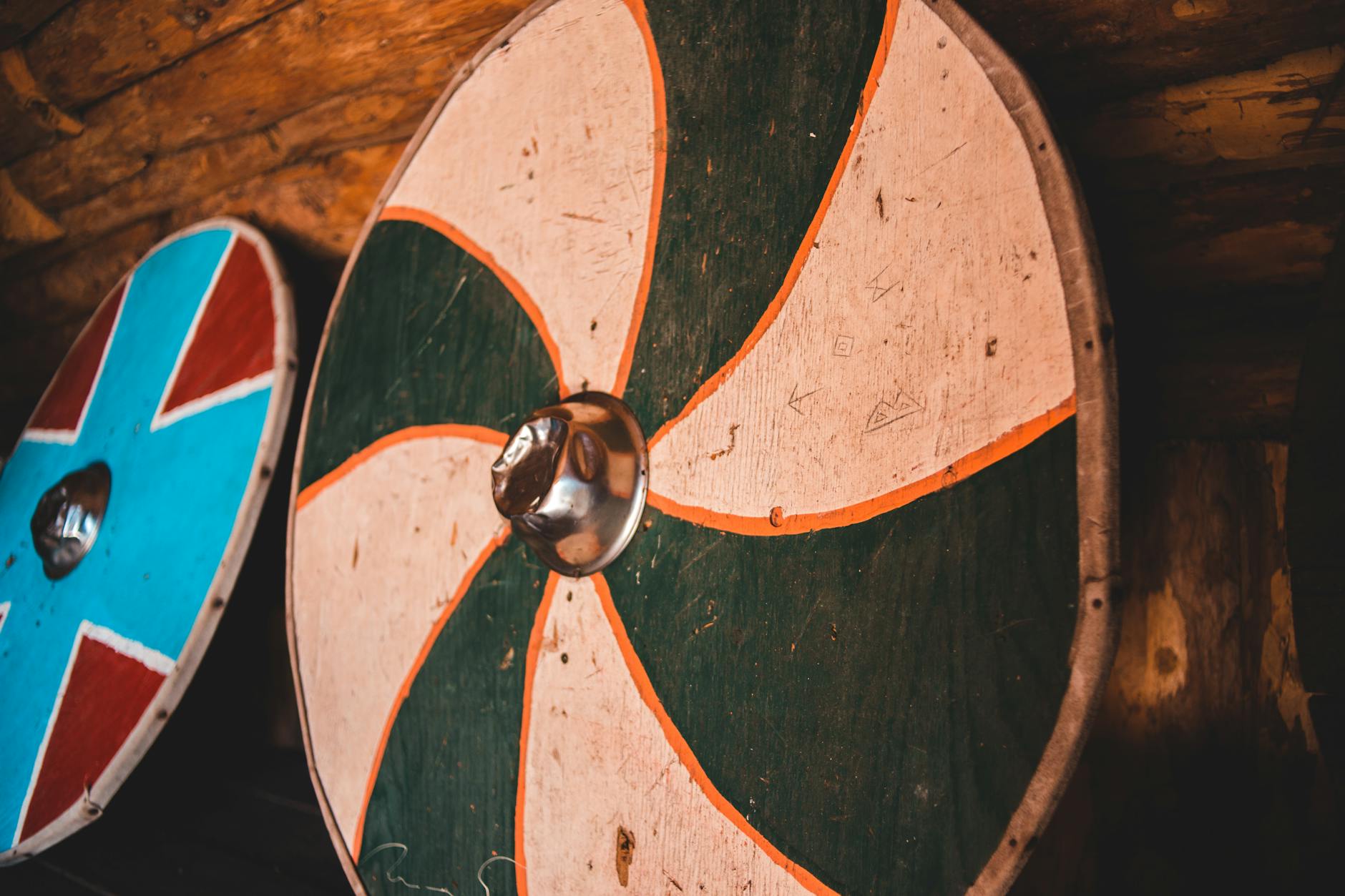
Dublin begins with the Vikings. Norse raiders established a longphort (a fortified ship harbour) at the confluence of the Liffey and the Poddle around 841 AD, at the dark tidal pool — the dubh linn — that gave the city its name. For two centuries it was a Viking trading hub, until Brian Boru’s forces broke their power at the Battle of Clontarf in 1014. You can stand among the results at Dublinia, the hands-on heritage centre beside Christ Church, and see the real Viking swords, coins and even a preserved skeleton at the National Museum of Ireland – Archaeology, whose Viking and medieval collections are superb and free to visit.
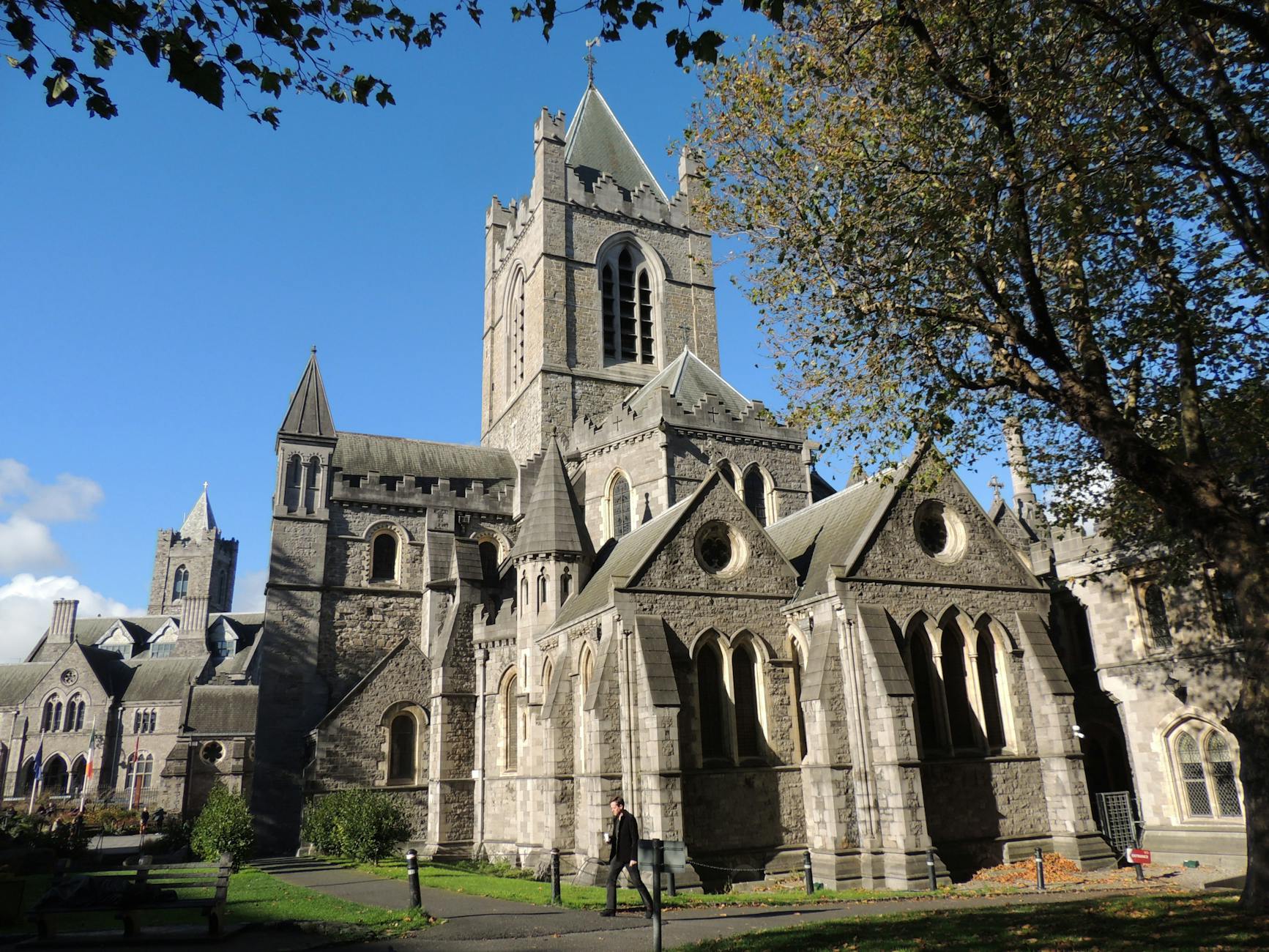
The medieval city that followed gave Dublin its two great cathedrals — Christ Church, founded by the Vikings and rebuilt by the Normans (its vast crypt is the oldest structure in the city), and St Patrick’s, Ireland’s largest church, where Jonathan Swift, author of Gulliver’s Travels, served as Dean and is buried. The tangle of lanes around the Liberties still follows the medieval street plan.
Dublin Castle and the Anglo-Norman City
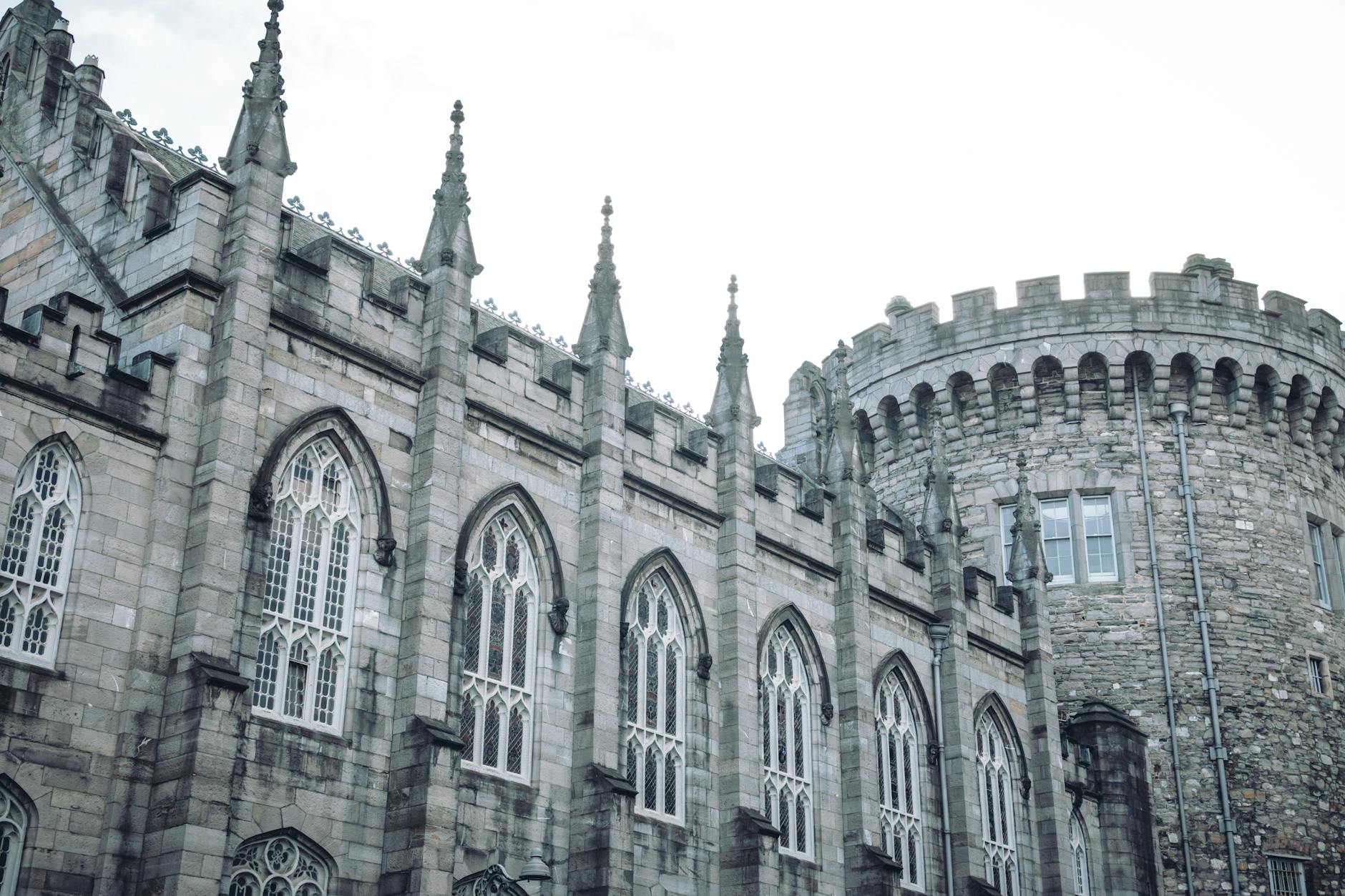
For seven hundred years, Dublin Castle was the seat of English and then British rule in Ireland — the symbolic centre of power until it was handed over to Michael Collins in 1922. Begun around 1204, it’s less a fairy-tale fortress than a sprawl of medieval, Georgian and Victorian buildings around two courtyards, with the lavish State Apartments, the Chapel Royal and the excavated Viking and Norman defences beneath the Undercroft. Our Dublin Castle guide has the full visiting detail, including the closure that runs until January 2027. Nearby, the Chester Beatty Library (free, and European Museum of the Year in 2002; closed until January 2027) holds a breathtaking collection of manuscripts and sacred texts from across the world.
Georgian Dublin: The Golden Age
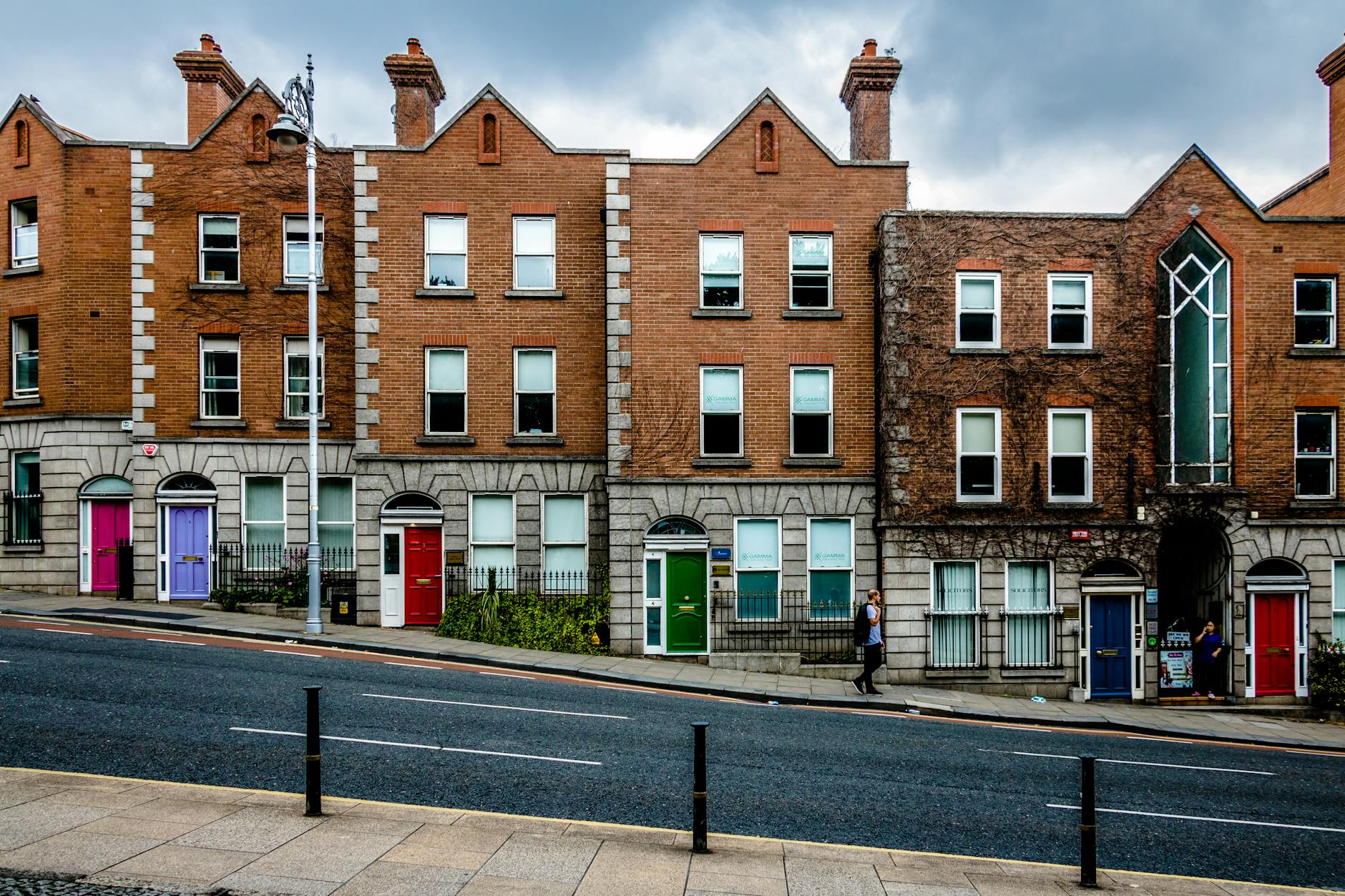
The 18th century was Dublin’s age of grandeur, when it was the second city of the British Empire and a newly confident merchant and aristocratic class laid out the elegant city we still admire. The result is one of Europe’s finest collections of Georgian architecture: the ruler-straight terraces and garden squares of Merrion Square and Fitzwilliam Square, with their fanlights and the famous brightly painted doors. This is also the era of great civic buildings — the Custom House and the Four Courts along the river, both designed by James Gandon, and the curved colonnades of the old Parliament (now the Bank of Ireland) on College Green. A walk through these streets is a walk through the Enlightenment.
1916 and the Road to Independence
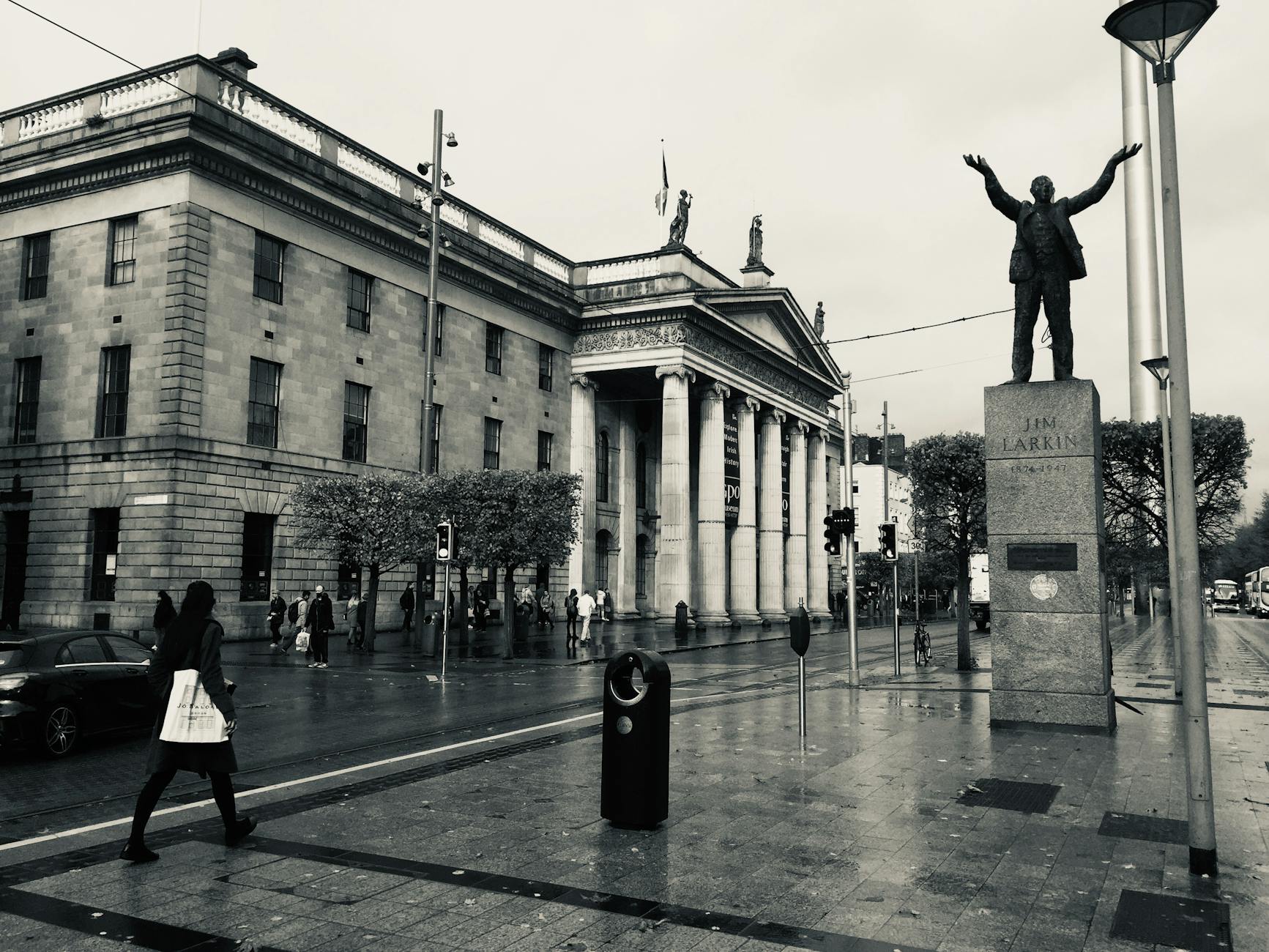
No part of Dublin’s history grips visitors like the revolutionary period. On Easter Monday 1916, a small group of rebels seized the General Post Office (GPO) on O’Connell Street and Patrick Pearse read out the Proclamation of the Irish Republic from its steps. The Rising was crushed within a week, and the building still bears bullet marks; inside, the excellent GPO Witness History exhibition tells the story. The aftermath unfolded at Kilmainham Gaol, the grim, beautiful prison where the Rising’s leaders were executed — today one of the most powerful historical experiences in Ireland, and rightly one of its most popular (book well ahead).
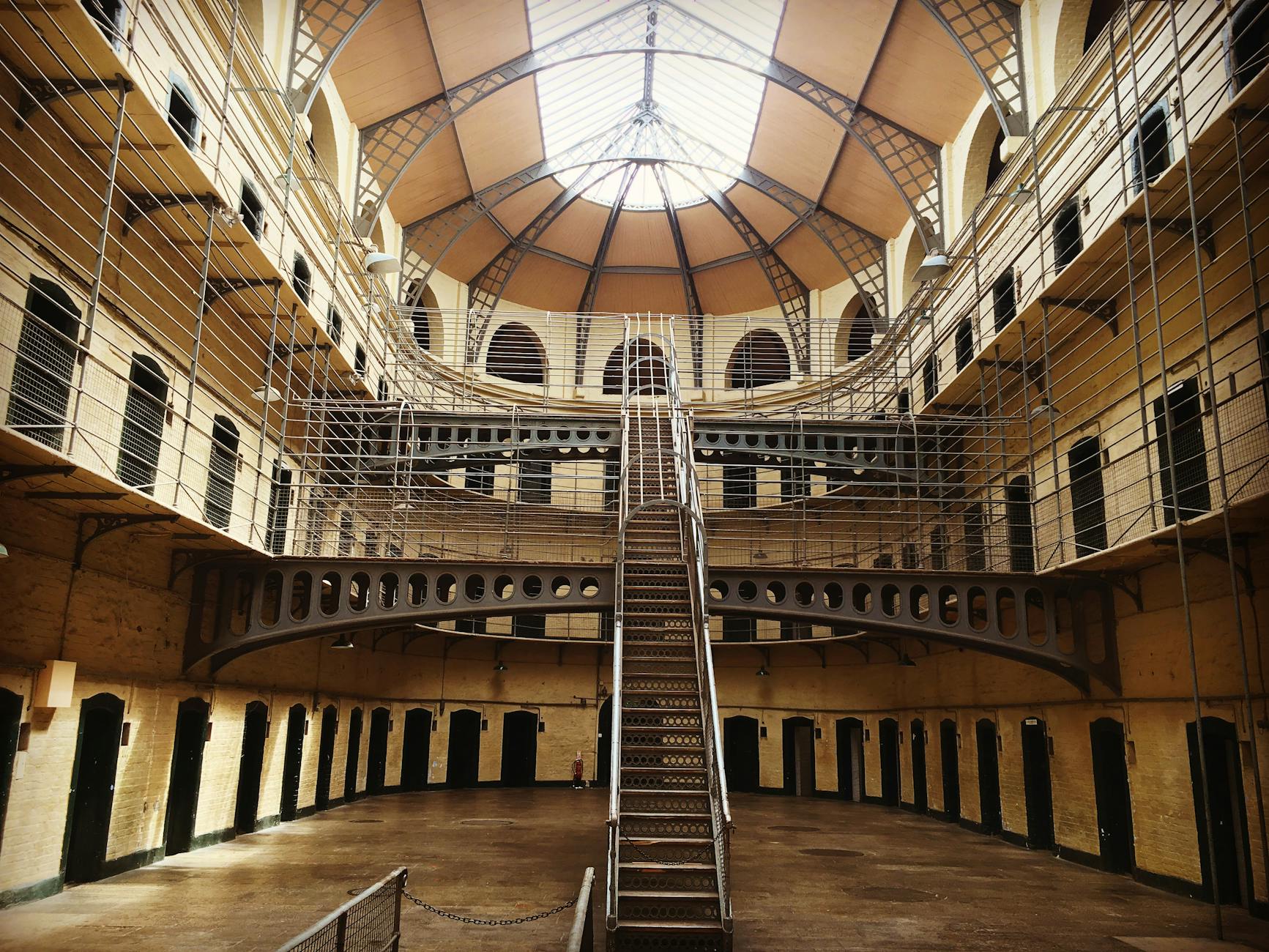
The story continues at Collins Barracks (now the National Museum’s decorative arts and history branch), at Glasnevin Cemetery, where a moving museum and tour bring to life the patriots and ordinary Dubliners buried there, and on the streets themselves, where memorials and plaques mark the events of 1916-1922.
A City of Writers: Dublin’s Literary Heritage
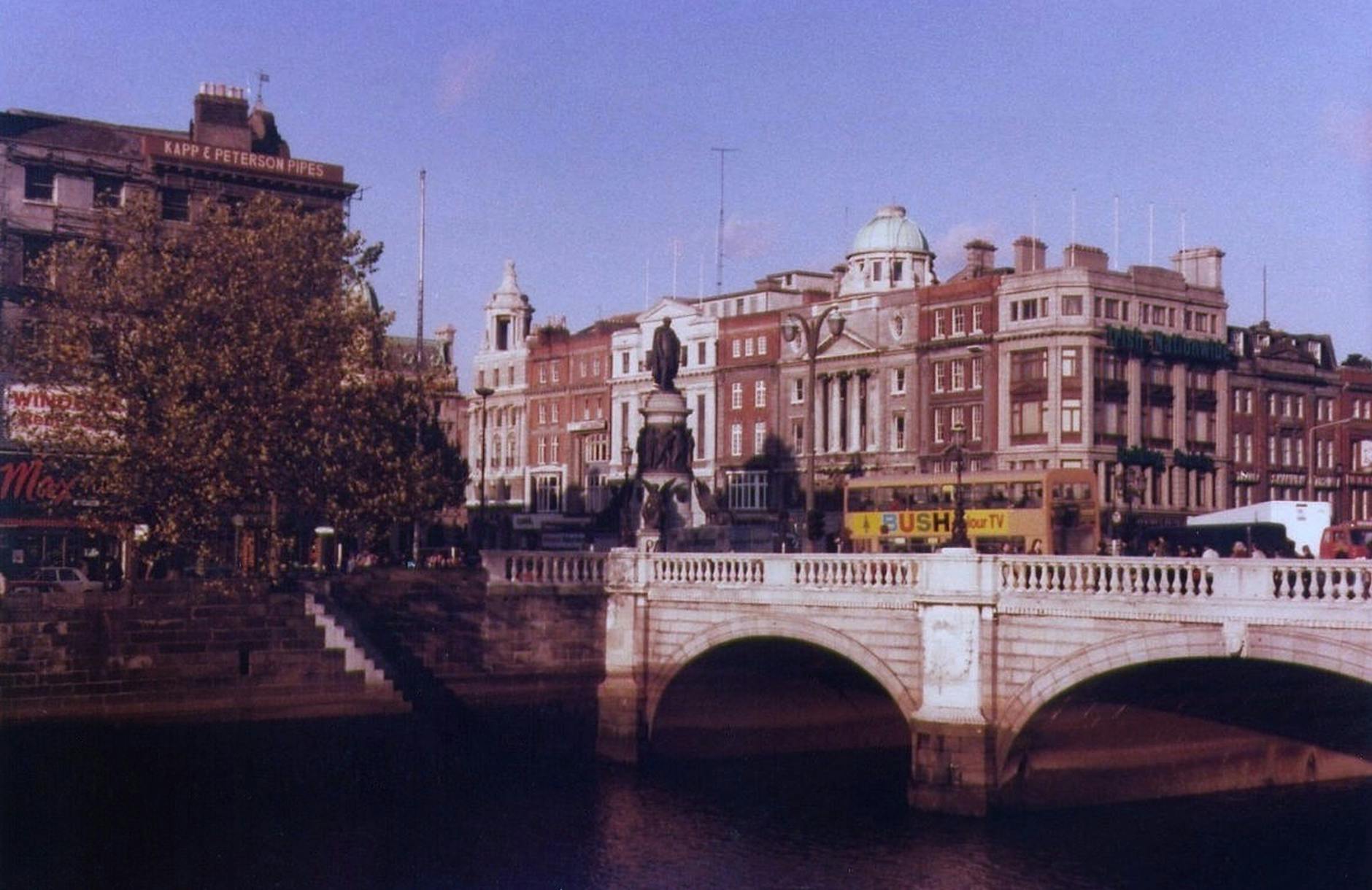
Dublin’s literary record is staggering for a city its size. It has produced four Nobel laureates in literature — W.B. Yeats, George Bernard Shaw, Samuel Beckett and Seamus Heaney — and a roll-call of writers who shaped the modern canon: Jonathan Swift, Oscar Wilde, Bram Stoker (who dreamed up Dracula here), and above all James Joyce, whose Ulysses maps a single Dublin day so precisely that fans still retrace it. In 2010 UNESCO named Dublin a permanent City of Literature, one of only a handful worldwide.
Following the Literary Trail
You can walk straight into this heritage. The superb Museum of Literature Ireland (MoLI), in a Georgian house off St Stephen’s Green, is the best starting point — it holds the first copy of Ulysses and tells the whole story with wit and warmth. The Dublin Writers Museum and the James Joyce Centre on the Northside go deeper, and every 16 June the city erupts into Bloomsday, when readers in Edwardian dress retrace Leopold Bloom’s journey. Literary pilgrims should also raise a glass on the Dublin Literary Pub Crawl, where actors perform between the watering holes that Joyce, Behan, Kavanagh and the rest made famous. Combine it all with a visit to Trinity College and the Book of Kells, whose Long Room library is one of the most beautiful in the world.
Museums and Galleries for History Lovers
Beyond the headline sites, Dublin’s museums make its history tangible — and most are free. The National Museum (Archaeology) holds the bog bodies and the Ardagh Chalice; Collins Barracks covers military and social history; the National Gallery traces Irish art from the masters to Jack B. Yeats; and the Hugh Lane Gallery on the Northside even reconstructs Francis Bacon’s London studio. Our full Dublin museums guide ranks them all, with hours and tips.
Living Culture: Music, Language and the Pub
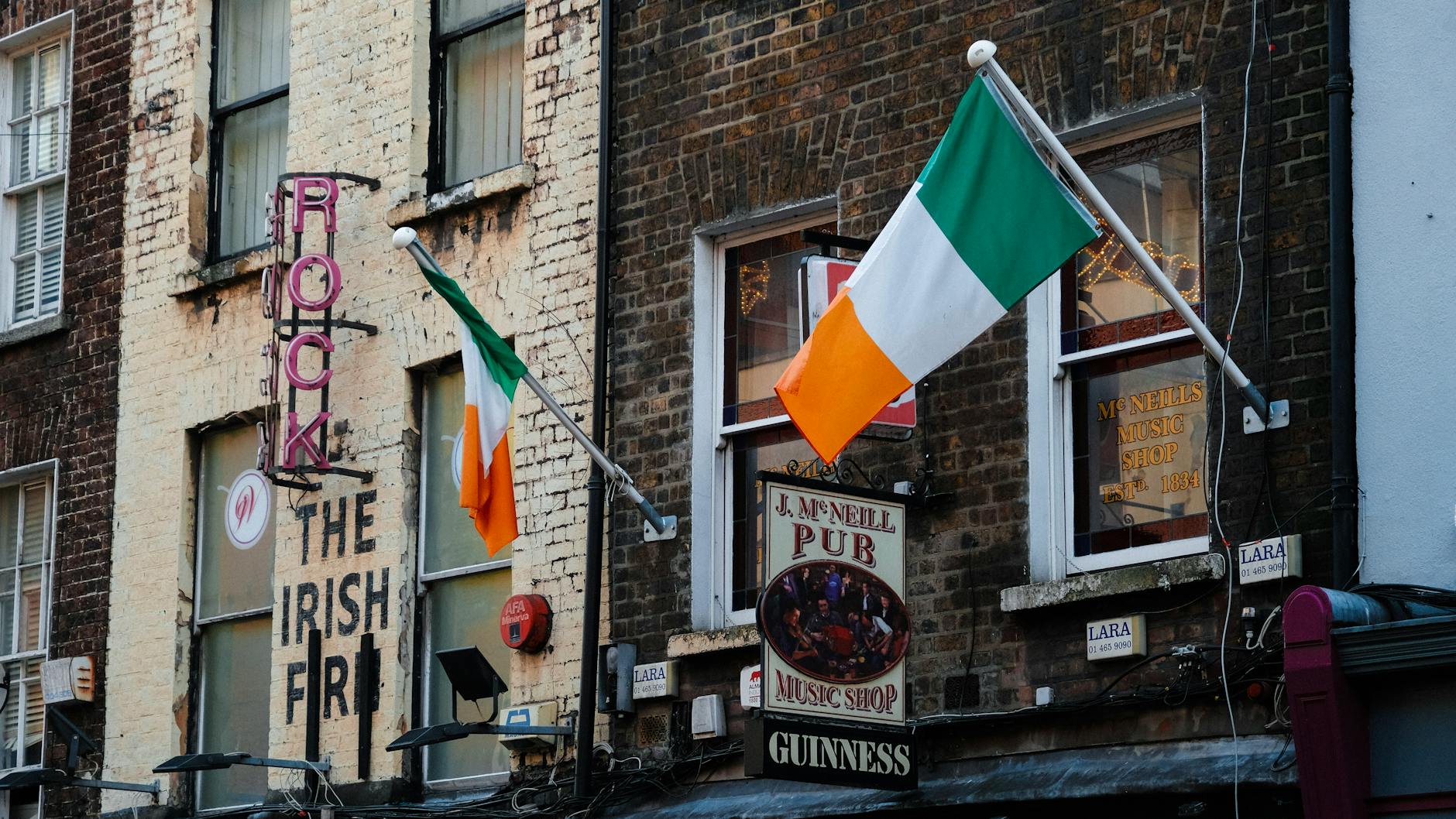
History here isn’t only in glass cases. Traditional Irish music still fills the pubs nightly — the Cobblestone in Smithfield is the city’s spiritual home for a session — and the storytelling, song and craic are a living continuation of an oral culture centuries deep. You’ll see the Irish language (Gaeilge) on every street sign and hear it spoken too. The pub itself is a cultural institution: see our traditional pubs guide for the ones that double as living history.
A History Walking Route
To stitch it together in a day: begin at Dublin Castle and the Chester Beatty (both closed until January 2027 — until then, start at Christ Church), walk to Christ Church and Dublinia for the Viking and medieval city, continue to St Patrick’s Cathedral, then head north over the river to O’Connell Street and the GPO for 1916. Finish with a tram or short taxi out to Kilmainham Gaol in the afternoon (pre-booked). Add a Trinity College and Book of Kells visit and an evening literary pub crawl, and you’ll have travelled through every era of Dublin’s past. A guided walking tour is a great way to do it with context.
The Great Famine and the Emigrant Story
No chapter shaped modern Ireland — and Dublin — more than the Great Famine of 1845-52, when potato blight and political failure killed around a million people and drove a million more to emigrate. The river quays from which so many sailed are marked today by the gaunt, unforgettable Famine memorial statues on Custom House Quay, and beside them the Jeanie Johnston, a faithful replica of a famine “coffin ship,” offers tours that make the crossing vivid. The story of where those emigrants went, and how the Irish diaspora went on to shape the world, is told brilliantly at EPIC The Irish Emigration Museum in the Docklands — repeatedly voted Europe’s leading tourist attraction, and a genuinely moving, interactive experience.
Dublin in the 20th Century
The decades after the 1916 Rising were turbulent and formative: the War of Independence, the Anglo-Irish Treaty, and the bitter Civil War that followed, during which the Four Courts and much of O’Connell Street were shelled and burned. The Irish Free State took shape from Leinster House, still the seat of the Dáil (parliament) today. For most of the century Dublin remained a relatively poor, conservative capital — the city of Joyce’s memory and Behan’s pubs — until the Celtic Tiger boom of the 1990s and 2000s transformed it almost overnight into the prosperous, cosmopolitan, tech-driven city of the Docklands you see now. Walking from the Georgian squares to the glass towers of Silicon Docks, you cross three centuries of fortunes in twenty minutes.
Sacred Dublin: The Cathedrals and Churches
Dublin’s churches are among its most rewarding historic buildings. Christ Church Cathedral and St Patrick’s Cathedral are the two great medieval foundations — visit both if you can, as they’re a ten-minute walk apart and tell complementary stories. St Patrick’s, built beside the well where the saint is said to have baptised converts, is the national cathedral and Swift’s resting place. Don’t overlook St Michan’s Church on the Northside, whose dry crypt has naturally mummified bodies you can view on a tour (Bram Stoker is said to have found inspiration here), or St Audoen’s, the city’s only surviving medieval parish church beside the last stretch of the old city walls.
Where the Writers Drank and Wrote
In Dublin, literature and the pub are inseparable, and several historic bars are pilgrimage sites in their own right. Davy Byrnes off Grafton Street is the “moral pub” where Leopold Bloom eats his gorgonzola sandwich in Ulysses. McDaid’s and The Palace Bar were the haunts of Brendan Behan, Patrick Kavanagh and the mid-century literary set. The Long Hall and Kehoe’s are Victorian gems barely changed in a century. Doing the Dublin Literary Pub Crawl — led by actors who perform extracts between stops — is the most entertaining way to connect the writing to the watering holes. See our traditional pubs guide for more of these living landmarks.
Best History and Heritage Tours
If you want context rather than just sights, a guide pays for itself. The Trinity College history walk (led by students) is a classic, the 1916 Rebellion Walking Tour is consistently rated among the best in the city, and Glasnevin Cemetery’s guided tour is far more gripping than it sounds, peopling the graves with the heroes and ordinary citizens of modern Ireland. For self-guided exploring, the free Dublin Discovery Trails app and our own Dublin walking tours guide map out themed routes you can follow at your own pace.
Historic Houses and Landmarks Beyond the Centre
Some of Dublin’s most atmospheric history sits just outside the core. The Casino at Marino is a jewel-box neoclassical pleasure house, one of the finest 18th-century buildings in Europe, packed with architectural tricks. Rathfarnham Castle and the great parklands of Phoenix Park — home to Áras an Uachtaráin, the President’s residence, and the 1782 Magazine Fort — reward a half-day. To the north, Malahide Castle sets 800 years of history in beautiful gardens, while the medieval round tower and monastic remains at Swords and the Martello towers along the coast (one of which, in Sandycove, opens Ulysses and now houses the James Joyce Tower & Museum) extend the story to the sea. Most are an easy DART or bus ride from the centre.
Tips for Visiting Dublin’s Historic Sites
- Book Kilmainham Gaol well ahead. It’s the one site that genuinely sells out — reserve online days in advance, especially in summer.
- Use the free national museums. Archaeology, Decorative Arts (Collins Barracks) and the National Gallery cost nothing and rival anything you’ll pay for. The Natural History Museum is closed for refurbishment, with no reopening date yet.
- Take at least one guided tour. Dublin’s history is full of nuance and dark humour that a good guide brings alive — the 1916 and Glasnevin tours are standouts.
- Combine the cathedrals. Christ Church, St Patrick’s and Dublinia sit within a short walk and a combined ticket saves money.
- Pace the heavy stuff. Kilmainham and the Famine sites are emotionally weighty — balance them with a lighter literary pub crawl or a gallery in the same day.
- Look down and up. Plaques, ghost signs, Georgian door details and the old city walls reward visitors who slow down and notice.
Dublin History & Heritage: FAQ
What is Dublin most famous for historically?
Its Viking founding, its Georgian architecture, the 1916 Easter Rising that led to Irish independence, and its extraordinary literary heritage — four Nobel laureates and writers like Joyce, Wilde and Beckett. Few cities pack so much history into so small a centre.
What is the oldest building in Dublin?
The crypt of Christ Church Cathedral, dating largely from the late 12th century, is the oldest structure in the city and one of the largest medieval crypts in Britain and Ireland. Dublin Castle’s Record Tower (c.1228) is the oldest intact tower.
Is Kilmainham Gaol worth visiting?
Absolutely — it’s one of Ireland’s most moving historical experiences, telling the story of the fight for independence in the very place its leaders were held and executed. Tickets sell out days ahead, so book online in advance.
Why is Dublin a UNESCO City of Literature?
For its unrivalled literary heritage — four Nobel Prize winners and a tradition running from Swift and Wilde to Joyce, Beckett and Heaney — and its living literary culture of festivals, pubs and institutions. It received the permanent designation in 2010.
Where can I learn about James Joyce in Dublin?
Start at MoLI (the Museum of Literature Ireland), which holds the first copy of Ulysses, then visit the James Joyce Centre on North Great George’s Street. On 16 June, Bloomsday brings the novel to life across the whole city.
How can I see Dublin’s history in one day?
Walk from Dublin Castle (closed to visitors until January 2027, so start at its gates) to Christ Church and Dublinia, on to St Patrick’s, then north to the GPO, and finish at Kilmainham Gaol (pre-booked). It covers Viking, medieval, Georgian and revolutionary Dublin in a single, walkable day.
Keep Exploring Historic Dublin
Dublin’s past is best discovered on foot, one era at a time. From here, dig into the specifics with our guides to Dublin Castle, Trinity & the Book of Kells, the city’s museums, and its historic neighbourhoods.
Dublin History & Literary Guides
Dublin’s past is best explored one thread at a time. These guides follow the individual stories — the writers, the rebellions, the buildings — in the depth they deserve.
- James Joyce’s Dublin: A Literary Walking Tour — Retrace Ulysses and Dubliners street by street — no other modernist tied himself so completely to one city.
- Dublin’s 1916 Rising: History & Key Sites — The six days that made modern Ireland, mapped across the GPO, Moore Street and the surviving garrison buildings.
- Kilmainham Gaol: Dublin’s Most Powerful Historical Site — The prison where fourteen 1916 leaders were shot — how to book the tour and what to expect inside.
- Dublin’s Georgian Architecture: A Walking Guide — Doorways, fanlights and red-brick terraces: the 1714–1830 building boom that shaped the southside squares.
- Viking & Medieval Dublin: 1,000 Years of History — Before the Georgians and the Rising, Dublin was a Norse trading port — Christ Church, Dublinia and the walled town.
- Dublin’s Famous Writers & Literary Landmarks — Four Nobel laureates from one small city, and the pubs, houses and libraries where they worked.
- Best History Museums in Dublin — From the free national institutions to EPIC and Glasnevin — which ones are worth your limited hours.
- Dublin’s Art Galleries & Creative Scene — Caravaggio at the National Gallery, Bacon’s studio at Hugh Lane, and the small commercial rooms in between.
Keep Reading
- Irish Slang & Phrases — Hiberno-English, the Irish words still in daily use, and where they came from.
- Oldest pubs in Dublin — the Palace Bar, the Georgian shop-pubs, and where the newspapermen drank.
- St Patrick’s Cathedral Dublin — where Jonathan Swift was Dean for thirty-two years, and where he is buried.
Lean na Comharthaí — Keep following the signs