Dublin Neighbourhood Guide: Where to Go & What to See (2026)
Ar an gComhartha Seo — On this sign
- Dublin Neighbourhoods at a Glance
- Understanding Dublin’s Layout: Northside vs Southside
- Temple Bar
- Grafton Street and the Creative Quarter
- The Georgian Core: Merrion and Fitzwilliam
- The Liberties
- Smithfield and Stoneybatter
- Portobello and Rathmines
- Docklands and Silicon Docks
- The Northside: Phibsborough, Drumcondra and Beyond
- Howth and the Coastal Villages
- Where to Base Yourself
- Getting Between Neighbourhoods
- Which Dublin Neighbourhood Is Right for You?
- A Neighbourhood-Hopping Walking Route
- How Long to Spend in Each Area
- Safety and Practicalities by Area
- The Coastal Villages in Detail
- Neighbourhood Food and Drink Highlights
- A Thousand Years in the Street Plan
- Dublin Neighbourhoods: FAQ
- Keep Exploring Dublin
- Dublin Neighbourhood Guides in Detail
Dublin is a city of villages. For all its growth, the capital still breaks down into a patchwork of distinct neighbourhoods, each with its own accent, its own local pub and its own reason to visit. Get to grips with them and the city suddenly makes sense — you’ll know where to stay, where to eat, and which areas reward an afternoon of aimless wandering.
This guide walks you through every neighbourhood worth your time, north and south of the river, from the cobbles of Temple Bar to the hipster pubs of Stoneybatter and the seaside calm of Howth. We cover the character of each, what to see and do, and who each area suits best. To turn that into a booking, pair it with our where to stay in Dublin guide and the deeper-dive best area to stay breakdown.
Dublin Neighbourhoods at a Glance
| Neighbourhood | Vibe | Best for |
|---|---|---|
| Temple Bar | Cobbled, touristy, lively | Nightlife, first-timers (briefly) |
| Grafton St & Creative Quarter | Smart, buzzy, central | Shopping, cafés, people-watching |
| Georgian Core (Merrion/Fitzwilliam) | Elegant, historic | Museums, architecture |
| The Liberties | Old, earthy, up-and-coming | Whiskey, Guinness, markets |
| Smithfield & Stoneybatter | Hip, local, creative | Craft beer, coffee, food |
| Portobello & Rathmines | Canal-side, villagey | Brunch, residential charm |
| Docklands / Silicon Docks | Modern, corporate | Architecture, waterfront walks |
| Howth & coastal villages | Seaside, scenic | Cliff walks, seafood |
Understanding Dublin’s Layout: Northside vs Southside
The River Liffey splits Dublin in two, and locals take the divide more seriously than the geography warrants. The shorthand goes that the Southside is leafier and better-heeled while the Northside is grittier and more working-class — but it’s a lazy stereotype that any Dubliner will both repeat and immediately contradict. In truth both sides have their grand stretches and their rough edges. For visitors the practical points are simpler: most of the marquee sights (Trinity, the Castle, the cathedrals, the museums, Grafton Street) sit just south of the river, while O’Connell Street, the GPO, the Hugh Lane gallery and some of the best-value food are to the north. Everything central is walkable across a handful of bridges in minutes.
Temple Bar
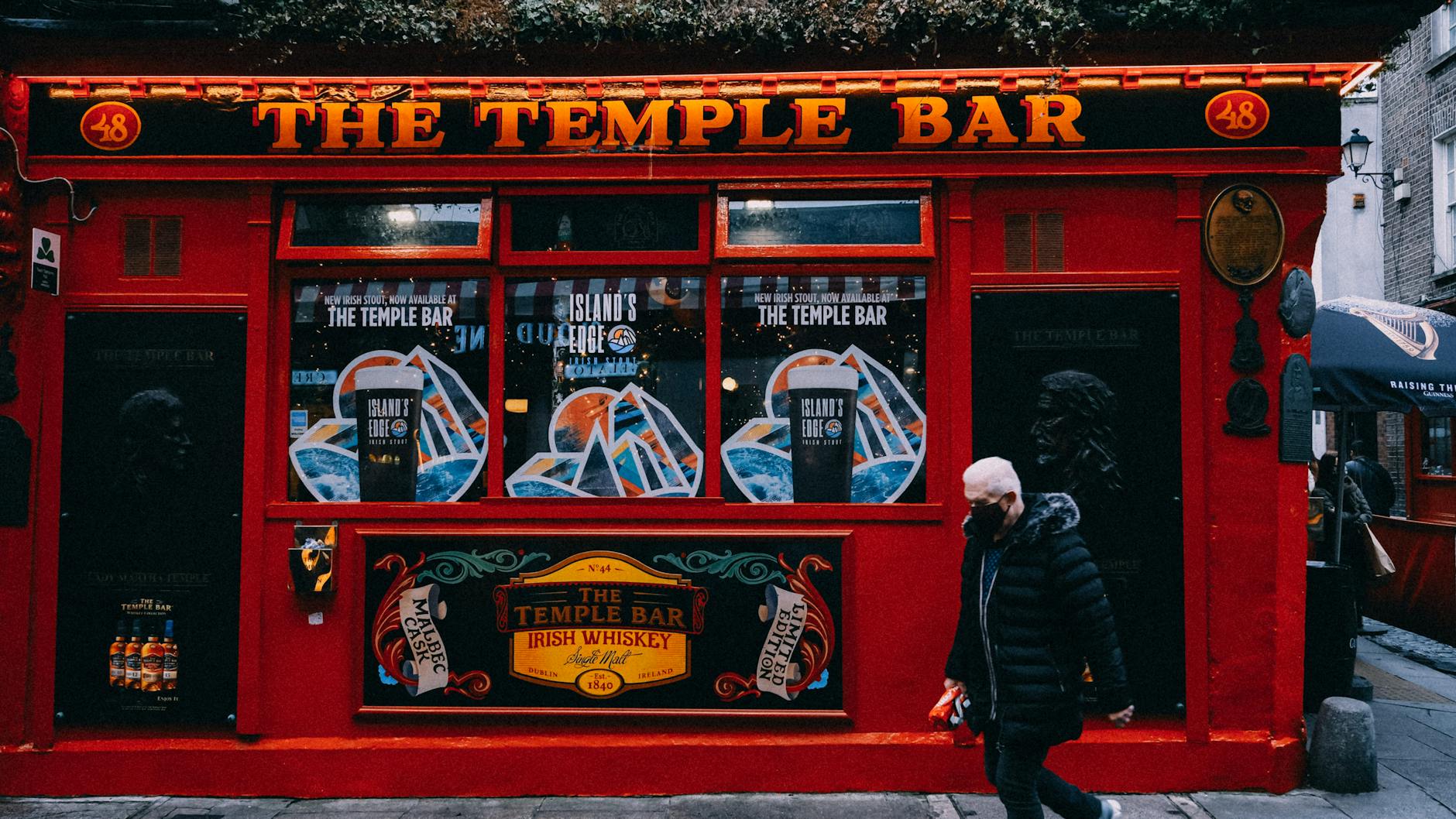
Let’s start with the one everyone’s heard of. Temple Bar is the cobbled cultural quarter on the south bank, and its reputation is a paradox: it’s simultaneously Dublin’s most famous neighbourhood and the one locals most enjoy warning you about. Yes, a pint in the Temple Bar pub itself can cost the guts of €10, and the stag-and-hen energy on weekend nights is not for everyone. But come by day and it’s genuinely atmospheric — galleries, the Irish Film Institute, the Saturday food market in Meeting House Square, the book market, and some of the city’s best photo opportunities down its narrow lanes. Treat it as a place to visit rather than the whole of Dublin and you’ll enjoy it. For the honest after-dark rundown, see our Temple Bar nightlife guide, and if you’re tempted to stay here, read Temple Bar hotels: is it worth it? first.
Grafton Street and the Creative Quarter
Just east of Temple Bar, the area around pedestrianised Grafton Street is the city’s polished heart — buskers (a young Glen Hansard and Hozier both cut their teeth here), the flower sellers, Bewley’s grand café, and the gateway to St Stephen’s Green at the top. Duck off it into the so-called Creative Quarter — Drury Street, Fade Street, South William Street and the lovely Powerscourt Townhouse — and you find Dublin’s best concentration of independent boutiques, vintage shops, coffee and small restaurants. This is the part of the city for unhurried browsing and long lunches. Our things to do in Dublin guide maps the sights nearby.
The Georgian Core: Merrion and Fitzwilliam
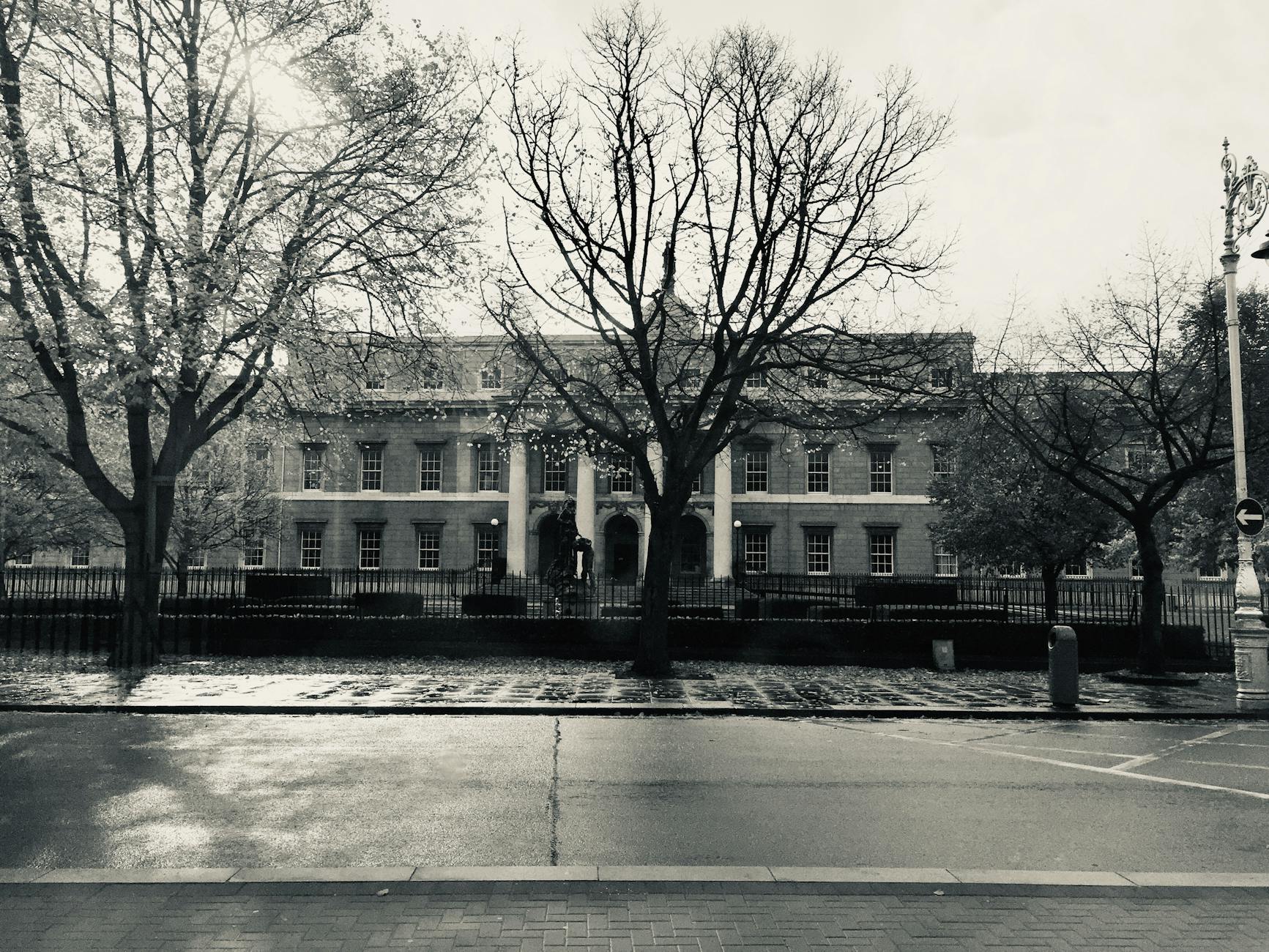
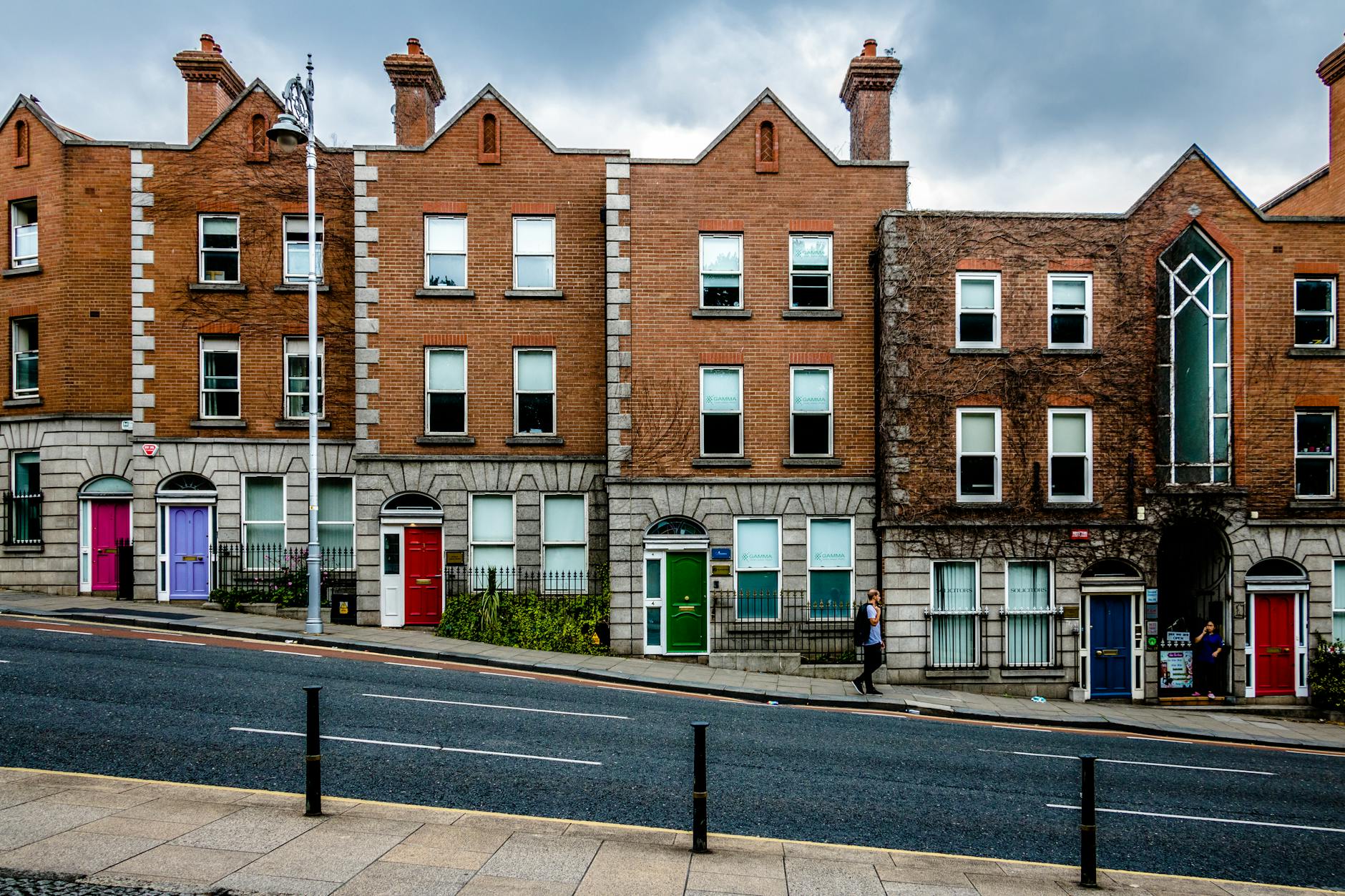
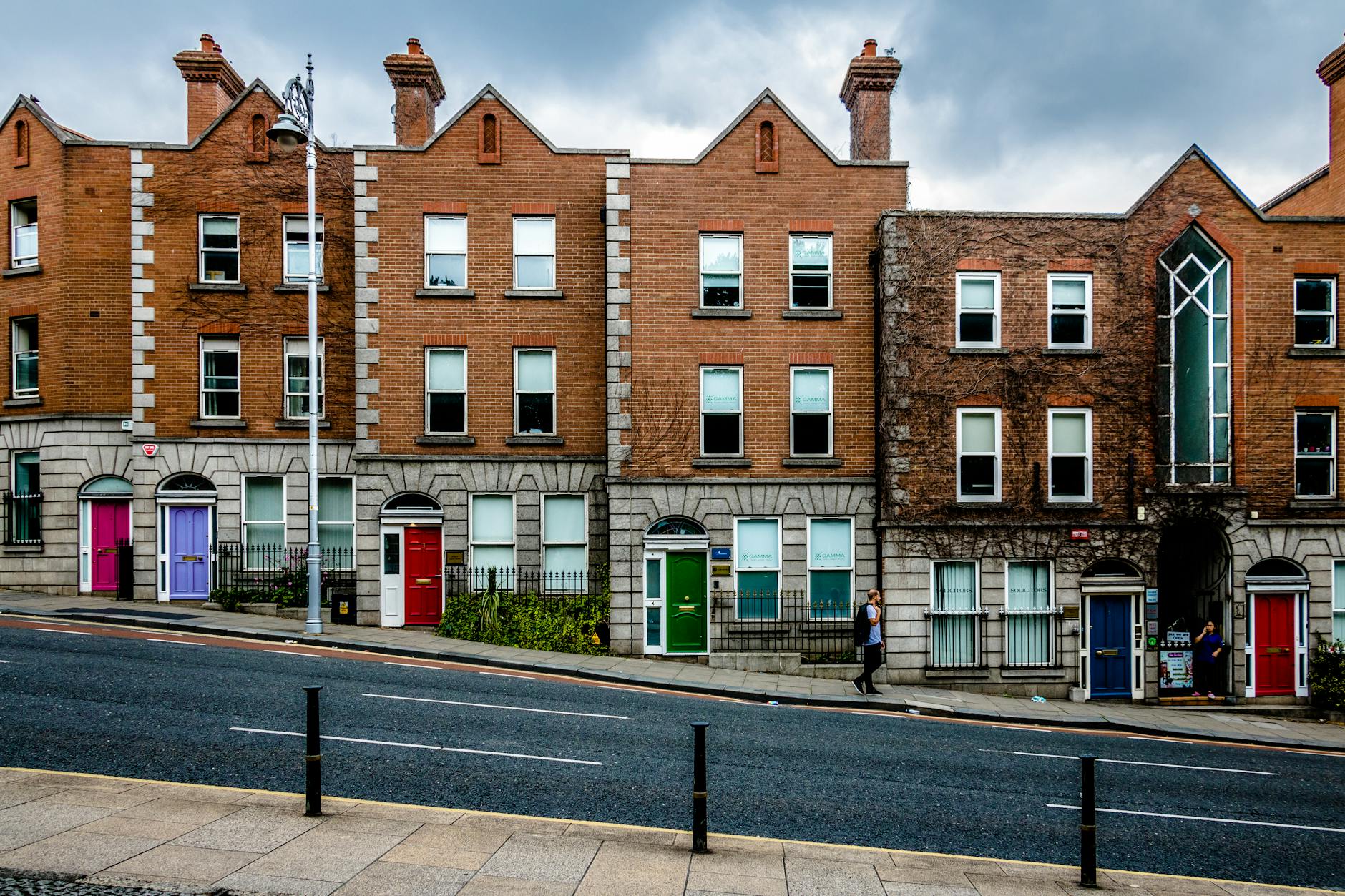
Walk southeast and the streets straighten into Dublin’s Georgian grid — the elegant 18th-century squares of Merrion and Fitzwilliam, with their famous candy-coloured doors, brass knockers and fanlights. This is the city’s most photogenic stretch of architecture and also its museum district: the National Gallery, the Natural History Museum and Leinster House (the seat of the Irish parliament) all line Merrion Square, whose central park hides the cheerful reclining statue of Oscar Wilde. It’s a calm, dignified area, short on nightlife but rich in history — ideal for a slow morning with a camera.
The Liberties
West of the centre, The Liberties is Dublin’s oldest and most characterful working district — the medieval heart of the city, named for the areas once outside the city council’s jurisdiction. It’s the home of Guinness (the St James’s Gate brewery and the Storehouse), a clutch of revived whiskey distilleries (Teeling, Roe & Co, Pearse Lyons in a converted church), and earthy street markets. Long overlooked, it’s now one of the most interesting parts of the city to wander, mixing centuries-old trade with new cafés and craft. Combine it with our Guinness Storehouse guide.
Smithfield and Stoneybatter
North of the river and just west, Smithfield and neighbouring Stoneybatter are where Dublin’s creative, independent energy has migrated. Stoneybatter in particular is routinely name-checked among the world’s “coolest neighbourhoods” — a tight grid of red-brick cottages with a remarkable density of good things: the Cobblestone pub (the city’s best traditional-music sessions), craft-beer bars, Scandinavian-style coffee, a brilliant butcher and a Saturday food scene. Smithfield’s cobbled plaza hosts the Jameson Distillery and the Lighthouse cinema. It’s residential and real rather than touristy, which is exactly the appeal.
Portobello and Rathmines
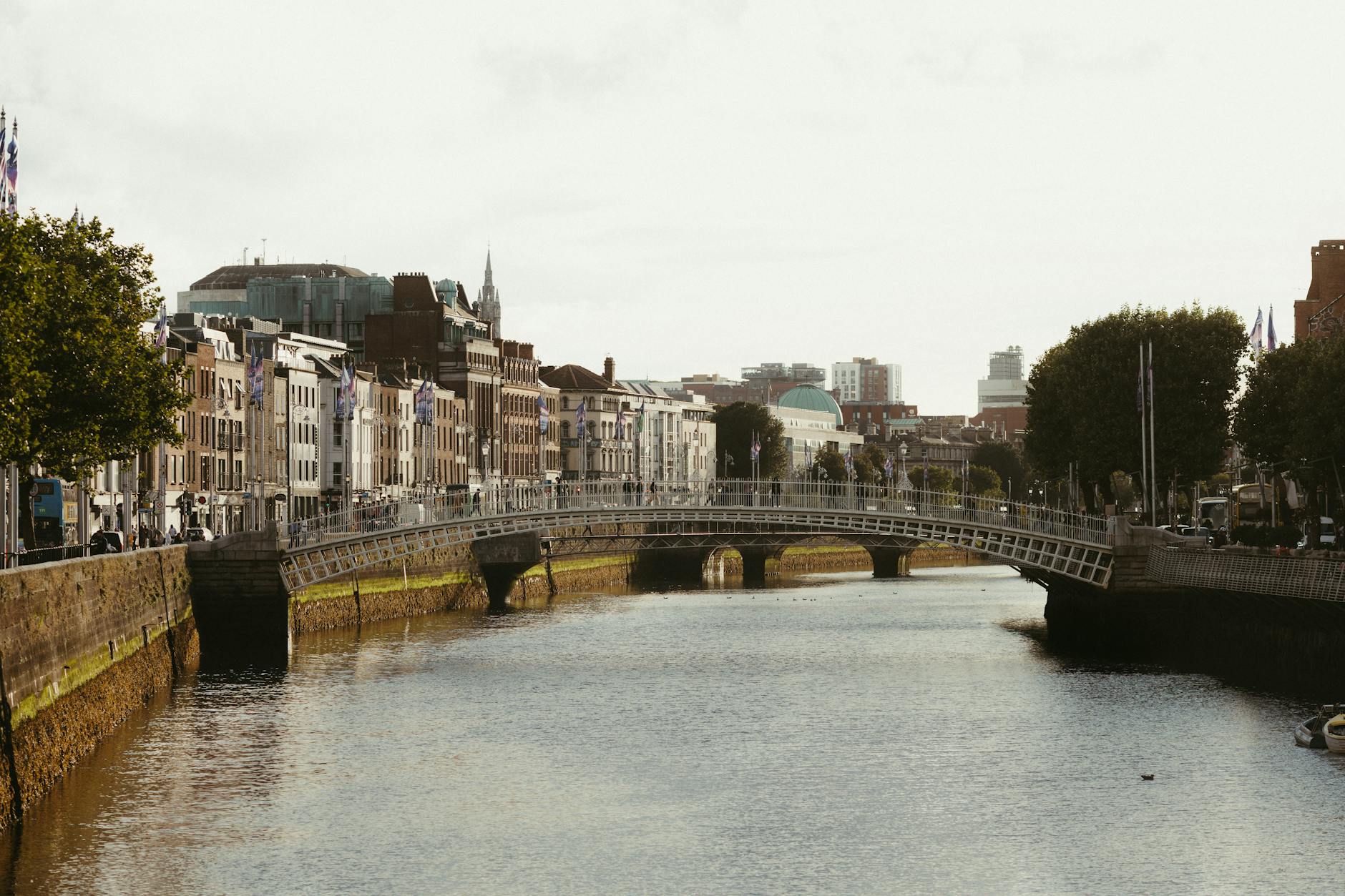
Follow the Grand Canal south and you reach Portobello, a pretty canal-side neighbourhood (nicknamed, with typical Dublin cheek, “Little Venice”) that’s become one of the city’s favourite brunch-and-stroll districts. Beyond it, Rathmines is a classic Dublin “village” — a busy high street under a distinctive copper-domed church, full of cafés, ethnic restaurants and a youthful, studenty buzz. Neither has headline sights; the pleasure is in the canal walks, the independent eateries and seeing how Dubliners actually live a short walk from the centre.
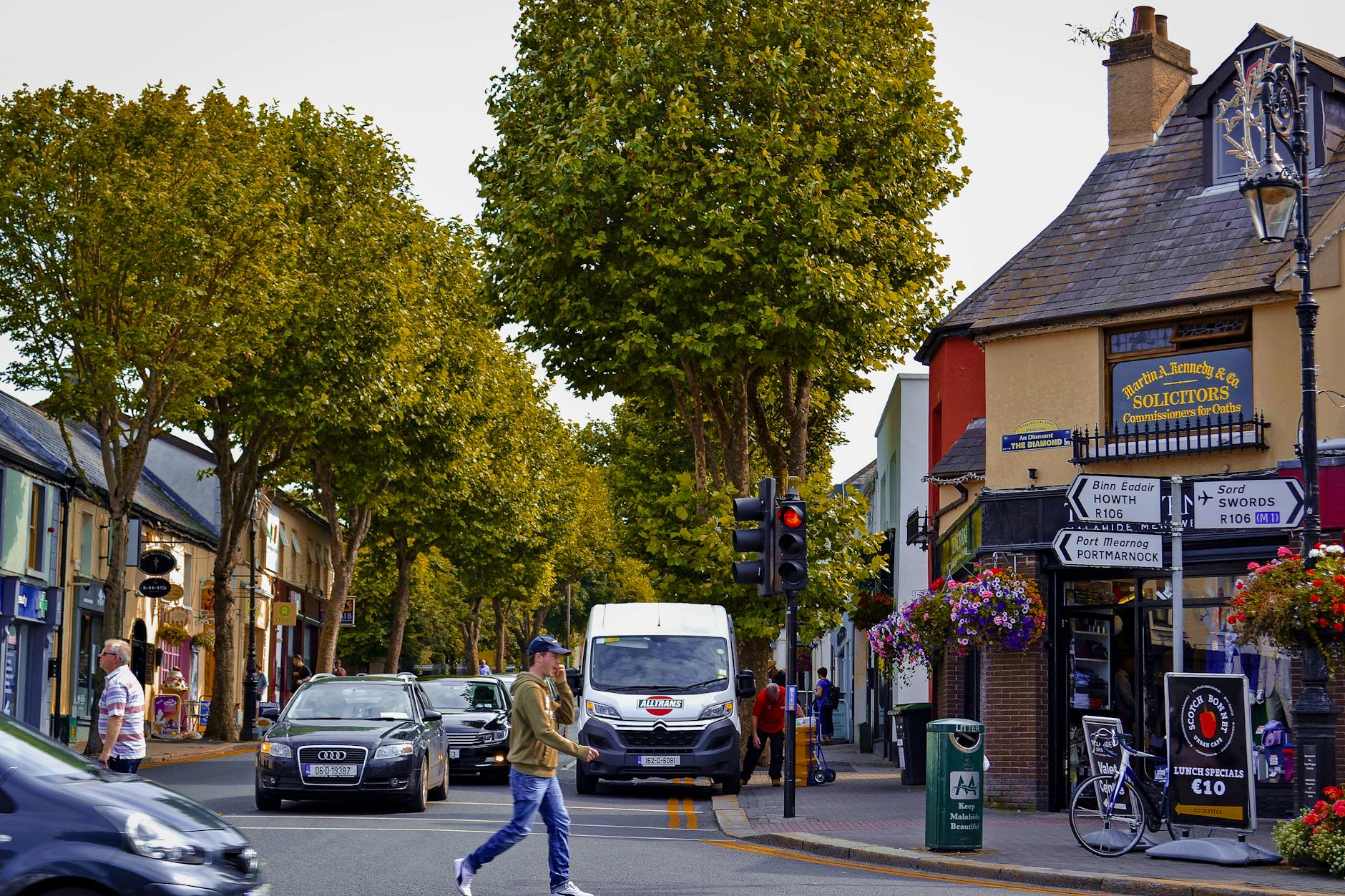
Docklands and Silicon Docks
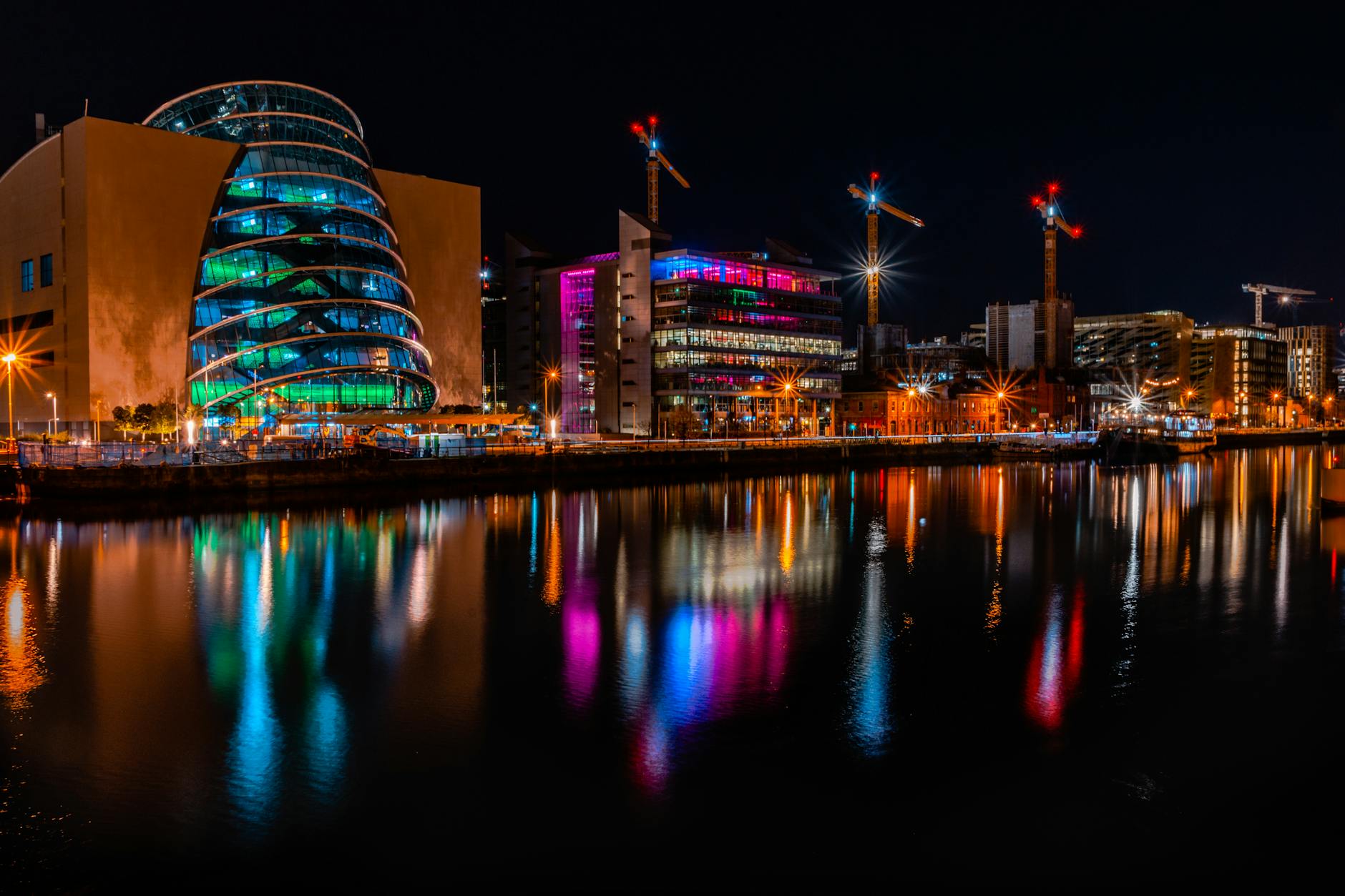
East along the river, the regenerated Docklands are Dublin’s most modern face — gleaming glass headquarters of Google, Facebook and friends (hence “Silicon Docks”), the striking Samuel Beckett Bridge (shaped like a harp on its side), and the Bord Gáis Energy Theatre on Grand Canal Square. It’s short on traditional charm but excellent for a waterfront walk, with the Jeanie Johnston famine ship, the EPIC museum and the CHQ food hall all here. A good area for a contemporary hotel if you want quiet and space near the centre.
The Northside: Phibsborough, Drumcondra and Beyond
Beyond O’Connell Street, the inner Northside rewards the curious. Phibsborough has quietly become a foodie pocket with excellent cafés and the historic Bohemian FC ground; Drumcondra is the home of Croke Park, the vast stadium that’s the spiritual home of Gaelic games (its Skyline rooftop tour is superb). Glasnevin holds the moving cemetery museum and the lovely National Botanic Gardens. These areas are residential and untouristed — go for a real slice of Dublin life and far better value on food and drink.
Howth and the Coastal Villages
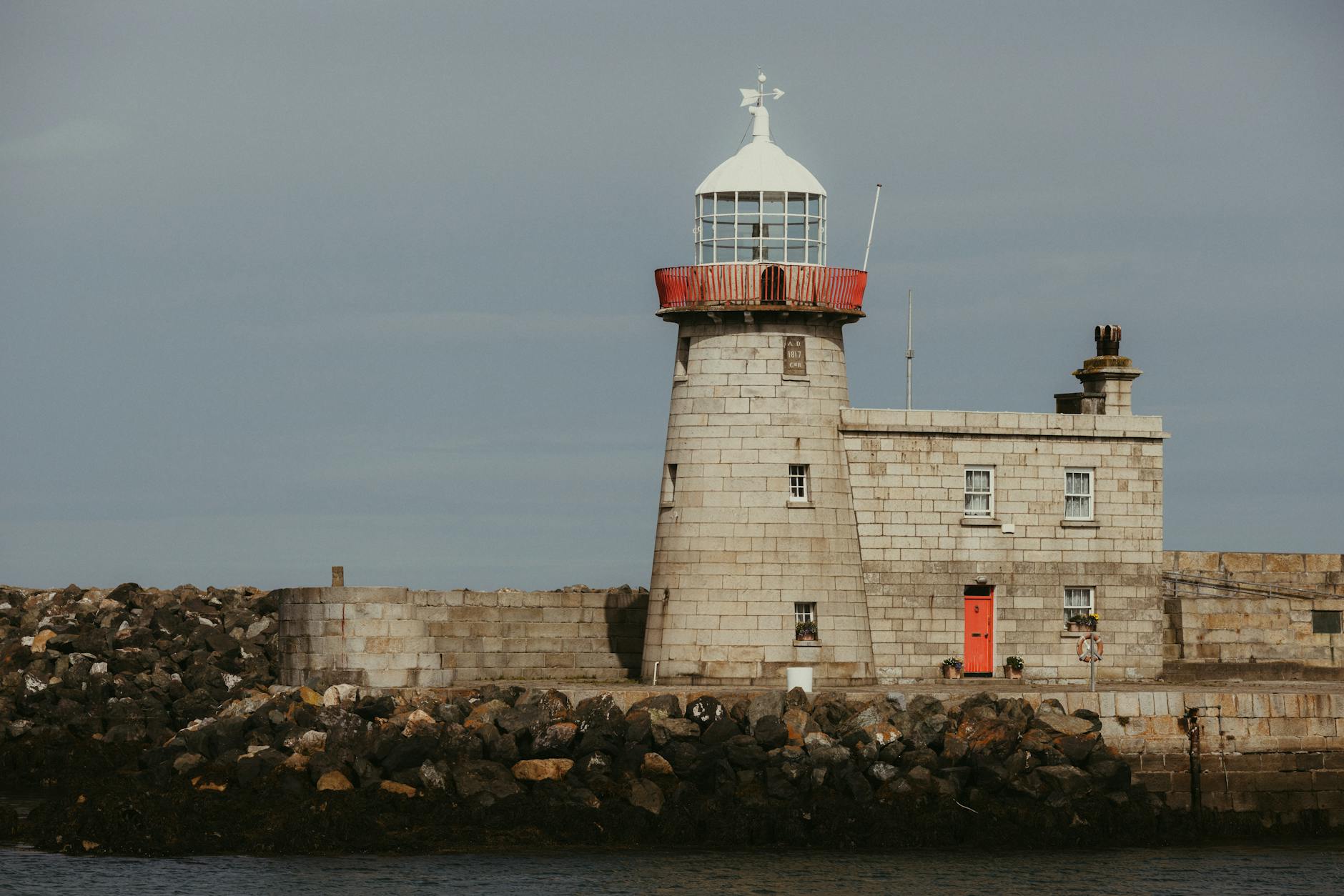
Dublin’s neighbourhoods don’t stop at the canals. A short DART ride delivers you to a string of seaside villages that feel a world away. Howth, on the northern headland, is the star — a working fishing harbour with seals, fresh seafood, a ruined abbey and the cliff loop that’s the city’s best walk; see our Howth Cliff Walk guide. To the south, Dún Laoghaire has its grand Victorian piers and Sunday people-watching, while Dalkey and Killiney offer “Bel Eire” millionaires’ views and a castle. All are easy, cheap half-day escapes on the DART.
Where to Base Yourself
For first-time visitors who want everything on the doorstep, the area between Grafton Street and St Stephen’s Green is the safe, central choice. For nightlife (and noise), Temple Bar; for quiet and space, the Docklands or the Georgian core; for a local, foodie feel, Stoneybatter or Portobello. Families and longer-stay visitors often do best in an apartment slightly out of the centre. Our best area to stay in Dublin guide matches each neighbourhood to traveller type in detail.
Getting Between Neighbourhoods
The good news: the central neighbourhoods are all within a 25-minute walk of each other, and Dublin is best explored on foot. For the longer hops — out to Stoneybatter, the Docklands or the coast — the Luas tram, Dublin Bus and the DART cover everything, all on a single Leap Card. The DART in particular is the key to the coastal villages. See our getting around Dublin guide for the full how-to.
Which Dublin Neighbourhood Is Right for You?
If you only have a day or two, don’t try to see them all. Pick the areas that match how you like to travel. History and culture lovers should anchor themselves in the Georgian core and The Liberties — between them they hold the cathedrals, the museums, the whiskey distilleries and a thousand years of story. Foodies and coffee obsessives belong in the Creative Quarter, Stoneybatter and Portobello, where the city’s best independent kitchens and roasters cluster. Night owls gravitate to Temple Bar and the Camden/Wexford Street strip. Families do best near St Stephen’s Green or out by the coast, with parks and the DART close at hand — our Dublin for families guide goes deeper. And anyone craving sea air and a slower pace should hop the DART to Howth or Dalkey.
A Neighbourhood-Hopping Walking Route
Here’s how to string the best of them together on foot in a single, very satisfying day. Start mid-morning on Grafton Street, coffee in hand, and wander the Creative Quarter‘s side streets — Drury Street, Fade Street, the Powerscourt Centre. Cut west through Temple Bar while it’s still calm, crossing the Ha’penny Bridge for a photo. Continue into The Liberties for lunch near the markets and a distillery tour. Loop back along the river to the Georgian squares for the afternoon’s museums, finishing with a stroll through St Stephen’s Green. If you’ve energy left, the Luas or a short walk takes you to Stoneybatter for dinner and a pint at the Cobblestone — where, on most nights, a traditional session will be in full flow. That single route shows you medieval, Georgian and contemporary Dublin in one go.
How Long to Spend in Each Area
None of Dublin’s neighbourhoods needs a full day in isolation — that’s the joy of such a compact city. Temple Bar and the Creative Quarter are an easy morning or a night out. The Georgian core is a couple of unhurried hours with the museums. The Liberties deserves a half-day if you’re touring Guinness and a distillery. Stoneybatter, Portobello and the Northside villages are best enjoyed as an evening or a relaxed brunch rather than a checklist. The coastal villages — Howth, Dalkey, Dún Laoghaire — each make a perfect half-day trip with a walk and a seafood lunch. Mix one “central” area with one “local” or “coastal” area per day and you’ll see the real Dublin without ever feeling rushed.
Safety and Practicalities by Area
Dublin is a generally safe city, and the neighbourhoods in this guide are all fine to explore by day. The usual city-centre common sense applies after dark — keep an eye on belongings around the busiest stretches of O’Connell Street and Temple Bar late at night, where the crowds and pubs concentrate. The residential villages (Stoneybatter, Portobello, Rathmines, Phibsborough) are quiet and easy-going. Parts of the inner city look rougher than they are; you’ll be grand walking the main routes. For a full, honest rundown, our wider travel-tips guidance covers staying safe, money and getting around — see getting around Dublin for transport between all these areas.
The Coastal Villages in Detail
It’s worth knowing the coastal options individually, because they each have a different flavour. Howth is the all-rounder — a busy fishing harbour on the north headland with seals begging at the pier, the excellent (and free) cliff loop with its lighthouse, a ruined abbey, and seafood restaurants like Aqua and the casual fish bars by the water. Malahide, one stop further, pairs a fairy-tale castle and gardens with a pretty marina village and good restaurants. South of the city, Dún Laoghaire is all Victorian grandeur — two great granite piers built for promenading, a Sunday market, and the People’s Park; it’s the spiritual home of the “99” ice cream walk. Beyond it, Dalkey is a tiny, moneyed village with a medieval castle, a heritage town feel and celebrity neighbours, while Killiney next door has the bay views that earned it the nickname “the Irish Riviera.” Every one of these is a DART ride and a few euro away.
Neighbourhood Food and Drink Highlights
Where you eat and drink well tracks closely with the neighbourhoods. For traditional pubs and live music, nothing beats Stoneybatter’s Cobblestone or the snugs of the old city — see our traditional pubs guide. For brunch and specialty coffee, Portobello, Rathmines and the Creative Quarter lead the way; our brunch and coffee shop guides map the best of them. The Liberties is the place for whiskey and a serious pint, the Docklands and the Georgian core hold the smart hotel bars and fine dining, and the Northside villages and Henry Street area deliver the city’s best-value, most diverse eating. A useful rule of thumb: the further you walk from Temple Bar, the better your food gets and the less you pay for it.
A Thousand Years in the Street Plan
Part of what makes wandering Dublin’s neighbourhoods so rewarding is that you’re reading the city’s whole history in its layout. The tangle of lanes around Temple Bar and The Liberties follows the medieval, Viking-founded street pattern. The ruler-straight squares and wide avenues to the southeast are the Georgian 18th century, when Dublin was the second city of the British Empire and the merchant class built to impress. The grand civic sweep of O’Connell Street and the GPO tells the story of independence and the 1916 Rising. And the glass towers of the Docklands are the Celtic Tiger and tech boom of the last thirty years. Walk from the cathedrals to the canal to the quays and you travel through every chapter at once — which is exactly why we’d urge you to explore on foot. Our history and literary heritage guide brings that story to life.
Dublin Neighbourhoods: FAQ
What is the nicest neighbourhood in Dublin?
It depends what you’re after. For elegance and history, the Georgian core around Merrion Square; for cool, local character, Stoneybatter; for seaside charm, Howth. For a first visit, the Grafton Street and Creative Quarter area is the most rewarding to stay in and stroll.
Is the Northside or Southside of Dublin better?
Neither is “better” — the old stereotype of a posh south and gritty north is outdated. Most major sights are just south of the Liffey, but the Northside has O’Connell Street, Croke Park, the Botanic Gardens and far better food value. The centre is small enough to enjoy both.
Is Temple Bar worth visiting?
Yes, but with realistic expectations. By day it’s atmospheric — galleries, markets and photogenic lanes. By night it’s a pricey, raucous tourist hub. Visit, soak up the atmosphere, then drink and eat elsewhere for better value.
Which Dublin neighbourhood is best for nightlife?
Temple Bar is the obvious (and busiest) choice, but locals favour the pubs of the South William Street/Camden Street stretch and the trad sessions of Stoneybatter. Our nightlife guide has the full picture.
Where do locals hang out in Dublin?
Away from Temple Bar — in the pubs and cafés of Stoneybatter, Portobello, Rathmines, Phibsborough and along Camden and Wexford Streets. These residential villages are where you’ll see everyday Dublin life.
How do I get to the coastal villages from Dublin?
Take the DART. It runs along both arms of the bay, reaching Howth, Malahide, Dún Laoghaire and Dalkey within 20-30 minutes for a couple of euro. It’s one of the best-value scenic trips in the city.
Keep Exploring Dublin
The best way to know Dublin is to walk its neighbourhoods one at a time. From here, plan the practicalities with our guides to where to stay, things to do, and nightlife and pubs.
Dublin Neighbourhood Guides in Detail
Every neighbourhood on this page has its own full guide — where to eat and drink, what to see, how to get there, and whether it’s worth basing yourself in.
- Temple Bar Dublin: Beyond the Tourist Trap — The honest guide to Dublin’s most polarising quarter — what it genuinely offers and when to go.
- Grafton Street & St Stephen’s Green Quarter — The pedestrianised heart of the southside, from Trinity’s gates to the Green’s Victorian gardens.
- Smithfield & Stoneybatter: Dublin’s Hippest Neighbourhood — Jameson Distillery, independent cafes and trad sessions in the city’s coolest contemporary district.
- Dublin Docklands & Silicon Docks — Tech-company glass and restored Victorian warehouses along both banks of the lower Liffey.
- Portobello & Rathmines: Dublin’s Village Vibe — Canal-side walks and the Camden Street strip — village character ten minutes from Grafton Street.
- The Liberties: Dublin’s Oldest Neighbourhood — Christ Church, St Patrick’s and the Guinness Storehouse, in the medieval quarter that still feels lived-in.
- Dublin Northside: Phibsborough, Drumcondra & Beyond — Croke Park, the Botanic Gardens and far better food value than the tourist centre.
- Howth Village: Dublin’s Coastal Gem — Twenty-five minutes on the DART for cliff walks, harbour seals and the best fish and chips in the county.
Lean na Comharthaí — Keep following the signs