The Ultimate Guide to Things to Do in Dublin (2026)
Ar an gComhartha Seo — On this sign
- Must-See Dublin Attractions
- Temple Bar & Dublin’s Cultural Quarter
- Free Things to Do in Dublin
- Dublin’s Local Secrets & Local Favourites
- Traditional Pub & Music Experiences
- Dublin’s Whiskey Distillery Trail
- Dublin’s Food Scene
- Best Day Trips from Dublin
- When to Visit Dublin
- Practical Tips & Getting Around
- Quick Reference: Dublin Attraction Prices & Hours (2026)
- Explore More Things to Do in Dublin
- Frequently Asked Questions About Things to Do in Dublin
- Start Planning Your Dublin Trip
- Keep Reading
- Photo Credits
Dublin is a compact capital with a walkable centre, where a thousand years of history sits alongside good restaurants, old pubs, and a long list of free museums and parks. Whether you have 48 hours or a full week, there is no shortage of things to do in Dublin that will make your trip unforgettable.
Here’s what to know about the very best Dublin attractions, activities, and experiences — from the iconic landmarks every first-time visitor should see, to the local secrets and local favourites that most tourists never discover. We have included up-to-date 2026 prices, opening hours, booking tips, and practical visitor information so you can plan your trip with confidence.
Must-See Dublin Attractions
These are the landmarks and experiences that define Dublin. They are popular for good reason, and any trip to the city should include at least a few of them. We have listed them in the order most visitors find useful, starting with the attractions that tend to book out fastest.
1. The Guinness Storehouse
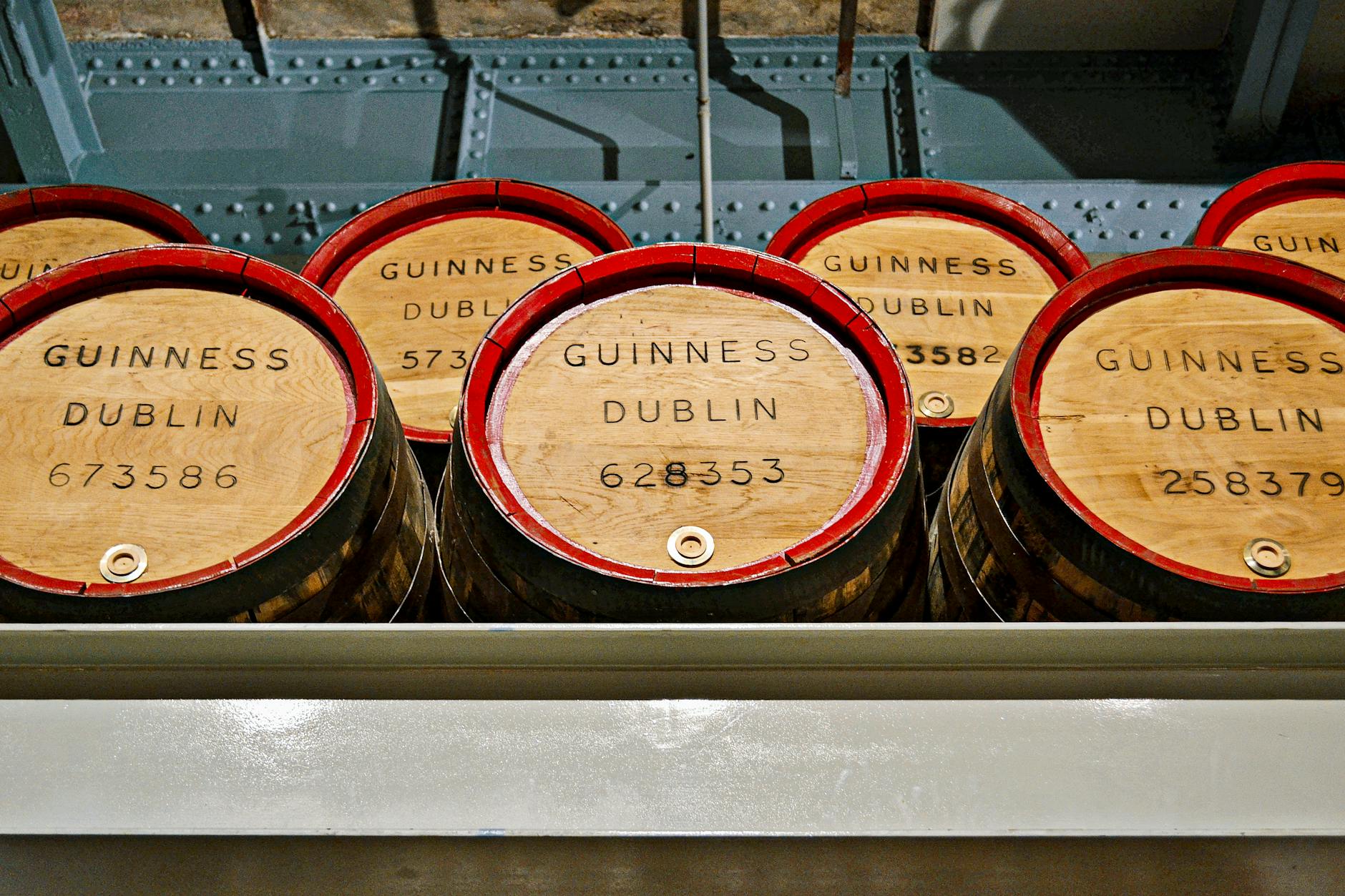
No paid attraction in Dublin draws more visitors than the Guinness Storehouse, and the crowds are earned. Housed in a seven-storey former fermentation plant at St. James’s Gate, the self-guided experience takes you through the history of Guinness, the brewing process, and the art of the perfect pour. The highlight is the Gravity Bar on the seventh floor, where your ticket includes a complimentary pint with panoramic 360-degree views across Dublin.
Standard adult tickets start from about €24 online, with prices varying by time slot; check child prices when you book. The Storehouse opens at 10am on weekdays and 9:30am at weekends, and closing times vary by day, so check the booking calendar before you pick a slot. Allow at least 90 minutes for the full experience, and reserve your timeslot online in advance.
Pro tip: Book the earliest morning slot to beat the crowds. The Gravity Bar is far more enjoyable when you can find a window seat without a queue.
2. Trinity College Dublin & The Book of Kells

Trinity College is Ireland’s oldest and most prestigious university, founded in 1592 by Queen Elizabeth I. Its cobbled courtyards and grand buildings are beautiful in their own right, but the main draw for visitors is the Book of Kells exhibition and the Long Room — one of the most photographed libraries in the world.
The Book of Kells is a 9th-century illuminated manuscript of the four Gospels, created by monks on the Scottish island of Iona. The level of artistry and detail in its pages is staggering, and the exhibition provides excellent context. After viewing the manuscript, you ascend to the Long Room — a breathtaking barrel-vaulted library that normally holds 200,000 of Trinity’s oldest books, though most have been removed for its redevelopment and about 20,000 remain in the first four bays.
Adult tickets cost from €25, with concessions for students and seniors. The exhibition opens Monday to Thursday 8:30am–6:30pm, Friday and Saturday 8:30am–7pm, and Sunday 9am–6:30pm. Pre-booking online is strongly recommended, especially from May to October when queues can stretch well beyond an hour. Allow 1.5 hours for a comfortable visit.
3. Kilmainham Gaol
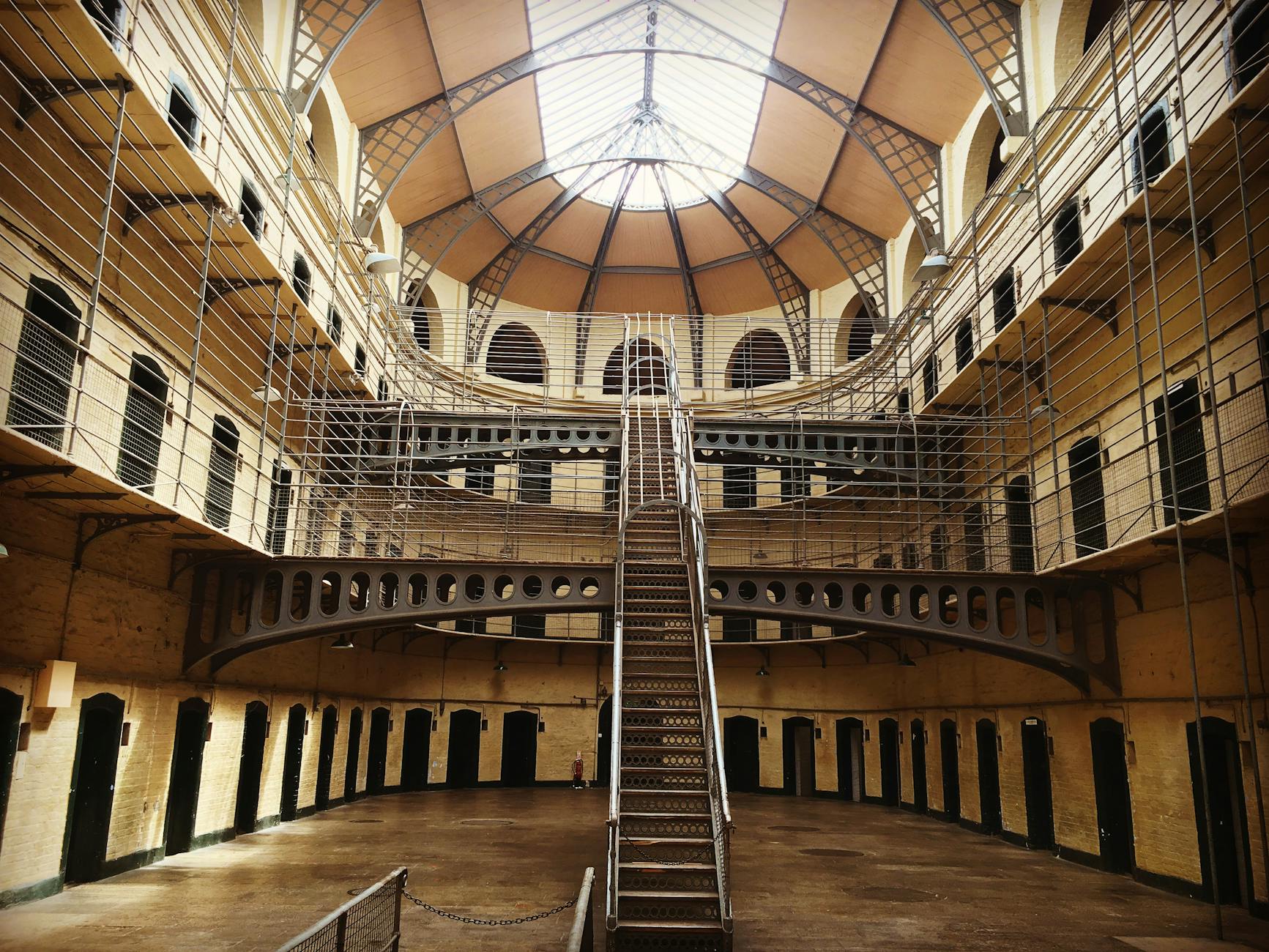
If you visit only one historical site in Dublin, make it Kilmainham Gaol. This 18th-century prison played a central role in Irish history — leaders of the 1916 Easter Rising were executed in its stonebreaker’s yard, and many of the key figures of Ireland’s struggle for independence passed through its cells. The guided tour is intense, moving, and brilliantly delivered.
Admission is €8 for adults, €4 for students, and free for children under 12. The only way to visit is on a guided tour of about an hour, and the visitor centre opens from 9:30am to 5:15pm (closed 24–27 December). Here is the critical detail: you must pre-book online. Book as early as your schedule allows. Plan for about 90 minutes total.
4. Dublin Castle
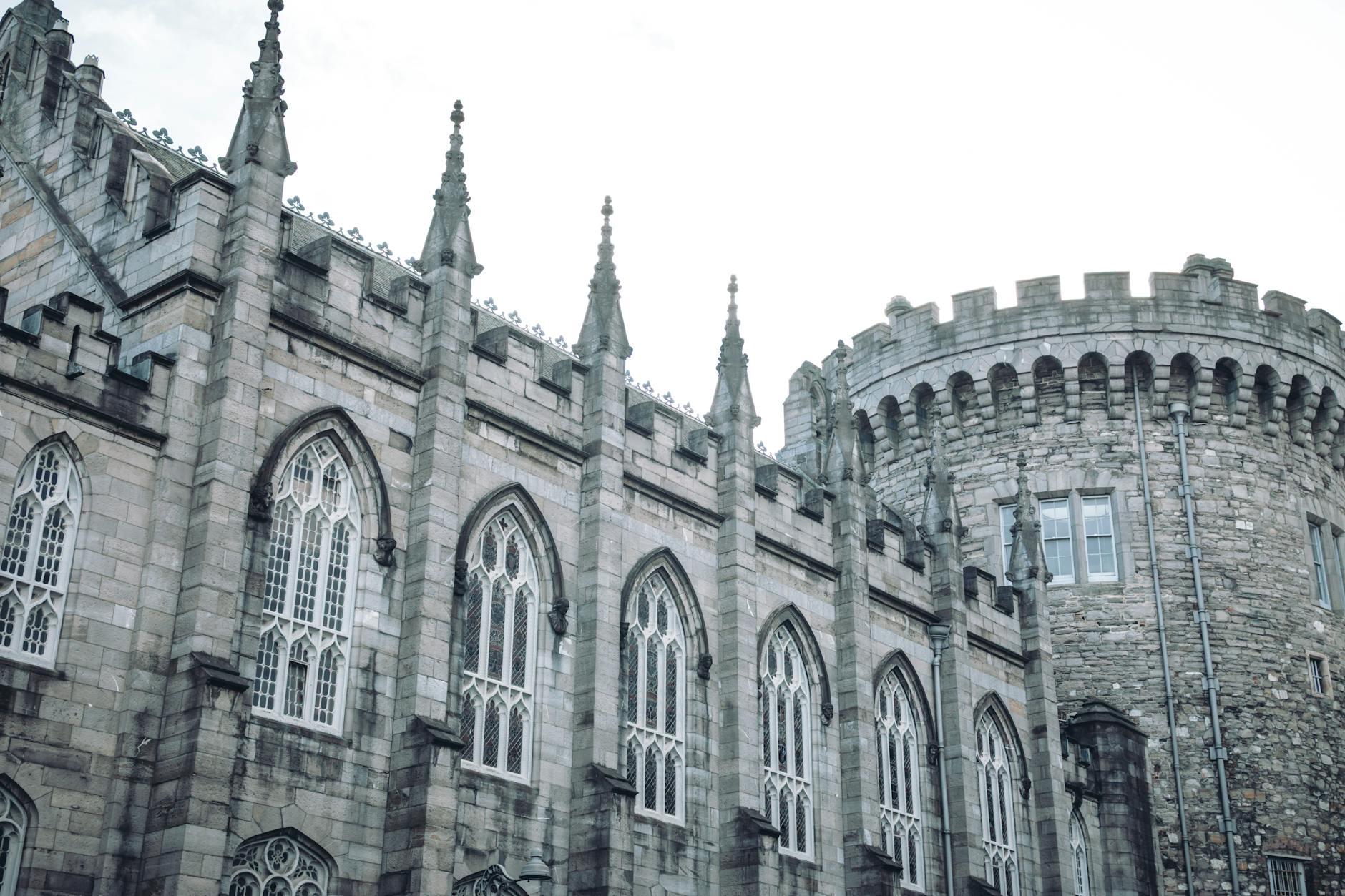
Dublin Castle has stood at the heart of the city since 1204, serving as a seat of British rule in Ireland for over seven centuries before becoming a key government complex after Irish independence. The State Apartments are the main attraction — opulent 18th-century rooms used for presidential inaugurations and state receptions. The medieval undercroft, where you can see remnants of the original Viking fortress, is equally fascinating.
Closed until January 2027: the whole castle campus — courtyards, State Apartments and the Dubh Linn Garden — is closed to the public until January 2027, so it is one to save for a later trip. Check dublincastle.ie for the reopening date and ticket prices before you go.
5. St. Patrick’s Cathedral
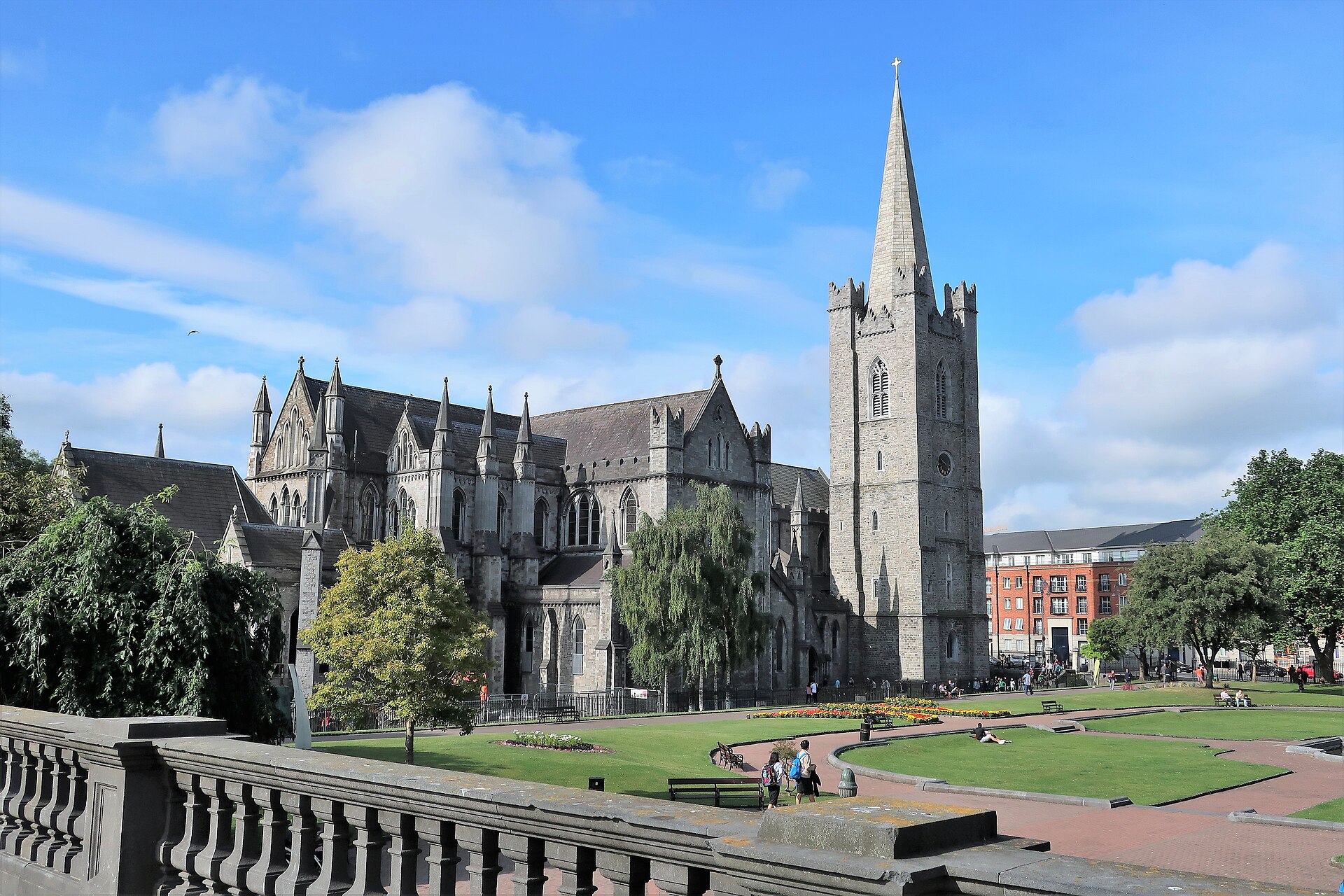
Ireland’s largest church was built on this site between 1191 and 1270, and the structure has been rebuilt and restored many times since. Jonathan Swift — author of Gulliver’s Travels — served as Dean here for over 30 years, and his grave and memorial are within the cathedral. The interior features stunning stained glass, and the cathedral’s choir school was founded in 1432.
Admission is €11.50 for adults, and an audio guide is available. The cathedral opens Monday to Friday 9:30am–5pm and Saturday 9am–6pm; on Sundays there are three visiting windows, from 9am, 1pm and 4:30pm, with last admission at 10:30am, 2:30pm and 6pm. The cathedral is a working church, so services may affect visiting hours.
6. Phoenix Park
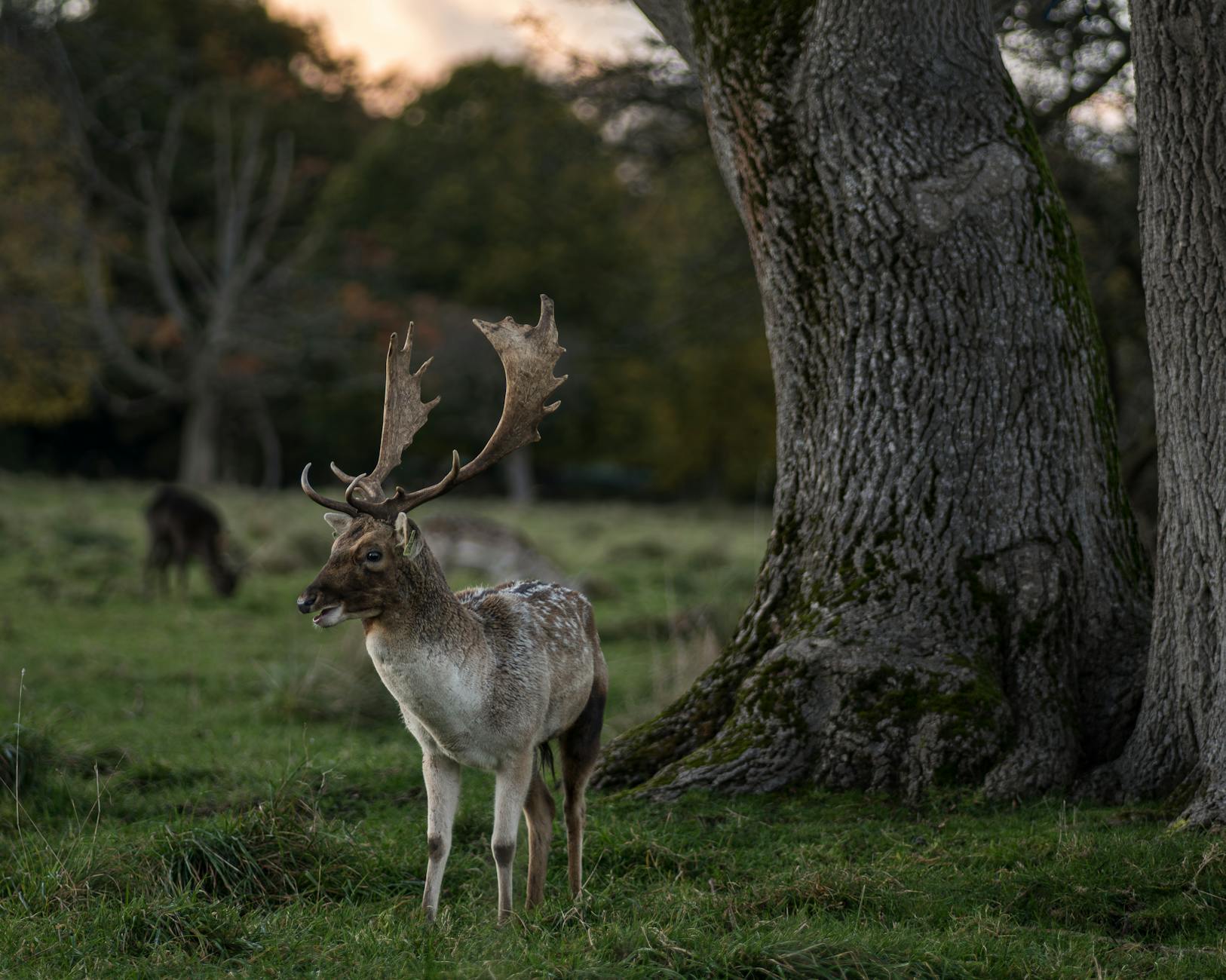
Phoenix Park is one of the largest enclosed public parks in any European capital, covering over 700 hectares — roughly twice the size of New York’s Central Park. It is free to enter and open 24 hours a day, making it perfect for morning runs, afternoon cycling, or a leisurely walk among the park’s famous herd of fallow deer.
Key things to see within the park include the Wellington Monument (Europe’s tallest obelisk), the Papal Cross (from Pope John Paul II’s 1979 visit), Dublin Zoo (one of Europe’s oldest, founded in 1831), and Áras an Uachtaráin — the official residence of the President of Ireland, which offers free guided tours on Saturdays. The park’s long roads and paths are easy to cover by bike, and the Phoenix Park Visitor Centre makes a good first stop.
The easiest way to reach Phoenix Park is via Heuston, on the Luas red line and the mainline rail network, which is a short walk from the park. Rent a bicycle from one of the Dublin Bikes stations nearby — cycling is the best way to experience the park’s full scale.
Temple Bar & Dublin’s Cultural Quarter
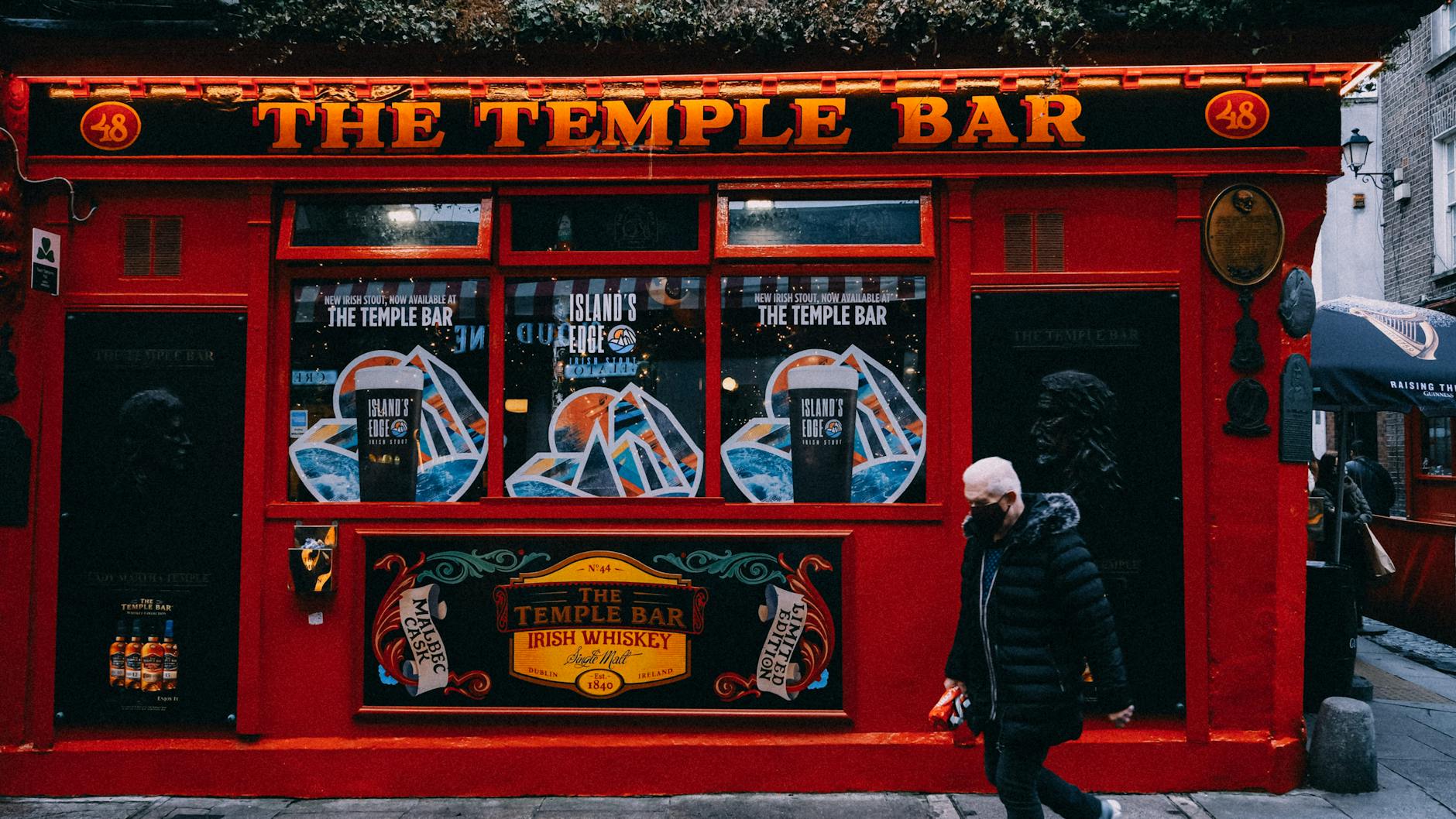
Temple Bar is Dublin’s most famous neighbourhood, and it divides opinion. The cobblestoned streets between Dame Street and the River Liffey are packed with pubs, restaurants, street performers, and galleries — it is undeniably atmospheric, especially on a warm evening when the live music spills out onto the pavements.
The honest advice: visit Temple Bar, but do not spend all your time (or money) here. Pint prices in the most tourist-oriented pubs run noticeably higher than elsewhere in the city centre. Instead, use Temple Bar as a base for exploring its genuinely excellent cultural offerings: the Irish Film Institute, the Gallery of Photography, Meeting House Square (which hosts free outdoor film screenings and markets), and the excellent Temple Bar Food Market on Saturdays.
For authentic pub experiences at better value, venture a few streets north to Smithfield or south to Camden Street — you will find the same warmth and live music without the tourist markup.
Free Things to Do in Dublin
One of the best things about Dublin is that many of its finest attractions are completely free. Ireland’s national museums and galleries charge no admission for their permanent collections, making it entirely possible to fill several days with superb culture without spending a cent on entry fees.
National Gallery of Ireland
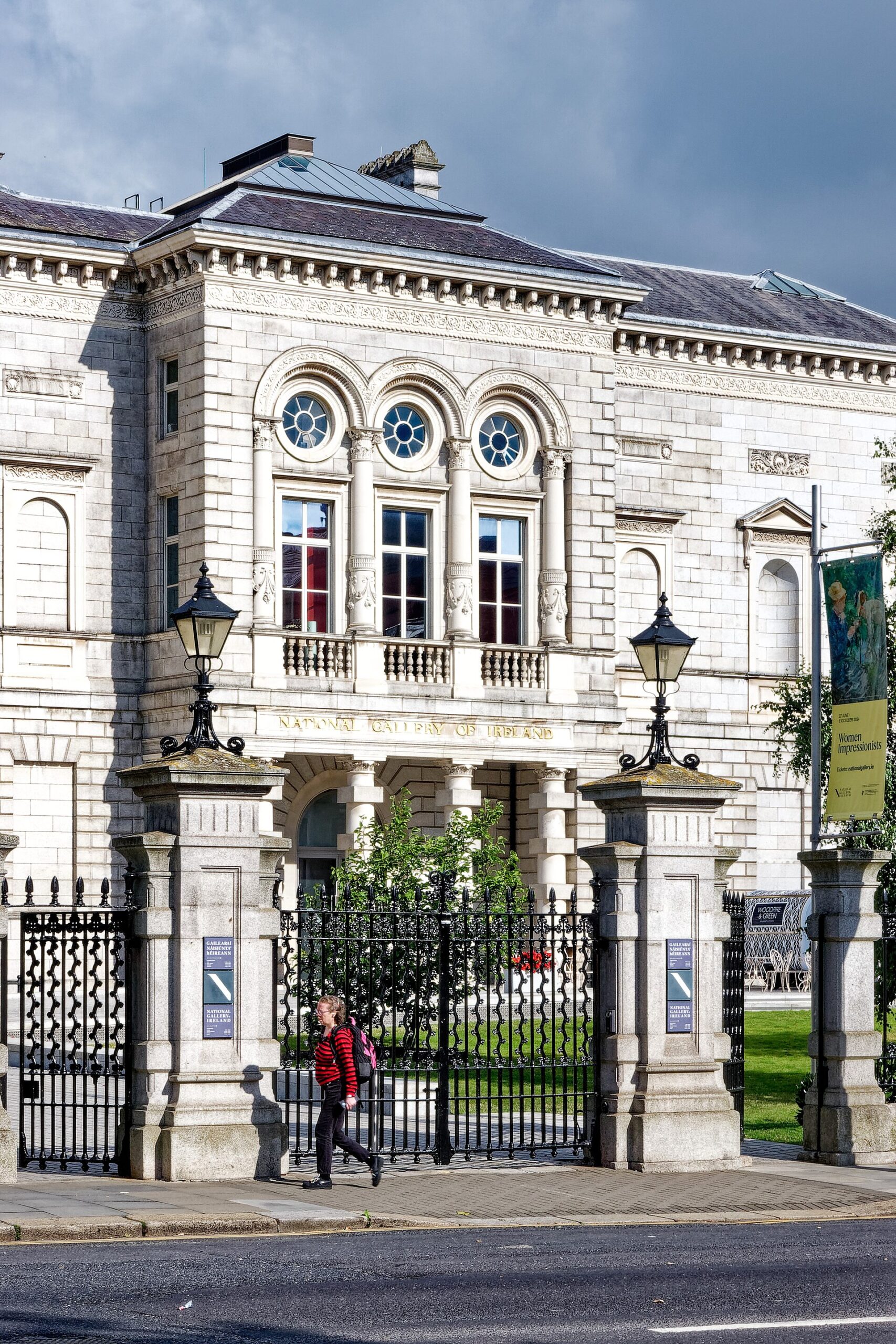
The National Gallery houses over 16,300 artworks spanning from the Middle Ages to the present day, including works by Vermeer, Caravaggio, Monet, and Jack B. Yeats. Admission to the permanent collection is free, though you may need to book a free timed ticket in advance during busy periods. The gallery is located on Merrion Square, right in the heart of the city.
Chester Beatty Library
Tucked inside the grounds of Dublin Castle, the Chester Beatty Library is one of Dublin’s most underrated attractions. This free museum houses an extraordinary collection of manuscripts, rare books, miniature paintings, and artworks from across Asia, the Middle East, North Africa, and Europe. It has twice been named European Museum of the Year, and yet many visitors walk right past it. Do not make that mistake — once it reopens in January 2027; it is closed along with the castle until then.
National Botanic Gardens
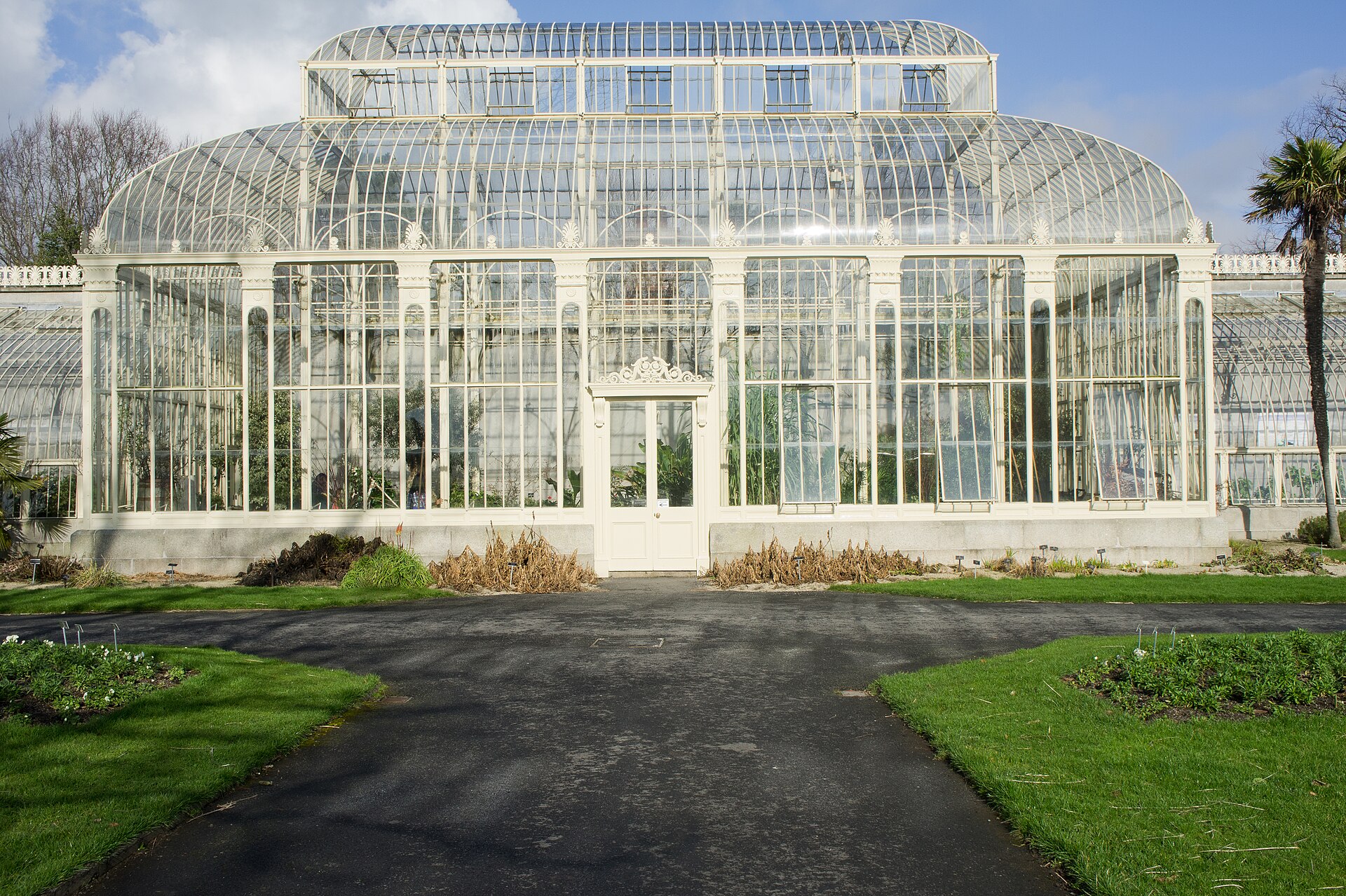
Located in Glasnevin, a short bus ride north of the city centre, the National Botanic Gardens are a peaceful escape from Dublin’s bustle. Entry is free, and the grounds feature over 15,000 plant species, including rare orchids and carnivorous plants. The highlight is the series of restored Victorian-era glasshouses, particularly the Turner Curvilinear Range — a masterpiece of 19th-century iron and glass engineering.
Irish Museum of Modern Art (IMMA)
IMMA is Ireland’s leading institution for contemporary and modern art, housed in the stunning 17th-century Royal Hospital Kilmainham. Admission to the permanent collection is free, and the rotating exhibitions are consistently excellent. The building itself — with its formal courtyard and beautiful grounds — is worth the visit even if modern art is not usually your thing. Photography is permitted throughout.
More Free Attractions Worth Your Time
Beyond the major museums, Dublin offers plenty more at no cost. The National Museum of Ireland operates four free sites covering archaeology, natural history, decorative arts, and country life. Iveagh Gardens, just behind the National Concert Hall, is a hidden Victorian park with a waterfall, maze, and rosarium that most tourists never find. And simply wandering Dublin’s streets — through the Georgian squares of Merrion and Fitzwilliam, along the Grand Canal, or through the laneways of the Liberties — costs nothing and rewards you constantly.
Dublin’s Local Secrets & Local Favourites
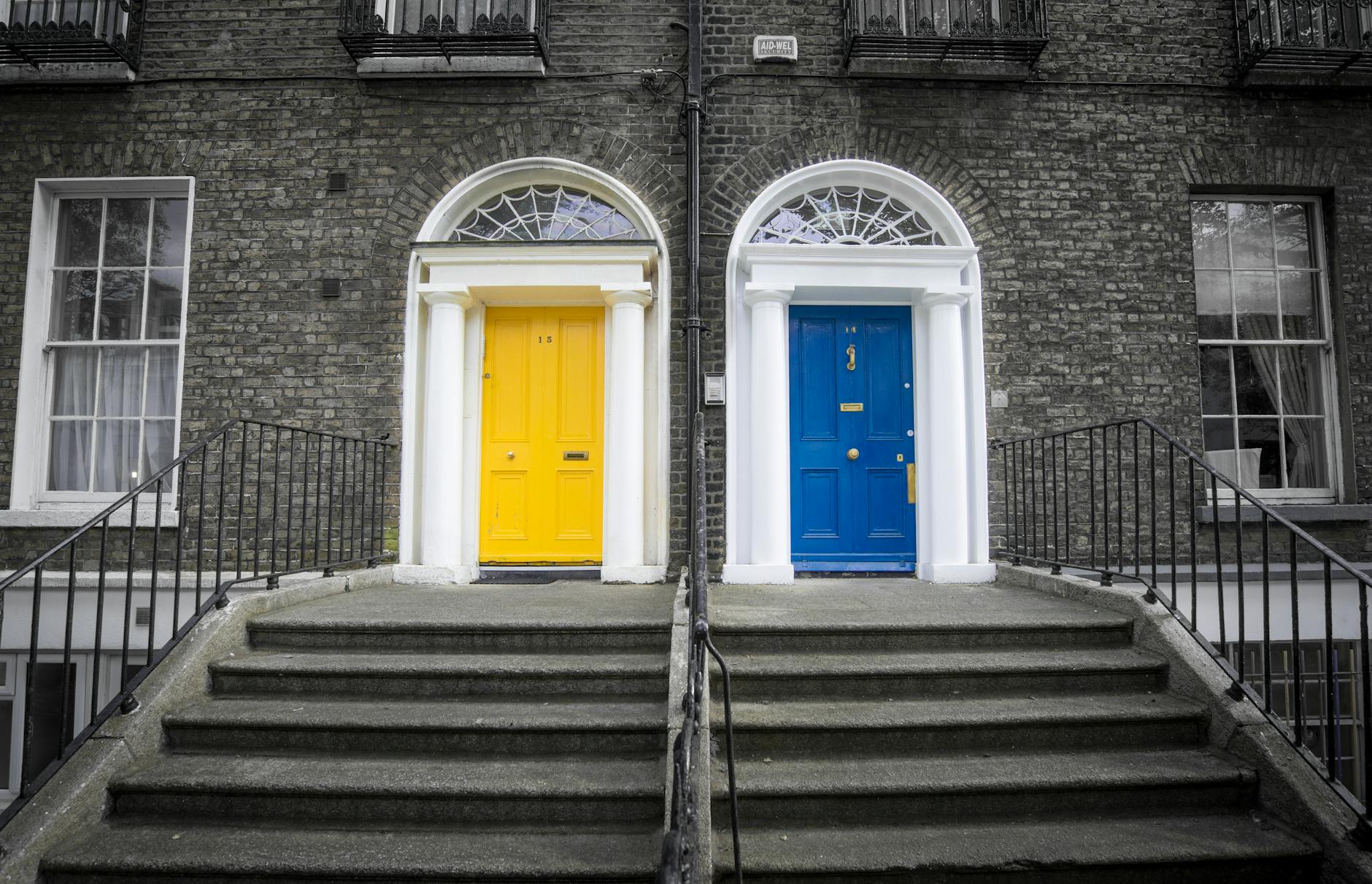
The best things to do in Dublin are not always the most famous ones. These are the places and experiences that locals treasure — the spots you will not find in every guidebook but that give you a real sense of what Dublin is actually like beyond the tourist trail.
Museum of Literature Ireland (MoLI)
Dublin is a UNESCO City of Literature, and MoLI — housed in a beautiful building on St. Stephen’s Green — does justice to that title. The permanent collection includes James Joyce’s handwritten notebooks for Ulysses and one of the very first copies of the novel ever printed. The museum brings Irish literary history to life through interactive exhibitions, and the gardens are a lovely spot for a quiet read.
Glasnevin Cemetery Museum
Glasnevin Cemetery is where much of Ireland’s modern history is buried — literally. The guided tours are superb, weaving together the stories of the revolutionaries, politicians, writers, and ordinary people who shaped the nation. Daniel O’Connell, Michael Collins, Éamon de Valera, and Brendan Behan are all interred here. The adjoining museum provides excellent context, and the round tower offers views across the city.
The Cobblestone, Smithfield
If you want to hear proper traditional Irish music — not a tourist show, but a genuine session with local musicians — The Cobblestone in Smithfield is the place. This beloved pub has been a cornerstone of Dublin’s traditional music scene for decades. Sessions run most evenings, the atmosphere is warm and unpretentious, and the pints are fairly priced. Arrive early for a seat.
Croke Park Skyline Tour
Most tourists who visit Croke Park take the standard stadium tour, but the Skyline experience is something else entirely. You are harnessed to a walkway on the rooftop of one of Europe’s largest stadiums, 17 storeys above the pitch, with uninterrupted panoramic views across Dublin and the surrounding mountains. It is part history lesson, part adrenaline rush, and offers a perspective of the city that no other attraction can match.
Drimnagh Castle
This is reputedly Ireland’s only remaining castle with a flooded moat, and yet it sees a fraction of the visitors that Dublin Castle attracts. Drimnagh Castle sits in a residential neighbourhood south-west of the city centre; it began as a 13th-century fortification, most of what stands today dates from the early 15th century, and it has been lovingly restored. A visit here, away from the crowds, feels like a discovery.
Traditional Pub & Music Experiences

A trip to Dublin without setting foot in a pub is like visiting Paris without seeing the Seine. Dublin’s pub culture is not just about drinking — it is about conversation, music, storytelling, and community. Here is how to experience it at its best.
The Brazen Head claims to be Ireland’s oldest pub; it was licensed to sell ale in 1661, and the present building dates from 1754. The building is atmospheric, the food is decent, and live music runs nightly. O’Donoghue’s on Merrion Row is where The Dubliners started, and it remains one of the best spots for spontaneous trad sessions. Kehoe’s on South Anne Street is a classic Dublin pub — no gimmicks, no television screens, just beautiful Victorian interiors and great conversation.
For a more structured experience, the Literary Pub Crawl and Dublin Musical Pub Crawl are both excellent. Led by actors and musicians respectively, they combine pub visits with genuinely entertaining performances and storytelling. Both run most evenings and are well worth the ticket price.
Dublin’s Whiskey Distillery Trail
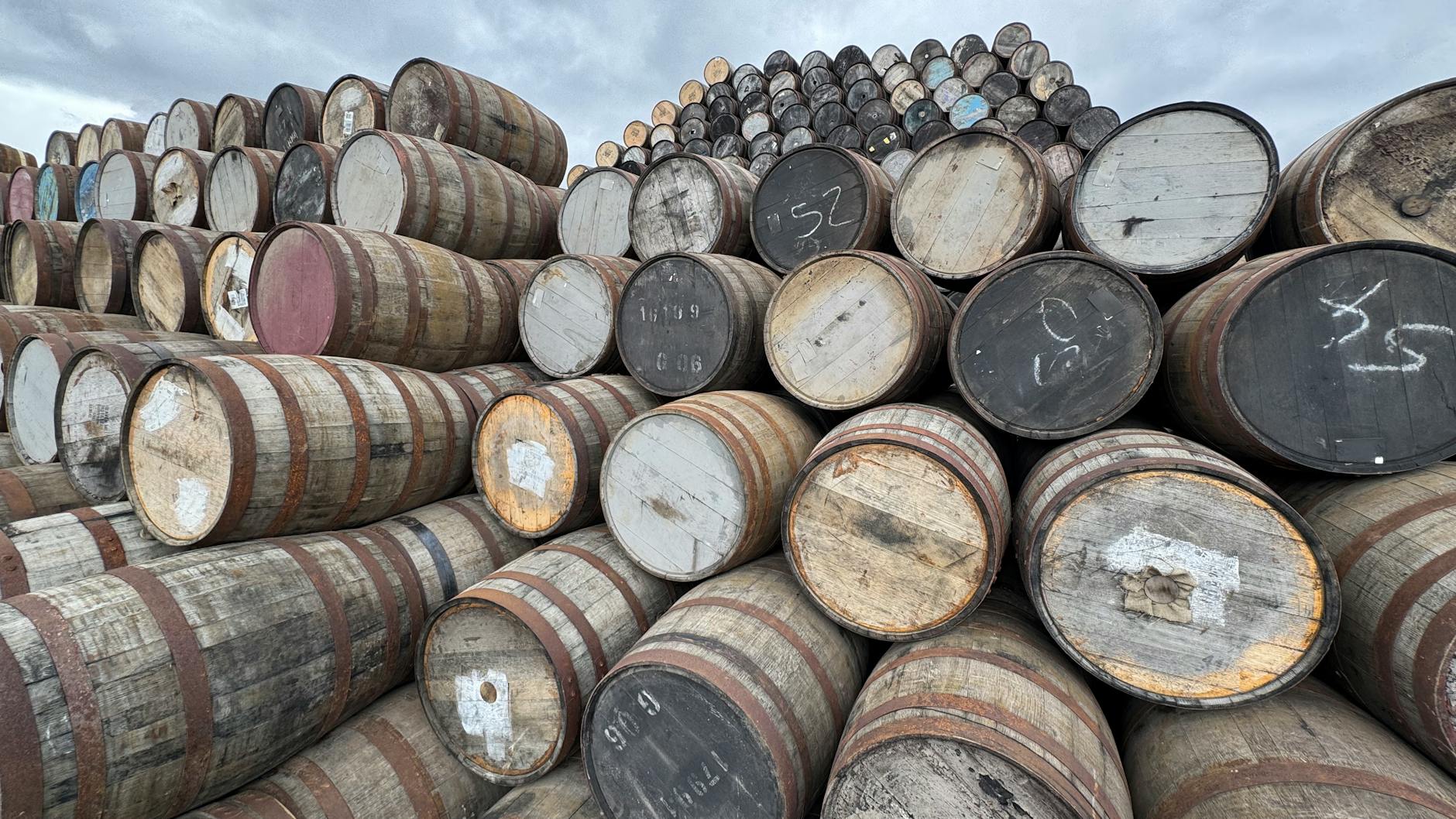
Dublin was once the whiskey capital of the world, and in recent years the city has reclaimed that heritage with a wave of new distilleries. A whiskey tour or tasting is one of the most enjoyable things to do in Dublin, whether you are a connoisseur or a complete newcomer.
Teeling Distillery in the Liberties was the first new distillery to open in Dublin in over 125 years. Tours start from €22 and include a tasting. Roe & Co, set in a beautifully converted former Guinness power station, offers immersive experiences from about €28; check its booking page for the current line-up. Pearse Lyons Distillery, housed inside a converted 19th-century church on a site that goes back to the 12th century, is perhaps the most unique setting of the three; tour prices are given when you book. And the Jameson Distillery Bow St. — while Jameson is no longer actually distilled in Dublin — offers a polished, enjoyable brand experience with an excellent tasting bar.
Dublin’s Food Scene

Dublin’s food scene has transformed in the past decade, and eating your way through the city is now one of the best things to do here. The Temple Bar Food Market (every Saturday) is a great starting point — artisan cheeses, fresh oysters, wood-fired pizza, and homemade cakes from local producers. The Eatyard in the Liberties and the Dublin Flea Market are also worth seeking out.
For sit-down dining, Dublin now has a growing number of Michelin-recognised restaurants alongside a thriving casual dining scene. Do not miss the chance to try traditional Irish dishes done well — look for places serving Irish stew, seafood chowder, soda bread, and boxty (a traditional Irish potato pancake). Fish and chips by the sea in Howth is a quintessential Dublin experience.
Best Day Trips from Dublin
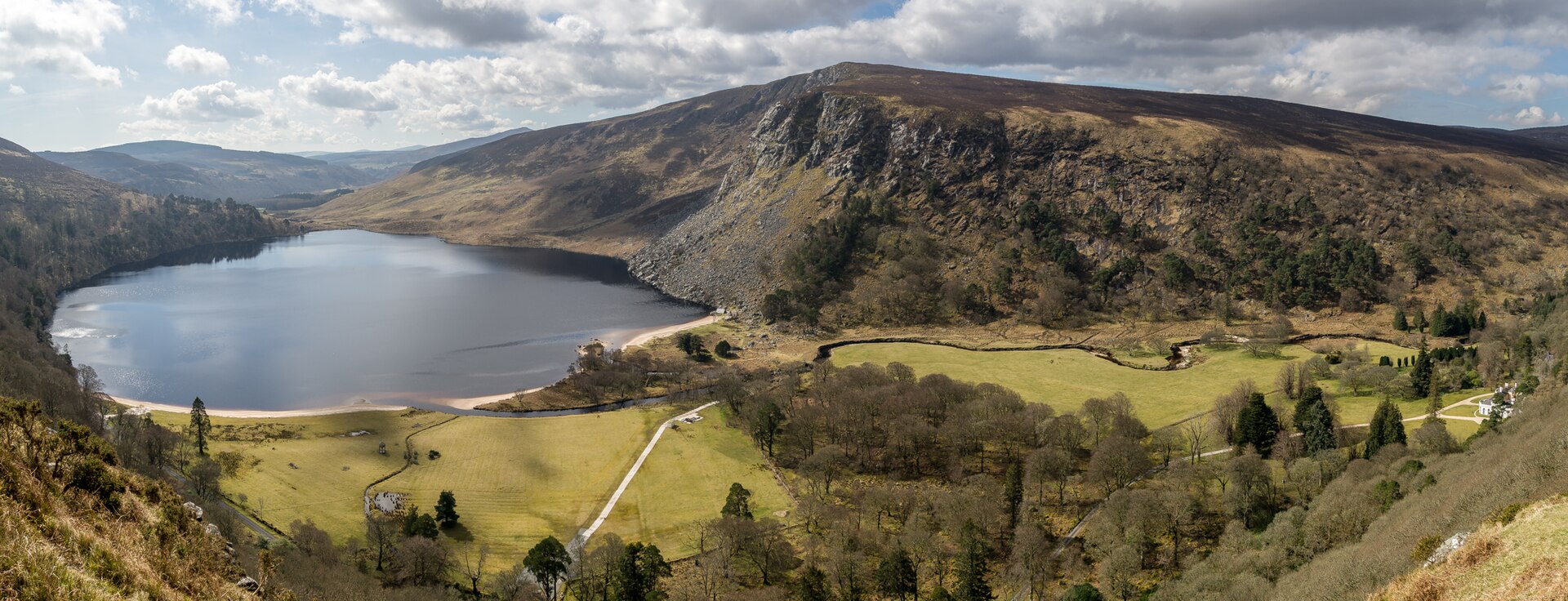
Some of the best things to do near Dublin are just a short train or bus ride away. If you have more than two days in the city, dedicating a day to exploring beyond the centre is highly rewarding.
Howth Cliff Walk
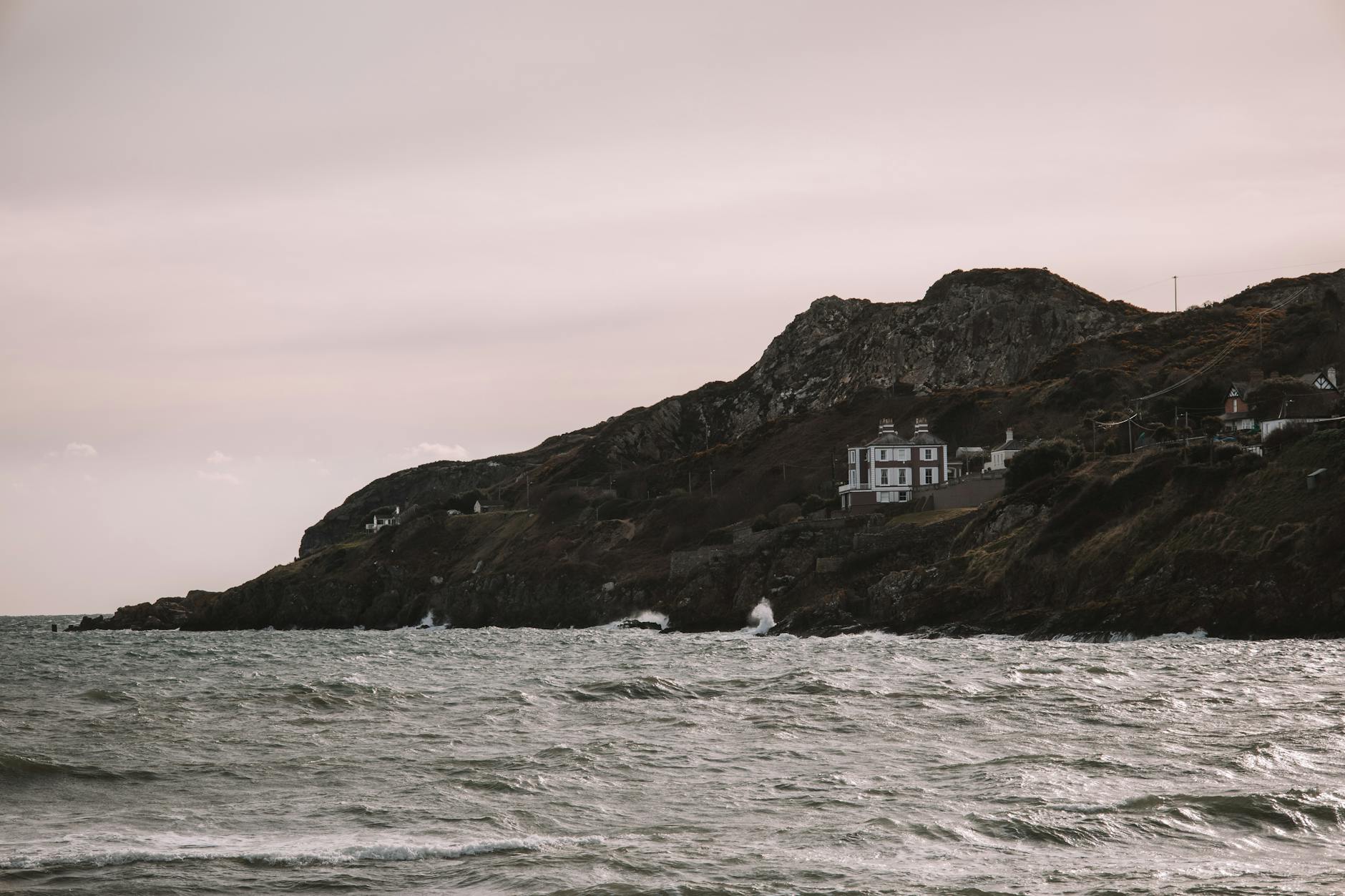
Howth is a scenic fishing village on a peninsula about half an hour from Dublin city centre by DART train. The cliff walk offers dramatic coastal views, with several waymarked loops that take roughly 2 to 3 hours depending on the one you choose. After your walk, reward yourself with fresh fish and chips at one of the harbour restaurants. The DART fare is covered by your Leap Card.
Wicklow Mountains & Glendalough
Known as the “Garden of Ireland,” the Wicklow Mountains are just an hour south of Dublin and feel like a different world — sweeping valleys, dark lakes, and ancient monastic ruins. Glendalough, a 6th-century monastic settlement founded by St. Kevin, is the highlight. The round tower, stone churches, and Celtic crosses set against a glacial valley lake make it one of the most beautiful and atmospheric historical sites in all of Ireland. Several bus tour operators run day trips from Dublin, or you can reach Glendalough via the St. Kevin’s Bus service from St. Stephen’s Green.
More Day Trip Options
Other excellent day trips include Newgrange and the Boyne Valley — a 5,000-year-old passage tomb older than the Egyptian pyramids, with a remarkable winter solstice alignment. Kilkenny, about 90 minutes south, offers a stunning medieval castle and a atmospheric town. The Bray to Greystones coastal walk, a 7km clifftop trail along the Irish Sea with a DART station at each end, is closed until further notice after landslides, so check before you plan around it. And for the ambitious, tours to the Cliffs of Moher on the west coast or the Giant’s Causeway in Northern Ireland (about three hours each way by road) are available as long day trips, though both are better suited to an overnight stay.
When to Visit Dublin
Dublin is a year-round destination, but the experience varies significantly by season. June and September are widely considered the sweet spot — pleasant weather, long daylight hours, and manageable crowds. July and August are the warmest months and peak season, so book accommodation well ahead.
Spring (April–May) is lovely — the parks are in bloom, hotel prices are reasonable, and the city has an energetic post-winter buzz. Autumn (September–October) brings golden light, cultural festivals, and thinner crowds. Winter (November–February) is cold, grey, and rainy — December averages 13 rain days — but if you embrace it, the pubs are cosy, the Christmas markets are atmospheric, and flight prices drop significantly.
A note on St. Patrick’s Day (March 17): Dublin goes all-out for the festival week, with parades, concerts, and events citywide. It is a fantastic experience but the city is extremely busy. Book accommodation at least three months ahead if you plan to visit during this period.
Practical Tips & Getting Around
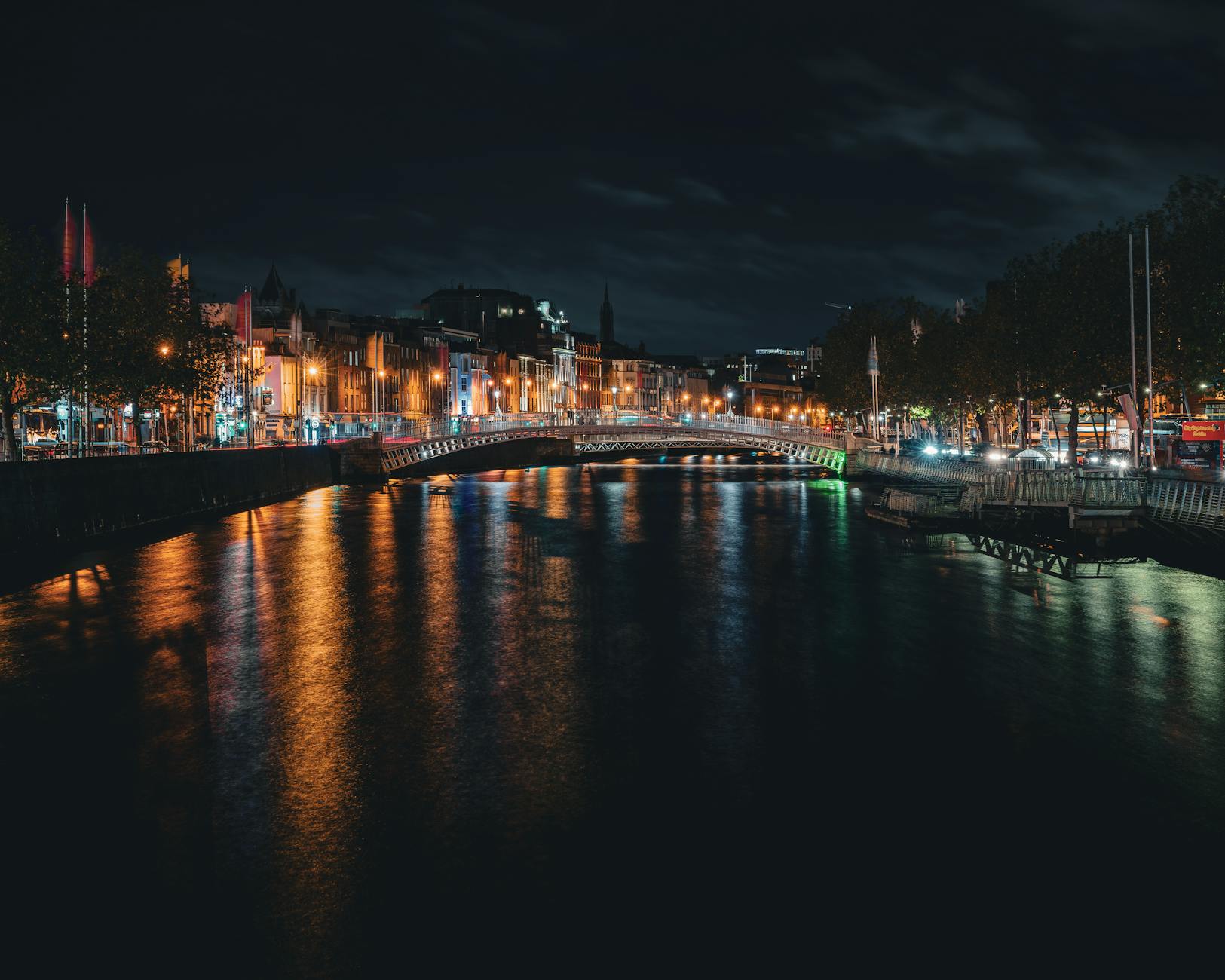
Dublin’s centre is compact and easy to cover on foot. The main attractions on the south side — Trinity College, Dublin Castle, St. Patrick’s Cathedral, Temple Bar, Grafton Street — are all within easy walking distance of each other. For anything further afield, Dublin has an extensive public transport network of buses, the Luas (tram), and the DART (commuter rail).
The Visitor Leap Card is your best friend: for €8 you get 24 hours of unlimited travel on all Dublin Bus, Luas, and DART services. This covers trips to Howth, the Botanic Gardens, Phoenix Park, and pretty much anywhere within the greater Dublin area. Buy it at any Spar, Centra, or newsagent, or at the airport.
Getting from Dublin Airport to the city centre: Dublin Express (routes 782 and 784) and Aircoach run coaches from the airport to the city centre. Dublin Bus routes 16 and 41 are the budget option at €2.00 with a Leap Card or €2.60 in cash. Taxis are metered, so the fare depends on traffic and where you are going; the current maximum fares are set out on Transport for Ireland’s taxi fares page.
Booking in advance is essential for Kilmainham Gaol, the Guinness Storehouse, and the Book of Kells — these three are the ones to book ahead. For everything else, you can usually walk up on the day, though pre-booking often saves you a few euros on admission.
Quick Reference: Dublin Attraction Prices & Hours (2026)
| Attraction | Adult Price | Hours | Pre-Booking |
|---|---|---|---|
| Guinness Storehouse | From €24 | 10am weekdays, 9:30am weekends (closing varies) | Essential |
| Book of Kells & Trinity | From €25 | 8:30am–6:30pm (to 7pm Fri–Sat; Sun from 9am) | Highly recommended |
| Kilmainham Gaol | €8 | 9:30am–5:15pm | Required (tours only) |
| Dublin Castle (closed until January 2027) | €8–12 | 9:45am–5:45pm | Recommended |
| St. Patrick’s Cathedral | €11.50 | 9:30am–5pm weekdays (varies) | Not needed |
| National Gallery | FREE | Varies | Free ticket sometimes needed |
| Chester Beatty Library (closed until January 2027) | FREE | Varies | Not needed |
| National Botanic Gardens | FREE | Summer: 9am–5pm weekdays, 10am–6pm weekends; winter: closes 4:30pm | Not needed |
| IMMA | FREE | Varies | Not needed |
| Phoenix Park | FREE | 24/7 | Not needed |
| Dublin Zoo | €22.50 online, €26.50 at the gate | From 9:30am (closing varies by month) | Recommended |
Prices are approximate and subject to change. Always check official websites for the most current information before your visit.
Explore More Things to Do in Dublin
Want to go deeper on a particular attraction or experience? These in-depth guides cover the highlights one by one:
- The 30 Best Dublin Experiences You Can’t Miss — What separates a memorable Dublin trip from a forgettable one isn’t which big-name attractions you check…
- Best Free Things to Do in Dublin — You don’t need a fat wallet to fall in love with Dublin.
- Dublin Castle — Dublin Castle sits at the centre of Dublin’s history in the most literal way possible.
- Dublin’s 30+ Best Local Secrets & Secret Spots — Dublin’s major attractions are world-famous, but the city’s real character lives in its Dublin local secrets…
- Top 20 Dublin Museums You Must Visit — Dublin punches well above its weight for museums.
- The 15 Best Dublin Walking Tours — Dublin is a walking city — tight-grained, easy to cross on foot, and packed with stories.
- Guinness Storehouse — The Guinness Storehouse Dublin experience is the most-visited paid attraction in Ireland, drawing about 1.6 million…
- Phoenix Park Dublin — Phoenix Park Dublin is the city’s green lung — a 1,750-acre walled park that, at more…
- 30+ Best Things to Do in Dublin When It Rains — Dublin gets roughly 135 rainy days a year , and any honest visitor guide has to plan around them.
- Trinity College Dublin & The Book of Kells — The Book of Kells Dublin exhibition is, by some distance, Ireland’s most famous cultural object —…
Frequently Asked Questions About Things to Do in Dublin
How many days do you need in Dublin?
Three to four days is the sweet spot for most visitors. This gives you enough time to see the major attractions, enjoy the pub and food scene, and take a day trip to Howth or Wicklow. Two days works for a focused visit, while a full week allows you to explore at a relaxed pace with multiple day trips.
Is Dublin expensive to visit?
Dublin is more expensive than most European capitals for accommodation and dining, but there are plenty of ways to manage costs. Many of Dublin’s best attractions are free, the Visitor Leap Card makes transport affordable, and eating at markets and casual restaurants keeps food costs reasonable. Daily budgets vary widely, so price your accommodation first and plan the rest around it.
Is Dublin safe for tourists?
Dublin is generally very safe for tourists. The main tourist areas — city centre, Temple Bar, Grafton Street, the museums — are well-patrolled and busy throughout the day and evening. As with any major city, use normal precautions: watch your belongings in crowded areas, stick to well-lit streets at night, and be aware of your surroundings.
What are the best free things to do in Dublin?
Dublin has an exceptional range of free attractions. The National Gallery, National Museum, Chester Beatty Library (closed until January 2027), IMMA, and National Botanic Gardens are all free. Phoenix Park, Iveagh Gardens, and the Howth Cliff Walk cost nothing. The Temple Bar Food Market on Saturdays is free to browse. Walking tours of the Georgian squares and literary landmarks can also be self-guided at no cost.
What should I do in Dublin when it rains?
Rain is part of the Dublin experience — it rains on roughly one in three days. On wet days, head to the Guinness Storehouse, Trinity College, Kilmainham Gaol, or any of the free museums. Dublin’s cafés and pubs are made for rainy afternoons, and a whiskey distillery tour is even better when it is grey outside. The Chester Beatty Library (closed until January 2027) and MoLI are excellent indoor options that are rarely crowded.
Can you visit Dublin in one day?
You can see the highlights in one day if you plan carefully. Focus on Trinity College and the Book of Kells in the morning, walk through Temple Bar and Dublin Castle (closed to visitors until January 2027) around midday, visit the Guinness Storehouse in the afternoon, and finish with a pub meal and live music in the evening. It will be a full day, but you will hit the essentials.
What is the best way to get around Dublin?
Walking is the best way to explore the city centre — most major attractions are a short walk from each other. For trips beyond the centre, pick up a Visitor Leap Card (€8 for 24 hours of unlimited travel on Dublin Bus, Luas, DART and Dublin commuter rail). The DART train is ideal for coastal trips to Howth and Bray. Taxis are readily available via the FreeNow app.
What is the best time of year to visit Dublin?
June and September offer the best balance of weather, daylight, and manageable crowds. Spring (April–May) is also excellent value with pleasant conditions. Avoid mid-July to mid-August if you dislike crowds, and avoid November–February if you want reliable weather. St. Patrick’s week (mid-March) is festive but extremely busy — book well ahead.
Do I need to book Dublin attractions in advance?
For three attractions, pre-booking is essential: Kilmainham Gaol (visits are by pre-booked guided tour), the Guinness Storehouse (online tickets start from €24), and the Book of Kells at Trinity College (to avoid long queues). Everything else can generally be visited on the day, though online tickets sometimes offer a small discount.
Start Planning Your Dublin Trip
Dublin rewards every type of traveller — from history buffs and literary pilgrims to foodies, pub lovers, and families. The city is compact enough to explore on foot, rich enough to fill a week, and friendly enough to make you want to come back.
Use this guide as your starting point, and explore our detailed guides for each topic: from the best places to stay and where to eat, to nightlife, day trips, and travelling Dublin on a budget. Whatever your style, Dublin is waiting.
Last updated: April 2026. We update this guide regularly to ensure all prices, hours, and information remain accurate. If you spot anything that needs updating, please let us know.
Keep Reading
- Best Beaches in Dublin — five kilometres of open sand twenty-five minutes from the city centre, and which ones you can actually swim at.
- Chester Beatty: Dublin’s Best Free Museum — why almost every guide still sends you to a building that is closed.
- Dublin for Sports Fans — match days at the Aviva and Croke Park, and how a visitor gets in.
- Croke Park Stadium Tour & GAA Museum — €18 including the museum, and an honest verdict on the €24 rooftop walk.
- Guinness Storehouse vs Jameson Distillery — which of the city’s two big drinks attractions to book, and whether doing both in a day works.
- Jameson Distillery Bow St — every tour and price, and the fact the marketing skips: nothing has been distilled there since 1971.
- EPIC The Irish Emigration Museum — the honest verdict on an award-winning Dublin attraction, and the two ticket discounts most visitors never find.
- Christ Church Cathedral Dublin — the 1170s crypt, Strongbow’s tomb, and whether the Dublinia combination ticket is worth it.
- Hop on hop off Dublin — two operators not three, real prices, and an honest answer on whether you need a bus at all.
- St Patrick’s Cathedral Dublin — tickets, the free guided tours, and the six things actually worth stopping at inside.
Photo Credits
St Patrick’s Cathedral from the park: 2019 St. Patrick’s Cathedral, Dublin by Klaus Bärwinkel, CC BY-SA 4.0, via Wikimedia Commons.
Glasnevin glasshouses: A Visit To the Botanic Gardens In Glasnevin (5469266223) by William Murphy, CC BY-SA 2.0, via Wikimedia Commons.
Fruit shopping on Moore Street: MooreStreetDublin by Fribbler, CC BY-SA 3.0, via Wikimedia Commons.
Lough Tay and Luggala: Guinness Estate Luggala Ireland by Giuseppe Milo, CC BY 2.0, via Wikimedia Commons.
National Gallery of Ireland: “Dublin bietet eine beeindruckende Vielfalt an architektonischen Stilen”. 04 by Holger Uwe Schmitt, CC BY-SA 4.0, via Wikimedia Commons.
Lean na Comharthaí — Keep following the signs