The Best Area to Stay in Dublin: 10 Neighbourhoods Compared (2026)
Ar an gComhartha Seo — On this sign
- Quick Overview: Dublin’s 10 Best Hotel Neighbourhoods
- The Big Question: South Side or North Side?
- 1. St Stephen’s Green & Grafton Street — Best for First-Time Visitors
- 2. Temple Bar & the Liffey South Bank
- 3. Trinity College & College Green
- 4. The Liberties
- 5. Smithfield & the Northside near Capel Street
- 6. The Docklands & IFSC
- 7. Ballsbridge
- 8. Ranelagh & Rathmines
- 9. Portobello & Camden Street
- 10. Coastal Dublin: Dún Laoghaire, Howth & Dalkey
- A Word on Stoneybatter
- Match the Neighbourhood to Your Trip
- Practical Tips for Choosing the Best Area to Stay in Dublin
- Walking Distances Between Dublin Neighbourhoods
- Areas to Avoid Booking In
- Best Area to Stay in Dublin: FAQ
- Plan the Rest of Your Dublin Trip
Asking “what is the best area to stay in Dublin?” is the wrong first question. Dublin is small — you can cross it in 30 minutes — but the city has eight or nine genuinely distinct neighbourhoods, each with its own character, restaurant scene, accommodation tier and walkability. The right neighbourhood for a first-time weekend visitor is different from the right one for a returning solo traveller, a romantic couple, a family of five, or a business attendee at the Convention Centre. Here’s the 10 best Dublin neighbourhoods to stay in for 2026 — what each one is good for, what each one isn’t, and which hotels we’d pick in each.
Pair this with our pillar guide on where to stay in Dublin and our Dublin neighbourhoods pillar — this article focuses specifically on accommodation; the neighbourhoods pillar covers character, eating, drinking and what to see in each.
Quick Overview: Dublin’s 10 Best Hotel Neighbourhoods
- 1. St Stephen’s Green & Grafton Street: The premium central area — best for first-timers wanting maximum walkability.
- 2. Temple Bar & the Liffey south bank: The medieval centre — best for first-time pub-and-music visitors who don’t mind noise.
- 3. Trinity College & College Green: The most-walkable historic centre — best for cultural-priority visitors.
- 4. The Liberties: a medieval district just outside the old city walls — best for Guinness Storehouse / distillery enthusiasts.
- 5. Smithfield & the Northside near Capel Street: The hipster Northside — best for design-conscious returning visitors.
- 6. The Docklands & IFSC: Modern Dublin — best for business travellers and conference attendees.
- 7. Ballsbridge: The leafy embassy district — best for couples, sports fans visiting Aviva Stadium, and longer stays.
- 8. Ranelagh & Rathmines: The leafy southern suburbs — best for foodie repeat visitors.
- 9. Portobello & Camden Street: South of Stephen’s Green — best for nightlife enthusiasts and budget travellers.
- 10. Coastal Dublin (Dún Laoghaire / Howth / Dalkey): 25-30 minute DART rides — best for value and coastal beauty.
The Big Question: South Side or North Side?
The single biggest decision in choosing a Dublin neighbourhood: south of the River Liffey or north of it? The honest answer for most first-time visitors is south — that’s where the famous attractions cluster (Trinity College, Grafton Street, the Guinness Storehouse, Dublin Castle, the Iveagh Gardens, the National Gallery, the Merrion Square museums). The south side also has the larger concentration of premium hotels and the better-tested walking routes between them.
That said, north-of-the-Liffey neighbourhoods (Smithfield, Capel Street, Stoneybatter, the docklands) offer better value, less commercial gloss and arguably more authentic Dublin character. Returning visitors often prefer them. If your hotel is on either side of the Liffey, the river crossings (Ha’penny Bridge, O’Connell Bridge, Samuel Beckett Bridge) are 5-10 minutes’ walk apart, so “wrong side of the river” rarely means inconvenient.
1. St Stephen’s Green & Grafton Street — Best for First-Time Visitors
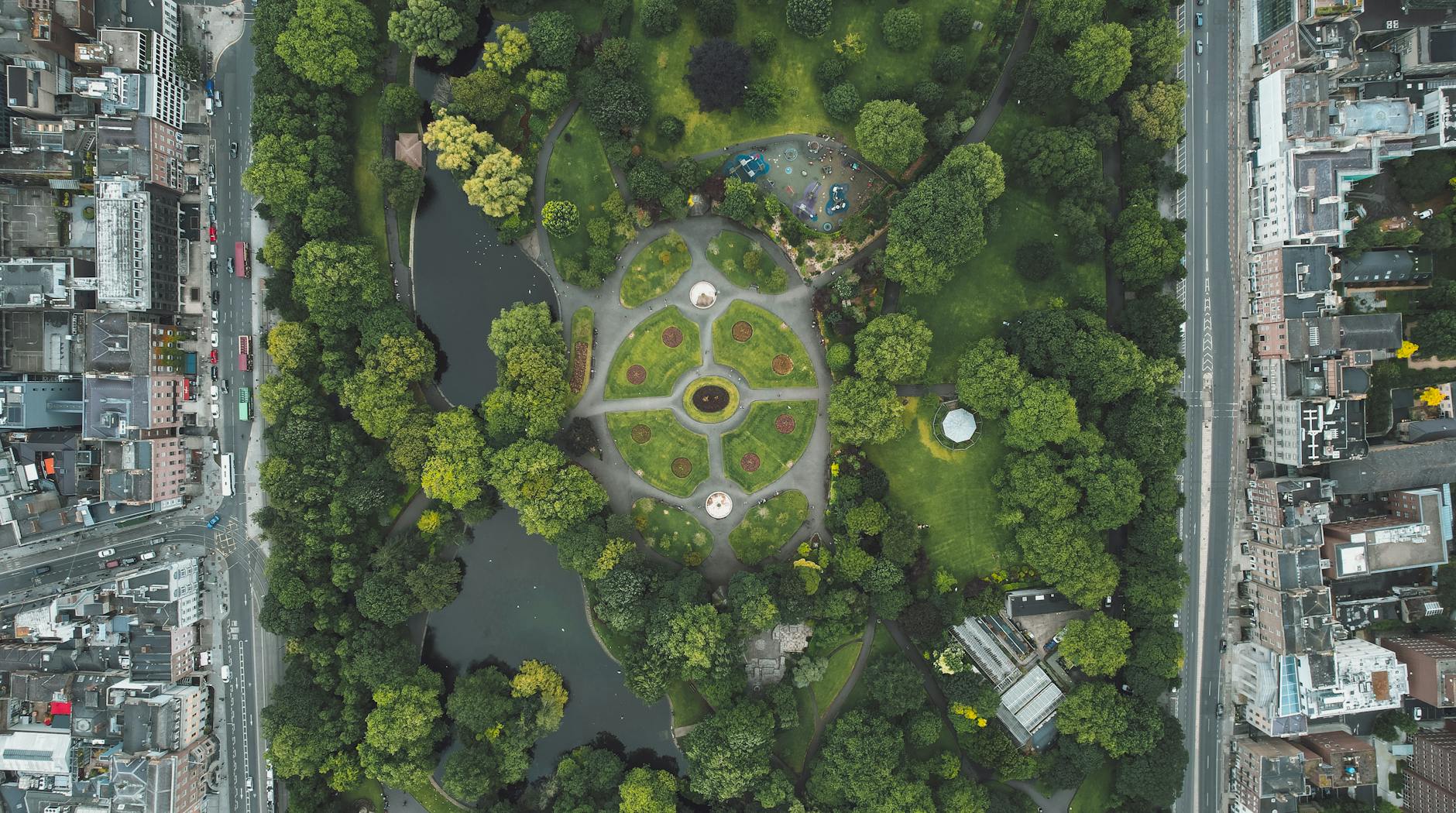
Best for: First-time visitors, couples, business travellers wanting to walk, anyone with a 2-3 night Dublin trip.
The premium hotel cluster of Dublin. Walking distance to Trinity College, the National Gallery, the National Museum of Ireland, the Iveagh Gardens, the Little Museum of Dublin, the Merrion Square Georgian terraces, and Grafton Street’s buskers and shops. Five-star hotels (Shelbourne, Merrion, Westbury, Conrad, Fitzwilliam) dominate; mid-range hotels (Brooks Hotel, Iveagh Garden Hotel, the Mont) offer good value alternatives.
- Top hotels: The Merrion, The Shelbourne, The Westbury, Conrad Dublin.
- Mid-range: Iveagh Garden Hotel, Brooks Hotel, the Mont.
- Pros: Maximum walkability; safest at night; best concentration of restaurants; easy bus and Luas access.
- Cons: Most expensive; can feel touristy in summer.
2. Temple Bar & the Liffey South Bank
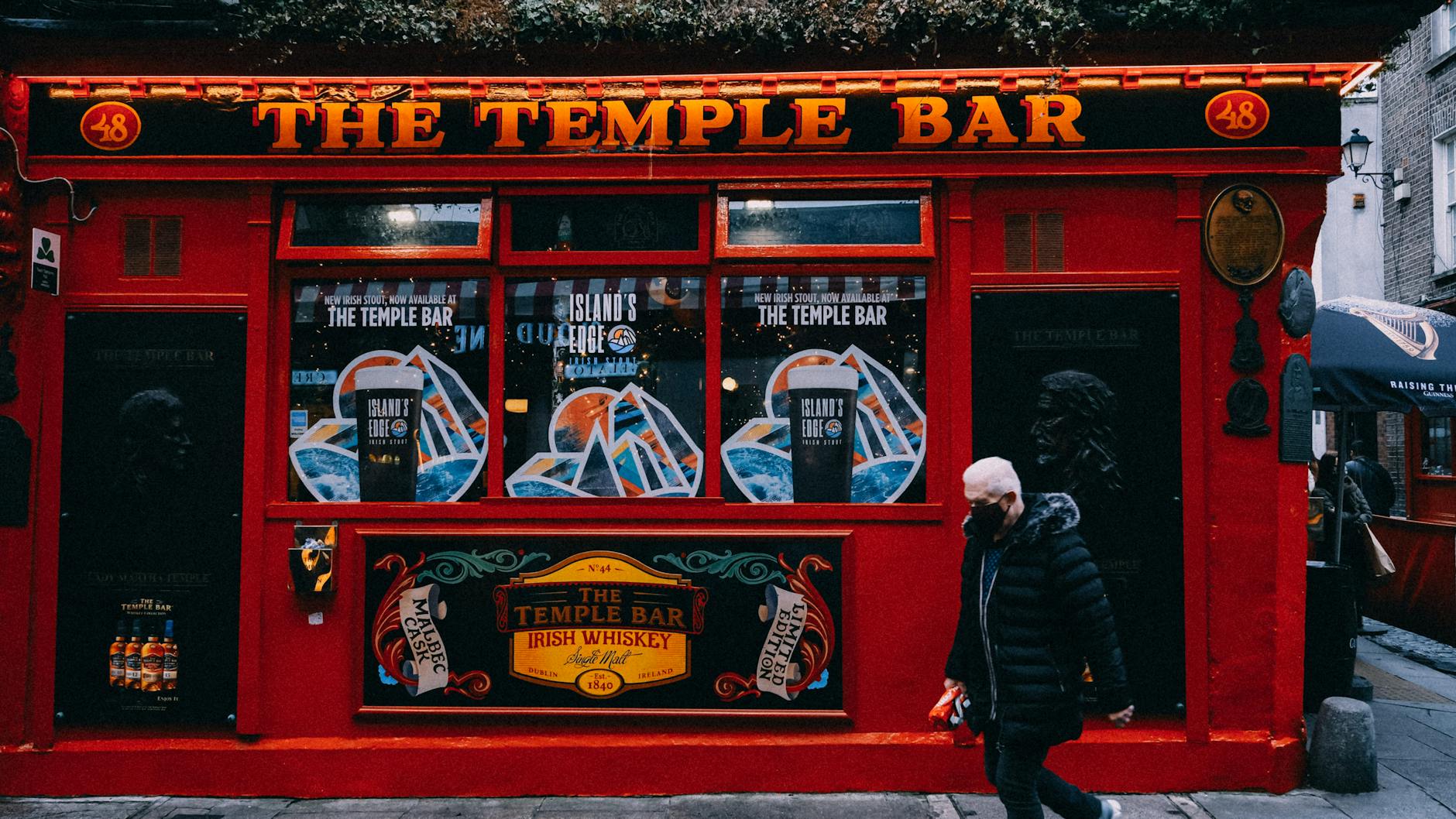
Best for: First-time pub crawl visitors, weekend partygoers, music fans, deep-sleepers.
The cobbled medieval heart of Dublin and its most-famous nightlife quarter. Walking distance to almost every major attraction. The downside: Temple Bar streets can be loud until 03:00, particularly Friday-Saturday. Hotels right on Crown Alley, Fownes Street and the Temple Bar pub itself can be unbearable for light sleepers; hotels one street back (the College Green Hotel, Premier Inn Templebar, the Morgan) are better insulated.
- Top hotels: The Clarence, the College Green Hotel, the Morgan.
- Mid-range: Premier Inn Templebar, Holiday Inn Express Dame Street.
- Pros: Unmatched atmosphere; central; pub-and-music-rich.
- Cons: Very loud at night; highly tourist-priced; not authentic Dublin.
3. Trinity College & College Green
Best for: Cultural-priority visitors, walkers, returning visitors who’ve done Temple Bar.
The narrow corridor immediately around Trinity College — the College Green Hotel sits directly opposite Trinity, the Mont Hotel is two minutes east, and Buswells Hotel sits between Trinity and Government Buildings. This is the most walkable neighbourhood for visiting Trinity, the National Gallery, the National Museum of Ireland, the Bank of Ireland, the National Library, and Grafton Street.
- Top hotels: The College Green Hotel, the Mont, Buswells.
- Pros: Most-walkable cultural location; mix of heritage and modern hotels.
- Cons: Limited restaurant scene right at the doorstep; need to walk 5-10 minutes for variety.
4. The Liberties
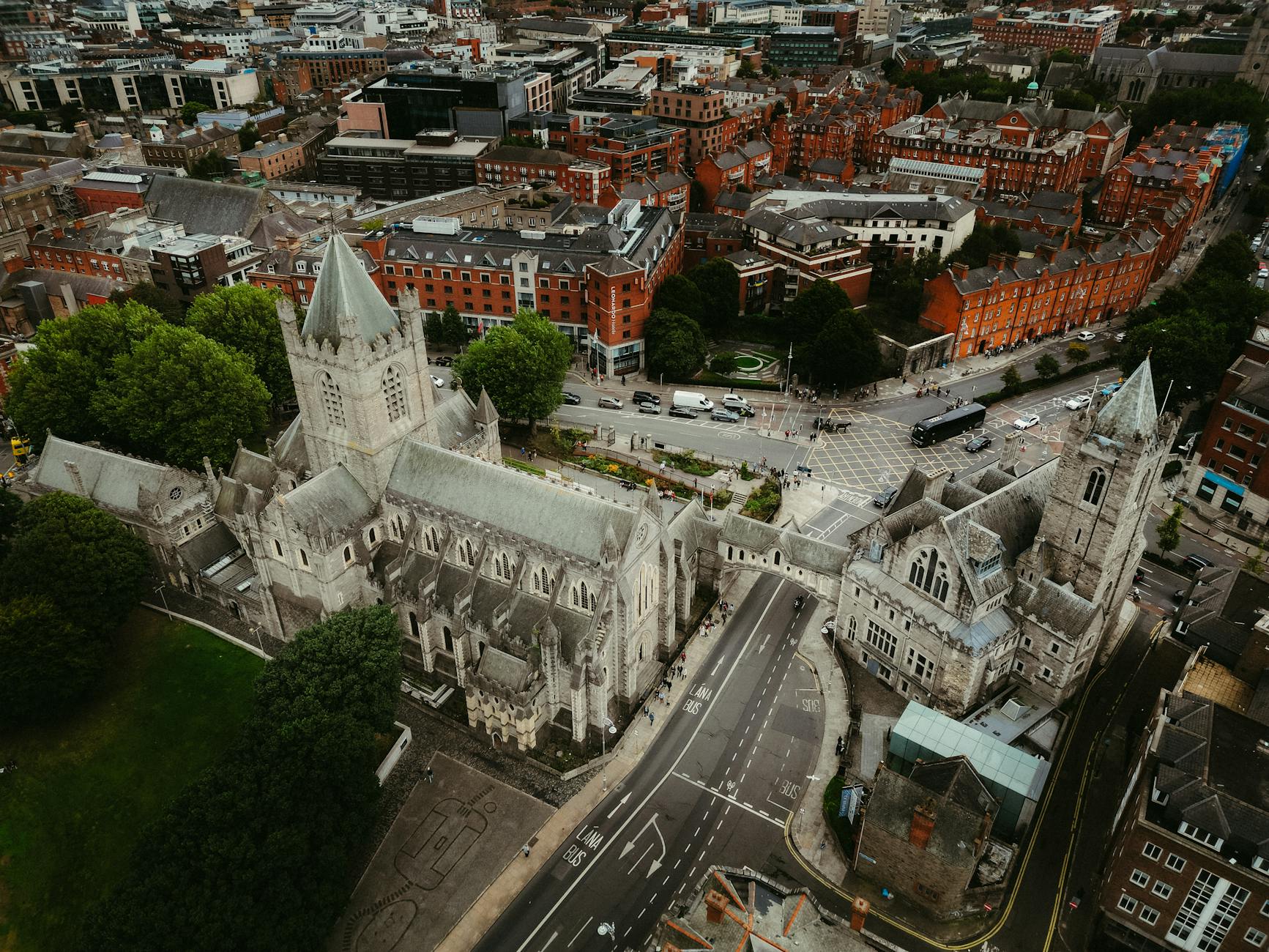
Best for: Guinness Storehouse and whiskey enthusiasts, history-curious returning visitors.
A medieval liberty that sat just outside the old city walls, south-west of the city centre today. Walking distance to the Guinness Storehouse, Roe & Co Distillery, Teeling Distillery, Pearse Lyons Distillery, Marsh’s Library, St Patrick’s Cathedral, and Christ Church. Hyatt Centric the Liberties is the standout boutique here. Hilton Dublin Kilmainham (a 10-minute walk west) is also Liberties-adjacent.
- Top hotels: Hyatt Centric the Liberties, Hilton Dublin Kilmainham.
- Mid-range: Maldron Kevin Street.
- Pros: Genuinely characterful Dublin; close to flagship distilleries; less touristy than Temple Bar.
- Cons: 15-20 minute walk to Trinity; restaurants quieter than south-central.
5. Smithfield & the Northside near Capel Street
Best for: Design-conscious repeat visitors, music-fans, value-seekers wanting a more local feel.
The most rapidly-improving Dublin neighbourhood for visitors. Smithfield Square has The Cobblestone trad pub, Light House Cinema, Jameson Distillery and the Maldron Smithfield, the Hendrick Smithfield, and Generator Hostel. Capel Street — the parallel commercial street — has been pedestrianised in the past few years and now hosts a thriving independent restaurant and bar scene. Walking distance to Phoenix Park, the National Museum at Collins Barracks and the Irish Whiskey Museum.
- Top hotels: The Hendrick Smithfield, Maldron Smithfield, Generator Hostel.
- Pros: Best value central neighbourhood; access to authentic trad music scene; quiet at night.
- Cons: 15-minute walk to Trinity; less famous attractions in immediate walking distance.
6. The Docklands & IFSC
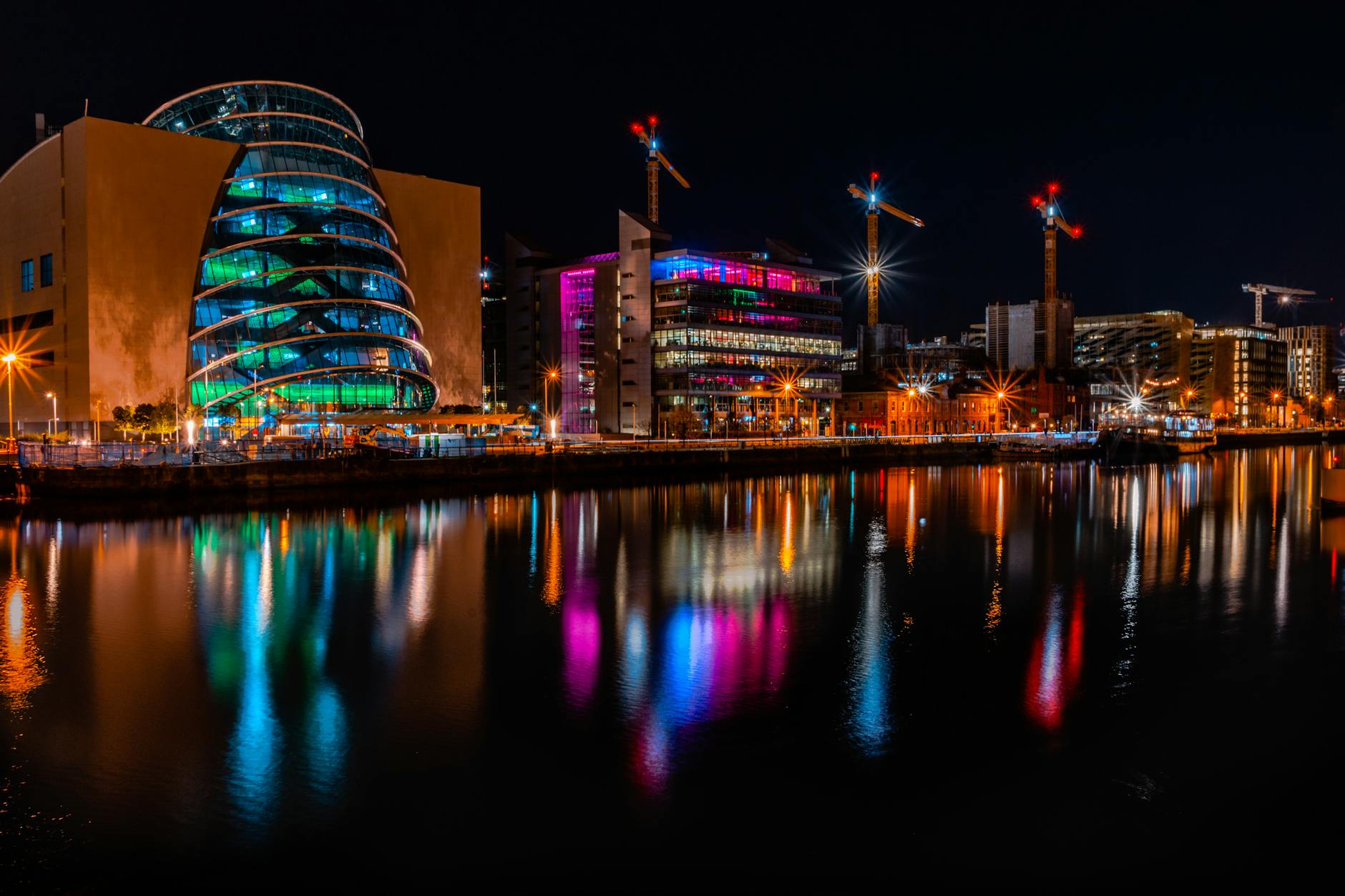
Best for: Business travellers, conference attendees, modern-architecture lovers.
Modern Dublin. Walking distance to EPIC The Irish Emigration Museum, the Famine memorial, the Jeanie Johnston ship, the Convention Centre, and the Bord Gáis Energy Theatre. The Marker Hotel is the standout boutique; The Spencer Hotel and Clayton Cardiff Lane are reliable upscale four-star options. The Mayson aparthotel suits longer stays. Direct Luas links to the city centre.
- Top hotels: The Marker, The Spencer, Clayton Hotel Cardiff Lane.
- Aparthotel: The Mayson.
- Pros: Modern, conference-friendly, good restaurant scene; great river views.
- Cons: 15-minute walk or short Luas to Trinity; fewer pubs and traditional Dublin character.
7. Ballsbridge
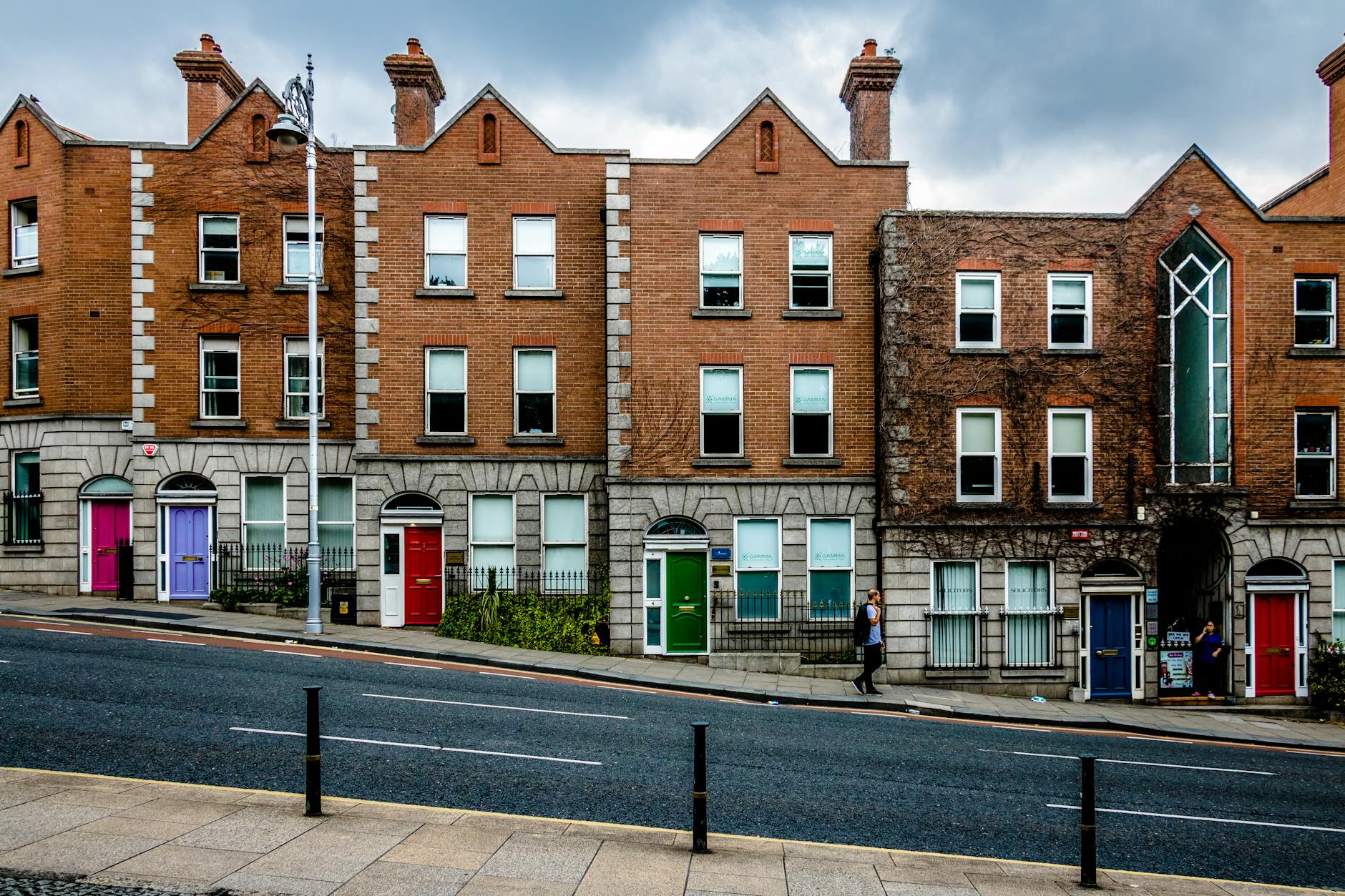
Best for: Couples on a special trip, sports fans visiting Aviva Stadium, repeat visitors wanting quiet.
South-east of the city centre, the leafy Edwardian-and-Georgian district where most embassies are based. The Aviva Stadium is here; expect premium pricing on rugby weekends. The Dylan Hotel is the standout boutique; the InterContinental and the Clayton Burlington Road (formerly Berkeley Court) anchor the upscale end. Excellent restaurant scene and walking distance to Sandymount Strand and the Forty Foot.
- Top hotels: The Dylan, InterContinental Dublin, Clayton Burlington Road.
- B&B: Anglesea Townhouse, Pembroke Townhouse.
- Pros: Quiet, residential, beautiful architecture; close to Sandymount Strand and Aviva Stadium; good restaurants.
- Cons: 15-25 minute walk or DART to centre; can feel removed from main attractions.
8. Ranelagh & Rathmines
Best for: Foodie returning visitors, design lovers, longer stays.
The leafy southern suburbs, on the Luas Green Line. Ranelagh village is a tight cluster of independent restaurants, cafés and bars; Rathmines is broader and has the village shopping centre. The Devlin Hotel is the standout in Ranelagh; Charleville Lodge B&B is in nearby North Circular Road. Twenty-five minute walk or 10-minute Luas to St Stephen’s Green.
- Top hotels: The Devlin Ranelagh.
- Mid-range: Charleville Lodge B&B (nearby).
- Pros: Foodie-rich; quiet residential streets; Luas access.
- Cons: Outside walking distance to most major attractions; smaller hotel selection.
9. Portobello & Camden Street
Best for: Nightlife enthusiasts, design hotel lovers, budget travellers.
South of St Stephen’s Green, the area between the Grand Canal and Camden Street. Dublin’s densest concentration of independent restaurants and bars per square metre, with the Wilder Townhouse and the Dean Dublin as standout boutiques. Times Hostel Camden Street is a budget option; Maldron Kevin Street sits just west. Walking distance to St Stephen’s Green (10 mins), the Iveagh Gardens (5 mins).
- Top hotels: The Wilder Townhouse, The Dean Dublin.
- Budget: Times Hostel Camden Street.
- Pros: Best Dublin food and drink scene; short walk to Stephen’s Green.
- Cons: Camden Street can be loud; not as central as Stephen’s Green.
10. Coastal Dublin: Dún Laoghaire, Howth & Dalkey
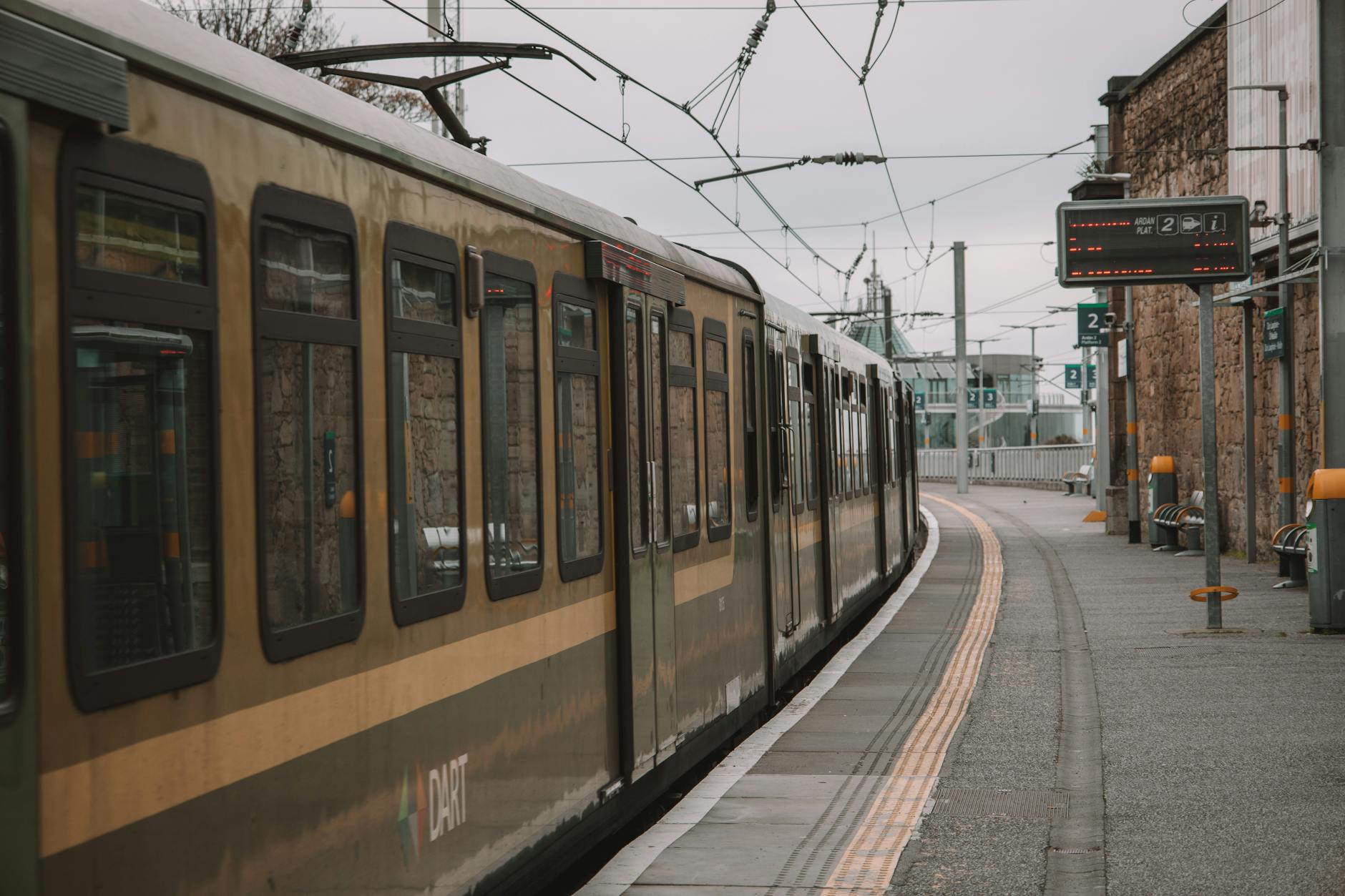
Best for: Value-seekers, returning visitors, families wanting beach access, summer travellers.
Three coastal towns just outside Dublin, all on the DART (25-30 minutes to Connolly Station). Dún Laoghaire has the Royal Marine Hotel and the Haddington House Hotel; Howth has the Marine Hotel; Dalkey has the Dalkey Hotel and several B&Bs. Hotel rates 30-40% lower than central Dublin, with much more relaxed seaside character. Best for visitors who want both city access and coastal beauty.
- Top hotels: Royal Marine Hotel (Dún Laoghaire), Marine Hotel (Howth), Anglesea Townhouse-style B&Bs in Dalkey.
- Pros: Significant cost savings; coastal beauty; less crowded; great for kids.
- Cons: 25-30 minute DART each way; not for visitors who want to fall out of the hotel into the city centre.
A Word on Stoneybatter
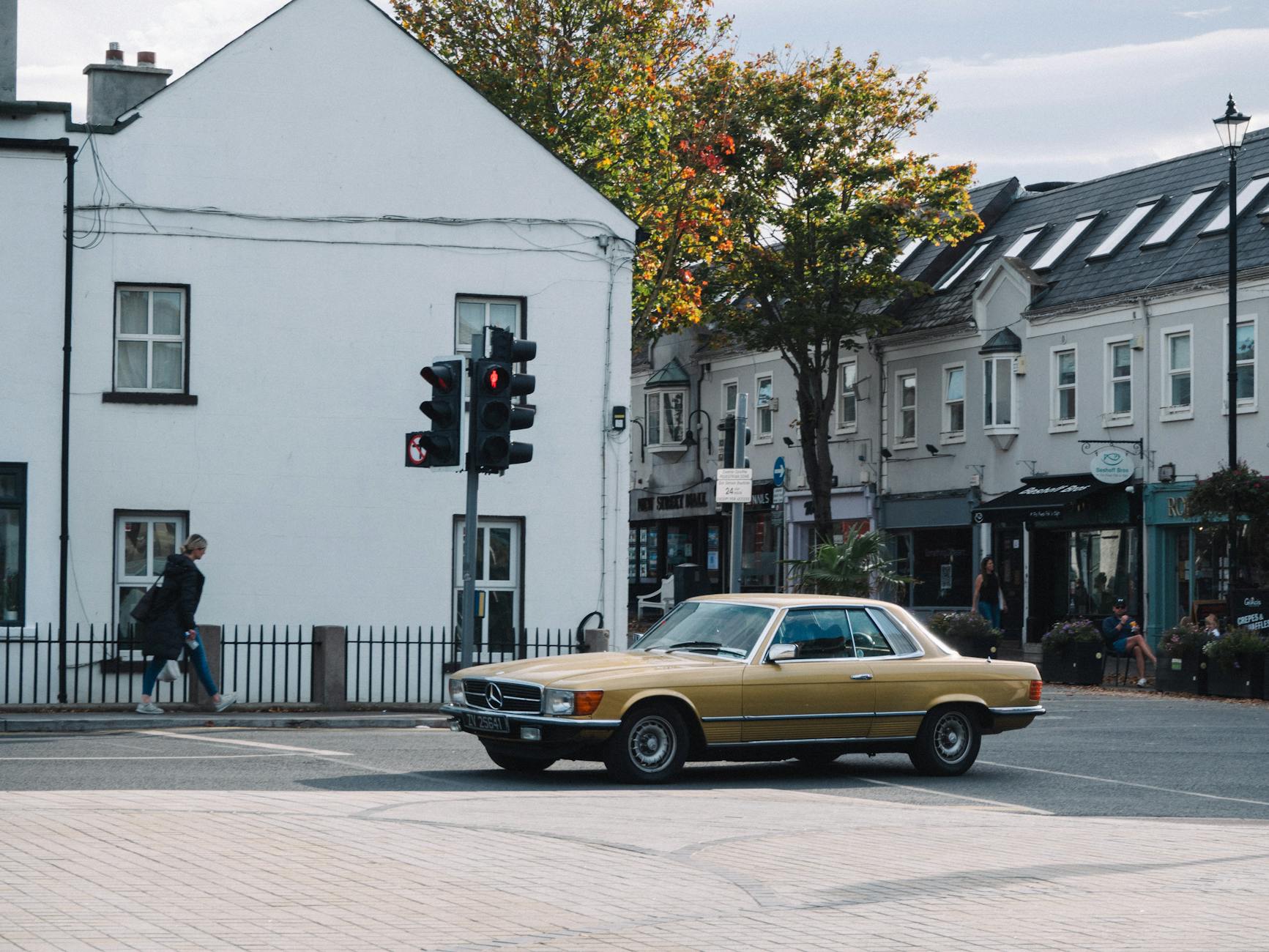
Hotel selection in Stoneybatter is limited — mostly small independents and B&Bs — but the neighbourhood deserves mentioning for repeat visitors who’ve done all the obvious choices. Hardingmere Hotel (a small boutique converted school) is the standout. Walking distance to Smithfield, Phoenix Park entrances, Collins Barracks. The most distinctive village character of any Dublin neighbourhood.
Match the Neighbourhood to Your Trip
- One-night Dublin stopover: St Stephen’s Green or Trinity area — maximum walkability.
- 2-night first Dublin trip: St Stephen’s Green or Temple Bar.
- 3-4 night first trip with kids: Iveagh Gardens / South Stephen’s Green; or Hilton Dublin Kilmainham for Phoenix Park / Zoo access.
- 3-night couple’s romantic trip: The Wilder in Portobello, the Merrion at Merrion Square, or the Dean in Camden.
- 4-night repeat visit: Smithfield, the Liberties or Ranelagh for something more local.
- Business / conference at the Convention Centre: Docklands — The Marker, Spencer or Clayton Cardiff Lane.
- Aviva Stadium rugby weekend: Ballsbridge — Dylan, InterContinental, or Clayton Burlington Road.
- Family with cars planning Wicklow day trips: Maldron Newlands Cross or Talbot Stillorgan.
- Budget weekend: Hostels in Connolly area (Jacobs Inn, Generator) or coastal Dún Laoghaire B&Bs.
Practical Tips for Choosing the Best Area to Stay in Dublin
- Most attractions cluster south of the Liffey. If you want maximum walking, stay south.
- Loud neighbourhoods can ruin a trip. If you’re a light sleeper, choose St Stephen’s Green, Merrion Square, Smithfield, or Ballsbridge over Temple Bar or Camden Street.
- The Luas Red and Green Lines connect outer neighbourhoods (Smithfield, Tallaght, Sandyford, Ranelagh) to the city centre cheaply — you don’t have to be central to feel central.
- The DART makes coastal towns viable bases for value-conscious travellers; the south route reaches Dún Laoghaire and Dalkey, the north reaches Howth.
- Avoid hotels right on Crown Alley, Fownes Street and Temple Bar Square with kids or light sleepers.
- For business or conferences at the Convention Centre, the Marker or Spencer Hotel is fastest.
- Driving in central Dublin is rarely worth it — choose a suburban hotel with parking if you have a car.
Walking Distances Between Dublin Neighbourhoods
One of the easiest ways to choose your Dublin neighbourhood is to think about walking time to the attractions you most want to see. A few benchmarks (using a brisk pace; add 5-10 minutes for sightseeing wander):
- St Stephen’s Green to Trinity College: 6 minutes.
- St Stephen’s Green to Temple Bar: 10 minutes.
- St Stephen’s Green to Guinness Storehouse: 25 minutes (or 12 minutes by Luas).
- Temple Bar to Trinity College: 5 minutes.
- Temple Bar to Christ Church Cathedral: 7 minutes.
- The Liberties to Guinness Storehouse: 5-15 minutes (depending on Liberties hotel).
- Smithfield to Phoenix Park entrance: 12 minutes.
- Smithfield to Trinity College: 15 minutes.
- Docklands (The Marker) to Trinity College: 18 minutes.
- Ballsbridge (the Dylan) to Trinity College: 25 minutes (or 8 minutes by DART/Luas).
- Ranelagh to St Stephen’s Green: 25 minutes (10 minutes by Luas).
- Portobello (the Wilder) to St Stephen’s Green: 12 minutes.
- Dún Laoghaire to Connolly Station: 25 minutes by DART (every 10 mins).
- Howth to Connolly Station: 25 minutes by DART (every 15 mins).
The honest take: any hotel within 20 minutes’ walk of Trinity College works well for sightseeing. Anything beyond that benefits from being on the Luas Red or Green Line, the DART, or close to a major bus route.
Areas to Avoid Booking In
A few honest notes on Dublin neighbourhoods that don’t make this list and why. None of these are unsafe, but they generally aren’t the right base for a Dublin sightseeing trip:
- The far north suburbs (Beaumont, Drumcondra, Phibsboro): Cheaper hotels but transport links are inconsistent and they’re a long bus ride from main attractions. Acceptable for an emergency cheap stay; not recommended over Smithfield or coastal options for the same price.
- Crumlin and the south-west suburbs: Largely residential with limited hotel options. Use the city centre or coastal towns instead.
- Around the airport: Convenient for early flights only. Not for sightseeing — you’ll spend most of the trip on the Aircoach.
- Hotels right on busy bus corridors (Lower Camden Street, Aungier Street, Capel Street): Some have great rooms but the front-facing sides can be loud until late. Always check whether your room is street-facing.
The strongest recommendation: stay in one of the 10 neighbourhoods above unless you have a specific reason (a wedding, a conference at a specific venue) to be elsewhere. Dublin’s tight geography means central neighbourhoods are reliably worth the small premium over outlying areas.
Best Area to Stay in Dublin: FAQ
What is the best area to stay in Dublin for first-time visitors?
The area immediately around St Stephen’s Green and Grafton Street — walking distance to Trinity College, the National Gallery, the National Museum, the Iveagh Gardens, and Dublin’s top shopping. The Westbury, Merrion, Shelbourne and Conrad are all here; mid-range options include the Iveagh Garden Hotel and Brooks Hotel.
Is Temple Bar a good place to stay?
For first-time pub-and-music visitors who are deep sleepers, yes. For light sleepers, families with young kids, or anyone wanting a less-touristy Dublin, no — Temple Bar is busy and noisy until very late, particularly Friday and Saturday nights. Hotels right on the main Temple Bar streets can be unbearable; hotels on the edges (Premier Inn Templebar, the Morgan, the College Green Hotel) are well insulated.
Is it better to stay north or south of the Liffey?
For most first-time visitors, south — that’s where the famous attractions cluster. North-side neighbourhoods (Smithfield, Capel Street) offer better value and authentic local Dublin character; they’re great choices for returning visitors.
Which Dublin neighbourhood is safest at night?
Dublin is broadly safe, but St Stephen’s Green / Grafton Street, Merrion Square, Ballsbridge, Ranelagh and the docklands are the safest-feeling areas at night. Around Connolly Station, North Earl Street and parts of Talbot Street can feel more rough at night; perfectly safe but less polished.
Where is the best area to stay in Dublin for couples?
Portobello (the Wilder Townhouse), Merrion Square (the Merrion), or Ballsbridge (the Dylan). All small, design-led, and slightly removed from tourist crowds. For more central, the Westbury or Iveagh Garden Hotel work well.
Where is the best area to stay in Dublin for families?
The Iveagh Gardens / Earlsfort Terrace area (Conrad, Iveagh Garden Hotel, Westbury) for central walkability with kids. The Liberties / Kilmainham (Hilton Dublin Kilmainham, Hyatt Centric the Liberties) for Phoenix Park / Zoo access. See our family hotels guide.
What’s the best area in Dublin for nightlife?
Temple Bar for the famous Irish-pub experience, Camden Street and Wexford Street for cocktail bars and live music, Capel Street for newer independent bars, Stoneybatter and Smithfield for trad music. See our Dublin nightlife pillar.
Should I stay in central Dublin or in the suburbs?
Central if you want maximum walkability and don’t mind paying premium rates. Suburbs (Tallaght, Newlands Cross, Sandyford, coastal towns) save 30-40% and offer pool/parking access for families with cars; trade-off is 25-30 minute commute to the centre.
Plan the Rest of Your Dublin Trip
The right neighbourhood determines the rhythm of your Dublin trip. Once you’ve chosen, build the rest of the trip around it. Pair this guide with our where to stay pillar, our best hotels Dublin city centre guide, our family hotels guide, our budget hotels and hostels, our boutique hotels guide, our Dublin itinerary planner, and our Dublin neighbourhoods pillar for the full picture.
Area choice moves the price as much as star rating does; the guide to saving money on Dublin hotels works through the other levers.
Lean na Comharthaí — Keep following the signs