Dublin Zoo: The Complete Family Visit Guide (2026)

Ar an gComhartha Seo — On this sign
- Dublin Zoo Overview and History
- Ticket Prices and Booking
- Opening Hours and Best Visit Times
- Major Habitats and Animal Highlights
- Daily Feeding Times and Keeper Talks
- Dining and Refreshments at Dublin Zoo
- How to Get to Dublin Zoo
- Practical Tips for Dublin Zoo Visits
- Special Events at Dublin Zoo
- Combining Dublin Zoo with Other Attractions
- Accessibility at Dublin Zoo
- Dublin Zoo’s Conservation Work
- Dublin Zoo Through the Decades
- Dublin Zoo Wild Lights Festival
- Dublin Zoo: FAQ
- Keep Reading
Dublin Zoo is the most-visited family attraction in Ireland and consistently ranks among Europe’s top zoos. Founded in 1831 within Phoenix Park, the 28-hectare zoo houses more than 400 animals across themed habitats including the African Savanna, Asian Forest, Plains of Africa, Family Farm, Sea Lion Cove, and the immersive Kaziranga Forest Trail. This comprehensive visitor guide covers everything you need to plan a successful Dublin Zoo visit: opening hours and ticket prices, what each habitat offers, recommended visit timings by age group, on-site dining, transport options, and practical tips for first-time visitors. Whether you’re local Dubliners with annual passes or international visitors planning a single family day, this guide ensures you get maximum value from your Dublin Zoo experience.
This is one chapter of our complete guide to Dublin for families.
Dublin Zoo Overview and History
Dublin Zoo opened on 1 September 1831, making it the third-oldest zoo in the world after London (1828) and Paris (1793). The zoo started with a single wolf donated by London Zoo and a collection of 46 mammals and 72 birds. Over the past 195 years it has expanded dramatically while maintaining the original Phoenix Park location. The zoo now spans 28 hectares within the larger 707-hectare Phoenix Park and hosts roughly 1.2 million visitors annually.
Dublin Zoo is operated as a not-for-profit by the Zoological Society of Ireland and participates actively in European captive breeding programmes for endangered species. The Asian elephants Yasmin, Anak, and Saoirse have produced multiple calves in the African Savanna habitat in recent years. The zoo’s African painted dog, Asian lion, and giant African elephant conservation projects are internationally recognised. Educational programmes including the Junior Zookeeper experience for ages 7–14 run year-round.
Ticket Prices and Booking
Dublin Zoo ticket prices in 2026:
- Adult (16+): €19
- Child (3–15): €14
- Under 3: Free
- Family ticket (2 adults + 2 children): €55
- Family ticket (2 adults + 3 children): €65
- Family ticket (1 adult + 2 children): €40
- Family ticket (1 adult + 3 children): €50
- Senior (60+): €16
- Student (with ID): €16
- Annual Pass (Adult): €82
- Family Annual Pass: €225
Online booking gets you 5% off and skip-the-line privilege at the entrance. Book at dublinzoo.ie. Tickets must be used on the date specified but the zoo will exchange tickets for poor weather without penalty if requested at the entrance. The Go City Dublin Pass and DoDublin Card both include Dublin Zoo admission. Annual passes pay off after 5–6 visits and include free guest passes, parking discounts, and exclusive members’ events.
Opening Hours and Best Visit Times
Dublin Zoo opening hours vary by season:
- Summer (March 1–September 30): 9:30am–6:00pm. Last admission 4:30pm.
- Winter (October 1–February 28): 9:30am–5:00pm. Last admission 3:30pm.
- Closed: Christmas Day (25 December) and Stephen’s Day (26 December).
The busiest visit times are weekends, school holidays, and the first sunny days after extended rain. The quietest times are weekday mornings (especially Tuesday–Thursday) outside school holidays, and rainy days. Animals are typically most active in the first 2 hours after opening (9:30–11:30am) when keepers feed them and the temperature is still cool. The 2–3 hour afternoon slump from 12pm–3pm often sees animals resting. Late afternoon (3–5pm) brings another active period.
For families with young children, arriving at opening time (9:30am) maximises animal activity and avoids queueing. Stay until lunch then break for a Phoenix Park picnic or zoo restaurant lunch before returning for late-afternoon viewing.
Major Habitats and Animal Highlights
African Savanna
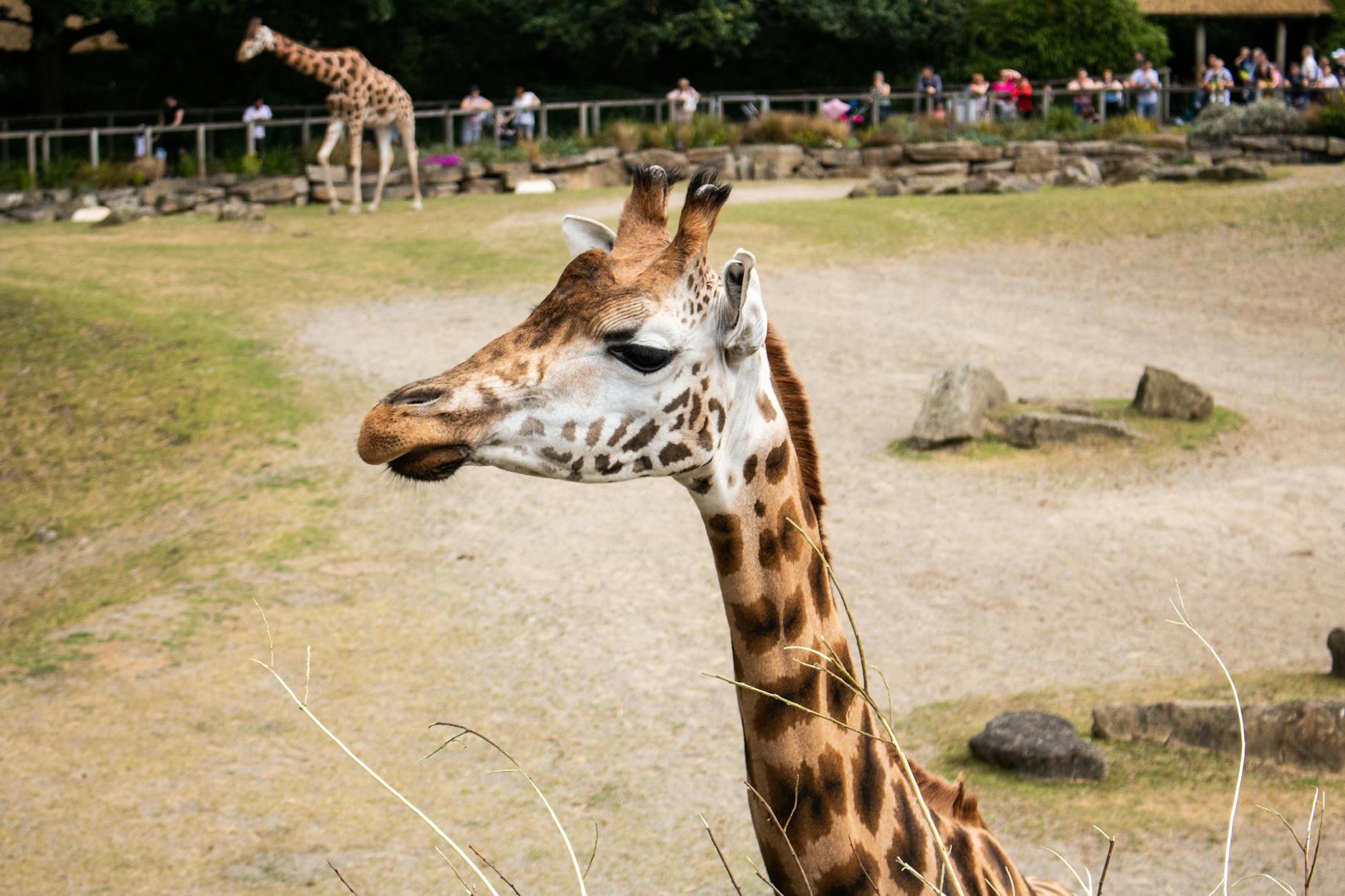
The 12-acre African Savanna is the zoo’s largest habitat, housing African elephants, giraffes, zebras, scimitar-horned oryx, and the white rhino group in a recreated open mixed-species environment. The elephant family has expanded with several recent calf births. The Savanna observation deck provides elevated views across the habitat. Plan to spend 30–45 minutes here.
Kaziranga Forest Trail and Asian Forest
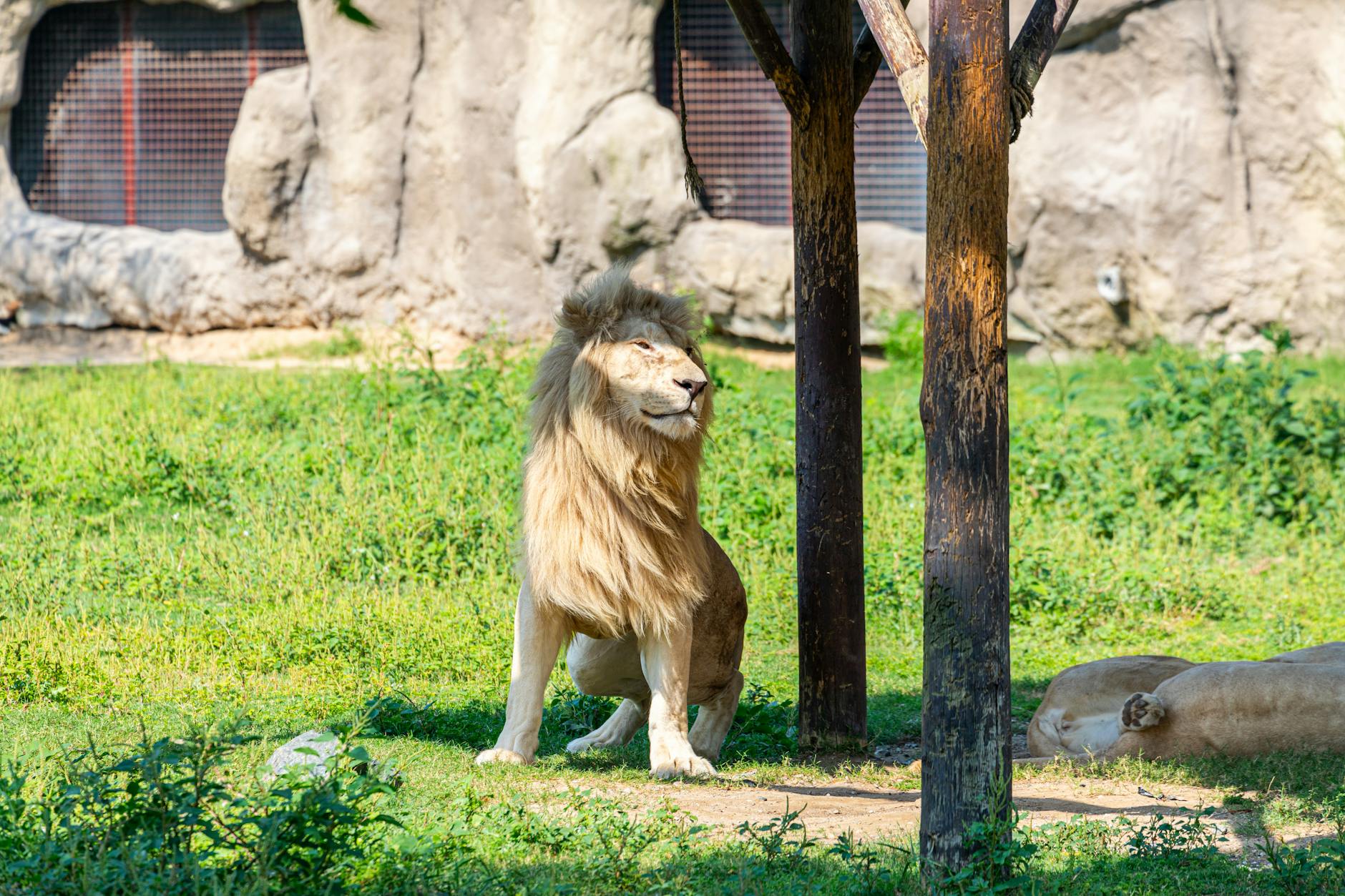
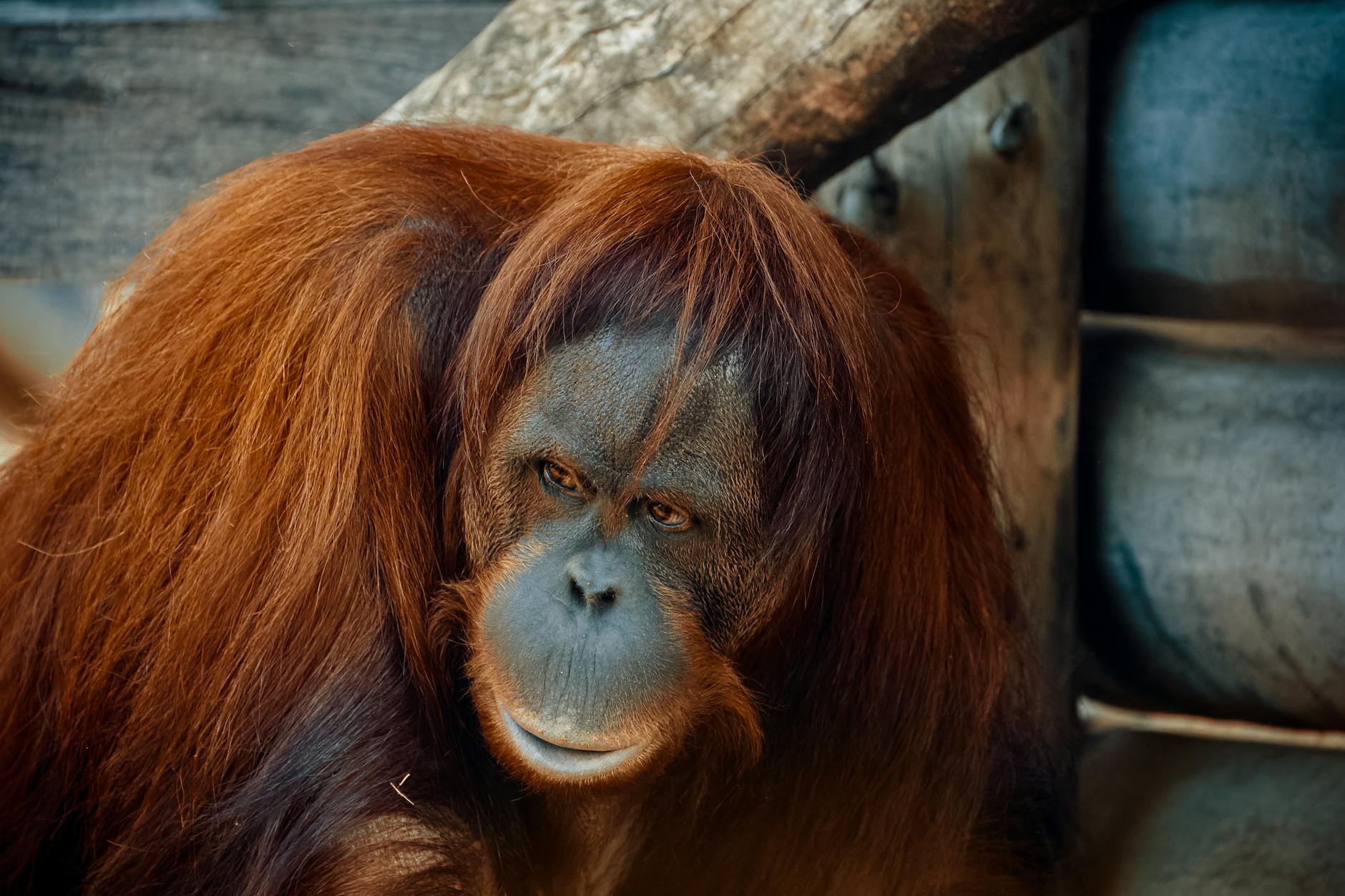
The Asian habitats include Asian elephants in the Kaziranga Forest Trail (a separate elephant enclosure from the African Savanna), Sumatran tigers, orangutans, gibbons, and the recently introduced Asian lion pride. The Borneo Long House restaurant area provides indoor viewing of orangutans through floor-to-ceiling glass — particularly popular with families. The dim Asian Forest Reptile House holds Burmese pythons, alligators, and venomous Asian snakes.
Plains of Africa
The Plains of Africa enclosure recreates East African open habitat with African painted dogs (endangered), chimpanzees, hippos, and meerkats. The chimp enclosure includes elevated viewing platforms. The hippo pool has underwater viewing. The Painted Dog Conservation Project actively breeds and reintroduces this critically endangered species.
Sea Lion Cove
Sea Lion Cove features California sea lions in a large pool with underwater viewing windows. The daily feeding sessions at 12pm and 3pm draw crowds — arrive 15 minutes early to secure good viewing positions. The natural rock formations and dive areas allow the sea lions extensive swimming space.
Family Farm
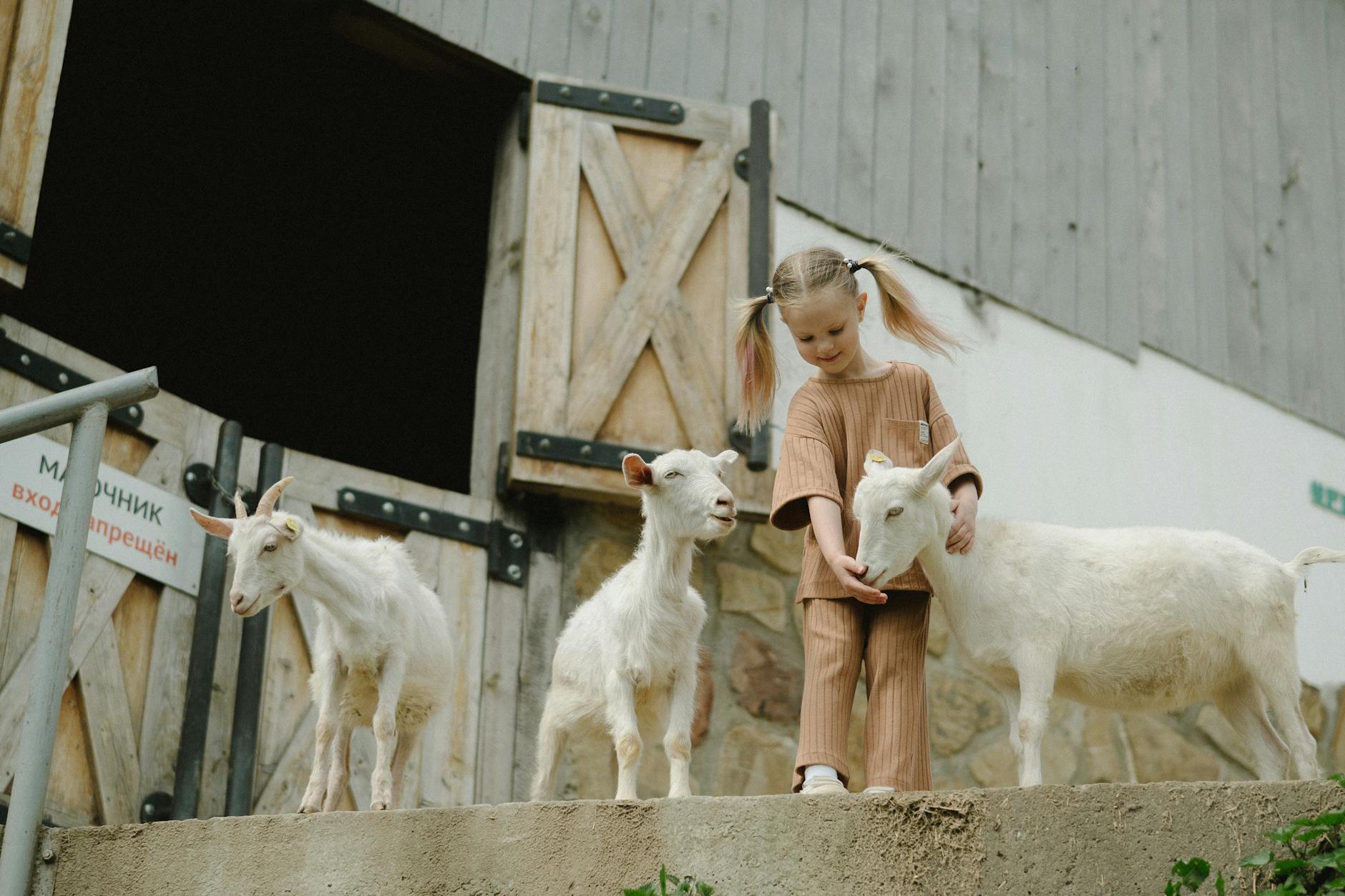
The Family Farm features traditional farm animals including pigs, goats, ducks, chickens, and Connemara ponies. Children can enter the goat pen for direct interaction during keeper-supervised sessions. The farmhouse displays vintage farm equipment. Perfect for toddlers and preschoolers.
Reptile House
The Reptile House holds Burmese pythons, alligators, anacondas, venomous Asian snakes, and various lizards. The dim interior and large tanks make it perfect for younger children who find outdoor walking tiring. Open year-round and excellent on rainy or cold days.
Penguin Cove
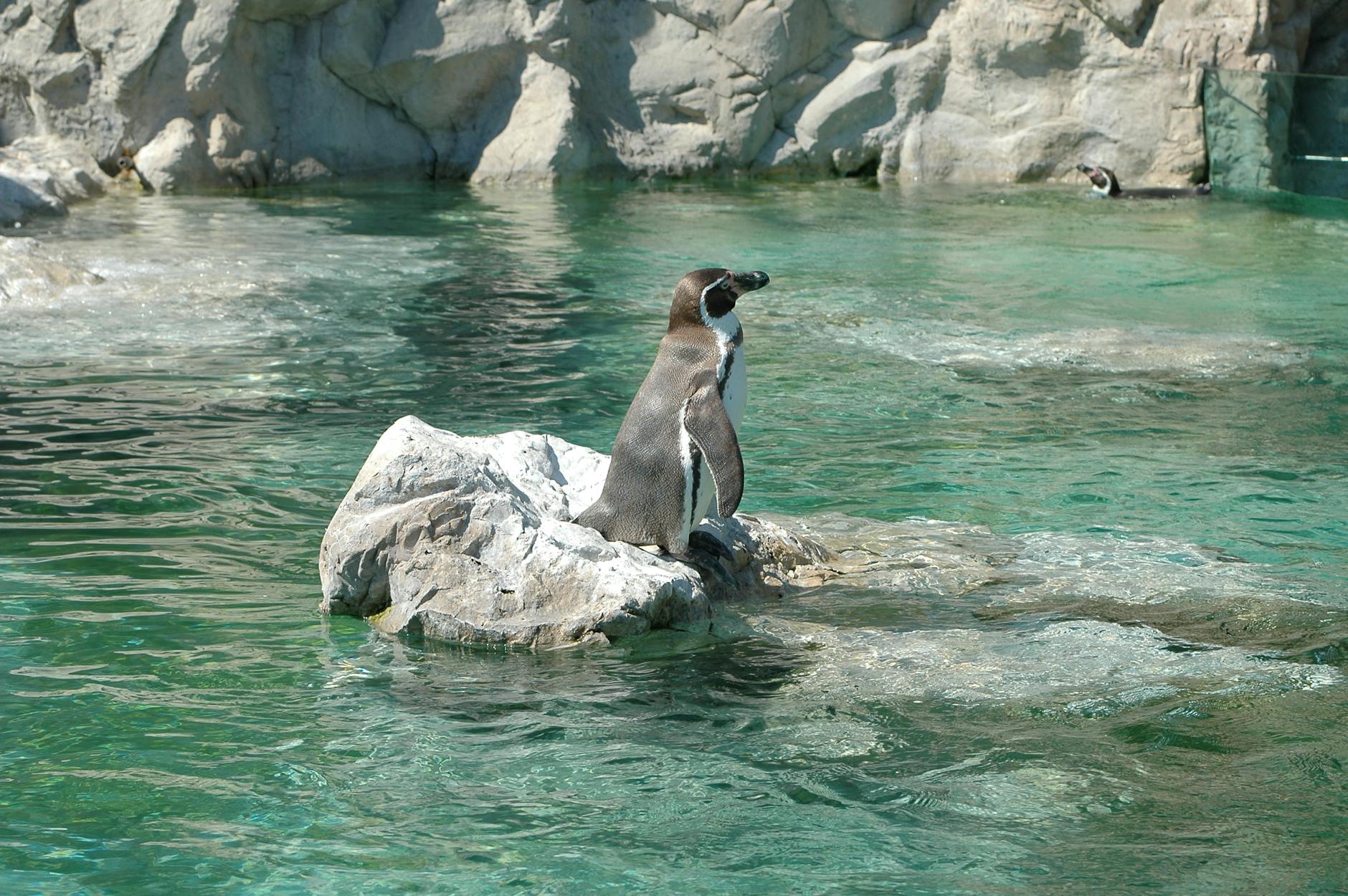
Humboldt penguins inhabit Penguin Cove with underwater viewing and daily feeding sessions. The cove’s rocky design replicates the Chilean coast. Feeding times draw crowds — check the daily schedule posted at the zoo entrance.
Daily Feeding Times and Keeper Talks
Dublin Zoo runs daily keeper talks and feeding sessions that are often the most engaging moments of a visit. Specific timings:
- 11:00am: Penguins
- 11:30am: African painted dogs
- 12:00pm: Sea lions
- 12:30pm: Chimpanzees
- 1:00pm: Asian elephants
- 1:30pm: Tigers
- 2:00pm: African elephants
- 2:30pm: Orangutans
- 3:00pm: Sea lions (second session)
- 3:30pm: Asian lions
Schedule changes seasonally and additional talks may run. Check the daily schedule posted at the zoo entrance on arrival. Some talks run longer at weekends and during school holidays. Plan your visit route around 2–3 talks you most want to see — trying to catch all daily talks usually means missing animals.
Dining and Refreshments at Dublin Zoo
Dublin Zoo has three main dining options:
- The Meerkat Restaurant — The main full-service restaurant near the Plains of Africa. Hot food, pizzas, salads. €10–15 mains. Kids’ menus €6–8.
- Borneo Long House Cafe — Asian Forest area. Asian-themed snacks and drinks. Indoor seating overlooks the orangutan enclosure.
- African Plains Picnic Area — Covered outdoor picnic tables. Pack your own lunch or buy snacks at the nearby cafe kiosk.
- Multiple coffee and ice cream kiosks — Scattered throughout the zoo for quick refreshments.
Dublin Zoo allows visitors to bring their own picnic. The Phoenix Park surrounding the zoo offers many beautiful picnic spots if you want to combine zoo visit with a park lunch. Free outdoor seating areas exist near most major habitats. Bring reusable water bottles — free water fountains throughout the zoo.
How to Get to Dublin Zoo
Dublin Zoo sits within Phoenix Park, 3km west of Dublin city centre. Several transport options work well:
- Hop-on Hop-off Bus tour — All Dublin Hop-on Hop-off routes stop directly outside Dublin Zoo. €25 adult day pass, €15 child. Includes return journey.
- Dublin Bus 25 and 26 — Direct buses from Middle Abbey Street (city centre) to Phoenix Park. 20–25 minutes. €1.55 with Leap Card.
- Luas Red Line — Heuston Station stop is a 20-minute walk through Phoenix Park to the zoo. Pleasant in good weather.
- Driving and Parking — The zoo has its own car park (€8 per car all day). Free Phoenix Park parking 200m walk from the zoo entrance.
- Walking — 40–50 minutes from O’Connell Bridge through Phoenix Park. Pleasant in good weather for fit walkers.
- Taxi — €12–15 from city centre. Useful for families with strollers or in rain.
The Hop-on Hop-off Bus option is recommended for families — it covers transport to and from the zoo plus access to other major attractions like the Guinness Storehouse and Kilmainham Gaol on the same day pass.
Practical Tips for Dublin Zoo Visits
- Wear comfortable walking shoes — The zoo covers 28 hectares and most visitors walk 4–6km during a full day.
- Pack waterproofs — Dublin weather is unpredictable; the zoo has limited covered space.
- Bring a stroller — Even for children who normally walk — the full circuit is too long for under-7s.
- Plan your route — The zoo map is provided at entry. Identify 3–4 must-see animals and 2–3 keeper talks before starting.
- Bring snacks — Cafe queues at peak lunchtime (12–2pm) can be long. Pack snacks for between meals.
- Bring binoculars — The African Savanna and Plains of Africa enclosures are large — binoculars help spot distant animals.
- Time keeper talks — Arrive 15 minutes early at popular feeding times (sea lions, elephants, chimps) for good viewing position.
- Visit the African Savanna early — Animals tend to be most active in cooler morning hours.
- Use the Family Farm for younger children — A good break midway through the visit when little legs get tired.
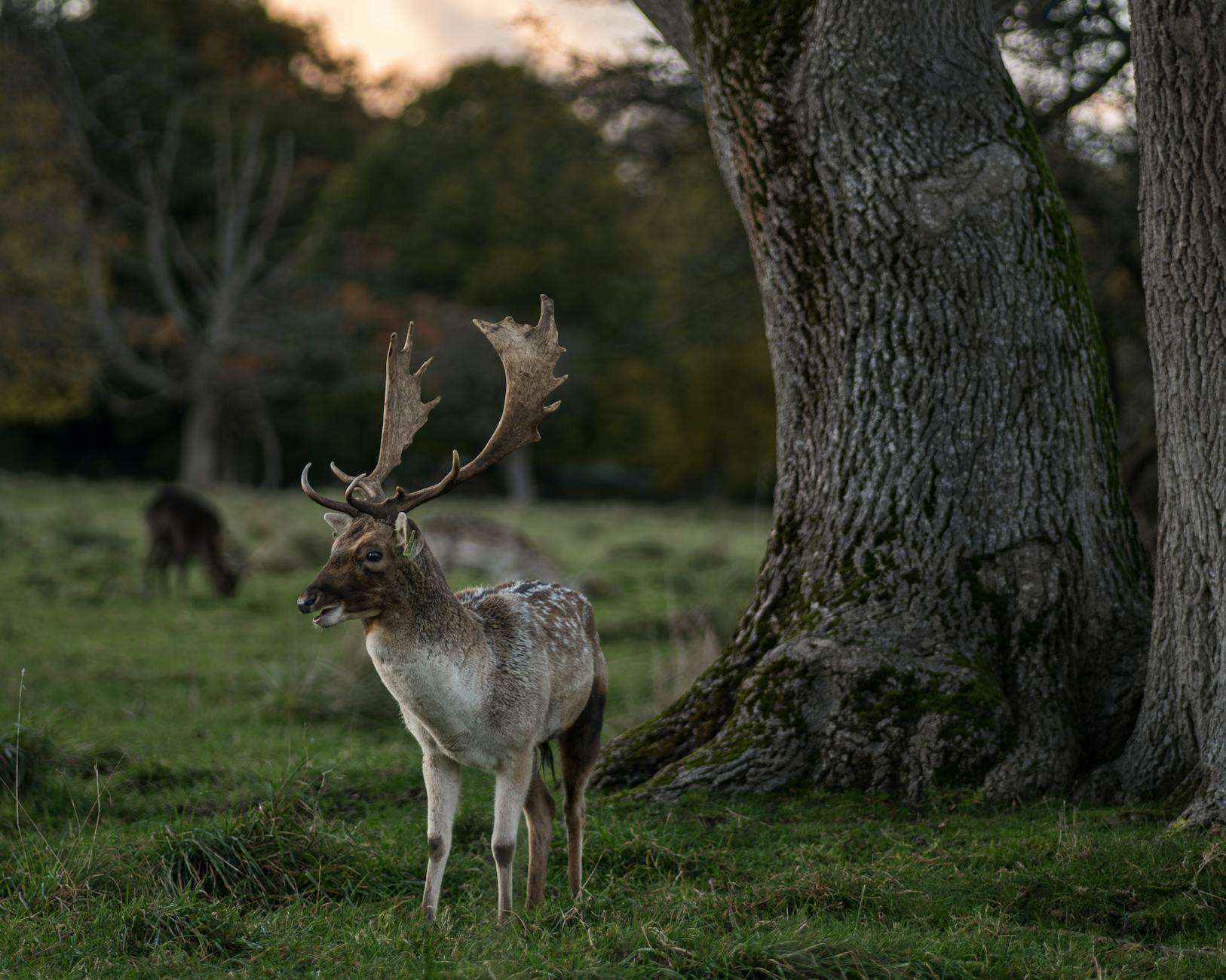
- Combine with Phoenix Park — The zoo plus a walk to see Phoenix Park deer and the Wellington Monument makes a full family day.
Special Events at Dublin Zoo
Dublin Zoo runs special events throughout the year:
- Wild Lights (October-January) — After-hours illuminated zoo trail with light displays. €25 adult, €18 child. Book ahead.
- Pajama Parties — Periodic family overnight stays with after-hours zoo access. €125 per person. Limited availability.
- Junior Zookeeper Programme — Day-long behind-the-scenes experience for ages 7–14. €180. Book months ahead.
- Easter trails — Free with admission during Easter week. Family-friendly treasure hunt format.
- Christmas at Dublin Zoo — Special Santa visit programmes in mid-December. Additional €15 per child.
- Conservation lectures — Year-round educational programmes covering specific species. Often free with admission.
Combining Dublin Zoo with Other Attractions
Dublin Zoo combines naturally with several nearby family attractions for a comprehensive Phoenix Park family day. Phoenix Park itself (free) offers playgrounds, the Wellington Monument, deer-spotting, and the Magazine Fort. Áras an Uachtaráin (the President’s residence) offers free guided tours on Saturday mornings. The Phoenix Park Visitor Centre near the Magazine Fort is free and includes a small exhibition on the park’s history.
Kilmainham Gaol (15 minutes’ walk south of the zoo) and the Irish Museum of Modern Art at Royal Hospital Kilmainham (10 minutes’ walk) make the area into a complete tourism cluster. The Guinness Storehouse is 10 minutes east. Combining zoo visit with a Phoenix Park afternoon makes a relaxed family day. Visiting both zoo and Kilmainham requires careful timing — book Kilmainham for the late afternoon and start at zoo first thing morning.
Accessibility at Dublin Zoo
Dublin Zoo is fully wheelchair accessible. Paths are smooth and wide throughout the main visitor routes. The zoo provides wheelchairs for free use on a first-come basis — arrive early to claim one. Strollers can be hired from the zoo shop for €5. Accessible toilets are located at multiple points throughout the zoo including the Meerkat Restaurant, Borneo Long House, and Family Farm.
Visitors with sensory needs can request the Quiet Visit Guide at the entrance, which marks the quietest paths and viewing areas. The Reptile House and Borneo Long House provide dim, quiet indoor spaces for sensory breaks. The zoo runs occasional sensory-friendly events with reduced lighting and sound. Check the zoo website for upcoming dates.
Dublin Zoo’s Conservation Work
Dublin Zoo participates actively in European captive breeding programmes for endangered species. The zoo has successfully bred Sumatran tigers, Asian lions, gorillas, orangutans, painted dogs, Rothschild giraffes, and Asian elephants. The Asian elephant breeding programme has produced multiple successful calf births including Dina (2007), Anak (2008), Asha (2012), Zinda (2017), and Avani (2022). The painted dog conservation programme has reintroduced animals to protected reserves in Zimbabwe and South Africa.
Dublin Zoo’s research partnerships with University College Dublin and Trinity College Dublin contribute to peer-reviewed scientific publications on animal welfare, captive breeding, and field conservation. The annual zoo conservation report details specific projects and financial contributions. Approximately 5% of every ticket purchase funds direct conservation work either in Ireland or internationally. For families with conservation-minded older children, the zoo’s educational tours include behind-the-scenes views of breeding facilities and quarantine areas (Junior Zookeeper programme, €180, ages 7–14).
Dublin Zoo Through the Decades
Dublin Zoo’s 195-year history mirrors the development of zoos worldwide. The original 1831 zoo focused on exhibiting exotic species to Victorian Dublin society. The 20th century saw expansion of the animal collection and the addition of major habitats including the elephant house (1934), the chimp house (1953), and the lion exhibit (1976). The major transformation began in the 1990s when Dublin Zoo, like many European zoos, shifted from cage-based displays to immersive habitat reconstruction. The African Plains opened in 2000, Asian Forest in 2008, and Plains of Africa expansion in 2013. The Kaziranga Forest Trail opened in 2014 as a dedicated Asian elephant habitat.
Contemporary Dublin Zoo has embraced enrichment programmes designed to encourage natural animal behaviour. Keepers regularly puzzle-feed orangutans, hide chimp food to encourage foraging, and provide environmental enrichment for big cats including scent trails. The zoo runs an active species rotation programme — animals occasionally move to other accredited zoos for breeding partner reasons. Recent additions include the Asian lion pride (2024) and the snow leopard exhibit (2023). The zoo continues to expand its facilities; future plans include an updated reptile house and an expanded orangutan habitat.
Dublin Zoo Wild Lights Festival
The annual Wild Lights festival runs from late October through early January and is one of Dublin’s biggest family event programmes. The zoo opens 5–9pm with thousands of illuminated animal sculptures and Chinese lantern displays throughout the zoo. The lanterns — some 10+ metres tall — cover everything from full-scale T-Rex skeletons to glowing peacock displays to detailed habitat reconstructions. The event runs in addition to standard zoo daytime opening (you cannot enter Wild Lights with a standard daytime ticket).
Wild Lights tickets cost €25 adult, €18 child, €75 family ticket (2 adults + 2 children). The event is hugely popular and tickets typically sell out 4–6 weeks in advance for weekends. Book at dublinzoo.ie/wildlights. The 2-hour suggested visit walks visitors through a 2km route around the zoo passing all the major light displays. Bring warm layers and waterproofs — the event runs in any weather and Dublin winter evenings are cold. Hot food and drinks are available at multiple stalls throughout the route. Live animals are not visible during evening Wild Lights hours — this is an illuminated lantern experience rather than animal viewing.
For families combining a regular Dublin visit with Wild Lights, evening entry begins at 5pm with last admission at 8pm. The route closes at 9pm. Public transport runs less frequently in the evenings — plan return journeys carefully. The on-site car park is free for Wild Lights ticket holders. Combining Wild Lights with a hotel stay near the zoo (Maldron Hotel Parnell Square or Hilton Garden Inn at the Custom House) avoids the late-night transport challenge.
Dublin Zoo: FAQ
How long does a Dublin Zoo visit take?
Allow 4–6 hours for a thorough Dublin Zoo visit. Active families with older children can cover everything in 3–4 hours. Families with toddlers or those wanting to attend multiple keeper talks should plan 5–7 hours including lunch break. Many local families spend a full day combining zoo and Phoenix Park exploration.
What is the best time to visit Dublin Zoo?
Weekday mornings (Tuesday–Thursday, 9:30–11am) outside school holidays are the quietest and animal-active times. Weekends and school holidays see significant crowds. The first 2 hours after opening are when most animals are most active. Rainy weekdays are particularly quiet.
Is Dublin Zoo wheelchair accessible?
Yes — Dublin Zoo is fully wheelchair accessible with smooth wide paths throughout. Wheelchairs are available for free use on first-come basis. Strollers can be hired for €5. All viewing areas and indoor habitats are accessible. Multiple accessible toilets throughout the zoo.
Can I bring food and drink into Dublin Zoo?
Yes — Dublin Zoo allows visitors to bring their own food and drink. Covered picnic areas exist near the Plains of Africa and Family Farm. Glass bottles and alcoholic drinks are not permitted. Reusable water bottles are encouraged and free water fountains are available throughout the zoo.
How much does Dublin Zoo cost?
€19 adult, €14 child (3-15), free under-3, €55 family ticket (2 adults + 2 children). Online booking gets 5% off and skip-the-line. The Annual Pass (€82 adult, €225 family) pays off after 5–6 visits and is popular with local families.
What animals can I see at Dublin Zoo?
Major animals include African and Asian elephants, giraffes, zebras, rhinos, lions, tigers, orangutans, chimpanzees, gorillas, sea lions, penguins, sloths, painted dogs, hippos, and many more. The zoo houses 400+ animals across 100+ species. The breeding programmes for Asian lions, African painted dogs, and Asian elephants are particularly notable.
Is there parking at Dublin Zoo?
Yes — the zoo has its own car park (€8 per car all day). Free Phoenix Park parking is available 200m walk from the zoo entrance, but fills quickly on weekends and school holidays. Arrive before 10am for the best chance of free parking.
Are dogs allowed at Dublin Zoo?
No — dogs are not permitted at Dublin Zoo except for registered assistance dogs. Phoenix Park surrounding the zoo allows dogs on leads, so families travelling with dogs can park, walk the dog in the park, and visit the zoo separately.
Keep Reading
- Rainy Day Activities for Kids in Dublin — Dublin gets 150 wet days a year. Here’s the indoor plan — museums, soft play, pools and cinemas.
- Family-Friendly Restaurants in Dublin — Kids’ menus, high chairs and patient service — where to eat with children without paying tourist prices.
- Dublin Day Trips with Kids — Cliff walks, castles and theme parks within 90 minutes by DART, bus or car.
- Phoenix Park — a related guide from elsewhere on the site.
- Emerald Park (Tayto Park) — the Meath alternative, with a zoo included in the ticket.
Lean na Comharthaí — Keep following the signs