Phoenix Park Dublin: The Complete Guide to Europe’s Largest City Park (2026)
Ar an gComhartha Seo — On this sign
- Phoenix Park at a Glance
- A Quick History of Phoenix Park
- The Wild Deer Herd
- Dublin Zoo
- The Wellington Monument
- Áras an Uachtaráin (President’s Residence)
- The Phoenix Park Visitor Centre & Ashtown Castle
- Other Phoenix Park Highlights
- Walking and Cycling Routes
- How to Get to Phoenix Park
- Phoenix Park with Kids
- Sports, Events & Concerts
- Practical Tips for Visiting Phoenix Park
- Phoenix Park Biodiversity
- Phoenix Park Through the Seasons
- Farmleigh Estate — Phoenix Park’s Quiet Neighbour
- Phoenix Park Dublin: FAQ
- Plan the Rest of Your Dublin Trip
Phoenix Park Dublin is the city’s green lung — a 1,752-acre walled park and one of the largest enclosed city parks in Europe. A wild herd of about 600 fallow deer have lived here since 1662, and the park hosts the President of Ireland’s residence, the American Ambassador’s residence, Dublin Zoo, the largest obelisk in Europe, and over 100 km of cycle and walking paths. Here’s everything you need to plan a Phoenix Park visit in 2026, from how to spot the deer to which entrance to use.
Pair this with our pillar guide on things to do in Dublin and our list of free things to do in Dublin — everything in Phoenix Park outside Dublin Zoo is completely free.
Phoenix Park at a Glance
- Size: 1,752 acres / 707 hectares (approximately 2.3 times the size of New York’s Central Park).
- Distance from city centre: 3 km west of O’Connell Bridge; 25-minute walk from Heuston Station.
- Hours: Open 24/7, 365 days a year. Visitor Centre 09:00–17:30.
- Admission: Free (Dublin Zoo €25 adult, €75 family).
- Highlights: Wild deer herd, Dublin Zoo, Áras an Uachtaráin, Wellington Monument, People’s Flower Gardens, Magazine Fort, Phoenix Café, Furry Glen.
- Best entrance for first-timers: Parkgate Street (closest to city centre, walking distance from Heuston).
- Allow: Half-day for highlights; full day if visiting the Zoo.
A Quick History of Phoenix Park
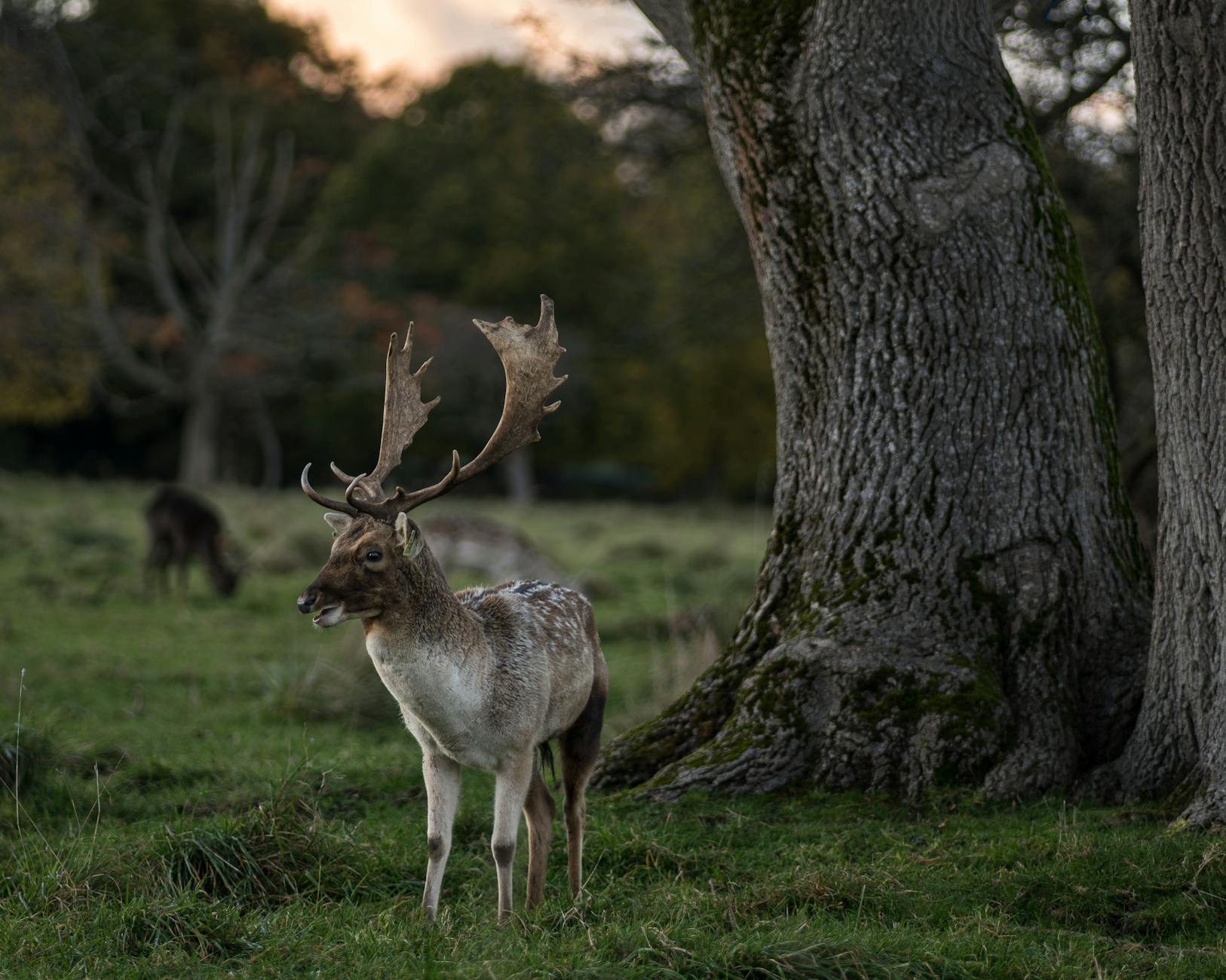
Phoenix Park was originally formed in the 1660s as a royal hunting deer park for King Charles II. The Duke of Ormonde, then Lord Lieutenant of Ireland, enclosed an area of more than 2,000 acres and stocked it with fallow deer for hunting. The deer descendants you spot today are the direct genetic line from that 1662 herd — one of the oldest continuous wild deer herds in Europe.
The park’s name has nothing to do with the mythical bird. It comes from the Irish fionn uisce (“clear water”) — the name of a chalybeate spring that flowed in the eastern part of the park. The English-language transliteration to “Phoenix” happened gradually through the 17th century. Look for the Phoenix Column, a Corinthian column topped with a phoenix bird statue, in the centre of the park — a 1747 monument that gave the public-naming legend a veneer of legitimacy.
The park was opened to the public in 1747, making it one of the oldest publicly accessible great parks in Europe. Major events in the park’s history include the 1882 Phoenix Park murders (the assassination of the Chief Secretary for Ireland), the 1979 Papal visit when over 1.2 million people gathered for an open-air mass, and the 2018 visit of Pope Francis.
The Wild Deer Herd

The wild fallow deer are the most beloved feature of Phoenix Park. The herd numbers around 600 animals, the descendants of the original 1662 stocking. They roam freely throughout the park, but you’re most likely to find them in the open grasslands of the western half — near the Papal Cross, around the Phoenix Monument, or in the Furry Glen and Glen Pond areas.
Best times to see the deer
- Early morning (06:00–09:00): The deer feed before the park gets busy.
- Late afternoon (16:00–19:00): They emerge from cover to graze.
- Autumn rut (October): The males roar and clash antlers in spectacular displays.
- June — fawning season: Mothers hide their newborns in the long grass; do not approach.
Important deer-watching rules
The deer are genuinely wild animals, despite their gentle appearance. The Office of Public Works is strict about visitor behaviour for the safety of both deer and humans:
- Do not feed the deer. Human food upsets their digestion and can be fatal.
- Stay at least 50 metres away, especially during the autumn rut and June fawning season.
- Do not touch fawns. Mothers will abandon a fawn that has been touched by humans.
- Keep dogs on leads at all times in the park.
- Do not pose for selfies with deer. Deer have killed and seriously injured visitors who got too close.
Dublin Zoo

Set on a 28-hectare site within Phoenix Park, Dublin Zoo opened in 1831 and is the fourth-oldest zoo in the world. It has been progressively transformed from a Victorian collection into a modern conservation-focused zoo with eight themed habitat zones: Asian Forests, African Plains, the Kaziranga Forest Trail, Sea Lion Cove, Orangutan Forest, the Family Farm, the Zoorassic World and Penguin Cove.
- Address: Dublin Zoo, Phoenix Park, Dublin 8.
- Hours: Daily 09:30–18:00 (last admission 16:30); reduced winter hours.
- Admission: Adult €25, Senior €20, Student €19, Child (3–15) €17.50, Under 3 free, Family (2A+2C) €75.
- Allow: 4–5 hours for the full visit.
- Pre-book online for entry — saves around €3 per ticket and avoids the queue.
The zoo is universally popular with kids and a stand-alone reason to visit Phoenix Park. Highlights include the elephants in the Kaziranga Forest Trail (the largest elephant breeding herd in Europe), the silverback gorilla family, the Asian Forests reticulated python, and the recently opened Sea Lion Cove. Bring a stroller or borrow one at the entrance.
The Wellington Monument
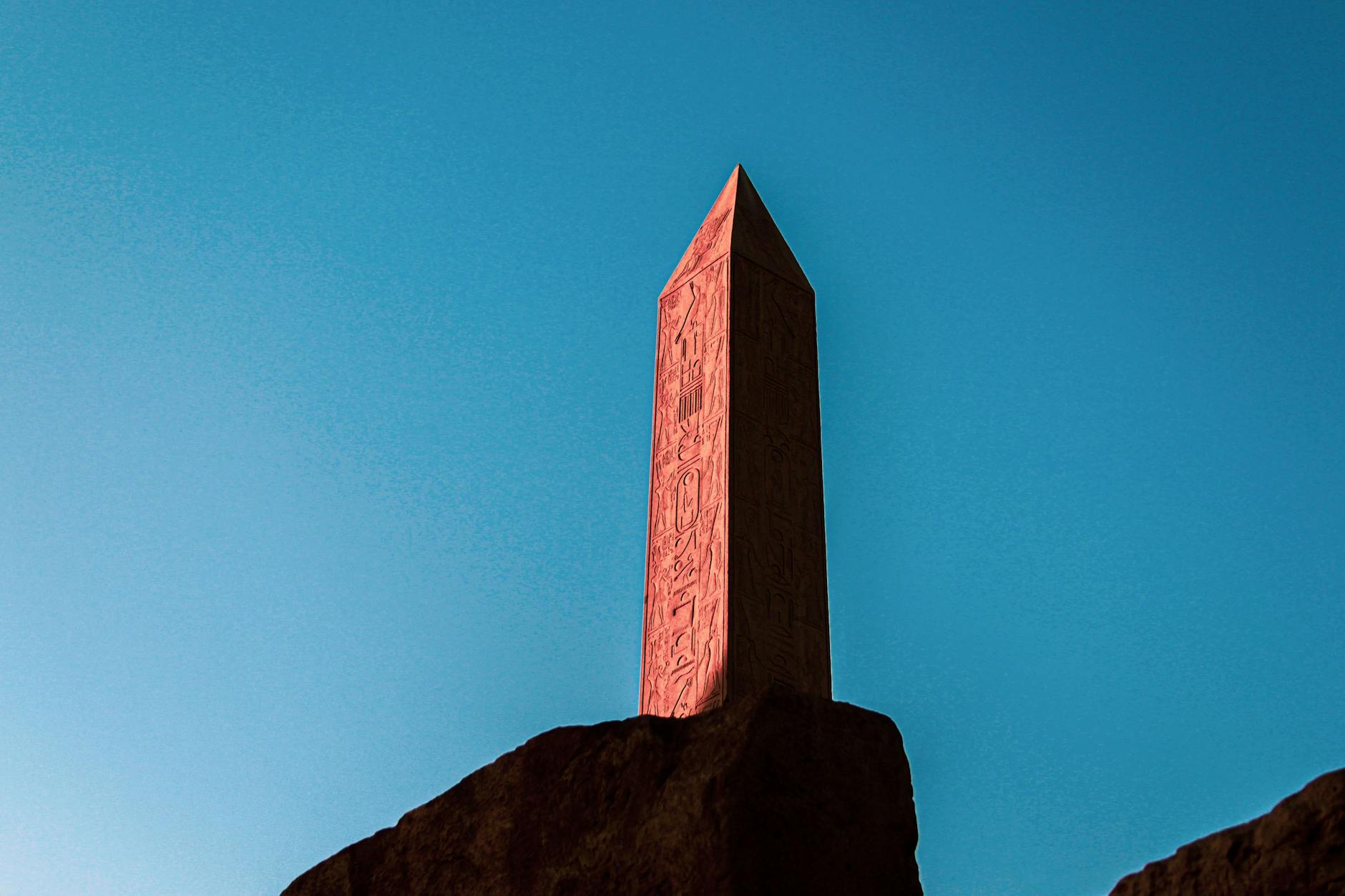
Standing 62 metres tall (203 ft), the Wellington Monument is the tallest obelisk in Europe and the largest single granite obelisk anywhere outside Egypt. It commemorates the Duke of Wellington’s victories — though the monument’s commissioning predated the Battle of Waterloo by several years (it was begun in 1817, completed in 1861).
The four bronze plaques around the base are cast from cannons captured at Wellington’s major battles — including French, Russian and Austrian artillery from Vitoria, Salamanca, Toulouse and Waterloo. The monument is freely accessible at all times and a popular meeting point for Dublin runners and cyclists. The lawn around it is a great picnic spot in summer.
Áras an Uachtaráin (President’s Residence)

The white-painted Georgian house at the centre of the park has been the official residence of the President of Ireland since 1938. Originally built in 1751 for the park ranger, it was extended progressively as the residence of the British Lord Lieutenant of Ireland through the 18th and 19th centuries. The American White House’s portico is rumoured to have been inspired by the Áras’s.
Free guided tours of the house and gardens are offered every Saturday when the President is not in residence. Tickets are first-come, first-served from the Phoenix Park Visitor Centre at 09:30 (the same morning of the tour) — arrive early in summer as 500 tickets typically issue out within an hour. The 1-hour tour covers the State Reception Room, the Council Room, and the President’s Garden. ID is required.
The Phoenix Park Visitor Centre & Ashtown Castle
The Phoenix Park Visitor Centre, located in the renovated stable block of Ashtown Castle (a 17th-century tower house, the only medieval building inside the park), is the natural starting point for a first-time visit. Free admission. Excellent permanent exhibition on the park’s history, geology, flora and fauna. The on-site Phoenix Café is reasonably priced. Free guided park walks depart from the Visitor Centre on most Saturday mornings.
- Visitor Centre hours: Daily 09:30–17:30.
- Ashtown Castle tours: Free, on the hour.
- Free park walks: Saturdays 14:00 (Ashtown), various themes.
Other Phoenix Park Highlights
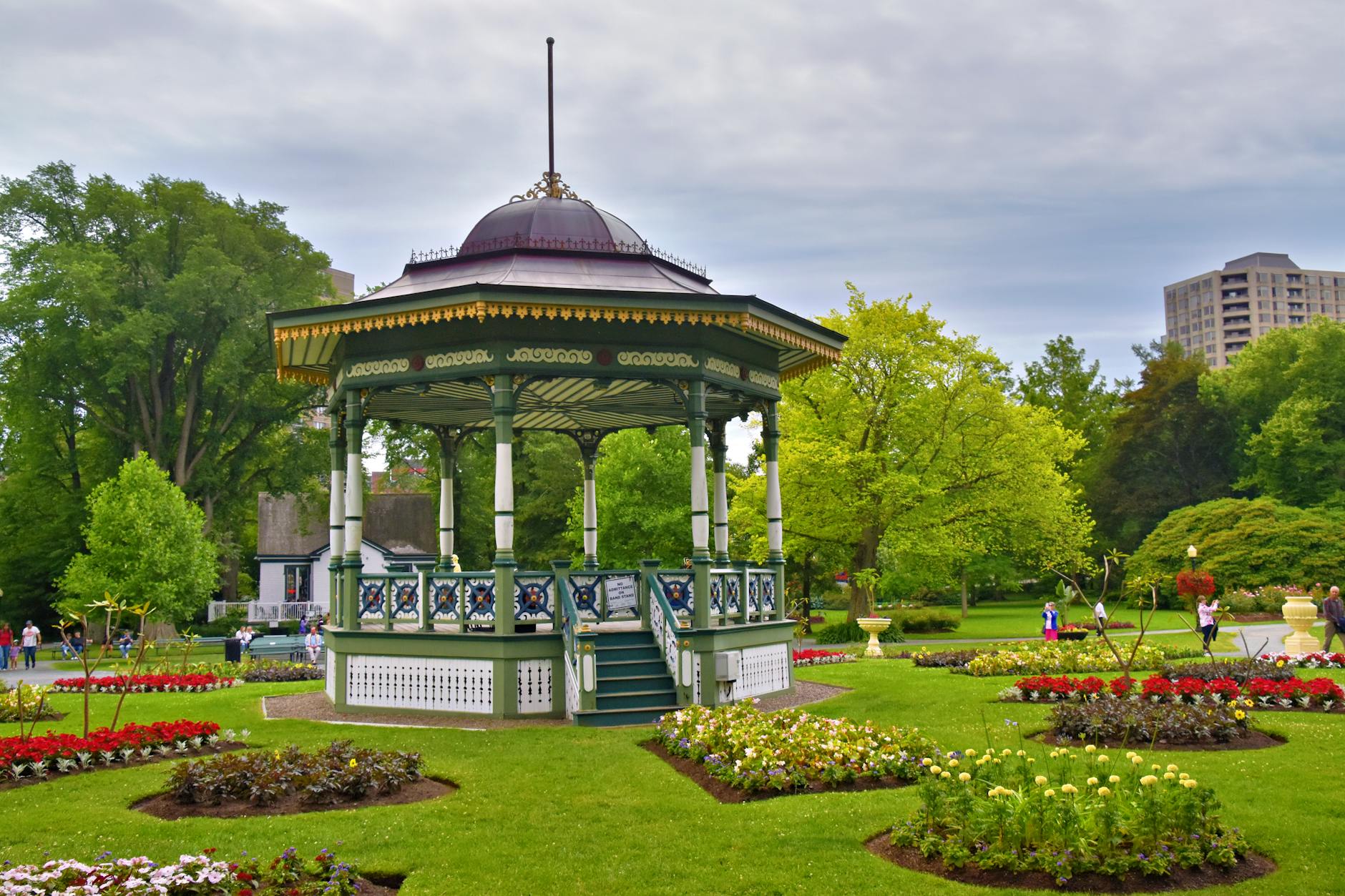
- The People’s Flower Gardens: 9 hectares of formal Victorian flower beds and a ornamental lake at the Parkgate Street end — one of Dublin’s most beautiful free spaces, especially in May–September.
- The Magazine Fort: The 18th-century military gunpowder store on St Thomas’s Hill. Free guided tours certain weekends.
- The Phoenix Monument (Phoenix Column): The 1747 column that gave the park its English-language name.
- The Papal Cross: A 35-metre stainless-steel cross erected for Pope John Paul II’s 1979 visit, when over a million people gathered here.
- Furry Glen and Glen Pond: A small sheltered glen on the western edge of the park, the best place to spot deer.
- Polo grounds, cricket pitches and GAA fields: Sport in the park has been a Dublin institution for over a century. Polo is played in summer and free to watch.
- The Hollow: Saturday afternoon Victorian bandstand concerts in summer.
- Farmleigh Estate (north-west corner): A separate 78-acre Guinness-family estate, now state-owned, with a beautifully restored Edwardian house and formal gardens.
Walking and Cycling Routes
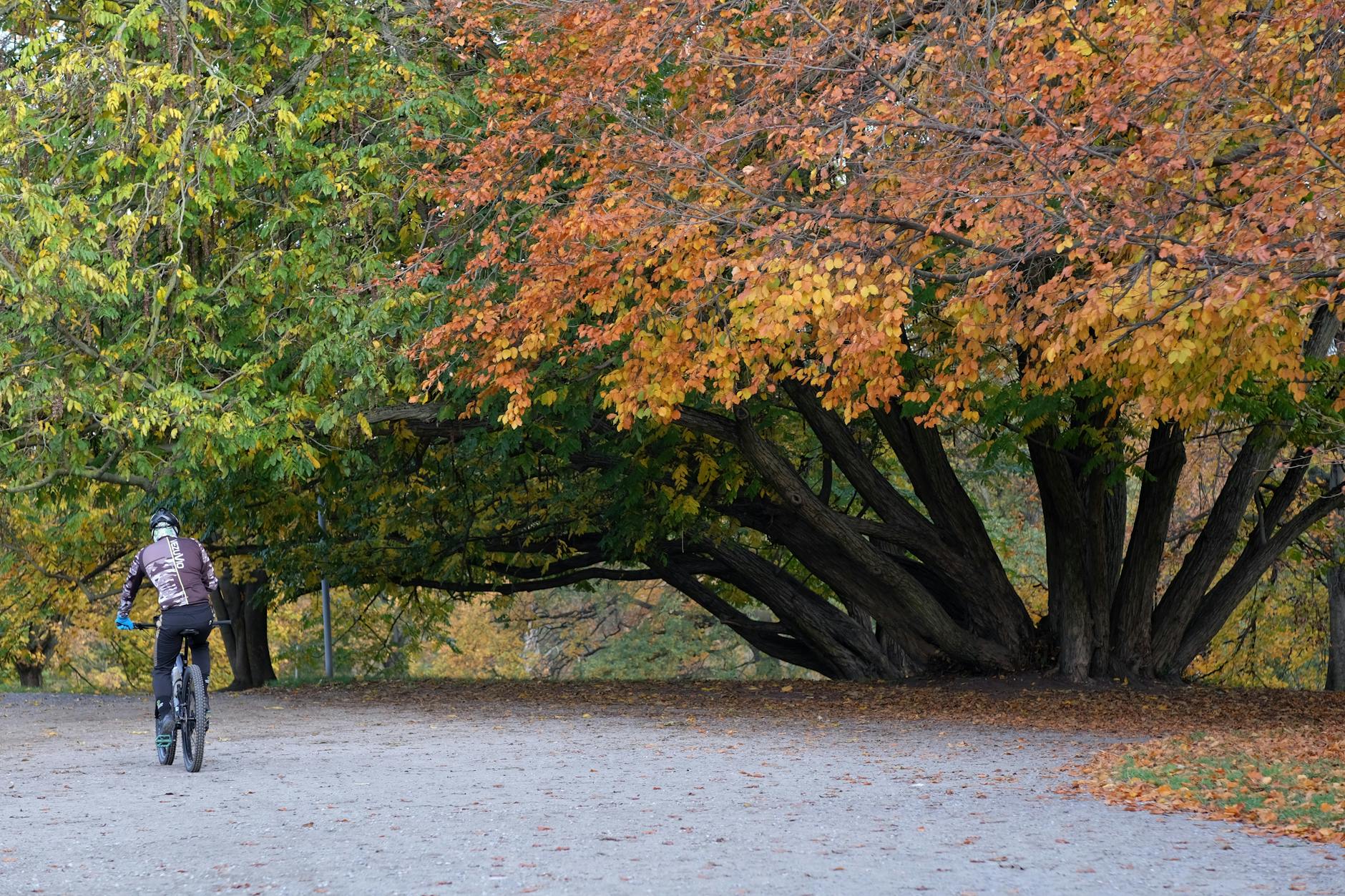
The park’s 100+ km of paths make it one of the best urban hiking destinations in Ireland. Three suggested routes:
Highlights Loop (5 km, 1.5 hours)
Start at Parkgate Street — the People’s Flower Gardens — the Wellington Monument — the Phoenix Column — Áras an Uachtaráin — back via Chesterfield Avenue. Captures the most iconic views.
Wildlife Loop (8 km, 2.5 hours)
Start at Castleknock Gate — Furry Glen — Glen Pond — Ordnance Survey Building — back via the Lower Glen Pond. The most reliable route for deer sightings.
Full Park Loop (12 km, 4 hours)
The full perimeter walk — one of the best long urban walks in Ireland. Best done in spring or autumn.
For cyclists, the dedicated cycle paths form a 25 km network. Phoenix Park Bikes at the Parkgate Street entrance rents standard bikes (€15/3 hours) and electric bikes (€25/3 hours). The park is also part of the Dublin Bikes (now Bleeperbike) sharing network.
How to Get to Phoenix Park
- Walking from city centre: 25 minutes from O’Connell Bridge to the Parkgate Street entrance.
- Bus: Route 25, 26, 66, 67 or 79A to North Quays / Heuston; 38, 39, 70 to Castleknock Gate; or the dedicated Dublin Zoo bus from O’Connell Street.
- Luas (tram): Red Line to Heuston, then a 5-minute walk to Parkgate Street.
- Train: All trains to Heuston Station; the park is a 5-minute walk from there.
- Driving: Free car parks at multiple gates — but the park is car-light by design and walking/cycling are encouraged.
- Hop-on/Hop-off bus: Both Dublin city tour buses stop at Dublin Zoo.
For more on getting around the city see our Dublin transport guide.
Phoenix Park with Kids
Phoenix Park is one of Dublin’s best free family attractions. Kid highlights:
- Dublin Zoo: A guaranteed full-day winner for under-12s.
- Spotting deer: The Furry Glen and Glen Pond areas are reliable places to see them in safety.
- Playgrounds: The Visitor Centre has a small playground; another at the People’s Flower Gardens.
- Cycling: Hire family bikes from Phoenix Park Bikes — flat, traffic-light, ideal for first-time cyclists.
- Magic Roundabout: Children love climbing the Phoenix Column for photos.
- Picnics: Bring a rug, head for the lawn around the Wellington Monument or Magazine Hill.
For a wider list of kid-friendly Dublin activities, see our Dublin for families guide.
Sports, Events & Concerts

The park hosts an extraordinary range of sport. Phoenix Cricket Club (founded 1830, the second-oldest cricket club outside the UK) plays at Phoenix Cricket Ground; the All-Ireland Polo Club plays free Sunday afternoon matches in summer; multiple GAA pitches host Dublin minor and senior club games. The annual Phoenix Park 5km in February draws 4,000 runners.
The Hollow, the natural amphitheatre at the eastern end of the park, hosts major outdoor concerts in summer — recent headliners include Bruce Springsteen, Pink, Coldplay and Westlife. Tickets sell fast through Ticketmaster.
Practical Tips for Visiting Phoenix Park
- Wear walking shoes. The park is much bigger than it looks; the “short walk” from one end to the other is over 4 km.
- Bring water and snacks. Once inside, the only food/drink stops are the Phoenix Café (Visitor Centre), Dublin Zoo, and the Tea Rooms in Áras an Uachtaráin (when on tour).
- Public toilets are at the Visitor Centre, Dublin Zoo, the People’s Flower Gardens and Áras an Uachtaráin.
- Stay on the paths in summer — ticks live in the longer grass.
- Do not feed the deer. Even small amounts of human food can be fatal to them.
- Lock bikes — bike theft happens.
- Closed roads: Chesterfield Avenue is closed to through traffic at weekends and on bank holidays, making it more pleasant for walking and cycling.
- The park gets busy on warm summer weekends — arrive before 11:00 for parking.
Phoenix Park Biodiversity
Beyond the famous deer, Phoenix Park is one of the most ecologically significant urban green spaces in Europe. The park supports more than 700 species of plants and 50 species of mammals, birds, fish, amphibians and reptiles. Recent surveys have identified breeding populations of long-eared owls, badgers, foxes, hedgehogs, kingfishers, kestrels, and a small but established population of pine martens. Look for the Phoenix Park Biodiversity Centre beside the Visitor Centre, where free interactive exhibits explain the ecology of the park.
The park’s grasslands are managed without herbicides or pesticides, making them important refuges for pollinators. Wildflower meadows are protected at multiple sites, and conservation groups regularly run free guided ecology walks. The park’s ponds — particularly Glen Pond and the Furry Glen lake — are managed habitats for waterfowl and amphibians.
Phoenix Park Through the Seasons
Spring (March–May)
Daffodils carpet large areas of the park from late February. May is one of the most beautiful months, with cherry blossoms along Chesterfield Avenue and the People’s Flower Gardens at peak display. Deer fawns are typically born from late May.
Summer (June–August)
Long evenings make for spectacular post-work walks (sunset doesn’t arrive until 22:00 in late June). Polo on Sunday afternoons. Major outdoor concerts in the Hollow. Picnic season; the park gets genuinely busy on warm Saturdays. Expect tickets for major events to add 30,000+ visitors.
Autumn (September–November)
The most photogenic season. Trees turn from late September. October brings the spectacular deer rut — the males roar and clash antlers in spectacular displays. Late autumn light makes for the best park photography. The park’s annual Open Heritage Weekend in late September gives free access to historic buildings.
Winter (December–February)
The park’s quietest season — you can have entire stretches to yourself. The deer are easiest to spot in winter when the grass is short. Frosty mornings produce extraordinary park photography. Phoenix Park 5km on a Sunday in February.
Farmleigh Estate — Phoenix Park’s Quiet Neighbour
If you have a half-day, extend your Phoenix Park visit to Farmleigh Estate — a separate 78-acre estate within the north-west boundary of the park. Originally a Guinness family country home, Farmleigh was bought by the state in 1999 and is now used for state functions and as a public park.
- The House: Open for free guided tours on weekends. The library, dining room, and Edwardian conservatory are particularly fine.
- The Gardens: 30 acres of formal gardens, including the Walled Garden, Pleasure Grounds, and a Boating Lake.
- The Boathouse Café: Lakeside café with very good food at reasonable prices.
- Saturday Food Market: One of Dublin’s best weekly food markets, alternate Saturdays.
- Free Sunday concerts: Classical and folk performances in summer.
Farmleigh is a 30-minute walk from the Phoenix Park Visitor Centre — pleasant on a sunny day, or take the 70 bus from the city centre to the gate.
Phoenix Park Dublin: FAQ
How big is Phoenix Park?
Phoenix Park is 1,752 acres (707 hectares), one of the largest enclosed city parks in Europe.
Are the Phoenix Park deer real?
Yes — the herd of around 600 fallow deer is genuinely wild and has lived in the park continuously since 1662. They are descendants of the original royal hunting herd.
Where is the best place to see deer in Phoenix Park?
Furry Glen, Glen Pond, the open grasslands near the Phoenix Monument and the Papal Cross area. Early morning and late afternoon are best. Maintain a distance of at least 50 metres.
Is Phoenix Park free?
Yes — the park is free 24 hours a day, 365 days a year. Only Dublin Zoo charges admission. The Visitor Centre, Wellington Monument, People’s Flower Gardens, Áras an Uachtaráin tours and Magazine Fort are all free.
How long does it take to walk across Phoenix Park?
End-to-end (Parkgate Street to Castleknock Gate) is just over 4 km and takes around 50 minutes at a steady pace.
Can you tour the President’s residence?
Yes — free 1-hour guided tours of Áras an Uachtaráin run every Saturday when the President is not in residence. Tickets are first-come, first-served from the Visitor Centre at 09:30 the same morning. ID required.
Is Phoenix Park safe at night?
The park is patrolled but very large. Stick to lit main routes if walking after dark; avoid the wooded edges. The main avenue Chesterfield Avenue is generally safe.
Can I cycle in Phoenix Park?
Yes — there are dedicated cycle paths and most main park roads are bike-friendly. Phoenix Park Bikes hires bikes (including electric and family options) at the Parkgate Street entrance.
Plan the Rest of Your Dublin Trip
Phoenix Park pairs naturally with several Dublin attractions. The Guinness Storehouse is a 25-minute walk south through the Liberties (see our Guinness Storehouse guide). The National Museum — Decorative Arts & History at Collins Barracks sits adjacent on Benburb Street and is free. Heuston Station is the gateway to most day trips from Dublin (see our day trips guide). Or simply head to the Phoenix Café for a slow lunch before walking back to the city — it’s one of the best half-day plans Dublin offers.
Lean na Comharthaí — Keep following the signs