Dublin Castle sits at the centre of Dublin’s history in the most literal way possible. For 700 years, from 1204 until Irish independence in 1922, it was the seat of English — later British — rule in Ireland. Today it’s an Irish state ceremonial complex used for presidential inaugurations, EU summits, state funerals and the official welcome of foreign heads of state. The State Apartments, Chapel Royal, Medieval Undercroft and Heritage Centre form one of the most rewarding paid attractions in the city.
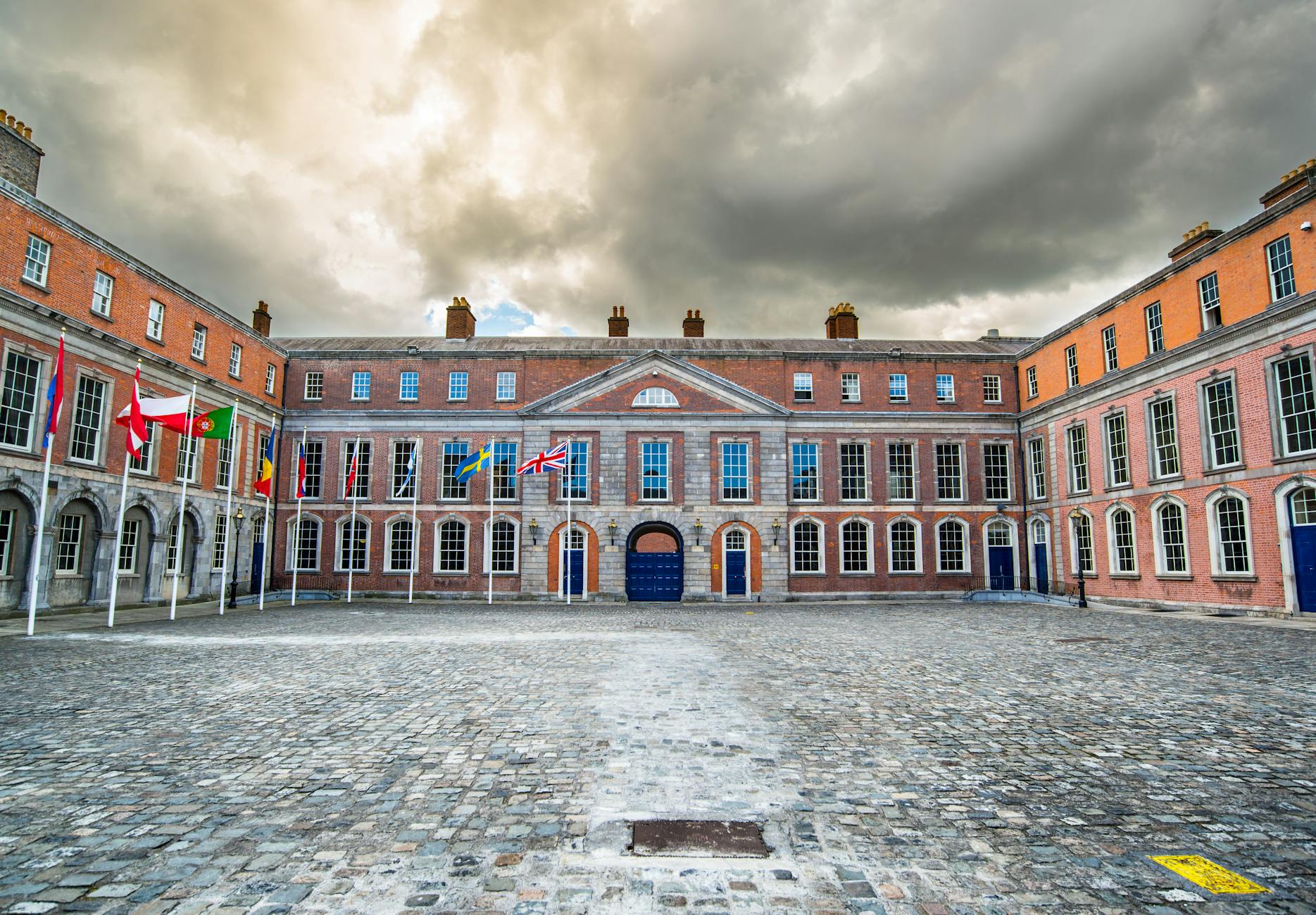
Important 2026 visitor notice: Dublin Castle’s public tours are closed from 5 May to 31 December 2026 to accommodate Ireland’s Presidency of the Council of the European Union. The State Apartments, Chapel Royal and Medieval Undercroft are not bookable for public tours during this period. The Castle courtyards remain accessible, and the Chester Beatty Library in the Castle gardens stays open via Ship Street Gate. Public tours resume in January 2027.
This guide covers everything you need to plan a Dublin Castle visit in 2026 (whether you can get inside or only walk the courtyards), the building’s 800-year history, what each tour route includes once it reopens, and the alternative cultural sites within walking distance. Pair with our pillar guides on things to do in Dublin, Dublin history and our top 20 Dublin museums guide.
Dublin Castle at a Glance
- Address: Dame Street, Dublin 2 (D02 KX40).
- Standard hours: Daily 09:45–17:45 (last admission 16:30) — outside the 2026 closure window.
- 2026 closure: 5 May – 31 December 2026 (EU Council Presidency).
- Admission (when open): Self-Guided Adult €8 / Senior €6 / Student €6 / Child €4 / Family €20. Guided Tour Adult €12 / Senior €10 / Student €10 / Child €6 / Family €30.
- Allow: Self-guided 30–45 minutes; Guided tour 1 hour.
- Booking: Online timed tickets recommended; same-day tickets sometimes available outside peak summer.
- Free during 2026 closure: Upper Yard, Lower Yard, Dubh Linn Garden, Chester Beatty Library (via Ship Street Gate).
The 2026 EU Presidency Closure: What You Can & Can’t Do
From 5 May 2026 to 31 December 2026, Dublin Castle is the operational base for Ireland’s Presidency of the Council of the European Union. The site hosts dozens of EU ministerial council meetings, working group sessions and official summit events through this period. Public tours of the State Apartments, Chapel Royal and Medieval Undercroft are paused for the full eight months. Tours resume in January 2027.
What stays open during 2026:
- Upper Yard (the ceremonial main courtyard) — usually accessible during the day, with restrictions during summit events.
- Lower Yard — accessible.
- Dubh Linn Garden — the lawn behind the Castle.
- Chester Beatty Library — one of Europe’s most important free museums, accessible via Ship Street Gate (not via the main Castle entrance).
- The exterior of the Chapel Royal and the Record Tower — visible from the courtyards.
What’s closed during 2026:
- State Apartments (Throne Room, Portrait Gallery, St Patrick’s Hall).
- Medieval Undercroft (the visible Viking-era Castle foundations).
- Chapel Royal interior.
- Heritage Centre.
- Garda Museum (within the Castle).
- The on-site restaurant.
Practical advice for 2026 visitors: If a Dublin Castle tour is high on your priority list, consider visiting before 5 May or after 1 January 2027. If you’re visiting Dublin between May and December 2026, build your itinerary around the Castle’s exterior plus the Chester Beatty Library, then prioritise other major paid history sites — Kilmainham Gaol, 14 Henrietta Street, EPIC The Irish Emigration Museum and the GPO Witness History are all excellent substitutes.
A Brief History of Dublin Castle

1170s–1204: Viking Origins and Norman Castle
The site has been a centre of power in Dublin since the Viking Age. The dark pool (in Irish, Dubh Linn — from which the city takes its name) was a tidal pool at the meeting of the Liffey and Poddle rivers, on the banks of which the Vikings established their longphort in 841. After the Norman invasion, King John ordered a stone castle built here in 1204 to house the royal treasury, prison and centre of administration. The castle was completed by 1230 with four corner towers, surrounded by a deep moat fed by the Poddle.
1204–1684: Centre of English/British Power in Ireland
For 700 years, Dublin Castle was the seat of the English Crown’s power in Ireland. The Lord Lieutenant of Ireland (sometimes called the Viceroy) lived here, the Privy Council met here, taxes were collected here, and prisoners of state were held here. Major events of Irish history played out within the walls: the executions of the Earls of Kildare in the 1530s, the Siege of Dublin during the Cromwellian wars in the 1640s, and the “Pale” administration that ran much of Ireland from this single complex.
1684 fire and 18th-century rebuild
A catastrophic fire in 1684 destroyed most of the medieval castle. The site was almost entirely rebuilt in the 18th century in the elegant Georgian style you see today. The State Apartments date from this rebuild and were designed for the lavish entertainment expected of the British Lord Lieutenant. The Chapel Royal — in striking Gothic Revival style — was added in 1814.
1916–1922: Independence and Handover
During the 1916 Rising, the Castle was held briefly by the British Army. James Connolly, the wounded socialist leader of the Rising, was treated in the Castle infirmary before being transferred to Kilmainham Gaol for execution. After the Anglo-Irish Treaty of 1921, Dublin Castle was formally handed over to the Irish Free State on 16 January 1922 in a ceremony attended by Michael Collins. The famous (perhaps apocryphal) line of Lord FitzAlan, the last British Viceroy — “You are seven minutes late, Mr Collins” — came at this handover.
1922–Today: An Irish State Ceremonial Site
Since independence, Dublin Castle has hosted every Irish presidential inauguration, the lying-in-state of three Irish presidents, royal visits (including Queen Elizabeth II in 2011), and EU presidency events in 1990, 1996, 2004, 2013 and now 2026. The Castle is administered by the Office of Public Works (OPW) and managed as a working state ceremonial site that is also a major tourist attraction.
Inside Dublin Castle: The State Apartments (Closed in 2026)
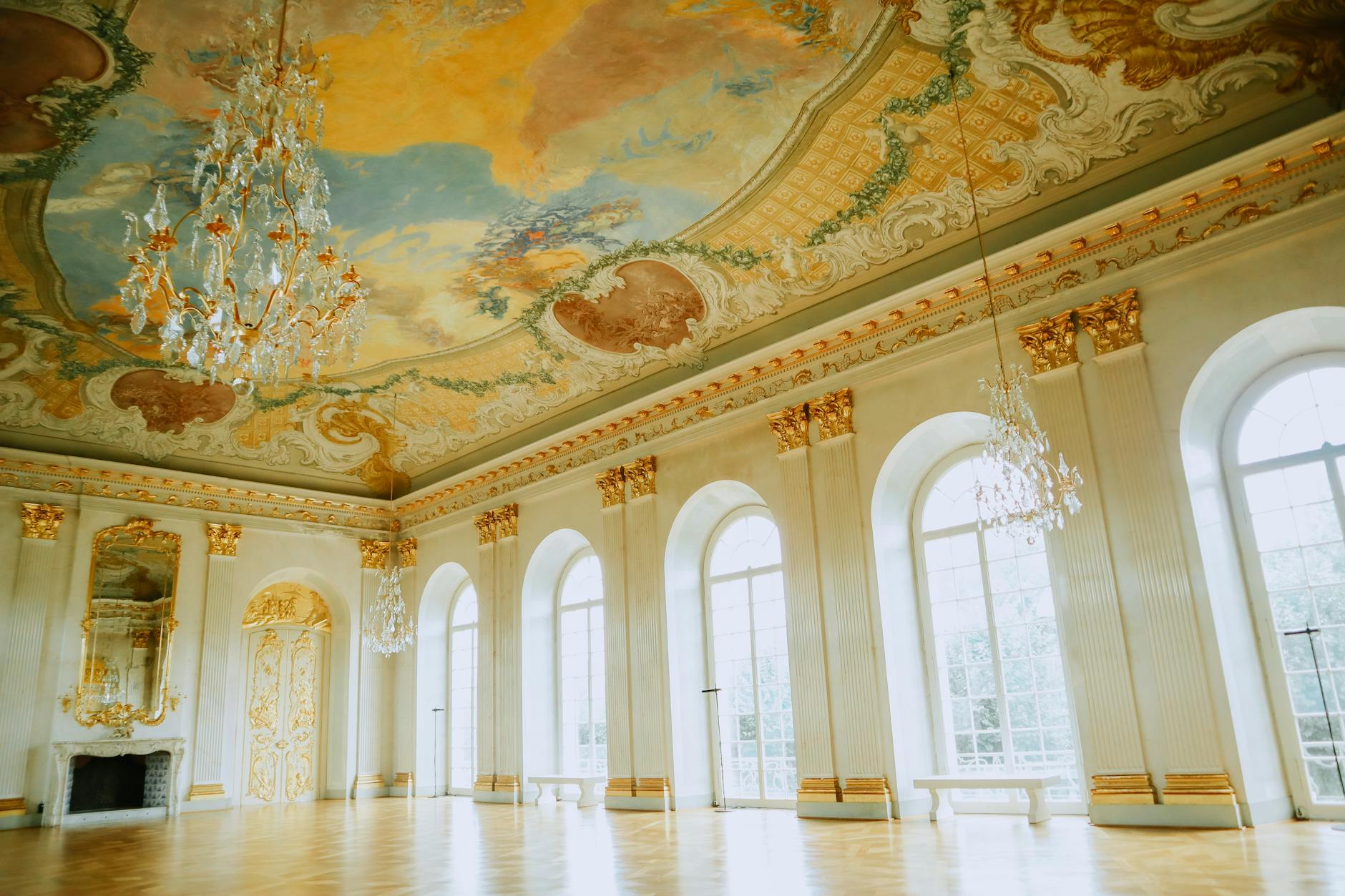
The State Apartments are the highlight of any Dublin Castle visit (when accessible). The complete tour route covers seven rooms, each with its own significance:
- Battle-Axe Landing: Named after the ceremonial battle-axes once carried by the Viceroy’s bodyguard. The grand staircase is 18th-century Italianate work.
- James Connolly Room: The room where the wounded 1916 leader was held before transfer to Kilmainham — named in his honour after independence.
- Bermingham Tower: The medieval tower that survived the 1684 fire; once a notorious state prison.
- State Drawing Room: The most opulent room in the building; used for the formal welcome of foreign heads of state.
- Throne Room: Originally built for King George IV’s 1821 visit; the throne is still in place.
- Portrait Gallery: A long gallery hung with portraits of the British Viceroys; informally known as “The Picture Gallery.”
- St Patrick’s Hall: The largest and most magnificent room — an 80-foot-long ballroom with a spectacular ceiling painting depicting the relationship between Britain and Ireland. Every Irish President has been inaugurated here. EU summit working sessions take place here during the Presidency.
The Chapel Royal
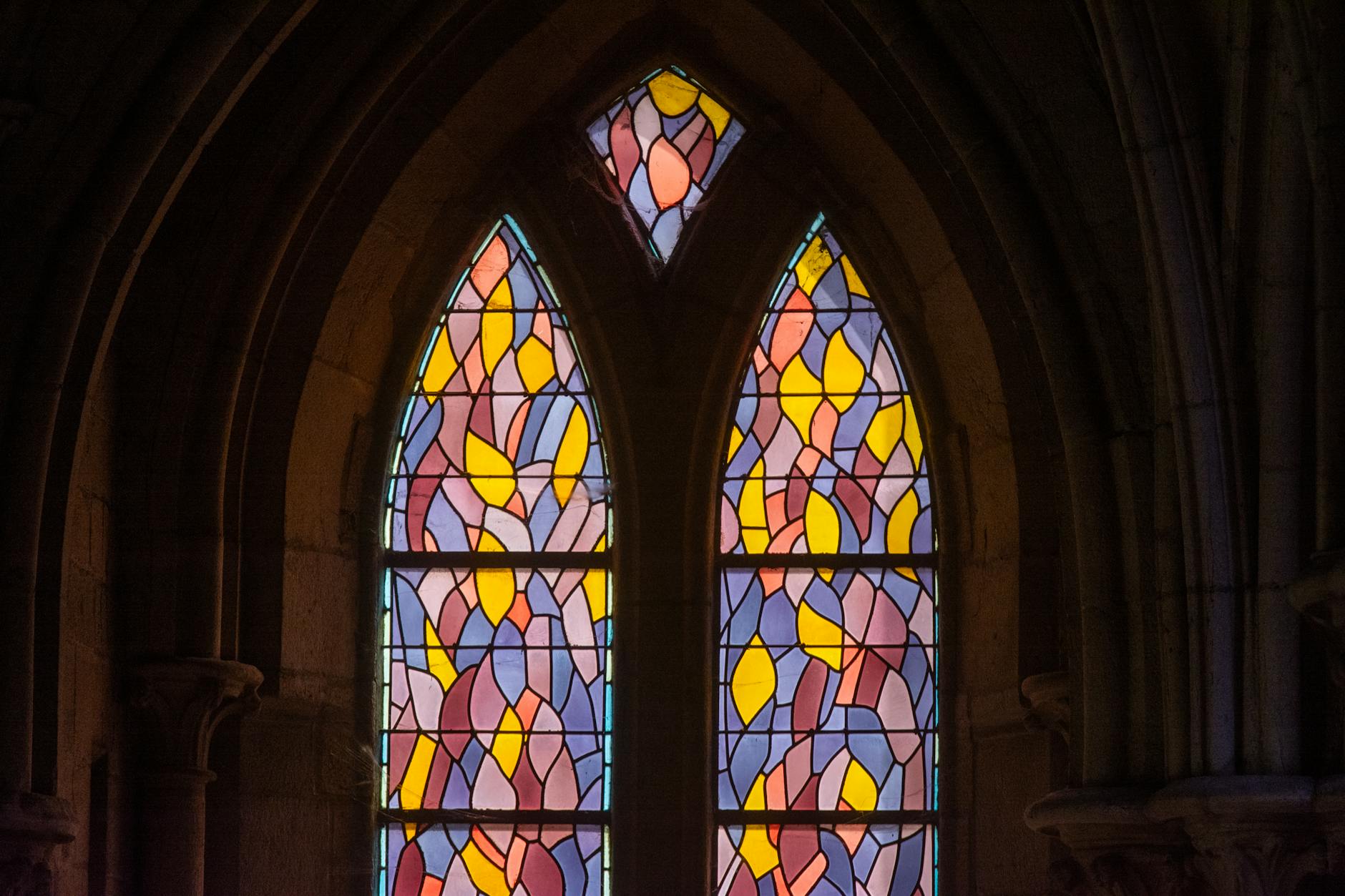
Completed in 1814 to a design by Francis Johnston, the Chapel Royal is one of the finest examples of Gothic Revival architecture in Ireland. The exterior is heavily decorated with 90 carved heads representing British monarchs and senior officials. Inside, the chapel is dominated by elaborate stucco decoration, fan vaulting and impressive oak panelling carved with the heraldic arms of every Lord Lieutenant from 1172 to 1922 — an extraordinary 750-year visual genealogy of Irish administration.
The Chapel was originally Anglican and served the Castle’s viceregal community. After 1922 it was reconsecrated as Catholic and renamed the Church of the Most Holy Trinity, though most visitors still know it by the historic name.
The Medieval Undercroft
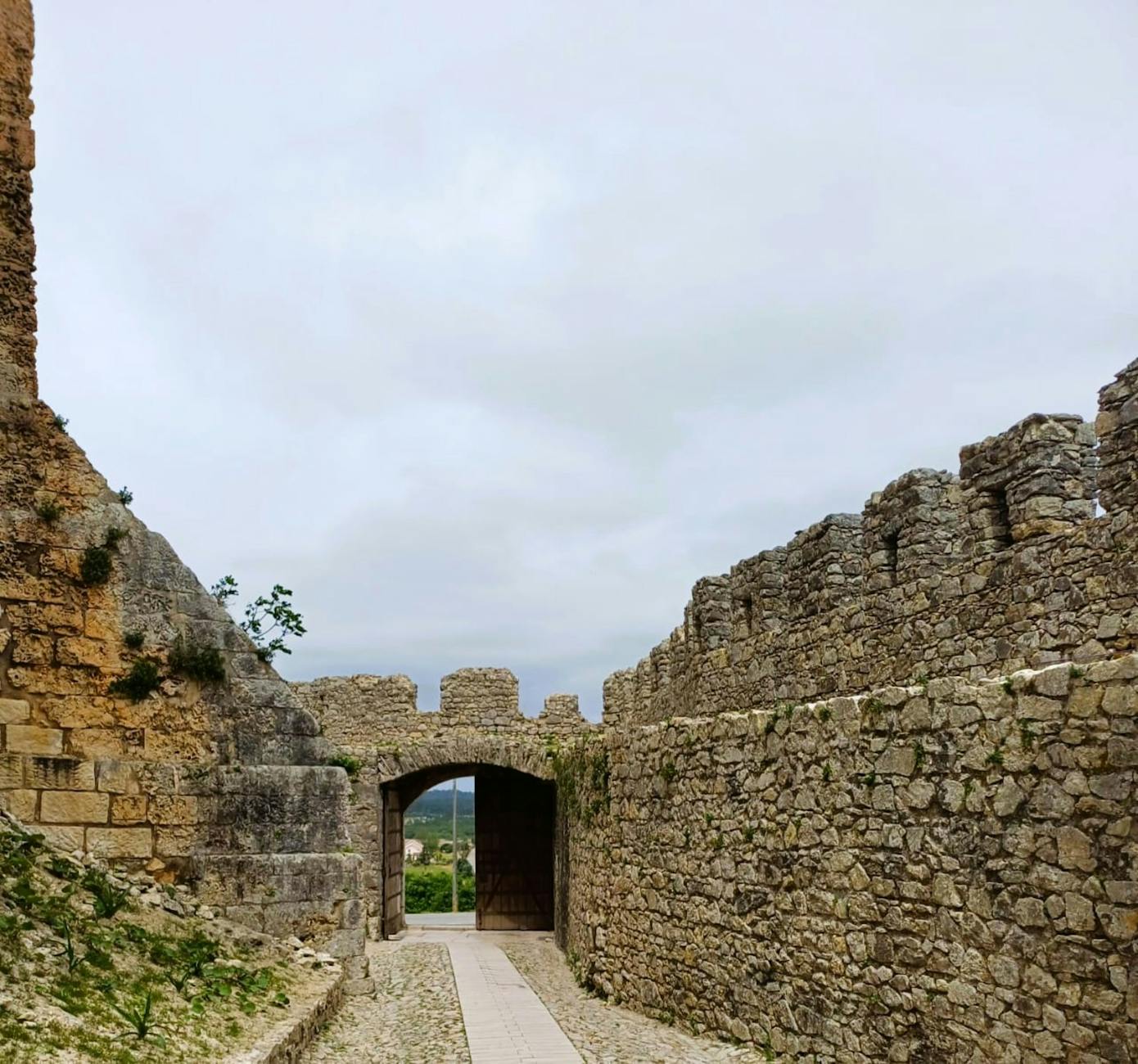
The Castle’s most evocative space is paradoxically its smallest: the Medieval Undercroft, a series of dimly lit underground chambers that preserve the Viking-era arches, Norman foundations and the original moat fed by the Poddle river. Excavations in the 1980s revealed the foundations of the original 13th-century corner tower, plus pieces of the Hiberno-Norse fortification that preceded it. A small section of the Poddle river still flows underneath. Children find this part of the Castle especially atmospheric.
The Castle Gardens (Free)
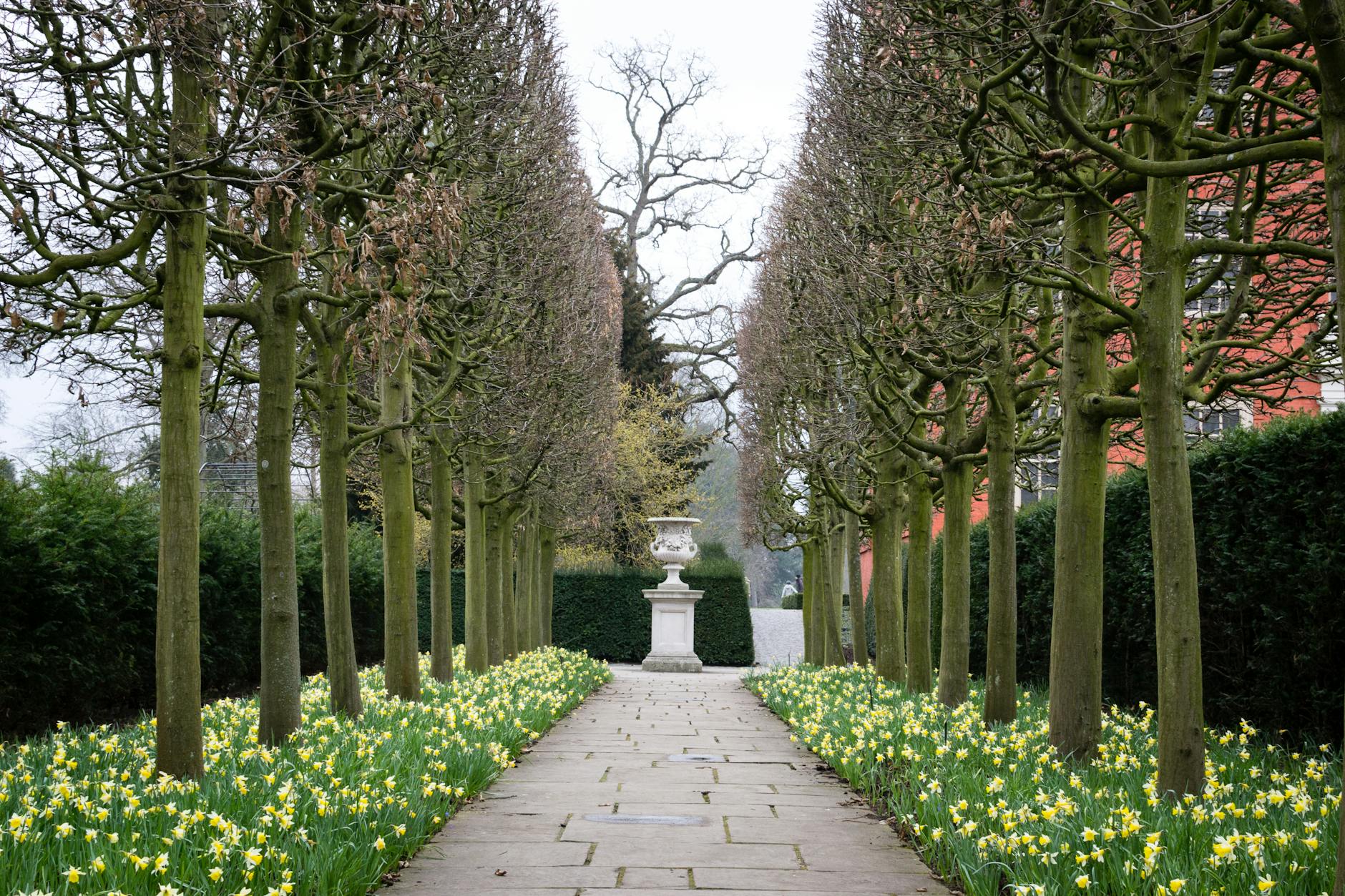
The Castle gardens are free to enter and remain open even during the 2026 EU Presidency. The most significant is the Dubh Linn Garden — a circular lawn at the back of the Castle laid out on the site of the original Viking dark pool that gave Dublin its name. The lawn’s pattern incorporates a snaking serpentine in honour of the city’s Viking origins. Around the edge run the OPW garden with herbaceous borders and the Chester Beatty Library’s rooftop garden.
The Dubh Linn Garden is one of the city’s underused free spaces — quiet, central, and almost always uncrowded.
The Chester Beatty Library: Open Throughout 2026
One important silver lining of the 2026 closure: the world-class Chester Beatty Library, set in the Castle gardens, remains open. Access is via Ship Street Gate (not the main Dame Street Castle entrance). The Chester Beatty is described by Lonely Planet as not just the best museum in Dublin but one of the best in Europe; admission is free; permanent galleries cover Sacred Traditions and Arts of the Book; allow 1.5–2 hours. We have the full background in our Dublin museums guide.
Getting to Dublin Castle

Dublin Castle sits at the geographic centre of the historic city. From most central locations:
- From Trinity College: 7-minute walk west via Dame Street.
- From Temple Bar: 5-minute walk south.
- From Christ Church Cathedral: 5-minute walk east.
- Public transport: Multiple buses stop on Dame Street; closest Luas Red Line stop is Four Courts (10-minute walk).
- Parking: No on-site visitor parking; use the Drury Street or Jervis Street car parks.
For a wider transport overview, see our Dublin transport pillar guide.
Dublin Castle Today: Ireland’s Ceremonial Centre
It’s easy to think of Dublin Castle as a museum, but it’s also one of Ireland’s most important working state ceremonial buildings. The State Apartments are used for purposes most visitors never see:
- Presidential inaugurations. Every Irish President since the 1930s has been inaugurated in St Patrick’s Hall. The most recent — Michael D. Higgins for his second term in 2018 — followed a procession from the Castle gates, swearing-in in the Hall, and the official portrait at the throne canopy.
- State funerals. The Castle has hosted the lying-in-state of Presidents and other senior figures.
- Foreign state visits. Foreign heads of state are formally received in the State Drawing Room when they visit Ireland. Queen Elizabeth II’s historic 2011 state visit — the first British monarch to visit independent Ireland — included a major dinner here.
- EU presidency events. The 2026 closure is the sixth time Dublin Castle has hosted the EU presidency, following Ireland’s presidencies in 1990, 1996, 2004, 2013 and 2026.
- Diplomatic events. Ambassadorial credentials are presented to the President here.
This ceremonial weight is partly why the Castle is closed during the 2026 EU Presidency — the same rooms tourists walk through on a self-guided tour are also where European foreign ministers will be working through the second half of the year.
Architectural Highlights
The Castle complex is an architectural patchwork that rewards a careful eye. From the Upper Yard alone you can see five centuries of Dublin building styles:
- The Bedford Tower (1761) — the Castle’s most photographed building, with its elegant copper-domed clock and the gateway through which the State Coach traditionally entered.
- The two flanking gates of the Upper Yard — surmounted by classical statues of Justice (above one gate) and Fortitude (above the other). Dublin lore claims that Justice traditionally faces inward toward the Castle (away from the city), reflecting how the population felt about her presence.
- The State Apartments’ long facade — an austere Georgian elevation completed in stages from 1750 to 1820.
- The Record Tower — the most visible piece of the original 13th-century medieval castle, with walls 4.5 metres thick.
- The Chapel Royal — Francis Johnston’s 1814 Gothic Revival masterpiece, with 90 carved heads on the exterior depicting Lord Lieutenants, Archbishops and other dignitaries.
- The Bermingham Tower — the medieval prison tower, much rebuilt after partial collapse in the 18th century.
For more on Dublin’s architectural history beyond the Castle, see our Dublin history & literary heritage pillar guide and our Dublin neighbourhoods guide.
Dublin Castle in Irish Political Memory
For most of its 700 years as the seat of British rule, Dublin Castle was an object of Irish political resentment as much as a building. The phrase “Dublin Castle” was a metonym in 19th-century Irish nationalist rhetoric for the entire imperial administration — what nationalist leader Charles Stewart Parnell called “the spider’s web of Castle government.”
Three episodes anchor the Castle in Irish political memory:
- The 1907 theft of the Irish Crown Jewels. The diamond-encrusted insignia of the Order of St Patrick — worth approximately €30 million in today’s money — were stolen from a safe in the Castle’s Bedford Tower in summer 1907, days before King Edward VII was due to visit. The jewels have never been recovered, and the case remains officially unsolved.
- The 1916 surrender. Following the Easter Rising, the seven signatories of the Proclamation, including Patrick Pearse and James Connolly, were brought to Dublin Castle’s military barracks. Connolly, badly wounded, was treated in the Castle Red Cross hospital before being executed at Kilmainham.
- The 1922 handover. The most symbolically significant event in the Castle’s history: the formal handing over of administrative control from Britain to the new Irish Free State on 16 January 1922. Michael Collins led the Provisional Government delegation. The British Lord Lieutenant Lord FitzAlan formally departed; Collins, in a frock coat, accepted the keys.
The Castle’s transformation from object of colonial resentment to ceremonial centre of the modern Irish Republic is a story unique to Dublin and one of the threads that runs through every State Apartments tour.
Best Alternatives for 2026 Visitors
If you’re visiting Dublin between May and December 2026 and disappointed not to tour the Castle, the following major Dublin attractions cover similar territory and remain open:
- Kilmainham Gaol — the most powerful Irish independence-history museum experience in the country (book 4–6 weeks ahead).
- 14 Henrietta Street — an immaculately restored Georgian tenement house with one of the city’s best guided tours.
- EPIC The Irish Emigration Museum — immersive multi-award-winning museum of Irish global emigration.
- GPO Witness History — 1916 Easter Rising museum inside the iconic post office building.
- National Museum of Ireland — Decorative Arts & History at Collins Barracks — free; covers military and political history including 1916.
- Glasnevin Cemetery Museum — the burial place of Daniel O’Connell, Michael Collins, Éamon de Valera and many other figures of Irish history.
- Christ Church Cathedral & Dublinia — medieval cathedral and adjacent Viking museum, 5 minutes from Dublin Castle.
10 Practical Tips for Visiting Dublin Castle
- Check the closure dates first. Confirm whether your trip falls inside the 5 May – 31 December 2026 EU Presidency window before booking flights or building an itinerary around the Castle tour.
- Book the guided tour, not the self-guided when the site reopens. The 1-hour expert tour covers history, architecture and personalities far better than the self-guided audio loop.
- Photography is permitted in the State Apartments (no flash). Not permitted in the Chapel Royal during services.
- Allow up to 90 minutes for a full visit including Chapel and Undercroft; not 30 as some itinerary calculators suggest.
- Wear flat shoes — the cobbled courtyards are uneven.
- Pre-book online in summer; same-day walk-up tickets are sometimes available October–March.
- Combine wisely: Dublin Castle — Chester Beatty Library — Christ Church Cathedral — Dublinia is a perfect medieval-and-Georgian morning circuit.
- Eat at the Silk Road Café inside the Chester Beatty — one of the best lunch spots in central Dublin (open during 2026 even when Castle tours are paused).
- Wheelchair accessibility: The State Apartments and Chapel Royal are step-free; the Medieval Undercroft has narrow stairs only.
- Special events: The Castle hosts free open-air events during summer including outdoor cinema in the Lower Yard. Check the OPW events calendar before your visit.
Dublin Castle: FAQ
Why is Dublin Castle closed in 2026?
Ireland holds the rotating Presidency of the Council of the European Union from 1 July to 31 December 2026. Dublin Castle is the operational base for the Presidency’s ministerial council meetings, EU summits and official events. To accommodate this, public tours are paused from 5 May to 31 December 2026; the Castle reopens to public tours in January 2027.
Is Dublin Castle worth visiting?
When tours are running, yes — particularly for visitors interested in 800 years of Irish history under one roof. The State Apartments, Chapel Royal and Medieval Undercroft together cover Viking, Norman, medieval, Georgian and modern Irish state history. The 1-hour guided tour is excellent value at €12.
Is Dublin Castle a real castle?
It was a real medieval castle until the 1684 fire (see the official Dublin Castle site for ceremonial event listings), after which it was rebuilt in 18th-century Georgian style with elements of the original medieval fortifications surviving in the lower levels. Today it looks more like a Georgian palace than a medieval castle — though the Record Tower (1228), the Bermingham Tower base, and the Medieval Undercroft preserve the original castle’s footprint.
How long does it take to visit Dublin Castle?
The self-guided tour takes 30–45 minutes. The guided tour takes 1 hour. Allowing 1.5 hours total — including the Chapel and Medieval Undercroft — is realistic.
Can you walk through Dublin Castle for free?
Yes — the Castle’s Upper and Lower Yards, the Dubh Linn Garden and the Chester Beatty Library are all free to enter. Only the State Apartments, Chapel Royal and Medieval Undercroft are paid.
Where was the Easter Rising leader James Connolly held in Dublin Castle?
James Connolly was treated in the Castle’s Red Cross hospital for his wounds before being transferred to Kilmainham Gaol for execution by firing squad in May 1916. The room is now named in his honour and is part of the State Apartments tour.
Is the Chester Beatty open during the 2026 closure?
Yes. The Chester Beatty Library remains open throughout the EU Presidency and is accessed via Ship Street Gate, around the back of the Castle complex (not via the main Dame Street entrance).
Can I attend an EU Presidency event at Dublin Castle?
EU ministerial council meetings and working group sessions are not open to the public. However, Ireland’s Presidency programme will include a number of free public events across Dublin and the country — cultural exhibitions, public talks, festivals and city activations. Check the Ireland.ie EU Presidency portal for the schedule.
What’s the best Dublin Castle alternative for history fans?
Kilmainham Gaol is the most-recommended alternative, covering the modern Irish independence story powerfully. 14 Henrietta Street is the best alternative for a tour-led architectural history experience. EPIC The Irish Emigration Museum offers the most family-friendly Irish history attraction. See our top 20 Dublin museums guide for full coverage.
Plan the Rest of Your Dublin History Day
Dublin Castle is the spiritual centre of any Dublin history itinerary, but it’s far from the only stop. Pair your visit (or your “visit-around” if travelling in 2026) with our Dublin history & literary heritage pillar for the broader story, our top 20 Dublin museums guide for indoor alternatives, and the Dublin itinerary planner for sample 1, 2 and 3-day plans. Whether you make it inside the State Apartments or only walk the Upper Yard, Dublin Castle remains the best single place to feel the layered weight of 800 years of Irish history.
Leave a Reply