Top 19 Dublin Museums You Must Visit in 2026
Ar an gComhartha Seo — On this sign
Dublin punches well above its weight for museums. For a city of just 1.5 million people, it has the breadth of cultural collections you’d expect from a capital five times its size — the country’s entire archaeological record under one roof, three branches of the National Museum, two flagship national art galleries, an Emmy-winning emigration museum and a moving tenement house that won European Museum of the Year. Best of all, almost half of them are completely free.
This guide ranks the 19 Dublin museums you must visit in 2026, from blockbuster national institutions to the small, specialist gems that lifelong Dubliners count among their favourites. They are organised by interest — history, art, literature, science, social history — so you can build a day around what you actually love.
If you’re building your itinerary, this guide pairs perfectly with our pillar things to do in Dublin overview, our list of free things to do in Dublin (which has more on the free museums below) and the Dublin itinerary planner for sample museum-heavy days.
Quick Overview: Dublin’s Museum Landscape
Ireland’s museum sector is anchored by the National Museum of Ireland, which has four branches (three in Dublin), and the National Gallery of Ireland. Both are free for permanent collections — a deliberate state policy designed to keep the national heritage open to everyone. Around them sits a constellation of city museums, university museums, private foundations, military and police museums, and a remarkable cluster of literary museums celebrating Dublin’s four Nobel laureates in literature.
Most central museums sit within a 20-minute walk of each other across two clusters: the Kildare Street / Merrion Square axis in Dublin 2 (Archaeology, National Gallery, National Library) and the O’Connell Street / Parnell Square axis on the north side (Hugh Lane, GPO Witness History, the Dublin Writers Museum site and 14 Henrietta Street).
The 19 Best Museums in Dublin (Ranked)
1. National Museum of Ireland — Archaeology (Free)
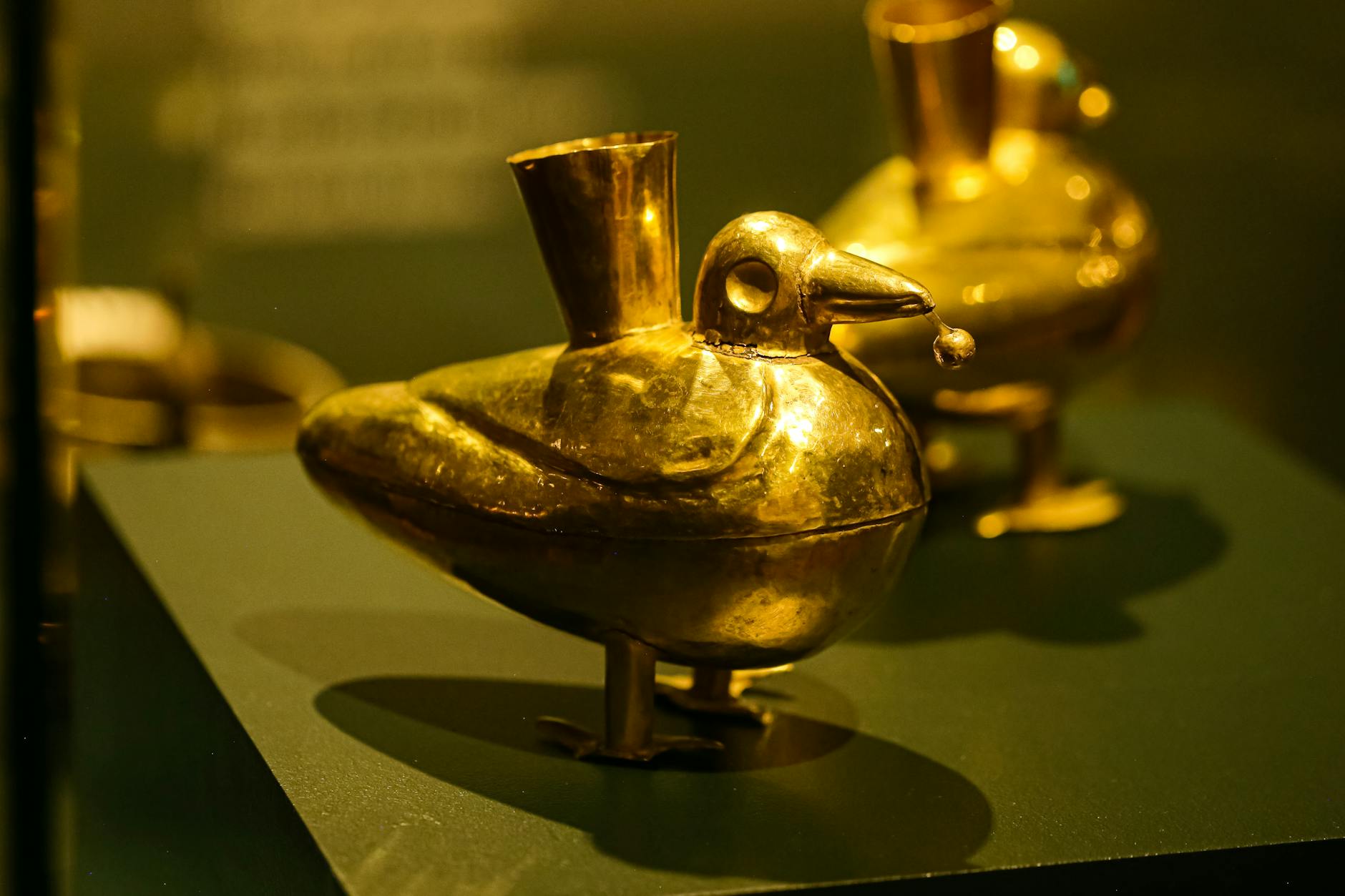
If you visit only one museum in Dublin, make it this one. The Kildare Street flagship of the National Museum holds Ireland’s entire archaeological collection — over two million artefacts spanning 7,000 years. The famous “Treasury” gallery brings together the country’s greatest medieval ecclesiastical objects: the Tara Brooch, the Ardagh Chalice, the Cross of Cong, the Derrynaflan Hoard. The bog-bodies gallery (where Iron Age corpses preserved in Irish peatlands lie under low light) is genuinely arresting. The prehistoric gold collection is the finest in western Europe.
Address: Kildare Street, Dublin 2 · Hours: Tue–Sat 10:00–17:00, Sun–Mon 13:00–17:00 · Admission: Free · Allow: 2–3 hours · Best for: History buffs, families, anyone visiting Ireland for the first time.
2. National Gallery of Ireland (Free)
Established in 1854 and home to over 2,500 paintings and 10,000 works on paper, the National Gallery on Merrion Square is one of Europe’s most accessible major collections. Highlights include Caravaggio’s The Taking of Christ (rediscovered in a Dublin Jesuit residence in 1990), Vermeer’s Lady Writing a Letter with her Maid, and an exceptional permanent display of Jack B. Yeats. Don’t skip the dedicated Irish wing — Walter Osborne, William Orpen and Roderic O’Conor are easy to fall for. The new Beit Wing reopened in 2024 with a refreshed European hang.
Address: Merrion Square West, Dublin 2 · Hours: Mon–Sat 09:15–17:30 (Thu until 20:30), Sun 11:00–17:30 · Admission: Free (special exhibitions ticketed) · Allow: 2–3 hours · Pro tip: Free 45-minute highlight tours run Mon–Fri at 11:30 and weekends at 12:30.
3. Chester Beatty Library (Free)
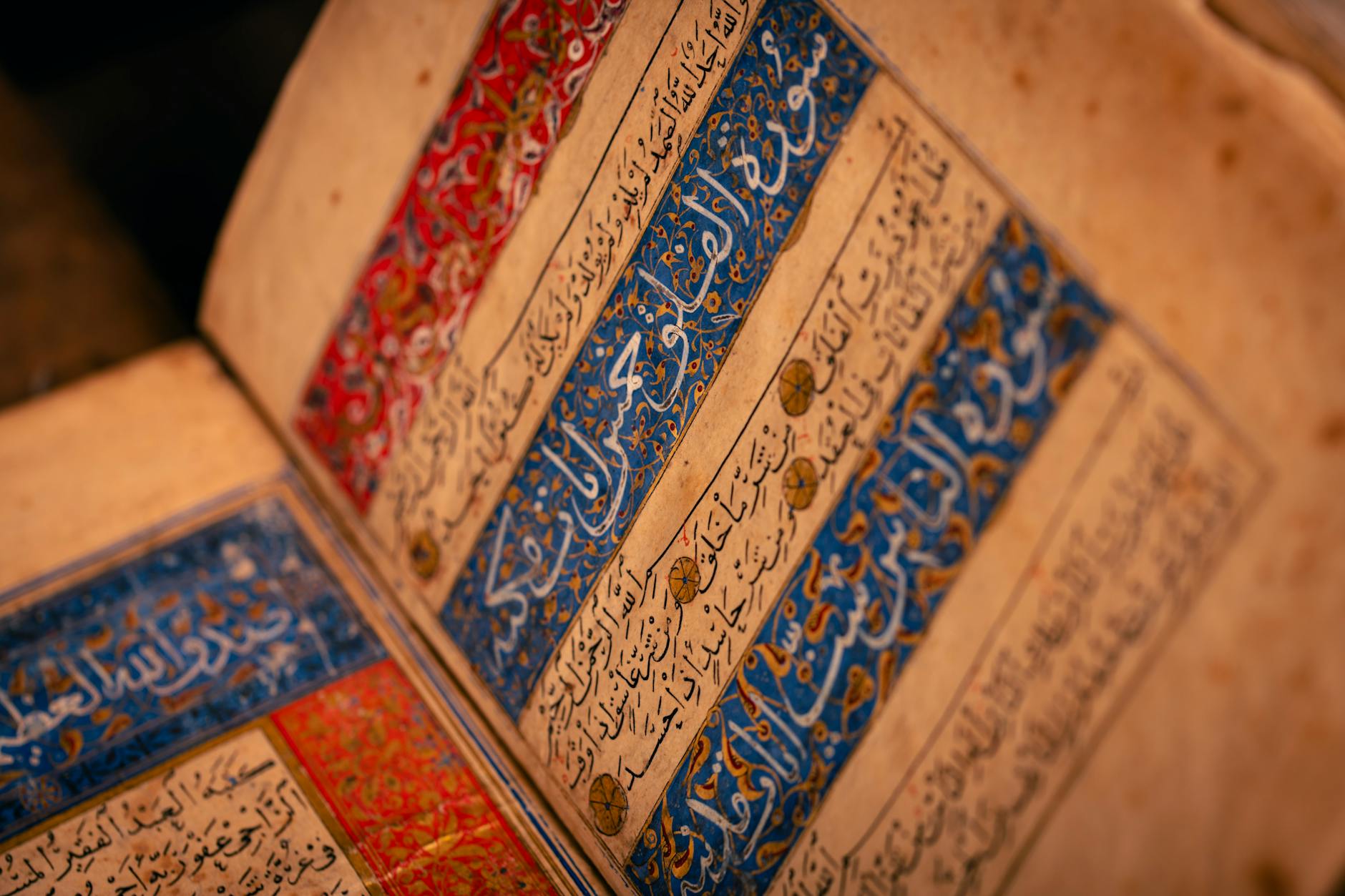
Tucked discreetly into the gardens of Dublin Castle, the Chester Beatty Library is consistently ranked among the finest small museums in Europe. Sir Alfred Chester Beatty bequeathed his superb collection of rare manuscripts and books to the Irish state in 1968. Today the two free permanent galleries cover “Sacred Traditions” (illuminated Qur’ans, papyrus biblical fragments, Buddhist sutras) and “Arts of the Book” (East Asian scrolls, Persian miniatures, European illuminated manuscripts). The roof garden is a perfect break.
Address: Dublin Castle, Dublin 2 · Hours: Wed–Fri 10:00–17:00, Sat 11:00–17:00, Sun 13:00–17:00 (closed Mon, Tue) · Admission: Free · Allow: 1.5–2 hours · Note: the Chester Beatty is closed to the public from 15 June to 31 December 2026 for Ireland’s EU Presidency, and is expected to reopen in January 2027.
4. EPIC The Irish Emigration Museum (Paid)
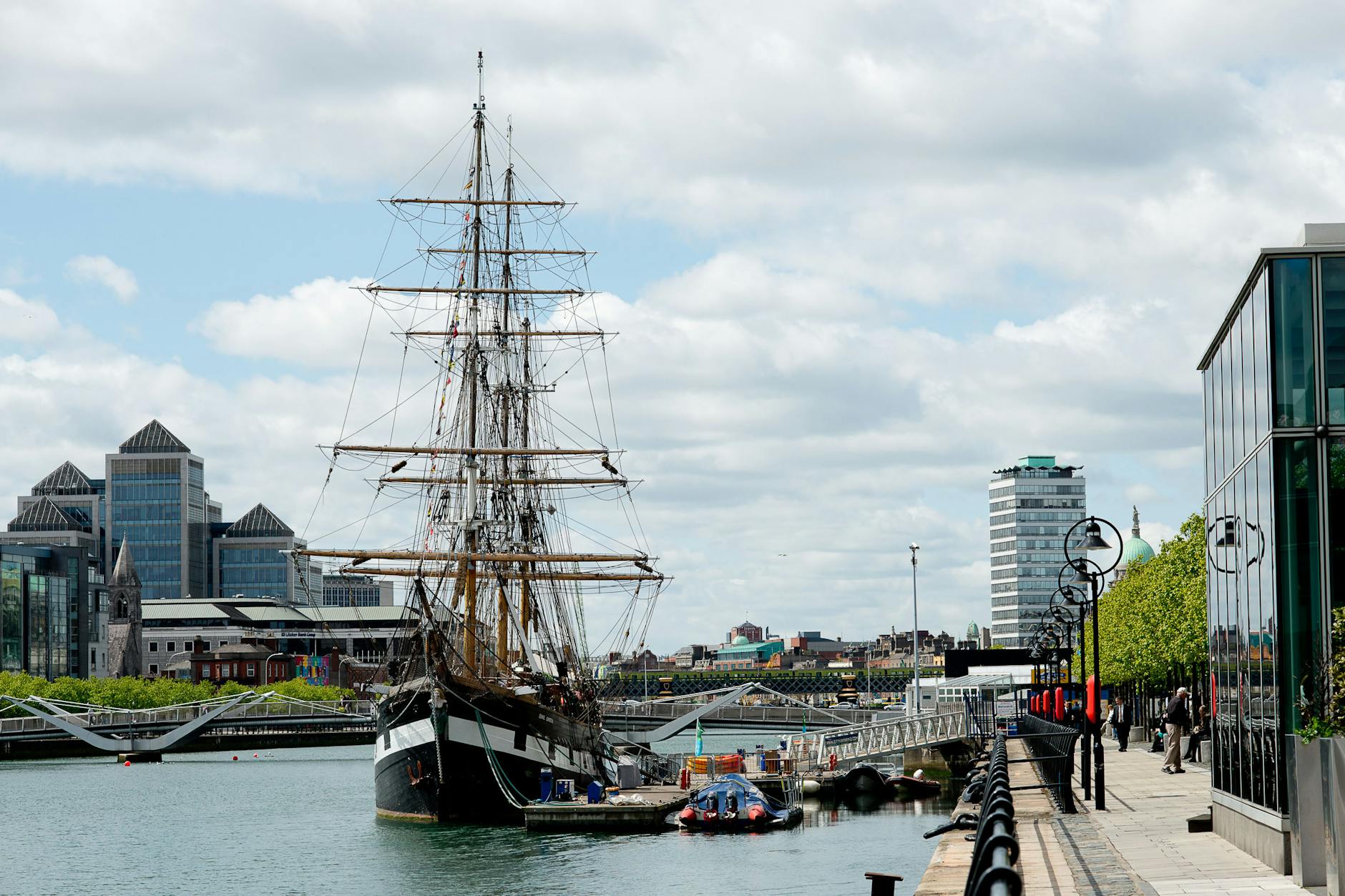
The first “fully digital” museum in the world — and a multiple winner of Europe’s Leading Tourist Attraction at the World Travel Awards. EPIC traces the global Irish diaspora through 20 themed galleries packed with touchscreens, stamping passports, holographic interviews and recorded songs. Set in the brick-vaulted basement of the CHQ Building on the Dublin Docklands, it’s perfect for kids, very accessible to non-Irish visitors, and surprisingly emotional. Combine with a tour of the adjacent Jeanie Johnston famine ship.
Address: CHQ Building, Custom House Quay, Dublin 1 · Hours: Daily 10:00–18:45 (last admission 17:00) · Admission: Adult €21, Family €55 · Allow: 1.5–2 hours · Pro tip: Pre-book online to skip the queue and save €3.
5. Irish Museum of Modern Art / IMMA (Free)
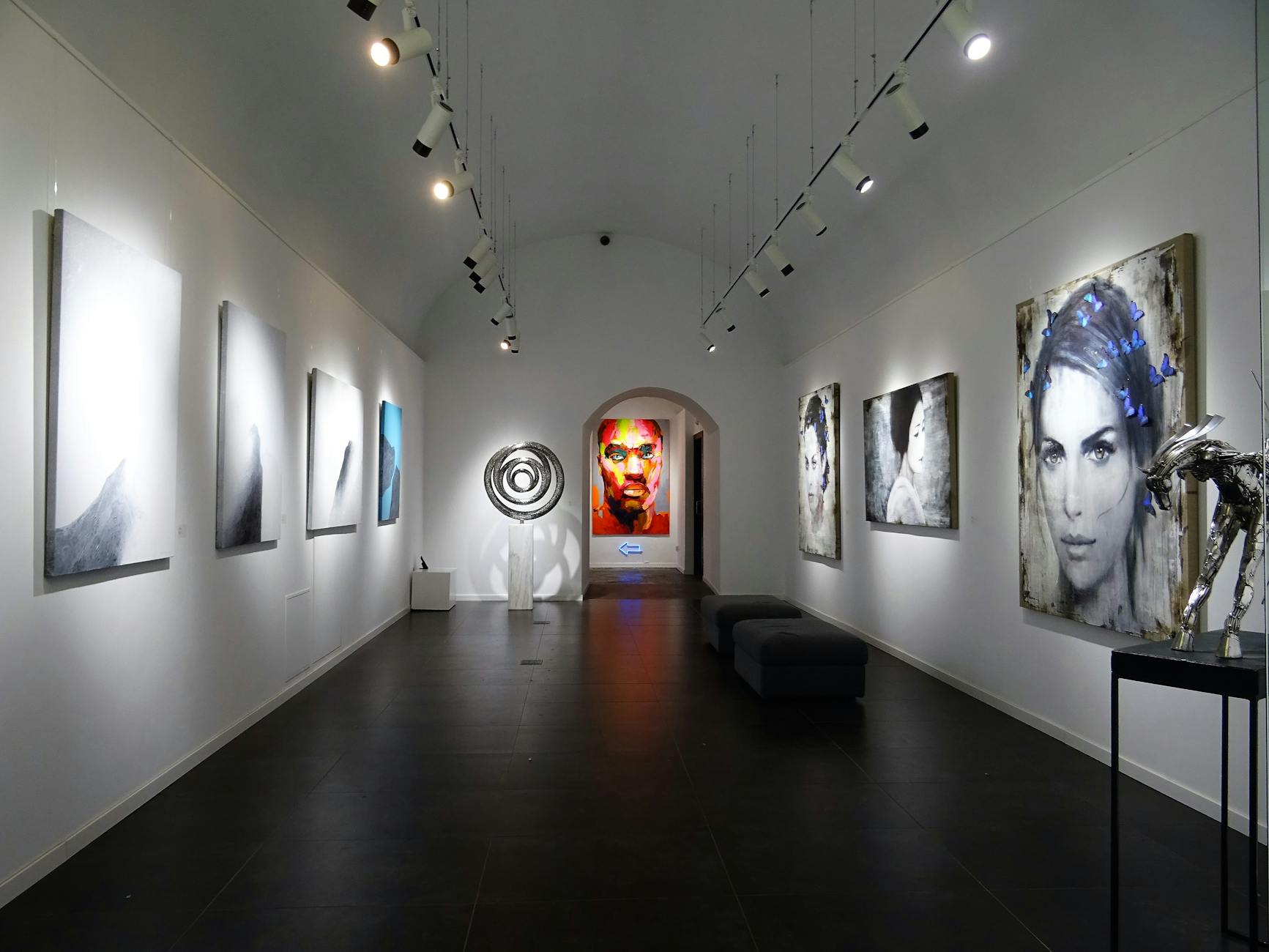
Ireland’s flagship contemporary art venue, set in the spectacular 17th-century Royal Hospital Kilmainham — the country’s first major public building, modelled on Les Invalides. Permanent collection access and most exhibitions are free. The 48 acres of formal gardens, meadow walks and woodland make it a destination as much for a sunny afternoon as for the art. The bookshop has the city’s best art-publication selection.
Address: Royal Hospital, Military Road, Kilmainham, Dublin 8 · Hours: Tue–Fri 11:30–17:30, Sat 10:00–17:30, Sun 12:00–17:30 · Admission: Free · Allow: 2–3 hours · Travel tip: 10-minute walk from Heuston Station, or red Luas to Heuston.
6. National Museum of Ireland — Decorative Arts & History (Free)
Housed at Collins Barracks — the world’s longest barracks square — this branch of the National Museum holds Irish silver, ceramics, glass, fashion and weaponry. The blockbuster permanent exhibits are “Soldiers and Chiefs” (Ireland’s most comprehensive military history display, from the Battle of Clontarf to the present day) and the Asgard yacht — the boat used to smuggle 900 rifles into Howth in 1914 in support of the Irish Volunteers. The 1916 Rising room is small but moving.
Address: Benburb Street, Dublin 7 · Hours: Tue–Sat 10:00–17:00, Sun–Mon 13:00–17:00 · Admission: Free · Allow: 2–3 hours · Travel tip: Take the red Luas to Museum stop, right outside the gate.
7. Kilmainham Gaol Museum (Paid)
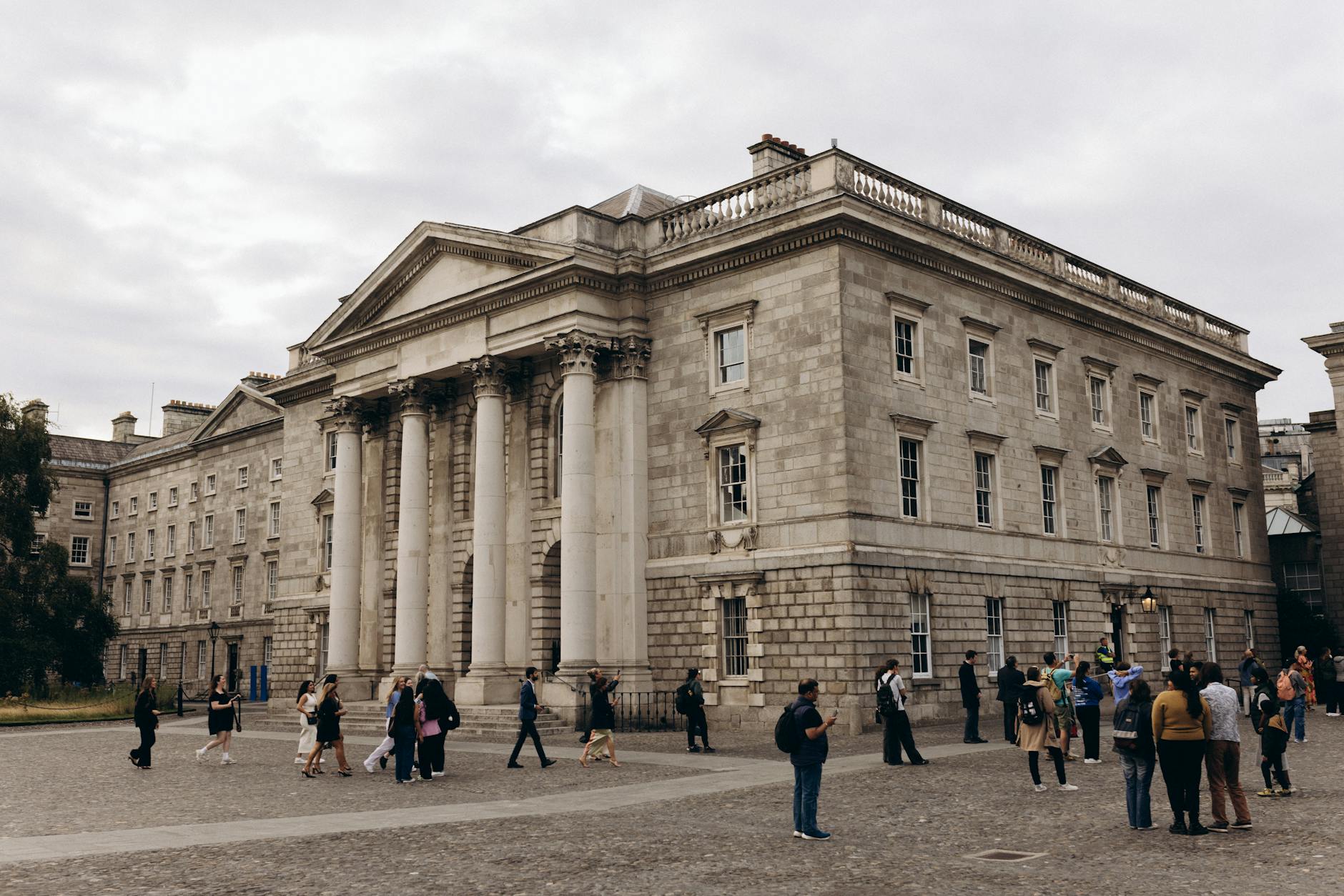
Ireland’s most powerful museum experience. Opened in 1796 and closed only in 1924, Kilmainham held many of the country’s most famous political prisoners and was the site of the executions of the leaders of the 1916 Easter Rising. The 1.5-hour guided tour is the only way to see the cells, the chapel where Joseph Plunkett married Grace Gifford hours before his execution, and the haunting Stonebreakers’ Yard. Book at least 4–6 weeks ahead — tickets sell out fast.
Address: Inchicore Road, Kilmainham, Dublin 8 · Hours: Daily 09:30–17:00 (last tour 16:15) · Admission: Adult €8, OAP/Student €6, Child €4, Family €20 · Allow: 1.5 hours · Pro tip: Combine with adjoining IMMA and Royal Hospital grounds.
8. GPO Witness History (Paid)
Ireland’s most iconic building — the General Post Office on O’Connell Street — was the headquarters of the 1916 Easter Rising. The award-winning GPO Witness History museum lives inside the still-functioning post office, using projection, replica documents and oral history to recreate Easter Week. The Proclamation document, an annotated copy of the surrender note, and the original bullet-pocked pillars at the front of the building all sit metres from where the events unfolded.
Address: O’Connell Street Lower, Dublin 1 · Hours: Mon–Sat 10:00–17:30, Sun 12:00–17:30 · Admission: Adult €15, Concession €12, Family €36 · Allow: 1.5 hours.
9. 14 Henrietta Street (Paid)
Winner of the European Museum of the Year Special Commendation, this is the most quietly powerful museum in Dublin. A single Georgian townhouse on the city’s most architecturally significant Georgian street tells 300 years of Dublin life — from a 1740s aristocratic family seat through tenement decline (when up to 100 people lived in a single building) to its 1970s closure and 21st-century restoration. Tours are guided, intimate (max 12 people), and led by some of the city’s best storytellers.
Address: 14 Henrietta Street, Dublin 1 · Hours: Wed–Sun, tours every 75 minutes from 10:00 · Admission: Adult €10, Concession €7, Child €5, Family €25 · Allow: 75 minutes · Pro tip: Pre-book online — walk-up tickets often unavailable.
10. The Little Museum of Dublin (Paid)
The Little Museum tells the story of 20th-century Dublin through 5,000 objects donated by the public — everything from a Bewley’s Café tea cup to U2’s first contract. Set in a beautiful Georgian townhouse on St Stephen’s Green, the experience is built around a 30-minute guided tour that’s funny, fast-paced and genuinely entertaining. Note: The Little Museum was undergoing relocation in 2025 and reopened at a new home on St Stephen’s Green in early 2026 — check the website for latest details before visiting.
Hours: Daily 10:00–17:00 · Admission: Adult €15, Concession €13, Child (under 12) Free · Allow: 1 hour.
11. Hugh Lane Gallery (Free)
Officially Dublin City Gallery The Hugh Lane, this is the city’s second-most-important art museum after the National Gallery. Permanent highlights include the world-famous reconstructed studio of Francis Bacon, moved brick-by-brick from London and rebuilt in glass-fronted display. There’s also a strong collection of Irish stained-glass works by Harry Clarke and Evie Hone, plus paintings by Roderic O’Conor, Sean Scully and Walter Osborne. The free Sundays at Noon classical concerts have run since 1975.
Address: Charlemont House, Parnell Square North, Dublin 1 · Hours: Tue–Thu 09:45–18:00, Fri 09:45–17:00, Sat 10:00–17:00, Sun 11:00–17:00 · Admission: Free · Allow: 1.5–2 hours.
12. National Library of Ireland (Free)
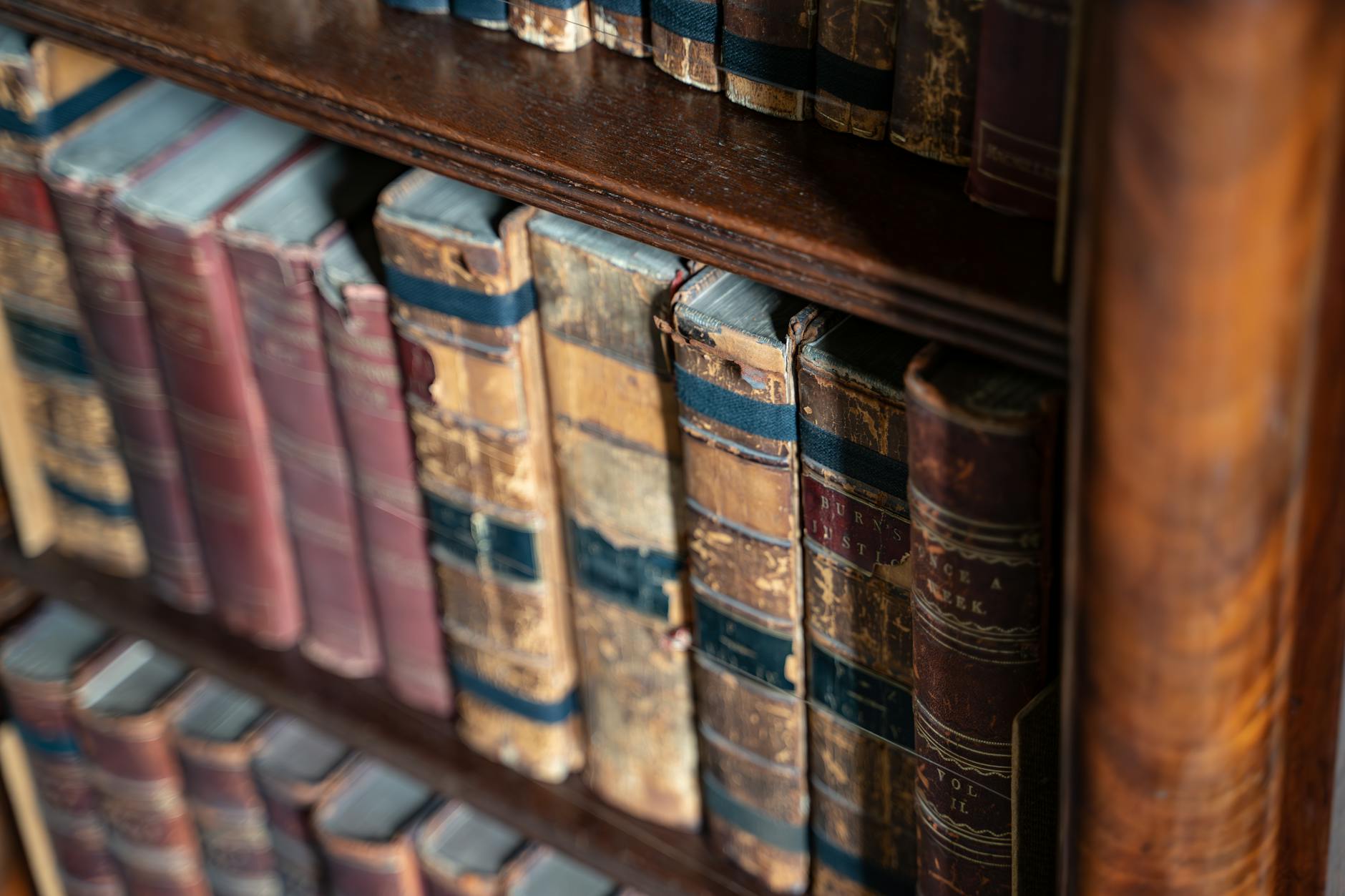
Beside the National Museum on Kildare Street, the National Library always has at least two free exhibitions running — usually built around literary giants. The long-running Yeats: The Life and Works of William Butler Yeats exhibition is essential for any literature lover, with original manuscripts, letters and the poet’s eyepatch on display. The Reading Room, where James Joyce’s Stephen Dedalus argues over Shakespeare in Ulysses, is open to anyone with a free reader’s ticket.
Address: Kildare Street, Dublin 2 · Hours: Mon–Wed 09:30–19:45, Thu–Fri 09:30–16:45, Sat 09:30–12:45 · Admission: Free.
13. Museum of Literature Ireland (MoLI) (Paid)
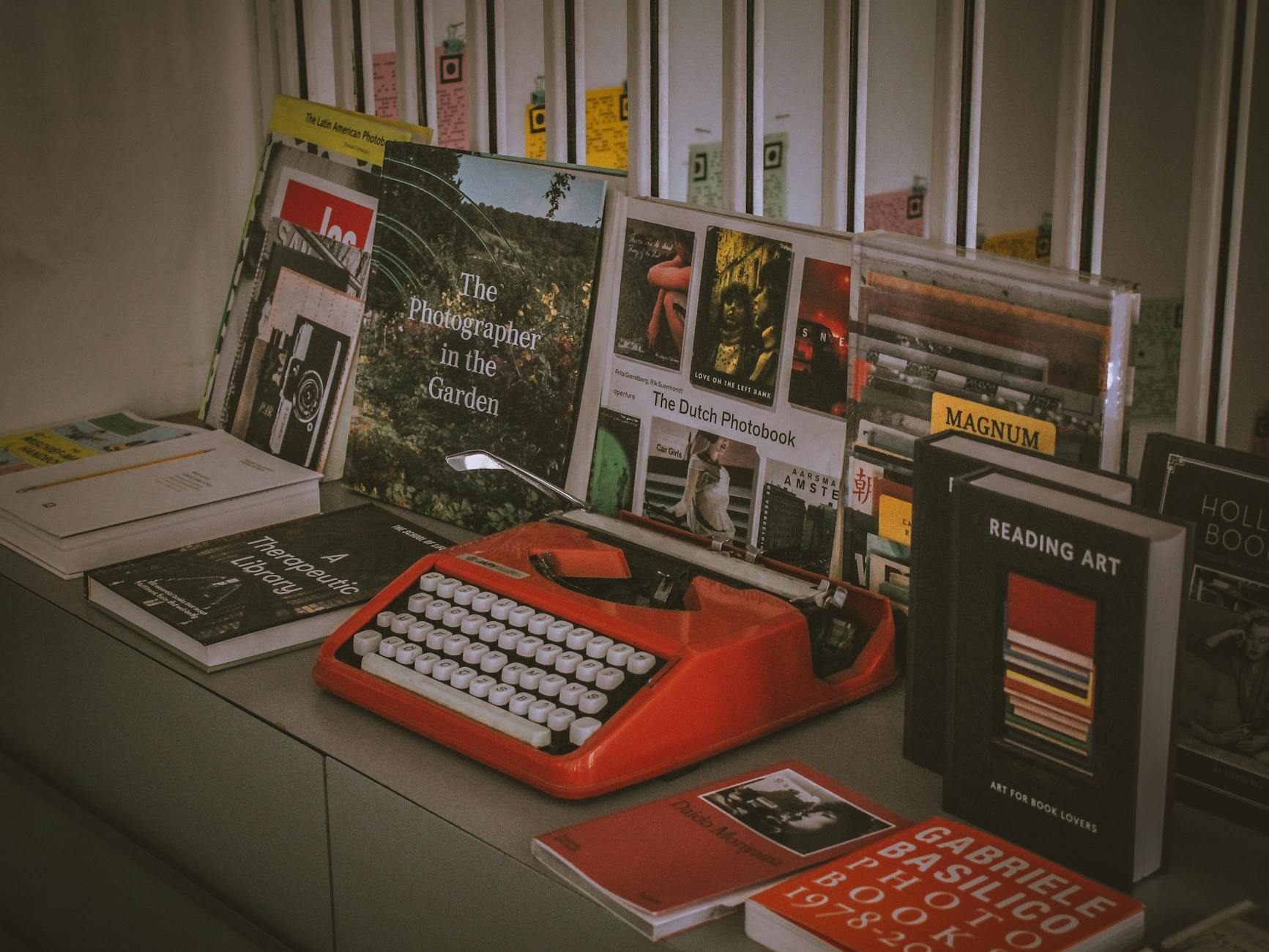
Housed in beautifully restored UCD Newman House on St Stephen’s Green — where James Joyce was a student — MoLI opened in 2019 and is the city’s flagship literature museum. The headline exhibit is Joyce’s Copy No. 1 of Ulysses, the first printed copy of the novel. Audio installations let you hear contemporary Irish writers read their own work. The garden café is widely considered one of Dublin’s best lunch spots.
Address: 86 St Stephen’s Green, Dublin 2 · Hours: Daily 10:00–18:00 · Admission: Adult €12, Concession €10, Child Free · Allow: 1.5–2 hours.
14. Trinity College / Book of Kells & Old Library (Paid)
The exhibition that introduces the Book of Kells — the 9th-century illuminated Gospel manuscript that’s arguably Ireland’s most famous cultural object — sits inside Trinity College’s Old Library, alongside one of the most photographed library spaces in the world: the 65-metre Long Room. Note that the Old Library is undergoing a major conservation project: most of the Long Room’s 200,000 books have been temporarily removed and are due to remain offsite until 2027–2030. The Book of Kells itself is still on display, and the empty shelves are themselves a striking sight. Luke Jerram’s illuminated Gaia sculpture currently hangs in the Long Room as a temporary art installation. We have a full Trinity College & Book of Kells visitor guide with timing tips.
Hours: Daily 09:30–17:00 (extended summer hours) · Admission: Adult €25, Concession €22 · Allow: 1.5 hours · Pro tip: Book a 09:30 timed ticket online to beat the coach tours.
15. Dublinia: Viking & Medieval Dublin (Paid)
Set in the converted Synod Hall beside Christ Church Cathedral, Dublinia is the most family-friendly history museum in the city. Three floors of immersive recreated Viking longhouses, medieval streetscapes and an excellent archaeology lab take you through 1,000 years of Dublin history. Climb the 17th-century St Michael’s Tower at the end for one of the best free city views in Dublin (included with admission).
Address: St Michael’s Hill, Christ Church, Dublin 8 · Hours: Daily 10:00–17:30 · Admission: Adult €15, Family €42 · Allow: 2 hours · Best for: Families with kids 6–14.
16. The Glasnevin Cemetery Museum (Paid)
The country’s national cemetery, where over 1.5 million people are buried — including Daniel O’Connell, Charles Stewart Parnell, Michael Collins, Éamon de Valera, Brendan Behan, Maud Gonne and Luke Kelly. The on-site museum tells the story of how the cemetery was founded in 1832 to give Catholics a dignified burial place. The 90-minute walking tour with a Glasnevin guide is one of the most moving experiences in Dublin.
Address: Finglas Road, Glasnevin, Dublin 11 · Hours: Daily 10:00–17:00 · Admission: Museum €9, Tour €15 · Allow: 2–2.5 hours · Pro tip: Combine with the adjoining National Botanic Gardens for a half-day on the city’s north side.
17. Irish Whiskey Museum (Paid)
Set across the road from Trinity College on Grafton Street, the Irish Whiskey Museum is the only museum in Ireland devoted to the history of Irish whiskey rather than the product of a single distillery. Tours run every 30 minutes and include 3–4 tastings. Pairs naturally with a Trinity College visit and the trad music sessions in nearby pubs.
Address: 119 Grafton Street, Dublin 2 · Hours: Daily 10:30–18:00 · Admission: Classic tour €25, Premium €30 · Allow: 1 hour 15 minutes.
18. Pearse Museum & St Enda’s Park (Free)
One of Dublin’s least-visited free gems, set in a Georgian house in 50 acres of parkland in the suburb of Rathfarnham. The house was Padraig Pearse’s experimental Gaelic school St Enda’s — the cradle of the cultural-revival education movement that prefigured the 1916 Rising. Today the museum recreates the school as it was when Pearse left for the GPO in 1916. The wooded park, walled garden, and a quiet ornamental pond make this an excellent half-day on a sunny afternoon.
Address: Grange Road, Rathfarnham, Dublin 16 · Hours: Wed–Sun 09:30–17:30 (museum), park daily until dusk · Admission: Free · Travel: 16 bus from O’Connell Street.
19. Irish Jewish Museum / Garda Museum (Free)
Two smaller free venues round out the list. The Irish Jewish Museum in Portobello, housed in a former synagogue, is a small but moving look at Dublin’s once-thriving Jewish community. Garda Museum inside Dublin Castle (when accessible — see closure note for 2026) tells the story of Ireland’s national police force from 1922 onward.
Best Dublin Museums by Interest
For First-Time Visitors with One Day
National Museum – Archaeology in the morning, Chester Beatty after lunch (from January 2027), Hugh Lane to finish. All free, all unmissable, all walkable.
For Families with Kids
Dublinia (interactive Viking exhibits) and EPIC (kids love the touchscreens and the passport stamps).
For History Buffs
Kilmainham Gaol, GPO Witness History, 14 Henrietta Street, Glasnevin Cemetery, the Soldiers and Chiefs gallery at Collins Barracks. Allow two days to do this circuit justice. Pair with our Dublin history pillar guide.
For Art Lovers
National Gallery of Ireland, IMMA, Hugh Lane Gallery, Chester Beatty Library (closed until January 2027). Easily a full week of high-quality looking at art — and almost all of it free.
For Literature Fans
MoLI, the National Library’s Yeats exhibit, the Old Library / Book of Kells at Trinity, James Joyce Tower in Sandycove. Dublin is a UNESCO City of Literature and the museum density is unmatched.
Best Dublin Museums for a Rainy Day
Few cities are better set up for wet-weather culture than Dublin. The Kildare Street museum cluster (Archaeology and the National Library, side by side) lets you spend an entire day under a roof and end up at a pub for trad music without ever putting on a raincoat. Also indoor and lovely on a wet day: Chester Beatty Library (excellent café; closed until January 2027), National Gallery of Ireland (Galleries Café in the Millennium Wing), and EPIC (basement vaults). For more bad-weather suggestions see our things to do in Dublin pillar.
Practical Tips for Visiting Dublin Museums
- Many museums close on Mondays — in particular Hugh Lane Gallery, the National Gallery (mornings), and the Chester Beatty (closed altogether until January 2027). Plan around it.
- Sundays often have shorter hours (typically 13:00–17:00 for free state museums).
- Pre-book paid museums online — Kilmainham Gaol, the Book of Kells, EPIC and 14 Henrietta Street all sell out routinely.
- Free guided tours are widely available at the National Museum, National Gallery, Chester Beatty (closed until January 2027), IMMA and Hugh Lane — check websites for daily schedules.
- Audio guides at the National Gallery, EPIC and the Book of Kells are good value (around €3 supplement).
- Photography: No flash, no tripods. Otherwise generally permitted in permanent galleries except 14 Henrietta Street.
- Bag policy: Most museums require larger bags to be checked into the (free) cloakroom.
- Accessibility: All National Cultural Institutions have step-free routes; older venues like 14 Henrietta Street have stairs only on parts of the tour.
Should You Buy a Museum Pass?
Because Dublin’s biggest museums are free, a city pass is not always the obvious win it is in cities like Paris or London. The Dublin Pass covers Kilmainham Gaol, EPIC, the Book of Kells, the Guinness Storehouse, Dublinia, and the Whiskey Museum, plus the hop-on bus and the airport bus. From around €79 for one day or €89 for two days, it makes sense if you’re visiting four or more paid attractions and using the airport bus. For most weekend visitors, paying admission individually still works out cheaper. See our Dublin on a budget guide for a full pass-by-pass comparison.
Dublin Museums: FAQ
Are Dublin museums really free?
Yes — the National Museum of Ireland (Archaeology, Decorative Arts & History and Country Life; the Natural History branch has been closed for refurbishment since September 2024), the National Gallery, the Chester Beatty (closed until January 2027), the Hugh Lane, the Irish Museum of Modern Art and the National Library are free for permanent collections. Only some special temporary exhibitions charge.
Which Dublin museum is best for kids?
Dublinia (interactive Viking and medieval recreations) is the surest hit with under-12s; the Natural History Museum (the “Dead Zoo”) has been closed for refurbishment since September 2024. EPIC works well for ages 8 and up. Most national museums run free family workshops on weekends and during school holidays.
How many days do I need to see Dublin’s museums?
You can see the four most important free museums in a single day if you focus, but most travellers spread museum visits across 2–4 days alongside other Dublin attractions. A dedicated “museum week” is genuinely possible.
Are Dublin museums open on Mondays?
Many close on Mondays, including the Hugh Lane Gallery, MoLI, 14 Henrietta Street and the Chester Beatty (which closes Monday and Tuesday). The National Museum and National Gallery open Monday afternoons. Always check the day before you visit.
Which Dublin museum has the Book of Kells?
The Book of Kells is on permanent display at Trinity College’s Old Library, accessed through the Book of Kells Experience exhibition. See our complete Trinity College & Book of Kells visitor guide for booking and timing tips.
Is the Chester Beatty Library affected by the 2026 Dublin Castle closure?
Dublin Castle will be closed to public tours from 5 May to 31 December 2026 due to Ireland’s EU Council Presidency. The Chester Beatty Library is closed too, from 15 June to 31 December 2026, and is expected to reopen in January 2027. The Garda Museum inside the Castle, however, will be closed during this period.
What’s the largest museum in Dublin?
The National Museum of Ireland — Decorative Arts & History at Collins Barracks occupies the world’s longest barracks square and is the largest single museum building in the country. The combined four-branch National Museum of Ireland is the largest cultural institution.
Plan Your Dublin Museum Days
Once you’ve picked your museums, build the rest of your trip around them. Our pillar guide on things to do in Dublin shows how museums fit into the wider attraction map, and the Dublin itinerary planner provides sample museum-led 1, 2 and 3-day itineraries. For wet-weather alternatives and ideas for kids, see our Dublin for families guide. With this much free, superb culture in such a small city, you’ll struggle to leave Dublin without a new favourite museum.
Keep Reading
- Dublin for Seniors — the free museums are flat, well-seated and the best value in the city.
- Wheelchair Accessible Dublin — which museums are genuinely step-free, and where the carer ticket is free.
- Chester Beatty: Dublin’s Best Free Museum — closed until January 2027, and the free collections to use instead.
- Croke Park Stadium Tour & GAA Museum — the museum comes free with the tour, and it is better than you expect.
- EPIC The Irish Emigration Museum — a museum with no objects in it, weighed properly against the free national collections.
- Christ Church Cathedral Dublin — the crypt, the Treasures exhibition, and how Dublinia compares with the free Viking collection.
Lean na Comharthaí — Keep following the signs