Dublin’s major attractions are world-famous, but the city’s real character lives in its Dublin hidden gems — the small, curious, slightly off-route places that locals send their out-of-town friends to and that don’t feature on the standard hop-on bus loop. After Trinity, the Guinness Storehouse and the Book of Kells, this is where you find the city Dubliners are most proud of: 18th-century libraries with chained books, prohibition-style speakeasies behind unmarked doors, hidden Georgian gardens, secret stained-glass studios and artisan markets in Victorian arcades.
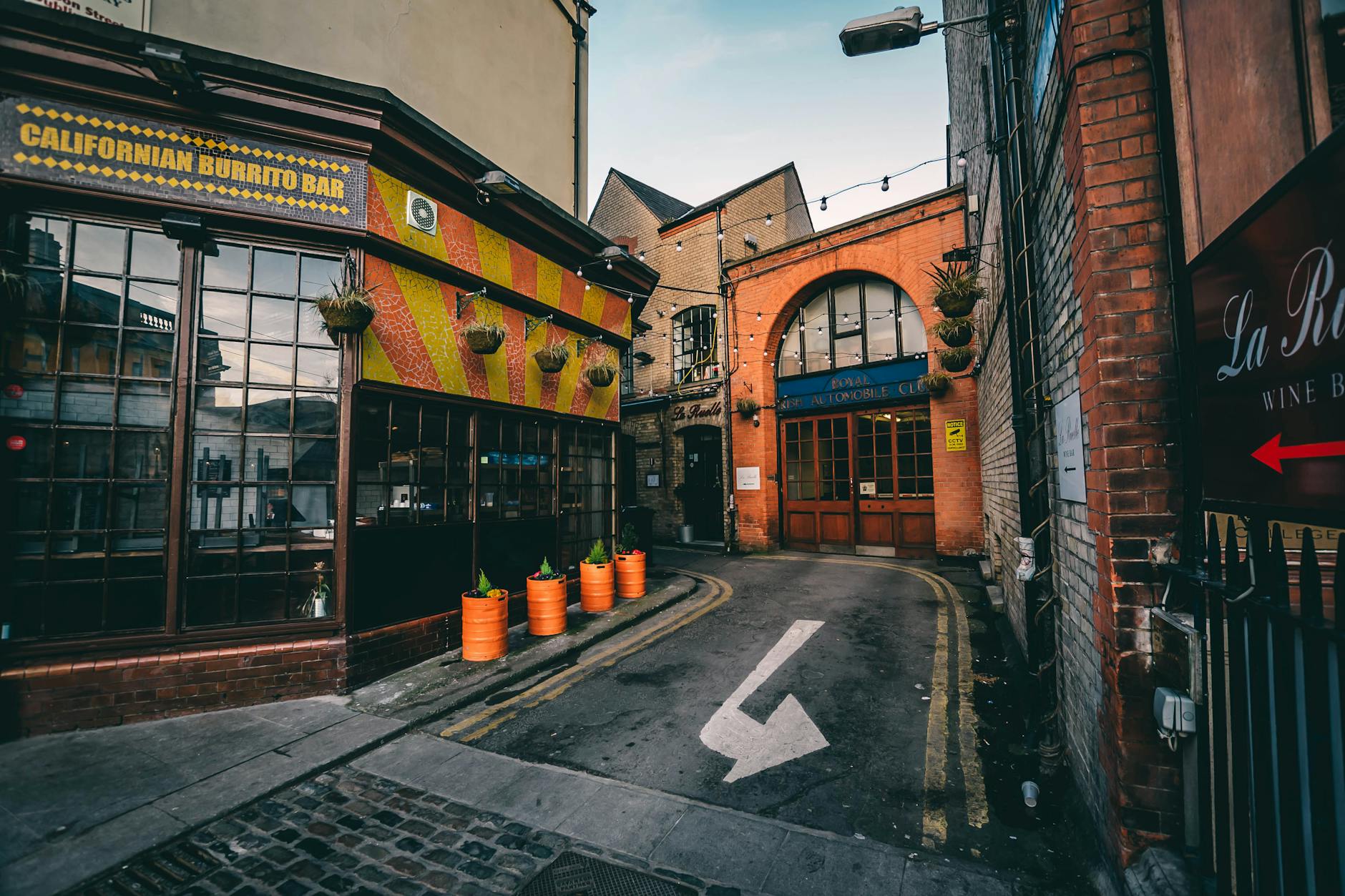
This guide gathers 30+ Dublin hidden gems and secret spots — tested, locally beloved and clustered for itinerary planning. Pair it with our pillar guide on things to do in Dublin and our Dublin neighbourhoods guide for context.
Quiet Museums & Libraries

1. Marsh’s Library
Founded in 1707 and unchanged since, Marsh’s Library beside St Patrick’s Cathedral is the oldest publicly accessible library in Ireland. Three barrel-vaulted rooms hold 25,000 rare books on dark oak shelves — including books from the personal collection of Jonathan Swift, who wrote Gulliver’s Travels. The famous “cages” where readers were locked in with rare books still survive. Tourists routinely walk past it for the much-busier Trinity Old Library; this is the connoisseur’s alternative.
Address: St Patrick’s Close, Dublin 8 · Hours: Mon, Wed–Fri 09:30–17:00, Sat 10:00–17:00 · Admission: €5.
2. The Pearse Museum & St Enda’s Park
One of Dublin’s least-visited free museums — the Georgian house in Rathfarnham where 1916 leader Padraig Pearse ran his experimental Gaelic school St Enda’s. The 50-acre park around the house is wild and atmospheric. Free; 16 bus from O’Connell Street. See our Dublin museums guide.
3. Sweny’s Pharmacy
The pharmacy James Joyce wrote into Ulysses still operates as a tiny James Joyce museum, run entirely by volunteers. Free daily Joyce readings at 13:00 in seven languages. Buy a bar of lemon soap, stay for a chat. Lincoln Place, Dublin 2.
4. The Little Museum of Dublin
Famous to repeat visitors but somehow still missed by most first-timers. A Georgian townhouse on St Stephen’s Green stuffed with 5,000 objects donated by the public — a Bewley’s tea cup, U2’s first contract, a Dunne’s Stores trolley. The 30-minute guided tour is among the most fun in Dublin.
5. The Hugh Lane & Francis Bacon Studio
Dublin City Gallery The Hugh Lane on Parnell Square holds Francis Bacon’s reconstructed studio — moved brick-by-brick from London. Most tourists head south to the National Gallery and miss this entirely. Free, closed Mondays.
Hidden Gardens & Quiet Outdoor Spaces
6. The Iveagh Gardens
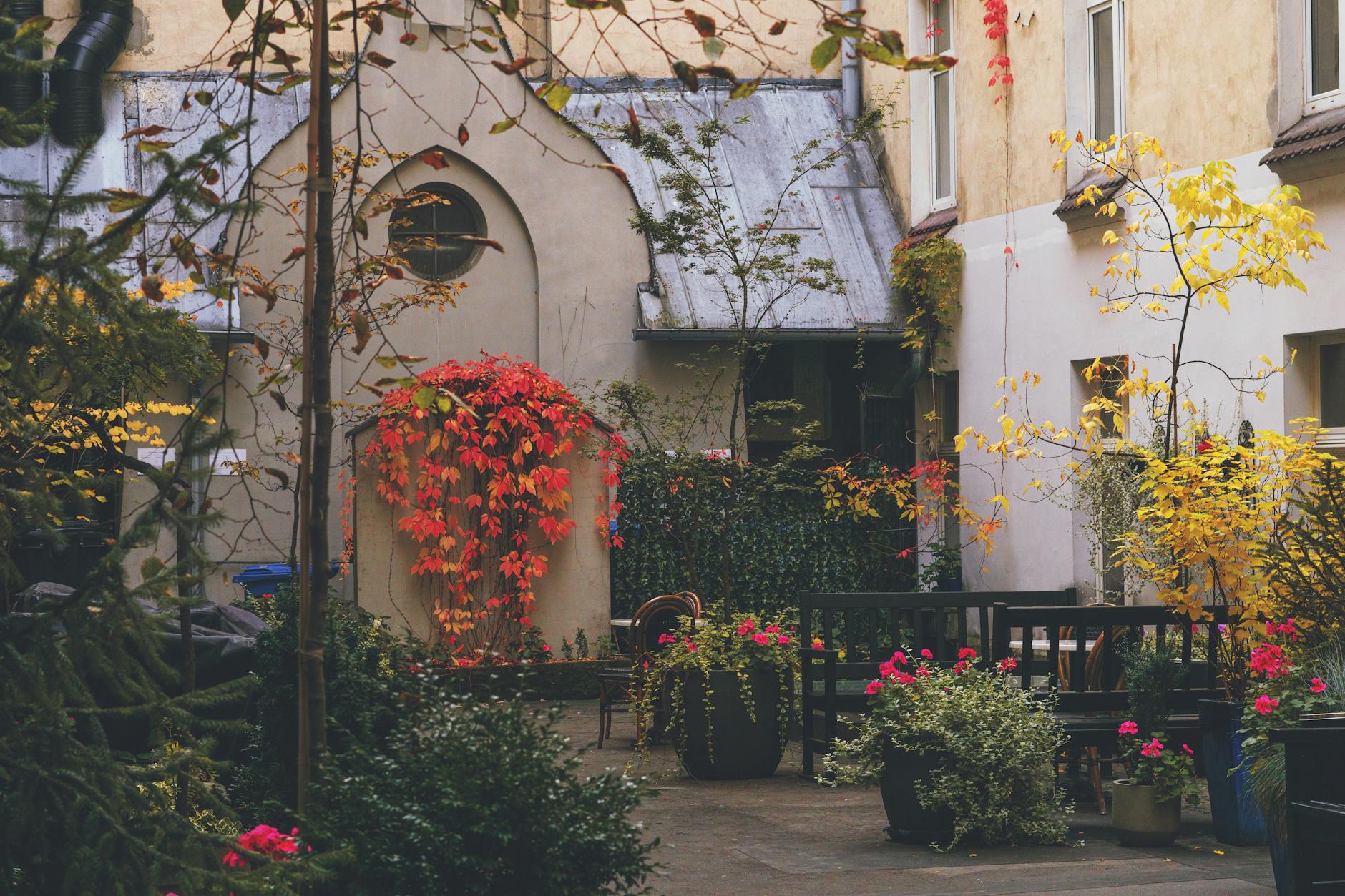
Probably the single most-recommended “hidden gem” in Dublin. A beautifully landscaped Victorian garden hidden behind the National Concert Hall on Earlsfort Terrace, with fountains, a maze, a cascade and a sunken rose garden. Most tourists walk past the entrance every day without noticing it. Free, daily until dusk.
7. Blessington Street Basin
An ornamental Victorian water reservoir in north-central Dublin, repurposed as a public garden in the 1990s. Locals take their lunch here. Quiet, atmospheric, surrounded by Georgian terraces.
8. The War Memorial Gardens, Islandbridge
A formal sunken Lutyens-designed garden built in the 1930s as a memorial to Irish soldiers killed in World War I. Largely forgotten for half a century, restored in the 1980s, and now one of Dublin’s most beautiful and underused spaces. 30-minute walk from Heuston Station along the Liffey.
9. Mount Jerome Cemetery
Hidden behind Harold’s Cross, Mount Jerome is the city’s most beautifully overgrown Victorian cemetery, with mausoleums, weeping angels and the graves of literary figures including Sheridan Le Fanu and J. M. Synge. Free, atmospheric, often empty.
10. Sandycove & the Forty Foot
South of the city, the small bathing spot at the Forty Foot promontory in Sandycove draws year-round swimmers (Christmas Day dips have been a tradition since the 1880s). The James Joyce Tower next door is free. DART to Sandycove from Connolly.
Speakeasies & Hidden Bars
11. The Vintage Cocktail Club
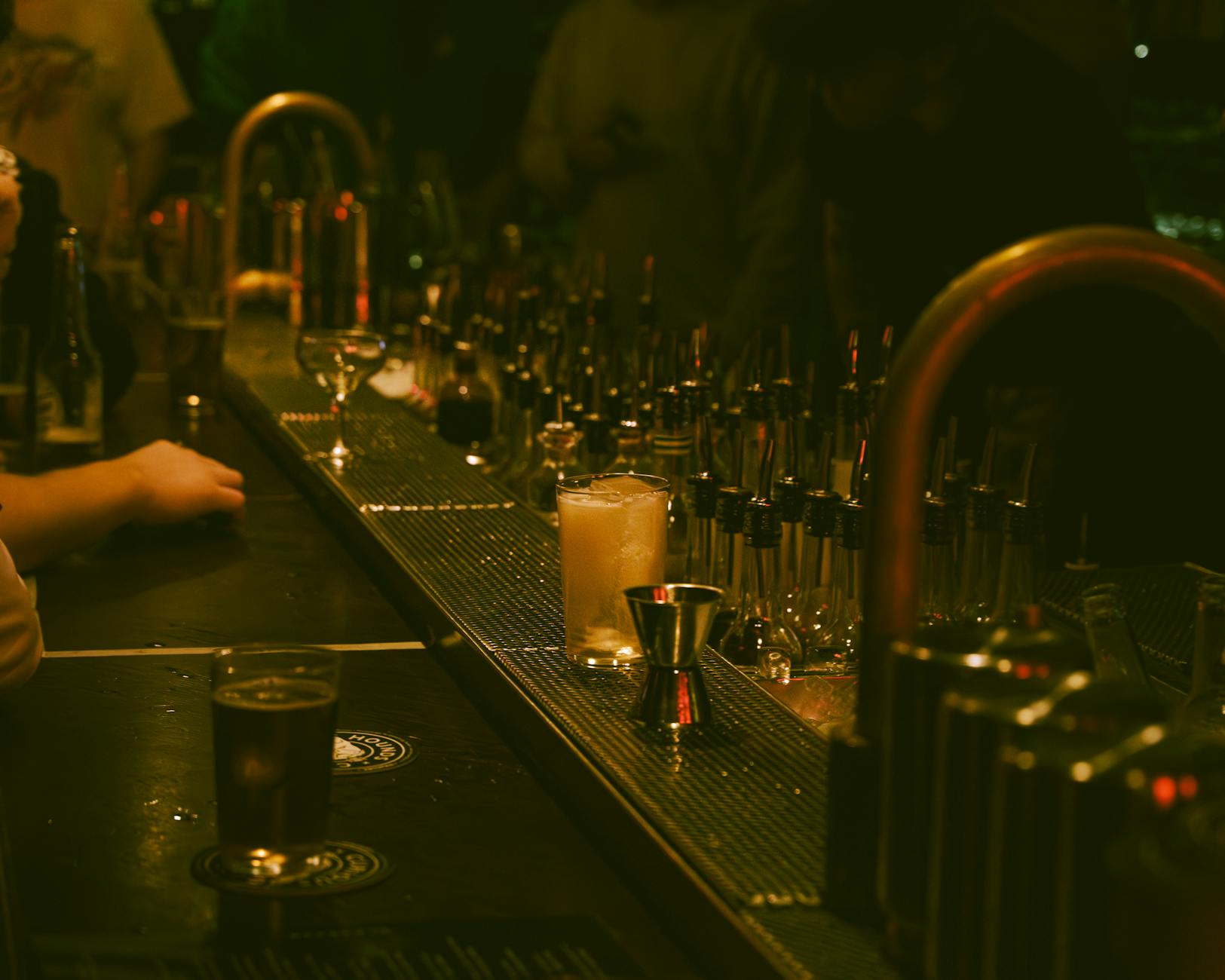
Dublin’s original speakeasy — an unmarked black door at 15 Crown Alley in Temple Bar with a tiny “VCC” plate next to a doorbell. Inside, a Prohibition-style multi-room cocktail bar with seriously good drinks. Reservation required. Closed Mondays.
12. The Blind Pig
Hidden behind a takeaway sandwich shop on Anglesea Street, this 50s-styled cocktail bar is the city’s second-most-famous speakeasy. Reservations only.
13. The Library Bar at the Central Hotel
Not a speakeasy but reliably empty most evenings — a hushed first-floor bar lined with leather Chesterfield armchairs, dark walls and shelves of books. The perfect quiet drink in central Dublin.
14. Bowes
A perfect old man’s pub on Fleet Street, half a block from the noise of Temple Bar but worlds away in spirit. Slow Guinness, real conversations, no music, no TV.
15. The Cobblestone
Smithfield’s genuinely traditional music pub. Sessions every night, no cover, locals at the bar, no Guinness Storehouse coach tours in sight. The single best place to hear trad music in Dublin. See our nightlife & pubs guide.
Quirky Shops & Markets

16. Lucy’s Lounge
An Alice-in-Wonderland-themed vintage store on Fownes Street in Temple Bar. Three floors of vintage clothes, hats and bric-a-brac, free sewing classes upstairs. The single most unusual shop in Dublin.
17. George’s Street Arcade
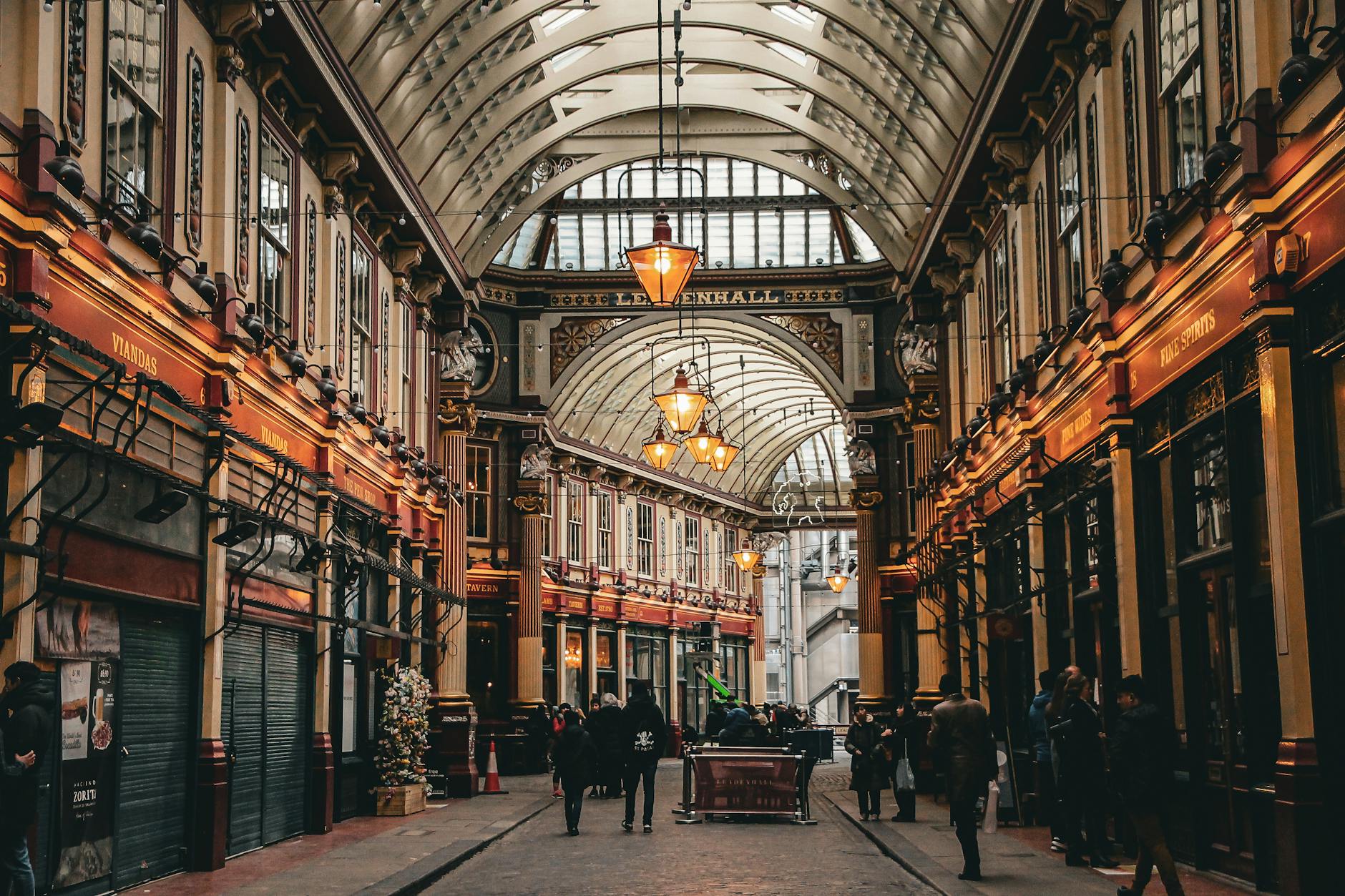
Open since 1881, Ireland’s first shopping centre and one of the longest continuously trading covered Victorian markets in Europe. Vintage clothing, jewellery, vinyl records, second-hand books and one of the city’s best Cornish pasty stalls.
18. Sheridan’s Cheesemongers
Tiny corner cheese shop on South Anne Street selling some of the best Irish artisan cheeses including Cashel Blue, Coolea, Durrus and St Tola. The staff are excellent — if you ask, they’ll cut samples.
19. Ulysses Rare Books
Tiny rare-book shop on Duke Street, specialising in 20th-century Irish literature — first editions of Joyce, Beckett, Yeats. A bibliophile destination. Closed Sundays.
20. The Dublin Flea Market
Last Sunday of every month at the Co-op Building, Newmarket Square, Liberties. The most charming Dublin market with vintage clothing, vinyl, art, and homemade food.
21. The Loft Market & Powerscourt Townhouse Centre
The Powerscourt is a 1774 Georgian townhouse converted into a covered shopping centre with independent boutiques and a stunning skylit central courtyard. The top-floor Loft Market hosts weekend pop-ups.
Quirky Experiences
22. Smithfield Tower (Light House Cinema Building)
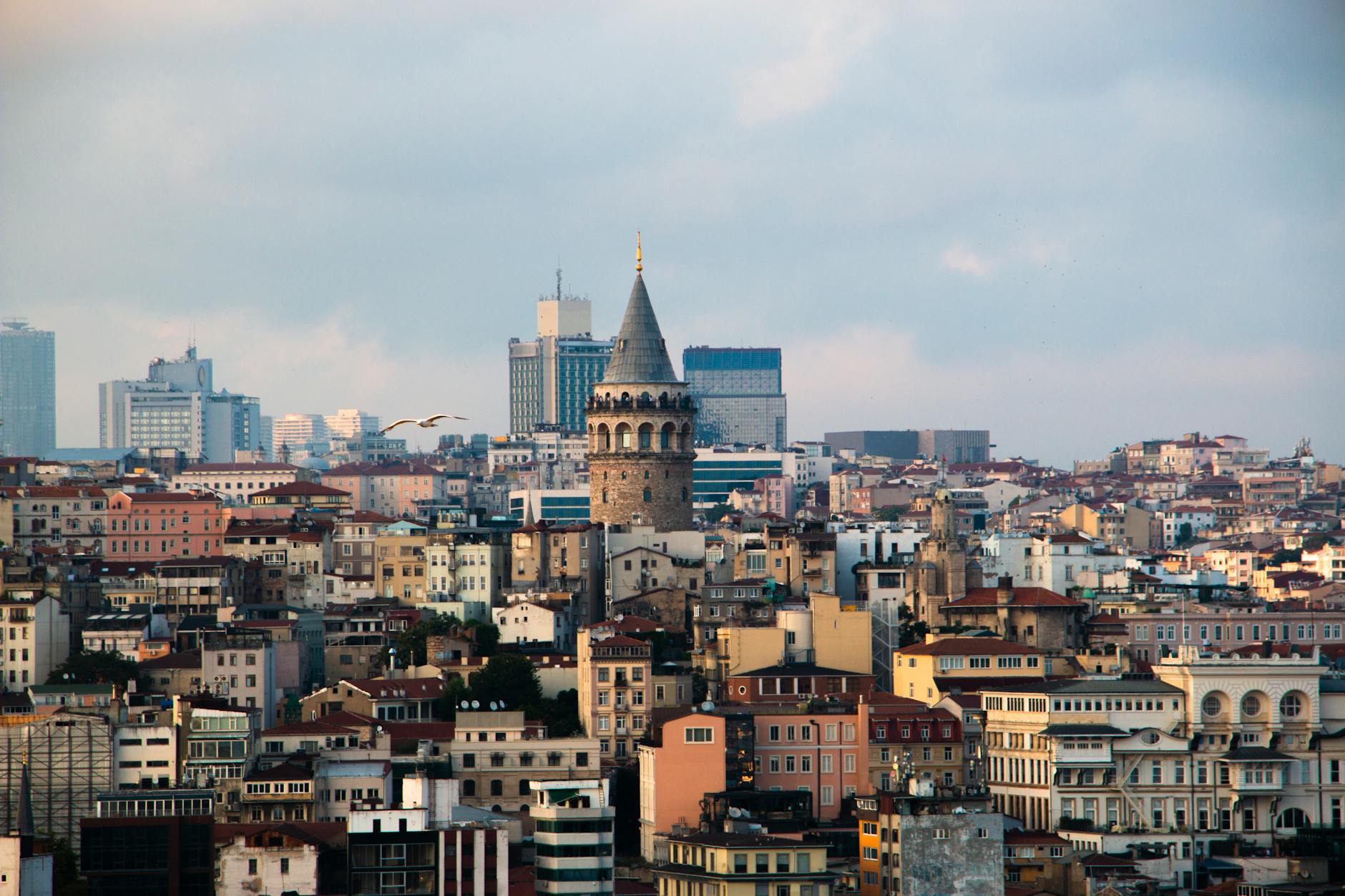
The 50-metre observation tower above Smithfield Square is sometimes overlooked entirely — though it offers some of the best free 360-degree views of Dublin from its rooftop. Climb required (185 steps). Hours can be limited; check before visiting.
23. Silver Works Jewellery Workshop
An evening workshop on Capel Street where you can make your own Claddagh ring from raw silver in 2.5 hours. €130 with materials. Genuinely unforgettable for couples or repeat visitors.
24. Sweny’s Joyce Reading Group
Daily 13:00 free Joyce readings in seven different languages at the pharmacy on Lincoln Place. The pharmacy where Bloom buys lemon soap in Ulysses. Volunteer-run, free.
25. The Vaults Live
An immersive theatrical history experience under the Connolly Station. Multiple actors guide you through Dublin’s grimmer historical episodes — the famine, the 1916 Rising, body-snatchers. Around €25, 90 minutes.
26. The Dead Zoo by Torchlight
Once a year (Halloween week) the Natural History Museum runs an after-hours torchlight tour through the Victorian galleries. Sells out months in advance.
Hidden Streets & Neighbourhoods
27. Henrietta Street
The earliest surviving Georgian street in Dublin — built from the 1720s. Houses the brilliant 14 Henrietta Street tenement museum, but the street itself is an architecturally stunning quiet wander on its own.
28. Stoneybatter
The hippest village in Dublin, north of Smithfield. Independent coffee shops, restaurants and bars in a 19th-century cottage neighbourhood. The Glimmer Man, Mulligan’s Grocer, Walsh’s and Loose Cannon are all worth seeking out. See our Dublin neighbourhoods guide.
29. Portobello & the Grand Canal
Dublin’s “Little Jerusalem” — the Edwardian neighbourhood between the Grand Canal and Camden Street, with kosher bakeries, the Irish Jewish Museum, and a string of independent restaurants. The canal walk between Portobello and Baggot Street is quietly gorgeous.
30. The Liberties Street Art & Food Trail
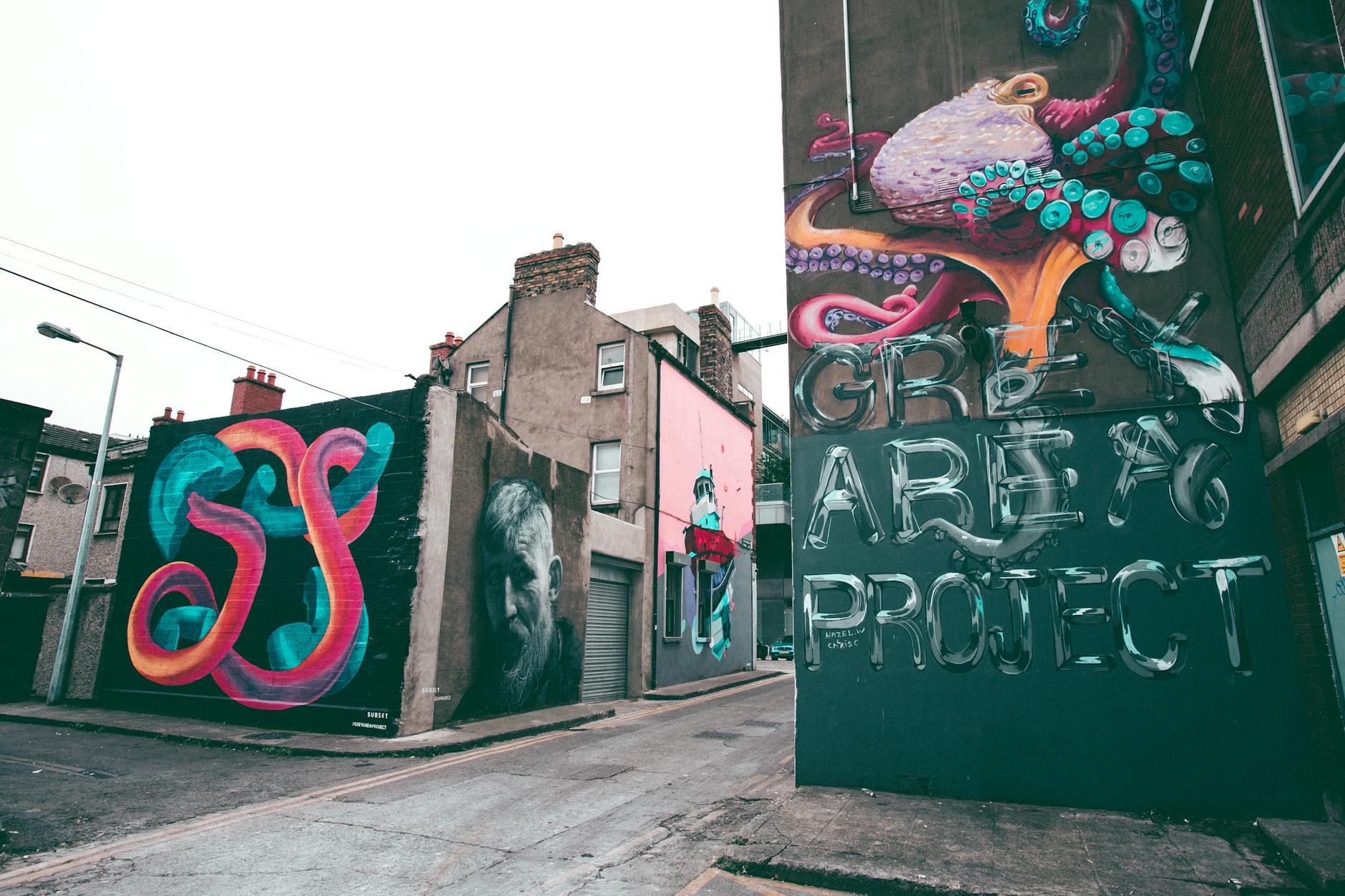
Dublin’s most ancient quarter is also one of its most surprising. Visit Marsh’s Library, the Iveagh Trust Markets, the Roe & Co Distillery, the Teeling Distillery, the Dolphin’s Barn cottages, the open-mic comedy at the Underdog Pub, and the Liberties Street Art Trail (over 30 large-scale murals).
Day-Trip Hidden Gems Within an Hour of Dublin
- Hellfire Club (Dublin Mountains): Ruined 18th-century hunting lodge with views over the city, bus 15A from Rathfarnham.
- Fairy Castle Trail (Three Rock Mountain): Easy 1-hour hike with sweeping Dublin Bay views.
- Bull Wall & Dollymount Strand: 5 km walking pier and 5 km golden beach, both within Dublin city limits.
- Killiney Hill: Bono and The Edge live here. The view from the obelisk over Dublin Bay is one of the city’s most spectacular.
- Skerries: A Northside fishing town reached by Dart in 45 minutes; old-fashioned, full of life.
For more, see our day trips from Dublin guide.
Tips From Locals on Finding More Hidden Gems
- Walk the side streets parallel to the main streets. Dame Lane (parallel to Dame Street), Drury Street (parallel to Grafton), and Henrietta Street (parallel to Bolton) all reward leaving the obvious route.
- Look up. Dublin’s Georgian buildings have ornate door details, fanlights, and rooftop gardens that most tourists never notice.
- Read what’s on at small venues. The Project Arts Centre, the Smock Alley, the Bewley’s Café Theatre and the IMMA all run programmes that are far less crowded than commercial theatres.
- Eat at lunchtime, not dinner. Many of Dublin’s best restaurants offer prix-fixe lunch deals at half the dinner price — Chapter One, Pichet, Etto.
- Use Saturday mornings. Markets at Honest 2 Goodness in Glasnevin, Dublin Flea Market on Newmarket Square (last Sunday), and the Farmleigh Saturday Market are all where Dubliners shop.
- Skip Temple Bar at peak hours. Visit Temple Bar early morning or late evening; the daytime is over-touristed. The bordering streets (Crown Alley, Fownes Street, Crampton Court) hold the better venues.
When to Find Dublin Hidden Gems at Their Best
The big tourist sites are fairly consistent year-round, but Dublin’s hidden gems often have surprisingly specific best-times for visiting:
- Iveagh Gardens: April–September, ideally late afternoon when the cascade is in dappled sunlight. Closed on poor-weather winter days.
- Marsh’s Library: Tuesday or Wednesday afternoon for the quietest browse. Avoid Saturdays in summer.
- The Vintage Cocktail Club: Tuesday or Wednesday for atmosphere; weekends are crowded and the door staff turn people away after 21:30.
- Sweny’s Pharmacy: 13:00 daily for the volunteer-led Joyce reading; 12:30 to grab a seat.
- Smithfield Tower: Saturday afternoons (when the Light House Cinema is busy and the building unlocks the rooftop reliably).
- Stoneybatter: Saturday morning for L. Mulligan Grocer brunch and Walsh’s pub. Sunday late afternoon for the slow neighbourhood vibe.
- Mount Jerome Cemetery: Late autumn at golden hour. Genuinely beautiful in November mist.
- Dublin Flea Market: Last Sunday of every month, 11:00–17:30.
- Hellfire Club (Dublin Mountains): Clear winter days for sweeping views; never in fog.
Bookable “Hidden” Experiences
A handful of these gems require advance booking and reward planning:
- 14 Henrietta Street: 75-minute small-group tours sell out 5–7 days ahead in summer.
- Marsh’s Library: Walk-up entry, but free Saturday morning guided tours need to be booked.
- Vintage Cocktail Club: Online reservations only.
- Silver Works Claddagh ring workshop: Books 1–2 weeks ahead, especially for evening slots.
- Forty Foot Christmas Day swim: No booking needed but be there by 11:00 for parking.
- The Vaults Live: Books 7–10 days ahead in summer.
- Sweny’s Joyce reading group: Drop in 13:00; donation appreciated.
- The Cobblestone trad sessions: No booking; arrive by 20:30 for a seat.
For trip planning, these specific gems benefit from being slotted in early in your itinerary — the Iveagh Gardens and Marsh’s Library can both be done in a half-day around St Patrick’s Cathedral, the Vintage Cocktail Club fits a Temple Bar evening, and the Pearse Museum extends a south-suburban afternoon naturally.
Three More Things Locals Wish Tourists Knew
1. Most museum cafés are quietly excellent. The Silk Road Café at the Chester Beatty, the National Gallery Galleries Café, the IMMA café and the National Library Café are all genuinely good and rarely crowded. Use them as deliberate lunch stops, not afterthoughts.
2. Dublin’s suburbs reward day trips. Dún Laoghaire, Howth, Sandycove, Skerries, Bray and Dalkey are all DART-accessible from Connolly Station and have their own “hidden gem” lists — old harbour pubs, art deco bandstands, secret swimming spots, hilltop ruins. See our day trips from Dublin guide.
3. Look up at the door fanlights. Dublin’s Georgian doors are an Instagram cliché, but the elaborate fanlights above them are an architectural language all of their own — ornate lead, painted glass, fan-shaped tracery. Walk Merrion Square slowly with your eyes raised. The contrast with the colour-coded doors is half the city’s charm.
The Most Instagrammable Hidden Spots
If you’re after photogenic places that aren’t already on every visitor’s feed, the following deliver:
- The Cascade in the Iveagh Gardens: Especially in late afternoon when the light slants through the rocks.
- The Long Hall pub interior: Victorian gas-lit interior with a chandelier — one of the most-photographed bar interiors in Dublin.
- The skylight at Powerscourt Townhouse Centre: An 18th-century courtyard with a glass roof, ideal for moody overcast-day photos.
- The Henrietta Street terrace: One of Dublin’s most architecturally important Georgian streets — quiet and uncluttered.
- Mount Jerome Cemetery in autumn: Victorian Gothic mausoleums in the late November mist.
- The reading room at the National Library: Free entry; respect the working researchers, no flash.
- The interior of Marsh’s Library: Photography permitted; the wood-panelled barrel-vaulted halls are extraordinary.
- The Forty Foot at sunrise: Christmas Day swimmers offer the bonus shot.
- The Smithfield clock and observation tower: The angled-glass tower against the Smithfield cobbles is uniquely Dublin.
- The Bull Wall & Poolbeg Lighthouse walk: Best at golden hour with the Wicklow Mountains as backdrop.
Photography ethics: most of these are public spaces; some (Marsh’s Library, the Library Bar, the Vintage Cocktail Club, the National Library reading room) are working environments where you should ask first and never use flash.
A Note for Repeat Dublin Visitors
If this is your second, third or fifth Dublin trip, you’ve already seen Trinity, the Guinness Storehouse and the Cliffs of Moher. The way to fall back in love with the city is to spend a full day in one neighbourhood (Stoneybatter, Portobello, the Liberties) and another full day on a single specialist theme — Joyce, Georgian architecture, contemporary art, traditional music sessions, or the Dublin food scene. The hidden gems above are deliberately structured to support that approach: pick three or four that share a theme and walk them like a self-guided thematic tour. Most repeat visitors come back saying they liked the “second Dublin” better than the first.
Dublin Hidden Gems: FAQ
What’s the most underrated thing to do in Dublin?
The Iveagh Gardens behind the National Concert Hall — thousands of tourists walk past the entrance every day, missing the city’s most magical free park. Visit on a sunny afternoon between May and September.
Are Dublin’s speakeasies actually hard to find?
The Vintage Cocktail Club is genuinely behind an unmarked black door, but you can find it on Google Maps and ring the doorbell. The Blind Pig is hidden behind a sandwich shop. Both have websites and accept reservations — the “hidden” part is more an aesthetic than a search-and-find game.
Where do Dubliners actually go for a quiet pint?
Bowes on Fleet Street, Mulligan’s on Poolbeg Street, the Library Bar in the Central Hotel, Doheny & Nesbitt’s on Baggot Street and the Long Hall on South Great George’s Street are the consensus locals’ choices.
What’s a good hidden gem for a date in Dublin?
The Library Bar of the Central Hotel followed by an evening at the Iveagh Gardens (in summer they sometimes host outdoor cinema). Or the Vintage Cocktail Club followed by a walk across the Liffey at midnight when the city is quietest.
How can I find hidden gems on my trip?
The single best resource is to ask any Dubliner you meet (waiters, bartenders, cab drivers) where they’d send their cousin from out of town. Most have a personal favourite that hasn’t made any guidebook. Failing that, this guide’s 30+ picks plus our neighbourhoods guide is our best attempt at the locals’ list.
Are Dublin hidden gems family-friendly?
Many of these (Iveagh Gardens, Marsh’s Library, the Pearse Museum, George’s Street Arcade) work well with kids. Speakeasies and quiet pubs obviously skew adult.
Plan the Rest of Your Dublin Trip
The line between “famous Dublin attraction” and “Dublin hidden gem” is thinner than you’d think — the Iveagh Gardens are 5 minutes from Stephen’s Green, the Vintage Cocktail Club is in Temple Bar, and Marsh’s Library is next to St Patrick’s Cathedral. The trick is knowing they’re there. Build your itinerary around the headline attractions, and use this list to stitch in two or three hidden gems each day. See our Dublin itinerary planner for ready-made plans, our free things to do guide for budget-friendly picks, and our neighbourhoods guide for area-by-area recommendations.
Leave a Reply