Best Day Trips from Dublin: The Complete Guide (2026)
Ar an gComhartha Seo — On this sign
- Howth: The Perfect Half-Day Coastal Escape
- Glendalough and the Wicklow Mountains
- Cliffs of Moher and the Burren
- Giant’s Causeway and the Antrim Coast
- Kilkenny: Ireland’s Medieval City
- Newgrange and the Boyne Valley
- Powerscourt Estate and Waterfall
- Bray to Greystones Cliff Walk
- Galway: A Day in the West
- Malahide Castle and North Dublin Coast
- Dalkey and Dun Laoghaire: South Dublin Coast
- How to Choose the Right Day Trip
- Practical Tips for Day Trips from Dublin
- Day Trips from Dublin: FAQ
- Detailed Dublin Day Trip Guides
- Keep Reading
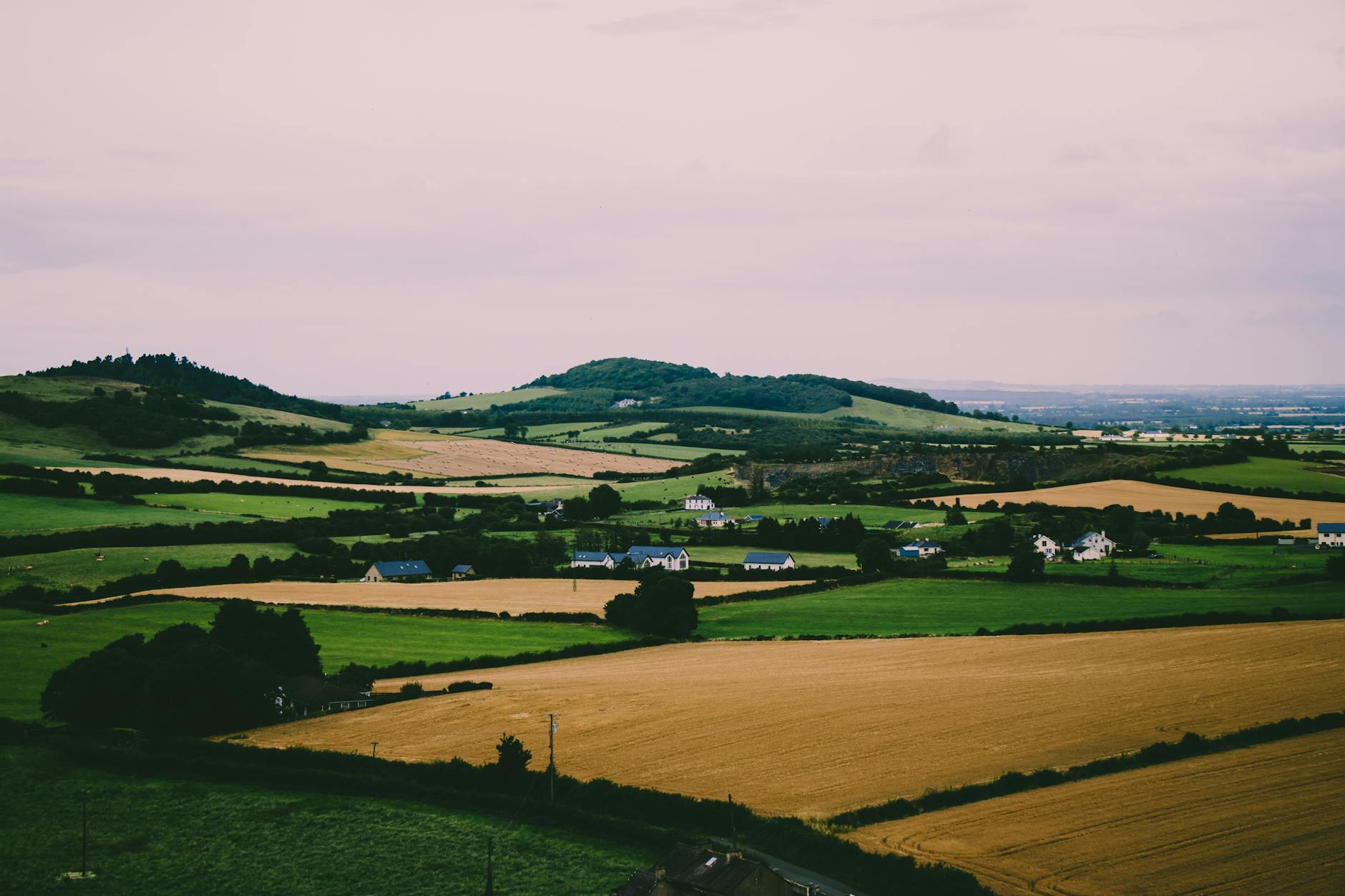
One of the best things about choosing Dublin as your base in Ireland is how much of the country you can explore without ever needing to change hotels. Within a one to three-hour radius of the city you will find dramatic coastal cliffs, ancient passage tombs older than the pyramids, medieval walled cities, UNESCO World Heritage sites, and some of the most beautiful mountain scenery in Europe.
Whether you have a single spare morning or a full day to fill, this guide covers the best day trips from Dublin for every type of traveller. Each destination includes practical details on how to get there, what to expect when you arrive, how long you need, and whether a guided tour or independent travel makes more sense. Many of these trips are possible by public transport alone, while others are best reached by car or organised tour. If you would rather travel by chauffeur, private guide or helicopter, our guide to luxury day trips from Dublin covers the premium versions of these routes.
Howth: The Perfect Half-Day Coastal Escape
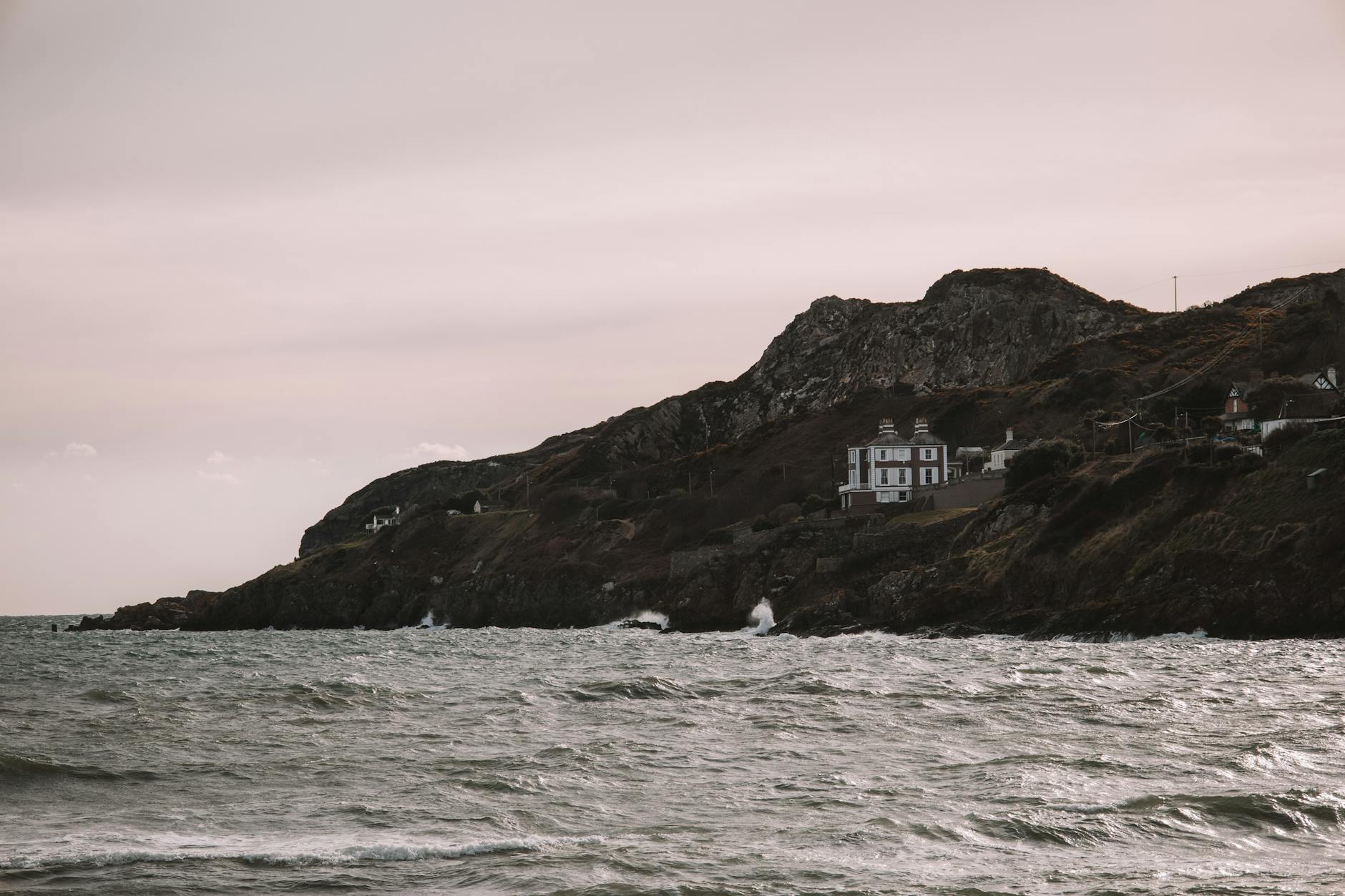
If you only have half a day to spare, Howth should be your first choice. This fishing village on a rocky headland sits at the northern tip of Dublin Bay and is reachable by DART train in just 25 minutes from Connolly Station. That ease of access, combined with cliff walks, fresh seafood, a working harbour, and views across the Irish Sea, makes Howth the single most rewarding short trip you can take from the city.
The Cliff Walk
Howth’s main draw is its network of cliff paths that loop around the headland. The most popular route follows green waymarkers from the harbour car park along the cliff edge, climbing gradually to the summit before looping back. This walk takes around two hours at a moderate pace and rewards you with views of Ireland’s Eye island, Lambay Island, and on clear days the Wicklow Mountains to the south. The path is well maintained but uneven in places, so wear sturdy shoes rather than sandals.
For a shorter option, the Bog of Frogs loop takes about 90 minutes and covers the most dramatic cliff sections. A practical local trick is to take the H3 bus from Dublin to Howth Summit and walk downhill back to the village, saving yourself the steep uphill section and finishing right at the harbour for lunch.
What Else to Do in Howth
After the walk, the harbour area has several excellent seafood restaurants where you can eat freshly caught fish with views of the boats. Howth Market operates at weekends and is worth a browse for artisan food. The harbour itself often has grey seals lounging on the slipways. If you want to extend your visit, boat trips to Ireland’s Eye, a small uninhabited island with seabird colonies and a Martello tower, depart regularly from the pier.
Getting there: DART from Connolly Station (25 min) or Dublin Bus H3. Time needed: 3-5 hours. Cost: Free (cliff walk). DART fare approximately €3.20 with Leap Card.
Glendalough and the Wicklow Mountains
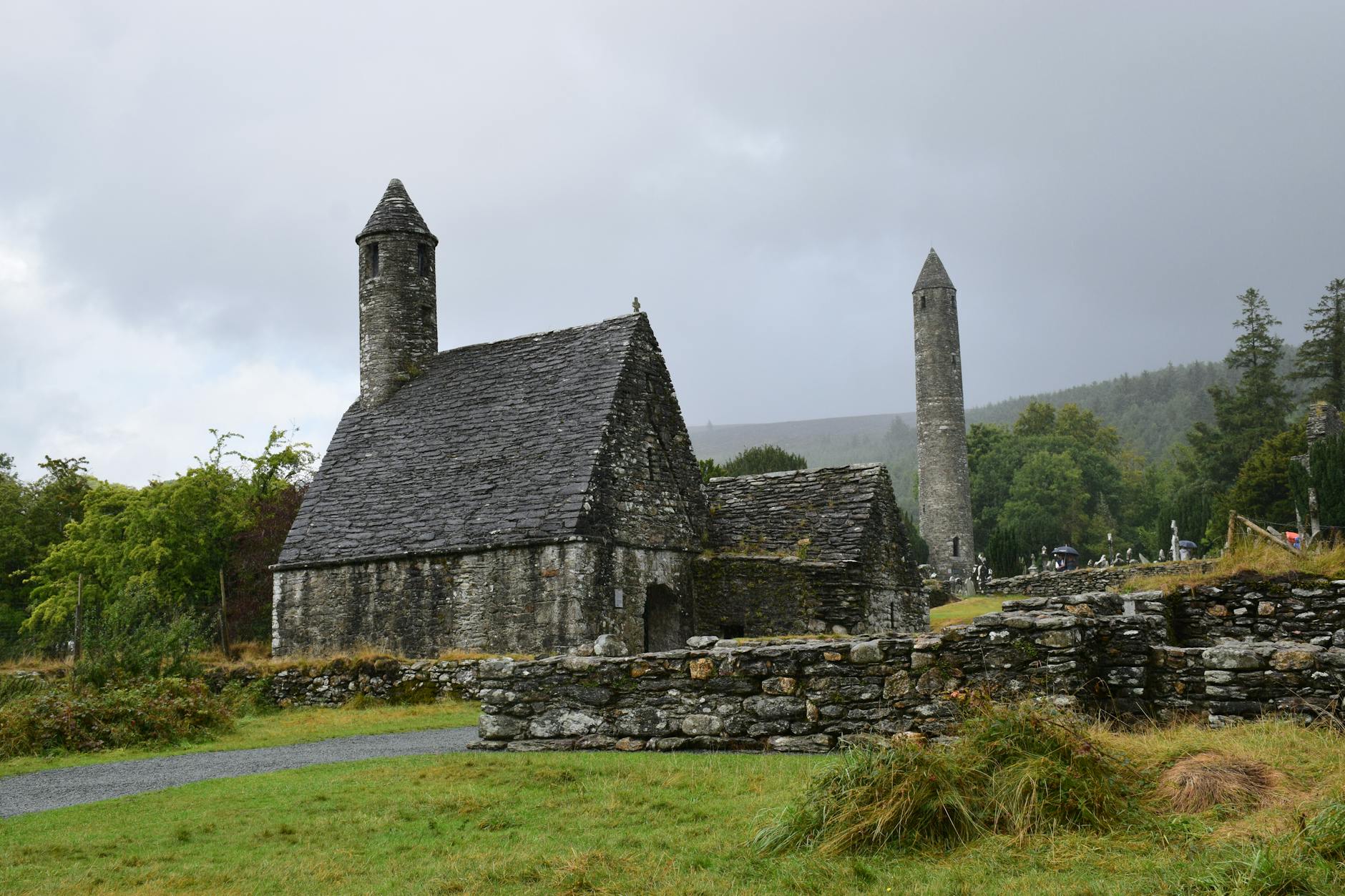
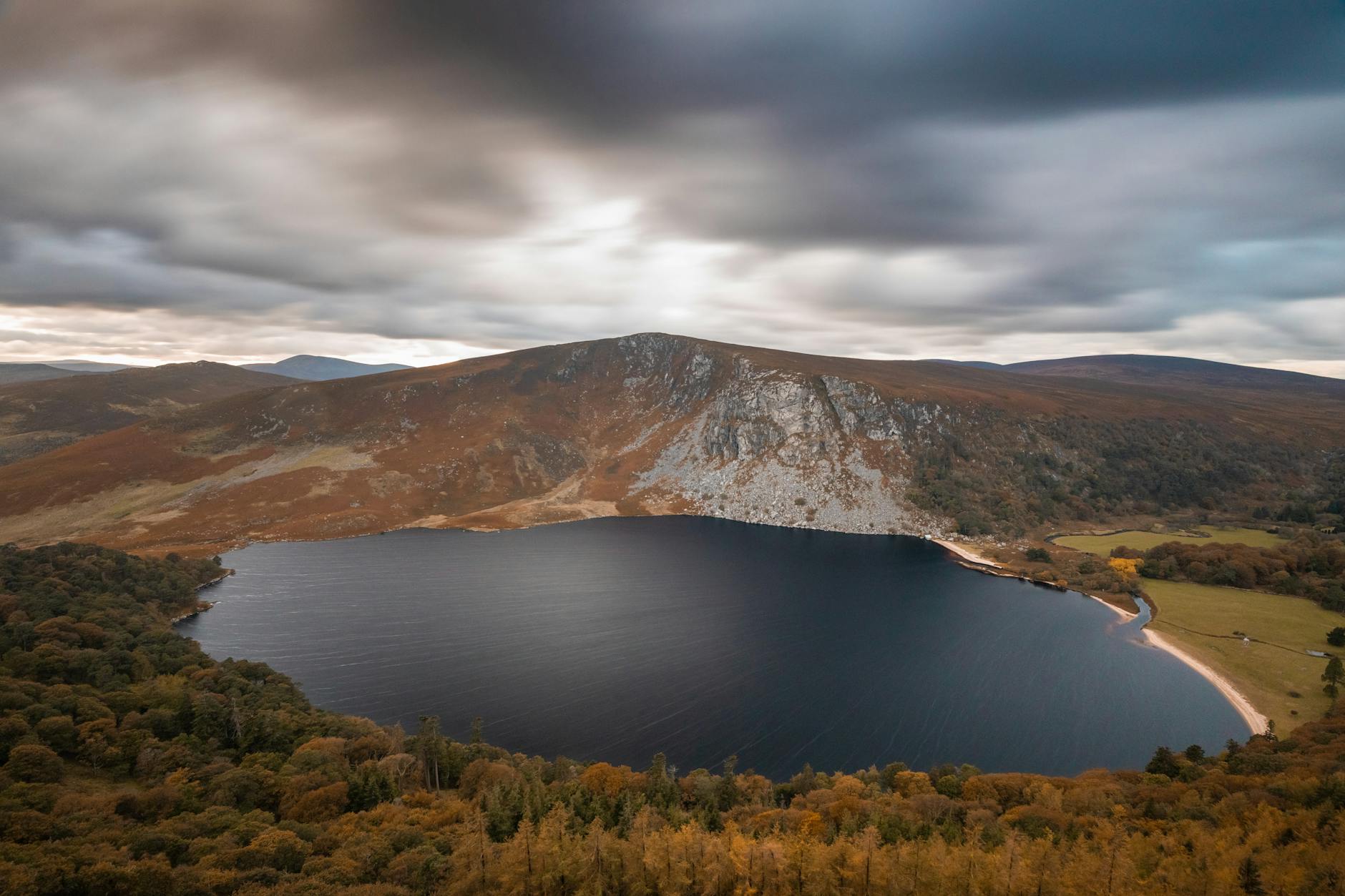
The Wicklow Mountains begin less than an hour south of Dublin, and yet stepping into their glacial valleys feels like entering a completely different country. Glendalough, which translates from Irish as ‘valley of the two lakes’, is the jewel of the region. It is home to a remarkably preserved early Christian monastic settlement founded by St Kevin in the 6th century, set against a backdrop of dark lakes and forested mountainsides.
What to See at Glendalough
The monastic city includes an iconic round tower that stands 30 metres tall, several medieval stone churches, Celtic high crosses, and a gateway that was once the main entrance to the settlement. The site is free to enter and there is a visitor centre that provides excellent context on the history of the monastic community. Beyond the ruins, walking trails lead around the Upper and Lower Lakes, with routes ranging from 30-minute strolls to challenging four-hour mountain hikes.
The Spinc Walk is the most rewarding trail for fit walkers, climbing steeply above the Upper Lake before following a boardwalk along the cliff edge with views down into the valley. Allow three to four hours for this loop. For a gentler experience, the Green Road trail follows the lakeshore through ancient oakwoods and takes about an hour.
Getting to Glendalough
By car, the drive takes about one hour via the M50 and N11, passing through the village of Roundwood. There is no direct public transport to Glendalough, which is why many visitors opt for guided tours. Half-day tours from Dublin typically cost around 30 to 45 euro and include pickups from the city centre. Full-day tours often combine Glendalough with Powerscourt or Kilkenny for around 55 to 80 euro. St Kevin’s Bus also runs a scheduled service from Dublin to Glendalough with limited departures.
Getting there: Car (1 hour), guided tour, or St Kevin’s Bus. Time needed: Half day to full day. Cost: Free entry to the monastic site; visitor centre €5.
Cliffs of Moher and the Burren
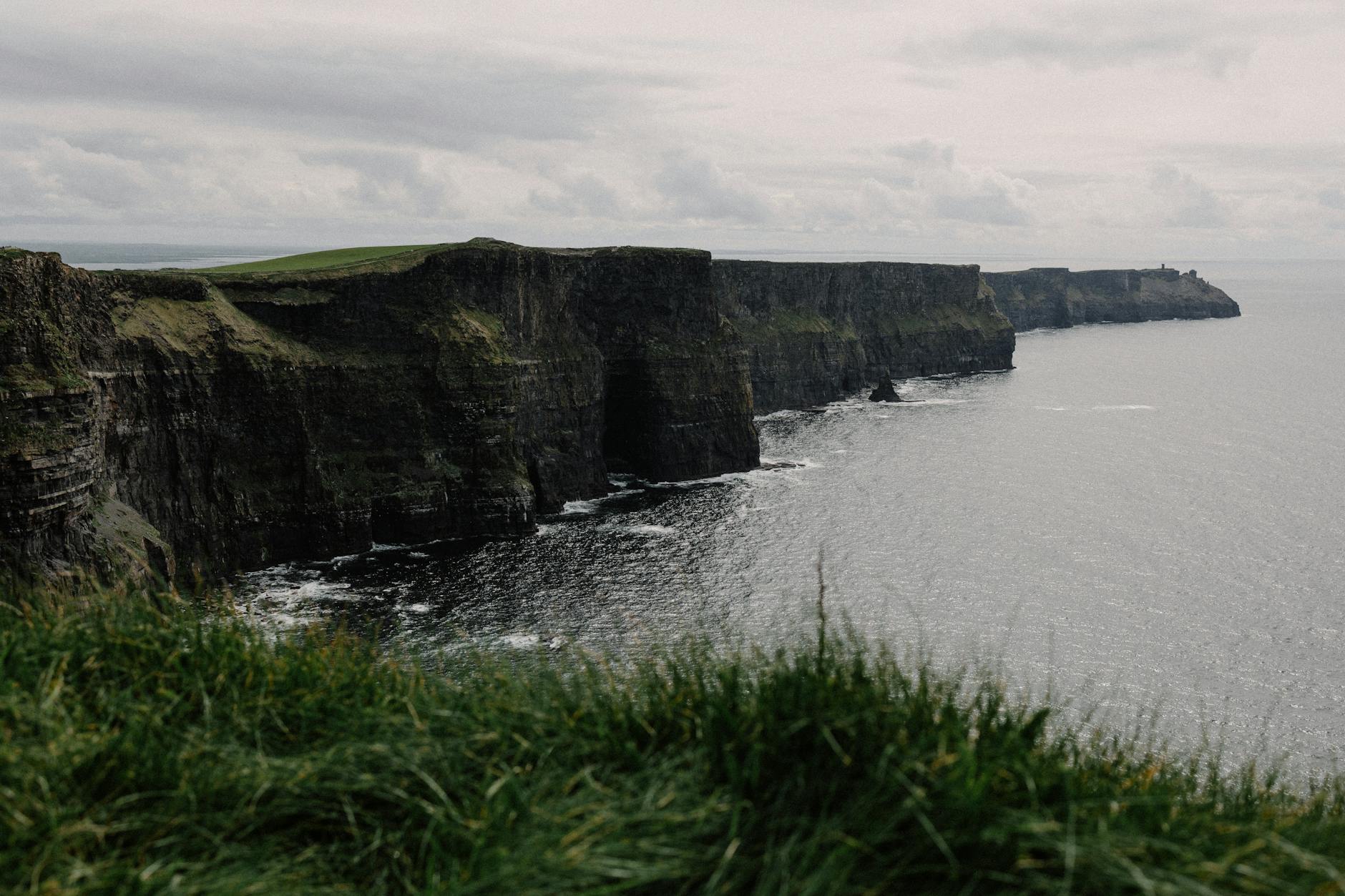
The Cliffs of Moher are arguably Ireland’s most famous natural landmark, and while they sit roughly three hours west of Dublin, a day trip is entirely feasible and wildly popular. The cliffs rise up to 214 metres above the Atlantic Ocean and stretch for 14 kilometres along the County Clare coast. Standing at the cliff edge with the waves crashing far below and the Aran Islands visible on the horizon is one of those experiences that genuinely lives up to the photographs.
Tour or Self-Drive?
Given the three-hour drive each way, most visitors take a guided bus tour rather than driving themselves. Tours typically depart Dublin between 6:30 and 7:00 in the morning and return around 7:00 to 8:30 in the evening, making it a 12 to 14-hour day. The advantage of a tour is that you avoid the fatigue of driving and often get commentary on the passing landscape, plus stops at the Burren’s lunar-like limestone terrain and sometimes a couple of hours in Galway City on the return journey.
Tour prices range from around 55 to 75 euro per person for standard coaches, with smaller group options costing more. The cliff admission fee of around eight euro is usually not included. If you prefer to drive, the freedom to set your own schedule is valuable, and you can stop at the Burren, the town of Doolin, and other coastal villages at your own pace.
Getting there: Guided tour (most popular), or car (3 hours each way). Time needed: Full day (12-14 hours). Cost: Tours from €55-75 plus €8 cliff admission.
Giant’s Causeway and the Antrim Coast
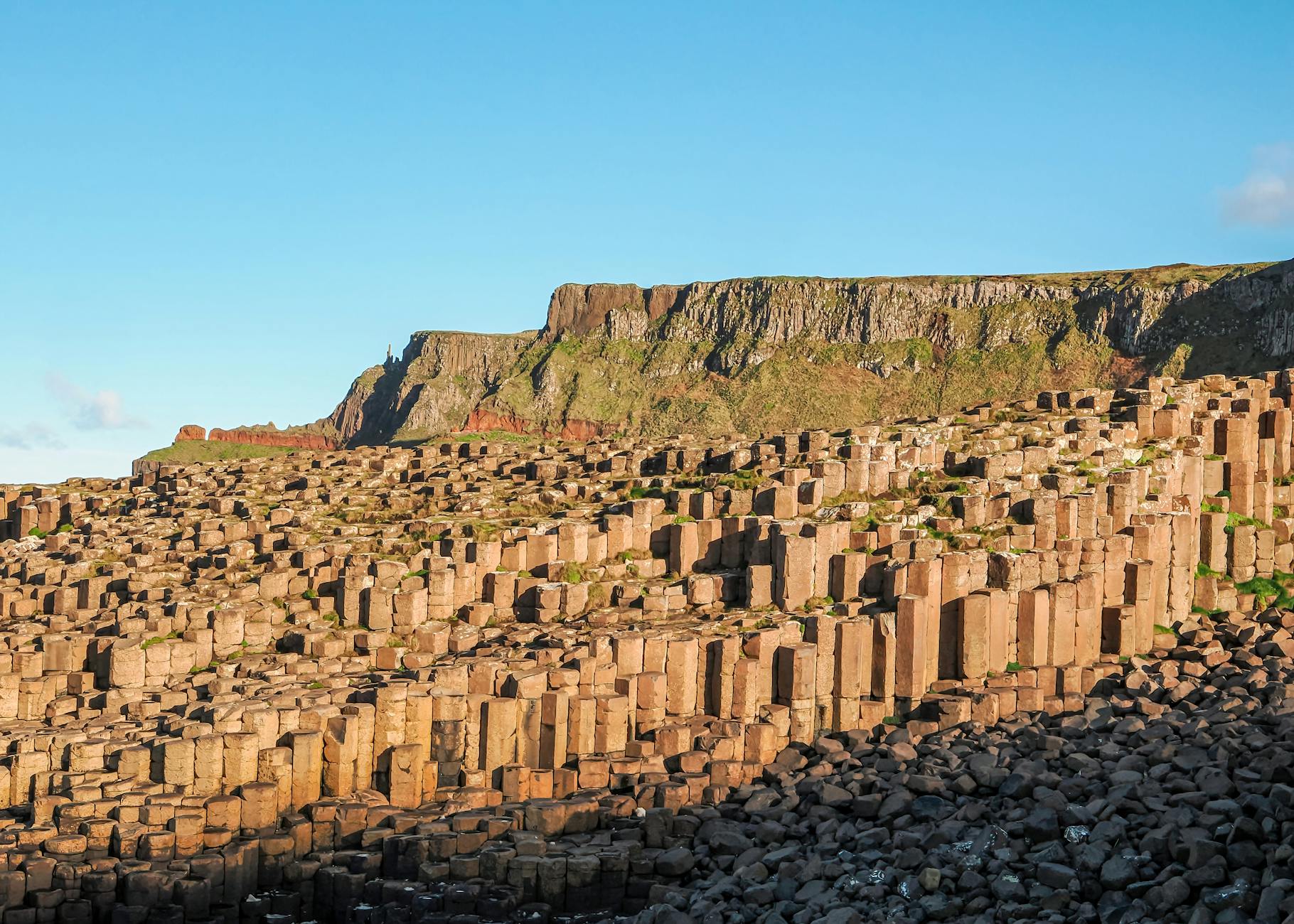
Crossing the border into Northern Ireland to visit the Giant’s Causeway is one of the most dramatic day trips available from Dublin. This UNESCO World Heritage Site on the Antrim coast features around 40,000 interlocking basalt columns formed by ancient volcanic activity. The geometric precision of the hexagonal columns, some reaching 12 metres tall, creates a landscape that looks engineered rather than natural.
What to Expect
The visitor centre provides context on both the geology and the legend of the Irish giant Finn MacCool. From there, a path leads down to the causeway itself, where you can walk across the columns and explore the coastline. Allow at least 90 minutes at the site to do it justice. Most day tours from Dublin also include stops at the ruins of Dunluce Castle perched on a clifftop, the Dark Hedges (the atmospheric tree-lined road made famous by Game of Thrones), and often an hour or two in Belfast city centre.
The round trip from Dublin takes about three hours each way, so expect a 12 to 14-hour day. This is a trip where a guided tour genuinely makes more sense than driving, because you can rest during the long transfer instead of battling motorway fatigue. Tour prices typically start at around 55 to 65 euro, though the causeway’s admission fee of approximately 15 pounds (payable in sterling as you are in the UK) may or may not be included.
Getting there: Guided tour (recommended) or car (3 hours each way). Time needed: Full day (12-14 hours). Cost: Tours from €55-65 plus ~£15 admission. Note: Northern Ireland uses sterling.
Kilkenny: Ireland’s Medieval City
Kilkenny is one of the easiest and most rewarding independent day trips from Dublin. Ireland’s best-preserved medieval city sits about 90 minutes south of the capital and is directly connected by regular train services from Heuston Station. The city’s compact centre is built around the magnificent Kilkenny Castle and the Medieval Mile, a stretch of narrow cobblestone lanes lined with heritage buildings that runs from the castle to St Canice’s Cathedral.

The Medieval Mile
Start at Kilkenny Castle, a 12th-century Norman fortress that has been beautifully restored and is free to enter (though guided tours of the interior cost a small fee). The castle sits in landscaped grounds above the River Nore. From there, walk up the Medieval Mile through streets that have barely changed in layout since the 13th century. Along the way you will pass Rothe House, a Tudor-era merchant’s townhouse turned museum; the Medieval Mile Museum housed in St Mary’s Church, which contains medieval tombs, stonework, and Viking artefacts; and Kyteler’s Inn, parts of which date to the 13th century and which is associated with Ireland’s first witchcraft trial in 1324.
At the top of the mile, St Canice’s Cathedral is the second-longest medieval cathedral in Ireland. For a small fee, you can climb the adjacent Round Tower for panoramic views over the city. The climb is steep and narrow but manageable for most adults and older children.
Food and Drink in Kilkenny
Kilkenny punches well above its weight for food and drink. The Smithwick’s Experience tells the story of Ireland’s oldest beer brand (brewed in Kilkenny since 1710) and includes a tasting. The city also has excellent independent restaurants, craft beer bars, and traditional pubs. The Kilkenny Design Centre, housed in the former castle stables, is worth a visit for Irish craft and design.
Getting there: Train from Heuston Station (1h 45min, ~€13 return) or car (90 min). Time needed: 5-7 hours. Cost: Kilkenny Castle grounds free; interior tour €8; Medieval Mile Museum €9.
Newgrange and the Boyne Valley
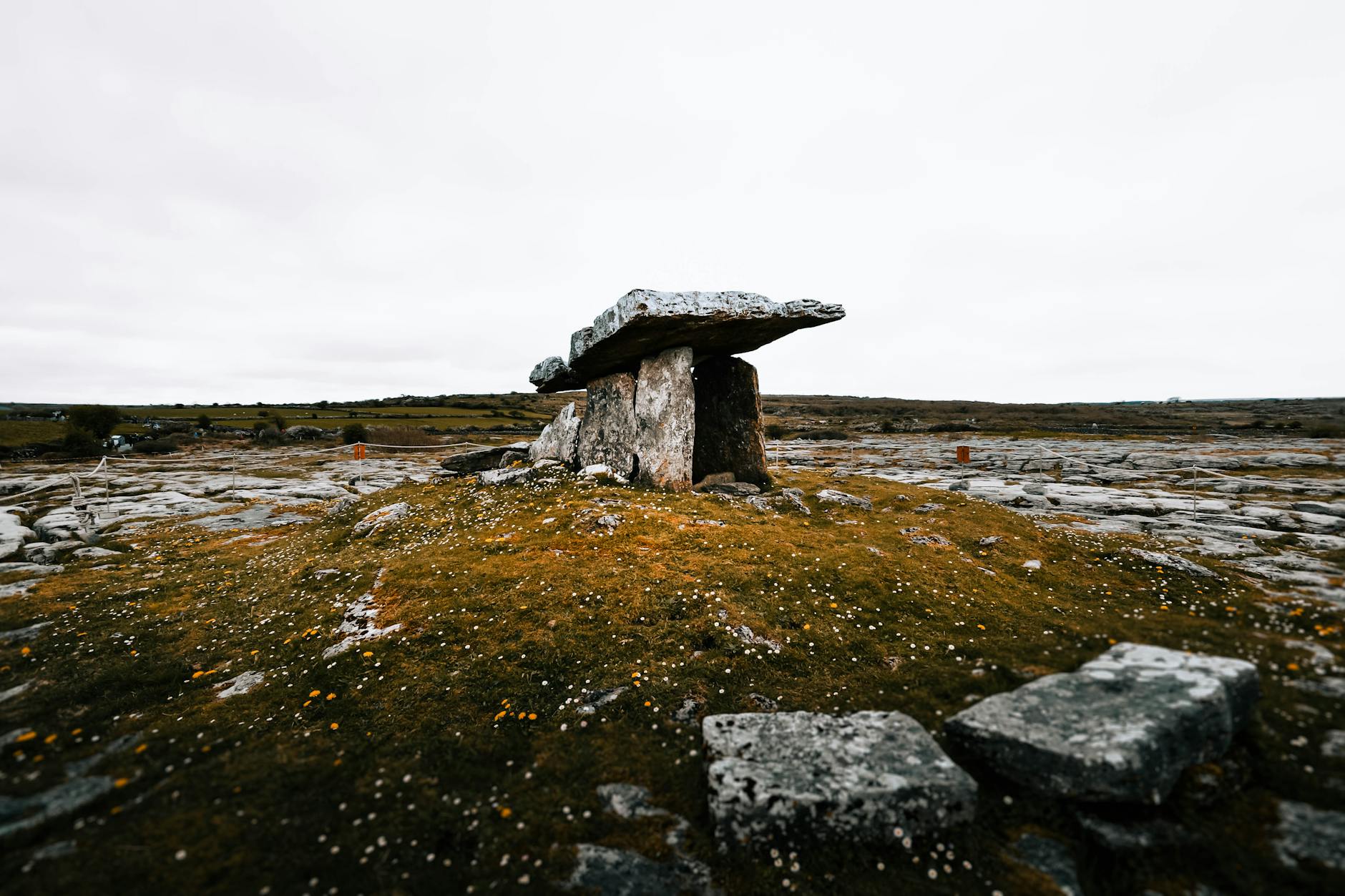
The Boyne Valley in County Meath, just 50 kilometres north of Dublin, contains one of the most important archaeological landscapes in Europe. The centrepiece is Newgrange, a massive passage tomb built around 3200 BC, making it over 5,000 years old and roughly 500 years older than the Great Pyramid of Giza. It is a UNESCO World Heritage Site and one of the most significant prehistoric monuments in the world.
Visiting Newgrange
All visits to Newgrange are managed through the Bru na Boinne Visitor Centre. You cannot drive directly to the tomb; instead, you take a shuttle bus from the centre to the site. The guided tour takes you inside the passage to the central chamber, where the guide explains the winter solstice phenomenon when sunlight enters the narrow passage and illuminates the chamber for approximately 17 minutes around December 21st each year. Tickets should be booked well in advance, especially during summer, as tours fill up quickly. Allow about three hours for the full visitor centre and Newgrange experience.
The broader Boyne Valley offers additional sites that can fill a full day. The Hill of Tara, the ancient seat of the High Kings of Ireland, is a 30-minute drive from Newgrange and is free to visit. Trim Castle, the largest Anglo-Norman castle in Ireland (and a filming location for the film Braveheart), is another excellent stop. The monastic ruins at Monasterboice, home to some of Ireland’s finest Celtic high crosses, round out a rich day of heritage exploration.
Getting there: Car (45 min) or guided tour from Dublin (~€50-80). Time needed: Half day for Newgrange alone, full day to include Tara and Trim. Cost: Newgrange tour €8; Hill of Tara free.
Powerscourt Estate and Waterfall
Powerscourt in the village of Enniskerry, County Wicklow, combines some of the finest gardens in the world with Ireland’s tallest waterfall, and it sits less than an hour from Dublin city centre. The 47-acre gardens have been voted among the top three gardens in the world by National Geographic, and the setting against the backdrop of Great Sugar Loaf mountain is genuinely spectacular.
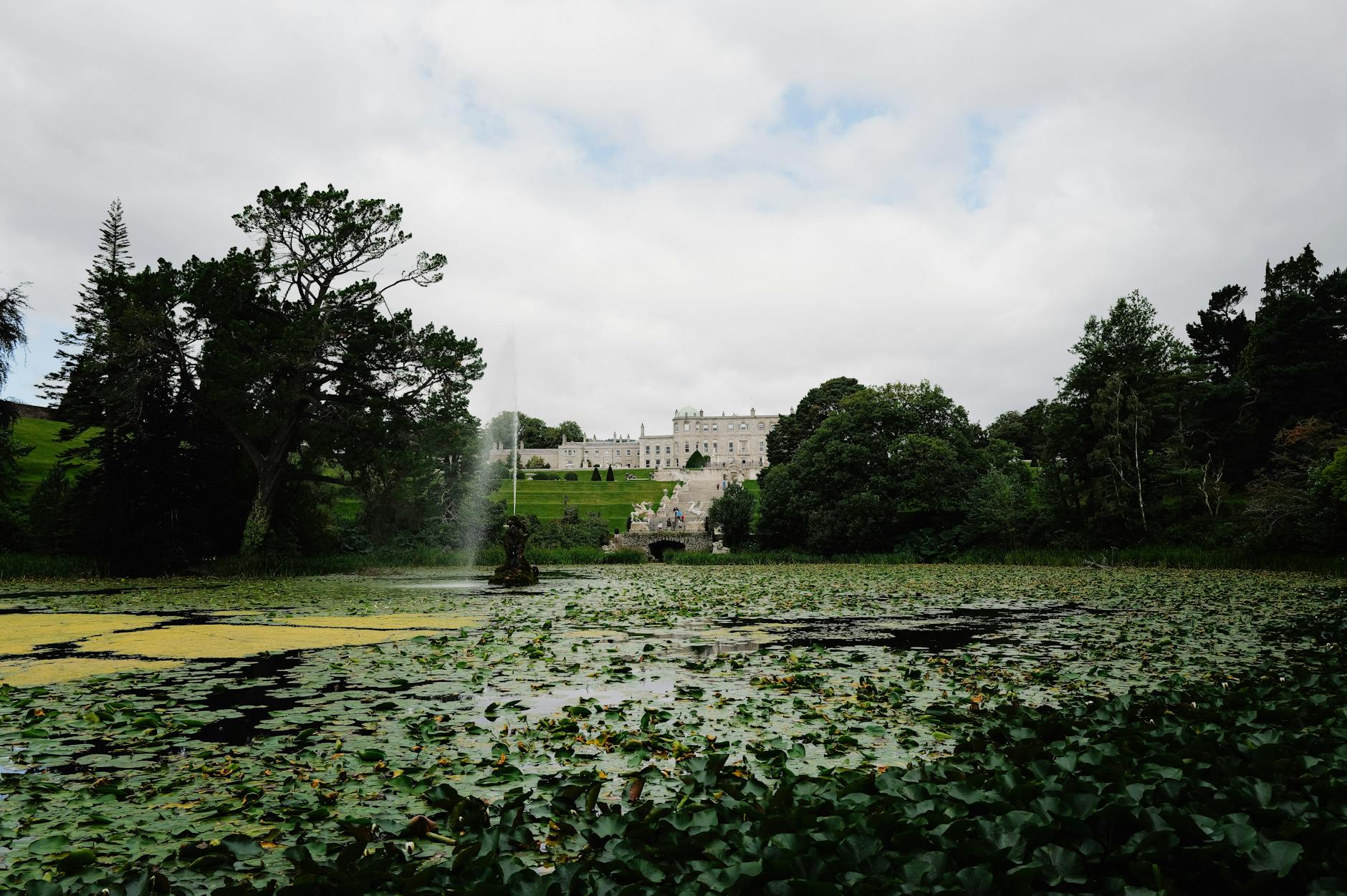
The gardens include an Italian garden, a Japanese garden, a walled garden, and the dramatic Triton Lake with its fountain jet that shoots water 30 metres into the air. The estate house, though gutted by fire in 1974, has been partially restored and houses the Avoca Cafe, one of the best lunch stops in the Wicklow area. Powerscourt Waterfall, about six kilometres from the main estate, drops 121 metres and is the highest waterfall in Ireland. The waterfall is most impressive after heavy rainfall.
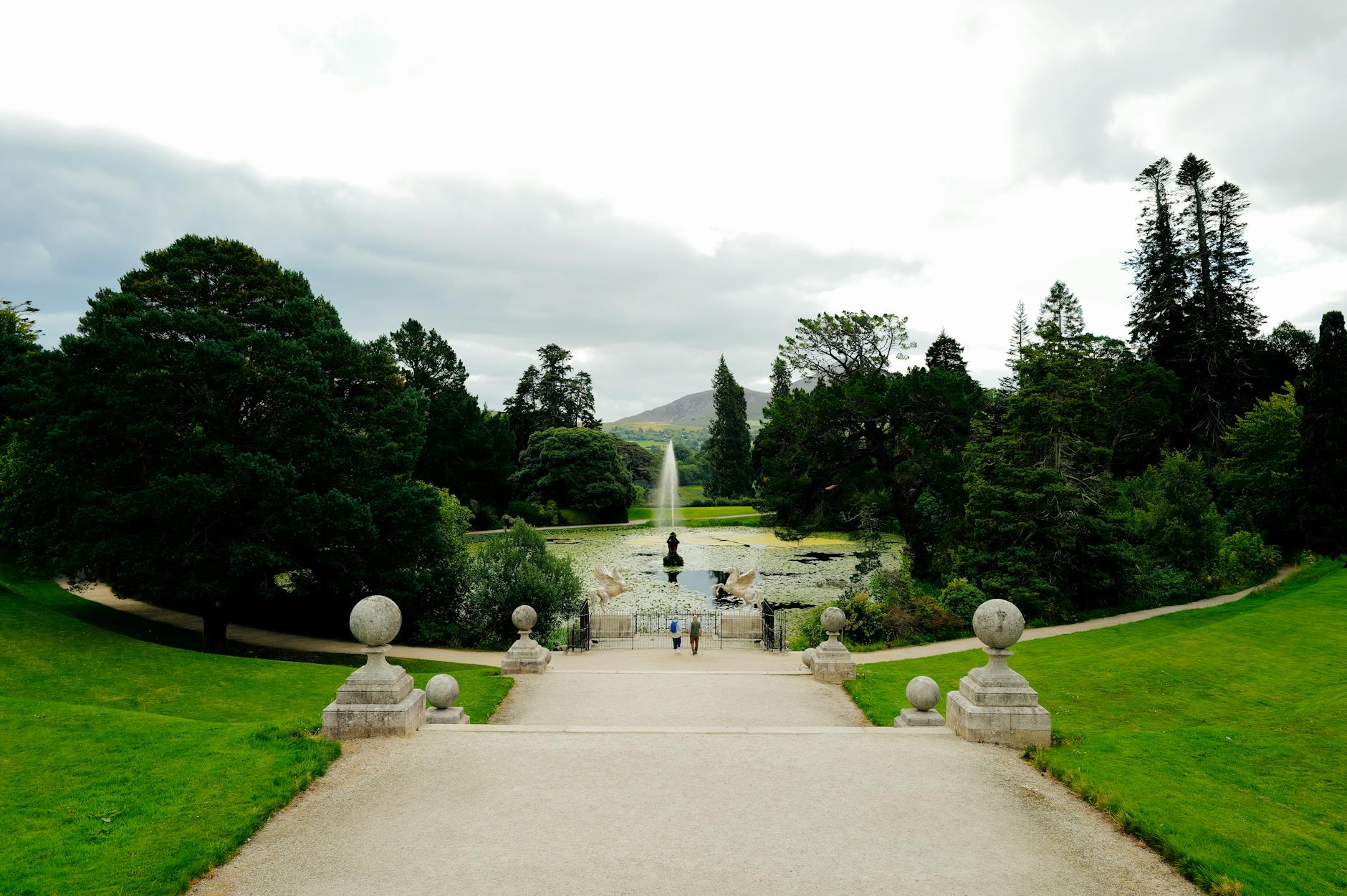
Getting there: Car (40-50 min) or Dublin Bus 44 to Enniskerry village. Time needed: 3-5 hours. Cost: Gardens €14; waterfall €7.
Bray to Greystones Cliff Walk
This six-kilometre coastal walk between the seaside towns of Bray and Greystones is one of the most popular hikes near Dublin, and for good reason. The path follows the cliff edge above the Irish Sea with uninterrupted views of the coast, and both towns are served by the DART, making the logistics completely straightforward. Take the DART to Bray, walk south along the cliffs to Greystones, and catch the DART back to Dublin from the other end.
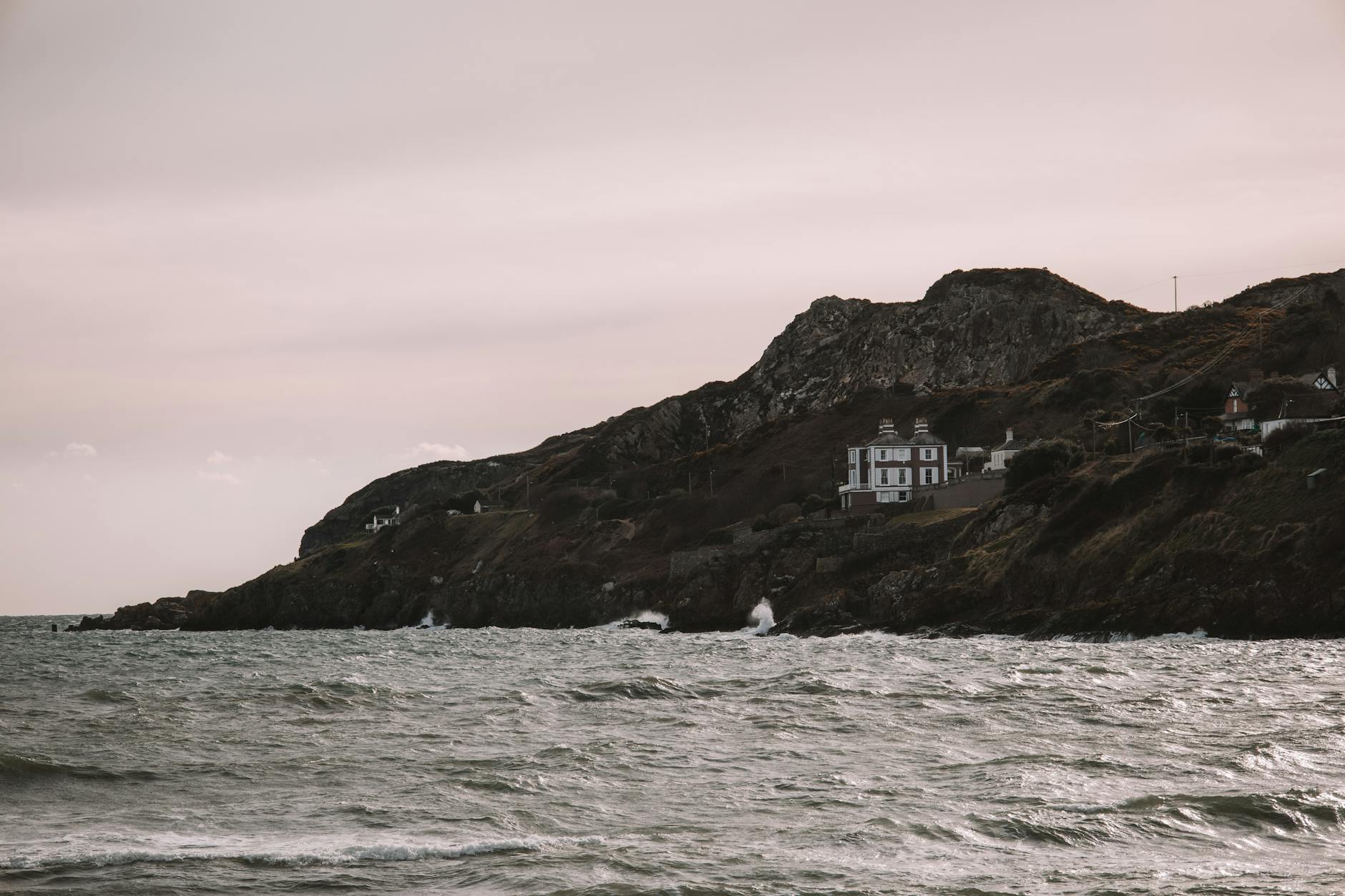
The walk itself takes about 90 minutes to two hours at a comfortable pace. The path is mostly flat with a few gentle inclines, and while it is well maintained, some sections run close to the cliff edge so keep children close and avoid it in high winds. In Greystones, reward yourself at the Happy Pear cafe or one of the seafood restaurants on the harbour. Before starting the walk in Bray, the seafront promenade and amusement arcade are worth a quick look for their faded seaside charm.
Getting there: DART to Bray (45 min from city centre), walk to Greystones, DART back. Time needed: 3-4 hours including travel. Cost: Free (walk). DART fare ~€3-5 with Leap Card.
Galway: A Day in the West
Galway is arguably Ireland’s most atmospheric city, and while it is roughly two and a half hours from Dublin by train, the journey is worth every minute. The city’s Latin Quarter buzzes with street musicians, colourful shopfronts, and a concentration of excellent pubs and restaurants that few places in Ireland can match. Galway is also the gateway to Connemara, the Aran Islands, and the Wild Atlantic Way, though a day trip from Dublin gives you enough time to explore the city itself.
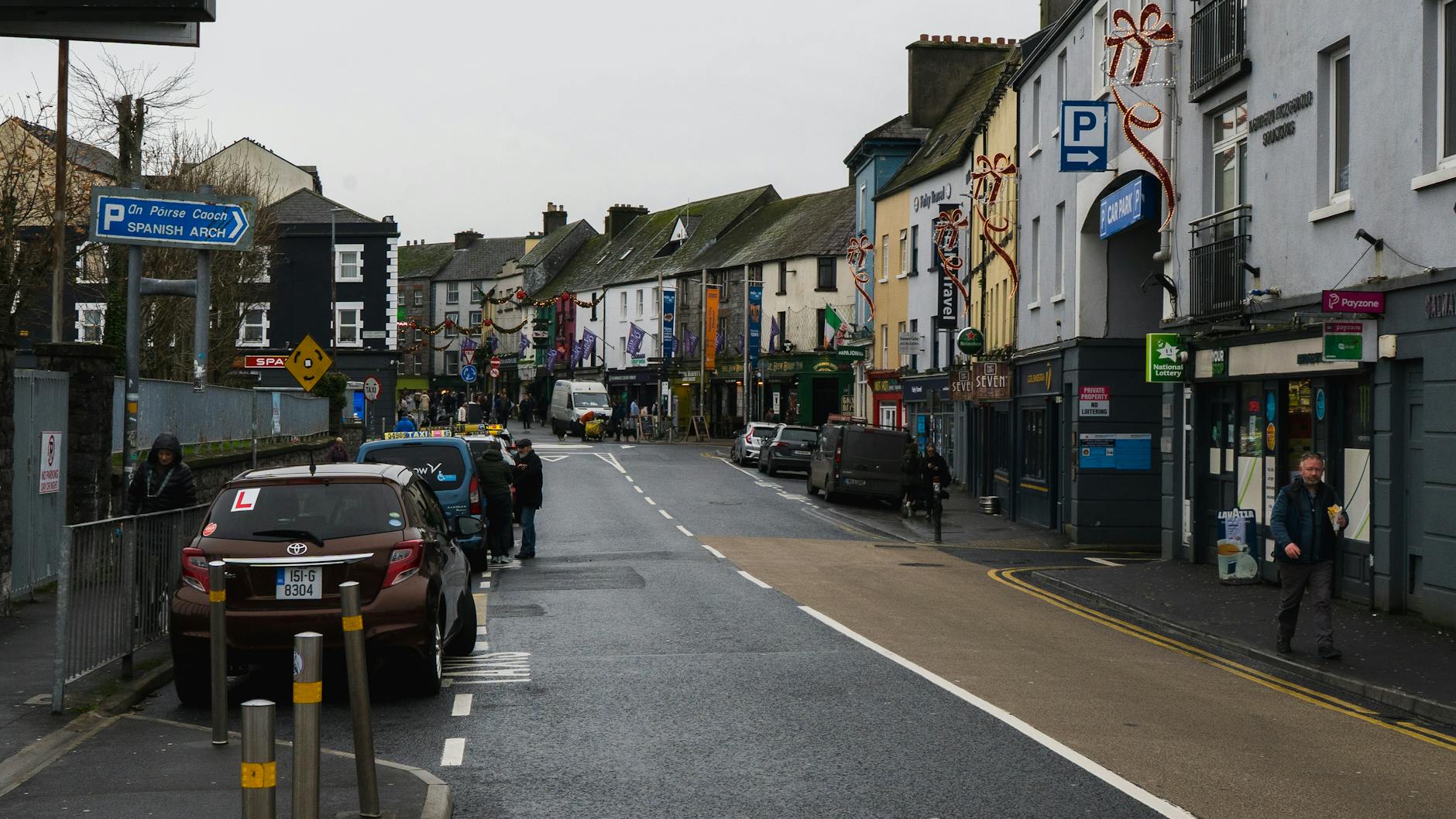
Irish Rail runs direct trains from Dublin Heuston to Galway’s Ceannt Station, with the journey taking about two hours and fifteen minutes. Bus Eireann and CityLink also run frequent services from Dublin. Booking train tickets online in advance can reduce fares to as little as ten euro each way. Once in Galway, the centre is small enough to cover on foot. Spend the morning wandering Quay Street and the Spanish Arch, have lunch at one of the seafood restaurants overlooking the river, and allow time to browse the independent shops and galleries in the afternoon.
Getting there: Train from Heuston (2h 15min, from €10-30) or bus (2h 45min). Time needed: Full day. Cost: Train from €10 booked online in advance.
Malahide Castle and North Dublin Coast
Malahide is an attractive seaside town about 16 kilometres north of Dublin city centre, easily reached by DART in around 25 minutes. Its main attraction is Malahide Castle, one of the oldest continuously inhabited castles in Ireland, which sat in the hands of the Talbot family from 1185 until 1975. The castle grounds include a beautiful botanic garden, a butterfly house, and the Avoca cafe for lunch.
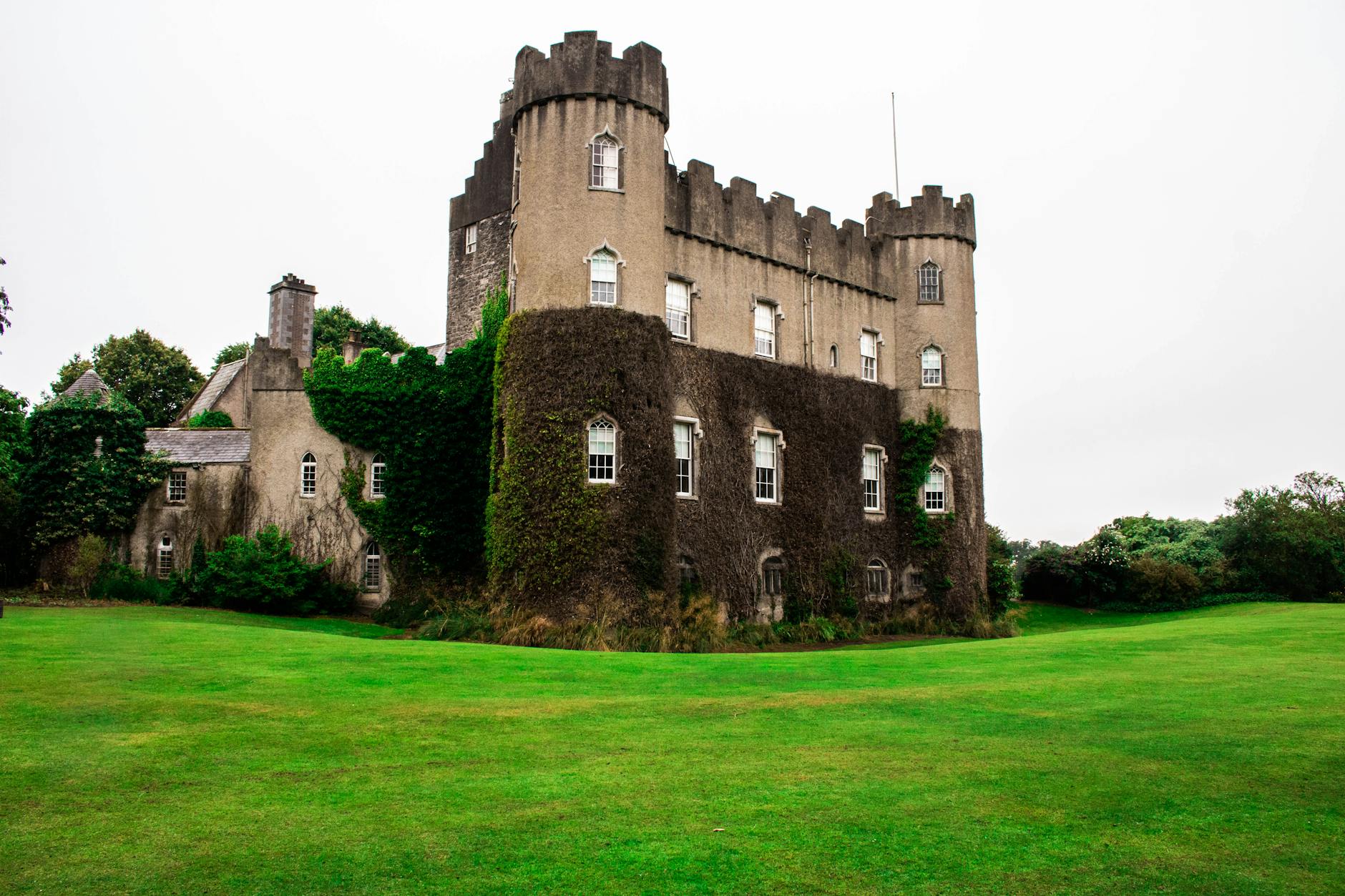
Beyond the castle, Malahide village has independent boutiques, seafood restaurants, and a pleasant marina. You can combine Malahide with a visit to neighbouring Portmarnock beach (one of the best sandy beaches near Dublin) or continue up the coast to Skerries, a fishing town with windmills, harbour walks, and excellent fish and chip shops. The entire north Dublin coast makes for a relaxed day of village-hopping by DART and bus.
Getting there: DART to Malahide (25 min). Time needed: 3-5 hours. Cost: Castle and gardens €14 adults; DART fare ~€3 with Leap Card.
Dalkey and Dun Laoghaire: South Dublin Coast
The south Dublin coastline, served by the DART, offers several atmospheric stops that can be combined into a half-day or full-day coastal crawl. Dun Laoghaire has a Victorian harbour with one of the longest piers in Ireland, a seafront promenade, and the Pavilion Theatre. Nearby Sandycove is home to the James Joyce Tower and the famous Forty Foot swimming spot where Dubliners take year-round dips in the sea.
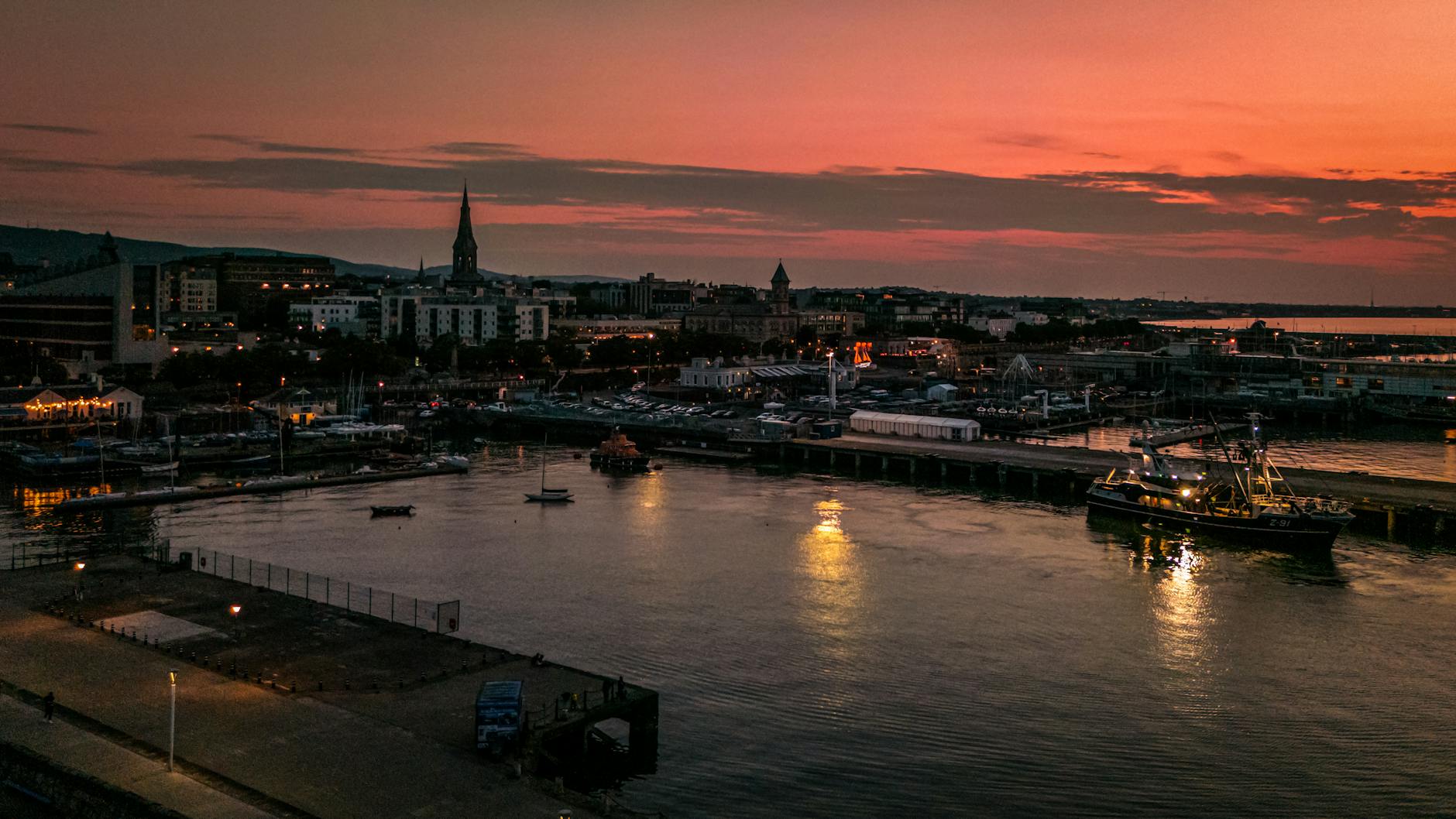
Dalkey, one stop further on the DART, is a village with the feel of a Mediterranean hill town transplanted to the Irish coast. Its narrow streets are lined with independent restaurants, artisan shops, and not one but two castles. From Dalkey, you can take a short boat trip to Dalkey Island, which has seal colonies and the ruins of a medieval church. The village is also the starting point for walks up Killiney Hill, where the views over Dublin Bay and the Wicklow Mountains are often compared to the Bay of Naples.

Getting there: DART to Dun Laoghaire (20 min) or Dalkey (25 min). Time needed: 3-5 hours. Cost: Free to explore; DART fare ~€2.50-3 with Leap Card.
How to Choose the Right Day Trip

By Interest
History and archaeology enthusiasts should prioritise Newgrange, Kilkenny, and the Boyne Valley. Nature lovers will get the most from Howth, Glendalough, and the Bray to Greystones walk. If dramatic scenery is your priority, the Cliffs of Moher and Giant’s Causeway deliver experiences you will remember for years. Foodies should consider Howth for seafood, Kilkenny for craft beer and medieval atmosphere, or Galway for the sheer density of excellent restaurants.
By Available Time
Half-day trips include Howth, Malahide, Dun Laoghaire and Dalkey, Bray to Greystones, and Powerscourt. Full-day trips where you will be gone from around 7am to 7pm or later include Glendalough (if combining with other Wicklow stops), the Cliffs of Moher, Giant’s Causeway, Galway, and Kilkenny. Newgrange works as either a half-day (Newgrange only) or full day (adding Trim, Tara, and Monasterboice).
By Budget
The cheapest day trips are those you can reach by DART at no additional cost beyond the train fare. Howth, Bray to Greystones, Malahide, Dun Laoghaire, and Dalkey all cost under five euro in transport with a Leap Card, and the main attractions at each are free. Kilkenny by train is around 13 euro return. Guided bus tours to the Cliffs of Moher, Giant’s Causeway, and other distant destinations are the most expensive at 55 to 80 euro but include transport and often entrance fees.
Practical Tips for Day Trips from Dublin
Book guided tours at least a few days in advance during peak season (June to September), as popular routes like the Cliffs of Moher sell out. For train travel, booking online through the Irish Rail website or app is almost always cheaper than buying tickets at the station. Weather in Ireland is unpredictable regardless of season, so bring a waterproof jacket and layer up even on days that start sunny.
If you are renting a car for a day trip, remember that Ireland drives on the left side of the road. The M50 motorway around Dublin uses barrier-free electronic tolling, so check with your rental company about how tolls are handled. Parking at popular sites like Glendalough and the Cliffs of Moher costs a few euro. Google Maps and the TFI Journey Planner app are both reliable for navigation and public transport planning in Ireland.

For families, the DART-accessible destinations (Howth, Malahide, Bray) are the least stressful options with young children, since the short travel times and flexible scheduling mean you are not locked into a full-day commitment. Older children and teenagers tend to enjoy the Cliffs of Moher and Giant’s Causeway, where the scale of the scenery makes a lasting impression.
Day Trips from Dublin: FAQ
What is the best day trip from Dublin?
For most first-timers it's the Cliffs of Moher, but the easiest and cheapest is Glendalough and the Wicklow Mountains — under 90 minutes away with monastic ruins and lakeland scenery. Howth, reachable on the DART, is the best half-day option.
Do I need a car for day trips from Dublin?
Not at all. Howth, Malahide and Bray are on the DART; Glendalough, the Cliffs of Moher, Giant's Causeway and Galway are all served by well-run day tours from the city centre. A car helps only if you want to set your own pace in Wicklow or the Boyne Valley.
Can you visit the Cliffs of Moher from Dublin in a day?
Yes, but it's a long day — roughly 3 hours each way by coach. Organised tours make it manageable and usually add stops like Galway or the Burren. Set off early and expect to be back in the evening.
Is the Giant's Causeway worth it as a day trip?
It's spectacular but far — around 2.5-3 hours each way to Northern Ireland. It's worth it if you want to see it and don't mind a full, long day; tours typically include the Dark Hedges and Belfast or Carrick-a-Rede.
What is the best day trip from Dublin without a car?
Howth, for a half day — a 25-minute DART ride to a fishing village with a cliff walk and seafood. For a full day, take a guided coach tour to Glendalough and Wicklow or the Cliffs of Moher.
Detailed Dublin Day Trip Guides
Each of the trips below has its own full guide with transport options, timings, costs and what to skip. Pick the one you are weighing up and you will find the practical detail this overview cannot cover.
- Belfast & Titanic Day Trip from Dublin: Train, Tour or Car? — A little over two hours north on the Enterprise: how to fit Titanic Belfast, the murals and the Cathedral Quarter into one day, and which way to travel.
- Bray to Greystones Walk: The Complete Coastal Walk Guide — The Bray to Greystones walk is one of Dublin’s best-kept day-trip secrets: a 7km coastal cliff path between two seafront towns south of Dublin, with…
- Cliffs of Moher from Dublin: Complete Day Trip Guide — A Cliffs of Moher from Dublin day trip is the most-booked Ireland excursion for international visitors, and for good reason: 14km of vertical…
- Galway from Dublin: Day Trip & Weekend Complete Guide — Galway from Dublin is one of Ireland’s great mid-distance journeys: the cultural capital of the west, the gateway to Connemara and the Aran Islands,…
- Giant’s Causeway from Dublin: Is the Day Trip Worth It? — The Giant’s Causeway from Dublin day trip is one of the most-booked but least-realistic Ireland excursions: 250km north of Dublin in Northern…
- Glendalough Day Trip from Dublin: Complete Guide — A Glendalough day trip from Dublin is the city’s most-photographed escape into nature: 6th-century monastic ruins, two glacial lakes in a U-shaped…
- Howth Cliff Walk: Perfect Half-Day Trip from Dublin — The Howth Cliff Walk is Dublin’s most rewarding half-day trip — a 25-minute DART journey north of the city to a working fishing village, a 6-10km…
- Kilkenny from Dublin: Medieval Day Trip Complete Guide — A Kilkenny from Dublin day trip is the underrated medieval Ireland experience — 90 minutes by train, a perfectly compact city with a 12th-century…
- Malahide Castle & Gardens: The Complete Day Trip Guide from Dublin — A castle, walled gardens and a seaside village a short DART ride north of the city: what the tour covers, what is free and how to pair it with Howth.
- Newgrange Day Trip Dublin: Boyne Valley Ancient Ireland Guide — A Newgrange day trip Dublin visitors do every year delivers something the Cliffs of Moher and Wicklow can’t: 5,200-year-old Neolithic engineering…
- Powerscourt Day Trip Dublin: House, Gardens & Waterfall Guide — A Powerscourt day trip Dublin visitors do year-round delivers what no other Wicklow destination matches: 47 acres of formally-designed Italian,…
Keep Reading
- Best Day Tour Companies from Dublin Compared — Paddywagon, Wild Rover and Railtours side by side, with what each actually costs.
- Dublin Mountains Hikes — a 44B bus and half an hour gets you to a 536-metre summit for nothing.
- Trim Castle & the Boyne Valley — Ireland’s largest Norman castle for €5, and the Hill of Tara for nothing.
- 4 Days in Dublin — where a day trip fits into a four-day trip, with five options ranked.
- Day Trips from Dublin Without a Car — the same list rebuilt around trains, the DART and buses, including which trips genuinely do not work without one.
- Dún Laoghaire, Dalkey and Killiney Hill — the best car-free day in County Dublin: a medieval castle, the Vico Road and a free summit view, all on one DART line.
- Dublin to Belfast by Train — the two-hour cross-border run, and the only day trip on this list that changes your currency.
- Malahide Castle — 25 minutes on the DART, 791 years of the Talbots, and 260 acres of free parkland.
- Belfast day trip from Dublin — 2h08 on the Enterprise, Titanic Belfast, and why the Giant’s Causeway does not fit the same day.
Lean na Comharthaí — Keep following the signs