Dublin gets roughly 152 rainy days a year, and any honest visitor guide has to plan around them. The good news: this is one of the best capitals in Europe for rainy-day travel. Most of the city’s major museums are free, the cafe and pub culture is built around long indoor sittings, and the city is small enough that you can walk between cultural shelters in under ten minutes. This guide gathers 30+ tested things to do in Dublin when it rains, organised by interest, mood, and travel companion, with practical info on hours and admission for 2026.

Pair this with our pillar guides on things to do in Dublin and our deep-dives on Dublin museums and free things to do in Dublin — many of the best rainy-day picks are free.
Why Dublin Is Surprisingly Good in the Rain
Dublin’s rainfall is steady rather than torrential. Average annual rainfall is 758 mm, distributed over the year with no real dry season. Most rain falls as soft drizzle (the locals call it “a soft day”), which is why so much of Dublin culture happens under cover. The city packs an extraordinary number of indoor cultural institutions into a tight area — you can comfortably visit three world-class museums and walk between them in a single afternoon without getting more than mildly damp.
The flip side: Irish weather changes fast. A drizzly morning often clears to glorious sunshine by mid-afternoon. Build your day so you can pivot if the weather lifts — that’s why our wet-weather plans below all sit close to public parks and central walks.
Best Museums for a Rainy Day
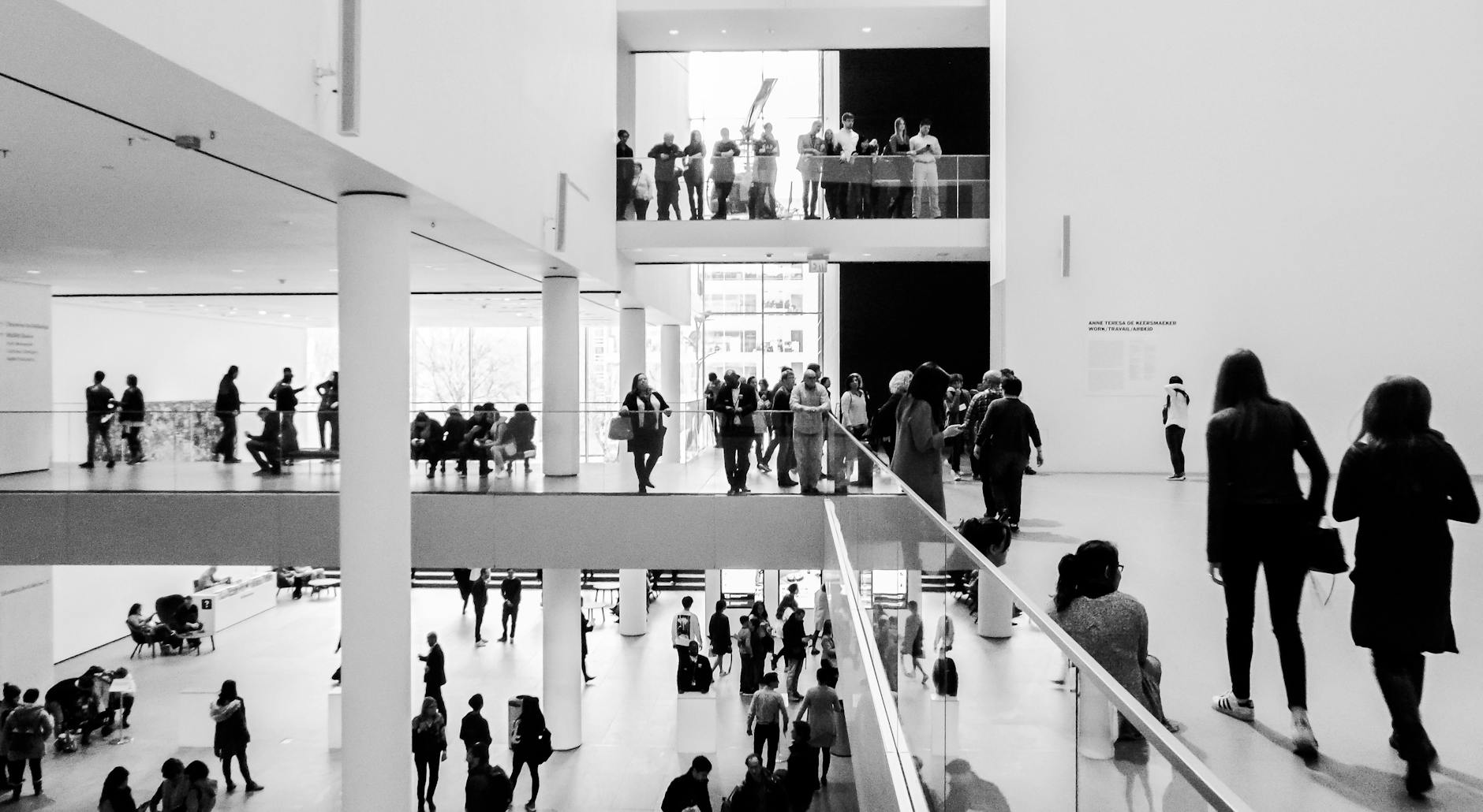
The single best rainy-day strategy in Dublin is the Kildare Street museum cluster. Three world-class indoor venues sit on the same street, all free, with a combined 6+ hours of dry sightseeing.
- National Museum of Ireland — Archaeology: Two million artefacts spanning 7,000 years — the Tara Brooch, the Ardagh Chalice, the bog bodies. Free. Tue–Sat 10:00–17:00. Allow 2–3 hours.
- National Library of Ireland: Free Yeats exhibition, regular literary shows. Mon–Wed 09:30–19:45.
- National Museum — Natural History (“Dead Zoo”): Victorian cabinet of curiosities, 10,000 specimens. Free. Tue–Sat 10:00–17:00.
If you want one museum to rule them all on a rainy day, the Chester Beatty Library in Dublin Castle is hard to beat — consistently rated one of the finest small museums in Europe, free, and home to a covered courtyard café for lunch. Other indoor must-tries: the National Gallery of Ireland on Merrion Square (free, 2,500 paintings), the Hugh Lane Gallery on Parnell Square (free, Francis Bacon’s reconstructed studio), and the Irish Museum of Modern Art in Kilmainham (free, 17th-century Royal Hospital building).
For paid options, the immersive EPIC The Irish Emigration Museum in the basement vaults of the CHQ Building is a rainy-day favourite (multi-award winner, totally indoors). 14 Henrietta Street is a beautifully restored Georgian tenement house with the city’s best guided tour. Dublinia beside Christ Church covers Viking and medieval Dublin in immersive recreations — ideal for families.
Cathedrals and Historic Buildings
Christ Church Cathedral (founded 1028) is one of Dublin’s most atmospheric rainy-day stops. The vast medieval crypt — the largest in Britain or Ireland — sits 1,000 years below the modern city and is included in admission. St Patrick’s Cathedral, just a few minutes away, is Ireland’s largest church, with the tomb of Jonathan Swift inside. Both charge admission of around €9 each, but offer 60–90 minutes of dry, beautiful sightseeing.
Kilmainham Gaol Museum is the most powerful indoor history experience in the country — the prison where the leaders of the 1916 Easter Rising were executed. The 1.5-hour guided tour books out weeks ahead, but is well worth the planning. The Bank of Ireland across from Trinity (a working bank inside the world’s first purpose-built parliament house) is a free indoor architectural treat during banking hours — the old House of Lords chamber is open to the public.
Distillery and Brewery Tours
Dublin’s most-visited paid attraction is purpose-built for rainy days. The Guinness Storehouse is seven storeys of indoor exhibits in a former 1904 fermentation plant — and your ticket includes a free pint at the panoramic Gravity Bar at the top. Allow 2–3 hours; book online. See our complete Guinness Storehouse visitor guide for tips.
For whiskey lovers, three excellent indoor distillery experiences sit nearby: the Jameson Distillery Bow Street in Smithfield (the original Dublin Jameson site, now a heritage attraction with tastings), Roe & Co Distillery next to the Guinness Storehouse (interactive, with cocktail-making classes), and Teeling Distillery in the Liberties (Dublin’s first new distillery in 125 years when it opened in 2015). Each runs 60–90 minute tours with tastings; tickets €25–€35.
Cafés & Slow Mornings
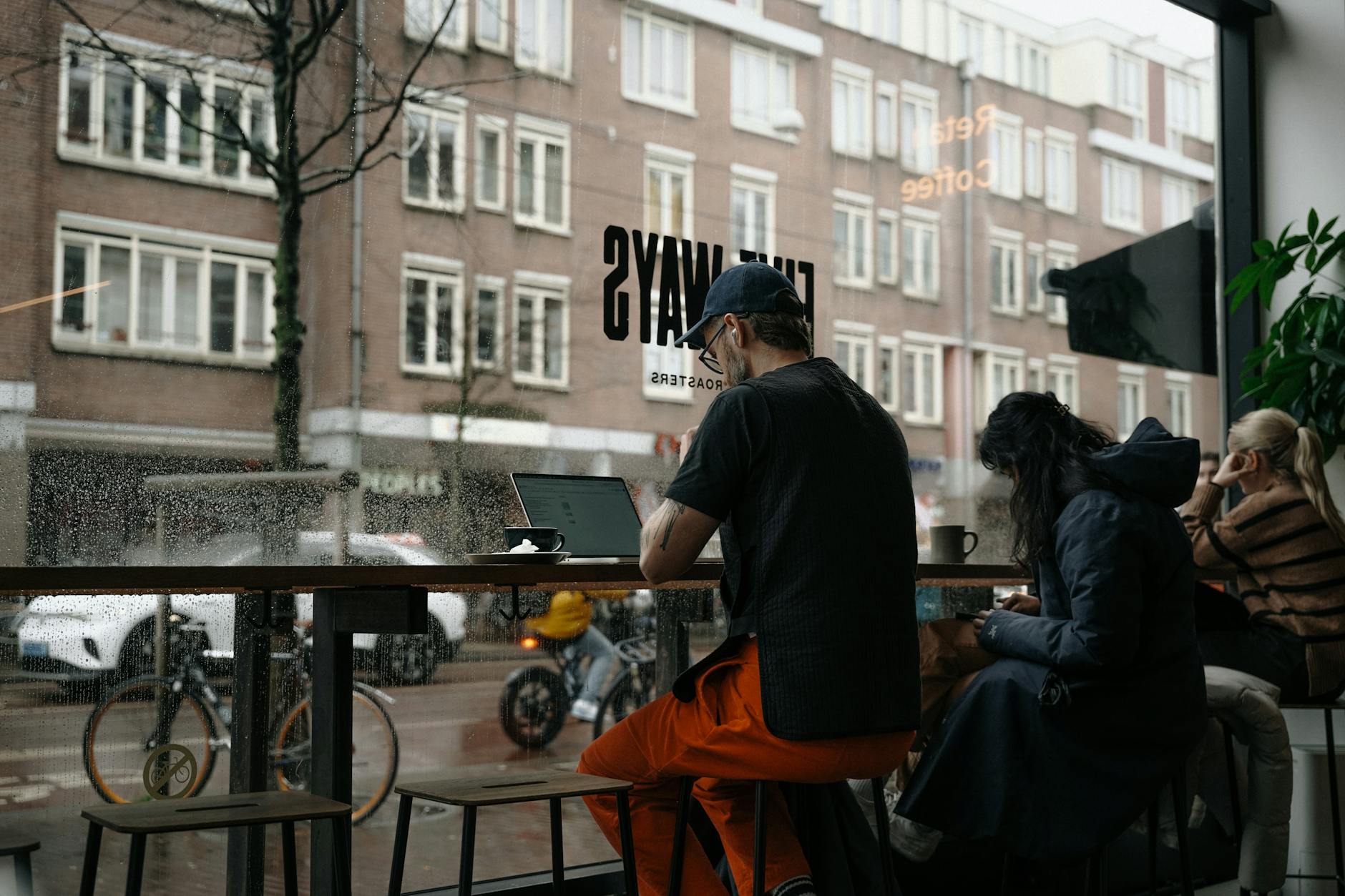
Dublin has a thriving independent café scene that turns a rainy morning into a small luxury. Our favourites for hunkering down:
- Bewley’s Café Grafton Street: A century-old institution with stained-glass windows and live piano music in the afternoons. The cherry buns are non-negotiable.
- Brother Hubbard (north and south branches): Reliably excellent brunch, big tables, free Wi-Fi.
- 3FE (Grand Canal Street): Dublin’s definitive specialty coffee roaster.
- The Fumbally (Liberties): Big, warm, scrappy, with house-baked everything.
- Two Pups Coffee (Francis Street): Tiny but perfect; great pastries.
- Library Café at the National Library: Perhaps the most-atmospheric quiet café in Dublin, accessible without a reader’s ticket.
Pubs and Traditional Music Sessions
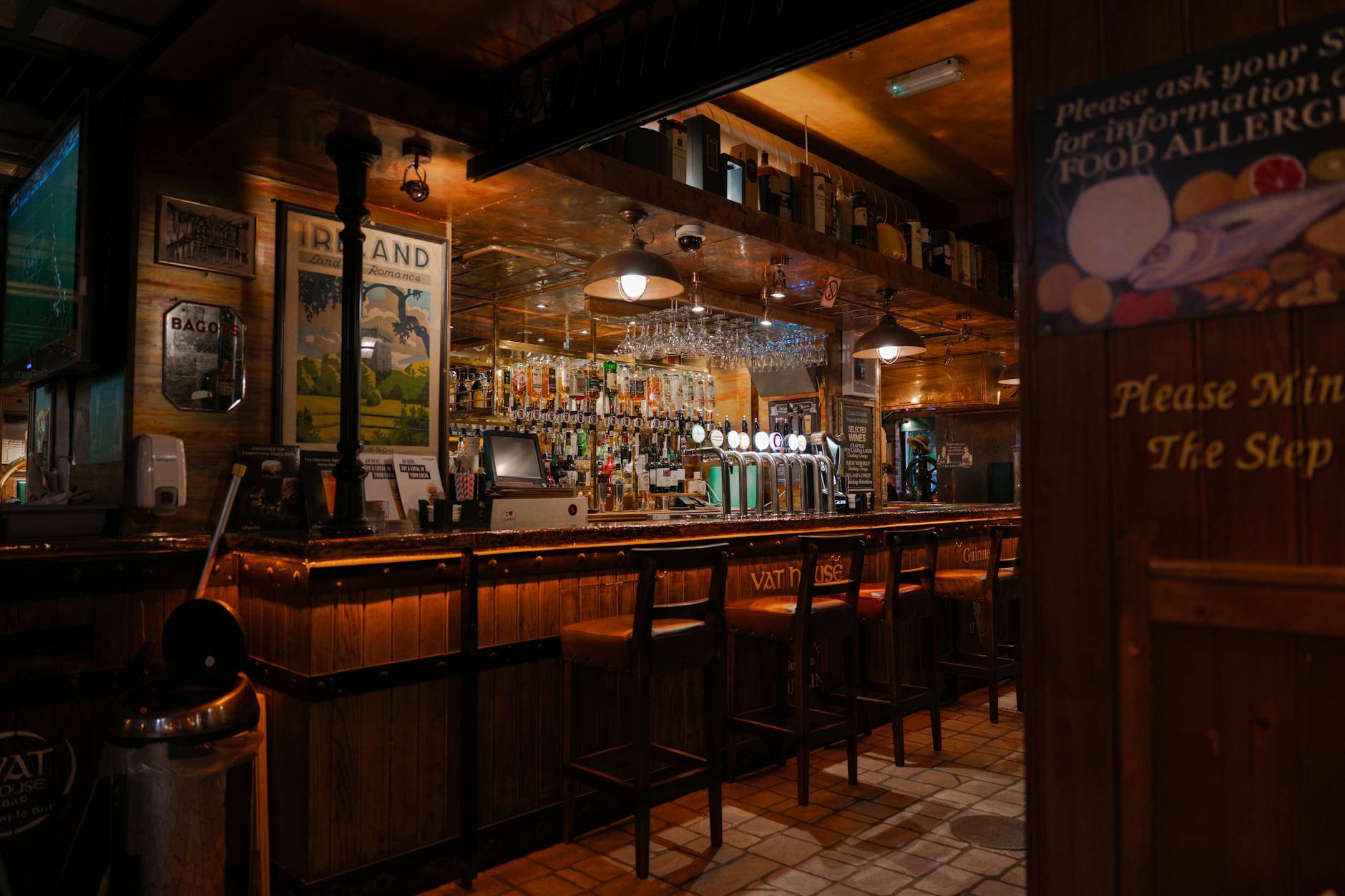
The Irish word for “pub” might as well be “rainy-day shelter.” Dublin has more than 650 licensed pubs — but the ones that come into their own when the weather turns are the warm, low-ceiling traditional houses with snug bars and turf fires.
- The Brazen Head (Bridge Street): Reputedly Ireland’s oldest pub (est. 1198), with low ceilings, candlelight, and nightly trad music.
- O’Donoghue’s (Merrion Row): Famous for its session culture — the Dubliners played here in the 1960s.
- The Cobblestone (Smithfield): Probably the city’s best traditional music pub.
- Mulligan’s (Poolbeg Street): Untouched by tourism, with the perfect pint of Guinness.
- The Long Hall (South Great George’s Street): Victorian gem with a chandelier and red-velvet snug.
For a full guide see our Dublin nightlife & pubs pillar. Most pub trad sessions start around 21:00 and have no cover charge.
Cinema, Theatre and Live Performance
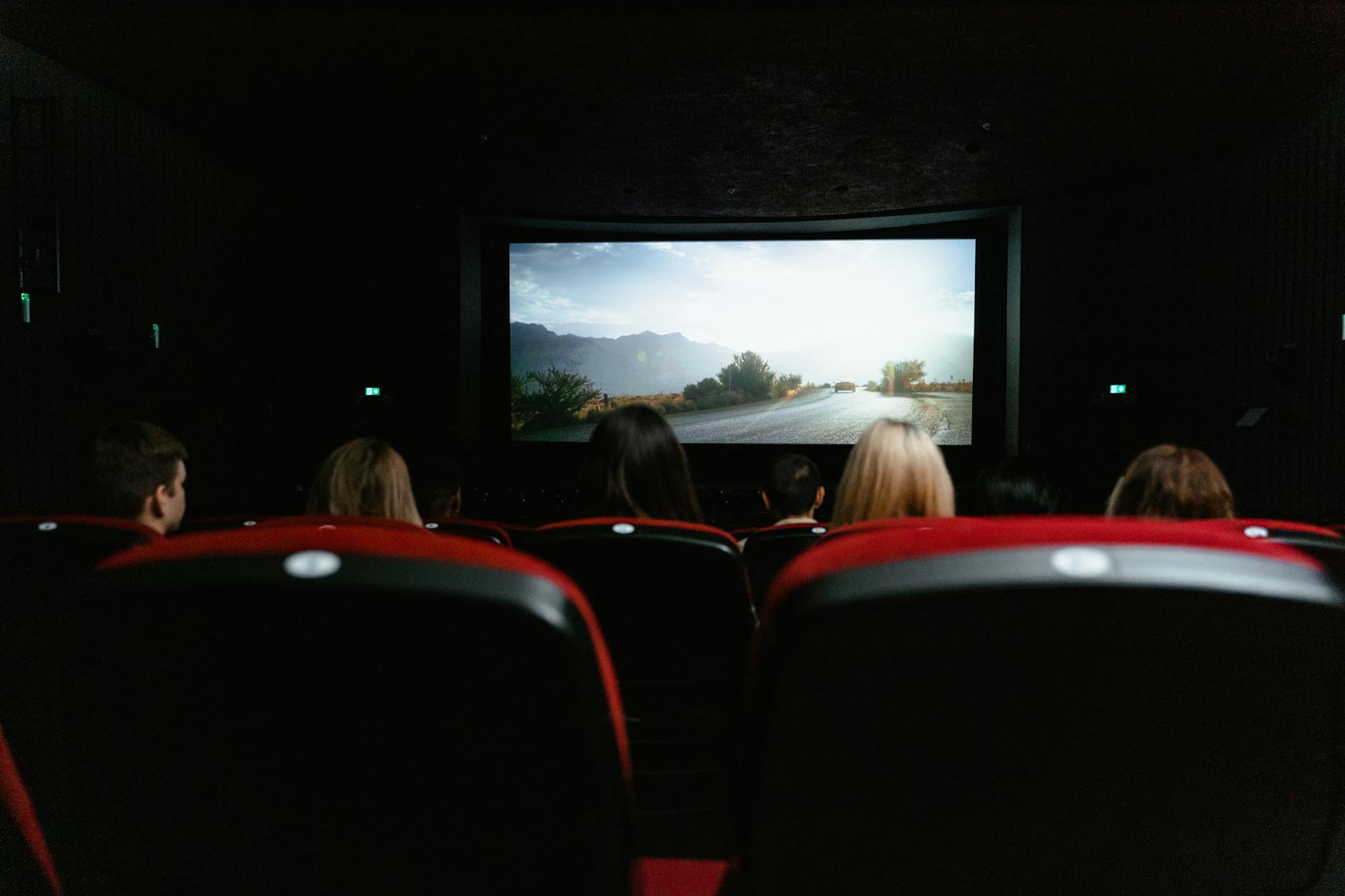
For a totally indoor afternoon, Dublin punches above its weight on cinema. The Light House Cinema in Smithfield is the city’s best independent four-screen, with smart programming and an excellent café-bar. The Irish Film Institute in Temple Bar is the country’s archive cinema and screens classics, foreign-language films and curated Irish features. Stella Theatre in Rathmines is a beautifully restored 1923 cinema with armchair seats and waiter-service food.
For theatre, the Abbey Theatre on Lower Abbey Street is the National Theatre of Ireland (founded by W. B. Yeats and Lady Gregory in 1904). The Gate Theatre on Cavendish Row stages classic and contemporary plays in a beautiful Georgian house. Smock Alley Theatre in Temple Bar — on the site of Ireland’s first purpose-built theatre (1662) — is one of the most atmospheric small venues in town.
The National Concert Hall on Earlsfort Terrace runs free lunchtime recitals on most weekdays in term time, plus a full classical programme. The Hugh Lane Gallery’s Sundays at Noon classical concert series has run continuously since 1975 (free).
Active Indoor Activities

If you’d rather burn energy than browse:
- Lane 7 Dublin (off Grafton Street): Bowling, beer pong, retro arcade, karaoke and shuffleboard. Open until 02:00 weekends.
- Zero Latency Dublin: Free-roam virtual reality — up to 8 players battle zombies, fight aliens or explore alien worlds. The most-fun rainy afternoon for groups.
- Sandbox VR (Nassau Street): Multi-player full-body VR experiences.
- Dundrum Town Centre: Ireland’s biggest shopping centre, fully indoor with a 12-screen cinema (Luas Green Line out from St Stephen’s Green).
- Dublin Bouldering & Climbing Centres: Awesome Walls in Finglas and Wall & Pulley on Prussia Street are excellent indoor climbing options.
- Trampoline parks: Air Extreme in Phibsboro and Shoreline Trampoline Park in Greystones (south Dublin) are kid magnets.
- Dublin Markets: Indoor weekend markets like the Irish Design Shop & Industry Building, the George’s Street Arcade (one of Europe’s oldest covered Victorian shopping arcades), and the Powerscourt Townhouse Centre stay dry while you browse.
Best Rainy-Day Activities for Families with Kids
Travelling with children? These are the proven kid-friendly rainy day stops:
- Imaginosity (Sandyford): The Children’s Museum of Ireland — six storeys of immersive, hands-on exhibits for ages 0–9.
- Natural History Museum: The “Dead Zoo” is free and an immediate hit with most children.
- Dublinia: Viking and medieval recreations beside Christ Church Cathedral.
- Tayto Park / Emerald Park: 30 minutes north of the city, has indoor play attractions when outdoor rides are weather-affected.
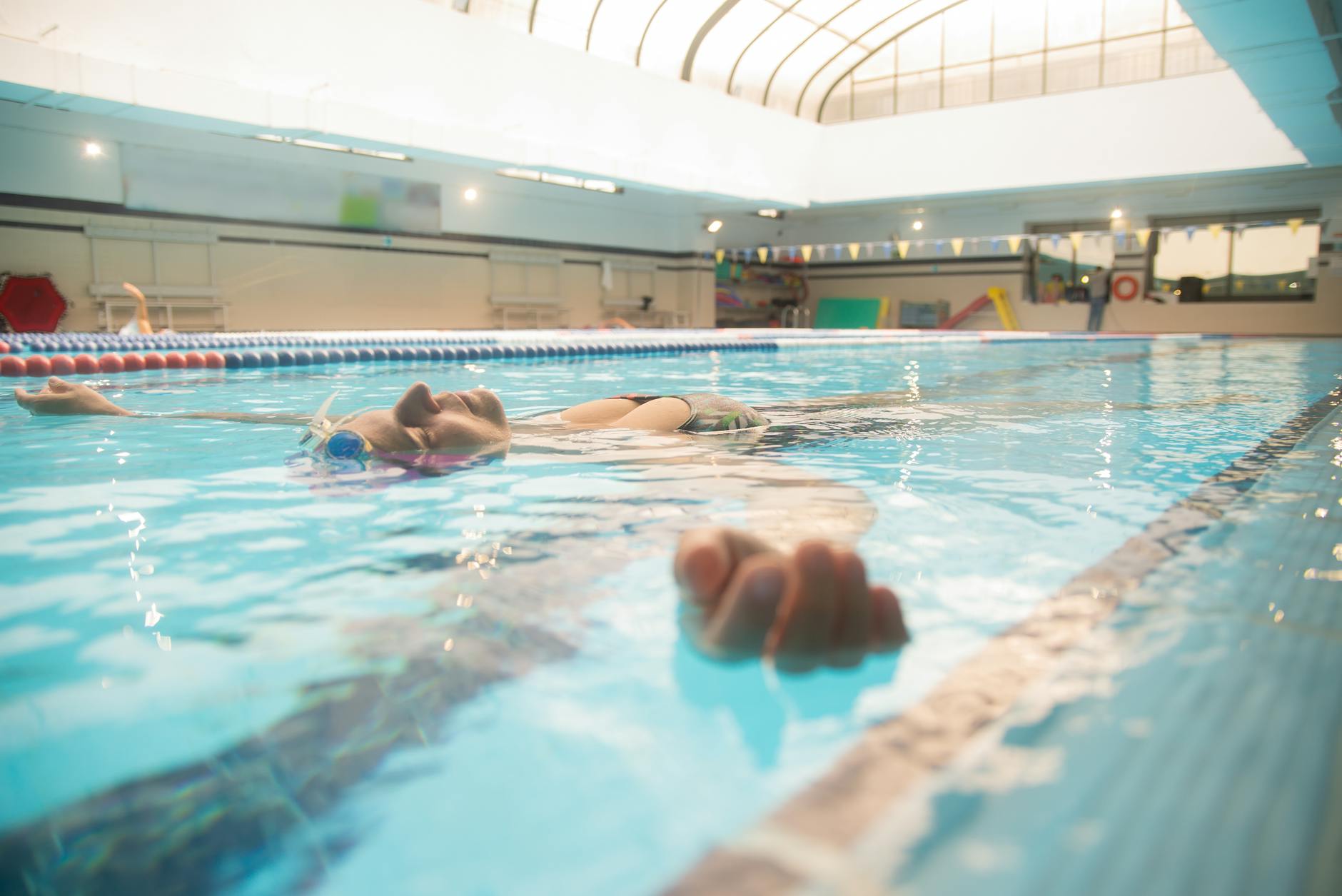
- Indoor swimming pools: Markievicz Leisure Centre (Townsend Street) and the Aviva Stadium pool are central. Most family hotels in Dublin also have pools — see our Dublin for families guide.
- Family-friendly cinemas: Light House Cinema runs “Mini Movies” matinees most weekends.
Libraries: Free, Warm and Often Beautiful
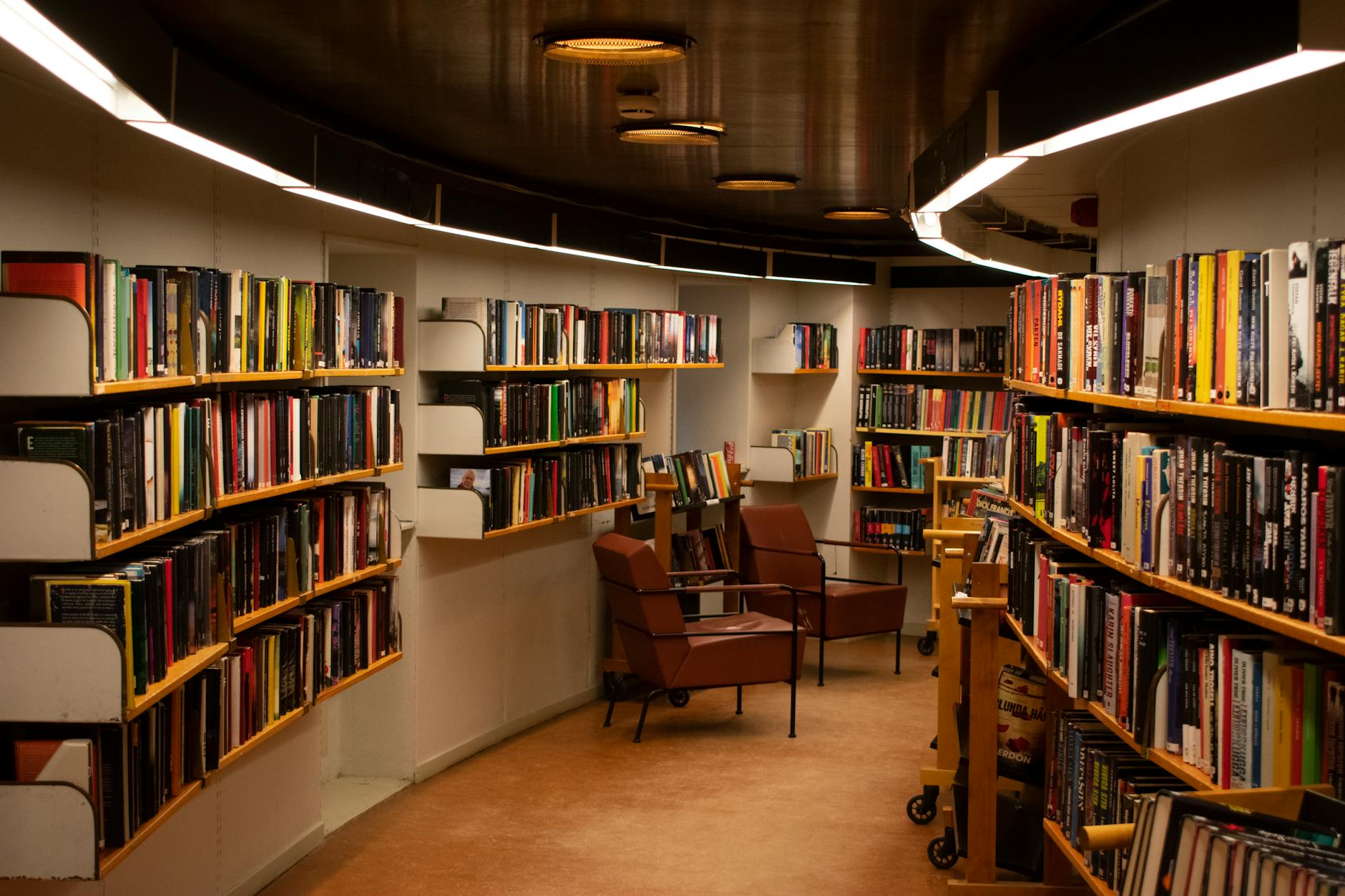
Don’t overlook libraries as wet-weather rest stops. They’re free, warm, have public Wi-Fi, and several are extraordinarily beautiful.
- National Library of Ireland (Kildare Street): Free exhibitions, reading rooms, café.
- Dublin City Library & Archive (Pearse Street): Big modern library with quiet study spaces and free events.
- Marsh’s Library (St Patrick’s Close): Founded in 1707 and almost unchanged since — one of the most atmospheric small libraries in Europe. €5 entry, well worth it.
- Trinity College Old Library / Long Room: The famous library space — currently mid-conservation but still open to ticketed visitors. See our Trinity College & Book of Kells guide.
Three Rainy-Day Itineraries
1. The Free Cultural Day (no umbrella required)
09:30 — National Museum of Ireland Archaeology · 12:00 — Lunch at the Library Café · 13:30 — National Gallery of Ireland · 16:00 — Tea at the Westbury Hotel · 18:00 — Trad music at The Cobblestone (free).
2. The Iconic Paid Rainy Day
09:30 — Trinity College Book of Kells (book ahead) · 11:30 — Christ Church Cathedral & Dublinia · 14:00 — Lunch at The Brazen Head · 15:30 — Guinness Storehouse · 19:00 — Theatre at the Abbey or Gate.
3. The Family Rainy Day
10:00 — Imaginosity (Sandyford) · 13:00 — Lunch at Eathos in Dundrum · 14:00 — Cinema at Movies@Dundrum · 17:00 — Indoor swim at Markievicz · 19:00 — Family hotel restaurant.
Practical Rainy-Day Tips for Dublin
- Pack a light, packable raincoat rather than relying on umbrellas — Dublin is breezy and umbrellas frequently invert.
- Wear waterproof shoes — cobbled streets stay slick. Trinity, Temple Bar and Dublin Castle are particularly slippery.
- Use Leap Visitor Card on bus, tram and DART to skip waiting outside. €8/24 hr or €16/72 hr (2026 rates).
- The hop-on/hop-off buses have covered top decks and are a great way to see the city when walking is unappealing — though for getting between attractions the city is small enough that walking is usually faster.
- Book Kilmainham Gaol and the Book of Kells well in advance — both are major rainy-day shelters and sell out fast.
- Many museums close on Mondays, especially the Hugh Lane and Chester Beatty — check before travelling.
- Sundays often have shorter hours for state museums (typically 13:00–17:00).
- Cafés as workspaces: Dublin has a strong remote-worker culture, and most cafés will let you stay for hours over one cup as long as you’re respectful at peak times.
Understanding Dublin’s Rain: When to Expect It
Dublin’s weather is famously changeable. The maritime climate means you rarely get a full day of sustained rain — instead you get bands of showers interspersed with sunny intervals, often with several distinct “weathers” in a single afternoon. The wettest months are October through January, with averages of around 70–80 mm of rainfall per month; the driest are April, May and June at around 50–55 mm.
If you’re planning a trip and want to minimise rain risk, late spring (May–early June) and early autumn (mid-September to early October) typically offer the best weather. But don’t let rain forecasts cancel a Dublin trip — the city is one of the easiest in Europe to enjoy in any weather, and a soft drizzle is part of the city’s character.
Check the Met Éireann app or website for accurate hour-by-hour forecasts; commercial weather apps tend to over-predict rain duration in Ireland. Met Éireann’s rain radar is particularly useful for timing walks between attractions. For more on practical preparation, see our Dublin travel tips guide.
Rainy-Day Trips Within Easy Reach of Dublin
If you’re facing a forecast of all-day rain, several day trips from Dublin pivot well to indoor experiences:
- Powerscourt House & Gardens (Wicklow): The house itself is open with retail and a beautiful café. The walled garden is rewarding even in light rain.
- Russborough House (Wicklow): An 18th-century Palladian mansion with the Beit Collection of paintings — entirely indoor.
- Newbridge Silverware Museum of Style Icons (Kildare): Houses Audrey Hepburn’s wardrobe, Princess Grace memorabilia and other 20th-century cultural icons.
- Belvedere House (Westmeath): Georgian villa, indoor visitor centre, beautifully done.
- Kilbeggan Distillery (Westmeath): Ireland’s oldest licensed distillery (1757), all indoor.
For the full list of Dublin day trips and how each one handles wet weather, see our day trips from Dublin guide.
Indoor Shopping & Markets
Dublin’s shopping is concentrated in covered or near-covered locations that double as wet-weather shelters:
- St Stephen’s Green Shopping Centre (top of Grafton Street): Multi-storey, covered, with a striking glass roof.
- Powerscourt Townhouse Centre (off Grafton Street): A 1774 Georgian townhouse converted into a covered shopping centre with independent boutiques and a stunning skylit central courtyard.
- George’s Street Arcade: One of Europe’s oldest covered Victorian shopping arcades, with vintage clothing, vinyl records, jewellery and a great Cornish pasty stall.
- Ilac Centre (Henry Street): The biggest indoor shopping centre in central Dublin north of the Liffey.
- Jervis Shopping Centre (Jervis Street): All the high-street favourites under one roof.
- Avoca Suffolk Street: Beautiful Irish design store with a popular café upstairs.
Browse our Dublin shopping guide for full coverage of indoor and outdoor retail.
Afternoon Tea: A Quintessential Rainy-Day Treat
Dublin has a small but excellent afternoon tea scene that’s perfectly tuned to rainy-day indulgence. Most served between 12:30 and 17:00, two-hour seatings, €55–€80 per person:
- The Shelbourne Hotel (St Stephen’s Green): The classic, served in the Lord Mayor’s Lounge.
- The Westbury (off Grafton Street): The Gallery has a serene tea service overlooking Harry Street.
- The Merrion Hotel: The famous “Art Tea” pairs miniature pastries with the hotel’s art collection.
- Brown Thomas Restaurant 7: A more relaxed and modern alternative on the top floor of the Grafton Street store.
- The Westin Dublin: Reasonably priced and good for families, with kid-sized teas.
Book at least a week ahead for weekend slots, especially in winter when the Dublin afternoon tea trade peaks.
Things to Do in Dublin When It Rains: FAQ
Does it really rain a lot in Dublin?
Dublin averages 152 days of rain per year — more than London but less than the west of Ireland. Rain tends to be light drizzle (“a soft day”) rather than torrential downpours, and rainy days often clear by mid-afternoon.
What’s the single best rainy-day activity in Dublin?
For most adult visitors, the Chester Beatty Library — free, indoor, world-class collection, has a covered rooftop garden and an excellent café. For families, Dublinia and the Natural History Museum tie for first place.
What free indoor things are open on Mondays?
The National Museum of Ireland — Archaeology, the Natural History Museum, the National Library, and the National Gallery (afternoons) are all open on Mondays. The Hugh Lane Gallery and Chester Beatty are typically closed Mondays.
Are Dublin pubs really an all-day rainy-day option?
Yes — Irish pub culture sees pubs as social spaces, not just drinking venues. Many open at 10:30 for coffee and food and stay open until late. Bring a book; nobody will rush you.
Can I do the Cliffs of Moher day trip in the rain?
You can, but the cliffs are best on clear days. If your only Cliffs day is forecast to be wet, swap it for an indoor Dublin itinerary and check our day trips from Dublin guide for alternative options.
What’s the cosiest Dublin pub on a rainy night?
The Brazen Head, Mulligan’s, the Long Hall, and Doheny & Nesbitt all have low ceilings, snugs and a perfect “outside is wild, inside is warm” quality.
Is the Guinness Storehouse worth it on a rainy day?
Yes — it’s entirely indoor, takes 2–3 hours, and the panoramic Gravity Bar at the top is just as good in the rain. See our complete Guinness Storehouse visitor guide.
Plan the Rest of Your Dublin Trip
The truth is that Dublin rewards rainy-day travel almost as much as sunny-day travel — some of the city’s most beloved indoor cultural institutions are at their best when there’s a soft drizzle outside and a turf fire on the hearth. Pair this guide with our pillar on things to do in Dublin, our Dublin itinerary planner, and our list of free things to do in Dublin — you’ll find that “what to do if it rains in Dublin” is a much shorter list than “what you have to skip.” Pack a light raincoat, plan to pivot to outdoor walks if the weather lifts, and enjoy.
Leave a Reply