Dublin Literary Festivals 2026: Books, Bloomsday & Events Guide
Ar an gComhartha Seo — On this sign
- Quick Picks: Dublin Literary Calendar 2026
- Dublin’s Major Literary Festivals
- Dublin’s Literary Museums and Landmarks
- Dublin’s Best Bookshops
- Literary Walking Tours
- Poetry Events in Dublin
- Dublin’s Literary Pubs
- Children’s Books and Family Events
- Bloomsday in Detail
- Dublin’s Literary Cafes
- Sample Dublin Literary Day
- Common Dublin Literary Trip Mistakes
- Related Reading
- Contemporary Dublin Writers
- Literary Day Trips from Dublin
- Reading Ulysses Before You Visit
- Best Time for a Dublin Literary Trip
- Literary Dublin with Children
- Dublin Literary Festivals: FAQ
- Keep Reading
- Photo Credits
Dublin literary festivals reflect the city’s extraordinary literary heritage — Dublin is a UNESCO City of Literature, home of four Nobel laureates (Yeats, Shaw, Beckett, Heaney), the birthplace of James Joyce’s Ulysses, and a city where literary culture still happens in pubs and cafes alongside formal venues. This guide covers every major Dublin book event and literary festival in 2026, from the Dublin International Literature Festival to Bloomsday celebrations to small bookshop launches.
Whether you’re a serious literature scholar or a casual reader who likes book events, this guide tells you when to visit and what to attend.
The guide to Dublin festivals pulls all of this together if you want the overview first.
Quick Picks: Dublin Literary Calendar 2026
- Dublin International Literature Festival (mid-May): The flagship event. 10 days; international authors; 100+ events.
- Bloomsday (16 June): Annual celebration of James Joyce’s Ulysses; readings, performances and pub crawls citywide.
- Dublin Book Festival (November): Free 5-day festival celebrating Irish publishing.
- International Dublin Literary Award (June): The world’s richest book prize ceremony; public event.
- Mountains to Sea Festival (March-April; Dun Laoghaire): South Dublin literary festival; international authors.
- Year-round events: Hodges Figgis, Books Upstairs, Last Bookshop and Dubray run weekly readings.
Dublin’s Major Literary Festivals
Dublin International Literature Festival (May)
The flagship Dublin literature event. Runs typically the last 10 days of May. International heavyweights past lineups: Margaret Atwood, Salman Rushdie, Hilary Mantel, Anne Enright, Sebastian Barry. Multiple venues including Smock Alley Theatre, Pavilion Theatre, Dublin Castle. Tickets €15-30 per event. Programme released February-March 2026.
Bloomsday (16 June)
Dublin’s annual celebration of James Joyce’s Ulysses. The 16 June 1904 date on which the novel takes place. Citywide events include:
- James Joyce Centre Bloomsday Breakfast (35 North Great George’s Street): Period-correct Edwardian breakfast with Ulysses readings. Book 4-6 weeks ahead; €30.
- Sandycove James Joyce Tower morning readings: Free public reading at the Martello Tower where Joyce briefly lived.
- Davy Byrne’s pub Bloomsday lunch: Continuous Ulysses readings; menu features Leopold Bloom’s gorgonzola sandwich. €18.
- Sweny’s Pharmacy (Lincoln Place): The pharmacy from Ulysses; free public readings all day.
- Various pub readings: The Brazen Head, The Long Hall, Mulligan’s and others host readings.
- Bloomsday Festival: Annual celebration runs the entire week around 16 June.
Dublin Book Festival (November)
5-day free festival celebrating Irish publishing. Held at Dublin Castle in other years; the castle is closed to visitors until January 2027, so check the festival’s own site for this November’s venues. Programme includes Irish author panels, book launches, poetry readings, children’s events. Best for: discovering contemporary Irish writers. Free entry to most events. November dates.
International Dublin Literary Award (June)
The world’s richest single book prize (€100,000). Awarded by Dublin City Council in conjunction with Dublin Public Libraries. The winner ceremony is a public event. Past winners include Mike McCormack, Mia Couto, Akhil Sharma, Andrew Sean Greer. Shortlist published in March; winner announced June.
Mountains to Sea Festival (March-April; Dun Laoghaire)
South Dublin’s major literary festival in Dun Laoghaire (25 minutes by DART). 3 days; 80+ events; international and Irish authors. Tickets €15-25 per event.
Cuirt International Festival of Literature (April; Galway)
Western Ireland’s major literary festival; 90-minute train from Dublin. Worth combining with a Galway weekend.
Listowel Writers’ Week (June; Kerry)
Ireland’s longest-running writers’ festival (since 1971); 4.5 hours by car from Dublin. Worth a self-drive weekend.
Dublin’s Literary Museums and Landmarks
Trinity College Old Library (The Long Room)
Houses the 9th-century Book of Kells and 200,000 of Ireland’s oldest books on 65 metres of oak shelving. The Long Room is the most-photographed library interior in the world. €25 standard, €35 Fast Track.
Museum of Literature Ireland (MoLI)
St Stephen’s Green; opened 2019. Dedicated literary museum covering all Irish literature. €10 adult entry. Includes the first copy of Ulysses, the original first paragraph in Joyce’s handwriting, James Joyce’s suitcase, and rotating contemporary exhibitions. Best small museum for literary visitors.
James Joyce Centre
35 North Great George’s Street. Joyce’s house turned museum and educational centre. Walking tours, Bloomsday events, study programmes. €5 adult.
James Joyce Tower & Museum
Sandycove; 25-minute DART from city. Martello Tower where Joyce briefly lived and which features as the opening setting of Ulysses. Free entry. The Forty Foot swimming spot is below.
Dublin Writers Museum
Parnell Square. Houses items from Yeats, Wilde, Beckett, Heaney, Joyce, Shaw and others. €7 adult.
Marsh’s Library
St Patrick’s Close (adjacent to St Patrick’s Cathedral). Ireland’s oldest public library (1707); Jonathan Swift was a reader here. €5 adult.
Chester Beatty Library
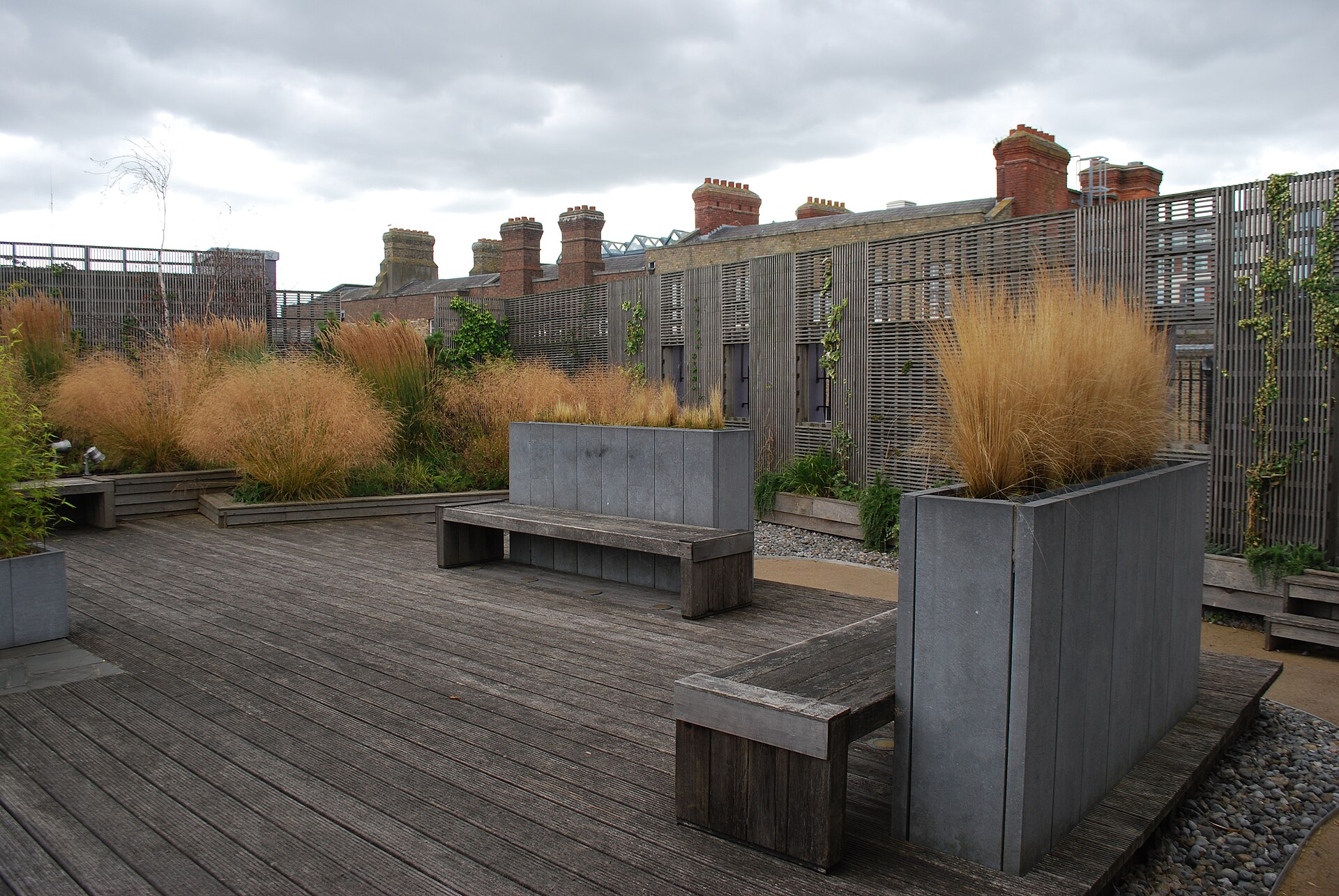
Dublin Castle grounds. Medieval manuscripts, Mughal miniatures, ancient Bibles. Free entry (closed until January 2027). Consistently rated Europe’s best small museum.
Dublin’s Best Bookshops
Hodges Figgis (Dawson Street)
Dublin’s most-famous bookshop (mentioned in Ulysses, “Hodges Figgis the bookseller”). Multi-floor general bookshop with strong Irish literature section. Hosts launches and reading events. The standard Dublin literary stop.
Books Upstairs (D’Olier Street)
Independent two-floor bookshop with strong literary fiction selection. Weekly reading events; the “Late Late Show with Books” Saturday afternoons. The Dublin bookworm’s favourite.
The Winding Stair (Lower Ormond Quay)
Bookshop downstairs, restaurant upstairs. Liffey-side location with views. Excellent Irish poetry and contemporary fiction selection. Browse books then have lunch.
The Gutter Bookshop (Cow’s Lane, Temple Bar)
Independent shop with carefully curated literary fiction. Bus stops outside; book launches in the small upstairs space.
The Last Bookshop (Camden Street)
Independent bookshop; strong on second-hand and rare books. Excellent Irish literature back-catalogue.
Easons (O’Connell Street)
Ireland’s largest book chain. Multi-floor flagship store with reliable selection, stationery, and travel section. Good for buying souvenirs.
Dubray Books
Irish bookchain with multiple Dublin branches. Grafton Street is the flagship. Strong contemporary Irish writing section.
Sweny’s Pharmacy (Lincoln Place)
Not a bookshop but a literary landmark — the pharmacy featured in Ulysses, still selling Joyce-themed merchandise. Public readings of Ulysses run almost daily. Volunteer-run; donations welcomed.
Literary Walking Tours
- Dublin Literary Pub Crawl: The classic. Actors performing Joyce, Behan, Yeats, Beckett in five different pubs over 2.5 hours. €30 adult.
- 1916 Rebellion Walking Tour: Combines politics with literature; many 1916 figures were writers (Pearse, MacDonagh).
- James Joyce Walking Tour: From the James Joyce Centre; Ulysses-themed routes through the north city centre.
- Pat Liddy’s Literary Tour: €20-25; the veteran Dublin walking tour leader covers writers across the centuries.
- Hidden Dublin Literary Tour: Off-tourist routes through writer’s Dublin.
- Self-guided routes: The Museum of Literature Ireland has free self-guided maps; the Tourist Office at 14 Upper O’Connell Street stocks paper Ulysses walking maps.
Poetry Events in Dublin
- Poetry Ireland: National Library; readings and events throughout the year; programme online at poetryireland.ie.
- The International Literature Festival Dublin: Always includes a strong poetry programme.
- Open Mic Night at Sweny’s Pharmacy: Friday evenings; new and established poets read.
- The Mountains to Sea Festival: Poetry programme strong each year.
- Dublin Writers’ Centre: Year-round workshops, classes, readings, slams.
Dublin’s Literary Pubs
The classic Dublin literary pub experience — following the writers’ pub trail:
- The Palace Bar (Fleet Street): Patrick Kavanagh, Brendan Behan, Flann O’Brien drank here. Excellent Irish whiskey list upstairs.
- The Long Hall (South Great George’s Street): Where Joyce drank; the Victorian interior survives intact.
- Davy Byrne’s (Duke Street): Leopold Bloom’s lunch stop in Ulysses; the gorgonzola sandwich and burgundy is the canonical order.
- The Bailey (Duke Street): Closed and reopened as a different bar; the literary associations remain.
- Mulligan’s (Poolbeg Street): Joyce drank here; the front bar features in Ulysses.
- Toner’s (Lower Baggot Street): WB Yeats reportedly visited just once for “the experience” of an Irish pub.
- Doheny & Nesbitt (Lower Baggot Street): Political and journalistic pub; many Irish Times writers drank here.
- The Brazen Head (Bridge Street): Claims 1198 as its founding year, though the licence dates from 1661 and the current building from 1754; Jonathan Swift and Daniel O’Connell are documented drinkers.
Children’s Books and Family Events
- Hodges Figgis Children’s Section: Excellent contemporary children’s books; storytime events Saturday mornings.
- Dubray Bookshop Storytime: Weekly children’s storytime in Grafton Street and Stillorgan branches.
- Dublin Book Festival children’s programme: Free events for kids during the November festival.
- The Ark Cultural Centre (Temple Bar): Dedicated children’s cultural centre with regular literary events for kids.
- Irish Book Awards Children’s category: November awards; some events around the ceremony.
Bloomsday in Detail
16 June is the date on which James Joyce’s Ulysses is set (1904) and the day on which Joyce first walked out with his future wife Nora Barnacle. Bloomsday celebrations in Dublin attract Joyce scholars and casual readers worldwide. The day’s rhythm follows the novel:
Morning
- 8am Sandycove James Joyce Tower: Public readings at the Martello Tower (the opening setting of Ulysses).
- 10am James Joyce Centre Bloomsday Breakfast: Period-correct Edwardian breakfast with readings. Book ahead (€30).
- 11am Glasnevin Cemetery: Public readings at Paddy Dignam’s grave site (the funeral in chapter 6).
Midday
- 1pm Davy Byrne’s pub: Lunch readings; gorgonzola sandwich and burgundy (Leopold Bloom’s order).
- 2pm National Library: Public readings of chapter 9 (the library scene).
- 3pm Sweny’s Pharmacy: Continuous readings; lemon soap purchases (Bloom’s purchase in chapter 5).
Afternoon and Evening
- 4-7pm Various pub readings: The Long Hall, Mulligan’s, The Palace Bar all host events.
- 7pm Bloomsday Festival concert at the National Concert Hall: Annual Bloomsday performance.
- 9pm Bloomsday after-party in Temple Bar: Various pubs host themed events.
Many Bloomsday participants dress in Edwardian period clothing (boater hats for men, white dresses for women). Costumes optional but encouraged. Most events are free; the breakfast at the James Joyce Centre and some concert events require tickets.
Dublin’s Literary Cafes
- The Winding Stair (Lower Ormond Quay): Restaurant above the bookshop; literary-Dublin lunch venue.
- Bewley’s Café (Grafton Street): Harry Clarke stained glass; James Joyce drank coffee here.
- Two Pups Coffee (Francis Street): Quiet writers’ cafe; laptop-friendly.
- 3fe (Grand Canal Street): Dublin’s best espresso; preferred by writers and editors.
- Brother Hubbard South (Harrington Street): Middle-Eastern breakfast spot; popular with the Dublin literary community.
- The Library Bar (The Hoxton, Exchequer Street): Quiet hotel bar in what was the Central Hotel; open Wednesday to Sunday, 3pm–11pm.
Sample Dublin Literary Day
- 9.30am: Breakfast at Bewley’s Café
- 10.30am: Trinity College Old Library (Book of Kells, Long Room)
- 12.30pm: Walk to the Museum of Literature Ireland (MoLI)
- 2pm: Lunch at The Winding Stair
- 3.30pm: Browse Books Upstairs and Hodges Figgis
- 4.30pm: Walk through Trinity College to the Dublin Writers Museum (closes 5pm)
- 5.30pm: Pre-dinner drink at Toner’s or Doheny & Nesbitt
- 7pm: Dinner at Etto or Pichet
- 9pm: Literary Pub Crawl or sessions at Davy Byrne’s
Common Dublin Literary Trip Mistakes
- Missing the Long Room: Trinity College’s Old Library is the must-see literary landmark. Pre-book.
- Skipping MoLI: The Museum of Literature Ireland is small but essential. 90 minutes; €10.
- Visiting on Sunday-Monday: Many smaller bookshops and the Writers Museum have limited hours these days.
- Not booking Bloomsday events: The James Joyce Centre breakfast and Davy Byrne’s lunch sell out 3-4 weeks ahead.
- Limiting to mainstream events: Open mic nights at Sweny’s and Books Upstairs Saturday readings are often the literary highlight of a visit.
- Trying to walk between all sites: The literary trail covers central Dublin north and south; budget for one Luas trip per day.
Related Reading
For more Dublin literary and cultural planning, see Dublin History & Literary Heritage, Dublin Music Festivals, Dublin Walking Tours, Top 20 Dublin Museums, Traditional Irish Pubs, and Dublin Hidden Gems.
Contemporary Dublin Writers
Dublin’s contemporary literary scene is producing some of the most-celebrated international literature of the 2020s. Sally Rooney (Castlebar; now Dublin-based) reshaped young adult fiction with Normal People and Conversations with Friends. Anne Enright won the Booker Prize for The Gathering; her recent work continues to define Irish literary fiction. Sebastian Barry is Ireland’s Laureate for Irish Fiction. Eimear McBride, Donal Ryan, Lisa McInerney, Mike McCormack, Naoise Dolan and Megan Nolan represent the generation between Rooney and the older establishment.
Many of these writers appear at Dublin festivals each year. The Dublin International Literature Festival typically features at least three of them; smaller events at MoLI, Books Upstairs and the Winding Stair host individual readings throughout the year. For visitors keen to discover contemporary Irish writing before international hype catches up, the Irish Book Awards (November) and the Rooney Prize for Irish Literature shortlist (December) are the best annual barometers.
Literary Day Trips from Dublin
Three literary-themed day trips reward visitors with extra time. Sandycove (DART south): The James Joyce Tower & Museum at the Martello Tower where Joyce briefly lived; the Forty Foot bathing place below; lunch at Cavistons in Glasthule. Combine with a Dun Laoghaire seafront walk. Howth (DART north): WB Yeats spent summers in Howth; the harbour walk passes Balscadden House where he lived. The cliff walk offers seabird-watching and seafood lunches.
Glasnevin Cemetery and Bog of Allen: Joyce’s Ulysses uses Glasnevin Cemetery as the funeral setting in chapter 6 (Paddy Dignam’s funeral). The cemetery itself has tombs of Patrick Kavanagh, Brendan Behan, Maud Gonne, and Eamon de Valera. Guided tours run daily; the cemetery museum and crypt walks are absorbing. 20 minutes by Luas Green Line from the city centre. Combine with the National Botanic Gardens adjacent (free, beautiful).
Reading Ulysses Before You Visit
For visitors planning a Bloomsday trip, the question of whether to read Ulysses beforehand divides opinion. Joyce’s 1922 novel is famously challenging — 730 pages of densely-allusive prose spanning one day in Dublin. Reading the full novel takes most readers 3-6 months. Pragmatic alternatives that prepare you for Bloomsday without the full commitment: read the first three chapters (the “Telemachiad” covering Stephen Dedalus’s morning at the Sandycove Tower), the famous “Hades” chapter 6 (Paddy Dignam’s funeral at Glasnevin), and the closing “Penelope” chapter 18 (Molly Bloom’s soliloquy). These three sections give the Bloomsday geography without the full slog.
The Dubliners short-story collection (1914) is more accessible Joyce and pairs well with Dublin sightseeing — each of the 15 stories is set in a recognisable Dublin location still visitable today. A Portrait of the Artist as a Young Man (1916) covers Joyce’s university years at the Belvedere College and University College Dublin (now MoLI). For visitors who want context without primary reading, the audio guide at the Museum of Literature Ireland and the “Ulysses 100” podcast (RTE Radio) both provide excellent introductions in 60-90 minutes.
Best Time for a Dublin Literary Trip
The Dublin literary calendar concentrates events around four windows. 16 June (Bloomsday): Once-a-year intensity; the single most authentic Dublin literary experience. Plan a 3-day trip around this date. Late May (Dublin International Literature Festival): 10 days of international heavyweight programming; best for serious literary fiction fans. Mid-November (Dublin Book Festival): Free 5-day festival at Dublin Castle (in other years — check this November’s venues, with the castle closed to visitors); best for discovering contemporary Irish writers and family-friendly literary events. March-April (Mountains to Sea Festival, Dun Laoghaire): South Dublin’s major literary festival; combines well with a coastal day-trip.
Outside these windows, year-round Dublin still offers continuous literary tourism through the museums (Trinity Old Library, MoLI, Dublin Writers Museum), bookshop events, the Dublin Literary Pub Crawl (nightly April-October), and the Friday Open Mic at Sweny’s Pharmacy. Off-season visits (October-March excluding the festival windows) offer quieter museum experiences and easier restaurant bookings; on-season festival visits offer the events themselves but require hotel booking 4-8 weeks ahead.
Literary Dublin with Children
Dublin works exceptionally well as a family literary destination. Trinity College Old Library engages older children (10+) with the Book of Kells exhibition and the Long Room’s scale. The Museum of Literature Ireland has age-appropriate audio guides and interactive exhibits suitable for 8-12 year olds. Dublin Writers Museum works for older children studying English Literature; younger kids find it static. The Ark Cultural Centre in Temple Bar runs dedicated children’s literary programmes year-round including story-time, puppet plays based on Irish folk tales, and writing workshops. Saturday morning storytimes at Hodges Figgis and Dubray bookshops welcome families.
For families with reading-age children, the Dublin Book Festival (November) and the children’s programme at Mountains to Sea Festival (March-April) both deliver kid-focused events with Irish children’s authors. Bookshop souvenirs work well: Easons stocks the full range of Irish children’s literature including the books of Eoin Colfer, Roddy Doyle, Marita Conlon-McKenna and Tomi Adeyemi.
Dublin Literary Festivals: FAQ
When is the Dublin International Literature Festival 2026?
Typically held in the last 10 days of May. 2026 specific dates announced February-March. The festival hosts international literary heavyweights across Smock Alley Theatre, Pavilion Theatre, Dublin Castle and other venues. Tickets €15-30 per event.
What is Bloomsday in Dublin?
Bloomsday is the annual celebration of James Joyce’s Ulysses on 16 June — the date on which the novel is set. Citywide events include the James Joyce Centre Bloomsday breakfast, Davy Byrne’s pub lunch, Sandycove Tower readings, Sweny’s Pharmacy readings, and concerts at the National Concert Hall.
What is the best Dublin literary museum?
The Museum of Literature Ireland (MoLI) on St Stephen’s Green is the dedicated modern Irish literature museum (opened 2019). The Trinity College Old Library is the must-see for the Book of Kells and the Long Room. The James Joyce Centre and Dublin Writers Museum offer more specialised collections.
What are Dublin’s best bookshops?
Hodges Figgis (Dawson Street) is the historic flagship. Books Upstairs (D’Olier Street) is the literary independent. The Winding Stair (Lower Ormond Quay) combines bookshop with restaurant. The Gutter Bookshop (Cow’s Lane) focuses on curated literary fiction. The Last Bookshop (Camden Street) handles rare and second-hand.
When is the Dublin Book Festival?
Annually in mid-to-late November at Dublin Castle (in 2026 the castle is closed to visitors, so check the festival’s site for venues). 5-day free festival celebrating Irish publishing with author panels, book launches, poetry readings and children’s events. Free entry to most events.
Are Dublin literary tours worth taking?
Yes — the Dublin Literary Pub Crawl (€30) is the classic; actors perform Joyce, Behan, Yeats and Beckett in five different pubs over 2.5 hours. Pat Liddy’s Literary Walking Tour (€20-25) is the veteran walking tour. James Joyce-specific tours run from the James Joyce Centre.
Can I visit James Joyce’s Dublin?
Yes — the James Joyce Centre (North Great George’s Street), the James Joyce Tower & Museum (Sandycove), Davy Byrne’s pub (Duke Street), Sweny’s Pharmacy (Lincoln Place), Glasnevin Cemetery (Paddy Dignam’s grave from Ulysses) and the National Library all feature in Joyce’s life and work. Bloomsday (16 June) is the canonical day to visit.
Is Dublin a UNESCO City of Literature?
Yes — Dublin became a UNESCO City of Literature in 2010. The designation recognises the city’s status as home of four Nobel laureates (Yeats, Shaw, Beckett, Heaney), the birthplace of Joyce’s Ulysses, and a continuing centre of literary culture.
Keep Reading
- Christmas in Dublin: Markets, Lights & Festive Events Guide
- Dublin Food Festivals: Complete Guide to Food & Drink Events
- Dublin Halloween: Bram Stoker Festival & Events Guide
Photo Credits
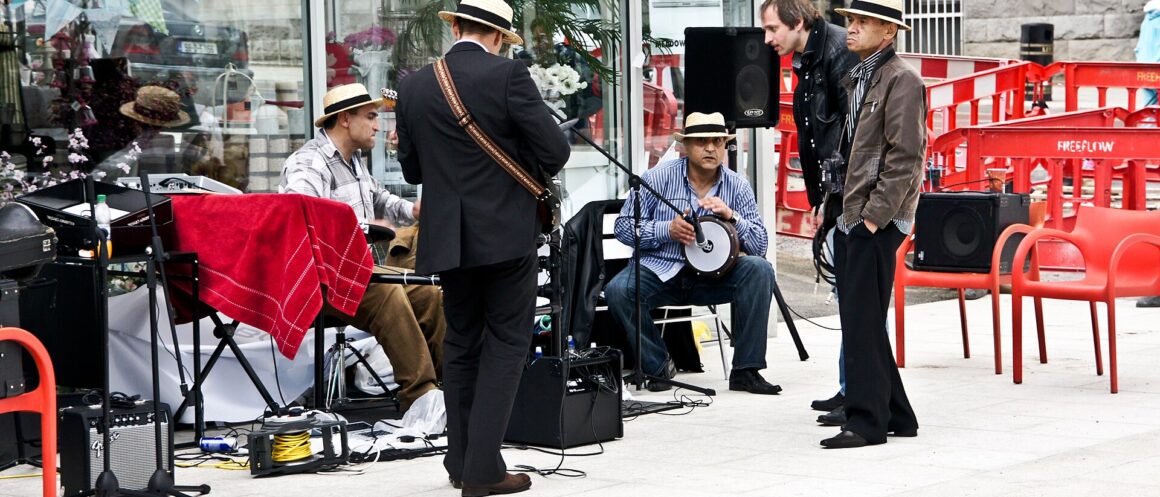
Bloomsday musicians in Dún Laoghaire: Dun Laoghaire – celebrating Bloomsday (2011) (5840562916) (7) by William Murphy, CC BY-SA 2.0, via Wikimedia Commons.
Chester Beatty roof garden: 20130809 dublin170 by Jean Housen, CC BY-SA 3.0, via Wikimedia Commons.
Lean na Comharthaí — Keep following the signs