19 Best Traditional Irish Pubs in Dublin (2026 Local’s Guide)
Ar an gComhartha Seo — On this sign
- What Makes a “Traditional” Irish Pub?
- The 19 Best Traditional Irish Pubs in Dublin
- How to Order in a Traditional Dublin Pub
- Understanding Dublin Trad Music Sessions
- Pubs With Original Snugs
- Best Traditional Dublin Pubs by Visitor Type
- A Self-Guided Traditional Pub Crawl
- Practical Tips for Traditional Dublin Pubs
- Why Dublin’s Guinness Pours Are Different
- A Brief History of Dublin Pub Culture
- Sample Pub Evening Itineraries
- Traditional Pubs Dublin: FAQ
- Plan the Rest of Your Dublin Nightlife
- Keep Reading
Dublin has around 750 pubs, and a culture built around them that goes back centuries. But the difference between a tourist-trap pub on a Temple Bar cobblestone and a real Dublin institution is significant. This guide ranks the 19 best traditional Irish pubs in Dublin for 2026: pubs with provenance (one has held a licence to sell ale since 1661), perfect pints of Guinness, Victorian interiors that have barely changed since they were fitted, snugs you can lock yourself into, and trad music sessions that aren’t laid on for tourists.
Pair with our pillar guide on Dublin nightlife & pubs and our traditional Irish food guide.
What Makes a “Traditional” Irish Pub?
The Irish pub tradition has been imitated globally, but the real article in Dublin has some specific markers:
- Age and continuity: Many of the best traditional Dublin pubs were licensed in the 18th or 19th century; the Brazen Head has held a licence to sell ale since 1661.
- Snugs: Small private alcoves off the main bar, said to have offered privacy to drinkers, including women. Several Dublin pubs preserve their snugs.
- Stained glass and brass fittings: Victorian-era interior features that mark a pub as architecturally protected.
- No music or television by day: Real traditional pubs have a hum of conversation, not piped pop music or sport screens (these come on later).
- Trad music sessions: Live traditional Irish music. Real sessions don’t have a stage; the musicians sit at a table.
- The perfect pint: Slow 119.5-second Guinness pour, cream head settled, harp logo visible.
- Local regulars: A core group of locals at the bar most nights. Their conversation is part of the experience.
- Solid food: Reliable pub fare — Irish stew, beef and Guinness pie, fish on Fridays, no chicken curry.
The 19 Best Traditional Irish Pubs in Dublin
1. The Brazen Head
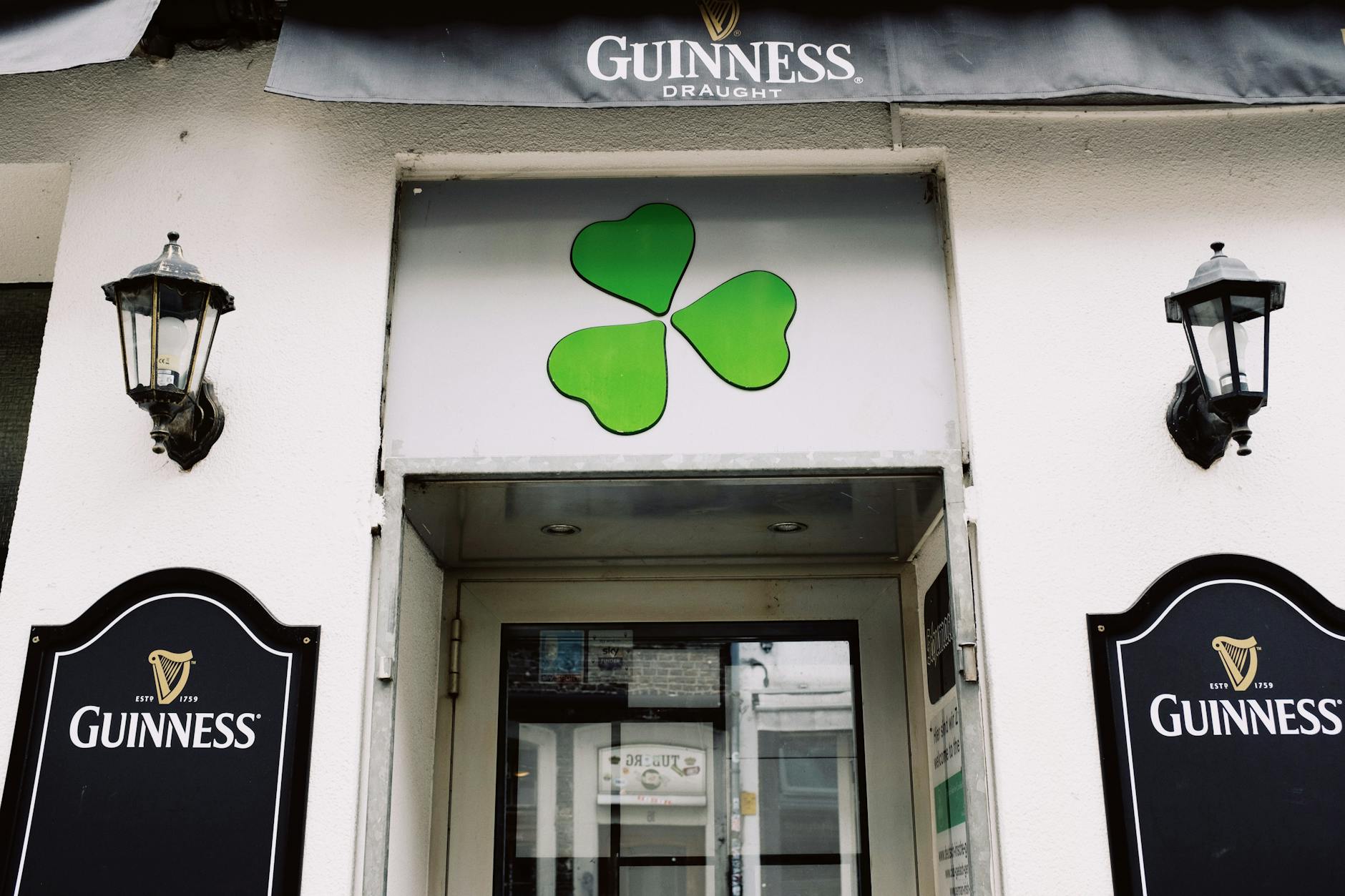
Bills itself as Ireland’s oldest pub. The licence to sell ale dates from 1661, and the present building went up as a coaching inn in 1754. Low ceilings, candlelight, dark wood, low-key tourist density. Live trad music nightly — the sessions are genuinely good. Strong traditional food menu (beef stew, beef and Guinness pie, Shepherdless Pie vegan).
- Address: 20 Bridge Street Lower, Dublin 8.
- Famous patrons: James Joyce, Jonathan Swift, Daniel O’Connell.
- Best for: First-time visitors wanting the most-historic Dublin pub experience.
- Time it right: Sessions start 21:00 most nights; arrive 20:00 for a seat.
2. The Long Hall
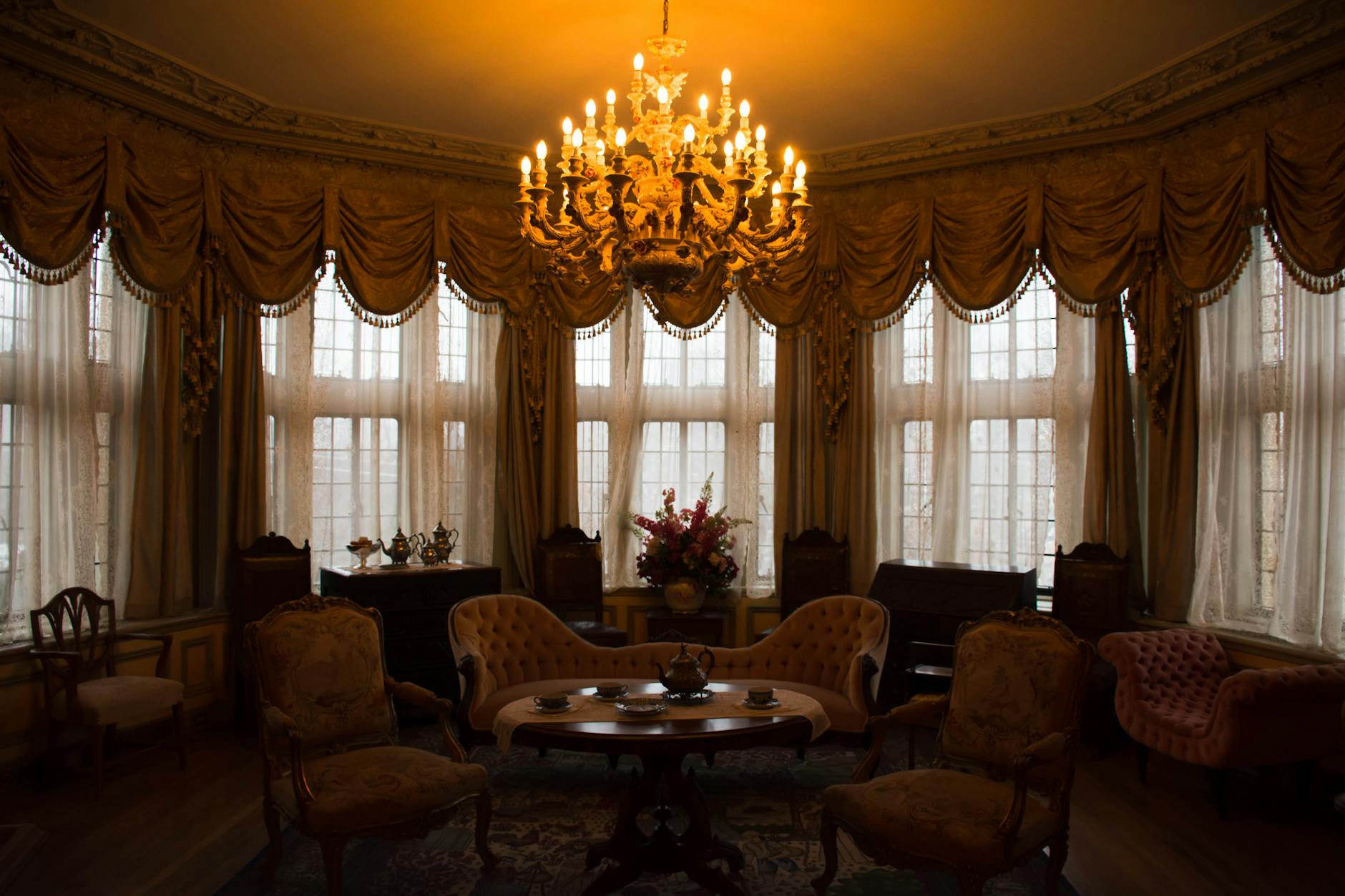
Licensed since 1766 and largely unchanged since the 1880s. Ornate Victorian interior with antique mirrors, red velvet, chandeliers and an extraordinary mahogany bar. The interior is genuinely one of the most-beautiful in any European city pub. Slow Guinness, no live music, no TV. The Dubliners’ favourite for a quiet pint.
- Address: 51 South Great George’s Street, Dublin 2.
- Best for: A quiet, characterful pint in a beautiful setting.
- Don’t expect: Music, food (very limited menu), TV sport.
3. Mulligan’s of Poolbeg Street
Licensed since 1782, though the first Mulligan’s was on Thomas Street; the family took the lease on this Poolbeg Street building in 1854. Famous for pouring what many consider the city’s perfect pint of Guinness. James Joyce gave the pub a part in his story “Counterparts”. Quietly perfect old man’s pub atmosphere, with no tourist concessions. The Stanford-Westcott American journalists’ bar.
- Address: 8 Poolbeg Street, Dublin 2.
- Best for: Connoisseurs of the perfect pint; quiet Tuesday evening drinkers.
- Famous moment: JFK is reported to have called in for a drink.
4. The Cobblestone
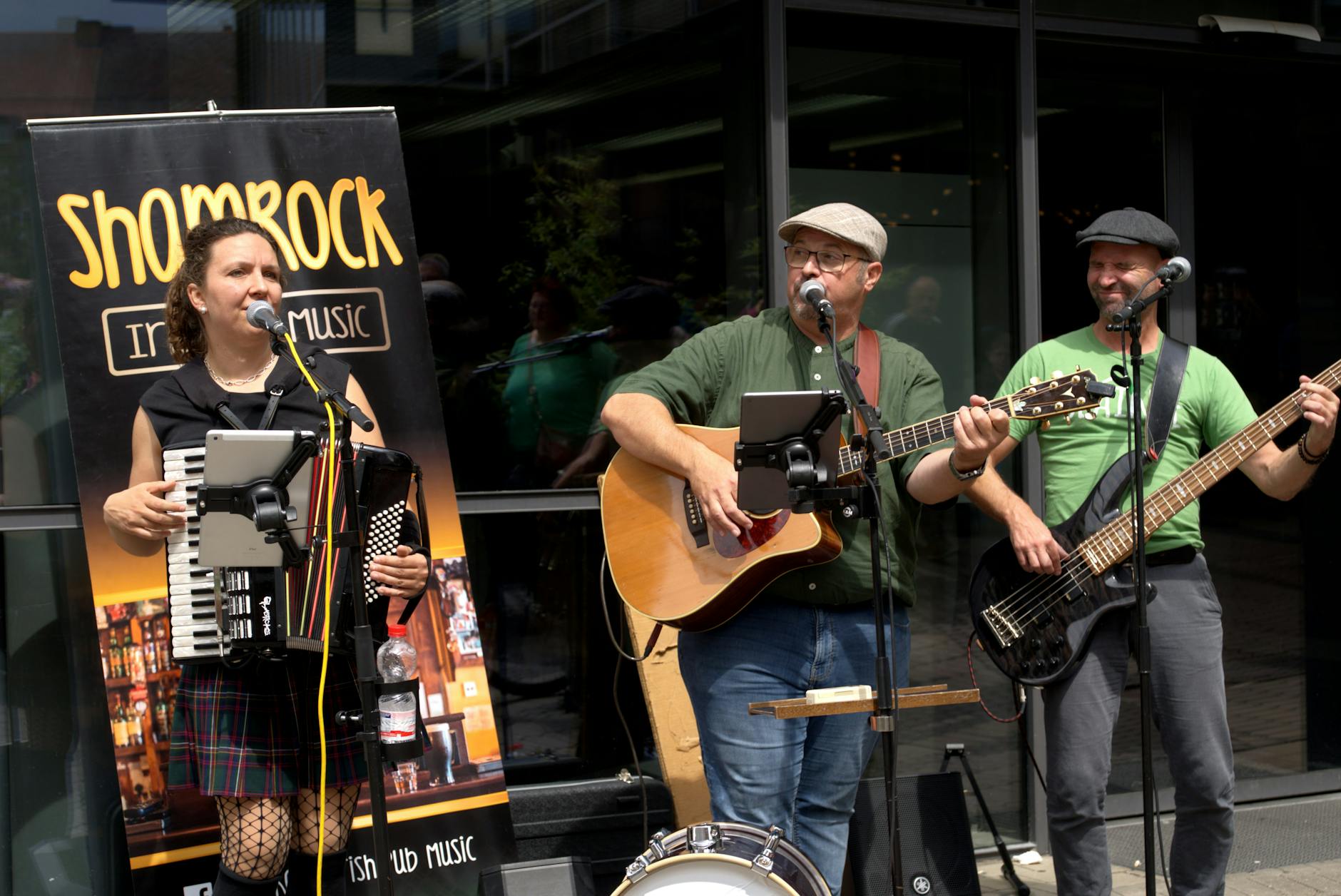
The single best trad music pub in Dublin. Tom Mulligan took over the pub in 1988, and his family’s music tradition runs back five generations. Trad sessions run every day, from the afternoon until closing, with locals at the bar. Get there by 20:30 to find a seat.
- Address: 77 King Street North, Smithfield, Dublin 7.
- Best for: Trad music enthusiasts; visitors wanting an authentic music session.
- Pub etiquette: When the music starts, conversation hushes; don’t talk over a song.
5. The Stag’s Head
Heritage-listed Dublin pub from 1895. Three rooms each with a different feel: the main bar with the famous stained-glass stag, the smaller front bar, and the upstairs bar. Food is served from 12:00 to 17:00 every day. Live music programme in the upstairs room.
- Address: 1 Dame Court, Dublin 2.
- Best for: Visitors wanting a substantial pub meal alongside the pint.
6. The Gravediggers (Kavanagh’s)
Trading since 1833 and built into the wall of Glasnevin Cemetery. No music (a house rule) and no tourist concessions, but the modern side of the bar serves good-value tapas, evenings included; the kitchen is closed on Sundays and bank holidays. The pub has been in the Kavanagh family for six generations. The bar room is split between the “dead side” (where coffin-bearers traditionally drank) and the “living side”. Genuinely untouched Dublin pub.
- Address: 1 Prospect Square, Glasnevin, Dublin 9.
- Best for: Returning visitors wanting the most-authentic untouched pub.
- Combine with: Glasnevin Cemetery and the National Botanic Gardens.
7. O’Donoghue’s
The pub where The Dubliners were formed in 1962. Walls covered in trad music memorabilia. Nightly trad sessions; significantly more touristy than The Cobblestone but with strong musical heritage. The Christy Moore connection adds to the atmosphere.
- Address: 15 Merrion Row, Dublin 2.
- Best for: Visitors wanting trad music with a strong musical-history backstory.
8. Doheny & Nesbitt
Late-Victorian heritage pub on Baggot Street. Two snugs preserved from the 1880s. Frequented by Dublin’s political and journalistic class; the “Doheny & Nesbitt School of Economics” refers to a generation of Irish economists who drank here. Strong Guinness; tight food menu.
- Address: 5 Baggot Street Lower, Dublin 2.
- Best for: Returning visitors wanting a politically-tinged pub experience.
9. Toner’s
Said to be the only pub W. B. Yeats ever drank in (he was not a pub-goer by nature). A pub has traded here since 1818, in a building from 1734, and it has carried the Toner name since 1921. Preserved Victorian interior including original snug. Beer garden behind. Strong on whiskey selection.
- Address: 139 Baggot Street Lower, Dublin 2.
- Best for: Literature lovers; whiskey enthusiasts.
10. The Palace Bar
Established 1823. Famous as the Irish Times’ journalists’ pub for over a century. Upstairs whiskey room is one of the best in the country. The downstairs lounge preserves original Victorian fittings.
- Address: 21 Fleet Street, Dublin 2.
- Best for: Whiskey lovers; journalism-history enthusiasts.
11. Bowes
Genuine old man’s pub on Fleet Street, half a block from Temple Bar but worlds away in spirit. Slow Guinness, real conversations, no music, no TV. The Dubliners’ choice for a Temple Bar-adjacent quiet pint.
- Address: 31 Fleet Street, Dublin 2.
- Best for: Visitors who want Temple Bar location but an authentic experience.
12. Kehoe’s
Established 1803. Three small rooms each with different character. Preserved snug. Famous patron list includes Brendan Behan, James Joyce, Patrick Kavanagh. Sits between Trinity and St Stephen’s Green for excellent walkability.
- Address: 9 South Anne Street, Dublin 2.
- Best for: Pre-dinner pint en route from Trinity to Grafton Street.
13. McDaid’s
Beloved Dublin literary pub. Brendan Behan’s headquarters in the 1950s; also frequented by Patrick Kavanagh and Flann O’Brien. Small intimate room with low ceiling, snug, preserved Victorian fittings.
- Address: 3 Harry Street, Dublin 2.
- Best for: Literature lovers; quiet drinkers wanting a small intimate pub.
14. The Confession Box
Small Dublin Northside pub off Marlborough Street. Family-run since the 1800s. The name comes from priests who used to drink here after confession at the nearby pro-cathedral.
- Address: 88 Marlborough Street, Dublin 1.
- Best for: Visitors wanting a north-side traditional pub close to O’Connell Street.
15. The Lord Edward
Located beside Christ Church Cathedral. The pub has outlived the seafood restaurant that ran upstairs until 2015, so come for the pint and eat fish elsewhere. The Edward Lord of Fitzgerald connection.
- Address: 23 Christchurch Place, Dublin 8.
- Best for: Visitors wanting a pint beside Christ Church Cathedral.
16. The Auld Dubliner
Temple Bar trad music pub. More authentic than the namesake Temple Bar Pub; nightly trad sessions; reasonable Guinness. The compromise option for visitors who must be in Temple Bar.
- Address: 24-25 Temple Bar, Dublin 2.
- Best for: Temple Bar visitors wanting reasonable trad sessions.
17. The Hairy Lemon
A busy pub in the traditional style, walking distance from Grafton Street. Strong food menu; tight Guinness pour. The compromise option for visitors wanting traditional atmosphere on a busy night.
- Address: Corner of Drury Street and Stephen Street Lower, Dublin 2.
- Best for: Visitors wanting traditional feel without the queue at the historic pubs.
18. Madigan’s of Earl Street
Family-run on a Northside corner near the Spire. Preserved Victorian interior. Strong on whiskey selection; less touristy than the south-side options.
- Address: 4 Earl Street North, Dublin 1.
- Best for: Northside visitors wanting an authentic local pub.
19. P. Mac’s
Smaller Stephen Street pub with a candle-lit interior. Strong on craft beer alongside the Guinness. Live music certain nights.
- Address: 30 Stephen Street Lower, Dublin 2.
- Best for: Visitors wanting a quieter alternative to the Long Hall.
How to Order in a Traditional Dublin Pub
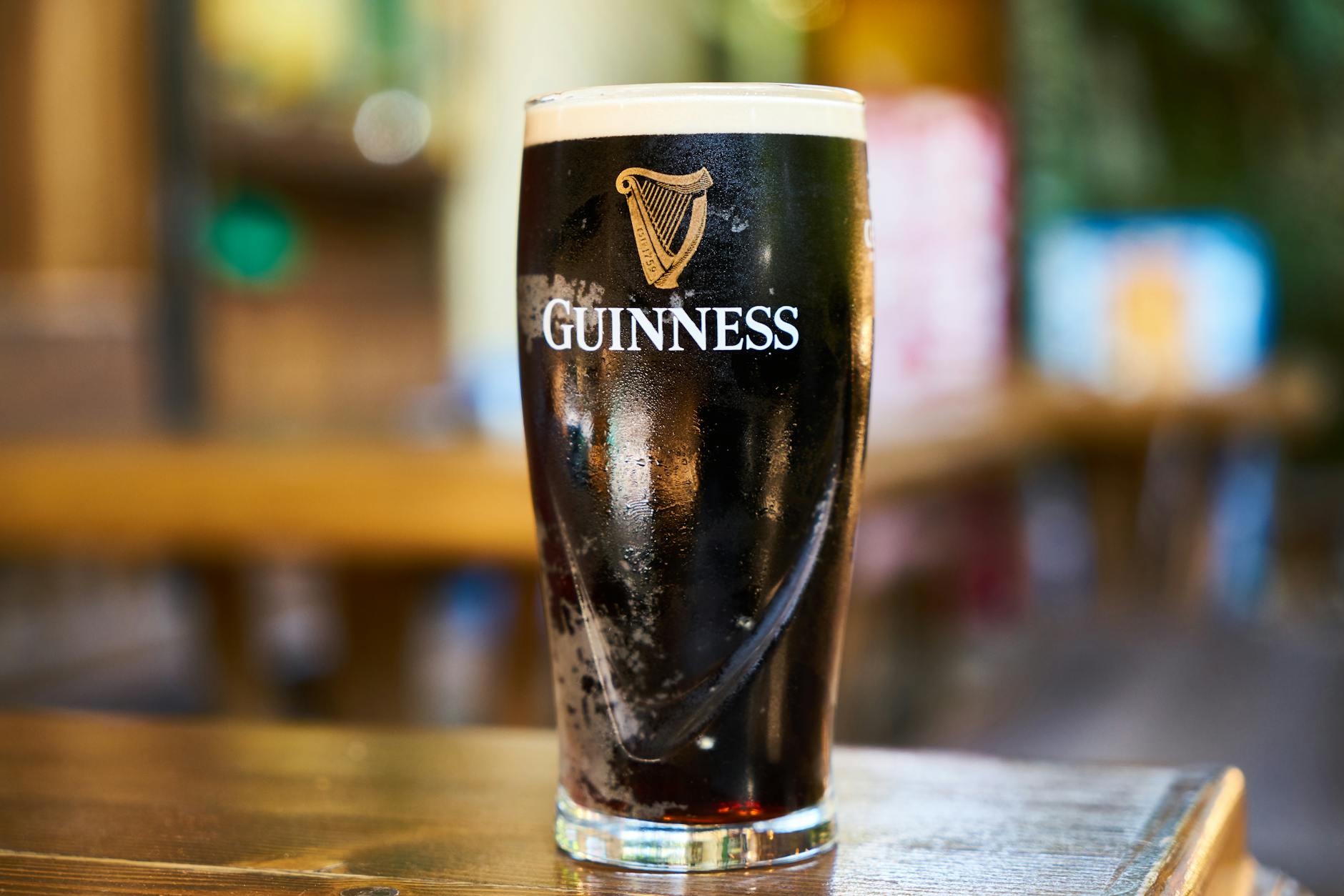
- Order at the bar: Counter service is the rule; there’s no table service in most traditional pubs.
- Order “a pint of Guinness” (not “a Guinness” or “a stout”).
- Wait 119.5 seconds: The slow pour is part of the experience — the cream head needs to settle and be topped up. Be patient.
- Pay as you order: Old man’s pubs are cash-friendly; cards now accepted at all city centre pubs.
- Tipping: Not expected for individual pints; round up your last bill or leave a euro per drink if you’ve had a long sit.
- Rounds: If you’re drinking with locals, expect to buy in rounds. Don’t skip your round.
- Order food at the bar: Some pubs separate food and drink orders; the bartender will direct you.
- Asking for ice in Guinness is sacrilege: But asking for blackcurrant juice (“a black-and-tan”) is fine.
Understanding Dublin Trad Music Sessions
Traditional Irish music sessions are one of the city’s defining cultural experiences. A few practical notes:
- Sessions start late: Usually in the evening from around 21:00, but every pub keeps its own times, so check before you go.
- No cover charge: A real session is a pub tradition, not a ticketed show. Pubs that charge a cover are running tourist shows.
- Respect the music: When a song starts, conversation hushes. Don’t talk over a song.
- Buy a round for the musicians: An accepted custom, particularly mid-evening. The barman will know what to do.
- Stay through the slow tunes: Sessions cycle through reels, jigs, slow airs and songs. The slow airs are the emotional heart of a session.
- Photography: A few discrete shots are fine; flash photos and intrusive videoing are rude.
- Don’t join in: Sessions are for the established musicians. If you play, ask the musicians beforehand.
Pubs With Original Snugs
Snugs are small private compartments set off from the main bar. Preserved snugs in Dublin:
- Doheny & Nesbitt: Two snugs preserved; the most-photographed in Dublin.
- The Long Hall: Small snug at the back of the bar.
- Toner’s: Snug in a 1734 building that has housed a pub since 1818.
- Kehoe’s: Snug between the bar areas.
- McDaid’s: Small private snug.
- The Stag’s Head: Multiple side rooms function as snug-style spaces.
Best Traditional Dublin Pubs by Visitor Type
For first-time visitors
The Brazen Head, The Long Hall, The Cobblestone. The three classic Dublin pub experiences in a single evening.
For the perfect pint of Guinness
Mulligan’s of Poolbeg Street, The Long Hall, Bowes, The Brazen Head. All four pour textbook pints.
For trad music sessions
The Cobblestone (the gold standard), The Brazen Head, O’Donoghue’s.
For literary heritage
McDaid’s (Behan), Toner’s (Yeats), The Palace Bar (Irish Times), Kehoe’s (Joyce).
For a quiet weekday pint
Mulligan’s, Bowes, The Gravediggers, Madigan’s, McDaid’s. All quiet on weekday evenings.
For families with kids 12+
The Brazen Head, the Confession Box, the Hairy Lemon. Bring children earlier in the day rather than at night, and ask about the pub’s policy on under-18s before you settle in.
A Self-Guided Traditional Pub Crawl
A perfect Dublin traditional-pub evening:
- 17:30 — The Long Hall: Start among the well-preserved Victorian fittings. Quiet pint, unhurried.
- 18:30 — The Stag’s Head: A pint upstairs or under the stained-glass stag in the main bar. The kitchen stops serving at 17:00, so eat before you set out.
- 20:00 — Mulligan’s of Poolbeg Street: A short walk east. The textbook pint of Guinness. Stay for one.
- 21:00 — The Brazen Head: Walk west along the quays. Trad session begins. Settle in for the long stretch of the night.
- 22:30 — The Cobblestone (Smithfield): Cross the Liffey to Smithfield. Late trad session. Stay as long as you like.
Every stop is reachable on foot. Budget for a pint or two at each of the five pubs. The whole crawl is one of the best Dublin evenings you can plan.
Practical Tips for Traditional Dublin Pubs
- Opening times vary by pub: most central traditional pubs open in the late morning on weekdays and a little later on Sundays.
- Last orders: Called around closing time, which is 23:30 Monday-Thursday, 00:30 Friday-Saturday and 23:00 Sunday; each pub decides exactly when. Some pubs can open to 02:30 on Fridays and Saturdays under special exemption orders.
- Pub closing rituals: After last orders, the barman calls “time gentlemen, please”; you have 30 minutes to finish.
- Wednesday is a quiet night: The midweek lull, perfect for a quiet pint without crowds.
- Friday and Saturday evenings are the busiest: the best-known pubs can have a queue at the door. Arrive earlier or pick a quieter pub.
- Pint prices: Each pub sets its own, and craft beer usually costs more than a pint of Guinness. Alcohol excise was left unchanged in Budget 2026.
- Cash and card both accepted: All central pubs now accept contactless payment.
- No-smoking in all pubs: The 2004 smoking ban remains strictly enforced; smoking areas outside.
- Dogs welcome in most traditional pubs: Particularly The Cobblestone, The Brazen Head, Mulligan’s.
- Kitchen hours vary: many pubs serve food into the evening, but some of the old-man pubs stop early or serve very little, so check before you count on dinner.
Why Dublin’s Guinness Pours Are Different
If you’ve had Guinness elsewhere in the world and found Dublin’s version markedly better, you’re not imagining it. Several factors:
- Freshness: Pints are at their freshest close to the brewery, and St James’s Gate is in the city itself.
- The water: Guinness draws its water from the Wicklow Mountains, around 40 km from the brewery. Some traditional pubs (the Brazen Head, Mulligan’s, the Long Hall) have particularly clean keg lines.
- The pour: Each Dublin pub has its house pour. The 119.5-second pour is Guinness’s official benchmark, but small variations in glass-tilting, settle time and top-up technique produce subtly different pints.
- Glass cleanliness: Cream-head adhesion depends on a perfectly-washed glass. The traditional pubs above all wash glasses correctly.
- Storage temperature: Cold kegs make for better pours, and a well-kept cellar shows in the glass.
The widely-claimed “best pint in Dublin” varies by year. Mulligan’s of Poolbeg Street, the Long Hall, the Brazen Head, the Cobblestone and Bowes are all often praised for theirs.
A Brief History of Dublin Pub Culture
Dublin’s pub culture has shaped the city’s social and literary identity for centuries:
- The Brazen Head (1661): Licensed to sell ale from 1661; the present building was put up as a coaching inn in 1754, on a site recorded from 1613.
- The Long Hall (1766): Licensed in the Georgian era; the Victorian interior dates from renovations in 1879-81.
- Gravediggers (1833): One of the older “new-build” pubs, built into the wall of Glasnevin Cemetery.
- The literary pubs of the 1900s-1950s: McDaid’s, the Palace Bar, Toner’s, Kehoe’s — the pubs where Joyce, Yeats, Behan, Kavanagh and Flann O’Brien drank and wrote.
- The folk-music explosion of the 1960s: The Dubliners formed at O’Donoghue’s on Merrion Row in 1962, and the small Dublin trad pubs became the stage for the folk revival through the 60s and 70s.
- The smoking ban of 2004: On 29 March 2004 Ireland became the first country in the world to ban smoking in all workplaces, pubs included. The change initially threatened the trade but proved an opportunity for food-and-music focus.
- The craft beer revival: While traditional Dublin pubs remain stout-focused, the craft beer scene has expanded into dedicated bars (see our craft beer guide). Some heritage pubs now keep a local craft beer or two alongside the stout.
Sample Pub Evening Itineraries
The Heritage & History Crawl
The Long Hall — Mulligan’s — Bowes — the Palace Bar — McDaid’s. Five heritage pubs, each a short walk from the next.
The Trad Music Night
Late lunch at the Stag’s Head (food is served until 17:00) — early pint at the Brazen Head — late session at the Cobblestone, where the music runs until closing: 00:30 on Fridays and Saturdays, 23:30 Monday to Thursday and 23:00 on Sundays.
The Literary Crawl
Kehoe’s (Joyce) — McDaid’s (Behan) — Toner’s (Yeats) — the Palace Bar (Irish Times). Four literary pubs in a walking loop.
The Northside Local Experience
Madigan’s of Earl Street — the Confession Box — the Cobblestone. The least touristy of the Dublin pub crawls.
Traditional Pubs Dublin: FAQ
What is the oldest pub in Dublin?
The Brazen Head on Bridge Street claims the title. It has held a licence to sell ale since 1661, and the current building dates from 1754, when it went up as a coaching inn on a site recorded from 1613.
Where do locals drink in Dublin?
Mulligan’s of Poolbeg Street, The Long Hall, Bowes, The Cobblestone, The Gravediggers, Madigan’s, McDaid’s. Most Dubliners avoid Temple Bar pubs.
How much does a pint of Guinness cost in Dublin in 2026?
Each pub sets its own price. Temple Bar and the premium city-centre pubs charge the most, suburban locals the least, and the traditional pubs in the centre sit in between. There was no rise in alcohol excise in Budget 2026.
What time do Dublin pubs close?
Standard closing: 23:30 Monday-Thursday, 00:30 Friday-Saturday, 23:00 Sunday, with 30 minutes’ drinking-up time after. Venues with a special exemption order, nightclubs among them, can stay open to 02:30 on Fridays and Saturdays. Each pub decides when to call last orders, usually close to closing time.
Are Dublin pubs family-friendly?
Many traditional pubs welcome children with their parents earlier in the day; the Brazen Head, the Confession Box and the Hairy Lemon are particularly family-friendly. Each pub sets its own rules for under-18s later on, so check at the bar.
Should I tip in Dublin pubs?
Not expected for individual pints. Round up your last bill or leave a euro per drink if you’ve had a long session. Tipping bar staff is appreciated but not the norm at traditional pubs.
Why does Guinness take so long to pour?
The classic 119.5-second pour: three-quarters full, settled, topped up. The slow pour develops the cream head and lets the nitrogen bubbles settle. Skipping the pause produces a flat, separated pint.
Plan the Rest of Your Dublin Nightlife
Traditional pubs are the foundation of Dublin nightlife but only part of the picture. Pair this with our pillar guide on Dublin nightlife & pubs, our coming guides on live music venues, cocktail bars, and craft beer breweries. For the Temple Bar honest assessment, see our Temple Bar hotels Dublin guide.
Keep Reading
- Dublin for Sports Fans — which pubs to be in two hours before an Ireland kick-off, and which to avoid.
- Irish Slang & Phrases — what everyone around you in the snug is actually saying.
- Irish Pub Etiquette — the unwritten rules of the rooms in this guide, from the two-part pour to trad session manners.
- Dublin’s Cosiest Pubs — the traditional pubs worth walking to in bad weather, ranked by room size rather than reputation.
- Oldest pubs in Dublin — the dates each one claims, and which of those claims stand up.
- Best pint of Guinness in Dublin — which of these houses actually pours the stout worth crossing the city for.
Lean na Comharthaí — Keep following the signs