Dublin Music Festivals 2026: Complete Concert & Festival Guide
Ar an gComhartha Seo — On this sign
- Quick Picks: Dublin Music Festivals 2026
- Dublin Major Music Venues
- Traditional Irish Music in Dublin
- Dublin Summer Music Festivals
- Autumn and Winter Music Events
- Jazz and Classical in Dublin
- How to Book Dublin Music Festival Tickets
- Music Festival Practical Tips
- Combining Music with Dublin Sightseeing
- Dublin Music Festivals vs Other Cities
- Related Reading
- Dublin Music Genres in Depth
- Off-the-Beaten-Track Music Experiences
- Discovering Emerging Irish Artists
- Music Festival Budget Planning
- Year-Round Dublin Music Calendar
- Dublin Music Festivals: FAQ
- Keep Reading
- Photo Credits
Dublin music festivals run year-round and span every genre from traditional Irish sessions to international rock, classical, jazz, indie and electronic. The city hosts the longest-running traditional music pub circuit in the world, plus 8-12 major festivals each year drawing 50,000-160,000 attendees, and the Aviva Stadium concerts that bring acts like Bruce Springsteen, Taylor Swift, Coldplay and Ed Sheeran for stadium-scale Dublin shows. This guide is the comprehensive Dublin music festivals 2026 planner: when, where, ticket prices, how to book, and the smart approach to combining festivals with the rest of your Dublin trip.
Whether you’re planning around a specific concert or want the broader Dublin music calendar, this guide tells you what’s on.
For the wider picture, our complete Dublin events calendar sets this in context alongside everything else worth planning around.
Quick Picks: Dublin Music Festivals 2026
- St Patrick’s Festival (14-17 March): Free pub music sessions citywide
- Forbidden Fruit Festival (early June): Electronic, indie, hip-hop at IMMA
- Trinity Summer Series (June-July): Major international acts in the college campus
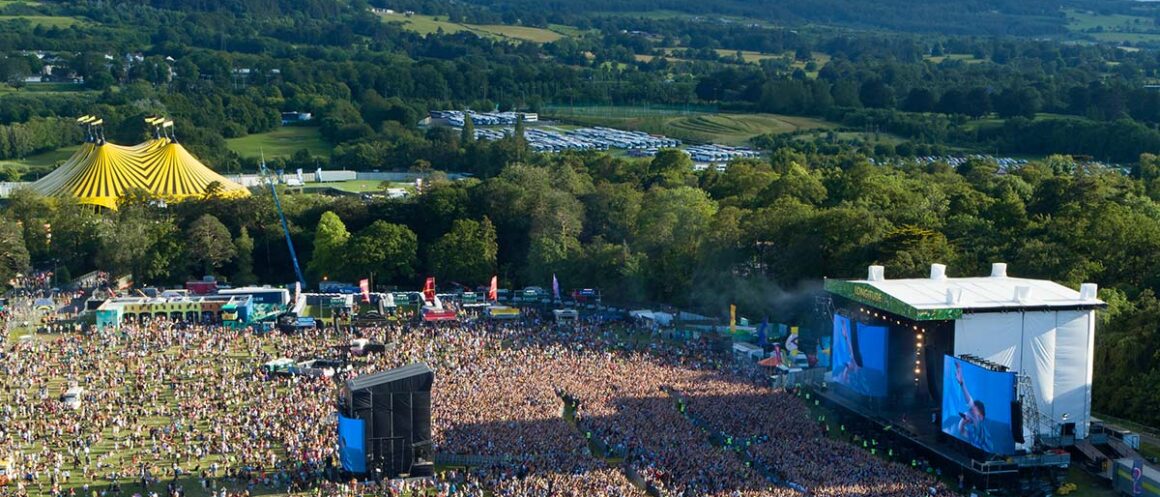
- Longitude Festival (early July): R&B, rap, electronic at Marlay Park
- All Together Now (early August): Boutique festival in Curraghmore, Waterford (75min from Dublin)
- Electric Picnic (late August/early September): Ireland’s flagship music festival in Stradbally, Laois
- Hard Working Class Heroes (October): Independent Irish music showcase
- Other Voices (December): Live music recording event with international acts
- Year-round trad sessions: O’Donoghue’s, The Cobblestone, The Brazen Head, The Stag’s Head daily
Dublin Major Music Venues
Aviva Stadium
Lansdowne Road, south Dublin. Capacity 51,700. Hosts stadium-scale concerts in summer (typically May-August). Recent acts: Coldplay (multi-night runs), Taylor Swift (3 nights 2024), Bruce Springsteen, Ed Sheeran, Beyoncé. Tickets €75-220 typical; meet-and-greet packages €500-1,200. DART to Lansdowne Road station; 5-minute walk.
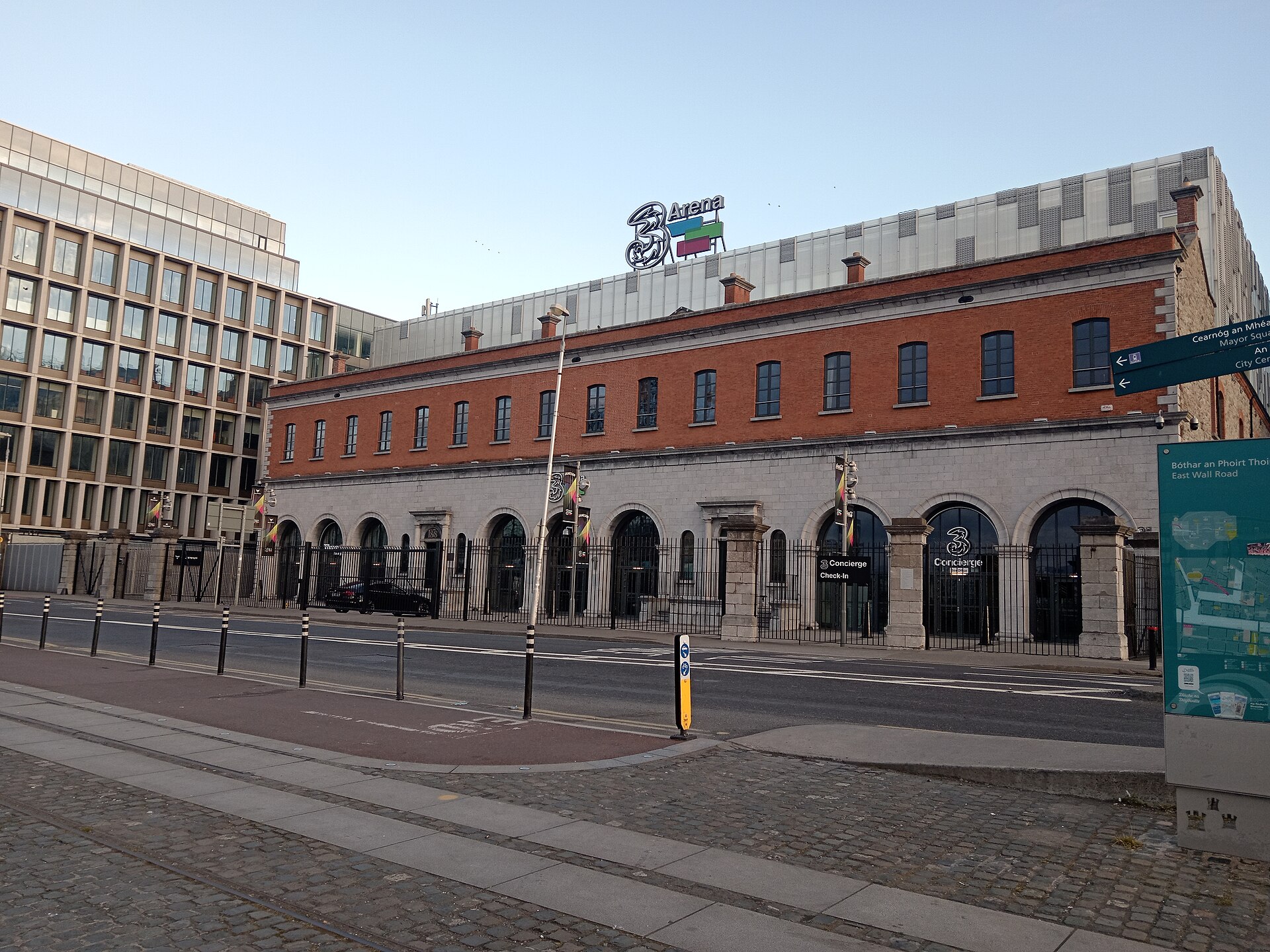
3Arena (formerly The Point)
North Wall Quay, docklands. Indoor arena; capacity 13,000. Year-round programme — major Irish and international acts (Hozier, Niall Horan, Ariana Grande, comedy tours). Tickets €55-150 typical. Luas Red Line to The Point.
National Concert Hall
Earlsfort Terrace. Capacity 1,200. RTE Concert Orchestra, classical music, jazz, opera, contemporary acts. Tickets €25-95. 5-minute walk from St Stephen’s Green.
Vicar Street
Thomas Street. Mid-sized venue (capacity 1,500). Christy Moore residencies, John Hiatt, Tony Bennett tributes, comedy. Tickets €35-65. Walking distance from Trinity.
Olympia Theatre
Dame Street. Heritage Victorian theatre; capacity 1,200. Music, comedy, plays. Tickets €30-80.
Bord Gais Energy Theatre
Grand Canal Square. Capacity 2,100. Larger productions; West End and Broadway tours; classical concerts. Tickets €40-150.
Gaiety Theatre
South King Street. Heritage Victorian theatre. Pantomime, plays, music tribute shows. Tickets €25-65.
Whelan’s
Wexford Street. Iconic indie music venue (the “P.S. I Love You” pub from the movie). Capacity 300. Tickets €15-30.
The Workman’s Club
Wellington Quay, Liffey-side. Indie venue; capacity 250. Tickets €12-25. Excellent showcase for emerging Irish acts.
Other Venues
- The Sugar Club (Lower Leeson Street): Cabaret, jazz, intimate gigs
- The Grand Social (Liffey Street): Indie venue and bar
- The Button Factory (Curved Street, Temple Bar): Dance, electronic
- The Sound House (Crow Street): Small intimate venue
- The Academy (Middle Abbey Street): Three-floor venue; club night format
Traditional Irish Music in Dublin
Dublin’s traditional music scene is the most accessible in Ireland. Sessions run nightly in multiple pubs; most are free to attend, fueled by musicians who come for the craic rather than the wages. Etiquette: don’t talk during slow airs; don’t request “Danny Boy”; buy a round if you sit close to the musicians for an hour+.
Best Daily Trad Pubs
- O’Donoghue’s (Merrion Row): The birthplace of The Dubliners. Nightly sessions from 9pm; the most-famous Dublin trad pub. Arrive 30 minutes early for a seat.
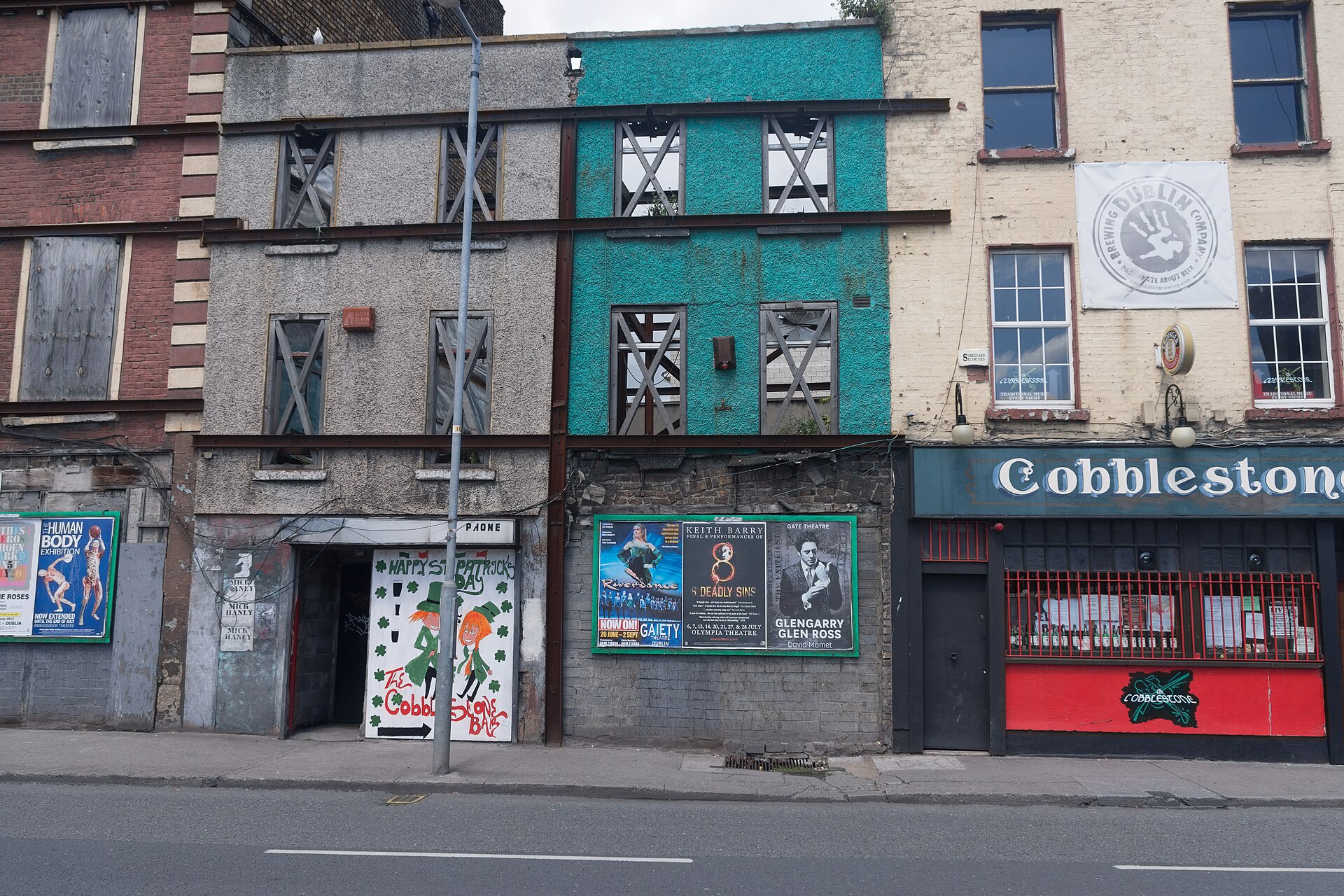
- The Cobblestone (Smithfield, north Liffey): Serious music sessions; the front snug holds about 20 people. Wednesday-Sunday from 7pm. The pub takes no table reservations, so arrive early.
- The Brazen Head (Bridge Street): one of Ireland’s oldest pubs, licensed since 1661 and in its current building since 1754; sessions every night in the back room from 9.30pm.
- The Palace Bar (Fleet Street): Literary pub; sessions in the upstairs Whiskey Palace.
- Mulligan’s (Poolbeg Street): Established 1782; sessions Tuesday-Thursday.
- Doheny & Nesbitt (Lower Baggot Street): Sessions Sunday afternoons.
Trad Music Festivals
- St Patrick’s Festival (14-17 March 2026): Continuous trad sessions in central pubs.
- Temple Bar Trad Festival (January): 4-day winter festival; pub sessions plus dedicated concerts. €15-25 day tickets.
- Bloomsday (16 June): James Joyce-themed; trad sessions plus literary readings.
- Trad Lifeboat: Year-round trad sessions in various pubs supporting the RNLI.

Dublin Summer Music Festivals
Forbidden Fruit (Early June)
3-day electronic, indie and hip-hop festival at the Royal Hospital Kilmainham (IMMA) gardens. Capacity 8,000-10,000. Recent headliners: Caribou, Bicep, Honne. Tickets €120-160 weekend; day passes €75. Walking distance from Heuston Station.
Trinity Summer Series (June-July)
Major international acts perform in Trinity College’s Front Square. Capacity 6,000-8,000. Recent acts: Florence + the Machine, Hozier, Niall Horan, The 1975. Tickets €75-110. Most coveted Dublin summer concerts; sells out 4-8 weeks ahead.
Longitude Festival (Early July)
R&B, rap, electronic festival at Marlay Park, Rathfarnham. Capacity 40,000+. Recent headliners: Tyler the Creator, J Cole, ASAP Rocky, Stormzy. 3-day tickets €199; day passes €79-99. Luas Green Line to Dundrum then short shuttle.
The Big Grill (August)
Live music plus food festival in Herbert Park. Indie and folk programme alongside international barbecue. Day tickets €25-35.
All Together Now (Early August)
3-day boutique festival at Curraghmore Estate, Waterford (1h 30min from Dublin). Capacity 25,000. Critically-acclaimed mid-size festival with international indie/electronic acts. Tickets €235 weekend.
Electric Picnic (Late August/Early September)
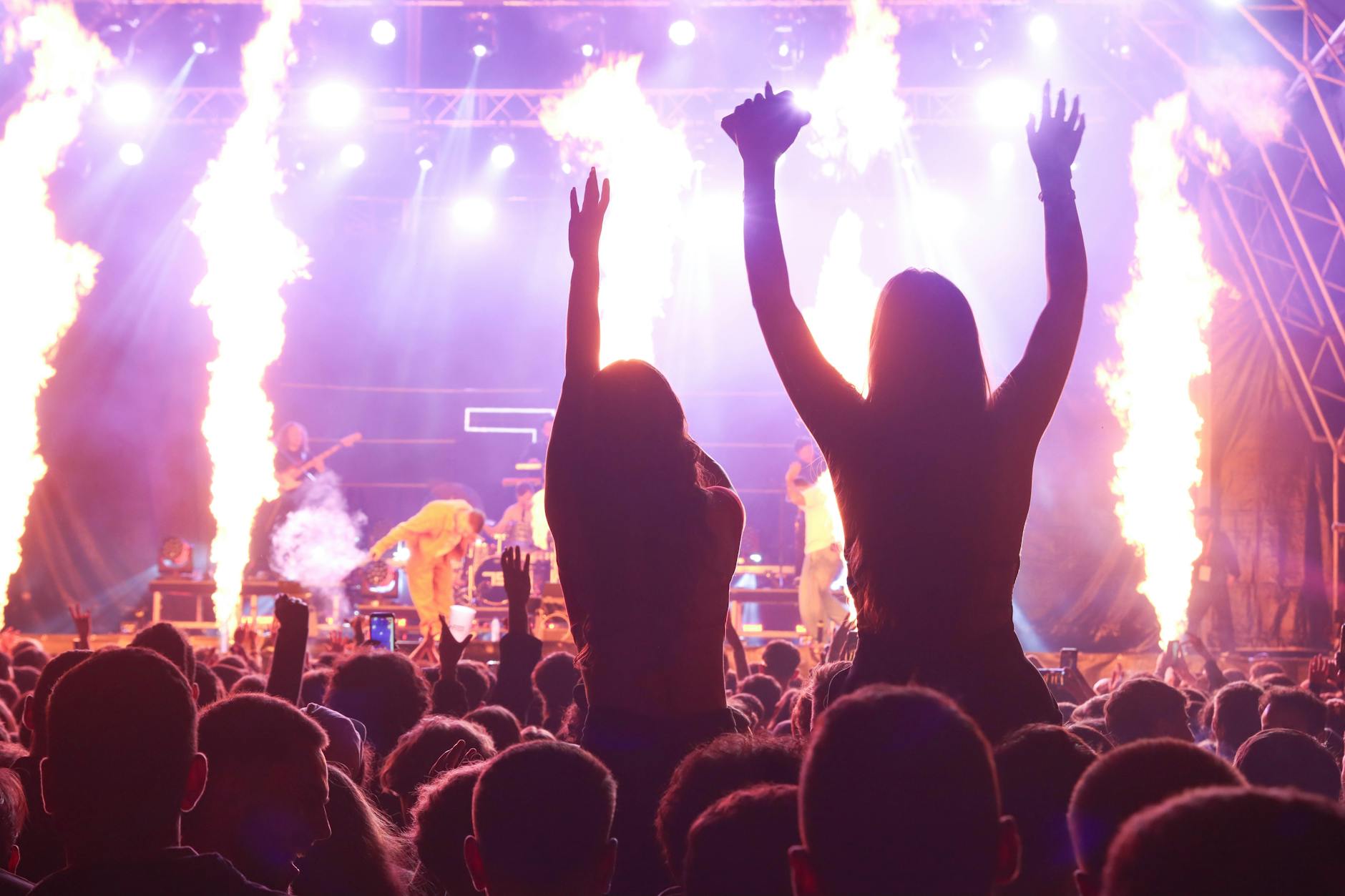
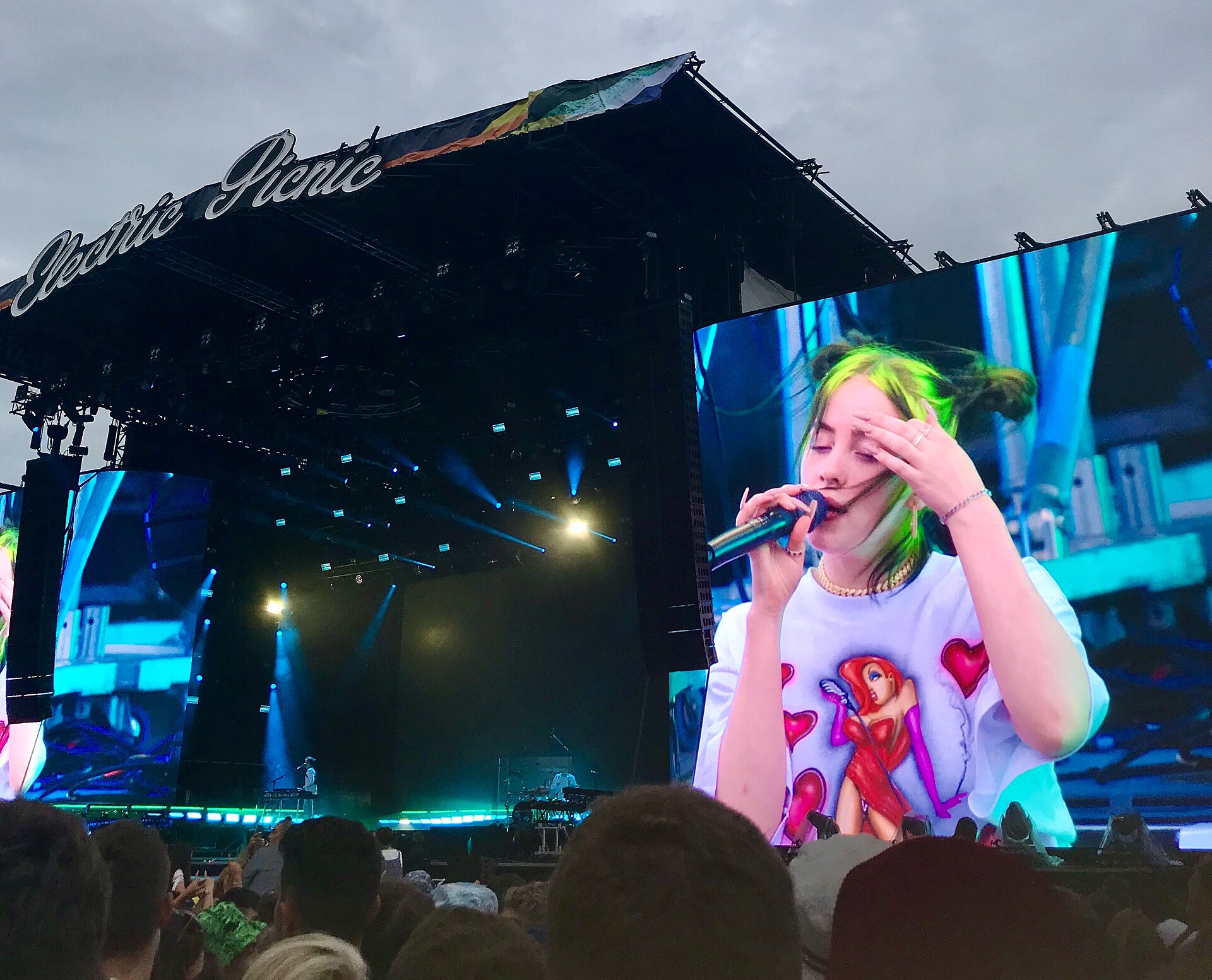
Ireland’s flagship music festival; Stradbally, Laois (90min from Dublin). Capacity 70,000. Recent headliners: Calvin Harris, Billie Eilish, Sam Fender, The Killers. Tickets €299-340 weekend; sells out within hours of release. Camping required.
Autumn and Winter Music Events
Hard Working Class Heroes (October)
3-day Irish music industry showcase — 100+ Irish acts across multiple Dublin venues. Tickets €55-75 (3-day wristband). Best way to discover emerging Irish music.
Bram Stoker Festival (Late October)
4-day Halloween festival with a music programme alongside literature and performance. Outdoor evening concerts at Stephen’s Green and Liffey-side stages.
Dublin Concert Series at the National Concert Hall (Year-Round)
The RTE Concert Orchestra, RTE Symphony Orchestra and chamber programmes run continuous concerts. The autumn-winter season (October-March) is the most intensive.
National Concert Hall Christmas Programme (December)
The Dublin Philharmonic Christmas concert, RTE Concert Orchestra festive programmes, A Christmas Carol staged readings. Tickets €30-65.
Other Voices (December)
The famous Irish music recording event recorded annually in Dingle, with broadcast and screening events in Dublin. International acts plus Irish artists.

Jazz and Classical in Dublin
Dublin Jazz Festival (Various Dates)
The annual Dublin Jazz Festival runs across multiple central venues including the Sugar Club, the Workman’s Club and the National Concert Hall. International and Irish jazz programming. Tickets €15-45 per concert.
Jazz Sessions (Year-Round)
- The Sugar Club (Lower Leeson Street): Wednesday jazz nights; the Dublin jazz hub.
- Arthur’s (Thomas Street): Sunday afternoon jazz brunch.
- The Black Pig (Smithfield): Sunday evening jazz.
RDS Concerts
The Royal Dublin Society at Ballsbridge hosts orchestral concerts and major classical music events. Tickets €25-75.
How to Book Dublin Music Festival Tickets
- Ticketmaster Ireland: The dominant ticket platform for major festivals and stadium concerts. Standard fees apply.
- MCD Productions: Major Irish promoter handling Forbidden Fruit, Trinity Summer Series and most stadium concerts.
- Festival websites: Direct booking for All Together Now, Electric Picnic, Forbidden Fruit. Some offer payment plans.
- Eventbrite: Smaller festivals and venue gigs (Whelan’s, Workman’s Club, Sound House).
- Resale platforms: Twickets and TicketSwap for face-value resale of sold-out events. Avoid StubHub and Viagogo — markups often 3-5x face value.
- Wait list: Some sold-out festivals have an official wait list; sign up directly on the festival website.
Music Festival Practical Tips
- Weather contingency: Dublin summer festivals have a 50-60% rain risk. Pack waterproof jacket, sturdy boots, change of socks.
- Cash: Most festivals are now cashless (card or wristband). Some smaller pubs still prefer cash.
- Transport: Marlay Park (Longitude), IMMA (Forbidden Fruit), and stadium venues all have dedicated bus shuttles from city centre. Pre-book where possible.
- Hotels during festivals: Prices spike 2-3x during major festival weekends. Book hotels 4-8 weeks ahead.
- Camping: Electric Picnic requires camping (or boutique €500+ glamping options). All Together Now camping is included in weekend ticket.
- Earplugs: Smart purchase for serious concert-goers; reduce ear fatigue without losing music quality.
- Phone charging: Most festivals have paid charging stations (€5-10) or USB-included entry packs.
Combining Music with Dublin Sightseeing
- Trinity Summer Series day: Trinity College morning tour, the Long Room, lunch in town, evening Trinity Summer Series concert. The historic campus by day and concert venue by night.
- Trad music evening: Lunch and afternoon sightseeing; 8.30pm pre-dinner at The Brazen Head; 9.30pm session.
- Electric Picnic add-on to Dublin trip: 90-minute drive from Dublin to Stradbally; many visitors do 3-4 day Dublin and a 3-day festival back-to-back.
- Aviva Stadium concert + Howth day trip: Sunday concert evenings often pair with a relaxed Howth or Sandycove day trip.
Dublin Music Festivals vs Other Cities
For visitors comparing music festival cities: Dublin is smaller-scale than London (Glastonbury, BST Hyde Park) or Berlin (Berghain culture, Lollapalooza Berlin) but compensates with the trad music density. The Trinity Summer Series and Aviva Stadium concerts hold their own internationally; Forbidden Fruit and Longitude punch above their weight for electronic and rap programming. The traditional Irish music sessions are genuinely unique — no other European capital matches the daily volume.
For first-time music tourists, Dublin’s strength is the year-round trad scene. International festivals come and go; the trad sessions at O’Donoghue’s and The Cobblestone run most evenings, accessible without tickets, just a pint and respect for the musicians.
Related Reading
For more Dublin music and event planning, see Live Music in Dublin, Traditional Irish Pubs, Dublin Summer Events, St Patrick’s Day Dublin, Dublin Nightlife & Pubs, and Best Cocktail Bars Dublin.
Dublin Music Genres in Depth
Dublin’s music scene divides into roughly five active scenes worth knowing. Traditional Irish: The daily pub sessions described above; fiddle, bodhran, uilleann pipes, tin whistle, guitar. Indie rock: Whelan’s, the Workman’s Club, the Grand Social showcase emerging Irish acts; this is the scene that produced Hozier, Fontaines D.C., Lankum and The Murder Capital in the last decade. Hip-hop and electronic: Longitude Festival, Forbidden Fruit and the dance clubs in Temple Bar and the Docklands. Classical and jazz: National Concert Hall, RDS, the Sugar Club; smaller scale but consistently high quality. Folk and contemporary singer-songwriter: Vicar Street residencies, particularly Christy Moore’s annual run.
For visitors with specific genre interests, the smart move is to identify the venue tier first — stadium (Aviva), arena (3Arena), theatre (Olympia, Bord Gais), mid-size (Vicar Street, Olympia), club (Whelan’s, Workman’s Club, the Academy) — and then check upcoming programming. Most Dublin music venues maintain detailed upcoming calendars on their websites; aggregator sites like RTE Entertainment and the Irish Times culture section list across-the-board programming weekly.
Off-the-Beaten-Track Music Experiences
Beyond the obvious tourist sessions, two Dublin music experiences reward visitors who go a little deeper. The Sunday afternoon session at The Cobblestone (1.30-5pm) is the city’s most-respected traditional session; serious musicians from across Ireland pass through, the back snug fills with intent listeners, and the playing is genuinely virtuosic. The Wednesday Jazz at The Sugar Club draws Dublin’s jazz community plus international touring players; intimate venue (capacity 150), excellent sightlines, €15-25 cover.
For visitors interested in Irish musical heritage, the Irish Traditional Music Archive (Merrion Square) offers free public access to recordings, sheet music and historical archives. Daytime visit; quiet and contemplative; perfect for visitors who want to understand the trad tradition before hitting the pubs at night. Book a tour for €5 to access the deeper collections.
Discovering Emerging Irish Artists
Dublin’s music export reputation has surged in the last decade. Fontaines D.C. (post-punk; from Dublin’s northside) now headline international festivals. Lankum (experimental folk; Liberties-based) won the 2019 Mercury Prize. The Murder Capital, Inhaler (Bono’s son’s band; sons of Dublin’s rock royalty), For Those I Love, CMAT, SOAK, Lyra and Denise Chaila all emerged from the Dublin scene in the late 2010s and early 2020s. The pipeline from Whelan’s and the Workman’s Club to international touring is well-established.
For visitors wanting to catch the next emerging Irish act before they break internationally, the best venues are Whelan’s Upstairs (Wexford Street; small upstairs room for emerging acts), The Workman’s Club (intimate showcase venue), and The Grand Social (Liffey Street). Ticket prices €10-20; many shows are 18+ only. The Hard Working Class Heroes festival (October) is the industry showcase of new Irish music — the 3-day wristband at €55-75 lets you see 100+ acts across multiple venues.
Music Festival Budget Planning
What does a Dublin music festival weekend actually cost? Three worked examples for typical visitor patterns. Single concert at the Trinity Summer Series: €95 ticket + €40 dinner + €15 drinks + €25 transport = €175 evening. Forbidden Fruit 3-day festival weekend: €160 weekend pass + €55/night camping or hostel + €75 food/drinks across the weekend = €345 for 3 days. Electric Picnic weekend: €330 weekend pass + camping included + €150 food/drink across weekend + transport €40 = €520 for 3 days.
For visitors combining a Dublin city break with a major festival, the smart approach is to use Dublin as the base and travel out for the festival. Most major Irish festivals (Electric Picnic, All Together Now) are within 90 minutes of Dublin; you can return to your Dublin hotel between festival days if you prefer not to camp. The 3-day Leap Visitor Card (€18) plus city Bus Éireann tickets handles all festival shuttle needs for under €60 across a weekend.
Year-Round Dublin Music Calendar
Dublin’s music calendar runs continuously but has predictable peaks. January-February: Temple Bar Trad Festival (January); quieter live music month otherwise; National Concert Hall winter classical programme. March: St Patrick’s Festival (14-17 March) dominates; trad sessions in every central pub continuously. April-May: Concert venues ramp up programming; smaller festivals begin. June: Forbidden Fruit Festival, Trinity Summer Series begins. July: Longitude Festival, Trinity Summer Series peak. August: The Big Grill Festival, All Together Now (Waterford). September: Electric Picnic (late August/early September). October: Hard Working Class Heroes; Bram Stoker Festival music programme; classical season begins at NCH. November-December: Christmas concerts; Other Voices recording event.
For visitors planning a music-focused Dublin trip, June-September is the busiest concert calendar with the major festivals; March St Patrick’s window is unmatched for trad music density; October-December suits classical music fans. The trad pub sessions run continuously year-round, weather permitting. Most major concert venues maintain accessible booking calendars 3-6 months ahead; festival tickets typically release December-February for the following summer.
Dublin Music Festivals: FAQ
What are the best Dublin music festivals?
The Trinity Summer Series (June-July), Forbidden Fruit (early June), Longitude (early July) and Electric Picnic (late August/early September) are the four flagship Dublin-area music festivals. The St Patrick’s Festival (14-17 March) is the city’s free trad music festival.
When is Electric Picnic 2026?
Electric Picnic typically runs the late August or early September weekend at Stradbally, Laois (90 minutes from Dublin). 2026 dates and lineup confirmed in March/April 2026. Tickets sell out within hours of release.
What is the best traditional Irish music pub in Dublin?
O’Donoghue’s on Merrion Row is the most-famous (birthplace of The Dubliners); The Cobblestone in Smithfield is the most serious for music quality; The Brazen Head on Bridge Street is the most atmospheric (licensed since 1661). Sessions run most evenings, with start times that vary by pub; the O’Donoghue’s, Cobblestone and Brazen Head entries above give the usual hours.
How do I book Aviva Stadium concerts?
Ticketmaster Ireland is the official platform for Aviva Stadium concerts. Tickets typically release 8-16 weeks ahead; major acts sell out within hours. Tickets €75-220 standard; meet-and-greet packages €500-1,200.
Is the Trinity Summer Series worth attending?
Yes — the Trinity Summer Series is one of Dublin’s most-coveted summer concert experiences. Major international acts in the historic Trinity College Front Square; capacity 6,000-8,000; tickets €75-110. Sells out 4-8 weeks ahead.
Are Dublin music festivals all-ages?
Most are 18+ (or 14+ with parent). Trad music sessions in pubs typically welcome children until 9pm with food orders. The National Concert Hall has family programmes. Festival camping (Electric Picnic, All Together Now) is generally 18+.
What should I pack for a Dublin music festival?
Waterproof jacket (mandatory; Dublin summer rain is real), sturdy boots, change of socks, sunscreen for clear days, hat, refillable water bottle, portable phone charger, earplugs. Most festivals are cashless; carry cards for purchases.
Where to stay for a Dublin music festival?
Stay in central Dublin south of the Liffey for walking distance to most central venues. The Westin, Westbury, Dean and Iveagh Garden Hotel all serve concert tourists. Book 4-8 weeks ahead for major festival weekends; prices spike 2-3x normal.
Keep Reading
- Dublin in January — TradFest in context, including which parts of the festival are free.
Photo Credits
Longitude Festival in Marlay Park: Longitude2019 by Peyton Edward, CC BY-SA 4.0, via Wikimedia Commons.
The 3Arena entrance: 3 Arena (Dublin) in 2025.01 by CAPTAIN RAJU, CC0, via Wikimedia Commons.
The Cobblestone frontage: The Cobblestone Pub – North King Street – panoramio (1) by William Murphy, CC BY-SA 3.0, via Wikimedia Commons.
Electric Picnic in 2019: Bille Eilish ag an fhéile Phicnic Leictreach 2019 by Sniccios2, CC BY-SA 4.0, via Wikimedia Commons.
Lean na Comharthaí — Keep following the signs