Dublin’s Famous Writers & Literary Landmarks (2026)
Ar an gComhartha Seo — On this sign
- Jonathan Swift (1667–1745)
- Oscar Wilde (1854–1900)
- Bram Stoker (1847–1912)
- William Butler Yeats (1865–1939)
- George Bernard Shaw (1856–1950)
- James Joyce (1882–1941)
- Samuel Beckett (1906–1989)
- Brendan Behan (1923–1964)
- Seamus Heaney (1939–2013)
- Contemporary Dublin Writers
- Literary Museums in Dublin
- Dublin’s Literary Pubs
- A Dublin Writers’ Walking Tour Route
- Annual Literary Events in Dublin
- Practical Tips for a Literary Dublin Trip
- Dublin’s Famous Writers and Literary Landmarks: FAQ
- Keep Reading
Dublin’s literary tradition is unmatched among cities of its size. Four Dublin-connected writers have won the Nobel Prize in Literature: W.B. Yeats (1923), George Bernard Shaw (1925), Samuel Beckett (1969), and Seamus Heaney (1995). Add James Joyce, Oscar Wilde, Bram Stoker, Jonathan Swift, J.M. Synge, Brendan Behan, Edna O’Brien, Roddy Doyle, Anne Enright, Sebastian Barry, Eimear McBride, Sally Rooney, and 2023 Booker Prize winner Paul Lynch, and you have a literary heritage that justifies UNESCO’s 2010 designation of Dublin as a City of Literature. This guide tours Dublin’s most important writers’ landmarks — the homes, pubs, museums, statues, and graves that bring the city’s literary giants alive for visitors.
It sits alongside our complete guide to Dublin’s history and literary heritage, which covers the wider picture.
Jonathan Swift (1667–1745)
Jonathan Swift, author of Gulliver’s Travels and A Modest Proposal, is Dublin’s earliest globally famous writer. Born at 7 Hoey’s Court (no longer extant) in central Dublin and educated at Trinity College, Swift served as Dean of St Patrick’s Cathedral from 1713 until his death in 1745. He used his position to write biting political satire on Anglo-Irish relations, including the “Drapier’s Letters” that successfully prevented the introduction of debased coinage to Ireland in 1724.
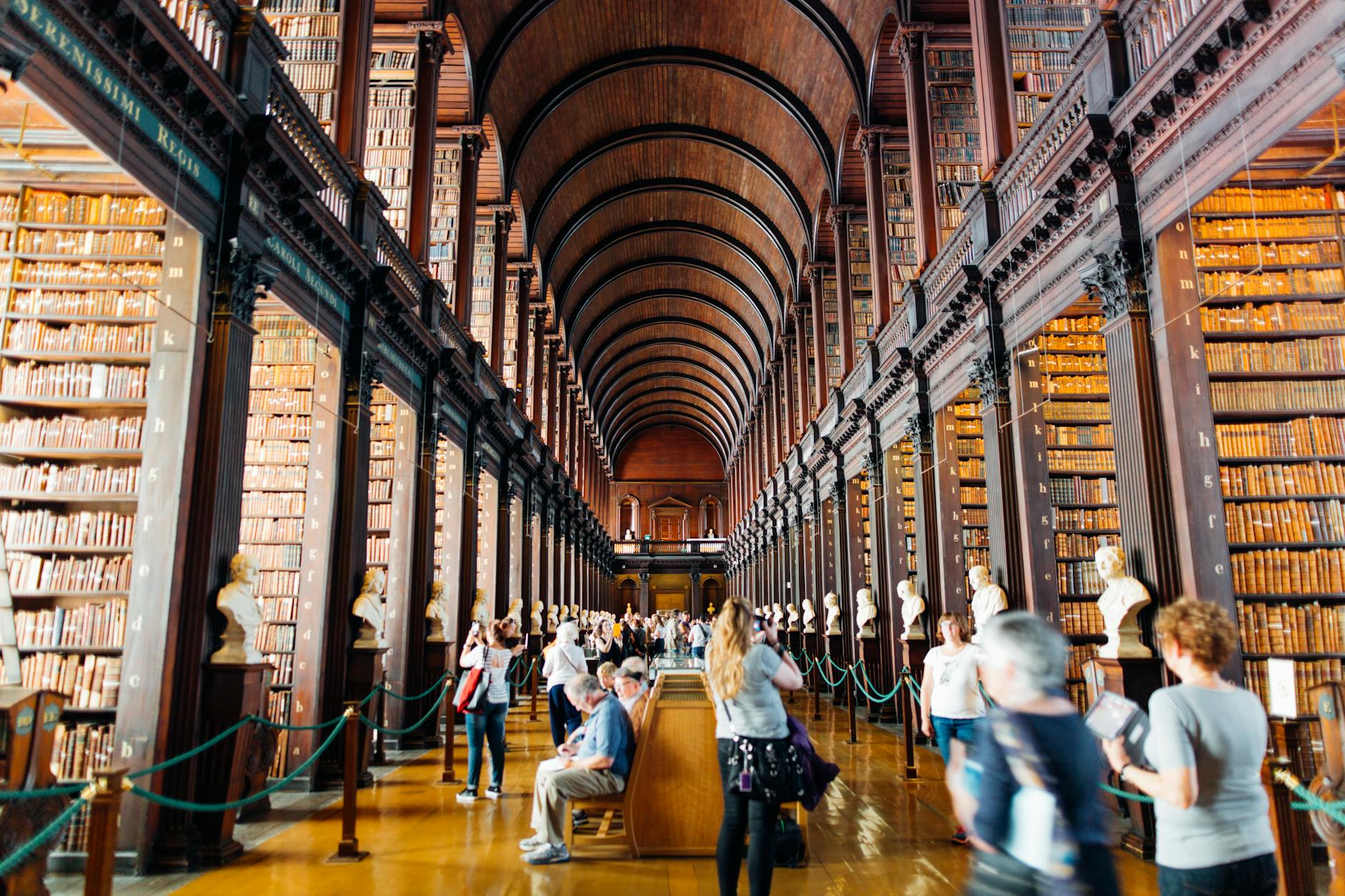
Swift is buried at St Patrick’s Cathedral, where his Latin epitaph reads “Ubi saeva indignatio ulterius cor lacerare nequit” (“Where savage indignation can no longer tear his heart”). Esther Johnson (Stella), his lifelong companion, is buried beside him. The cathedral preserves Swift’s bust, his pulpit, the cabinet that housed his books, and a copy of the death mask cast in 1745. The Marsh’s Library next door (1707, Ireland’s first public library) holds Swift’s annotated personal books and is open Monday–Saturday, €5 admission.
Oscar Wilde (1854–1900)
Oscar Wilde was born at 21 Westland Row, Dublin, on 16 October 1854. His parents Sir William Wilde (eye surgeon and antiquarian) and Lady Jane Wilde (poet under the name “Speranza”) were prominent figures in Victorian Dublin intellectual society. The family moved when Oscar was a baby to 1 Merrion Square North, which is now operated as the Oscar Wilde House by the American College Dublin. Public tours run on certain afternoons, €10 admission.
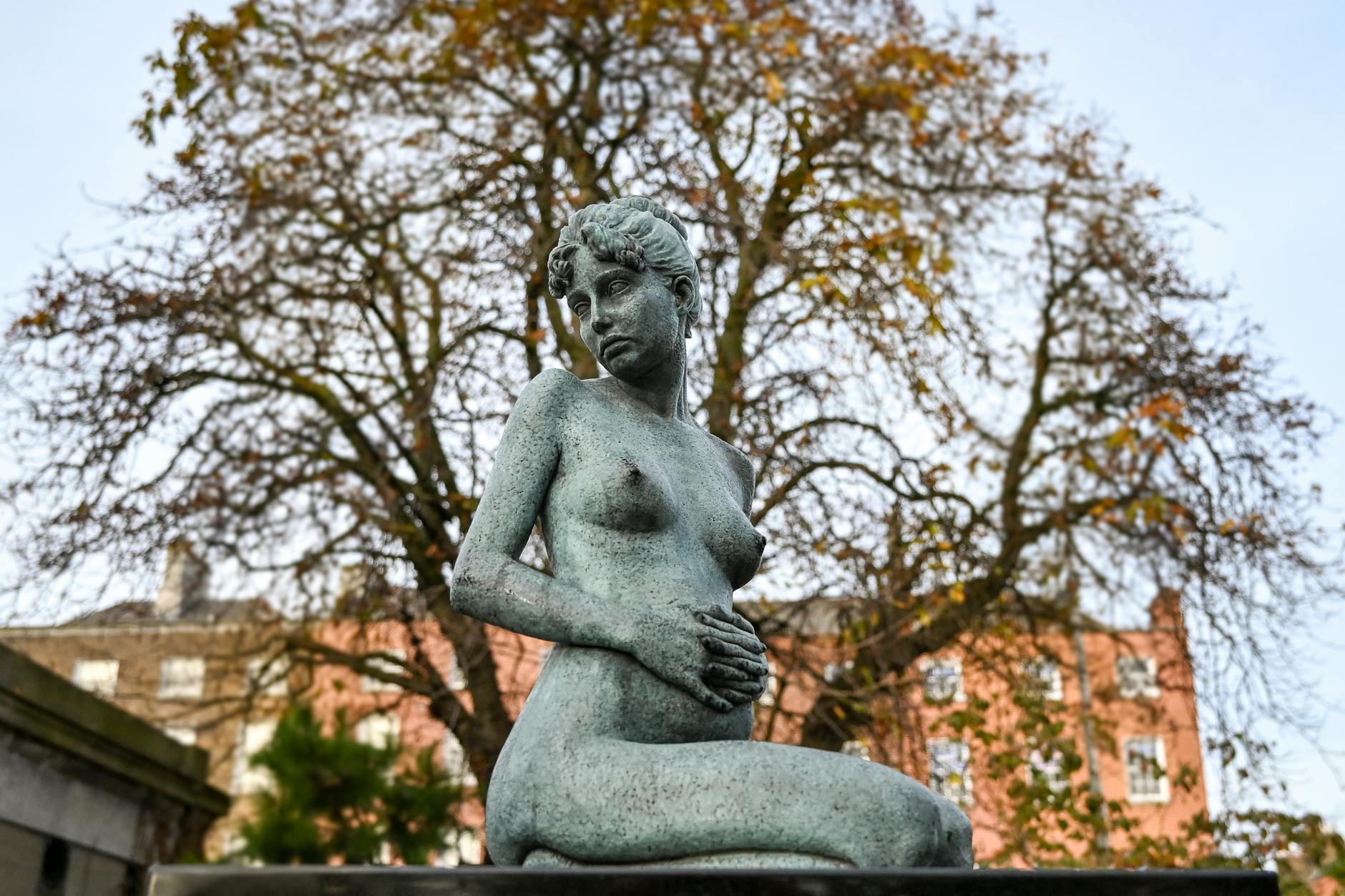
The Oscar Wilde Memorial Sculpture on Merrion Square is one of Dublin’s most photographed monuments. Created by Danny Osborne in 1997 from semi-precious stones (jadeite, jade, porcelain, and bronze), the reclining figure of Wilde on a granite plinth contemplates his childhood home directly across the road. Three accompanying plinths feature inscriptions of Wilde’s witticisms. The memorial is free, in Merrion Square Park, open daily.
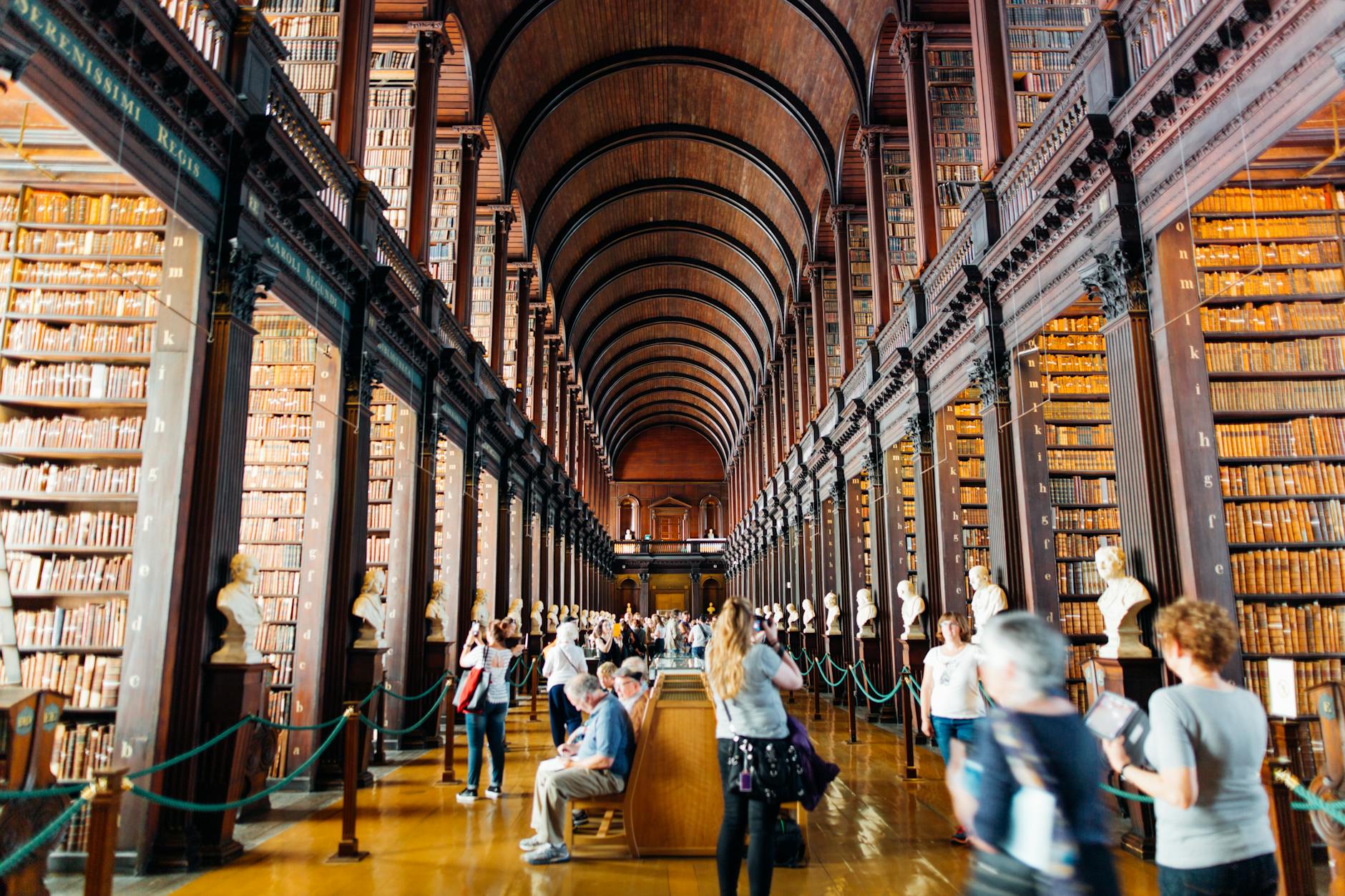
Wilde attended Trinity College Dublin (1871–1874) before moving to Oxford. The Trinity Long Room library holds Wilde’s first editions. Wilde never lived in Dublin again after his Oxford period and is buried in Père Lachaise Cemetery in Paris — but Dublin retains his most important childhood landmarks.
Bram Stoker (1847–1912)
Bram Stoker, author of Dracula (1897), is one of Dublin’s most globally influential writers. Born at 15 Marino Crescent, Clontarf, Stoker was a sickly child confined to bed until age 7. He studied mathematics at Trinity College Dublin and worked as a civil servant at Dublin Castle while writing reviews for newspapers. He eventually moved to London to manage actor Henry Irving at the Lyceum Theatre, where he wrote Dracula while researching Eastern European folklore.
Stoker’s Marino Crescent house is privately owned but bears a commemorative plaque. The annual Bram Stoker Festival in late October (28 October–1 November typically) celebrates Stoker’s legacy with Gothic-themed events, walking tours, theatrical performances, and the Stokerland family festival at Marino Crescent. St Michan’s Church on Church Street, with its mummified bodies in the crypt, is reputed to have inspired Stoker’s vampire imagery. The Bram Stoker Festival is one of Dublin’s biggest annual cultural events. See our Dublin Halloween events guide.
William Butler Yeats (1865–1939)
W.B. Yeats, Nobel laureate of 1923, was Dublin’s most influential poet. Born at 5 Sandymount Avenue in 1865, Yeats lived at numerous Dublin addresses during his long life. He co-founded the Abbey Theatre with Lady Gregory in 1904 — the Abbey on Lower Abbey Street is one of Europe’s oldest dedicated national theatres and continues producing Yeats’s plays alongside contemporary work.
The Yeats Room at the National Library of Ireland (Kildare Street, free admission) holds the world’s most extensive Yeats archive including manuscripts, correspondence, photographs, and personal effects. The Yeats Exhibition in the library’s ground floor is permanently installed. Yeats’s grave is at Drumcliffe in County Sligo, but Dublin retains his daily literary geography — the National Library, the Abbey Theatre, Merrion Square (where he lived at No. 82), and the National Gallery (where he often visited).
George Bernard Shaw (1856–1950)
George Bernard Shaw, Nobel laureate of 1925 and Academy Award winner for the Pygmalion screenplay (1938), was born at 33 Synge Street, Portobello, Dublin. The Shaw Birthplace Museum at 33 Synge Street preserves the modest two-up two-down house where Shaw spent his first four years. The museum has been intermittently closed for restoration in recent years — check the OPW website for current opening status.
Shaw moved to England aged 20 and lived the rest of his long life there, but he retained strong Dublin connections through correspondence, theatrical productions, and Shaw’s major bequest of his royalties from Pygmalion to the National Gallery of Ireland. The bequest, worth millions when My Fair Lady premiered in 1956, transformed the gallery’s acquisition budget. The portrait of Shaw at the National Gallery is essential for any visitor following his trail.
James Joyce (1882–1941)
James Joyce is the most globally influential writer associated with Dublin, despite leaving the city aged 22 and returning only briefly four times before his 1941 death in Zurich. His major works — Dubliners, A Portrait of the Artist as a Young Man, Ulysses, and Finnegans Wake — are all set in Dublin or drawn from Dublin life. Joyce’s influence on Dublin is so extensive we have a dedicated James Joyce Dublin guide.
Key Joyce sites: the James Joyce Centre at 35 North Great George’s Street, the James Joyce Tower and Museum in Sandycove (the setting of the opening of Ulysses), the Museum of Literature Ireland (MoLI) at Newman House on St Stephen’s Green, and the annual Bloomsday celebration on 16 June. Joyce’s personal statue stands on North Earl Street.
Samuel Beckett (1906–1989)
Samuel Beckett, Nobel laureate of 1969 and author of Waiting for Godot, was born at Cooldrinagh, a country house in Foxrock, south Dublin. Beckett studied at Trinity College Dublin (1923–1927) where he excelled at French and Italian and played first-class cricket for the university. Trinity’s Beckett Theatre is named in his honour. After graduation, Beckett lived briefly in Dublin before moving permanently to Paris in 1937. He won the Nobel Prize for literature in 1969 and died in Paris in 1989.
The Samuel Beckett Bridge (designed by Santiago Calatrava, 2009) spans the Liffey at the Docklands in the shape of a harp lying on its side — an elegant tribute to Beckett’s Irish heritage. The Beckett Centre and Theatre at Trinity College runs occasional Beckett festivals and productions. The Museum of Literature Ireland (MoLI) holds Beckett manuscripts and first editions.
Brendan Behan (1923–1964)
Brendan Behan, playwright (The Hostage, The Quare Fellow) and memoirist (Borstal Boy), was Dublin’s great working-class literary voice. Born in inner-city Dublin and imprisoned twice for IRA activity (Borstal in England 1939–1942 and Mountjoy Gaol in Dublin 1942–1946), Behan transformed his prison experience into literature. His plays mixed humour with serious political content and were performed at the Abbey, Gate, and Theatre Royal.
Behan’s drinking is as legendary as his writing. McDaid’s pub on Harry Street, off Grafton Street, was his favoured Dublin pub through the 1950s and is still operating. The Brazen Head, Kavanagh’s (The Gravediggers’ Pub in Glasnevin), and the Palace Bar on Fleet Street were other regular haunts. Behan died from alcohol-related illness at 41 and is buried at Glasnevin Cemetery near the entrance gate. His statue stands on Royal Canal Bank in Mountjoy — an oddly peaceful location for one of Dublin’s most chaotic literary spirits.
Seamus Heaney (1939–2013)
Seamus Heaney, Nobel laureate of 1995, was Northern Ireland-born and educated but lived in Dublin from the 1970s until his 2013 death. Heaney lived in Sandymount from 1976 onwards and is buried in Bellaghy, County Derry. His grave is a major literary pilgrimage site — but Dublin retains the houses, libraries, and pubs where he wrote much of his major work.
The Seamus Heaney HomePlace at Bellaghy (90 minutes north of Dublin in Northern Ireland) is the major Heaney museum. Within Dublin, the Heaney collection at the National Library of Ireland holds manuscripts and correspondence. The Trinity Long Room exhibits Heaney’s Nobel medal. The Heaney Library at Queen’s University Belfast is open to visitors but requires a longer trip. Heaney’s reading at the Abbey Theatre in 1995, just months after winning the Nobel Prize, is one of the most significant literary events in modern Irish culture.
Contemporary Dublin Writers
Dublin’s literary tradition continues robustly into the 21st century. Major contemporary writers with strong Dublin connections include:
- Roddy Doyle — The Barrytown Trilogy (The Commitments, The Snapper, The Van) and Paddy Clarke Ha Ha Ha (Booker Prize 1993) capture working-class northside Dublin. Doyle still lives and writes in Dublin.
- Maeve Binchy (1939–2012) — Beloved popular novelist (Light a Penny Candle, Circle of Friends) who brought Dublin and small-town Ireland to millions of readers worldwide.
- John Banville — Stylish novelist (The Sea, Booker Prize 2005) and crime writer under the name Benjamin Black. Born in Wexford but long-time Dublin resident.
- Anne Enright — Booker Prize winner (The Gathering, 2007) and the inaugural Laureate for Irish Fiction. Dublin-born and based.
- Colm Tóibín — Brooklyn, The Master, Nora Webster. Wexford-born but central to Dublin literary life.
- Eimear McBride — A Girl is a Half-formed Thing (2013), winner of every major UK literary prize.
- Sally Rooney — Conversations with Friends, Normal People, Beautiful World Where Are You. The defining voice of millennial Dublin literature.
- Paul Lynch — Booker Prize 2023 for Prophet Song. Dublin-born.
- Sebastian Barry — Two-time Costa Book of the Year winner (The Secret Scripture, Days Without End). Laureate for Irish Fiction 2018–2021.
Hodges Figgis bookshop on Dawson Street (Ireland’s oldest, founded 1768) stocks Irish-author signed editions and runs regular launches and events. The International Literature Festival Dublin in May draws major contemporary writers worldwide. The Listowel Writers’ Week, while in County Kerry, often brings Dublin writers to read.
Literary Museums in Dublin
Dublin offers several outstanding literary museums:
- Museum of Literature Ireland (MoLI) — Newman House on St Stephen’s Green. The flagship Irish literature museum holding Joyce’s first copy of Ulysses, Beckett manuscripts, Yeats correspondence, and immersive multimedia exhibits. €10 admission, open daily.
- James Joyce Centre — 35 North Great George’s Street. Dedicated Joyce museum with exhibitions, walking tours, and Bloomsday programmes. €5–8.
- James Joyce Tower and Museum, Sandycove — Free Joyce museum in the Martello tower setting of Ulysses’s opening.
- Dublin Writers Museum — 18 Parnell Square. Currently in transition to new premises — check status before visiting. Traditionally held first editions, manuscripts, and personal effects of dozens of Dublin writers.
- Yeats Exhibition, National Library — Free permanent exhibition on Kildare Street.
- Trinity College Library/Book of Kells — The Long Room library and the medieval Book of Kells exhibition. €25.
- Marsh’s Library — Ireland’s first public library (1707) holds Jonathan Swift’s books and 25,000 other ancient volumes. €5.
- Bram Stoker Festival — Annual late October festival commemorating the Dracula author. Many free events plus paid headline programming.
For broader museum coverage see our Dublin History Museums guide.
Dublin’s Literary Pubs
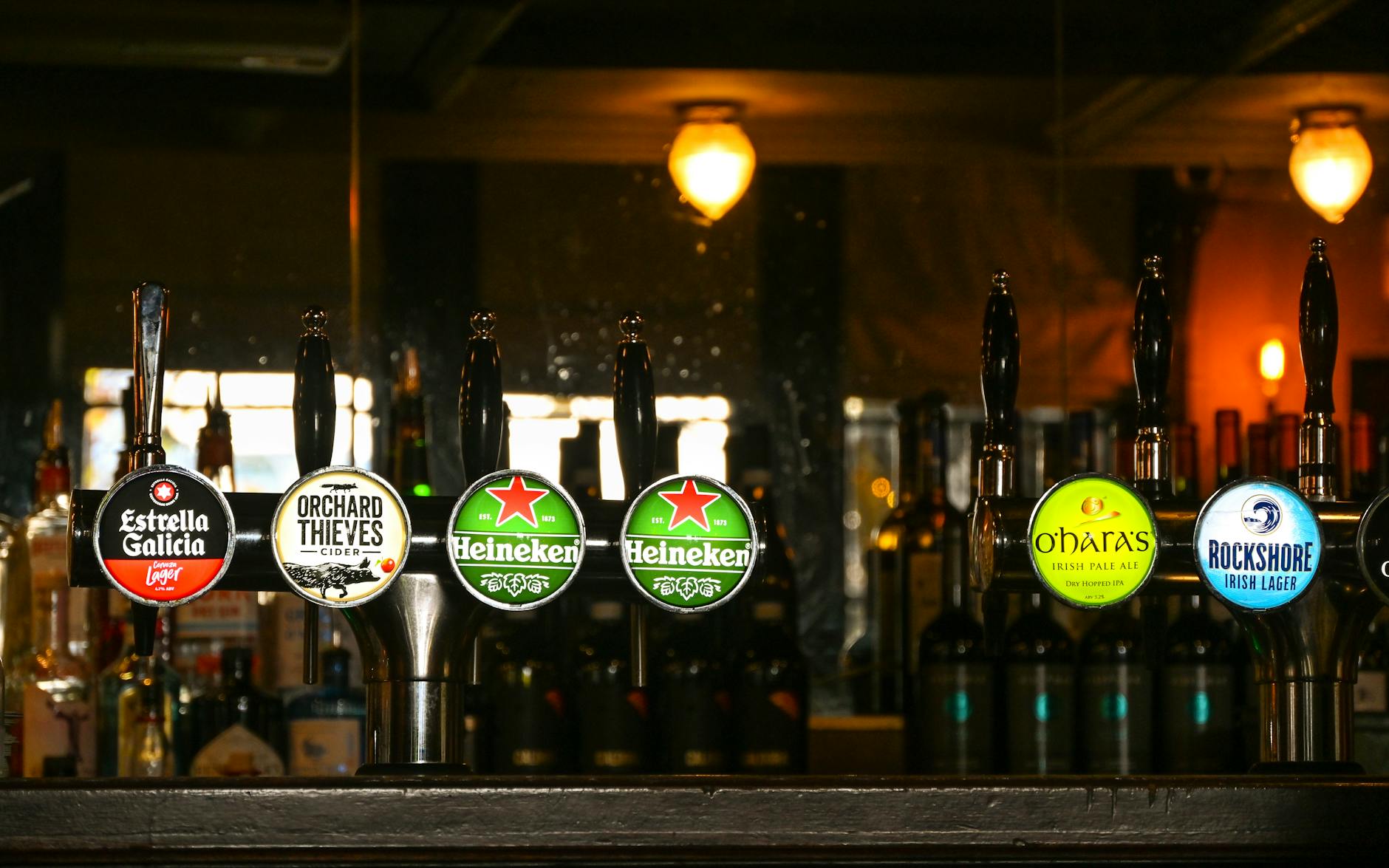
Dublin’s literary pubs form a uniquely participatory cultural heritage — you can drink in the same establishments that Behan, Kavanagh, Joyce, and Beckett used as second offices. Key literary pubs:
- McDaid’s — Harry Street. Brendan Behan’s primary haunt. Patrick Kavanagh, Liam O’Flaherty, and J.P. Donleavy also regulars.
- The Palace Bar — Fleet Street. Victorian classic with literary associations especially to The Irish Times.
- Davy Byrne’s — Duke Street. Featured in Joyce’s Ulysses. Still serves the gorgonzola sandwich and burgundy from the novel.
- The Bailey — Duke Street, opposite Davy Byrne’s. Houses the salvaged door of 7 Eccles Street (Bloom’s fictional Joyce address).
- Mulligan’s — Poolbeg Street. James Joyce drank here as a young man. Possibly the best Guinness in Dublin.
- The Brazen Head — Lower Bridge Street. Ireland’s oldest pub (1198). Joyce and many others patronised this medieval site.
- Toner’s — Baggot Street. W.B. Yeats famously visited and concluded it was “not the kind of place I would frequent” before being persuaded inside.
- Kavanagh’s (The Gravediggers’ Pub) — Glasnevin. Patrick Kavanagh wrote much of his poetry in the pub adjoining the cemetery where Behan is buried.
- Grogan’s Castle Lounge — South William Street. Bohemian 1960s–1970s artistic and literary haunt that retains its scruffy authentic atmosphere.
The Dublin Literary Pub Crawl runs Thursday and Friday evenings April–October from The Duke pub on Duke Street, with two actor-guides performing dramatic readings between pub stops. €20 adult including 2-3 short readings and 4 pub visits, 2 hours total. Book ahead at dublinpubcrawl.com.
A Dublin Writers’ Walking Tour Route
This 3–4 hour walking route covers Dublin’s most important writers’ landmarks:
- Start: James Joyce statue, North Earl Street — The iconic walking-stick-and-hat Joyce. Photo stop.
- Walk to the GPO and along O’Connell Street — The northside Dublin Joyce knew.
- Visit the Abbey Theatre, Lower Abbey Street — Yeats and Lady Gregory’s national theatre.
- Cross to the Liffey and walk to Bachelor’s Walk — The Liffey backdrop of countless literary works.
- Up O’Connell Bridge to Trinity College — Visit the Long Room library and Book of Kells.
- South through Grafton Street to Davy Byrne’s and the Bailey — Joyce’s and Behan’s pubs.
- To McDaid’s, Harry Street — Behan’s primary haunt.
- South to the Museum of Literature Ireland (MoLI), Newman House — The flagship literary museum on St Stephen’s Green.
- East to Merrion Square — Oscar Wilde Memorial Sculpture and Yeats’s home at No. 82.
- End: National Library, Kildare Street — The Yeats Exhibition and the original Ulysses reading room.
Total walking distance about 5km. Allow 3–4 hours including museum stops. For Joyce-specific routes see our James Joyce’s Dublin guide.
Annual Literary Events in Dublin
Dublin hosts several major annual literary events:
- International Literature Festival Dublin (mid-May) — The largest annual literary event in Ireland with major international authors. €10–30 per event.
- Bloomsday (16 June) — James Joyce’s Ulysses celebration. Many free events plus paid premium programming.
- Dublin Book Festival (mid-November) — Cultural celebration of Irish books with readings, panels, and signings.
- Bram Stoker Festival (late October) — Gothic-themed cultural festival.
- One Dublin One Book (April) — The city reads a single book together with events programmed throughout the month.
- Pat Liddy’s Walking Tours: Literary Dublin — Year-round paid walking tours.
- Dublin Literary Pub Crawl — April–October, Thursday and Friday evenings, €20.
For broader event coverage see our Dublin Literary Festivals guide.
Practical Tips for a Literary Dublin Trip
The major literary museums (MoLI, Joyce Centre, Yeats Exhibition at National Library) are all open year-round on standard hours. Trinity College Long Room and Book of Kells requires advance booking, especially in summer. The Dublin Writers Museum is currently in transition — check status before visiting. Many literary pubs operate on standard pub hours (11am–late) and welcome literary visitors at any time of day.
Plan a literary trip around the major annual events if possible: Bloomsday in mid-June, the International Literature Festival in May, the Bram Stoker Festival in late October, or the Dublin Book Festival in November. The off-season (January–March) offers cheaper hotel rates and shorter queues at literary museums. Pack a copy of one of the city’s major works to read at relevant landmarks — reading the “Calypso” episode of Ulysses while standing on Eccles Street is a different experience from reading it at home.
Dublin’s Famous Writers and Literary Landmarks: FAQ
How many Nobel laureates in literature has Dublin produced?
Four: W.B. Yeats (1923), George Bernard Shaw (1925), Samuel Beckett (1969), and Seamus Heaney (1995). All four had strong Dublin connections through birth, education, or extended residence. UNESCO designated Dublin a City of Literature in 2010 partly in recognition of this concentration.
Is the Dublin Writers Museum still open?
The Dublin Writers Museum at 18 Parnell Square has been closed for several years pending relocation to new premises. Check the museum’s website (writersmuseum.com) for current status before planning a visit. The Museum of Literature Ireland (MoLI) at Newman House serves as the de facto flagship literary museum in the interim.
Where can I see the Book of Kells?
The Book of Kells is displayed at Trinity College Library’s Old Library on College Green. The exhibition includes the Long Room library with 200,000+ ancient books and is one of Dublin’s most visited attractions. €25 adult admission, €19 student/senior. Book ahead, especially in summer when daily slots regularly sell out.
Which Dublin pubs are associated with which writers?
McDaid’s on Harry Street was Brendan Behan’s primary haunt. Davy Byrne’s on Duke Street features in Joyce’s Ulysses. Mulligan’s on Poolbeg Street was a regular Joyce stop. The Palace Bar had strong Irish Times connections. Kavanagh’s (The Gravediggers’ Pub) in Glasnevin was Patrick Kavanagh’s favourite. Most are still operating.
How long should I spend on Dublin’s literary heritage?
One full day covers the city centre’s major literary sites including MoLI, the James Joyce Centre, Trinity Long Room, and a literary pub crawl. Two days allows deeper exploration of MoLI plus the Joyce Tower at Sandycove plus Glasnevin Cemetery. Literary enthusiasts can fill 3–4 days exploring Dublin’s writers’ landmarks.
Can I attend the Dublin Literary Pub Crawl?
Yes — the Dublin Literary Pub Crawl runs Thursday and Friday evenings April through October from The Duke pub on Duke Street. Two actor-guides perform dramatic readings between four pub stops. €20 adult, 2 hours total. Book ahead at dublinpubcrawl.com. Standing room only at busy pubs — wear comfortable shoes.
Where is Oscar Wilde buried?
Oscar Wilde is buried at Père Lachaise Cemetery in Paris, not in Dublin. He died in Paris in 1900 and never returned to Dublin after his Oxford years. The Oscar Wilde Memorial Sculpture on Merrion Square in Dublin is the city’s main Wilde monument, alongside his childhood home at 1 Merrion Square North.
What contemporary Dublin writers should I read?
For accessible contemporary Dublin fiction try Sally Rooney (Normal People, Conversations with Friends), Roddy Doyle (The Commitments, Paddy Clarke Ha Ha Ha), Anne Enright (The Gathering), and Paul Lynch’s 2023 Booker winner Prophet Song. Each offers a different angle on contemporary Dublin life.
Keep Reading
- St Patrick’s Cathedral Dublin — Swift’s grave, his pulpit and the epitaph Yeats called the greatest ever written.
Lean na Comharthaí — Keep following the signs