Dublin Pass 2026: Are Discount Passes Worth Buying?

Ar an gComhartha Seo — On this sign
- Dublin Discount Passes Available in 2026
- Go City Dublin Pass: Detailed Breakdown
- DoDublin Card: The Local Alternative
- Heritage Card: The Long-Game Pass
- Should You Buy a Dublin Discount Pass?
- Side-by-Side Comparison Table
- Discount Passes vs Leap Card: Different Tools
- Example Itineraries: Pass Worth It or Not?
- Where to Buy Dublin Discount Passes
- Alternative Ways to Save on Attractions
- How Pass Value Changes by Season
- Common Dublin Pass Mistakes to Avoid
- When to Buy Your Pass: Timing for Maximum Savings
- If You Decide Against a Pass
- Dublin Pass: FAQ
- Keep Reading
Dublin’s tourist attractions add up quickly. Guinness Storehouse, Book of Kells, Kilmainham Gaol, EPIC The Irish Emigration Museum, Dublin Castle (closed until January 2027), and Dublin Zoo individually cost €15–30 each — a full day of sightseeing can easily exceed €80 per person. Discount passes promise significant savings, but they don’t always deliver value for every traveller. This comprehensive guide compares every major Dublin discount pass available in 2026, breaks down exactly which traveller types they suit, and helps you calculate whether a pass actually saves you money on your specific itinerary.
This sits inside our broader complete Dublin budget guide, which is the place to start if you are planning from scratch.
Dublin Discount Passes Available in 2026
Three main sightseeing pass products compete for Dublin tourist spending in 2026:
- Go City Dublin Pass — The most prominent pass, available in 1, 2, 3, and 5-day options. Includes 25+ attractions and Hop-on Hop-off bus.
- DoDublin Card — A locally-run alternative including 33 attractions plus 3-day Hop-on Hop-off bus access, with a single 72-hour timeframe.
- Heritage Card — Run by the Office of Public Works. Covers state-managed heritage sites including Dublin Castle (closed until January 2027), Kilmainham Gaol, and Phoenix Park’s historic homes for a full year.
Each pass operates differently — some are full prepaid sightseeing packages, while the Heritage Card targets a specific subset of state attractions. We’ll compare prices, coverage, and value below to help you choose. For context on what these attractions actually offer, see our Things to Do in Dublin pillar.
Go City Dublin Pass: Detailed Breakdown
The Go City Dublin Pass is the most comprehensive sightseeing pass available. It offers two product types: the All-Inclusive Pass (1, 2, 3, or 5 days of unlimited attractions) and the Explorer Pass (choose 3, 4, 5, or 7 attractions to use within 60 days). Adult All-Inclusive pricing in 2026 starts at approximately €79 for 1 day, €109 for 2 days, €129 for 3 days, and €169 for 5 days. Child pricing (3–12 years) is roughly 30% lower.
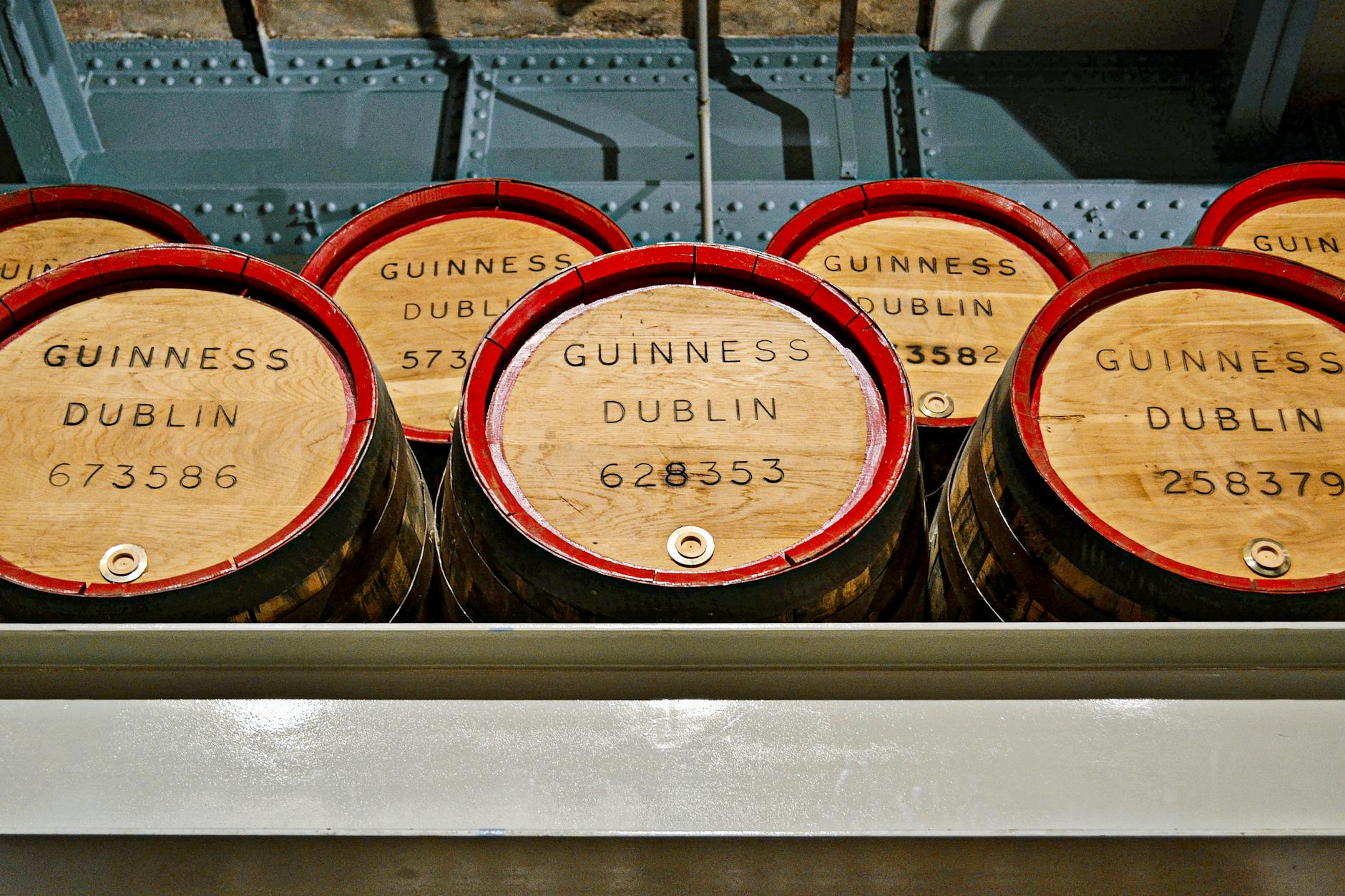
The pass includes 25+ attractions including the Guinness Storehouse, EPIC The Irish Emigration Museum, Dublin Zoo, Jameson Distillery experience, Little Museum of Dublin, Dublinia, Hop-on Hop-off Bus tour, GAA Museum at Croke Park, National Wax Museum, Croke Park Stadium Tour, and several day trip tours including Cliffs of Moher excursions. Notable exclusions: the pass does NOT include Trinity College Library/Book of Kells (which requires separate booking) or Kilmainham Gaol (state-managed).
When the Go City Pass actually saves money
The 2-day pass at €109 makes sense if you’ll visit at least 5–6 attractions including Guinness Storehouse (€30), EPIC Museum (€22), Jameson Distillery (€26), Hop-on Hop-off Bus (€25), and Dublinia (€15) — a value of €118 versus €109. The 3-day pass needs 7–8 attractions to break even. Travellers who don’t plan an intensive sightseeing schedule rarely get value — if you’re doing 2–3 attractions over 3 days, individual tickets cost less.
The Go City Explorer Pass (choose attractions, valid 60 days) works better for slower-paced travellers visiting 3–5 attractions across multiple days. Starting at around €65 for 3 attractions, it lets you avoid the “use it or lose it” pressure of the All-Inclusive pass. Both pass types let you skip lines at certain attractions including the Guinness Storehouse, which can save 30–60 minutes in summer queues.
DoDublin Card: The Local Alternative
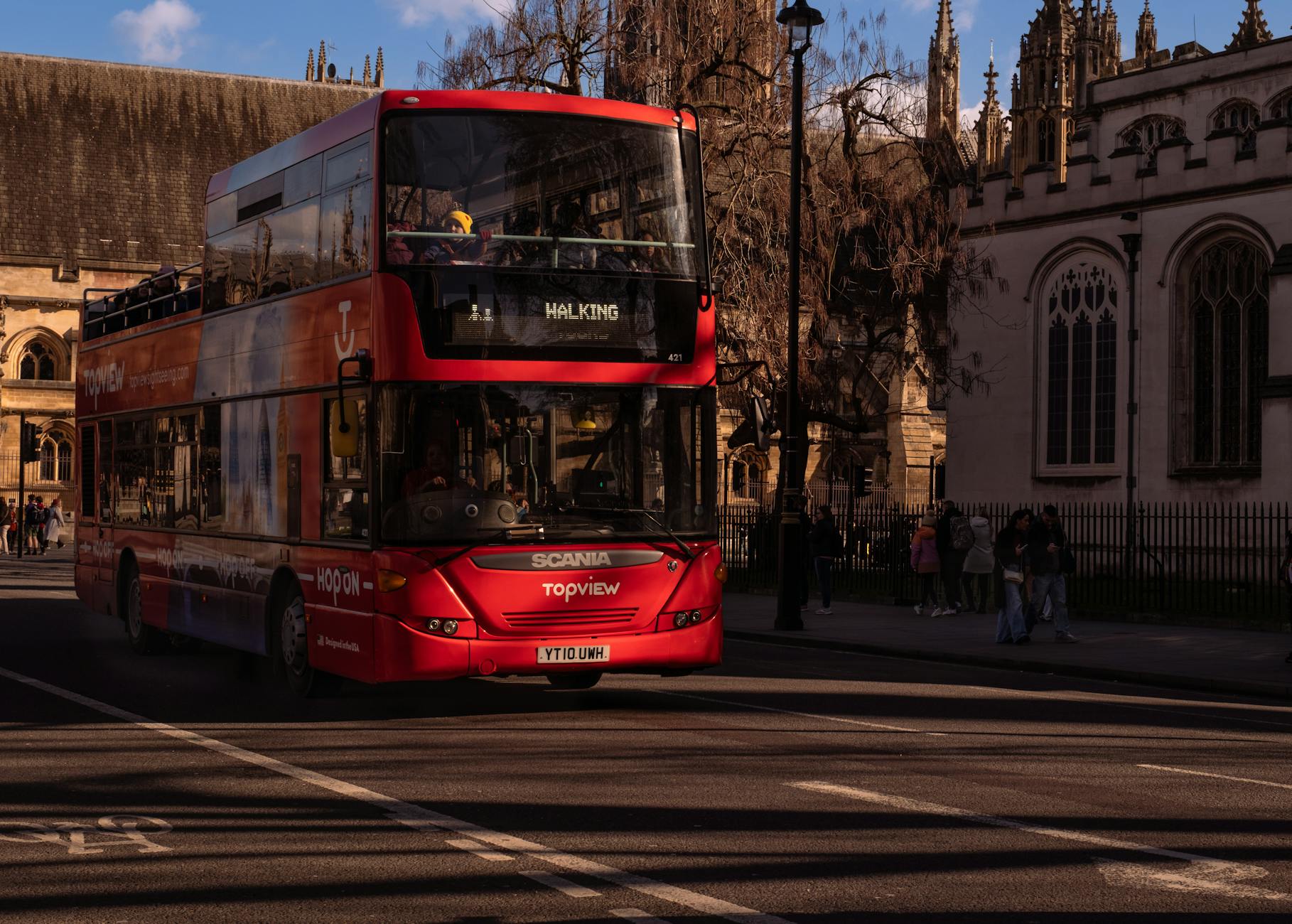
The DoDublin Card is operated by Dublin Bus and offers 72 hours of access to 33 attractions including the Hop-on Hop-off Tour. Adult pricing in 2026 is approximately €69, with child pricing around €49. Coverage is similar to Go City but with some differences — DoDublin includes the National Leprechaun Museum, Glasnevin Cemetery Tour, and Howth Sea Adventures that aren’t on Go City. Like Go City, it excludes Trinity College Book of Kells and Kilmainham Gaol.
Value-wise, DoDublin is generally cheaper than the equivalent 3-day Go City pass at €129. If you’re visiting 4–6 attractions across 3 days, DoDublin’s €69 price point hits an earlier break-even than Go City. The 72-hour clock starts when you first use the card, so you can technically activate it on a Friday afternoon and stretch attractions across Saturday and Sunday plus Monday morning. Buy online at dodublin.ie for a small early-booking discount.
Heritage Card: The Long-Game Pass
The Office of Public Works (OPW) Heritage Card is a different proposition. At €40 for adults (children free, €30 students/seniors), it provides 12 months of free entry to all OPW-managed heritage sites across Ireland. Dublin sites included: Kilmainham Gaol (€8 standalone), Dublin Castle (€12 standalone; closed until January 2027), Casino at Marino, Royal Hospital Kilmainham/IMMA gardens. Add Phoenix Park’s Áras an Uachtaráin tour (free anyway) and visitor centre.
Within Dublin alone, the Heritage Card pays off after just 2–3 visits. For travellers planning to combine Dublin with rural Ireland trips, the value explodes — the same card gets you into the Rock of Cashel (€8), Newgrange/Brú na Bóinne (€18), Trim Castle, Bunratty, Dún Aonghasa on Inishmore, the Battle of the Boyne site, and dozens more. For Irish heritage enthusiasts visiting multiple sites over a year, the Heritage Card is the single best tourism deal in Ireland. Buy on-site at any OPW location or online at heritageireland.ie.

Should You Buy a Dublin Discount Pass?
Whether a Dublin pass saves money depends entirely on how many attractions you’ll visit and which ones. To decide, list your must-see attractions before booking and calculate their individual costs. If your total is at least 20% above the pass price, the pass is worth it — the buffer covers the chance you might skip something due to weather, fatigue, or queues.
- Pass is worth it if: You’re visiting 5+ attractions in 2–3 days, you want skip-the-line privileges at the Guinness Storehouse, you’re travelling in summer when individual ticket queues are long, you want to use the Hop-on Hop-off bus.
- Pass is NOT worth it if: You’re visiting 2–3 attractions only, you’re mostly interested in free attractions (national museums, galleries), your itinerary includes Book of Kells or Kilmainham Gaol (not included in commercial passes), you’re a slow-paced traveller, you have students/seniors with their own discounts.
Many budget travellers are better off skipping passes entirely and focusing on Dublin’s extensive free attractions. The National Museum (3 free Dublin branches), National Gallery, Chester Beatty Library (closed until the end of December 2026), Phoenix Park, Iveagh Gardens, and Dublin’s historic graveyards (Glasnevin guided tours excepted) cost nothing. For inspiration, see our Free Attractions Dublin guide.
Side-by-Side Comparison Table
Here’s a quick comparison of the three main Dublin discount passes:
- Go City 2-day All-Inclusive: €109 adult, €79 child. 25+ attractions, includes Hop-on Hop-off Bus, skip-the-line at some sites. Excludes Book of Kells and Kilmainham Gaol.
- Go City Explorer 5 attractions: €89 adult. Choose 5 from 25+ attractions, 60 days to use. Good for slow travellers.
- DoDublin Card 72 hours: €69 adult, €49 child. 33 attractions, includes Hop-on Hop-off Bus. Excludes Book of Kells and Kilmainham Gaol.
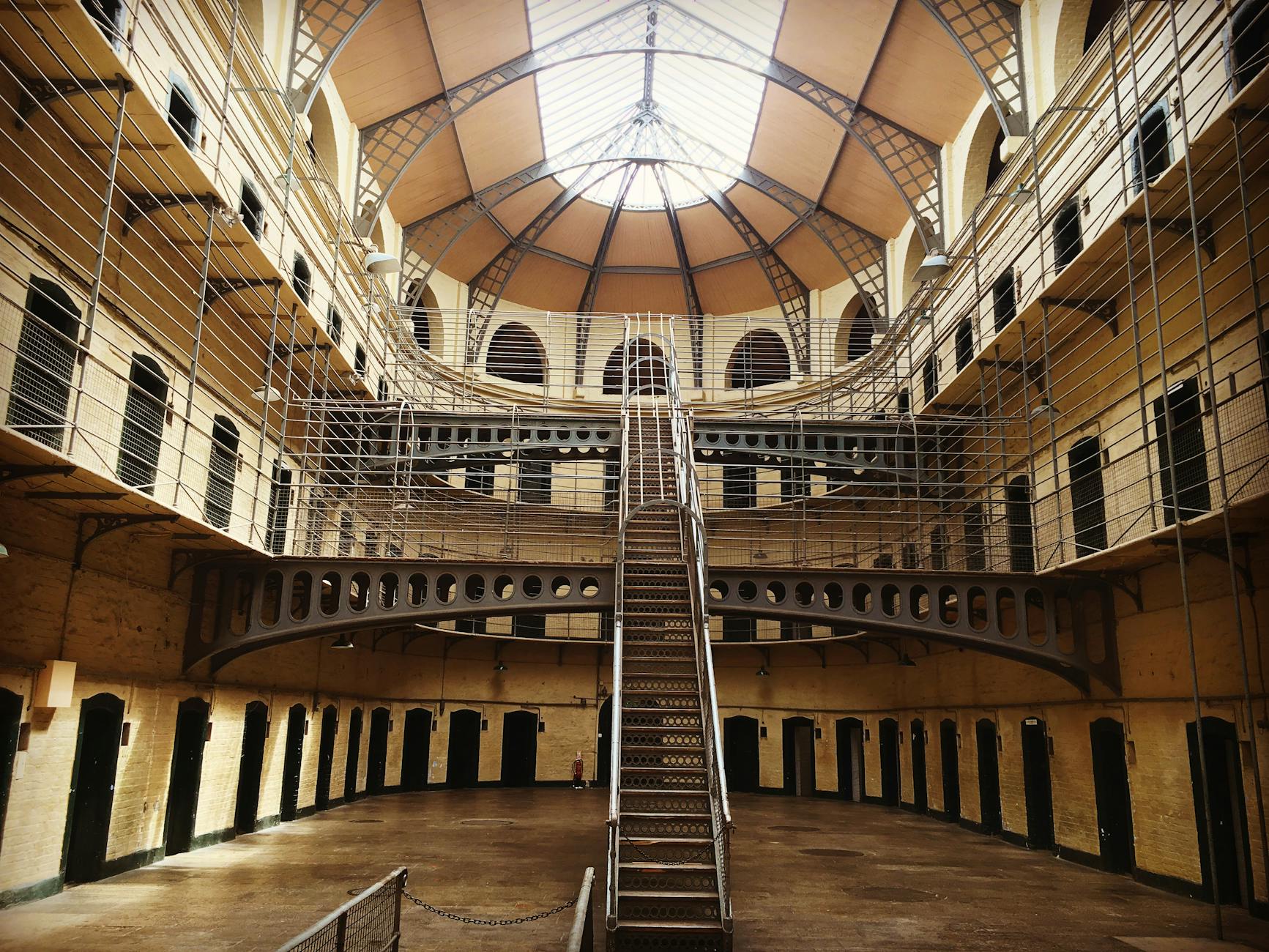
- Heritage Card 1 year: €40 adult, free child, €30 student/senior. All OPW sites Ireland-wide including Kilmainham Gaol, Dublin Castle (closed until January 2027). Excludes commercial attractions.
The most powerful combination for serious sightseers is a Heritage Card (€40) plus a Go City 2-day pass (€109) totalling €149. This covers virtually every major Dublin attraction except the Trinity College Book of Kells, which you book separately at €25. For travellers committed to seeing everything, that total of €174 versus €220+ of individual tickets delivers meaningful savings plus convenience.
Discount Passes vs Leap Card: Different Tools
It’s worth distinguishing discount passes from the Leap Card, which is Dublin’s public transport smart card and a totally different product. The Leap Visitor Card (€18 for 72 hours) covers Dublin Bus, including the airport routes 16 and 41, plus the Luas tram and DART rail. It doesn’t include any attractions. Many travellers use both: a Leap Visitor Card for transport plus a Go City or DoDublin pass for attractions.
If you’re strictly walking and using occasional buses, skip the Leap Visitor Card and just pay-as-you-go with a regular Leap Card (€5 refundable deposit, €1.55 per journey, daily cap €6). For more transport guidance, see our Leap Card Guide.
Example Itineraries: Pass Worth It or Not?
Itinerary A: Couple, 3 days, hitting major attractions
Guinness Storehouse (€30), EPIC Museum (€22), Kilmainham Gaol (€8), Dublin Castle (€12; closed until January 2027), Trinity College/Book of Kells (€25), Hop-on Hop-off Bus (€25), Jameson Distillery (€26) = €148 individual prices. Best strategy: Heritage Card (€40 covers Kilmainham + Castle, once the castle reopens) + 2-day Go City (€109 covers Guinness, EPIC, Jameson, Bus) + Book of Kells separately (€25) = €174 total but skip-the-line included — or save €26 by buying just individual tickets at €148 if you don’t mind queueing. The pass costs more here but saves time in queues.
Itinerary B: Family of 4, 2 days, kid-focused attractions
Dublin Zoo (€62.50 family ticket online), Dublinia (€15 adult, €10 child = €50), National Wax Museum (€18 adult, €13 child = €62), Hop-on Hop-off Bus (€25 adult, €15 child = €80), National Leprechaun Museum (€16 adult, €13 child = €58) = €312.50 individual. DoDublin Card for a family of 4 (€69 + €69 + €49 + €49 = €236) saves €76.50. Worth it.
Itinerary C: Solo traveller, 4 days, mostly free attractions
National Museum (free), National Gallery (free), Chester Beatty Library (free; closed until the end of December 2026), Phoenix Park (free), one paid attraction Guinness Storehouse (€30) = €30 individual. No pass needed. Even the cheapest pass would lose €39+ on this itinerary.

Where to Buy Dublin Discount Passes
Buy all passes online before arrival for the best prices. Go City Dublin sells at gocity.com/dublin with regular promotional discounts of 10–20%. DoDublin sells at dodublin.ie. Heritage Cards are available at heritageireland.ie or in person at any OPW heritage site (Kilmainham Gaol, Dublin Castle, etc.), though Dublin Castle is closed until January 2027. Klook, GetYourGuide, and Tiqets also sell these passes sometimes at slightly cheaper prices with their own promotional discounts.
Don’t buy passes at the airport or city centre tourist offices without first checking online prices — in-person prices are sometimes 10–15% higher than online deals. Black Friday week in late November sometimes brings 25% off pass discounts — useful if you’re planning a Dublin trip for January or February.
Alternative Ways to Save on Attractions
Even without a discount pass, you can save on Dublin attractions through several routes:
- Off-peak Guinness Storehouse tickets: Visit before 11am or after 5pm for €5 off the entry price.
- Student/senior/child discounts: Almost every paid attraction has reduced rates for under-12s, full-time students (with ID), and over-65s.
- Group rates: Groups of 10+ get 15–20% off most attractions including the Guinness Storehouse and Jameson Distillery.
- Family tickets: Two adults plus two children typically saves €5–10 versus individual tickets at Dublin Zoo, Dublinia, and other family attractions.
- Free first-Wednesday museum entry: Some private museums offer free or reduced entry on the first Wednesday of the month.
- Combo tickets: Dublinia and Christ Church Cathedral sell combined entry tickets at €5–7 below individual prices.
- Local resident discounts: Some attractions offer Dublin City Council resident discounts (not applicable to tourists).
Slow-paced travel days mixing free and paid attractions often deliver the best value-for-money Dublin experience. Spend a morning at the National Museum (free), have lunch at a budget cafe, visit Guinness Storehouse in the afternoon (€30), and wander Phoenix Park before dinner — meaningful sightseeing at €30 total per person.
How Pass Value Changes by Season
The value calculation for Dublin discount passes shifts noticeably by season. In peak summer (July–August), individual attraction queues at the Guinness Storehouse, Dublin Zoo, and EPIC Museum can hit 60–90 minutes. Skip-the-line privileges built into Go City and DoDublin passes deliver real time value here — potentially adding 2–3 hours to your usable sightseeing day. In peak summer, even break-even mathematics tilt in favour of the pass because the queue savings effectively gift you an extra attraction visit.
In low season (January–March, November), queues virtually disappear. The Guinness Storehouse walks straight in, EPIC Museum and Jameson Distillery have 5-minute waits at most, and even Dublin Zoo flows smoothly. The skip-the-line benefit becomes irrelevant, leaving only the pure financial calculation. Many low-season visitors find individual tickets actually beat the pass since they can pick exactly what to see without paying for unused attractions. If you’re visiting in winter, do the calculation carefully before buying a pass.
Common Dublin Pass Mistakes to Avoid
Travellers regularly make a handful of common Dublin Pass mistakes that erase potential savings. Buying a pass and then not using it intensively — a 2-day Go City pass requires fitting 5–6 attractions across two days, which means rushing rather than enjoying. Buying a pass thinking it includes Book of Kells or Kilmainham Gaol — it doesn’t, leading to disappointment and surprise extra costs. Buying the wrong duration pass — people often buy 3-day passes thinking they’ll see more, then realise they only had energy for 4 attractions across that time.
Other common mistakes include not checking which attractions actually interest you (some pass attractions like the Wax Museum are low-quality and skippable), forgetting that the Hop-on Hop-off bus has timetabled operating hours (last bus typically 5pm in winter), and assuming the pass activates on purchase rather than first use. Read the fine print on whichever pass you buy. Save your booking confirmation email and digital pass on your phone with offline access in case of poor wifi during your visits.
When to Buy Your Pass: Timing for Maximum Savings
The timing of your pass purchase matters as much as which pass you choose. Go City runs flash sales 4–6 times a year, typically Black Friday in late November, Boxing Day in late December, and seasonal promotions around Easter and back-to-school in September. Discounts of 15–25% off the standard pass price are common during these windows. Sign up for the Go City email list 6–8 weeks before your trip to catch promotions.
DoDublin’s pricing is more stable but the website occasionally runs early-booking discounts of 10–15% for purchases made 4 weeks ahead of travel. Third-party resellers like Klook, Tiqets, and GetYourGuide sometimes offer the same passes at 5–10% below the official sites — check all three before buying. For Heritage Cards, there’s no discount — the €40 price is fixed by the OPW — but buying on-site versus online saves the €2.50 postage fee.
If You Decide Against a Pass
If your calculations show a pass doesn’t save you money, you’re in good company. Many seasoned Dublin visitors skip passes entirely and just buy individual tickets to the 2–3 attractions they actually want to see. The freedom to change plans, skip attractions due to weather or fatigue, and avoid the use-it-or-lose-it pressure is genuinely valuable. Dublin’s strong free attraction ecosystem (national museums, galleries, Phoenix Park, walking tours) means even pass-free trips deliver excellent value for sightseers.
Dublin Pass: FAQ
Is the Dublin Pass worth it?
The Dublin Pass (Go City) is worth it if you’re visiting at least 5–6 attractions in 2–3 days. For most casual sightseers visiting 2–3 attractions across a long weekend, individual tickets cost less. The best users are intensive sightseers who plan to maximise attraction visits each day.
What’s the difference between Go City and DoDublin?
Go City offers multiple duration options (1, 2, 3, 5 days) and an Explorer Pass with 60 days to use chosen attractions. DoDublin is a single 72-hour pass at a generally lower price point. Both include similar major attractions and Hop-on Hop-off Bus. Choose Go City for flexibility, DoDublin for simpler 3-day intensive sightseeing.
Does the Dublin Pass include Book of Kells?
No. Neither Go City nor DoDublin includes Trinity College Library/Book of Kells exhibition. You must book this separately at the Trinity College website (€25 adult, €19 student/senior). Trinity is one of Dublin’s top attractions, so factor its €25 cost into your sightseeing budget regardless of which pass you buy.
Does the Dublin Pass include Kilmainham Gaol?
No. Kilmainham Gaol is managed by the Office of Public Works (OPW) and is not on commercial passes. Buy individual tickets at €8 adult, €4 child via the Heritage Ireland website, or buy a Heritage Card (€40) that covers Kilmainham plus all other OPW heritage sites in Ireland for a full year.
What is the OPW Heritage Card?
The Heritage Card costs €40 adult, free for children, €30 for students and seniors. It provides 12 months of free entry to all state-managed heritage sites across Ireland, including Kilmainham Gaol, Dublin Castle (closed until January 2027), Newgrange, the Rock of Cashel, and dozens more. It pays off after just 2–3 visits and is excellent value for travellers covering multiple Irish destinations.
Can I skip the line at the Guinness Storehouse with a pass?
Both Go City and DoDublin offer fast-track entry at the Guinness Storehouse, which can save 30–60 minutes in summer peak hours. This is one of the strongest practical benefits of buying a pass beyond the cost savings, especially if you’re visiting in July or August when queues are longest.
Is the Hop-on Hop-off bus tour worth it?
The Hop-on Hop-off bus (€25 individually, included with both Go City and DoDublin passes) is useful for covering attractions outside the city centre — particularly Kilmainham Gaol, Phoenix Park, and the Guinness Storehouse. For walking-distance attractions in the central district, you don’t need it. Many travellers use it for one full loop on day one and rely on walking thereafter.
How long is the Dublin Pass valid for once purchased?
Go City and DoDublin passes activate when you first scan them at an attraction. The 1, 2, 3, or 5-day clock runs consecutively from that activation. Go City Explorer Passes give 60 days from first use to visit your chosen number of attractions. Heritage Cards run for 12 months from purchase. Buy online ahead of travel and activate on arrival.
Keep Reading
- Hop on hop off Dublin — check whether your pass already includes a bus ticket before you buy one.
- Cheap Food Dublin: Where to Eat Under €15
- Cheap Transport Dublin: Cheapest Ways to Get Around
- Cheapest Time to Visit Dublin
Lean na Comharthaí — Keep following the signs