Dublin Student & Backpacker Guide (2026)
Ar an gComhartha Seo — On this sign
- Why Dublin is a Great Destination for Backpackers
- Best Hostels and Cheap Stays in Dublin
- Getting to Dublin Cheaply
- Student Discounts and ID Cards in Dublin
- Cheap Food for Backpackers
- Free Things to Do for Backpackers in Dublin
- Dublin Nightlife on a Backpacker Budget
- Getting Around Dublin on a Backpacker Budget
- Meeting People as a Solo Backpacker in Dublin
- Cheap Day Trips for Backpackers
- Sample Daily Backpacker Budget in Dublin
- Safety Tips for Backpackers in Dublin
- Sample One-Week Dublin Backpacker Itinerary
- Working in Dublin as a Backpacker
- Dublin Backpacker Guide: FAQ
- Photo Credits
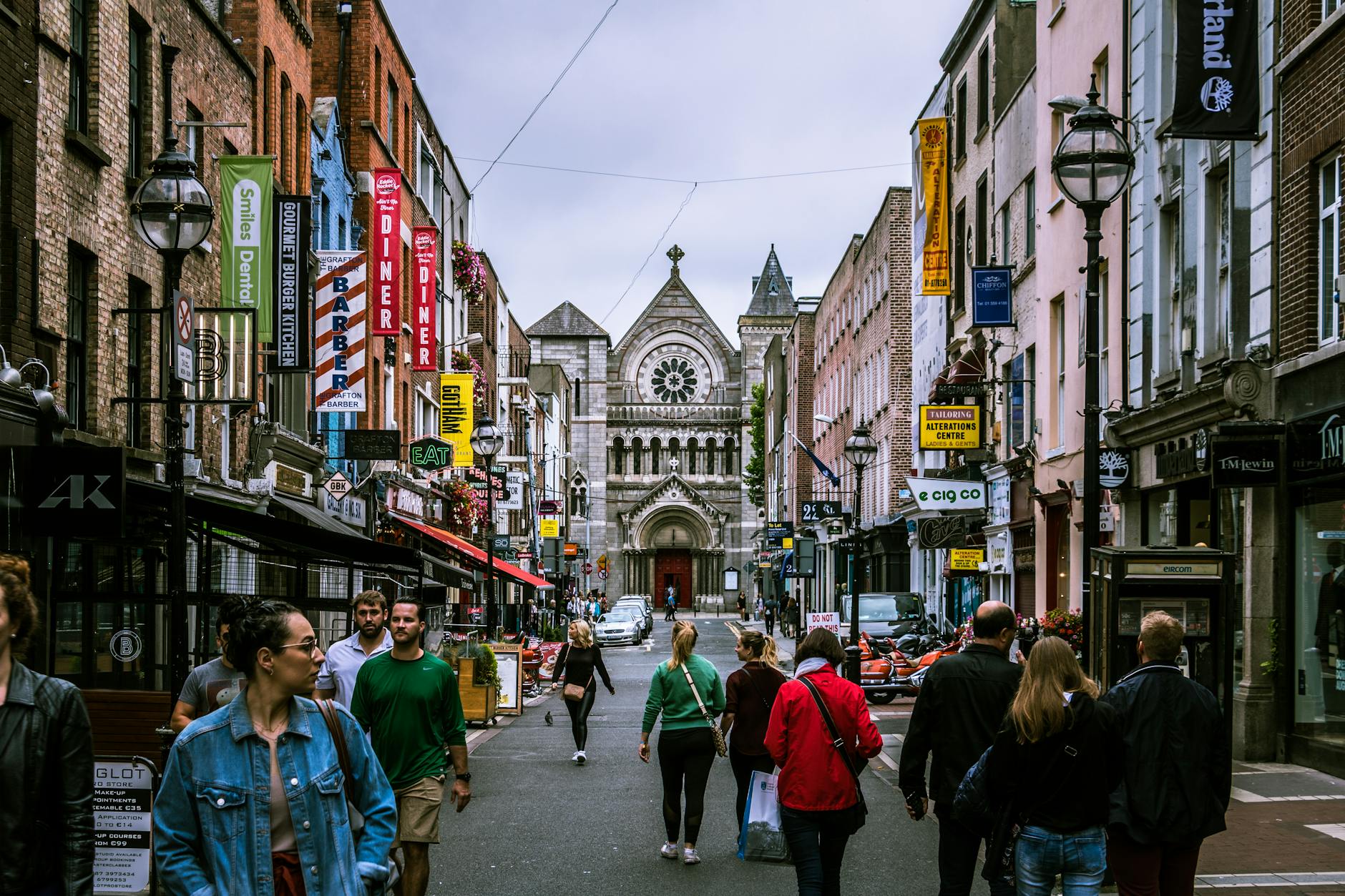
Dublin has long been one of Europe’s most welcoming cities for backpackers and students. With more than 25 hostels in the city centre, a network of free attractions, abundant student discounts, and a famously warm pub culture, the Irish capital balances big-city excitement with manageable budgets. This comprehensive backpacker and student guide covers everything from where to sleep for under €30 a night to how to eat, drink, get around, and party on a shoestring. Whether you’re a gap-year traveller, a study-abroad student, or an Interrailer making Dublin a stop on a longer European trip, this guide will help you experience the city like a local without burning through your travel fund.
If you are still building the shape of your trip, the Dublin on a budget guide covers how this fits with the rest of the city.
Why Dublin is a Great Destination for Backpackers
Dublin earns its reputation as a backpacker-friendly city through a unique combination of factors. The city is compact — you can walk from St Stephen’s Green to the Guinness Storehouse in 25 minutes — meaning you rarely need transport. Most major attractions cluster within a 1.5 km radius of O’Connell Bridge, the literal centre of the city. Many of Dublin’s top museums, from the National Museum of Ireland to the National Gallery, are completely free. Students and under-26s get discounts almost everywhere, from Dublin Bus fares to the Book of Kells exhibition. And the city’s pub culture means you can spend an entire evening at a traditional Irish music session nursing a single pint without judgement.
English is the primary language, which removes a major friction point for first-time European travellers. The city is generally safe with a low rate of serious crime against tourists, although you should follow normal big-city precautions. Public transport is straightforward, with a single Leap Card covering bus, tram, and rail. And the famous Irish friendliness is no myth — locals genuinely welcome visitors and are happy to give directions, recommend pubs, or share a chat. For your full pre-trip orientation, our Dublin Travel Tips pillar covers everything you need to know.
Best Hostels and Cheap Stays in Dublin
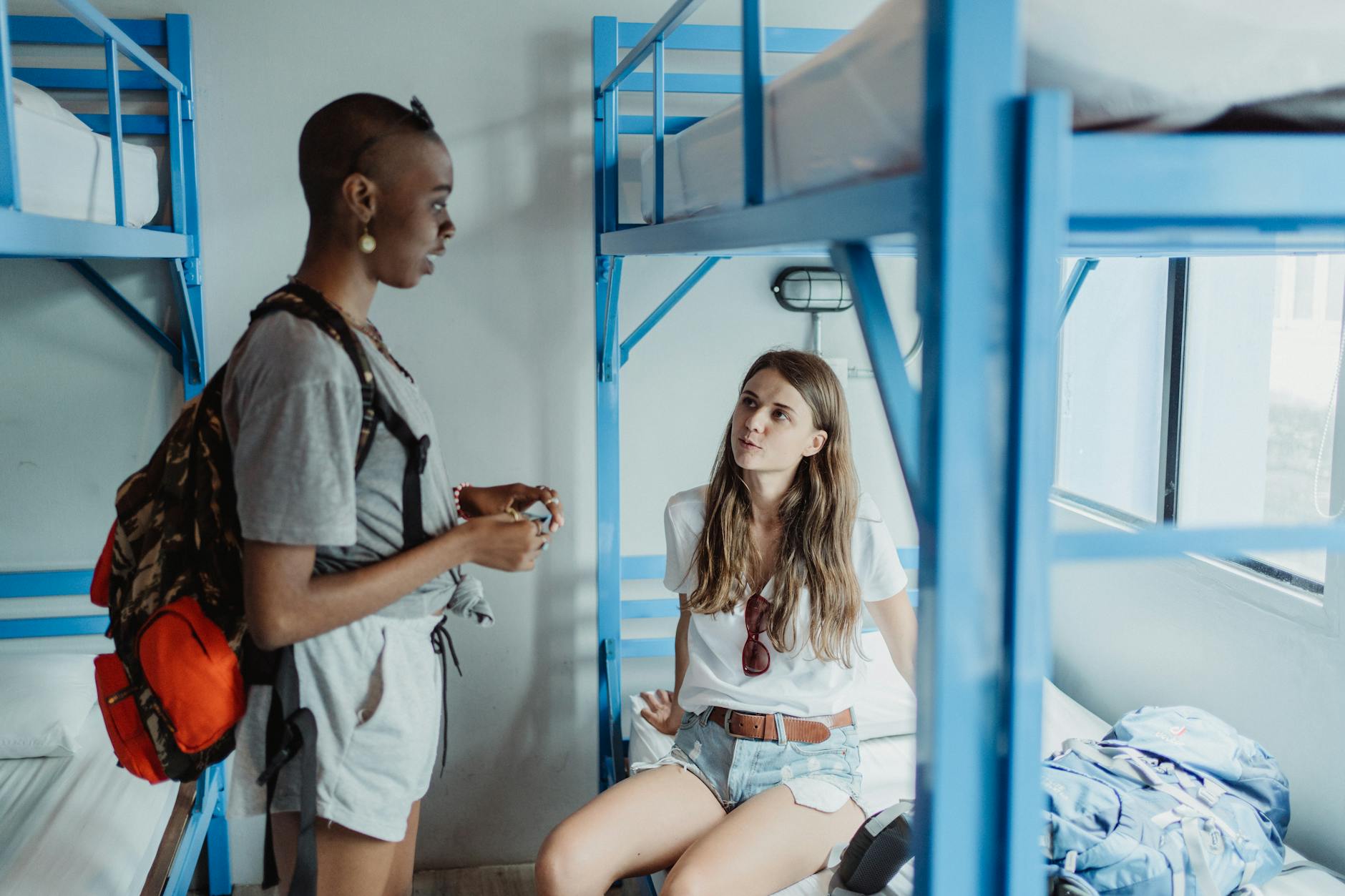
Hostels remain the backpacker’s best friend in Dublin, with dorm bed rates typically €20–35 per night for a basic 8–12 bed room, climbing to €30–45 for smaller 4–6 bed dorms. Private twin or double rooms in hostels run €55–90 — cheaper than most hotels and useful if you’re travelling with a partner or friend. Prices peak around St Patrick’s Day, the Six Nations rugby weekends, and major concerts, when rates can double. Book ahead during these windows or expect to pay premium prices for whatever is left.
Top hostel recommendations
- Generator Dublin — Smithfield, the most stylish hostel in Dublin with a bar, cafe, and chiller social spaces. Dorms from €25.
- Abbey Court Hostel — Quays location, sociable atmosphere, included breakfast. Dorms from €22.
- Jacobs Inn — Connolly Station area, modern facilities, great for first-night arrivals. Dorms from €26.
- Isaacs Hostel — A Dublin institution, garden, music in the evenings, central location. Dorms from €24.
- Kinlay House Dublin — Christchurch, friendly staff, kitchen with free pasta and tea. Dorms from €23.
- The Times Hostel — Camden Street location, smaller and quieter than party hostels. Dorms from €28.
- Ashfield Hostel — D’Olier Street, close to Temple Bar without being inside the noise zone. Dorms from €25.
Every Dublin hostel includes free WiFi, lockers (bring your own padlock or buy one for €5 at reception), bedding, and a self-catering kitchen. Most offer either free breakfast or a cheap breakfast option for €3–5. Some hostels run their own pub crawls, free walking tours, or social events — great ways to meet other travellers. For our comparison of the cheapest sleeping options, see our Budget Hotels and Hostels Dublin guide.
Alternatives to hostels
If hostels aren’t your style, Dublin has growing alternatives for budget travellers. University accommodation at Trinity College, UCD, and DCU opens to non-students during summer breaks (mid-June through August) with single en-suite rooms from €55–80 a night. Couchsurfing has a small but active Dublin community. Workaway and Worldpackers list hostel volunteer positions where you work 3–4 hours a day in exchange for free accommodation — a brilliant way to extend a Dublin stay on a tight budget. Camping is limited within the city, but Camac Valley Caravan Park near the M50 offers pitches from €15 a night for tent campers.
Getting to Dublin Cheaply
Dublin Airport is the main entry point for international backpackers. Budget airlines Ryanair, Aer Lingus, and easyJet fly cheap from across Europe — book 6–8 weeks in advance for the lowest fares, and avoid weekend departures when possible. From the UK, ferries from Holyhead, Liverpool, and Cherbourg/Roscoff (France) reach Dublin Port, though these are mainly worthwhile if you’re bringing a car or want a slow-travel experience. From Belfast, the Enterprise train reaches Dublin Connolly in 2 hours 15 minutes for €15–25 if booked in advance.
From the airport, Dublin Express coaches (routes 782 and 784) run to the city centre from €9 single if you book online. The Aircoach service runs to specific city points for €8. Dublin Bus route 16 is the slowest option at 90 minutes but costs just €2.60 cash, or €2.00 with a Leap Card. Taxis from the airport cost €25–35 depending on traffic. See our complete Dublin Airport to City Centre guide for all options compared.
Student Discounts and ID Cards in Dublin
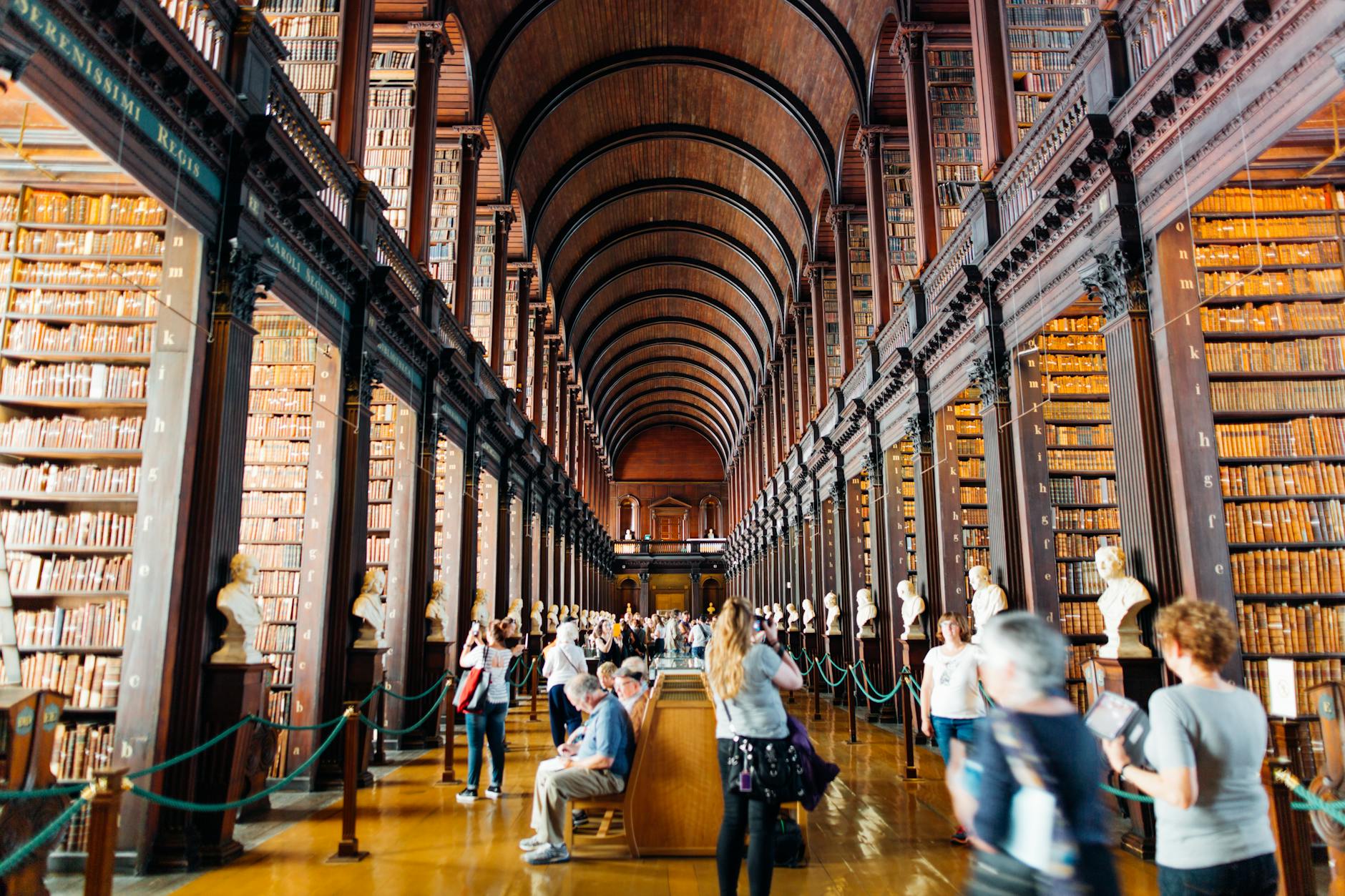
If you have a valid student ID, you’ll save significantly across Dublin. An International Student Identity Card (ISIC) for €15 pays for itself within a day of sightseeing — attractions like the Book of Kells exhibition, Guinness Storehouse, EPIC The Irish Emigration Museum, Kilmainham Gaol, and Dublin Zoo all offer student discounts of 10–25%. Most museums and galleries, including Dublinia, the Little Museum of Dublin, and Museum of Literature Ireland, offer reduced student admission.
Beyond attractions, students get discounted Dublin Bus, DART, and Luas fares with a Student Leap Card, and daily spending on it is capped at €3. The card is available for any full-time student in Ireland but visiting students with valid international IDs can sometimes obtain one if you can prove enrolment. Many Dublin restaurants offer student lunch deals: Boojum, Pablo Picante, KC Peaches, and Camile Thai all run weekday student meal specials for €7–9. Cinemas, including the IFI Cinemathèque and Light House Cinema, offer student-discounted tickets at €8–9 versus €12 standard. Theatre tickets at the Abbey, Gate, and Gaiety often have under-26 deals from €15.
Cheap Food for Backpackers
Eating cheaply in Dublin is entirely possible if you know where to look. Self-catering is the absolute cheapest option — a weekly Lidl or Aldi shop costs €25–35 per person for breakfast, lunch, and dinner ingredients. Both chains have multiple city centre locations including the Liberties, Talbot Street, and Phibsborough. Most hostels include a self-catering kitchen, and some keep communal staples (oil, salt, basic spices) free for guests.
When eating out, target weekday lunch menus where Dublin’s best restaurants run set menus at half their dinner prices. Two-course lunches at gastropubs, Asian restaurants, and Italian places typically cost €12–18 versus €25–35 for the same food at dinner. Boojum burritos at €9, Camile Thai boxes at €10, and pizza slices at Forno 500 for €4 form the backpacker food backbone. The takeaway counters at Centra, Spar, and Tesco sell hot chicken rolls and sandwiches for €5–7. For full cheap eating intelligence, see our Cheap Food Dublin guide.
Free food tricks for the very broke
- Many Dublin pubs put out free bar food on Sunday evenings — usually cocktail sausages, chicken wings, or sandwiches. The Stag’s Head and Toner’s have done this for years.
- Several cafes including KC Peaches and Brother Hubbard sell yesterday’s pastries at 50% off in the late afternoon.
- Lidl’s €3 hot rotisserie chicken can be stretched into three meals.
- Markets at Smithfield and Temple Bar throw out unsold produce on Saturday evenings.
- The Too Good To Go app lists Dublin cafes and restaurants offloading end-of-day stock at €3–5 per bag.
Free Things to Do for Backpackers in Dublin
Dublin’s greatest gift to budget travellers is its sheer volume of free attractions. The National Museum of Ireland has two free Dublin branches open to visitors: Archaeology on Kildare Street (including the Tara Brooch and bog bodies) and Decorative Arts at Collins Barracks. The third, Natural History (the “Dead Zoo”), has been closed for refurbishment since September 2024. The National Gallery of Ireland on Merrion Square holds works by Caravaggio, Vermeer, and Monet, all free. Chester Beatty Library — voted one of Europe’s best museums — charges no admission (closed until January 2027).
Free walking tours leave daily from City Hall and Trinity College front gate, typically running 2.5–3 hours. Tip the guide €8–15 based on what you can afford. These tours are excellent for first-day orientation and meeting other backpackers. Phoenix Park is free to enter and contains the President’s residence, herds of wild fallow deer, and the Wellington Monument. The North Bull Island wildlife reserve in Clontarf is free with a beach and migratory birds. Walking the Liffey from Heuston to the Sea Point is a half-day adventure in itself. See our Free Things to Do in Dublin guide for the comprehensive list.
Dublin Nightlife on a Backpacker Budget
Dublin’s nightlife reputation precedes it, but enjoying it on a budget takes some planning. The biggest mistake new backpackers make is heading straight to Temple Bar — where pints cost €8–10 versus €5.50–6.50 elsewhere. Save Temple Bar for one mandatory tourist-trap night (it’s worth seeing at least once) and spend the rest of your nights at more authentic, cheaper pubs.
Best cheap drinking spots
- P. Mac’s — Stephen Street Lower, candle-lit, board games, craft beer at fair prices.
- The Long Hall — South Great George’s Street, Victorian classic with traditional pints.
- Grogan’s Castle Lounge — South William Street, students’ perennial favourite with the famous toasties.
- Mulligan’s — Poolbeg Street, possibly the best Guinness in Dublin at standard prices.
- The Cobblestone — Smithfield, free trad music sessions almost every night.
- Hogan’s — South Great George’s Street, student favourite, regular DJ nights.
- Doyle’s — College Street, Trinity students’ haunt with affordable pints.
Most hostels run nightly pub crawls for €15–20 including 4–5 venues and free shots — cheaper than buying your own drinks and a great way to meet people. Wetherspoon’s Forty Foot in Dún Laoghaire sells pints for under €4 if you make the DART journey. Beat the Streets Festival, Whelan’s Wednesday gigs, and Workman’s free club nights offer Dublin nightlife at no or low cost. Many pubs have free trad music sessions — The Cobblestone and O’Donoghue’s are the classic spots. For more, see our Dublin Nightlife guide.
Getting Around Dublin on a Backpacker Budget
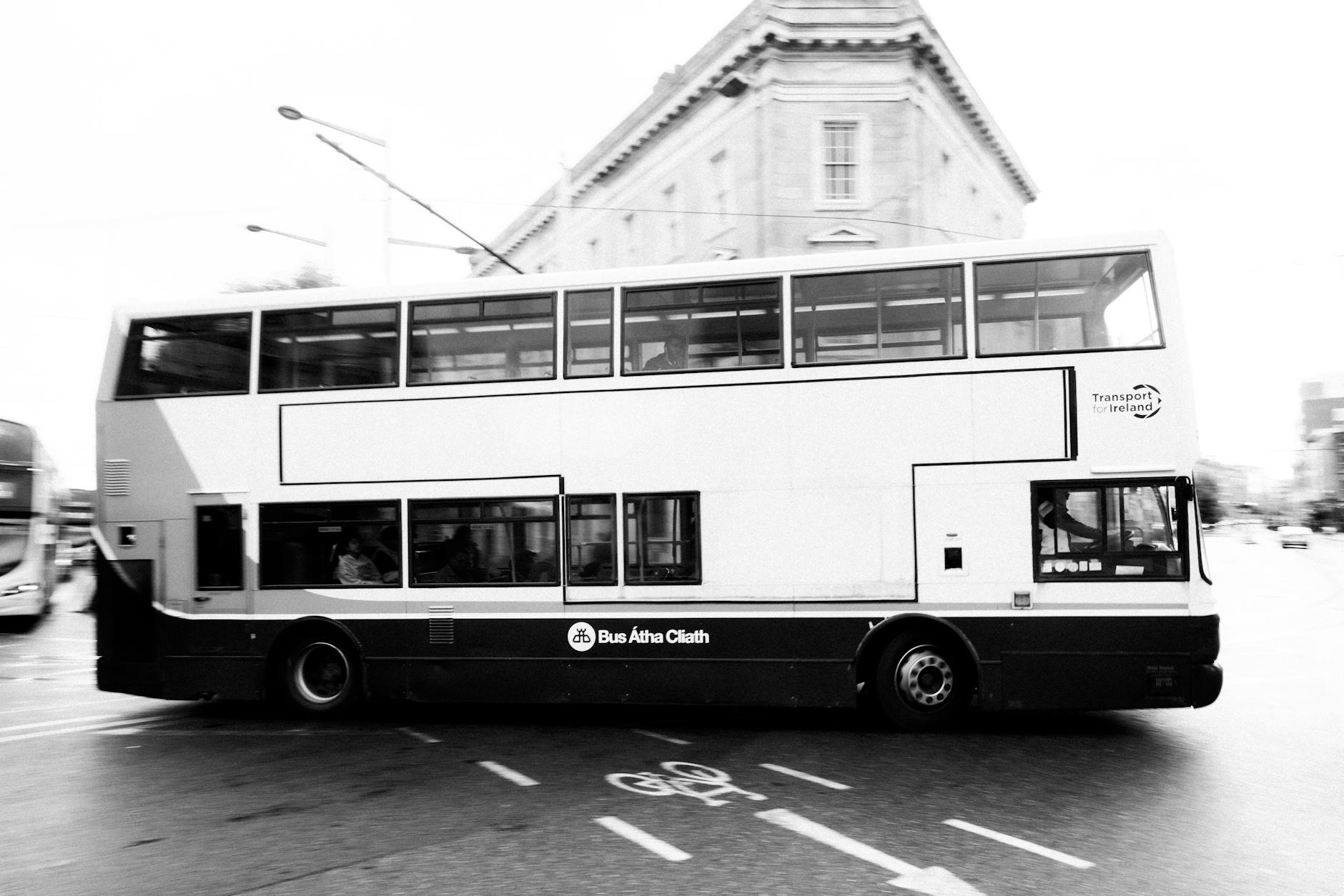
Dublin city centre is genuinely walkable — you can cross it on foot in 30 minutes. Most days, you simply won’t need transport. For everything else, buy a Leap Card from the airport or any Spar/Centra for a €5 refundable deposit. With Leap, a single bus fare is €1.50 for a short hop or €2.00 for a longer trip, and there’s a daily cap of €6 (or €3 if you’re under 24 with a Young Adult Leap). The Leap Visitor Card costs €18 for 72 hours, exactly what three capped days on a standard Leap would cost — so for most backpackers, pay-as-you-go works out the same or cheaper, because the days you walk cost nothing.
Dublin Bikes lets you rent a city bike for €5 for three days of unlimited 30-minute rides. With 100+ stations across the city, it’s ideal for getting between hostel and attractions if you don’t want to walk. The DART (Dublin’s coastal train) runs from Howth in the north to Greystones in the south, opening up cheap day trips: Howth fishing village, Dún Laoghaire pier, Killiney Hill, and Bray seafront all reachable for €3–5 each way. See our Leap Card Guide for all the savings details.
Meeting People as a Solo Backpacker in Dublin
Dublin is one of the easiest European cities for solo travellers to meet others, thanks to a combination of social hostels, walkable pub culture, and genuinely friendly locals. The best places to make new friends are hostel common rooms in the evenings, free walking tour groups in the mornings, and trad music sessions in the early evening (around 7–9pm) before they get too packed. Boundary Brewing, Five Lamps Brewery, and The Beer Market run brewery tours and tap takeovers that draw a sociable mixed-international crowd.
Couchsurfing Dublin hosts weekly meetups, usually Tuesday nights at rotating pubs. Internations and Meetup.com list dozens of language exchanges and travel meetups weekly. Trinity College and University College Dublin run summer programmes that bring international students to the city — bars near these campuses (Doyle’s, O’Neill’s, The Pavilion) attract a young multinational crowd. For solo female travellers specifically, our Solo Travel Dublin guide has specific safety and social advice.
Cheap Day Trips for Backpackers
Dublin’s biggest backpacker secret is how easy it is to take cheap day trips outside the city using the DART or Dublin Bus. Howth and its cliff walk reach by DART in 25 minutes for €3. Bray, a 45-minute DART ride south, and Greystones beyond it still make cheap seaside trips, though the cliff walk between the two is closed until further notice after landslides. Glendalough monastic city and Wicklow Mountains hiking are 90 minutes by St Kevin’s Bus from St Stephen’s Green for €13 each way. Newgrange ancient burial mound reaches by Bus Éireann from Busáras for €15–18 each way.
For multi-day backpacker adventures, the Galway-Connemara-Aran Islands route makes a budget-friendly Ireland highlights tour. Hostels in Galway (Sleepzone, Snoozles) charge €25–35 a night. Aran Island ferries cost €25 return from Rossaveal. The Cliffs of Moher day tour from Dublin runs at €55–70 including all transport and entry — cheaper than doing it independently by public transport. See our Day Trips from Dublin pillar for more.
Sample Daily Backpacker Budget in Dublin
Realistic daily budgets for backpackers in Dublin break down as follows. A genuinely shoestring traveller can survive on €45–55 per day: €22 hostel dorm, €5 supermarket breakfast, €8 supermarket lunch, €10 cheap dinner, €5 pint, €3 transport, €2 misc. A comfortable backpacker budget runs €70–85 per day: €30 hostel, €7 cafe breakfast, €12 lunch, €18 dinner, €15 two pints, €5 transport. A flashpacker (better hostels, more eating out, more activities) budgets €100–120 per day. For a full breakdown comparing budget types, see our Dublin Trip Cost guide.
Safety Tips for Backpackers in Dublin
Dublin is generally safe for backpackers and students, but follow normal big-city precautions. Pickpocketing happens on busy O’Connell Street, Henry Street, and Grafton Street — keep your phone and wallet in zipped front pockets. Avoid walking alone late at night through Sheriff Street, Mountjoy Square, and parts of Summerhill, especially after midnight. Don’t flash expensive electronics in pubs or buses. Always agree taxi fares before getting in if not using the FreeNow app meter.
Hostels in Dublin are generally safe but always lock valuables in the provided lockers — bring or buy a padlock. Don’t leave passports, cash, or laptops on top of beds when you go out. Take a photo of your passport and email it to yourself in case of loss. The European Health Insurance Card (EHIC) or its replacement GHIC entitles EU/UK citizens to free emergency healthcare. Non-EU backpackers should arrange travel insurance — a torn ligament or appendicitis can cost €5,000+ without insurance. Our Is Dublin Safe and Travel Insurance guides cover these topics in depth.
Sample One-Week Dublin Backpacker Itinerary
A week in Dublin gives you time to see the major sights, take day trips, and experience the city like a temporary local. Day 1: Arrive, settle into hostel, join free walking tour, evening pub crawl. Day 2: Trinity College and Book of Kells, National Museum (free), Temple Bar evening. Day 3: Guinness Storehouse, Kilmainham Gaol, dinner in the Liberties, trad session at The Cobblestone. Day 4: DART to Howth, cliff walk, fish and chips at Beshoffs, return for hostel dinner. Day 5: Day trip to Glendalough and Wicklow Mountains, evening at a local pub. Day 6: Day trip to Galway or Cliffs of Moher. Day 7: National Gallery (free), Chester Beatty Library (free; closed until January 2027), Phoenix Park, final night out in Smithfield. This itinerary fits comfortably within a €500–600 weekly backpacker budget.
Working in Dublin as a Backpacker
If you have an EU passport or working holiday visa, Dublin’s service economy offers reasonable backpacker work. Hospitality jobs (bar, restaurant, hostel) typically pay €12.70–14 per hour as the Irish minimum wage. Apply in person on quiet weekday afternoons with a paper CV. Hostel reception or volunteer positions often include free accommodation in exchange for 3–4 hour daily shifts — check Workaway, Worldpackers, or apply directly. Tech and finance internships are competitive but possible through Erasmus Plus programmes for European students.
Working Holiday Authorisations are available for Australian, Canadian, New Zealand, Argentine, Chilean, Hong Kong, Japanese, South Korean, Taiwanese, and US citizens (with conditions), allowing 12–24 months of work. Apply through your home country’s Irish embassy at least 8–12 weeks before you plan to arrive. You’ll need to register for a PPS number (Personal Public Service) at a Welfare office within your first few weeks, which is required for any legal work.
Dublin Backpacker Guide: FAQ
How much do hostels cost in Dublin?
Dorm beds range €20–35 a night in standard 8–12 bed rooms, rising to €30–45 in 4–6 bed dorms. Private hostel rooms cost €55–90. Prices peak during St Patrick’s Day weekend, Six Nations rugby matches, and major concerts when rates can double. Book at least 4–6 weeks ahead for popular dates.
What’s the cheapest way to get from Dublin Airport to the city?
The cheapest option is Dublin Bus route 16 at €2.00 with a Leap Card (€2.60 cash), though it takes 90 minutes. Dublin Express coaches on routes 782 and 784 go direct to the city centre from €9 booked online. The Aircoach at €8 stops at specific city points only.
Is the ISIC card worth it for backpackers in Dublin?
Yes, if you’ll visit at least 2–3 paid attractions. ISIC discounts of 10–25% at the Book of Kells, Guinness Storehouse, Dublin Zoo, EPIC Museum, and Kilmainham Gaol typically save €20–30 across a week, which more than covers the €15 card cost.
Can I drink in Dublin pubs cheaply?
Yes, but avoid Temple Bar where pints cost €8–10. Outside the tourist zone, pints cost €5.50–6.50 at most pubs and as low as €4 at Wetherspoon’s Forty Foot in Dún Laoghaire. Many neighbourhood pubs in the Liberties, Stoneybatter, and Phibsborough sell pints at €5.20–5.80.
What’s the best month for backpackers to visit Dublin?
May, June, and September offer the best combination of decent weather, longer daylight, and lower accommodation prices than peak summer. Avoid St Patrick’s Day weekend in March unless that’s your specific goal — hostel prices spike and the city is packed. January and February are cheapest but cold, rainy, and dark.
How safe are Dublin hostels?
Dublin hostels are generally safe with secure lockers, CCTV, and 24-hour reception at most properties. Always use the provided lockers (bring or buy a padlock) for passports, cash, and electronics. Don’t leave valuables on beds when going out. Choose female-only dorms if you prefer extra privacy — most major hostels offer them.
Do I need to book hostels in advance?
Yes — especially for weekends, summer months, and around major events. Book at least 2–3 weeks ahead for general travel and 6–8 weeks ahead for St Patrick’s Day, Six Nations rugby weekends, and major concerts. Walk-ins are sometimes possible Sunday through Wednesday in winter months but rarely at the best hostels.
Can backpackers work in Dublin?
EU citizens can work without restrictions. Citizens of Australia, Canada, New Zealand, Argentina, Chile, Hong Kong, Japan, South Korea, Taiwan, and (with conditions) the US can apply for Working Holiday Authorisations allowing 12–24 months of work. Hospitality jobs paying minimum wage of €12.70–14 per hour are most common.
Photo Credits
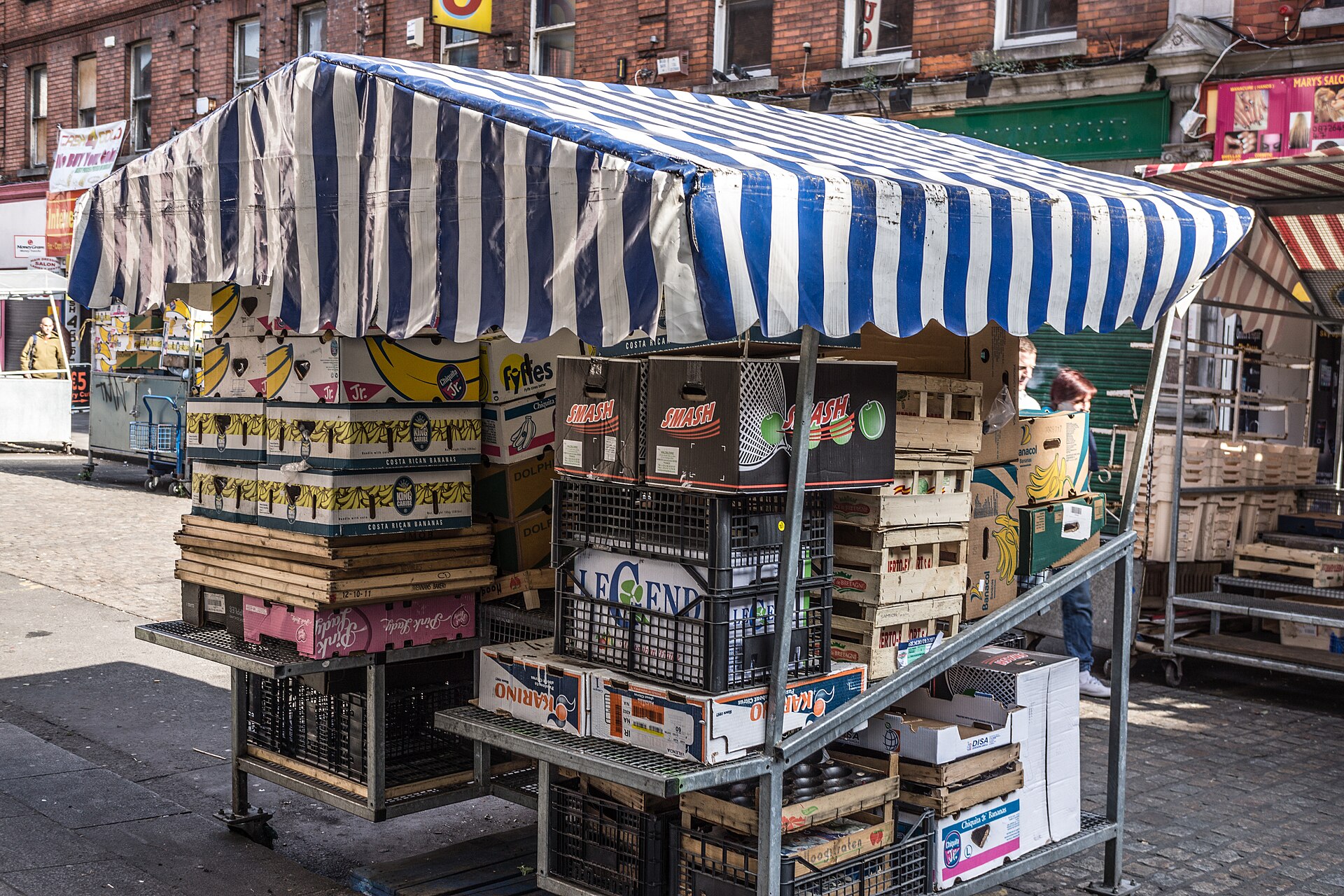
Moore Street market stall: Moore Street Market – Dublin – panoramio (3) by William Murphy, CC BY-SA 3.0, via Wikimedia Commons.
Lean na Comharthaí — Keep following the signs