Dublin in Winter, Spring, Summer & Autumn: The Season-by-Season Guide (2027)
Baile Átha Cliath ó shéasúr go séasúr — an geimhreadh, an t-earrach, an samhradh agus an fómhar
Ar an gComhartha Seo — On this sign
- Quick Answer: What Is Dublin Like in Each Season?
- Dublin’s Climate in Numbers: Month-by-Month
- Dublin in Winter (December to February)
- Dublin in Spring (March to May)
- Dublin in Summer (June to August)
- Dublin in Autumn (September to November)
- Dublin’s Events Calendar by Season (2026/27)
- Prices and Crowds Through the Year
- What to Pack for Each Season
- Which Season Should You Choose?
- Seasonal Gotchas Worth Knowing
- Dublin by Season: FAQ
- Keep Planning: Dublin Month by Month
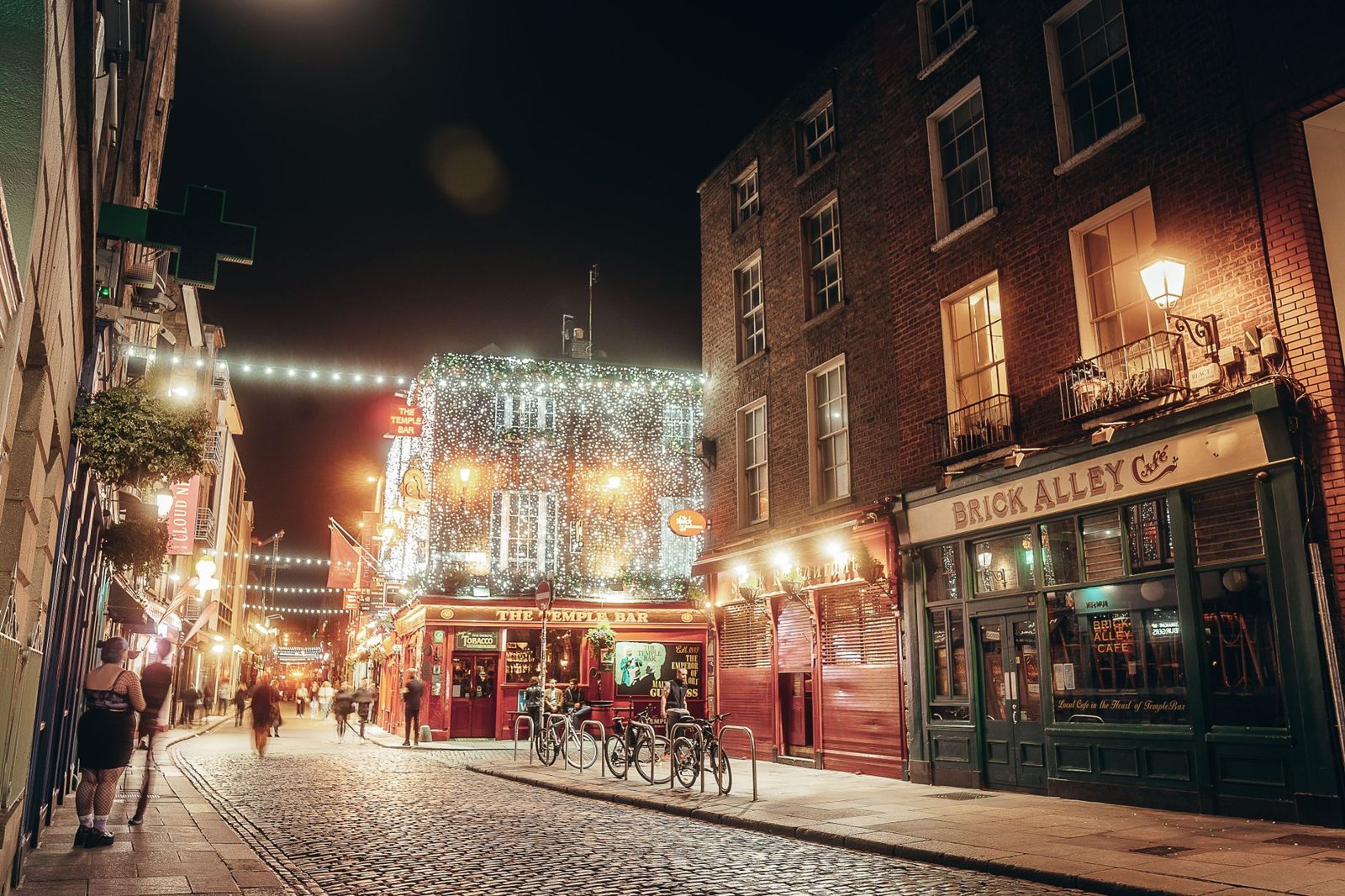
Dublin does not really do extremes. It has never hit 34°C, it almost never sees snow that lasts past lunchtime, and the difference between a January afternoon and a July one is about 11 degrees. What it does do is change character completely from season to season: a winter city of firelit pubs, illuminated Georgian squares and 4pm sunsets; a spring city of cherry blossom and St Patrick’s Day crowds; a summer city that empties onto the beaches and the Howth cliffs until ten at night; and an autumn city of theatre festivals, marathon runners and rutting deer in Phoenix Park.
This guide is the one we would hand to anyone who has already decided to come to Dublin and now wants to know what their trip will actually be like. It covers all four seasons in depth, with Met Éireann’s 30-year climate averages, daylight hours, the confirmed 2026/27 events calendar, how hotel prices and crowds move through the year, and what to pack. If you are still deciding when to come, start with our best time to visit Dublin guide and our cheapest time to visit breakdown; this page is about what happens once you have picked your dates.
Quick Answer: What Is Dublin Like in Each Season?
Winter (December to February) is cold but rarely freezing, dark by half past four, and the cheapest and quietest time to visit outside the Christmas fortnight. Spring (March to May) is the driest stretch of the year, with lengthening days and a crowd spike around St Patrick’s Day. Summer (June to August) is mild rather than hot, with 17 hours of daylight in June, the busiest streets and the highest hotel prices. Autumn (September to November) is the season locals quietly rate highest: warm seas, the big cultural festivals, good-value hotels from late September, and the wettest month of the year in October.
| Season | Typical daytime high | Daylight | Crowds | Hotel prices | Best for |
|---|---|---|---|---|---|
| Winter (Dec–Feb) | 8–9°C / 47°F | 7.5–10 hrs | Low (high at Christmas/NYE) | Lowest in Jan–Feb | Pubs, museums, festive lights, value |
| Spring (Mar–May) | 10–15°C / 50–59°F | 11–16 hrs | Medium (spike 13–17 March) | Rising; good value Apr–early May | Gardens, walks, St Patrick’s Festival |
| Summer (Jun–Aug) | 18–19°C / 64–67°F | 16–17 hrs | High | Highest (peaks in August) | Coast, beaches, outdoor festivals, long evenings |
| Autumn (Sep–Nov) | 10–17°C / 50–63°F | 9–13 hrs | Medium, falling | Falling from late September | Theatre and arts festivals, autumn colour, Halloween |
Dublin’s Climate in Numbers: Month-by-Month
Dublin sits in the rain shadow of the Wicklow Mountains, which is why it is one of the driest places in Ireland: around 760mm of rain a year, roughly half of what falls on Galway or Kerry. The catch is that the rain is spread across about 135 days, so the useful question is not “will it rain during my trip” (yes, probably) but “how much and for how long” (usually not much, and usually not for long). The table below is the 1991–2020 climate normal for Dublin Airport, which is the dataset Met Éireann uses; the city centre runs about half a degree warmer.
| Month | Avg high °C (°F) | Avg low °C (°F) | Rain (mm) | Rain days | Sun hrs/day | Sea temp °C |
|---|---|---|---|---|---|---|
| January | 8.2 (47) | 2.3 (36) | 65 | 13 | 2.0 | 9 |
| February | 8.6 (47) | 2.1 (36) | 50 | 10 | 2.5 | 8 |
| March | 10.2 (50) | 2.7 (37) | 55 | 11 | 3.5 | 7.5 |
| April | 12.3 (54) | 3.9 (39) | 55 | 11 | 5.5 | 8.5 |
| May | 15.0 (59) | 6.4 (44) | 60 | 11 | 6.0 | 10.5 |
| June | 17.7 (64) | 9.0 (48) | 65 | 10 | 6.0 | 13 |
| July | 19.4 (67) | 11.0 (52) | 55 | 11 | 5.5 | 15 |
| August | 19.1 (66) | 10.9 (52) | 75 | 12 | 5.0 | 15.5 |
| September | 17.0 (63) | 9.1 (48) | 60 | 10 | 4.5 | 15.5 |
| October | 13.7 (57) | 6.7 (44) | 80 | 12 | 3.5 | 14 |
| November | 10.4 (51) | 4.3 (40) | 75 | 12 | 2.5 | 12.5 |
| December | 8.5 (47) | 2.6 (37) | 75 | 13 | 1.5 | 10.5 |
Three things stand out. February, March and April are the driest months, not summer. August is wetter than January. And the sea is warmest in September, which is why Dublin’s swimming spots are busier in early autumn than in June. Sunshine is the real seasonal variable: December averages an hour and a half a day, June and May average six. For a fuller discussion of what the weather feels like on the ground, see our Dublin weather and packing guide.
Daylight and the clock change
Daylight matters more than temperature for how a Dublin trip feels. Around the winter solstice on 21 December the sun rises at about 8:40am and sets at about 4:10pm, giving seven and a half hours of daylight. At the summer solstice the sun is up from roughly 5am to 10pm, and the sky stays light until nearly 11pm. Clocks go forward on the last Sunday in March (28 March 2027) and back on the last Sunday in October (25 October 2026), so late October evenings suddenly get an hour darker; if you are visiting for the Halloween bank holiday weekend, plan around a 5pm sunset.
Dublin in Winter (December to February)
Winter is the season this guide is named for because it is the one people worry about most, and the one that most rewards a little planning. The honest summary: it is cold, damp and dark, and it is also when Dublin is at its most Dublin. The pubs are full of people who live here rather than people passing through, the museums are empty on weekday mornings, and hotel rates from early January to mid-February are the lowest of the year.
Winter weather: what to expect
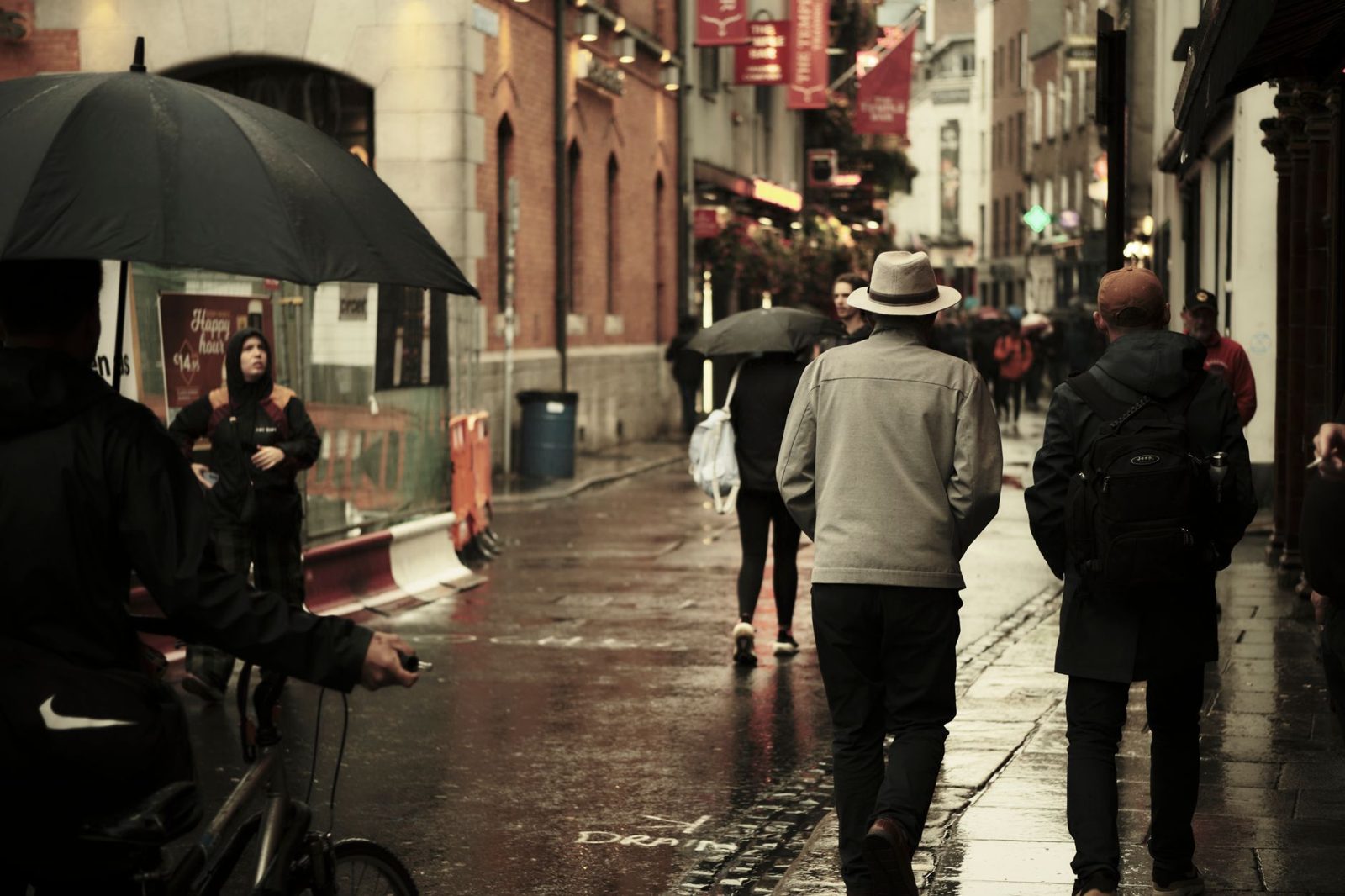
Daytime highs sit around 8°C (47°F) from December through February, with nights at 2–3°C. Frost is common on clear nights; snow is not. Dublin averages around six days a winter with any snow at all, and it usually amounts to a centimetre or two that is gone by the afternoon. The record low of −12°C in the city was set in December 2010 and is very much the exception. What you will get is wind: winter is Dublin’s windiest season, with Atlantic fronts arriving every few days. Ireland, the UK and the Netherlands name their storms jointly, and the 2026/27 list starts with Austen, Boelo and Chloe; a named storm typically means a day of cancelled ferries and closed parks rather than serious disruption in the city, but it is worth checking the forecast before a day trip to Howth or Wicklow.
Rain falls on 13 days in both December and January, though February is noticeably drier at 50mm and 10 rain days, making it a better bet than its reputation. The other thing to plan for is light: at 1.5 hours of sunshine a day, December is the gloomiest month, and the useful sightseeing window is roughly 9am to 4pm. Front-load your outdoor plans and save the museums and pubs for the afternoon.
Christmas and New Year in Dublin
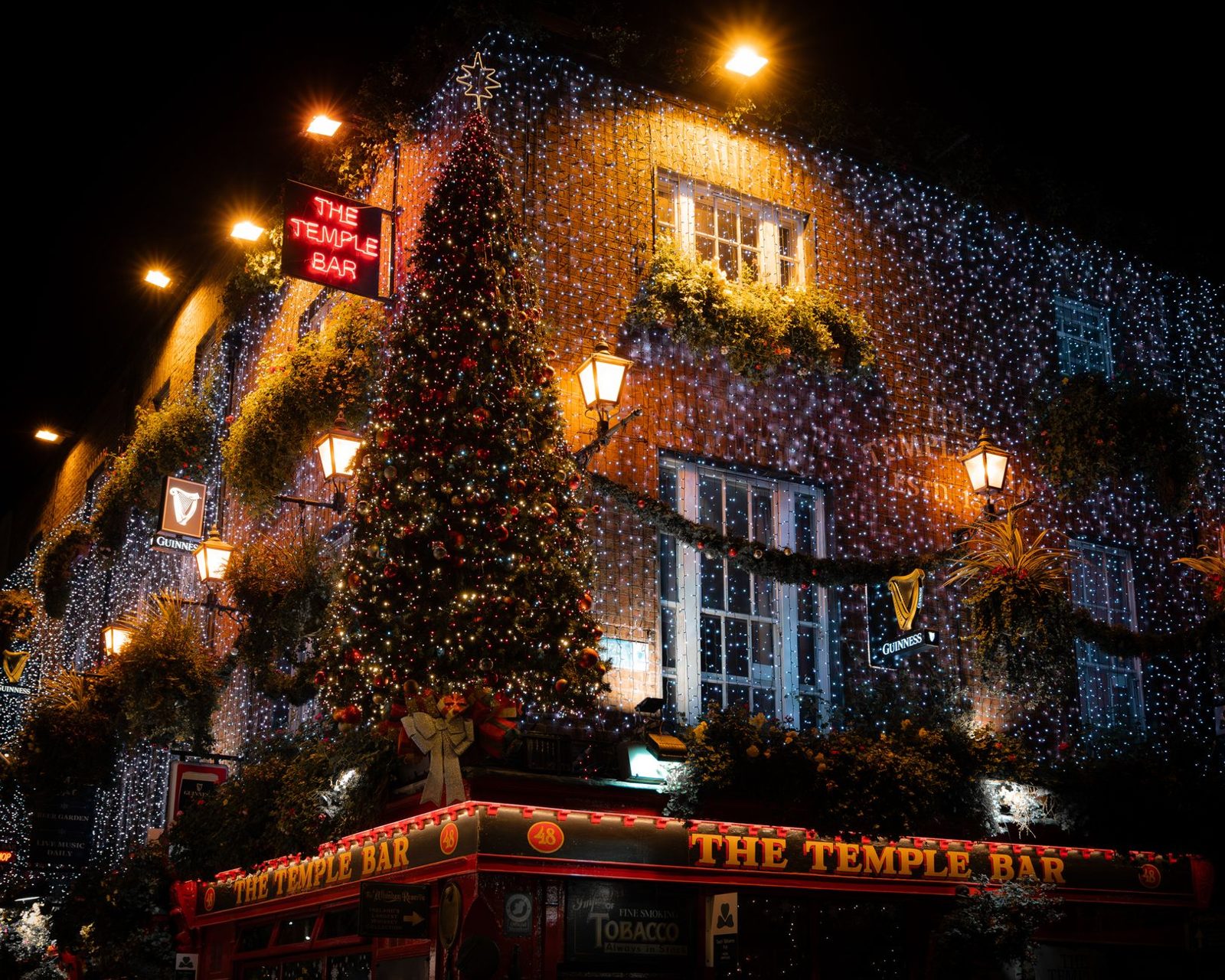
Dublin takes Christmas seriously and it starts early. The Grafton Street lights are switched on in mid-November (the exact 2026 date is usually announced by Dublin Town a few weeks ahead), and from then until early January the city centre is dressed. Dublin Winter Lights, the free illumination trail run by the city council, has lit around 25 buildings and bridges through December in recent years, including the GPO, Dublin Castle, the Ha’penny Bridge and Merrion Square; the 2026 dates should be on dublinwinterlights.ie by November.
One important correction to older guides: the Dublin Castle Christmas Market will not run in 2026, because the castle is in use for Ireland’s presidency of the EU Council from July to December. The markets that are running are TwinkleTown’s two sites: Smithfield Square (20 November to 31 December) and St Patrick’s Park (27 November to 23 December). Ice rinks usually go up at the RDS, Dundrum, Blanchardstown and Smithfield. The Gaiety panto, a Dublin institution, is Robin Hood this year, running 22 November 2026 to 3 January 2027. Our dedicated Christmas in Dublin guide has the full picture, and Dublin in December covers the whole month day by day.
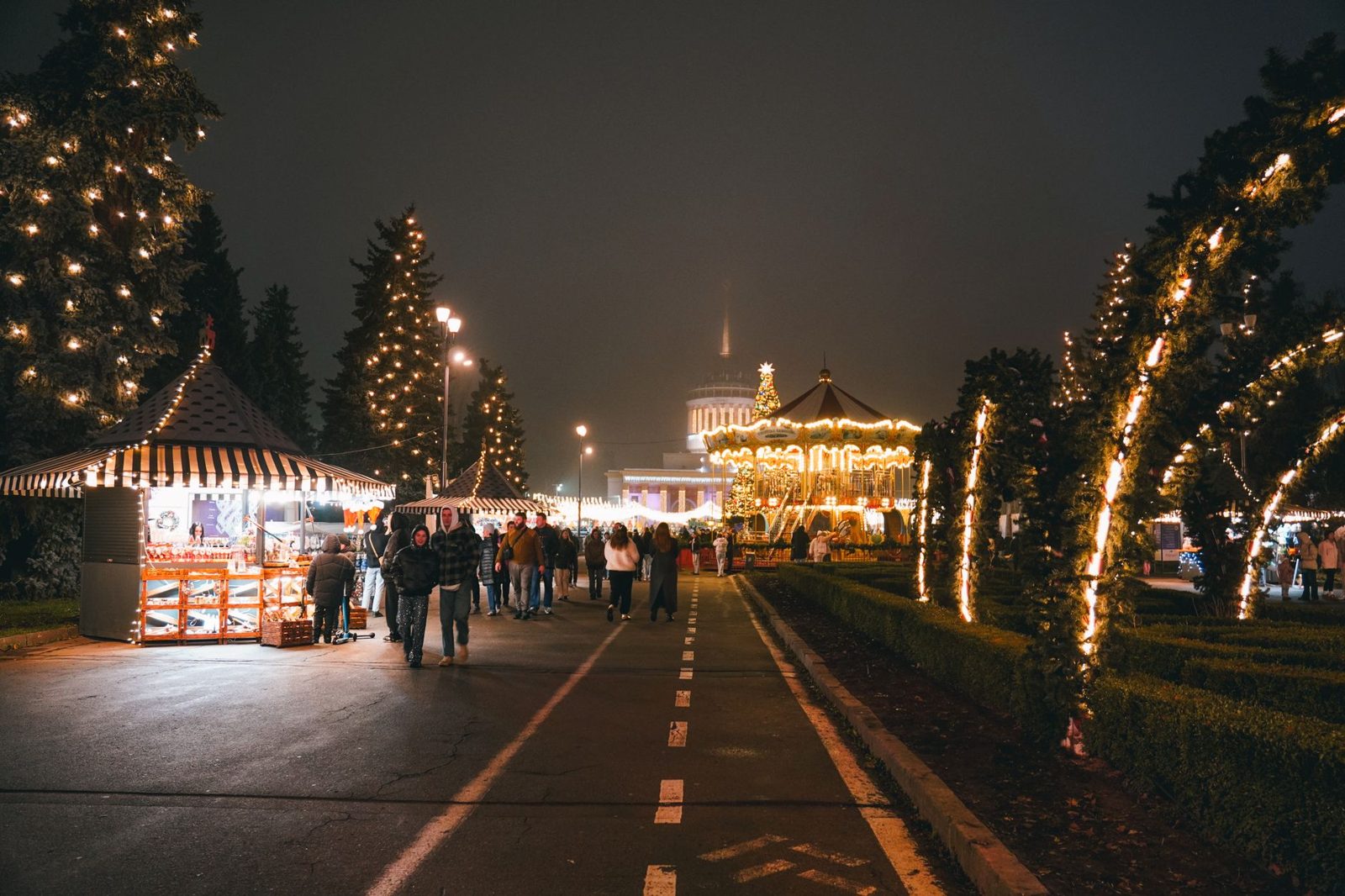
New Year’s Festival Dublin runs from 30 December 2026 to 1 January 2027, with ticketed concerts and a fireworks display that in recent years has been staged simultaneously over Howth Harbour and Dún Laoghaire Harbour rather than in the city centre. Full details are in our New Year’s Eve in Dublin guide. Two practical warnings for the festive fortnight: hotel prices spike sharply from about 22 December to 2 January, and on Christmas Day itself there is no public transport at all: no Dublin Bus, no Luas, no DART. Taxis run at a premium and are scarce. St Stephen’s Day (26 December) services resume on a Sunday timetable from about 9am. Most attractions, including the Guinness Storehouse, close on Christmas Eve, Christmas Day and St Stephen’s Day.

January and February: the quiet months
Once the New Year crowds leave, Dublin enters its cheapest six weeks. Hotels that charge €250 in August can drop below €120 midweek in January; flights from Britain and Europe are at their lowest; and the queue for the Book of Kells disappears. The January sales run on Grafton Street and Henry Street from St Stephen’s Day. TradFest, the city’s biggest traditional music festival, takes over Temple Bar and a series of unusual venues (churches, Dublin Castle, the Guinness Storehouse) from 20 to 24 January 2027; it is the single best reason to visit in January. St Brigid’s Day, Ireland’s newest bank holiday, falls on Monday 1 February 2027. The Dublin International Film Festival runs 18 to 28 February 2027, and the Six Nations brings Ireland v England to the Aviva Stadium on Friday 5 February 2027 (an 8:10pm kick-off), which fills every hotel and pub within a mile of Lansdowne Road for the weekend. Our Dublin in January guide goes deeper on off-season value.
The best things to do in Dublin in winter
Winter plays to Dublin’s strengths. The national museums (Archaeology, Natural History, Decorative Arts at Collins Barracks), the National Gallery and the Chester Beatty (closed until January 2027) are all free, all indoors and all quiet on winter weekdays. A firelit pub with a trad session, the thing most visitors picture when they think of Ireland, is at its best when it is sleeting outside; our guides to traditional pubs and live music cover where to go, and we have a dedicated round-up of the cosiest pubs with open fires and snugs coming in October. Whiskey distillery tours and the Guinness Storehouse are indoor by definition and less crowded from November to February. On a bright, cold day the Howth cliff walk and Phoenix Park are glorious, and the hardy can join the Christmas Day swim at the Forty Foot in Sandycove, a tradition that goes back more than two centuries. For everything else, our rainy-day Dublin guide is essentially a winter guide with the name changed.

Winter packing and costs
Pack for wind and wet rather than deep cold: a waterproof, hooded jacket, a warm mid-layer, gloves, a hat and shoes that can take a puddle. Leave the umbrella; the wind will turn it inside out on O’Connell Bridge. Expect to pay roughly 30–50% less for hotels in January and February than in July and August, with the sharp exception of Christmas week, New Year and the Six Nations weekend. See our Dublin trip cost breakdown for detailed daily budgets.
Dublin in Spring (March to May)
Spring in Dublin is a slow, unreliable thaw. March can feel like winter (average high 10°C) and May can feel like summer (15°C, six hours of sunshine a day), with April as the pivot. What all three months share is dryness: this is statistically the least rainy quarter of the year, and the light returns fast, with the clock change at the end of March adding an hour of evening daylight overnight.
March: St Patrick’s Festival and the spring-break crowds
March is dominated by one week. The St Patrick’s Festival 2027 runs from Saturday 13 to Wednesday 17 March, with the parade on the 17th itself starting at Parnell Square and running down O’Connell Street. Half a million people are in the city centre for the festival, a large share of them American college students on spring break, and Temple Bar becomes something to avoid unless it is the point of the trip. Hotels sell out weeks ahead at summer prices. The rest of March is quiet, crisp and good value, and Super Saturday of the Six Nations on 13 March 2027, when Ireland host France at the Aviva in the tournament finale, is another weekend to book early. Our St Patrick’s Day in Dublin guide is the essential companion, and Dublin in March covers the whole month.

April and May: gardens, blossom and the best-value weeks
Easter 2027 is early (Easter Sunday 28 March, with the Monday a public holiday), after which Dublin settles into its loveliest and least crowded stretch. The cherry blossom in Herbert Park and along the walks of the National Botanic Gardens in Glasnevin peaks in mid-April; the National Botanic Gardens are free and worth a half day. Airfield Estate in Dundrum, a working farm inside the city, has lambing in spring. The Phoenix Park deer have their fawns in June, but the park itself is at its greenest in May. Late April to mid-May is the sweet spot for hotel prices before the summer surge, typically 20–30% below July rates.

May’s events include the International Literature Festival Dublin in Merrion Square (mid-to-late May; 2027 dates are announced early in the year) and, on the June bank holiday weekend that straddles the end of spring, Bord Bia Bloom in Phoenix Park, Ireland’s biggest garden show, from 3 to 7 June 2027. Sea temperatures are still only 10°C in May, so the beaches are for walking rather than swimming, and the coastal DART villages are at their best. The Bray to Greystones cliff walk is closed until further notice because of landslides, though the DART still serves both ends.
Dublin in Summer (June to August)
Summer in Dublin is mild, long and busy. Average highs of 18–19°C mean you will wear a light jacket most evenings, and it is entirely possible for a whole summer to pass without the city touching 25°C. The flip side is daylight: 17 hours of it in June, with sunset after 9:30pm through July, which stretches every day and makes evening cliff walks, beach trips and outdoor gigs the defining summer experiences. The record 33°C set in Phoenix Park in July 2022 shows heatwaves can happen, but plan for 20°C and be pleasantly surprised.
Summer weather and the coast
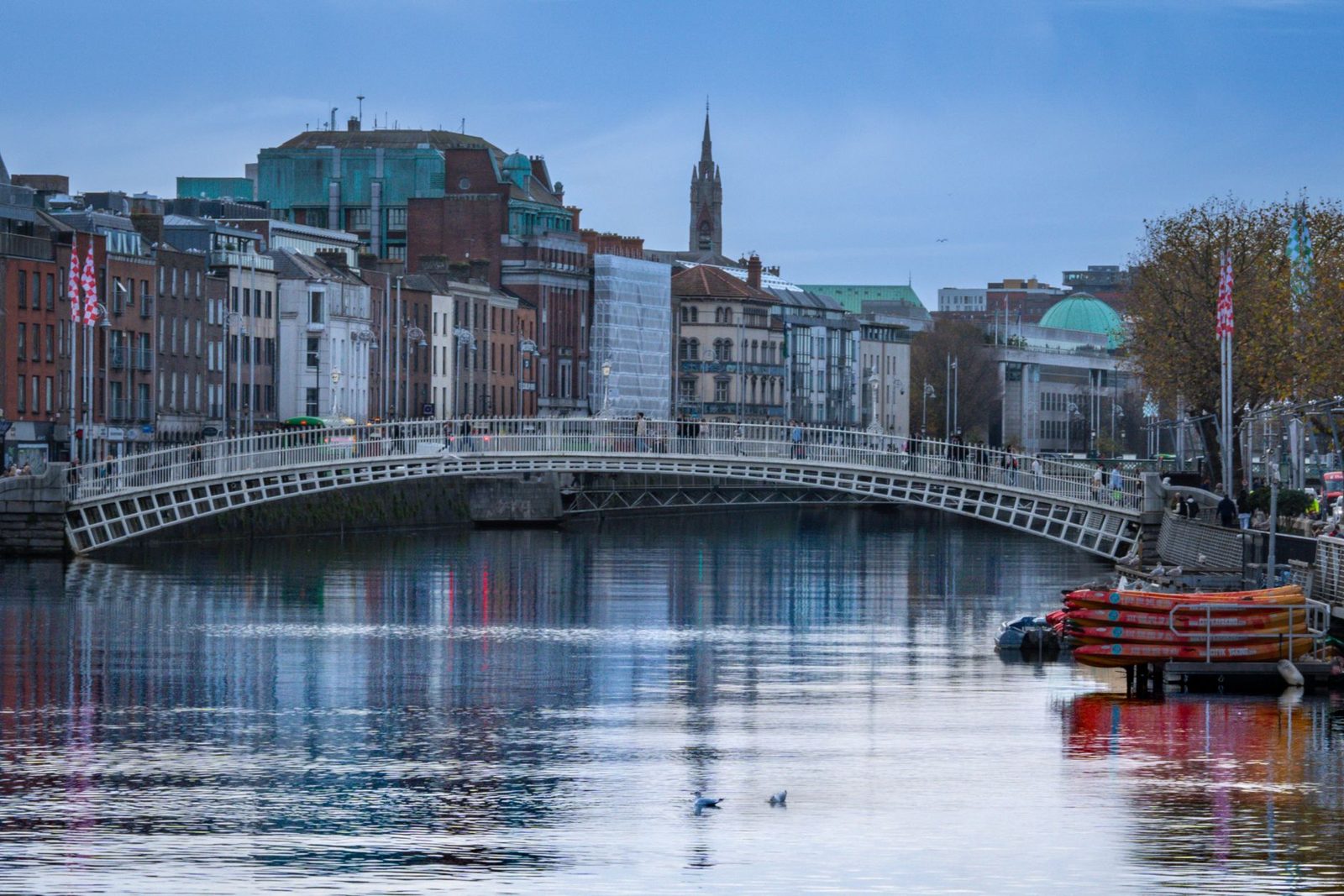
Rain does not disappear in summer. August is actually one of the wetter months (75mm over 12 days), and June has more rain days than February. Showers tend to be short and the air warm, so a shower jacket is enough. The sea reaches 15°C in July and 15.5°C in August and September, which is the point at which the Forty Foot, Seapoint, Dollymount and the Vico baths fill with swimmers; our Dublin beaches guide covers where to go. On a warm evening, the coast road from Sandymount to Dún Laoghaire and the harbour at Howth are where Dublin goes.

Summer events 2027
Summer is festival season and the calendar fills up quickly. Forbidden Fruit takes over the grounds of the Royal Hospital Kilmainham on 5 and 6 June 2027; Bloomsday, the celebration of James Joyce’s Ulysses, is always 16 June (a Wednesday in 2027) with a week of readings, walks and Edwardian dress around it (see our Joyce’s Dublin guide); Taste of Dublin brings the city’s restaurants to Merrion Square for four days in mid-June; Dublin Pride 2027 runs from Thursday 24 to Sunday 27 June with the parade on Saturday the 26th; Live at the Iveagh Gardens stages open-air concerts through July; Longitude returns to Marlay Park in July; and the Dublin Horse Show fills the RDS from 4 to 8 August 2027. The All-Ireland hurling and football finals at Croke Park are usually in late July and August; the 2027 dates depend on a GAA Congress vote in early 2027. Free outdoor cinema runs in Marlay Park and at Rathfarnham Castle. Our Dublin summer events guide has the details and our music festivals guide covers tickets.

Summer crowds and prices
This is peak season. Dublin hotel occupancy runs above 83% across the year and hits its ceiling in July and August, when the average daily rate reaches around €200 and the well-reviewed mid-range hotels sell out weeks ahead. The Guinness Storehouse, Book of Kells and Kilmainham Gaol all need advance booking; Kilmainham in particular sells out days ahead in summer. If you are coming in July or August, book accommodation first and everything else second, and consider staying slightly out (Ranelagh, Drumcondra, Dún Laoghaire) where prices are gentler and the Luas or DART gets you in within 20 minutes. Our where to stay in Dublin guide breaks this down by area.

Dublin in Autumn (September to November)
If you asked a Dubliner which season to visit, a surprising number would say September. The sea is at its warmest, the days are still 13 hours long, the summer crowds thin out the week the schools go back, and the cultural calendar is the busiest of the year. By November the city has switched into its winter mode, with the Christmas lights on and the first cold snaps, but the weeks between are Dublin’s best-kept secret.
September and October: festival season
Autumn 2026 is packed. The Dublin Fringe Festival runs 5 to 20 September, Culture Night on Friday 18 September opens hundreds of venues for free until late, the Dublin Theatre Festival runs 24 September to 11 October, and Open House Dublin throws open architecturally significant buildings from 10 to 18 October. The Dublin Marathon is on Sunday 25 October 2026, the bank holiday weekend, when 22,000 runners close a loop of roads around Phoenix Park and the south city; if you are not running, it is a brilliant free spectator event, and if you are driving, it is a day to avoid. The Bram Stoker Festival, Dublin’s Halloween celebration named for the Dracula author who was born here, takes over the same bank holiday weekend from 23 to 26 October with parades, light shows and late-night events; our Halloween in Dublin guide has the full programme. October is the wettest month of the year (80mm) and the clocks go back on the 25th, so the marathon and Halloween weekend is also the moment the evenings suddenly close in. Everything else about the month is in Dublin in October.
Autumn colour and the Phoenix Park rut
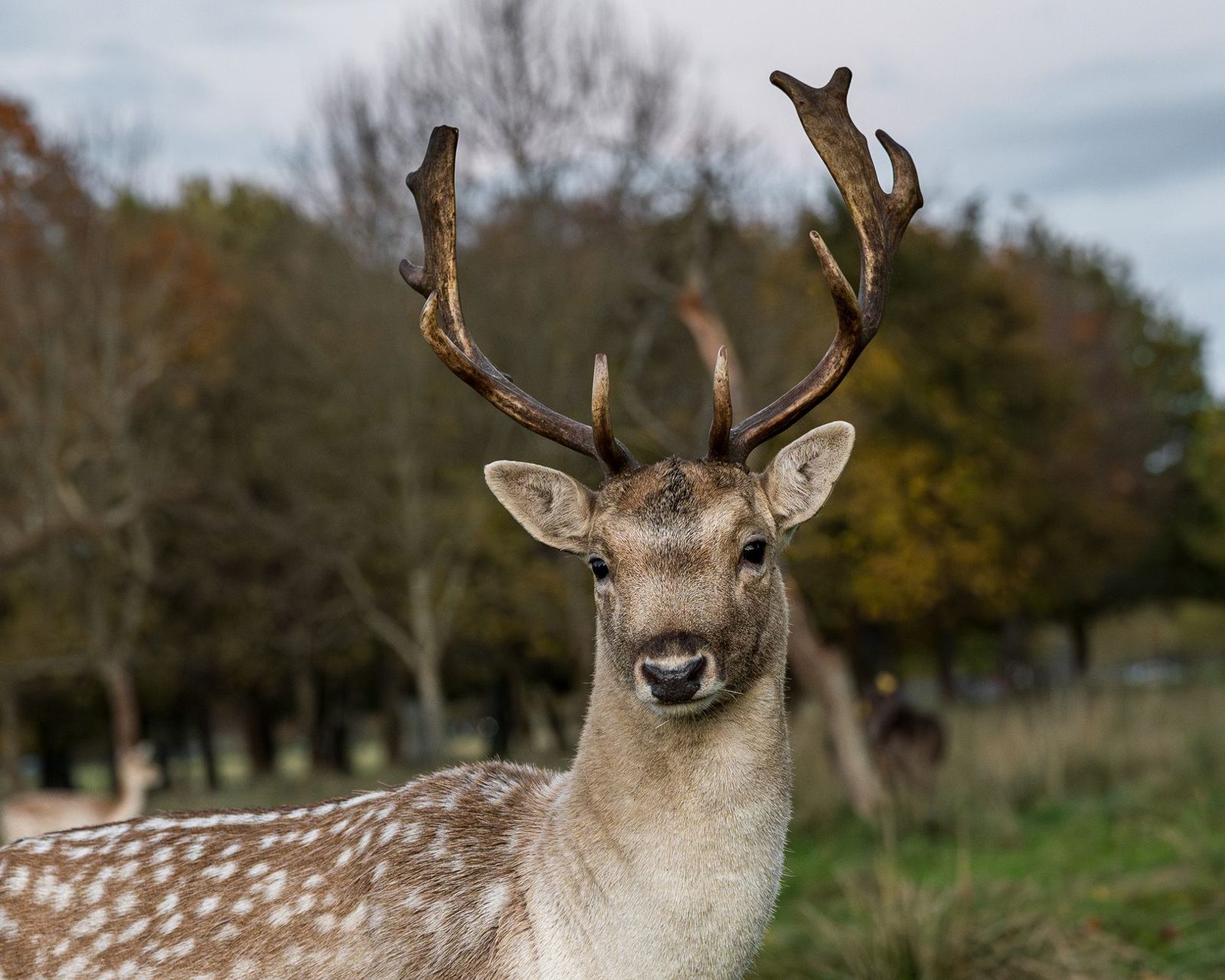
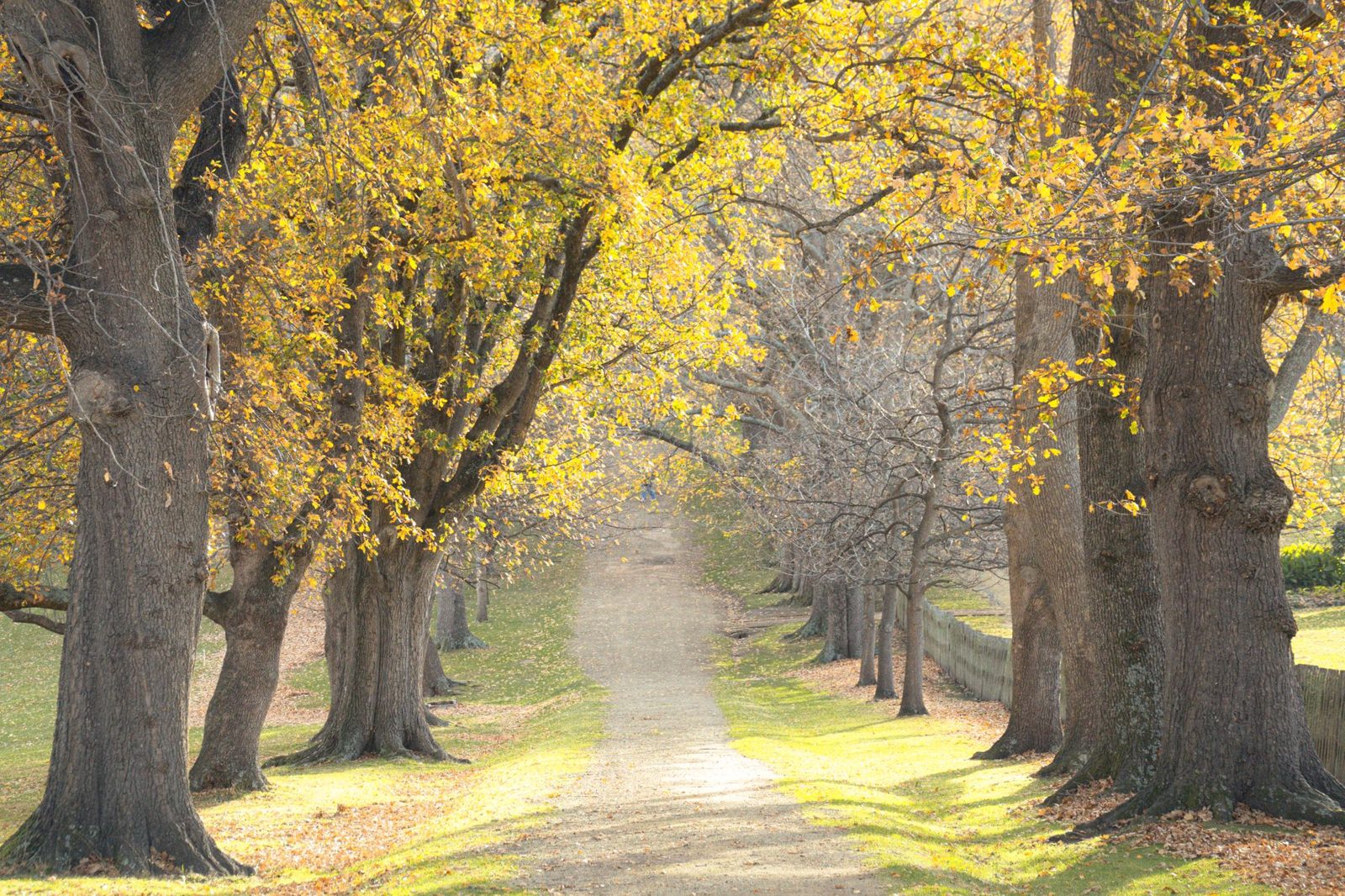
Dublin is not New England, but it has more autumn colour than people expect. Phoenix Park’s avenues of oak and beech turn from late September and peak in late October, which coincides with the deer rut: the park’s herd of around 600 fallow deer has been there since the 1660s, and from mid-October to early November the bucks bellow, posture and clash antlers across the Fifteen Acres at dawn and dusk. Keep at least 50 metres back. The National Botanic Gardens, St Anne’s Park in Raheny, the Iveagh Gardens and the beech woods of Glendalough and Powerscourt in Wicklow are the other places to go for colour.
November: the shoulder of winter
November is Dublin’s quietest month for tourism and, once the Christmas lights go on in the middle of the month, one of its most atmospheric. Hotel rates sit at their lowest outside January, the Christmas markets open in the last week, and the city has the festive glow without the festive prices that arrive in mid-December. It is wet (75mm, 12 rain days) and the light is going (2.5 hours of sun a day), so this is a month for museums, theatre, distilleries, good restaurants and long lunches. Dublin in November covers it in detail.
Dublin’s Events Calendar by Season (2026/27)
| When | Event | Dates | Notes |
|---|---|---|---|
| Autumn | Dublin Fringe Festival | 5–20 Sep 2026 | Theatre, comedy, dance across the city |
| Autumn | Culture Night | Fri 18 Sep 2026 | Free late opening of hundreds of venues |
| Autumn | Dublin Theatre Festival | 24 Sep – 11 Oct 2026 | Europe’s oldest specialist theatre festival |
| Autumn | Open House Dublin | 10–18 Oct 2026 | Free architecture festival |
| Autumn | Dublin Marathon | Sun 25 Oct 2026 | Bank holiday weekend; road closures |
| Autumn | Bram Stoker Festival / Halloween | 23–26 Oct 2026 | Clocks go back 25 Oct |
| Winter | Grafton Street lights switch-on | Mid-Nov 2026 (TBC) | Watch dublintown.ie for the date |
| Winter | Christmas markets | From 20 Nov 2026 | Smithfield Square, St Patrick’s Park; not Dublin Castle in 2026 |
| Winter | Gaiety panto: Robin Hood | 22 Nov 2026 – 3 Jan 2027 | Book early for weekends |
| Winter | Dublin Winter Lights | December 2026 (TBC) | Free illumination trail, ~25 sites |
| Winter | New Year’s Festival Dublin | 30 Dec 2026 – 1 Jan 2027 | Fireworks at Howth and Dún Laoghaire |
| Winter | TradFest Temple Bar | 20–24 Jan 2027 | Ireland’s largest trad music festival |
| Winter | St Brigid’s Day bank holiday | Mon 1 Feb 2027 | Long weekend |
| Winter | Six Nations: Ireland v England | Fri 5 Feb 2027, 8:10pm | Aviva Stadium; hotels sell out |
| Winter | Dublin International Film Festival | 18–28 Feb 2027 | Premieres and talks |
| Spring | St Patrick’s Festival | 13–17 Mar 2027 | Parade Wed 17 Mar; book months ahead |
| Spring | Six Nations: Ireland v France | Sat 13 Mar 2027, 8:10pm | Super Saturday finale at the Aviva |
| Spring | Easter | 26–29 Mar 2027 | Good Friday pubs open; Easter Monday is a holiday |
| Spring | International Literature Festival Dublin | Mid/late May 2027 (TBC) | Merrion Square |
| Summer | Bord Bia Bloom | 3–7 Jun 2027 | Phoenix Park garden festival |
| Summer | Forbidden Fruit | 5–6 Jun 2027 | Royal Hospital Kilmainham |
| Summer | Taste of Dublin | Mid-June 2027 (TBC) | Merrion Square food festival |
| Summer | Bloomsday | Wed 16 Jun 2027 | Joyce readings and walks all week |
| Summer | Dublin Pride | 24–27 Jun 2027 | Parade Sat 26 Jun |
| Summer | Live at the Iveagh Gardens / Longitude | July 2027 (TBC) | Outdoor gigs; Marlay Park |
| Summer | Dublin Horse Show | 4–8 Aug 2027 | RDS Ballsbridge |
Prices and Crowds Through the Year
Dublin’s hotel market is one of the tightest in Europe, with average occupancy above 83% and a 2025 average daily rate of €174 that climbs to around €200 in August. The seasonal curve is steep. Broadly, expect January and February midweek to be the cheapest (often 40–50% below August), November and early December close behind, April and early May and late September to mid-October in the middle, and June to early September plus the festive fortnight and St Patrick’s week at the top. Event weekends override everything: any home rugby international, a big Croke Park final or a stadium concert can double rates for two nights regardless of season.
| Period | Hotel price level | Crowd level | Why |
|---|---|---|---|
| 2–20 Jan, 2–12 Feb | Lowest | Lowest | Post-Christmas lull; short days |
| Mid-Feb school midterm (15–19 Feb 2027) | Low–medium | Medium (families) | Irish schools off; attractions busier |
| 13–17 Mar | Peak | Peak | St Patrick’s Festival |
| Late Mar – mid-May | Medium | Medium | Best value-to-weather ratio of the year |
| June – early Sep | High to peak (Aug) | High | Summer holidays; longest days |
| Mid-Sep – mid-Oct | Medium, falling | Medium | Festival season; schools back |
| 26–30 Oct (midterm + Halloween) | Medium–high | High (families) | Bank holiday, marathon, Bram Stoker |
| Nov – ~20 Dec | Low–medium | Low | Lights on, markets open, prices not yet |
| 22 Dec – 2 Jan | Peak | High | Christmas and NYF; no transport 25 Dec |
One counter-intuitive point: attendance figures at individual attractions often peak in May and September rather than July, because school tours, conference traffic and good-weather short breaks stack up in the shoulder months. If a specific sight is the reason for your trip, book it regardless of season. For money-saving detail, see Dublin on a budget and how to save on Dublin hotels.
What to Pack for Each Season
The phrase locals use is “four seasons in one day”, and it is not a joke. The single most useful item in any season is a waterproof jacket with a hood; the single least useful is an umbrella. Beyond that:
- Winter: waterproof shell, warm fleece or wool mid-layer, thermal base layer for evenings, hat, gloves, scarf, waterproof shoes or boots with grip (wet cobbles in Temple Bar are lethal). Daytime is 8°C but the wind chill on the quays makes it feel colder.
- Spring: waterproof shell, light fleece, layers you can shed by lunchtime, comfortable walking shoes, sunglasses for the low sun. March still needs a hat; May rarely does.
- Summer: light rain jacket, a jumper for evenings (it will be 12°C at 10pm), sunscreen (the UV is higher than the temperature suggests), swimwear if you are brave, and closed shoes for cliff walks. Shorts are fine in July; sandals are a gamble.
- Autumn: waterproof shell, mid-layer, a warmer coat from mid-October, shoes that can handle wet leaves and mud in Phoenix Park, and a torch app for the 5pm sunsets after the clocks change.
Whatever the season, dress in layers, carry the jacket even when the morning is bright, and remember that Irish pubs, shops and hotels are warm and well heated: you will be taking layers off indoors as often as putting them on outside. Our full packing list has the detail.
Which Season Should You Choose?
There is no wrong answer, but there are better answers for different kinds of trip.
- First-time visitors who want the classic sights: late April to early June, or September. Good light, manageable crowds, everything open, the coast walkable.
- Budget travellers: mid-January to mid-February, or November. Half-price hotels and empty museums, in exchange for short days. See our cheapest time to visit guide.
- Pub, music and festive atmosphere: late November to 23 December, or TradFest in January. Lights on, fires lit, prices still sane.
- Beaches, swimming and cliff walks: July to mid-September, when the sea is 15°C and the evenings are long.
- Festivals and the arts: September and October for theatre, Fringe and Culture Night; June for Bloomsday, Pride and the outdoor gigs.
- Families: Easter, early July before Irish schools break up, or the Halloween week for the Bram Stoker Festival; see our Dublin with kids guide.
- St Patrick’s Day: 13–17 March, obviously, with the caveat that you must book by January and accept the crowds.
- Sports fans: 5 February and 13 March 2027 for the Six Nations, late July and August for the All-Ireland finals. Our guide to Dublin for sports fans is coming in November.

Seasonal Gotchas Worth Knowing
- Christmas Day has no public transport. None. If you land on 25 December, pre-book a transfer or budget €50+ for a taxi, and expect to walk everywhere else. Almost every attraction and most restaurants are closed; hotels and a handful of pubs serve Christmas lunch by reservation only.
- Good Friday (26 March 2027) is no longer dry: pubs have been allowed to open since 2018. It is not a public holiday, but banks close.
- The clocks change on 29 March 2026 and 25 October 2026, then 28 March and 31 October 2027. Phone clocks update automatically; older hotel alarm clocks do not.
- Winter opening hours are shorter at several sites: Dublin Zoo closes at 4:30pm in winter, Kilmainham Gaol’s last tour is earlier, and Howth’s seafood restaurants take a midweek day off in January. Check before you go.
- Newgrange’s winter solstice chamber illumination (19–23 December) is by lottery only, with entries closing on 30 September each year for that December; the Newgrange day trip is excellent year-round regardless.
- Named storms can cancel Irish Sea ferries and close Phoenix Park and coastal walks for a day. Met Éireann’s colour-coded warnings are reliable; orange or red means change your plans.
- Bank holidays 2026/27: 26 October 2026, 25–26 December, 1 January, 1 February, 17 March, 29 March, 3 May, 7 June and 2 August 2027. Shops open (except Christmas Day and Easter Sunday for large stores), transport runs a Sunday timetable, and pubs are busy.
Dublin by Season: FAQ
Is Dublin worth visiting in winter?
Yes, provided you plan around short days and expect cold, wind and some rain rather than snow. Winter is when Dublin’s pubs, museums and music are at their best and least crowded, hotel prices from January to mid-February are the lowest of the year, and the festive period from mid-November to early January is one of the city’s most atmospheric. Bring a waterproof, do outdoor things before 3pm, and you will have a great trip.
What is the best season to visit Dublin?
For most visitors, late spring (late April to early June) or early autumn (September to mid-October): reasonable weather, long-enough days, manageable crowds and better prices than peak summer. Summer has the longest days and the fullest events calendar but the highest prices; winter has the best value and atmosphere but the least daylight.
How cold does Dublin get?
Not very, by North American or continental European standards. Average January highs are 8°C (47°F) and lows are 2°C (36°F). Nights below −5°C happen a few times most winters; the city record of −12°C (December 2010) was exceptional. The wind is what makes it feel colder than the thermometer suggests.
Does it snow in Dublin?
Rarely. Dublin sees snow on about six days in an average winter, usually in January or February, and it seldom settles for more than a few hours in the city centre. The Dublin and Wicklow mountains hold snow for longer. A white Christmas is very unlikely.
What is the wettest month in Dublin?
October, with around 80mm of rain across 12 days, followed by August, November and December at about 75mm each. February, March and April are the driest months. Rain in Dublin tends to fall as showers rather than all-day downpours, whatever the month.
How hot is Dublin in summer?
Mild. July’s average high is 19°C (67°F) and most summer days sit between 17°C and 22°C. Days above 25°C are uncommon and heatwaves rare, though Phoenix Park recorded 33°C in July 2022. Pack a jumper for the evenings; even in August it drops to 11°C overnight.
When are the Christmas markets and lights in Dublin?
The Grafton Street lights are switched on in mid-November and stay up until early January. TwinkleTown’s Smithfield Square market opens on 20 November 2026 and runs to 31 December, and its St Patrick’s Park site runs from 27 November to 23 December. Note that the Dublin Castle market is not running in 2026 because the castle is hosting Ireland’s EU presidency. Dublin Winter Lights usually runs through December.
Is there public transport in Dublin on Christmas Day?
No. Dublin Bus, Luas and DART do not run on 25 December. Taxis are available but scarce and charge a premium. Services resume on St Stephen’s Day (26 December) on a Sunday timetable from about 9am. Dublin Airport is open but most attractions are closed for both days.
When is the cheapest time to visit Dublin?
Mid-January to mid-February, and November before about 20 December, when hotel rates can be 40–50% lower than in August and flights are at their cheapest. Avoid the Six Nations weekends (5 February and 13 March 2027) and the St Brigid’s Day bank holiday weekend if price is the priority.
What should I pack for Dublin?
In every season: a hooded waterproof jacket, layers, and comfortable shoes that can cope with wet pavements. Add a warm hat, gloves and thermal layer in winter, sunscreen and a light jumper for summer evenings, and swimwear from July to September if you fancy the Forty Foot. Leave the umbrella at home.
Keep Planning: Dublin Month by Month
This guide is the hub for our month-by-month series. Each of the guides below goes deeper on a single month, with that month’s weather, events, opening hours, prices and a suggested itinerary.
- Dublin in October — Marathon, Halloween and the Bram Stoker Festival, the deer rut, autumn colour and the clock change.
- Dublin in November — The lights switch-on, the first Christmas markets and the lowest prices of the festive season.
- Dublin in December — Christmas, New Year’s Festival Dublin, what is open when, and how to handle 25 December.
- Dublin in January — Off-season deals, TradFest, winter walks and the sales.
- Dublin in March — St Patrick’s Festival, the Six Nations finale and the first days of spring.
For the wider picture, see our guides to the best time to visit Dublin, Dublin weather and what to pack, Dublin events and festivals and essential Dublin travel tips.
Lean na Comharthaí — Keep following the signs