The best time to visit Dublin depends entirely on what you want. May and September are the consistent traveller’s favourites — mild weather, smaller crowds and lower hotel rates. June-August brings the longest daylight, the biggest festival programme, but also peak crowds and prices. October-March offers excellent value, Christmas atmosphere, and the city’s most-photogenic seasonal light. This guide walks through every Dublin month so you can pick the right time for your trip.
Every detail in this guide is based on Met Eireann long-term averages, Dublin Tourism data, hotel pricing surveys and on-the-ground reporting through 2026. The Dublin year has clear seasonal personalities; pick yours.
Quick Picks: When to Visit Dublin
- Best overall: May or September — mild weather, long evenings, smaller crowds, lower hotel rates
- Best for festivals: June-August — Bloomsday, Taste of Dublin, Trinity Summer Series, Pride, Longitude
- Best for Christmas atmosphere: Mid-November to 22 December — markets, lights, festive shopping
- Best for value: January-February — cheapest hotel rates, smallest crowds, fewest tourists
- Best for St Patrick’s Day: Around 17 March — expect peak crowds and prices but unmatched atmosphere
- Best weather: July — warmest temperatures (15-22℃), longest daylight (10pm sunset)
- Worst weather: November-January — coolest temperatures, shortest daylight, most rain
- Avoid for crowds: St Patrick’s weekend, July-August peak, Christmas Eve to 2 January
Dublin Month-by-Month
January
- Weather: 4-9℃; rain on 60-65% of days; cool but rarely snowy.
- Daylight: Sunrise 8.30am, sunset 4.30pm. Shortest days of the year.
- Crowds: Smallest tourist crowds. Major attractions walk-in feasible.
- Prices: Cheapest hotel rates of the year. 30-40% below summer.
- Events: Temple Bar Trad Festival (January).
- Best for: Budget travel, museum-focused trips, restaurant booking ease.
- Avoid: Outdoor-heavy itineraries (Wicklow, Howth) in poor weather.
February
- Weather: 4-10℃; rain on 55-60% of days; first daffodils appear.
- Daylight: Sunrise 7.45am, sunset 5.45pm. Lengthening.
- Crowds: Still small.
- Prices: Cheap; Valentine’s weekend exception.
- Events: Valentine’s weekend romantic packages at major hotels; Six Nations Rugby season opens.
- Best for: Romantic weekends, indoor cultural focus, Six Nations rugby matches at the Aviva.
March
- Weather: 5-11℃; rain on 50-55% of days; daffodils everywhere.
- Daylight: Sunrise 7am, sunset 6.30pm by month-end.
- Crowds: Quiet most of month; peaks around St Patrick’s weekend.
- Prices: Mid-range except St Patrick’s weekend (3-5x normal).
- Events: St Patrick’s Festival (14-17 March 2026); Mountains to Sea literary festival.
- Best for: St Patrick’s celebration; spring photography (daffodils).
- Avoid: Visiting without St Patrick’s plans the week of the festival.
April
- Weather: 6-13℃; rain on 45-50% of days; bluebells in Wicklow.
- Daylight: Sunrise 6.30am, sunset 7.30pm by month-end.
- Crowds: Easter break peak; otherwise quiet.
- Prices: Easter peak; otherwise good value.
- Events: Easter ceremonies; smaller spring events; Cuirt International Festival of Literature (Galway, 90 minutes away).
- Best for: Spring wildflowers in Wicklow; mild weather; smaller crowds outside Easter.
May
- Weather: 9-16℃; rain on 40-45% of days; the year’s most reliable weather window.
- Daylight: Sunrise 5.30am, sunset 9pm by month-end.
- Crowds: Light to moderate. Sweet spot before peak summer.
- Prices: 20-30% below summer rates. Excellent value.
- Events: Dublin International Literature Festival; Irish Craft Beer Festival; Dublin Bay Prawn Festival.
- Best for: The single best Dublin tourism month. Mild weather, long evenings, smaller crowds, lower prices.
June
- Weather: 12-19℃; rain on 40-45% of days; warmest waters.
- Daylight: Sunrise 5am, sunset 10pm. Longest daylight of the year.
- Crowds: Building. Tourist concentration peaking mid-month.
- Prices: Higher than May; 10-15% below July-August peak.
- Events: Bord Bia Bloom, Forbidden Fruit, Bloomsday (16 June), Taste of Dublin, Trinity Summer Series, Pride Dublin.
- Best for: The single best festival month. Long evenings, mild weather, dense event calendar.
July
- Weather: 14-21℃; rain on 40-45% of days; warmest month of the year.
- Daylight: Sunrise 5am, sunset 9.30pm.
- Crowds: Peak summer crowds. Book everything ahead.
- Prices: Peak hotel rates. 30-50% above winter.
- Events: Longitude Festival, Trinity Summer Series continues, Dublin Festival of Curiosity.
- Best for: Long daylight, festival programming, beach/coastal day trips.
- Avoid: Last-minute hotel bookings; pre-book everything 6-8 weeks ahead.
August
- Weather: 13-21℃; rain on 40-45% of days.
- Daylight: Sunrise 6am, sunset 9pm.
- Crowds: Peak; Horse Show week (early August) sees Dublin at maximum density.
- Prices: Peak hotel rates.
- Events: Big Grill Festival, Dublin Horse Show, All Together Now (Waterford), Electric Picnic (late month).
- Best for: Festival overload; multiple events back-to-back.
September
- Weather: 11-18℃; rain on 45-50% of days; pleasant.
- Daylight: Sunrise 7am, sunset 7.30pm.
- Crowds: Significant drop from August peak. Excellent shoulder season.
- Prices: 15-25% below summer peak.
- Events: Electric Picnic (early Sept), Galway International Oyster Festival, Dublin Festival of History.
- Best for: The single best shoulder season month. Mild weather, smaller crowds, festival continuation.
October
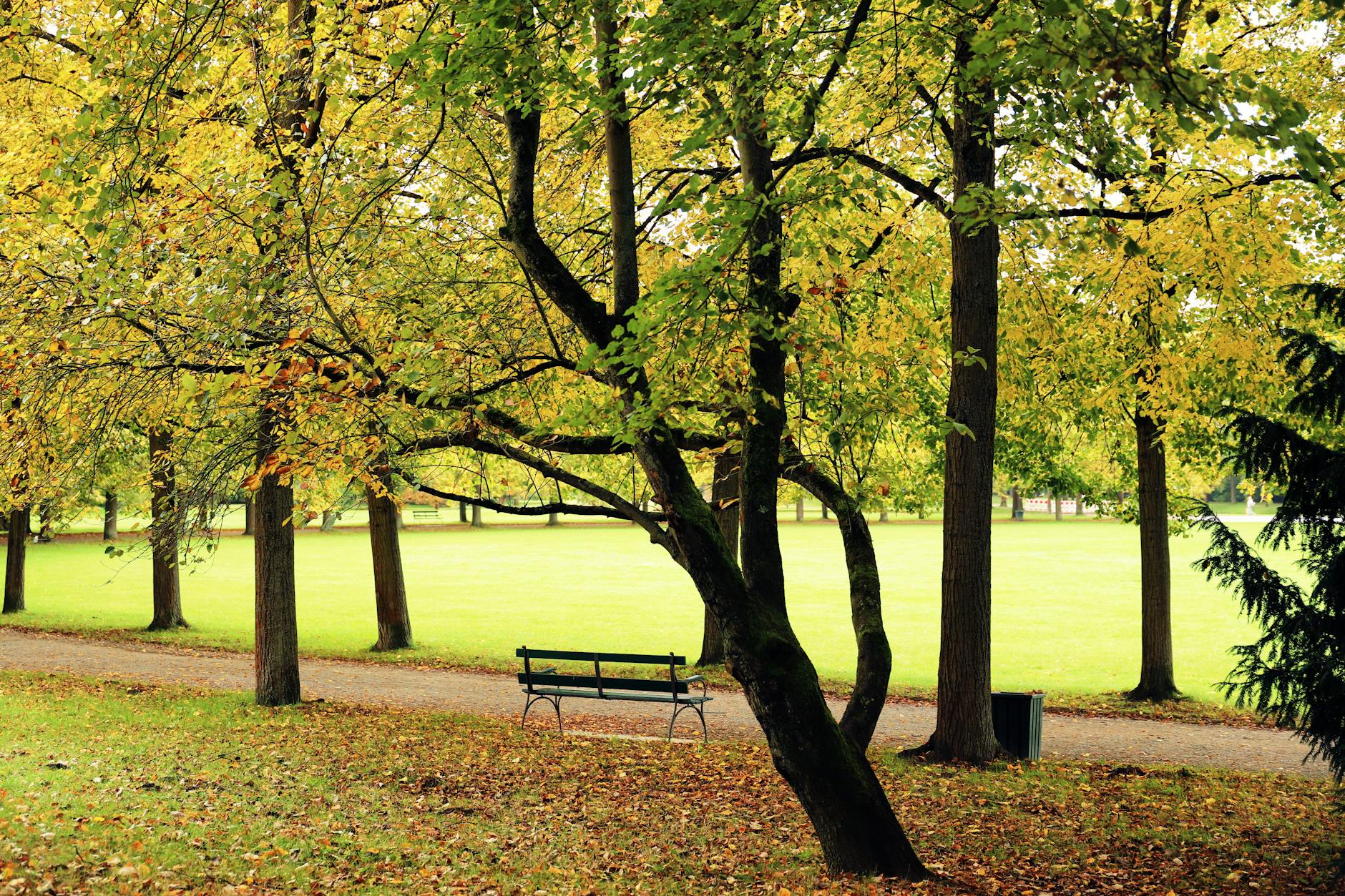
- Weather: 9-15℃; rain on 50-55% of days; autumn colour.
- Daylight: Sunrise 7.30am, sunset 6.30pm. Clocks change last weekend.
- Crowds: Light to moderate. Halloween weekend spike.
- Prices: Reasonable except Bram Stoker Festival weekend.
- Events: Open House Dublin, Hard Working Class Heroes, Bram Stoker Halloween Festival (late month), Savour Kilkenny.
- Best for: Autumn photography; Halloween; smaller crowds at major attractions.
November
- Weather: 6-11℃; rain on 60-65% of days; coolest start of winter.
- Daylight: Sunrise 8am, sunset 4.30pm.
- Crowds: Light. Christmas market opens mid-month.
- Prices: Reasonable until Christmas market season.
- Events: Dublin Book Festival, Christmas Continental Market opens mid-Nov, Dublin Whiskey Awards.
- Best for: Cultural focus, Christmas atmosphere starting, restaurant easy-booking.

December
- Weather: 4-9℃; rain on 60-65% of days; rare snow.
- Daylight: Sunrise 8.30am, sunset 4.30pm. Shortest days.
- Crowds: Heavy mid-month for Christmas shopping; quiet after 26 December.
- Prices: Mid-range early; Christmas week peak; cheaper after 26 December.
- Events: Continental Christmas Market through 22 December; Bewley’s Christmas Cabaret; carol services at cathedrals; Other Voices recording event.
- Best for: Christmas atmosphere; festive shopping; cosy pub evenings.
Dublin Rain Reality Check
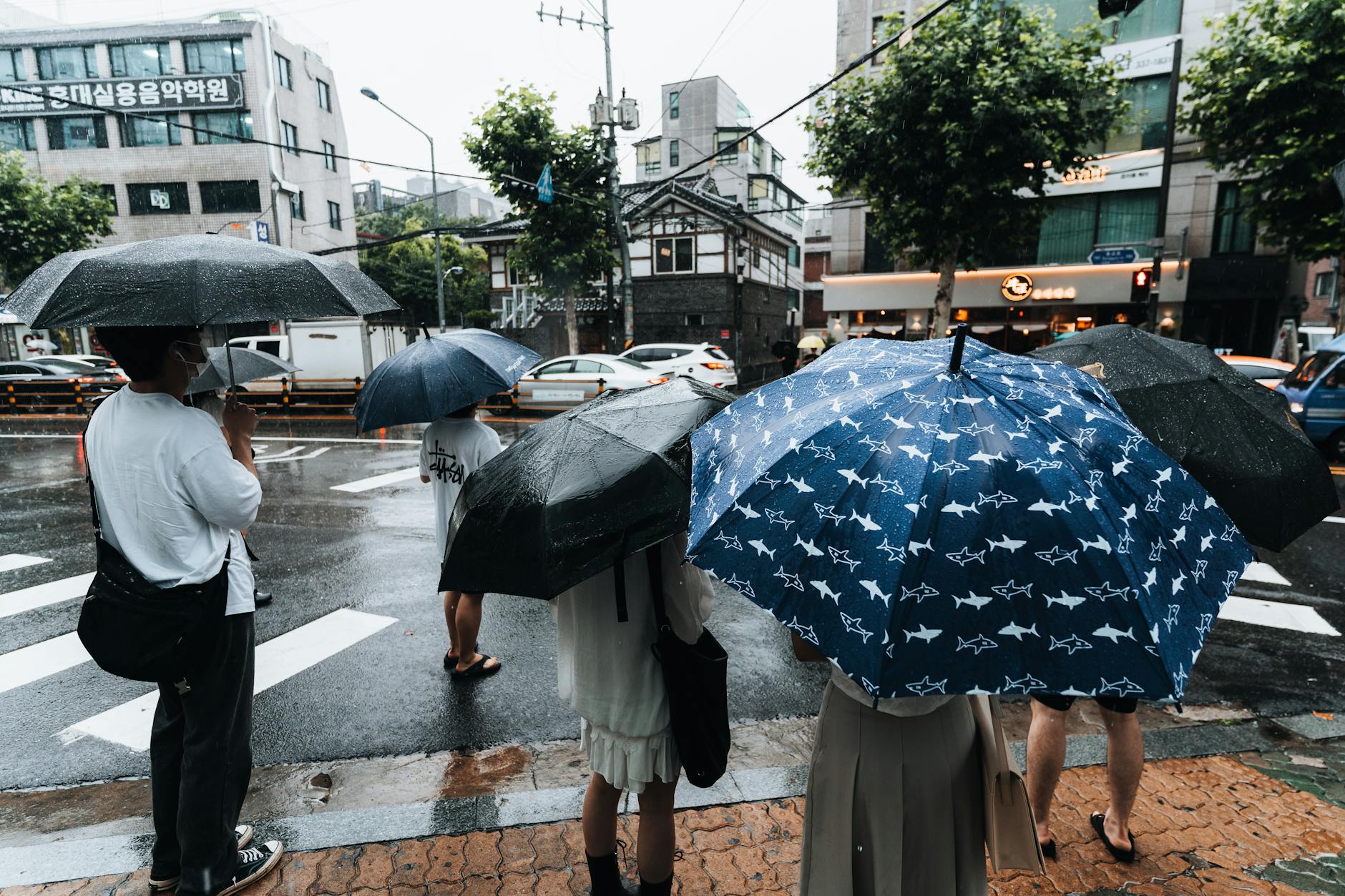
Dublin sees rain or drizzle on roughly 60-65% of days year-round — more in winter, slightly less in summer. The good news: most rain is light and brief (15-45 minutes), not the prolonged downpours visitors fear. Serious all-day rain happens 8-12 days a year.
- Driest months: April, May, July (40-45% rain days)
- Wettest months: November, December, January (60-65% rain days)
- Average annual rainfall: 758mm. Roughly half of London’s and less than Amsterdam’s, Brussels’ or Berlin’s averages.
- The rain in summer: Often arrives as a 30-60 minute shower with sunshine before and after.
- The rain in winter: More persistent; can drizzle for 6-8 hours.
Pack a hooded waterproof jacket regardless of season. Umbrellas often fail in Dublin wind; the jacket-and-hood combination is the local default.
Dublin’s Busiest Times
Avoid for Crowds and Cost
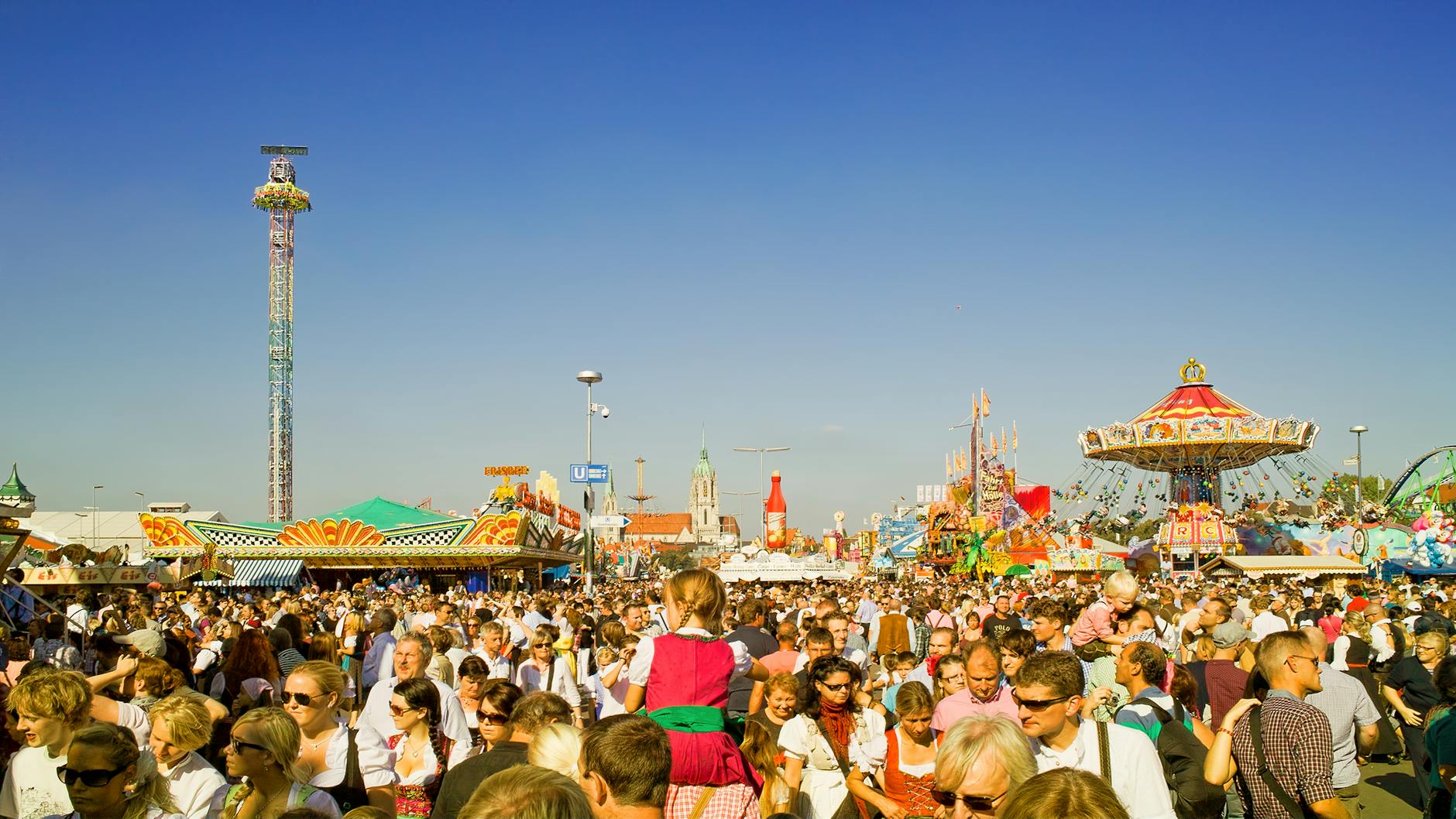
- St Patrick’s Weekend (14-17 March 2026): 500,000+ extra visitors; hotels 3-5x normal; pubs at peak crowding.
- Mid-July to mid-August: Peak summer tourism; multiple major festivals overlapping.
- Christmas Eve to 2 January: Hotels at peak; many attractions closed Christmas Day; NYE fireworks crowds.
- Dublin Horse Show Week (early August): 5-day Aviva Stadium and RDS event; major hotel demand.
- Major concert weekends: Aviva Stadium (Taylor Swift, Coldplay-scale events) cause central hotel surges.
- Six Nations Rugby home matches: 4 Saturday matches per year (February-March); Aviva area packed.
Best for Crowds and Cost
- January: Quietest month; cheapest hotels.
- February (excluding Six Nations match weekends): Light crowds.
- Mid-March before St Patrick’s: Daffodils, mild weather, light crowds.
- October weekends (excluding Halloween): Autumn colour, smaller crowds.
- Mid-November before Christmas markets open: Pre-festive quiet.
- 3-21 December: Christmas atmosphere but pre-Christmas-Eve quiet.
Dublin Weather vs Other European Capitals
- Temperature: Milder winters than continental Europe (rare snow); cooler summers (rarely above 25℃).
- Rain: Less than visitors expect. Annual rainfall (758mm) is less than London (754mm), Amsterdam (787mm), Brussels (851mm), Berlin (570mm but more concentrated in summer).
- Wind: More than continental Europe due to Atlantic exposure.
- Hours of daylight: More extreme variation than Mediterranean Europe. Summer days much longer; winter days shorter.
- Humidity: High year-round; rarely uncomfortable due to mild temperatures.
Pragmatic comparison: Dublin is milder than Eastern European cities, wetter than Mediterranean Europe, drier than visitors expect.
Seasonal Dublin Itineraries
Spring (March-May) Itinerary
Focus on indoor + outdoor balance. St Patrick’s Festival programmes (if visiting that week); literary tour; Phoenix Park bluebells; Wicklow Mountains spring colour; Trinity Long Library; Guinness Storehouse; Stoneybatter neighbourhood evening.
Summer (June-August) Itinerary
Outdoor-heavy. Long-daylight days; festival schedule; Howth cliff walk; Sandycove Forty Foot swim; outdoor concerts; pub beer gardens; rooftop bars.
Autumn (September-November) Itinerary
Cultural and atmospheric. Phoenix Park autumn colour; Bram Stoker Festival; gothic Dublin walks; cosy pub dinners; Christmas markets opening mid-November.
Winter (December-February) Itinerary
Cultural and festive. Christmas markets; hotel afternoon teas; Bewley’s Christmas Cabaret; Six Nations Rugby at Aviva; January quiet for museum focus.
Dublin Year-Round Festival Calendar
- January: Temple Bar Trad Festival
- February-March: Six Nations Rugby season
- 14-17 March: St Patrick’s Festival
- April-May: Mountains to Sea, Dublin International Literature Festival, Irish Craft Beer Festival, Dublin Bay Prawn Festival
- June: Bord Bia Bloom, Forbidden Fruit, Bloomsday, Taste of Dublin, Trinity Summer Series, Pride Dublin
- July: Longitude Festival, Dublin Festival of Curiosity
- August: Big Grill Festival, Dublin Horse Show, All Together Now, Electric Picnic
- September: Galway Oyster Festival, Dublin Festival of History
- October: Open House Dublin, Hard Working Class Heroes, Bram Stoker Festival
- November: Dublin Book Festival, Christmas market opens
- December: Christmas Continental Market, Bewley’s Christmas Cabaret, NYE Festival
Dressing for Each Dublin Season
Winter Layers (December-February)
- Thermal base layer (long-sleeve top, leggings)
- Mid-weight sweater (wool or fleece)
- Waterproof jacket with hood
- Warm hat, gloves, scarf
- Sturdy waterproof boots
- Thick socks
Spring Layers (March-May)
- Long-sleeve shirt
- Light sweater or fleece
- Waterproof jacket
- Hat for early spring; sunglasses for late spring
- Walking trainers or low boots
Summer Layers (June-August)
- T-shirt with light cardigan or sweater
- Waterproof jacket (still essential)
- Long pants or jeans (not shorts unless heatwave)
- Sunglasses, sunscreen
- Comfortable walking shoes
- One smart-casual outfit for evening venues
Autumn Layers (September-November)
- Long-sleeve base layer
- Wool sweater
- Waterproof jacket with hood
- Hat and gloves from mid-October
- Sturdy walking shoes; waterproof boots from late October
Dublin Temperatures by Month
- January: 4-9℃ daytime
- February: 4-10℃
- March: 5-11℃
- April: 6-13℃
- May: 9-16℃
- June: 12-19℃
- July: 14-21℃ (warmest)
- August: 13-21℃
- September: 11-18℃
- October: 9-15℃
- November: 6-11℃
- December: 4-9℃
Overnight temperatures are typically 4-6℃ cooler than daytime highs. Dublin rarely sees extremes — below -2℃ or above 28℃ are unusual events.
How Many Days in Dublin?
- 1 day: Trinity College, Guinness Storehouse, music pub. Tight but possible.
- 2 days: All major Dublin attractions at comfortable pace. The sweet spot for first-time visitors.
- 3 days: Dublin city plus one day-trip (Howth, Wicklow). Recommended.
- 5-7 days: Dublin as base for the wider eastern Ireland. The full week itinerary.
- 10-14 days: Dublin plus the Wild Atlantic Way; the proper Ireland trip.
See our dedicated 1 Day, 2 Days, 3 Days and One Week guides for detailed itineraries.
Common Timing Mistakes
- Visiting in winter without expecting cold: Pack proper layers.
- Visiting St Patrick’s Weekend without booking ahead: Hotels sell out 6-8 weeks ahead.
- Skipping shoulder seasons: May and September are arguably better than peak summer.
- Visiting Christmas Day expecting attractions open: Almost everything closes 25 December.
- Forgetting clocks change: Last weekend of October (fall back); last weekend of March (spring forward).
- Booking last-minute in July-August: Prices peak; hotels sell out.
- Underestimating day-trip weather: Wicklow, Howth and Cliffs of Moher have more extreme weather than Dublin city.
Related Reading
For more Dublin trip planning, see Dublin Weather Guide, First Time in Dublin, Dublin Summer Events, Christmas in Dublin, St Patrick’s Day Dublin, and Is Dublin Safe.
Weekend Trip vs Full-Week Visit Timing
The right Dublin timing also depends on trip length. Weekend trips (2-3 days): Friday-Sunday is the popular pattern; expect peak weekend hotel pricing and busiest attractions. Tuesday-Thursday alternative offers calmer crowds and slightly lower hotel rates — particularly attractive for couples who want a quiet Dublin experience. 4-5 day trips: Sunday-Thursday provides better weekday museum access plus quieter restaurants; Wednesday-Sunday catches some weekend atmosphere. Week-long visits: Sunday-Saturday or Saturday-Saturday work equally well; the city’s rhythm flows across the week so the start day matters less.
Specific event-aligned weekend recommendations: Bloomsday (16 June) typically falls midweek but the weekend either side runs full literary programming. The Bram Stoker Festival weekend (late October) is the festival peak. St Patrick’s weekend dominates mid-March. Plan around or away from these depending on your interests.
How Dublin Weather Shapes the Trip
Dublin’s weather rarely cancels a trip but it shapes the experience. Cool wet days (40% of visits) push the itinerary indoor: museums, galleries, pub lunches, afternoon tea, the National Concert Hall. Warm dry days (20% of summer visits) reward outdoor focus: Phoenix Park picnics, beach trips, beer gardens, Howth cliff walks. Mixed days (40% of visits) suit a hybrid approach: morning museum, afternoon walk, evening rooftop bar. The key is flexibility and good waterproofs.
For visitors with specific weather priorities: book Wicklow Mountain day trips for the best forecast day of your trip rather than a fixed schedule day; reserve the Forty Foot swim for the warmest morning; keep one full indoor day (Trinity + Castle + museum) reserved for the worst forecast. The Met Eireann 5-day forecast is reliable; plan your daily activities the night before based on the next-day forecast.
Best Months for Dublin Photography
Dublin photography varies dramatically by season. March-April: Daffodils carpet St Stephen’s Green and Iveagh Gardens; the spring colour against Georgian stonework photographs exceptionally well. Soft spring light produces flattering portraits and architecture. June-July: Longest daylight (10pm sunsets) extends the photographic window; golden-hour stretches from 8pm to 9.30pm. Coastal scenes at Howth, Sandycove and Killiney are at peak. October-early November: Phoenix Park beech and chestnut autumn colour is photographically the year’s best window. Wicklow Mountains in autumn light deserves a day trip with a proper camera. December: Christmas lights on Grafton Street and Henry Street; cathedral interiors at carol services; the Forty Foot Christmas Day Swim.
The most-photographed Dublin scenes — Trinity Long Library, the Spire on O’Connell Street, Ha’penny Bridge over the Liffey, the Georgian doors of Merrion Square — photograph well year-round but have specific season peaks. For serious photographers planning around light: late spring and early autumn produce the cleanest blue-sky conditions; winter delivers the most atmospheric reflections in wet streets; summer brings the longest workable hours.
Timing Dublin by Trip Purpose
Match the season to your trip’s primary purpose. Cultural tourism (museums, theatre, literature): November-March offers fewest crowds at major attractions; the Trinity Long Library is genuinely peaceful in January. Outdoor and adventure (cliff walks, Wicklow, day trips): April-September delivers the best weather windows for outdoor pursuits. Food and dining: May-September aligns with food festivals; January-February gives Michelin restaurants their most-relaxed atmosphere. Family travel: June-August matches school holidays; October Bram Stoker Festival is family-friendly; December Christmas markets create magic for kids.
Romantic getaway: February (Valentine’s), May (long evenings, blossoming gardens), September (autumn light) all suit couples. Solo travel: Spring and autumn shoulder seasons offer better solo-traveller meetups at festivals without summer crowding. Business plus leisure: Add weekend days either side of weekday meetings; February-April and September-November offer business-rate hotels alongside leisure-friendly weekends. The Dublin calendar accommodates almost any traveller type with the right month selection.
Day of the Week Considerations
The Dublin week has its own rhythm. Mondays: Some museums close (the National Gallery is closed Mondays); pubs reopen normally for Monday-night sessions. Tuesday-Thursday: The calmest tourist days; best for museum visits, restaurant bookings, and pub trad sessions without the weekend tourist density. Friday-Sunday: Peak weekend tourism; pubs at most lively; restaurants book up; hotel prices peak.
Specific day-of-week tips: Saturday brings the best food markets (Temple Bar, Honest 2 Goodness, Smithfield); Sunday brings the Howth Market plus quieter museum mornings; Wednesday often features dedicated trad music sessions and the Sugar Club’s weekly jazz programme. For visitors with flexibility, mid-week stays consistently deliver better value than weekend trips, with the trade-off of less weekend evening atmosphere.
Best Time to Visit Dublin: FAQ
What is the best time to visit Dublin?
May or September — mild weather (9-18℃), long evenings, smaller crowds than peak summer, and 20-25% lower hotel rates. Both months balance reasonable weather, festival activity and reasonable pricing.
What is the worst time to visit Dublin?
St Patrick’s weekend if you don’t want crowds (3-5x normal hotel rates, 500,000+ extra visitors); November-February if you can’t handle 4-9℃ weather; Christmas Day if you want attractions open. None are inherently bad; just match your preferences.
Is Dublin cold in winter?
Cool but rarely cold by Northern European standards. Daytime 4-9℃ in December-February; overnight 1-5℃. Rare snow. The cold comes with rain and wind; layer up rather than fearing extreme temperatures.
How much does Dublin rain?
60-65% of days have some rain year-round; most rain is light and brief (15-45 minutes). Annual rainfall 758mm is less than London or Amsterdam. Pack a hooded waterproof jacket regardless of season.
When is Dublin cheapest to visit?
January is the cheapest month — smallest tourist crowds, lowest hotel rates (30-40% below summer), easiest restaurant bookings. February is the second-cheapest. November before Christmas markets open is also good value.
When is St Patrick’s Day in Dublin?
17 March every year. The St Patrick’s Festival runs 14-17 March 2026 with four days of events including the parade on 17 March. Pre-book hotels 6-8 weeks ahead.
When is the festival season in Dublin?
May-September is the densest festival programme. June and August have the most major events (Bloomsday, Taste of Dublin, Trinity Summer Series, Big Grill Festival, Dublin Horse Show, Electric Picnic). January-February is the quietest festival window.
How long should I stay in Dublin?
2-3 days is the sweet spot for first-time visitors. 2 days covers the major attractions; 3 days adds one day-trip (Howth, Wicklow). 5-7 days lets you use Dublin as a base for wider Ireland exploration.