Dublin Visa Requirements 2026: Complete Entry Guide
Ar an gComhartha Seo — On this sign
- Quick Picks: Dublin Visa Essentials
- Visa-Free Visitors
- Visa-Required Visitors
- Documents to Bring to Dublin
- Dublin Airport Immigration
- US Pre-Clearance at Dublin Airport
- Northern Ireland Border
- Length of Stay and Extensions
- Working in Ireland
- Studying in Ireland
- Special Visa Cases
- Irish Visa Costs (2026)
- Passport Requirements
- Common Visa Mistakes
- Getting Visa Help
- Related Reading
- ETIAS, ETAs and Ireland
- Dual Citizenship and Visa Routes
- Embassies and Consulates in Dublin
- If You Lose Your Passport in Dublin
- Visa Considerations for Young Travellers
- Paperwork Tips for Smooth Entry
- Dublin Visa Requirements: FAQ
- Keep Reading
Understanding Dublin visa requirements before booking saves stress. Ireland is in the EU but not in the Schengen Area, which creates specific visa rules that catch some travellers out. Most North American, Australasian and European visitors enter Dublin without a visa for tourism stays up to 90 days; visitors from some African, Middle Eastern and South Asian countries need pre-arranged visas. This guide is the comprehensive Ireland visa and entry requirements playbook for 2026.
Visa rules change, so check irishimmigration.ie for any updates affecting your specific country before traveling.
For the wider picture, our Dublin travel tips guide sets this in context alongside everything else worth planning around.
Quick Picks: Dublin Visa Essentials
- Visa-free for tourism: EU/EEA, UK, US, Canada, Australia, NZ, Japan, South Korea and others; check the official list below
- Visa required: Most African, Middle Eastern, South Asian and some Eastern European countries
- Maximum stay (visa-free): Under 90 days, set by the immigration officer and stamped in your passport on arrival; no limit for British and Irish citizens
- Passport validity: Valid for your whole stay; visa applicants need at least 6 months left after the date they leave Ireland
- Ireland is NOT in Schengen: Schengen visa does not work for Ireland
- UK and Ireland Common Travel Area: UK citizens have specific rights; pre-Brexit arrangements preserved
- Northern Ireland border: No checkpoint; passport-free internal crossing for most
- US Pre-Clearance: US-bound flights clear US Customs at Dublin Airport before boarding
Visa-Free Visitors
EU/EEA Citizens
- No visa needed: Free movement under EU rules.
- Passport or national ID card: Most EU citizens can enter Ireland with national ID.
- Length of stay: Unlimited for short visits; long-term residence requires registration.
- Working: EU citizens can work in Ireland without restriction.
UK Citizens (Common Travel Area)
- No visa or specific documentation needed: The Common Travel Area predates EU membership and survived Brexit.
- Passport or UK driving licence: Either works as ID.
- Length of stay: Unlimited.
- Working: UK citizens can work in Ireland without restriction.
- Northern Ireland border: Free crossing; no checkpoint.
US, Canadian, Australian, NZ, Japanese, South Korean Citizens
- No visa needed for tourist visits of under 90 days; the officer at the border decides the exact length and stamps it in your passport.
- Passport valid for the whole of your stay.
- Return ticket: Carry evidence of onward travel.
- Proof of accommodation: Hotel booking confirmation or address of hosts.
- Proof of sufficient funds: Bank statement or card.
- Working: Not permitted on a tourist visa.
Visa-Free Countries
Citizens of the countries below are among those who don’t need an Irish visa for a short tourist visit. The rules change from time to time, so check your nationality against the official list of visa-required and visa-exempt countries before you book:
- All EU/EEA countries
- United Kingdom (Common Travel Area)
- United States, Canada
- Australia, New Zealand
- Japan, South Korea, Taiwan, Hong Kong (SAR), Singapore
- Israel, Maldives, Vatican City
- San Marino, Liechtenstein, Andorra, Monaco
- Botswana, Lesotho, Malawi, South Africa (some changes possible)
Check your specific country’s status on the Irish Immigration list at irishimmigration.ie before booking.

Visa-Required Visitors
Citizens of many countries need a visa to visit Ireland. Countries requiring visas include most of Africa, the Middle East, South Asia, and some parts of Eastern Europe and South America. Specific examples:
- India, Pakistan, Bangladesh, Sri Lanka, Nepal
- China (mainland), Vietnam, Thailand, Philippines, Indonesia
- Russia, Ukraine, Belarus, Moldova, Georgia, Armenia, Azerbaijan
- Turkey, Iran, Iraq, Syria, Lebanon, Jordan
- Most African countries (with limited exceptions)
- Cuba, Bolivia, Venezuela, Colombia, Dominican Republic, Ecuador
Visa Types
- Short Stay Visa (C visa): For tourism stays up to 90 days. Cost: €60 single entry, €100 multiple entry.
- Long Stay Visa (D visa): For stays over 90 days; study, work, or residence purposes. Same fees as the C visa.
- Multiple Entry Visa: Allows several visits on one visa; generally granted to applicants with a record of keeping to past visa conditions. Cost: €100.
- Transit Visa: For passing through Ireland to another country. Cost: €25.
- Family Reunification: Specific category for spouse, children visiting EU/Irish residents.
Visa Application Process
- Apply online: AVATS system at visas.inis.gov.ie
- Complete the application form: Personal details, travel plans, accommodation, finances
- Submit supporting documents: Passport, photos, travel itinerary, hotel bookings, bank statements, employment letter
- Pay application fee: €60-100 depending on visa type
- Submit biometrics if required: At designated Visa Application Centre (VFS Global)
- Wait for processing: Expect a decision about 8 weeks after your documents arrive
- Receive decision: Visa is glued into your passport on approval
Application Timing
- Apply as early as you can: Allow for the processing time above, plus a margin before your flight.
- Don’t buy non-refundable bookings before visa approval: Refunds difficult if visa is refused.
Documents to Bring to Dublin
- Passport: Valid for your whole stay; if you need a visa, it must have at least 6 months left after you leave Ireland.
- Visa (if required): Stamped in your passport.
- Return or onward ticket: Print or screenshot for showing at immigration.
- Hotel booking confirmation: Print or save offline.
- Travel insurance documents: Print or save digital copy.
- Cash or evidence of funds: Enough cash or card funds to cover your stay.
- Travel plans evidence: Itinerary helps if asked.
- Letter from employer (some visitors): If on a working trip.
- Driving licence: If renting a car; international permit if your home licence is in non-Latin script.
- EHIC or GHIC card: For EU/UK visitors.
Dublin Airport Immigration
What to Expect on Arrival
- EU/EEA/UK citizens: Fast lane.
- Non-EU citizens: Standard lane; expect a queue when several flights land together.
- Questions you may be asked: Where are you staying? How long are you staying? What’s the purpose of your visit? Who are you visiting? Do you have a return ticket?
- Honesty is essential: Misrepresenting your stay can result in denial of entry.
- Visible signs of poverty or distress: Can result in additional questioning.
Common Reasons for Denial of Entry
- Insufficient funds to support the stay
- Lack of return ticket
- Inconsistent answers about purpose of visit
- Plans to work illegally
- Previous immigration violations
- Suspected document fraud
US Pre-Clearance at Dublin Airport
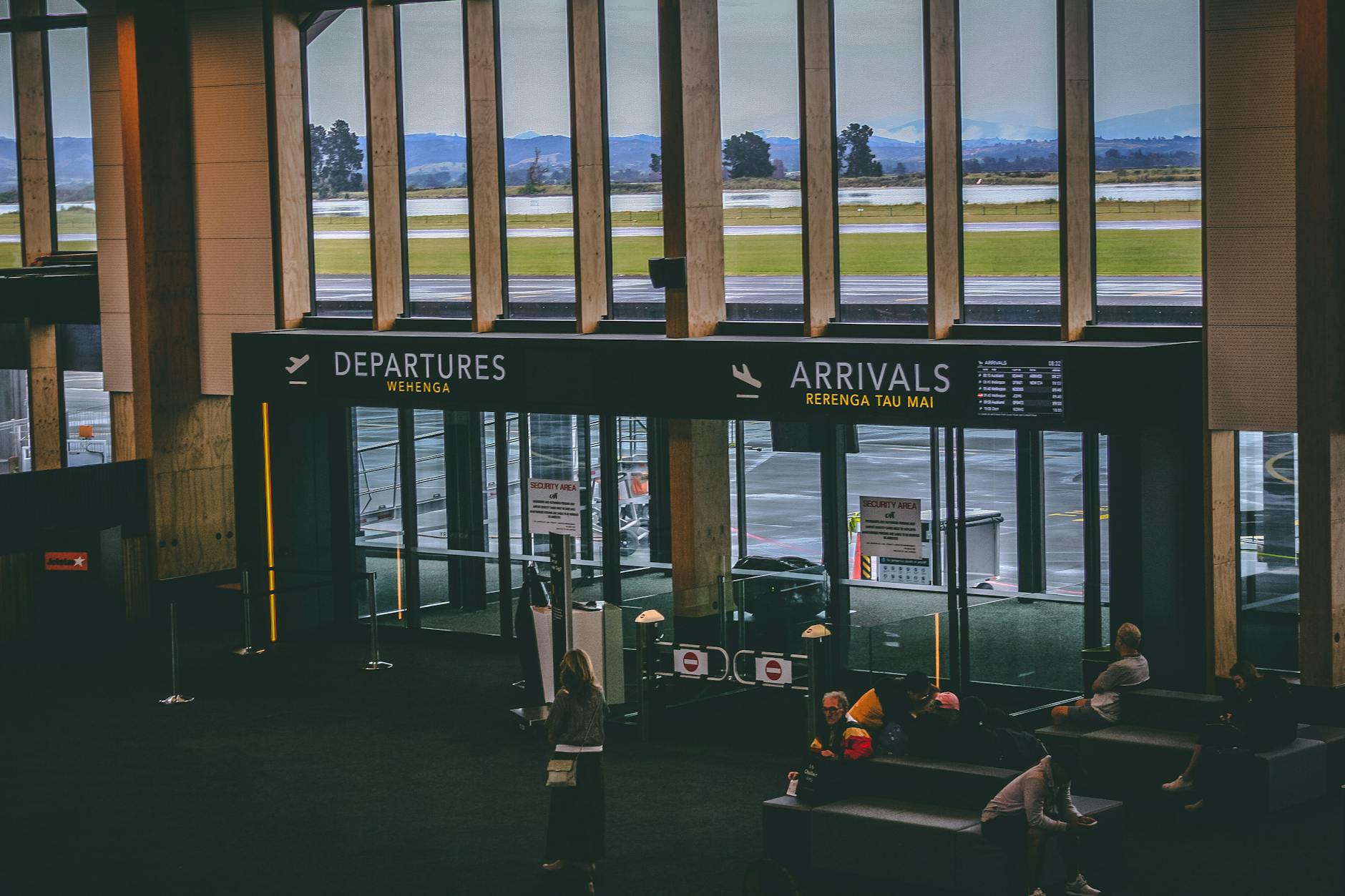
Dublin Airport is one of only two airports in Europe with US Pre-Clearance (the other is Shannon). This means US-bound flights from Dublin clear US Customs and Immigration at Dublin Airport before boarding, arriving in the US as domestic passengers.
- Terminal: All US flights from Terminal 2 (T2).
- Time required: Allow extra time on top of your usual departure routine.
- What to bring: Passport, US visa if applicable, ESTA approval for visa-waiver countries.
- ESTA for visa-waiver countries: Apply online at least 72 hours before travel; $40 USD; valid up to 2 years or until your passport expires.
- Customs declaration: Completed in Pre-Clearance.
- Advantage: Arrive in the US as a domestic passenger; no US Customs queue on arrival.
- Disadvantage: Longer wait at Dublin Airport pre-departure.
Northern Ireland Border
Crossing between the Republic of Ireland and Northern Ireland is straightforward:
- No physical checkpoint: Most border crossings are unmarked except for “Welcome to Northern Ireland” signs.
- Currency change: Republic uses Euro (€); Northern Ireland uses Pound Sterling (£).
- Speed limits: Switch from km/h to mph at the border.
- Visa requirements: Different rules apply for Northern Ireland (UK rules).
- Re-entering Republic of Ireland: Equally seamless.
- Driving: Notify your rental company if planning to cross; most allow cross-border driving.
- Brexit border: The Northern Ireland Protocol/Windsor Framework keeps the border invisible; tourists experience no checks.
Length of Stay and Extensions
- 90-day limit: Visa-free visitors can usually stay for less than 90 days. The rolling “90 days in 180” count is a Schengen rule and does not apply in Ireland.
- Length of stay vs visa duration: Stamp received on arrival shows specific entry validity (not always 90 days).
- Extending your stay: Apply to Immigration Service Delivery (ISD) at Burgh Quay before your initial permission expires. €300 fee. Approval not guaranteed.
- Overstaying: Serious offence. Can lead to prosecution or deportation, and deportation carries a ban on returning; any overstay must also be declared on later applications.
- Working extension: Tourist visa cannot be extended to a work visa from within Ireland; must leave and re-apply.
- Study extension: Possible if enrolling in a recognised Irish education programme.
Working in Ireland
- Tourist visa = no work: Working on a tourist visa is illegal.
- Working Holiday programmes: Ireland has working holiday agreements with Andorra, Argentina, Australia, Canada, Chile, Hong Kong, Japan, NZ, South Korea, Taiwan and the US.
- Working Holiday Visa: Up to 12 months of work + travel (up to 2 years for Canadians).
- Employment permit: Required for non-EU citizens working long-term. Application via Department of Enterprise.
- Critical Skills Employment Permit: For high-demand professional roles.
- General Employment Permit: For lower-skilled roles.
- EU citizens: No work permit required.
Studying in Ireland
- Short courses: Courses of more than 3 months need a long-stay (D) visa; for anything shorter, check the rules for your nationality on Irish Immigration’s study pages.
- Long-term study: Specific student visa required for non-EU citizens.
- Student visa application: Through AVATS system. Requires acceptance letter from recognised Irish college, evidence of funds, accommodation arrangements.
- Cost: €60-100.
- Working as a student: Limited to 20 hours/week during term; 40 hours/week during holidays.
- Common Irish universities: Trinity College Dublin, University College Dublin, DCU, NUI Galway, University College Cork.
Special Visa Cases
Family Reunification
Spouse, children and dependent relatives of EU/Irish residents can apply for family reunification visas. The process is more involved than a tourist application, and processing times vary.
Conference Visas
Business visitors attending conferences need a business visa (Short Stay C) if their country requires general visa. Invitation letter from the host organisation strengthens the application.
Press and Media
Journalists working in Ireland need an Atypical Working Scheme permission. Check irishimmigration.ie for how to apply.
Performers and Artists
Visiting artists, musicians, performers need specific entertainment visas. Process varies by length and type of performance.
Irish Visa Costs (2026)
- Short Stay (C) Visa: €60 single entry; €100 multiple entry
- Long Stay (D) Visa: €60 single entry; €100 multiple entry
- Transit Visa: €25
- Local charges: Some embassies and visa offices add their own charges; check with the one handling your application
- Student Visa: Long-stay (D) visa fees apply
Passport Requirements
- Validity: Must cover your whole stay. Visa applicants need at least 6 months’ validity beyond the day they leave Ireland.
- Damage: Heavily damaged passports may be rejected.
- Children: All children need their own passports; not just parents’.
- Emergency passport: Available from most embassies but limited validity.
- Lost or stolen passport: Contact your embassy in Dublin (US, UK, Canada, Australia, NZ all have central Dublin embassies).
Common Visa Mistakes
- Confusing Schengen with Ireland: Ireland is in the EU but NOT in Schengen. Schengen visa doesn’t work for Ireland.
- Booking flights before visa approval: If visa is refused, you lose the booking.
- Insufficient funds shown: Bank balance often the deciding factor for visa officers.
- Wrong supporting documents: Translated documents must be by certified translator.
- Forgetting US Pre-Clearance time: US-bound passengers clear US checks before boarding, so get to the airport early.
- Overstaying visa: Risks deportation and a ban on coming back.
- Forgetting passport validity: Visa holders need 6 months left after their departure from Ireland.
- Not having a return ticket: Major immigration red flag.
- Not declaring intent honestly: Tourists who hint at working will be denied entry.
Getting Visa Help
- Department of Foreign Affairs and Trade: dfa.ie — official Irish government source.
- Embassy of Ireland abroad: In your home country for visa questions.
- Immigration Service Delivery (Burgh Quay, Dublin): For extension queries once in Dublin.
- Immigration advice: Citizens Information Bureau provides free advice on Irish immigration matters (citizensinformation.ie).
- Visa lawyers: For complex cases.
Related Reading
For more Dublin travel tips, see First Time in Dublin, Dublin Travel Insurance, Dublin Airport to City Centre, Is Dublin Safe, Things to Know Before Visiting Dublin, and Best Time to Visit Dublin.
ETIAS, ETAs and Ireland
The EU is rolling out the European Travel Information and Authorisation System (ETIAS) for visa-free non-EU visitors to Schengen countries; this is similar to the US ESTA system. Ireland is NOT in Schengen so ETIAS does not directly apply for Ireland-only visits. Ireland has not announced an electronic travel authorisation of its own, and the UK’s ETA covers travel to the UK only.
If Ireland ever does introduce one, it would most likely ask visa-free non-EU citizens (US, Canadian, Australian, NZ etc.) to apply for permission online before travel, much as ESTA does. UK ETAs do not currently apply to UK-to-Ireland Common Travel Area journeys.
Dual Citizenship and Visa Routes
Many visitors hold dual citizenship that affects visa routes. The smart approach: use the passport that gives easiest entry. US citizens with Irish ancestry: May be eligible for Irish citizenship through grandparent/parent (Foreign Births Register). Holding both passports gives EU freedom of movement; useful for longer trips and work. UK citizens with Irish ancestry: Similar; Irish citizenship readily available through Foreign Births Register.
For dual citizens visiting Dublin: Show your Irish passport when you arrive in Ireland. If you also hold a US passport, use that one at US Pre-Clearance on the way home. Don’t lie about other citizenships if asked; immigration officers can verify. Foreign Births Register applications: Expect around 9-12 months once your documents are in; not a fast solution for an upcoming trip.
Embassies and Consulates in Dublin
If you lose your passport or face a visa emergency while in Dublin, contact your embassy or consulate. Major embassies in Dublin: US Embassy (42 Elgin Road, Ballsbridge): Consular visits by appointment; check the embassy’s website for current hours. Emergency consular services available 24/7. UK Embassy (29 Merrion Road): Open Monday-Friday 9am-5pm, by appointment. Canadian Embassy (7-8 Wilton Terrace, St Stephen’s Green): Open Monday-Friday 9am-1pm and 2pm-4.30pm, by appointment. Australian Embassy (47-49 St Stephen’s Green): Open Monday-Friday 8.30am-4.30pm, excluding public holidays; visits by appointment.
For applications made while in Ireland, Immigration Service Delivery (ISD), part of the Department of Justice at Burgh Quay, handles in-country applications and immigration registration for stays over 90 days; it issues the Irish Residence Permit (IRP) card that replaced the old GNIB card. Irish visas themselves are applied for online through AVATS. The Canadian and Australian embassies are a short walk from St Stephen’s Green, while the US and UK embassies in Ballsbridge are a short bus or taxi ride from the centre.
If You Lose Your Passport in Dublin
Lost passports are the most common visa-related tourist issue. The process: Step 1: Report the loss to the Gardaí promptly and get the incident reference. Any Garda station; Pearse Street is central. Step 2: Contact your embassy or consulate immediately. Turnaround is usually a few working days, though it varies by embassy. Step 3: Check your embassy’s list of what to bring to the appointment; a Garda report is usually requested. Step 4: Pay the replacement fee, which each country sets in its own currency.
Emergency travel documents can be issued faster than full replacement passports but have limited validity. For UK visitors, the emergency travel document costs £125; other embassies set their own fees. Most embassies require an in-person appointment; book online before walking in.
Visa Considerations for Young Travellers
For visitors aged 18-35 considering longer stays, Ireland offers several visa routes worth knowing about. Working Holiday Visa (WHV): Available to citizens of Andorra, Argentina, Australia, Canada, Chile, Hong Kong, Japan, New Zealand, South Korea and the USA (Americans apply for a Working Holiday Authorisation through the Department of Foreign Affairs); Taiwanese citizens apply separately through Immigration Service Delivery. Up to 12 months with the right to work (2 years for Canadians); places are limited, so apply early. Student visa: Study of more than 3 months needs a long-stay (D) visa; students with Stamp 2 permission on a programme on the Interim List of Eligible Programmes can work up to 20 hours a week during term.
The Foreign Births Register route: For people with Irish grandparents (or parents who were born in Ireland), Irish citizenship through descent is available without time-limited entry. The process generally takes 9-12 months but unlocks full EU citizenship including the right to live and work indefinitely in Ireland and the EU. Many younger US, UK and Australian visitors with Irish heritage pursue this option as a long-term strategy. Apply via the Department of Foreign Affairs Foreign Births Register; documentation includes Irish birth/marriage certificates for the qualifying grandparent or parent.
Paperwork Tips for Smooth Entry
Smoothing your Dublin Airport entry requires a few small preparations. Print backup copies of your hotel booking, return flight, and travel insurance — immigration officers occasionally ask for paper copies even though digital is acceptable. Have proof of funds ready, such as a recent bank statement or a credit card; officers can ask how you will support yourself. Carry your travel itinerary as a 1-page summary; helpful if asked about your trip plans. Address of where you’re staying: Memorise or write down your hotel name and address; the standard immigration question.
If travelling on a non-EU passport, be ready to explain your trip in a sentence or two: why you’re visiting, how long you’re staying, where you’re sleeping and when you fly home. Honest, specific, brief. Immigration officers process thousands of visitors daily; concise answers move things faster than long explanations. Have your passport open to the photo page ready to hand over; small habits speed up the line.
Dublin Visa Requirements: FAQ
Do I need a visa for Dublin?
Depends on your nationality. EU/EEA and UK citizens need no visa at all, and US, Canadian, Australian, NZ, Japanese and South Korean citizens don’t need one for a tourist visit of under 90 days. Most African, Middle Eastern, South Asian and Eastern European citizens need pre-arranged visas; check the official list of visa-required countries before you book.
Is Ireland in the Schengen Area?
No — Ireland is in the EU but NOT in the Schengen Area. A Schengen visa does not work for Ireland. Visitors from visa-required countries need a specific Irish visa.
How long can I stay in Dublin as a tourist?
Visa-free visitors can usually stay for less than 90 days; the “90 days in 180” rule belongs to Schengen, not Ireland. The immigration officer decides the exact length at the border and stamps it in your passport. British and Irish citizens have no limit under the Common Travel Area.
What documents do I need for Dublin?
A passport valid for your whole stay (visa applicants need 6 months left after leaving Ireland) and a visa if your country requires one. Irish Immigration also suggests carrying your itinerary with your return or onward ticket, proof of accommodation, proof of sufficient funds and health or travel insurance; the officer at the border decides what to ask for.
How long does an Irish visa take to process?
Irish Immigration generally gives a decision about 8 weeks after it receives your documents. Apply well before your planned travel so a slow decision doesn’t cost you the trip.
How much does an Irish visa cost?
Short Stay (C) and Long Stay (D) visas both cost €60 single entry, €100 multiple entry. Transit Visa €25. Some embassies and visa offices add local charges on top.
Can I work in Ireland on a tourist visa?
No — working on a tourist visa is illegal. Working holiday programmes are open to citizens of Andorra, Argentina, Australia, Canada, Chile, Hong Kong, Japan, NZ, South Korea, Taiwan and the US, for up to 12 months of work and travel (up to 2 years for Canadians).
What is US Pre-Clearance at Dublin Airport?
Dublin and Shannon Airports are the only two airports in Europe with US Pre-Clearance. US-bound flights clear US Customs at Dublin before boarding, arriving in the US as domestic passengers. Leave extra time for it when you plan your trip to the airport.
Keep Reading
- Holyhead to Dublin Ferry — the carrier document rules, which are now stricter than the immigration ones.
- Dublin from London & the UK — what the Common Travel Area covers, and why carriers now want a passport anyway.
- Belfast day trip from Dublin — crossing into the UK has its own rules, even with no checkpoint on the train.
Lean na Comharthaí — Keep following the signs