Things to Know Before Visiting Dublin 2026: Local Tips Guide
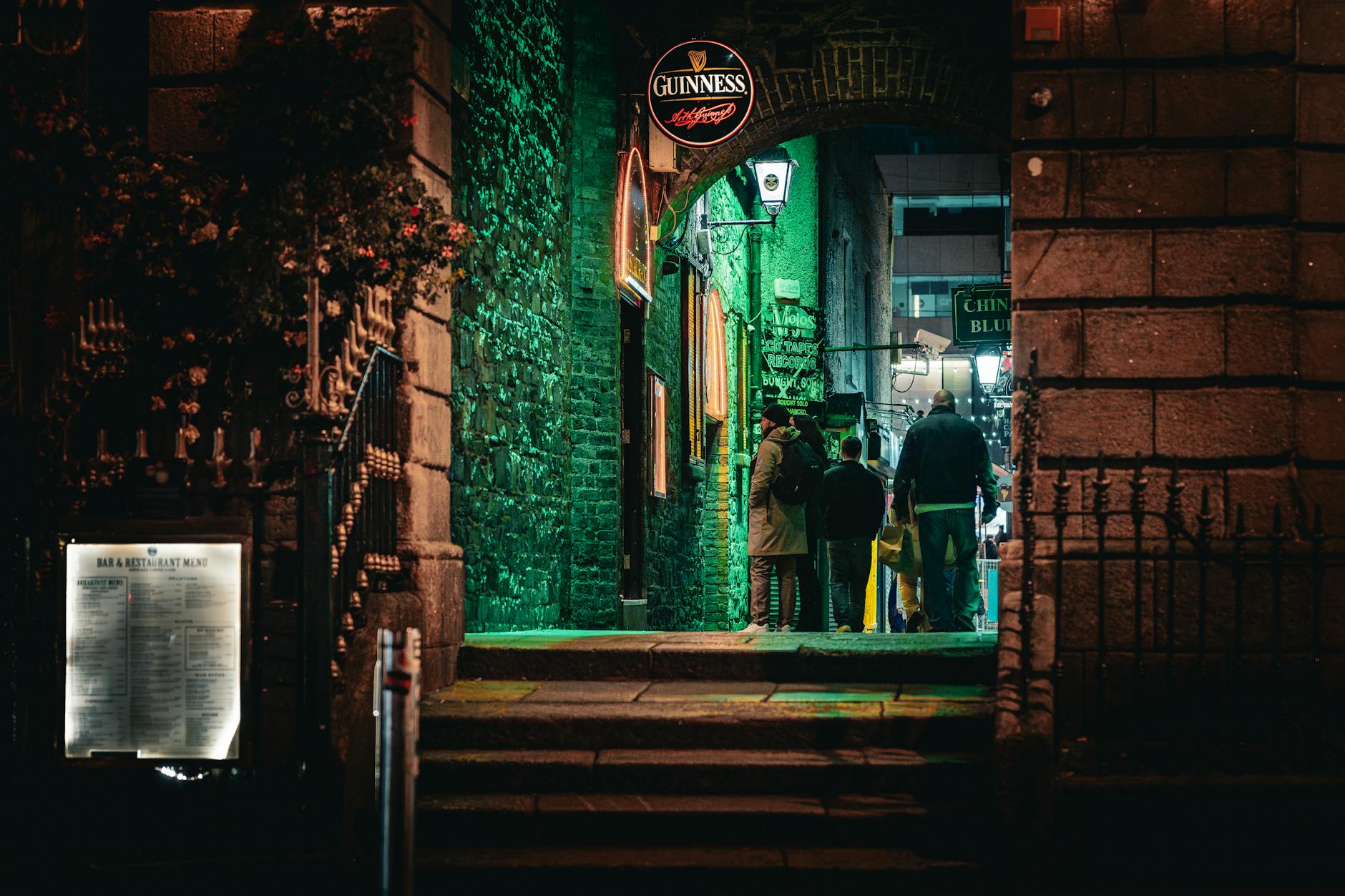
Ar an gComhartha Seo — On this sign
- Quick Picks: 15 Things to Know
- Language: English, Irish, and Hiberno-English
- Pub Etiquette: The Essentials
- Food Expectations and Local Traditions
- Weather Reality
- Money and Costs
- Transport Realities
- Walking Etiquette
- Attractions and Booking
- Cultural Dos and Don’ts
- Safety Realities
- Phones and WiFi
- Health and Medical
- Shopping and Souvenirs
- Dublin Phrases You’ll Hear
- Time and Daylight
- Dublin Myths and Misconceptions
- Essential Pre-Trip Bookings
- Off the Tourist Trail
- Related Reading
- What Dubliners Talk About
- Asking Locals for Recommendations
- Things to Know Before Visiting Dublin: FAQ
- Keep Reading
Knowing the right things to know before visiting Dublin turns a good trip into a great one. Dublin is one of Europe’s most welcoming capitals but it has its quirks: pub etiquette that catches tourists out, weather logic that needs unpacking, transport rules outsiders miss, and dozens of small cultural conventions that locals follow without thinking. This guide is the comprehensive Dublin local-tips playbook for 2026 — everything we’d tell a friend before their first trip.
Every recommendation here is grounded in lived Dublin experience and current 2026 conditions. Whether you’re a first-time visitor or a returning one, the practical knowledge below saves time, money and minor embarrassment.
Read it alongside the Dublin travel tips guide for the fuller view of your options.
Quick Picks: 15 Things to Know
- English is universal; Irish (Gaeilge) on road signs but not needed in conversation
- Don’t request “Danny Boy” in trad pubs — locals find it irritating
- Round-buying is mandatory etiquette in pubs with friends
- Tip 10% in restaurants; round up in pubs; no tip on quick pints
- The weather is wetter than it is cold; pack a hooded waterproof
- Buy a Leap Visitor Card for public transport (3-day €18, unlimited)
- Pre-book Trinity Book of Kells, Guinness Storehouse and Kilmainham Gaol
- Don’t drive in central Dublin — parking costs €25-45/night
- Walk on the left in pedestrian streets; cars drive on the left
- Dublin tap water is excellent; bottled water unnecessary
- Stag/hen parties dominate Temple Bar weekends; locals avoid
- Sunday Roast is the cultural pub tradition (1-4pm)
- Cards accepted everywhere; carry €30-50 cash for pubs and markets
- Most attractions close Christmas Day; many close Christmas Eve afternoon
- Dublin is one of Europe’s safest capitals; standard urban awareness applies
Language: English, Irish, and Hiberno-English
- Everyday language: English. You don’t need any Irish.
- Road signs: Bilingual (English and Irish). The Irish version usually appears first; visitors quickly pick up the pattern.
- Place names: Many Dublin names have Irish-language origins (Baile Átha Cliath = Dublin; Dun Laoghaire = pronounced “Dun Leary”).
- Greetings: “Hello” works fine; locals also use “Howya?” or “Hi there.”
- “Craic”: Pronounced “crack.” Means fun, enjoyment, banter. “What’s the craic?” = “What’s up?”
- “Grand”: Means fine, good, okay. “How are you?” “Grand.”
- “Sorted”: Done, fixed, handled.
- “Yer man / yer one”: Refers to someone without naming them.
- “Cheers”: Used as thank-you, goodbye, or a toast.
- “Press”: A cupboard.
- “Jacks”: Toilet/restroom.
- “Sláinte”: Pronounced “slawn-cha.” The Irish toast (“health”).
Pub Etiquette: The Essentials
- Order at the bar: Most Dublin pubs are bar-service. Catch the bartender’s eye; don’t wave money.
- Round-buying: If you’re drinking with locals, taking turns to buy rounds is expected. Don’t accept multiple rounds without buying your own.
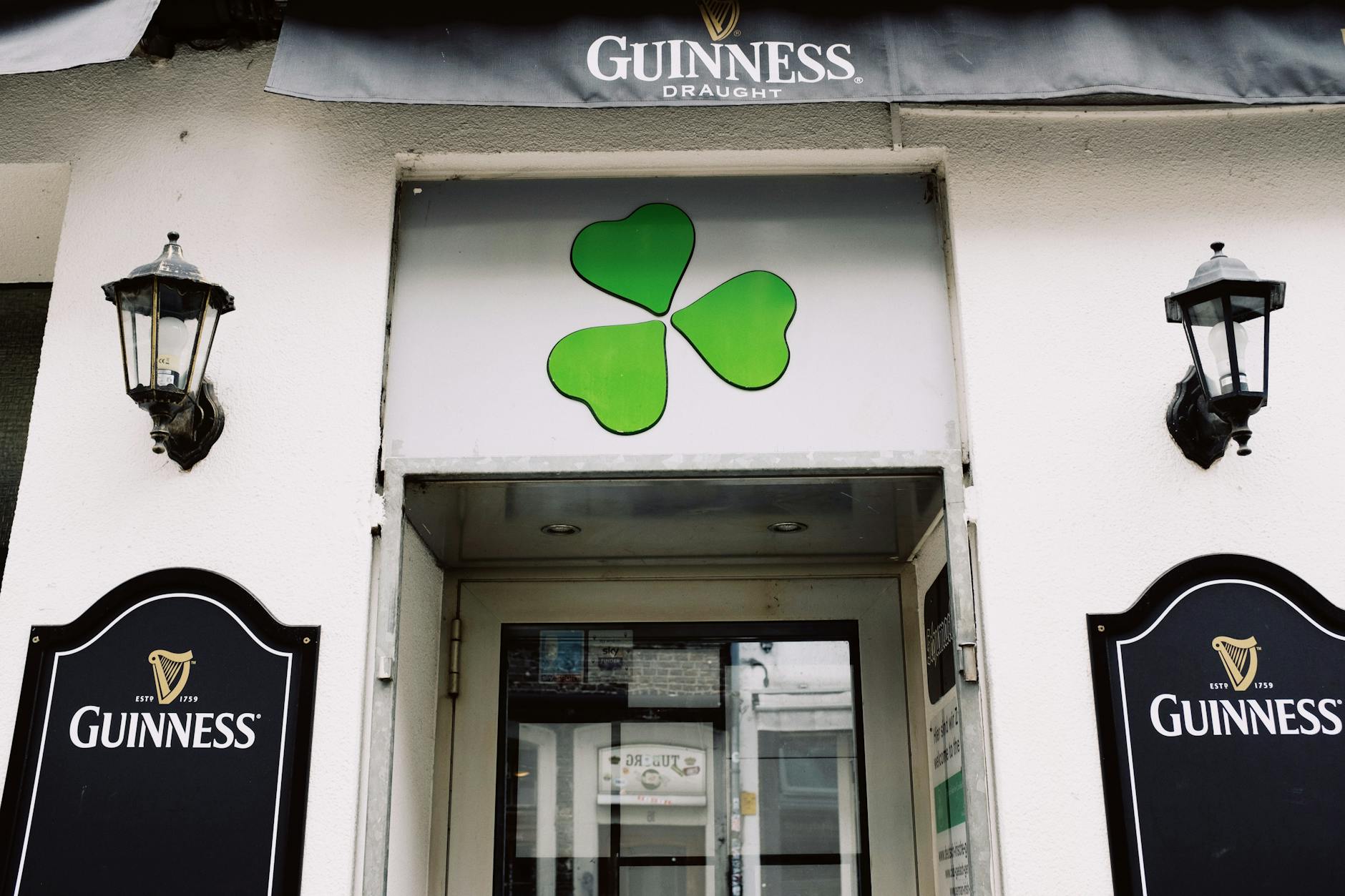
- Pint of Guinness: Takes 2 minutes to pour properly. Don’t complain about the wait.
- Stout pour ritual: 75% pour, settle, top up. Watch a properly poured Guinness with respect.
- Half-pints: Acceptable. “A glass of Guinness, please” gets you a half-pint.
- Music sessions: Don’t talk during slow airs. Don’t request Danny Boy.
- Tipping: Round up the bill or leave change. No tipping per pint.
- Last orders: 11.30pm Sun-Thu; 12.30am Fri-Sat. Order in advance.
- Sitting at the bar: Universally fine; bar seats indicate availability for chat.
- Bringing food into a pub: Don’t. If you want food, order from the pub menu.
- Children in pubs: Welcome until 9pm with food orders.
- Dress code: Smart-casual works everywhere. Sportswear okay in casual pubs.
Food Expectations and Local Traditions
- Full Irish breakfast: Sausage, bacon, eggs, beans, white pudding, black pudding, soda bread. €12-18 at most cafes and pubs.
- Sunday Roast: Cultural institution. 1-4pm at most pubs. Beef, lamb, or chicken with roast potatoes, vegetables, gravy. €18-32.
- Boxty: Traditional potato pancake. Try at The Boxty House in Temple Bar.
- Coddle: Dublin-specific stew. Sausage, bacon, potato, onion. Hard to find at touristy restaurants; available at The Brazen Head and L. Mulligan Grocer.
- Black pudding and white pudding: Both popular at breakfast. Black pudding contains blood; white pudding doesn’t. Both are flavour-packed sausage-style products.
- Fish and chips: Often called “chipper” food. Leo Burdock’s on Werburgh Street is the Dublin classic.
- Pub Sunday breakfast: Some pubs serve Sunday breakfast/brunch with extended hours.
- Coffee culture: Surprisingly excellent. 3fe, Two Pups, Vice and Network Cafe rank with European best.
- Restaurant dinner timing: Earliest 5.30pm; most peak 7-9pm; last seating 9.30-10pm.
- Tipping in restaurants: 10% standard; service charge sometimes included.
- Tap water: Free and excellent. Always ask for tap water with meals.
- Bread: Soda bread is the iconic Irish bread. Try at any traditional pub.
Weather Reality
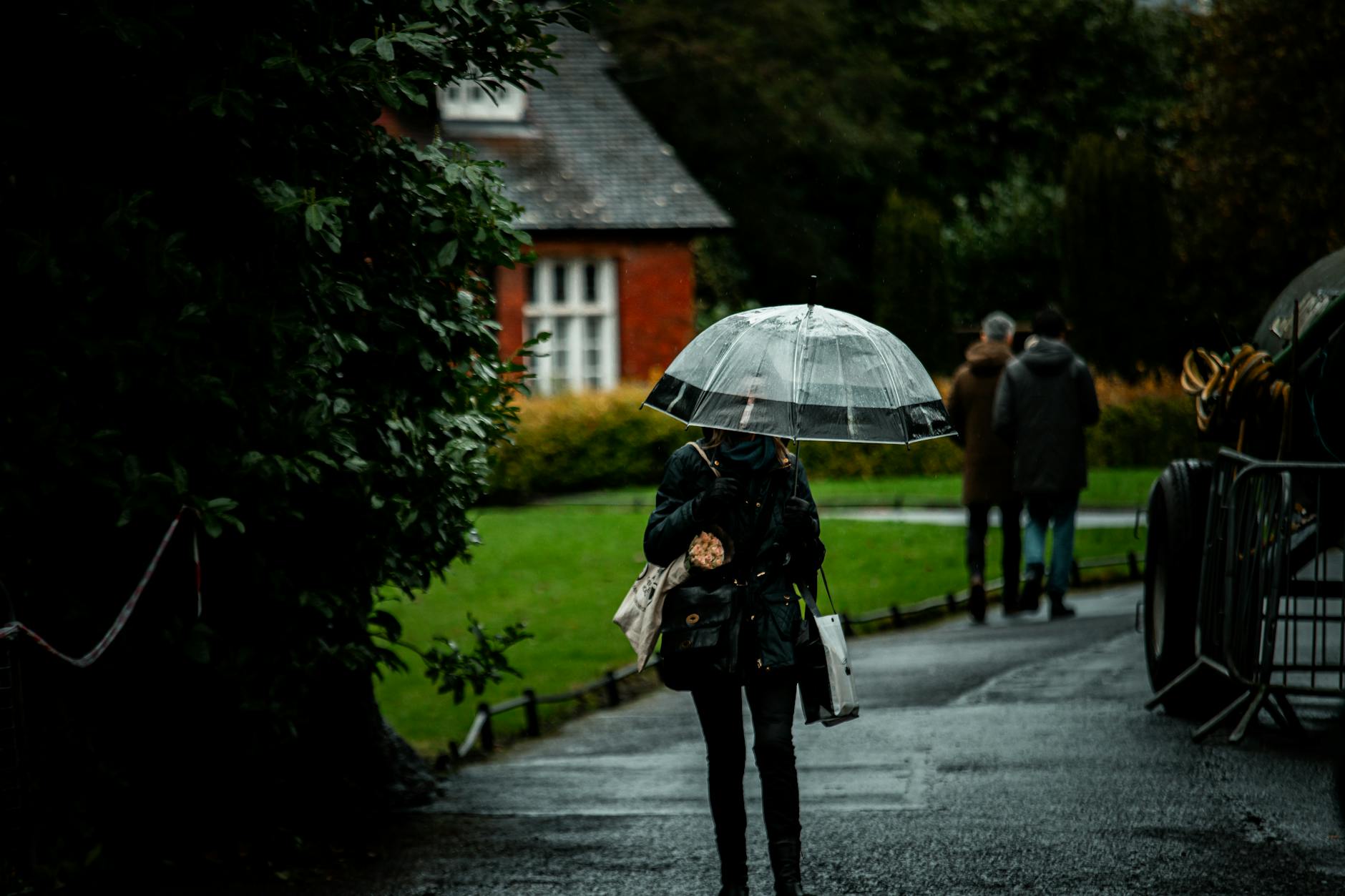
- Rain probability: 60-65% of days, mostly light. Pack a hooded waterproof jacket.
- Don’t rely on umbrellas: Dublin wind blows them inside out.
- Layers, not heavy coats: Dublin is rarely below freezing. Layered clothing handles all seasons.
- Long daylight in summer: 10pm sunset in June; around 4.10pm sunset in December.
- Sunburn risk on clear days: Bring sunscreen for summer; UV reaches 7 on clear Dublin days.
- Snow is rare: 2-3 days per year average; rarely accumulates.
- Indoor backup needed: Always have one indoor day (museum, pub crawl) ready for poor weather.
- Wicklow Mountains weather differs: 5-7℃ cooler than Dublin; pack extra layer for day trips.
Money and Costs
- Currency: Euro (€).
- Card acceptance: Universal. Carry minimal cash.
- Cash needed for: Music tipping, market stalls, occasional cash-only spots. €30-50/day in small notes.
- ATMs: Use bank ATMs (AIB, Bank of Ireland, Permanent TSB); avoid Euronet.
- Dynamic Currency Conversion: When asked “Euros or home currency?” always choose Euros.
- VAT: 23% on most items; reduced 13.5% on hotels and 9% on restaurant meals. Tax-free shopping for non-EU visitors on purchases of €75 or more.
- Tip 10% in restaurants; round up in pubs.
- Daily budget: Backpacker €90-110; Mid-range €200-280; Luxury €500+.
Transport Realities
- Don’t drive in central Dublin: Parking €25-45/night; M50 toll electronic; one-way street network.
- Walking is best: Central Dublin is genuinely walkable.
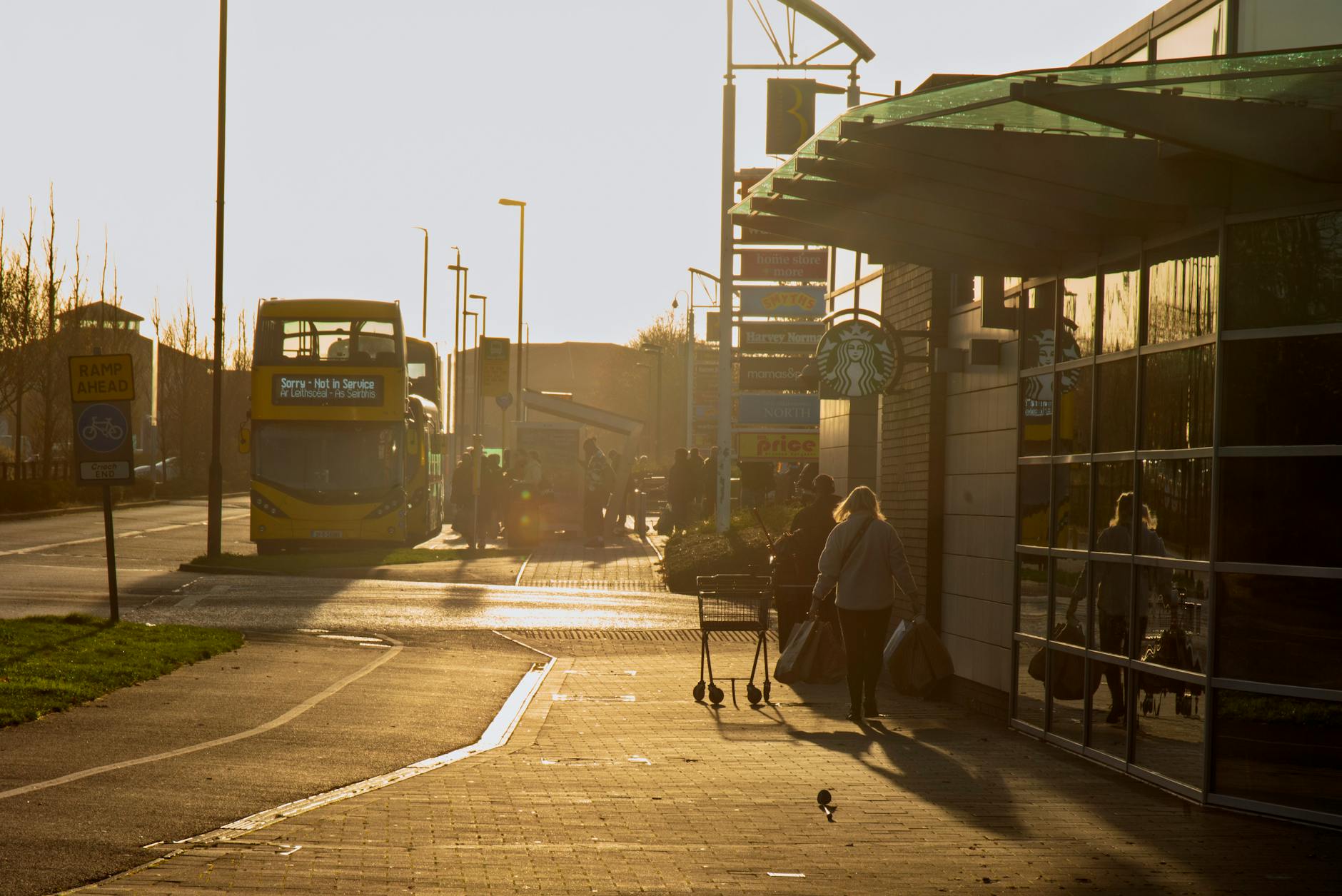
- Leap Visitor Card: 1-day €8, 3-day €18, 7-day €24. Unlimited bus, Luas and DART.
- Luas tram: Two lines (Green north-south, Red east-west); no direct interchange between them.
- DART suburban rail: Coastal line from Howth to Greystones. Use for Howth, Sandycove, Bray day trips.
- Dublin Bus: Pay with Leap Card; correct change in cash. Tap on at the green reader.
- Taxis: Use Free Now or Bolt apps. Standard fare €8-15 in centre.
- Airport transfer: Dublin Express 782/784 coach, Aircoach (€8) or Dublin Bus 16/41 (the 41 runs 24 hours). No train.
- Cars drive on the left: Look right first when crossing.
- Roundabouts go clockwise: Yield to traffic from the right.
Walking Etiquette
- Walk on the left in narrow streets: Faster walkers pass on the right.
- Stand on the right on escalators: Let people pass on the left.
- Cross at the green man: Audio signals indicate when safe.
- Watch for cyclists on footpaths: Some shared-use paths exist; cyclists may approach from either direction.
- Don’t cycle on Grafton Street or Henry Street: Pedestrian-only.
- Stand out of the pedestrian flow when checking phones or maps.
- Group walking: 3-4 across fine in pedestrian streets; pair up on busy footpaths.
Attractions and Booking
- Pre-book essential: Trinity Book of Kells, Guinness Storehouse, Kilmainham Gaol. All can sell out 1-2 weeks ahead.
- Fast Track: Worth the extra €10 at Trinity College Book of Kells.
- Free attractions: Chester Beatty Library (closed until January 2027), National Gallery, National Museum (Archaeology, Decorative Arts, Natural History), Phoenix Park, all parks.
- Guided tours: Free walking tours (Sandemans, Generation Tours) operate daily.
- Closed days: Some museums closed Mondays (National Gallery, Hugh Lane); check before going.
- Christmas Day: Almost everything closed except hotel restaurants and the Forty Foot Christmas Day Swim.
- St Patrick’s Day: Specific attractions stay open but most operate around the parade; expect crowds 9am-3pm.
Cultural Dos and Don’ts
DO
- Say “please” and “thank you” constantly. Irish politeness is real.
- Engage with locals at pubs. Conversation is welcome.
- Buy a round if drinking with friends.
- Order Guinness properly; respect the pour.
- Try traditional food (Irish stew, boxty, coddle, fish and chips).
- Attend at least one traditional music session.
- Photograph the Doors of Dublin.
- Walk Trinity College Front Square at dusk.
- Visit the Forty Foot if you’re visiting Sandycove.
- Watch the Macnas Halloween Parade if visiting late October.
DON’T
- Don’t request “Danny Boy” in trad pubs — locals find it tedious.
- Don’t complain about the rain — weather is what it is.
- Don’t hail random taxis off the street late at night; use Free Now or Bolt apps.
- Don’t drive after drinking; Ireland’s blood-alcohol limit is 50mg.
- Don’t carry your phone in a back pocket; pickpocketing happens.
- Don’t leave drinks unattended in pubs; drink-spiking reports increase.
- Don’t over-tip; 10% is sufficient.
- Don’t skip pre-bookings for Trinity, Guinness, Kilmainham.
- Don’t visit Temple Bar on Friday/Saturday nights expecting quiet drinking.
- Don’t bring American politics or Brexit comparisons into casual conversation.
Safety Realities
- Dublin ranks among Europe’s safer capitals. Ireland is 5th globally on the 2026 Global Peace Index.
- Pickpocketing: Increased risk in tourist concentration areas. Keep phone in front pocket; bag cross-body.
- Late night: Central Dublin stays busy until 1-2am. Areas to avoid walking solo after midnight: north inner city, isolated canal walks.
- Drink-spiking: Reports increased. Never leave drinks unattended.
- Solo female travel: Dublin is solo-female-friendly. Standard urban precautions apply.
- Emergency: 999 or 112 free from any phone.
- Garda visibility: Visible in tourist zones; approachable.
Phones and WiFi
- EU visitors: Free roaming. No SIM needed.
- UK visitors: Check provider (post-Brexit roaming fees).
- US/Other non-EU visitors: Buy an eSIM (Airalo, Holafly) before arrival or physical SIM at the airport.
- Free WiFi: Hotels, cafes, public transport, all major attractions.
- Coverage: 4G/5G near-universal across Dublin and suburbs.
- Essential apps: Free Now (taxi), Transport for Ireland Live (transport), Leap Top-Up, Met Eireann (weather).
Health and Medical
- EU visitors: European Health Insurance Card (EHIC) provides emergency public healthcare.
- UK visitors: GHIC (Global Health Insurance Card) provides equivalent.
- US visitors: Travel insurance essential; healthcare is free public + expensive private.
- Pharmacies: Open 9am-6pm typically; 24-hour pharmacy on O’Connell Street (Hickey’s).
- Hospitals: St James’s and Mater are the main central hospitals.
- Emergency: 999 or 112 free; ambulance arrives at major locations within 8-15 minutes.
- GP visit: Drop-in clinic costs €50-80; book ahead recommended.
- Common health issues: Hangover-related dehydration is the most common tourist health complaint. Stay hydrated.
Shopping and Souvenirs
- Main shopping streets: Grafton Street (upscale), Henry Street (budget), Powerscourt Townhouse (boutique).
- Sunday opening: Most central shops open 12-6pm Sundays; smaller shops closed.
- Quality Irish gifts: Aran Sweater Market, Avoca, Kilkenny Design Centre at Trinity College.
- Tax-free shopping: Non-EU visitors can claim a VAT refund when they spend €75 or more in one purchase at a participating retailer.
- Cash vs card: All shops accept cards; small markets prefer cash.
- Best Irish whiskey for souvenirs: Celtic Whiskey Shop on Dawson Street; airport duty-free for non-EU customs allowance.
- Christmas shopping: Grafton and Henry Streets are spectacular mid-November to 22 December.
Dublin Phrases You’ll Hear
- “Howya?”: How are you? (Casual; standard greeting)
- “Are ya good?”: Same as above.
- “Cheers”: Used as thank-you, goodbye, or toast.
- “Fair play”: Well done; nice work.
- “Story?” or “Stor”: What’s up? (Among younger Dubliners)
- “Cop on”: Use common sense; pay attention.
- “Throw a few bob in”: Contribute money.
- “Have the craic”: Have fun.
- “Deadly”: Excellent (positive).
- “Massive”: Great, fantastic.
- “Brutal”: Awful, bad.
- “Banjaxed”: Broken or worn out.
- “Knackered”: Exhausted.
- “Manky”: Disgusting, dirty.
- “Eejit”: Idiot (mildly affectionate).
Time and Daylight
- Time zone: Irish Standard Time (GMT in winter, GMT+1 in summer).
- Clocks change: Last weekend of March (spring forward); last weekend of October (fall back).
- Restaurant timing: Lunch 12-3pm; dinner 6-10pm. Restaurants empty between.
- Bar timing: Pubs open 10.30am Mon-Sat, 12.30pm Sunday. Last orders 11.30pm Sun-Thu; 12.30am Fri-Sat.
- Attraction hours: Most museums 9.30am-5pm; some open later in summer.
- Public transport: First services 5.30am; last 12.30am most days.
Dublin Myths and Misconceptions
- “It rains all the time”: Rain on 60-65% of days but mostly light. Less than Amsterdam annual rainfall.
- “The Irish drink constantly”: Pub culture is real but social, not constant. Most Dubliners drink less per week than tourist stereotype suggests.
- “Everyone loves Guinness”: Many Dubliners prefer cider, lager, or craft beer.
- “Dublin is dangerous”: One of Europe’s safer capitals; reputation exceeds reality.
- “Irish is widely spoken”: Less than 5% use Irish daily; Dublin is essentially English-language only.
- “Pubs are all about drinking”: Many serve excellent food; food-focused pubs are a Dublin specialty.
- “Cliffs of Moher are nearby”: 270km west of Dublin; 3-hour drive or 13-hour coach day trip.
- “The pubs are quiet”: Temple Bar at weekend peak hours is anything but. Quieter neighbourhoods (Stoneybatter, Portobello) deliver the calm pub experience.
Essential Pre-Trip Bookings
- Hotels: 4-8 weeks ahead; 12 weeks for peak summer.
- Trinity Book of Kells: 1-3 weeks ahead. Fast Track upgrade worth €10.
- Guinness Storehouse: 1-2 weeks ahead.
- Kilmainham Gaol: 2-3 weeks ahead (essential; sells out fastest).
- Chapter One or Patrick Guilbaud Michelin dinners: 4-6 weeks ahead.
- Cliffs of Moher tour: 5-7 days ahead in peak.
- Bloomsday breakfast: 4 weeks ahead.
- Festival tickets: Vary; Electric Picnic sells out hours after release.
Off the Tourist Trail
- Stoneybatter: Hip residential neighbourhood north of the Liffey; L. Mulligan Grocer for serious Irish food.
- Portobello: Genteel suburb south of the Grand Canal; Lena, a neighbourhood Italian in the old Locks site, for canal-side dining.
- The Liberties: Medieval heart of Dublin; distilleries (Roe & Co, Pearse Lyons, Dublin Liberties).
- Ringsend and Sandymount Strand: Working-class to genteel transition; beach walking.
- Phibsboro: Working pub culture; Hedigan’s for old-school Dublin pub experience.
- Marsh’s Library: Ireland’s oldest public library (1707); Jonathan Swift was a reader.
- St Michan’s Church mummies: Medieval crypt with preserved bodies (Church Street).
- Glasnevin Cemetery: 1.5 million graves; cemetery museum and walking tours.
Related Reading
For more Dublin trip planning, see First Time in Dublin, Is Dublin Safe, Dublin Weather, Tipping in Dublin, Dublin Leap Card, and Best Time to Visit Dublin.
What Dubliners Talk About
Casual conversation in Dublin pubs and cafes tends to follow predictable patterns. Common topics: the weather (always); GAA (Gaelic Athletic Association sports — hurling, Gaelic football); the housing crisis (significant Irish social issue since 2015); travel; food and pubs; British and Irish politics; sport (rugby, soccer, GAA). Conversational tone: Self-deprecating humour is the Irish currency. Take light teasing as friendship; respond in kind. Don’t bring up: US politics in detail (most Dubliners find it tedious); the Troubles in Northern Ireland (sensitive); Brexit comparisons (politically charged); religion (largely irrelevant in modern Dublin life).
Good conversation starters: “What’s your favourite pub?” (every Dubliner has an opinion); “Where would you go for proper Irish stew?” (foodie discussion follows); “What’s a good day trip from here?” (locals love recommending Howth and Wicklow). The conversation flows easily once you start; most Dubliners are genuinely warm to international visitors and the pub setting makes strangers into friends within an hour.
Asking Locals for Recommendations
Locals are generous with recommendations when asked properly. The smart approach: be specific. “Where would you go for trad music tonight?” gets a better answer than “Any good pubs?” Mention what you’ve already tried: A bartender who knows you’ve done Trinity and Guinness can point you to lesser-known follow-ups. Ask multiple sources: Hotel concierge gives different recommendations than your taxi driver; both have value. Cross-check with locals at pubs: They’ll tell you which guidebook recommendations are tired and which deserve hype.
Specific recommendations sources to trust: Bartenders at older pubs (Stag’s Head, Long Hall, Brazen Head) know the city deeply. Hotel concierges at established hotels (Westbury, Westin, Shelbourne) have current trend insight. Local Reddit (r/Dublin): Active community; ask specific questions and get genuine Dubliner responses. Time Out Dublin online: Reasonable contemporary recommendations. The Irish Times Saturday Magazine: Restaurant reviews and weekend lifestyle features that match local taste.
Things to Know Before Visiting Dublin: FAQ
What language do they speak in Dublin?
English is the everyday language. Irish (Gaeilge) is on road signs but rarely in conversation. Visitors don’t need any Irish; learning a few words (“sláinte” for cheers, “craic” for fun) is appreciated.
How much money do I need for Dublin?
Backpacker budget: €90-110/day. Mid-range: €200-280/day. Luxury: €500+/day. These cover accommodation, food, attractions and transport. See our Dublin Trip Cost Guide for detailed budget breakdowns.
What should I avoid in Dublin?
Avoid Temple Bar on Friday/Saturday nights unless you specifically want stag-party energy; avoid driving in central Dublin (parking expensive, traffic frustrating); don’t request Danny Boy in trad pubs. The far north inner city late at night is also worth being cautious in.
Do they speak Irish in Dublin pubs?
No — English is the conversation language in virtually all Dublin pubs. Some Irish-language phrases (“sláinte” as a toast, the names of pubs in Irish) appear but conversation is English. The minority Gaeltacht-Irish speakers gather at specific Irish-language pubs like the Connradh na Gaeilge venues.
Is tap water safe in Dublin?
Yes — Dublin tap water is among the highest quality in Europe. Free with all meals; ask for “tap water” rather than buying bottled.
Should I tip in Dublin pubs?
No — pubs are not a tipping culture. Round up the bill. Save tipping for restaurants (10% standard), longer taxi rides (round up; 10% airport runs), and music sessions (cash in the case if you stay nearby).
How much time do I need in Dublin?
2-3 days is the sweet spot for first-time visitors. 2 days covers the major attractions (Trinity, Guinness, Kilmainham, Castle); 3 days adds one day trip (Howth, Wicklow). 5-7 days lets you use Dublin as a base for wider Ireland exploration.
What is the most important Dublin tip?
Pre-book Trinity College Book of Kells, Guinness Storehouse and Kilmainham Gaol. All three sell out 1-3 weeks ahead in peak season. Walk-up queues can stretch to 90+ minutes. Also: bring a hooded waterproof jacket regardless of season.
Data and roaming deserve their own answer, which is in the Dublin SIM card and connectivity guide.
Keep Reading
- Ireland Plug and Adapter Guide — the five-minute read that saves you €25 at the airport shop.
- Irish Slang & Phrases — why “I will, yeah” means no, and what “grand” is really telling you.
- Irish Pub Etiquette — the customs nobody will correct you on, explained before you order your first pint.
- Is Dublin worth visiting? — read this before you book, not after.
Lean na Comharthaí — Keep following the signs