First Time in Dublin 2026: Everything You Need to Know
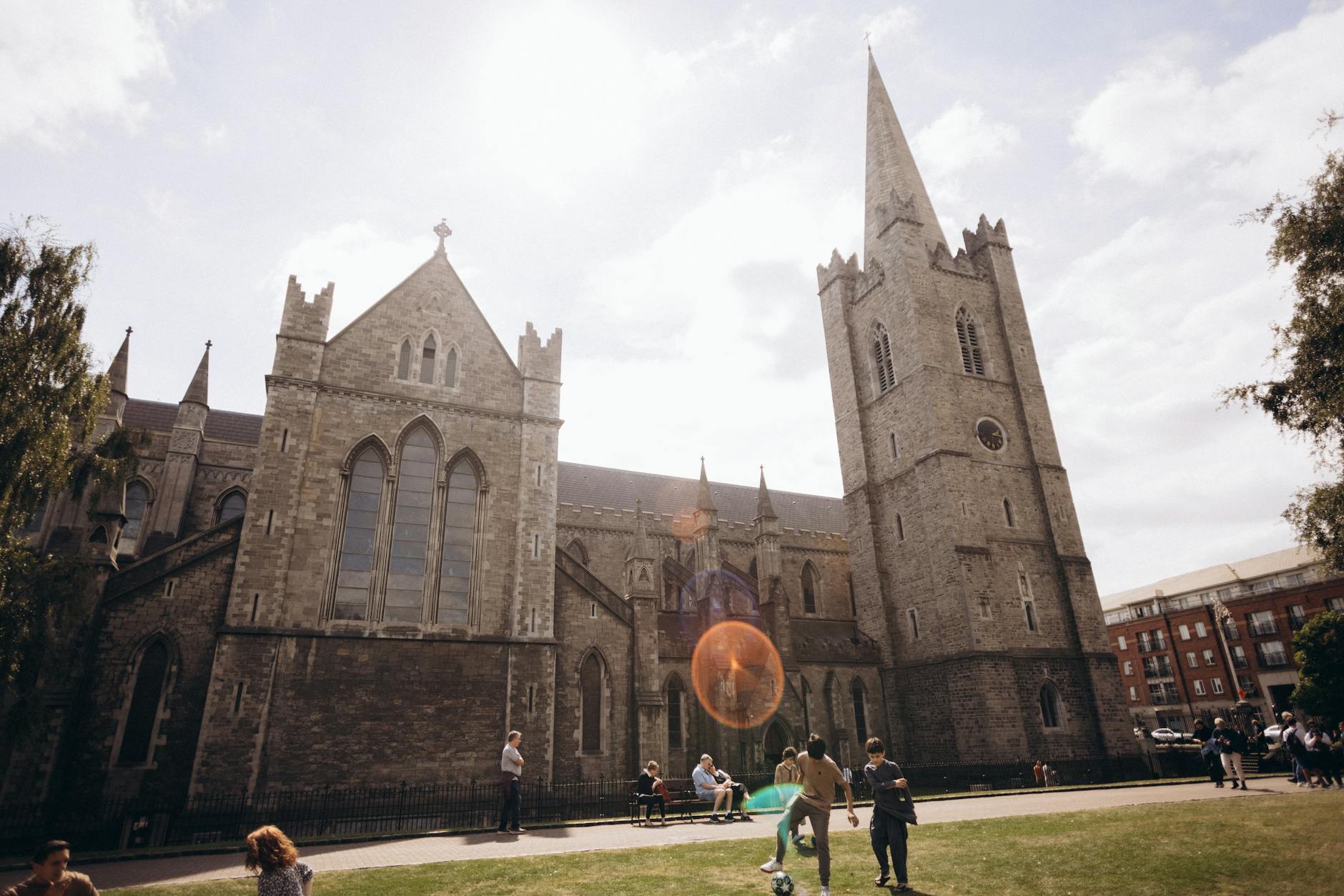
Ar an gComhartha Seo — On this sign
- When to Visit Dublin for the First Time
- How Long Should I Stay in Dublin?
- Where Should I Stay in Dublin?
- First-Time Dublin Must-Sees
- What to Eat as a First-Timer
- Currency, Costs and Tipping
- How to Get Around Dublin
- Is Dublin Safe?
- What to Pack for Dublin
- Cultural Tips for Visitors
- Common First-Time Dublin Mistakes
- Visa and Entry Requirements
- Useful Phone Numbers and Apps
- Best Day Trips for First-Time Visitors
- Related Reading
- First Time Dublin with Children
- Useful Dublin Phrases for Visitors
- First Time in Dublin: FAQ
- Keep Reading
Planning your first time Dublin trip? You’ve picked one of Europe’s most rewarding city breaks — walkable, English-speaking, full of literary heritage, and easier to navigate than any major continental capital. But Dublin has its quirks: tipping culture differs from the US, taxi prices can surprise, attractions sell out faster than visitors expect, and the city’s weather can change four times in a single afternoon. This guide is everything we’d tell a close friend before their first Dublin visit.
We’ve organized this first-time Dublin guide by the questions visitors actually ask: when to visit, how long to stay, where to stay, what to see, what to eat, how transport works, how much things cost, what to pack, and how to stay safe.
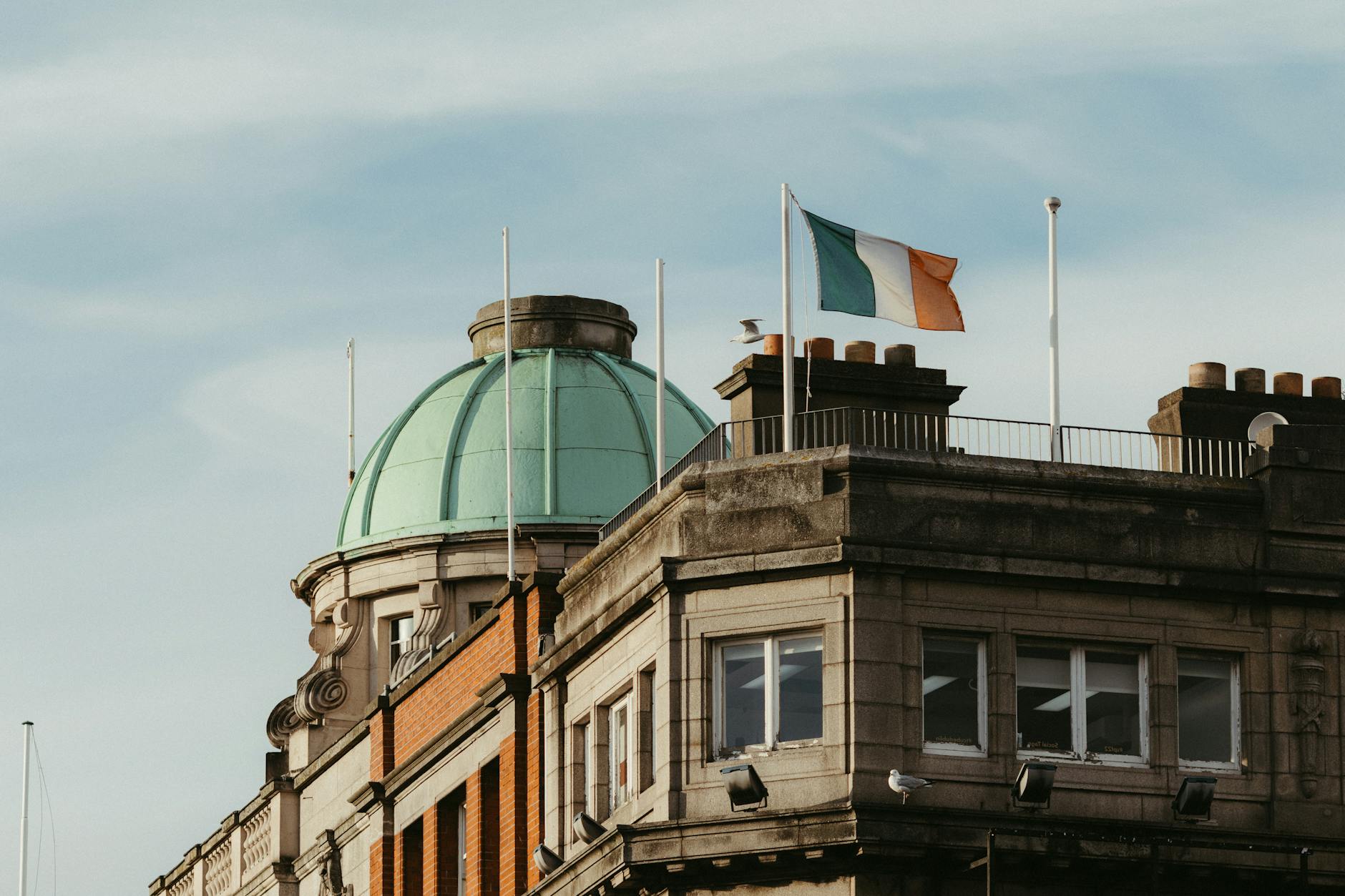
For the wider picture, our Dublin itinerary planner sets this in context alongside everything else worth planning around.
When to Visit Dublin for the First Time
Dublin has no bad month but two clear sweet spots and one weekend to avoid:
- May (best overall): Daffodils and bluebells, mild 13-17℃, long evenings (sunset 9.30pm), pre-summer crowd levels, 20-30% lower hotel rates than peak.
- September (best shoulder season): Mild weather, autumn colours starting, smaller crowds than summer, lower hotel rates, restaurants take walk-ins easily.
- June-August (peak): Longest daylight (10pm sunsets in June), warmest weather (15-22℃), highest crowds and prices. Pre-bookings essential 4-6 weeks ahead.
- October-November: Cool (8-14℃), autumn atmosphere, lower hotel rates, lively indoor cultural scene (theatre, music).
- December-February: Cool (4-9℃), short days (sunrise 8.30am, sunset 4.30pm), Christmas market season, cheapest hotel rates. The most atmospheric “Dublin in winter” experience.
- St Patrick’s Day weekend (around March 17): the busiest weekend of the year. 1+ million extra visitors. Pubs full from noon, attractions queue twice as long, hotels priced 2-3x normal. Either embrace it or visit a different week.
How Long Should I Stay in Dublin?
- 1 day: See the unmissables — Trinity College, Guinness Storehouse, a music pub. Tight but doable. See our 1 Day in Dublin Itinerary.
- 2 days: Sweet spot for first-timers. Covers all major attractions at a manageable pace. See our 2 Days in Dublin Itinerary.
- 3 days: Comfortable pace including one day trip (Howth, Wicklow). See our 3 Days in Dublin Itinerary.
- 4-5 days: Dublin plus three day trips (Howth, Wicklow, Cliffs of Moher).
- 7 days: Dublin as a base for the whole eastern and northern Ireland highlights. See our One Week Dublin Itinerary.
Most first-time visitors find 3 days the ideal length. Anything less feels rushed; anything more is a luxury most travellers don’t allow themselves but always wish they had.
Where Should I Stay in Dublin?
For first-time visitors, stay south of the Liffey, between Grafton Street and the Grand Canal. This puts you within walking distance of every major attraction. Three picks by budget:
- Luxury (€380-650/night): The Westbury (Balfe Street, closest to attractions), The Merrion (Upper Merrion Street, quietest, two Michelin-starred restaurant), The Shelbourne (St Stephen’s Green, most iconic).
- Mid-range (€180-280/night): The Dean (Harcourt Street, design-led with rooftop bar), Iveagh Garden Hotel (Harcourt Street, best price-quality), Premier Inn Dublin City Centre (Stephen Street, reliable budget chain).
- Budget (€90-150/night): Generator Hostel (Smithfield, social hostel), Jacobs Inn (Mountjoy Square, central hostel), Travelodge Dublin (multiple locations).
Three Dublin areas to avoid for first-timers: the far north inner city (Mountjoy, Sheriff Street) which has higher crime; areas south of the Grand Canal beyond Ranelagh (too far from attractions for first-time visitors); and Temple Bar hotels on Fownes Street or Crown Alley (loud, drunk-noisy until 3am). Full guidance in our Best City Centre Hotels Dublin and Best Neighbourhoods Dublin guides.
First-Time Dublin Must-Sees
The unmissables for first-time visitors:
Trinity College & the Book of Kells
Ireland’s oldest university (1592), the 9th-century illuminated Book of Kells, and the spectacular Long Room library with 200,000 books. Pre-book online at tcd.ie/visitors, €25 adult or €35 Fast Track. Allow 90 minutes.
Guinness Storehouse
Seven-floor brewing experience ending at the Gravity Bar (360-degree rooftop view, complimentary pint of Guinness included). Pre-book at guinness-storehouse.com: standard tickets start from €24 online, with the price varying by time slot, or €33 skip-the-line. Allow 90-105 minutes.
Kilmainham Gaol
Ireland’s most emotionally powerful museum visit — the Victorian prison where 1916 Rising leaders were executed. Pre-book at heritageireland.ie, €9 adult. Books out 2-3 weeks ahead in peak season. Allow 90 minutes plus 30 minutes for the museum.
Dublin Castle
Closed to visitors until January 2027 while Ireland holds the EU Council presidency. When it reopens, the State Apartments tour covers the Throne Room, the Waterford crystal chandelier and the medieval Undercroft. Pre-book at dublincastle.ie, €12 adult, 45 minutes.
National Museum of Ireland Archaeology
Free, on Kildare Street. The country’s greatest archaeological treasures: the Ardagh Chalice, the Tara Brooch, four Iron Age bog bodies, Viking artefacts. Allow 90 minutes.
A Traditional Music Session
O’Donoghue’s (Merrion Row), The Cobblestone (Smithfield) or The Brazen Head (Bridge Street) all host regular evening sessions. Arrive 30 minutes early. See our Live Music Dublin Guide.
What to Eat as a First-Timer
Traditional Irish Dishes Worth Trying
- Full Irish Breakfast: sausage, bacon, eggs, beans, white and black pudding, soda bread, tea. €12-18 in most pubs and cafes.
- Beef and Guinness Pie: slow-braised beef in dark stout gravy, mash, vegetables. €19-25 in good pubs.
- Irish Stew: lamb, potato, carrot, parsley. €17-22.
- Coddle: Dublin-specific dish of sausage, bacon, potato in pale broth. Hard to find but available at The Brazen Head and L. Mulligan Grocer.
- Boxty: traditional Irish potato pancake. The Boxty House in Temple Bar serves them stuffed with beef and Guinness gravy.
- Soda Bread: traditional Irish bread, served with butter at most pubs.
- Fish and Chips: Irish version typically uses ray, hake or haddock; Leo Burdock’s (Werburgh Street) is the classic Dublin chipper.
- Bailey’s Irish Cream or Irish Coffee: end a meal with one of these classics.
Modern Dublin Food Worth Seeking
Chapter One, Restaurant Patrick Guilbaud and Liath hold two Michelin stars, and Forest Avenue, Bastible, D’Olier Street, Glovers Alley and Variety Jones hold one. Tasting menus €145-245. Book 4-6 weeks ahead for weekends. Full guide in our Michelin Fine Dining Dublin.
Currency, Costs and Tipping
Currency
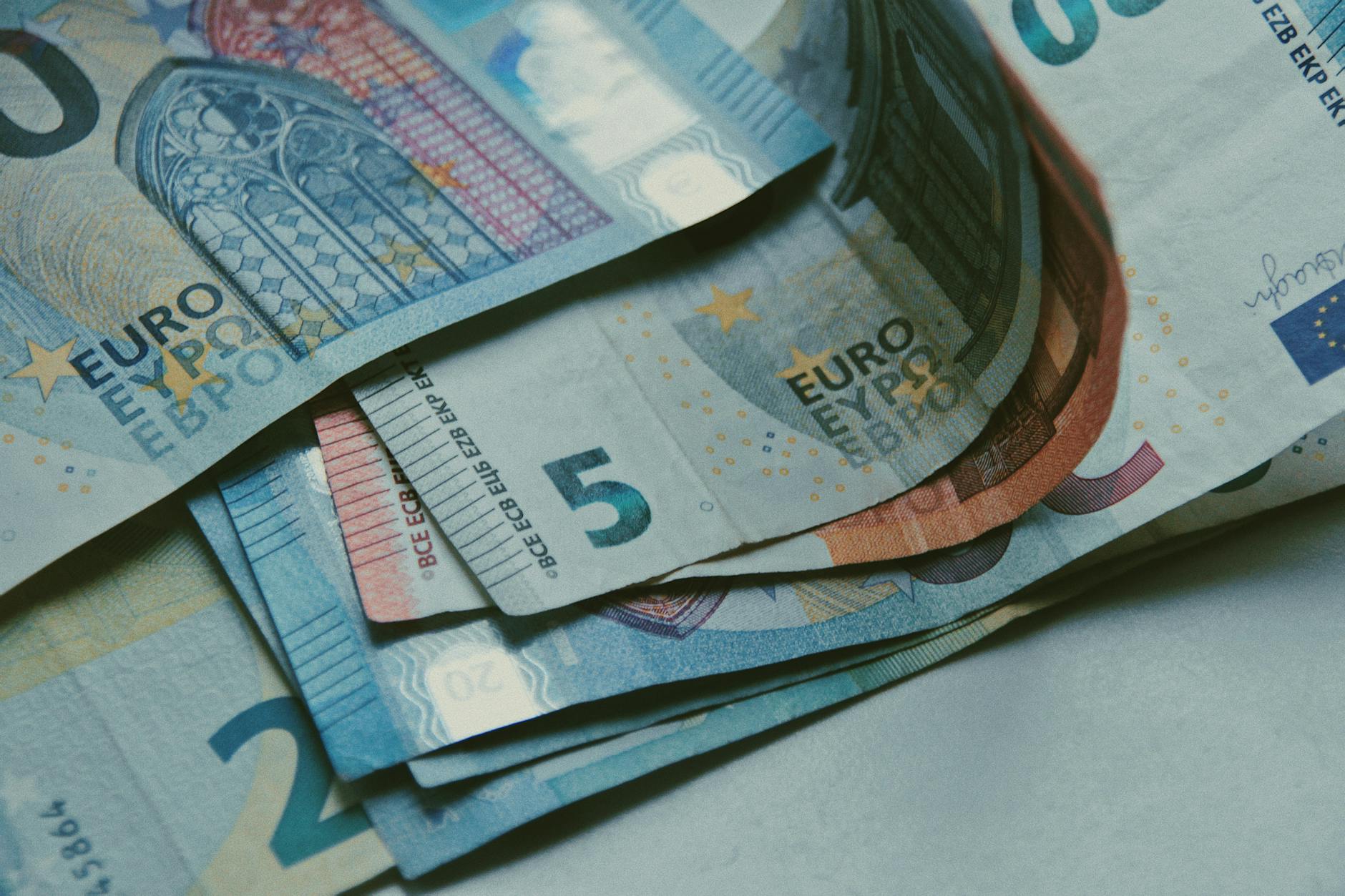
Dublin uses the Euro (€). ATMs are everywhere; most accept international cards with reasonable fees (€3-5 per transaction). Visa, Mastercard and contactless payments are accepted at virtually every venue. Bring €40-60 cash for tipping musicians and the occasional cash-only stall; otherwise contactless covers everything.
Typical Dublin Costs (2026)
- Pint of Guinness: €6.50-8 in pubs, €9-12 in Temple Bar tourist pubs
- Coffee: €3.50-5
- Pub lunch with pint: €25-35
- Sit-down dinner mains: €22-36
- Michelin-starred tasting menu: €145-245
- Bus single ticket: €2.00–2.60 cash, €1.50–2.00 Leap Card
- Luas single ticket: €2.00 cash, €1.50 Leap Card
- Taxi central city: €8-15
- Airport bus: Dublin Express 782/784, Aircoach or Dublin Bus 16 and 41 (fares on each operator’s site)
- Hotel mid-range per night: €180-280
- Hotel luxury per night: €380-650
Tipping in Dublin
- Restaurants: 10% is standard. Service charge is not added automatically. 12-15% for excellent service. Cash or added to the card payment both fine.
- Pubs: no tipping expected. Round up the bill or leave small change. If you stay several hours and chat to the bartender, €1-2 per pint is appreciated but not expected.
- Taxis: round up the fare. 10% for longer airport trips.
- Hotels: €2-5 per night for housekeeping; €1-3 per bag for porters; round up for room service.
- Tour guides: €5-10 per person for free walking tours; rounded into the booking fee for paid tours.
- Music sessions: cash tips in the open guitar case if a band is playing; €5-10 per person is generous.
How to Get Around Dublin
Dublin’s city centre is genuinely walkable — most attractions are within 2km of each other. For longer trips:
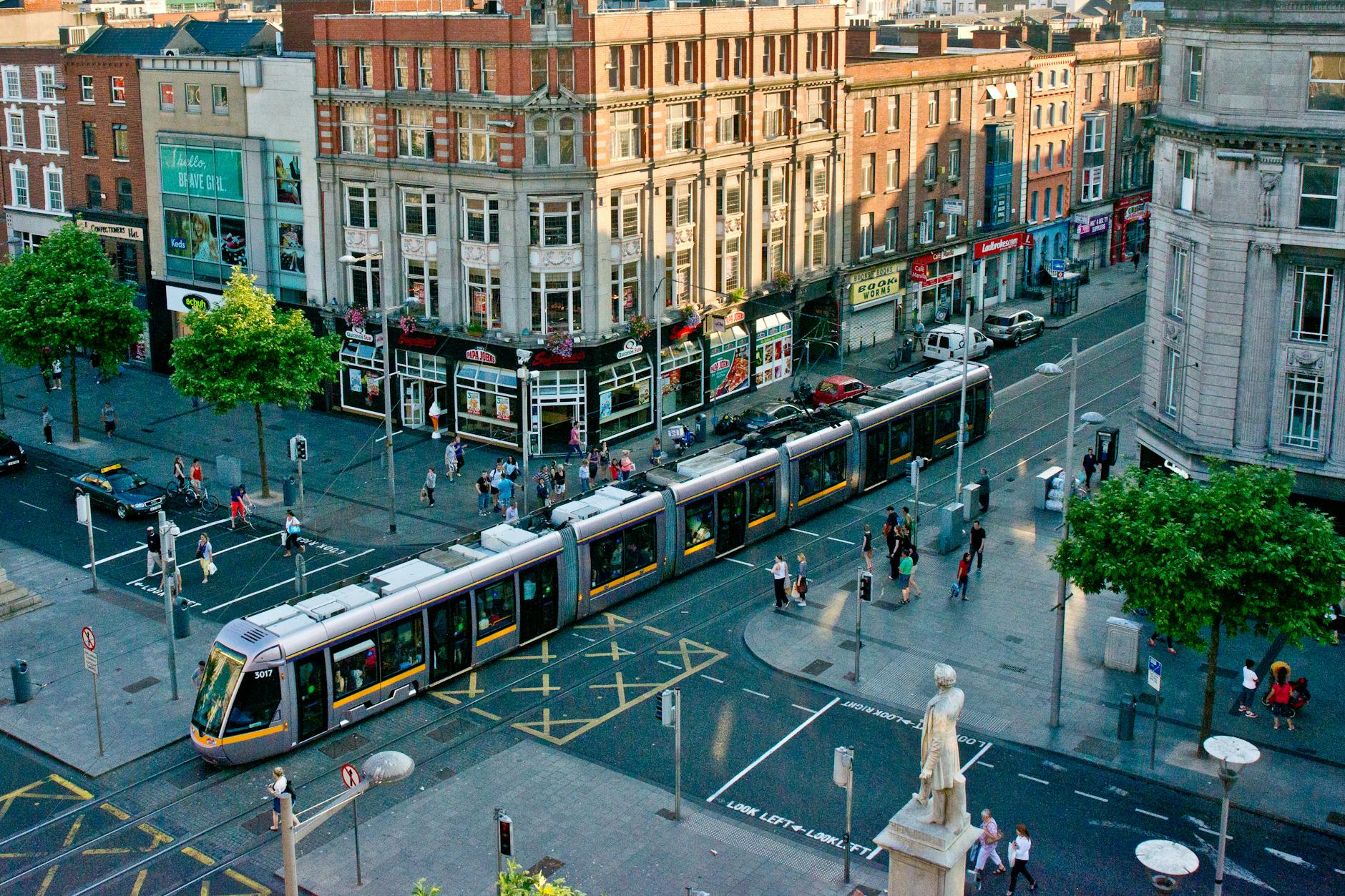
- Luas tram: Green Line runs from Brides Glen to Broombridge via St Stephen’s Green and Trinity; Red Line from Tallaght to The Point via Smithfield and Connolly. Fast, frequent (every 5-7 minutes), €2.00 cash single or €1.50 with Leap Card.
- Dublin Bus: Extensive network. Apps: Transport for Ireland Live, Google Maps. €2.00–2.60 cash single.
- DART (light rail): Coastal train connecting Dublin to Howth (north) and Bray (south). Useful for day trips. €2.30-4.30 per trip.
- Leap Card: Stored-value card for buses, Luas, DART. 1-day Visitor Card €8, 3-day €18, 7-day €24. Pays for itself if you take 3+ trips per day.
- Taxis: Free Now and Bolt apps work well. Standard central trips €8-15. Tip: book through the app, not flagged on the street.
- Walking: The default mode in central Dublin. Wear comfortable shoes for cobbled streets.
- Hop-on Hop-off Bus: €25 24-hour, €30 48-hour. Useful for visitors with mobility issues or those who want a structured city tour.
From Dublin Airport to the city centre: Dublin Express coaches 782 and 784, Aircoach (€8, 25-35 minutes), Dublin Bus routes 16 and 41 (the 41 runs around the clock), or taxi (€25-35).
Is Dublin Safe?
Dublin is one of Europe’s safer capital cities — Ireland ranks 5th most peaceful country in the world on the 2026 Global Peace Index. Violent street crime against tourists is rare; the standard travel risks are opportunistic theft (phones, bags from cafe chairs) and occasional pickpocketing at tourist attractions.
- Generally safe at all hours: Grafton Street, Trinity, Stephen’s Green, Merrion Square, Ballsbridge, Dawson Street.
- Use normal caution at night: Temple Bar (party crowds), O’Connell Street north of the Liffey, Capel Street, Talbot Street.
- Use taxis after 11pm: The far north inner city (Mountjoy, Sheriff Street), isolated canal walks late at night.
- Standard precautions: Don’t leave phones on cafe table edges; keep bags between your feet; don’t accept drinks from strangers without watching the pour.
- Emergency numbers: 999 or 112 (free from any phone) for Garda (police), ambulance or fire.
What to Pack for Dublin
- Light waterproof jacket with a hood. Dublin rain happens 50-60% of days year-round; an umbrella is intermittently useful because of wind.
- Comfortable walking shoes. Trinity cobbles, Temple Bar setts and Phoenix Park gravel are not heel-friendly. Sneakers or low boots are ideal.
- Layered clothing. Dublin’s weather changes hourly even in summer. Pack one warm sweater plus a light layer for cool evenings (15-18℃ in July).
- Smart-casual outfit. The Merrion, Restaurant Patrick Guilbaud and afternoon teas expect smart attire. Jeans plus collared shirt or sweater works; trainers fine but not gym wear.
- UK-style 3-pin G plug adapter. Ireland uses the same plug as the UK.
- Portable phone charger. Gravity Bar photos drain batteries; day-trip days especially.
- Contactless cards. Every venue accepts contactless including most small pubs.
- Small day backpack. Useful for waterproof, layers and water bottle on walking-heavy days.
Cultural Tips for Visitors
- Don’t shake hands aggressively. Irish handshakes are firm but brief. Hugs reserved for friends.
- Pub etiquette: order at the bar (no table service in most pubs); buy a round when in a group; don’t talk during a slow air at a music session; never request Danny Boy.
- “Craic”: pronounced “crack,” means fun, enjoyment, banter. Used constantly: “What’s the craic?” (what’s up?) “Great craic last night” (great time last night).
- Self-deprecating humour is the Dublin currency. Take light teasing as friendship; respond in kind.
- Tipping isn’t expected at pubs. Round up; don’t leave 20% American-style.
- “Grand” means fine, good, okay. “How are you?” “Grand.”
- Smoking is banned in all enclosed venues since 2004. Beer gardens and outdoor smoking areas at most pubs.
- Public displays of affection are accepted but not expected; mid-range PDA only.
- Dress: Dubliners dress smart-casual. Avoid athletic wear in restaurants; jeans plus a collared shirt always works.
Common First-Time Dublin Mistakes
- Not pre-booking Trinity, Guinness and Kilmainham. All three sell out 1-3 weeks ahead in peak season.
- Drinking pints at lunchtime. Local Dubliners don’t drink at noon. Save proper drinking for after 6pm.
- Eating only in Temple Bar. Tourist menus and 30% price markups. Stoneybatter, Portobello and Ranelagh have the best dining.
- Hailing taxis on the street. Free Now and Bolt apps are faster and cheaper.
- Tipping like in the US. 10% is the maximum in Dublin restaurants; pubs require no tip.
- Bringing only an umbrella. Dublin wind makes umbrellas only intermittently useful; a hooded waterproof is essential.
- Visiting on St Patrick’s weekend without planning. 1+ million extra visitors. Pre-book everything 6-8 weeks ahead or skip this weekend.
- Skipping the day trips. Howth, Wicklow and Cliffs of Moher are 30 minutes to 4 hours from Dublin and deliver the country’s most photographic landscapes.
- Forgetting to book a music session. The Cobblestone fills 30 minutes before sessions start; arrive early.
- Not bringing layers. Even in July, evenings drop to 13-16℃ with sea-fresh wind.
Visa and Entry Requirements
Ireland is a Schengen non-participant; visa requirements differ from continental Europe:
- EU/EEA/UK citizens: No visa, no passport check (often only ID).
- US, Canada, Australia, NZ, Japan, South Korea, most Latin American: No visa for visits up to 90 days.
- Most South Asian, African, Middle Eastern countries: Visa required; apply at Irish consulates or VFS centres before travelling.
Check the Department of Foreign Affairs website (dfa.ie) for current visa requirements for your nationality. Brexit means UK visitors no longer get automatic EU rights but Ireland-UK Common Travel Area preserves visa-free movement.
Useful Phone Numbers and Apps
- Emergency: 999 or 112 (Garda, ambulance, fire)
- Garda (non-emergency): contact the nearest Garda station
- Tourist Information: Dublin Discover Ireland office, 14 Upper O’Connell Street
- Free Now: standard taxi app (download before arrival)
- Bolt: cheaper taxi alternative
- Transport for Ireland Live: real-time bus, Luas and DART times
- Get Your Guide / Viator: attraction tickets and tours
- Met Eireann: official weather forecast (met.ie)
- Google Maps: routing for walking, Luas and bus transfers; reliable in Dublin
Best Day Trips for First-Time Visitors
- Howth (half-day, easy): DART 25 minutes north. Cliff walk plus seafood lunch. €8 return DART.
- Wicklow Mountains & Glendalough (full day): 9-hour coach tour, €45. Includes Glendalough, Powerscourt Waterfall, Sally Gap.
- Cliffs of Moher (full long day): 13-14 hour coach tour, €72-79. Ireland’s most spectacular landscape; includes Galway lunch.
- Belfast (full day): 2-hour Enterprise train each way, €30 return. Titanic Belfast, Black Cab political tour.
- Kilkenny (full day): 90-minute train each way, €25 return. Medieval city, castle, cathedral.
Related Reading
Dublin itinerary guides: 1 Day in Dublin, 2 Days in Dublin, 3 Days in Dublin, One Week Dublin Itinerary. Specialised: Dublin for Couples, Solo Travel Dublin, Dublin and Ireland Itinerary, Dublin Layover Guide.
First Time Dublin with Children
Dublin is reliably family-friendly for first-time international travel with kids. Children under 16 enter most Dublin attractions free or at half price; the major museums (National Museum, Chester Beatty (closed until the end of December 2026)) are all free. Top family-friendly stops are Dublin Zoo in Phoenix Park (€22 adult, €17 child, allow 3-4 hours), the EPIC Irish Emigration Museum (interactive, 90 minutes), and Phoenix Park itself for the wild deer herd. The Natural History Museum (the “Dead Zoo” on Merrion Street) is closed for refurbishment, with no reopening date yet. Most pubs allow children until 9pm with food orders; child-friendly restaurants include Wagamama, Pi Pizza, the Trocadero and most hotel restaurants.
Practical kid logistics: strollers cope poorly with Dublin cobbles — consider a baby carrier instead. Family hotels include the Westin (College Green), the Stauntons on the Green and the Iveagh Garden Hotel. Most central hotels offer roll-away beds for children 12 and under at no extra cost. The Dublin Pass (€72 adult/day, €42 child) covers most family attractions including Guinness Storehouse, EPIC and Dublin Zoo — works out cheaper than individual tickets if you’re visiting 3+ paid attractions per day. See our Family Hotels Dublin for more.
Useful Dublin Phrases for Visitors
You don’t need Irish for a Dublin visit, but understanding a handful of Hiberno-English phrases helps. “What’s the craic?” means “what’s up?” or “how’s it going?”. “Grand” means fine, good, okay. “Sorted” means done, fixed, handled. “Yer man” / “yer one” refers to a specific person nearby without naming them. “Bog standard” means basic or ordinary. “Press” is what Dubliners call a cupboard. “Jacks” is the toilet. “Press the button” on the bus means signal the driver to stop. “Slainte” (pronounced “slawn-cha”) is the Irish toast for “cheers” or “health.”
First Time in Dublin: FAQ
Is Dublin a good first-time destination?
Yes — Dublin is one of Europe’s easiest first-time city breaks. English-speaking, walkable, friendly, with strong tourism infrastructure and lower crime rates than most European capitals. It’s often recommended as a first international trip for US visitors.
How many days do I need in Dublin?
For first-time visitors: 3 days is the sweet spot. 2 days covers the unmissables; 4-5 days lets you add day trips to Howth, Wicklow or the Cliffs of Moher.
What is the best month to visit Dublin?
May and September are the sweet spots — mild weather, long evenings, smaller crowds than peak summer, 20-30% lower hotel rates. June-August is the peak with heaviest crowds.
How much will a Dublin trip cost?
Budget weekend €350-500 per person; mid-range 3-day trip €700-1,000 per person; luxury 3-day trip €1,500-2,500 per person. Add €180-650 per night for hotels depending on tier.
Is English spoken in Dublin?
Yes — English is the everyday language. Irish (Gaeilge) is the official language and appears on road signs and government materials but rarely in conversation. Visitors don’t need any Irish.
Do I need cash in Dublin?
Almost all venues accept contactless cards, even small pubs. Bring €40-60 cash for tipping musicians and the occasional cash-only stall. ATMs are everywhere; international cards work with reasonable fees.
Is Dublin expensive?
Dublin is one of Europe’s more expensive capitals, comparable to London or Paris and more expensive than Berlin or Madrid. Pints are €6.50-8, dinner mains €22-36, hotels €180-380 mid-range. Cheaper than New York, San Francisco or Zurich.
What should I not miss on a first Dublin trip?
Trinity College and the Book of Kells, Guinness Storehouse with the Gravity Bar sunset pint, Kilmainham Gaol, Dublin Castle (from January 2027), a traditional pub dinner, and a live music session. These six experiences capture the essence of first-time Dublin.
For a ranked shortlist rather than a route, see the best Dublin experiences.
We have collected the smaller local details separately in things to know before visiting Dublin.
Getting connected on arrival is its own small decision — the Dublin SIM card and connectivity guide compares the networks and prepaid options.
Keep Reading
- Ireland Plug and Adapter Guide — which adapter to pack, and what to do about a 120 V hairdryer.
- Irish Slang & Phrases — the vocabulary you will hear on day one, decoded.
- Irish Pub Etiquette — the fastest way to stop looking like it is your first night in the city.
- Is Dublin worth visiting? — the honest case, including who will not enjoy the city.
- 4 Days in Dublin — the itinerary we would hand a first-timer with room for one day trip.
Lean na Comharthaí — Keep following the signs