Dublin and Ireland Itinerary 2026: 7, 10 & 14-Day Plans
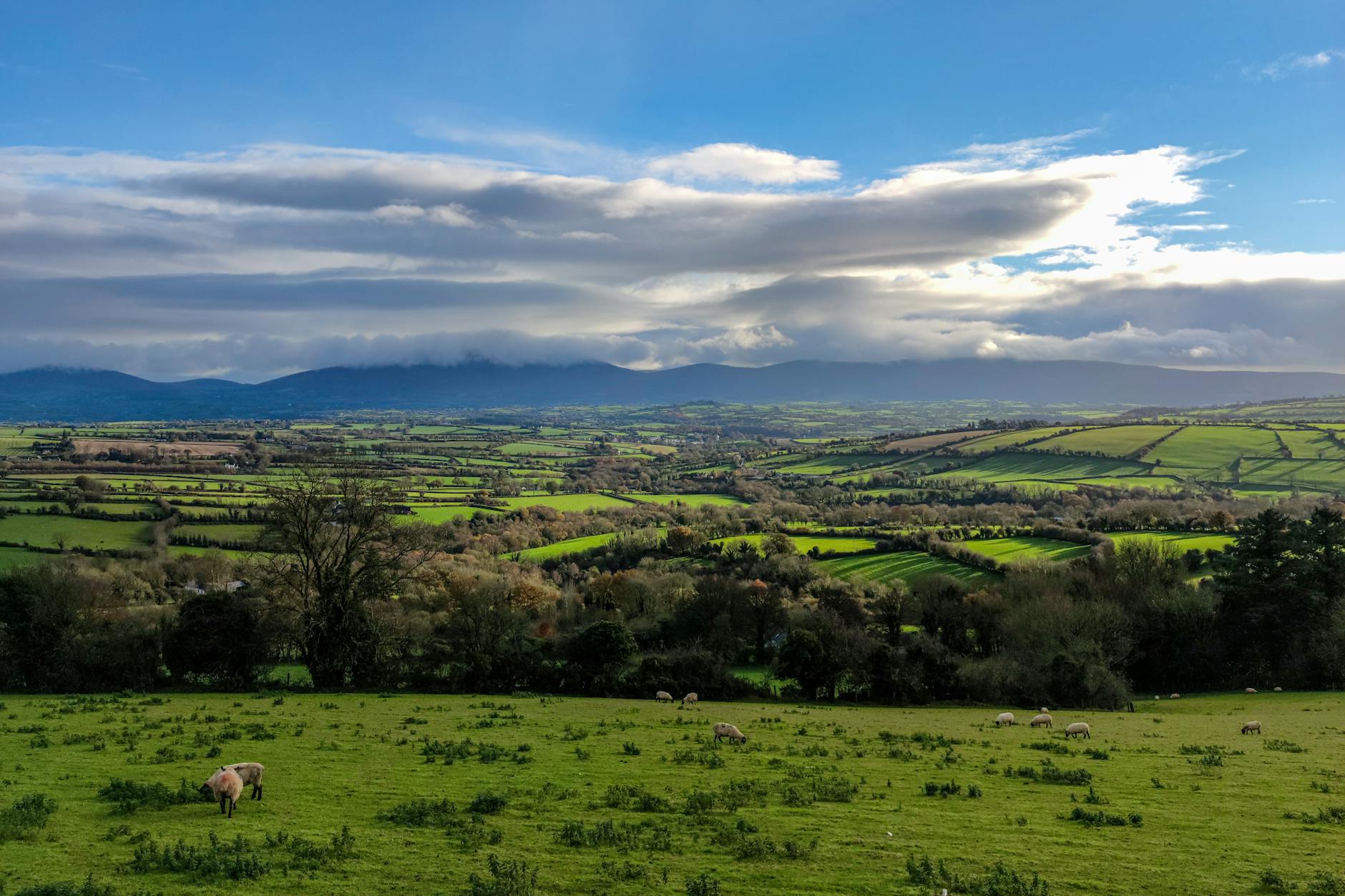
Ar an gComhartha Seo — On this sign
- The Three Best Dublin and Ireland Itineraries
- Days 1-3: Dublin City
- Day 3/4: Dublin to Kilkenny
- Day 4/5: Kilkenny to Cork & Cobh
- Day 5/6: Cork to Killarney & the Ring of Kerry
- Day 7 (10-day and 14-day): Dingle Peninsula
- Day 6/8: Cliffs of Moher & Galway
- Day 9-11 (longer itineraries): Connemara, Sligo & Donegal
- Day 13: Belfast & Causeway Coast
- Final Day: Back to Dublin
- Rental Car Strategy for Ireland
- Dublin and Ireland Itinerary Budget
- When to Visit Ireland
- Dublin and Ireland Practical Tips
- Related Reading
- Extending: Two Weeks vs Three Weeks in Ireland
- Multi-Stop vs Base-City Strategy
- Dublin Hotels vs Rural Country-House Stays
- Dublin and Ireland Itinerary: FAQ
- Keep Reading
The perfect Dublin and Ireland itinerary is the most-searched Ireland trip question for one good reason: most international visitors land in Dublin and want to combine the city with the country’s best landscape. Get the structure right and Ireland delivers one of Europe’s most rewarding road trips. Get it wrong and you spend half your trip in airport transfers or on the M50 ring road.
This guide is the complete planner: three Dublin-and-Ireland itineraries (7, 10 and 14 days), the right rental car strategy, where to add overnight stops, how to time the Cliffs of Moher and Ring of Kerry, and the unmissable mid-trip cities (Cork, Galway, Kilkenny). Every overnight recommendation is cross-checked with 2026 availability; every driving time is sourced from current Google Maps data with allowance for Irish rural roads.
This sits inside our broader Dublin itinerary planner, which is the place to start if you are planning from scratch.
The Three Best Dublin and Ireland Itineraries
The Classic 7-Day Dublin and Ireland Loop
Dublin (Days 1-2) → Kilkenny (Day 3) → Cork & Cobh (Day 4) → Killarney & Ring of Kerry (Day 5) → Cliffs of Moher & Galway (Day 6) → Dublin (Day 7). Total driving 850km, 14 hours. Best for: first-time Ireland visitors who want classic highlights at fast pace.
The Comfortable 10-Day Ireland with Dublin Bookends
Dublin (Days 1-3) → Kilkenny (Day 4) → Cork & Cobh (Day 5) → Killarney (Day 6) → Dingle Peninsula (Day 7) → Cliffs of Moher & Galway (Day 8) → Connemara (Day 9) → Dublin (Day 10). Total driving 1,150km, 20 hours.
The Comprehensive 14-Day Ireland Grand Tour
Dublin (Days 1-3) → Kilkenny (Day 4) → Cork (Day 5) → Killarney (Day 6) → Dingle (Days 7-8) → Limerick & Cliffs of Moher (Day 9) → Galway & Connemara (Days 10-11) → Sligo & Donegal (Day 12) → Belfast (Day 13) → Dublin (Day 14). Total driving 1,650km, 28 hours.
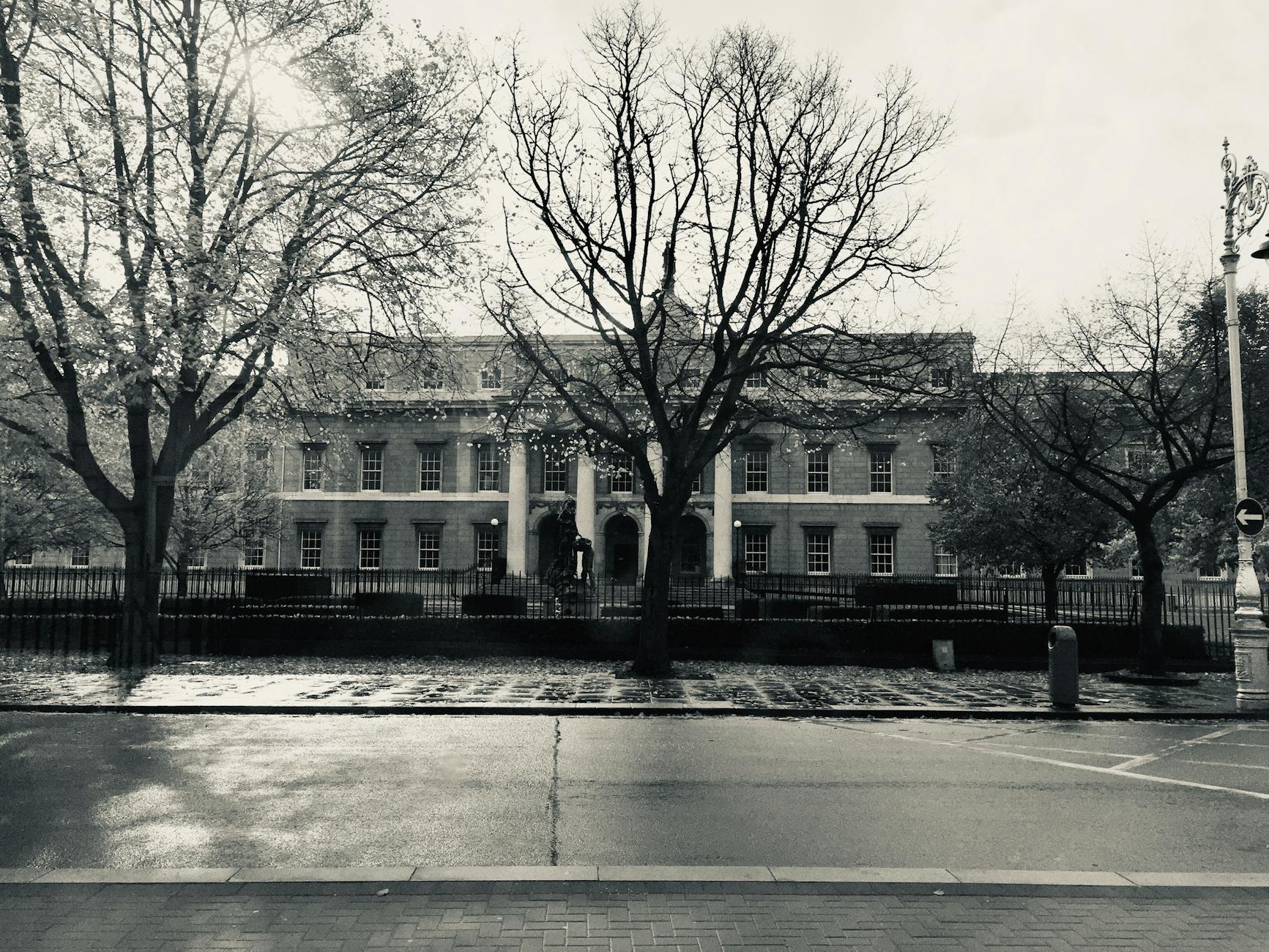
Days 1-3: Dublin City
The Dublin portion of any Ireland itinerary should be 2-3 days minimum. The standard sequence:
- Day 1: Trinity College & Book of Kells, Dublin Castle, Guinness Storehouse, dinner at The Brazen Head with traditional music. Full detail in our 1 Day in Dublin Itinerary.
- Day 2: Kilmainham Gaol, Phoenix Park, National Museum of Ireland Archaeology, dinner in Stoneybatter. Full detail in our 2 Days in Dublin Itinerary.
- Day 3 (10-day and 14-day versions only): Howth Cliff Walk half-day, EPIC Irish Emigration Museum, dinner at a Michelin-listed restaurant. Or replace with a relaxed museum day before driving out of Dublin.
Pick up the rental car on the morning of Day 3 or Day 4 from Dublin Airport (the city-centre car rental offices are smaller and the M50 ring road traffic is heavy). Rental cars in Ireland are typically smaller than American visitors expect — book at least one size bigger than you would at home. Expect €40-90 per day for a manual compact, €65-130 for an automatic.
Day 3/4: Dublin to Kilkenny
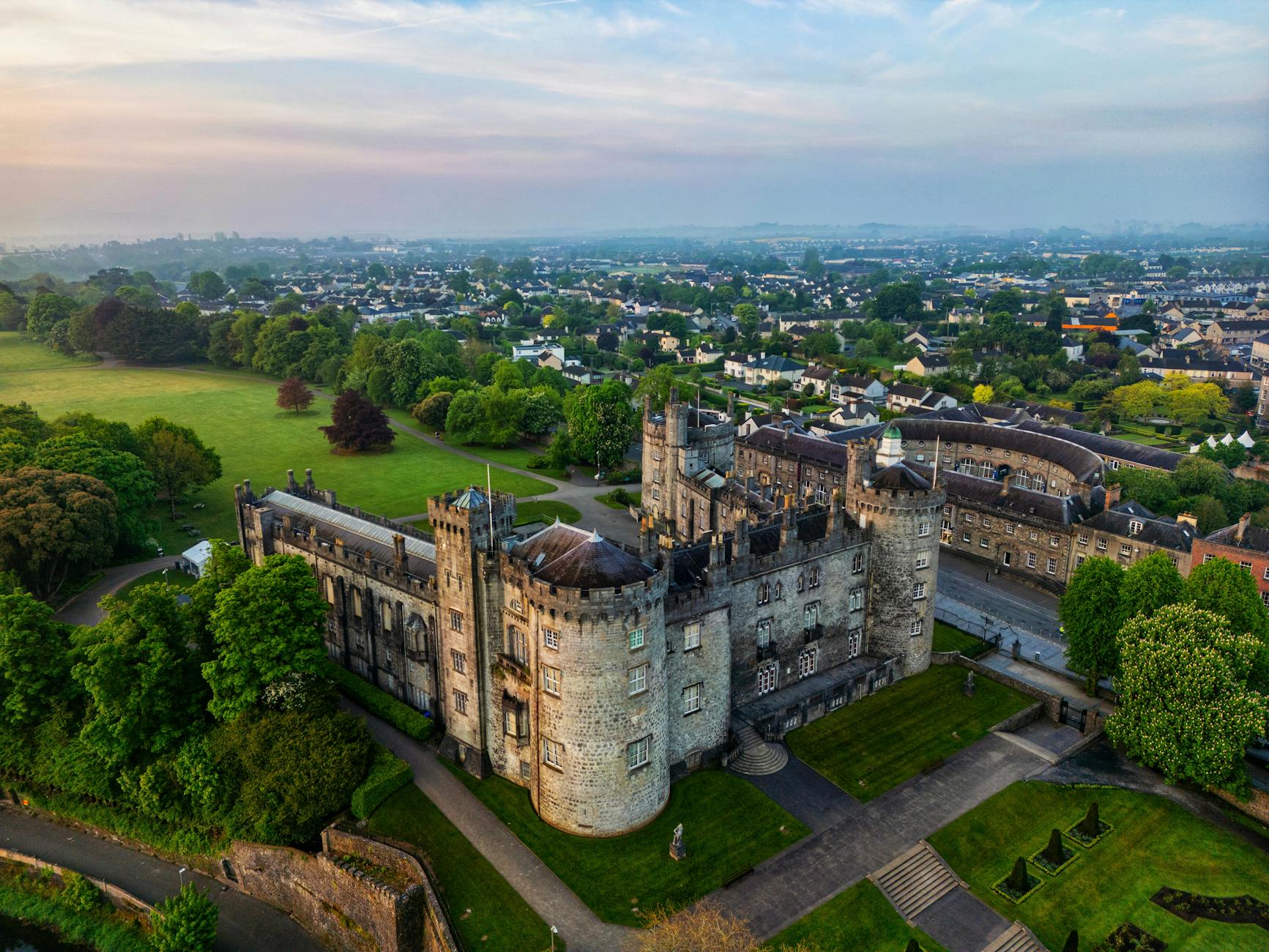
Kilkenny is 90 minutes south of Dublin (130km via the M7/M9). The medieval city makes a perfect first stop and an easy single-night halt. Highlights:
- Kilkenny Castle (€9, 60 minutes): 12th-century Norman fortress with restored Long Gallery and 50-acre parkland behind. The Picture Gallery shows portraits of the Butler family who owned the castle for 600 years.
- St Canice’s Cathedral & Round Tower (€8, 45 minutes): The climbable round tower (one of only two in Ireland) gives a spectacular view of medieval Kilkenny.
- The Medieval Mile walking route from the Castle to St Canice’s, passing The Tholsel, Rothe House and St Mary’s.
- Smithwick’s Experience (€17, 75 minutes): Kilkenny’s ale brewery, dating to 1710.
- Black Abbey: Dominican friary, still operating, free to visit.
Where to eat in Kilkenny: Campagne (Michelin-starred, €42-65, book ahead), Foodworks (€22-32 modern Irish), Ristorante Rinuccini (Italian under the Castle, €18-28). Where to stay: Pembroke Hotel (centre, €165-220) or Mount Juliet Estate (15 minutes outside town, 5-star country estate, €320-650, golf course and spa).
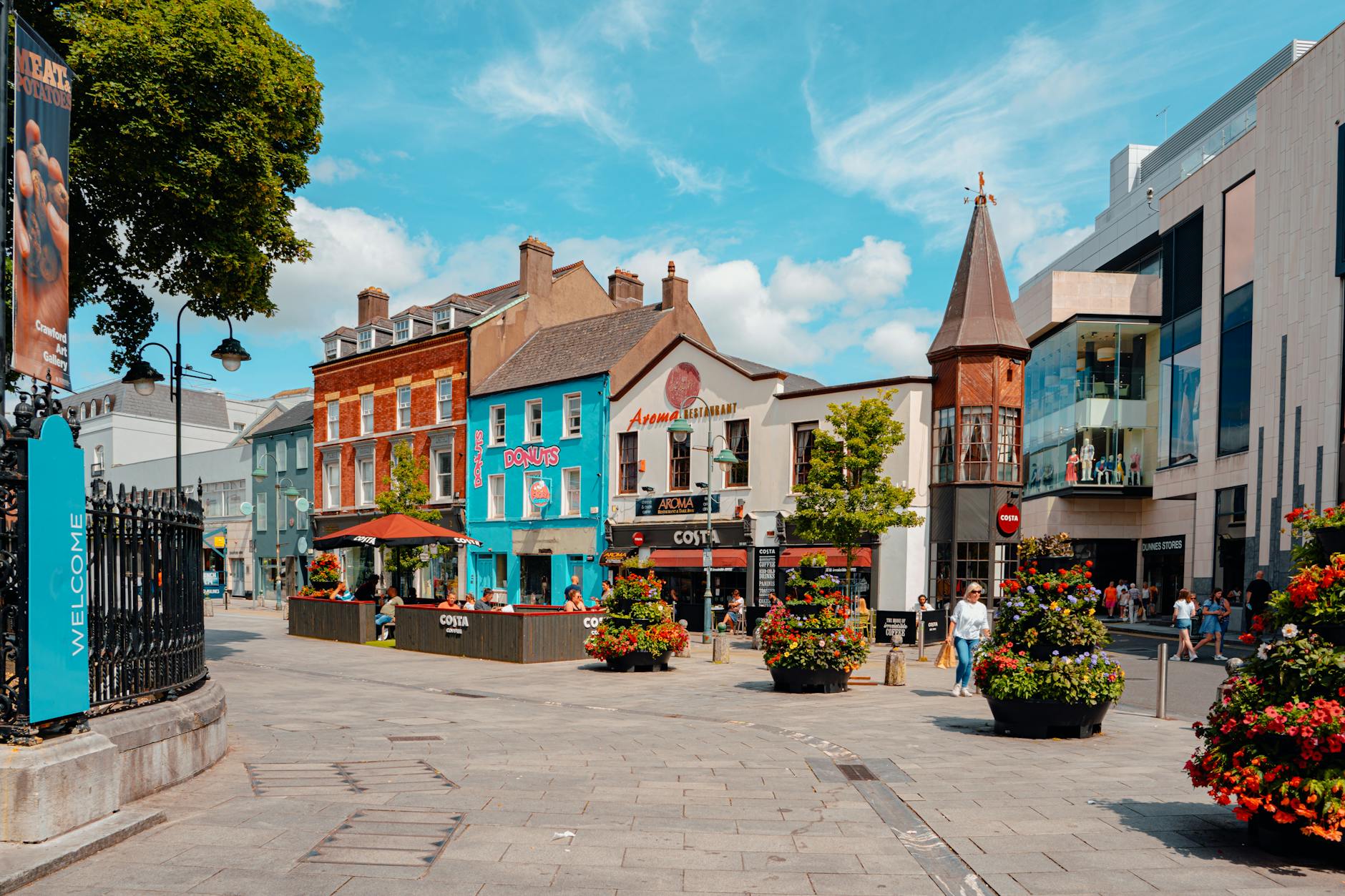
Day 4/5: Kilkenny to Cork & Cobh
From Kilkenny, drive 2 hours south to Cork (200km via the M8). Ireland’s second city has more character than first-time visitors expect — the English Market is the country’s best food market, the riverside has medieval cores, and the food scene rivals Dublin’s.
The classic Cork itinerary:
- The English Market (free): The 18th-century covered market with butchers, cheesemongers, fish stalls, charcuterie. Lunch at the Farmgate Café upstairs.
- Blarney Castle & the Blarney Stone (€25, 15 minutes outside Cork): The tourist classic. Kiss the stone or skip the queue and walk the woodlands.
- St Fin Barre’s Cathedral (free, 30 minutes): 19th-century Gothic Revival, three spires.
- Cork City Gaol (€12): Victorian prison turned museum, similar in style to Kilmainham.
- Cobh (25 minutes south by car or train): Titanic’s last port of call. The Titanic Experience museum (€14) is moving; the colourful row of harbour-front houses is one of Ireland’s most photographed scenes.
Where to eat in Cork: Paradiso (vegetarian, internationally renowned, €55 tasting menu, book ahead), Café Paradiso’s daytime sibling, Greenes (modern Irish, €45-65), or The Glass Curtain (1 Michelin star, €110 tasting menu). Where to stay: The River Lee Hotel (€180-240), Hayfield Manor (5-star, €320-520), The Imperial Hotel (historic, central, €160-220).
Day 5/6: Cork to Killarney & the Ring of Kerry
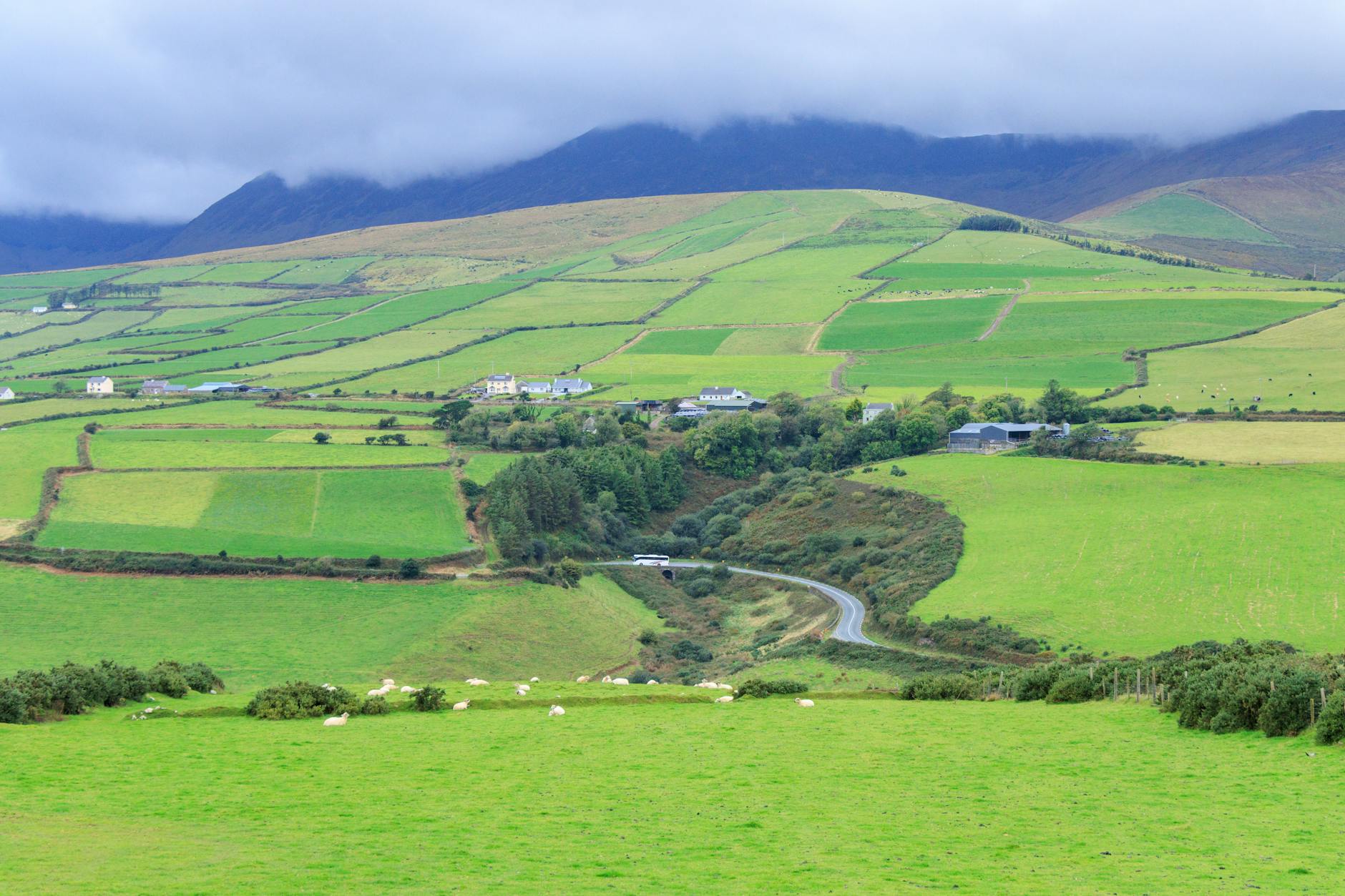
From Cork, drive 90 minutes west to Killarney (95km via the N22). Killarney is the gateway to the Ring of Kerry — the 179km scenic loop around the Iveragh Peninsula that defines southwest Ireland tourism.
Killarney Itinerary
- Killarney National Park: 26,000 acres of woodland, lake and mountain. Highlights include Muckross House & Gardens (Victorian estate), Torc Waterfall, Lough Leane viewpoints.
- Killarney town for traditional pubs and Murphy’s ice cream.
- Ross Castle: 15th-century lakeside castle.
- Gap of Dunloe: U-shaped mountain pass; walk, cycle or jaunting-car tour.
Ring of Kerry (Day 6)
The full Ring of Kerry takes 5-7 hours of driving plus stops; start by 9am to finish before dusk. Drive anticlockwise (the standard) to keep tour coaches behind you. Key stops:
- Killorglin: Start point; home of Puck Fair (August).
- Glenbeigh and Rossbeigh Beach: Long sandy beach with mountain backdrop.
- Cahersiveen: Old market town, O’Connell heritage.
- Valentia Island: Off the main loop; tetrapod footprints (385 million years old).
- Skellig Ring (45-minute scenic detour): Views toward Skellig Michael (UNESCO World Heritage, Star Wars filming location).
- Waterville: Charlie Chaplin’s annual holiday town.
- Sneem: Photogenic riverside village.
- Kenmare: Stylish foodie stop with Park Hotel Kenmare (5-star) and Boathouse Bistro (great lunch).
- Moll’s Gap and Ladies View: The two iconic Ring of Kerry photo viewpoints.
Where to stay: The Park Hotel Kenmare (5-star, €380-650), The Killarney Park Hotel (5-star, €360-580), Cahernane House (4-star country house, €220-340), The Brehon (modern 4-star Killarney centre, €180-260).
Day 7 (10-day and 14-day): Dingle Peninsula
The Dingle Peninsula is shorter and (many would argue) more spectacular than the Ring of Kerry. Drive 90 minutes north-west from Killarney to Dingle town (50km but slow mountain roads).
- Slea Head Drive (40km scenic loop, 3-4 hours): The most spectacular short coastal drive in Ireland. Stops at Coumeenoole Beach, the Iron Age beehive huts at Caherconor, and the Great Blasket Centre.
- Dingle town: Famous traditional music pubs (Foxy John’s, Dick Mack’s — both hardware-stores-turned-pubs), the Dingle Distillery, Murphy’s ice cream (the original location).
- Conor Pass: Mountain road over the peninsula. Stop at the summit viewpoint for views toward Brandon Bay.
- Inch Beach: 5km Atlantic surf beach featured in Ryan’s Daughter.
Where to stay in Dingle: Dingle Skellig Hotel (4-star, €240-340), Heatons Guesthouse (boutique B&B, €180-260), The Boyles Bar rooms (above the legendary pub, €140-200).
Day 6/8: Cliffs of Moher & Galway
From Killarney or Dingle, drive 2-3 hours north to County Clare. The Cliffs of Moher are 14km of sheer 214-metre cliffs facing the Atlantic, Ireland’s most famous landscape. Allow 2-3 hours: the visitor centre (entry €12, parking included), the cliff-edge walk south toward Hag’s Head, O’Brien’s Tower viewpoint.
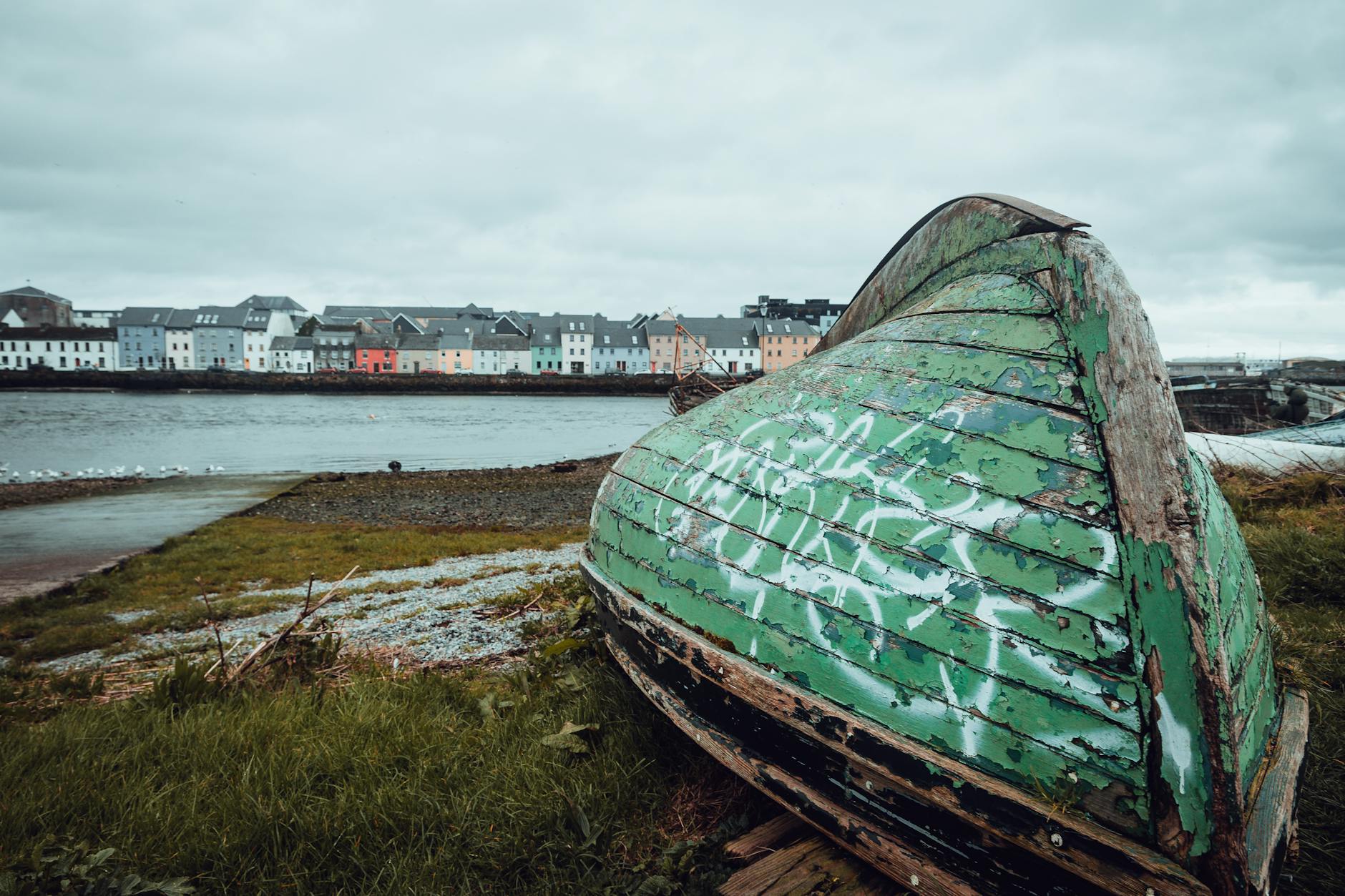
From the Cliffs, drive 90 minutes north to Galway city via the Burren limestone landscape (Poulnabrone Dolmen is the must-stop). Galway is Ireland’s cultural capital of the west:
- Quay Street & Latin Quarter: Pedestrianised heart of old Galway. Music sessions in every second pub.
- Spanish Arch & Galway City Museum (free): The medieval city walls plus history.
- Galway Cathedral: 1965 Catholic cathedral, distinctive copper dome.
- The Salthill Promenade: 2km coastal walk, ends with the traditional toe-touch of the Blackrock diving tower.
- Pubs: Tig Coili, The Crane Bar, Tigh Neachtain (the city’s most beloved pub).
Where to stay in Galway: The g Hotel (5-star, €280-420), The House Hotel (boutique, €200-300), Skeffington Arms Hotel (Eyre Square, €160-240).
Day 9-11 (longer itineraries): Connemara, Sligo & Donegal
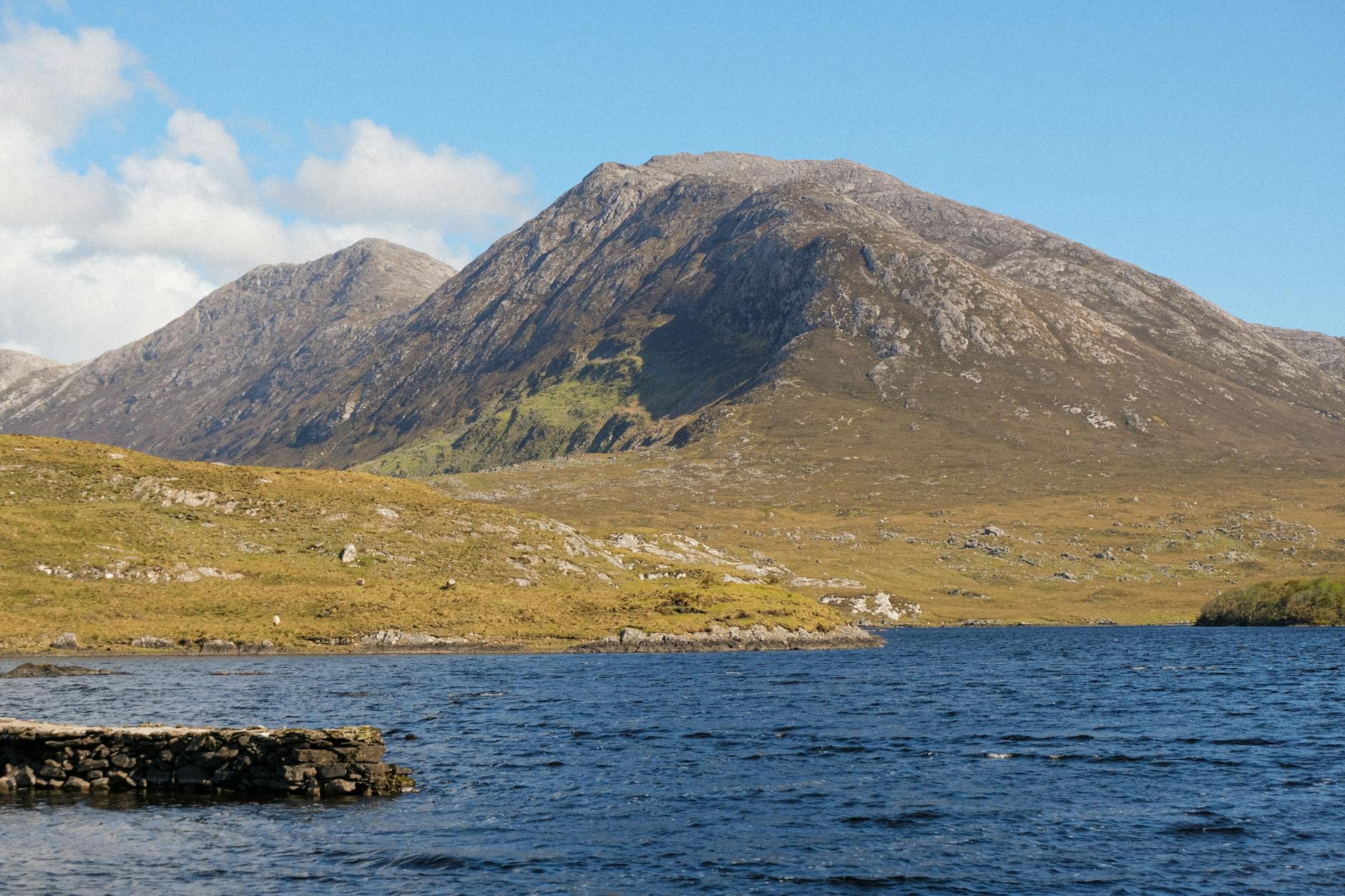
Connemara is the wild stretch of County Galway west of the city — a landscape of bog, mountain, lake and Gaelic-speaking villages. The classic full-day loop:
- Kylemore Abbey: 19th-century Gothic castle on a lake; restored Victorian walled garden. €15, 90 minutes.
- Connemara National Park: Walking trails from gentle (Diamond Hill 2 hours) to spectacular (full peak 4-5 hours).
- Sky Road from Clifden: 16km coastal loop with Atlantic views.
- Killary Fjord: Ireland’s only true fjord.
- Roundstone village: Small fishing village; bog inlets and white-sand beaches at Gurteen Beach.
Sligo & Donegal (Day 11-12 on the 14-day itinerary): Yeats’ country plus the most remote Gaeltacht (Irish-speaking) areas. Highlights: Glencar Waterfall, Lough Gill, Drumcliff (Yeats’ grave), Slieve League (Europe’s tallest sea cliffs), Glenveagh National Park.
Day 13: Belfast & Causeway Coast
Belfast is a 2-hour drive from Donegal or 2 hours by train from Dublin. The city covers Titanic Belfast, the Black Cab political tour, St George’s Market and Crumlin Road Gaol. From Belfast, take a half-day to the Causeway Coast (Giant’s Causeway, Carrick-a-Rede Rope Bridge, Dunluce Castle). Northern Ireland uses Pound Sterling; no passport check at the border.
Where to stay in Belfast: The Merchant Hotel (5-star Victorian, £280-450), The Europa (historic, £160-240), The Bullitt (boutique, £130-210).
Final Day: Back to Dublin
From Belfast to Dublin is 2 hours by car (170km). Drop the rental car at Dublin Airport or city centre, transfer to your final-night hotel. The 7-day, 10-day and 14-day all end with one final Dublin night allowing a Michelin-starred farewell dinner (Chapter One, Variety Jones, Liath, Restaurant Patrick Guilbaud).
Rental Car Strategy for Ireland
Renting a car is essential for any Dublin and Ireland itinerary beyond the basic Dublin city. Practical advice:
- Pick up at Dublin Airport, not city centre. M50 ring road traffic into the city is brutal; airport collection counters are simpler.
- Book an automatic if available. Irish manuals are RHD which adds two learning curves at once for US/EU mainland drivers.
- Decline the airport “insurance upgrade” pitch. Most credit cards offer rental car CDW; check before travelling.
- Driver age: 21 minimum in Ireland; under-25 surcharge typically €15-30/day.
- Tolls: M50 ring road eToll is electronic (pay online by midnight). Other toll roads accept card/cash at gantries.
- Insurance: Check zero-excess CDW options; ground floor saves €500-2000 in case of incident.
- Returning the car: Refuel within 10 minutes of the airport; the “fuel service” charge for unfilled cars is €3-4 per litre.
- Driving on the left: Practice in a quiet area before tackling Dublin city. Roundabouts go clockwise.
Dublin and Ireland Itinerary Budget
7-Day Itinerary Budget (per couple)
- Rental car (7 days, automatic compact): €490-650
- Fuel (850km): €110
- Hotels (mid-range, 6 nights): €1,380
- Food: €680
- Attractions: €160
- Drinks: €220
- Tolls + parking: €75
- Total per couple: €3,115 (€1,560 per person)
10-Day Itinerary Budget (per couple)
Approximately €4,400-5,200 per couple (€2,200-2,600 per person), allowing more comfortable hotels and one Michelin meal.
14-Day Itinerary Budget (per couple)
Approximately €6,000-7,500 per couple (€3,000-3,750 per person), with rental car and accommodation as the largest cost components.
When to Visit Ireland
April-May: The best Ireland-trip window. Daffodils and bluebells, mild weather, long evenings, smaller crowds than peak summer, 20-30% lower hotel rates. Cliffs of Moher and Ring of Kerry are accessible without queues.
June-August: Longest daylight (10pm sunsets in June), peak crowds, highest prices. Book hotels 6+ weeks ahead. Cliffs of Moher can be packed; arrive before 10am or after 4pm for elbow room.
September-October: Autumn colours, mild temperatures, shoulder-season hotel rates. Cliffs of Moher day weather is variable; have a backup plan.
November-March: Cool weather, short days, cheaper accommodation. Some attractions and rural pubs close or reduce hours. Christmas-period Ireland is magical in Dublin and Belfast but rural areas can feel deserted.
Dublin and Ireland Practical Tips
- Currency: Republic of Ireland uses Euros (€); Northern Ireland uses Pound Sterling (£). Most large shops accept both near the border.
- Driving distances: Ireland is small but slow. The 1,650km of the 14-day itinerary takes 28 hours of driving spread across 14 days — about 2 hours of driving per day.
- Hotel breakfasts: Most Irish hotels include “full Irish breakfast” (sausage, bacon, eggs, beans, pudding) at €10-20 per person.
- Tipping: 10% in restaurants is standard. Pubs require no tip; round up. Hotel housekeeping €2-5 per night.
- Mobile coverage: Three Ireland and Vodafone Ireland both work; EU roaming agreements cover most European visitors. US visitors should get a local eSIM (€15-25 for the trip).
- Weather: Pack layers including a waterproof. Rain is possible any day; sun is possible any day.
- Adapter plugs: Ireland uses UK-style 3-pin G plugs (same as UK).
Related Reading
For more Dublin-focused planning: 1 Day in Dublin, 2 Days in Dublin, 3 Days in Dublin, One Week in Dublin, First Time in Dublin, Dublin for Couples, and Solo Travel Dublin.
Extending: Two Weeks vs Three Weeks in Ireland
If you have more than 14 days, the natural extension is the Wild Atlantic Way north of Galway. Adding 4-7 days to the 14-day grand tour lets you cover the Sligo coast, Donegal’s remote Gaeltacht, the Inishowen Peninsula and the Antrim coast in Northern Ireland. The full Wild Atlantic Way (Dublin to Donegal via the western coast) takes 18-21 days at a comfortable pace; 14 days is the minimum to drive the full 2,500km route with appreciation rather than just box-ticking.
A 21-day Dublin-and-Ireland grand tour adds: Westport and Achill Island (Day 13), Sligo and Donegal (Days 14-15), Slieve League cliffs and Glenveagh (Day 16), Causeway Coast and Carrick-a-Rede (Day 17), Belfast (Day 18), and back to Dublin via the Mourne Mountains (Day 19). Days 20-21 are deliberately slow Dublin re-orientation days. Total driving 2,400-2,600km across the three weeks.
Multi-Stop vs Base-City Strategy
Some visitors prefer to use Dublin (or Galway, or Killarney) as a single base and radiate out on day trips rather than packing and unpacking each night. This works well for 7-day trips: Dublin as base for Days 1-4 covering Dublin city + Wicklow + Glendalough, then Galway as base for Days 5-7 covering Cliffs of Moher + Connemara + Aran Islands. You drive only one major leg (Dublin to Galway, 2.5 hours) and skip 4-5 hotel check-ins.
The trade-off: you miss the southwest entirely (Cork, Kerry, Dingle). For most first-time visitors who want the iconic Irish landscape, the multi-stop itinerary above is worth the packing-and-unpacking. For repeat visitors or those who’ve seen the Ring of Kerry before, the base-city approach delivers a more relaxed week with better restaurant booking continuity.
Dublin Hotels vs Rural Country-House Stays
Dublin hotels are city hotels: walking access to attractions, late check-out, in-room dining. Rural Irish stays are categorically different. The country-house hotel format (Ashford Castle, Adare Manor, Mount Juliet, Park Hotel Kenmare) typically includes grounds activities (falconry, archery, golf, fishing), four-course set dinners with sommelier-paired wine, and proper lounges with afternoon tea served by uniformed staff. Most US visitors find one country-house overnight is the single most memorable Ireland-trip purchase. Adding one to the itinerary — either Mount Juliet near Kilkenny on Day 4 or Park Hotel Kenmare on Day 6 — transforms the trip’s emotional arc.
Dublin and Ireland Itinerary: FAQ
What is the best Dublin and Ireland itinerary?
For most first-time visitors: 10 days starting in Dublin (3 days), then driving through Kilkenny, Cork, Killarney, Dingle, Cliffs of Moher, Galway, Connemara and back to Dublin. This covers 1,150km, 20 hours of total driving, and the country’s eight most-photographed landscapes.
How many days do I need to see Dublin and Ireland?
Seven days is the minimum to combine Dublin (2 days) with Ireland’s headline highlights (Cliffs of Moher, Ring of Kerry, Galway). Ten days is the comfortable sweet spot. Fourteen days lets you add Belfast, Causeway Coast, Connemara and Donegal at a relaxed pace.
Should I rent a car for an Ireland trip?
Yes — for anything beyond Dublin city, renting a car is essential. Pick up at Dublin Airport (not city centre); book an automatic if you’re not used to left-hand driving. Expect €40-90/day for a manual, €65-130 for automatic. Tolls are minimal except the M50 (electronic, pay online).
Is the Ring of Kerry or the Dingle Peninsula better?
Dingle is shorter, more spectacular in a compact way, and less crowded. Ring of Kerry is longer, more varied, and the classic Ireland itinerary stop. If you have 10+ days, do both. If you have to choose, Dingle wins for landscape per kilometre.
How much does a Dublin and Ireland trip cost?
Mid-range 10-day Dublin and Ireland trip costs approximately €2,200-2,600 per person all-in (rental car, mid-range hotels, food, attractions, fuel). Luxury version €4,500-6,000 per person; budget version €1,400-1,800 per person.
Should I include Belfast on an Ireland trip?
Yes if your trip is 10+ days. Belfast is 2 hours from Dublin by train (€30 return) and offers a distinct Irish experience: Titanic Belfast museum, Black Cab political tour, Causeway Coast day-trip. Skip Belfast if your trip is 7 days or less — you’d be too short on the southern highlights.
What is the best time to do a Dublin and Ireland itinerary?
May and September are the sweet spots — mild weather, long evenings, smaller crowds, lower hotel rates. June-August has longest daylight but heaviest crowds. October offers autumn colours; April brings spring wildflowers.
Can I do Dublin and Ireland without a car?
Possible but very limiting. Dublin to Galway (Citylink bus €20, train €30) and Dublin to Belfast (train €30) work well. Reaching Killarney, Dingle, Connemara and Donegal without a car requires multi-stop bus connections that consume a full day per leg. Most car-free visitors use organized multi-day tours (Paddywagon, Wild Rover) which sacrifice flexibility for cost savings.
If Northern Ireland only gets a single day in your plan, read our verdict on the Giant’s Causeway day trip from Dublin first.
Keep Reading
- Irish Rail for Tourists — why the network radiates from Dublin, and how to plan lines rather than loops.
- Dublin vs Belfast — how to fit both cities into one trip without wasting a day.
- Belfast day trip from Dublin — the cross-border day, with the currency and visa details most itineraries skip.
Lean na Comharthaí — Keep following the signs