Dublin’s Cosiest Pubs: Snugs, Open Fires & Hidden Nooks
Tithe Tábhairne Chluthara Bhaile Átha Cliath
Ar an gComhartha Seo — On this sign
- Quick Answer: Where Are the Cosiest Pubs in Dublin?
- What Actually Makes a Dublin Pub Cosy
- The Best Cosy Pubs Dublin Has for an Open Fire
- Where the Snugs Are
- Cosy Pubs Dublin Locals Use, Outside the Centre
- What to Do About Temple Bar
- Timing: The Single Most Important Decision
- What to Order, and What to Eat
- A Cosy Pub Walk You Can Actually Do
- Gotchas
- Cosy Pubs Dublin FAQ
- Keep Planning
- Keep Reading
There is a particular sound a Dublin pub makes at about half four on a wet Tuesday in November, when the fire has been lit for an hour and there are eleven people in the building. It is mostly the fire, a bit of low conversation, and the hum of a fridge behind the bar. Nobody is having a big night. Somebody is reading the paper. That sound is the whole point of the cosy pubs Dublin does better than almost any city in Europe, and it has nothing at all to do with the version of Irish pub culture sold on a stag weekend.
This guide is for anyone who wants the small, warm, low-ceilinged end of Dublin drinking: the pubs with real fires, the surviving Victorian snugs, the back bars where the ceiling is low and the bench is worn shiny, and the handful of places out on the DART line or up in the mountains that are worth the journey in bad weather. It covers which pubs actually have fires rather than radiators, where the last true snugs are, what to do about Temple Bar, how the timing works, and the specific ways this can go wrong on a Friday night. Everything here is a room you can walk into, not a brand.
Quick Answer: Where Are the Cosiest Pubs in Dublin?
The short version, if you only want the names: for an open fire in the city centre, go to Kehoe’s on South Anne Street, Neary’s on Chatham Street, The Duke on Duke Street or O’Neill’s on Suffolk Street — all within about six minutes’ walk of one another, all with a grate that is genuinely lit in winter. For a snug, the short list is Kehoe’s again, Toners and Doheny & Nesbitt on Baggot Street, and The King’s Inn on Bolton Street. For the low-ceilinged, unreconstructed sort of cosiness that has nothing to do with fires at all, go north of the river to The Gravediggers in Glasnevin, or west to Walsh’s and The Glimmer Man in Stoneybatter.
The honest verdict: cosiness in Dublin is a function of room size and crowd, not of decor. A pub with a roaring fire and ninety people standing in front of it is not cosy — it is a warm nightclub. The best of the cosy pubs Dublin has to offer are small rooms that stay half-full, which means the variable you actually control is not which pub you pick but when you walk in. Between about 15:00 and 18:00 on a weekday, almost any pub on this list delivers. At 21:30 on a Saturday, almost none of them do.
| Pub | Where | What it has | Best for |
|---|---|---|---|
| Kehoe’s | South Anne Street, D2 | Snug, fire upstairs, warren of small rooms | The single best all-rounder |
| Neary’s | Chatham Street, D2 | Open fire in the small bar | An afternoon pint off Grafton Street |
| Toners | Baggot Street Lower, D2 | An intact snug, stone floor | Snug-hunting, first stop |
| Doheny & Nesbitt | Baggot Street Lower, D2 | Snugs, partitioned front bar | Two minutes’ walk from Toners |
| The Long Hall | South Great George’s Street, D2 | Victorian interior, mirrors, chandeliers | The best-looking room in the city |
| The Gravediggers | Prospect Square, Glasnevin, D9 | Unchanged front bar, no music, no screens | The purist’s pub |
| Walsh’s | Stoneybatter, D7 | Snug, local crowd | A northside evening |
| The Glimmer Man | Stoneybatter, D7 | Fire, back room, hoarded curios | Rainy afternoons |
| The Cobblestone | Smithfield, D7 | Small front bar, near-nightly trad | Music without a stage |
| The Bloody Stream | Howth, D13 | Turf fire, under the DART station | A cold-weather day trip |
| Johnnie Fox’s | Glencullen, Dublin Mountains | Three fires, flagstones | A car or taxi trip, not a walk |
What Actually Makes a Dublin Pub Cosy
Nearly every list of cosy pubs Dublin produces leads with the fireplace, which is the wrong place to start. Three things matter, in order of importance: the size of the room, whether the room is divided, and only then whether there is a fire. The grate is the most photogenic of the three and comfortably the least reliable.
The room has to be small
Dublin’s genuinely cosy pubs are mostly Victorian, and Victorian pubs were built as a series of small compartments rather than one open floor. A pub that has kept its partitions — Kehoe’s, Doheny & Nesbitt, The Palace Bar — will feel warm at almost any level of occupancy, because you are only ever really aware of the eight people in your own compartment. A pub that knocked its walls out in the 1990s will feel like an airport bar even with a fire going. When you push a door and the whole interior is visible from the threshold, you are usually in the wrong place.
The snug
A snug is a small enclosed room off the main bar, usually with its own door, a bench, a table and a hatch or bell through to the servery. They date from a period when it was socially awkward for certain people to be seen drinking in public — women, priests, Gardaí, and anyone conducting business they would rather not have overheard. Most were ripped out when pubs opened up their floor plans. A handful survive, and they are the closest thing Dublin has to a private room you do not have to pay for.
Snugs cannot generally be booked, and they cannot be held. They go to whoever sits in them, which in practice means whoever walks in at 16:30 rather than 20:00. If you want one, go early and stay put. Ask at the bar before you settle in — a few pubs keep the snug for staff or storage on quiet nights, and one or two will let a small group take it if you ask nicely and arrive before the evening trade.

The fire
Real fires still exist in Dublin, but fewer than the internet suggests, and many are lit only from roughly October to March and only when the room is genuinely cold. Solid-fuel rules and the practicalities of a working city bar mean some advertised “open fires” are now gas, and a few are decorative. This is not a scandal — a gas fire in a small room throws real heat — but it is worth setting expectations. Turf fires, which smell unmistakable and which are the thing most visitors are actually chasing, are now largely a coastal and mountain phenomenon: Howth, Glencullen, the older county pubs.
The Best Cosy Pubs Dublin Has for an Open Fire
These are the city-centre pubs where a lit grate is a reasonable expectation on a cold day. Cross-check with Dublin’s weather before you build an evening around it — the fires go on when it is cold, not by the calendar.
- Kehoe’s, South Anne Street. The best single answer to this question. The ground floor is a Victorian bar with an intact snug; upstairs is the publican’s former living quarters, kept as a warren of small rooms with a fireplace, and it feels exactly like drinking in somebody’s good front room. Thirty seconds off Grafton Street and still, somehow, not a tourist pub.
- Neary’s, Chatham Street. Mahogany, brass and a fire in the small bar. It backs onto the stage door of the Gaiety, so it has been a theatre pub for a century. Quiet in the afternoon, busy from six.
- The Duke, Duke Street. A fireplace and a proper old bar, and the starting point for the Dublin Literary Pub Crawl — which means it is livelier from about 19:00 in summer. Off-season afternoons it is one of the calmest rooms in D2.
- O’Neill’s, Suffolk Street. Enormous, and therefore not cosy by the room-size test — but it is a maze of levels and alcoves with a fire, and if you find the right corner it works. Also does the best-value carvery lunch in the immediate centre.
- The Bank, College Green. A converted Victorian banking hall with an open fire. Grand rather than snug, but the ceiling height and the plasterwork are worth seeing once, and it is warm.
- Farrier & Draper, South William Street. A Georgian townhouse turned into a series of rooms, one of which has a fireplace. It skews younger and later; see Dublin’s cocktail bars if that is the direction your evening is heading.
- The Gin Palace and Madigans, Abbey Street. Both have fireplaces, and both are handy for the Abbey Theatre and the north-city circuit in the nightlife guide.
- McNeill’s, Capel Street. A former musical-instrument shop, still full of instruments, with a fire and frequent trad. One of the warmest small rooms on the northside.
- The Brazen Head, Bridge Street Lower. Fires in several rooms and a courtyard. It is also the most-visited pub in the city, so see the oldest pubs guide for the honest verdict — go once, early, and drink elsewhere afterwards.
Where the Snugs Are
The snug is the other half of the story, and it is the feature that separates the cosy pubs Dublin locals rate from the ones that merely have a fire. Only a handful of genuine snugs survive in the city, and the concentration is on Baggot Street, off Grafton Street and on the north side of the river. These are the ones worth planning around.
- Toners, Baggot Street Lower. The snug most people mean. Stone floor, shelves of old grocery drawers behind the bar from the days when the pub was also a shop, and a large back yard for when it is not raining. Yeats is supposed to have drunk here exactly once, decided he did not like pubs, and left; the story has certainly been improved in the telling, but the snug is real.
- Doheny & Nesbitt, Baggot Street Lower. Two minutes further along, and the more architecturally intact of the pair — a partitioned front bar with snugs, a mahogany screen, and a serious after-work crowd from the Government Buildings end of town. Come before 17:30 or not at all.
- Kehoe’s, South Anne Street. A small snug by the door, and the one most likely to be already occupied. Worth a look on the way in.
- The King’s Inn, Bolton Street. Little snugs and a fireplace towards the back. Off most visitors’ maps entirely, which is exactly why it stays comfortable.
- The Palace Bar, Fleet Street. A snug at the front and a skylit back room that generations of Irish Times journalists treated as an office. Right on the edge of Temple Bar but firmly not of it.
- Walsh’s, Stoneybatter. A working local with a snug, in a neighbourhood that has quietly become one of the best places in Dublin to drink. See the Smithfield and Stoneybatter guide for the wider area.
Cosy Pubs Dublin Locals Use, Outside the Centre
The city-centre pubs above are good, and they are convenient. But the pubs where cosiness is the default rather than the selling point are mostly a twenty-minute walk or a short DART ride out.
Glasnevin and the northside
John Kavanagh’s — universally called The Gravediggers — sits against the wall of Glasnevin Cemetery and has been run by the same family since 1833. The front bar has no music, no television and no interest in changing, and the room is small enough that a dozen people fill it. There is a lounge next door if you want a table and a bit more space. It is a short bus ride from O’Connell Street and it is the pub most Dubliners name when asked this question honestly. Bring conversation; there is nothing else to look at.
Closer in, The Hut in Phibsborough has kept its Victorian partitions and is a good pre-match pub without being purely a match pub. Both sit inside the wider northside guide.
Stoneybatter and Smithfield
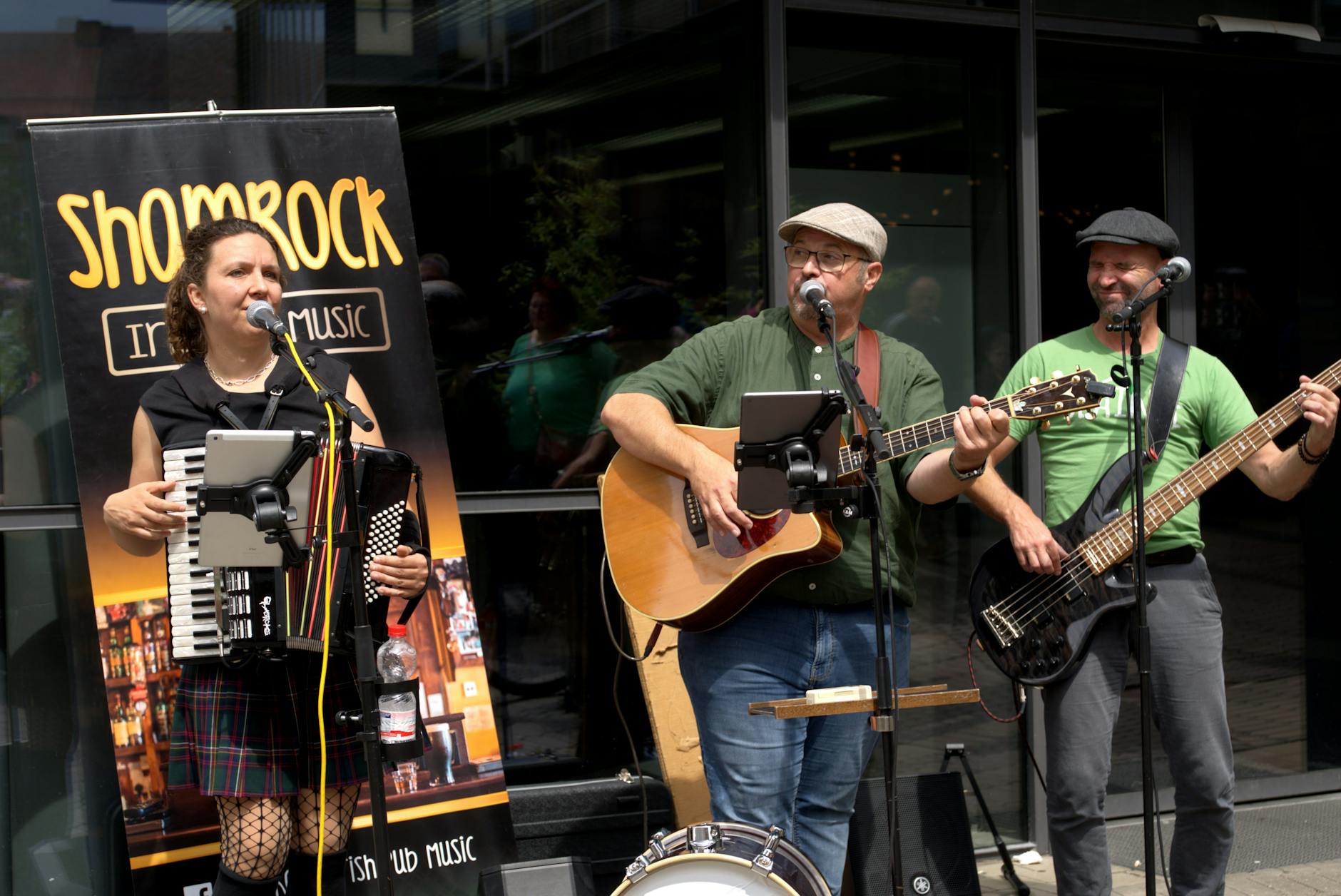
The Glimmer Man is the one to lead with: a low, dark room hung with several decades’ worth of accumulated objects, a fire, and a covered back area. Walsh’s is a short walk away and has the snug. The Cobblestone on Smithfield square runs trad sessions in a front bar roughly the size of a large kitchen — the musicians sit in a circle by the window rather than on a stage, and the etiquette is that you keep your voice down while they play. It is the best live music in Dublin for anyone who wants the real version rather than the amplified one.
The Liberties and Kilmainham
Fallon’s on The Coombe is one of the longest-trading and least-altered rooms in the city, and a proper stop on any walk through The Liberties. Out towards the Royal Hospital, The Old Royal Oak in Kilmainham is tiny, immaculate and a few minutes from Kilmainham Gaol, which makes it the natural place to sit down after that particular tour.
The coast
The Bloody Stream is built into the base of Howth DART station and keeps a turf fire going through the winter, which makes it the obvious end point of the Howth cliff walk — the loop is genuinely better in cold weather, and a turf fire at the end of it is the entire argument. The Abbey Tavern further up the hill in Howth village does a similar job with more history and more stairs. Down the other side of the bay, Finnegan’s in Dalkey is the standard stop on the Dún Laoghaire, Dalkey and Killiney coastal route.
The mountains
Johnnie Fox’s in Glencullen claims to be the highest pub in Ireland, has three fires and a flagstone floor, and is roughly forty minutes out by car. It is also thoroughly geared up for coach parties and runs a dinner-and-dancing show, so treat it as an evening out rather than a quiet pint. Go for lunch on a weekday if you want the fires without the floorshow.
What to Do About Temple Bar
This is the question that brings most people here, so: nothing on the main Temple Bar strip is cosy, and no amount of exposed brick changes that. The pubs there are large, loud and priced for people who will be in the city for thirty-six hours. That is a legitimate business and occasionally a good night — the Temple Bar nightlife guide covers when it is worth it — but it is a different product entirely.
If you are staying in the quarter and want a small warm room, walk two or three minutes: The Palace Bar on Fleet Street, The Norseman on East Essex Street at a quiet hour, or across the river to the Capel Street pubs. The cosy pubs Dublin rewards you for finding are all a few streets outside the quarter, which means the cosiest pub near Temple Bar is essentially always a pub that is not in Temple Bar, which is a slightly annoying answer but a true one. Expect to pay noticeably more for a pint inside the strip than four streets away — the pint guide goes into how sharply price tracks postcode here.

Timing: The Single Most Important Decision
If you take one thing from this guide, take this: the cosy pubs Dublin does best are only cosy at certain hours. You can pick the perfect pub and get it completely wrong by arriving at the wrong hour. Dublin pub trade is enormously peaky, and the difference between 16:00 and 21:00 in the same room is the difference between having a snug to yourself and standing in a doorway with your coat on.
| Time | What it is like | Verdict |
|---|---|---|
| Mon–Thu 15:00–18:00 | Half-empty, fire lit, staff have time to talk | The sweet spot |
| Mon–Thu 18:00–20:00 | After-work rush, especially D2 and Baggot Street | Snugs gone by 17:30 |
| Fri–Sat 17:00 onwards | Full, loud, standing room | Fine for a night out, not for this |
| Sunday afternoon | Slow, often with a session, families in early | Excellent, and underrated |
| Any wet weekday, November–February | The reason this article exists | Best conditions of the year |
Standard licensing hours are 10:30–23:30 Monday to Thursday, 10:30–00:30 Friday and Saturday and 12:30–23:00 on Sunday, with thirty minutes’ drinking-up time after last orders. A pub open past those hours holds a separate late licence, and late licences and cosiness rarely coexist. Seasonally, this is a winter pursuit: the fires are lit, the tourist volume has collapsed and the pubs revert to their locals. November and January are the two best months of the year for it. December is warm and lovely and completely rammed from the first week — a good time to be in a pub, a bad time to expect a seat.
What to Order, and What to Eat
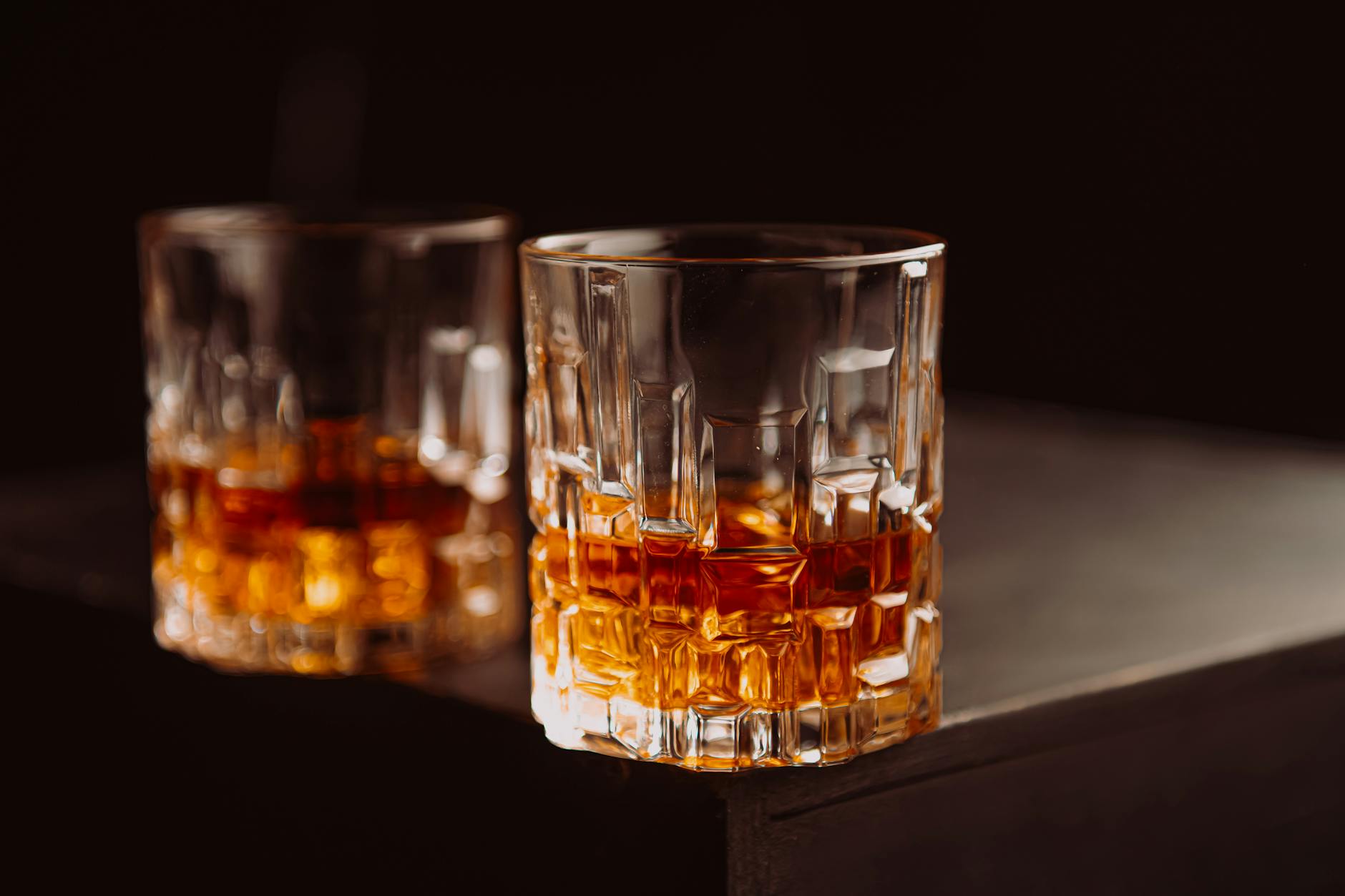
A pint of stout takes about two minutes to pour properly in two stages, and a bartender who takes those two minutes is telling you something useful about the house. If stout is not your drink, the same pubs are usually excellent for Irish whiskey — see the whiskey bars guide — and the better ones now keep two or three Irish independents on tap alongside the macro lagers, which the craft beer guide covers properly. Nobody will blink at a soft drink, a coffee or a pot of tea in the afternoon.
Food in this category of pub is deliberately limited. The classic order is a toasted cheese-and-onion sandwich — Grogan’s on South William Street built a reputation on it — plus crisps, and in a few places soup and brown bread or a Sunday roast. Do not walk into a small Victorian bar at 20:00 expecting a full menu. Eat first, in a traditional restaurant or somewhere from the cheap eats list, and treat the pub as the evening rather than the meal. If the night runs long, the late-night food guide picks up where the pub kitchens stop.

A Cosy Pub Walk You Can Actually Do
You can string the best of the cosy pubs Dublin has into one evening without covering much ground. Three or four pubs is a realistic evening; six is a different sort of night altogether. This route runs roughly a mile and takes in a snug, a fire and a Victorian interior without doubling back.
- 16:00 — Toners, Baggot Street Lower. Start early enough to get the snug. One pint.
- 16:45 — Doheny & Nesbitt. Two minutes’ walk. Sit in the front bar before the office crowd lands.
- 17:45 — Neary’s, Chatham Street. Twelve minutes through St Stephen’s Green and up Grafton Street. Fire, and a seat if you are lucky.
- 18:45 — Kehoe’s, South Anne Street. Around the corner. Go straight upstairs.
- 20:00 — The Long Hall, South Great George’s Street. Eight minutes west. The best-looking room in Dublin, and a good place to stop.
For a northside version, swap in McNeill’s, The Cobblestone and The Glimmer Man — a longer walk, but a better night for music. Both routes work as a self-guided alternative to a paid walking tour, and neither needs a taxi if you are staying centrally, though the taxi guide is worth reading before you rely on flagging one down at midnight. If you are working out where to base yourself for an evening like this, the best areas to stay guide is the place to start.
Gotchas
Most of the ways an evening in the cosy pubs Dublin is famous for goes wrong are logistical rather than dramatic. These are the ones worth knowing in advance.
- Fires are not guaranteed. They are lit at the staff’s discretion in cold weather, not on a schedule. Ring ahead if the fire is the entire reason for the trip.
- Snugs cannot be reserved and are almost always taken by 17:30 on a weekday. First come, first served, and no argument worth having.
- Dublin Castle is closed to visitors until the end of 2026 because of Ireland’s EU Council presidency, so the familiar “castle, then a pint on Dame Street” afternoon does not work this year. The Chester Beatty next door is closed on the same grounds until the end of December 2026.
- Many small pubs stop serving food around 20:00, and several do no hot food at all.
- Groups of more than six are a problem in exactly the rooms you are trying to get into. Split up, or pick a bigger pub.
- Late October and December are the two worst windows for this. Bank holiday weekends, the Halloween period and the whole of December fill every warm room in the city.
- Last orders come earlier than visitors expect — 23:00 on a Sunday, 23:30 midweek. The bell is not a suggestion.
- Card is accepted almost everywhere now, but a handful of old bars still prefer cash for small rounds. Carry €20 in notes and you will never be caught out.
- Do not photograph a trad session mid-tune without asking, and do not talk over one. This is the fastest way to be identified as a tourist; the pub etiquette guide covers the rest.
Cosy Pubs Dublin FAQ
Which Dublin pubs have open fires?
In the city centre: Kehoe’s on South Anne Street, Neary’s on Chatham Street, The Duke on Duke Street, O’Neill’s on Suffolk Street, The Bank on College Green, Farrier & Draper on South William Street, The Gin Palace and Madigans on Abbey Street, McNeill’s on Capel Street and The Brazen Head on Bridge Street Lower. Outside the centre, The Glimmer Man in Stoneybatter, The Bloody Stream and the Abbey Tavern in Howth, and Johnnie Fox’s in Glencullen, which has three. Fires are lit in cold weather rather than to a calendar, so November to February is the reliable window.
What is a snug in an Irish pub?
A snug is a small private room off the main bar, usually with a door, a bench, a table and a hatch or a bell through to the servery. They were built in the Victorian era so that people who did not want to be seen drinking in public — women, clergy, police, and anyone doing quiet business — could have a drink unobserved. Most were demolished when pubs opened out their floor plans; the survivors are among the best seats in the city, and they cannot be booked.
Where is the cosiest pub in Temple Bar?
Honestly, just outside it. The Palace Bar on Fleet Street sits on the edge of the quarter and has both a snug and a skylit back room, and it is the closest thing to a genuinely cosy pub within a two-minute walk of the strip. Inside Temple Bar proper, the rooms are big, loud and priced for volume. If you are set on staying in the area, The Norseman on East Essex Street early in the evening is the most tolerable option.
What are the cosiest pubs Dublin has overall?
Kehoe’s on South Anne Street is the best all-round answer, because it has a snug, a fire, an intact Victorian ground floor and an upstairs of small domestic rooms, all within a minute of Grafton Street. For pure atmosphere with no concessions at all, The Gravediggers in Glasnevin wins — no music, no screens, no menu, and a front bar essentially unchanged in a century — but it is a bus ride out and it offers you nothing except a pint and conversation.
Do Dublin pubs still have real turf fires?
A few, but not many in the city centre. Turf burning has become impractical for most urban pubs, and what most city bars now run is either coal, a wood-effect gas fire, or a genuine solid-fuel grate lit only on cold days. For an actual turf fire and the smell that goes with it, head out of town: The Bloody Stream in Howth is the easiest to reach on the DART, and Johnnie Fox’s in the Dublin Mountains keeps three fires going.
Are the cosy pubs Dublin is known for expensive?
No more than anywhere else, and generally less than the tourist strips, because most of them are neighbourhood pubs trading on regulars. Price in Dublin tracks postcode far more closely than it tracks quality — a pint in Stoneybatter, Glasnevin or Portobello costs meaningfully less than the identical pint on the Temple Bar strip. Sticking to the pubs on this list is, incidentally, one of the easier ways to drink well on a budget.
Are children allowed in Dublin pubs?
Under-18s may be in a pub with a parent or guardian until 21:00, extended to 22:00 in the summer months, and must leave after that. In practice the small pubs on this list are used by families for Sunday lunch and early afternoons and nobody blinks; after about seven in the evening they become adult rooms. If you are travelling with children, the family guide has better-suited options.
Do I need to tip in a Dublin pub?
Not at the bar. Buying a drink does not carry a tipping expectation in Ireland the way it does in the United States, and rounding up or telling the bartender to have one themselves is the local form when you want to acknowledge good service. Table service in a gastropub is a different matter. The tipping guide covers the full picture.
What is the best time of year for cosy pubs in Dublin?
Late October through February. The fires are lit, the daylight is gone by half four, visitor numbers have dropped away and the pubs go back to their regulars. October is Dublin’s wettest month at around 80 mm of rain across roughly twelve days, and December and January are the darkest — all of which is bad news for sightseeing and excellent news for this. Avoid the fortnight before Christmas, when every warm room in the city is booked out by office parties.
Are the cosy pubs Dublin has a good rainy-day plan?
One of the best there is, and it is what a great many Dubliners actually do on a wet afternoon. The pubs on this list sit close enough together that no leg of the walk above takes more than about twelve minutes, and none of them care that you arrive damp. Pair it with an indoor morning from the wet-weather guide and you have a full day that never once depends on the forecast improving.
Keep Planning
The cosy pubs Dublin keeps for its own bad weather sit inside a much wider drinking culture, and these guides pick up the threads this one leaves loose.
- Dublin Nightlife and Pubs — the full picture, from trad sessions to closing time.
- Traditional Pubs in Dublin — the wider list, including the ones that are old rather than cosy.
- The Oldest Pubs in Dublin — which dates over the door survive contact with an archive.
- The Best Pint of Guinness in Dublin — how to judge a pour, and why the postcode matters.
- Live Music in Dublin — where the sessions actually are.
- Dublin When It Rains — the rest of the wet-weather plan.
- Dublin in Winter — what the season is genuinely like.
- Dublin’s Whiskey Bars — for when the pint is not the point.
- Dublin Neighbourhoods — where to base yourself for all of the above.
- Dublin’s Hidden Gems — more of the city that never appears on the bus tour.
Worth checking directly before you go: DublinTown for city-centre pub listings and seasonal openings, Visit Dublin for official guides, Met Éireann for whether it will be cold enough for the fires to be lit, The Cobblestone for its session schedule, and Johnnie Fox’s if you are heading into the mountains.
Keep Reading
- Dublin Nightlife and Pubs: The Complete Guide
- Traditional Pubs in Dublin
- Irish Slang & Phrases — the words you will hear at the bar, decoded before you need them.
Lean na Comharthaí — Keep following the signs