Is Dublin safe? The honest answer is yes, with reasonable urban precautions. Dublin ranks consistently among Europe’s safer capitals; Ireland places 3rd globally on the Global Peace Index. Violent crime against tourists is rare, the central tourist areas remain busy and well-policed late into the night, and the public transport system has CCTV coverage and visible Garda presence. But like any capital city, Dublin has specific neighbourhoods to know about, peak-hour pickpocketing zones, and night-time areas where caution is warranted. This guide is the comprehensive Dublin safety briefing for 2026.
Every recommendation here is cross-checked with current Garda crime statistics, Department of Foreign Affairs travel advice, and on-the-ground reporting. The picture is reassuring without being naively so — Dublin is safer than visitors fear but not without specific risks worth knowing.
Quick Picks: Dublin Safety Essentials
- Generally safe at all hours: Grafton Street, Trinity, St Stephen’s Green, Dawson Street, Merrion Square, Ballsbridge, Donnybrook, Ranelagh, Portobello
- Safe daytime, exercise caution at night: Temple Bar (party crowds), O’Connell Street north, Capel Street, Talbot Street, parts of the IFSC docklands
- Use taxis after 11pm or avoid: Far north inner city (Mountjoy, Sheriff Street), isolated canal walks, Talbot Street area
- Common crime: Opportunistic theft (phones from cafe tables, bags from pub chair backs); pickpocketing at tourist sites
- Rare: Violent crime against tourists; mugging
- Emergency number: 999 or 112 (free; police, ambulance, fire)
- Garda (police) are approachable; high visibility in tourist zones
- Taxi safety: Use Free Now or Bolt apps; both vetted; never random street cars
How Safe is Dublin Overall?
Ireland ranks 3rd on the 2025 Global Peace Index — behind Iceland and New Zealand. Dublin is the most-tourist-dense Irish city and accounts for the bulk of Irish urban crime statistics, but even at the city level the overall picture is reassuring:
- Numbeo Safety Index: Dublin scores 67/100 (mid-range high). Better than Paris (51), Rome (57), Madrid (66). Below Reykjavik (90), Helsinki (87), Tokyo (82).
- Violent crime rate: Lower than equivalent UK cities (Manchester, Birmingham, London).
- Tourist-targeted crime: Mostly pickpocketing and opportunistic theft; rarely violent.
- Drug-related crime: Some areas have visible drug activity (north inner city, parts of the city centre at night), but rarely affects tourists.
- Sexual assault and harassment: Comparable to other Western European capitals; lower reported rates than Paris or Rome.
The honest tradeoff: Dublin is genuinely safe but not the safest European capital. Standard urban awareness handles the main risks. The city is not a war zone, not a high-violence destination, and not a place where tourists are routinely victimised — but it’s also not Reykjavik.
Areas That Stay Safe All Hours
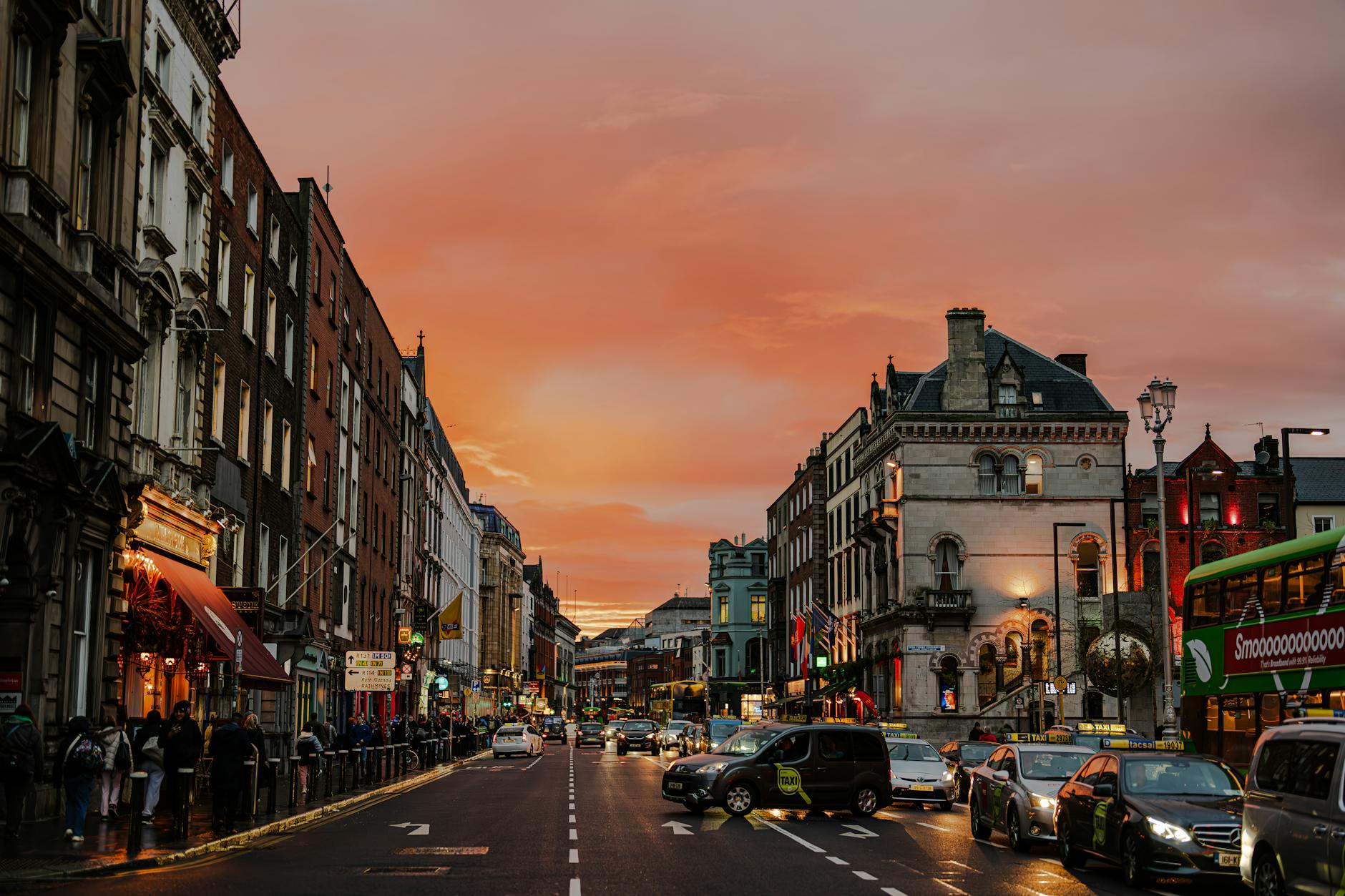
- Grafton Street and Trinity College area: Pedestrianised; busy 24 hours; high Garda visibility; major tourist concentration
- St Stephen’s Green area: Central south Dublin; well-lit; busy until late
- Dawson Street and Kildare Street: Government and embassy district; reliable 24-hour safety
- Merrion Square, Fitzwilliam Square: Georgian residential squares; quiet but safe
- Ballsbridge: Embassy district south of the Grand Canal; consistently safe
- Donnybrook: Affluent residential area
- Ranelagh, Portobello: Inner suburbs with active restaurant and pub scenes
- Stoneybatter: Hipster neighbourhood north of the Liffey; safe and lively
- Smithfield Square: Restored area with the Jameson Distillery; safe
Areas Requiring Normal Urban Caution
Temple Bar at Night (Weekends)
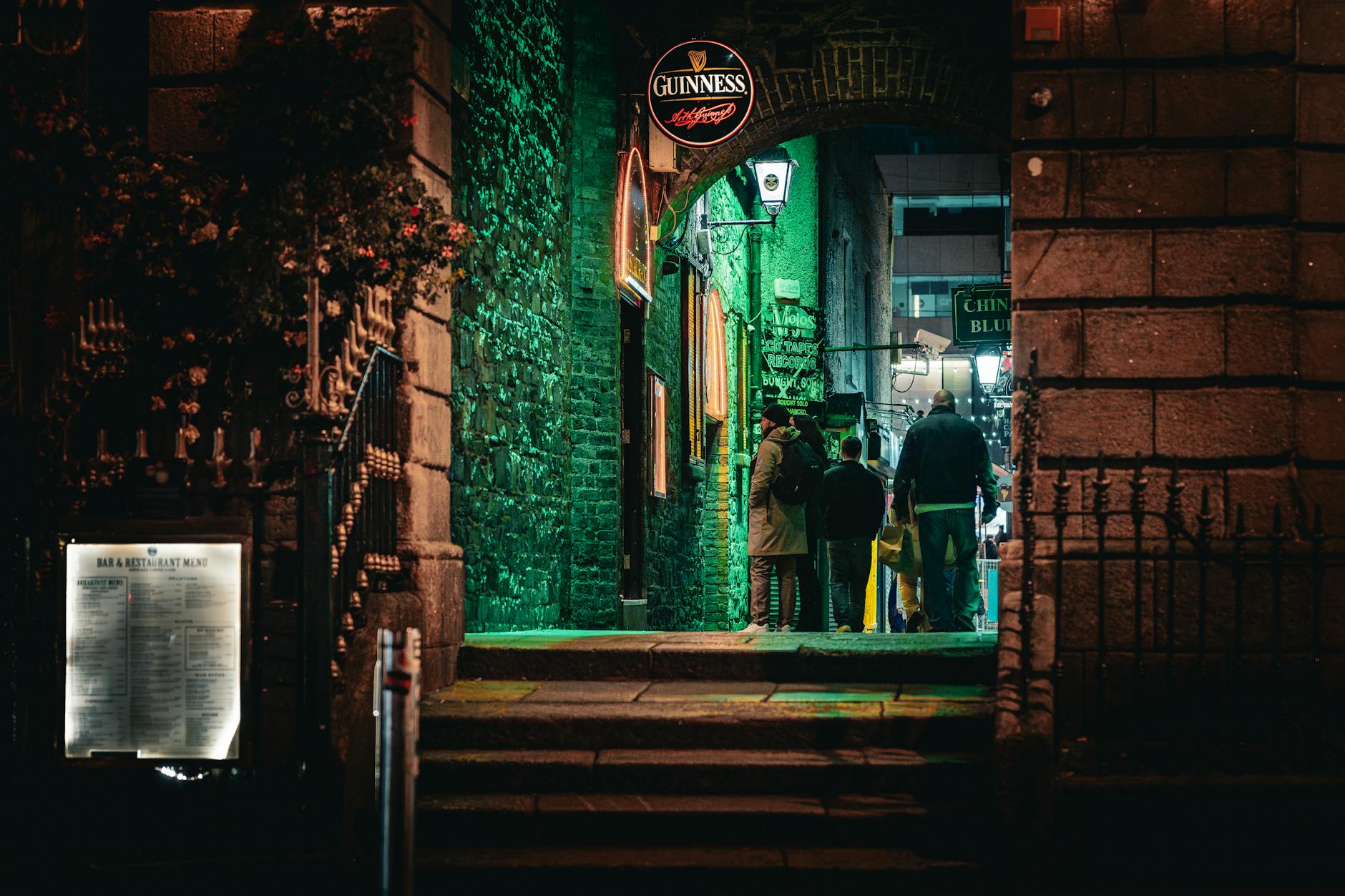
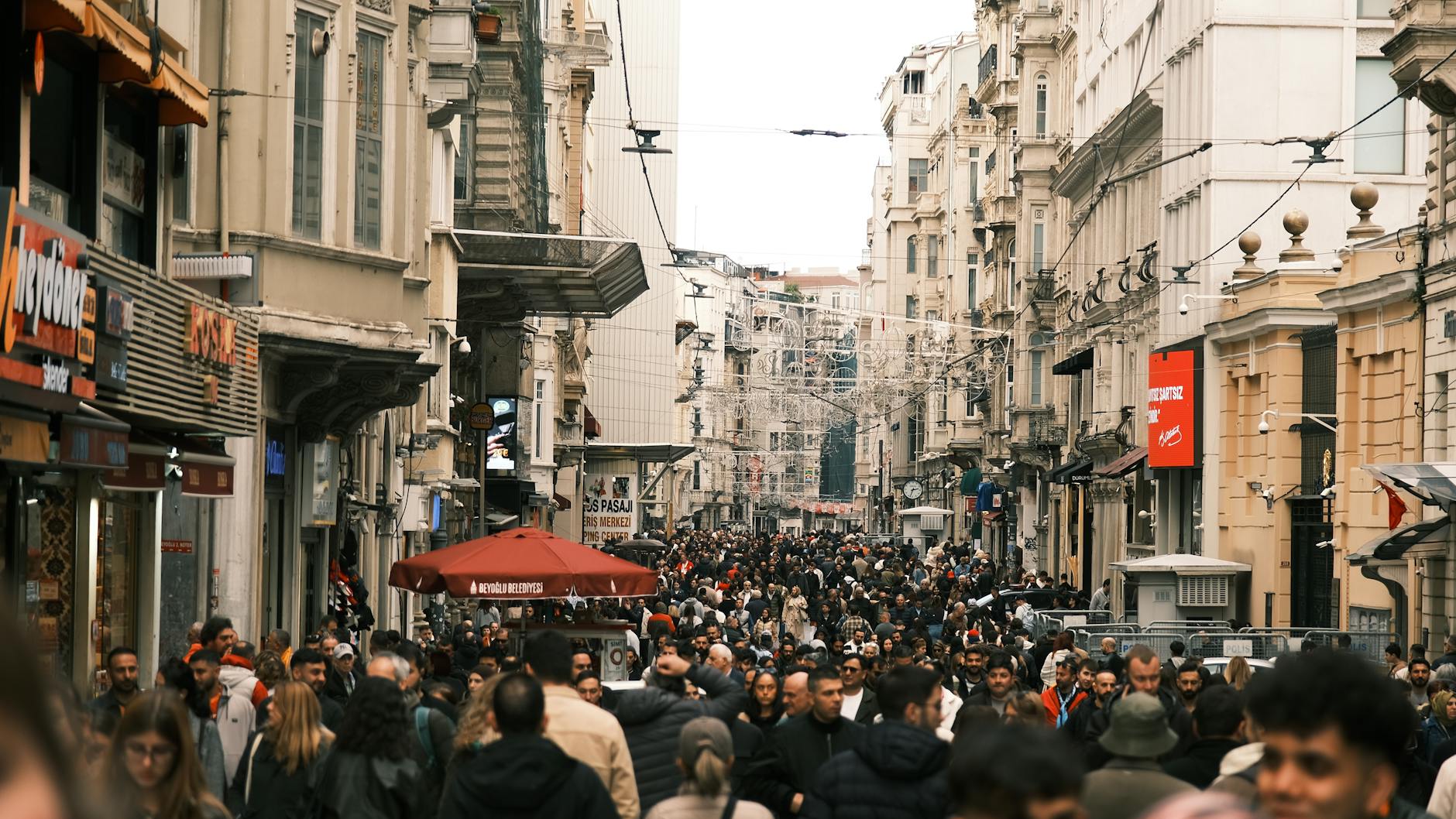
Dublin’s famous tourist district is genuinely safe during the day but becomes a crowded party zone Friday-Saturday evening (8pm onwards). Drunkenness, stag/hen parties, and aggressive panhandling all increase. Pickpocketing risk peaks. Standard precautions handle it but the experience can be uncomfortable for visitors expecting quiet Dublin charm. Locals avoid Temple Bar at weekends entirely.
O’Connell Street North
The main thoroughfare north of the Liffey is safe during business hours but the section north of Henry Street becomes quieter after 11pm. Some street drinking, occasional drug-related activity. Standard awareness applies; many tourists pass through without incident.
Talbot Street and Connolly Station Area
Connolly Station’s surroundings have higher crime rates than central tourist areas. Travelers arriving by train should walk to their hotel directly; not linger. Taxi rank at Connolly Station is reliable.
IFSC (International Financial Services Centre)
The financial district by day is safe and busy; evenings can be quiet with limited foot traffic. Generally safe but feels deserted after 9pm.
Areas to Avoid Walking Late at Night
- Mountjoy Square and Sheriff Street: Far north inner city; higher crime rates; visitors should use taxis after dark.
- Isolated canal walks late at night: Grand Canal and Royal Canal towpaths are safe during day but isolated and badly lit at night.
- Side streets off O’Connell Street north: Off the main routes after midnight; use taxis.
- Some sections of inner Crumlin and inner Ballyfermot: Outer working-class suburbs with some crime issues; rarely affects tourists but worth knowing.
For these areas, walking is the issue; passing through by taxi is fine. Free Now and Bolt taxis operate everywhere reliably.
Solo Female Travel Safety in Dublin
Dublin is one of Europe’s most solo-female-friendly cities. Specific factors:
- Catcalling is uncommon: Dublin doesn’t have the street harassment culture present in some Mediterranean capitals.
- Late-night taxis are reliable: Free Now and Bolt drivers are vetted; rides are GPS-tracked; share ride status with friends through the app.
- Pubs welcome solo women: Sitting at the bar reading a book is entirely normal; bartenders are friendly without being intrusive.
- Hostels offer female-only dorms: Generator Hostel, Jacobs Inn and Hosteling International all have female-only options.
- Hotels have 24-hour reception: All mid-range and above hotels staff reception 24/7.
- Public transport is well-lit: All Dublin buses and Luas have CCTV; DART stations are staffed during operating hours.
Standard precautions: don’t walk through isolated areas late at night; use taxis after midnight; don’t leave drinks unattended; carry a fully-charged phone; share your evening plans with someone. The Dublin solo female travel experience is consistently positive across reviews and traveller reports.
Pickpocketing in Dublin
The most common tourist crime in Dublin is pickpocketing. Specific hot zones:
- Grafton Street and Henry Street: Dense pedestrian shopping streets; favourite for opportunistic theft.
- O’Connell Street, especially near the GPO: Tourist concentration peaks.
- Trinity College area and Front Square: Tourist photos provide distraction opportunities.
- Temple Bar pubs at peak hours: Bags on chair backs are favourite targets.
- Luas trams: O’Connell Street stop is a known hotspot; phones from open pockets.
- Guinness Storehouse exit area: Tourists with full hands leaving the attraction.
How to Avoid Pickpocketing
- Carry phone in a buttoned front pocket or inside pocket, not back pocket or open coat
- Carry wallet in front pocket or hidden body bag
- Keep bag on lap or between feet at cafes and pubs; never on the chair back or floor beside you
- Use a cross-body bag rather than a shoulder bag
- Be aware of distractions (someone asking for time, dropping something near you, “helpful” strangers)
- Hotel safes are reliable; lock passports and large cash there
- Don’t carry more cash than you need; €100 is plenty for a day
Dublin Public Transport Safety
- Dublin Bus: CCTV throughout; safe at all hours. Some routes through outer suburbs can have alcohol-related disturbances at weekend nights but rarely affect tourists.
- Luas tram: CCTV at every station and on every tram. Generally safe; some pickpocketing on the O’Connell Street stop specifically.
- DART (suburban rail): CCTV; staffed stations; safe at all hours. The coastal routes to Howth and Bray are reliably safe even late at night.
- Free Now and Bolt taxis: GPS-tracked; driver-vetted; safe. Use the app rather than flagging street cars after midnight.
- Airlink 747 buses: CCTV; safe at all hours; standard Dublin Bus security.
Alcohol-Related Safety
Dublin’s pub culture means alcohol is central to most evenings. Practical safety considerations:
- Drink-spiking: Increasingly reported; never leave drinks unattended; watch the bartender pour your drink. Avoid drinks left on tables when you return from the toilet.
- Aggressive drunkenness: Some Temple Bar pubs Friday-Saturday have aggressive male groups. Walk away rather than engage; bouncers will intervene if escalated.
- Drunk-walking home: Standard urban risk — falls, fights, getting lost. Use taxis after heavy drinking.
- Stag/hen party crowding: Dublin is a popular stag/hen destination; Temple Bar at peak weekends can be overwhelming. The Stoneybatter or Portobello neighbourhoods are quieter alternatives.
- Drunk-driving: Ireland’s blood-alcohol limit is 50mg (under one standard pour). Don’t drive after any drinks. Random Garda checkpoints are common.
- Public intoxication: Not technically illegal but can result in police questioning if aggressive.
Drug-Related Safety
Dublin has a visible drug scene in some areas, particularly the north inner city. Practical implications for tourists:
- Visible drug activity: Some streets (around Sheriff Street, Talbot Street, parts of north inner city) have visible drug-related activity. Walking through these areas is safe but uncomfortable for some visitors.
- Drug-related crime: Mostly affects local drug economies; rarely targets tourists.
- Cannabis legality: Cannabis is illegal in Ireland. Penalties for possession are relatively mild for personal use but the law is strict.
- Hard drugs: Heroin and cocaine use is illegal; selling is heavily penalised. Don’t engage with street offers.
- Drug dealing in pubs: Rare in tourist pubs; common in some local pubs known to Garda.
Emergency Services in Dublin
- 999 or 112: Free from any phone (including non-Irish numbers). Police, ambulance and fire.
- Garda non-emergency: 01 666 0000.
- Lost passport: Contact your country’s embassy directly. The US Embassy (Ballsbridge), UK Embassy (Merrion Road), Canadian Embassy (St Stephen’s Green) all handle replacement passports for emergencies.
- Lost wallet or phone: File a Garda report (needed for travel insurance claims) at any Garda station; central station is Pearse Street.
- Health emergency: St James’s Hospital and Mater University Hospital are the main central hospitals. Walk-in service at GP clinics costs €50-80; emergency department is free with European Health Insurance Card (EHIC) for EU visitors.
- Pharmacy: 24-hour pharmacies on O’Connell Street (Hickey’s) and Westmoreland Street (Boots).
Hotel and Accommodation Safety
- Mid-range and luxury hotels: 24-hour reception, secure key-card room access, in-room safes. Standard urban hotel safety.
- Budget hotels and B&Bs: Generally reliable; check reviews for specific properties.
- Hostels: Generator Hostel, Jacobs Inn and Hosteling International all have secure key-card systems, lockers (bring a padlock), and 24-hour reception. Female-only dorms available.
- Airbnb and apartment rentals: Variable. Established host accounts with many reviews are typically safe; brand-new accounts with limited reviews carry more risk.
- Room safes: Most mid-range hotels include in-room safes. Use them for passports, large cash, and important documents.
- Avoid ground-floor rooms in less-secure properties: Some budget hotels have ground-floor windows that don’t secure properly.
LGBTQ+ Safety in Dublin
Dublin is one of Europe’s most LGBTQ+ friendly cities. Ireland legalised same-sex marriage by popular vote in 2015 — the first country in the world to do so. The annual Dublin Pride parade attracts 60,000+ participants. Specific safety considerations:
- Same-sex affection in public: Holding hands, kissing in public are accepted in central Dublin; rare hostile encounters in suburban or outlying areas.
- LGBTQ+ venues: PantiBar (Capel Street), Street 66 (Parliament Street), The George (South Great George’s Street) are the long-established LGBTQ+ pubs.
- Hotel policies: All Dublin hotels welcome same-sex couples without comment.
- Trans visitors: Increased visibility and protection in Ireland since 2015 Gender Recognition Act. Public spaces are generally welcoming; some smaller venues less consistently so.
- Hate crime reporting: Garda treat hate crime seriously; report to any Garda station or online.
Travel Insurance and Health
- Travel insurance: Strongly recommended. Cover medical emergencies (Ireland has reciprocal healthcare with EU but not US), lost luggage, theft, trip cancellation.
- EU visitors: European Health Insurance Card (EHIC) provides emergency public health cover. Standard public healthcare provides emergency treatment free.
- UK visitors: GHIC (Global Health Insurance Card) provides equivalent coverage post-Brexit.
- US visitors: Must have private travel insurance covering medical emergencies. Hospital emergency department is free for public patients but specialised care requires insurance.
- Australian/NZ visitors: Bilateral healthcare agreements provide some cover; travel insurance still recommended.
- Theft claims: File a Garda report; insurance companies require this for theft claims.
Political Protests and Disruptions
- Frequency: Dublin sees occasional political protests, particularly around housing, immigration and government policy. Most are peaceful and well-managed by Garda.
- Common protest locations: O’Connell Street, Leinster House (Dail), Government Buildings, Custom House.
- Impact on tourists: Usually minimal beyond temporary road closures and bus re-routes.
- Major events to be aware of: St Patrick’s Day weekend (heavy police presence, crowd management), Pride parade weekend, Euros or World Cup football moments (sometimes raucous), occasional anti-immigration protests in 2023-2024 era.
- Stay informed: Check Met Eireann weather and the Irish Times daily for any disruption notices.
Natural Hazards
- Storms: Atlantic-facing exposure means occasional severe storms (rare but real). Listen to Met Eireann warnings and follow advice.
- Flooding: Some Dublin low-lying areas (Sandymount Strand at high tide; Ringsend) have occasional minor flooding.
- Slippery surfaces: Trinity cobbles, Temple Bar setts and city granite paving become slippery in rain. Wear proper shoes.
- Cold water: Dublin Bay water is 8-15℃ year-round. Never enter without preparation; cold-water shock is a real risk for inexperienced swimmers.
Practical Safety Tips
- Photocopy your passport: Carry the copy; leave the original in hotel safe.
- Mobile phone: Keep fully charged; download Free Now and Bolt apps before arrival.
- Cash: Carry €50-100 per day in mixed denominations; rest in hotel safe.
- Cards: Carry one credit card for daily use; backup card in hotel safe.
- Notify your bank of travel: Prevents fraud-blocks on cards.
- Insurance documents: Photo on phone; physical copy in hotel safe.
- Emergency contacts: Save embassy numbers in your phone before arrival.
- Local emergency number: 999 or 112.
- Share your itinerary: Tell someone your plans; useful if anything happens.
Family Safety in Dublin
Dublin is family-friendly and reliably safe for children. Specific notes:
- Crowd management: Trinity College, Guinness Storehouse and the Long Room can be crowded; keep children close.
- Lost child plan: Designate a meeting point at major attractions; show children how to identify Garda officers.
- Child seats in taxis: Pre-book through Free Now or Bolt with child seat option; not all standard taxis carry seats.
- Children’s hospital: Children’s Health Ireland at Crumlin and Temple Street provide pediatric emergency care.
- Allergies: Most Dublin restaurants can accommodate common allergies; confirm with the restaurant before booking.
- Stroller security: Don’t leave a stroller unattended; opportunistic theft does occur.
Seasonal Safety Considerations
- Summer (June-August): Tourist concentration peaks; pickpocketing risk higher. Crowds at Pride parade weekend, summer concerts and festival days require crowd awareness.
- St Patrick’s Day weekend (around March 17): 500,000+ extra people; pickpocketing risk peaks. Watch belongings; stay with your group.
- Christmas period: Heavy shopping crowds; pickpocketing in Grafton Street and Henry Street.
- Halloween/Bram Stoker Festival: Costume crowds; alcohol-related disturbances; otherwise safe.
- New Year’s Eve fireworks: Custom House Quay crowds can become dense; standard crowd-safety awareness.
- Sports events: Six Nations Rugby (Aviva Stadium); GAA games at Croke Park can generate alcohol-related issues post-event.
Common Dublin Safety Myths
“Dublin is unsafe”
False. Dublin is among Europe’s safer capitals. Most visitor reports are positive; the very visible occasional crime reports get disproportionate online attention.
“Solo women can’t walk Dublin at night”
False. Dublin is one of Europe’s most solo-female-friendly cities. Standard precautions handle the rare risks.
“Northern Dublin is unsafe”
Mixed truth. Some far-north inner city pockets have higher crime rates but most northern Dublin (Glasnevin, Stoneybatter, Smithfield, Drumcondra, even most of Phibsboro) is safe. Be specific about areas.
“Pubs aren’t safe”
False. Most Dublin pubs are exceptionally safe. Temple Bar at weekend peaks is the exception, not the rule.
“Don’t use the Luas late at night”
False. Luas operates safely until midnight. The O’Connell Street stop specifically has higher pickpocketing rates; other stops are fine.
Related Reading
For more Dublin travel tips, see Solo Travel Dublin, First Time in Dublin, Best Time to Visit Dublin, Dublin Taxi Guide, Dublin Weather Guide, and Walking in Dublin.
Is Dublin Safe: FAQ
Is Dublin safe for tourists?
Yes — Dublin is one of Europe’s safer capitals. Ireland ranks 3rd globally on the Global Peace Index. Standard urban awareness handles the main risks (pickpocketing, opportunistic theft). Violent crime against tourists is rare.
Is Dublin safe at night?
Yes, with neighbourhood awareness. Central tourist areas (Grafton Street, Trinity, St Stephen’s Green) stay busy and well-lit until 1-2am. Some areas (Mountjoy, Sheriff Street, isolated canal walks) warrant taxi rather than walking after 11pm.
Is Dublin safe for solo female travellers?
Yes — Dublin is one of Europe’s most solo-female-friendly cities. Catcalling is rare, pubs welcome solo women, late-night taxis are reliable (Free Now, Bolt), female-only hostel dorms are available. Standard urban precautions apply.
What are the dangerous areas in Dublin?
Far north inner city (Mountjoy, Sheriff Street, Talbot Street area) has higher crime rates and warrants caution especially late at night. Most other Dublin neighbourhoods are reliably safe.
How common is pickpocketing in Dublin?
Increased in tourist concentration areas (Grafton Street, Henry Street, Trinity, Temple Bar at peak hours, the O’Connell Street Luas stop). Standard precautions handle it: keep phone in front pocket, bag cross-body, wallet hidden, don’t leave belongings on cafe chair backs.
What is the Dublin emergency number?
999 or 112 — free from any phone. Connects to Garda (police), ambulance and fire services. Garda non-emergency line: 01 666 0000.
Should I take taxis at night in Dublin?
Yes for journeys outside the central core; walking is safe in tourist areas until midnight. Use Free Now or Bolt apps rather than flagging street cars; both vetted, GPS-tracked, and reliable. Central city fares typically €8-15.
Are Dublin pubs safe?
Yes — most Dublin pubs are exceptionally safe. Bartenders are friendly; locals welcoming. Temple Bar at peak weekend hours can be chaotic but rarely dangerous. Always watch your drink; never leave belongings on chair backs.