Dublin Taxi 2026: Apps, Costs & Tipping Guide

Ar an gComhartha Seo — On this sign
- Quick Picks: Dublin Taxi Essentials
- Dublin Taxi Apps: Free Now vs Bolt vs Uber
- Dublin Taxi Fares (2026)
- How to Get a Dublin Taxi
- Dublin Taxi Vehicle Types
- Late-Night Dublin Taxis
- Dublin Airport Taxis
- Payment in Dublin Taxis
- Tipping Dublin Taxi Drivers
- Wheelchair-Accessible Dublin Taxis
- Taxis vs Public Transport: When to Use Each
- Common Dublin Taxi Mistakes
- Lost Property in Dublin Taxis
- Dublin Taxi Safety
- Related Reading
- Taxis vs Private Hire vs Chauffeur Services
- Seasonal Dublin Taxi Demand Patterns
- Dublin Taxis with Kids and Heavy Luggage
- Communicating with Dublin Taxi Drivers
- Dublin Taxi: FAQ
- Keep Reading
Dublin taxi rides are easier than most European capitals: every taxi runs on a meter, every driver is licensed by the National Transport Authority, every taxi has had to take card payment since September 2022, and two widely used apps (Free Now and Bolt) make booking simple. Here’s everything visitors need to know in 2026 — how to book, what to pay, how tipping works, when to use taxis vs alternatives, and how to handle the late-night airport run.
Grab one taxi for a single airport transfer or rely on taxis for an entire short trip: this guide is the practical playbook.
The guide to getting around Dublin pulls all of this together if you want the overview first.
Quick Picks: Dublin Taxi Essentials
- Default app: Free Now (widely used, licensed metered taxis only)
- Main alternative: Bolt (licensed taxis on the same NTA meter tariff)
- Tipping: Round up to nearest €1; 10% for longer airport trips
- City fares: metered from €4.40, then €1.32 per km by day (NTA maximum fare)
- Airport-to-city fare: roughly €30-40 on the meter, more in heavy traffic or at night
- Payment: All taxis accept contactless cards; cash optional
- Late-night safety: Use the app rather than flagging street taxis after midnight
- Wheelchair accessible: Choose Free Now’s Accessible option or Bolt’s Assist category; book ahead where possible
Dublin Taxi Apps: Free Now vs Bolt vs Uber
Free Now (Formerly mytaxi/Hailo)
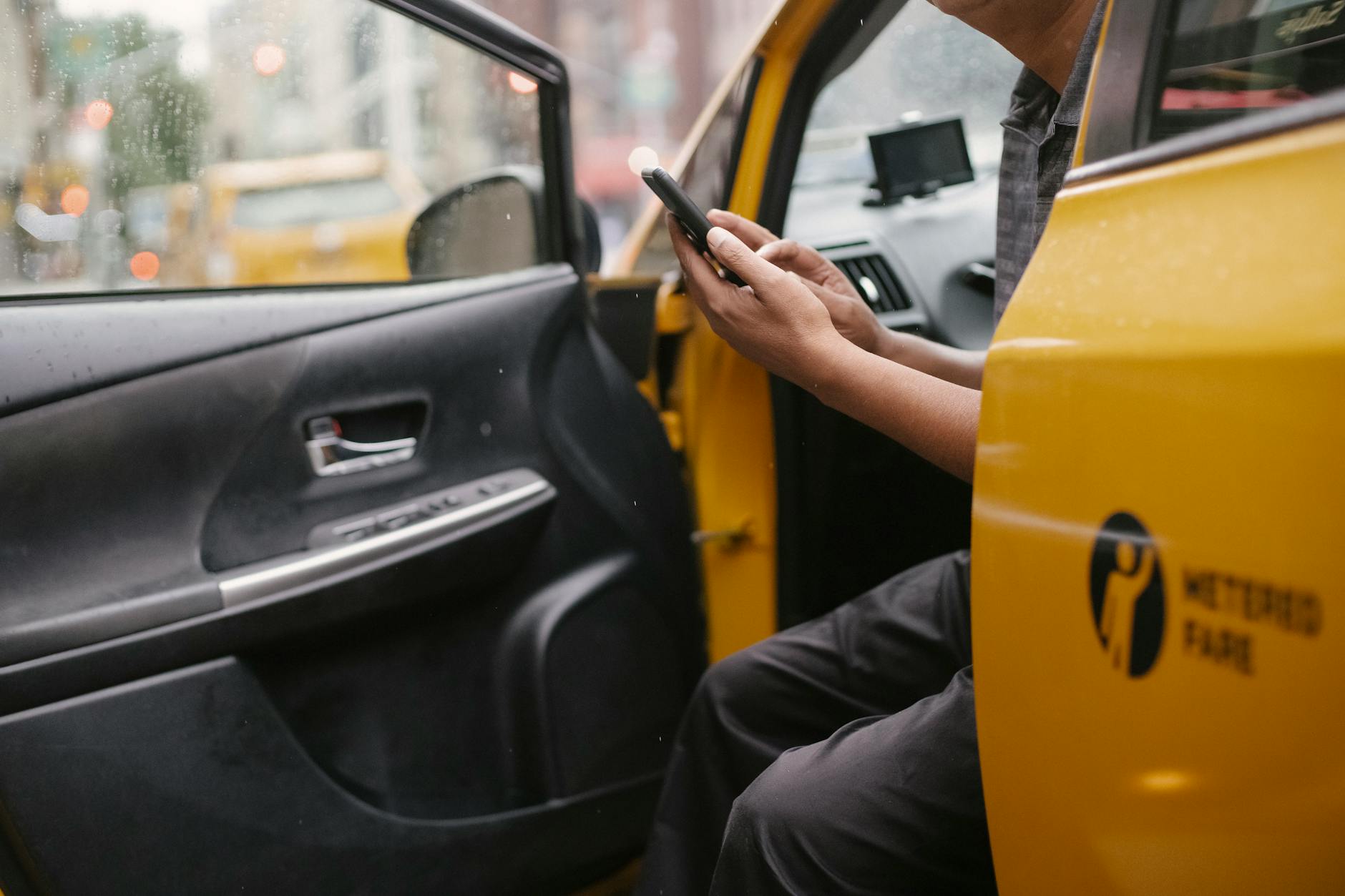
Free Now calls itself Ireland’s no.1 taxi app, and every ride it books is a licensed, metered taxi. For most visitors it is the sensible default.
- How it works: Open the app, set your pickup location and destination, choose a vehicle option (standard Taxi, Taxi XL with six passenger seats, Accessible, Fully Electric and others), confirm. Pickup times vary with demand.
- Pricing: Metered — you pay what the meter shows plus the NTA’s €3 booking fee for app bookings, and Free Now may add a variable technology fee. Display shows estimated range before booking.
- Payment: Card on file (Visa/Mastercard/Amex/Apple Pay/Google Pay) or cash to the driver. Most users pay via the app.
- Tipping: Add tip via the app after the ride. 10% is standard.
- Surge pricing: Free Now doesn’t use surge multipliers — you pay the meter rate regardless of demand.
Bolt
The Estonian ride-hailing app began taking Dublin taxi bookings in December 2020. Its taxis run on the same NTA meter tariff as Free Now’s.
- How it works: Same flow as Free Now — open app, set destination, confirm. How long the driver takes depends on how busy the city is.
- Pricing: Bolt shows an estimate upfront, but for a regular taxi the meter sets the final price at NTA rates, just as on a Free Now ride.
- Surge pricing: Not on regular taxis — Bolt follows the regulated NTA fare structure, and the meter decides what you pay whatever the demand.
- Payment: Card on file or cash. Tipping in-app post-ride.
Uber
Uber in Dublin books licensed taxis: the app matches you with a licensed taxi driver, with Taxi, Taxi XL and Taxi Max options, rather than a private-car UberX. Pricing is similar to Free Now. UberPool, UberBLACK and UberLUX are not available in Ireland.
For US/UK visitors used to Uber, it works here too and books a licensed taxi, like the other apps.
Dublin Taxi Fares (2026)
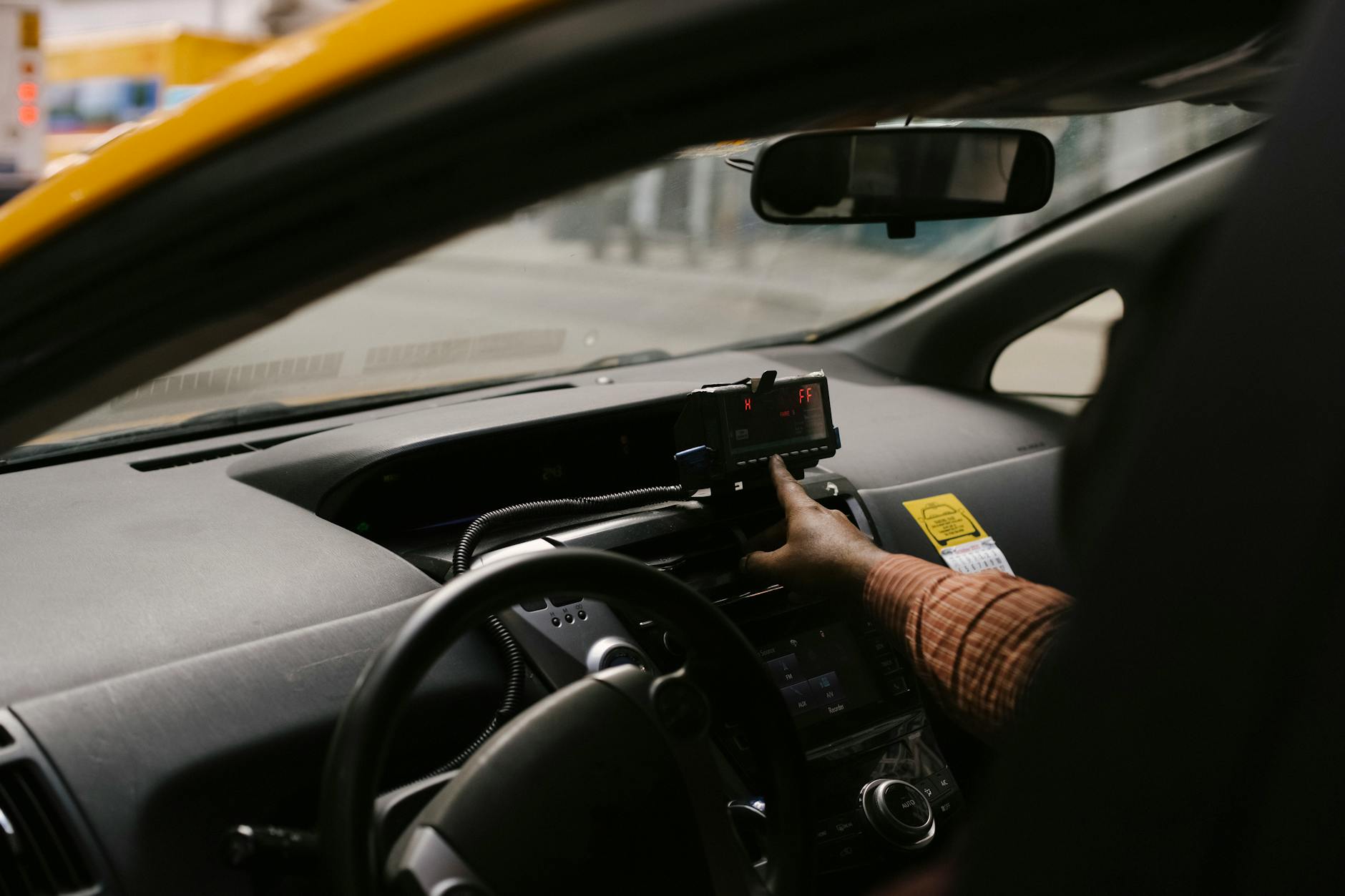
All Dublin taxis are metered with fares set by the National Transport Authority. The structure:
Standard Tariff (Day)
- Flag drop (initial charge): €4.40 (covers the first 500m or 85 seconds)
- Tariff A: €1.32 per km
- Tariff B (longer journeys): €1.72 per km
- Waiting time: charged by the hour at €27.98 under Tariff A (idle, traffic-stopped)
- Extra passenger charge: €1 per additional adult after the first
- Luggage: Suitcases are not normally charged extra
Premium Tariff (Night, Sundays, Public Holidays)
Applies 8pm-8am Monday to Saturday and all day on Sundays and public holidays, at roughly a quarter to a third more than the standard rate. A higher Special rate (€5.40 initial charge, then €2.20 per km) covers midnight-4am on Saturday and Sunday mornings, 8pm on 24 December to 8am on 26 December, and 8pm on 31 December to 8am on 1 January. The Premium rates:
- Flag drop: €5.40
- Per km: €1.81 at Tariff A, €2.20 at Tariff B
Typical Dublin Taxi Fares
- Trinity College to St Stephen’s Green: a short walk, so rarely worth a taxi
- O’Connell Street to Temple Bar: a short taxi hop, and an easy walk across the Liffey
- Heuston Station to Trinity College: metered at the Standard rate by day, Premium after 8pm and on Sundays
- Dublin Airport to Trinity College: around €30-40 on the meter, higher in traffic and at night
- Dublin Airport to Ballsbridge: further than the city centre, so expect the meter to run higher
- City Centre to Howth: a long suburban run on the meter; the DART is far cheaper
- City Centre to Dun Laoghaire: metered all the way; the coastal DART costs a fraction of the fare
- Dublin to Belfast: not covered by the NTA maximum fare, so agree a price before you set off; the Enterprise train is much cheaper (singles from about €15.99, around 2h 08m) and avoids road traffic
How to Get a Dublin Taxi
Option 1: App Booking (Recommended)
Open Free Now or Bolt. Set pickup and destination. Confirm booking and wait for your driver. Pay via card on file. Get receipt by email.
Option 2: Taxi Rank
Designated taxi ranks operate at major Dublin hubs:
- Dublin Airport (both terminals)
- Connolly Station (south side)
- Heuston Station (front entrance)
- St Stephen’s Green (south side, Earlsfort Terrace junction)
- O’Connell Street (multiple ranks)
- Westmoreland Street (College Green)
- Dame Street (near Temple Bar)
- Lower Leeson Street
- Outside major hotels (Westbury, Shelbourne, Merrion all have permanent ranks)
Wait at the rank; take the next taxi in line. The driver isn’t obliged to take you to specific destinations within the city (but in practice they all do). For airport runs, tell the driver before getting in — some prefer city-only fares.
Option 3: Street Hailing
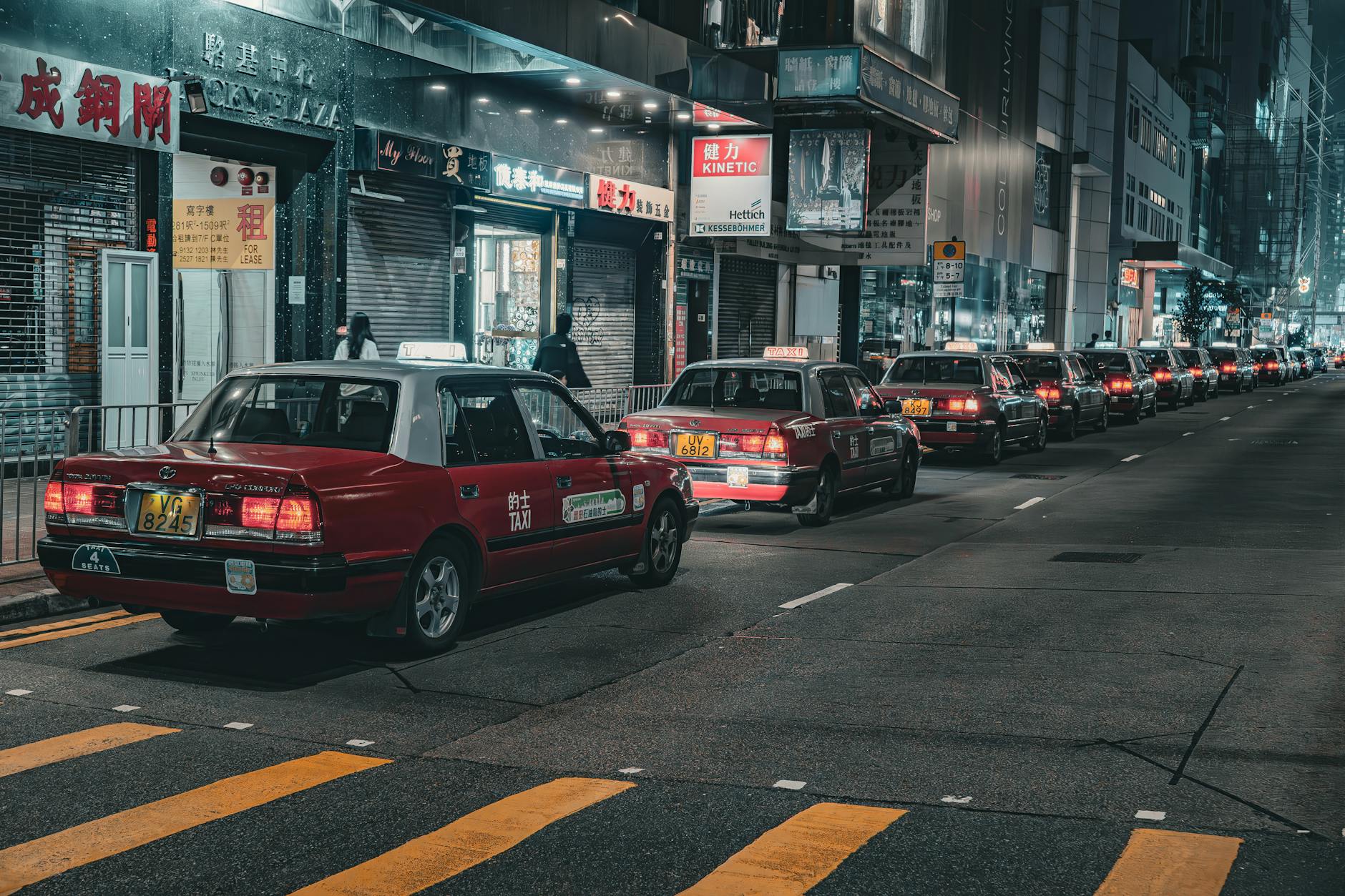
Less common in Dublin than in London or New York. Some drivers respond to a raised hand on a street; many won’t. The yellow “taxi” light on the dashboard means available. If the light is off, the taxi is occupied or off-duty.
Option 4: Phone Booking
Traditional taxi companies (NRC Taxis 01 677 2222, City Cabs 01 872 7272) operate phone booking. Largely superseded by apps but useful if your phone lacks data.
Dublin Taxi Vehicle Types
- Standard saloon (most common): Seats four passengers plus driver. Two suitcases fit in boot.
- Estate/wagon: Slightly more boot space for luggage.
- MPV (up to six passengers): Book Taxi XL in the Free Now or Uber app. Slightly higher fare.
- Wheelchair-accessible: Specially-modified Renault Master or Mercedes Vito. Book in advance through Free Now’s Accessible option or Bolt’s Assist.
Late-Night Dublin Taxis
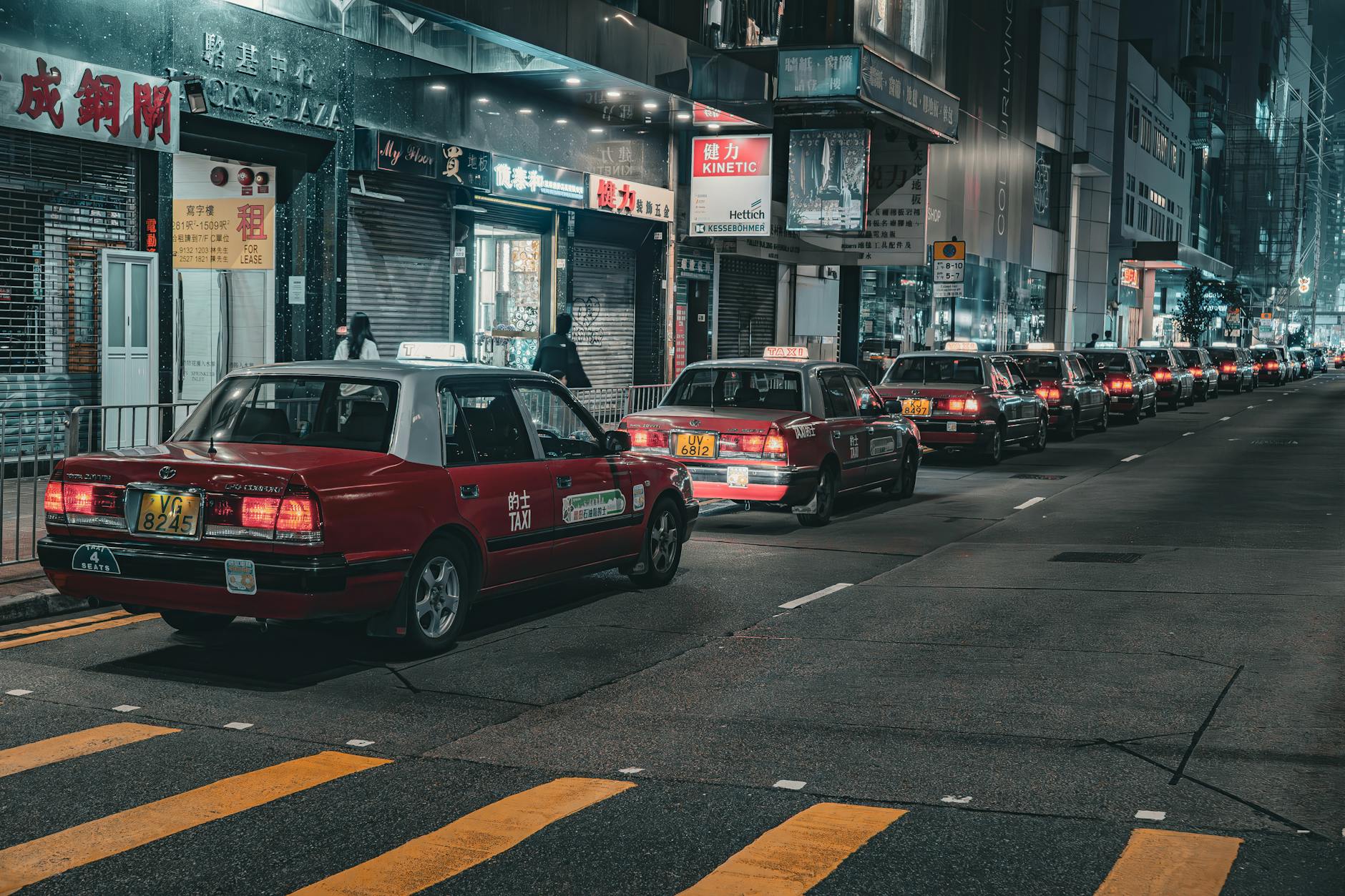
After midnight, Dublin Bus keeps its 24-hour routes running seven nights a week (15, 39a, 41, 80, C1, C2, C5, C6, E1, E2, F1, F2, G1, G2 and N4), and Nitelink adds services on Friday and Saturday nights. Everywhere else, taxis fill the gap.
- Friday/Saturday late nights: Expect long waits, and from midnight to 4am the higher Special rate applies. Pre-book well before you plan to leave.
- Taxi ranks: O’Connell Street, Dame Street and Lower Leeson Street ranks have queues but drivers are reliably available.
- App pricing: Neither Free Now nor Bolt adds surge pricing to taxis, but the meter itself rises at night: Premium rates from 8pm, and the Special rate in the small hours of Saturday and Sunday. The price in the app is only an estimate.
- Safety: Use the app rather than flagging street cars. Driver identity, vehicle plate, and journey route are tracked.
- Solo female travellers: Licensed taxi drivers are vetted by the National Transport Authority, and app rides are tracked. Largely safe; standard precautions apply.
Dublin Airport Taxis
The Dublin Airport taxi rank is just outside the arrivals doors at both terminals (south side T1, multi-storey level T2). Taxi marshals direct passengers to the next available cab.
- Airport-to-city fare: metered, usually about €30-40 to the city centre; heavy traffic and night rates push it higher.
- Pre-booking via app: Free Now and Bolt both work at Dublin Airport. Pre-book before you fly if you want a car waiting. Driver meets you at a designated app pickup point.
- Premium “meet and greet”: Private transfer firms such as Welcome Pickups offer arrivals pickup at fixed fares, from about €61 to the city centre by day and €73 at night.
- Avoid the airport-rank queue: If the rank queue is long, book through the Free Now app instead and meet the driver at the designated rideshare zone.
Payment in Dublin Taxis
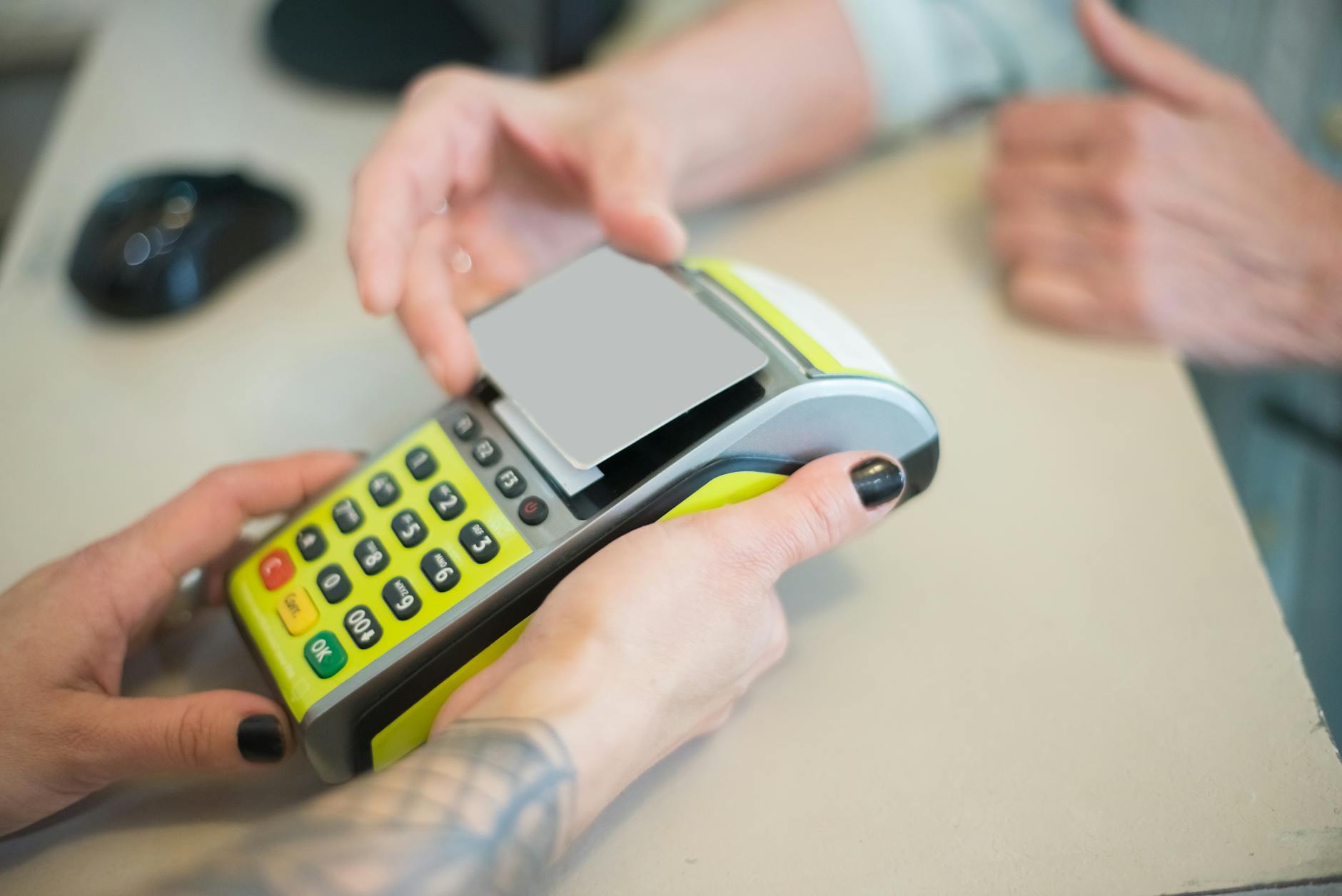
- Contactless card: Every Dublin taxi has had to accept card payment since 1 September 2022. Tap your Visa/Mastercard/Apple Pay/Google Pay on the driver’s reader.
- App payment: Pay through Free Now or Bolt — card on file; no transaction with the driver.
- Cash: Accepted but increasingly uncommon. Always have small notes (€5, €10, €20); drivers rarely have change for €50+ notes.
- Receipt: Driver issues a printed receipt on request. App users get an emailed receipt automatically.
- Foreign cards: All major international cards (Visa, Mastercard, Amex) work. Some drivers prefer cards from the US/UK over cash for foreign-currency tipping flexibility.
Tipping Dublin Taxi Drivers
Tipping in Dublin is lighter than the US but more than zero:
- Standard practice: Round up to the nearest €1 or €2. A €13.40 fare typically becomes €15.
- Airport runs: 10% tip is standard (€3 on a €30 fare).
- Long evenings of waiting: If the driver waits for you (e.g., outside a restaurant), tip extra.
- App tipping: Both Free Now and Bolt allow in-app tipping post-ride; Free Now offers set tips of €1, €2 or €3 on top of the fare.
- Cash tip preferred: Some drivers prefer cash tips over app tips (faster, no transaction fees).
- Exceptional service: 15-20% for drivers who help with luggage, suggest routes, etc.
Tipping isn’t legally required. For any visitor-style ride (airport, multi-stop, luggage), though, a tip is the kind move and remembered.
Wheelchair-Accessible Dublin Taxis
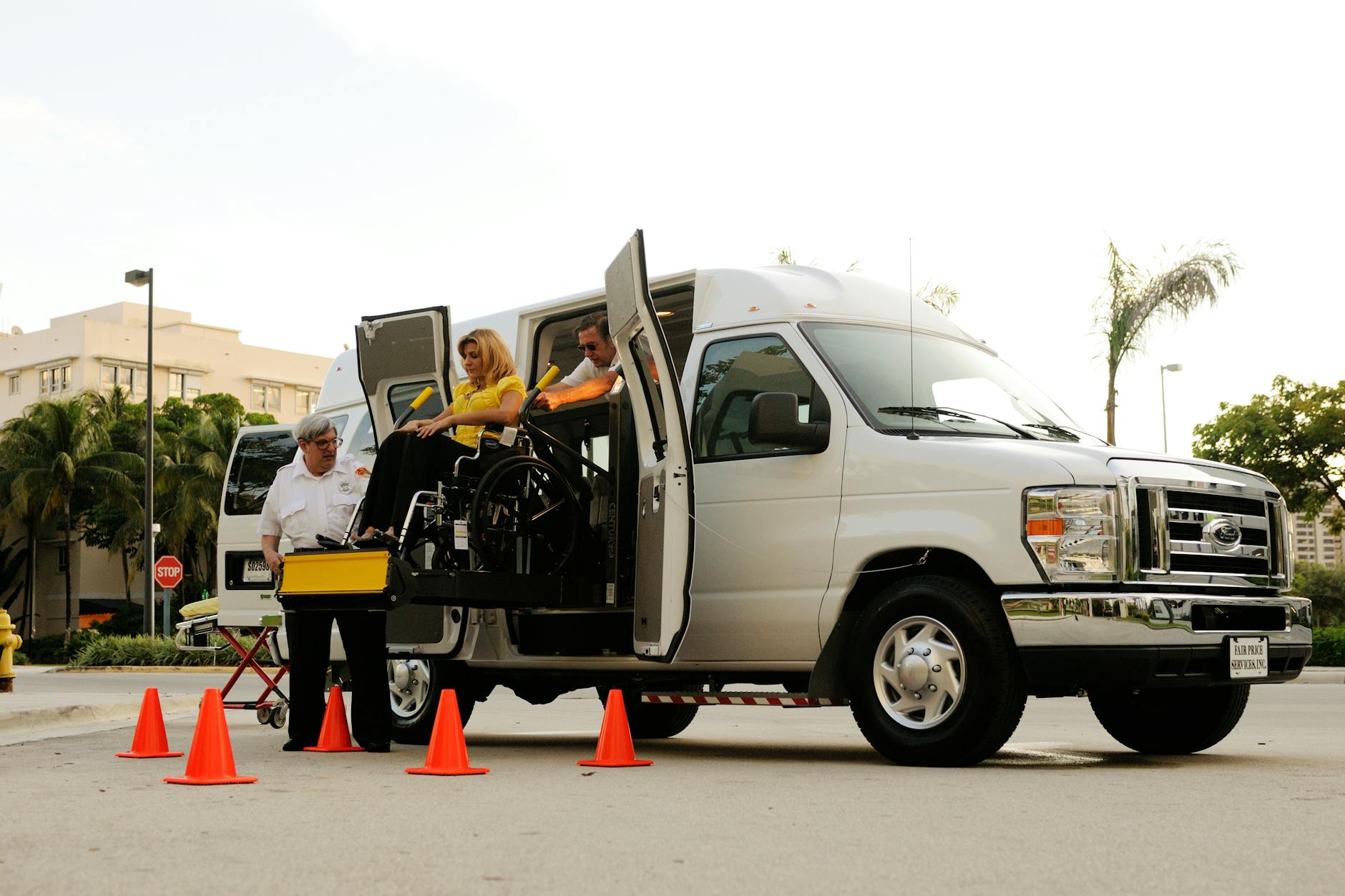
- Free Now “Accessible” option: Modified Renault Master, Volkswagen Caddy or Mercedes Vito vehicles. Pre-book whenever you can.
- Bolt “Assist”: Every vehicle in this category is licensed as wheelchair accessible.
- Specialised operators: Mobility Cabs Dublin, Special Needs Transport. Phone-book.
- Guide dogs: Welcome in all Dublin taxis. Tell the driver in advance via the app comment field.
- Same fare: Wheelchair-accessible taxis charge standard taxi meter rate — no surcharge.
Taxis vs Public Transport: When to Use Each
Use Taxis For
- Late-night journeys after 11.30pm
- Heavy luggage (airport runs, leaving the city)
- Rainy weather when waiting outside isn’t pleasant
- Groups of 3-4 splitting the fare
- Travelling with children too young for public transport
- Time-sensitive meetings or restaurant reservations
- Cross-town journeys (e.g., Stoneybatter to Ranelagh) where multiple bus transfers would be slow
Use Public Transport For
- Solo travellers on light luggage
- Day-time city sightseeing
- Coast trips (DART beats taxi for Howth, Bray, Dun Laoghaire)
- Cross-city via Luas (faster and cheaper than taxi)
- Routine commuting between hotel and attractions
- Budget-conscious trips
Common Dublin Taxi Mistakes
- Not pre-booking late-night airport runs: Taxis are hard to find in the small hours of Friday and Saturday nights; book yours before you head out.
- Trying to negotiate: Dublin taxis are metered; the meter rate is what you pay. No haggling.
- Carrying only large notes: Drivers often lack change for €50+ notes. Use card or small notes.
- Forgetting to tip: Round up at minimum.
- Hailing “unmarked” cars at the airport: Licensed Dublin taxis display a roof sign and have an internal meter. Unmarked black cars approaching at arrivals are often unregulated; refuse.
- Booking the wrong vehicle type for luggage: 5 passengers with 5 suitcases need an XL/MPV booking, not a standard saloon.
- Leaving valuables in the car: Take a photo of the taxi plate via the app before getting out; this helps lost-property recovery.
- Confusing “Premium” with luxury: In Dublin, Premium is the NTA’s night, Sunday and public-holiday meter rate — not a nicer car, and not a chauffeur with champagne.
Lost Property in Dublin Taxis
- Via app: Contact the driver or the app’s support team as soon as you notice something is missing.
- Via the taxi rank: Tell the rank marshal the licence plate number; they can contact the driver.
- National Transport Authority: For a lost item, contact the taxi operator or app first. The NTA’s taxi information line is 0818 064 000; 01 879 8300 is its main switchboard.
- Photographs help: Take a photo of the taxi licence plate inside the car before leaving; speeds up identification if you realise later something is missing.
Dublin Taxi Safety
- All Dublin taxi drivers are licensed: National Transport Authority background-checks every driver.
- Drivers undergo annual fitness and Garda vetting.
- Cars are inspected twice a year for safety and meter accuracy.
- In-vehicle CCTV: Some Dublin taxis have CCTV (driver discretion). All app rides are tracked via GPS.
- Emergency: Dial 999 or 112 from any phone for police or medical help.
Related Reading
For more Dublin transport guides, see Dublin Airport to City Centre, Dublin Leap Card, Dublin Bus Guide for Tourists, DART & Luas Dublin, Walking in Dublin, and Dublin Layover Guide.
Taxis vs Private Hire vs Chauffeur Services
Dublin’s private hire scene is regulated separately from taxis. Taxis are the metered licensed cars covered above — available via app, rank or street hail, fares set by the National Transport Authority. Private hire (Hackney) vehicles are pre-booked-only services with no meter; you agree the fare in advance. Some drivers also offer Hackney service for pre-booked airport runs or longer-distance journeys.
Chauffeur services (Welcome Pickups, Dublin Limousine Hire, Blacklane, Daniel Limousines) offer name-board pickup, fixed pricing, premium vehicles (Mercedes E-Class or S-Class), and meet-and-greet. Welcome Pickups charges from about €61 for a daytime airport transfer to the city centre, against roughly €30-40 on a taxi meter. Worth the premium for business travel, honeymoons, anniversary arrivals or groups of 4-6 with luggage. Book well ahead.
For most visitors, regular Dublin taxis via Free Now or Bolt handle every transport need at the lowest cost. Chauffeur services are the upgrade option when the occasion warrants — honeymoon arrival, important business meeting, or a 6am airport run where guaranteed timing matters more than the extra cost.
Seasonal Dublin Taxi Demand Patterns
Dublin taxi availability varies more by season and event than most visitors realise. Expect long waits for an app taxi late on Friday and Saturday nights, on New Year’s Eve, after big events such as a Croke Park GAA match or St Patrick’s Day (March 17), and on Christmas Day, when taxis run but fewer drivers work, so pre-book early. On the busiest nights the meter climbs to the Special rate (midnight-4am at weekends, and from 8pm on Christmas Eve and New Year’s Eve), but app-booked taxis carry no surge multiplier on top.
If you have flexibility, keep your taxi journeys clear of those peaks; daytime trips between 8am and 8pm, Monday to Saturday, also run on the cheaper Standard rate. For pre-booked airport runs, schedule pickup with a 15-minute buffer to absorb traffic; for dinner pickup, pre-book your return ride at the start of dinner to lock in availability.
Dublin Taxis with Kids and Heavy Luggage
Travelling with young children in Dublin taxis works smoothly once you know the rule: taxis are exempt from Ireland’s child-restraint law, whatever the distance. Drivers don’t have to carry child seats and standard Dublin taxis don’t, though under-17s must still wear seat belts where fitted. If you want a seat, bring your own (inexpensive portable boosters are sold by Argos and Halfords) and fit it with the driver’s agreement; the safety responsibility falls on you.
For heavy luggage (4+ suitcases, hockey bags, golf clubs, multiple soft bags), filter for XL or MPV vehicles. A standard saloon seats four passengers, while an XL takes up to six. Pre-book in the app and add a note about luggage volume; drivers can arrive in an MPV instead of a saloon. An XL is well worth booking for groups of 5 or families with airline-checked luggage.
Communicating with Dublin Taxi Drivers
English is universal in Dublin taxis — you won’t encounter language barriers. Drivers are often happy chatters who’ll discuss everything from football to politics to where to eat. The conversation is generally good-natured banter; reading a phone or being quiet is also fine if you prefer. Drivers welcome questions about Dublin and many will offer route advice (“You’d be better walking from here to Trinity, save you a fiver”).
Practical communication tips: state your destination clearly when you board (“O’Connell Street, near the GPO” is more useful than just “O’Connell Street”). For hotels, give the hotel name first — Dublin drivers know every central hotel. If you’re unsure of the exact destination, the driver will help — they navigate Dublin daily and often know where you should actually be going better than your map app.
Dublin Taxi: FAQ
What is the best Dublin taxi app?
Free Now is a widely used Dublin taxi app and the sensible default. Bolt is the main alternative, and its taxis run on the same NTA meter tariff, so fares follow the same rules on either app. Uber also books licensed Dublin taxis.
How much is a Dublin taxi from the airport?
Roughly €30-40 on the meter to most central Dublin destinations by day, more in heavy traffic. From 8pm to 8am Monday to Saturday, and all day on Sundays and public holidays, the Premium rate costs roughly a quarter to a third more, and the weekend midnight-4am Special rate is higher again. Dublin Express coaches are cheaper, from €9 one way online.
Do Dublin taxis accept credit cards?
Yes — every Dublin taxi accepts contactless card payment including Visa, Mastercard, Amex, Apple Pay and Google Pay. Cash is also accepted but increasingly uncommon.
How much should I tip a Dublin taxi driver?
Round up to the nearest €1 or €2 on short trips. For airport runs and longer journeys, 10% is standard. Both Free Now and Bolt offer in-app tipping post-ride.
Is Uber in Dublin?
Yes — Uber in Dublin matches you with a licensed taxi driver (Taxi, Taxi XL or Taxi Max), not a private-car UberX. UberPool, UberBLACK and UberLUX are not available in Ireland.
Are Dublin taxis safe?
Yes — all Dublin taxi drivers are licensed and Garda-vetted by the National Transport Authority. App-booked rides are GPS-tracked. Late-night taxis are particularly reliable; use the app rather than street-hailing after midnight.
Can I get a wheelchair-accessible taxi in Dublin?
Yes — Free Now and Bolt apps both have a wheelchair-accessible vehicle filter. Pre-book where you can. Specialised operators like Mobility Cabs Dublin also serve this need. Same standard meter fare; no surcharge.
How do I book a Dublin taxi without an app?
Phone NRC Taxis (01 677 2222) or City Cabs (01 872 7272). Or wait at a designated taxi rank (Connolly, Heuston, O’Connell Street, St Stephen’s Green). Apps are the modern convenience but phone-booking still works.
Keep Reading
- Dublin for Seniors — why a taxi at the end of the day is the best money an older visitor spends.
- Dublin Cruise Port Guide — the taxi rank that is not a rank, at the Alexandra Quay gate.
- Dublin Tourist Scams & Rip-Offs — why “the meter is broken” means take a different taxi.
Lean na Comharthaí — Keep following the signs