Howth Cliff Walk 2026: Perfect Half-Day Trip from Dublin
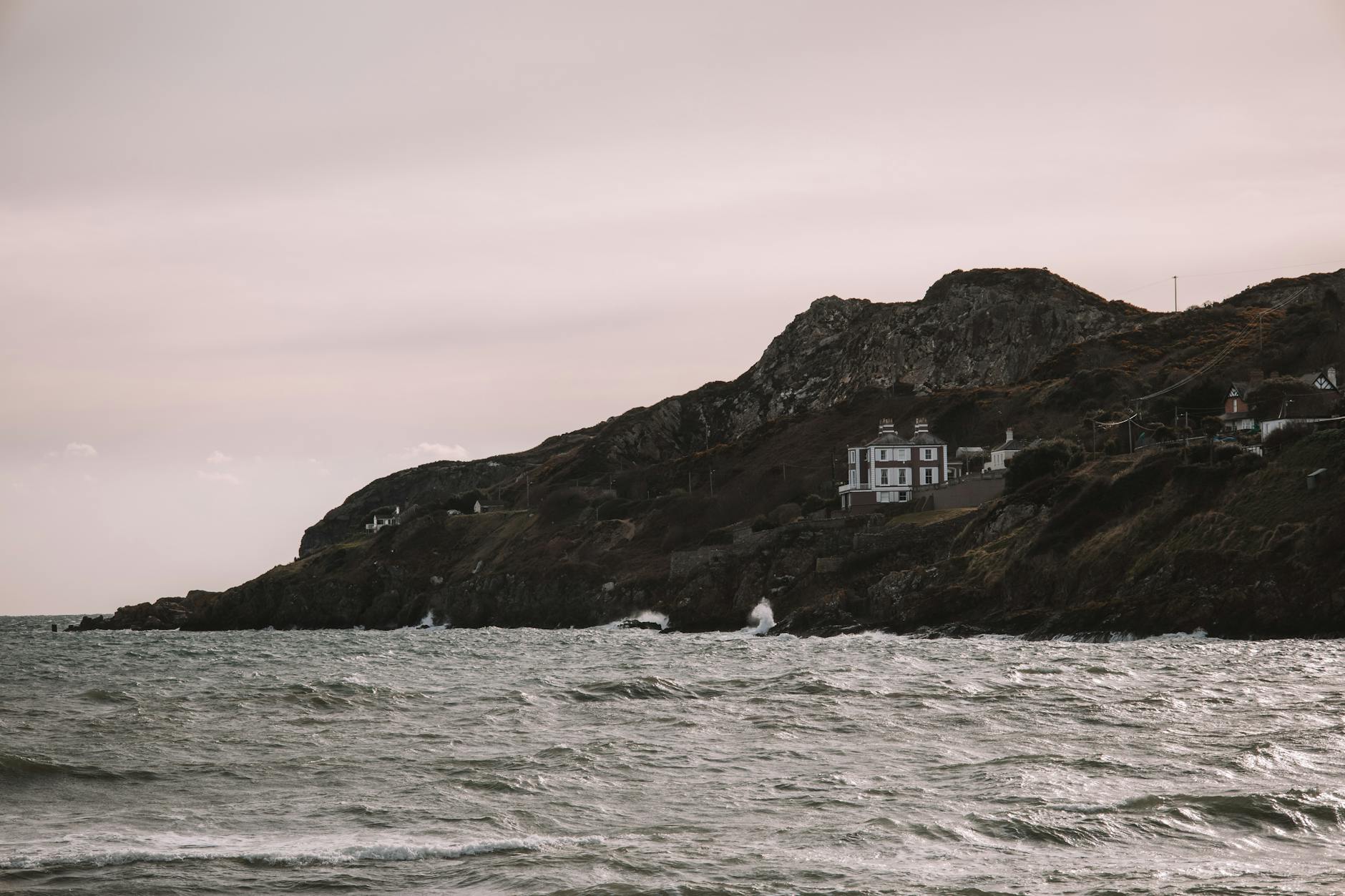
Ar an gComhartha Seo — On this sign
- Quick Picks: Howth Day Trip Essentials
- Getting to Howth from Dublin
- Howth Village
- The Howth Cliff Walk Loop
- What to Expect on the Cliff Path
- Weather and What to Wear
- Where to Eat in Howth
- Sample Howth Cliff Walk Day
- When to Visit Howth
- Photography on the Howth Cliff Walk
- Howth Cliff Walk Accessibility
- Safety on the Howth Cliffs
- Combining Howth with Other Attractions
- Related Reading
- A Quick History of Howth
- Ireland’s Eye Boat Trip
- Howth’s Lesser-Known Spots
- Howth in the Rain (Plan B)
- Making Howth a Full-Day Trip
- Howth Cliff Walk: FAQ
The Howth Cliff Walk is Dublin’s most rewarding half-day trip — a 25-minute DART journey north of the city to a working fishing village, the 7.8km Cliff Path Loop with panoramic views over Dublin Bay, and seafood lunches a few steps from where the fishing boats land their catch. This guide is everything you need: which trail loop to walk, how to get there, where to eat, what to wear, when to go, and the under-discussed details that turn a good Howth day into a great one.
By the end of this guide, you’ll know exactly which Howth trail matches your fitness level, what time to leave Dublin, and which seafood restaurant to book.
This sits inside our broader guide to day trips from Dublin, which is the place to start if you are planning from scratch.
Quick Picks: Howth Day Trip Essentials
- Distance from Dublin city centre: 14km / 25 minutes by DART
- Trail length: 7.8km Cliff Path Loop (about 2 hours) to the 12.1km Bog of Frogs Loop (about 3 hours)
- Time required: at least half a day, including travel, the walk and lunch
- Difficulty: Moderate — trail involves stairs, narrow paths, some uneven ground
- Best season: April-October for warm weather; cliffs are walkable year-round
- Lunch venues: Aqua Restaurant (waterfront), The Brass Monkey (restaurant and wine bar), Octopussy’s (seafood tapas), Howth Market food stalls
- Footwear: Sturdy walking shoes or low boots — the cliffs are rocky in places
- Connectivity: Phone signal throughout the loop; offline maps recommended
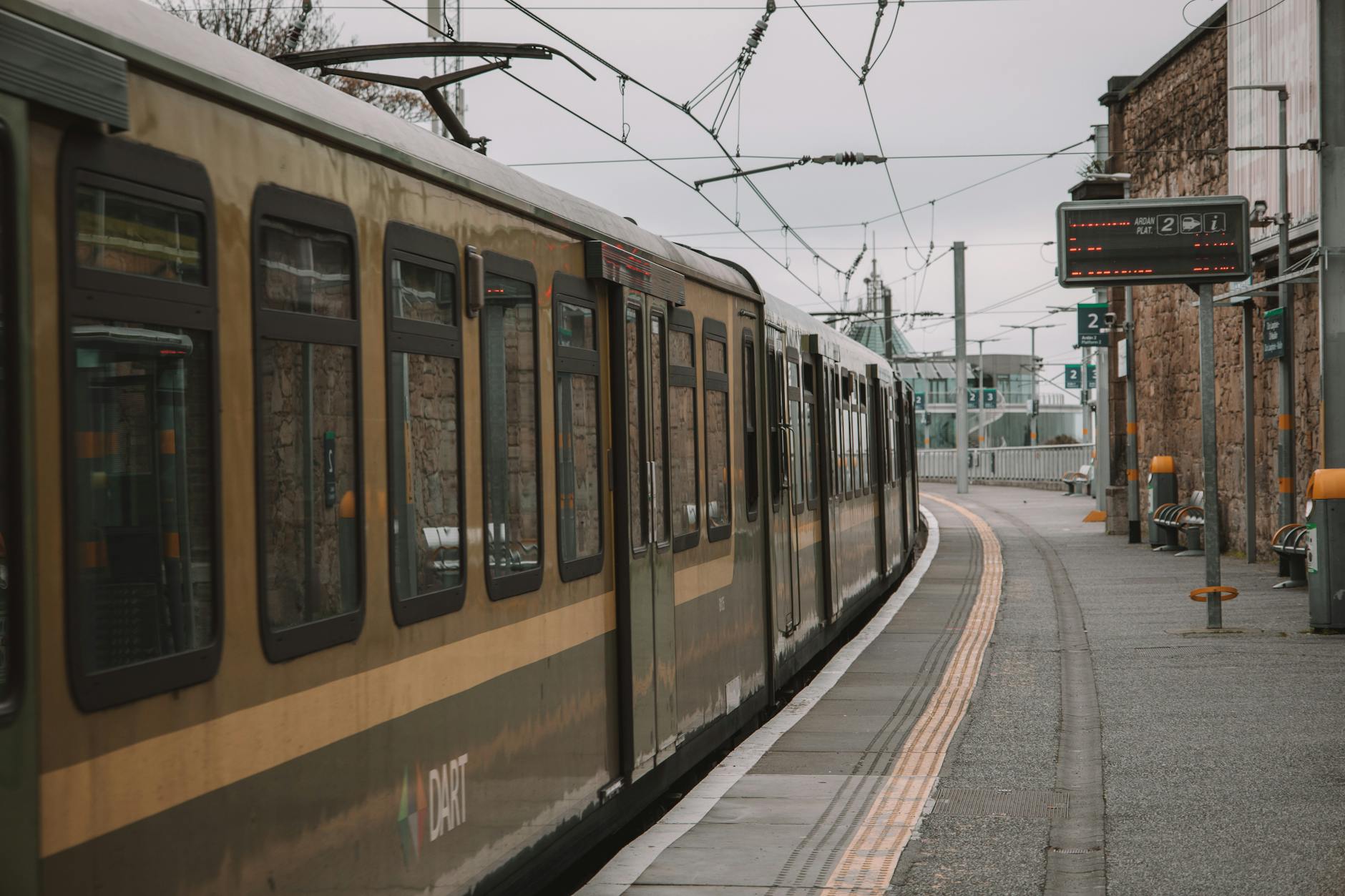
Getting to Howth from Dublin
DART (Recommended)
The Dublin Area Rapid Transit train is the easiest, fastest and most scenic way to Howth.
- From Connolly Station: 25 minutes to Howth (terminus of the northern branch)
- From Pearse Station: 30 minutes
- Frequency: Every 15-40 minutes Monday to Saturday, less often on Sundays; the last trains back from Howth leave around midnight, so check the timetable for your day
- Cost: Fares depend on the zone you travel from, so check Irish Rail’s fare calculator before you set off. The 3-day Leap Visitor Card (€18) includes unlimited Howth DART rides.
- Best seats: Sit on the right (east) side of the northbound train for the best Dublin Bay views
- Howth Junction split: The DART branches at Howth Junction. Take the train that says “Howth” on the front; the other branch goes to Malahide (different destination).
Dublin Bus
Routes H1, H2, H3 from Custom House Quay run to Howth and Howth Junction. The bus is slower than the DART, so use it only if the DART is disrupted.
Car
Driving time from central Dublin depends heavily on traffic. Parking in Howth village is limited, and summer weekends are the hardest time to find a space. Use the DART instead.
Taxi
Taxis are metered, so the fare depends on traffic; sharing with a group makes it better value. Pre-book return via Free Now or Bolt before starting the walk.
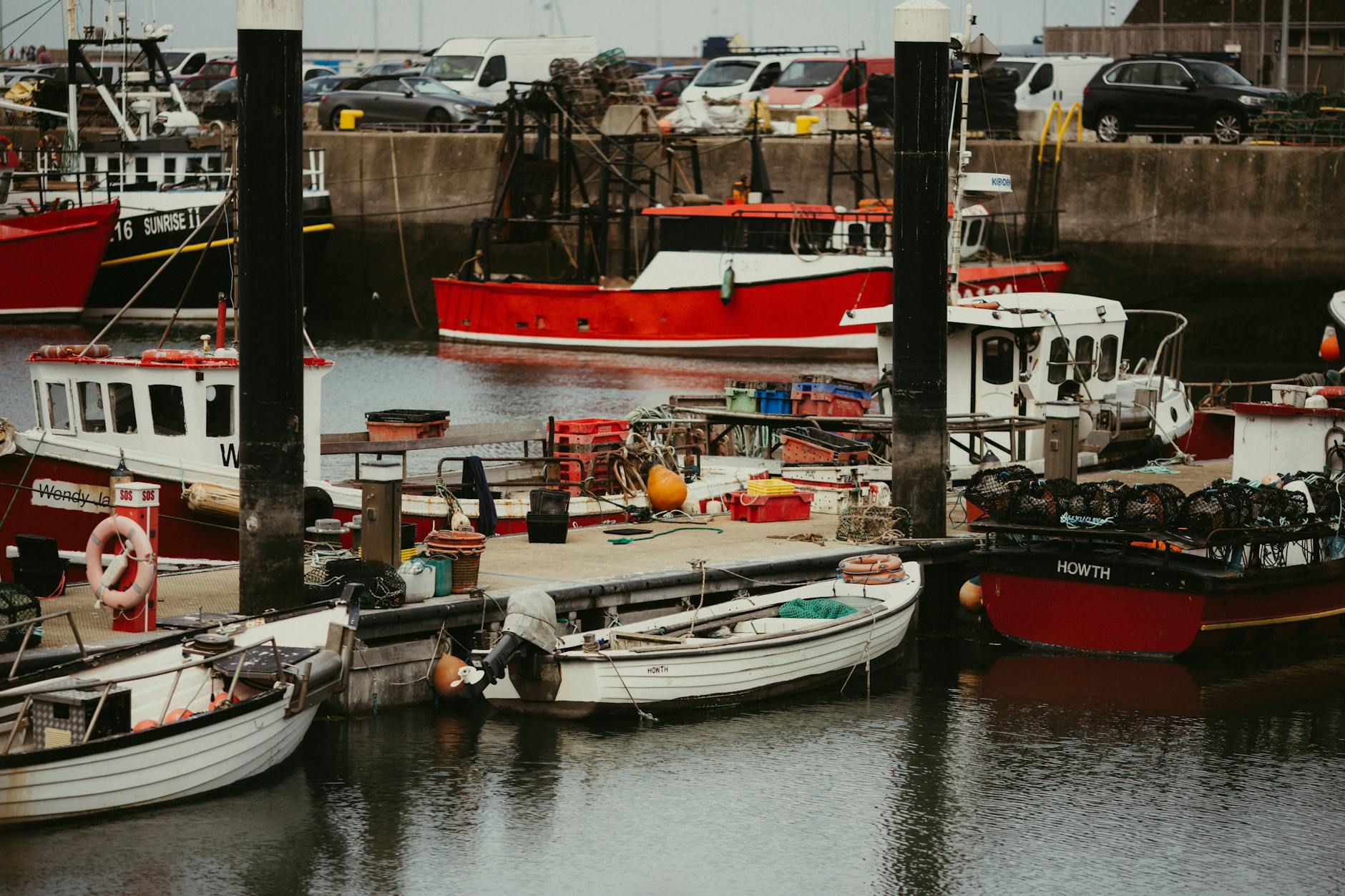
Howth Village
Howth (pronounced “hote”) is a working fishing village 14km from central Dublin. Population about 8,400; popular both as a Dublin commuter suburb and as a tourist destination. Highlights of the village itself before you start walking:
- The harbour: Fishing boats land their catches on the West Pier. Trawlers come and go throughout the day.
- The West Pier: Lighthouse plus views toward Ireland’s Eye (the small uninhabited island offshore).
- Howth Castle: the oldest part dates from the 1450s; check access before visiting, though it is visible from the road.
- Ireland’s Eye and Lambay Island: Two offshore islands visible from the harbour. Ireland’s Eye is accessible by boat trip (boats leave the West Pier between April and September).
- Howth Market: Weekends and bank holidays, 10am-6pm. Local cheese, oysters, baked goods, crafts.
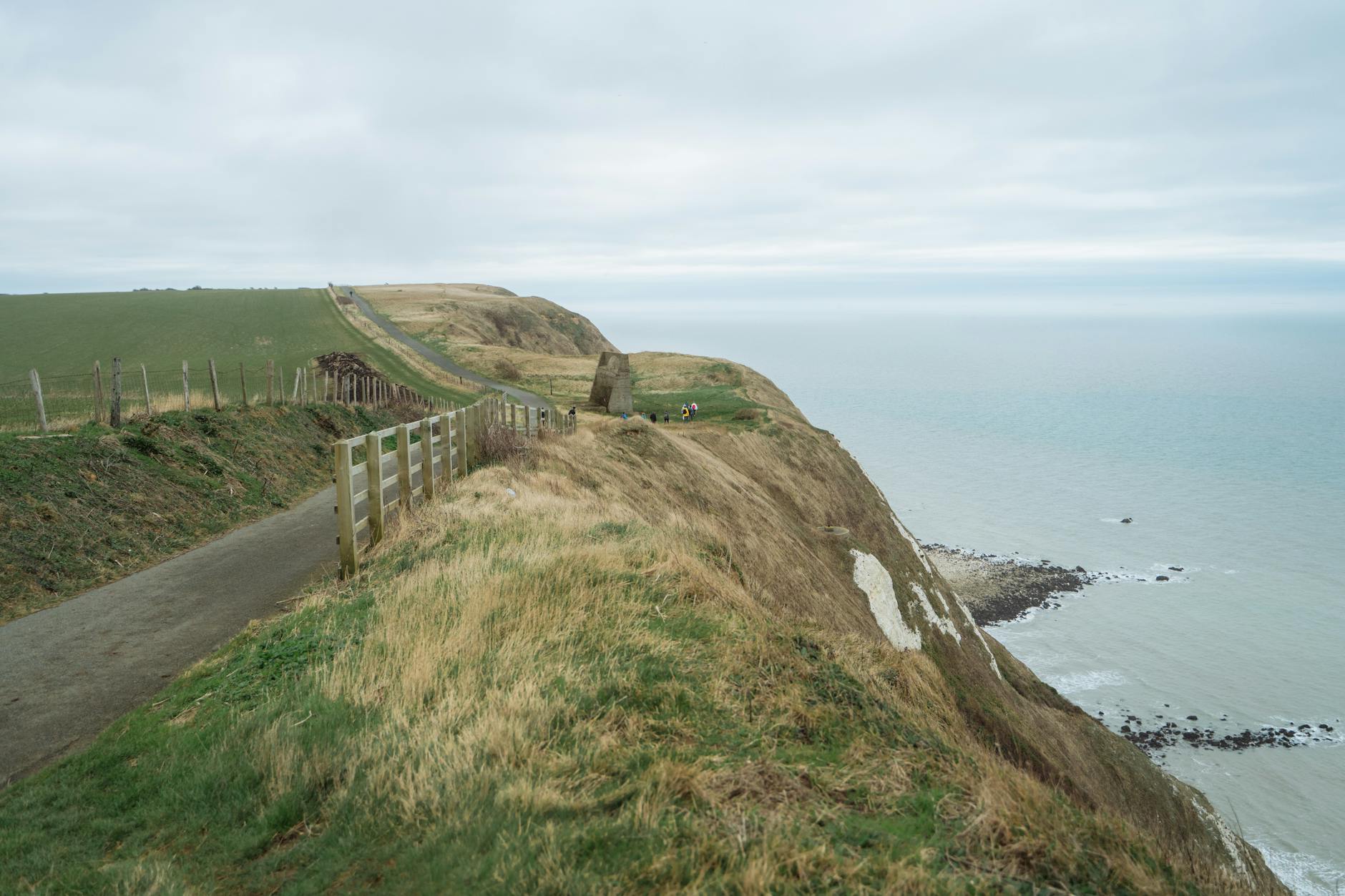
The Howth Cliff Walk Loop
Howth offers several connected coastal trails. The most popular for first-time visitors:
Bog of Frogs Loop (12km, about 3 hours)
The longer of the two main Howth loops. Anticlockwise from the harbour:
- Start at Howth Harbour: Walk south past the East Pier onto Balscadden Road
- Balscadden Bay: Sheltered cove; one of the bay’s few small beaches
- The Cliff Path starts: Climb the stairs and follow the coastal trail south
- Nose of Howth: 100m sheer cliff with views back to Dublin city
- Casana Rock viewpoint: Look out over Ireland’s Eye to the north
- Baily Lighthouse: White lighthouse, 1814; the iconic Howth landmark. Photogenic bench overlooks Dublin Bay
- Return via inland trail: Up through heather and gorse to Carrickbrack Road
- Descent to village: Walk down Balkill Road back to the harbour
Tramline Loop (7km, about 2 hours)
The blue-waymarked loop. At about 7km it is a much shorter outing than the Bog of Frogs, a good choice if you want a taste of the headland without committing three hours.
Howth Summit Loop (Shorter Option)
Shorter loop focused on Howth Summit, one of the best viewpoints on the headland (its highest point is Black Linn, at 171m). From the village, climb Balkill Road up to the summit, descend through heather to Howth Castle, return through the village. Less coastal feeling but the summit views are spectacular.
Howth Linear Walk
One-way coastal walk from Howth village to Sutton (the suburb at the base of the peninsula). Takes the DART back to Dublin from Sutton. Best for travellers who don’t want to retrace their steps.
What to Expect on the Cliff Path
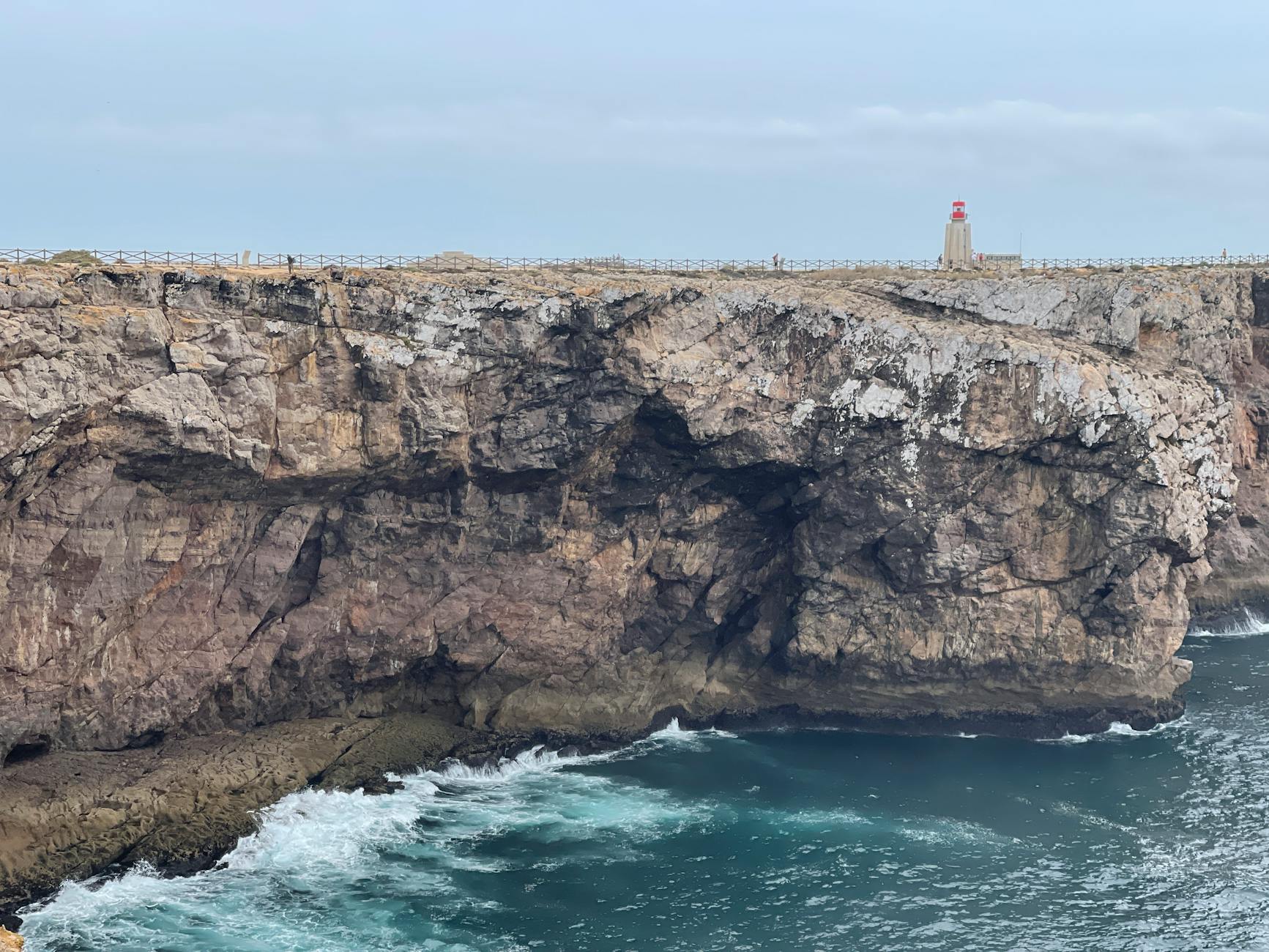
- Surface: Mostly compact earth and stones. Some sections of wooden steps. After rain, expect some muddy patches.
- Width: Narrow in places. Two people can usually pass; bigger groups walk single file.
- Edges: Cliffs are unfenced in many sections. Stay well back from the edge, especially in wind.
- Steps: Several flights of wooden or stone steps; not suitable for wheelchairs or strollers.
- Signage: Waymarker posts colour-coded by loop. The route is well-marked but offline maps add confidence.
- Toilets: At Howth harbour (Spar/Centra), at the start of the walk. No toilets along the trail itself.
- Water: No water fountains. Carry water.
- Phone signal: Generally good throughout but spotty on the lee side of the cliffs.
Weather and What to Wear
- Waterproof jacket with hood: Mandatory. Dublin coastal weather changes hourly.
- Sturdy walking shoes: Low boots or trail-running shoes. Trainers are okay in summer; not in winter.
- Layers: Even in July, the wind off the Irish Sea makes the cliffs feel noticeably cooler than the city.
- Hat and gloves: Recommended October-March.
- Sun protection: Sunscreen and sunglasses on clear summer days — the white cliffs reflect light.
- Backpack: 10-20 litre daypack with water, snacks, map, layers.
- Phone with offline map: Download Google Maps offline area before departure.
Where to Eat in Howth
Aqua Restaurant (Waterfront, Upscale)
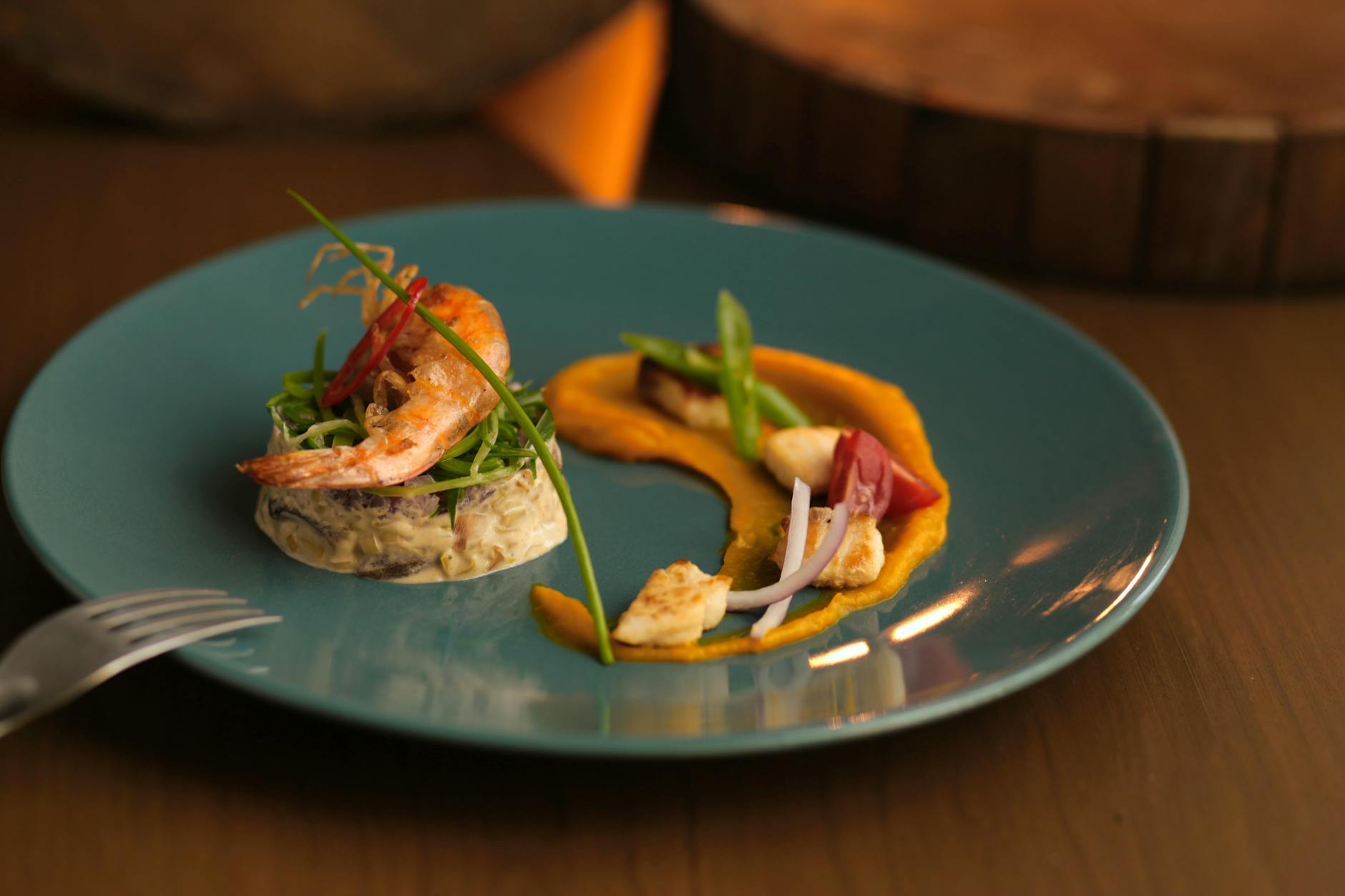
Howth’s most-photographed restaurant. Floor-to-ceiling windows directly above the harbour. Excellent seafood: pan-fried scallops, lobster bisque, fresh whole sea bass. Mains €24.50-34, with specials up to €52. Book ahead Friday-Sunday.
The Brass Monkey (Restaurant & Wine Bar)
Restaurant and wine bar on the West Pier with a fish-led menu: smoked haddock chowder, fish and chips, beef stew. Walk-ins fine weekdays; Saturdays book ahead. The terrace overlooks the harbour.
Octopussy’s Seafood Tapas (Modern Casual)
Sharing-plate seafood with cocktails. Lobster rolls, calamari, garlic prawns, scallops. Lively atmosphere.
Crabby Jo’s (Local Chowder House)
Smaller, faster, cheaper, and run by the Wrights of Howth team at 14 West Pier. Chowder and fish and chips are the staples. Walk-ins.
Beshoff Bros Fish & Chips (Take-Away)
The classic Howth chipper, on the West Pier. Order fresh fish and chips, then walk to the harbour wall and eat watching the fishing boats. Cash-only.
Howth Market Food Stalls (Saturday/Sunday)
The weekend market mixes food stalls with crafts, and prices vary from stall to stall. Eat at the harbour wall.

Sample Howth Cliff Walk Day
- Morning — Coffee in the city before heading for the station
- Mid-morning — Connolly Station; board a Howth DART
- On arrival — Walk from Howth Station to the East Pier
- Late morning — Start the Bog of Frogs cliff loop (allow about 3 hours)
- On the cliffs — Nose of Howth viewpoint; photograph back toward Dublin city
- Further on — Baily Lighthouse; rest at the bench
- Final stretch — Descend via Carrickbrack Road back to the village
- After the walk — Lunch at Aqua (open Wednesday-Sunday), The Brass Monkey or Howth Market
- Afternoon — Browse Howth Market (weekends and bank holidays) or see Howth Castle from the road
- Late afternoon — DART back to Dublin
- Evening — Arrive Connolly Station; the rest of the day is free in Dublin
When to Visit Howth
April-May: Sweet spot. Wild gorse in flower, mild temperatures, long evenings, smaller crowds than peak summer. Birdsong and seabirds nesting.
June-August: Peak season. Long daylight, warmest weather, but crowded weekends. Book restaurants ahead. The seafood markets reach peak energy.
September-October: Autumn colours on the inland heath, mild temperatures, less wind than other seasons. Excellent shoulder-season choice.
November-March: Winter Howth has its own atmosphere — storm-tossed seas, dramatic skies, fewer walkers. Restaurants quieter; Aqua and The Brass Monkey easy to walk in midweek. The cliff path can be slippery; check Met Eireann forecasts.
Photography on the Howth Cliff Walk
- Baily Lighthouse: White lighthouse against sea-blue sky. Best at golden hour (sunset) or sunrise.
- Nose of Howth panorama: Wide views back across the bay to Dublin city; the Wicklow Mountains visible on clear days.
- Ireland’s Eye: Small uninhabited island offshore; best from Casana Rock viewpoint.
- Howth Harbour at high tide: Boats reflected in the harbour; fishermen sorting catch.
- Seabirds: Razorbills, guillemots, fulmars, gulls. Best photographed from cliffside viewpoints in April-July nesting season.
- Wild fauna: Atlantic grey seals visible offshore; rare sightings of dolphins; deer occasional on inland heath.
- Heather and gorse: Purple and yellow flowers cover the inland sections April-August.
Howth Cliff Walk Accessibility
- Wheelchair access: The cliff loop itself is NOT wheelchair-accessible — rocky paths, stairs, narrow sections.
- Howth village: Pedestrian harbour walls and West Pier are accessible.
- Howth Castle exterior: Accessible by car/taxi; interior under development.
- Alternative for mobility-impaired visitors: Drive, take a taxi or ride the H3 bus to Howth Summit for panoramic views without the walk.
- DART accessibility: Connolly and Howth stations both step-free.
Safety on the Howth Cliffs
- Stay back from cliff edges: Unfenced cliffs with crumbling soil. Give the edge a wide berth.
- Watch in strong winds: Howth gets serious wind off the Irish Sea. Postpone the walk if storm warning.
- Slippery in rain: Wooden steps and clay paths become slippery. Walk slowly.
- Dogs on leash: Sheep graze in adjacent fields; dogs must be on lead.
- Emergency: Dial 999 or 112, though mobile signal can be patchy on the cliffs.
- Note Coast Guard nearby: Howth has its own Coast Guard unit. Don’t take risks for photos.
Combining Howth with Other Attractions
- Howth + EPIC Museum: Common combination for 1-day visitors. Howth in the morning (DART 9-10am out), EPIC Museum (CHQ Building) in the afternoon. Walking distance from Connolly Station.
- Howth + Malahide Castle: Both reached by the northern DART. Howth in morning, Malahide in afternoon. Allow a full day.
- Howth + Dun Laoghaire: Coast-to-coast Dublin Bay tour by DART. Morning Howth (north), afternoon Dun Laoghaire (south). A long, full day.
- Howth + Ireland’s Eye boat trip: Departures from Howth West Pier, April-September. A crossing of about 15-20 minutes, then landing on the uninhabited island. €30 adult return.
Related Reading
For more day trip planning, see Glendalough & Wicklow Mountains Day Trip, Cliffs of Moher from Dublin, 3 Days in Dublin Itinerary, DART & Luas Dublin, Walking in Dublin, and Seafood Restaurants Dublin.
A Quick History of Howth
The name Howth comes from the Norse Hofuth (head) — the peninsula was a Viking stronghold from the 9th century until the Norman invasion in 1177. The St Lawrence family received the lands from the Norman crown and held them for about 800 years, with Howth Castle as their seat, until the castle and demesne were sold to Tetrarch in 2018.
Work on the harbour you see today began in 1807, to serve the mail packet service connecting Ireland to the British mainland. Silting soon got in the way, and by 1809 the packet service had moved south to Dun Laoghaire. Howth pivoted to commercial fishing. Today the harbour combines a working fishing fleet (cod, haddock, prawns, lobster, crab) with leisure marinas and the tourist trade.
The Baily Lighthouse you photograph on the cliff walk was built in 1814 to replace an earlier cottage light from about 1667. Its last keepers left in 1997, making it the last Irish lighthouse to go automatic; it is still operational. The light is visible 26 nautical miles offshore.
Ireland’s Eye Boat Trip
The small island visible offshore from Howth Harbour is Ireland’s Eye — a 22-hectare uninhabited rocky outcrop with seabird colonies (guillemots, razorbills, kittiwakes and cormorants, more than 100 pairs of gannets on the Stack, and a handful of puffins). The island is a Special Protection Area for seabirds. Boat trips depart from Howth’s West Pier between April and September: cruises around the island cost €25 for adults and take 45-55 minutes, and the landing ferry, which lets you walk on the island, is €30 adult return.
The landings option is special: you can walk to the Martello tower on the island’s north-west corner (built in 1803 or 1804) for views back to Howth, observe nesting seabirds at close range, and arrange your pick-up time with the boatman. Bring binoculars if you have them. The boat operators are reliable and weather-dependent; rough seas mean cancellations, but May-July typically delivers calm conditions. Pre-book via the operators’ websites a day ahead in peak season.
Howth’s Lesser-Known Spots
Beyond the standard cliff loop, three Howth corners reward extra exploration. Doldrum Bay on the southern side of the peninsula is a hidden sheltered cove with rock pools, accessible by a steep path off Carrickbrack Road. Locals swim here in summer; outside July-August you may have it to yourself. The walk from the cove back up to the road is steep but the bay’s feel is worth the effort — one of Dublin’s few coastal spots that feels genuinely off-tourist.
Howth Castle Gardens are partially open to walkers during the castle’s ongoing redevelopment. The rhododendron walk in May is famous — the avenue of mature rhododendrons in full purple-pink bloom is one of Ireland’s great spring sights. Check the Howth Castle Estate website for current public access; some sections remain restricted during construction. Free when open.
The Bog of Frogs proper — the boggy heath that gives the cliff loop its name — sits between the cliff path and Carrickbrack Road on the inland section. Walk slowly through the heather and gorse in May-July to spot wildflowers (orchids, sundew, bog cotton), butterflies, and the small frogs that inhabit the wetlands. The bog is internationally significant for its plant communities; stay on the marked path.
Howth in the Rain (Plan B)
Howth gets rained on as much as Dublin city, sometimes more thanks to its exposed coast. The cliff walk works fine in light rain (the waterproof jacket does the work) but heavy rain or storm conditions make it unsafe. The Plan B for a rained-out Howth day: skip the cliff walk, focus on the village. Lunch at Aqua Restaurant with floor-to-ceiling windows watching the rain on the harbour is one of Dublin’s most atmospheric meals. The Howth Market covered stalls (Saturday-Sunday) work in any weather. The Bloody Stream pub near the DART station has cosy indoor seating and excellent comfort food (Irish stew, fish pie, chowder).
If you’re committed to seeing some Howth coast despite rain, the short walk out along the West Pier and back is doable with a waterproof. You get a sense of the harbour, see the lighthouse, photograph fishing boats, and return for lunch — the wet-weather mini-version of the full day. Save the cliff loop for a better-forecast return trip.
Making Howth a Full-Day Trip
Most first-time visitors do Howth as a half-day. With a little more time, the village rewards a full-day visit. A relaxed all-day Howth itinerary: an early DART out, the Bog of Frogs cliff loop (about 3 hours), a long lunch at Aqua, then Howth Market browsing (weekends) or an Ireland’s Eye boat trip (April-September), a second pint and dinner at The Bloody Stream, and an evening DART back to Dublin. The pace allows Hueston Heliport spotting, casual photography, and rare-bird-watching at the East Pier. Budget for DART fares, two meals and the boat; the landing ferry alone is €30 for adults.
Full-day Howth pairs perfectly with families who can’t maintain a tight pace, photographers wanting golden-hour light, or couples treating it as a stand-alone date day. For week-long Dublin visits, dedicating one full day to Howth (rather than half) replaces the standard “half Howth + half EPIC Museum” structure with a more immersive coastal experience.
Howth Cliff Walk: FAQ
How long is the Howth Cliff Walk?
The Bog of Frogs loop is 12km and takes about 3 hours. The Cliff Path Loop is 7.8km (about 2 hours), and the blue-waymarked Tramline Loop is about 7km (about 2 hours). Plan at least half a day including travel and lunch.
How do I get to Howth from Dublin?
Take the DART from Connolly Station to Howth. 25 minutes, with a train every 15-40 minutes Monday to Saturday and less often on Sundays. Make sure your train says “Howth” on the front (not Malahide).
Is the Howth Cliff Walk dangerous?
Moderately challenging but manageable for fit walkers. Cliffs are unfenced in places — keep well back from the edges. Wet weather makes wooden steps slippery. Storm warnings are reason to postpone. Standard sensible-walking precautions handle the risks.
Where should I eat in Howth?
Upscale waterfront: Aqua Restaurant (€24.50-34 mains). Casual seafood: Octopussy’s. Restaurant and wine bar: The Brass Monkey. Take-away fish & chips: Beshoff Bros or Crabby Jo’s. Howth Market, on weekends and bank holidays, has food stalls alongside the crafts.
What should I wear for the Howth Cliff Walk?
Sturdy walking shoes or low boots (cliffs are rocky); waterproof jacket with hood (Dublin coastal weather changes hourly); layers (it’s cooler on the cliffs than the city); 10-20 litre daypack for water, snacks and an extra layer. Add a hat and gloves October-March.
Is Howth worth visiting?
Yes — Howth is Dublin’s best half-day trip combining scenic coastal walking, a working fishing village, excellent seafood and an easy 25-minute DART journey. First-time Dublin visitors should add Howth to any 2+ day itinerary.
When is the best time to visit Howth?
April-May or September-October for mild weather and smaller crowds. Howth is walkable year-round; winter offers dramatic Atlantic light and quieter restaurants.
Can I do the Howth Cliff Walk with kids?
Yes — the 7.8km Cliff Path Loop suits children who are happy walking for about two hours. Younger children may struggle with the steps and length. Strollers don’t work on the cliff path; consider a baby carrier instead. The harbour, market and Howth Castle exterior are accessible for all ages.
For a second coastal walk with a very different character, the Bray to Greystones coastal walk guide runs south along the Wicklow coast.
Lean na Comharthaí — Keep following the signs