Bray to Greystones Walk 2026: Cliff Path Closed, What to Do Instead
Ar an gComhartha Seo — On this sign
- Quick Picks: Bray to Greystones Walk
- Getting to Bray from Dublin
- Bray: Starting Point
- The Cliff Path Closure and What Is Still Open
- Practical Walking Tips
- Greystones at the End
- Where to Eat in Greystones
- Sample Bray to Greystones Day
- Weather and What to Wear
- Bray to Greystones vs Howth Cliff Walk
- Variations on the Walk
- When to Walk Bray to Greystones
- Combining with Other Coastal Walks
- Accessibility on the Bray to Greystones Walk
- Common Bray to Greystones Mistakes
- Related Reading
- The Bray to Greystones Path History
- Greystones’ Quiet Reinvention
- Photographing the Cliff Path
- Cycling the Bray-Greystones Coastal Route
- Local Wicklow Add-Ons
- Bray and Greystones with Children
- Bray to Greystones Walk: FAQ
- Keep Reading
- Photo Credits
The Bray to Greystones walk, the cliff path between two seafront towns south of Dublin, is closed on safety grounds after landslides and rockfall, and Wicklow County Council has given no reopening date. The day out still works in a different shape. Bray and Greystones are one stop apart on the DART, so you can climb Bray Head or stroll Bray’s seafront, ride the train on to Greystones for its beach, harbour and a long lunch, and head back to Dublin from there. This guide covers what you can still walk at each end, the DART connections, what to wear, where to eat, how the coast compares to the more-famous Howth Cliff Walk, and the seasonal considerations.
By the end you’ll know which end of this coast suits your trip, how to link Bray and Greystones by DART, and where to watch for reopening news. Wicklow County Council is weighing options to reroute the path, and Bray’s cliff walk page carries the latest.
This sits inside our broader complete day trips from Dublin guide, which is the place to start if you are planning from scratch.
Quick Picks: Bray to Greystones Walk
- Cliff path: Closed on safety grounds after landslides and rockfall; no reopening date
- Bray end: Bray Esplanade and the climb up Bray Head, both open
- Greystones end: The beach, harbour and marina, all open
- Between the towns: The DART, one stop apart
- Cost: Free walking; €6.60 DART return Dublin to Bray
- Best time: April-October for warm weather on the seafronts
- Footwear: Trainers for the promenades; low boots if you’re climbing Bray Head
- Best lunch: The Beach House Greystones (waterfront), Burnaby Cafe (village centre), or Happy Pear Cafe (vegetarian)
Getting to Bray from Dublin
The DART (Dublin Area Rapid Transit) is the only sensible way to start the day, and it links Bray and Greystones too:
- From Connolly Station: 45 minutes to Bray, every 15-30 minutes
- From Pearse Station: 50 minutes to Bray
- From Tara Street: 45 minutes to Bray
- Cost: €3.85 single, €6.60 return cash; €2.10 with Leap Card. 3-day Leap Visitor Card (€18) includes all rides.
- Last DART back from Greystones: check the day’s timetable on irishrail.ie
The DART south from Connolly is itself one of Ireland’s most scenic train rides; sit on the left side for sea views.
Bray: Starting Point
Bray is a Victorian seaside town with an Edwardian promenade, 31,000 residents, and an atmosphere that combines old-fashioned seafront resort with modern commuter suburb. Highlights at the Bray end:
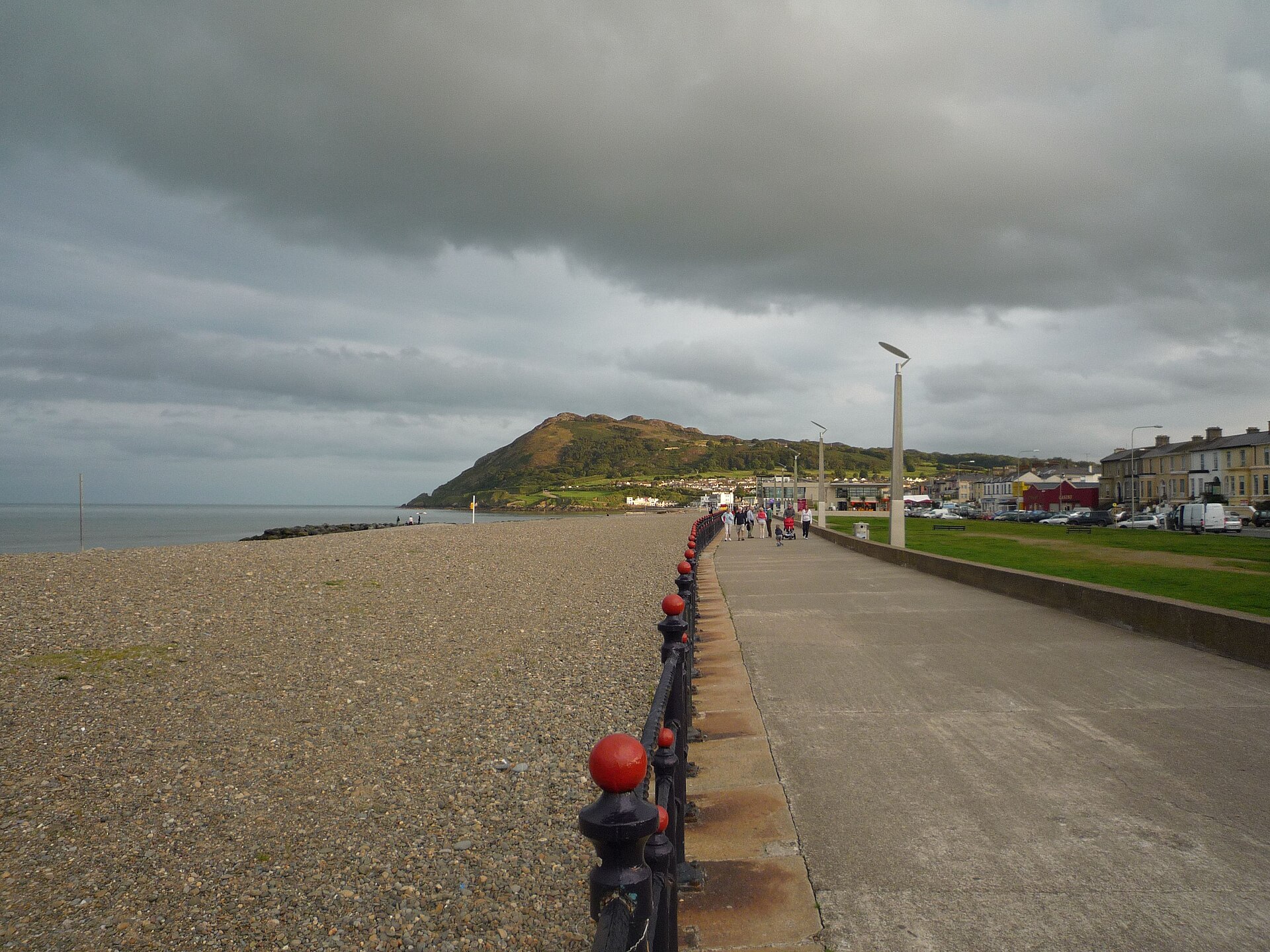
- Bray Esplanade: 1.5km promenade with arcades, ice cream parlours, fish and chips kiosks.
- Bray Head: The 240m headland at the south end of the promenade, still open while the cliff path beyond it is closed. A free, steep climb with views back over Bray Beach and the Wicklow coast.
- National SEA LIFE Bray: Aquarium on the seafront. €15 adult; 90 minutes.
- Bray Air Display: Annual airshow in late July; major Dublin family event.
- Lunch options before walking: Strand Hotel for traditional Irish breakfast; Carpe Diem for modern brunch; Box Burger for high-quality fast food.
For Bray Head, walk south along the seafront promenade to its far end, where the climb begins. The cliff path to Greystones also starts near here, but it is closed and the council asks the public not to enter it, so head back to Bray station and take the DART one stop on to Greystones.
The Cliff Path Closure and What Is Still Open
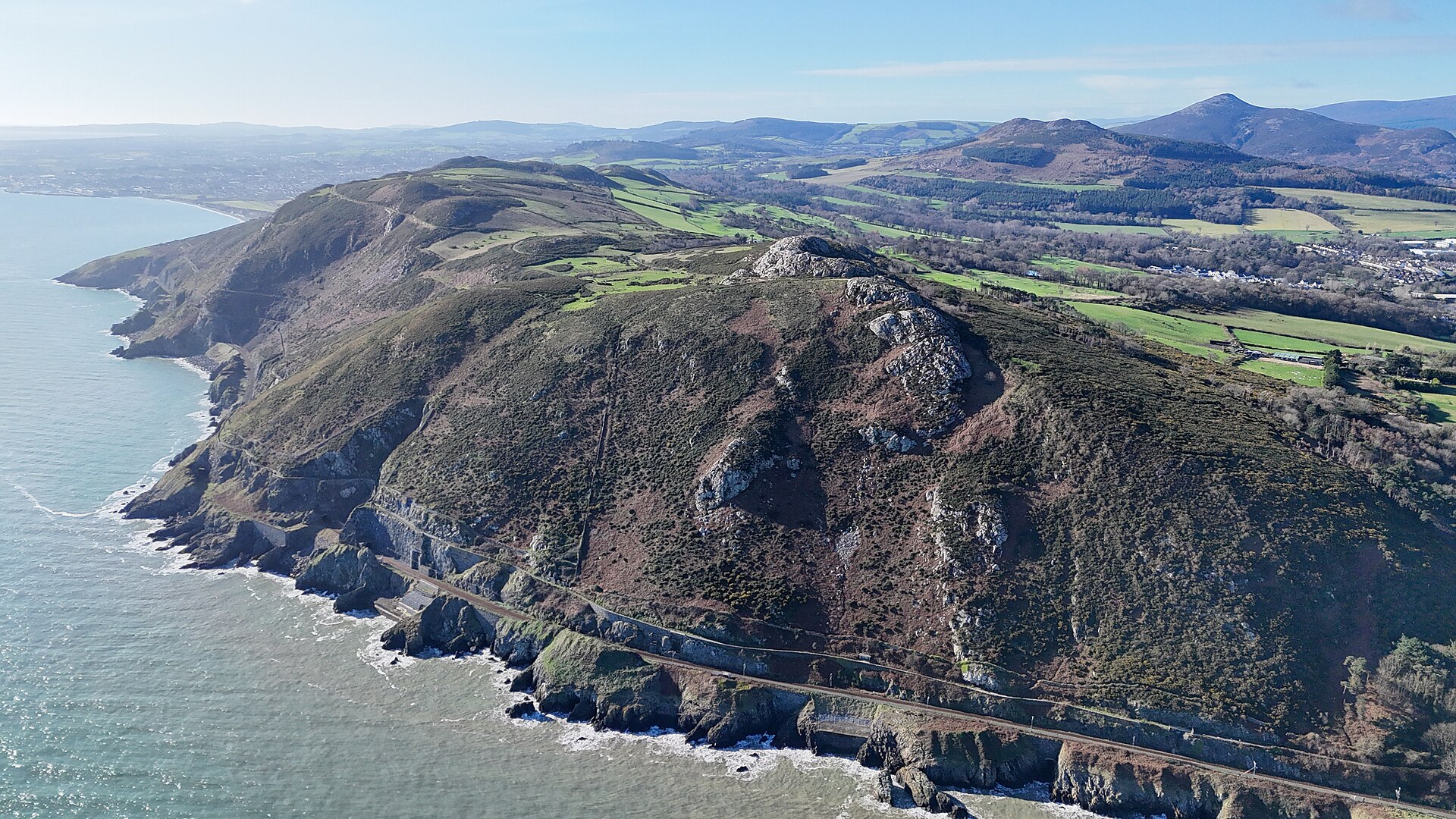
The Bray to Greystones Cliff Path, which traces the cliff edge of Bray Head (240m) and the smaller coastal hills, is closed on safety grounds after landslides and rockfall. Wicklow County Council has set no reopening date. It is looking at ways to reroute the path and carrying out environmental assessments, and it asks the public not to enter the closed section. Both ends of the coast stay open, and they still make a good day.
The Bray End: Esplanade and Bray Head
Bray Esplanade runs flat and paved along the seafront to the foot of Bray Head. From there you can climb the headland itself, steep but open, for spectacular views back over Bray Beach and the Wicklow coast. Wild goats are sometimes spotted on the slopes; a wild herd has lived here for centuries.
Between the Towns: Take the DART
With the cliff path shut, the train does the linking. Bray and Greystones are one stop apart on the DART, so come down off Bray Head, walk back to Bray station and ride south. It is the simplest way to see both towns in a day while the path stays closed.
The Greystones End: Beach, Harbour and Marina
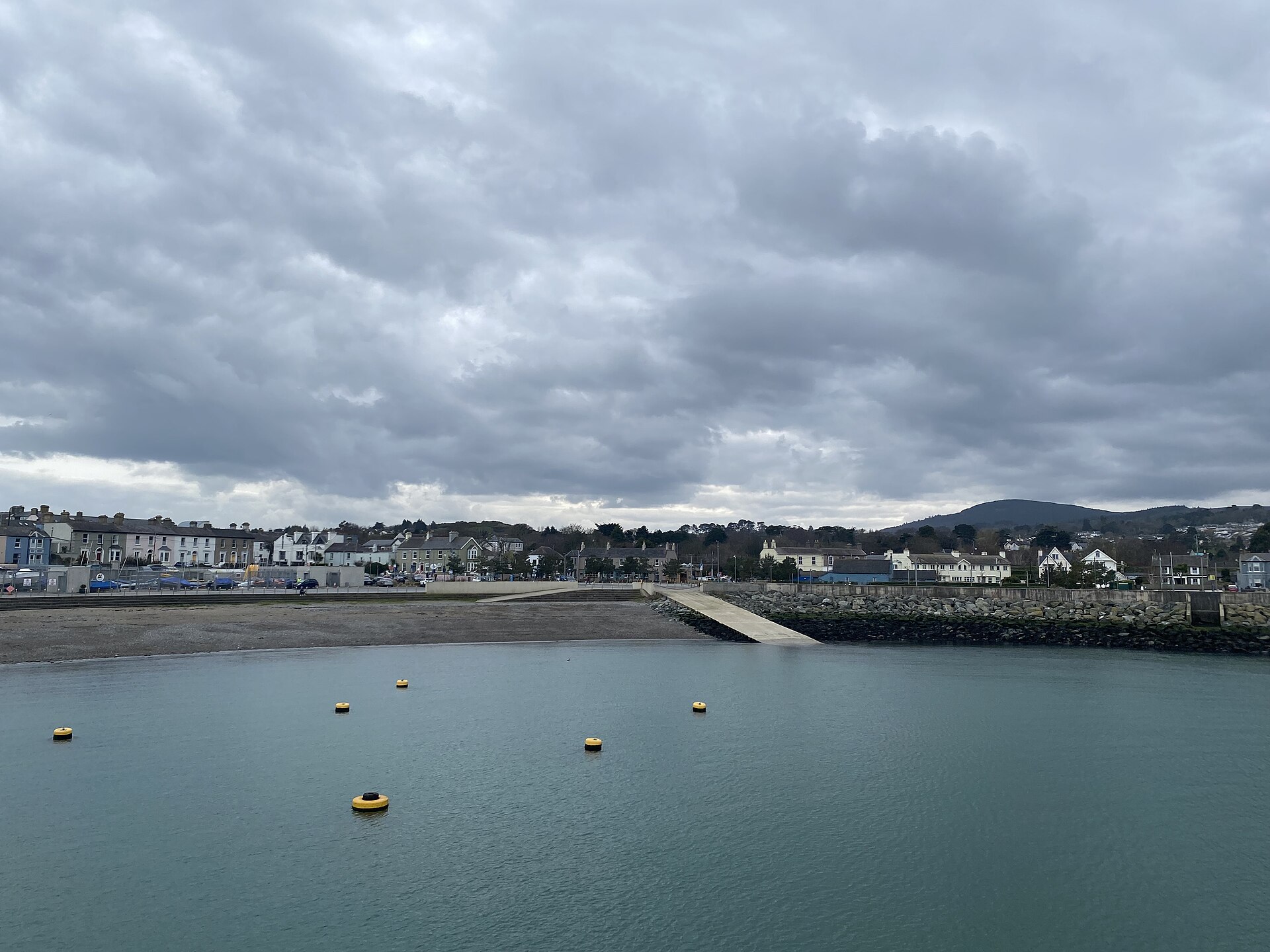
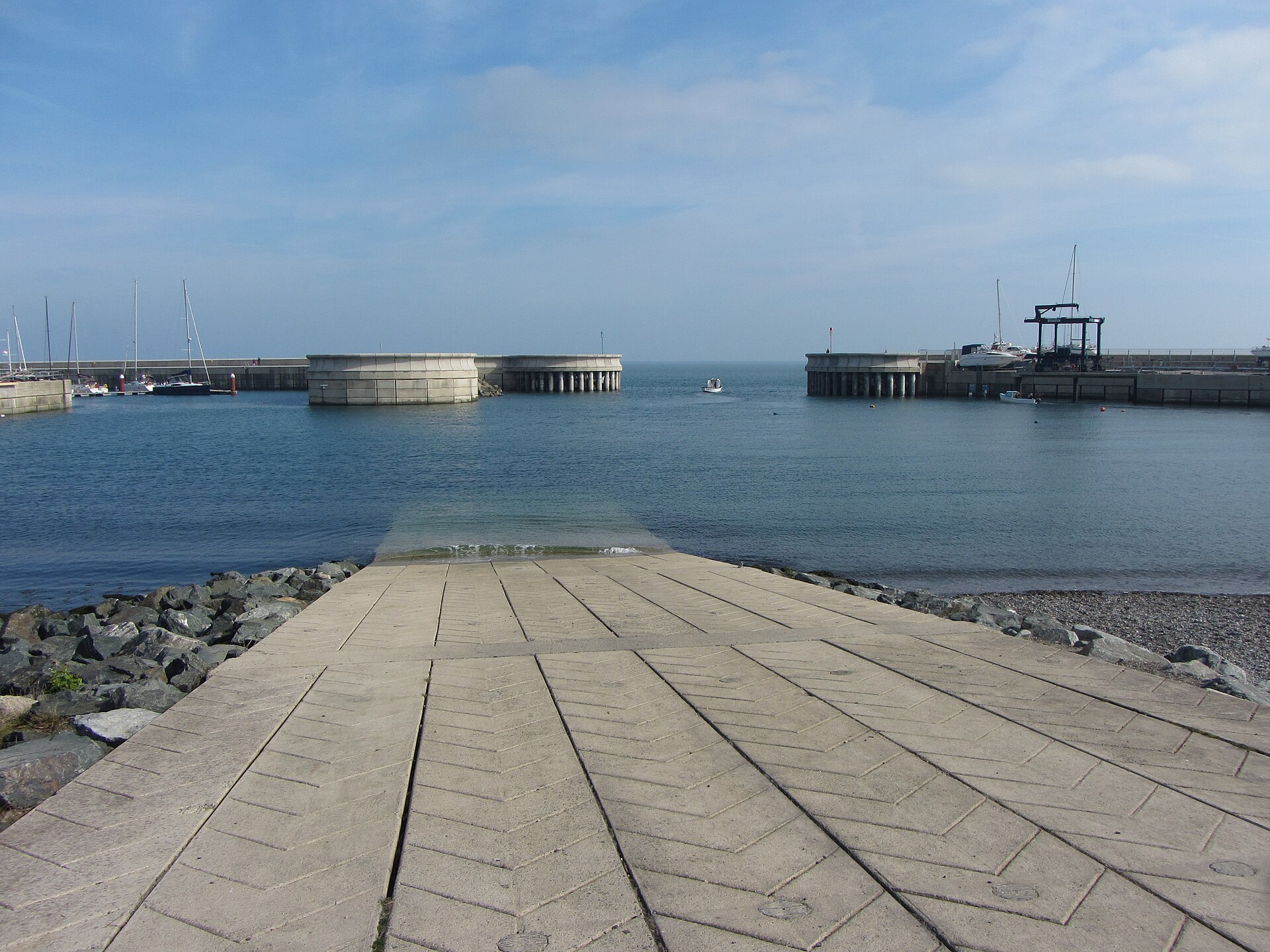
At the southern end, Greystones beach, the harbour and the marina are all open and a short walk from the DART station. The north beach and the marina development lead into the village, so you can walk the seafront first and finish at a lunch table.
Practical Walking Tips
- The closed section: Stay off the cliff path from either end. It is shut on safety grounds, and the council asks the public not to enter it.
- Surfaces: The Bray and Greystones promenades are flat and easy; Bray Head is rough underfoot, with muddy patches after rain.
- Toilet stops: Bray seafront has public toilets; Greystones has multiple options at the harbour.
- Water: Carry some if you’re climbing Bray Head.
- Pram access: Fine on the promenades. Bray Head is NOT pram-suitable, with steps and uneven surfaces.
- Getting between towns: The DART, one stop from Bray to Greystones.
Greystones at the End
Greystones is a quieter, more boutique alternative to Bray — population 18,000, with the new marina, an artistic Saturday market, and a quietly excellent restaurant scene.
- Greystones Harbour and Marina: Modern fishing harbour with seafood restaurants. The 2021 marina development extended the village seafront and added quayside dining.
- Greystones Beach: 1.5km stretch of pebble and sand. The north beach is where the closed cliff walk comes in, so stick to the sand and promenade; south beach is quieter.
- The Burnaby: Village centre with boutique shops, cafes and the popular Burnaby Cafe.
- St Patrick’s Church: Victorian church on the village high street.
- Hawk’s Well: Local pub with traditional sessions.
- Greystones Farmers’ Market: Saturday 9am-3pm at the village centre.

Where to Eat in Greystones
The Beach House Greystones
Waterfront restaurant on the new marina with sea views. Modern Irish menu, seafood focus. Mains €22-32; tasting menu €55. Book ahead Friday-Sunday.
Burnaby Cafe
Village centre cafe; the local favourite. Modern Irish breakfast and lunch. €12-22 per dish. Walk-ins; busy weekends.
Happy Pear Cafe
Famous vegetarian/vegan cafe from the Flynn twins (TV personalities and cookbook authors). Plant-based menu, gluten-free options. €10-18. Healthy alternative to pub food.
The Dock
Marina-side seafood and pub food. €18-28 mains. Lively atmosphere; Sunday roast tradition.
Coffee Dock
Independent coffee shop with great pastries. Perfect for a quick pre-DART caffeine top-up.
The Hungry Monk Wine Bistro
Wine bar and bistro for visitors wanting a slower lunch with wine pairings. €25-45 per head.
Sample Bray to Greystones Day
- 10.00am — Connolly Station; board DART south
- 10.45am — Arrive Bray; coffee at Carpe Diem (15 minutes)
- 11.15am — Walk along Bray Esplanade to the foot of Bray Head (15 minutes)
- 11.30am — Climb Bray Head, then back down to the seafront and Bray station
- 1.45pm — DART one stop on to Greystones (the cliff path is closed)
- 2.00pm — Lunch at The Beach House Greystones (90 minutes)
- 3.30pm — Walk through Greystones village; coffee at the Burnaby Cafe (45 minutes)
- 4.15pm — Browse the village shops; visit the harbour
- 5.00pm — Walk to Greystones DART station
- 5.15pm — Northbound DART back to Dublin
- 6.00pm — Arrive Connolly Station
Weather and What to Wear
- Waterproof jacket: Mandatory. Bray Head and both seafronts are exposed; Irish Sea weather changes hourly.
- Sturdy walking shoes: Trainers or low boots. Avoid heels or open-toe sandals.
- Layers: Coastal air is 4-6℃ cooler than central Dublin with persistent breeze.
- Sun protection: Sunglasses on clear days; the cliffs reflect light.
- Backpack: 10-15L day pack for water, snacks, layers.
- Phone charger: Between Bray Head, two seafronts and the DART, you’ll take more photos than you expect; batteries drain.
- Cash: Most Greystones venues accept contactless; €30 backup cash useful.
Bray to Greystones vs Howth Cliff Walk
- The walk itself: Howth Cliff Walk is a 6km loop and open; the Bray to Greystones cliff path is closed with no reopening date.
- Travel from Dublin: Howth 25 minutes by DART; Bray 45 minutes.
- Scenery: Howth gives you cliffs and harbour views in one loop; on the south side, Bray Head is the climb and the backdrop to Bray seafront.
- Lunch options: Howth has more upscale seafood options (Aqua, Octopussy’s); Greystones is more boutique (The Beach House, Burnaby Cafe).
- Crowds: Howth is significantly more touristy; Greystones is the quieter town.
- Underfoot: Howth path is rougher; the Bray and Greystones promenades are flat and easy.
With the Bray to Greystones path closed, Howth is the cliff walk to do on this trip. Keep the south coast for a gentler second day: Bray Head and the seafront, the DART to Greystones, lunch by the harbour.
Variations on the Walk
Greystones to Bray (Reverse Direction)
Start in Greystones instead: beach and harbour in the morning, then the DART one stop north to finish on Bray seafront with ice cream and arcades, and Bray Head if you still have the legs.
Bray Head Summit Add-On
The Bray Head summit (240m) stays open even with the cliff path closed. Climb from the south end of Bray promenade and come back down the same way. Best for fit walkers; summit views over the entire Dublin Bay.
When to Walk Bray to Greystones
- April-May: Mild weather and long evenings on the seafronts; gorse coming out on Bray Head.
- June-August: Long daylight; warmest weather; Greystones beach at its best for paddling.
- September-October: Autumn colour in coastal scrub; mild temperatures; smaller crowds.
- November-March: Wet and windy, but Bray Head is dramatic in storm light. The climb can be slippery; sturdy boots essential.
- Any season: The cliff path stays shut until Wicklow County Council reopens it; look for the council’s news before you plan around it.
Combining with Other Coastal Walks
- Add Killiney Hill: From the Greystones DART, stop at Killiney en route back to Dublin (10 minutes north of Greystones). 30-minute hill walk to the summit for panoramic Dublin Bay views.
- Add Bray Head Summit: Optional climb from the south end of Bray promenade before you take the DART on.
- Pair with Dun Laoghaire: Three coastal towns in a day: Greystones for the beach and harbour, Killiney for hill walk, Dun Laoghaire for seafront promenade. 9-10 hour day.
- Add Howth as a second day: Howth Cliff Walk on Day 1; Bray and Greystones by DART on Day 2.
Accessibility on the Bray to Greystones Walk
- Bray Head: NOT wheelchair-accessible: The climb has steps and uneven surfaces.
- Bray Head: NOT pram-suitable: Steep sections and steps make pushchairs difficult.
- Best for mobility-impaired: Bray seafront promenade (paved, accessible), then the DART one stop to Greystones for the flat marina promenade and village. The cliff path between them is closed.
- Bray and Greystones DART stations: Both step-free with lift access.
Common Bray to Greystones Mistakes
- Trying the closed cliff path: It is shut after landslides and rockfall, and the council asks the public to keep out. Take the DART between the towns.
- Underestimating the Bray Head climb: It is steep from the start. Slow pace works.
- Wearing dress shoes up Bray Head: The ground is uneven; trainers minimum.
- Skipping lunch in Greystones: The Beach House and Burnaby Cafe are highlights of the day.
- Climbing Bray Head late in winter: Light goes early; leave the headland well before dark.
- Taking a stroller up Bray Head: Use a baby carrier; pushchairs don’t work there.
- Missing the last DART back: Check the last departure from Greystones before you start.
Related Reading
For more day trips and walks, see Howth Cliff Walk, Glendalough Day Trip, Powerscourt Day Trip, DART & Luas Dublin, Walking in Dublin, and Dublin Hidden Gems.
The Bray to Greystones Path History
The cliff path between Bray and Greystones was originally a Victorian engineering project. Built in the 1850s as part of the new railway line that connected Bray to Wicklow, the cliff path provided pedestrian access alongside the rail tracks where Bray Head’s cliffs made conventional foot routes impossible. The railway was rerouted inland in 1915 after multiple landslides; the path remained as a public walking route. The trail was officially designated a National Waymarked Way in 2010 and is looked after by Wicklow County Council, which has now closed it on safety grounds after further landslides and rockfall and is assessing options to reroute it.
The cliffs themselves are remarkable in geological terms. Bray Head is composed of 460-million-year-old Ordovician quartzite and slate; you can see the rock layers in the cliff faces from Bray Head. Wild goats have lived in colonies on the cliffs since at least the 18th century; you may spot the herd grazing on inaccessible ledges. The headland is also significant for birdwatchers — kittiwakes, fulmars and peregrine falcons all breed on the cliff faces, and choughs (the rare red-billed crow) have been spotted in recent years.
Greystones’ Quiet Reinvention
Greystones has transformed remarkably in the last 20 years. Once a sleepy Victorian railway suburb of Bray, it has become Wicklow’s most-praised village — consistently ranked in “best places to live in Ireland” surveys. The transformation was triggered by the 2009 development of the new marina and the relocation of the DART terminus to a more central station. The result is a village that combines old-Ireland atmosphere with modern boutique restaurants, the Greystones Saturday market, and a growing community of creatives and freelancers commuting to Dublin three days a week.
For visitors, this transformation matters because Greystones now offers a more sophisticated lunch and shopping scene than most Dublin day-trip destinations. The Saturday morning market (9am-3pm) is genuinely excellent for picnic supplies; the village high street has independent bookshops, gift stores and the famous Happy Pear vegan cafe. Many Dublin visitors choose Greystones over Howth specifically for this boutique village feel — a slower, less commercial alternative to the more tourist-heavy north-coast town.
Photographing the Cliff Path
The defining shot of this coast, looking south along the cliffs from above the Cable Car viewpoint toward Wicklow Head, sits on the closed cliff path and has to wait for it to reopen. From the seafronts and the top of Bray Head, the headland still makes a strong photograph in any weather. Morning sun (10am-12pm) puts light on the cliff faces; afternoon backlight creates atmospheric silhouettes. Stormy conditions create dramatic spray and dark seas.
Three under-photographed Bray-to-Greystones shots worth seeking: The Bray Esplanade arcade at golden hour with the cliff backdrop — the Victorian seafront has rare British-resort charm; The wild goats on the cliff ledges — a long lens helps, and Bray Head is the place to look; and The Greystones marina at sunset from the south beach with the harbour lights coming on.
Cycling the Bray-Greystones Coastal Route
The cliff path was always pedestrian-only and is now closed, but the inland coastal cycle route between Bray and Greystones is becoming popular with day-trippers. The 8km route follows the R761 coast road with dedicated cycle lanes for most of the distance. Hire a bike from a Bray rental shop (Bray Cycles, €25-35/day) or take an e-bike from Dublin via the south-running cycle paths. While the path is shut, it is the way to cover the gap between the towns under your own steam; pair with the train return for a half-day combo.
Local Wicklow Add-Ons
Greystones is a natural launch point for further Wicklow exploration. From Greystones DART station you can connect onward by bus or short taxi to several Wicklow highlights. Kilcoole Beach (5km south of Greystones) is a quieter pebble beach with a working railway station and a tea hut; perfect for an unhurried picnic. Greystones Sailing Club Marina offers harbour walks and the boat-and-rope atmosphere of a working sailing community. Pizzas at Hungry Monk wine bistro for an evening pre-train dinner; The Burnaby Pub for a late afternoon pint with locals.
For a serious extension, take a taxi from Greystones to Devil’s Glen (15 minutes south; spectacular forested glen with the “Sculpture in Woodland” trail) or Avoca village (45 minutes south; the original 1723 Avoca weaving mill and the famous Meeting-of-the-Waters location from Thomas Moore’s poem). Both make excellent half-day add-ons that turn a Greystones day into a fuller Wicklow exploration.
Bray and Greystones with Children
With the cliff path closed, the family version of this day is two seafronts and a short train ride. Active children can tackle the Bray Head climb from the end of the promenade, and they typically love the wild goats spotted on the slopes (binoculars help; parent supervision needed near the edges). Then take the DART one stop to Greystones and finish at the beach for paddling on warm days. Bray Head is unsuitable for pushchairs but works well with hiking-style baby carriers.
For families with younger children, the simplified version: take the DART direct to Greystones, walk the flat 2km of the Greystones North Beach promenade, eat lunch at the Burnaby Cafe (kid-friendly), and DART back. Skip Bray Head entirely; you get the seaside-village experience without the climb. The Greystones beach is a working family beach with lifeguards in summer; ideal for warm-weather paddling.
Bray to Greystones Walk: FAQ
How long is the Bray to Greystones walk?
The cliff path itself runs 7km between the towns, but it is closed after landslides and rockfall, with no reopening date. For now, Bray and Greystones are one stop apart on the DART; with time on each seafront, a climb of Bray Head and lunch in Greystones, it still fills a day out from Dublin.
How do I get to Bray from Dublin?
DART from Connolly, Pearse or Tara Street to Bray. 45-50 minutes, every 15-30 minutes. €3.85 single cash or €2.10 with Leap Card.
Is the Bray to Greystones walk easy?
The cliff path is closed, so the walking on offer is easy on the flat seafront promenades in Bray and Greystones and harder on Bray Head, a steep climb with steps and uneven ground that is NOT pram-accessible. The DART carries you between the two towns.
Where should I eat in Greystones?
The Beach House Greystones (waterfront seafood, €22-32 mains), Burnaby Cafe (village centre, €12-22), Happy Pear (vegetarian, €10-18), The Dock (marina pub food). All within 5 minutes’ walk of the DART station.
Should I walk Bray to Greystones or the reverse?
Neither for now: the cliff path between the towns is closed on safety grounds. Ride the DART between Bray and Greystones instead. Start in Bray and you finish in the better lunch town; start in Greystones if you’d rather end on Bray’s lively seafront with ice cream and arcades.
How does Bray to Greystones compare to Howth?
Howth is closer to Dublin (25 minutes DART) and more famous, and with the Bray to Greystones cliff path closed, it is the cliff walk to choose. Bray and Greystones still make a quieter seafront day by DART if you have time for both.
What should I wear for the Bray to Greystones walk?
Trainers are fine on the seafronts; wear sturdy walking shoes or low boots for Bray Head. Add a waterproof jacket, layers (coastal air is 4-6℃ cooler than Dublin city) and water if you’re climbing. Pack a small lunch or budget for Greystones restaurants.
When is the best time to do the walk?
April-October for the best weather on the seafronts and Bray Head; June-August has the longest daylight. The cliff path between the towns is closed in every season until further notice, so check Wicklow County Council for reopening news before you plan around it.
Keep Reading
- Dún Laoghaire, Dalkey and Killiney Hill — the next stretch of coast north, and the easier walk with the better view.
Photo Credits
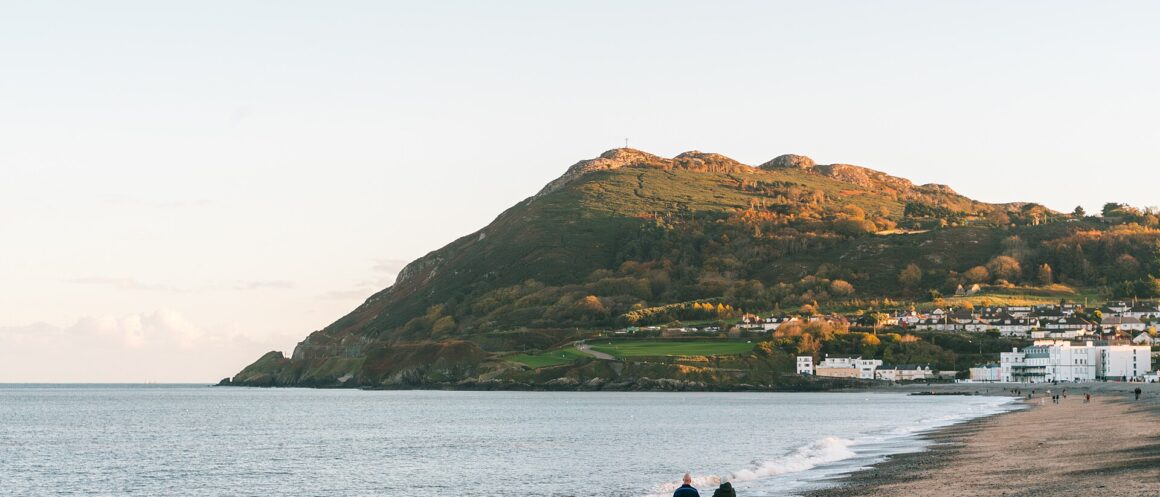
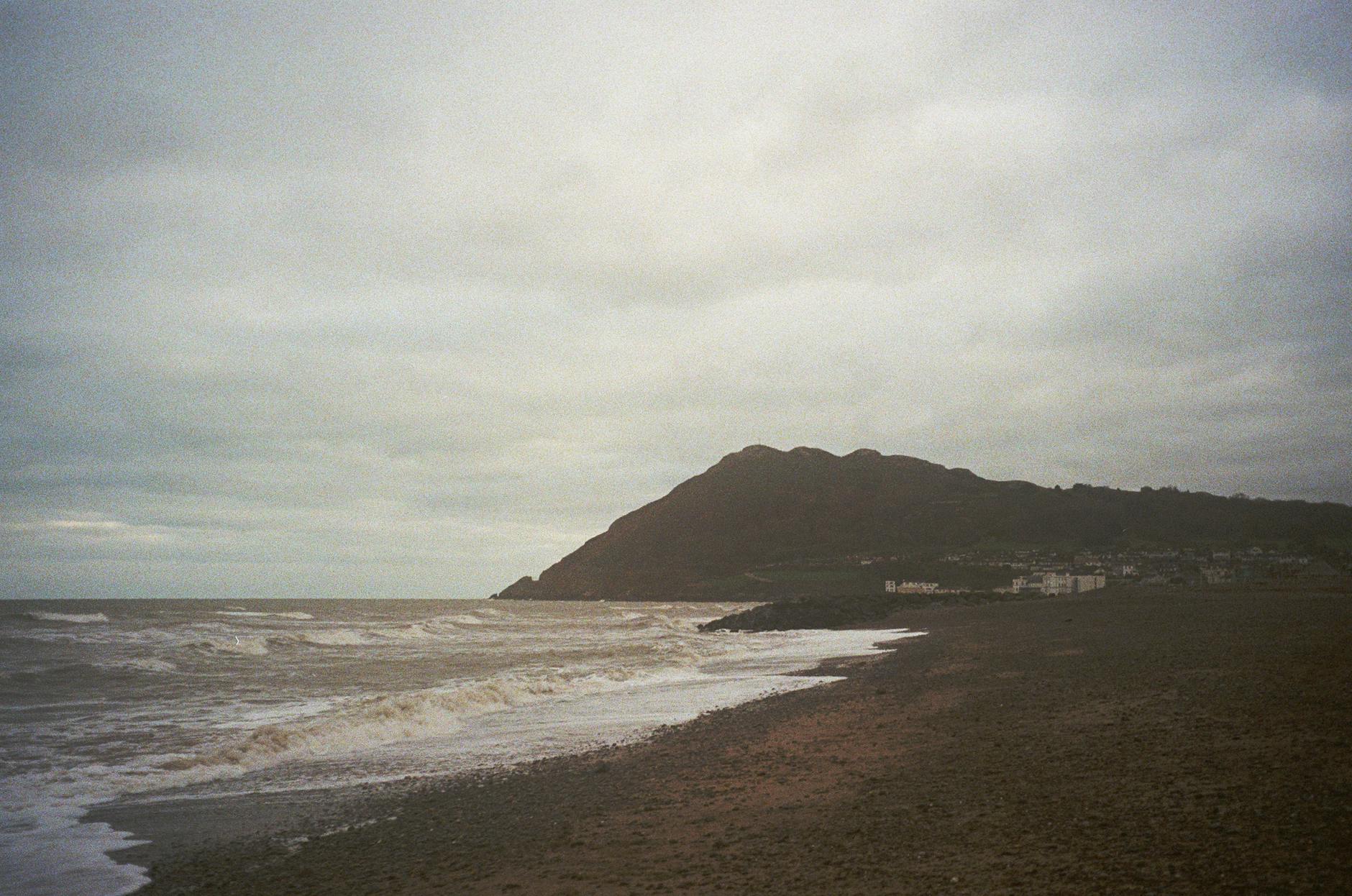
Bray Head from the beach: Bray Head and Beach in Autumn by David Kernan, CC BY 4.0, via Wikimedia Commons.
Bray Head coastline: Bray Head – aerial – 2026-02-28 by 瑞丽江的河水, CC BY-SA 4.0, via Wikimedia Commons.
Bray seafront promenade: 20120831 11 Ireland – Co. Wicklow – Bray (7961533458) by Sjaak Kempe, CC BY 2.0, via Wikimedia Commons.
Greystones Harbour slipway: Slipway in Greystones Harbour – geograph.org.uk – 5350140 by Gareth James, CC BY-SA 2.0, via Wikimedia Commons.
Greystones harbour and waterfront: Greystones Harbour, 2024-03-19 by 瑞丽江的河水, CC BY-SA 4.0, via Wikimedia Commons.
Lean na Comharthaí — Keep following the signs