Oldest Pubs in Dublin: The Brazen Head & Ireland’s Historic Boozers
Na tithe tábhairne is sine i mBaile Átha Cliath

Ar an gComhartha Seo — On this sign
- Quick Answer: What Are the Oldest Pubs in Dublin?
- The Brazen Head and the 1198 Question
- So What Is Ireland’s Oldest Pub?
- The Old Pubs Worth Your Evening
- Why the Dates Are Unreliable
- A Historic Pub Route on Foot
- The Old Pubs That Miss the Table
- What the Old Pubs Nearly Lost
- When to Go
- Etiquette in an Old Pub
- Gotchas
- Oldest Pubs in Dublin FAQ
- Keep Planning
- Keep Reading
Every old pub in Ireland has a date painted over the door, and almost none of them can prove it. This is not really dishonesty — it is a national habit, the same instinct that turns a family story into a fact after three generations of telling. But it does mean that any honest guide to the oldest pubs in Dublin has to do two things at once: tell you where to drink in the genuinely old rooms, and tell you which of the dates on the wall would survive contact with an archive. Mostly they would not.
This guide does both. It covers the Brazen Head and its famous 1198, what the evidence actually supports, which Dublin pubs are old in fabric rather than old in branding, a route that takes in the best of them on foot, and why the actual oldest pub in Ireland is not in Dublin at all. The pubs here are worth your evening regardless of their paperwork — but you may as well know what you are drinking in.
Quick Answer: What Are the Oldest Pubs in Dublin?
The Brazen Head on Bridge Street is universally accepted as Dublin’s oldest pub, and it claims 1198. That date rests on tradition rather than documents, and the building you drink in dates from around 1754 — which still makes it one of the oldest licensed premises in the city by any measure. Behind it, the serious contenders are Mulligan’s of Poolbeg Street, trading since 1782; the Bleeding Horse on Camden Street, claiming 1649; and a cluster of Georgian and early Victorian houses — Toners, Kehoe’s, O’Donoghue’s, The Palace Bar — dating from between the 1780s and the 1820s.
The honest verdict: go to the Brazen Head once, for the courtyard and the sense of the site, and then drink somewhere else. It is a good pub with a genuine claim and a heavy tourist load. The oldest pubs in Dublin that are also the best pubs in Dublin are mostly the eighteenth- and nineteenth-century ones a few streets away, where the interiors are intact and the crowd is local.
| Pub | Claimed date | Where | What is actually old about it |
|---|---|---|---|
| The Brazen Head | 1198 | Bridge Street Lower, D8 | The site. The building is c. 1754. |
| The Bleeding Horse | 1649 | Camden Street, D2 | Long-established site; heavily rebuilt. |
| The Old Stand | 1685 | Exchequer Street, D2 | One of the oldest continuous licences in the centre. |
| The Long Hall | 1766 | South Great George’s Street, D2 | The Victorian interior, largely untouched. |
| Mulligan’s | 1782 | Poolbeg Street, D2 | Genuinely continuous trade and a period interior. |
| O’Donoghue’s | 1789 | Merrion Row, D2 | Began as a grocery; music history from the 1960s. |
| Kehoe’s | 1803 | South Anne Street, D2 | Snugs, drawers behind the bar, the old living quarters upstairs. |
| Toners | 1818 | Baggot Street Lower, D2 | The original snug, and the shop fittings. |
| The Palace Bar | 1823 | Fleet Street, D2 | The skylit back room, unchanged. |
| John Kavanagh’s | 1833 | Glasnevin, D9 | Same family since the beginning. |
| Doheny & Nesbitt | 1867 | Baggot Street Lower, D2 | Victorian shop-pub fittings, intact. |
| The Stag’s Head | 1895 (rebuild) | Dame Court, D2 | The best complete Victorian pub interior in the city. |
The Brazen Head and the 1198 Question
Start with the honest position, because the marketing will not give it to you. The Brazen Head claims 1198 as its founding date. There is no surviving documentary evidence for that date; the claim rests on tradition and long repetition. The National Inventory and most architectural historians date the present building to around 1754, when it was rebuilt as a coaching inn. The site itself, beside the old bridge over the Liffey at the western edge of the medieval city, is exactly where you would expect a tavern to have stood for a very long time — which is why the tradition is plausible even though it is not proven.
So what should you believe? That the Brazen Head is Dublin’s oldest pub is not seriously disputed. That it has been continuously serving drink since 1198 is a story. Both of those can be true at once, and a good guide will tell you the difference rather than repeating the sign over the door.
What it is actually like
A cobbled courtyard set back from Bridge Street, low ceilings, open fires, and a warren of small rooms. It runs trad music most nights and a storytelling-and-dinner evening aimed squarely at visitors. The food is decent, the stout is fine rather than exceptional, and the place is busy with tourists most of the year — which is the honest trade-off. The history is real and so is the crowd.
Go early, take the courtyard if the weather allows, have one, and understand what you are there for. Then walk fifteen minutes east and drink in a pub where the locals are. The Brazen Head sits at the bottom of the Liberties, so it pairs naturally with Viking and medieval Dublin and the old city walls.
So What Is Ireland’s Oldest Pub?
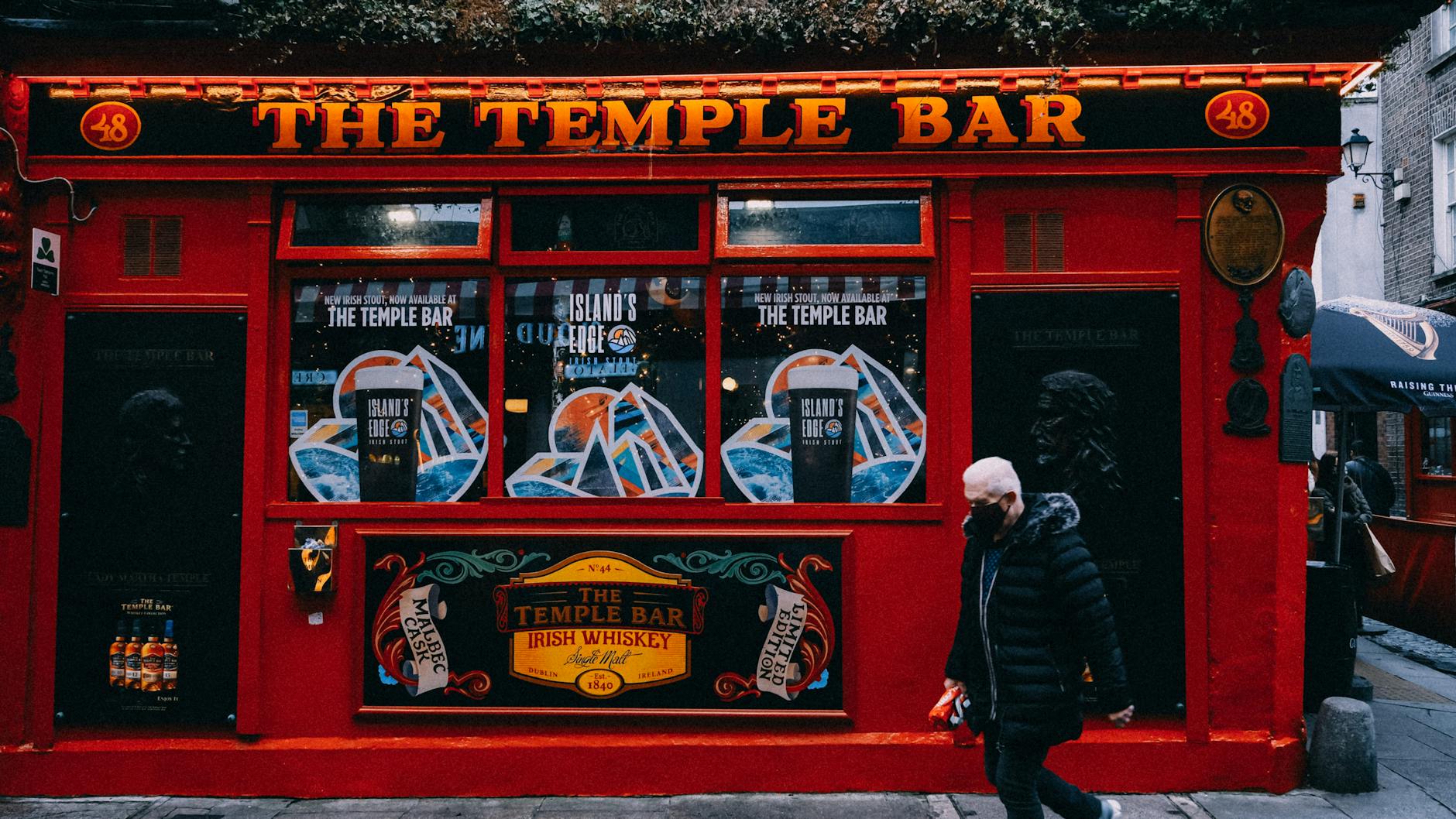
Not the Brazen Head, and not in Dublin. Sean’s Bar in Athlone holds the Guinness World Records certification, granted in 2004, as the oldest pub in Ireland, with a claimed founding around AD 900. Unusually for this genre of claim, there is physical evidence: during restoration work in the 1970s, wattle-and-wicker wall construction was found beneath the walls, and the National Museum of Ireland dated the material to roughly that period.
That is a materially better class of evidence than word of mouth, and it is why the record sits in County Westmeath rather than County Dublin. The Brazen Head remains, by common agreement, the oldest pub in Dublin — a smaller but perfectly respectable title, and the one this guide is about.
The Old Pubs Worth Your Evening
Age alone is a poor reason to drink somewhere. What makes the oldest pubs in Dublin worth seeking out is that the old ones tend to have kept the things modern pubs threw away: snugs, mahogany, mirrors, low light, no televisions, and a crowd that comes for conversation.
Mulligan’s — Poolbeg Street, 1782
The strongest combination of genuine age, intact interior and serious stout in the city. Behind the old Irish Press building, a few minutes from Trinity, with dark wood, mirrors and a floor worn into shape by two and a half centuries of feet. It has a long reputation for its Guinness and a crowd who come specifically for it — see our guide to the best pint of Guinness in Dublin. Arrive before six for a seat.
The Long Hall — South Great George’s Street, 1766
The most beautiful room on this list: chandeliers, carved mahogany, an antique clock and a mirrored back bar essentially unchanged for well over a century. The claimed date is Georgian; what you see is high Victorian, and it is glorious. Small, so go early.
The Stag’s Head — Dame Court, 1895
Younger than most of the others in fabric and better than nearly all of them as a surviving interior: granite bar, stained glass, wrought iron, mounted stag’s head. If you want to understand what a Victorian Dublin pub looked like when it was new, this is the room to stand in.
Kehoe’s — South Anne Street, 1803
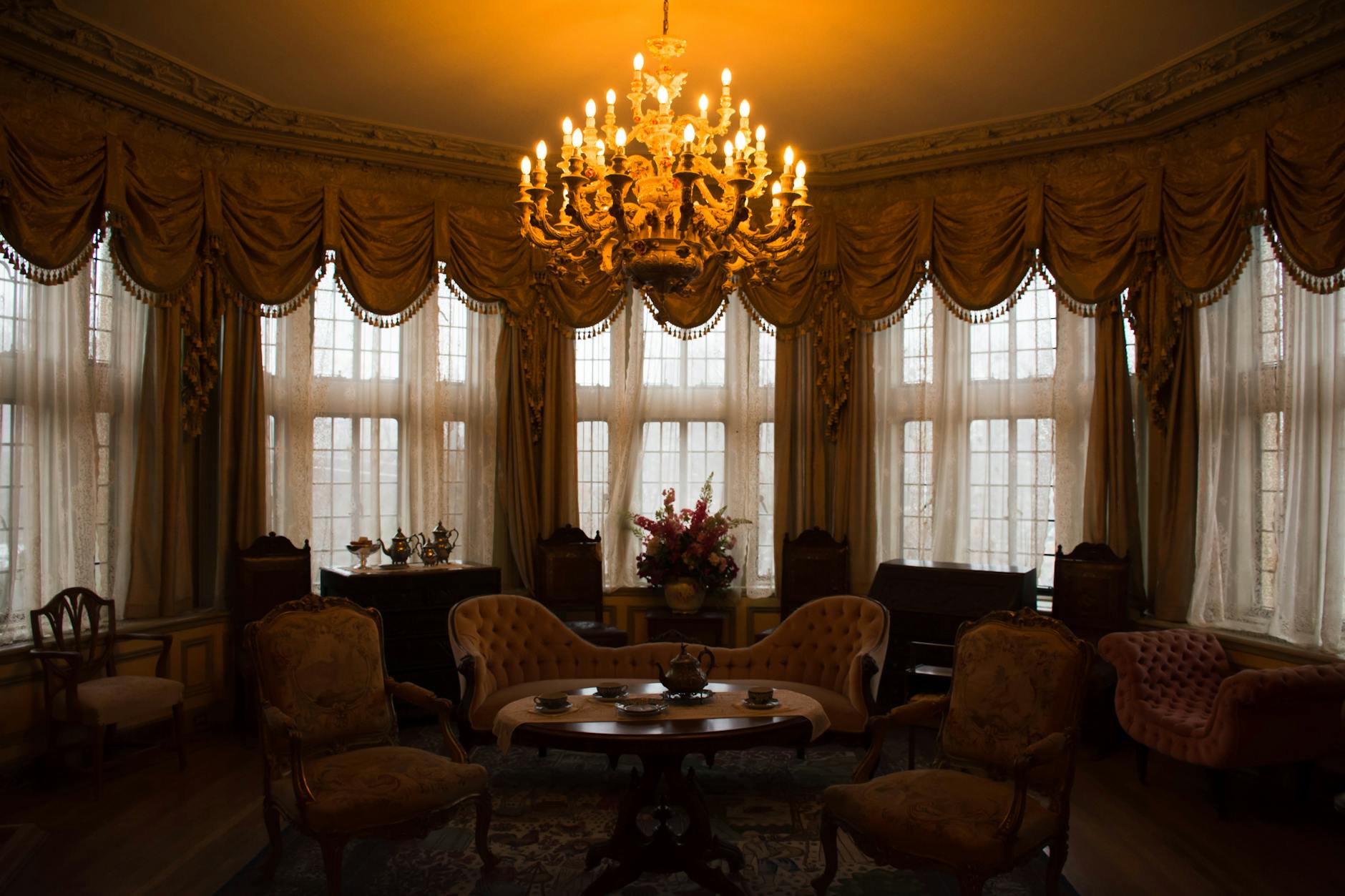
Just off Grafton Street, with snugs at the front, the original grocery drawers still behind the bar, and a warren upstairs in what were the publican’s living quarters. Busy after work, which keeps the kegs turning.
Toners and Doheny & Nesbitt — Baggot Street Lower
Two doors apart on the same Georgian street, 1818 and 1867 respectively, both with their shop fittings intact — these were grocery-and-drink premises before they were purely pubs, and the drawers and shelving still show it. Toners has the original snug and a large covered beer garden, which makes it unusually good in bad weather. O’Donoghue’s on Merrion Row, claiming 1789, is a few minutes further and is where the Dubliners played in the 1960s.
The Palace Bar — Fleet Street, 1823
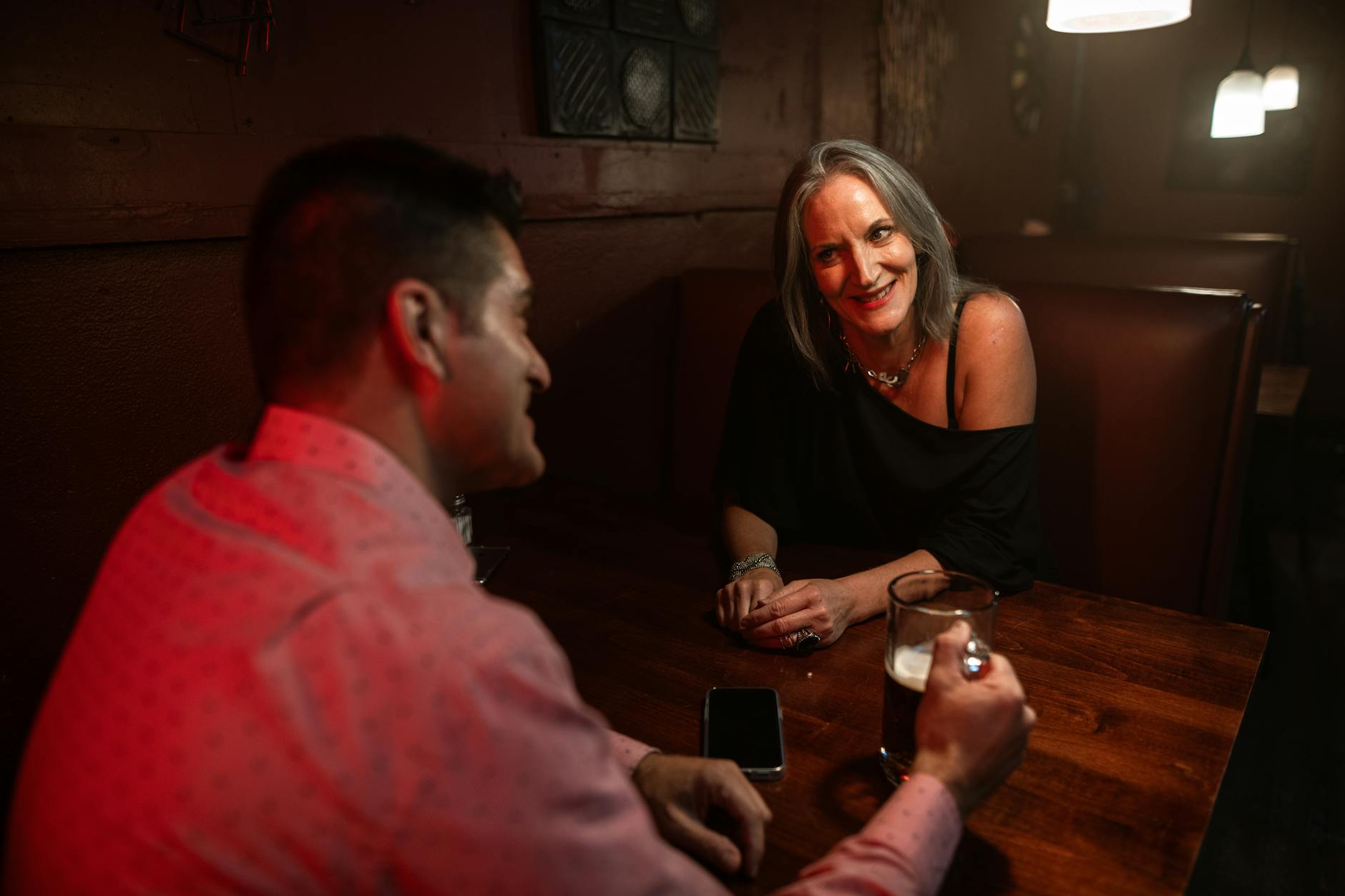
On the edge of Temple Bar and nothing like it. The Palace was the newspapermen’s pub when the papers were on Westmoreland Street, and the small skylit back room is one of the best places to sit in Dublin. Excellent stout and a serious whiskey list — see Dublin whiskey bars.
John Kavanagh’s, The Gravediggers — Glasnevin, 1833
Beside Glasnevin Cemetery, in the same family since it opened, and the pub Dublin’s own drinkers name first for the quality of the pour. No televisions, no music. It needs a bus or a taxi north, which is exactly why it stays good.
Why the Dates Are Unreliable
It is worth understanding the mechanics, because it explains why every guide to the oldest pubs in Dublin gives different numbers. Irish pub dates come from four different things that get quietly merged into one:
- The licence. When drink was first legally sold on the premises. Rarely documented before the eighteenth century.
- The building. When the structure you are standing in was put up. Usually much later than the claimed date.
- The site. When there is thought to have been a tavern here at all. Often the oldest number, and the softest.
- The name. When the current business or family took over — frequently Victorian, even in genuinely ancient premises.
A pub that says “established 1649” may mean any of the four. That is not fraud; it is how the trade has always talked about itself. But it means the table above is a table of claims, not of verified facts, and anyone telling you otherwise has not checked either. For what it is worth, the pubs with the strongest documentary position are Mulligan’s, Toners, Doheny & Nesbitt and Kehoe’s — all traceable through nineteenth-century records, all still recognisably themselves.
A Historic Pub Route on Foot
Four pubs is a real evening, and you will not walk the oldest pubs in Dublin in one night. Do not try to do the whole table. Two routes work.
- The old city: The Brazen Head first, while it is quiet, then east along the quays to The Palace Bar, then up to The Stag’s Head and finish at The Long Hall. About twenty-five minutes of walking in total, and a clean line from medieval site to Victorian showpiece.
- The Georgian south: Kehoe’s, then Toners, then Doheny & Nesbitt, then O’Donoghue’s. All within fifteen minutes of each other around Baggot Street and Merrion Row, and the best concentration of intact old interiors in the city.
Add Mulligan’s to either as a first or last stop — it sits between the two, behind Tara Street. If you would rather be walked round by someone who knows the history, Dublin walking tours run literary and historical pub routes, and our traditional pubs guide covers the wider list by neighbourhood.

The Old Pubs That Miss the Table
A dozen names is a manageable list, not a complete one. Several other Dublin houses are genuinely old, genuinely good, and left off the table above only because their claimed dates are later or vaguer. If you are working through the oldest pubs in Dublin seriously, these are the next tier.
- Ryan’s of Parkgate Street — an 1886 Victorian shop-pub beside the gates of Phoenix Park, with its snugs, its mahogany and its brass fittings essentially untouched. One of the finest surviving interiors anywhere in the city, and far enough west that it stays a local.
- The Cobblestone — in Smithfield, and the most serious traditional music pub in Dublin. The building is not the oldest thing here; the living tradition inside it is considerably older than most of the dates on this page.
- Fallon’s — at the top of the Liberties, within sight of the brewery, and pouring for the neighbourhood for generations. Unglamorous in the way the good ones are.
- The Confession Box — tiny, central, on Marlborough Street, and named for the priests who are said to have heard confessions there during the Penal era and later sheltered Michael Collins’s men. Another story that is better than its paperwork.
- The Church — not an old pub but a very old building: St Mary’s, completed in the early eighteenth century, where Arthur Guinness married in 1761 and where Wolfe Tone was baptised. Deconsecrated and converted, so it is a bar in a historic shell rather than a historic bar. Worth seeing; not the same thing.
- Walsh’s of Stoneybatter — northside, small, and the pub people cross the river for. Old fittings, excellent stout, no fuss.
What the Old Pubs Nearly Lost
It is worth knowing that this list is shorter than it was. Dublin lost a great many of its historic interiors between the 1960s and the 1990s, when the fashion was for stripping out Victorian fittings and replacing them with carpet, and again in the boom years when a number of long-standing houses were sold and gutted. Several of the rooms described above survived because their owners could not afford to modernise them, which is the usual reason anything old survives anywhere.
That history matters for a practical reason: it means the interiors are the scarce thing, not the dates. A pub with an intact snug, original shop drawers and a mirrored back bar is rarer in Dublin now than a pub claiming three hundred years of trade. When you are choosing between two old pubs, choose the one that kept its fittings.
When to Go
These rooms are small and they were built for a city with fewer people in it. Timing decides whether you get an evening or a scrum.
- Weekday afternoons are the best time to actually look at the interiors, and the only time you will get a snug without negotiation.
- Before six on any evening gets you a seat in Mulligan’s, Kehoe’s or The Long Hall. After seven on a Thursday or Friday, you will be standing.
- Winter is the season these pubs are built for — fires lit, dark outside, no queue at the bar. See Dublin in November and Dublin in December for the months when this is at its best.
- Avoid big match days unless the rugby or the hurling is the point. The Baggot Street pubs in particular fill entirely.
Etiquette in an Old Pub
The rules are the same as anywhere in Dublin, but they matter more in a small room full of regulars.
- Order at the bar and wait your turn. Table service is not the norm.
- Let the pint settle. It will be poured, set down and topped up. Do not reach for it in between.
- Snugs are not private rooms for tourists to occupy for three hours. Use one, but read the room.
- Rounds are real. If you are drinking with Irish people, you are in a round and you buy yours.
- Tipping is not expected on drinks at the bar — see tipping in Dublin.
- Keep the volume down near musicians. A session is not background music; see live music in Dublin.

Gotchas
- The 1198 date is tradition, not evidence. The Brazen Head’s building is around 1754.
- Ireland’s oldest pub is Sean’s Bar in Athlone, not the Brazen Head — certified by Guinness World Records in 2004.
- The Brazen Head is busy with visitors. Go once, go early, and drink elsewhere afterwards.
- Old does not mean good stout. Turnover and line cleaning decide the pint, not the founding date.
- The best rooms are small. The Long Hall, Kehoe’s and Mulligan’s all fill before six.
- Claimed dates conflate four different things — licence, building, site and name. Treat every number as a claim.
- The Gravediggers is not walkable from the centre. It is in Glasnevin; take a bus or a taxi.
- Some “historic” pubs on the tourist strip are recent fit-outs designed to look old. Age is in the fittings, not the paintwork.
- Four pubs is an evening. Six is a mistake you will feel in the morning.
Oldest Pubs in Dublin FAQ
What is the oldest pub in Dublin?
The Brazen Head on Bridge Street Lower, by common consent. It claims 1198, and while that date is traditional rather than documented, no other Dublin pub makes a stronger case. The building you drink in dates from around 1754, when the site was rebuilt as a coaching inn, which still makes it one of the oldest licensed premises in the city.
Is the Brazen Head really from 1198?
The site plausibly is; the pub as an institution cannot prove it. The 1198 claim rests on tradition and repetition rather than surviving documents, and the present building dates to about 1754. The location — beside the old bridge at the western edge of the medieval city — is exactly where a tavern would have stood, so the story is credible without being verified.
What is Ireland’s oldest pub?
Sean’s Bar in Athlone, County Westmeath, certified by Guinness World Records in 2004 with a claimed founding around AD 900. Its case is stronger than most because it is physical: wattle-and-wicker wall construction found during 1970s restoration was dated by the National Museum of Ireland to roughly that period. The Brazen Head holds the Dublin title, not the national one.
Which old Dublin pub has the best interior?
Of the oldest pubs in Dublin, The Stag’s Head on Dame Court, for a complete and intact Victorian pub — granite bar, stained glass, wrought iron. The Long Hall on South Great George’s Street runs it very close and is the more beautiful room of the two. For Georgian shop-pub fittings rather than Victorian showpieces, Toners and Doheny & Nesbitt on Baggot Street Lower are the ones to see.
Can you do a historic pub crawl in Dublin on foot?
Easily. The old-city route runs the Brazen Head, The Palace Bar, The Stag’s Head and The Long Hall in about twenty-five minutes of total walking. The Georgian route runs Kehoe’s, Toners, Doheny & Nesbitt and O’Donoghue’s within fifteen minutes of each other. Four pubs is a full evening; do not attempt more.
Do the oldest pubs serve the best Guinness?
Not automatically. The pint depends on turnover, line cleaning and how the barman pours, none of which correlate with the date over the door. That said, several of the old pubs — Mulligan’s and John Kavanagh’s in particular — happen to be excellent on all three counts, because they are busy pubs full of regulars rather than museums.
Is the Brazen Head worth visiting?
Once, and early. The cobbled courtyard, the low rooms and the open fires are genuinely atmospheric, and the sense of standing on a very old site is real. It is also heavily visited, so the crowd is largely other tourists and the stout is good rather than exceptional. Have one, enjoy it for what it is, then walk to a local.
Which Dublin pubs still have snugs?
Kehoe’s on South Anne Street and Toners on Baggot Street Lower both keep their original snugs, and several other old houses have at least one. A snug is a small partitioned room off the main bar, built originally so that women, clergy and anyone else who preferred not to be seen drinking in public could have a drink in private.
Why do Irish pubs claim such old dates?
Because four different things get merged into one number: when drink was first licensed on the premises, when the current building went up, when there is thought to have been a tavern on the site at all, and when the present family or business took over. A pub quoting the earliest of those is not lying, but it is not quoting a documented founding date either.
Keep Planning
- Traditional pubs in Dublin — the wider list, by neighbourhood.
- The best pint of Guinness in Dublin — which of these pubs actually pours it best.
- Dublin nightlife and pubs — the complete drinking guide.
- The Liberties — the oldest neighbourhood, where the Brazen Head stands.
- Viking and medieval Dublin — the city the 1198 claim belongs to.
- Dublin whiskey bars — the other half of the old-pub tradition.
- Dublin walking tours — including historical and literary pub routes.
Keep Reading
- Dublin’s Cosiest Pubs — old is not the same as comfortable; this one sorts the historic rooms by whether you would want to spend an evening in them.
- Traditional Pubs in Dublin, by Neighbourhood
- The Best Pint of Guinness in Dublin
- Dublin Nightlife & Pubs: The Complete Guide
- The Liberties: Dublin’s Oldest Neighbourhood
Lean na Comharthaí — Keep following the signs