Best Pint of Guinness in Dublin: A Pub-by-Pub Guide
An pionta Guinness is fearr i mBaile Átha Cliath
Ar an gComhartha Seo — On this sign
- Quick Answer: Where to Find the Best Pint of Guinness in Dublin
- What Actually Makes a Good Pint
- Why Guinness Tastes Better in Ireland
- The Pubs, in Detail
- A Guinness Crawl That Actually Works
- The Guinness Storehouse Is a Different Question
- Ordering, Etiquette and Not Embarrassing Yourself
- When the Music Starts
- Where Not to Go
- Gotchas
- Best Pint of Guinness in Dublin FAQ
- Keep Planning
- Keep Reading
Ask ten Dubliners where to get the best pint in the city and you will get eleven answers, at least two of which involve a bus. This is not evasion. Guinness is a fresh product served through a mechanical system by a person who may or may not care, and the difference between a great pint and a mediocre one has almost nothing to do with the beer in the keg. It is turnover, line cleaning, glass temperature, and whether the person behind the bar was taught properly. Those four things vary enormously from pub to pub on the same street, which is why the argument never ends and why the answer is worth having.
This guide is about finding the best pint of Guinness in Dublin and, just as usefully, about understanding why one pub gets it right and the one next door does not. It covers the pubs that Dublin itself keeps naming, the mechanics of what a good pint requires, an honest word about the Guinness Storehouse, a crawl that actually works on foot, and the etiquette that stops you marking yourself out at the bar. No sponsored lists, and no pub included because it looks nice in photographs.
Quick Answer: Where to Find the Best Pint of Guinness in Dublin
If you want one address and no debate, go to John Kavanagh’s, The Gravediggers, in Glasnevin. It is the pub Dublin’s Guinness obsessives name first, it has been in the same family for generations, it sits beside Glasnevin Cemetery, and it does not have televisions or music to distract from the fact that you are there to drink. It is a bus ride from the centre, which is precisely why it is good: the people drinking there came on purpose.
If you are not leaving the city centre, the reliable names are Mulligan’s of Poolbeg Street, trading since 1782 with its Victorian interior intact; Grogan’s on South William Street, which has no music, no televisions and a ham-and-cheese toastie that has become an institution in its own right; and Toners on Baggot Street Lower, one of the city’s oldest pubs and one of the few with a proper beer garden. All three pour a great deal of stout, which is the single best predictor of a good pint anywhere.
| Pub | Where | Why it is on the list |
|---|---|---|
| John Kavanagh’s (The Gravediggers) | Glasnevin, D9 | The consensus pick. No TVs, no music, generations of practice. |
| Mulligan’s | Poolbeg Street, D2 | Trading since 1782. Victorian interior, serious turnover. |
| Grogan’s Castle Lounge | South William Street, D2 | No music, no TVs, art on the walls, the famous toastie. |
| Toners | Baggot Street Lower, D2 | One of the oldest in the city, with a beer garden. |
| The Long Hall | South Great George’s Street, D2 | The most beautiful Victorian room in Dublin, and it pours well. |
| Kehoe’s | South Anne Street, D2 | Snugs, a tiny upstairs, and a bar that never stops moving. |
| The Palace Bar | Fleet Street, D2 | Journalists’ pub with a back room and an excellent pour. |
| Ryan’s Beggars Bush | Haddington Road, D4 | Match-day local, sensible prices, well kept. |
| The Cobblestone | Smithfield, D7 | Music pub first, but the stout is taken seriously. |
| The Lord Edward | Christ Church, D8 | Old-school upstairs room overlooking the cathedral. |

What Actually Makes a Good Pint
Understand the variables and you can judge a pub from the doorway, which is more useful than memorising a list. There are four that matter and one that does not.
The pour
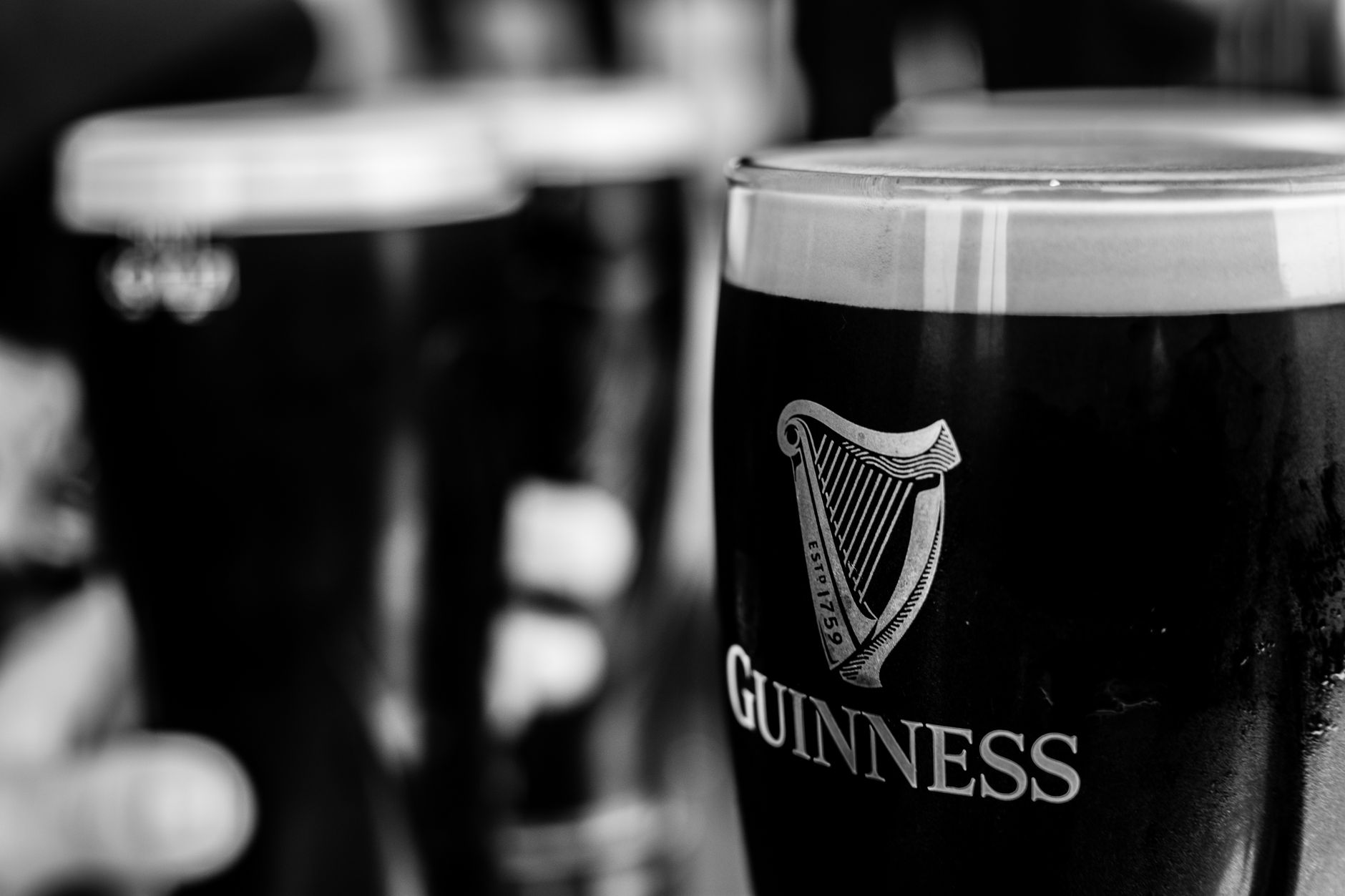
Guinness specifies a two-part pour, and the specification exists because it works. The glass is held at roughly 45 degrees, filled to just below the harp on the side, then set down and left alone while the nitrogen surge settles from a churning brown fog into a black body under a tight cream head. Only then is it topped up, straight, with a slight dome standing proud of the rim. Guinness puts the whole ritual at 119.5 seconds, which is a marketing number that happens to be about right.
What you are watching for: does the barman set it down and walk away, or does he stand there filling it in one go? A pub that pours straight through is telling you it does not care, and everything else it does will match.
Turnover — the one that matters most
Stout is a fresh product. A pub that sells fifteen kegs a week has stout that has barely sat still; a pub that sells two has stout that has been waiting. This is the single strongest predictor of quality, and it is why an unglamorous local packed with regulars will routinely beat a handsome tourist pub on a famous street. It is also why the best pint of Guinness in Dublin is so often somewhere slightly inconvenient — the crowd is there for the drink rather than the location.
Line cleaning
Beer lines need cleaning regularly, and a pub that lets it slide produces a pint with a sour or metallic edge under the roast. You cannot see this from the door, but you can taste it in one mouthful. If the first pint tastes off, do not order a second and do not blame Guinness.
Temperature and the glass
Draught Guinness is served cool rather than cold — around 6 °C in Ireland — because too cold flattens the roasted-barley flavour into nothing. The glass should be clean and dry, and the head should hold its shape well enough to leave rings down the side as you drink. Those rings, the lacing, are the honest signature of a well-kept pint and a properly washed glass.
What does not matter
The shamrock drawn in the head. It is a party trick for visitors, it takes a competent barman about four seconds, and in most of the pubs on this page nobody will do it unless you ask, which you should not.
Why Guinness Tastes Better in Ireland
It genuinely does, and the reasons are unromantic. The stout sold in Ireland is brewed at St James’s Gate in Dublin, so the supply chain is short and the product is fresh. Irish pubs sell a colossal amount of it, so kegs turn over fast. Bar staff are trained on it and pour hundreds a night. And the equipment — the nitrogen and carbon dioxide gas blend, the restrictor plate in the tap that creates the surge — is standard, maintained and understood.
Change any one of those and quality drops. An Irish pub in another country may be pouring perfectly good stout that has travelled further, sat longer and is served by someone who pours four a night. Nothing mystical is happening in Dublin. The water is not magic and the recipe is not different. It is freshness and practice, which is the same reason bread is better near a good bakery.
The Pubs, in Detail
John Kavanagh’s, The Gravediggers — Glasnevin
The one that tops almost every list. It stands at a side gate of Glasnevin Cemetery, took its nickname from the gravediggers who drank there, and has been run by the same family since the early nineteenth century. The front bar is deliberately austere: no music, no screens, no food beyond what a bar should serve. Getting there means a bus or a taxi to the northside, and it is worth it — pair it with the National Botanic Gardens next door, which are free, and you have an excellent half-day.
Mulligan’s — Poolbeg Street
Trading since 1782, a few minutes from Trinity behind the old Irish Press building, and looking every year of it in the best possible way. Dark wood, mirrors, a floor that has seen things. It has a long-standing reputation for its stout and a long-standing crowd who come specifically for it, so it fills early — go before six if you want to sit.
Grogan’s Castle Lounge — South William Street
No music, no televisions, paintings covering the walls, and an unhurried crowd of artists, writers and people who have been coming for thirty years. The toastie is the most famous bar snack in Ireland and costs a fraction of a restaurant lunch. On a warm evening the drinkers spill onto the pavement, which is one of the reliable pleasures of the south city.
Toners — Baggot Street Lower
One of the oldest pubs in the city, with the original snug at the front and a large covered beer garden at the back that makes it unusually good in bad weather. It sits in the Georgian belt near Merrion Square, close to Doheny & Nesbitt and O’Donoghue’s, which makes this stretch the easiest short crawl in Dublin.

The Long Hall — South Great George’s Street
The most beautiful Victorian interior in the city: chandeliers, carved mahogany, an antique clock and a mirrored back bar that has not changed in well over a century. Beautiful rooms often pour indifferent pints; this one does not. Go early, because it is small and everyone knows about it.
Kehoe’s — South Anne Street
Just off Grafton Street, which by the usual rules should disqualify it, and it earns its place anyway. Snugs at the front, a warren upstairs in what was the publican’s living quarters, and enough turnover that the stout never sits. Genuinely busy after work — that is a feature, not a warning.
The Palace Bar — Fleet Street
On the edge of Temple Bar but emphatically not of it. The Palace was the journalists’ pub when the newspapers were on Westmoreland Street, and the small skylit back room is one of the finest places to sit in Dublin. Good stout, and an unusually serious whiskey selection if you want to change tack — see our Dublin whiskey bars guide.
Ryan’s Beggars Bush — Haddington Road
A proper Dublin 4 local near the Aviva, which means it is heaving on match days and calm the rest of the time. Well-kept stout at prices that have not chased the city centre, and a useful stop if you are staying in the Ballsbridge direction.
The Cobblestone — Smithfield
Known first as the best traditional music pub in the city, and the stout is treated with the same seriousness as the sessions. The front bar is small and the musicians own it; the back room takes the overflow. Combine it with a walk around Smithfield and Stoneybatter, which is where a lot of the city’s good unglamorous pubs now are. More on the music at live music in Dublin.
The Lord Edward — Christ Church
An old-school pub facing the cathedral, with a quiet upstairs room and a view over the medieval end of town. A sensible first or last stop if you are exploring Viking and medieval Dublin or walking down into the Liberties.
The ones locals add to the list
Beyond the ten above, a handful of names come up constantly in Dublin’s own arguments and are worth knowing if you are staying longer than a weekend. Fallon’s at the top of the Liberties has been pouring within sight of the brewery for generations. Walsh’s in Stoneybatter is the northside local that people cross the river for. Doheny & Nesbitt and O’Donoghue’s sit either side of Toners on the Baggot Street run. The Stag’s Head off Dame Lane has the granite bar and the crowd to keep the kegs moving. And The Confession Box on Marlborough Street is tiny, central, and takes its stout more seriously than its size suggests.
None of these will disappoint, and the point of naming them is that the list is not a ranking handed down from anywhere. It is the accumulated opinion of a city that drinks a great deal of stout and argues about it constantly, which is a more reliable guide than any single verdict.

A Guinness Crawl That Actually Works
Do not attempt all ten. Four pints of stout is a real evening and the point is to taste the difference, not to survive it. Two routes work on foot.
- South city, about ninety minutes of walking: The Long Hall, then Grogan’s, then Kehoe’s, then Toners. All within a twenty-minute radius, all distinct, and the contrast between the four is the education.
- Old city and the Liberties: The Palace Bar, then The Lord Edward, then down into the Liberties towards the brewery. This is the historical route and it pairs with the Guinness Storehouse if you are doing that the same day.
- The pilgrimage: a bus north to The Gravediggers with the Botanic Gardens beside it, then back into town for one more. Half a day, and the best single pint of the lot.
If you would rather someone else did the navigating and the talking, Dublin walking tours and Dublin food tours both run pub-focused options, and our traditional pubs guide covers the wider list. The older houses in particular are worth their own trip — see the oldest pubs in Dublin.
The Guinness Storehouse Is a Different Question
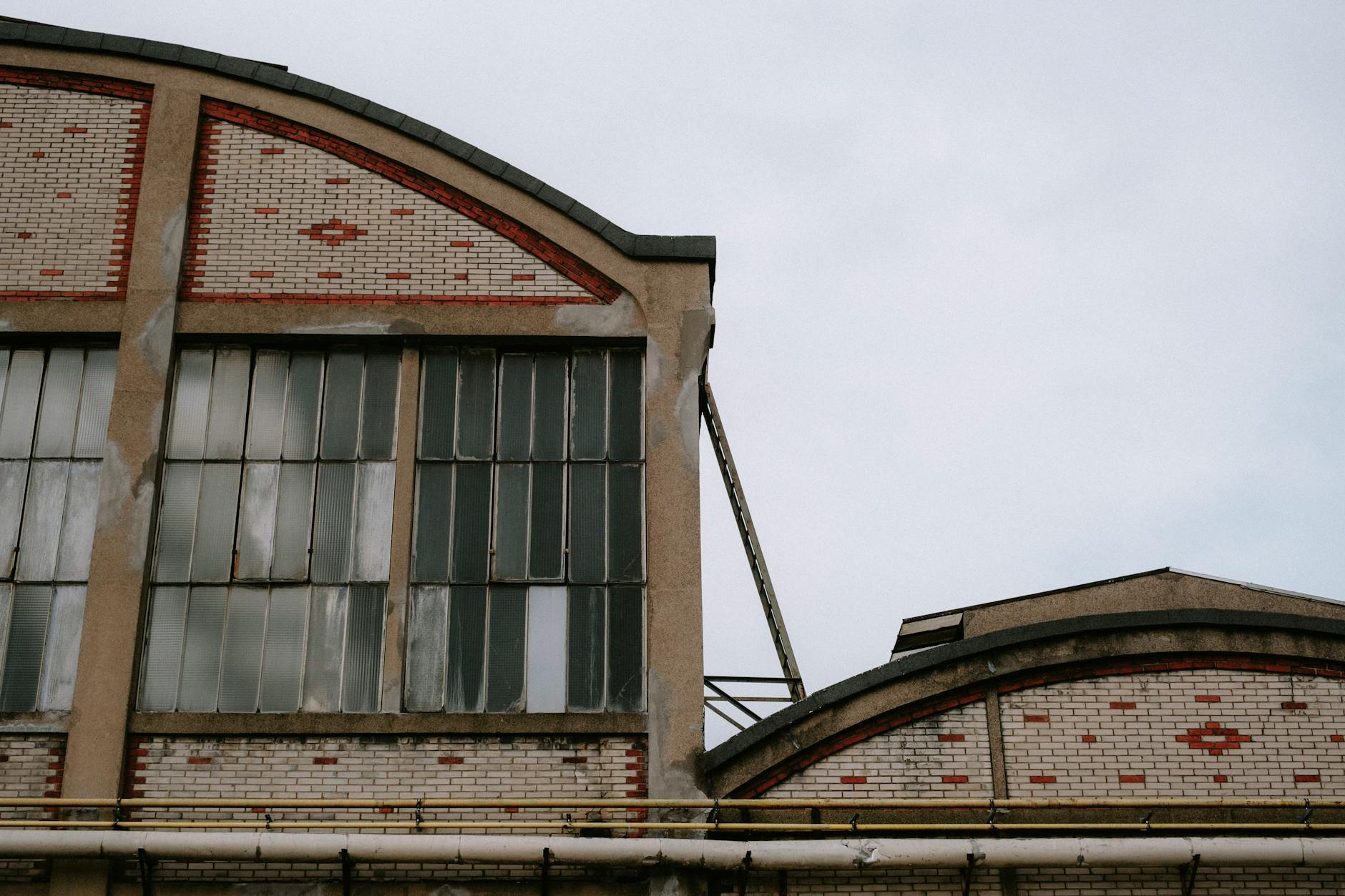
The Storehouse is a museum of the brand, not a pub, and it is best judged as one. It is genuinely good on the history, the advertising archive is a delight, and the Gravity Bar at the top has the finest indoor view in Dublin. The included pint is fine. It is not the best pint of Guinness in Dublin and it was never going to be, because the room pours for a queue of people who are on a schedule.
Go for the building and the view, not for the beer. It is one of the city’s most visited attractions and it needs booking ahead, especially at weekends; our Guinness Storehouse guide covers tickets, timings and whether the Connoisseur Experience is worth the upgrade. Then walk ten minutes into the Liberties and drink in a pub.
Ordering, Etiquette and Not Embarrassing Yourself
Dublin bars are informal but they have rules, and the rules are practical rather than snobbish.
- Order at the bar. Table service is not standard in traditional pubs. Catch the barman’s eye and wait your turn; he is keeping a mental queue and it is usually accurate.
- Ask for “a pint of Guinness”, or just “a pint”. In most of these pubs a pint means one thing.
- Let it settle. Your pint will be poured, set aside and topped up. Do not reach for it in between, and do not ask what the delay is.
- Rounds are real. If you are drinking with Irish people you are in a round, and you buy yours. Stepping out of a round needs to be said early, not when your turn comes.
- Tipping is not expected on drinks at the bar. Our tipping in Dublin guide has the full picture.
- Do not ask for a shamrock in a pub full of regulars, and do not ask for blackcurrant unless you are prepared for the look.
Prices vary far more by postcode than by quality. A pint on a tourist stretch costs meaningfully more than the identical pint in Stoneybatter or Portobello, and the cheaper one is frequently better. Check the board, and see Dublin on a budget if you are counting.
When the Music Starts
Several of these pubs run traditional sessions, and it changes the room entirely. A session is not a performance with an audience — the musicians sit in a circle, usually in a corner or the front bar, and play for each other while everyone else drinks around them. The convention is that you keep your voice down near the players and do not clap over the end of a set. The Cobblestone is the serious one; plenty of others have a night or two a week.
This matters for the stout as much as the atmosphere, because a session fills a pub on a weeknight and a full pub turns kegs over. If you are choosing between two similar-looking places on a Tuesday, the one with music is usually pouring the fresher pint.

Where Not to Go
The honest part. The main strip of Temple Bar is where visitors are directed and where the stout is most likely to be indifferent and most certain to be expensive — not because the pubs are bad at pouring, but because they are serving a queue of one-time customers who will not notice. The pubs a street back from it are better and cheaper.
Be equally sceptical of anywhere with a doorman in a top hat, anywhere advertising “traditional Irish music” on a chalkboard aimed at the street, and any pub whose exterior appears in more photographs than its interior. None of these are crimes. They are simply not where you will find your best pint. If you want the good version of a busy pub, the guide to Temple Bar explains which parts are worth your time.

Gotchas
- A pretty pub is not a good pub. Turnover beats décor every time.
- Watch the pour. Straight through with no settle means the pub is not paying attention.
- The Gravediggers is not walkable from the centre. Take a bus or a taxi to Glasnevin and plan it as a trip.
- Mulligan’s, Grogan’s and The Long Hall fill early. Arrive before six if you want a seat.
- The Storehouse pint is included, not exceptional. Go for the view and the archive.
- Rounds commit you. Say early if you are not drinking a full evening.
- Don’t ask for a shamrock. Nobody will refuse; everybody will notice.
- Prices track the postcode. The tourist strip charges most and rarely pours best.
- If the first mouthful tastes metallic, stop. That is the lines, and the second pint will taste the same.
- Many of these pubs are small. Large groups will struggle after work on a Thursday or Friday.
Best Pint of Guinness in Dublin FAQ
Which pub has the best Guinness in Dublin?
John Kavanagh’s, known as The Gravediggers, in Glasnevin, is the pub named most often by Dublin’s own Guinness enthusiasts. It is beside Glasnevin Cemetery, has been in the same family for generations, and has no televisions or music. In the city centre, Mulligan’s of Poolbeg Street, Grogan’s on South William Street and Toners on Baggot Street Lower are the most consistently recommended.
Why does Guinness taste better in Ireland?
Freshness and practice, not magic. Irish Guinness is brewed at St James’s Gate in Dublin, so it travels a short distance; Irish pubs sell enough of it that kegs turn over quickly; and bar staff pour hundreds a night on well-maintained equipment. Remove any of those and the pint suffers. The recipe and the water are not different.
How long should a pint of Guinness settle?
Guinness puts the full two-part pour at 119.5 seconds. In practice the barman fills the glass to just below the harp at about 45 degrees, sets it down until the nitrogen surge has settled from brown churn to a black body under a cream head, then tops it up straight. Do not touch it until it is handed to you.
Is the Guinness Storehouse the best place to drink Guinness in Dublin?
No, and it does not claim to be a pub. It is an excellent museum of the brand with the best indoor view in the city from the Gravity Bar, and the included pint is perfectly good. But a bar pouring for a scheduled queue will never match a pub with heavy turnover and unhurried staff. Do the Storehouse for the building, then walk into the Liberties for the pint.
What temperature should Guinness be served at?
Draught Guinness is served cool rather than cold, around 6 °C in Ireland. Colder than that mutes the roasted barley and the pint tastes of very little. If your stout arrives ice cold and flavourless, the pub has its cooling set for lager.
How do I know if a pint is well poured?
The body should be properly black rather than muddy brown, the head tight, creamy and standing slightly above the rim, and the whole thing settled before it reaches you. As you drink, a well-kept pint in a clean glass leaves distinct rings of lacing down the side. Muddy colour or a head that collapses means something is wrong upstream.
Should I tip for a pint in Dublin?
No. Tipping is not expected on drinks ordered at the bar in Ireland, and nobody will think less of you for not doing it. Table service in a restaurant is a different matter — our tipping guide covers where a tip is customary and how much.
Can I do a Guinness pub crawl on foot?
Yes, in the south city. The Long Hall, Grogan’s, Kehoe’s and Toners sit within about twenty minutes of each other and give you four genuinely different rooms pouring the same stout, which is the most instructive route in the city. The Gravediggers needs a bus to Glasnevin and is better treated as its own half-day.
Is Guinness cheaper outside the city centre?
Usually, and often noticeably. Prices track the postcode more closely than they track quality, so a pint in Stoneybatter, Portobello or Glasnevin generally costs less than the same pint on a tourist stretch — and is frequently better kept, because those pubs are serving regulars rather than one-time visitors.
Keep Planning
- Dublin nightlife and pubs — the full guide to drinking in the city.
- Traditional pubs in Dublin — the wider list, by neighbourhood.
- The Guinness Storehouse — tickets, timings and whether the upgrades are worth it.
- Dublin whiskey bars — when stout is not the answer.
- Live music in Dublin — where the sessions actually happen.
- Dublin craft beer — the other side of the city’s drinking scene.
- Dublin in November — the month the pub with a fire earns its reputation.
Keep Reading
- Guinness Storehouse vs Jameson Distillery — and the case for skipping both and drinking in a pub instead.
- Dublin Nightlife & Pubs: The Complete Guide
- Traditional Pubs in Dublin, by Neighbourhood
- The Guinness Storehouse: Tickets & Timings
- Dublin Whiskey Bars
Lean na Comharthaí — Keep following the signs