Best History Museums in Dublin (2026 Complete Guide)
Ar an gComhartha Seo — On this sign
- National Museum of Ireland
- EPIC The Irish Emigration Museum
- Dublinia
- Dublin Castle State Apartments and Museum
- Chester Beatty Library
- The Little Museum of Dublin
- Kilmainham Gaol Museum
- GPO Witness History
- Glasnevin Cemetery Museum
- Other Notable Dublin History Museums
- Best Museums by Time Available
- Cost-Saving Tips for Dublin History Museums
- Best Time to Visit Dublin Museums
- Thematic Museum Itineraries
- Dublin History Museums: FAQ
- Keep Reading
Dublin’s history museums are among Europe’s most impressive, particularly given that most of the major institutions are completely free to visit. From the Viking and medieval collections at the National Museum of Ireland to the moving immigrant stories at EPIC and the political and revolutionary history at Kilmainham Gaol, the city offers history museums for every interest and budget. This guide tours every major Dublin history museum, with practical details on what each contains, when to visit, and how they fit together for visitors with different time and interest constraints. Most of Dublin’s essential history can be experienced through these institutions across two or three days.
For the broader context, start with our complete guide to Dublin’s history and literary heritage.
National Museum of Ireland
The National Museum of Ireland operates four branches, three of which are in Dublin and all of which are free to visit. The Dublin branches cover archaeology, decorative arts, and natural history respectively.
National Museum of Ireland (Archaeology), Kildare Street
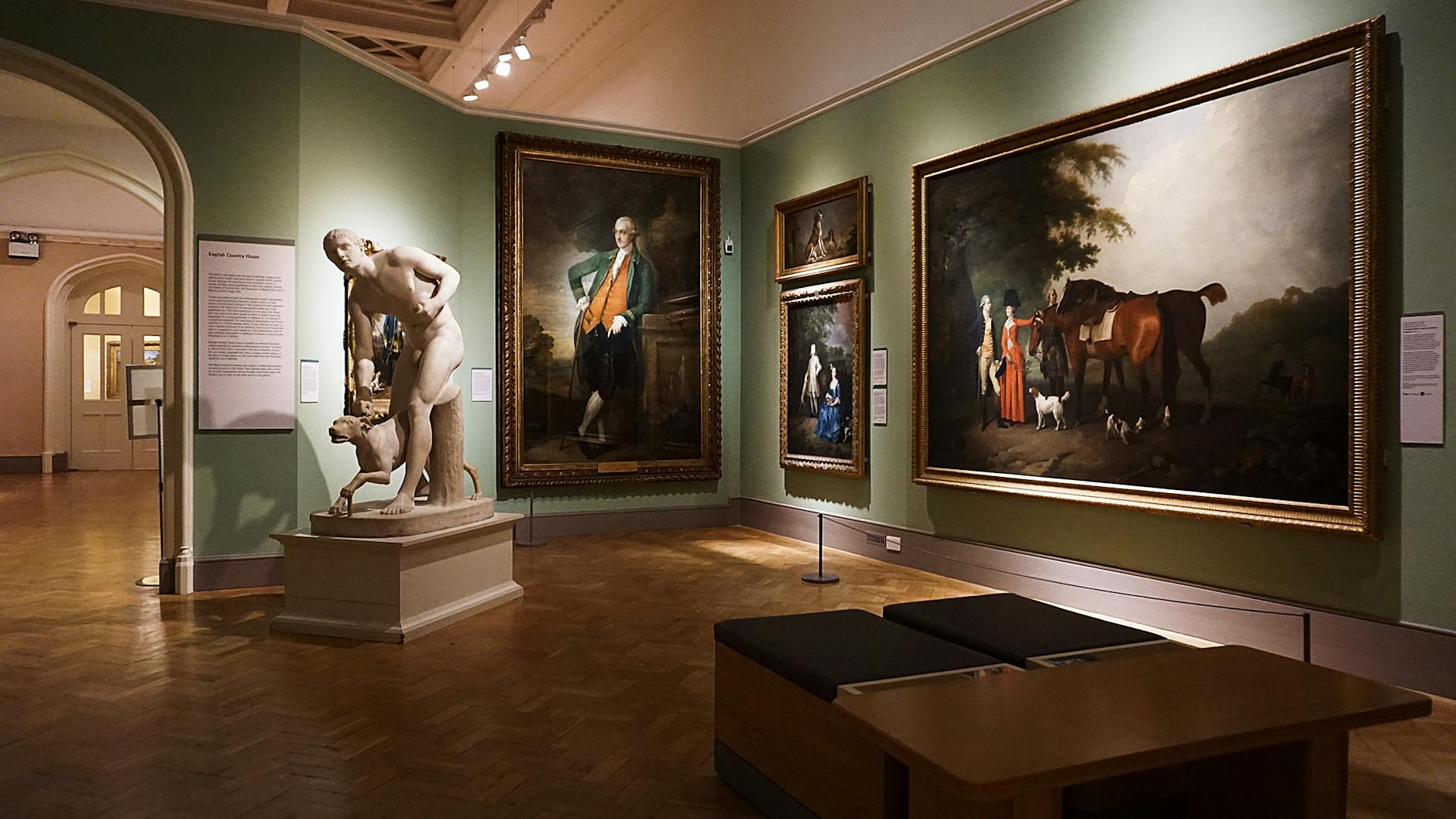
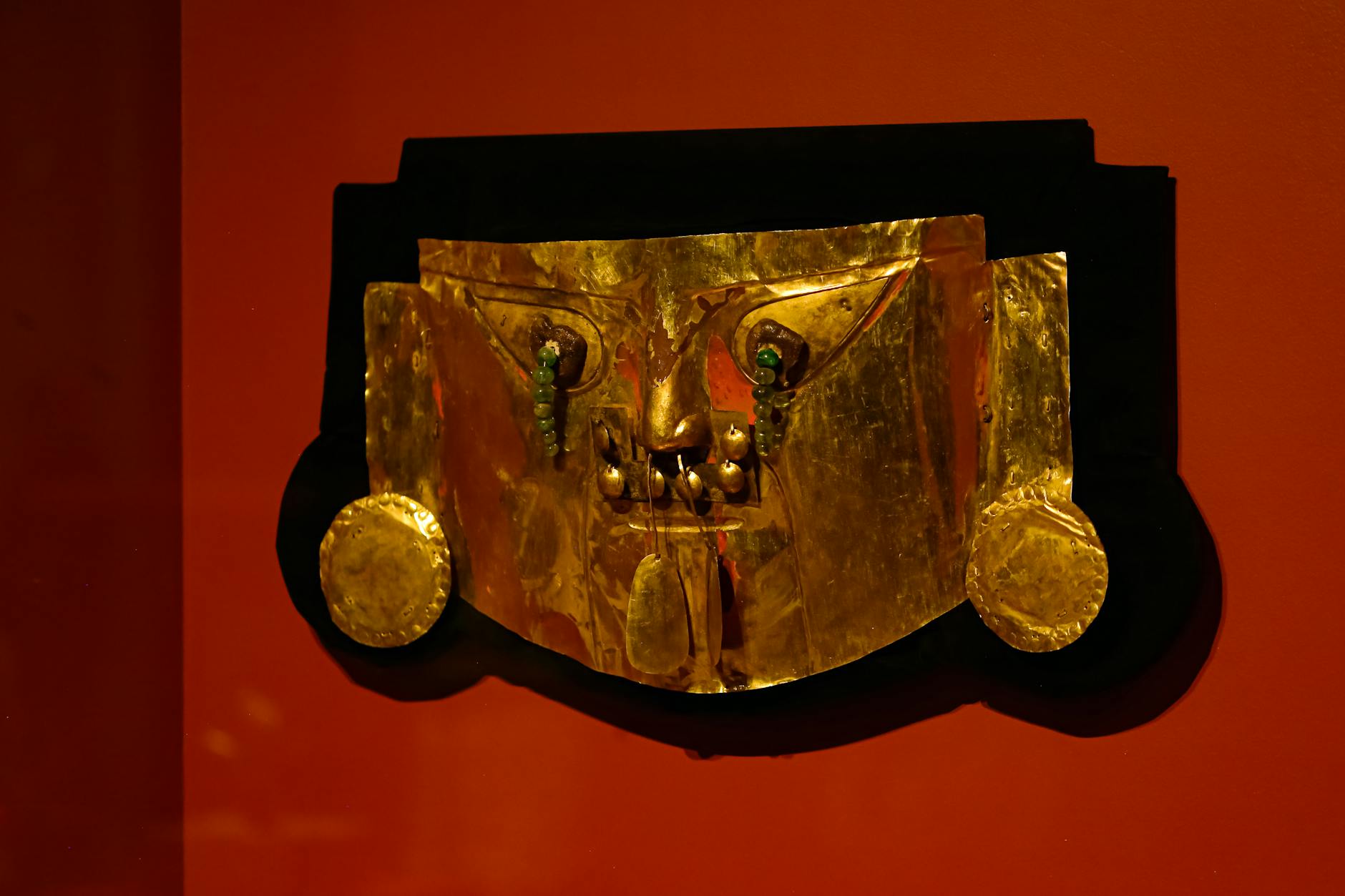
The flagship branch holds Ireland’s most important historical artefacts. The Treasury room displays the “four jewels” of early Christian Irish metalwork: the Tara Brooch (8th century), the Ardagh Chalice, the Derrynaflan Chalice, and the Cross of Cong. The Or display showcases Ireland’s extraordinary Bronze Age gold collection (3,000–500 BC), the largest and most significant Bronze Age gold collection in northern Europe. The Viking Ireland exhibition displays artefacts from the Wood Quay excavations.
Other essential exhibitions include the Bog Bodies (preserved Iron Age remains found in Irish peat bogs), the Faddan More Psalter (9th-century manuscript discovered in 2006), and the Egyptian and Cypriot collections. The Soldiers and Chiefs exhibition covers Irish military history from 1500 to the present including substantial 1916 Rising content. Free admission, open Tuesday–Sunday 10am–5pm. Allow 2–3 hours for a thorough visit. The museum gift shop has the best selection of Irish history books in Dublin.
National Museum (Decorative Arts and History), Collins Barracks
The second branch occupies the former Collins Barracks, the world’s longest continuously inhabited military barracks (1702–1997). The Soldiers and Chiefs exhibition (also referenced above) presents Irish military history from 1550 to the present including the Easter Rising, War of Independence, and Civil War. Displays include James Connolly’s blood-stained vest with bullet hole, Patrick Pearse’s personal effects, and the door of 16 Moore Street where the Rising’s final surrender took place.
The decorative arts collection features Irish silver, glass, ceramics, costume, and furniture from the medieval period to the 20th century. The Coats & Cloaks exhibition traces Irish fashion. The Way We Wore exhibition shows 20th-century Irish dress. The Eileen Gray collection holds works by the Irish-born designer. Free admission, open Tuesday–Sunday 10am–5pm. Reach by Luas Red Line to Museum stop.
National Museum (Natural History), Merrion Street
The “Dead Zoo” on Merrion Street is one of the few surviving Victorian natural history museums in Europe with much of its original 19th-century display style preserved. Two million specimens range from a giant Irish elk skeleton to mounted lions, polar bears, and elephants alongside Irish mammals, birds, fish, and insects. The museum’s old-fashioned glass cases, dark wood, and serried specimen rows make it visually distinctive. Free admission, open Tuesday–Sunday 10am–5pm. Excellent for children aged 6–14.
EPIC The Irish Emigration Museum
EPIC at the CHQ Building in the Docklands has won the European Museum of the Year award twice and is widely considered one of Europe’s best modern history museums. The fully interactive exhibition traces 1,500 years of Irish emigration through 20 themed galleries covering everything from medieval Irish monks evangelising Europe to 19th-century Famine emigration to America to the modern Irish diaspora in business, sports, music, and politics.
EPIC’s strength is its multimedia approach — touch-screen displays, animated maps, video interviews with prominent Irish-American figures, and immersive sound installations bring statistics to life. The Irish Family History Centre attached to EPIC offers genealogy research for visitors interested in tracing Irish ancestry. €22 adult admission, €13 child, €19 student/senior. Open daily 10am–6:45pm. Allow 90 minutes–2 hours. Book ahead in summer when daily slots regularly fill up.
Dublinia
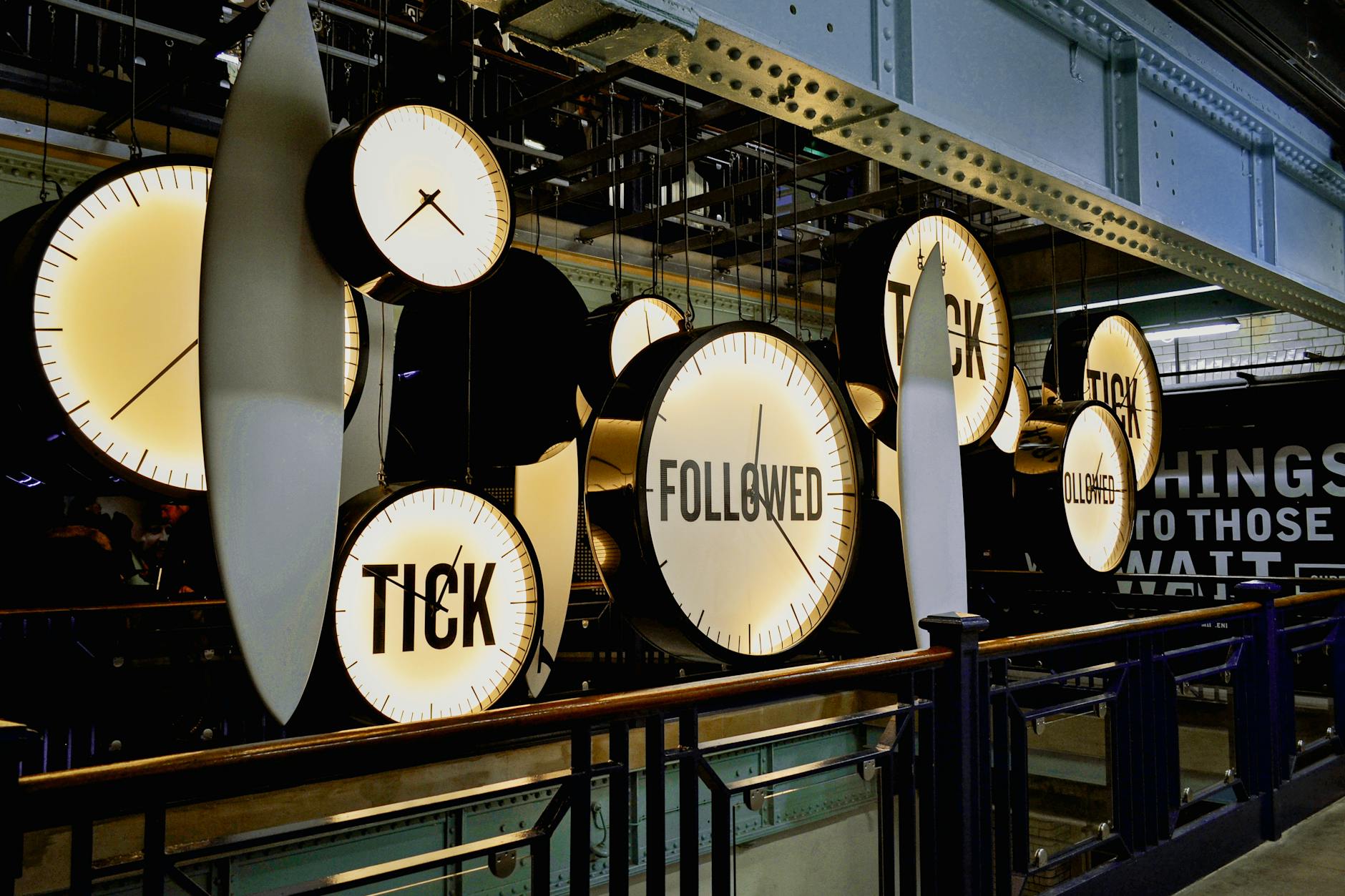
Dublinia at Christ Church Cathedral specialises in Viking and medieval Dublin. The museum recreates Viking Dublin through full-scale street reconstructions, a Viking longphort, replica craft workshops, and a longship visitors can climb aboard. The medieval section covers Norman Dublin, the Black Death, medieval crafts, and the daily life of plague-era citizens. The St Michael’s Tower viewpoint at the top provides good views over the medieval city centre.
€15 adult admission (€15 combined with Christ Church Cathedral entry), €9 child, €13 student/senior. Open daily 10am–6:30pm in summer, 10am–5:30pm in winter. The combined ticket is the best value. Excellent for families with children aged 6–14. Allow 90 minutes. See our Viking and Medieval Dublin guide for more on the early period.
Dublin Castle State Apartments and Museum
Dublin Castle was the seat of British rule in Ireland for 700 years and now operates as a state museum and ceremonial complex. The State Apartments tour includes the Throne Room, St Patrick’s Hall (where Irish presidents are inaugurated), the Chapel Royal, and the underground medieval excavations revealing the original Viking pool and Norman castle foundations.
Closed to the public until January 2027 while Ireland holds the EU Council presidency, along with the Garda Museum and the Chester Beatty in its grounds. When it reopens: €12 adult admission for State Apartments and underground excavations, €6 child, €9 student/senior. Open daily 9:45am–5:45pm. The Garda Museum in the Record Tower (the only original Norman castle structure surviving) is free. The Chester Beatty Library, also in the Dublin Castle grounds, is one of the world’s great Islamic, Asian, and European manuscript collections and is free to visit. Allow 2–3 hours for a complete Dublin Castle visit.
Chester Beatty Library
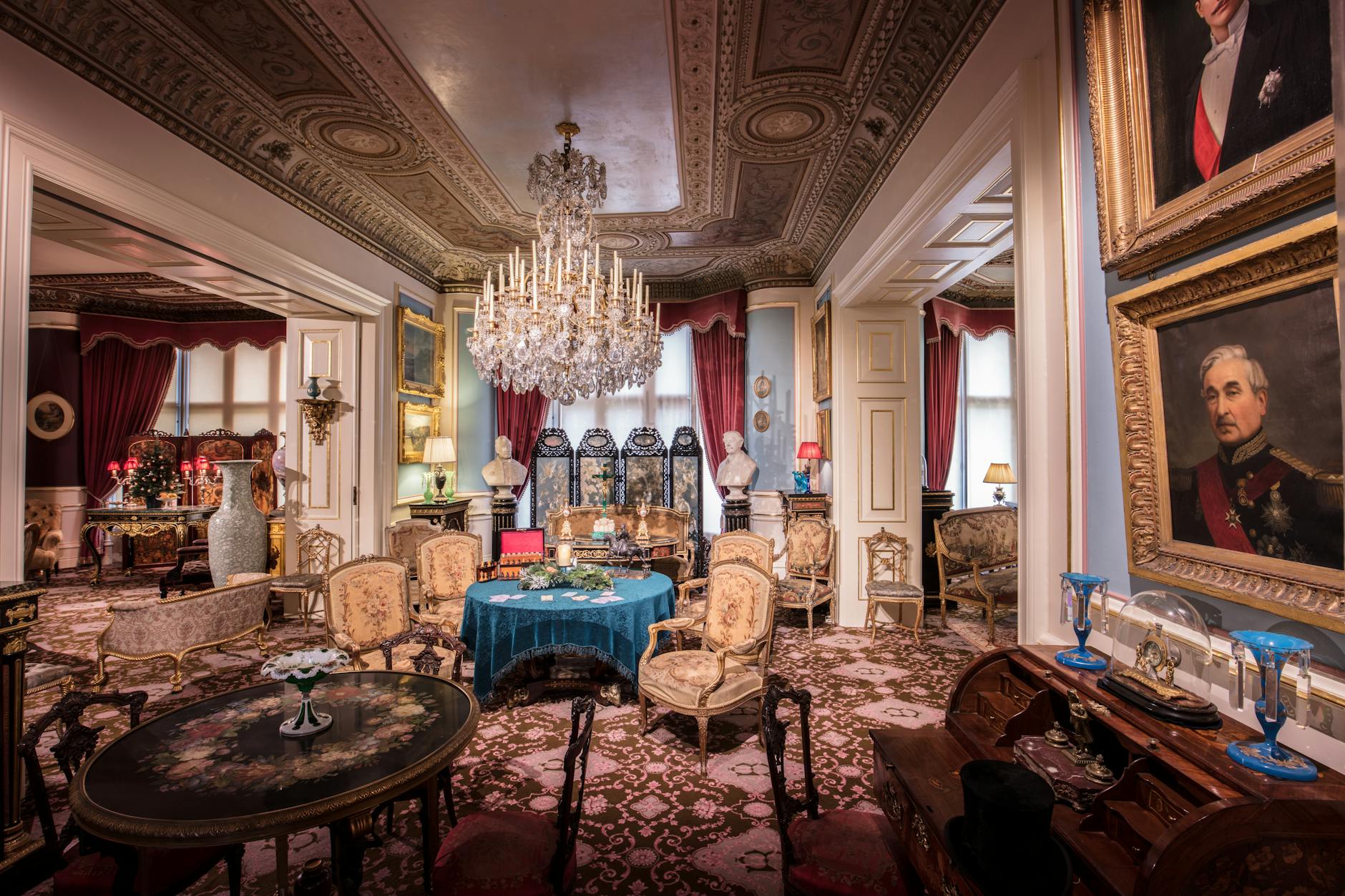
The Chester Beatty Library in the Dublin Castle gardens holds one of Europe’s finest collections of Asian, Islamic, and European manuscripts and decorative arts. Sir Alfred Chester Beatty (1875–1968), an American mining magnate, donated his extraordinary collection to the Irish state in his will. The library has won European Museum of the Year and consistently ranks in TripAdvisor’s top 25 free attractions worldwide.
Highlights include the Chester Beatty Papyri (early Christian biblical manuscripts dating to 200 AD), Islamic illuminated manuscripts, Chinese imperial dragon robes, Japanese woodblock prints, and Mughal Indian paintings. The library’s rooftop garden offers a quiet break and views over Dublin Castle. The cafe serves middle-eastern food. Closed to the public until January 2027; normally free, open Tuesday–Sunday 10am–5pm. Allow 90 minutes–2 hours. Don’t miss this museum — it’s genuinely one of Dublin’s great cultural assets.
The Little Museum of Dublin
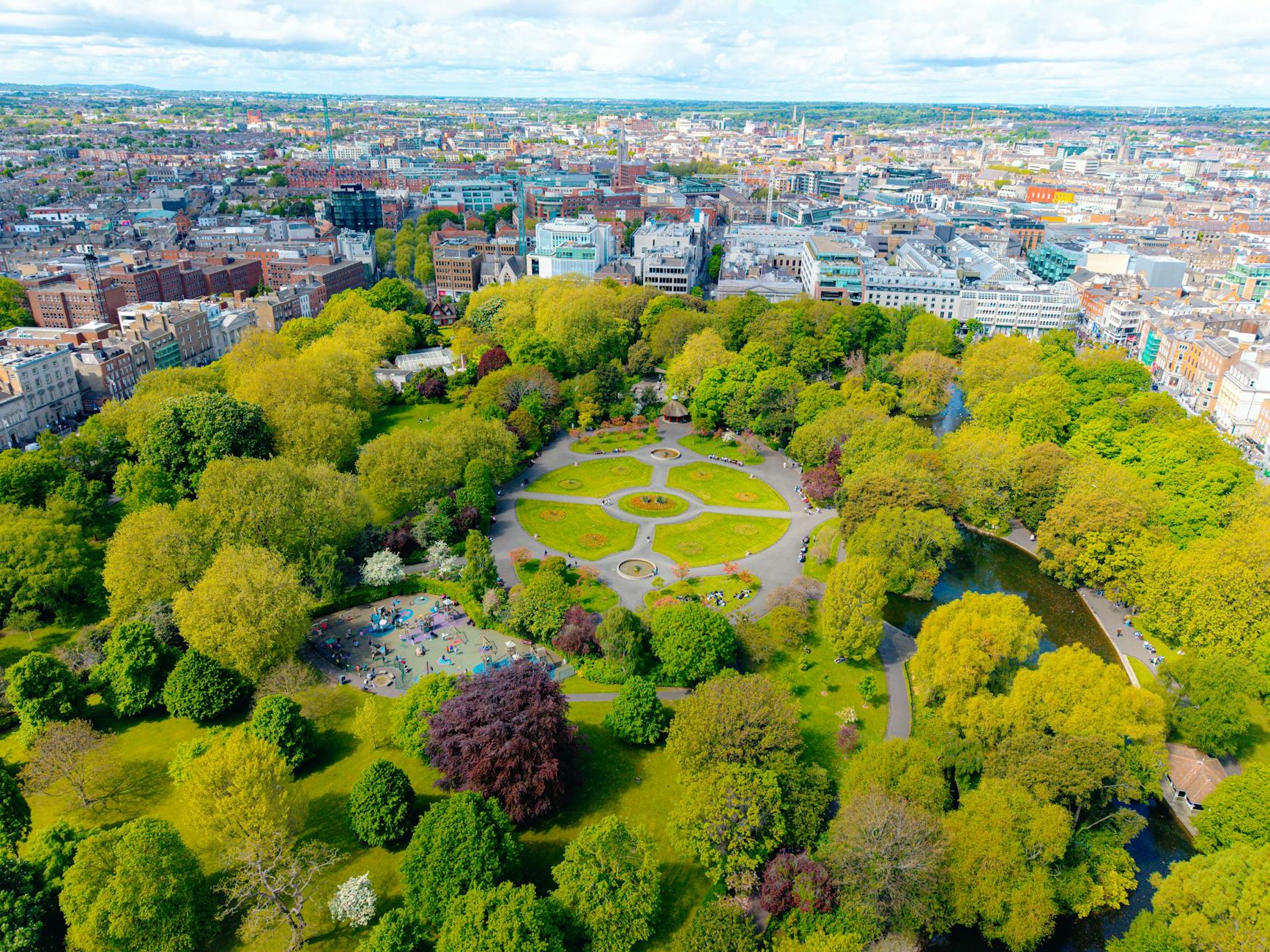
The Little Museum of Dublin on St Stephen’s Green specialises in 20th-century Dublin social history through a quirky guided tour format. Visitors join a 30-minute tour led by enthusiastic guides who tell Dublin’s recent history through objects donated by ordinary Dubliners — everything from Boyzone’s costumes to JFK’s commemorative cookie tin to a Bono autographed guitar.
The U2 Room is a particular highlight, with Bono and Adam Clayton’s personal collection of band memorabilia. €13 adult admission, €6 child, €10 student/senior. Open Wednesday–Sunday with guided tours every 30 minutes. Book ahead in summer. Excellent introduction to Dublin’s recent cultural history for first-time visitors. Allow 90 minutes.
Kilmainham Gaol Museum
Kilmainham Gaol’s on-site museum supports the 90-minute guided tour with extensive historical context. The museum holds original documents, prisoners’ possessions, photographs, and an introductory film about 1916. The door of 16 Moore Street where the Rising’s final surrender took place is displayed along with original letters from executed leaders to their families.
€8 adult admission includes tour and museum. Book 4–6 weeks ahead in summer. The museum can be visited before the tour while waiting for your slot — allow 30–45 minutes. The OPW Heritage Card (€40 for 12 months) covers Kilmainham plus other state heritage sites. See our dedicated Kilmainham Gaol guide.
GPO Witness History
The GPO Witness History exhibition at the General Post Office on O’Connell Street opened in 2016 for the Easter Rising centenary. The exhibition uses multimedia, original artefacts, and personal stories to tell the full Rising narrative from the 1913 Lockout through the 1916 surrender and the subsequent path to independence.
The exhibition’s strength is in its personal stories — you follow specific Rising fighters and civilians through the six days through video, audio, and physical artefacts. One of the surviving original printed copies of the Proclamation is displayed. The exhibition is housed in the rear courtyard of the working GPO building. €15 adult admission, €7.50 child, open daily 10am–5:30pm. Allow 90 minutes.
Glasnevin Cemetery Museum
Glasnevin Cemetery, north of the city centre, contains the graves of Daniel O’Connell, Michael Collins, Eamon de Valera, Countess Markievicz, Brendan Behan, and dozens of other figures from Irish political and literary history. The Glasnevin Cemetery Museum runs daily guided tours that bring this remarkable collection of graves alive through historical narrative.
€15 adult admission for the 90-minute tour. The museum itself includes exhibitions on Irish funeral traditions, the Famine, and the cemetery’s 1.5 million burials. The genealogy service helps Irish-American visitors trace ancestral connections. Open daily 10am–5pm. Combine with the adjacent National Botanic Gardens (free) for a half-day from city centre. Take bus 9 or 13 from O’Connell Street.

Other Notable Dublin History Museums
Several smaller but worthwhile history museums round out Dublin’s historical offerings:
- 14 Henrietta Street — Preserved Georgian-turned-tenement house showing the brutal subdivision of Dublin’s 18th-century townhouses into 19th-20th century slum housing. €9 adult.
- The Museum of Literature Ireland (MoLI) — Newman House on St Stephen’s Green. Flagship literary museum but also covers broader Irish cultural history. €10.
- The Irish Jewish Museum — Walworth Road, Portobello. Small but thorough museum about Dublin’s Jewish community. Free.
- The Royal Irish Academy — Dawson Street. Free entry to library and exhibitions. Holds the oldest Irish-language manuscript (the Lebor na hUidre, c.1100).
- Marsh’s Library — St Patrick’s Close. Ireland’s first public library (1707) with 25,000 ancient books and Jonathan Swift’s personal annotated volumes. €5.
- The Pearse Museum at St Enda’s — Rathfarnham. Free museum at the Patrick Pearse school. Worth the bus trip for serious 1916 enthusiasts.
- The Irish Whiskey Museum — Grafton Street. Commercial museum covering whiskey production history. €25 with tasting.
- Garda Museum — Dublin Castle Record Tower (closed with the castle until January 2027). Free, small but interesting museum about Irish policing.
- Richmond Barracks — Inchicore. 1916-themed visitor centre at the barracks where Rising leaders were court-martialled. €5.
Best Museums by Time Available
If you have limited time, here’s how to prioritise Dublin’s history museums:
Half day (3–4 hours)
Pick one major museum based on your primary interest: National Museum (Archaeology) for ancient Ireland, EPIC for immigrant history, Dublinia for Viking and medieval, Kilmainham Gaol for revolutionary history, or Chester Beatty Library (from January 2027) for world cultures. Each can fill a quality half-day on its own.
Full day (6–8 hours)
Combine two complementary museums: National Museum (Archaeology) in the morning, EPIC in the afternoon. Or Kilmainham Gaol in the morning (booked ahead), then Dublin Castle and Chester Beatty Library (both closed until January 2027) in the afternoon. Add lunch at a Grafton Street pub between visits.
Two days
Day one: National Museum (Archaeology) in morning, Dublin Castle and Chester Beatty (from January 2027; until then, EPIC) in afternoon. Day two: Kilmainham Gaol in morning, GPO Witness History or EPIC in afternoon. Add the Little Museum of Dublin as an entertaining 90-minute capstone.
Three days or more
Add Glasnevin Cemetery Museum, 14 Henrietta Street tenement museum, the Museum of Literature Ireland (MoLI), Collins Barracks branch of the National Museum, and EPIC + Irish Family History Centre for genealogy. Serious history enthusiasts can easily fill 4–5 days exploring Dublin’s historical institutions in depth.
Cost-Saving Tips for Dublin History Museums
The major free institutions form the backbone of any budget-conscious history visit: National Museum (three Dublin branches), Chester Beatty Library (closed until January 2027), National Gallery, Hugh Lane Gallery, Garda Museum (closed until January 2027), St Audoen’s Church visitor centre, and the Pearse Museum at St Enda’s. Spending two or three days exclusively at free institutions can cover most of Dublin’s essential history.
The OPW Heritage Card (€40 for 12 months) covers Kilmainham Gaol, Dublin Castle State Apartments (closed until January 2027), Casino at Marino, the Pearse Museum, and many other state heritage sites across Ireland. Pays for itself after 3–4 visits. The Dublinia + Christ Church Cathedral combined ticket (€15) is best value for the medieval Dublin combination. Student, senior, and family ticket discounts apply at most paid museums. Many museums offer free admission days — the Little Museum of Dublin has free entry on the first Wednesday of each month.
Best Time to Visit Dublin Museums
Most Dublin history museums are open Tuesday through Sunday (Monday closing day for major institutions). Peak summer (June–August) sees the longest queues, especially at Trinity College Book of Kells, Kilmainham Gaol, and EPIC. Booking ahead is essential for paid attractions in summer. The free state institutions rarely have queues even in peak summer.
Winter (November–March) is the quietest season for Dublin museums — minimal queues, easy bookings, and the museums make sense as rainy-day destinations. Most operate reduced winter hours (typically 10am–4:30pm instead of 5pm or 5:30pm). The first hour after opening (10–11am) and the last hour before closing tend to be quieter than mid-day. The free state museums can effectively be a backup plan for unexpected rain — pop in for 30 minutes anytime you need shelter.
Thematic Museum Itineraries
If you’re focused on a specific aspect of Irish history rather than a general overview, several themed combinations work especially well:
Revolutionary Ireland: Kilmainham Gaol (booked ahead), GPO Witness History, Glasnevin Cemetery Museum, National Museum (Decorative Arts at Collins Barracks) Soldiers and Chiefs exhibition, Richmond Barracks, and the Pearse Museum at St Enda’s. Two full days. The OPW Heritage Card covers most of these.
Ancient and Medieval Ireland: National Museum (Archaeology) on Kildare Street, Dublinia, Christ Church Cathedral crypt, St Patrick’s Cathedral, Dublin Castle underground excavations (from January 2027), and the medieval city walls walk. One full day.
Irish Diaspora and Emigration: EPIC The Irish Emigration Museum, the Irish Family History Centre attached to EPIC, the Famine memorial at Customs House Quay, Glasnevin Cemetery (Famine victim memorial), and the Jeanie Johnston tall ship (Famine emigrant replica). One full day.
Literary Ireland: Museum of Literature Ireland (MoLI), Trinity College Long Room and Book of Kells, James Joyce Centre, Marsh’s Library, and Yeats Exhibition at National Library. See our Dublin Writers guide for details.
Georgian and Tenement Dublin: 14 Henrietta Street tenement museum, Casino at Marino, Newman House at MoLI, Dublin Castle State Apartments (from January 2027), and a Georgian Dublin walking tour. See our Georgian Dublin guide.
World Cultures and Art: Chester Beatty Library (closed until January 2027), National Gallery of Ireland, Hugh Lane Gallery, IMMA at Royal Hospital Kilmainham, and the Asian collections at the National Museum. See our Dublin Art Galleries guide.
Dublin History Museums: FAQ
Which Dublin history museums are free?
All three branches of the National Museum of Ireland (Archaeology on Kildare Street, Decorative Arts at Collins Barracks, Natural History on Merrion Street), the Chester Beatty Library at Dublin Castle (closed until January 2027), the National Gallery, the Hugh Lane Gallery, the Garda Museum (closed until January 2027), the Pearse Museum at St Enda’s, and the Royal Irish Academy library are all completely free to visit year-round.
What is the best history museum in Dublin?
Opinions vary by interest. The National Museum of Ireland (Archaeology) on Kildare Street is the most important for serious history enthusiasts, with the world’s finest collection of early Christian Irish art and the Wood Quay Viking artefacts. EPIC The Irish Emigration Museum has won European Museum of the Year twice and is the most engaging modern museum experience. Kilmainham Gaol is the most emotionally powerful site.
Is EPIC museum worth visiting?
Yes — especially for Irish-American visitors interested in their diaspora roots. EPIC has won European Museum of the Year twice and is consistently rated as one of Europe’s top modern history museums. The fully interactive format works well for visitors of all ages. €22 adult is on the higher end of Dublin museum admissions but reflects the production quality.
How many history museums should I visit in Dublin?
One per half-day works well for most visitors — museum fatigue sets in quickly. A 2-day Dublin history visit might cover 3–4 museums. A week-long history-focused trip can cover 8–10 museums in depth. The free National Museum branches can be visited in 30–60 minute chunks alongside other sightseeing.
Are Dublin museums suitable for children?
Yes. Dublinia is specifically excellent for children aged 6–14 with interactive Viking and medieval exhibits. EPIC’s digital format engages children well. The Natural History Museum (“Dead Zoo”) appeals to younger children. The Little Museum of Dublin’s short guided tour format works for families. Kilmainham Gaol is recommended for children aged 8 and up due to the serious historical content.
Do Dublin museums offer free admission days?
Most Dublin state museums (National Museum branches, National Gallery, Chester Beatty (closed until January 2027), Hugh Lane Gallery) are free year-round. The Little Museum of Dublin offers free entry on the first Wednesday of each month. Heritage Week in mid-August opens dozens of normally-paid sites for free. The Bram Stoker Festival in late October includes several free history events.
What is the OPW Heritage Card?
The Heritage Card is an annual pass costing €40 adult, €30 student/senior, free children. It covers Kilmainham Gaol, Dublin Castle State Apartments (closed until January 2027), Casino at Marino, the Pearse Museum, and dozens of other state heritage sites across Ireland including Newgrange, Rock of Cashel, and Glendalough. Pays for itself after 3–4 visits.
Are Dublin history museums open Monday?
Most major state museums close on Monday including the National Museum branches, National Gallery, Chester Beatty Library, and Hugh Lane Gallery. The Little Museum of Dublin closes Monday and Tuesday. Dublin Castle (closed until January 2027), Kilmainham Gaol, Dublinia, EPIC, and the GPO Witness History exhibition are open Monday. Plan Monday around these working museums.
Keep Reading
- EPIC The Irish Emigration Museum — twenty digital galleries on the diaspora, and whether €22 is the right price for them.
Lean na Comharthaí — Keep following the signs