Dublin’s Art Galleries & Creative Scene (2026 Guide)
Ar an gComhartha Seo — On this sign
- National Gallery of Ireland
- The Hugh Lane Gallery
- Irish Museum of Modern Art (IMMA)
- Chester Beatty Library
- Royal Hibernian Academy (RHA)
- Dublin’s Commercial Gallery Scene
- Irish Architectural Archive and Irish Architectural Centre
- Dublin Photography Galleries
- Dublin Design and Decorative Arts
- Dublin Street Art Scene
- Dublin Film Culture
- Self-Guided Dublin Art Gallery Walking Tour
- Annual Art Events in Dublin
- Practical Tips for Visiting Dublin Galleries
- Historic Irish Art Movements
- The Liberties: Dublin’s Emerging Cultural Quarter
- Dublin Art Galleries: FAQ
- Keep Reading
Dublin’s art galleries offer one of Europe’s great free art experiences. The National Gallery of Ireland holds Caravaggio’s rediscovered The Taking of Christ, the Hugh Lane Gallery houses Francis Bacon’s reconstructed London studio, and IMMA (the Irish Museum of Modern Art) presents contemporary work in a 17th-century military hospital setting. Beyond the major institutions, Dublin’s commercial gallery scene supports contemporary Irish artists alongside major street art trails and a vibrant film and design culture. This guide tours every important Dublin art gallery and creative space, with practical information on opening hours, key works, and how the galleries fit together for visitors with different time and interest constraints.
National Gallery of Ireland
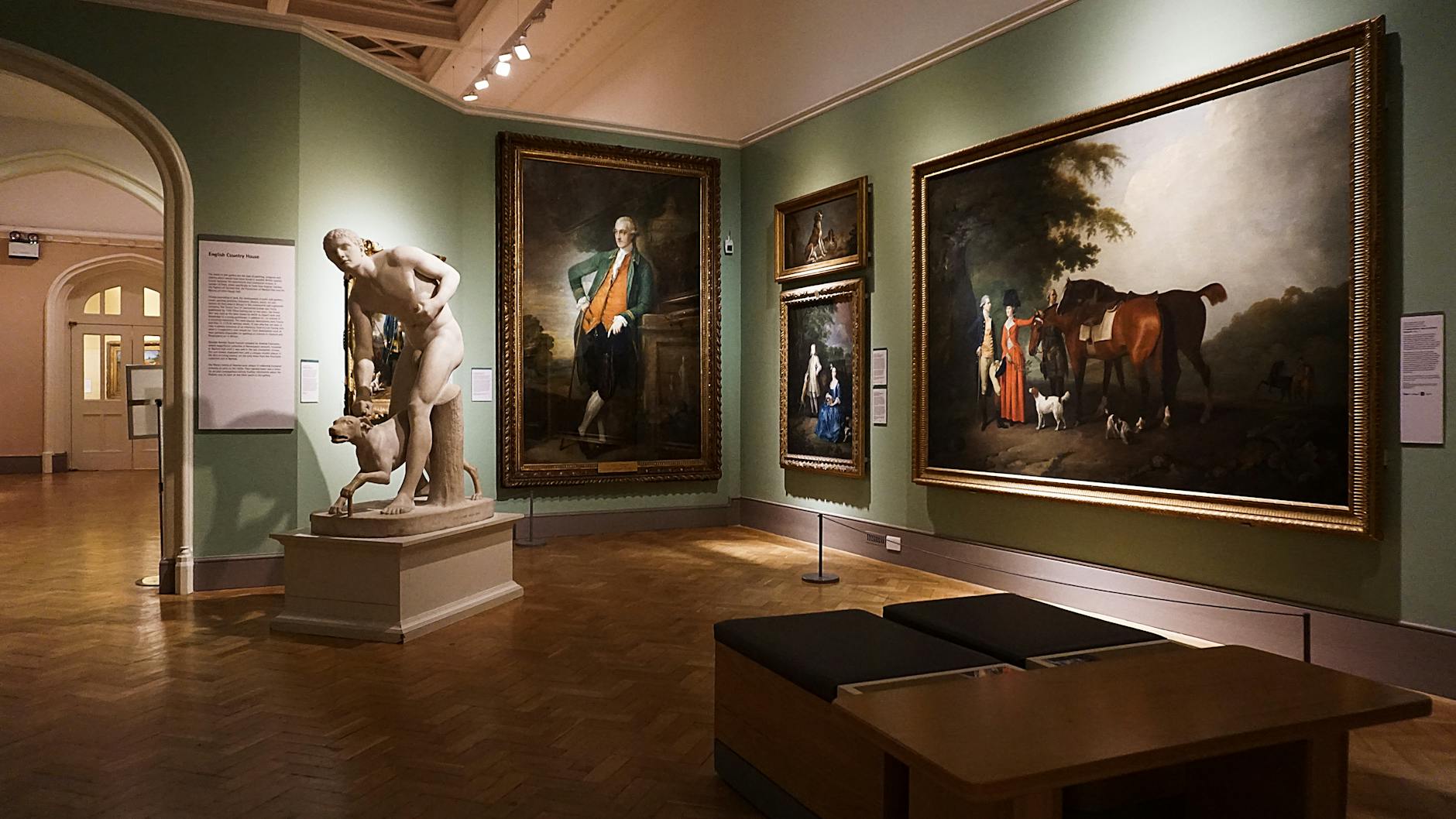
The National Gallery of Ireland on Merrion Square is Dublin’s flagship art institution, holding the national collection of European and Irish art from the 14th century to the present. The gallery’s most famous work is Caravaggio’s The Taking of Christ (1602), rediscovered in 1990 hanging unrecognised in a Dublin Jesuit residence and now one of the gallery’s headline attractions.
Other major works include Vermeer’s A Lady Writing a Letter with her Maid (c.1670), Velázquez’s Kitchen Scene with Christ in the House of Martha and Mary (1618), Rembrandt’s Portrait of an Old Man (1632), Picasso’s Bullfight (1893), and Monet’s Argenteuil Basin with a Single Sailboat (1874). The Irish collection includes major works by Jack B. Yeats (W.B. Yeats’s brother), Sean Scully, William Orpen, and Walter Osborne.
Free admission, open Monday–Saturday 9:15am–5:30pm, Sunday 11am–5:30pm. Allow 2–3 hours for a thorough visit. Free guided tours run on weekend afternoons. The gallery’s cafe and excellent gift shop on Merrion Square are open to non-visitors. The Bernard Shaw Wing was built using royalties from Pygmalion (which Shaw bequeathed to the gallery) and includes the Yeats Museum within.
The Hugh Lane Gallery
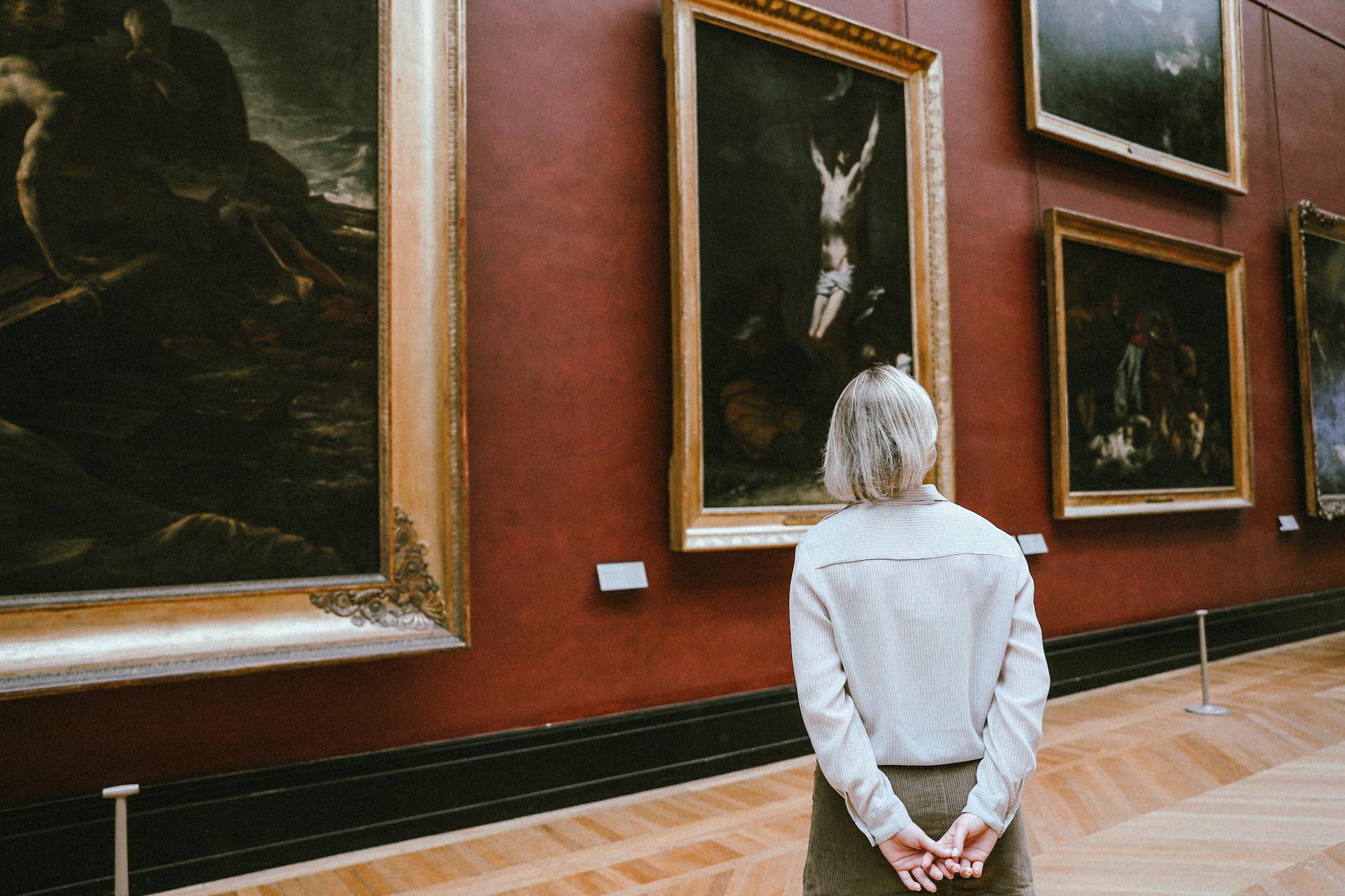
Dublin City Gallery The Hugh Lane on Parnell Square is Dublin’s premier modern and contemporary art institution. The gallery was founded by collector Sir Hugh Lane (1875–1915), who drowned aboard the Lusitania and left an ambiguously codicilled will that triggered a famous dispute between London’s Tate Gallery and Dublin over his impressionist collection. The works are now shared between the institutions on a 5-year rotation.
The gallery’s most famous attraction is the reconstructed Francis Bacon Studio (donated by Bacon’s heir in 1998 and rebuilt at the gallery), which preserves the legendary chaos of Bacon’s London workspace down to individual paint pots, brushes, and torn photographs. Visitors can view the studio through windows from all angles. The Sean Scully Galleries hold works by Dublin-born Scully (one of the most successful living Irish artists). Major works by Renoir, Monet, Manet, and Berthe Morisot rotate through the Hugh Lane collection.
Free admission, open Tuesday–Friday 10am–6pm, Saturday 10am–5pm, Sunday 11am–5pm. Closed Monday. Free Sunday lunchtime concerts series runs weekly at 12pm. Allow 90 minutes–2 hours for the gallery plus 30 minutes for the Francis Bacon Studio.
Irish Museum of Modern Art (IMMA)
The Irish Museum of Modern Art occupies the Royal Hospital Kilmainham (1684), one of Dublin’s finest 17th-century buildings. The setting alone is worth the visit — a vast colonnaded courtyard, formal gardens, and the historic chapel with original woodwork. IMMA presents major contemporary art exhibitions plus a permanent collection focused on Irish and international modern art from 1900 onwards.
The collection includes works by Lucian Freud, Frank Auerbach, Marlene Dumas, Sean Scully, Patrick Scott, William Crozier, Mainie Jellett, and dozens of other 20th-century and contemporary Irish artists. The temporary exhibitions programme often brings major international artists to Dublin — recent shows have included Howardena Pindell, Mary Swanzy, and Joseph Cornell. Free admission for the permanent collection; ticket prices vary for temporary exhibitions (typically €5–10).
The IMMA grounds include the Royal Hospital’s formal gardens (free), the Master’s House (occasional exhibitions), and Old Burial Ground (Bully’s Acre, one of Ireland’s oldest cemeteries). Open Tuesday–Sunday 11:30am–5:30pm. Reach by Luas Red Line to Heuston station or buses 13, 40, 79. Allow 2 hours plus garden walking time.
Chester Beatty Library
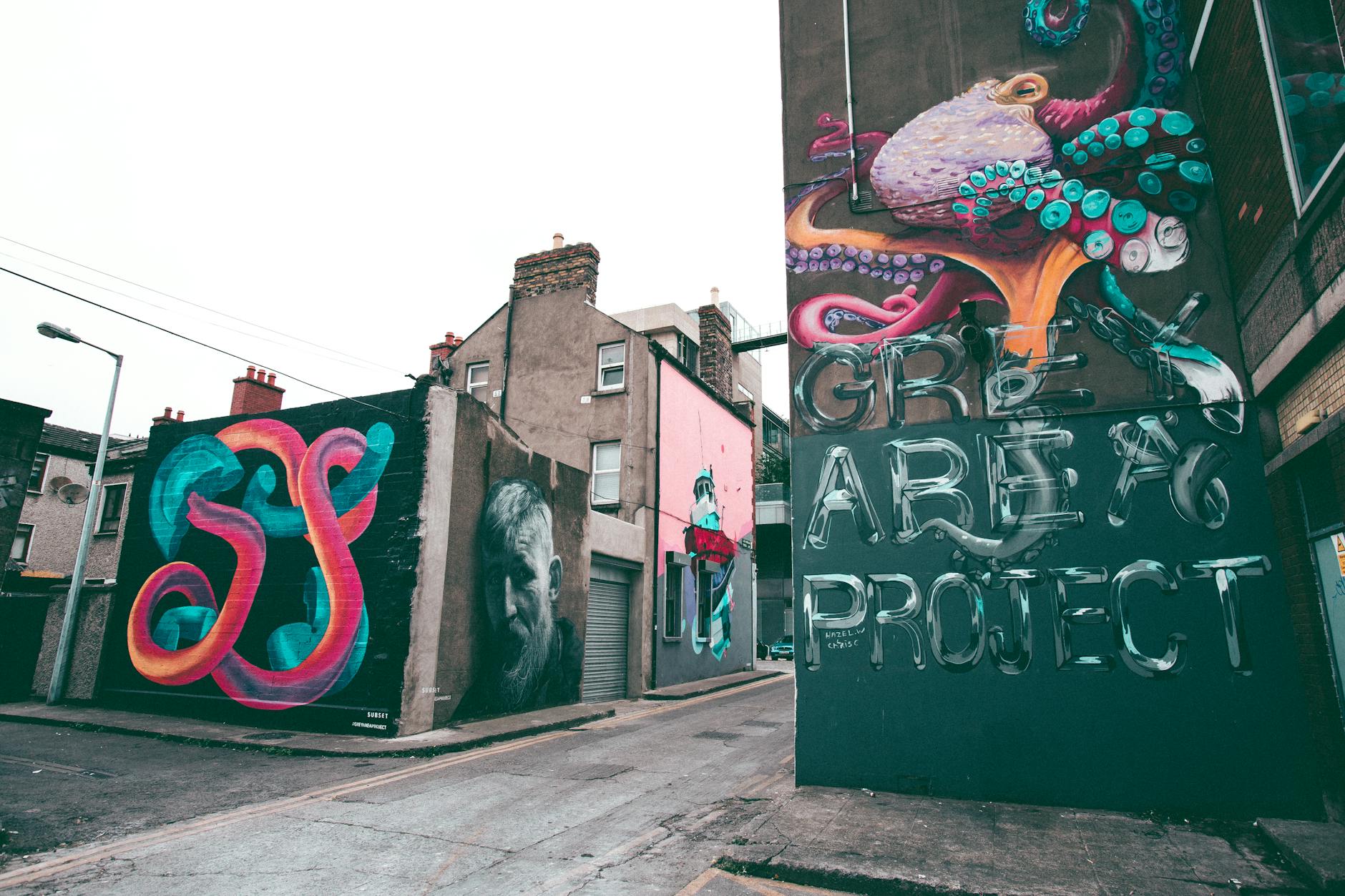
The Chester Beatty Library in the Dublin Castle gardens is often categorised as a museum but its core collection is decorative arts and manuscripts from Asia, the Islamic world, and Europe. Sir Alfred Chester Beatty’s collection of illuminated manuscripts, Chinese imperial dragon robes, Japanese woodblock prints, and Mughal Indian paintings rivals any institutional collection of comparable material outside its source regions.
The Chester Beatty Papyri (early Christian biblical manuscripts dating to 200 AD) are among the world’s most important early Christian texts. The Islamic Qur’an collection includes manuscripts from Iran, Egypt, Turkey, Iraq, and Spain spanning a millennium. The Japanese collection includes some of the finest ukiyo-e prints outside Japan. Closed to the public until January 2027 for Ireland’s EU Council presidency; normally free, open Tuesday–Sunday 10am–5pm. Allow 2 hours minimum. Don’t skip this museum — it’s one of Dublin’s genuinely world-class cultural institutions.
Royal Hibernian Academy (RHA)
The Royal Hibernian Academy on Ely Place is Ireland’s longest-running art exhibiting institution, founded in 1823. The RHA’s annual exhibition each May–June is one of the major events in the Irish art calendar, with juried submissions from over 1,500 artists displayed across the gallery’s three floors. The exhibition typically includes 600–800 works and runs for 8 weeks.
Throughout the year, the RHA hosts solo and group exhibitions by leading Irish and international contemporary artists. The Atrium space presents larger installations. Free admission, open Tuesday–Saturday 11am–5pm, Sunday 12pm–5pm. The RHA School of Art (linked to the gallery) trains contemporary Irish artists. Allow 60–90 minutes.
Dublin’s Commercial Gallery Scene
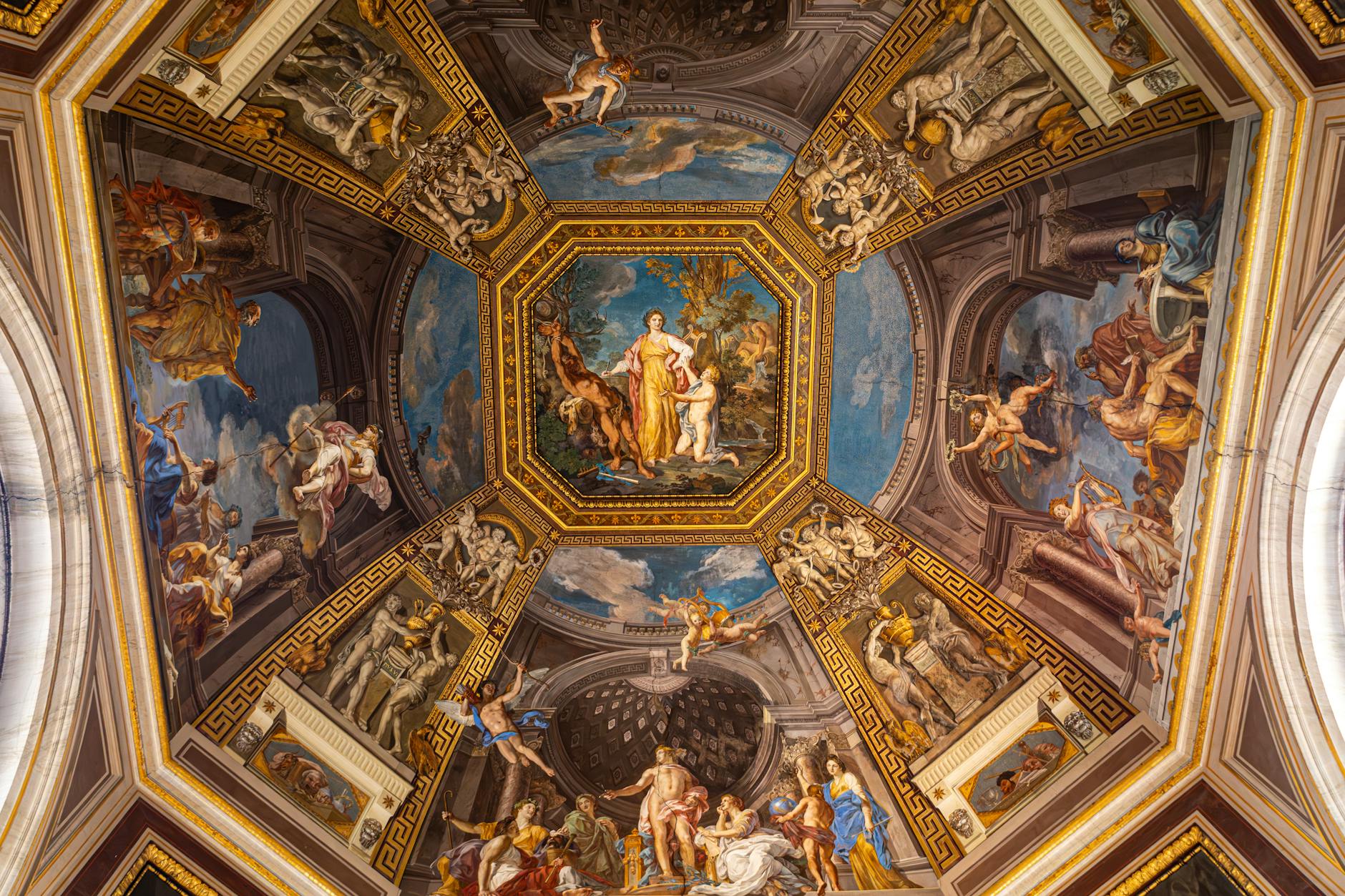
Dublin’s commercial gallery scene supports contemporary Irish artists through dozens of small to mid-sized galleries. Major commercial galleries to know:
- Kerlin Gallery — Anne’s Lane (off Anne Street South). Represents leading contemporary Irish artists including Sean Scully, William McKeown, and Stephen Loughman.
- Kevin Kavanagh Gallery — Chancery Lane. Strong programme of emerging and established Irish contemporary artists.
- Mother’s Tankstation — Watling Street (Smithfield). Influential contemporary gallery showing major international and Irish artists.
- Green on Red Gallery — Park Lane (Spencer Dock). Long-established gallery with strong contemporary programme.
- The LAB Gallery — Foley Street. Dublin City Council-run free contemporary gallery.
- Project Arts Centre — Temple Bar. Multi-disciplinary contemporary arts venue including visual art programme.
- Temple Bar Gallery + Studios — Temple Bar. Artist-led studios with associated free public gallery.
- The Doorway Gallery — South Frederick Street. Established commercial gallery for Irish contemporary work.
- Solomon Fine Art — Balfe Street. Specialises in early 20th-century Irish art.
- Apollo Gallery — Dawson Street. Long-running commercial gallery.
Most commercial galleries are free to visit during their open hours (typically Tuesday–Saturday 11am–5:30pm). Exhibition openings on Thursday or Friday evenings offer free wine and the chance to meet artists. The Visual Carlow Centre and the Royal Ulster Academy (occasionally exhibits in Dublin) round out the major Irish gallery scene.
Irish Architectural Archive and Irish Architectural Centre
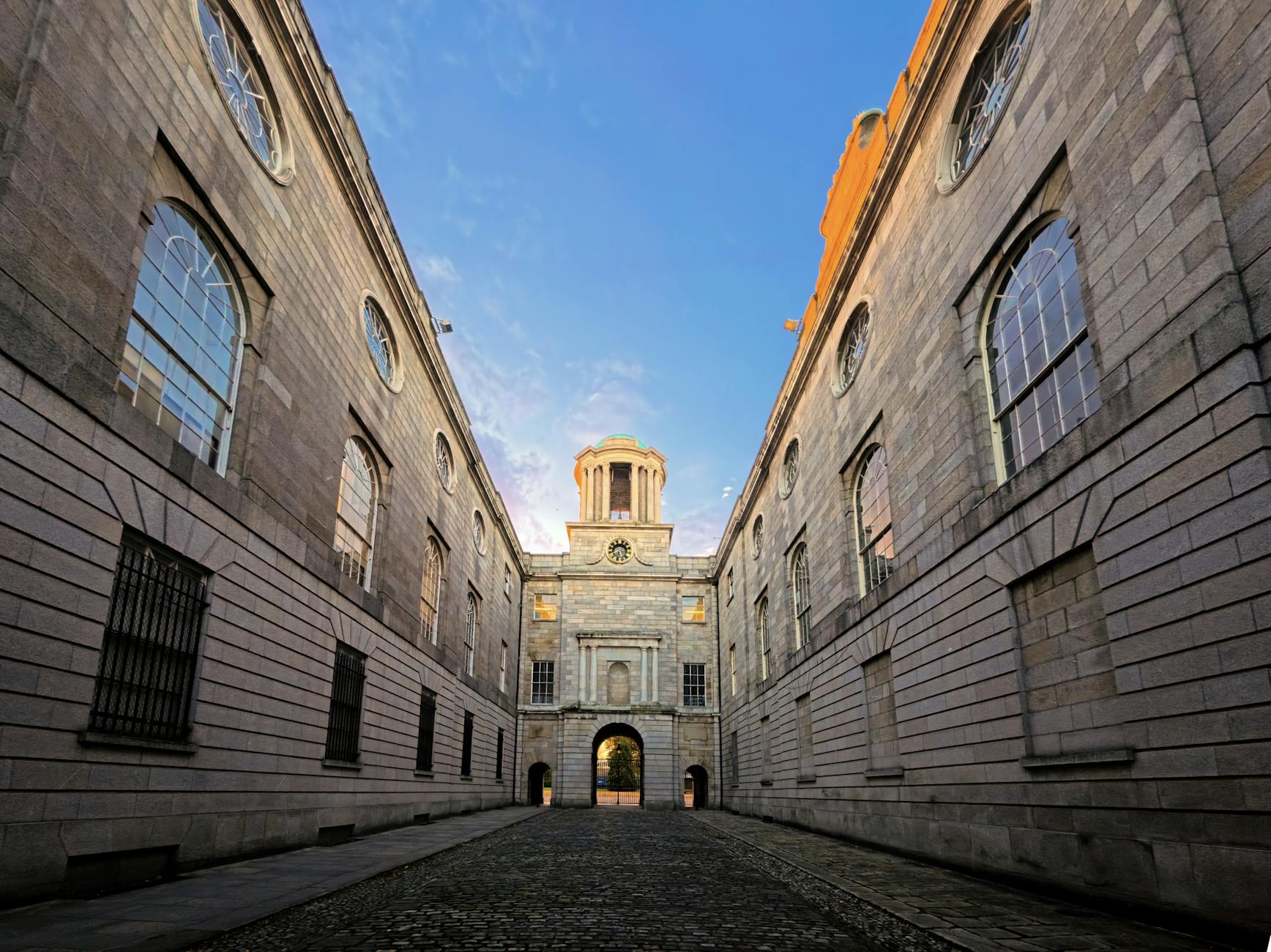
For visitors interested in architecture as a visual art form, the Irish Architectural Archive at 45 Merrion Square holds drawings, photographs, and documents related to Irish buildings from the 17th century onwards. Free admission, open Tuesday–Friday 10am–5pm. The exhibition spaces present rotating shows on Irish architectural history and contemporary design.
The RIAI (Royal Institute of the Architects of Ireland) at 8 Merrion Square runs occasional exhibitions and lectures. The Irish Design Shop and other design-focused retail outlets in Dublin contribute to a wider visual culture worth exploring for visitors interested in contemporary Irish art and design.
Dublin Photography Galleries
The Gallery of Photography Ireland at Meeting House Square in Temple Bar is Ireland’s dedicated photography institution. Major exhibitions of historical and contemporary Irish and international photography rotate through the gallery several times yearly. Free admission, open Tuesday–Saturday 11am–6pm.
The Photo Museum Ireland (separate institution) at Meeting House Square also runs exhibitions and workshops. The Irish Photographic Federation runs occasional exhibitions at the Photographic Society of Ireland on Lower Camden Street. The annual PhotoIreland Festival in July brings major international photography to multiple Dublin venues.
Dublin Design and Decorative Arts
Beyond traditional galleries, several Dublin institutions celebrate design and decorative arts:
- National Museum (Decorative Arts), Collins Barracks — Holds Eileen Gray, Irish silver, glass, ceramics, costume, and furniture collections. Free.
- Irish Design Shop — Drury Street. Showcase of contemporary Irish design from textiles to ceramics to jewellery.
- Powerscourt Townhouse Design Studios — South William Street. Multiple design studios in restored Georgian townhouse setting.
- National College of Art and Design (NCAD) — Thomas Street. Free degree show exhibitions in June each year.
- Dun Laoghaire IADT — Dun Laoghaire. Free degree show exhibitions in summer.
- Designyard — Nassau Street. Free contemporary jewellery and design gallery.
Dublin Street Art Scene
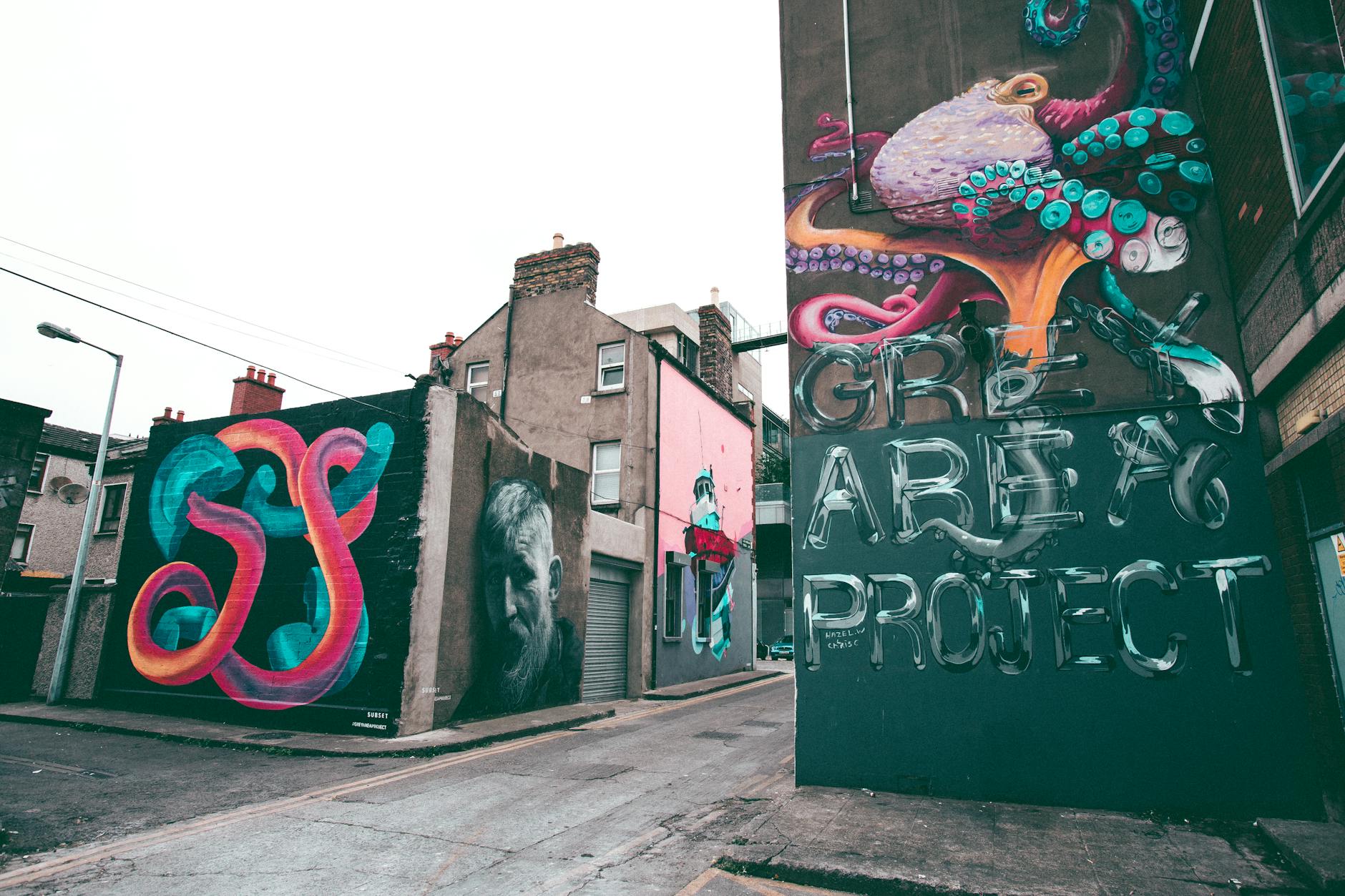
Dublin has a vibrant street art scene that complements the gallery offerings. Major street art clusters appear in Temple Bar, the Liberties, Smithfield, and along Capel Street. Notable Dublin street artists include Maser (whose Repeal mural became an icon of the 2018 abortion referendum), Aches (whose detailed portraits appear across Dublin), and Solus (anonymous artist with works throughout the city).
The Smithfield area has the highest concentration of large-scale murals, many commissioned through the Dublin City Council’s public art programme. Camden Street and the Bernard Shaw pub area (now relocated) was historically known for changing street art. The Open Doors Street Art project runs guided tours of Dublin’s major murals on Saturdays April–October, €15 adult. Self-guided street art apps including Atlas Obscura and Visit Dublin provide free walking routes.
Dublin Film Culture
Dublin’s film culture sits alongside its gallery scene. The Irish Film Institute (IFI) on Eustace Street in Temple Bar is the heart of independent and arthouse cinema in Dublin. The IFI runs a year-round programme of Irish independent films, classic restorations, and international art cinema. The IFI Café and Cinema 1 form a key hub for Dublin’s film community.
The Light House Cinema at Smithfield is the second major arthouse venue. The IFI Foster Place runs experimental film screenings. The Dublin International Film Festival in late February–early March brings major international cinema to multiple Dublin venues. The Bram Stoker International Film Festival in October focuses on horror and Gothic cinema. Several smaller film festivals run year-round covering documentary, animation, and Irish cinema specifically.
Self-Guided Dublin Art Gallery Walking Tour
This 3–4 hour walking route covers Dublin’s essential city centre art galleries (all free):
- Start: National Gallery of Ireland, Merrion Square — Allow 90 minutes for the highlights including Caravaggio, Vermeer, and Jack B. Yeats.
- Walk west to Trinity College — The Long Room library is a visual experience even without the Book of Kells tickets.
- Continue to Dublin Castle and Chester Beatty Library (both closed until January 2027) — 90 minutes at Chester Beatty.
- Walk to the Royal Hibernian Academy (RHA), Ely Place — Current exhibition typically takes 45 minutes.
- Cross the Liffey to Parnell Square and Hugh Lane Gallery — Allow 90 minutes for the Francis Bacon Studio and impressionist collection.
- Optional: Walk west to IMMA at Royal Hospital Kilmainham — A separate half-day commitment. Or take the Luas Red Line to Heuston for IMMA later.
Total walking distance about 5km. The four main free galleries (National Gallery, Chester Beatty (closed until January 2027), RHA, Hugh Lane) can be covered in a single day with energy. For commercial gallery additions, walk through the South William Street area (Kerlin Gallery, Kevin Kavanagh, the LAB) on the way between major sites. For broader cultural context, see our Dublin History and Literary Heritage pillar guide.
Annual Art Events in Dublin
Several major annual art events shape Dublin’s cultural calendar:
- RHA Annual Exhibition (May–June) — The biggest event in the Irish visual arts calendar. Free.
- Dublin Gallery Weekend (November) — Three days of free Dublin commercial gallery openings and special events.
- Visual Arts Workers Forum exhibitions (variable) — Free emerging artist showcases.
- Culture Night (late September) — Free admission to dozens of Dublin cultural venues including galleries, museums, and studios that are normally paid.
- NCAD Degree Show (June) — Free exhibition of Ireland’s top art school graduating students.
- PhotoIreland Festival (July) — International photography exhibitions across Dublin venues.
- Dublin International Film Festival (February–March) — Major film festival with international guests.
- RDS Dublin Art Sourcing Fair (autumn) — Commercial fair bringing major international galleries to Dublin.
For broader Dublin cultural events see our Dublin Events and Festivals pillar.
Practical Tips for Visiting Dublin Galleries
The major free galleries (National Gallery, Hugh Lane, Chester Beatty, IMMA) operate on Tuesday–Sunday schedules with Monday closure. Plan Monday around the Trinity Long Room, commercial galleries (which mostly open Tuesday–Saturday), and street art walks (always accessible). Most galleries operate reduced winter hours (typically 5pm closing in winter versus 5:30pm or 6pm in summer).
Pack a light jacket — the major galleries are kept cool year-round for conservation reasons. Photography rules vary by institution — the National Gallery allows photography without flash in most rooms; the Hugh Lane Gallery prohibits photography of the Francis Bacon Studio. Check posted notices at each gallery. The gallery cafes (National Gallery, Hugh Lane, IMMA, Chester Beatty — closed until January 2027) are excellent and reasonably priced — useful lunch stops on a gallery day. For visitors with deep interest, Dublin’s commercial gallery openings (typically Thursday or Friday evenings) offer free wine and the chance to meet contemporary Irish artists in their working context.
Historic Irish Art Movements
Understanding Irish art history enriches any Dublin gallery visit. The Celtic Revival of the late 19th and early 20th centuries produced major works by Sir John Lavery (whose Madonna of the Lakes hangs at St Patrick’s Cathedral), William Orpen (whose self-portraits and society portraits dominate the National Gallery’s 20th-century rooms), and Walter Osborne (Impressionist-influenced Dublin street scenes). The brother Yeats — Jack B. Yeats (1871–1957), brother of poet W.B. Yeats — is considered Ireland’s greatest 20th-century painter, with works like The Liffey Swim (1923) at the National Gallery defining a uniquely Irish expressionist style.
The mid-20th century saw the emergence of Mainie Jellett, Evie Hone, and Louis le Brocquy as important Irish modernist voices. The Living Art Exhibition (1943–1987) provided a critical venue for non-academic Irish art before the founding of IMMA. The 1990s and 2000s Celtic Tiger era brought new commercial galleries and increased international visibility for Irish contemporary artists. Sean Scully’s reputation grew through this period to make him probably Ireland’s most globally successful living artist. The contemporary scene continues to produce major figures — Genieve Figgis’s satirical narrative paintings, Alan Phelan’s installation work, and Aleana Egan’s sculpture among many others.
The Liberties: Dublin’s Emerging Cultural Quarter
The Liberties, the historic area west of Dublin Castle, has emerged as Dublin’s most exciting cultural quarter over the past decade. Artist-led studios, independent galleries, and creative workspaces have proliferated alongside the area’s traditional pubs and Georgian terraces. Francis Street is the heart of the area’s gallery and antiques scene. The Liberties also hosts the National College of Art and Design (NCAD), Ireland’s top art school, on Thomas Street — the annual NCAD Degree Show in June is one of Dublin’s best free art events.
Walking the Liberties combines art and architectural exploration with strong food, drink, and street life. Pair a gallery walk with a visit to the Guinness Storehouse, the Teeling Whiskey Distillery, or the National College of Art and Design’s public spaces. Dublin’s street art is at its densest in the Liberties, especially along the Francis Street and Cork Street corridors. See our Dublin Liberties neighbourhood guide for a fuller treatment of the area’s cultural heritage.
Dublin Art Galleries: FAQ
Are Dublin art galleries free?
The major state-funded galleries are all free: National Gallery of Ireland, Hugh Lane Gallery, IMMA (permanent collection), Chester Beatty Library (closed until January 2027), Royal Hibernian Academy, and the LAB Gallery. Most commercial galleries are also free during their open hours. Paid attractions include the Trinity College Library/Book of Kells exhibition and some temporary exhibitions at IMMA.
What is the best art gallery in Dublin?
Opinions vary by interest. The National Gallery of Ireland has the most globally significant collection including Caravaggio, Vermeer, and Velázquez. The Hugh Lane Gallery has the most distinctive feature (the Francis Bacon Studio). IMMA at Royal Hospital Kilmainham is the most architecturally remarkable. Chester Beatty Library is the most unexpected world-class institution.
How long should I spend on Dublin galleries?
One full day covers the four major free galleries (National Gallery, Hugh Lane, Chester Beatty (closed until January 2027), RHA) with stops at commercial galleries between. Add a half-day for IMMA at Kilmainham. Serious art enthusiasts can fill 3–4 days exploring Dublin’s gallery scene including major commercial galleries and street art walks.
What contemporary Irish artists should I look out for?
Leading living Irish contemporary artists include Sean Scully (the most commercially successful), Eilis O’Connell, William McKeown, Stephen Loughman, Genieve Figgis, Caoimhe Coleman, Aleana Egan, Alan Phelan, and Diana Copperwhite. Their work appears at the major commercial galleries (Kerlin, Kevin Kavanagh, Mother’s Tankstation) and in IMMA’s permanent collection.
Where can I see Dublin street art?
Smithfield has the highest concentration of large-scale murals. Temple Bar, the Liberties (especially Francis Street), and Capel Street also have major works. The Open Doors Street Art tour runs Saturday walking tours April–October for €15. Free self-guided routes are available via apps like Atlas Obscura.
When is Dublin’s biggest art event?
The RHA Annual Exhibition in May–June is the biggest event in Ireland’s visual arts calendar, with 600–800 juried works on display across the Royal Hibernian Academy’s three floors for 8 weeks. Free admission. Other major dates include Culture Night in late September, NCAD Degree Show in June, and Dublin Gallery Weekend in November.
Can I buy contemporary Irish art in Dublin?
Yes. The major commercial galleries (Kerlin Gallery, Kevin Kavanagh, Mother’s Tankstation, Green on Red) represent leading contemporary Irish artists and sell their work. Prices range from a few hundred euros for prints by emerging artists to hundreds of thousands for major works by established artists like Sean Scully. The Doorway Gallery and Solomon Fine Art offer more accessible price points.
What is Dublin’s Francis Bacon Studio?
The reconstructed Francis Bacon Studio at the Hugh Lane Gallery preserves the legendary chaos of Bacon’s London studio at Reece Mews. The studio was donated by Bacon’s heir in 1998 and rebuilt at the Hugh Lane in Dublin, where Bacon was born in 1909. Visitors view the studio through windows that allow 360-degree perspective on Bacon’s working environment.
Keep Reading
- James Joyce’s Dublin: A Literary Walking Tour — Retrace Ulysses and Dubliners street by street — no other modernist tied himself so completely to one city.
- Dublin’s 1916 Rising: History & Key Sites — The six days that made modern Ireland, mapped across the GPO, Moore Street and the surviving garrison buildings.
- Kilmainham Gaol: Dublin’s Most Powerful Historical Site — The prison where fourteen 1916 leaders were shot — how to book the tour and what to expect inside.
- what to do when it rains — a related guide from elsewhere on the site.
- Chester Beatty: Dublin’s Best Free Museum — the manuscripts and miniatures collection, and when you can see it again.
Lean na Comharthaí — Keep following the signs