Newgrange Day Trip Dublin 2026: Boyne Valley Ancient Ireland Guide
Ar an gComhartha Seo — On this sign
- Quick Picks: Newgrange Day Trip Options
- What Is Newgrange?
- Brú na Bóinne Visitor Centre
- Getting to the Boyne Valley from Dublin
- The Boyne Valley Sites (Beyond Newgrange)
- Sample Boyne Valley Day Trip Itinerary
- The Newgrange Winter Solstice
- Practical Tips for Newgrange
- When to Visit Newgrange
- Where to Eat in the Boyne Valley
- Common Newgrange Trip Mistakes
- Combining Newgrange with Other Trips
- Related Reading
- Newgrange vs Stonehenge vs Giza
- A Short History of the Boyne Valley
- Hill of Tara: A Closer Look
- Drogheda Worth a Visit
- Visiting Newgrange with Children
- Newgrange Day Trip from Dublin: FAQ
- Keep Reading
- Photo Credits
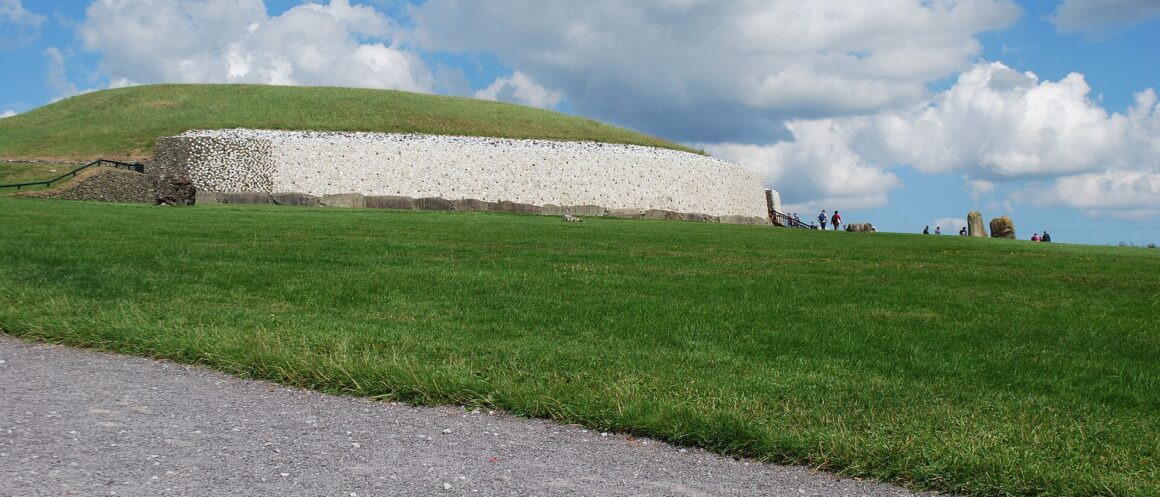
A Newgrange day trip Dublin visitors do every year delivers something the Cliffs of Moher and Wicklow can’t: 5,200-year-old Neolithic engineering older than the pyramids of Giza or Stonehenge. The Boyne Valley UNESCO World Heritage Site — 50km north of Dublin in County Meath — contains Newgrange, Knowth and Dowth passage tombs plus the Hill of Tara, the Monasterboice high crosses, and the Anglo-Norman fortress at Trim. This guide is the comprehensive Boyne Valley day trip planner: how to get there, what to book, what each site offers, and how to fit it all into one day.
By the end you’ll know whether a Boyne Valley day trip suits your interests, how to book Newgrange entry (essential), and which combination of sites delivers the best ancient Ireland experience.
The full guide to day trips from Dublin pulls all of this together if you want the overview first.
Quick Picks: Newgrange Day Trip Options
- Best overall coach tour: Mary Gibbons Tours Newgrange Day Trip (€55-65, 9 hours, includes Newgrange + Hill of Tara + Monasterboice + Mellifont Abbey)
- Best budget option: Paddywagon Boyne Valley Tour (€45-55, 8 hours)
- Best independent option: Bus Éireann + walking + taxi (€30-50 total; 8-10 hour day)
- Best self-drive option: 1 hour by car; allows flexibility to add Trim Castle or Drogheda
- Essential pre-booking: Brú na Bóinne Visitor Centre entry (heritageireland.ie; pre-book 3-7 days ahead in peak season)
What Is Newgrange?
Newgrange is a 5,200-year-old passage tomb in County Meath, Ireland — one of the most significant Neolithic monuments in Europe. Built around 3,200 BC, it predates the great pyramids of Giza (built ~2,560 BC) by 600 years and Stonehenge (~3,000 BC) by 200 years.
- Structure: Circular mound 85m in diameter, 13m high, covering 4,500 sqm. Made from approximately 200,000 tonnes of stone and earth.
- Interior: A 19-metre passage leading to a central cruciform burial chamber with three side recesses. The corbel-vaulted roof has remained dry for 5,200 years.
- Winter solstice phenomenon: On 21 December (and immediately surrounding days), the rising sun shines through a precisely-aligned roof box for 17 minutes, illuminating the central chamber. The alignment is accurate to less than 1 degree.
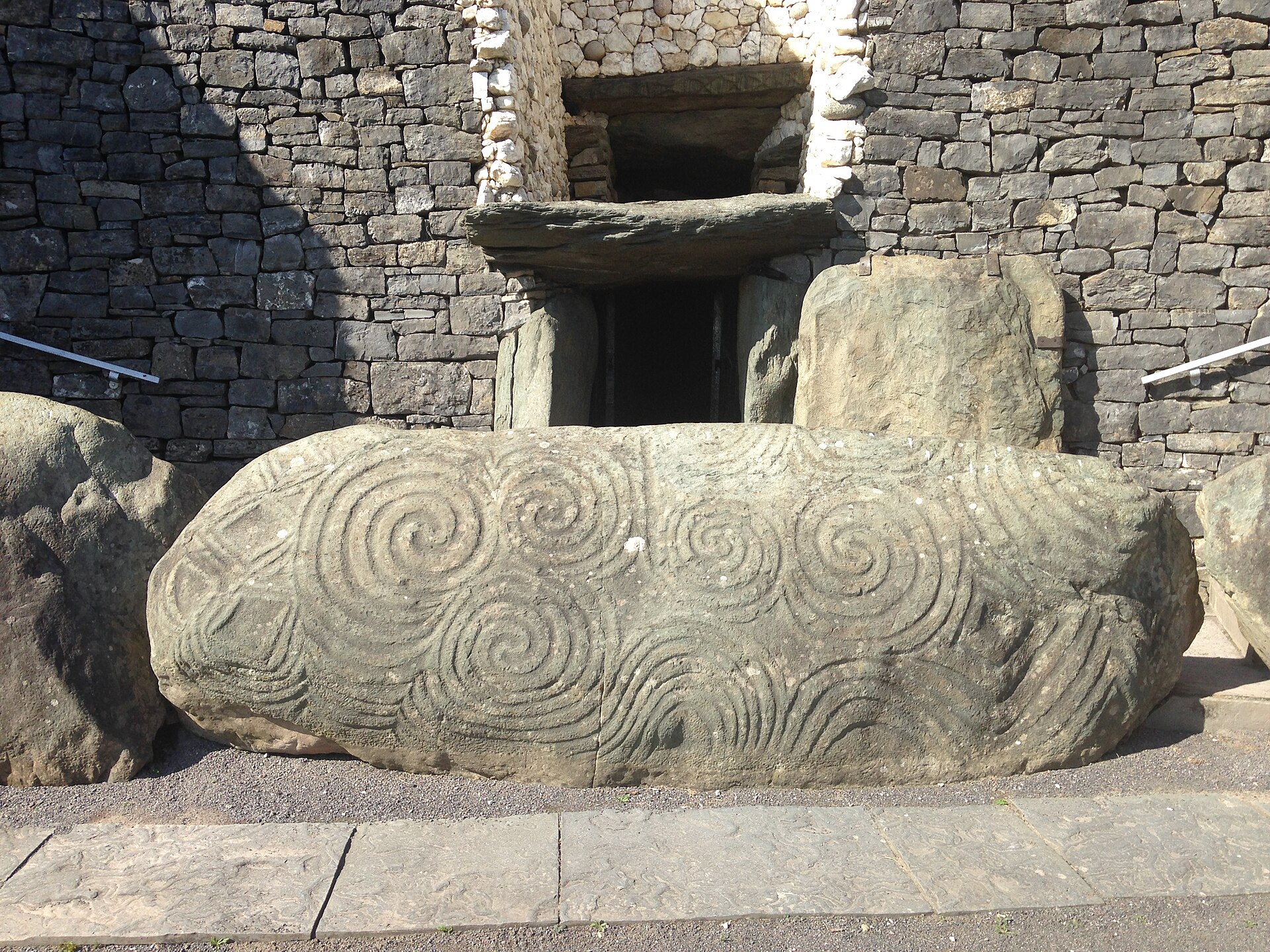
- The Entrance Kerbstone: The most-photographed Neolithic carving in Europe. Triple spiral motif believed to represent the cycle of life.
- UNESCO World Heritage Site: Designated in 1993 along with Knowth and Dowth (the “Bend of the Boyne”).
Visitors enter Newgrange via a guided 30-minute tour conducted by OPW staff. The tour culminates in a simulated “winter solstice” lighting demonstration in the central chamber — one of the most memorable experiences in Irish tourism.
Brú na Bóinne Visitor Centre
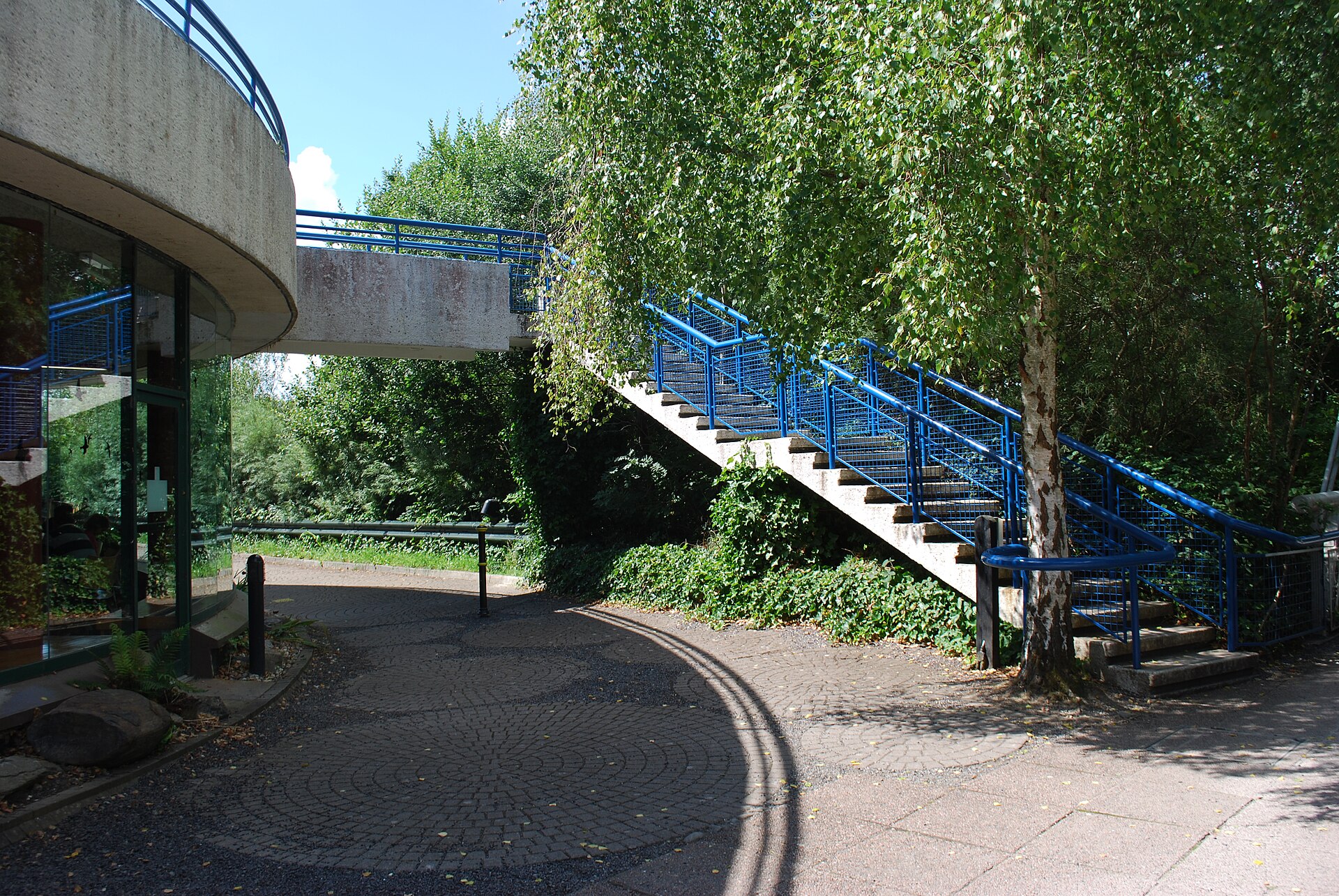
You cannot drive directly to Newgrange. The OPW manages all access through the Brú na Bóinne Visitor Centre in Donore, County Meath. From the Centre, shuttle buses transport visitors to Newgrange and Knowth (Dowth is not currently accessible to the public).
2026 Brú na Bóinne Pricing
- Visitor Centre only: €5 adult
- Visitor Centre + Newgrange: €9 adult
- Visitor Centre + Knowth: €7 adult
- Visitor Centre + both Newgrange and Knowth: €15 adult (recommended)
- Family ticket: €30 (2 adults + up to 5 children, both sites)
- Free: Children under 12; OPW Heritage Card holders
Opening Hours
- March-May, September-October: 9.30am-5.30pm daily; last tour 4.30pm
- June-August: 9am-7pm daily; last tour 6.30pm
- November-February: 9.30am-5pm daily; last tour 4pm
- Closed: Christmas Eve, Christmas Day, St Stephen’s Day
Pre-Booking (Essential)
Book at heritageireland.ie at least 3-7 days ahead in peak season (June-August) and 1-2 days ahead in shoulder season. Tours are timed; you select a slot at booking. Walk-in availability is unreliable in summer and risky any time of year.
Getting to the Boyne Valley from Dublin
Coach Tour (Recommended)
The easiest option. Multiple operators run daily Boyne Valley day tours:
- Mary Gibbons Tours (€55-65, 9 hours): The most-recommended Boyne Valley tour. Newgrange + Hill of Tara + Monasterboice + Mellifont Abbey. Smaller groups (16-20 passengers), expert guides, longer site visits. Departs Suffolk Street.
- Paddywagon Boyne Valley (€45-55, 8 hours): Budget option; similar route. Larger groups, less in-depth narration.
- Do Dublin Newgrange Tour (€58, 8.5 hours): Smaller-coach operator; reliable.
Bus Éireann Public Bus
Bus Éireann route 100 from Busaras (Dublin) to Drogheda (50 minutes, €13 each way). From Drogheda, taxi or local bus to Brú na Bóinne Visitor Centre (8km, €20-25 taxi).
Train + Taxi
Enterprise train from Connolly to Drogheda (35 minutes, €15 each way), then taxi to Brú na Bóinne (€20-25). Most efficient public-transport option but loses the connecting Boyne Valley sites unless you taxi between them.
Self-Drive
1 hour by car via M1 motorway. Free parking at Brú na Bóinne Visitor Centre. Best flexibility — allows adding Trim Castle, Hill of Tara, Drogheda lunch and Monasterboice within a single day.
The Boyne Valley Sites (Beyond Newgrange)
Knowth
Larger than Newgrange, Knowth is a passage tomb complex with two passages (one east-facing, one west-facing) and 17 satellite tombs. The kerbstones around the main mound bear the largest concentration of Neolithic megalithic art in Western Europe. Visitors can climb the mound but cannot enter the passage. Most Boyne Valley tours include Knowth alongside Newgrange.
Hill of Tara
The ceremonial seat of the High Kings of Ireland from prehistory until the 12th century. The hill (155m) is crowned by the Lia Fáil (the Stone of Destiny), the Mound of the Hostages (a 5,000-year-old passage tomb), and earthworks dating from the Iron Age. Free entry. The visitor centre at the base offers context. Allow 60-90 minutes.
Monasterboice
Early Christian monastic site (5th century) famous for three intricately-carved high crosses, including the 5.5-metre Muiredach’s Cross — one of the finest high crosses in Europe. Free entry. Small (60 minutes maximum).
Mellifont Abbey
Ireland’s first Cistercian monastery (1142). Ruined but the lavabo (washhouse) and chapter house remain. €5 entry. 30-45 minutes typical visit.
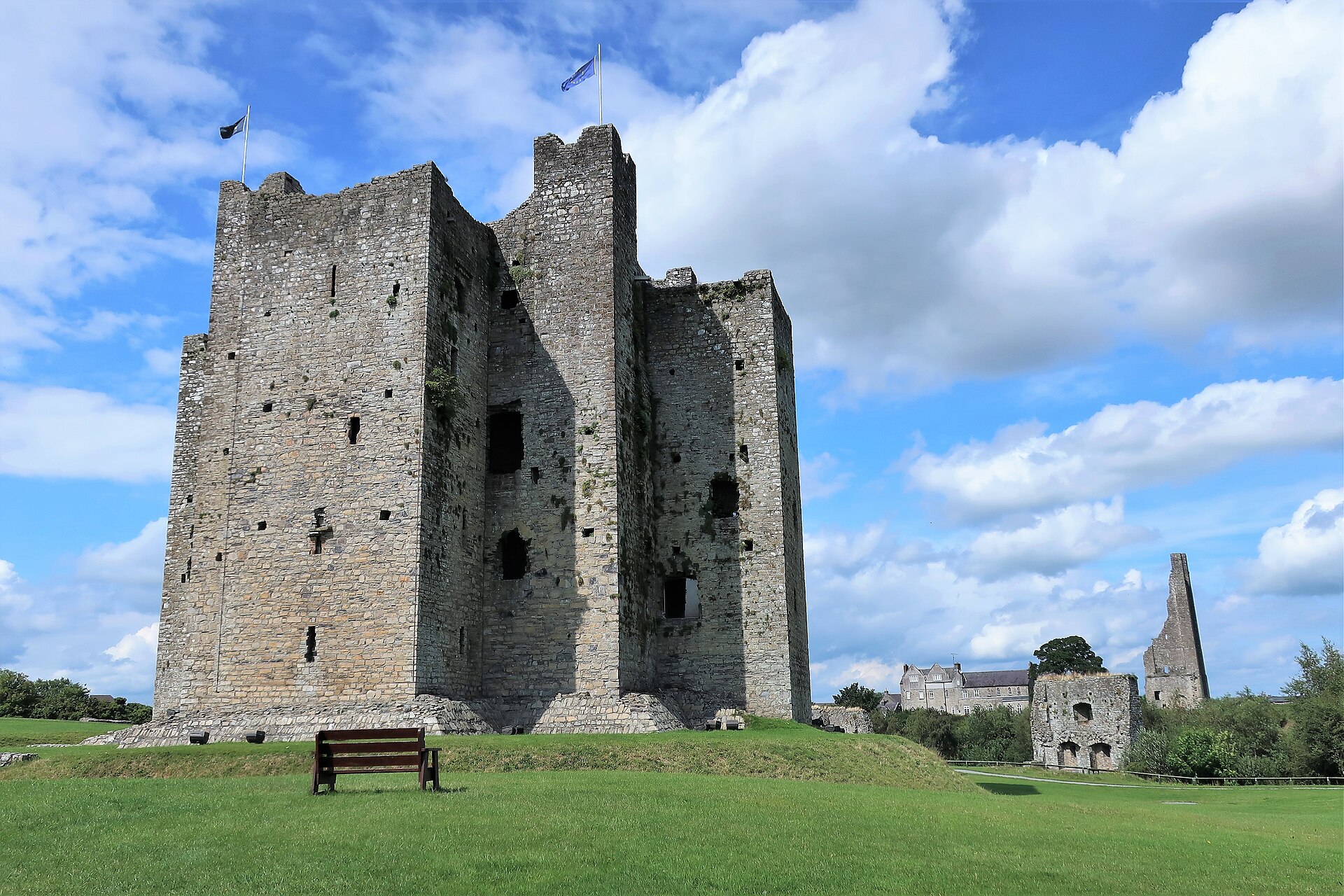
Trim Castle
The largest Anglo-Norman castle in Ireland (built 1175-1224). Used as filming location for Braveheart. Includes guided tower tour. €5 entry. 60-75 minutes typical visit. Not on standard coach tours; self-drive only.
Sample Boyne Valley Day Trip Itinerary
Coach Tour Day (Mary Gibbons Tours)
- 8.30am — Tour departs Suffolk Street, Dublin
- 10.00am — Hill of Tara visit (60 minutes)
- 11.30am — Arrive Brú na Bóinne Visitor Centre; shuttle to Newgrange
- 12.00pm — Newgrange guided tour (1.5 hours including Visitor Centre)
- 1.45pm — Lunch in Donore village (1 hour, own expense)
- 3.00pm — Monasterboice high crosses (45 minutes)
- 4.00pm — Mellifont Abbey (45 minutes)
- 5.00pm — Drive back to Dublin via Drogheda
- 6.30pm — Return to Suffolk Street
Self-Drive Day (Maximum Flexibility)
- 9.00am — Leave Dublin via M1
- 10.00am — Hill of Tara (60 minutes)
- 11.30am — Trim Castle (75 minutes)
- 1.00pm — Lunch in Trim or Slane village
- 2.00pm — Brú na Bóinne Visitor Centre + Newgrange (pre-booked tour at 2.30pm)
- 4.30pm — Knowth (60 minutes)
- 5.30pm — Monasterboice or Mellifont (60 minutes)
- 7.00pm — Drive back to Dublin via Drogheda
- 8.30pm — Arrive Dublin

The Newgrange Winter Solstice
The most famous Newgrange phenomenon is the winter solstice alignment on 21 December (sunrise approximately 8.58am-9.15am). For 17 minutes, the rising sun shines through a precisely-aligned roof box at the entrance, travels down the 19-metre passage, and illuminates the central burial chamber.
- Access to the actual phenomenon: Only 60-70 people per year (3 days × 20-25 places per day) gain physical access via a public lottery managed by the OPW.
- The lottery: Free entry; apply online at heritageireland.ie August-October. Tens of thousands apply for the 60-70 places.
- Simulated solstice: Every Newgrange tour throughout the year includes a simulated solstice lighting demonstration in the central chamber. Recreates the phenomenon with electrical lights.
- The mound is illuminated each December: Even non-lottery visitors can see the external solstice ceremony on 21 December from the Brú na Bóinne grounds (free).
Practical Tips for Newgrange
- Pre-book online: Walk-up tickets often unavailable, especially summer.
- Arrive 30 minutes early: For shuttle bus boarding and Visitor Centre exploration.
- Comfortable walking shoes: Visitor Centre to shuttle bus is 200m; some uneven ground around the monuments.
- Waterproof jacket: Newgrange is exposed countryside; weather changes.
- No photography inside Newgrange chamber: Strict rule; respect it.
- Children policy: Children of all ages welcome on the standard tour; under 5s may find the dark chamber unsettling.
- Accessibility: Shuttle bus is wheelchair-accessible; Newgrange tomb interior is NOT (narrow passage, low ceiling).
- Cafe: At Brú na Bóinne Visitor Centre. Soup, sandwiches, scones €8-15.
- Toilets: At Visitor Centre. None at the monuments themselves.
When to Visit Newgrange
- April-May: Best balance — mild weather, smaller crowds, full operating hours.
- June-August: Peak season, longest daylight, busiest crowds. Pre-book 7-10 days ahead.
- September-October: Autumn colours, smaller crowds, mild weather. Excellent shoulder season.
- December 21: Winter solstice; the Brú na Bóinne grounds attract several hundred visitors for the external ceremony at sunrise.
- November-February: Reduced opening hours; weather can be challenging.
Where to Eat in the Boyne Valley
- Brú na Bóinne Visitor Centre Cafe: Soup, sandwiches, scones, coffee. €8-15.
- The Conyngham Arms, Slane: Historic coaching inn; pub lunch €14-22.
- Boyne Valley Hotel, Drogheda: Bistro lunches and afternoon tea; €15-25.
- Knightsbrook Hotel, Trim: 4-star hotel restaurant for self-drive visitors who add Trim Castle.
- Highlanes Gallery Cafe, Drogheda: Inside the local art gallery; quirky atmosphere, €10-18 lunches.
Common Newgrange Trip Mistakes
- Not pre-booking: Newgrange tours sell out 1-3 days ahead in peak season. Walk-in only works for Visitor Centre.
- Trying to drive directly to Newgrange: Impossible. All access via Brú na Bóinne Visitor Centre.
- Skipping the Visitor Centre: The film and exhibits provide essential context; you understand much more inside the tomb if you watch the film first.
- Photographing the chamber interior: Strict no-photo rule. Respect it; the OPW staff will ask you to delete photos.
- Visiting in winter without checking hours: November-February has reduced opening; check heritageireland.ie before driving.
- Underestimating combined day length: Full Boyne Valley with all four sites needs 8+ hours.
- Hill of Tara confusion: Tara is 30km west of Newgrange, not on the Boyne. Either include both with self-drive or pick a tour that covers both.
Combining Newgrange with Other Trips
- Newgrange + Belfast 2-day: Day 1 Boyne Valley, overnight in Drogheda. Day 2 Belfast by train. The Drogheda-to-Belfast train is 50 minutes.
- Newgrange + Hill of Tara + Trim Castle: A full ancient Ireland day; self-drive only.
- Newgrange + Drogheda food day: Add a long lunch and walking tour of Drogheda. Combine with the Highlanes Gallery and the Drogheda Museum.
- Newgrange + Slane Castle: Slane Castle (medieval estate; concert venue) plus its distillery is 10 minutes from Newgrange.
Related Reading
For more Dublin day trips, see Glendalough Day Trip, Howth Cliff Walk, Cliffs of Moher from Dublin, Giant’s Causeway from Dublin, Kilkenny Day Trip, and 3 Days in Dublin Itinerary.
Newgrange vs Stonehenge vs Giza
Visitors regularly compare Newgrange to other prehistoric world wonders. The honest comparison: Newgrange is older than both Stonehenge and the Egyptian pyramids, and uniquely you can walk inside the original 5,200-year-old burial chamber. Stonehenge dates to approximately 3,000 BC (200 years younger than Newgrange) and is roped off with no public access to the central stone circle. The Great Pyramid of Giza was completed around 2,560 BC (640 years younger). Newgrange’s precise winter solstice alignment, the carved kerbstones, and the intact corbel-vaulted ceiling that has remained dry for over five millennia all make it remarkable beyond age alone.
The crowd experience differs sharply too. Stonehenge sees 1.5+ million visitors annually with viewing from outside the stone circle; Newgrange sees about 200,000 with small group tours that enter the chamber itself. The intimacy of the Newgrange experience — 25 people in a 5,200-year-old burial chamber watching a simulated winter solstice — is unmatched by any other prehistoric site in Europe. Worth the journey for serious history enthusiasts.
A Short History of the Boyne Valley
The Boyne Valley has been Ireland’s cultural heartland for 6,000 years. The Neolithic farming communities who built Newgrange were among Europe’s earliest sedentary farmers, growing wheat and barley brought by migrants from continental Europe. By 2,500 BC the great passage tomb era was over; new Bronze Age peoples reused the sites for centuries. The Hill of Tara became the inauguration site of the High Kings during the Iron Age (500 BC-400 AD); medieval Irish kings continued to use it ceremonially until the 12th century.
The Christian era brought monastic foundations at Monasterboice (5th century) and Mellifont (1142, Ireland’s first Cistercian house). The Anglo-Norman invasion of 1169 brought Trim Castle and the colonisation of Meath as the Pale (the area of English-controlled Ireland). The Battle of the Boyne in 1690, fought along the river just below Drogheda, settled the Protestant succession in Britain and Ireland. The valley today combines all these layers: Neolithic, Iron Age, early Christian, Norman and modern. Walking through the Boyne Valley in one day is the closest a visitor gets to walking through 6,000 years of Irish history.
Hill of Tara: A Closer Look
Most Boyne Valley coach tours include a 60-90 minute stop at the Hill of Tara, and self-drive visitors should make time for it. The hill is unfenced free public land, walkable in any weather. The most evocative spots: Lia Fáil (the Stone of Destiny) at the centre — a 1.5-metre standing stone believed to roar when touched by the rightful High King; Mound of the Hostages — the 5,000-year-old passage tomb, the oldest structure on the hill, with a stone-carved entrance you can peer into; and the Ráth na Rí banks (Royal Enclosure), still visibly defining the ceremonial space.
The summit gives panoramic views across the Boyne Valley to the Wicklow Mountains south. On clear days you can see the Mountains of Mourne in Northern Ireland. The hill is genuinely atmospheric — the wind, the bare hilltop, the standing stones make it easy to imagine the High King inaugurations that took place here for 1,500 years. The small visitor centre at the base offers context (free entry, 30 minutes); the hill itself is open year-round, 24 hours, no charge.
Drogheda Worth a Visit
The town of Drogheda on the River Boyne sits between Newgrange and the M1 motorway — a natural lunch or coffee stop on the way back to Dublin. Worth knowing: St Peter’s Church on West Street houses the preserved head of Saint Oliver Plunkett (executed 1681), a Catholic martyr whose tomb remains a working pilgrimage site. The Battle of the Boyne Visitor Centre at Oldbridge Estate (3km west of town) explains the 1690 conflict that shaped British and Irish history; the estate gardens are worth a walk.
Drogheda restaurants are improving fast. The Eastern Seaboard Bar & Grill on the riverside is the modern Irish/Italian standout (mains €18-28); Boyne Valley Hotel for traditional bistro lunches. The town’s Highlanes Gallery is worth a 30-minute browse for visitors interested in 19th-20th century Irish art. Drogheda is on the Dublin-Belfast train line; if you choose to overnight here, you can connect easily to either city the next morning.
Visiting Newgrange with Children
Newgrange works well as a family day out with children 8 and over. The Visitor Centre’s interactive exhibits engage children of all ages with touchscreens, model tombs and a short film. The shuttle bus journey is a small adventure; the tomb chamber tour is intense (low ceiling, total darkness during the simulated solstice, narrow passage to enter) so very young children (under 5) may find it unsettling. Children 8-14 typically remember the chamber visit as a highlight of their Ireland trip; the dark and the simulated solstice light show are memorable.
Practical family tips: bring snacks (the cafe queue gets long mid-tour-bus arrival), use the toilets at the Visitor Centre before boarding the shuttle (no toilets at the mound), and book the earliest tour slot of the day to avoid heat and crowding inside the chamber. The Hill of Tara works exceptionally well with children — running across the ancient ramparts and standing inside the open-air ceremonial enclosure has more child appeal than the formal tomb visit. Family ticket €30 covers two adults plus up to five children.
Newgrange Day Trip from Dublin: FAQ
How old is Newgrange?
Approximately 5,200 years old (built around 3,200 BC). Predates the great pyramids of Giza by 600 years and Stonehenge by 200 years.
How do I get to Newgrange from Dublin?
Three options: organized coach tour (€45-65), public transport (Bus Éireann to Drogheda + taxi), or self-drive (1 hour via M1). All access is via the Brú na Bóinne Visitor Centre — you cannot drive directly to Newgrange.
How long does the Newgrange tour take?
The Newgrange site visit takes about 90 minutes total: 30 minutes Visitor Centre exhibits, 10 minutes shuttle bus to the mound, 30-40 minutes guided chamber tour, plus 15 minutes walking and waiting. Add 30 minutes for Knowth.
Can I see the winter solstice at Newgrange?
Only via lottery — the OPW awards 60-70 places per year to chamber-interior viewers across 3 days around 21 December. Every standard Newgrange tour throughout the year includes a simulated solstice lighting demonstration that recreates the phenomenon.
Is Newgrange worth visiting?
Yes — for history-minded visitors, Newgrange is one of the most significant cultural attractions in Ireland. The age of the monument (5,200 years) and the engineering precision (winter solstice alignment) make it unique. Pair with Hill of Tara, Monasterboice and Mellifont for a comprehensive ancient Ireland day.
How much does a Boyne Valley day trip cost?
Coach tour: €45-65 per person including site entries. Self-drive: €75-120 per person including car rental, fuel and entries. Public transport: €50-70 per person.
Can I photograph inside Newgrange?
No — photography inside the chamber is strictly prohibited. The exterior of the mound, the kerbstones (including the famous triple-spiral entrance kerb) and the Visitor Centre are all photographable. Respect the rule; OPW staff will ask you to delete unauthorised photos.
Is Newgrange accessible for wheelchair users?
The Brú na Bóinne Visitor Centre and shuttle bus are wheelchair-accessible. The Newgrange chamber interior is NOT accessible — the passage is too narrow and the ceiling too low. Knowth’s exterior viewing platform is accessible.
Keep Reading
- Trim Castle & the Boyne Valley — the quieter Meath day, and why not to try to combine the two.
Photo Credits
Newgrange passage tomb: 20130808 bru na boinne15 by Jean Housen, CC BY-SA 3.0, via Wikimedia Commons.
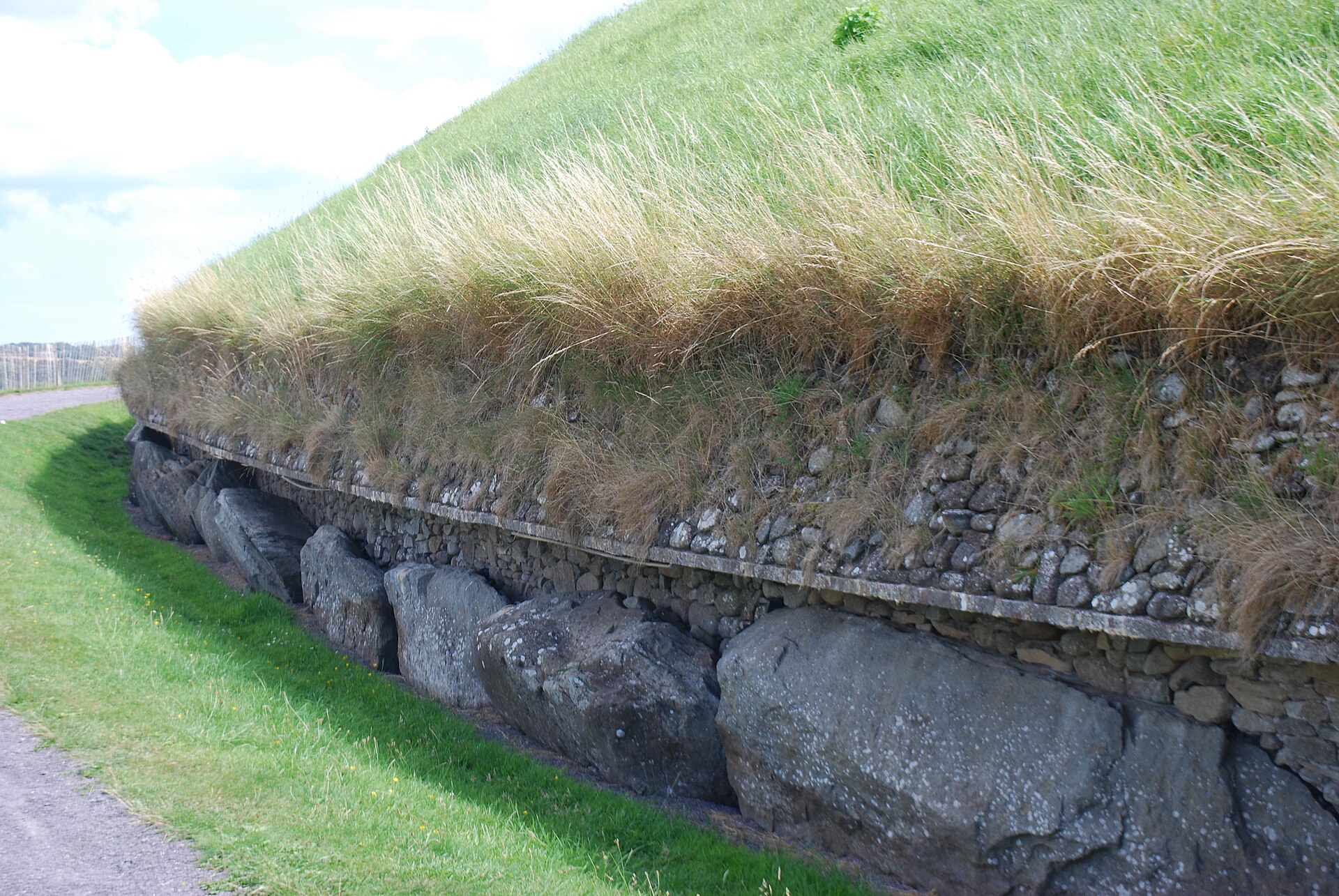
Kerbstones around Newgrange: 20130808 bru na boinne22 by Jean Housen, CC BY-SA 3.0, via Wikimedia Commons.
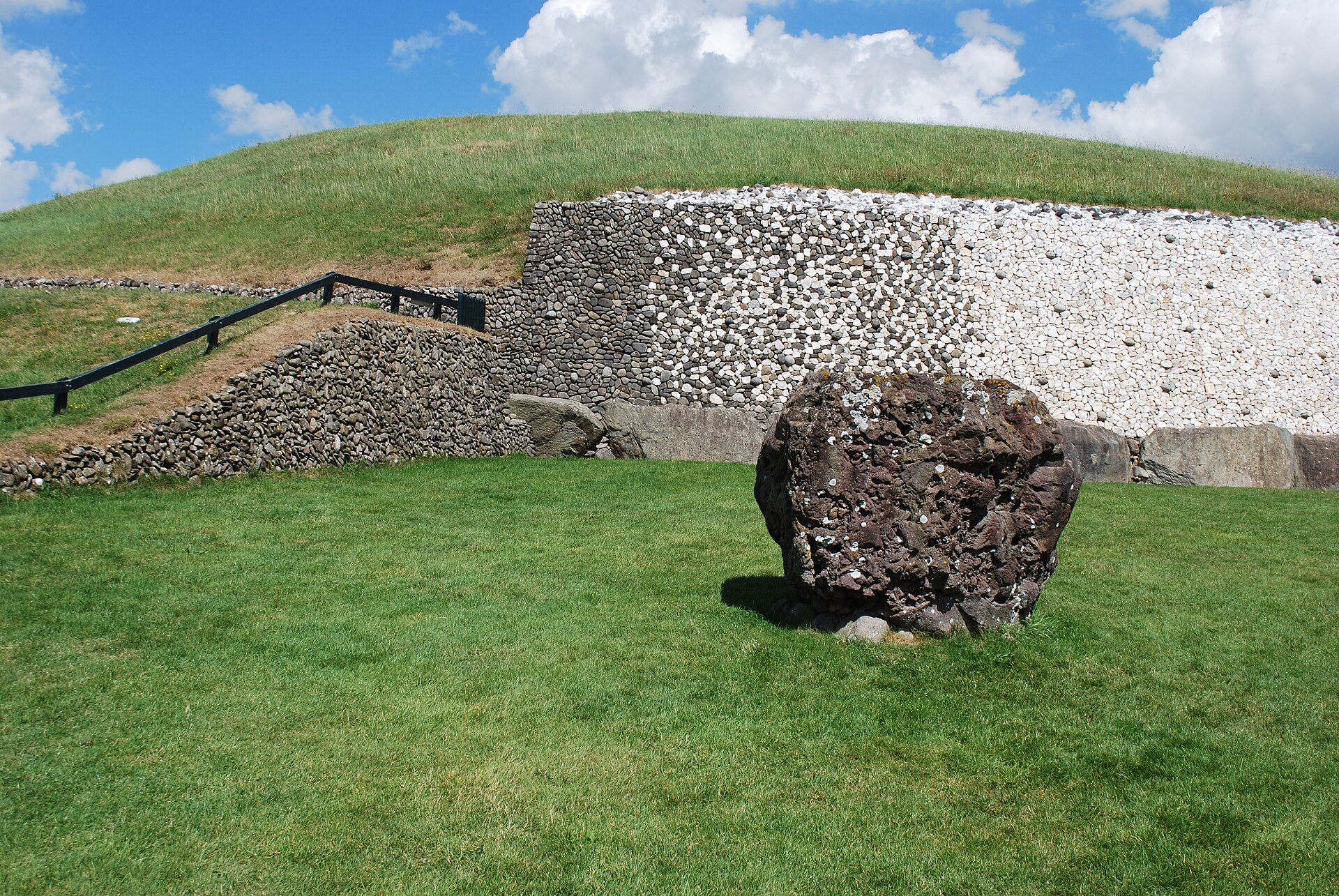
A standing stone beside Newgrange: 20130808 bru na boinne16 by Jean Housen, CC BY-SA 3.0, via Wikimedia Commons.
Newgrange entrance stone: Entrance stone, Newgrange by Ceoil (English Wikipedia), CC BY-SA 3.0, via Wikimedia Commons.
Bru na Boinne Visitor Centre: 20130808 bru na boinne05 by Jean Housen, CC BY-SA 3.0, via Wikimedia Commons.
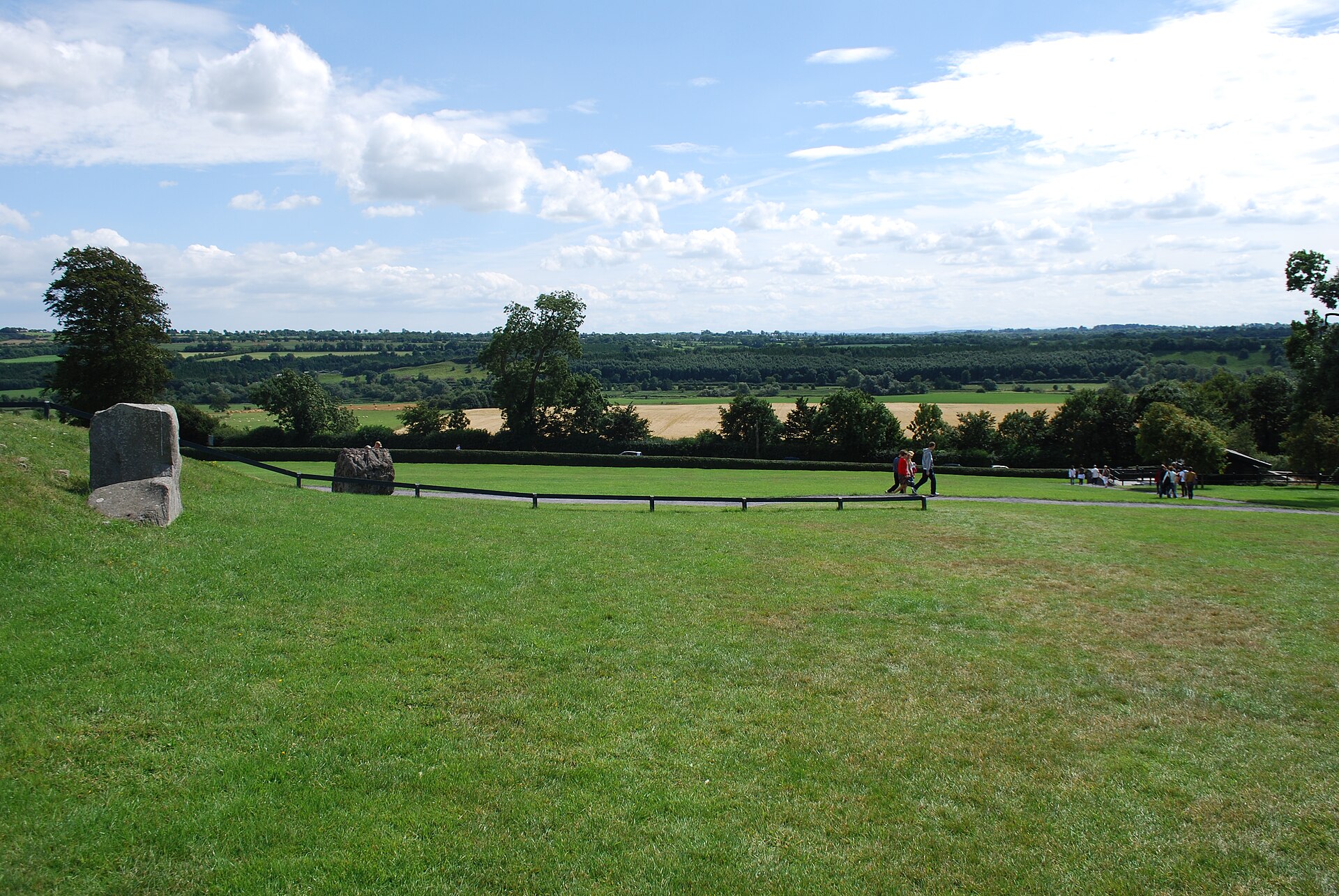
Boyne Valley countryside from Newgrange: 20130808 bru na boinne25 by Jean Housen, CC BY-SA 3.0, via Wikimedia Commons.
The keep at Trim Castle: 2019 Trim Castle 3 by Klaus Bärwinkel, CC BY-SA 4.0, via Wikimedia Commons.
Lean na Comharthaí — Keep following the signs