Dublin Cruise Port Guide: From the Terminal to the City Centre in a Day
Calafort Cúrsála Bhaile Átha Cliath
Ar an gComhartha Seo — On this sign
- Quick Answer: Getting Ashore and Into Dublin
- Where Ships Actually Berth
- The One Rule: You Cannot Walk Out
- Four Ways Into the City
- What to Do With Eight Hours
- A Practical Note on Dublin Castle
- Eating on a Port Day
- Money, Timing and Getting Back
- Two Ships, One Day: What Changes When the Port Is Busy
- If You Have Mobility Needs
- Gotchas
- FAQ: The Dublin Cruise Port
- Keep Planning
- Keep Reading
- Photo Credits
A cruise call in Dublin gives you somewhere between eight and eleven hours, and the city is small enough that this is genuinely plenty — the medieval quarter, Trinity, the Georgian squares and two or three of the free national museums all sit inside a walkable square kilometre, and you can be standing in front of the Book of Kells forty minutes after stepping off the ship. Dublin rewards a port day better than almost any capital of its size.
What catches people out is the first stretch of the journey. Dublin Port is a working freight estate, passengers are not permitted to walk between the ship and the port gate, and the shuttle that bridges that gap is run by your cruise line rather than by the port — so whether there is one, what it costs and where it drops you varies by ship. This Dublin cruise port guide covers that logistics problem first, then what to actually do with the hours you have left.
Quick Answer: Getting Ashore and Into Dublin
Large ships berth at Alexandra Quay, in the industrial half of the port, with the passenger drop-off and pick-up at the Alexandra Quay Terminal Gate on East Wall Road. You cannot walk out — the dock estate has a strict no-pedestrian policy — so everyone takes a shuttle to that gate. From there it is a short run into the centre, roughly fifteen minutes by road.
Some lines run a shuttle all the way into town, and where it drops you depends on the line. If yours stops near Kildare Street or St Stephen’s Green, Trinity College and the National Museum are a short walk away. If your line does not, take the shuttle to the gate and a taxi from there — drivers know when ships are due and queue accordingly. Check your ship’s daily programme the night before rather than assuming, because the Dublin cruise port shuttle is a cruise-line service, not a port one.
| Option | How it works | Best for |
|---|---|---|
| Cruise line shuttle | Ship to city centre, often Kildare St / St Stephen’s Green | Almost everyone |
| Shuttle to gate, then taxi | Free shuttle to East Wall Road, taxis waiting | Small groups, mobility needs |
| Ship’s shore excursion | Coach from the berth, guided | Guaranteed return to ship |
| Pre-booked private transfer | Meets at the terminal gate | Families and tight schedules |
| Walking out | Not permitted | — |
Where Ships Actually Berth
The Dublin cruise port is not a purpose-built passenger facility, and knowing that shapes everything about the day.
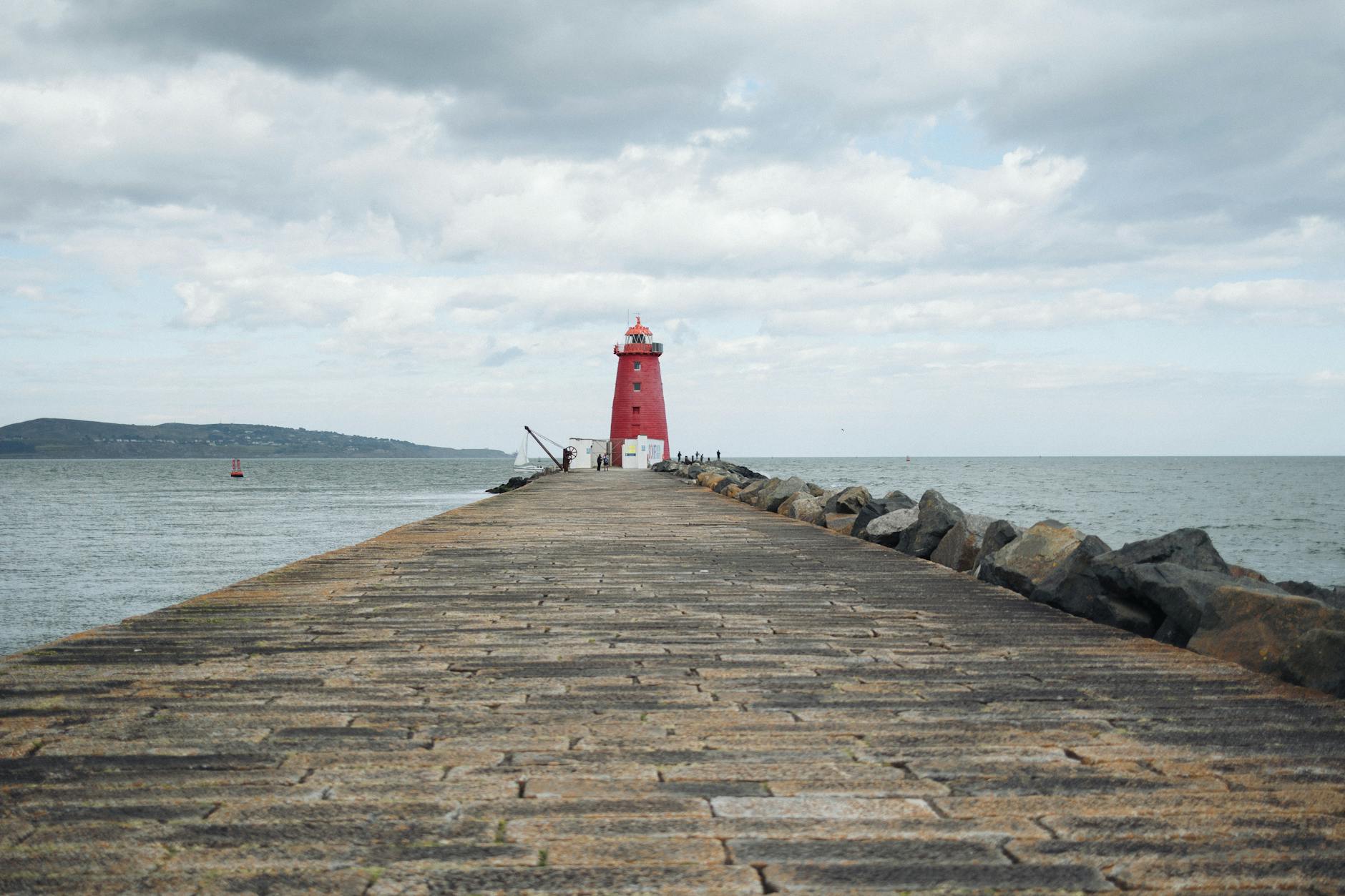
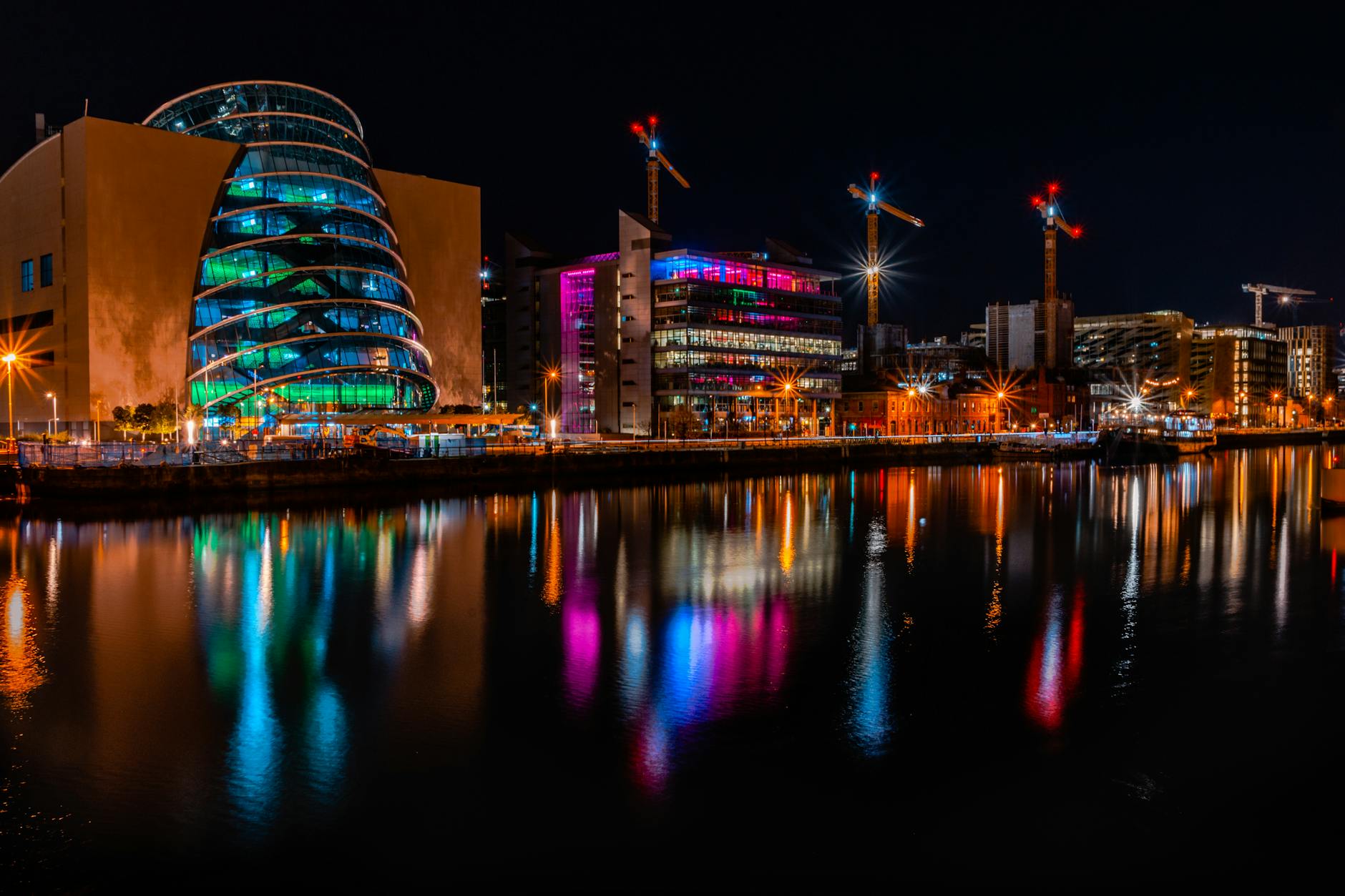
Dublin Port sits on the north bank of the Liffey about three kilometres east of the centre, wrapped around the mouth of the river. It is first and foremost a freight port — containers, ro-ro ferries, oil — and the cruise berths sit inside that operation rather than at a dedicated passenger terminal of the kind you find in Barcelona or Southampton. Expect gantry cranes rather than a promenade.
Large ships use Alexandra Quay. New berths at the North Wall Quay Extension, east of the Tom Clarke Bridge, were built as part of the Alexandra Basin Redevelopment and were expected to come into use for the 2026 season, so berth allocations may have shifted — check where your ship is actually docking rather than relying on an older guide, including this one.
Some smaller ships call at Dún Laoghaire instead, seven miles south. That is a completely different and much easier proposition: you walk off into a seaside town with a DART station, and the city centre is twenty minutes by train. If your itinerary says Dún Laoghaire rather than Dublin Port, read the Dún Laoghaire guide and the DART guide instead of most of this page.
The One Rule: You Cannot Walk Out
If you read nothing else about the Dublin cruise port, read this section.
This is the single most important line in this guide and it surprises people every season. Dublin Port enforces a strict no-pedestrian policy across the dock estate. You may not walk from your ship to the port gate, and there is no scenic footpath along the quays out of the terminal. It is a live freight yard with heavy vehicle traffic and the rule is not negotiable.
What this means practically:
- Everyone leaves by vehicle, whether that is the ship’s shuttle, a shore excursion coach or a pre-booked transfer.
- A free or low-cost shuttle to the terminal gate is the baseline, and taxis wait at that gate when a ship is in.
- You cannot simply set your own pace on foot the way you can at, say, Dún Laoghaire or a Mediterranean city berth.
- The same applies on the way back. Budget for the return leg and the gate-to-ship shuttle, not just the journey into town.
Four Ways Into the City
Every Dublin cruise port day starts with picking one of these four.
- The cruise line shuttle. The default and usually the best value. Many lines run one into the centre; the reported drop-off is around Kildare Street near St Stephen’s Green, which is about as good a place to be dropped as exists — Trinity, the National Museum, the National Gallery and Grafton Street are all within five minutes.
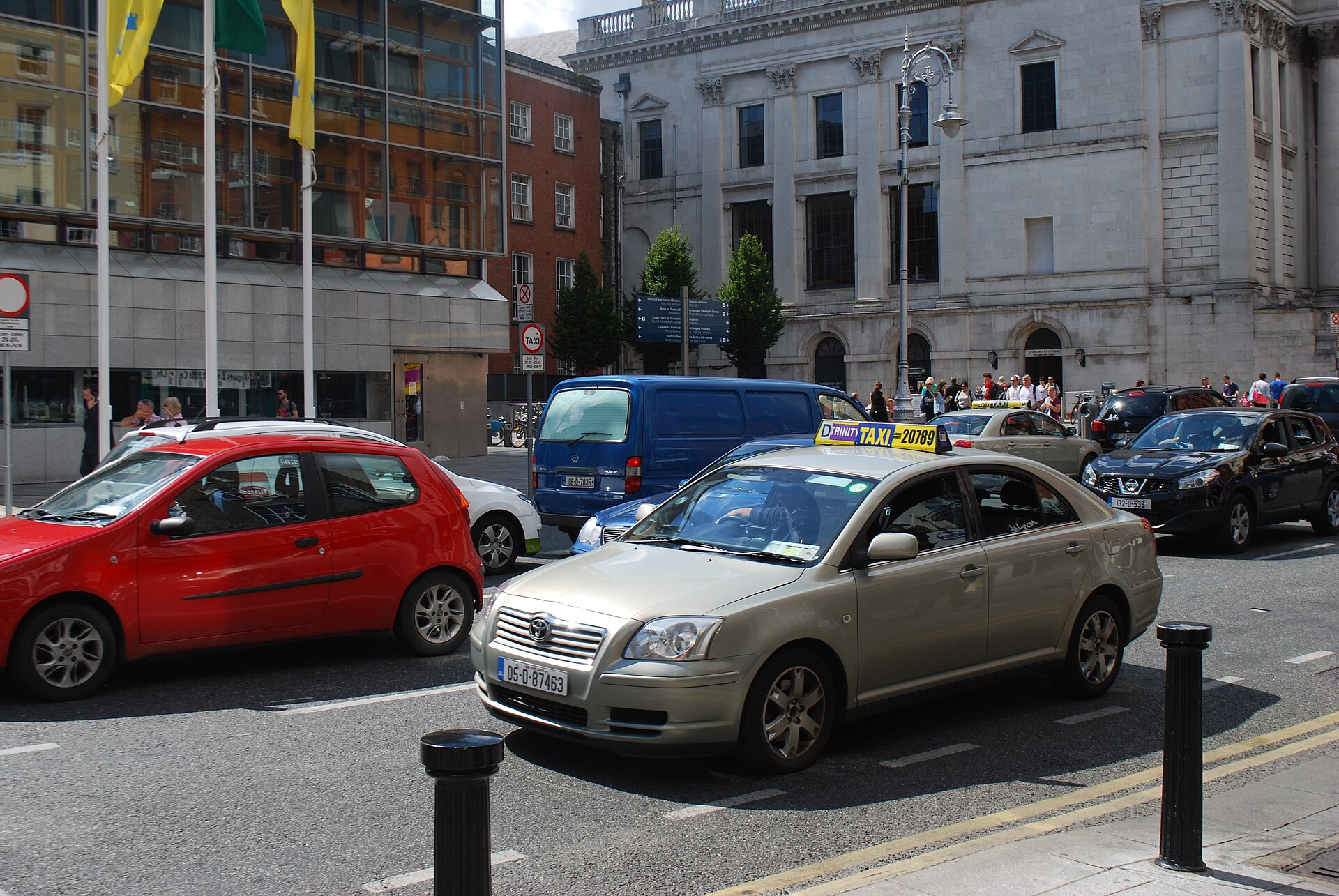
- Shuttle to the gate, then a taxi. If your line only runs to the East Wall Road gate, taxis gather there for ship arrivals. It is a short metered run into town. Agree nothing in advance and insist on the meter — see the taxi guide and the scams guide.
- A ship’s shore excursion. More expensive, but the ship waits for it. If your call is short, if you want Newgrange or Wicklow rather than the city, or if you are anxious about the return, this is the safe option.
- A pre-booked private transfer or tour. Meets at the terminal gate. Good for families and for anyone with mobility needs, and often cheaper than the ship’s own excursion for a group of four.
Public transport is not really a factor from the cruise berths, though the Luas Red Line terminus at The Point sits opposite the port entrance and the 53 bus serves the ferry terminals. Neither is much use until you are already outside the estate. See getting around Dublin and the Leap Card guide for moving about once you are in town.
What to Do With Eight Hours
Dublin’s advantage on a port day is compactness. Almost everything a first-time visitor wants sits between Christ Church and Merrion Square, which is a twenty-five minute walk end to end. You do not need to choose between neighbourhoods; you need to choose between two or three paid attractions.
The classic first-timer route
Shuttle in for around 09:30. Trinity College and the Book of Kells first, booked online in advance for the earliest slot you can — the Book of Kells Experience is from €25 (€19 for the Book of Kells and Old Library ticket), and be aware that most of the Long Room’s books have been removed for the Old Library redevelopment and the Long Room itself is open only until the end of 2027. Then five minutes to the National Museum of Ireland on Kildare Street, which is free and holds the bog bodies and the Bronze Age gold. Lunch around South William Street or Drury Street. Afternoon: walk west through Temple Bar and on to Christ Church or St Patrick’s. A pint in a proper pub before you go back. That is a full, unhurried day and it costs very little.
If you have a full eleven hours
Add the Guinness Storehouse from about €24 — allow ninety minutes plus travel — or Kilmainham Gaol at €8, which is the better hour but must be booked weeks ahead and sells out every month of the year. Do not attempt both plus the city centre; you will spend the day in transit.
If you have been to Dublin before
Take the DART out to Howth for the cliff path and the harbour, or south to Dalkey and Killiney. Twenty-five minutes each way, a couple of euro, and completely different from the centre. Or use the free museums you skipped last time — the National Gallery, the Natural History Museum and Collins Barracks are all free. Our one day in Dublin guide is built for exactly this length of visit.
What not to attempt
Anything in Wicklow or Meath unless it is a ship’s excursion with a guaranteed return. Glendalough and Newgrange are both genuinely good and both eat six to eight hours with travel, which leaves no margin at all on an independent basis. The Cliffs of Moher are a thirteen-hour round trip and are simply not possible on a port call.

A Practical Note on Dublin Castle
Worth flagging because it appears on every cruise-day itinerary written before 2026: Dublin Castle is closed to visitors until January 2027 for Ireland’s presidency of the Council of the EU, and the Chester Beatty museum inside the complex is closed with it. Both are standard port-day recommendations and neither is available. See the castle guide and the Chester Beatty guide for what to do instead.
Eating on a Port Day
You will almost certainly be back on board for dinner, so lunch is the meal that matters, and the shuttle drop-off puts you in a good place for it. The streets immediately west of St Stephen’s Green — South William Street, Drury Street, Exchequer Street and Fade Street — hold the best concentration of casual restaurants in the city centre and are five minutes from where you are set down. See restaurants near Temple Bar and Trinity.
Two things to avoid. The first is eating and drinking inside Temple Bar, where a pint typically runs around €9 to €11 against about €6 to €7 in most Dublin pubs. The second is leaving lunch until half past two on a busy call day, when several thousand other passengers have had the same idea. Eat early, at noon, and use the quiet hour afterwards for whatever you were queueing for. If you want the cheap version, cheap eats in Dublin covers the budget options.
Money, Timing and Getting Back
The unglamorous half of a Dublin cruise port day, and the half that goes wrong.
- Ireland uses the euro, not sterling. Cards and contactless work everywhere including on buses. Twenty euro of cash covers small purchases.
- Decline dynamic currency conversion. If a card machine offers to charge you in dollars or pounds instead of euro, choose euro.
- Build in a large return margin. Check the all-aboard time in your daily programme, and remember you need the gate shuttle on top of your journey from town. Aim to be at the pick-up point well before it.
- Independent travellers are not waited for. Only the ship’s own excursions carry that guarantee. If your call is short or the weather is poor, weigh that seriously.
- Book timed attractions before you sail. Trinity and Kilmainham both sell out, and Kilmainham weeks in advance.
- Bring a hooded waterproof rather than an umbrella. The wind off the bay destroys umbrellas and you will be walking. See the weather guide.

Two Ships, One Day: What Changes When the Port Is Busy
The Dublin cruise port takes several calls a week in season, and a busy day changes the arithmetic.
On days when two or three large ships are alongside the whole system tightens. Shuttle queues at the berth can get long after arrival and again before all-aboard, taxi availability at the gate thins, and the timed attractions in town — Trinity in particular — fill up faster.
The practical response is to be early rather than clever. Get on one of the first shuttles rather than waiting for the queue to die down, because it does not die down; it simply moves to the return leg. Book Trinity for the earliest slot available. And if you see two other ships alongside as you come in, treat the free museums as your fallback — the National Museum, the National Gallery and the Natural History Museum absorb crowds far better than a timed-entry attraction does, and they cost nothing.
If You Have Mobility Needs
The no-pedestrian rule actually helps here, in that everyone is on a vehicle anyway. Beyond that, Dublin’s city centre is flat, which makes it considerably easier going than Edinburgh or Lisbon, and the shuttle drop-off near St Stephen’s Green puts you on level ground within a few minutes of Trinity, the National Museum, the National Gallery and Grafton Street.
The cobbles in Temple Bar and around Christ Church are the main obstacle and they are genuinely awkward for wheelchairs and unsteady walkers. A pre-booked accessible transfer meeting you at the terminal gate is usually a better plan than the general shuttle. Contact the ship’s shore excursion desk in advance rather than sorting it on the morning.
Gotchas
Everything that most reliably catches people out on a Dublin cruise port call.
- You cannot walk out of Dublin Port. Strict no-pedestrian policy across the dock estate, in both directions.
- The shuttle is run by your cruise line, not the port. Availability, price and drop-off vary by ship — check the daily programme.
- Berths may have moved. New cruise berths at the North Wall Quay Extension were due for the 2026 season; confirm where your ship is docking.
- Dún Laoghaire is a different port seven miles south, with a DART station and a much easier walk-off.
- Dublin Castle and the Chester Beatty are closed until January 2027. Cross them off any older itinerary.
- Kilmainham Gaol sells out weeks ahead and Trinity is timed entry. Book before you sail.
- The Long Room at Trinity is largely empty of books during the Old Library redevelopment, and it is open only until the end of 2027.
- The ship will not wait for independent travellers — only for its own excursions.
- Always pay in euro when a card machine offers you a choice.
- Wicklow and Meath are too far for an independent port day. Take a ship’s excursion or stay in the city.
FAQ: The Dublin Cruise Port
How do I get from Dublin Port to the city centre?
By vehicle, because you are not permitted to walk out of the dock estate. Many cruise lines run a shuttle from the ship into the city, and where it drops you depends on the line. If yours only goes as far as the Alexandra Quay Terminal Gate on East Wall Road, taxis wait there when a ship is due. Shore excursions and pre-booked private transfers are the other two options.
Is there a shuttle from the cruise terminal?
Usually, but it is provided by the cruise line rather than by Dublin Port Company, so it is not a fixed public service and it varies from ship to ship. Some lines run a complimentary shuttle into the city centre, some charge a small fare, and some only run as far as the port gate. Check your ship’s daily programme the evening before rather than assuming, and have a taxi plan as a fallback.
What can you see in Dublin in 8 hours?
A great deal, because the centre is compact. A comfortable eight-hour day covers Trinity College and the Book of Kells, the free National Museum of Ireland on Kildare Street, lunch around South William Street, a walk through Temple Bar to Christ Church or St Patrick’s Cathedral, and a pint in a proper pub — all on foot, with only one paid ticket. Add the Guinness Storehouse or Kilmainham Gaol if you have eleven hours, but not both.
Can you walk from the ship into Dublin?
No. Dublin Port operates a strict no-pedestrian policy across the dock estate and passengers may not walk between the ship and the port gate. This applies in both directions and is not negotiable — it is a working freight port with heavy vehicle movements. Everyone leaves by shuttle, excursion coach or pre-booked transfer, and picks up a taxi at the gate if needed.
Where do cruise ships dock in Dublin?
Large ships berth at Alexandra Quay in the industrial part of Dublin Port, about three kilometres east of the city centre, with passenger drop-off at the Alexandra Quay Terminal Gate on East Wall Road. New berths at the North Wall Quay Extension, east of the Tom Clarke Bridge, were planned for the 2026 season, so confirm your ship’s actual berth. Some smaller ships use Dún Laoghaire instead, which is a far easier walk-off.
How much time should I allow to get back to the ship?
More than you think. Check the all-aboard time in your daily programme. On top of your journey from the city you need the shuttle from the gate back to the ship, so aim to be at the city-centre pick-up point well before it. Remember that the ship waits only for its own excursions, not for independent passengers.
Do I need euros in Dublin?
Ireland uses the euro, not sterling. In practice cards and contactless work everywhere, including on buses, so you can manage a port day without cash at all — but twenty euro is worth having for small takeaways and market stalls. If a card machine offers to charge you in your own currency rather than euro, decline and choose euro.
Is a ship’s excursion worth it in Dublin?
For the city itself, generally not — Dublin is compact, walkable and easy to do independently, and the shuttle drops you in the middle of it. Excursions earn their money when you want somewhere the city day cannot reach: Newgrange and the Boyne Valley, Glendalough and the Wicklow Mountains, or Malahide. Those are long days once you add travel, and a ship’s excursion, which the ship waits for, is the safer way to do them from a Dublin cruise port call.
Keep Planning
- Getting Around Dublin — the parent guide to bus, DART, Luas and taxis.
- 1 Day in Dublin — built for exactly this length of visit.
- The Hop-On Hop-Off Bus — a common port-day choice, honestly assessed.
- The Dublin Taxi Guide — fares, meters and the gate pick-up.
- The Docklands — what sits between the port and the city.
- Holyhead to Dublin Ferry — the other way to arrive by sea.
- Dublin on a Layover — the same problem, from the airport.
- Free Things to Do in Dublin — how to fill a port day for nothing.
Keep Reading
Photo Credits
Taxi on Dame Street: 20130807 dublin025 by Jean Housen, CC BY-SA 3.0, via Wikimedia Commons.
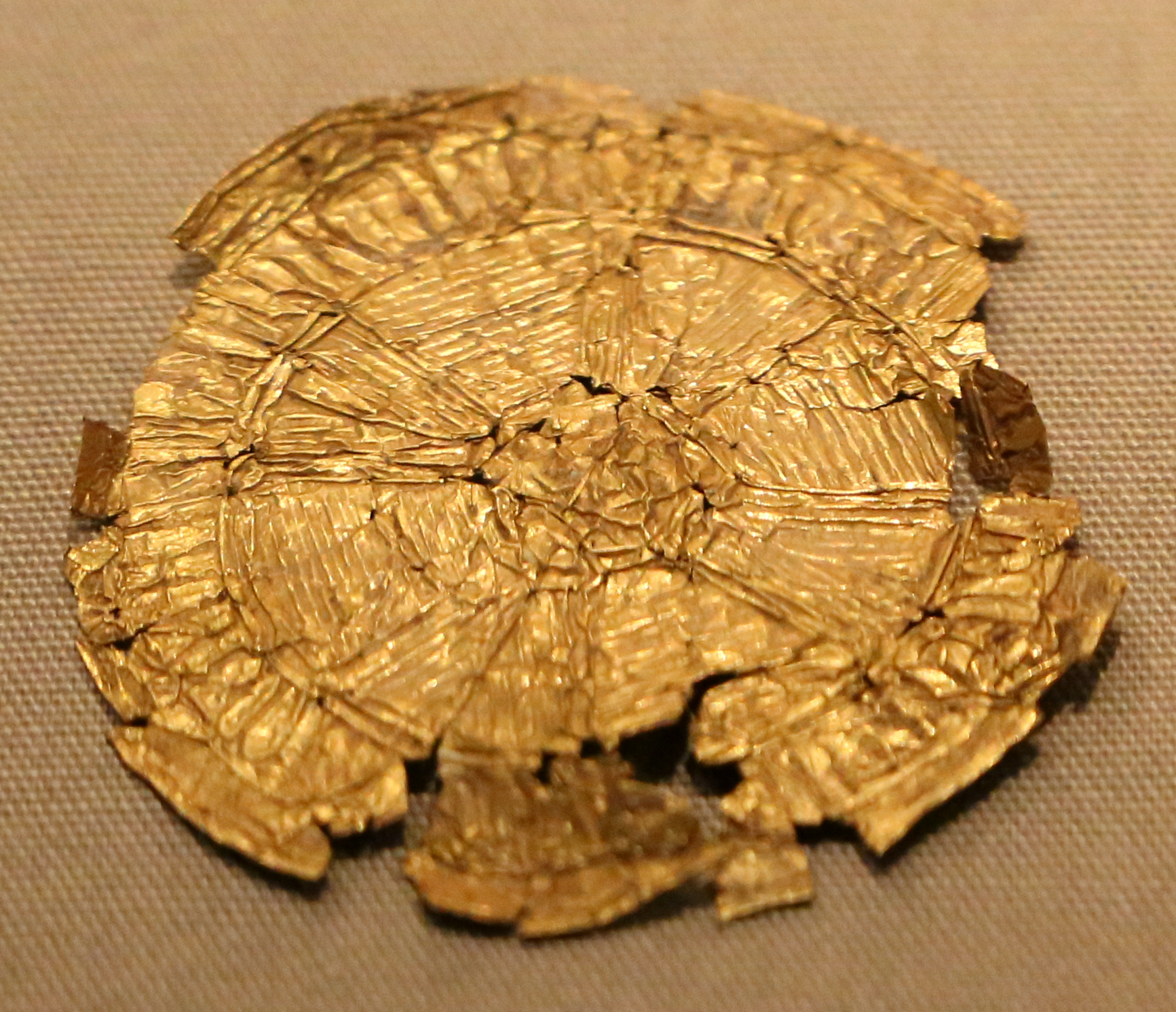
Prehistoric gold foil ornament: Bottone in lamina d’oro, da sparrograda (ballydehob), co. di cork, 2200-1800 ac ca by Sailko, CC BY 3.0, via Wikimedia Commons.
Lean na Comharthaí — Keep following the signs