Dublin Tourist Scams & Rip-Offs: How to Avoid Them
Camscéimeanna Turasóirí i mBaile Átha Cliath
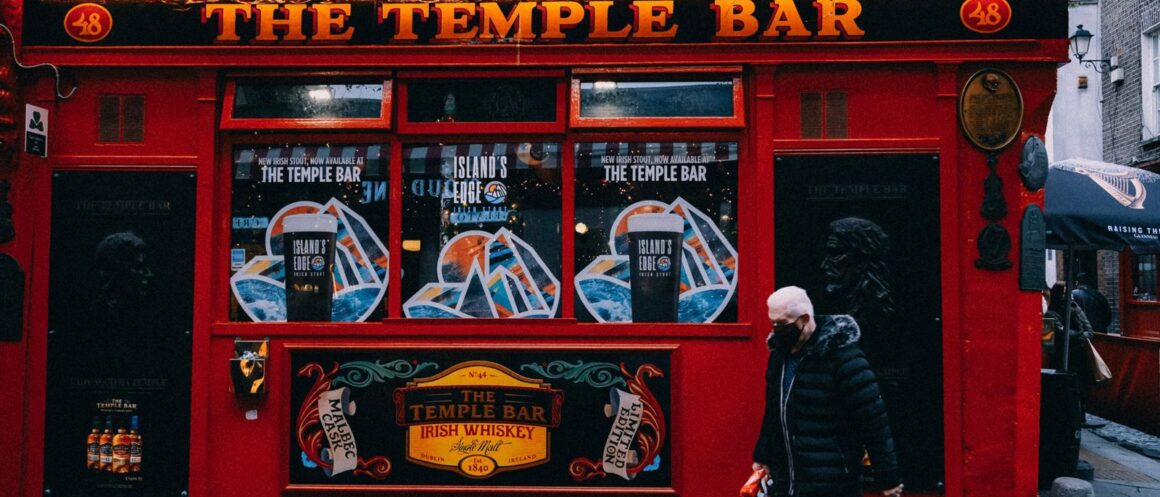
Ar an gComhartha Seo — On this sign
- Quick Answer: What to Actually Watch For
- First, the Honest Framing
- The Legal Rip-Offs, Which Cost You More
- The Actual Scams
- Taxis: How the System Actually Works
- Money: Cards, Cash and Small Print
- Where and When to Take More Care
- If Something Does Go Wrong
- Gotchas
- FAQ: Dublin Tourist Scams
- Keep Planning
- Keep Reading
- Photo Credits
Here is the thing nobody selling you a safety guide will lead with: Dublin is not a scam city. There is no organised network of hustlers working the tourist quarter, no bracelet men, no fake petition clipboards, no gold-ring routine. Compared with Rome, Barcelona or Paris, the volume of street crime aimed at visitors is genuinely low, and the overwhelming majority of people you deal with will be straight with you and quite likely friendlier than you expected.
What Dublin does have is a small number of specific, repeated tricks worth recognising — and, far more expensively, a set of entirely legal ways to part a visitor from a great deal of money. This guide covers Dublin tourist scams honestly: the handful of real ones, how the taxi system actually works so you can tell a rip-off from a normal fare, the card-machine trick that costs more visitors more money than every pickpocket in the city combined, and what to do if something does go wrong. It is written to make you relaxed and alert, not frightened.
Quick Answer: What to Actually Watch For
The genuine Dublin tourist scams are a short list: ATM card skimming, most reported around O’Connell Street; pickpocketing in Temple Bar, on Grafton Street and at busy bus stops; taxi drivers claiming the meter is broken or that they cannot take cards; fake charity collectors without identification; and people on the street steering you to “the best pub round the corner”, which is a bar paying for the introduction. None of these is sophisticated and all of them are avoidable.
But the thing that will actually cost you most is legal. A pint in Temple Bar typically runs around €9 to €11 against about €6 to €7 in most Dublin pubs, and a card machine that offers to charge you in your own currency instead of euro will quietly give you a worse rate than your bank on every transaction. Across a long weekend those two together will take more off you than any pickpocket in Ireland. Always pay in euro, and drink one street back from the cobbles.
| What | Legal? | Where | How to avoid it |
|---|---|---|---|
| Temple Bar drink pricing | Legal | Temple Bar | Walk five minutes |
| Dynamic currency conversion | Legal | Any card machine | Always choose euro |
| Pickpocketing | Crime | Temple Bar, Grafton St, bus stops | Bag closed and in front |
| ATM skimming | Crime | Reported around O’Connell St | Use in-branch ATMs, cover the keypad |
| “Meter is broken” | Crime | Street-hailed taxis | Insist on the meter or get out |
| Fake charity collectors | Crime | Grafton St, O’Connell St | Ask for ID; walk on |
| Pub touts | Grey | Temple Bar fringes | Choose your own pub |
| Street-sold tour tickets | Crime | Tourist areas | Book with the operator |
First, the Honest Framing
Before the list, some perspective, because most pages about Dublin tourist scams are written to alarm rather than to inform.
Dublin’s reputation among experienced travellers is of a city where you can relax. The Garda presence in the centre is visible, the tourist quarter is compact and busy, and the crimes that do affect visitors are overwhelmingly opportunistic rather than organised. There is no equivalent here of the practised street teams you meet in southern Europe.
Two real caveats. The first is that the city centre late at night — particularly around O’Connell Street, the north quays and the fringes of Temple Bar after the pubs empty — has the ordinary problems of any capital at that hour, including drink-fuelled antisocial behaviour. The second is that Dublin’s genuine expense means visitors are primed to accept high prices, which is exactly the condition in which overcharging works. Our is Dublin safe guide covers the broader picture; this page is about your wallet.
The Legal Rip-Offs, Which Cost You More
None of these is among the Dublin tourist scams in any legal sense. All of them will take more money off you than the ones that are.
Temple Bar pricing
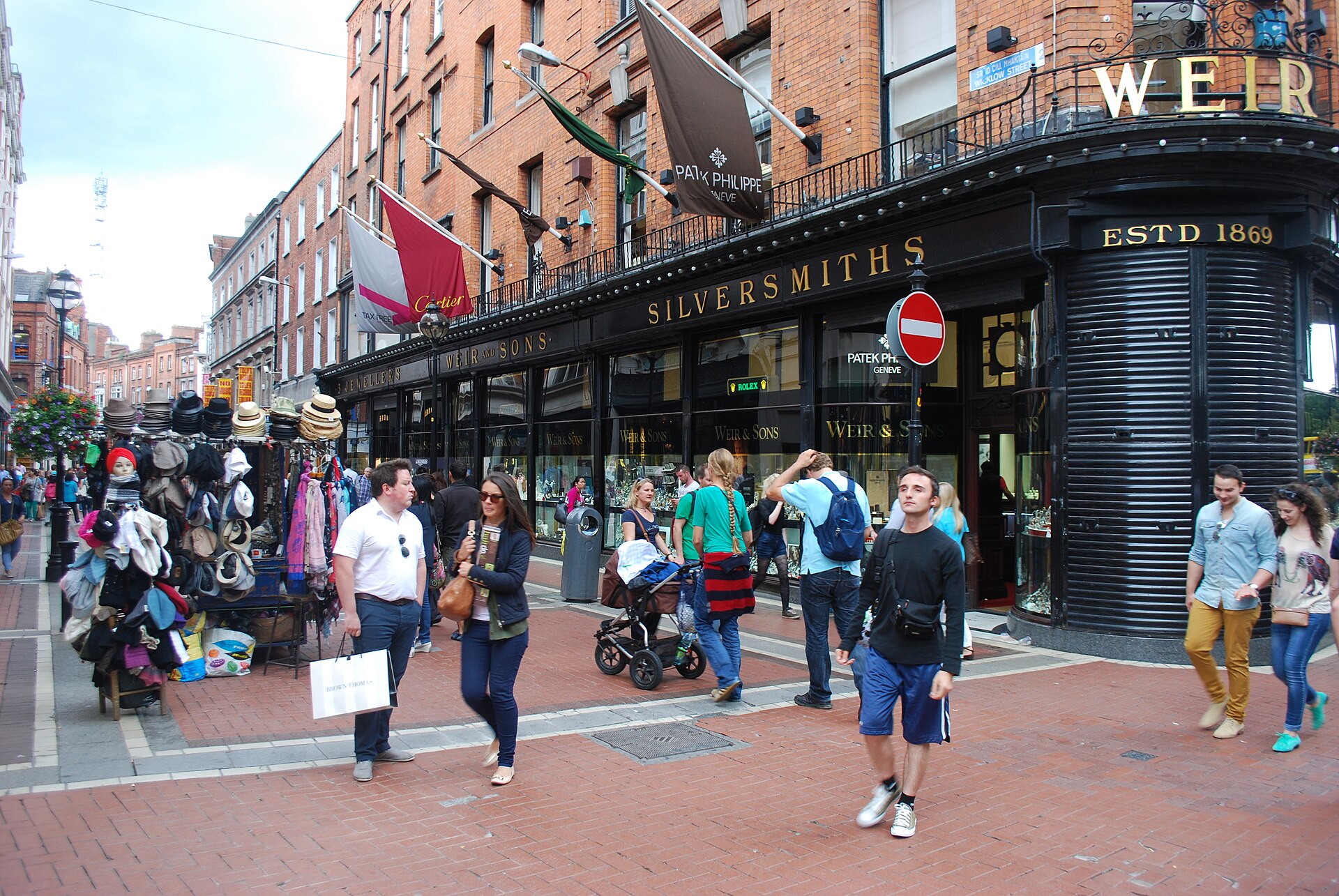
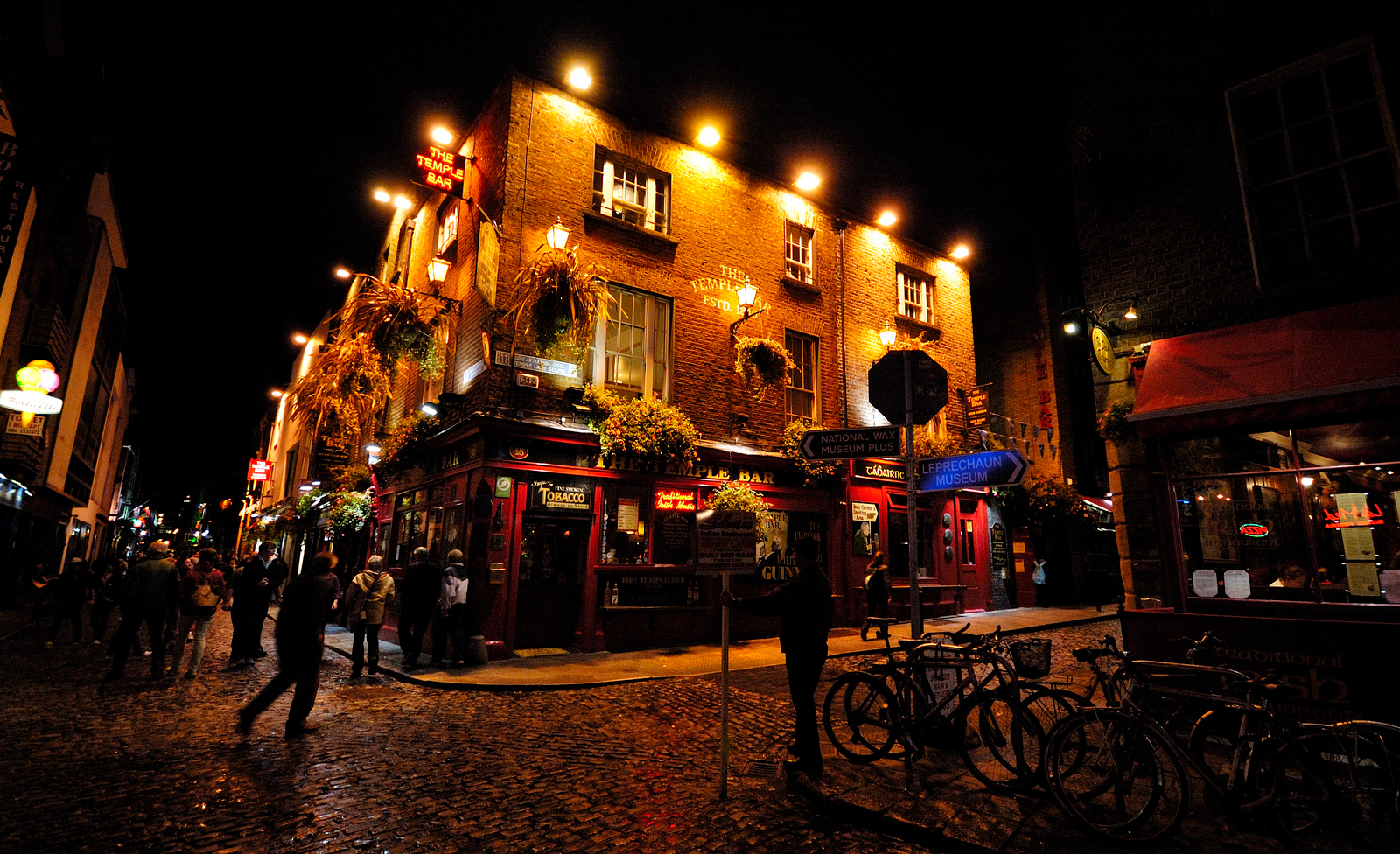
Not a scam, entirely above board, and among the highest prices you will pay in the city. A pint inside the cobbled quarter typically costs around €9 to €11, against about €6 to €7 in most city pubs. Across a weekend and a group of four that is a serious number, and it buys you nothing except the address.
Temple Bar is worth walking through once for the photographs and the noise. Then go five minutes in any direction — Kehoe’s on South Anne Street, The Long Hall on South Great George’s Street, The Palace Bar on Fleet Street. Our honest Temple Bar nightlife guide and traditional pubs guide both say the same thing at greater length. The same applies to food — see restaurants near Temple Bar.

Dynamic currency conversion — the one to memorise
When you pay by card, the machine may offer to charge you in your home currency — pounds, dollars, whatever your card is denominated in — rather than in euro. It will present this as a helpful convenience and may even show you the amount.
Always decline. Always choose euro. Accepting the conversion hands the exchange rate to the payment terminal rather than to your bank, and the terminal’s margin is applied to every single transaction. It is legal, it is disclosed in the sense that the screen asks you, and it takes more money from more visitors than every pickpocket in Ireland. The same applies at ATMs that offer to “convert” your withdrawal.
The tourist-menu restaurant
Photographs of the food on a board outside, someone standing at the door inviting you in, a laminated menu, a “traditional Irish dinner” at a fixed price. None of it is a good sign. Restaurants that need to catch passing trade are, by definition, not relying on people coming back. Book somewhere, or walk one street off the main run — see the restaurant guide and cheap eats.
Airport transfers
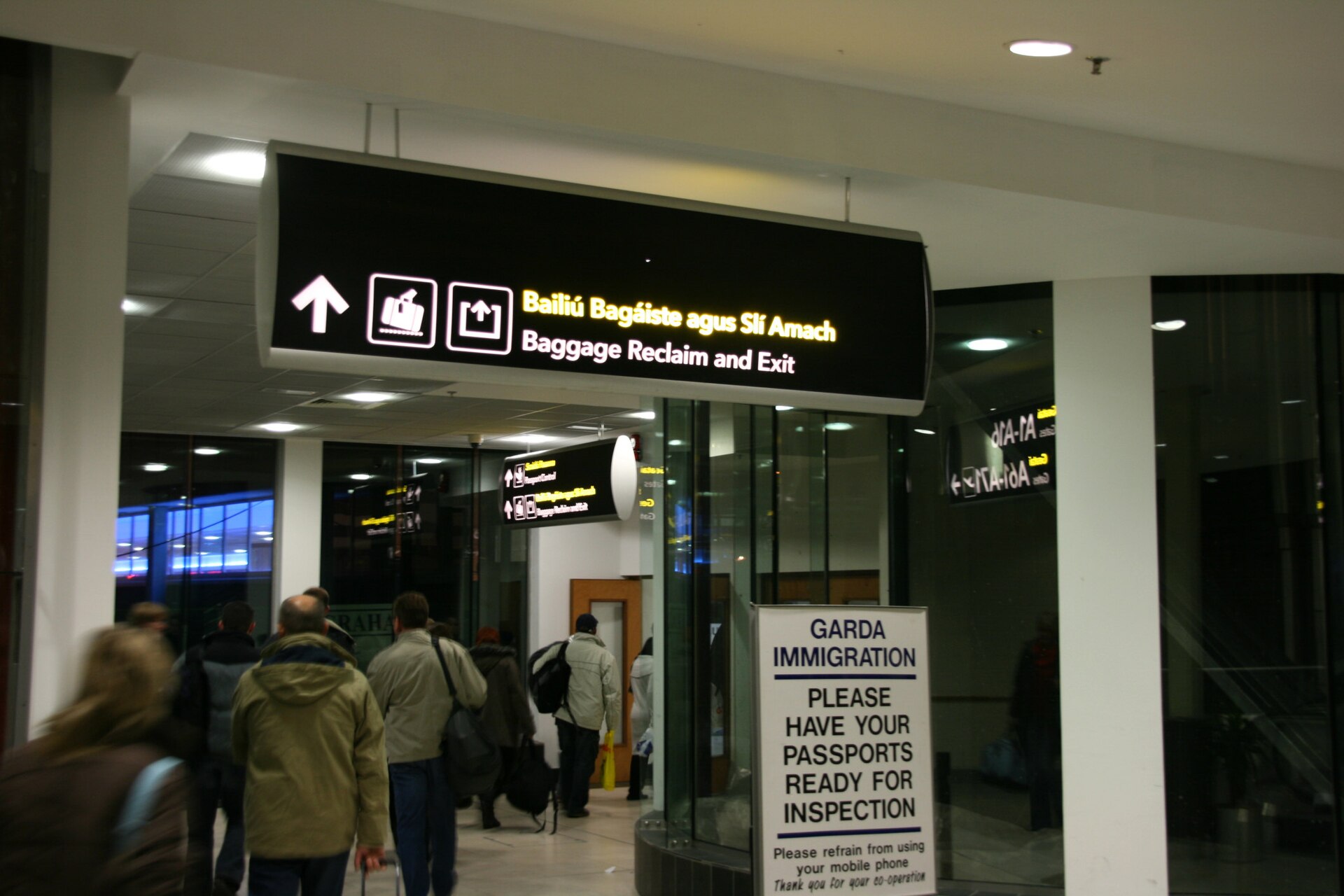
There is no rail link to Dublin Airport, and the price difference between the options is large: a Leap-Card bus fare against a metered taxi of twenty-five to forty minutes. Neither is a scam, but people who have not planned the transfer default to the most expensive one. Dublin Airport to the city centre sets out all four routes with prices.
The Actual Scams
The genuine Dublin tourist scams, in rough order of how often they are reported.
ATM card skimming
The most reported of the genuine Dublin tourist scams, with skimming devices found on machines in the O’Connell Street area. The defence is the standard one and it works: use ATMs inside bank branches or in staffed premises rather than standalone street machines, give the card slot and the keypad surround a firm tug before inserting anything, cover the keypad with your other hand, and check your statement while you are still travelling rather than when you get home.
Pickpocketing and bag-snatching
Common enough to plan for, and concentrated in exactly the places you would expect: Temple Bar at night, Grafton Street in the afternoon, crowded bus stops, and any packed pub. It is opportunistic — a bag hung on the back of a chair, a phone left on a table, a back pocket in a crowd.
- Bag closed, worn in front, strap across the body in a crowd.
- Phone and wallet in a front pocket, never a back one.
- Nothing on the back of a pub chair or on an outside table.
- Do not put a phone down on the bar while you order.
- Carry one card and leave the rest at the hotel.
Taxi tricks
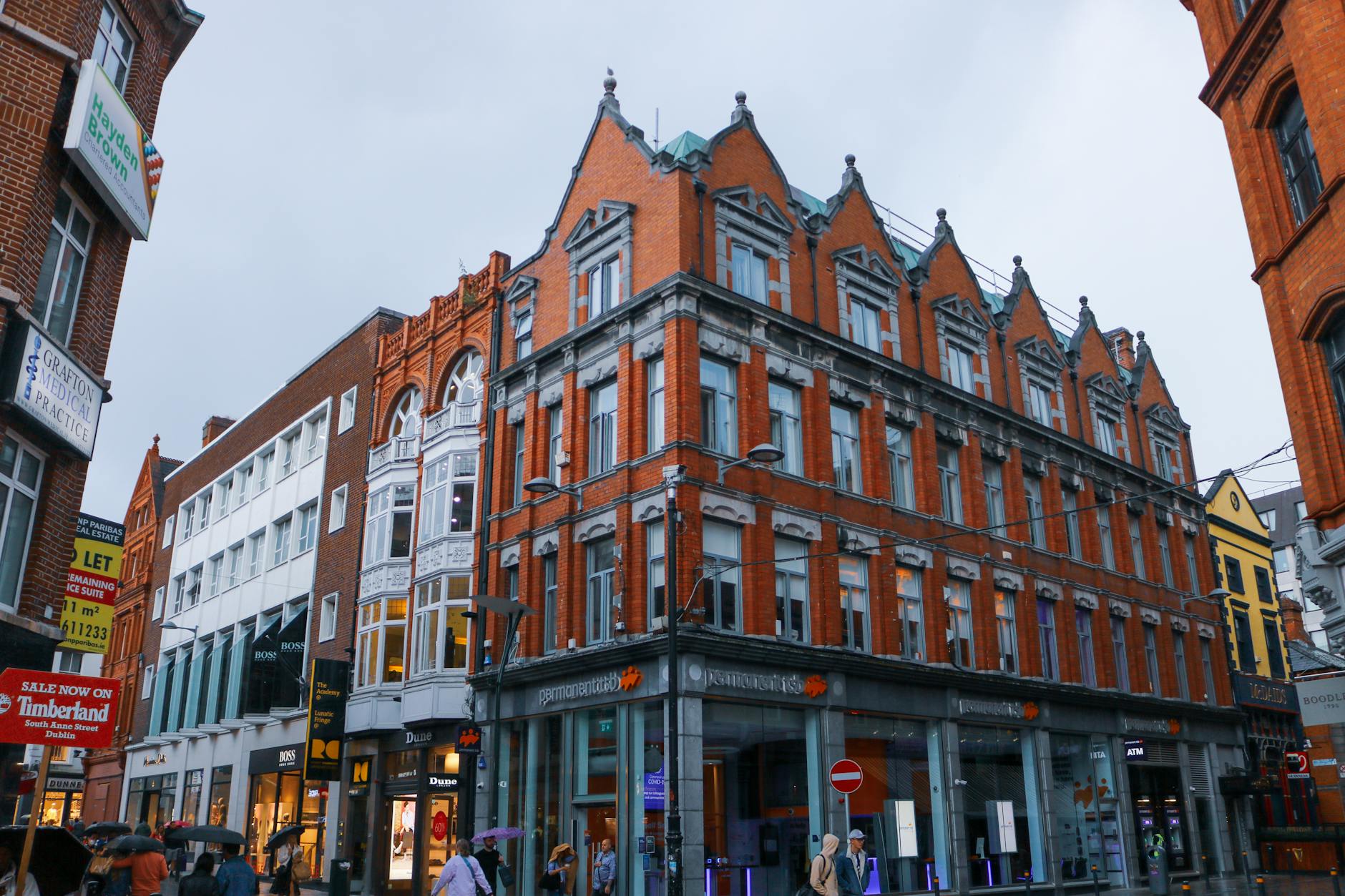
Uncommon but real, and worth recognising: a driver who says the meter is broken, one who says the card machine is not working once you are already at your destination, one who takes a route that makes no sense, or an unlicensed car offering a lift outside a nightclub or the airport. See the section below on how the system is supposed to work, because knowing that is the whole defence.
Fake charity collectors
People with buckets or clipboards on busy pedestrian streets, sometimes aggressive, who cannot show identification from a registered charity. Legitimate street collections in Ireland are permitted and identifiable; if someone cannot show you who they are collecting for, keep walking. Nobody legitimate will object.
Pub touts
Someone friendly falls into step with you near Temple Bar and offers to take you to “the best pub in Dublin, just round the corner, where the locals go”. It is a bar paying for the introduction, the prices will be higher, and the locals are not there. This is the grey area of the list — not quite a crime, definitely not a favour. Pick your own pub from a guide or a map.
Street-sold tour tickets
Tickets for bus tours, walking tours or attractions sold by someone on the street at a discount, which turn out to be invalid or already used. Book through the operator’s own website or buy at the attraction. This matters particularly for Kilmainham Gaol, which sells out weeks ahead and where a street-bought ticket is a guaranteed waste — and for the hop-on hop-off buses, where the operators are easy to confuse.
Taxis: How the System Actually Works
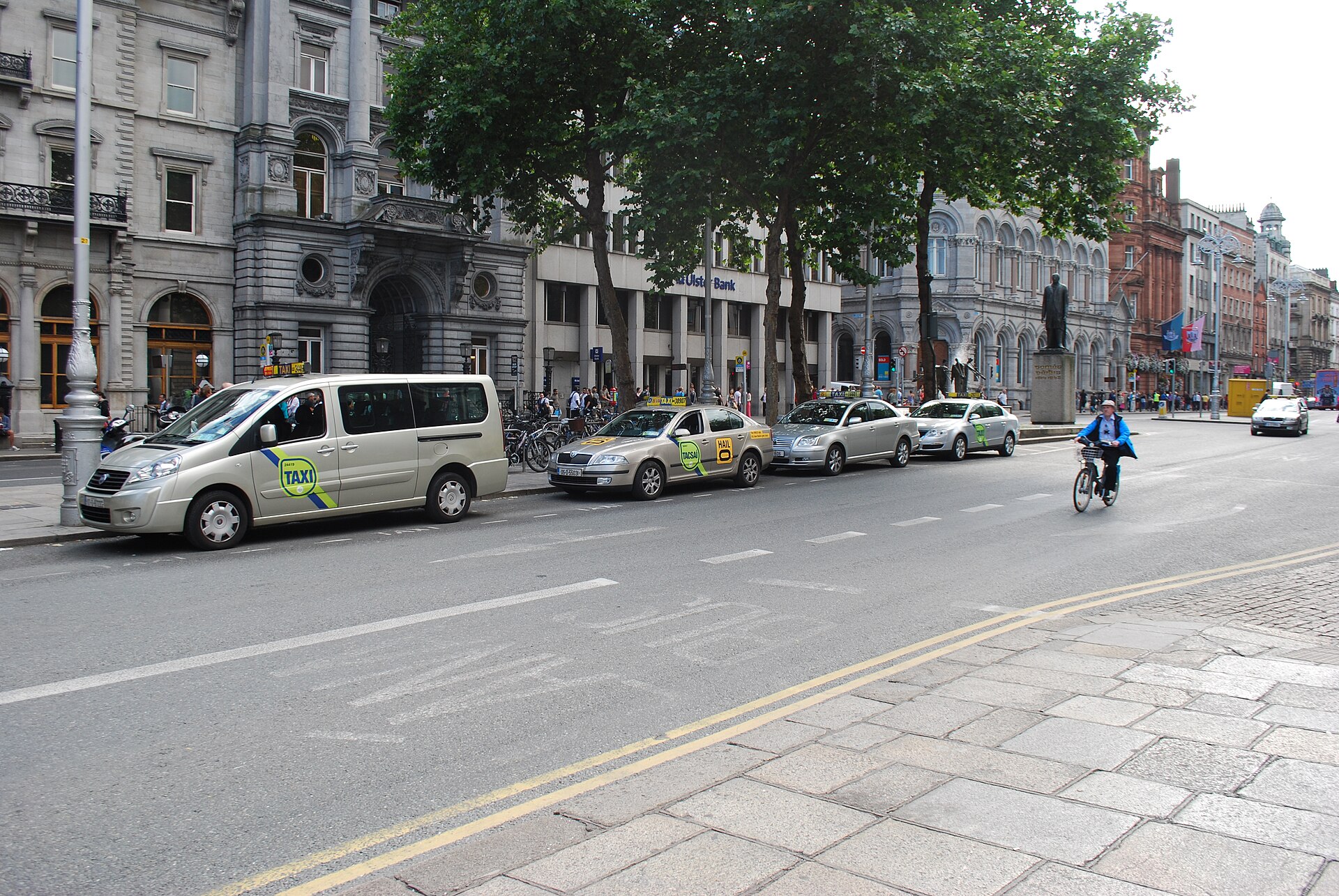
Knowing the rules makes the taxi variety of Dublin tourist scams obvious, and Irish taxis are well regulated.
- Licensed taxis are regulated by the National Transport Authority. They carry a roof sign and a licence disc, and the driver’s identification should be displayed inside the car.
- The meter is not optional. Within the taximeter area a licensed taxi runs on the meter, on a nationally set fare structure. “The meter is broken” means take a different taxi.
- The meter should start when the journey does, not before you get in.
- Ask about cards before you set off, not on arrival. Most take them; some prefer cash and will say so if asked at the start.
- App-based booking removes most of the risk, because the price and the route are recorded and you are not negotiating on a pavement.
- Never take a lift from an unmarked car offering one outside a club or the airport, however plausible the driver.
- Note the licence number if something goes wrong; a complaint to the regulator needs it.
Taxis are plentiful and honest in the overwhelming majority of cases, and inside the canals walking is often faster anyway. Our Dublin taxi guide has the fare structure and the ranks.
Money: Cards, Cash and Small Print
- Ireland uses the euro. Sterling is not accepted in the Republic — including notes from Northern Ireland, which is an hour and a half up the road and a different currency. See Dublin vs Belfast.
- Cards and contactless work everywhere, including on buses via tap. You can spend a week here and use no cash at all, though twenty euro is handy for small takeaways and market stalls.
- Always pay in euro when the machine offers a choice. This is the single most valuable line on this page.
- Check for an automatic service charge before tipping, particularly with larger groups, where a service charge is often added. Do not tip twice — see the tipping guide.
- Tipping is not obligatory and is lower than in the United States. Nobody will chase you down the street.
- Watch the Leap Card options. The Leap Visitor Card comes in one, three and seven-day versions; buying the wrong one is a self-inflicted cost rather than a scam. See the Leap Card guide.
Where and When to Take More Care
Not a warning list so much as a map of where the density of visitors — and therefore of opportunists — is highest.
- Temple Bar after dark, for pickpocketing and for pricing.
- Grafton Street and Henry Street in the afternoon, when both are busy.
- Busy bus stops and the Luas at rush hour.
- O’Connell Street and the north quays late at night, where antisocial behaviour is the more common problem.
- Any packed pub, where bags and phones get left on tables.
- Around big events — a match weekend, St Patrick’s, a stadium concert — when crowds build.
The city centre is compact and busy. Stay on the main routes, and book a taxi through an app rather than accepting one that pulls up beside you.
If Something Does Go Wrong
- Emergency number: 112 or 999. Both work and both are free from any phone.
- The Gardaí are the police — never “the Irish police force” in conversation. Report a theft at any Garda station; you will need the report for an insurance claim.
- Cancel cards immediately and use your bank’s app rather than a number you find on the street.
- For a taxi complaint, you need the vehicle’s licence number, so photograph the licence disc if a journey starts badly.
- Travel insurance is worth having and most policies require a prompt police report, so check the time limit in yours — see the travel insurance guide.
- Your embassy handles lost passports; start with the hotel, who will have dealt with it before.
Gotchas
The short version of every Dublin tourist scams warning on this page.
- Always choose euro at a card machine. The “pay in your own currency” option costs several per cent every time.
- A pint in Temple Bar is typically around €9 to €11 against about €6 to €7 five minutes away. Entirely legal and entirely avoidable.
- “The meter is broken” is not a thing. Licensed taxis run on the meter. Get out.
- Ask about card payment before the journey, not at the end of it.
- Sterling is not accepted in Dublin, including Northern Irish notes.
- Never buy attraction or tour tickets from someone on the street. Kilmainham Gaol in particular sells out weeks ahead through its own site.
- Check for an added service charge before you tip.
- Use ATMs inside bank branches rather than standalone street machines.
- Dublin Castle and the Chester Beatty are closed to visitors until January 2027 — anyone selling you a castle tour this year is selling something that does not exist.
- Nobody legitimate objects to being asked for identification. Charity collectors included.
FAQ: Dublin Tourist Scams
What are the common tourist scams in Dublin?
ATM card skimming, most reported around O’Connell Street; pickpocketing in Temple Bar, on Grafton Street and at busy bus stops; taxi drivers claiming a broken meter or no card machine; fake charity collectors without identification; strangers steering you to a particular pub; and invalid tour tickets sold on the street. The list is genuinely short by European capital standards, and none of the tricks is sophisticated.
Are Dublin taxis safe?
Yes, overwhelmingly. Licensed taxis are regulated by the National Transport Authority, carry a roof sign and licence plate, display the driver’s identification, and must run on the meter on a nationally set fare structure. The tricks to know are “the meter is broken”, a card machine that stops working on arrival, and people offering lifts outside clubs or the airport. Booking through an app removes most of the risk because the price and route are recorded.
Is Temple Bar a tourist trap?
On price, yes — a pint typically costs around €9 to €11 there against about €6 to €7 in most Dublin pubs. On everything else, it is a real cultural quarter with the Irish Film Institute, the Gallery of Photography, good live music and two excellent weekend markets. Go, walk through it, take the photograph, have one drink if you like, and then drink somewhere else. It is a place to visit rather than a place to spend a weekend’s budget.
What is the biggest rip-off in Dublin?
Dynamic currency conversion, and it is not close. Every time a card machine offers to bill you in your home currency instead of euro and you accept, you hand the exchange rate to the terminal rather than your bank, and the terminal adds its own margin. Applied across a whole trip it takes more money off visitors than any of the actual Dublin tourist scams. Always choose euro.
Is pickpocketing a problem in Dublin?
Yes, but it is opportunistic rather than organised — a bag on the back of a chair, a phone on a table, a back pocket in a crowd. Temple Bar at night, Grafton Street in the afternoon and busy bus stops are where it concentrates. Keeping your bag closed and in front of you, and your phone out of a back pocket, removes nearly all of the risk.
Should I carry cash in Dublin?
Very little. Cards and contactless work everywhere including on the buses, and you can spend a week here without using cash. Twenty euro is worth carrying for small takeaways, market stalls and the occasional place with a card minimum. Use ATMs inside bank branches rather than standalone street machines, and decline any offer to convert the withdrawal into your home currency.
Are the charity collectors on Grafton Street genuine?
Some are and some are not. Legitimate street collections in Ireland are permitted and the collectors are identifiable, so the test is simple: ask who they are collecting for and look for identification. Anyone genuine will show you without hesitation. Anyone aggressive, evasive or without ID is best walked past, and you owe them no explanation.
Is Dublin safe at night?
Broadly yes, with the caution any capital deserves after midnight. The nightlife streets stay busy and well lit, taxis are plentiful and metered, and the centre is small enough to walk across. Stay on main routes and book taxis through an app.
How do I avoid overpaying in Dublin generally?
Three habits cover most of it. Pay in euro at every card machine. Drink and eat at least one street back from Temple Bar and the main tourist runs. And use the free things, because Dublin has an unusual number of them — the National Museum, the National Gallery and the Botanic Gardens are all free. Dublin on a budget and the free things guide go further.
Keep Planning
- Dublin Travel Tips — the parent guide to everything practical.
- Is Dublin Safe? — the broader safety picture.
- The Dublin Taxi Guide — fares, ranks and how the meter works.
- Temple Bar — what it is worth and what it is not.
- Tipping in Dublin — how much, and when it is already added.
- Things to Know Before Visiting — plugs, weather, etiquette.
- Dublin on a Budget — the legitimate way to spend less.
- Dublin Travel Insurance — and why a Garda report matters.
Keep Reading
Photo Credits
Temple Bar streets at night: Dublin, Ireland – panoramio (30) by Roman Kharkovski, CC BY-SA 3.0, via Wikimedia Commons.
Taxi vehicles on Dame Street: 20130807 dublin137 by Jean Housen, CC BY-SA 3.0, via Wikimedia Commons.
Molly Malone on Suffolk Street: Molly Malone statue in Dublin, Ireland by Satdeep Gill, CC BY-SA 4.0, via Wikimedia Commons.
Dublin Airport arrivals and passport notice: Dublin airport – Irish language by Tupungato, CC BY 2.5, via Wikimedia Commons.
Wicklow Street junction: 20130810 dublin253 by Jean Housen, CC BY-SA 3.0, via Wikimedia Commons.
Lean na Comharthaí — Keep following the signs