Smithfield & Stoneybatter: Dublin’s Hippest Neighbourhood (2026)
Ar an gComhartha Seo — On this sign
- Understanding Smithfield and Stoneybatter
- The Jameson Distillery Bow Street
- Other Smithfield Attractions
- Stoneybatter Independent Shops and Cafes
- The Cobblestone Pub: Authentic Trad Music
- Smithfield and Stoneybatter Restaurants
- Smithfield Craft Beer Scene
- Smithfield and Stoneybatter Street Art
- Light House Cinema
- Where to Stay in Smithfield
- How to Get to Smithfield
- Suggested Smithfield/Stoneybatter Day
- A Brief History of Stoneybatter
- Smithfield Horse Fair Tradition
- Annual Events in Smithfield
- Local Favourite Stops
- Practical Visitor Information
- Combining with Other Dublin Areas
- Hidden Gems and Lesser-Known Stops
- Beyond Trad: Smithfield’s Wider Music Scene
- Smithfield and Stoneybatter Dublin: FAQ
- Keep Reading
- Photo Credits
Smithfield and Stoneybatter form Dublin’s coolest contemporary neighbourhood — the local equivalent of London’s Shoreditch or Brooklyn’s Williamsburg. Located on the north side of the Liffey just west of the city centre, this combined area has emerged from working-class roots into a creative hub of independent cafes, craft beer brewers, vintage shops, traditional pubs, and a strong arts community. Visitors looking beyond Temple Bar for authentic Dublin character find their home here. This guide covers everything to do, eat, drink, and explore in Dublin’s hippest neighbourhood.
Understanding Smithfield and Stoneybatter
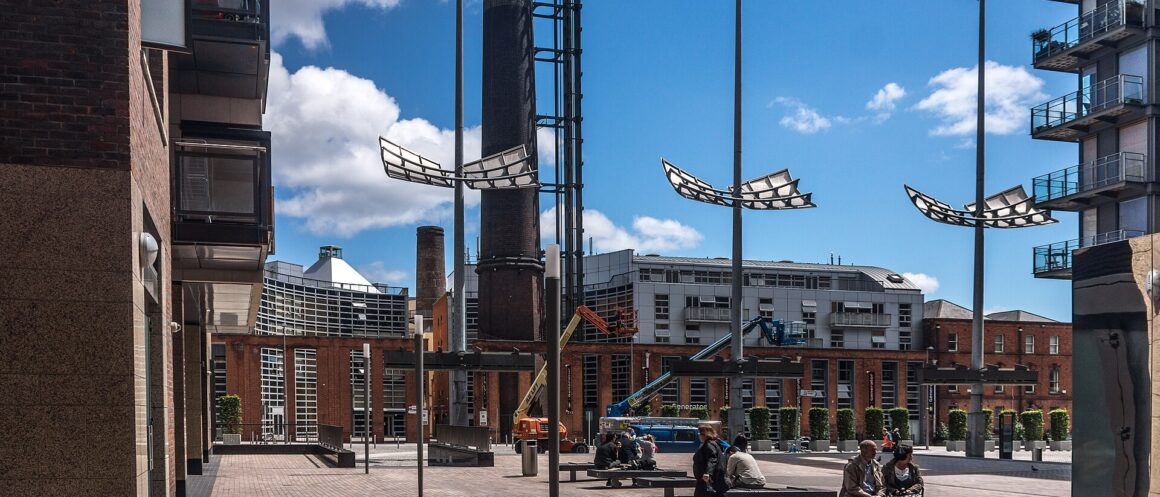
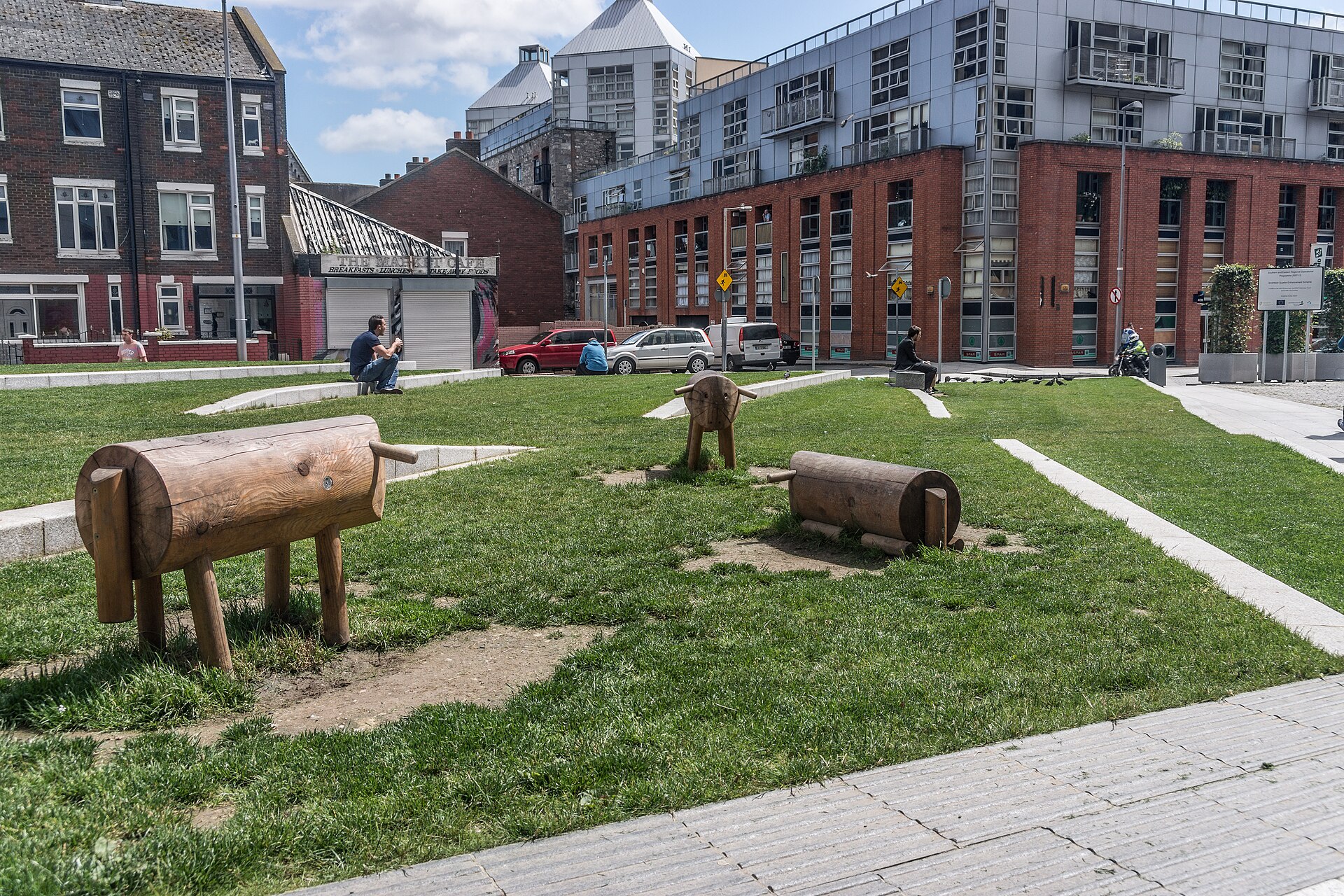
Smithfield (Dublin 7) centres on the wide cobblestoned Smithfield Plaza, redeveloped after a 1997 architectural competition on the site of a marketplace dating back to the 17th century. The plaza is surrounded by the Jameson Distillery Bow Street, a Luas tram stop, the Maldron Smithfield hotel, and various restaurants and bars. Stoneybatter (also Dublin 7) extends north and west from Smithfield as a residential neighbourhood with red-brick Victorian terraces, independent shops, and a strong local identity. The two areas blend seamlessly — locals often refer to the combined area as just “Stoneybatter.”
The neighbourhood was traditionally working-class with strong meatpacking, cattle market, and trade industries. Smithfield Market, established in 1665, closed to animal, hay and straw sales in April 1979. Since the 2000s, gentrification has transformed the area — young professionals and creative workers have moved in, independent businesses have opened, and house prices have risen dramatically. The neighbourhood retains genuine working-class residential character alongside the newer hipster overlay.
The Jameson Distillery Bow Street
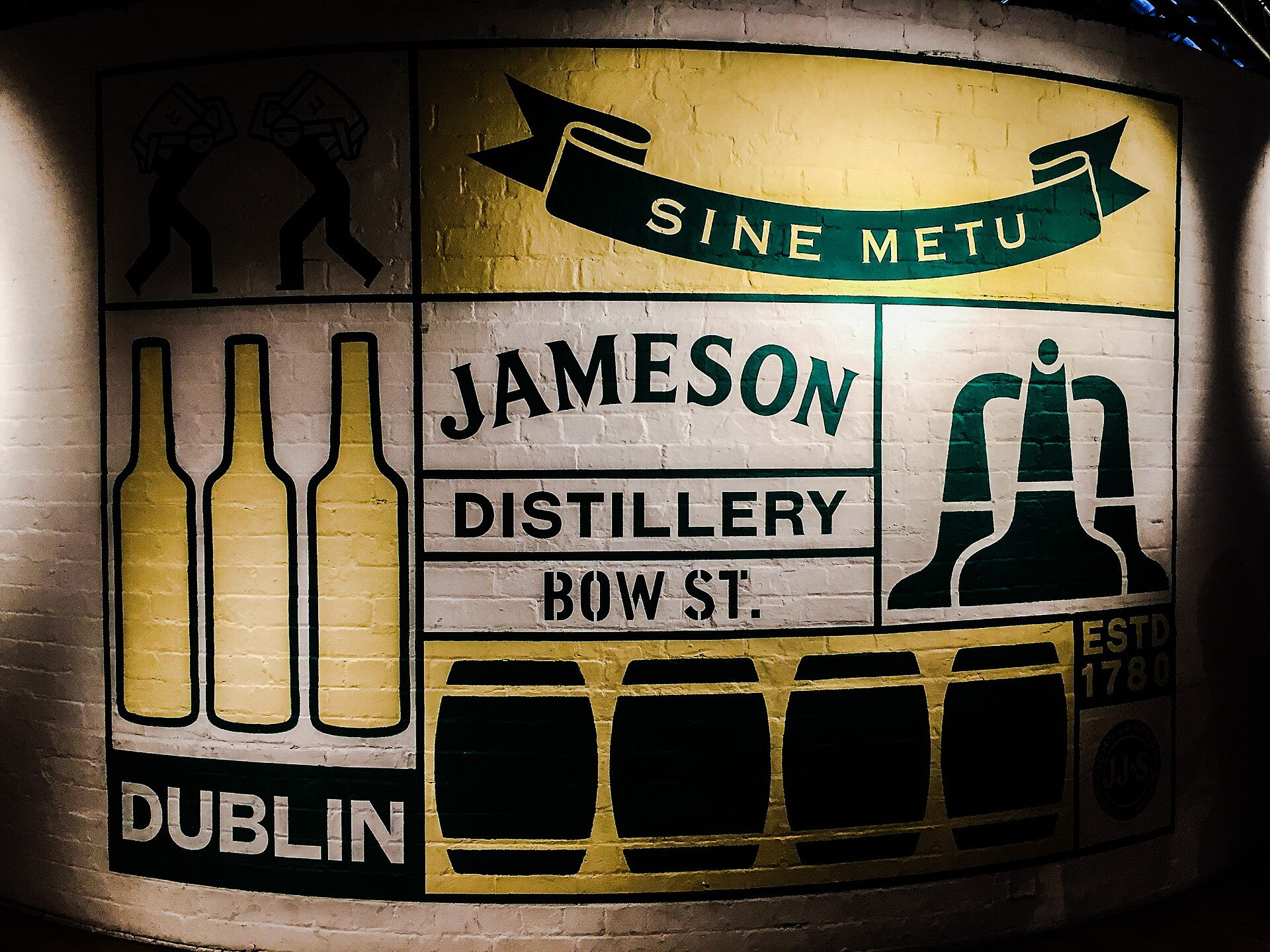
The Jameson Distillery Bow Street is Smithfield’s major tourist attraction. The original Jameson distillery operated here from 1780 until it closed in 1971. The Bow Street site reopened as a visitor experience in 1997 and now combines distillery tours, whiskey tasting masterclasses, cocktail-making classes, and a substantial gift shop.
The standard Jameson Experience with Tasting (from €26, 45 minutes) is a guided tour of the distilling process and the brand’s history, ending with a comparative tasting of three Jameson whiskeys and a signature cocktail. The Jameson Distillery Reserve Bar offers private tastings and signature cocktails. Other experiences include the Black Barrel Blending Class (€60, 90 minutes) and the Secret Whiskey Tasting Experience (€40, 45 minutes). Opening hours and final tour times vary by day, so check the booking calendar on Jameson’s site and book ahead online for the best slots.
Other Smithfield Attractions
- Light House Cinema — Smithfield Plaza. Dublin’s premier independent and arthouse cinema. Excellent cafe and programme.
- The Generator Hostel — Smithfield. Major hostel with rooftop bar and DJ nights.
- Cobblestone Pub — Smithfield. Dublin’s most respected traditional Irish music venue.
- The LAB Gallery — Foley Street, Dublin 1. Free contemporary art gallery.
- Old Jameson Distillery building — The architectural exterior is historic in itself.
- Smithfield Market Square — The plaza itself hosts occasional markets and outdoor events.
Stoneybatter Independent Shops and Cafes
Stoneybatter’s small independent businesses give the neighbourhood its character:
- Stoneybatter Florist — Manor Street. Cult Dublin florist with creative arrangements.
- Wuff — Benburb Street. Dog-friendly cafe with excellent coffee.
- Walsh’s — Stoneybatter. Classic Dublin pub with traditional Sunday lunch.
- Two Pups Coffee — Francis Street (just south). Small specialty coffee.
- Glasnevin Food Market — Saturdays 08:30–14:30 at 38a Barrow Road, Glasnevin, north of Smithfield. Quality producer market.
- Cake Cafe — Pleasants Street (just south). Bohemian cafe in a former laundrette.
- The Glimmer Man — Stoneybatter. Cosy pub with strong local clientele.
- Stoneybatter Vintage — Multiple small vintage clothing shops along Manor Street.
- Wigwam — Middle Abbey Street (just south). Lebanese restaurant and cocktail bar in former bank vaults.
The Cobblestone Pub: Authentic Trad Music
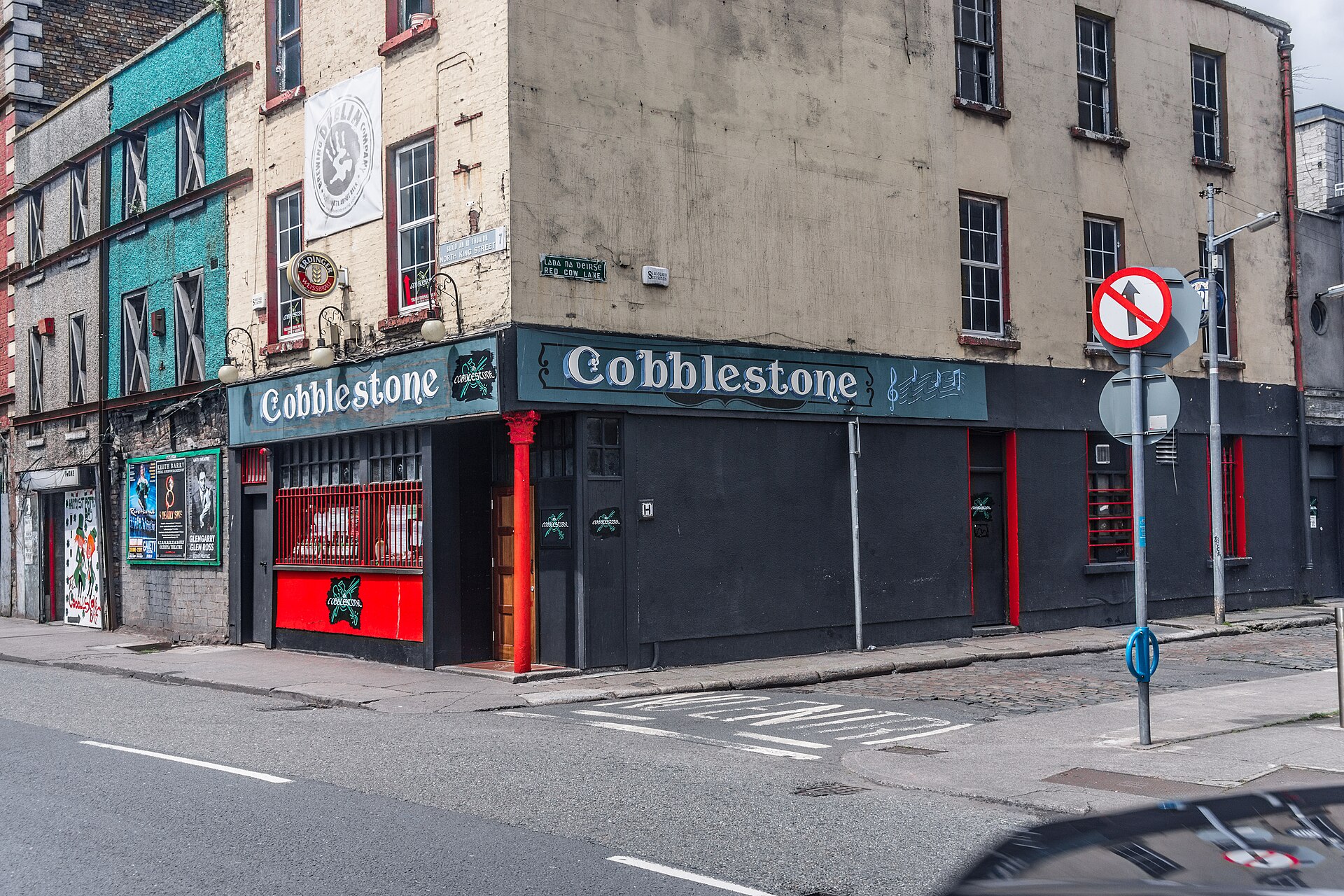
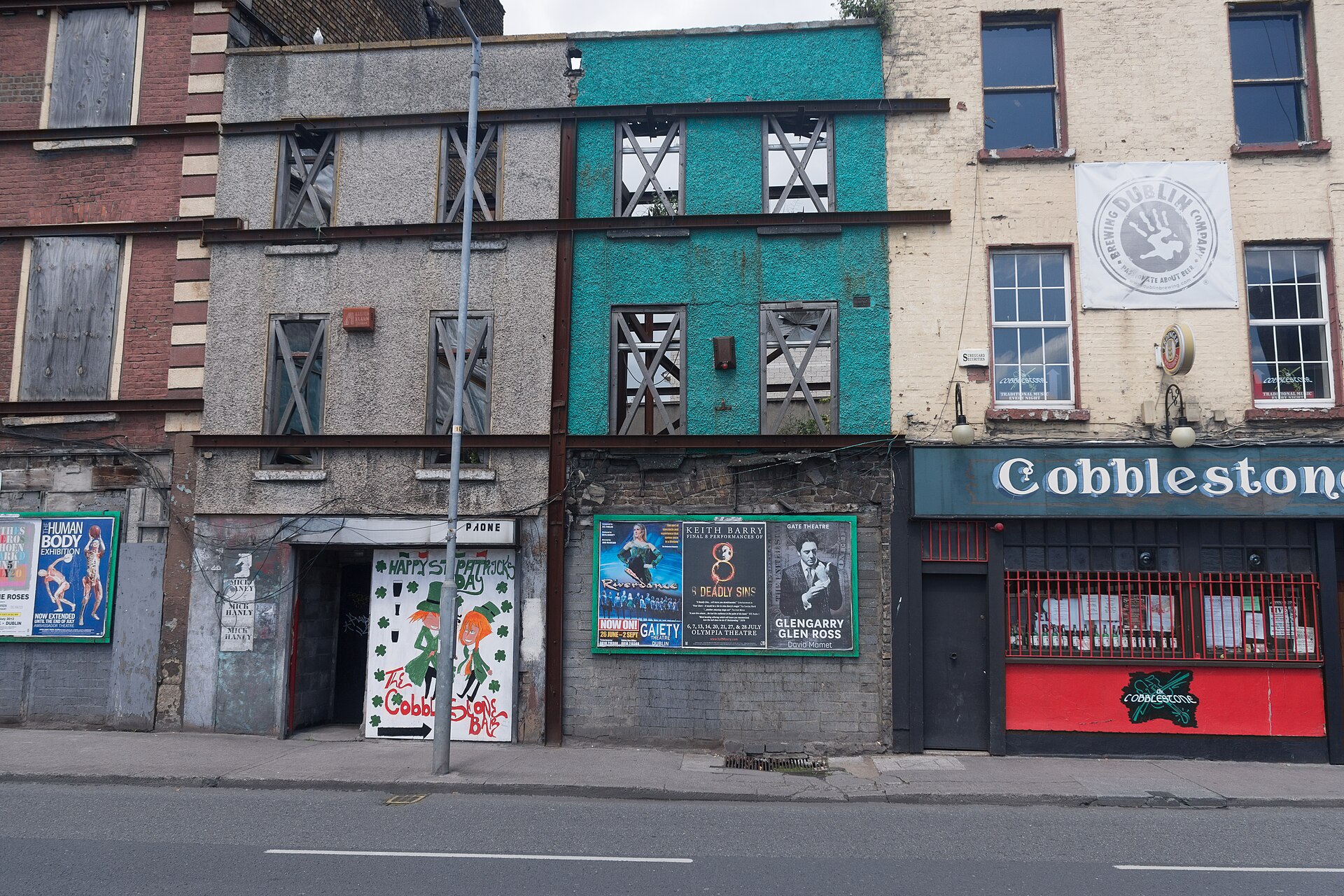
The Cobblestone on King Street North (Smithfield) is Dublin’s most respected traditional Irish music pub. Family-owned, the pub runs trad sessions every day, starting at 6:30pm on Mondays, 4:30pm Tuesday–Thursday, 2pm on Fridays and 2:30pm at weekends, and carrying on until close. These are genuine sessions where musicians sit in a circle and take turns leading tunes — not commercial performances. The atmosphere is welcoming, the beer reasonably priced, and the music among the best you’ll hear anywhere in Ireland.
The Cobblestone’s “Listening Room” upstairs hosts ticketed concerts featuring major Irish traditional artists. The Friday afternoon session, which starts at 2pm, is particularly recommended for visitors wanting a calmer trad music experience. Tipping musicians is welcomed but not required. Arrive early for the evening sessions to get a seat — the front bar fills quickly.
Smithfield and Stoneybatter Restaurants
- Token — Queen Street, Smithfield. Restaurant-arcade hybrid with retro arcade games, craft cocktails, and pizza.
- Fish Shop Queen Street — Smithfield. Quality fish and chips plus a separate Fish Shop wine bar evening service.
- The Restaurant at Generator Dublin — Smithfield. Casual quality restaurant in the hostel.
- Brother Hubbard North — Capel Street. Excellent brunch (10 minutes east).
- Wuff — Benburb Street. Brunch and lunch in dog-friendly setting.
- L Mulligan Grocer — Stoneybatter. Gastropub with Irish craft beer and quality food.
- Mulligan’s of Stoneybatter — Stoneybatter. Classic Dublin pub with strong food programme.
Smithfield Craft Beer Scene
Smithfield houses several Dublin craft breweries and beer-focused venues. The Five Lamps Brewery (just east in the IFSC area) and the Brew Dock (Amiens Street) anchor the craft beer scene. Within Smithfield itself:
- The Wigwam Beer Garden — Middle Abbey Street. Craft beer in former bank vaults.
- L Mulligan Grocer — Stoneybatter. Major craft beer selection.
- The Brew Dock — Amiens Street. Irish craft beer on tap.
- Beerhouse — Capel Street (east). Massive Irish craft beer selection.
- Open Gate Brewery — James Gate (Liberties, south of Smithfield). Guinness experimental brewery with tap room.
Smithfield and Stoneybatter Street Art
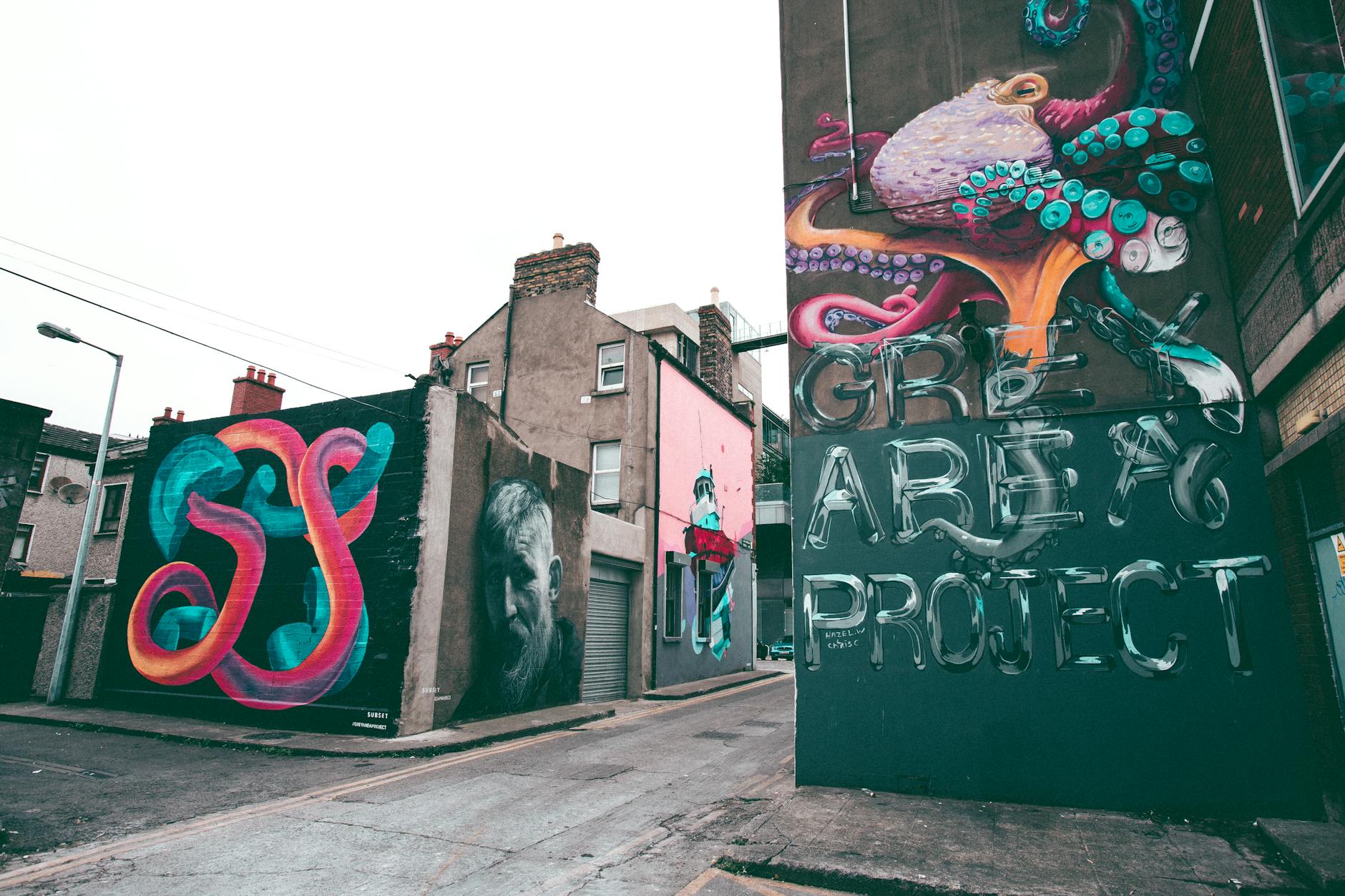
The Smithfield and Stoneybatter area hosts Dublin’s densest concentration of large-scale street art murals. Traffic-signal boxes painted for the Dublin Canvas project turn up throughout the area. Major mural locations include the Aughrim Street area, Manor Street, Brunswick Street, and the walls around Smithfield Plaza. Notable Dublin street artists working in the area include Aches (detailed portraits), Maser (whose Repeal mural became iconic), and Subset (large-scale conceptual works).
To see the murals on your own, free self-guided routes are available via the Visit Dublin app and the Dublin Canvas website. The street art changes regularly as new murals are commissioned and older ones replaced or weathered.
Light House Cinema
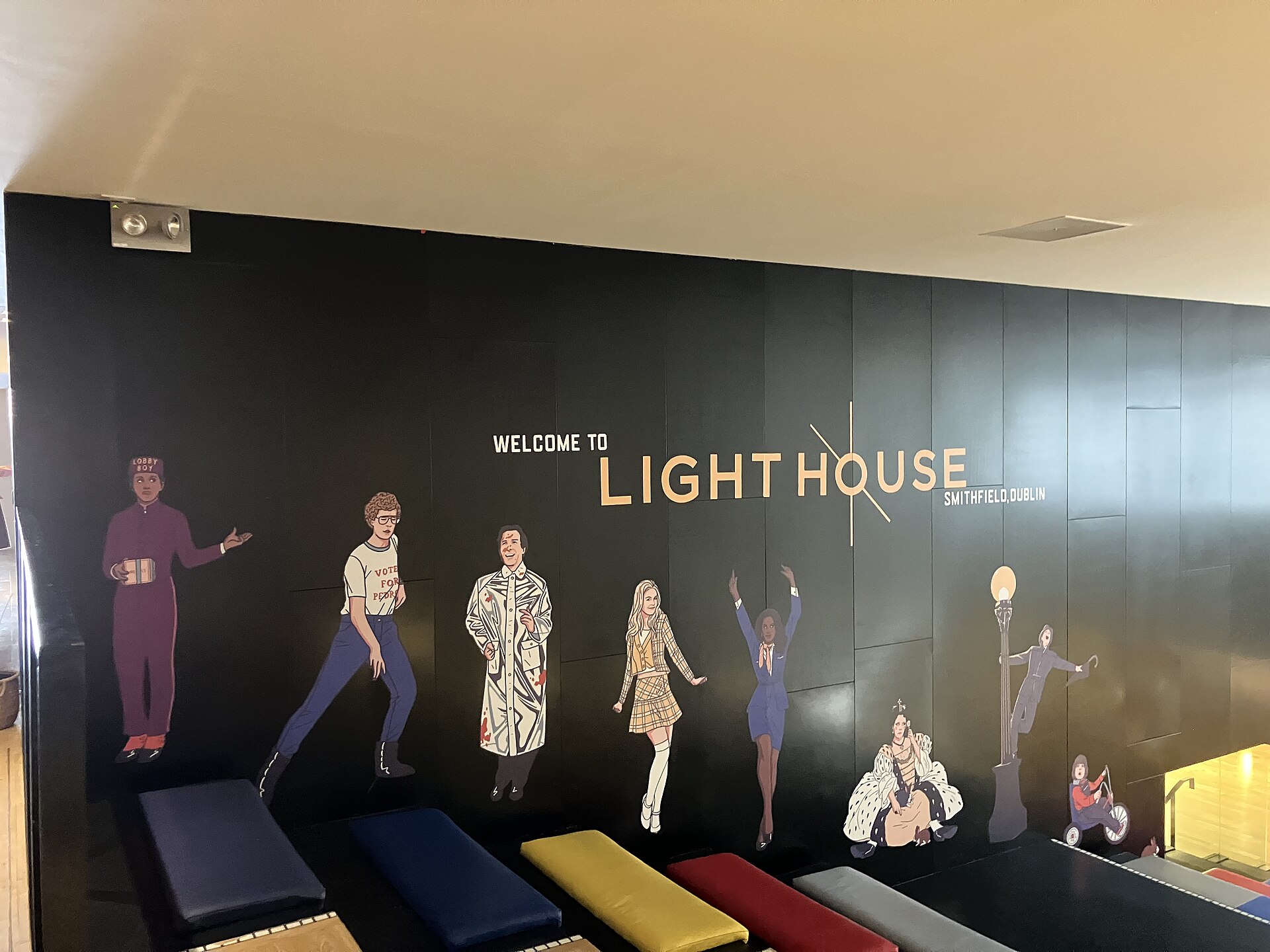
The Light House Cinema on Smithfield Plaza is Dublin’s premier independent and arthouse cinema. Four screens show a curated mix of independent films, foreign cinema, documentaries, and classics. The Lighthouse Cafe Bar serves quality food and drinks — many people visit just for the cafe without seeing a film. Parent and Baby screenings, for adults bringing babies along, run on Wednesday and Saturday mornings.
The cinema is housed in a striking modern building with award-winning architecture — worth visiting for the building alone. Check current ticket prices, including student and senior rates, on the Light House’s own site. The cinema hosts major Dublin film festivals including the Dublin International Film Festival in late February and the Dublin Festival of History in September.
Where to Stay in Smithfield
- Maldron Smithfield — Smithfield Plaza. Modern hotel with family rooms. From €150.
- Generator Dublin — Smithfield. Stylish hostel with private rooms. Dorm beds from €25, private rooms from €75.
- Staycity Aparthotels Smithfield — Smithfield. Kitchen-equipped studios. From €150.
- The Times Hostel (Smithfield) — Smaller hostel option.
- Premier Inn Dublin Smithfield — Reliable budget hotel option. From €110.
Staying in Smithfield offers a quieter alternative to Temple Bar, with the Luas Red Line linking Smithfield stop to the city centre and Heuston Station. The area is well-lit and safe but quieter at night than Temple Bar — ideal for families and travellers wanting good sleep with central location.
How to Get to Smithfield
- Luas Red Line — Smithfield stop directly on Smithfield Plaza. Connects to Heuston Station and city centre.
- Walking from city centre — Walk from O’Connell Bridge via Capel Street.
- Dublin Bus — Routes in the area have changed, so check current routes and stops for Smithfield in the TFI Journey Planner.
- Taxi — €8–12 from city centre.
Suggested Smithfield/Stoneybatter Day
Morning: Coffee at Wuff or Two Pups. Walk through Stoneybatter to admire the Victorian residential streets. Browse independent shops along Manor Street and Aughrim Street.
Late morning: Visit the Jameson Distillery Bow Street (tours from €26; pick a late-morning slot in the booking calendar). Allow 90 minutes including tasting.
Lunch: Token (arcade-restaurant hybrid), Wuff brunch, or Brother Hubbard North on Capel Street.
Afternoon: Smithfield Plaza coffee at the Lighthouse Cinema Cafe Bar. Optional cinema visit. Walk to the LAB Gallery (free contemporary art). Explore the street art around Aughrim Street and Brunswick Street.
Evening: Trad music at The Cobblestone Pub, where the day’s main session is already under way by evening (it starts between 2pm and 6:30pm, depending on the day). Dinner at Fish Shop Queen Street or L Mulligan Grocer. Optional craft beer at the Wigwam Beer Garden or Brew Dock.
A Brief History of Stoneybatter
Stoneybatter takes its name from the Old Norse “stien botara” meaning “stone road” — the area sat on a stone-paved Viking-era route from Dublin to Cashel. The neighbourhood developed as a working-class residential and trades district in the 17th and 18th centuries, with cattle market activity at Smithfield drawing meatpacking, leatherwork, and tannery industries. The current red-brick terraced housing dates from the Victorian and Edwardian eras.
Twentieth-century industrial decline transformed Stoneybatter from a busy commercial neighbourhood into a quieter residential area with significant deprivation. Smithfield Market, in business since 1665, stopped selling animals, hay and straw in 1979. Dublin City Council’s 1990s regeneration plans for Smithfield, including the construction of Smithfield Plaza and the Luas tram extension, kicked off the gentrification that has transformed the area. Today the neighbourhood combines its working-class residential character with the newer hipster overlay of independent businesses and creative professionals.
Smithfield Horse Fair Tradition
The Smithfield Horse Fair, dating from the 1660s, used to fill Smithfield Plaza on the first Sunday of every month with horses, ponies, donkeys, and travelling community horse traders. The market was a significant cultural event drawing crowds from across Dublin and beyond. In 2013 Dublin City Council cut the fair from monthly to twice a year, in March and September, and brought in licensing rules on animal welfare and public safety.
The Wood Quay Venue beneath the Civic Offices nearby preserves Viking trading post archaeology that suggests the horse market tradition may have its roots in Viking-era trading at this location. The cobblestoned Smithfield Plaza still works as a public square, hosting the TwinkleTown Christmas market and other community gatherings.
Annual Events in Smithfield
- Smithfield Christmas Market (December) — Free market with food stalls, crafts, and Santa visits.
- Dublin International Film Festival (late February) — The Light House Cinema hosts multiple festival screenings.
- Phizzfest (May) — Free Phibsborough festival nearby with music and family events.
- TradFest (late January) — The Cobblestone hosts major trad music festival venue.
- Free outdoor cinema (summer) — Occasional summer screenings on Smithfield Plaza.
- Culture Night (late September) — Multiple Smithfield venues participate with free events.
Local Favourite Stops
Beyond the major attractions, several Smithfield/Stoneybatter spots are particularly beloved by locals. Mulligan’s of Stoneybatter (not to be confused with the famous Poolbeg Street Mulligan’s) is the neighbourhood institution pub with strong food programme, a quiet atmosphere, and proper Guinness. The Glimmer Man on Stoneybatter Road has been a beloved local pub for generations. Walsh’s on Stoneybatter Road runs traditional Sunday roast at €15–18 per person. Slattery’s of Capel Street (technically east of Smithfield) is a traditional pub with strong trad music programme on Sundays.
For shopping, Stoneybatter Florist on Manor Street has cult Dublin status for its creative arrangements. The North End Bookshop on Stoneybatter (when open) stocks Irish writers prominently.
Practical Visitor Information
Smithfield/Stoneybatter is a residential neighbourhood, so check each business’s own hours before you set out. Many independent cafes close on Mondays. Trad music at The Cobblestone starts in the afternoon or early evening, from 2pm on Fridays to 6:30pm on Mondays, and runs until close. Jameson Distillery opening hours and final tour times change from day to day. Luas Red Line trams are frequent through the day; check the next tram at the stop.
Combining with Other Dublin Areas
Smithfield/Stoneybatter combines naturally with several other Dublin areas for extended exploration. The Phoenix Park is within walking distance to the west — a perfect afternoon combination of city culture and outdoor space. The Liberties lies south across the Liffey for medieval Dublin and the Guinness Storehouse. Capel Street and Henry Street shopping is east of Smithfield. Head north for Phibsborough and some additional family-friendly suburban culture.
For a comprehensive Dublin north-side day, combine Smithfield (Jameson Distillery, trad music, lunch at Token) with the Phoenix Park (Wellington Monument, wild deer, free museums) and Phoenix Park Visitor Centre. The Luas Red Line connects all these areas conveniently. The Cobblestone evening trad music session caps off the day perfectly. For full Dublin context see our Dublin Neighbourhoods pillar.
Hidden Gems and Lesser-Known Stops
For visitors with deeper interest in Smithfield/Stoneybatter, several lesser-known spots reward exploration. The Distillers Building at the corner of Smithfield and King Street North is a former whiskey warehouse converted to apartments — its architecture preserves the 19th-century distilling district character. St Brigid’s Park just north of Smithfield offers a quiet local park rarely visited by tourists. The Friends of the Royal Hospital Kilmainham walking tours occasionally include the Smithfield distilling district. The King’s Inns Library on Henrietta Street (one of Dublin’s earliest Georgian streets) is occasionally open for heritage events. The Henrietta Street tenement museum preserves the dark history of Georgian Dublin turned slum.
The local community runs occasional free events on Manor Street and Stoneybatter Road during summer including buskers, kids’ entertainment, and food stalls. Check the Stoneybatter Community Centre or local Facebook groups for current events.
Beyond Trad: Smithfield’s Wider Music Scene
While The Cobblestone anchors the trad music scene, Smithfield/Stoneybatter has a broader music community. The Light House Cinema occasionally hosts live music. Token combines DJ nights with arcade games. The Generator Hostel rooftop bar runs DJ sets and themed nights. Many local pubs including L Mulligan Grocer and Walsh’s run occasional live music programmes — check social media for upcoming gigs. The annual TradFest in late January brings major Irish traditional music venues to multiple Smithfield/Stoneybatter pubs.
For dedicated music tourists, the Smithfield/Stoneybatter area provides a more authentic Dublin musical experience than the Temple Bar trad-music tourist circuit just 10 minutes away. The musicians at The Cobblestone are Ireland’s top traditional artists who play not for tourists but for the love of the music. Even on busy weekend nights, the front bar maintains a session-listening atmosphere rather than a noisy pub crowd.
Smithfield and Stoneybatter Dublin: FAQ
Is Smithfield worth visiting in Dublin?
Yes — Smithfield is Dublin’s hippest contemporary neighbourhood with the Jameson Distillery, the Cobblestone Pub (Dublin’s best trad music), the Light House Cinema, and a strong independent cafe and restaurant scene. Visit for an authentic alternative to Temple Bar tourism.
What is the best traditional music pub in Dublin?
The Cobblestone Pub on King Street North in Smithfield is widely considered Dublin’s best traditional Irish music venue. Sessions run every day (from 6:30pm on Mondays, 4:30pm Tuesday to Thursday, 2pm on Fridays and 2:30pm at weekends), with genuine musicians taking turns leading tunes, reasonably priced beer, and a welcoming atmosphere. Arrive early for a seat.
Is the Jameson Distillery tour worth doing?
Yes for whiskey enthusiasts. The Jameson Experience with Tasting (from €26, 45 minutes) covers Jameson’s history and the distilling process, and ends with a tasting of three whiskeys and a signature cocktail. The historic Bow Street site dates to 1780 distilling. Book ahead. For more depth there is the Black Barrel Blending Class (€60) or the Secret Whiskey Tasting Experience (€40).
How do I get to Smithfield from city centre?
Take the Luas Red Line to Smithfield stop, or walk over via Capel Street. Bus routes have changed, so look up current routes and stops in the TFI Journey Planner. Taxi €8–12 from city centre.
Should I stay in Smithfield or Temple Bar?
Smithfield is quieter, less touristy, and better for sleep. Temple Bar is more central but louder. For families and quality-sleep travellers, Smithfield is significantly better. For party visitors, Temple Bar is more convenient. Smithfield’s Luas stop puts the city centre a short tram ride away.
What can I do in Stoneybatter?
Browse independent shops along Manor Street and Aughrim Street, drink specialty coffee at Wuff or Two Pups, eat at L Mulligan Grocer, visit street art murals throughout the neighbourhood, and explore Victorian red-brick residential streets. The area is best for casual exploration rather than specific attractions.
Is Smithfield safe at night?
Yes — Smithfield is generally safe at night with normal urban precautions. The well-lit Smithfield Plaza is busy until late. The areas immediately around the plaza (Brunswick Street, Capel Street area) can feel quieter and emptier late at night — use FreeNow taxi rather than walking far after midnight.
When is the best time to visit Smithfield?
Weekday afternoons for the cafe and shopping scene. Friday and Saturday evenings for trad music at The Cobblestone. Sundays for relaxed brunch and walking. Avoid early morning when many businesses are closed. The Smithfield Christmas Market in December and occasional summer events bring extra atmosphere.
Keep Reading
- Dublin Docklands & Silicon Docks — Tech-company glass and restored Victorian warehouses along both banks of the lower Liffey.
- Portobello & Rathmines: Dublin’s Village Vibe — Canal-side walks and the Camden Street strip — village character ten minutes from Grafton Street.
- The Liberties: One of Dublin’s Most Historic Neighbourhoods — Christ Church, St Patrick’s and the Guinness Storehouse, in a district with medieval roots that still feels lived-in.
- Dublin’s whiskey bars — a related guide from elsewhere on the site.
- Which Dublin Distillery to Visit — how Bow St stacks up against the working distilleries across the river.
- Jameson Distillery Bow St — Smithfield’s landmark distillery, in the same neighbourhood as the Cobblestone.
Photo Credits
Smithfield Square and chimney: Smithfield Market Area Of Dublin – panoramio (3) by William Murphy, CC BY-SA 3.0, via Wikimedia Commons.
Smithfield Square green space: Smithfield Market Area Of Dublin – panoramio (11) by William Murphy, CC BY-SA 3.0, via Wikimedia Commons.
Jameson Bow Street mural: Dublin – Old Jameson Distillery – 20170922181702 by Dieglop, CC BY-SA 4.0, via Wikimedia Commons.
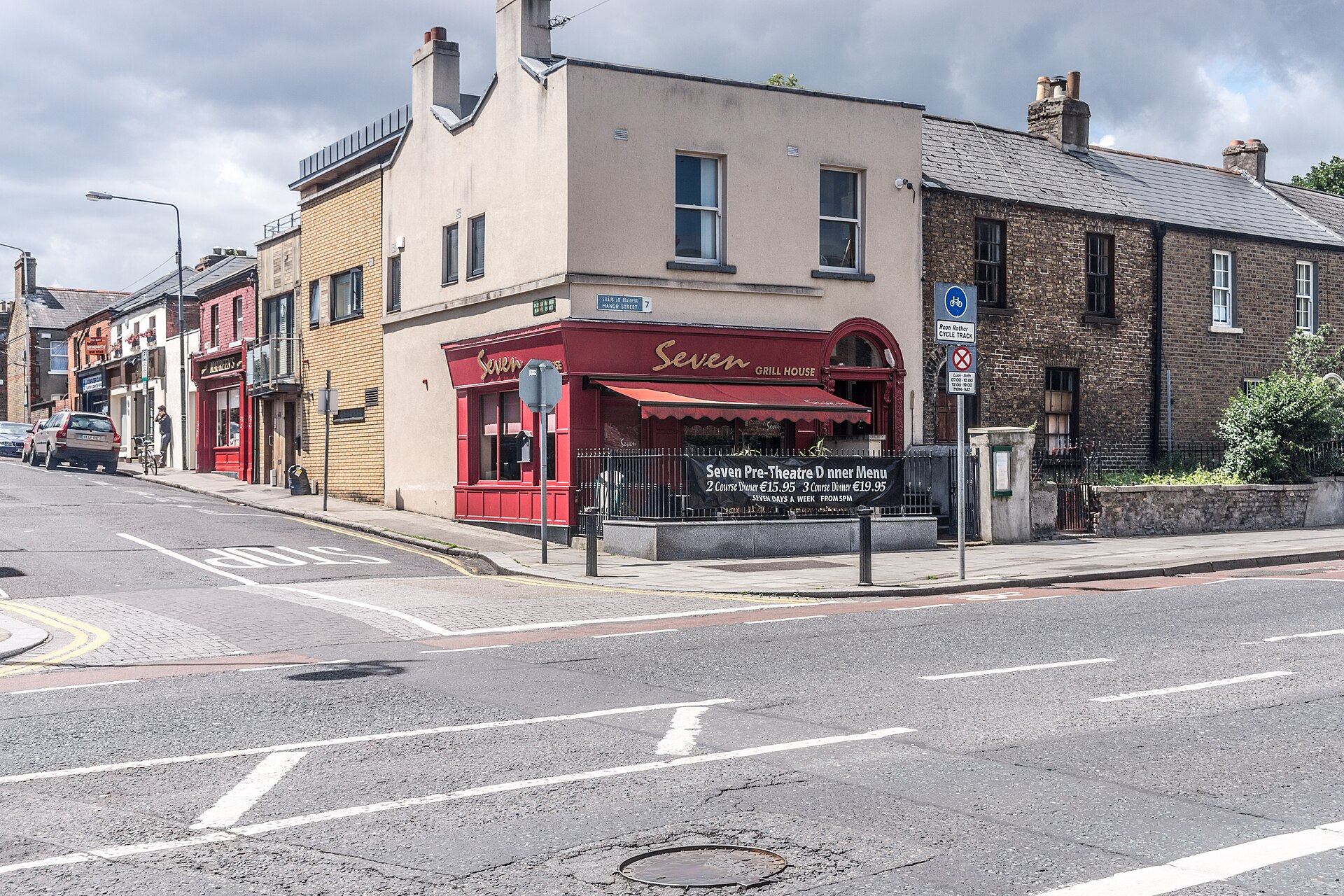
Manor Street in Stoneybatter: Seven Grill House – Stoneybatter Area Of Dublin (Manor Street-Manor Place) – panoramio (1) by William Murphy, CC BY-SA 3.0, via Wikimedia Commons.
The Cobblestone frontage: The Cobblestone Pub – North King Street – panoramio (1) by William Murphy, CC BY-SA 3.0, via Wikimedia Commons.
Light House Cinema interior: Light House Cinema Mural-1 by さえぼー, CC0, via Wikimedia Commons.
The Cobblestone street corner: The Cobblestone Pub – North King Street – panoramio (3) by William Murphy, CC BY-SA 3.0, via Wikimedia Commons.
Lean na Comharthaí — Keep following the signs