Dublin Northside: Phibsborough, Drumcondra & Beyond (2026 Guide)
Ar an gComhartha Seo — On this sign
- Understanding Dublin’s Northside
- Phibsborough (Dublin 7)
- Drumcondra (Dublin 9)
- Glasnevin (Dublin 9)
- Clontarf (Dublin 3)
- Marino (Dublin 3)
- Malahide and Sutton
- Other Northside Neighbourhoods
- Kavanagh’s (The Gravediggers’ Pub)
- Suggested Northside Day
- Where to Stay on the Northside
- Getting Around the Northside
- Northside Events
- The Northside vs Southside Divide
- O’Connell Street: The Northside’s Central Spine
- Moore Street and Henry Street
- The Abbey Theatre
- The Garden of Remembrance
- Parnell Square Cultural Cluster
- North Bull Island
- Dublin Northside: FAQ
- Keep Reading
Dublin’s Northside — the area north of the River Liffey — combines several distinct suburbs with their own character and identity. From Phibsborough and Drumcondra immediately north of the city centre to Clontarf along the coast and Glasnevin around the Botanic Gardens and historic cemetery, the Northside offers an authentic Dublin experience away from the tourist-heavy southside. This guide covers the major Northside neighbourhoods, what makes each distinctive, and what to see, eat, drink, and do across the area.
Zoom back out any time with our full Dublin neighbourhood guide.
Understanding Dublin’s Northside
The Northside (or “Nort’ Soide” in local accent) traditionally carries working-class associations versus the “posh” Southside, though this divide is now considerably softened. The Northside contains a mix of working-class neighbourhoods (Phibsborough, Drumcondra, Coolock), middle-class suburbs (Clontarf, Sutton, Marino, Glasnevin), and the gentrifying Smithfield/Stoneybatter area. Each has its own pubs, restaurants, and local identity.
For visitors, the Northside offers authentic Dublin character at lower prices than the Southside. Family-friendly hotels in Drumcondra and Phibsborough cost 30–40% less than equivalent Southside hotels with easy bus access to city centre. The Sunday lunch tradition at suburban pubs is particularly strong here. Phoenix Park sits on the western edge of the Northside. The DART connects Clontarf, Sutton, and Howth (the latter covered separately) to the city centre.
Phibsborough (Dublin 7)
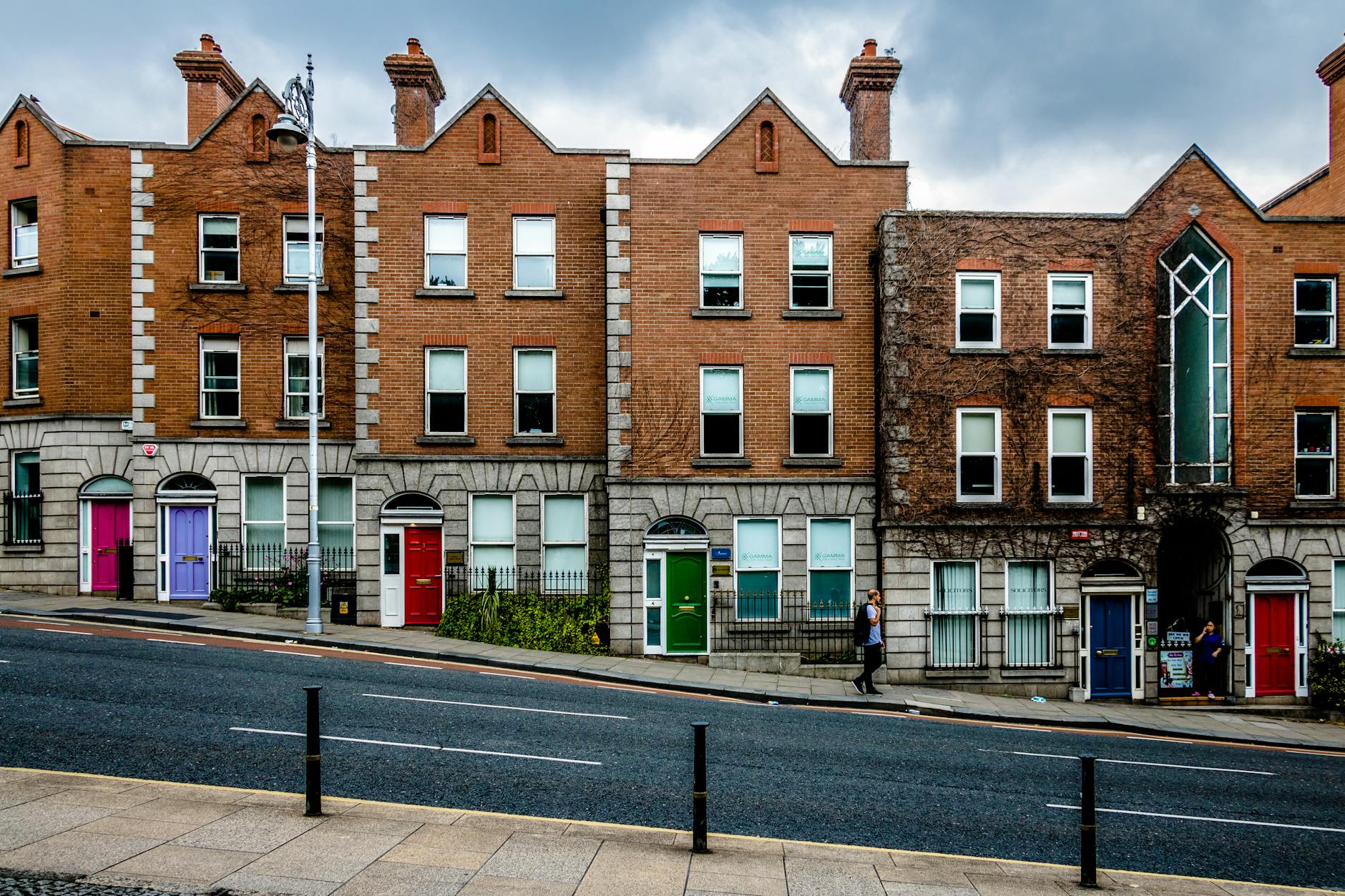
Phibsborough sits just north of the city centre, separated by the Royal Canal. The neighbourhood combines Victorian residential streets, Phibsborough Road as the main artery, and Doyle’s Corner (the local junction with shops and pubs). The Phibsborough Library is one of Dublin’s best small libraries. The Phibsboro Shopping Centre at Doyle’s Corner has been controversial for decades — renovation continues. The Phizzfest in May celebrates local culture with free events.
Phibsborough pubs and restaurants
- Hedigan’s Bridge House — Phibsborough Road. Strong Sunday lunch tradition.
- Doyle’s Corner — Iconic local pub at the central junction.
- The Cat & Cage — Drumcondra Road (border with Drumcondra). Historic pub.
- Two Spoons — Drumcondra Road. Quality brunch cafe.
- Bibi’s Cafe — Phibsborough. Family-friendly brunch.
- The Bernard Shaw (relocated) — Cross Guns. The famous pub now operates in Phibsborough after relocating from Portobello.
Drumcondra (Dublin 9)
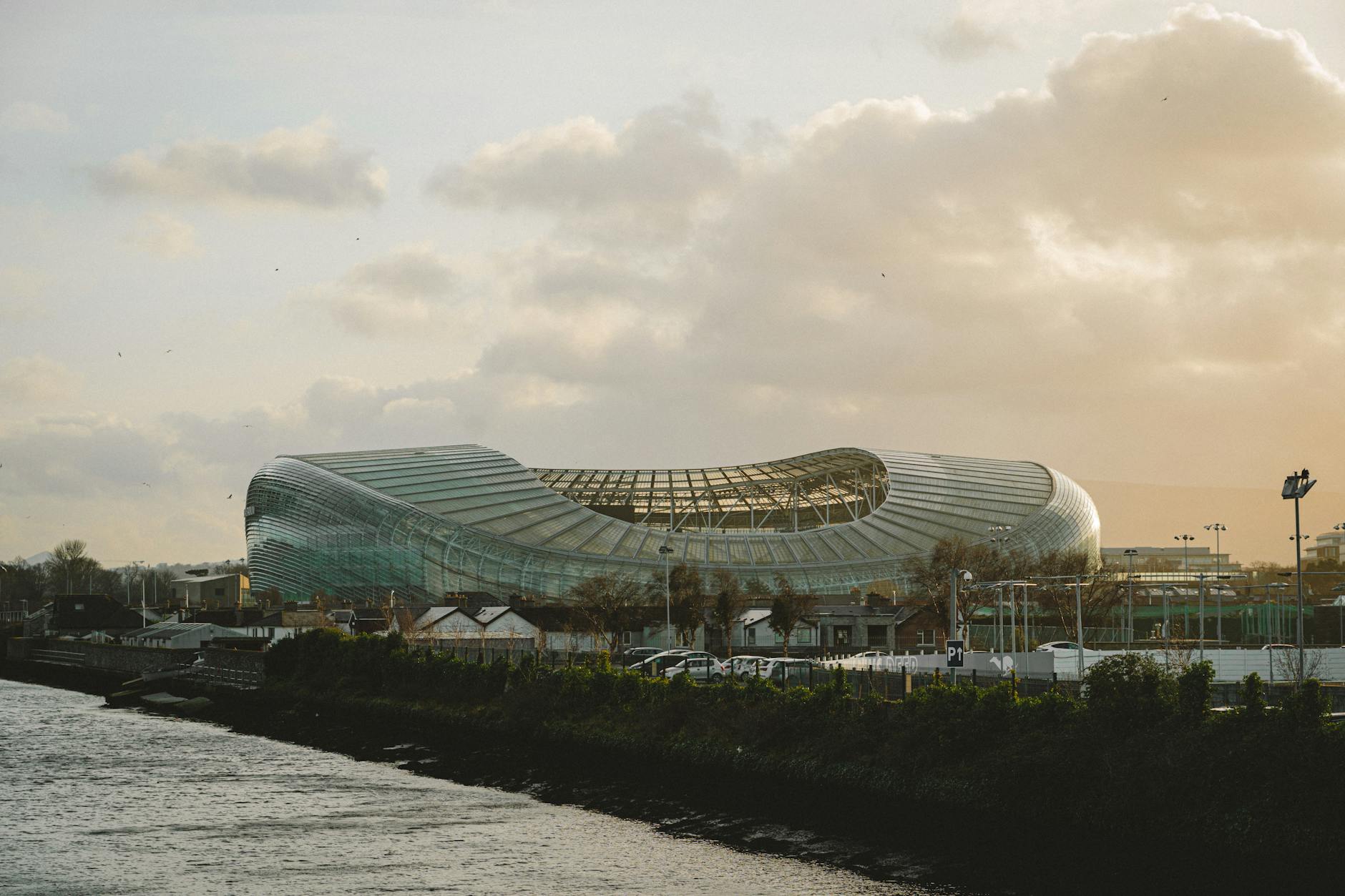
Drumcondra extends north from Phibsborough along Drumcondra Road. The neighbourhood centres on Croke Park stadium, home of the Gaelic Athletic Association (GAA) and Ireland’s third-largest stadium (capacity 82,300). The All-Ireland GAA finals in September draw 80,000+ spectators. The Drumcondra Bus Station serves several Irish suburban and rural routes. Drumcondra is known for affordable family hotels (Maldron, Croke Park Hotel) and B&Bs.
Croke Park Stadium Tour
The Croke Park Stadium Tour and GAA Museum cover Ireland’s national stadium and the GAA’s history. The 60-minute tour includes the dressing rooms, dugout, pitch access, and stand views. The Skyline Tour onto the stadium roof (€30 adult, €26 child) provides spectacular Dublin views — particularly thrilling for older children and teens. Standard stadium tour €18 adult, €13 child. Open daily. Book ahead online.
Glasnevin (Dublin 9)
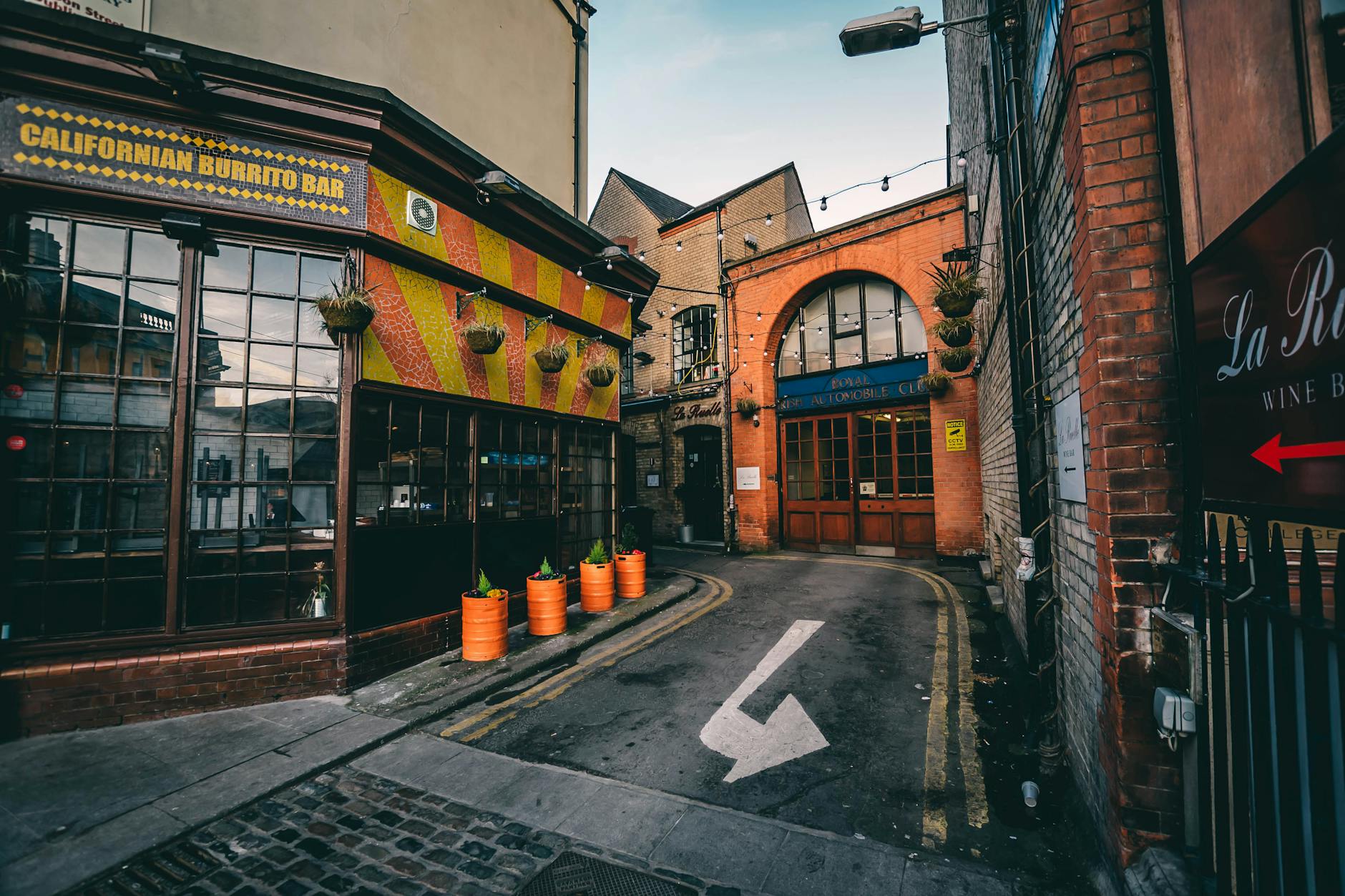
Glasnevin is the village character northside neighbourhood best known for Glasnevin Cemetery (founded 1832, with 1.5 million burials) and the National Botanic Gardens (founded 1795). The two adjacent sites form one of Dublin’s best half-day visitor combinations. Glasnevin village itself is small but has the Gravediggers’ Pub (Kavanagh’s) — one of Dublin’s best traditional pubs.
Glasnevin Cemetery Museum
Glasnevin Cemetery contains the graves of Daniel O’Connell, Michael Collins, Eamon de Valera, Countess Markievicz, Brendan Behan, Maud Gonne, and dozens of other figures from Irish history. The Glasnevin Museum runs daily guided historical tours (€15 adult, 90 minutes) that bring this remarkable collection of graves alive. The museum itself includes exhibitions on Irish funeral traditions, the Famine, and the cemetery’s 1.5 million burials. Genealogy services help Irish-American visitors trace ancestral connections.
National Botanic Gardens
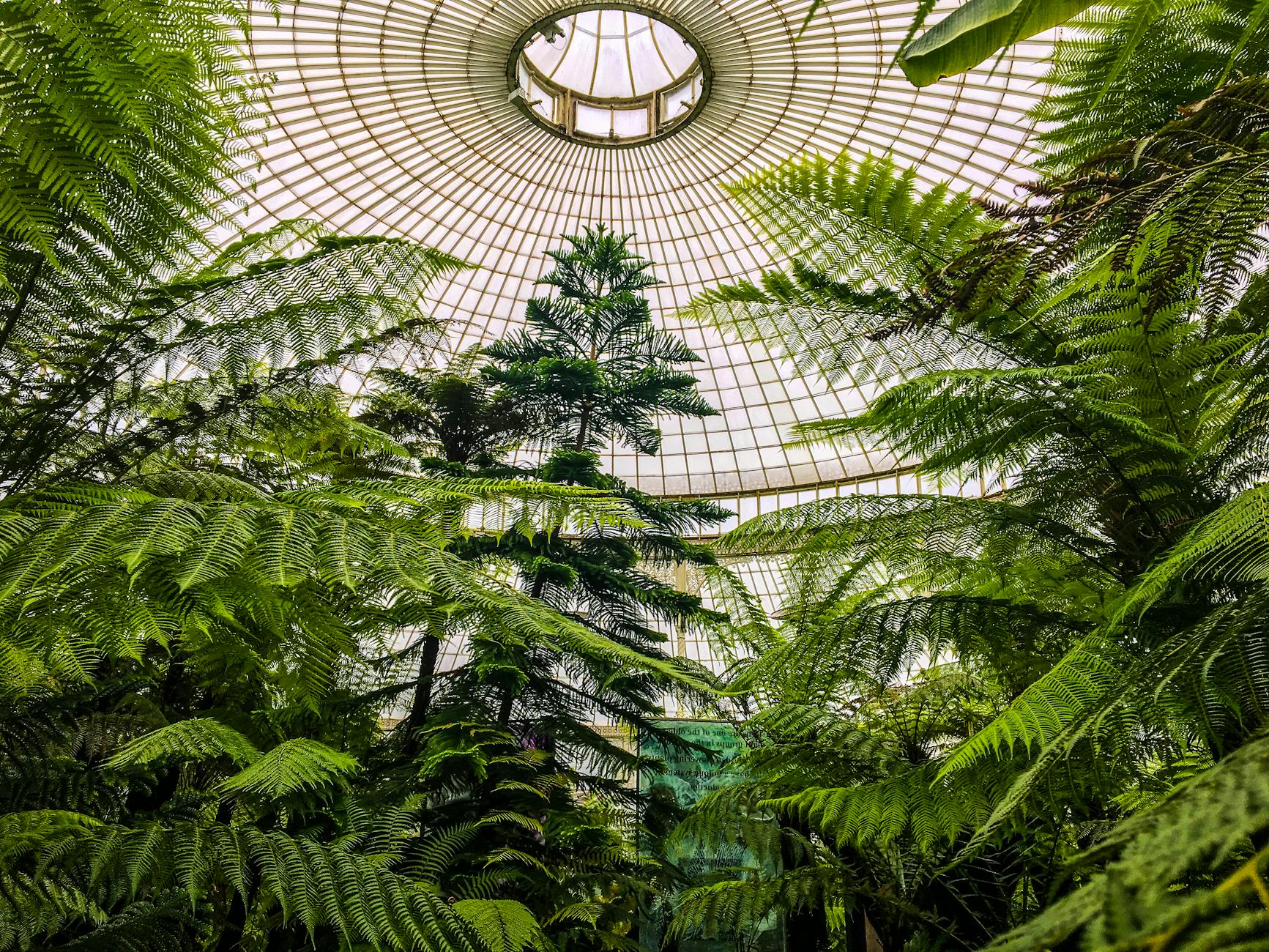
The 19.5-hectare National Botanic Gardens (founded 1795) hosts the largest collection of plants in Ireland in restored Victorian glasshouses including the Great Palm House and Curvilinear Range. Free entry. Open daily 9am–5pm (extended summer hours). The Tea Room serves family meals. Children love the giant tropical plants, cacti collection, and herbarium. Adjacent to Glasnevin Cemetery, the combined visit makes a serious half-day.
Clontarf (Dublin 3)
Clontarf is Dublin’s premier seaside northside suburb. The Clontarf Promenade extends 5km along Dublin Bay providing one of the city’s best coastal walks. The Bull Wall and North Bull Island UNESCO Biosphere Reserve are accessible from Clontarf. Historically famous for the 1014 Battle of Clontarf where High King Brian Boru defeated the Vikings, ending their political power in Ireland.
The Clontarf Castle Hotel (housed in a 12th-century castle building) is one of Dublin’s most atmospheric hotels. The Brian Boru Pub is a popular local institution. The Wooden Bridge and the Causeway Road lead to North Bull Island (5km sandy peninsula with seabirds and beach). Reach Clontarf by Dublin Bus 130 from Connolly Station or by DART to Clontarf Road.
Marino (Dublin 3)
Marino lies between the city centre and Clontarf and is best known for the Casino at Marino — the 18th-century neoclassical garden building designed by William Chambers (1762–1775). The building is one of Ireland’s finest 18th-century architectural achievements despite its small size. €5 admission. Open daily summer, reduced winter hours. The Casino sits in the grounds of the former Lord Charlemont’s Marino estate.
Marino Crescent is the birthplace of Bram Stoker (author of Dracula). The annual Bram Stoker Festival in late October hosts the Stokerland family festival at Marino Crescent with Gothic-themed kids’ events. The Croke Park stadium is technically in Drumcondra but borders Marino. The Fairview Park (15-acre public park) provides green space between Marino and the city.
Malahide and Sutton
Further along the DART line, Malahide and Sutton are affluent coastal suburbs. Malahide Castle (the family attraction, €14 adult including gardens) and the Malahide Marina anchor the village. Sutton is the historic fishing village before Howth Head. Both reach by DART in 25–35 minutes from city centre. Family-friendly atmosphere with good seaside walks.
Other Northside Neighbourhoods
- Cabra (Dublin 7) — West of Phibsborough. Working-class residential, the Cabra Park.
- Finglas (Dublin 11) — North of Phibsborough. Outer suburb with the M50 ring road.
- East Wall (Dublin 3) — Industrial-residential area near the IFSC.
- Fairview (Dublin 3) — Between city centre and Clontarf. Fairview Park.
- North Strand (Dublin 3) — Working-class area east of Connolly Station.
- Beaumont (Dublin 9) — Suburban area with Beaumont Hospital.
- Coolock (Dublin 17) — Outer northside suburb.
- Donaghmede (Dublin 13) — Father Collins Park is here.
Kavanagh’s (The Gravediggers’ Pub)
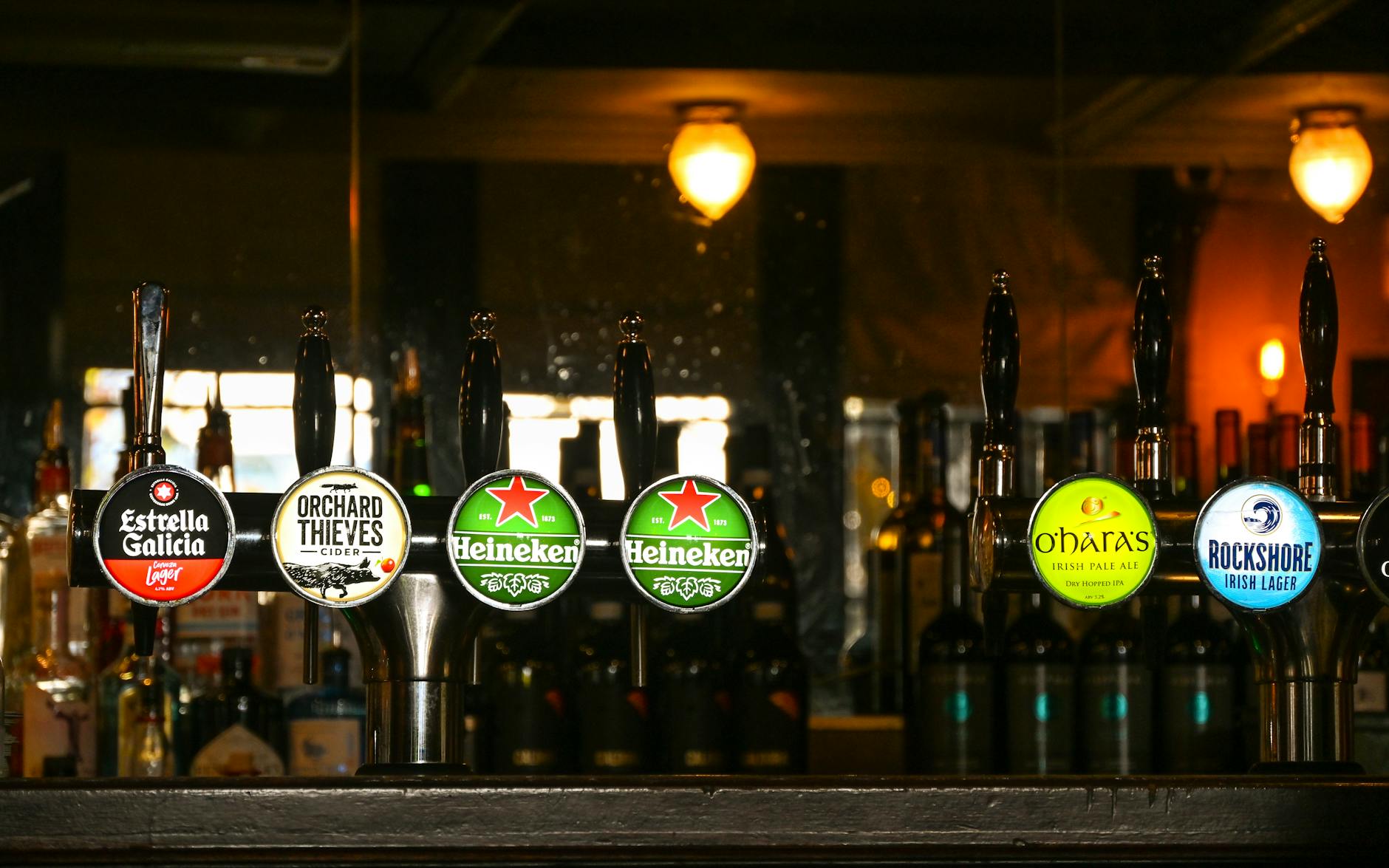
Kavanagh’s on Prospect Square in Glasnevin is one of Dublin’s most beloved traditional pubs. Founded in 1833 next to Glasnevin Cemetery, the pub has been run by the Kavanagh family for six generations. The unofficial nickname “The Gravediggers’ Pub” comes from the cemetery workers who traditionally drank here. Patrick Kavanagh (the poet, no relation) was a regular.
The pub serves traditional Irish lunch (3-course Sunday roast €17 adult, €8 child). The Guinness is reputedly some of Dublin’s best. The atmosphere is unchanged from generations — small front bar, wooden interior, no music, no TV, just conversation. Open daily. No bookings; arrive early for the popular Sunday lunch. Combine with Glasnevin Cemetery and Botanic Gardens for a full Glasnevin day.
Suggested Northside Day
Morning: DART to Clontarf Road. Walk the Clontarf Promenade (5km along Dublin Bay). Optional visit to North Bull Island Visitor Centre.
Late morning: Bus 130 back to city centre via Connolly Station, then transfer to Bus 4, 9, or 13 to Glasnevin.
Lunch: Sunday lunch at Kavanagh’s (The Gravediggers’ Pub) on Prospect Square.
Afternoon: Glasnevin Cemetery Museum guided tour (€15, 90 minutes). National Botanic Gardens (free, 90 minutes).
Evening: Return to Drumcondra. Dinner at Hedigan’s Bridge House or one of the Phibsborough restaurants. Optional Croke Park stadium tour earlier if time allows.
Where to Stay on the Northside
- Maldron Hotel Parnell Square — Northside city centre. Family rooms from €150.
- Croke Park Hotel — Drumcondra. Near Croke Park stadium. From €160.
- Hampton Hotel — Drumcondra. From €130.
- Clayton Hotel Cardiff Lane — Cardiff Lane (Northside near Docklands). From €150.
- Various B&Bs in Drumcondra — €80–130 per night. Authentic family experience.
- Clontarf Castle Hotel — Clontarf. Boutique castle hotel. From €180.
- Premier Inn Dublin Beresford Place — Near Connolly Station. Budget option.
Northside hotels offer 30–40% lower prices than equivalent Southside hotels with 15–25 minute bus access to city centre. Particularly good for families and budget-conscious travellers willing to take public transport.
Getting Around the Northside
- Dublin Bus — Most comprehensive Northside transport. Routes 4, 9, 13, 14, 16, 27, 31, 32, 130 all serve major Northside areas.
- DART — Clontarf, Killester, Howth Junction, Sutton, Howth on the northbound route.
- Luas Red Line — Smithfield, Heuston Station serve the western Northside.
- Connolly Station — The main Northside transport hub for trains north to Belfast, west to Sligo.
- Cycling — Royal Canal Greenway runs from Sheriff Street through Phibsborough to the western suburbs.
Northside Events
- All-Ireland GAA Finals (September) — Croke Park hosts the football and hurling finals. 80,000+ spectators.
- Major concerts at Croke Park — International touring acts (Taylor Swift, Coldplay etc.) periodically book the stadium.
- Phizzfest (May) — Free Phibsborough festival.
- Bram Stoker Festival (late October) — Stokerland at Marino Crescent.
- Liffey Swim (September) — Traditional Dublin swimming race.
- Christmas markets at Glasnevin Cemetery Museum — December.
- National Botanic Gardens events — Year-round free programmes including plant sales and children’s activities.
The Northside vs Southside Divide
The Northside vs Southside divide is part of Dublin’s social mythology. Historically the Southside was more upmarket (the wealthy aristocracy and merchant classes built grand homes around Merrion Square and Ballsbridge) while the Northside developed working-class residential and industrial character. The divide is partly real (property prices, demographics, accent differences) and partly stereotype that locals enjoy joking about. Today the divide is considerably softened — many Northside neighbourhoods (Clontarf, Glasnevin, Marino) are firmly middle-class and some Southside areas remain working-class.
For visitors, the practical difference is that the Southside has Trinity College, Grafton Street, Temple Bar, and most tourist attractions, while the Northside has Croke Park, the cheaper hotels, and authentic Dublin character. A balanced Dublin visit incorporates both. The Liffey forms the physical boundary, easily crossed by bridges from the Halfpenny Bridge to the Samuel Beckett Bridge. The Dublin Bus Connects redesign in recent years has improved cross-Liffey transit significantly.
O’Connell Street: The Northside’s Central Spine
O’Connell Street is the Northside’s central artery and Dublin’s widest residential street. Running from the Halfpenny Bridge north to Parnell Square, the 750m boulevard contains the GPO (site of the 1916 Easter Rising), the Spire monument (120m, 2003), the O’Connell Monument, the Father Mathew Statue, and shops including Penneys (Primark), Eason bookshop, and Arnotts department store. The Henry Street pedestrianised shopping zone branches west from O’Connell Street. The Abbey Theatre on Lower Abbey Street is nearby.
O’Connell Street works as the practical entry point to the Northside for visitors crossing from the Southside via O’Connell Bridge. The Bus Connects spine and the Luas Cross City route both use O’Connell Street. Many Northside-bound buses leave from O’Connell Street locations including Lower O’Connell Street and Parnell Square. The street is the most direct walking route between most Northside neighbourhoods and the Southside city centre.
Moore Street and Henry Street
Moore Street, branching east from Henry Street, has been Dublin’s open-air market street for centuries. The street is the site of the final 1916 Easter Rising surrender (Pearse and Connolly tunnelled through to No. 16 Moore Street where the surrender council met). Today Moore Street combines traditional fruit and flower stalls with diverse international food shops reflecting Dublin’s multicultural community. Nos. 14–17 Moore Street are protected as a national monument because of their Rising history.
Henry Street runs west from O’Connell Street to Mary Street. The pedestrianised shopping street houses Penneys, Marks & Spencer, Arnotts, Boots Pharmacy, and dozens of other major retailers. The Jervis Centre at the western end has additional shops and a cinema. Henry Street is Dublin’s most-shopped street with significant foot traffic during shopping hours. The northern end connects to the Smithfield/Stoneybatter area.
The Abbey Theatre
The Abbey Theatre on Lower Abbey Street is Ireland’s national theatre, founded 1904 by W.B. Yeats and Lady Gregory as part of the Irish Literary Revival. The Abbey championed Irish playwrights including J.M. Synge, Sean O’Casey, and Brendan Behan. The current building (1966) replaced the original after fire damage. The Abbey continues to stage contemporary Irish drama alongside classic works. Tickets €25–55 depending on production. The Peacock studio theatre below the main stage hosts smaller productions.
The Garden of Remembrance
The Garden of Remembrance on Parnell Square is a memorial garden dedicated to all who died for Irish freedom. Opened in 1966 for the 50th anniversary of the 1916 Easter Rising, the garden combines the Children of Lir sculpture by Oisin Kelly with reflecting pool, dedicated benches, and inscribed plaques bearing Rising leaders’ words. Free admission, open daily 9:30am to sunset. The garden is the official site of state commemoration of those who fought for Irish independence. Located between the Hugh Lane Gallery and the Dublin Writers Museum.
Parnell Square Cultural Cluster
Parnell Square at the north end of O’Connell Street combines several major cultural institutions. The Hugh Lane Gallery (free) holds the Francis Bacon Studio and impressionist collection. The Dublin Writers Museum (currently in transition to new premises) traditionally housed Yeats, Beckett, Joyce, and Behan materials. The Rotunda Hospital (1757) is the world’s first purpose-built maternity hospital with the Rotunda Chapel featuring spectacular Bartholomew Cramillion plasterwork. The Gate Theatre on Parnell Square produces major theatre programmes throughout the year.
North Bull Island
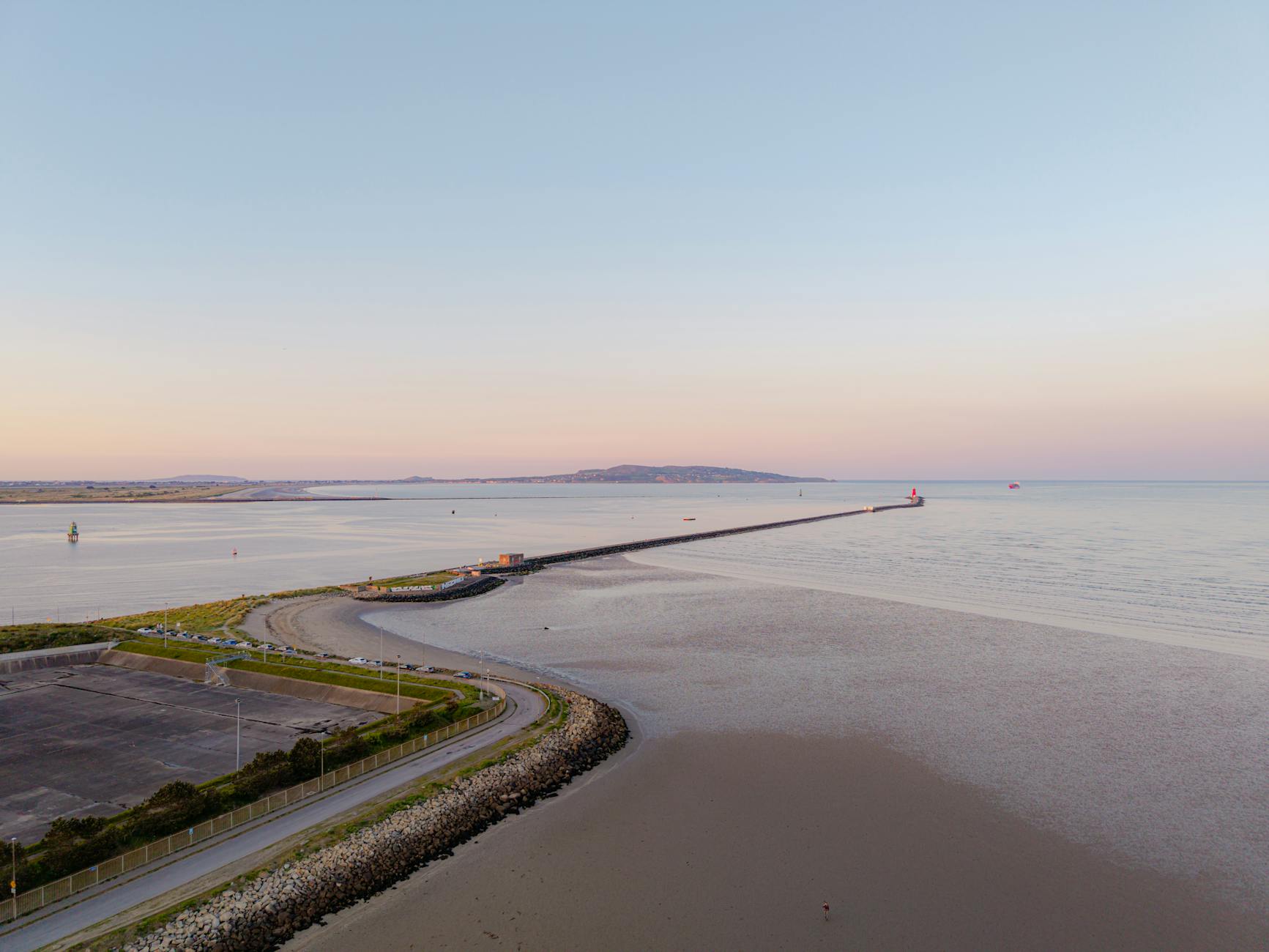
North Bull Island is a 5km sandy peninsula in Dublin Bay, designated as both a UNESCO Biosphere Reserve and a Dublin City park. The island formed through silting after the building of the North Bull Wall in 1825. The Dollymount Beach extends the full length. Birdwatching is exceptional — thousands of migratory waterbirds visit in winter. The Bull Island Visitor Centre offers free bird-watching with binoculars provided. Reach by Dublin Bus 130 from Connolly Station or by car via the Bull Wall causeway from Clontarf. Free entry. Allow 2–4 hours for a thorough visit.
For families, North Bull Island provides one of Dublin’s best free outdoor experiences combining beach walking, wildlife watching, and dramatic Dublin Bay views. The Bull Wall walk extends 2km from the Clontarf entrance to the lighthouse end. Pack waterproofs and warm layers — the exposed location can be windy. The car park fills on sunny weekends; arrive early or use public transport.
The Royal Dublin Golf Club on North Bull Island is one of Dublin’s oldest golf courses (1885). Day visitors can sometimes play subject to availability and club rules. The lighthouse at the eastern end provides dramatic photography opportunities, particularly at sunset.
Dublin Northside: FAQ
What is Dublin Northside known for?
Dublin Northside combines working-class neighbourhoods (Phibsborough, Drumcondra), affluent coastal suburbs (Clontarf, Sutton), and the gentrifying Smithfield/Stoneybatter area. Key landmarks include Croke Park stadium, Glasnevin Cemetery, the National Botanic Gardens, the Clontarf Promenade, and the Casino at Marino. The area offers authentic Dublin character at lower prices than the Southside.
Is Phibsborough a good area to stay in Dublin?
Yes for budget-conscious visitors. Phibsborough hotels and B&Bs cost 30–40% less than equivalent city centre options with 15-minute bus access to Trinity College and Grafton Street. The neighbourhood retains authentic working-class Dublin character with traditional pubs and family-friendly atmosphere.
What can I do in Glasnevin?
Visit Glasnevin Cemetery Museum (90-minute guided tour €15 adult covers graves of Michael Collins, Daniel O’Connell, and other Irish historical figures). The National Botanic Gardens (free, 19.5 hectares) sit adjacent. The Gravediggers’ Pub (Kavanagh’s) on Prospect Square is one of Dublin’s best traditional pubs. Combined visits make a strong half-day from city centre.
Is Clontarf worth visiting?
Yes for the 5km Clontarf Promenade along Dublin Bay, the Bull Wall walk, and access to North Bull Island UNESCO Biosphere Reserve. Reach by Dublin Bus 130 from Connolly Station (20 minutes). The Clontarf Castle Hotel and Brian Boru Pub round out the historical interest. Historically famous for the 1014 Battle of Clontarf.
How do I get to Croke Park?
Dublin Bus routes 11, 16, 41, 122 serve Croke Park from city centre (15–20 minutes). Connolly Station is the nearest train station — 15-minute walk. Match days see significant traffic; arrive 60–90 minutes before major events. The stadium tour and GAA Museum are available daily (€18 adult, €13 child) and don’t require match-day attendance.
What is the Casino at Marino?
The Casino at Marino is an 18th-century neoclassical garden building (1762–1775) designed by William Chambers for Lord Charlemont. The small but extraordinarily detailed building is one of Ireland’s finest 18th-century architectural achievements. €5 admission, open daily summer. Located in Marino north Dublin. Bus 27 from city centre.
What pubs are best in Dublin Northside?
Kavanagh’s (The Gravediggers’ Pub) in Glasnevin is widely considered one of Dublin’s best traditional pubs. Hedigan’s Bridge House in Phibsborough excels for Sunday lunch. Doyle’s Corner is the iconic Phibsborough local. The Brian Boru Pub in Clontarf and the Brazen Head (just south of Liffey, technically Liberties) round out the historical pubs.
Should I visit Northside Dublin?
Yes for visitors with 3+ days in Dublin or those wanting an authentic local experience. Major attractions include the Glasnevin Cemetery/Botanic Gardens combination, Croke Park stadium, the Clontarf Promenade, and the Casino at Marino. Plus the cheaper accommodation and pub culture. First-time visitors with limited time should prioritise Southside city centre but can comfortably add a Northside day to extended itineraries.
Keep Reading
- Howth Village: Dublin’s Coastal Gem — Twenty-five minutes on the DART for cliff walks, harbour seals and the best fish and chips in the county.
- Temple Bar Dublin: Beyond the Tourist Trap — The honest guide to Dublin’s most polarising quarter — what it genuinely offers and when to go.
- Grafton Street & St Stephen’s Green Quarter — The pedestrianised heart of the southside, from Trinity’s gates to the Green’s Victorian gardens.
- the bus routes tourists use — a related guide from elsewhere on the site.
- Croke Park Stadium Tour & GAA Museum — the northside’s biggest attraction, priced and assessed.
Lean na Comharthaí — Keep following the signs