Howth Village: Dublin’s Coastal Gem (2026 Guide)
Ar an gComhartha Seo — On this sign
- Understanding Howth
- The Howth Cliff Walk
- Howth Harbour
- Ireland’s Eye
- Howth Restaurants
- Howth Castle
- Howth Sunday Market
- Suggested Howth Day
- How to Get to Howth
- Howth with Kids
- Howth Pubs
- Howth Events
- Staying in Howth
- A Brief Howth History
- Best Howth Photo Spots
- Detailed Cliff Walk Route
- Howth’s Working Fishing Heritage
- Howth Through the Seasons
- Combining Howth with Nearby Areas
- Howth’s Famous Residents
- Howth Summit and Inland Howth
- Howth Village: FAQ
- Keep Reading
- Photo Credits
Howth Village on the northern tip of Dublin Bay is the city’s coastal gem and the most popular DART day trip from central Dublin. The 17th-century fishing village retains its harbourside character with brightly coloured fishing boats, seafood restaurants, the famous cliff walk, harbour seal watching, and the Howth Sunday Market. The DART runs direct from the city centre to Howth (journey times and frequencies are on Irish Rail’s timetables), and the village offers an entirely different Dublin experience: maritime, outdoor, and atmospheric. This guide covers everything to see, eat, and do in Howth from the iconic Cliff Walk to the seafood institutions to lesser-known stops.
It expands on a section of our full Dublin neighbourhood guide.
Understanding Howth
Howth (pronounced “hoath”) is a small fishing village and coastal neighbourhood at the northern entrance to Dublin Bay. The village wraps around Howth Harbour with the dramatic Howth Head peninsula extending east into the Irish Sea. The 2022 census counted 8,399 people in the Howth urban area. The DART connects Howth to central Dublin; the area is also reachable by car or Dublin Bus.
The Howth area combines genuine fishing village character with affluent suburban character. The fishing fleet operates from Howth Harbour with commercial trawlers selling daily catches. The village restaurants emphasise local seafood. The Howth Head peninsula contains some of Dublin’s most expensive homes alongside ancient ruins, dramatic cliff walks, and lighthouse views. When Brian Boru defeated the Vikings at the Battle of Clontarf in 1014, Norse forces retreated to Howth.
The Howth Cliff Walk
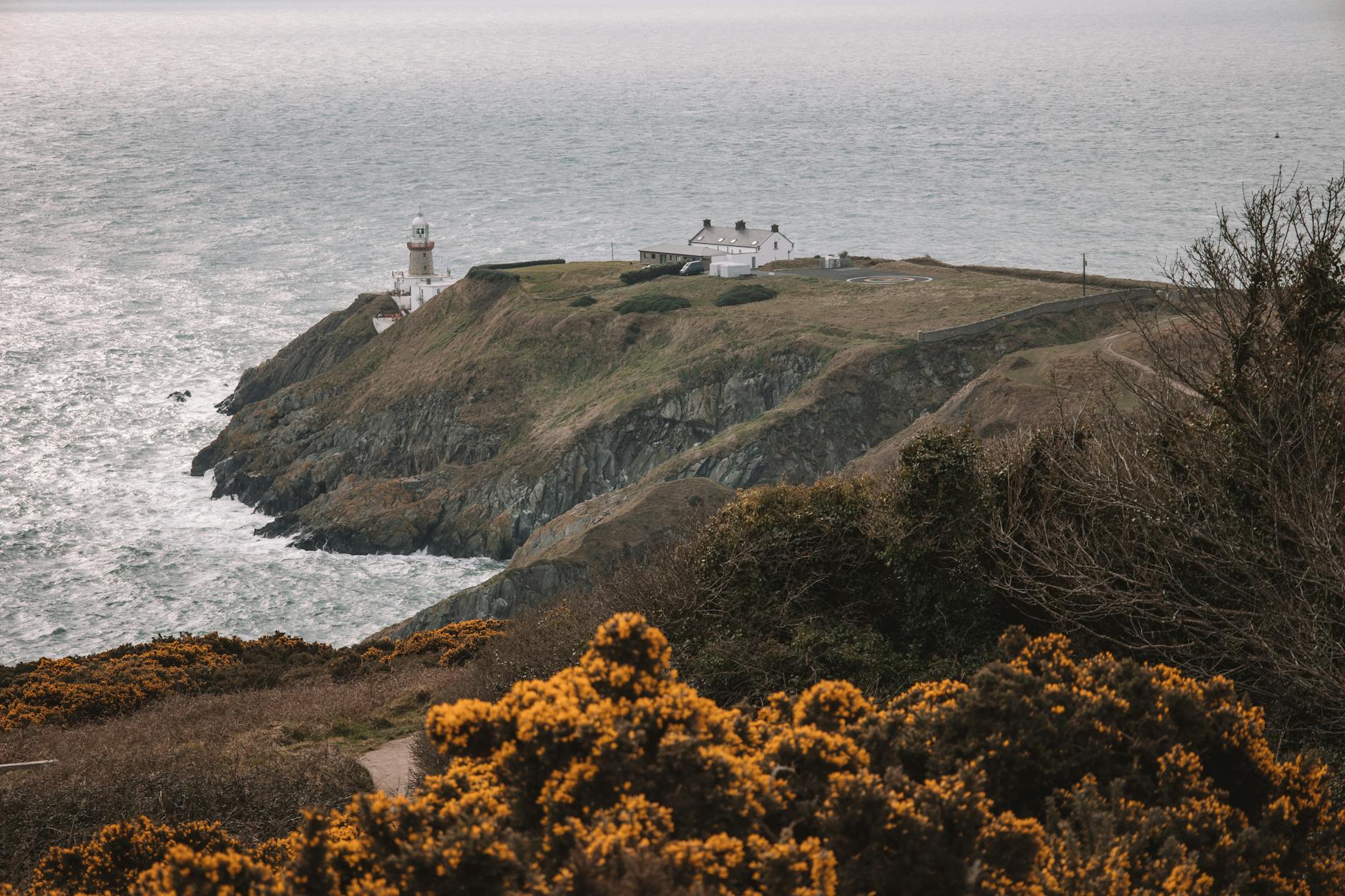
The Howth Cliff Walk is the headline Howth experience. The 6km loop walk around Howth Head provides dramatic cliff-edge views of the Irish Sea, the Baily Lighthouse (1814), Ireland’s Eye island, and (on clear days) the Welsh coast. Fingal County Council puts the walking time at 1.5–2 hours; allow extra for photo stops and rests.
The route options
Several route options exist. The Green Route (the Cliff Path loop, 6km on Fingal County Council’s map, 1.5–2 hours before stops) starts and ends at Howth railway station. The Bog of Frogs Loop is a much longer and harder option: 12km, taking about 2.5–3 hours. The Pier Walk is a short, flat stroll from the village out along the East Pier to the lighthouse at its end — family-friendly. The Sutton-to-Howth Cliff Walk is a longer route extending the experience.
Cliff walk tips
- Wear comfortable walking shoes with grip.
- Bring waterproof jacket — weather changes quickly.
- Allow longer than the official 1.5–2 hours for the full loop if you stop for photos.
- Pack water and snacks.
- Best photographs in late afternoon when the cliffs catch evening light.
- The trail is mostly clear but can be muddy after rain.
- Watch children on cliff edges — some sections have no barriers.
- Late winter/early spring sees the trail at its quietest.
Free walking with no admission charges. The walk passes the Baily Lighthouse area and the Howth Head summit car park. See our dedicated Howth Cliff Walk guide for the comprehensive treatment.
Howth Harbour
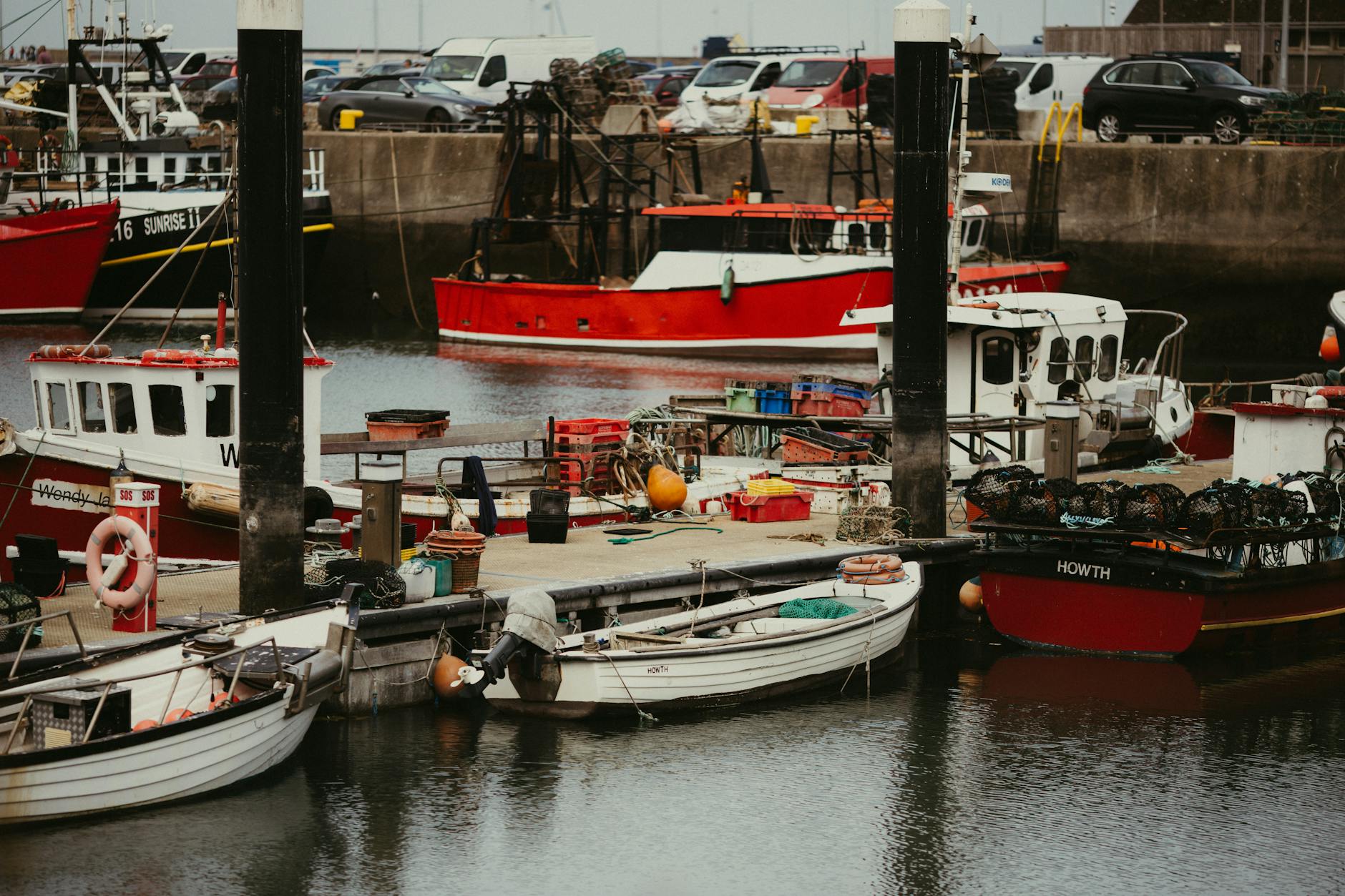
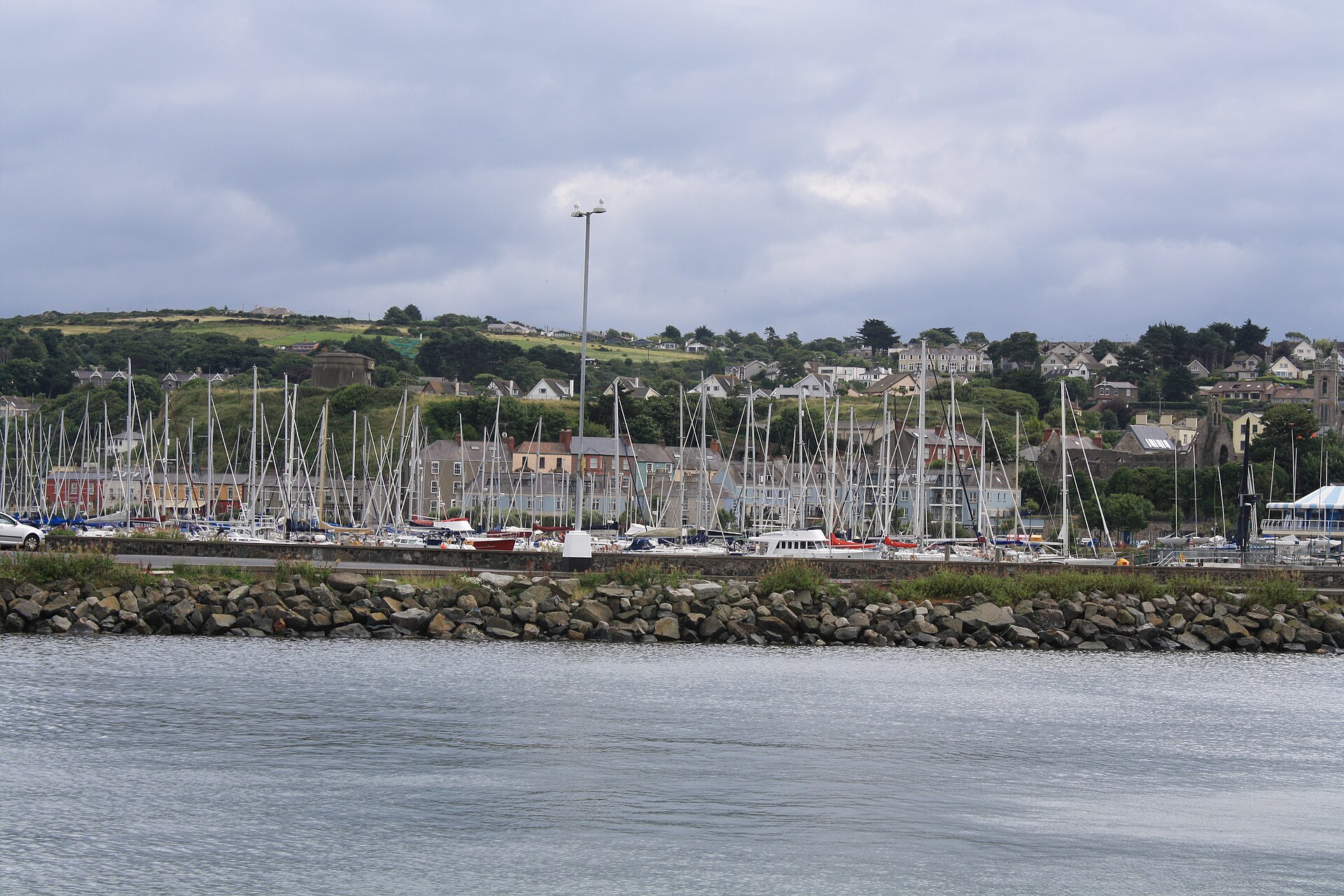
Howth Harbour is the working centre of the village with commercial fishing trawlers landing daily catches alongside leisure boats and pleasure yachts. The East Pier makes a short, flat walk from the harbour out to the lighthouse at the harbour entrance. The West Pier extends shorter and includes the harbour seal hangout. The Howth Yacht Club hosts sailing races and the annual Howth Race Week in July.
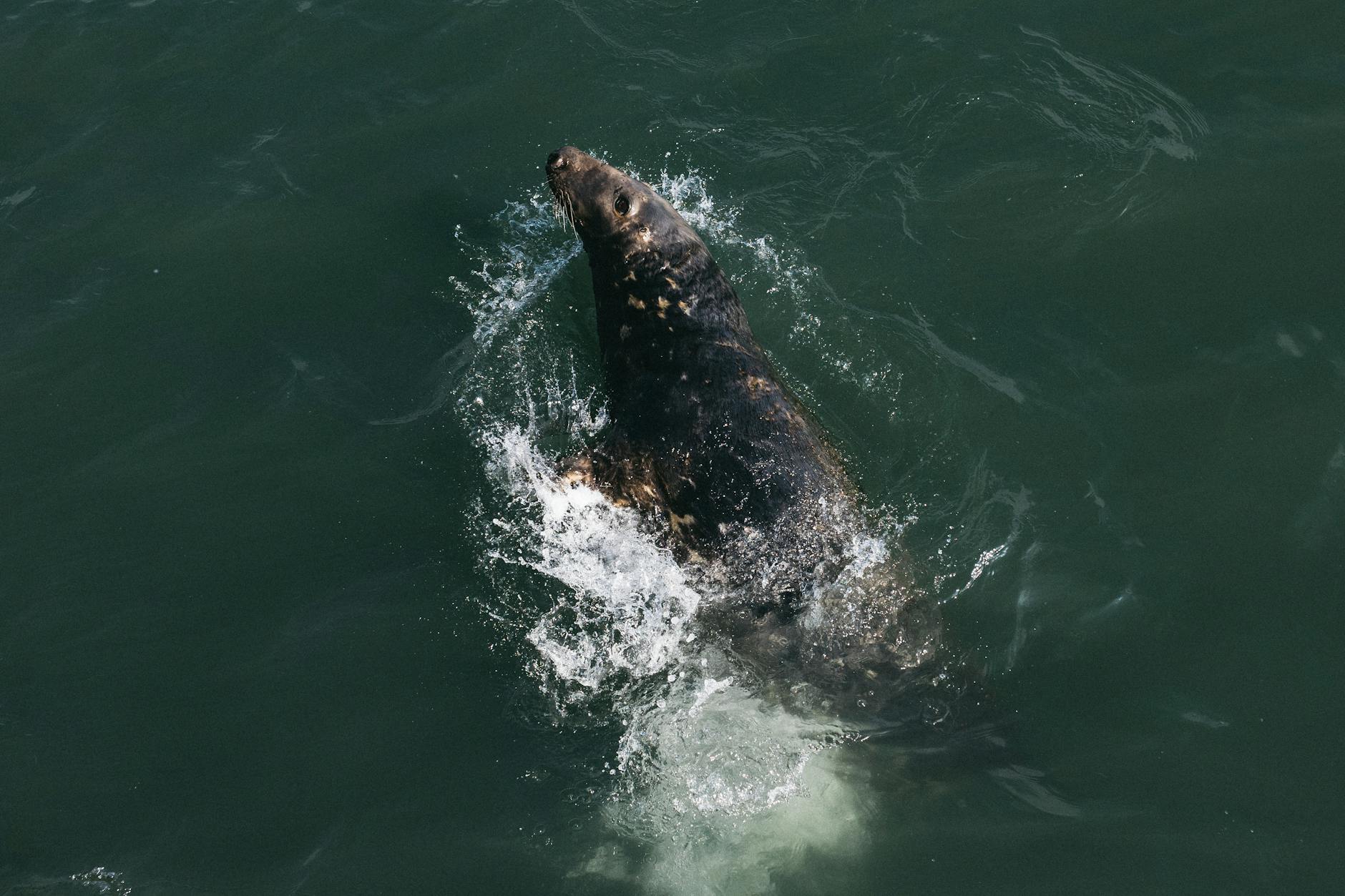
The harbour seal watching is the village’s informal attraction. Multiple Atlantic grey seals regularly visit the West Pier hoping to beg for fish from fishermen and tourists. The seals are wild but accustomed to humans; do not feed or touch them (despite the visible begging behaviour). The seal population is most active in morning and afternoon hours when fishing boats land catches.
Ireland’s Eye
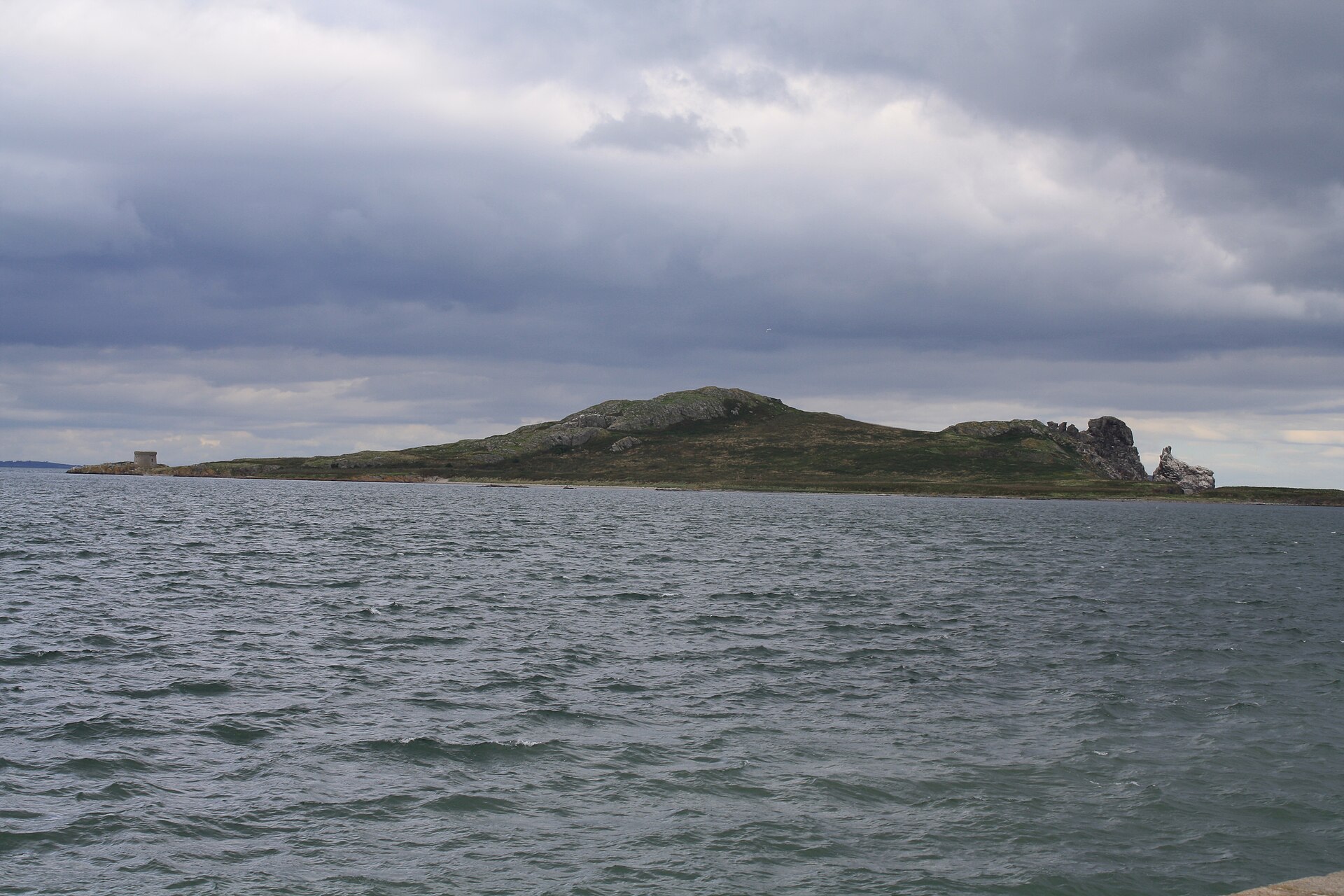
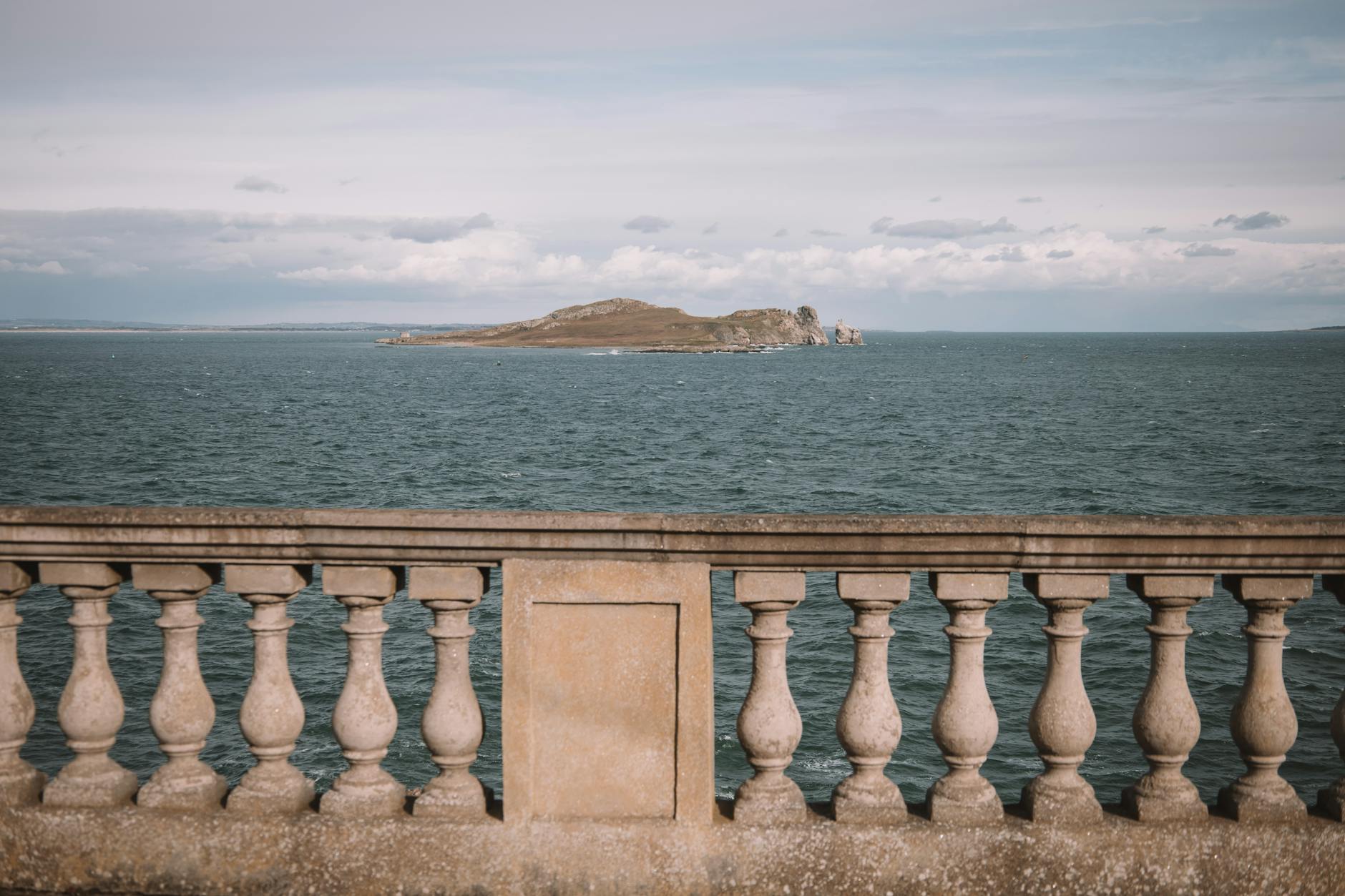
Ireland’s Eye is the small uninhabited island just off Howth Harbour. The island covers about 22 hectares and features a Martello tower (1803 or 1804), the ruined St Nessan’s Church (8th century), and significant seabird colonies including puffins, razorbills, and guillemots. Howth Cliff Cruises runs the landing ferry from Howth Harbour to the island (€30 adult return); check its website for sailing dates. The short crossing brings you to an excellent picnic destination with cliff walks and wildlife.
Bring lunch (no facilities on the island) and wear sturdy walking shoes. Watch the time for return ferries, and leave room for the DART journey either side. The island is particularly atmospheric in evening light. For more day trip options see our Day Trips from Dublin pillar.
Howth Restaurants
Beshoffs of Howth
Beshoffs traces its family fish-and-chip business back to 1939. Adult portion €14, kids’ portion €9. The cod and chips, prawn and chips, and traditional Battered cod with mushy peas are the staples. The seating area overlooks the harbour. Takeaway available with picnic tables outside. Open daily 11am–10pm.
Other Howth restaurants
- The Fish Shack — Howth Harbour. Premium seafood platters.
- Crabby Jo’s — West Pier. Casual seafood with harbour views.
- Octopussy’s Seafood Tapas — Howth Harbour. Modern seafood tapas.
- The Brass Monkey — West Pier. Pub with strong seafood programme.
- Aqua — West Pier. Premium seafood restaurant.
- Howth Castle Cookery School — Periodic family cooking classes.
- The Bloody Stream — Howth Harbour. Traditional pub with quality food.
- Howth Yacht Club restaurant — Members and guests only but excellent.
- King Sitric — East Pier. Long-established seafood restaurant.
Howth Castle
Howth Castle was the ancestral home of the St Lawrence family for centuries, until the Gaisford-St Lawrence family sold the castle and its estate in 2019. Its oldest surviving parts, the keep and gate tower, date from around 1450, with significant 18th-century alterations. The grounds include the Howth Rhododendron Gardens. The castle itself is private but the perimeter walks are accessible. Howth Castle Cookery School operates on the estate.
Howth Sunday Market
Howth Market trades every Saturday and Sunday, plus bank holidays, from 9am to 6pm on Harbour Road. The market combines local food producers, crafts, vintage clothing, ready-to-eat international food, and family entertainment. Excellent for lunch with strong food stalls including seafood, baked goods, and international cuisines. Often live music. Combines naturally with a weekend DART trip to Howth for a perfect family day. Quality is generally high; haggling not appropriate at this artisan market.
Suggested Howth Day
Morning: Take the DART from the city centre to Howth. Walk the East Pier for sea views and lighthouse photos. Watch the seals at the West Pier.
Late morning: Start the Howth Cliff Walk loop (6km; 1.5–2 hours of walking, longer with stops). Pack a small picnic or buy supplies at the village before starting.
Lunch: Beshoffs fish and chips at the harbour (leave time for the queue on busy days) OR the Howth Market food stalls if visiting at the weekend.
Afternoon: Optional Ireland’s Eye ferry (€30 adult return). Alternative: explore Howth Castle grounds and Rhododendron Gardens.
Late afternoon: Coffee at one of the village cafes. Final harbour walk for sunset photos.
Evening: Pint at The Bloody Stream or the Brass Monkey before catching the DART back to Dublin. Optional dinner at Aqua, King Sitric, or Octopussy’s if extending into evening.
How to Get to Howth
- DART — Direct trains from Connolly Station (city centre) to Howth. With an adult Leap Card each way costs €2, so a day out is €4 when you return more than 90 minutes later. Children under 5 free. Check the timetable for frequency and first and last trains.
- Dublin Bus — Routes H3 and 6 serve Howth, having replaced the 31 in June 2021; check the current route map and timetable for your stop. The adult Leap TFI 90 Minute Fare is €2.
- Driving — Journey time depends on traffic. Parking in Howth is limited and some of it is paid, including pay-and-display at Howth Summit; spaces fill on busy days.
- Taxi — €25–35 from city centre.
- Cycling — The Clontarf to Howth Cycleway takes you along the coast to Howth.
The DART is by far the most popular and convenient option. Travel mid-week or off-peak for less crowded trains. The DART operates frequently throughout the day; you don’t need to plan a specific train.
Howth with Kids
Howth makes an excellent family day trip. Specific kid-friendly activities:
- The East Pier walk — Short, flat walk with sea views and the lighthouse at the end.
- Harbour seal watching — Perennial favourite for all ages.
- Beshoffs fish and chips — Family institution with kids’ portions.
- Sunday Market — Family-friendly with food and entertainment.
- Cliff Walk options — The shorter routes work for kids aged 7+. Younger kids prefer the East Pier.
- Howth Castle grounds — Rhododendron Gardens in spring/summer.
- Coastal swimming — Balscadden Bay for hardy families. Forty Foot at Sandycove (DART south) for the famous swim spot.
Howth Pubs
- The Abbey Tavern — Abbey Street. Traditional music sessions year-round.
- The Bloody Stream — Howth Harbour. Atmospheric pub with quality food.
- The Brass Monkey — West Pier. Casual pub with seafood programme.
- The Cock Tavern — Howth village. Local pub.
- Findlater Pub — Howth Harbour. Casual pub overlooking the harbour.
- The Pier House — West Pier. Pub with strong food and views.
Howth Events
- Howth Sunday Market — Every Saturday, Sunday and bank holiday.
- Howth Yacht Club Race Week (July) — Annual sailing regatta.
- Howth Christmas Lights (December) — Free family event.
- Bram Stoker Festival walks (October) — Sometimes include Howth.
- Howth Castle open days — Periodic.
- Howth Cookery School classes — Year-round seasonal programmes.
Staying in Howth
- The King Sitric — East Pier. Restaurant with rooms, harbour views. From €180.
- Howth Lodge Hotel — Howth Road. Family-friendly hotel. From €160.
- Various B&Bs — Several family-run B&Bs in Howth and Sutton. €90–140 per night.
- Multiple Airbnb options — Houseshares and apartments with sea views.
Most visitors do Howth as a day trip from Dublin rather than staying overnight. Staying in Howth makes sense for visitors prioritising coastal walks, sea views, and slower pace over central Dublin sightseeing access.
A Brief Howth History
Howth takes its name from the Old Norse “Hoved” (head) reflecting the area’s Viking history. Howth Head’s strategic location at the entrance to Dublin Bay made it a navigational landmark and military outpost throughout Irish history. By the end of the 9th century Howth was a primary Norse seaport. The Norman St Lawrence family received Howth Castle and surrounding lands in the 12th century, and their descendants kept the castle and estate until a sale in 2019.
Construction of Howth Harbour began in 1807, to serve as a major Irish Sea port. The railway reached Howth on 30 May 1847, and DART electric services began on 24 July 1984. Twentieth-century commercial decline transformed Howth from working port to predominantly leisure village with the fishing fleet continuing on a smaller scale. The castle stayed in St Lawrence hands for centuries before the family sold it and its estate in 2019. The 1014 Battle of Clontarf, Brian Boru’s victory over the Vikings, remains part of local heritage.
Best Howth Photo Spots
- Baily Lighthouse from the Cliff Walk — The iconic Howth Head landmark.
- Howth East Pier with the lighthouse — Particularly photogenic at sunset.
- The fishing trawlers in the harbour — Working maritime character.
- Seal watching at West Pier — Wildlife photography opportunity.
- Ireland’s Eye from the cliff walk — Dramatic island view.
- Howth Castle exterior — Keep and gate tower from around 1450 in an atmospheric setting.
- Cliff Walk panoramas — Toward Dublin city centre on clear days.
- Howth Summit views — Toward Lambay Island and the Wicklow Mountains.
Detailed Cliff Walk Route
The standard 6km loop route starts at Howth railway station, follows the harbour, climbs the path past the church to Balscadden Bay, continues along the cliff edge past the Nose of Howth, reaches the Baily Lighthouse view, continues to Howth Summit, and returns to the village via the Upper Cliff Path. The trail is well-marked with green directional arrows.
Key waypoints: Balscadden Bay (small beach, swimming for hardy locals), Nose of Howth (clifftop viewpoint), Baily Lighthouse (active lighthouse, 1814), Howth Summit (the main viewpoint; the peninsula’s highest ground is Black Linn, by the Ben of Howth, at 171 metres). Bring water and waterproof jacket regardless of weather forecast. The cliff edges have no barriers in many sections; supervise children carefully. The route descends to the village via residential streets at the end.
Howth’s Working Fishing Heritage
Howth maintains a small but active commercial fishing fleet alongside its leisure character. Six to ten trawlers land daily catches at Howth Harbour, supplying fresh fish to Dublin restaurants and Beshoffs. The fish auction operates early morning at the harbour fish market; tours of the fish handling operations are occasionally available. Howth Harbour also processes shellfish including crab, lobster, and prawns. The local fishing fleet has declined significantly from its 20th-century peak but the Howth Fishing Heritage Centre (limited opening) preserves the maritime history.
Howth Through the Seasons
Spring (March–May): Wildflowers along the cliff walk peak in April-May. Seabird nesting begins on Ireland’s Eye. Mild weather and longer days. Sunday Market grows busier.
Summer (June–August): Peak tourist season. Long daylight (Dublin’s sunset on 6 June is 9:47pm). Warmest weather. Ireland’s Eye ferries running. Howth Yacht Club Race Week in July. Busy market and harbour.
Autumn (September–November): Quieter than summer but still pleasant. Autumn colours along inland sections of cliff walk. Storm-watching from the cliffs in late autumn.
Winter (December–February): Cold and windy but atmospheric. Howth Christmas Lights in December. Storm-watching at the cliffs. Fewer crowds at restaurants and pubs. Sunday Market continues year-round.
Combining Howth with Nearby Areas
Howth combines naturally with adjacent areas. Sutton immediately south is a quieter coastal village reachable by foot or one DART stop. Portmarnock Strand lies north of Howth and Sutton. Portmarnock DART station is about 1.5 miles (a 30–45 minute walk) from the beach, so if you’d rather not walk, look up a bus on the TFI journey planner. Malahide, on a different DART branch from Howth, has Malahide Castle (the family attraction) and Malahide Marina. Clontarf and the Bull Wall are accessible by Dublin Bus 130 along the coast back toward city centre.
Howth’s Famous Residents
W.B. Yeats spent part of his youth here, living at Balscadden House from 1880 to 1883. The cliff walk featured in James Joyce’s Finnegans Wake setting (the Wake is partly set in Howth). Modern visitors won’t encounter famous residents at Howth restaurants (they have other options) but the wider Howth area remains one of Dublin’s most exclusive addresses.
Howth Summit and Inland Howth
Howth Summit is the headland’s main viewpoint, looking across Dublin Bay and, on clear days, to the Wicklow Mountains and Slieve Donard in Northern Ireland; the highest ground, at 171 metres, is Black Linn by the Ben of Howth. The summit has a small car park, public seating, and viewing telescopes. Dublin Bus routes H3 and 6 serve Howth; check the current route map for a stop near the summit. The Howth Cliff Walk loops via the summit. The Howth Castle grounds extend into the inland area.
For visitors short on time but wanting the summit view, take the bus towards the summit (the H3 and 6 timetables show the nearest stop), spend 30 minutes at the viewpoint, then descend on foot to the harbour for lunch, following part of the cliff walk in reverse.
Howth Village: FAQ
How do I get to Howth from Dublin city centre?
Take the DART direct from Connolly Station to Howth. An adult Leap Card fare is €2 each way, or €4 for the round trip when you come back more than 90 minutes later; Irish Rail’s timetable gives the frequency. Alternative: Dublin Bus routes H3 and 6, which replaced the 31, at the same €2 adult Leap fare. If you drive, parking in Howth is limited and some is paid, including pay-and-display at Howth Summit.
How long does the Howth Cliff Walk take?
Fingal County Council gives 1.5–2 hours for the full 6km Green Route loop, so allow more if you stop for photos. The Bog of Frogs Loop is longer and harder: 12km, about 2.5–3 hours. The flat East Pier walk out to the lighthouse is a short, family-friendly stroll.
Where is Beshoffs in Howth?
Beshoffs of Howth is at the Howth Harbour. The famous chipper dates its family fish-and-chip business to 1939. Adult portion €14, kids’ portion €9. Open daily 11am–10pm. Takeaway and sit-down options. Expect a queue on busy days.
Can I see seals in Howth?
Yes — Atlantic grey seals regularly visit the West Pier in Howth Harbour. The seals are wild but accustomed to humans; they often beg for fish from fishermen and tourists. Do not feed or touch the seals (despite their behaviour). Most active during morning and afternoon when fishing boats land catches.
What is the Howth Sunday Market?
Howth Market is a weekend market on Harbour Road, open Saturdays, Sundays and bank holidays from 9am to 6pm. Combines local food producers, crafts, vintage clothing, ready-to-eat international food, and family entertainment. Often live music. Excellent lunch destination combined with the DART trip.
Can I visit Ireland’s Eye island?
Yes — Howth Cliff Cruises runs the landing ferry from Howth Harbour to Ireland’s Eye, €30 adult return; the operator’s site shows when boats are sailing. The island, about 22 hectares, has seabird colonies, beach, ancient church ruins, and Martello tower. Plan your time ashore around the return boat. Bring lunch (no facilities). Sturdy shoes essential.
Is Howth Village family-friendly?
Yes — Howth makes an excellent family day trip from Dublin. Harbour seal watching engages all ages. Beshoffs fish and chips suits kids. The Sunday Market provides entertainment. Cliff Walk options work for ages 7+ depending on route choice. DART travel with kids is easy.
What time should I visit Howth?
Morning DART arrival (10–11am) gives time for cliff walk and lunch. Go on a Saturday or Sunday to combine the visit with the market. Mid-week visits are quieter. Late afternoon arrivals miss the cliff walk daylight but capture sunset photos at the harbour. Avoid weather forecasts predicting heavy rain or wind — the cliff walk becomes dangerous in storms.
Keep Reading
- Temple Bar Dublin: Beyond the Tourist Trap — The honest guide to Dublin’s most polarising quarter — what it genuinely offers and when to go.
- Grafton Street & St Stephen’s Green Quarter — The pedestrianised heart of the southside, from Trinity’s gates to the Green’s Victorian gardens.
- Smithfield & Stoneybatter: Dublin’s Hippest Neighbourhood — Jameson Distillery, independent cafes and trad sessions in the city’s coolest contemporary district.
- Best Beaches in Dublin — Burrow Beach at Sutton is the sheltered swim to pair with a Howth lunch.
- Best Fish and Chips in Dublin — why the harbour here is the best place in the county to eat them.
- Malahide Castle — the other northern DART trip, and why the two are better kept apart.
Photo Credits
Ireland’s Eye from Howth: An Island near Howth Harbour,Dublin,Ireland – panoramio by Geyo John, CC BY-SA 3.0, via Wikimedia Commons.
Howth village waterfront: A view from Howth Harbour, Dublin,Ireland – panoramio by Geyo John, CC BY-SA 3.0, via Wikimedia Commons.
Lean na Comharthaí — Keep following the signs