The Liberties: Dublin’s Oldest Neighbourhood (2026 Guide)
Ar an gComhartha Seo — On this sign
- Understanding the Liberties
- The Guinness Storehouse
- Christ Church and St Patrick’s Cathedrals
- Medieval Dublin in the Liberties
- The Teeling Whiskey Distillery
- The Pearse Lyons Distillery
- Francis Street Antiques Quarter
- National College of Art and Design (NCAD)
- Best Pubs in the Liberties
- Liberties Restaurants
- Walks Through the Liberties
- Suggested Liberties Day
- How to Get to the Liberties
- Where to Stay in the Liberties
- A Brief Liberties History
- Adjacent: 14 Henrietta Street Tenement Museum
- The Liberties Festival
- Combining the Liberties with Kilmainham
- Liberties Street Art
- Hidden Stops in the Liberties
- Rugby Match Days in the Liberties
- The Future of the Liberties
- The Liberties Dublin: FAQ
- Keep Reading
The Liberties (Dublin 8) is Dublin’s oldest residential neighbourhood and one of the most culturally rich. The area combines medieval Dublin’s most important sites (Christ Church Cathedral, St Patrick’s Cathedral, the medieval city walls), Dublin’s most-visited paid attraction (the Guinness Storehouse), and an emerging contemporary culture quarter with galleries, distilleries, and street art. The neighbourhood retains genuine working-class residential character alongside heritage tourism. This guide covers what makes the Liberties unique, what to see, eat, drink, and do, and how the area combines its medieval, industrial, and contemporary identities.
Understanding the Liberties
The Liberties takes its name from medieval “liberties” — areas exempt from city jurisdiction governed by their own councils, typically established by religious institutions including St Patrick’s Cathedral and Christ Church. The Liberties sat west of the original Dublin city walls and served as the crafts, trades, and industrial heart of medieval and early modern Dublin. Tanning, leatherwork, weaving, brewing, and distilling industries clustered here for centuries.
The Guinness brewery established at St James’s Gate in 1759 dominated the area through the 19th and 20th centuries. Multiple whiskey distilleries (now closed) also operated in the area. Twentieth-century industrial decline left many Liberties streets impoverished. Twenty-first century gentrification, anchored by the Guinness Storehouse and the National College of Art and Design (NCAD), has begun to transform the area — rapidly rising house prices alongside long-established working-class community remain. The Liberties retains a stronger residential character than Smithfield, with the gentrification process less complete.
The Guinness Storehouse
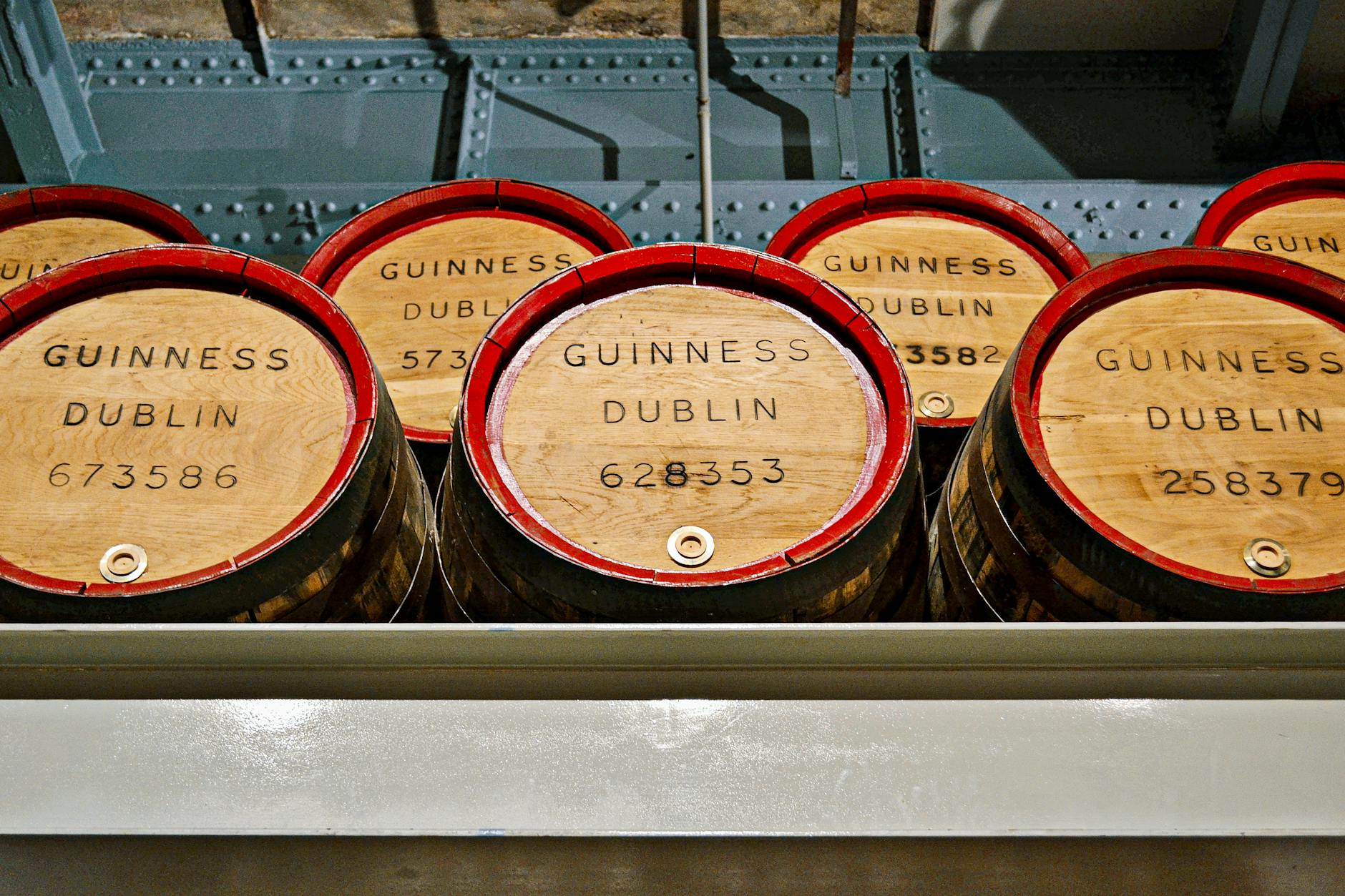
The Guinness Storehouse at St James’s Gate is Ireland’s most-visited paid attraction with 1.7+ million visitors annually. The seven-floor exhibition occupies the former Guinness fermentation plant. The tour covers Guinness brewing history, the famous advertising campaigns, the family’s philanthropic legacy, and includes a Pint Pulling Experience in the Gravity Bar with 360-degree views of Dublin.
Adult admission €30 standard, €25 if booked ahead online (recommended). Open daily 10am–7pm. Allow 90 minutes–2 hours. The Gravity Bar can get crowded mid-afternoon; visit early morning or late afternoon for the best photos. The Connoisseur Experience (€65) includes premium whiskey-aged Guinness tastings. The Guinness Academy classes teach you to pull the perfect pint. The Open Gate Brewery on the same campus serves experimental Guinness variations.
Christ Church and St Patrick’s Cathedrals
Christ Church Cathedral
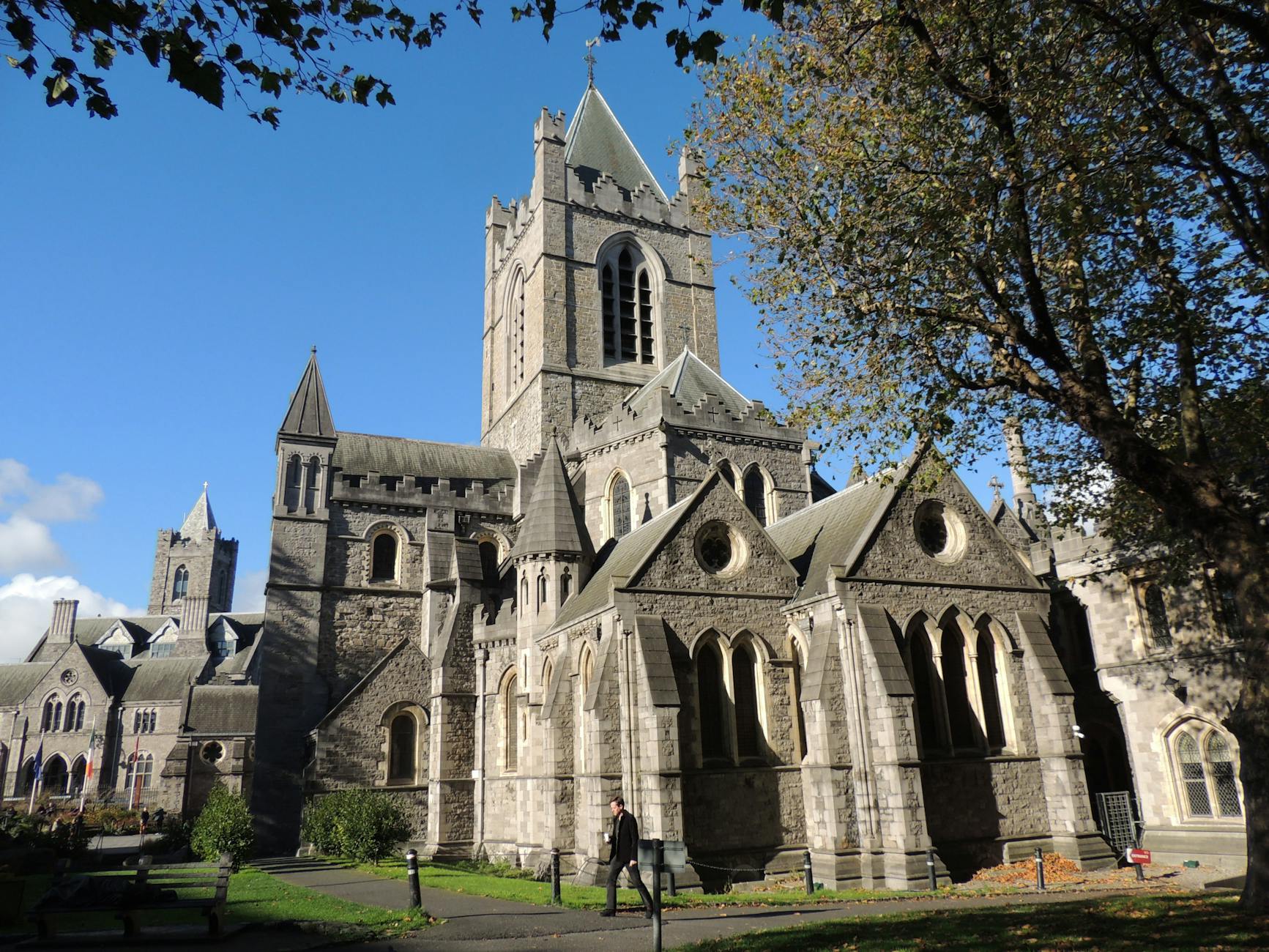
Christ Church Cathedral, founded around 1030 by Sigtrygg Silkbeard the Viking king of Dublin, is the city’s oldest cathedral. The current building includes Strongbow’s 1172 Norman nave and the largest medieval crypt in Britain and Ireland. Highlights include the mummified cat and rat (found in the cathedral organ in the 1860s), Strongbow’s tomb effigy, and the Treasury exhibition. €9 adult, €15 combined with Dublinia next door. Open daily 9:30am–6pm. Choir evensong at 5pm daily is free.
St Patrick’s Cathedral
St Patrick’s Cathedral, founded 1191 next to a holy well where Patrick reputedly baptised converts, is Ireland’s largest cathedral. Jonathan Swift (author of Gulliver’s Travels) served as Dean from 1713–1745 and is buried here. The cathedral’s “Door of Reconciliation” from 1492 is the origin of the phrase “chancing your arm.” €9 adult. Open daily 9am–6pm. The 12-acre St Patrick’s Park behind the cathedral is free and family-friendly.
Medieval Dublin in the Liberties
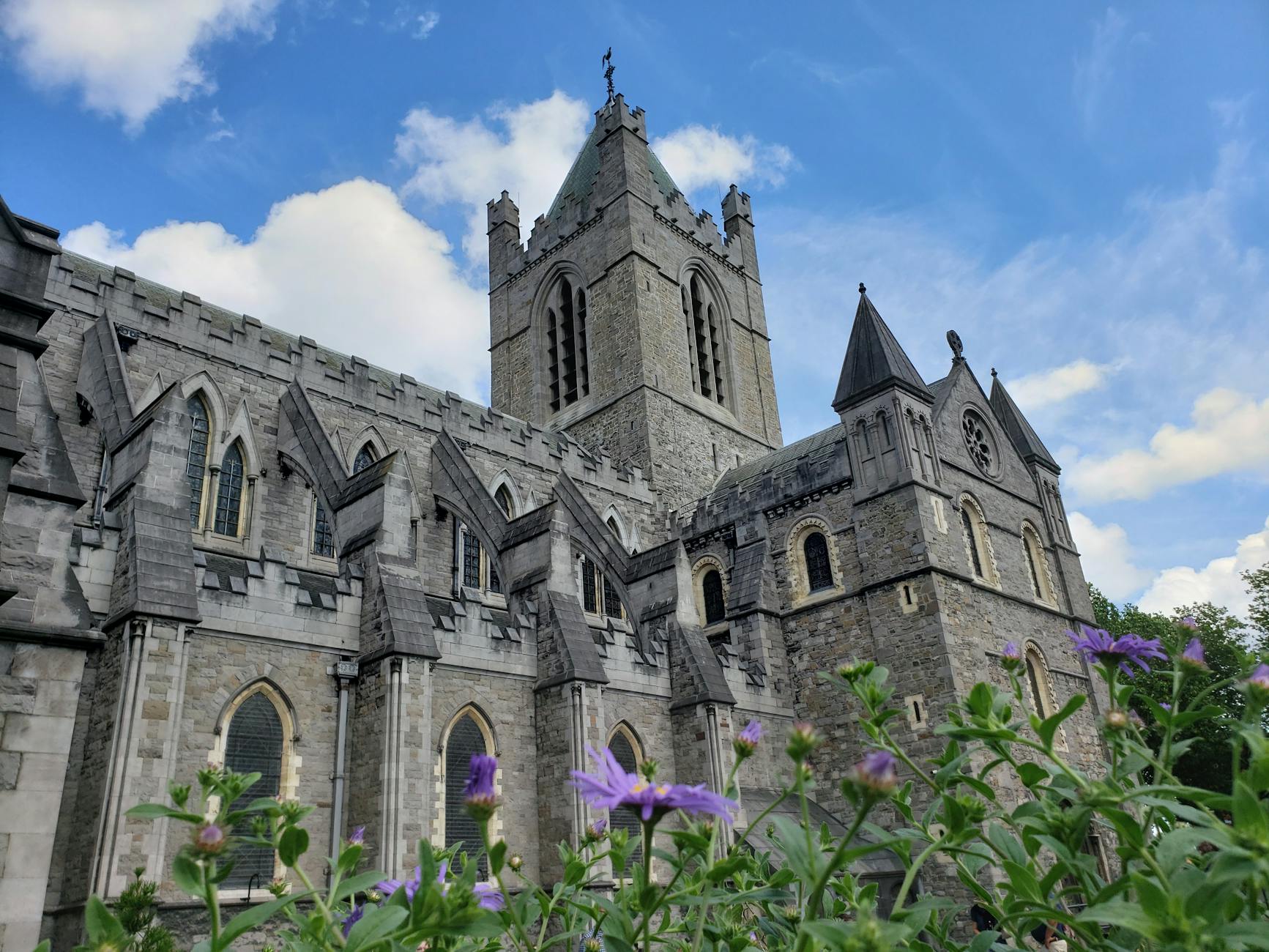
- Dublinia — Christ Church Cathedral. Interactive Viking and medieval Dublin museum. €15 adult, €38 family ticket.
- Marsh’s Library — St Patrick’s Close. Ireland’s first public library (1707). Jonathan Swift’s books here. €5 admission.
- Medieval city walls — Cook Street and Lamb Alley. Free public access. The best preserved sections of Dublin’s medieval walls.
- St Audoen’s Church and Arch — Cornmarket. Dublin’s oldest parish church (1190) and the only surviving medieval city gate.
- St Audoen’s Park — Free. Behind St Audoen’s Church on the medieval walls.
The Teeling Whiskey Distillery
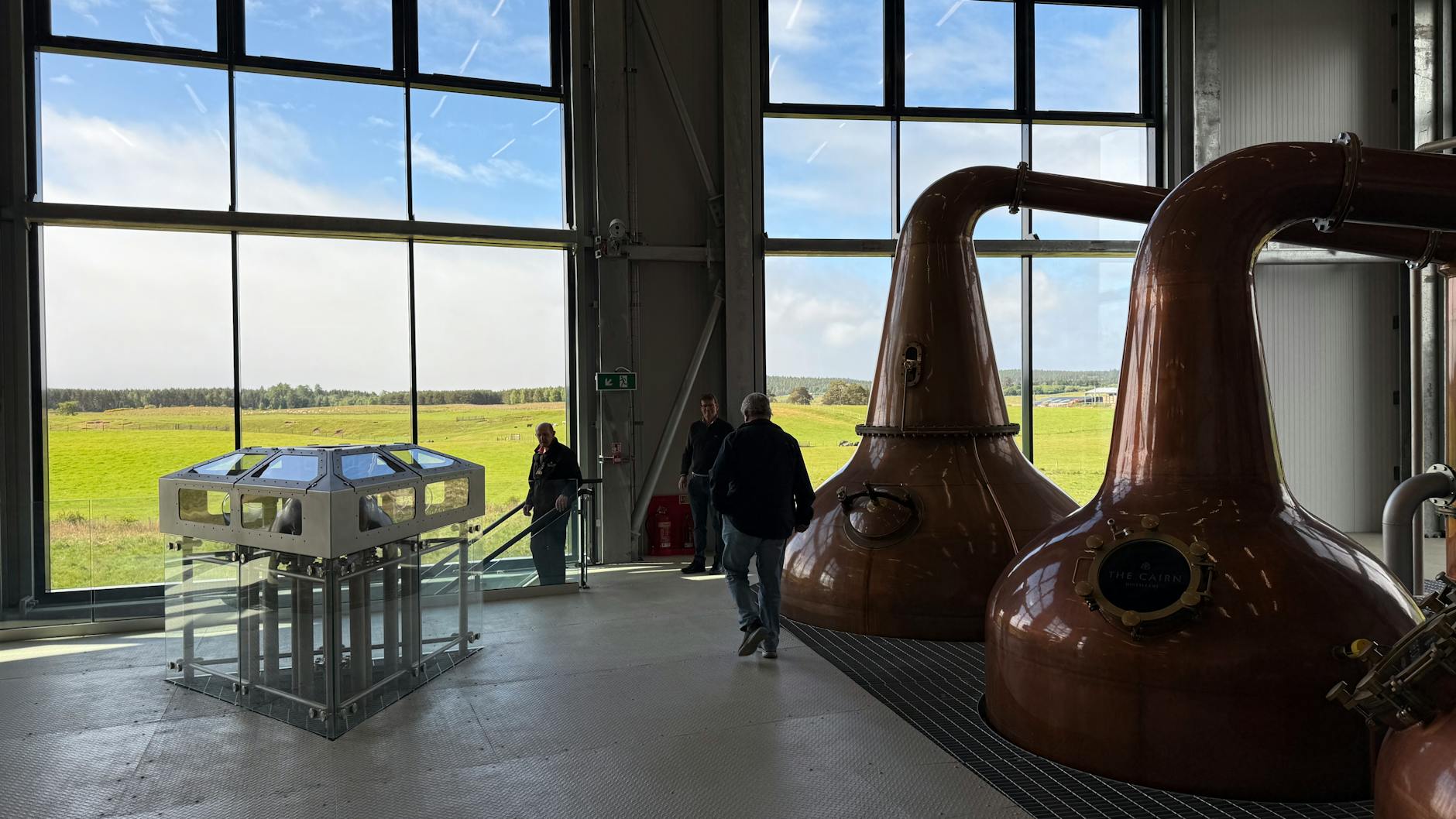
The Teeling Whiskey Distillery on Newmarket Square is Dublin’s first new operational distillery in 125 years, opened in 2015 by the Teeling family who restored distilling to the city after a long absence. The 75-minute tour covers Teeling’s history, the distilling process, and includes a tutored tasting of three whiskeys. €20 adult standard tour, €25 deluxe tour with premium tastings. Open daily 10am–5:30pm. The Teeling Bar serves whiskey cocktails and the brewery’s own cask-aged spirits.
The Pearse Lyons Distillery
The Pearse Lyons Distillery occupies St James’s Church on James’s Street — the only working distillery housed in a former Protestant church in the world. The 90-minute tour covers Pearse Lyons whiskey production, the building’s history (the church dates to the 1100s and the current building to 1707), and includes a tutored tasting. €25 adult. Open Wednesday–Sunday 11am–5pm. The graveyard surrounding the church is a quiet historical setting.
Francis Street Antiques Quarter
Francis Street is Dublin’s antiques quarter with dozens of antique dealers, vintage shops, and small galleries. The street runs from Christ Church Place south to The Coombe. Particularly strong for Georgian and Victorian furniture, religious antiques, vintage prints, and Irish folk art. Most dealers operate Tuesday–Saturday with reduced hours. Cards accepted; many dealers welcome haggling on prices.
The street is informally divided between higher-end antiques (closer to Christ Church) and lower-priced second-hand shops (toward The Coombe). The Liberties Festival in late September brings additional outdoor stalls and crafts. The Coombe Hospital and surrounding streets give a sense of the area’s historic working-class character.
National College of Art and Design (NCAD)
The National College of Art and Design (NCAD) at 100 Thomas Street is Ireland’s top art and design school. The college’s annual Degree Show in June is one of Dublin’s best free art events — graduating students display final works including paintings, sculpture, fashion design, ceramics, and digital media. The NCAD’s public canteen serves quality cheap food and is open to non-students. The Crow’s Nest cafe on the same campus is also open to visitors.
NCAD has been Ireland’s most influential art school since the 1850s, with alumni including major Irish contemporary artists. The campus combines restored 18th and 19th-century buildings with modern teaching facilities. Free public lectures occasionally open to visitors. The annual Photography Show (typically May) and Fashion Show (typically June) are particularly popular.
Best Pubs in the Liberties
- The Brazen Head — Lower Bridge Street. Ireland’s oldest pub (1198). Family-friendly during the day, live music in the evening.
- The Open Gate Brewery — St James’s Gate. Guinness experimental brewery with tap room.
- Fallon’s of The Coombe — Dean Street. Historic working-class pub.
- Frank Ryan’s — Queen Street. Local pub with trad sessions.
- The Lord Edward — Christchurch Place. Multi-floor pub with strong food.
- The Bull and Castle — Christchurch Place. Gastropub opposite Christ Church.
- The Patriot Inn — Kilmainham (just west). Historic pub near Kilmainham Gaol.
Liberties Restaurants
- The Old Mill Restaurant — Christchurch Place. Casual Irish/European.
- Leo Burdock — Werburgh Street. Dublin’s most famous chipper (since 1913).
- The Bull and Castle — Christchurch Place. Gastropub with strong burgers.
- Bibi’s Cafe — Emorville Avenue (just east). Family brunch.
- Two Pups Coffee — Francis Street. Specialty coffee.
- The Coffee Pot — Francis Street. Local cafe.
- Brother Hubbard South — Harrington Street. Excellent brunch.
- Pearse Lyons Distillery Restaurant — St James’s Street. Whiskey-paired food.
Walks Through the Liberties
- Medieval Dublin walk — Dublin Castle → City Hall → Christ Church Cathedral → Dublinia → medieval walls at Lamb Alley → St Audoen’s → St Patrick’s Cathedral.
- Whiskey trail walk — Pearse Lyons Distillery → Teeling Whiskey Distillery → Guinness Storehouse.
- Francis Street antiques walk — Christ Church → Francis Street → The Coombe → St Patrick’s Park.
- Liberties street art walk — Various murals scattered throughout the area, particularly along Thomas Street and around NCAD.
- The Liberties to Kilmainham — Continue west from the Liberties to Kilmainham Gaol and IMMA. 30 minutes additional walk.
Suggested Liberties Day
Morning: Coffee at Two Pups Coffee on Francis Street. Visit Dublinia at Christ Church (90 minutes). Browse Francis Street antiques.
Late morning: Visit Christ Church Cathedral (combined with Dublinia for €15) and St Audoen’s Church + Arch + medieval walls (free).
Lunch: Leo Burdock fish and chips, or the NCAD canteen, or The Bull and Castle gastropub.
Afternoon: Visit the Guinness Storehouse (book ahead, allow 2 hours). Optional: Teeling Whiskey Distillery if you have whiskey interest.
Late afternoon: Visit St Patrick’s Cathedral (€9) and Marsh’s Library (€5). The cathedral choir evensong at 5pm is free if your timing aligns.
Evening: Pint at The Brazen Head (Ireland’s oldest pub). Dinner at The Bull and Castle or the Pearse Lyons Distillery restaurant. Optional live trad music at Frank Ryan’s.
How to Get to the Liberties
- Walking from city centre — 10–15 minutes from Trinity College via Dame Street.
- Luas Red Line — James’s Hospital and St James’s stops serve the western end.
- Dublin Bus — Multiple routes including 13, 27, 40, 49, 65, 77A.
- Hop-on Hop-off Bus — Multiple stops in the area including Guinness Storehouse.
Where to Stay in the Liberties
- The Hyatt Centric The Liberties Dublin — Thomas Street. Modern 4-star with rooftop bar.
- Aloft Dublin City — Mill Street, Liberties. Marriott group modern hotel.
- The Dean Hotel — Harcourt Street (just east). Boutique hotel with rooftop bar.
- Premier Inn Dublin Beresford Place — Budget reliable option, 10 minutes walk.
- Maldron Hotel Kevin Street — Mid-range, on the edge of the Liberties.
A Brief Liberties History
The Liberties developed in medieval Dublin as “liberties” — areas exempt from city jurisdiction governed by their own councils, typically established by religious institutions. The St Patrick’s Liberty and Christ Church Liberty were the major institutional areas. The neighbourhood’s status as a tax-exempt zone outside city walls attracted craftsmen, traders, and immigrants throughout the medieval and early modern periods. Huguenot weavers fleeing France in the 1690s settled extensively in the Liberties, establishing the silk weaving industry that thrived for over a century.
The 18th and 19th centuries saw the Liberties become Dublin’s industrial heartland. The Guinness brewery opened in 1759 at St James’s Gate and grew to become the world’s largest brewery by 1900. Multiple whiskey distilleries operated alongside, employing thousands. Tanning, leatherwork, brewing, and distilling industries dominated the local economy. Industrial decline through the 20th century left the area with significant deprivation. The 21st century has seen tentative gentrification driven by the Guinness Storehouse’s growth, the NCAD relocation to Thomas Street, the new whiskey distilleries (Teeling 2015, Pearse Lyons 2017), and rising property prices.
Adjacent: 14 Henrietta Street Tenement Museum
While technically just north of the Liberties proper, 14 Henrietta Street tenement museum provides essential context for understanding the historical impact of Dublin’s industrial decline on neighbourhoods like the Liberties. The preserved Georgian townhouse shows the brutal subdivision of grand 18th-century residences into 19th and 20th century tenement housing — the same pattern that affected much of the Liberties. €9 adult admission, book ahead. Open Tuesday–Sunday. Allow 90 minutes for the guided tour.
The Liberties Festival
The annual Liberties Festival in late September celebrates the neighbourhood’s cultural heritage with free outdoor events including music, family entertainment, historical walking tours, and food stalls. The festival typically spans 3–4 days with events at multiple Liberties venues. Highlights include free admission days at usually-paid attractions, special concert programmes, and community history events. Check the Dublin City Council What’s On listings for current dates and programmes.
Combining the Liberties with Kilmainham
The Liberties combines naturally with adjacent Kilmainham for an extended Dublin heritage day. Kilmainham Gaol (15 minutes walk west of the Liberties) is one of Dublin’s most powerful historical sites. The Royal Hospital Kilmainham (now the Irish Museum of Modern Art / IMMA) is a beautiful 17th-century building with free admission. The War Memorial Gardens at Islandbridge commemorate Irish soldiers killed in World War I. A combined Liberties + Kilmainham day covers Dublin’s medieval, industrial, and revolutionary history within easy walking distance. See our Kilmainham Gaol guide for the dedicated treatment.
Liberties Street Art
The Liberties has emerged as one of Dublin’s densest street art areas. Major murals appear along Thomas Street near NCAD, around the Pearse Lyons Distillery, on the walls of Francis Street, and throughout the residential streets. Dublin street artists Aches, Maser, and Subset have all worked extensively in the Liberties. The Dublin Canvas project has commissioned dozens of utility box paintings throughout the area. The Open Doors Street Art Tour (€15, Saturday mornings) includes the Liberties in its 2-hour walking route.
Hidden Stops in the Liberties
For visitors with deeper interest, several lesser-known Liberties stops reward exploration. St Werburgh’s Church on Werburgh Street is a small 18th-century Georgian church behind Dublin Castle, rarely visited but architecturally significant. The Hospital and Quartermasters Houses on James’s Street are surviving fragments of 18th-century medical and military Dublin. The Steeven’s Lane Library at St James’s Hospital is occasionally open for heritage events. Pimlico, the small streets between Cork Street and The Coombe, preserves the Huguenot weaving district character. The Open Gate Brewery at St James’s Gate offers a different Guinness experience to the main Storehouse — smaller, more focused on experimental brewing.
Rugby Match Days in the Liberties
The Liberties’ proximity to the Aviva Stadium (15 minutes east) makes the area popular for rugby pre-match drinks. The Brazen Head, The Lord Edward, and The Bull and Castle all fill on Six Nations match days. Many visitors combine a morning Guinness Storehouse tour with afternoon rugby at the Aviva Stadium — a uniquely Irish pairing of brewing heritage and sporting tradition. For full Aviva Stadium and Croke Park context see our Dublin Nightlife and Pubs pillar.
The Future of the Liberties
The Liberties continues to evolve. Dublin City Council’s Liberties Greening Strategy aims to add green spaces and improve pedestrian access throughout the area. The Liberties Marketing Group promotes local businesses and tourism coordination. Several new residential developments along Cork Street and Mill Street are under construction. The Diageo brewery campus development (incorporating the existing Guinness Storehouse) plans significant expansion of visitor amenities. The Liberties’ combination of heritage tourism, working-class residential character, and emerging contemporary culture makes it one of Dublin’s most distinctive neighbourhoods to watch over the coming decade.
For visitors interested in long-term Dublin trends, the Liberties offers a chance to see urban regeneration unfolding in real time alongside genuine community heritage. The contrast between the gleaming Guinness Storehouse and the modest residential streets just a block away captures the Dublin of the 2020s perfectly.
For broader Dublin neighbourhood context see our Dublin Neighbourhoods pillar. Combining Liberties with adjacent areas: north to Smithfield (15 minutes walk), east to Temple Bar and city centre (10 minutes), south to Portobello (15 minutes), or west to Kilmainham (15 minutes). Each combination offers a different angle on Dublin’s character.
The Liberties Dublin: FAQ
What is the Liberties known for?
The Liberties is Dublin’s oldest residential neighbourhood, home to the Guinness Storehouse, Christ Church Cathedral, St Patrick’s Cathedral, the medieval city walls, the Teeling and Pearse Lyons whiskey distilleries, and Francis Street antiques quarter. The area combines medieval heritage with industrial brewing tradition and a contemporary cultural quarter centred on NCAD.
Is the Liberties worth visiting?
Yes — the Liberties contains Dublin’s most-visited paid attraction (the Guinness Storehouse), the oldest cathedral (Christ Church, founded 1030), and the largest cathedral (St Patrick’s, 1191). The medieval city walls and St Audoen’s Church preserve unique Dublin history. The whiskey distilleries provide complementary experiences to the Guinness Storehouse.
How long does the Guinness Storehouse take?
Allow 90 minutes–2 hours for the standard self-guided tour. The Connoisseur Experience and other premium options add 30–60 minutes. The Gravity Bar can get crowded mid-afternoon — visit early morning or late afternoon for the best photos and shorter queues.
How much does the Guinness Storehouse cost?
€30 standard admission, €25 if booked online ahead (recommended). Premium experiences run €65 (Connoisseur) or more. The price includes one free pint of Guinness at the Gravity Bar. The Go City Dublin Pass and DoDublin Card both include Guinness Storehouse admission.
Can I visit Christ Church Cathedral and Dublinia together?
Yes — the combined ticket €15 adult, €9 child, €38 family covers both. Dublinia’s interactive Viking and medieval Dublin exhibits work particularly well for children. Christ Church’s medieval crypt is the largest in Britain and Ireland. Both can be visited in 2–3 hours total.
Where can I see medieval Dublin city walls?
The best preserved sections of Dublin’s medieval walls survive at Cook Street and Lamb Alley behind St Audoen’s Church — about 60 metres of original 12th-century wall up to 3 metres high. St Audoen’s Arch (1240) is the only surviving medieval city gate. Free public access. Heritage signs throughout the medieval district mark wall locations.
Is the Teeling Whiskey Distillery worth visiting?
Yes for whiskey enthusiasts. Teeling reopened distilling in Dublin in 2015 after a 125-year absence from the city. The 75-minute tour (€20) covers Teeling’s history, the distilling process, and a tutored tasting. Pair with the Guinness Storehouse and Pearse Lyons Distillery for a Dublin distilling trail.
What is the Brazen Head pub?
The Brazen Head on Lower Bridge Street claims to be Ireland’s oldest pub, founded 1198. While the current building dates to the 18th century, the cellars are reputedly medieval. The pub is family-welcoming during the day with traditional Irish food, and runs live music in the evening. Joyce, Behan, and many other writers drank here.
Keep Reading
- Dublin Northside: Phibsborough, Drumcondra & Beyond — Croke Park, the Botanic Gardens and far better food value than the tourist centre.
- Howth Village: Dublin’s Coastal Gem — Twenty-five minutes on the DART for cliff walks, harbour seals and the best fish and chips in the county.
- Temple Bar Dublin: Beyond the Tourist Trap — The honest guide to Dublin’s most polarising quarter — what it genuinely offers and when to go.
- the Guinness Storehouse — a related guide from elsewhere on the site.
- Which Dublin Distillery to Visit — three of the four are within walking distance of Thomas Street, and only some of them still distil.
- Christ Church Cathedral Dublin — the landmark at the top of the hill, with Dublinia across the bridge.
- Oldest pubs in Dublin — starting with the Brazen Head at the bottom of the neighbourhood.
- St Patrick’s Cathedral Dublin — the landmark at the top of the neighbourhood, with Marsh’s Library next door.
Lean na Comharthaí — Keep following the signs