Tipping in Dublin 2026: Complete Money & Tipping Guide
Ar an gComhartha Seo — On this sign
- Quick Picks: Dublin Tipping Cheat Sheet
- Tipping in Dublin Restaurants
- Tipping in Dublin Pubs
- Tipping Dublin Taxis
- Tipping in Dublin Hotels
- Tipping Other Services
- Dublin Currency and Money
- Card and Contactless Payment
- Cash or Card in Dublin?
- Currency Exchange in Dublin
- VAT and Tax Refunds
- Dublin Daily Budget
- Common Dublin Money Mistakes
- Related Reading
- When NOT to Tip in Dublin
- Tipping for Foreign Visitors
- Foreign Card Fees in Dublin
- Dynamic Currency Conversion: Avoid It
- If You Lose Your Cards in Dublin
- Tipping in Dublin: FAQ
- Keep Reading
Tipping in Dublin is lighter than in the US but more than zero. The Irish tipping culture sits between American expectations (15-20%) and continental European norms (round up or skip). Restaurants with table service expect a modest tip; pubs expect nothing beyond rounding up; taxi drivers are happy with a rounded-up fare; and a few euros left for hotel housekeeping is a kind gesture rather than an obligation. This guide covers every Dublin tipping scenario including the specific etiquette around service charges, foreign cards and contactless payments.
The Dublin tipping landscape is reasonable once you understand the framework.
The guide to essential Dublin travel tips pulls all of this together if you want the overview first.
Quick Picks: Dublin Tipping Cheat Sheet
- Restaurants: Tip for table service, a little more when it’s excellent; check for a service charge first
- Pubs: Round up; no tip required
- Taxis: Round up the fare; add a bit more for a long airport run
- Hotels housekeeping: A small cash tip left in the room
- Hotel porter/concierge: Something small per bag; more when the concierge does real legwork for you
- Walking tour guides: Free tours run on tips, so pay what the tour was worth; a smaller tip on paid tours
- Music sessions: Drop some cash in the tip jar if one is out and you stayed close to listen
- Spa treatments: Check whether a service charge is included; if not, tip for a good treatment
- Hairdresser: A small cash tip if you’re pleased with the cut
Tipping in Dublin Restaurants
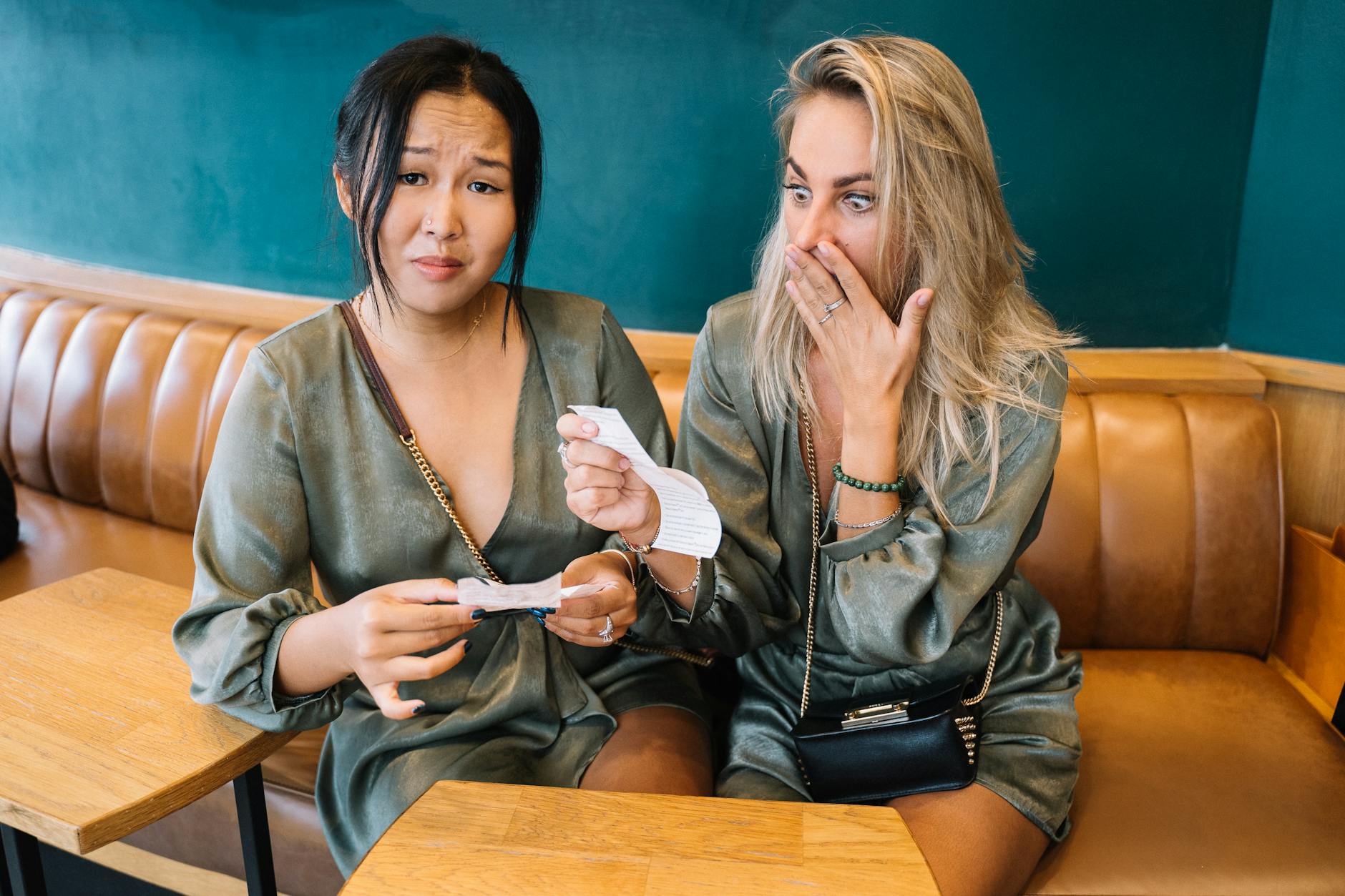
Standard Practice
- A tip for good service: For competent, reliable table service, leaving a tip is the norm.
- A little more for excellent service: Notable kindness, knowledge or attentiveness.
- A smaller tip for poor service: Visible but not generous; signal of dissatisfaction.
- No tip for bad service: Tipping is voluntary, so you can leave nothing when service is sub-standard.
How to Tip
- Cash on the table: The traditional way; remains common.
- Added to card payment: The waiter brings the card machine and asks “would you like to add a tip?” or “the total is €X; would you like to add anything?” You can add a percentage or simply round up the total.
- Through service charge: Some restaurants add a discretionary service charge, usually for larger groups; the menu should say so. Check the bill; you don’t need to add additional tip if service charge is included.
Service Charge: How It Works
By Irish law, service charges must be clearly disclosed on the menu or bill. Some restaurants include service charge automatically:
- Larger groups: Some restaurants add a discretionary service charge for bigger parties.
- Set menus and tasting menus: Sometimes include service charge; check bill before paying.
- Hotel restaurants: More likely to include service charge automatically.
- If service charge is included: No additional tip required, though you can leave a little cash on top for exceptional service.
- If you’re unhappy with the service: Irish law allows you to ask for service charge to be removed if service was deficient.
Michelin-Starred Dinners
Dublin’s Michelin-starred restaurants (Chapter One and Patrick Guilbaud, both with two stars, and Variety Jones, with one) follow the same logic as anywhere else: look at the bill before you tip. Tasting menus with wine pairings frequently include service charge in the menu price; check before adding extra. Where nothing has been added, the tip is at your discretion, and a long tasting menu with good service is a fair moment to be generous.
Tipping in Dublin Pubs
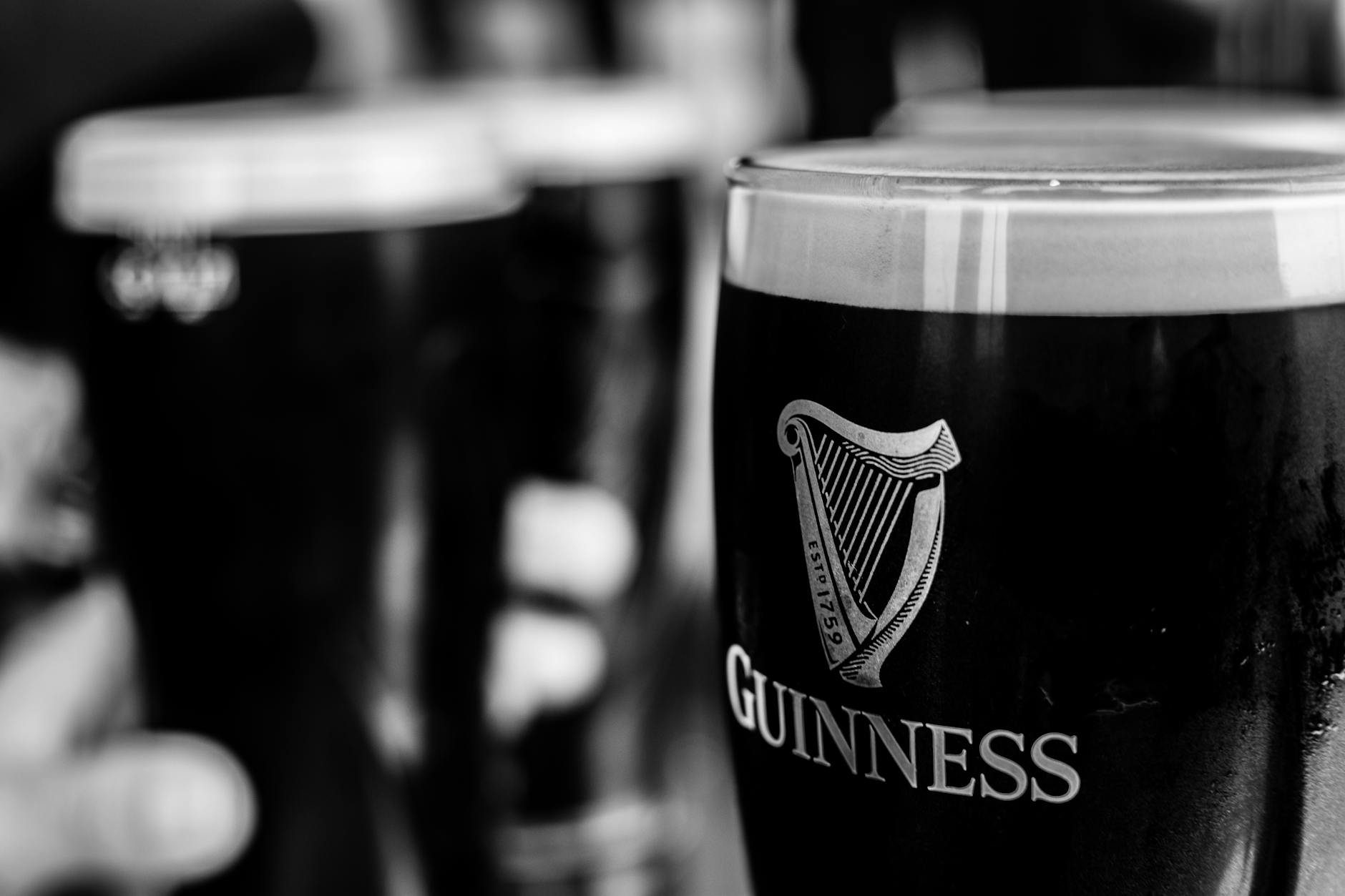
The Rule: Round Up, Don’t Tip
Dublin pubs are not a tipping culture. The standard practice:
- Round up the bill: Leave the small change at the bar.
- No tipping required for a quick pint: Pay the price and walk away.
- A little extra for exceptional bartenders: After several rounds with the same bartender, a small tip is appreciated.
- Don’t tip when buying rounds: Just pay the bill.
Food in Pubs
If you eat pub food and a waiter brings dishes to your table (rather than counter service), tip as you would in a restaurant. If you order food at the bar and collect it yourself, just round up the total bill.
Traditional Music Sessions
- Musicians have an open guitar case or tip jar: Drop in some cash if you’ve sat near them and enjoyed the set.
- If you sit far from the musicians: Tipping is optional.
- If you take photos or videos: Tipping is encouraged out of courtesy.
- Buying a round for the musicians: Some pubs allow you to order pints for the musicians via the bartender; this is an alternative to cash tipping.
Tipping Dublin Taxis
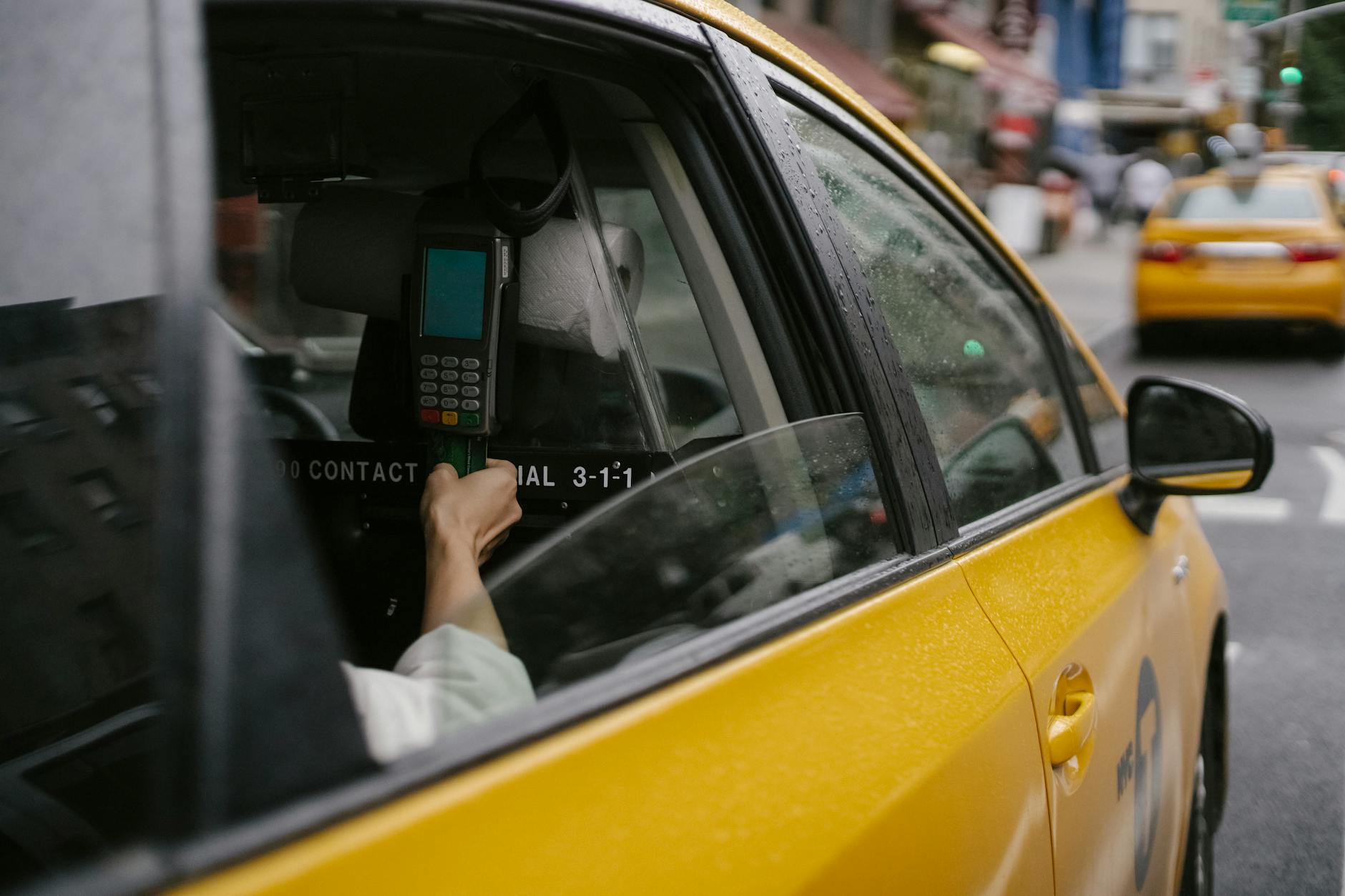
- Short city trips: Round up the fare and tell the driver to keep the change.
- Airport runs and longer trips: Rounding up still works; add a little more if the driver was helpful.
- Exceptional service (helped with luggage, waited for you, suggested routes): A more generous tip is appropriate.
- In-app tipping: Both Free Now and Bolt offer in-app tipping post-ride. In Free Now you choose a tip amount before, during or up to an hour after the trip.
- Cash tip preferred: Some drivers prefer cash tips; faster, no transaction fees.
- Don’t tip private hire vehicles: Hackney drivers (pre-booked private hire) sometimes have agreed fares with no expectation of tip.
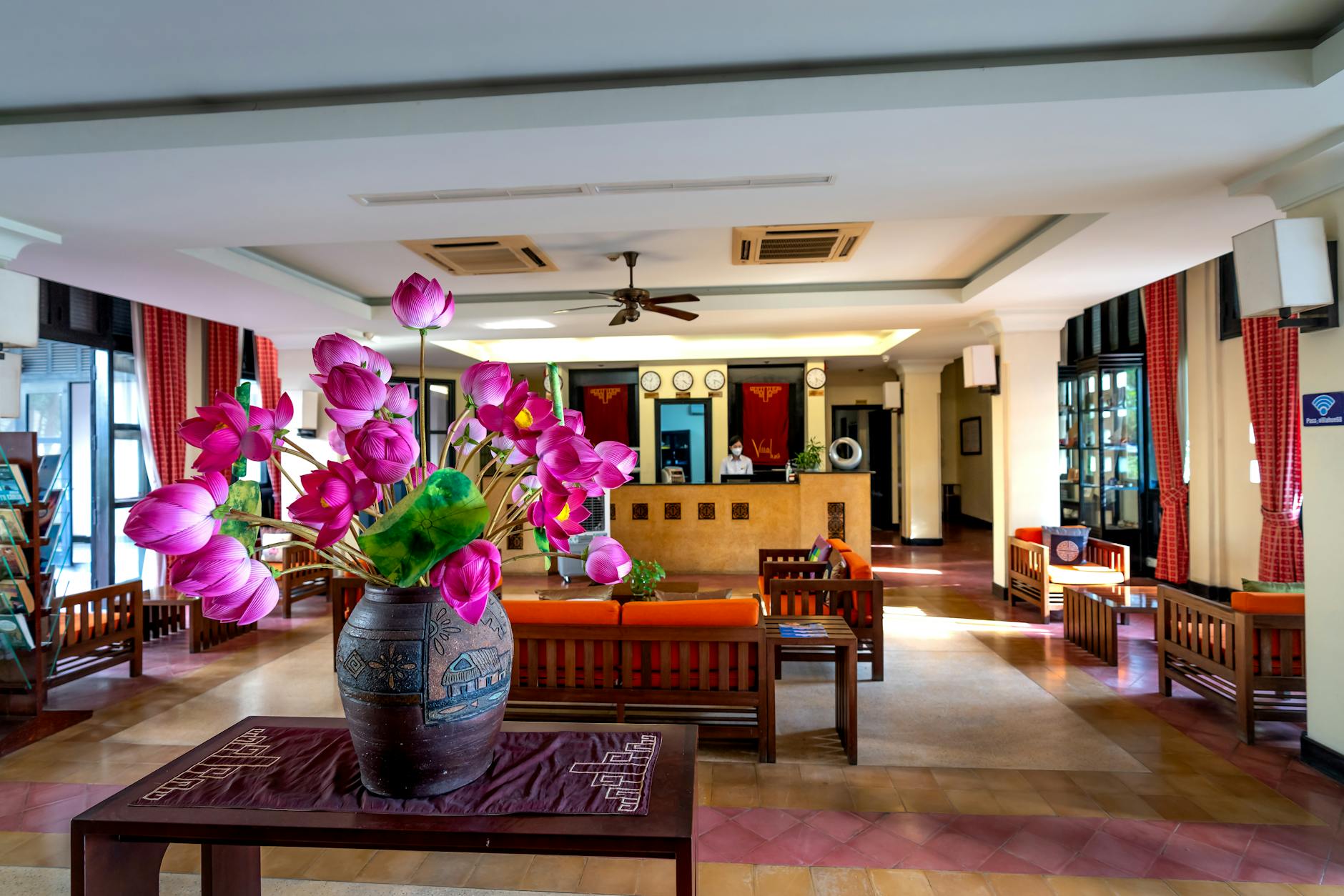
Tipping in Dublin Hotels
Housekeeping
- A small cash tip left on the bedside table or pillow at end of stay.
- Cash preferred: Housekeeping rarely have access to your card.
- Note saying “thank you”: Ensures the money is taken (avoid leaving cash without context).
Porter / Bellboy
- A small tip per bag: The usual thanks for porter assistance.
- Cash preferred: Hand it to them directly.
- More for heavy or multiple bags: Give a bit extra when they haul substantial luggage.
Concierge
- A small tip: For substantial assistance (restaurant booking, special arrangement, securing tickets).
- A more generous tip: For exceptional service (procuring a sold-out ticket, last-minute reservation at a Michelin restaurant).
- No tip: For brief directional or general advice.
Room Service
- Service charge sometimes included: Some hotels add a service charge to room service automatically; check the bill.
- If no service charge: Tip as you would in a restaurant.
- Direct cash to the delivering server: If you want to recognise the specific person.
Tipping Other Services
Walking Tour Guides
- Free walking tours (Generation Tours, Sandemans): Pay what the tour was worth to you; this is the guide’s income.
- Paid walking tours: A smaller extra tip is a kind gesture rather than an obligation.
- Private guides: A tip on top of the booking fee if the day went well.
Spa and Wellness
- Tip if there’s no service charge: Hotel spas sometimes add one; where they don’t, a tip for a good treatment is welcome.
- Direct to therapist: Cash discreetly given to the specific therapist.
- Check the bill: Service charge inclusion varies by establishment.
Hairdresser and Barber
- Tip if you’re pleased: For competent service.
- Cash directly to the stylist: The simplest way to make sure it reaches them.
- Service charge: Not typically included in hairdressing.
Food Delivery
- Just Eat / Deliveroo / Uber Eats: Tipping the courier is up to you.
- In-app tipping: Deliveroo lets you tip the rider before or after delivery, and Uber Eats shows a tip option for an hour after your order arrives.
- Cash directly to courier: Sometimes appreciated more than app tips.
Pet Sitter / Dog Walker
Not relevant for most tourists, but a tip for exceptional service is a kind gesture. Many pet-care services include a tip in the agreed fee.
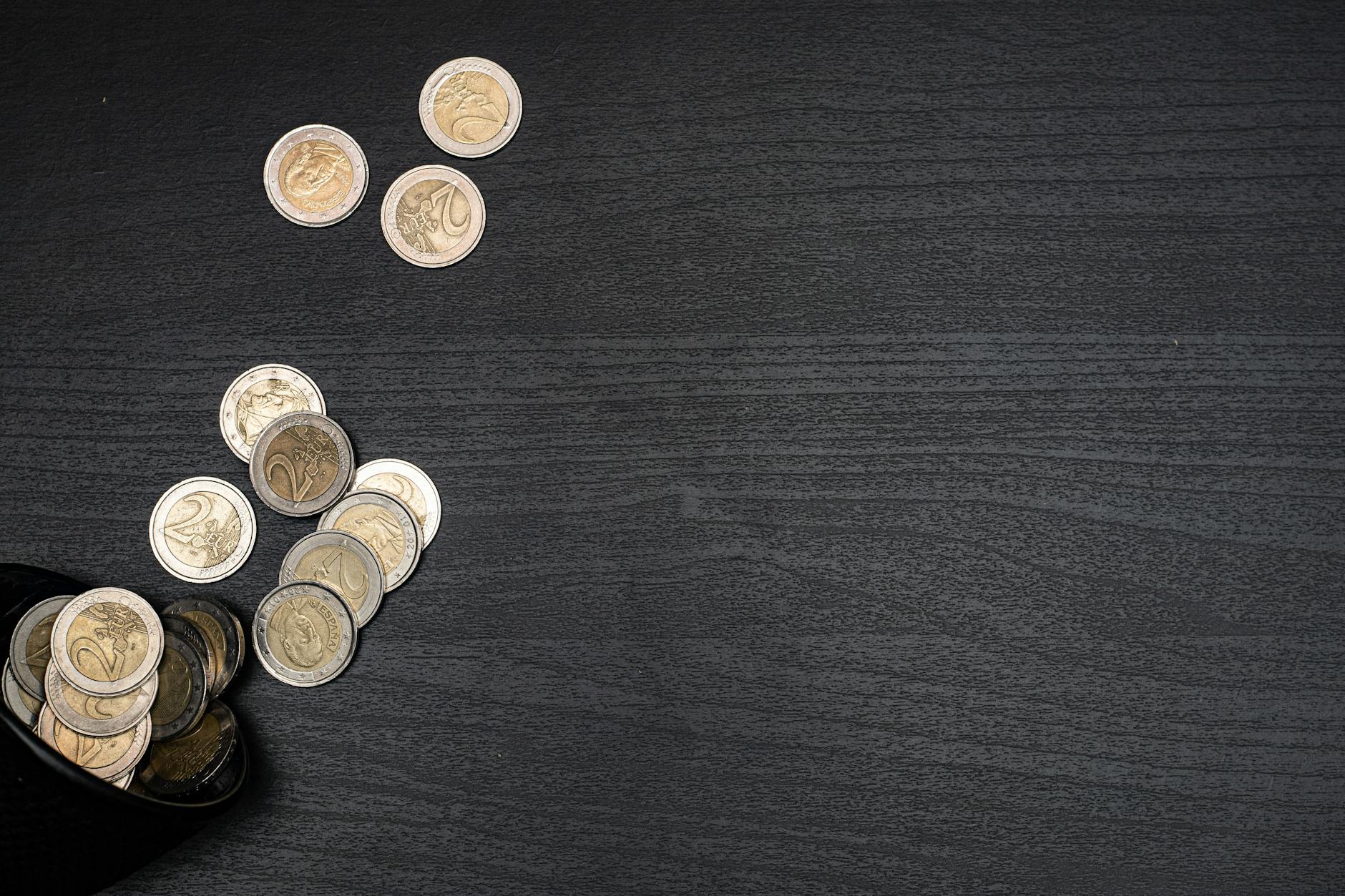
Dublin Currency and Money
The Euro
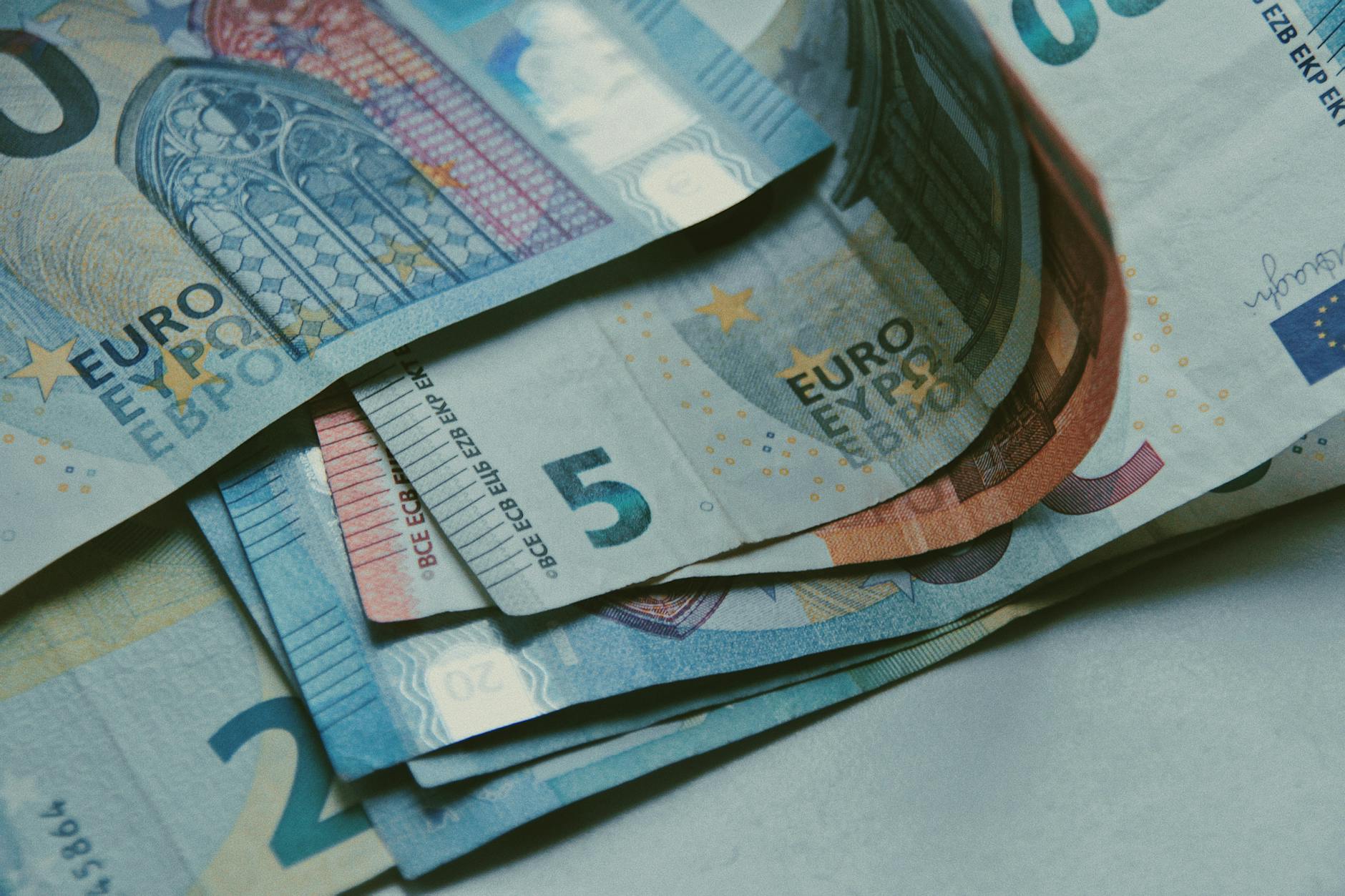
Ireland uses the Euro (€). Notes come in €5, €10, €20, €50, €100, €200, €500. Coins in 1c, 2c, 5c, 10c, 20c, 50c, €1, €2.
- 1-cent and 2-cent coins: Still in use, though some shops round cash totals to the nearest 5 cents.
- €500 notes: Many businesses won’t take them, so don’t bring them.
- €200 notes: Some small businesses may not take large notes; have smaller notes for casual purchases.
- Foreign currency: Pound Sterling, US Dollars, etc. NOT accepted in shops. Exchange at the airport, post offices, or banks.
ATMs in Dublin
- Bank ATMs: AIB (Allied Irish Bank), Bank of Ireland, Permanent TSB.
- Independent ATMs (Euronet, etc.): Any withdrawal fee appears on screen before you confirm, and they may offer to convert into your home currency; choose euro. Use a bank ATM where you can.
- Daily ATM limits: Set by your bank; check your card’s limits before you travel.
- Withdrawal fees: International card fees vary by your bank. Check with your home bank.
- Best withdrawal strategy: Withdraw €200-300 once per few days at a bank ATM; minimises fees.
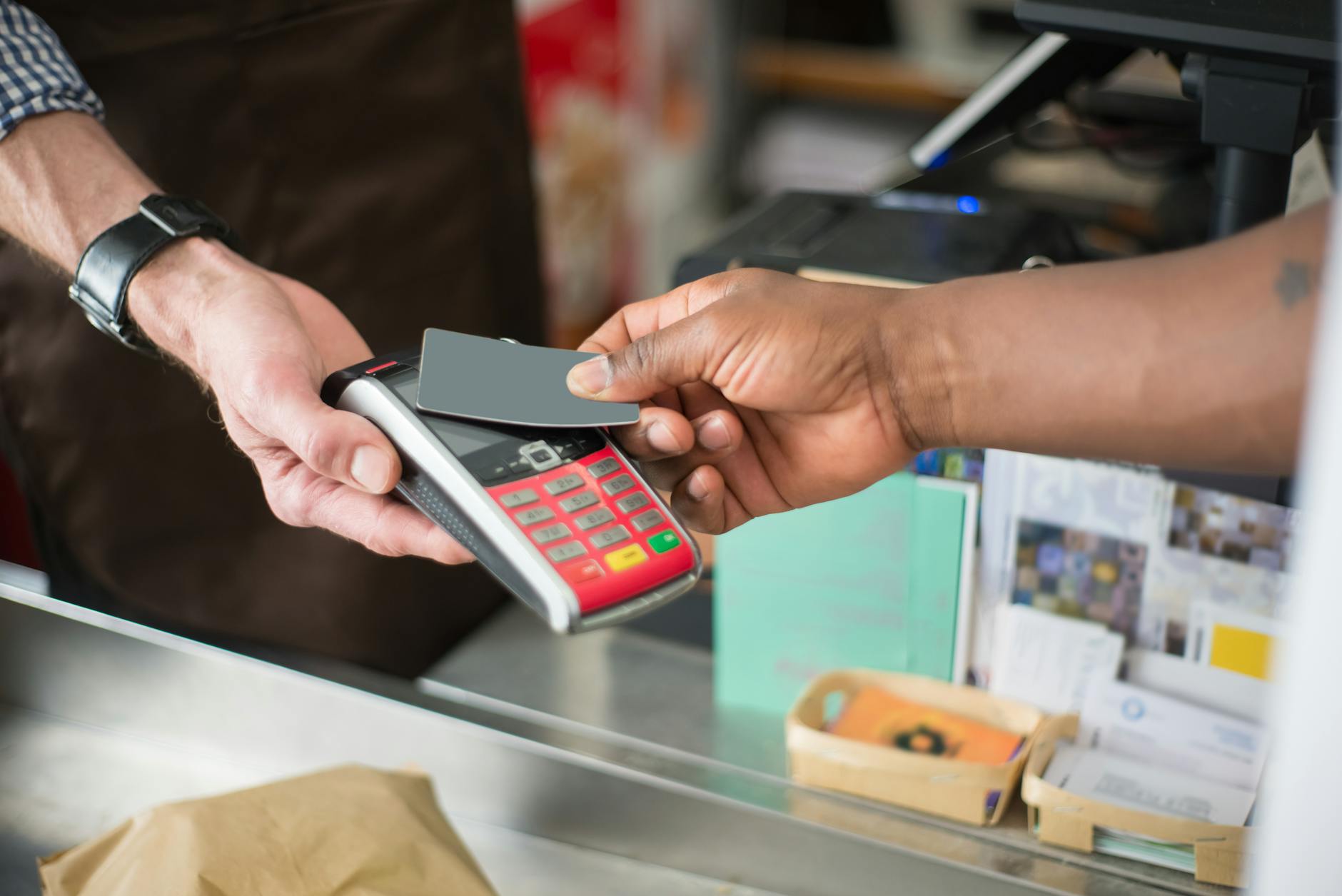
Card and Contactless Payment
- Universal contactless: Virtually every Dublin venue accepts contactless payments (Visa, Mastercard, Apple Pay, Google Pay).
- Contactless limit: €50 per transaction without PIN. Above €50, you enter PIN or use Apple Pay / Google Pay.
- Chip-and-PIN: Standard backup; required for larger purchases.
- Magnetic stripe (US cards): Increasingly rare in Ireland; chip-and-PIN preferred.
- Apple Pay and Google Pay: Universally accepted; faster than contactless cards.
- American Express: Accepted at most mid-range and luxury venues; some smaller venues do not accept.
- Discover (US): Limited acceptance; carry a Visa or Mastercard backup.
Cash or Card in Dublin?
Card-Preferred Venues
- All restaurants and most pubs
- Cafes and coffee shops
- Hotels and accommodation
- Major attractions and museums
- Public transport (Leap Card app, contactless card on Luas)
- Free Now and Bolt taxis
- Shops in Dublin city centre
Cash-Preferred Venues
- Some street food vendors
- Smaller market stalls (Howth, Temple Bar Saturday Market)
- Pub musicians’ tip jars
- Bus Éireann regional buses (some routes only)
- Paid public toilets (they’re scarce; cafes, museums and shopping centres are the usual fallback)
- Tour guide tipping
- Hotel housekeeping tipping
Recommended Cash to Carry
€30-50 in small denominations (€5, €10, €20) per person per day handles most cash needs. Use cards for everything else. Don’t carry more than €100 in cash; pickpocketing risk increases with thicker wallets.
Currency Exchange in Dublin
- Dublin Airport: ATMs and exchange counters. Exchange rates fair but not best.
- Bank ATMs in central Dublin: Best rates for foreign-card withdrawals.
- Currency exchange offices: International Currency Exchange (ICE), Travelex. Decent rates; check before exchanging large amounts.
- Hotel reception: Sometimes offer currency exchange; usually unfavourable rates.
- Western Union: For sending money home; not needed for typical tourism.
The pragmatic strategy: arrive with minimal foreign cash, use ATMs in Dublin for withdrawals, pay by card everywhere possible. Avoid Heathrow-style high-fee airport exchange.
VAT and Tax Refunds
- Standard VAT in Ireland: 23%.
- Reduced VAT: 13.5% on hotel and holiday accommodation; 9% on restaurant and catering services since 1 July 2026.
- Zero VAT: Books, children’s clothes, food.
- VAT refund for non-EU tourists: Available on purchases of at least €75 per supply from participating retailers. Show passport at purchase; claim refund at Dublin Airport before departure.
- VAT refund process: Shop gives you a Tax Free Shopping (TFS) form; complete and have stamped at Dublin Airport VAT refund kiosk before departure; refund issued to card.
- Typical refund: Less than the full 23%, because the refund agent deducts its fees (which it must disclose in advance) and any conversion fee.
Dublin Daily Budget
Budget Day (Per Person)
- Hostel bed
- Coffee and breakfast
- Pub lunch
- Free museums, plus a tip for a free walking tour
- Pub dinner
- A few pints across the day
- Public transport
Mid-Range Day
- Mid-range hotel
- Cafe breakfast
- Sit-down lunch
- One paid attraction (Guinness Storehouse)
- Sit-down dinner
- Drinks
- Transport
- Tips and small purchases
Luxury Day
- 5-star hotel
- Hotel breakfast
- Boutique lunch
- Two paid attractions
- Afternoon tea
- Michelin-starred dinner
- Premium drinks
- Taxis and tips
Common Dublin Money Mistakes
- Carrying only large notes: Smaller venues may struggle to change €100 or €200 notes. Carry small denominations.
- Using Euronet ATMs: High fees and poor rates. Use bank ATMs (AIB, Bank of Ireland) instead.
- Forgetting to tell your bank about travel: Cards get blocked. Notify your bank before departure.
- Trying to use American Express everywhere: Not universally accepted; carry Visa or Mastercard backup.
- Over-tipping in pubs: 20% American-style tipping causes embarrassment. Round up; that’s it.
- Forgetting VAT refund: Non-EU residents can reclaim VAT on purchases of €75 or more per supply; ask participating retailers for the tax-free form, and the retailer or its refund agent pays you back within 25 days.
- Not factoring in service charge: Check restaurant bills before adding additional tip.
- Carrying too much cash: Pickpocketing risk. €30-50 daily; rest in hotel safe.
Related Reading
For more Dublin trip planning, see First Time in Dublin, How Much Does a Trip to Dublin Cost, Dublin Taxi Guide, Best Time to Visit Dublin, Dublin Leap Card, and Is Dublin Safe.
When NOT to Tip in Dublin
Several Dublin situations carry no tipping expectation. Petrol/gas stations: Self-service is standard; pump attendants don’t expect tips. Fast food and counter service: McDonald’s, KFC, Subway and equivalent counter-service venues don’t expect tips. Public toilet attendants: Rare in Dublin; where they exist, the entry fee covers maintenance. Convenience stores and chemist shops: No tipping. Museum and attraction staff: No tipping; if asked, donations to the institution are welcome but personal tips are not.
Movie theatres, concert venues, theatre ushers: No tipping. Bartenders pulling a single quick pint: Round up the bill but don’t tip per pint. Train and bus drivers: No tipping. Hotel reception staff: No tipping for check-in/check-out routine; tip concierge for specific services. Understanding which situations carry no tipping expectation prevents over-tipping and the embarrassment that comes with it — over-tipping in some Irish contexts is perceived as either ostentatious or condescending.
Tipping for Foreign Visitors
Different international visitors approach Dublin tipping with different baselines. US visitors: Often over-tip by Irish standards; resist the 15-20% reflex. UK visitors: Tipping practices closer to Dublin’s; a modest restaurant tip will feel familiar. European Continental visitors: Tipping customs differ from much of continental Europe, where service is often included, so check the bill and tip for table service if it isn’t. Asian visitors: Tipping is unusual in many Asian cultures (Japan especially); leaving a restaurant tip takes conscious effort.
The cultural translation: Irish tipping is meaningful but not excessive. Staff appreciate tips because they aren’t mandatory wages-replacement (Irish minimum wage applies to hospitality workers); over-tipping doesn’t feel right to the recipient. Leave a modest tip for table service, round up in pubs, and tip generously only for genuinely exceptional service. The Irish tipping culture sits between “tipping required” (US) and “tipping discouraged” (some Asian cultures).
Foreign Card Fees in Dublin
Understanding foreign-transaction fees prevents surprise charges. Standard Visa and Mastercard: Foreign transaction fees depend on your bank; check before travelling or bring a no-fee card. Premium cards (Visa Signature, Mastercard World Elite, Amex Platinum): Often waive foreign transaction fees as a perk. Revolut, Wise, Monzo and similar digital banks: Generally no foreign transaction fees at standard exchange rates — popular among tourists. ATM withdrawal fees: What you pay for cash abroad varies by bank, so ask yours before you go.
The pragmatic strategy: bring two cards (one premium with no foreign-transaction fees, one Revolut/Wise backup); withdraw €200-300 in cash from a bank ATM on arrival; use cards for almost all daily spending. For visitors making large purchases (Irish craft, premium whiskey, Trinity College merchandise), a VAT refund can offset much of the foreign transaction fee, though agent fees and any conversion fee mean you get back less than the 23% VAT paid.
Dynamic Currency Conversion: Avoid It
One specific Dublin payment trap: Dynamic Currency Conversion (DCC). When you pay with a foreign card at a Dublin restaurant or ATM, the payment terminal may ask “would you like to pay in Euros or your home currency?” Choose Euros. Always. The “home currency” option uses an exchange rate set by the terminal, typically a few per cent worse than your bank’s, with the markup built in. Paying in Euros leaves the conversion to your own card issuer, which is usually the cheaper route.
The same applies at ATMs. When the screen shows “continue with conversion” or “continue without conversion,” choose “without conversion” (i.e., let your home bank do the conversion). The DCC option costs you money. Most digital banks (Revolut, Wise, Monzo) automatically reject DCC requests; older banks rely on you to choose correctly. Each slip costs a slice of the amount, and over a week of daily card use those losses add up.
If You Lose Your Cards in Dublin
Lost or stolen cards in Dublin require fast action. Immediately: Block the card through your bank’s app or its card-loss phone line (save the number before you travel). Report the theft: Go to any Garda station (Pearse Street is one in the city centre); insurers usually require a Garda report, so check your policy for time limits. Cash backup: Hotel safes typically hold €100-200 backup cash effectively; this becomes your bridge to a replacement card. Emergency card replacement: Delivery times vary by bank; ask yours what emergency card options it offers.
Western Union and MoneyGram provide emergency money transfer from family/friends; Western Union cash pick-up is often available within minutes, though that isn’t guaranteed. The Western Union office on O’Connell Street handles most tourist needs. Western Union also operates inside many Centra and Spar shops across Dublin. Embassy assistance: consular help varies by country, so ask your own embassy what it can do in an emergency.
Tipping in Dublin: FAQ
Do I tip in Dublin restaurants?
Yes — a tip is customary for table service, and a little more for excellent service. Check whether service charge is included on the bill before adding additional tip; service charge is automatically applied to some larger groups and set menus.
Do I tip in Dublin pubs?
No — pubs are not a tipping culture. Just round up the bill and leave the change. If session musicians have a tip jar out and you sat close to the music, drop something in.
How much should I tip a Dublin taxi driver?
Round up the fare on short city trips, and add a little more for a long airport run or a helpful driver. Both Free Now and Bolt apps offer in-app tipping post-ride. Cash tips appreciated.
Is Dublin a cash or card city?
Cards are the default. Virtually every Dublin venue accepts contactless cards including small pubs and shops. Carry €30-50 cash for tipping musicians, market stalls and occasional cash-only spots.
Does Dublin include service charge?
Sometimes — some restaurants add a discretionary service charge, usually for larger groups, and the menu should say so. Hotel restaurants more commonly include service charge. Check the bill; if service charge is included, no additional tip required.
Can I get a VAT refund as a tourist?
Yes — non-EU residents can claim VAT refunds on purchases of at least €75 per supply from participating retailers. Show passport at purchase; complete the Tax Free Shopping form and have it stamped at Dublin Airport VAT refund kiosk before departure. The retailer or its refund agent pays you, minus its fees, so expect less than the full 23% back.
What is the Dublin currency?
Euros (€). Ireland is in the Eurozone. Use bank ATMs (AIB, Bank of Ireland, Permanent TSB) for the best rates; avoid Euronet ATMs which charge high fees.
How much cash should I bring to Dublin?
€30-50 per person per day in small denominations handles cash-only needs (tipping musicians, market stalls). Withdraw additional cash from Dublin ATMs as needed. Don’t carry more than €100 at once; use cards for major purchases.
Tipping is one of several conventions that catch visitors out; things to know before visiting Dublin runs through the others.
Keep Reading
- Dublin Tourist Scams & Rip-Offs — checking for an added service charge before you tip twice.
- Irish Pub Etiquette — why you do not tip for a pint, and what to say instead when you want to.
Lean na Comharthaí — Keep following the signs