Dublin from London & the UK: Weekend Break by Plane or Ferry (Passports, CTA & Costs)
Deireadh Seachtaine i mBaile Átha Cliath ó Londain
Ar an gComhartha Seo — On this sign
- Quick Answer: Fly or Take the Ferry?
- The 2026 Change: You Now Need a Passport for the Ferry
- Flying: Airports, Airlines and Real Times
- The Ferry: When It Actually Makes Sense
- Documents: The Common Travel Area and What It Does Not Cover
- What a Dublin Weekend Actually Costs
- The Two-Night Weekend, Planned
- The Small Differences Nobody Mentions
- Which Weekends to Avoid
- Gotchas
- FAQ: A Dublin Weekend from London and the UK
- Keep Planning
- Keep Reading
Dublin is the easiest foreign city break in the world for anyone living in Britain, and it has just become slightly more complicated. The flight from London is eighty minutes, there are dozens a day from six airports, the plugs are the same, the language is the same, the driving is on the same side, and nobody has ever needed a visa. But from 28 September 2026 the ferry operators require a passport from every single passenger, of every nationality and every age — no driving licences, no national ID cards — and that quietly ends a decades-old assumption about how easily you can get on a boat to Ireland.
This guide covers everything a Dublin weekend from London or anywhere else in the UK now involves: which is genuinely cheaper between flying and the ferry once you count the trains, the real door-to-door times, what documents you need and what the Common Travel Area does and does not do for you, what two nights costs at three budgets, which weekends to avoid at all costs, and a two-night plan that works. It is written for a British-based traveller, though the document section applies to anyone starting a journey in the UK.
Quick Answer: Fly or Take the Ferry?
Fly. For a two-night Dublin weekend from London, flying wins on almost every measure that matters: about four hours door to door against roughly nine by train and boat, usually cheaper once you have bought a ticket to Holyhead, and it does not eat a whole day at each end of a two-day trip. Return fares from the London airports start around £40 to £60 if you book ahead and avoid the peak weekends, and there are flights from Heathrow, Gatwick, Stansted, Luton, City and Southend as well as from more than twenty regional UK airports.
The ferry earns its place in three specific cases: you are bringing a car, you are bringing more luggage than an airline will carry cheaply, or you cannot or will not fly. It is also the better option from north Wales and the north-west of England, where Holyhead is close and the airports are not. Foot-passenger fares are quoted from about €26 to €72 one way, which sounds excellent until you add a London-to-Holyhead train ticket, at which point the arithmetic usually stops working.
| Flying | Train and ferry | |
|---|---|---|
| Journey time | ~80 minutes in the air | ~4h London–Holyhead, then ~3h 15m at sea |
| Door to door | About 4 hours | About 9 hours |
| Typical return | £40–£120 booked ahead | Ferry from ~€26 one way, plus rail |
| Frequency | Dozens of flights a day | About 8 crossings a day |
| Luggage | Charged, and strictly enforced | Generous, effectively free |
| Cars and bikes | No | Yes — the main reason to sail |
| Documents from 28 Sep 2026 | Carrier’s own rules; passport safest | Passport mandatory, no exceptions |
| Arrives at | Dublin Airport, about 10 km north | Dublin Port, 15 minutes from the centre |
The 2026 Change: You Now Need a Passport for the Ferry
This is the single most important thing on this page and it is very new, so it is worth stating plainly. From Monday 28 September 2026, Stena Line and Irish Ferries require a valid passport — or an Irish passport card — from every passenger travelling between Ireland and Britain. That covers the Dublin–Holyhead route and the Rosslare crossings to Pembroke and Fishguard, in both directions.
- It applies to everyone. Irish citizens, British citizens, children, infants — no exemptions by nationality or age.
- Driving licences and national identity cards are no longer accepted. Neither are the various forms of photo ID that used to get people aboard.
- The reason given by both operators is alignment with airline document checks and compliance with UK Border Force requirements on the accuracy of passenger data before boarding.
- It is a carrier requirement, not an immigration one. The Common Travel Area is unchanged. But the distinction is academic if you are standing at a check-in desk in Holyhead with a driving licence.
Check your own booking against Stena Line’s document requirements or the Irish Ferries help pages before you travel, because policies of this kind get amended. Our Holyhead to Dublin ferry guide goes into the crossing itself in detail, and Dublin visa requirements covers entry rules for non-UK and non-Irish nationals.
Flying: Airports, Airlines and Real Times
London to Dublin is one of the busiest international air routes in Europe, which is good news for both price and frequency. Aer Lingus and Ryanair carry most of it, with British Airways on the Heathrow route.
- Heathrow — Aer Lingus and British Airways, the most frequent and the most expensive, best for connections.
- Gatwick — Aer Lingus and Ryanair, good frequency, easy from south London.
- Stansted and Luton — Ryanair, the cheapest fares and the longest journey to the airport.
- London City — the fastest airport to get to from anywhere in the City or Docklands, and the smallest.
- Regional UK — Manchester, Birmingham, Edinburgh, Glasgow, Bristol, Newcastle, Liverpool, Leeds Bradford and many more all have direct services, often more conveniently than London does.
The flight is about eighty minutes. Realistically, door to door from central London, budget four hours each way once you include getting to the airport, two hours at check-in and security for a peak-time departure, and the transfer at the other end. That is still less than half the ferry.

Which terminal, and getting into town
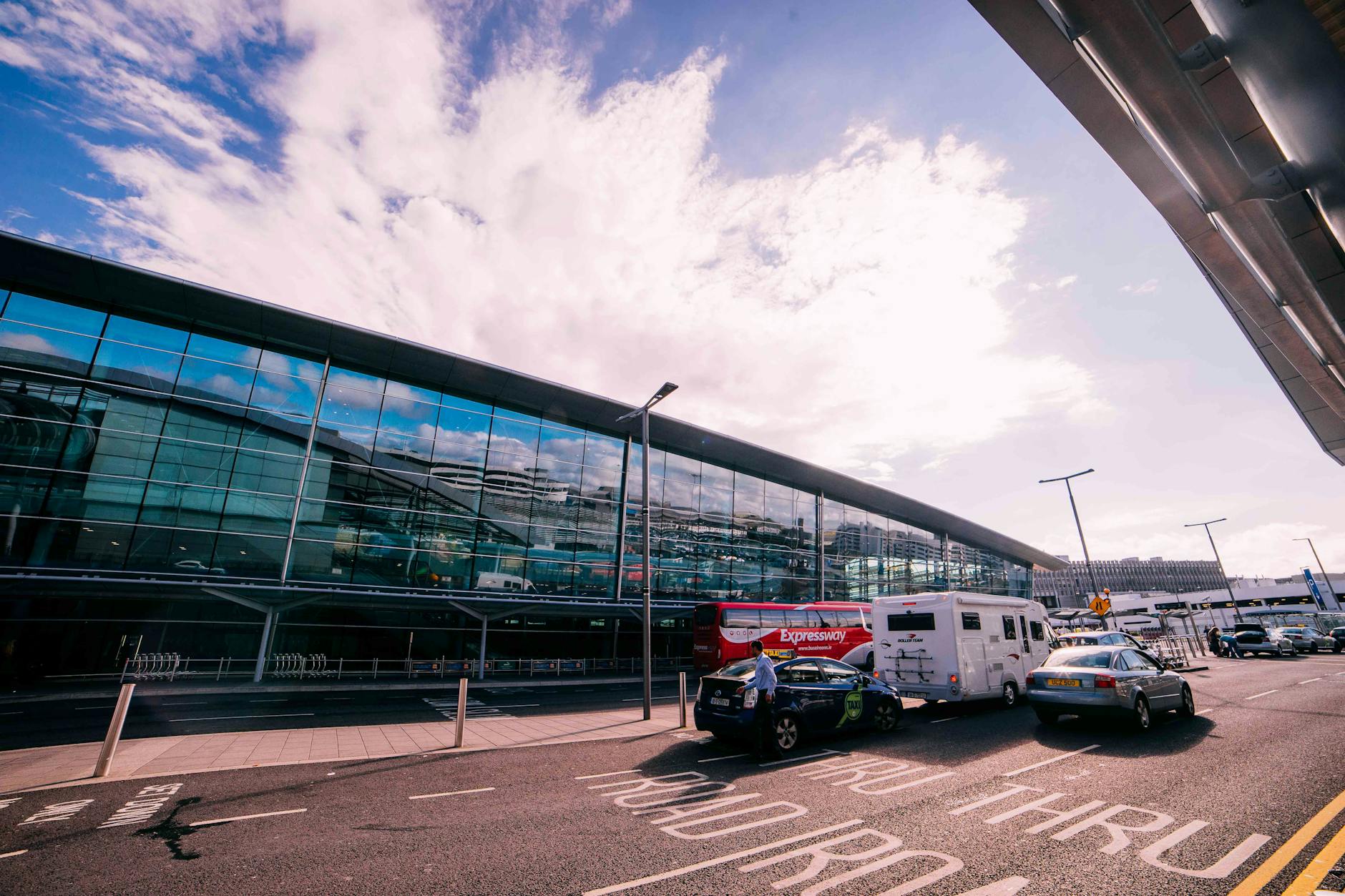
Dublin Airport has two terminals about a covered walk apart, with no airside connection between them. Terminal 1 handles all Ryanair flights and most European short-haul; Terminal 2 is Aer Lingus and the US carriers. The city centre is about 10 km south, and there are four ways in: the Dublin Express coaches, routes 782 and 784; the standard Dublin Bus routes such as the 16 and the 24-hour 41, which are cheapest; the other coach operators, Aircoach among them; and a taxi, which is metered and takes twenty-five to forty minutes depending on traffic. There is no rail link. Full detail in Dublin Airport to the city centre and the airport guide.
The Ferry: When It Actually Makes Sense
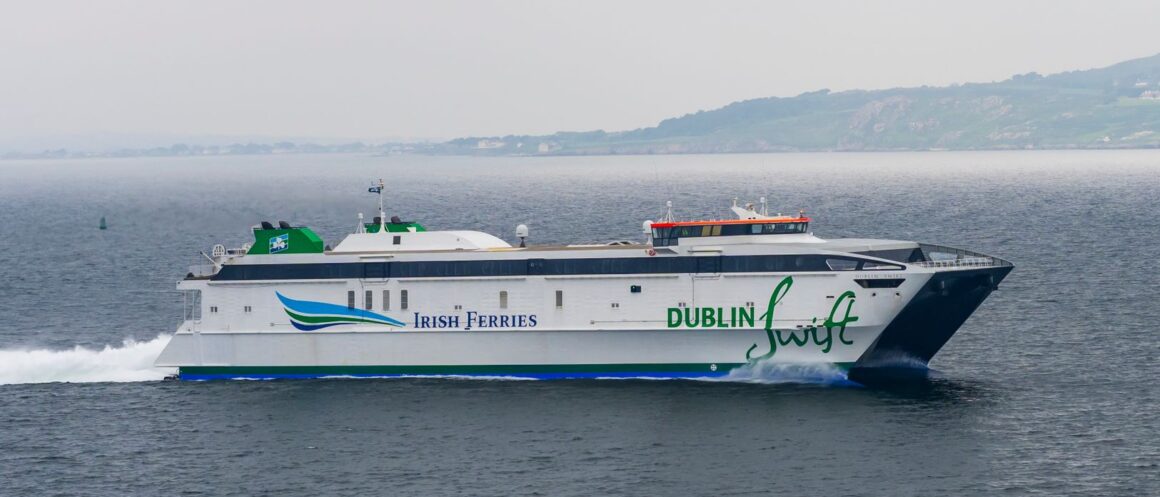
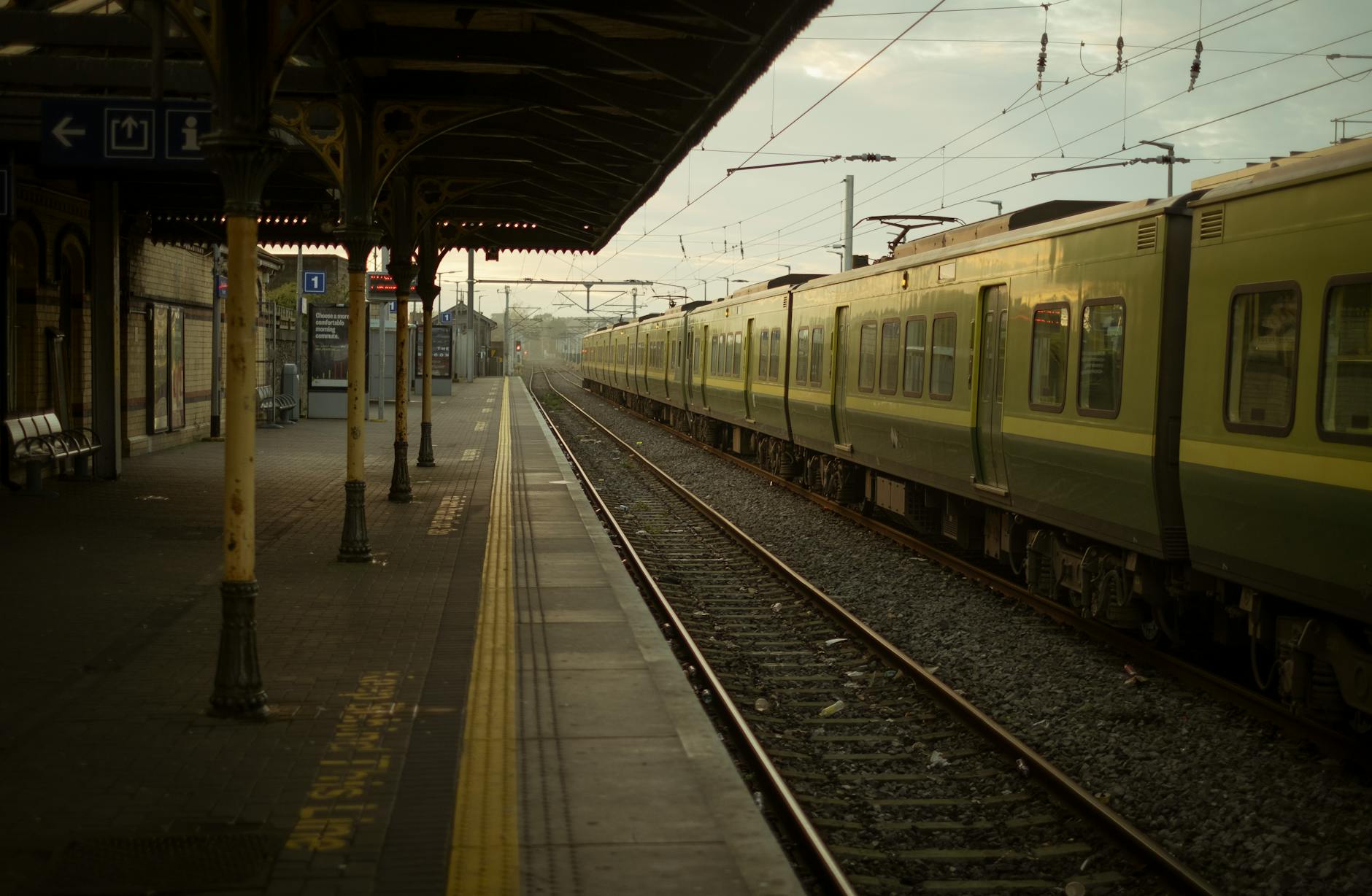
Irish Ferries and Stena Line between them run about eight crossings a day on Holyhead–Dublin, year-round, with roughly four each. The crossing takes about three hours and a quarter on a conventional ferry; the fast craft is quicker, when it runs. Foot-passenger fares are quoted from around €26 up to about €72 one way depending on the season and the operator, and vehicles are priced separately.
Getting to Holyhead from London means Euston and about four hours on the train via Chester and the north Wales coast — which is, incidentally, one of the more scenic main-line journeys in Britain, running along the sea for the last hour. From Manchester, Liverpool or Birmingham it is considerably shorter. Add the ferry and the port formalities and a London-to-Dublin door-to-door day is realistically nine hours.
So the ferry is right when:
- You are bringing a car. This is the main reason and it is a good one — though remember a car is a liability in Dublin itself, where parking is expensive and much of the centre is bus-gated. See renting a car in Dublin.
- You have a lot of luggage, a bike, a dog or a musical instrument. Ferry allowances make airline baggage charges look absurd.
- You are travelling from north Wales, the north-west or the Midlands, where Holyhead is genuinely close.
- You do not fly, for whatever reason. It is a comfortable crossing with proper seats, food and cabins on the longer sailings.
- You want the journey to be part of the trip. It is a nice way to arrive; Dublin Port puts you fifteen minutes from the city centre rather than about 10 km outside it.
It is the wrong choice for a two-night Dublin weekend from London with hand luggage, because you will spend eighteen of your forty-eight hours in transit.
Documents: The Common Travel Area and What It Does Not Cover
Nothing about a Dublin weekend from London is complicated at the border. The confusion comes from the gap between what the law requires and what the airline or ferry company at the desk requires, and those two things have never been the same.
If you are a British or Irish citizen
The Common Travel Area means you need no visa and face no immigration control travelling between Britain and Ireland. That has not changed and is not changing. What has changed is what the carriers ask for. Airlines have always set their own identity requirements and most want a passport for an international sector; from 28 September 2026 the ferry operators require one too, without exception. The practical answer for 2026 and beyond is simple: travel with your passport, every time. Check it is in date before you book, not the night before you go.
If you are neither British nor Irish
You need to satisfy Irish entry requirements in your own right, which are separate from British ones — a UK visa does not admit you to Ireland, and vice versa, apart from a small number of specific schemes. Check Dublin visa requirements before booking, and check the UK’s own rules for your return leg, because travellers who need a UK Electronic Travel Authorisation need it for the journey back into Britain as well.
Ireland is not in Schengen — which helps
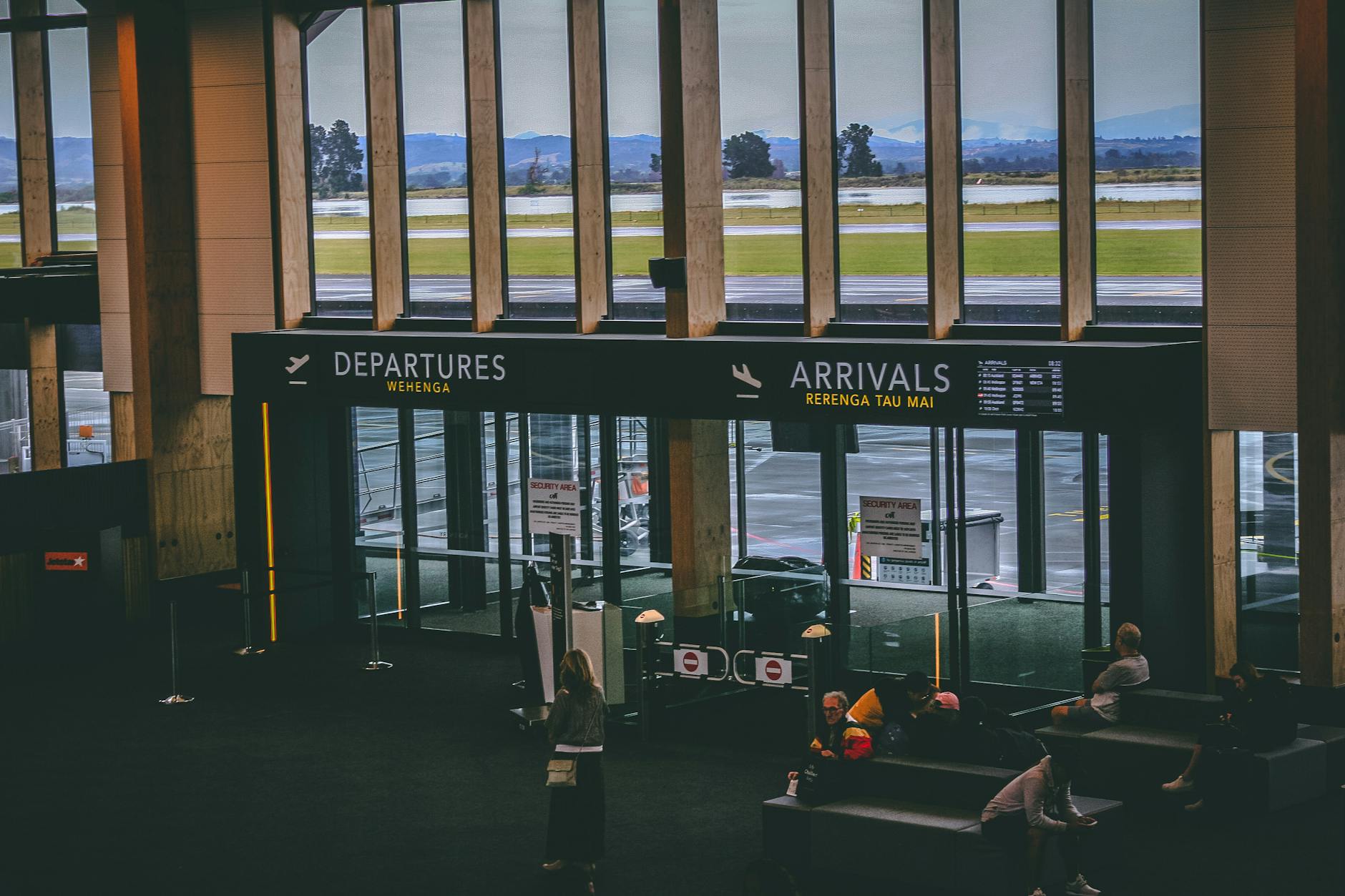
Worth knowing because it removes a set of worries that apply everywhere else in Europe. Ireland is outside the Schengen area, so the EU’s Entry/Exit System and the ETIAS travel authorisation do not apply here. A weekend in Dublin does not involve any of the new EU border technology that a weekend in Paris or Amsterdam does. Your document checklist is a passport and, if applicable, an Irish visa. That is all.
What a Dublin Weekend Actually Costs
Two nights, per person, sharing a room, from London. Accommodation is more than half of every figure below and it is the line that swings hardest with the calendar.
| Line | Budget | Mid-range | Comfortable |
|---|---|---|---|
| Return flights | £45 | £90 | £160 |
| Two nights’ bed | €70 (hostel) | €170 (3★ twin, shared) | €380 (4★ central) |
| Airport transfers | €8 (bus, Leap) | €8 (Dublin Bus 16 or 41, Leap) | €60 (taxis) |
| Food and drink | €80 | €150 | €280 |
| Attractions | €10 | €45 | €90 |
| Local transport | €8 (1-day Leap) | €18 (3-day Leap) | €40 with taxis |
| Total, excluding flights | ≈€176 | ≈€391 | ≈€850 |
Two things move that number more than anything else. The first is the weekend you pick: rates roughly double over the St Patrick’s weekend in March, the Six Nations weekends — 5 February and 13 March 2027 — and the October bank holiday. The second is where you sleep: moving from Temple Bar to Portobello, Stoneybatter or Smithfield can take a third off the accommodation line for a fifteen-minute walk. See the full trip cost guide, where to stay and the cheapest time to visit.

The Two-Night Weekend, Planned
Forty-eight hours is enough for a great deal of Dublin if you are disciplined about geography. This is the shape a Dublin weekend from London usually takes when it goes well: one anchor a day, nothing over-scheduled, and the coast on Sunday morning.
Friday evening
Land, take the Dublin Express or a 16 or 41 bus in, drop bags. Eat somewhere near your base rather than trying to do a big dinner on arrival night. Walk through Temple Bar once for the photographs, knowing that a pint there costs €10 or more against €6.50 to €7.50 elsewhere, and then go somewhere Dubliners drink — Kehoe’s, The Long Hall, The Palace Bar. The traditional pubs guide has the full list, and the oldest pubs if you want the history with it.

Saturday
The one full day, so use it properly. Book the Book of Kells for early — and know that the Long Room’s books are away being conserved until at least 2027, so the postcard image is not what you will see. Then the free National Museum of Ireland on Kildare Street, which holds the bog bodies and the Bronze Age gold and costs nothing, and the Georgian squares around it. In the afternoon, either the Guinness Storehouse from €24 online (the price varies by time slot) or Kilmainham Gaol at €8, which is the better hour and needs booking weeks ahead. Evening on Camden Street or South William Street.
Sunday
The DART to Howth — twenty-five minutes, a couple of euro on a Leap Card, a cliff path and the best seafood in the county. Or Dún Laoghaire and Dalkey in the other direction. Back for an evening flight. If the weather is against it, the rainy-day guide has the indoor version, and our two days in Dublin itinerary covers this weekend in much more detail.
The Small Differences Nobody Mentions
A Dublin weekend from London feels almost like a domestic trip, which is exactly why the handful of genuine differences catch people out.
- Money. The Republic uses the euro, not sterling. Northern Ireland uses sterling. Cards and contactless are universal and you will barely need cash, but carry twenty euro for small takeaways.
- Plugs. Ireland uses the same three-pin type G socket as the UK. No adaptor needed — one of the very few destinations where that is true.
- Phones. Roaming arrangements vary by UK network since Brexit and several have reintroduced charges for the EU, Ireland included. Check your own tariff before you land rather than after. The SIM card guide covers the alternatives.
- Driving. Both countries drive on the left, but Irish speed limits and distances are in kilometres, not miles.
- Tipping. Lower and less expected than in the UK, and large groups usually have service added automatically. The tipping guide has the specifics.
- Pub hours. Earlier than London: 23:30 Monday to Thursday, 00:30 Friday and Saturday, 23:00 Sunday, plus thirty minutes’ drinking-up time.
- Dublin Castle is closed to visitors until January 2027 for Ireland’s EU presidency. Almost every weekend itinerary online still sends you there.
Which Weekends to Avoid
The date you pick matters more to the cost of a Dublin weekend from London than anything else you decide. Dublin is a small city with a chronic accommodation shortage, and a handful of dates take hotel rates from expensive to absurd.
- The St Patrick’s weekend, 14–17 March 2027. Wonderful, and roughly double the price of any other weekend in the year. Book six months out or do not come.
- Six Nations home weekends — 5 February and 13 March 2027. The city fills with rugby supporters and rates spike. See Dublin for sports fans if that is the point of your trip.
- The October bank holiday, Monday 26 October 2026, which is also Irish school mid-term and the Dublin Marathon weekend. The clocks go back the day before.
- Christmas and New Year. Nothing runs at all on Christmas Day — no bus, no DART, no Luas — and services resume on the 26th on a Sunday timetable from about 09:00.
- Any weekend with a stadium concert. Croke Park and the Aviva both hold 50,000-plus and both empty the hotel stock when they do.
The best value weekends are in January and February, excluding the Six Nations dates, when the city is cheap and dark and the pubs are at their absolute best. See the best time to visit for the month-by-month case, and the events calendar for what is on.
Gotchas
The things that most reliably go wrong on a Dublin weekend from London, in rough order of how expensive they are when they do.
- From 28 September 2026 the ferry requires a passport from every passenger, whatever their nationality or age. Driving licences and ID cards are not accepted.
- Airlines set their own ID rules and they differ. A passport is the only universally safe document. Check your carrier’s page when you book.
- Ireland is not in Schengen, so EES and ETIAS do not apply — but a UK visa does not admit you to Ireland either.
- Dublin Airport has no rail link. It is bus or taxi, and the taxi is twenty-five to forty minutes depending on traffic.
- Terminal 1 is Ryanair, Terminal 2 is Aer Lingus. There is no airside connection between them.
- The Leap Visitor Card comes in one, three and seven-day versions. For a two-night weekend, buy the three-day.
- Dublin Castle is shut to visitors until January 2027. The Chester Beatty inside it is closed until the end of December 2026 too.
- Kilmainham Gaol sells out weeks ahead every month of the year. Book it before you book anything else.
- The Long Room at Trinity is largely empty of books until 2027–2030 while they are conserved and digitised.
- A car is a liability in Dublin. If you sail with one, park it and use the buses.
FAQ: A Dublin Weekend from London and the UK
Is it cheaper to fly or take the ferry to Dublin?
From London, flying is almost always cheaper as well as faster once you count the rail fare to Holyhead. Ferry foot-passenger tickets start around €26 one way, but a London Euston to Holyhead train on a Friday will typically cost more than a return flight booked in advance. The ferry becomes the better deal if you are travelling from north Wales or the north-west, bringing a car, or carrying enough luggage that airline charges start to bite.
Do UK citizens need a passport for Dublin?
Legally, under the Common Travel Area, British and Irish citizens face no immigration control between the two states. In practice, yes — bring one. Airlines have always set their own identity requirements and most want a passport, and from 28 September 2026 Stena Line and Irish Ferries require a valid passport or Irish passport card from every passenger on the Britain–Ireland routes, with no exemptions by age or nationality. Travel with your passport and the question does not arise.
How long is a Dublin weekend from London?
Two nights is the standard shape and it works well: fly out on Friday afternoon or evening, one full day on Saturday, a coastal morning and an evening flight on Sunday. The flight is eighty minutes and about four hours door to door, so you genuinely get two useful days rather than one and two travel days. Three nights is better if you want a day trip to Wicklow or the Boyne Valley — see our three days in Dublin itinerary.
Which London airport is best for Dublin?
Whichever is easiest for you to reach, because the flight is the same length from all of them. Heathrow has the most flights and the best connections and costs the most; Gatwick is a good middle option; Stansted and Luton have the cheapest Ryanair fares and the longest surface journey; London City is the fastest to reach from the City and Docklands. Factor the cost and time of getting to the airport into the comparison — it frequently outweighs the fare difference.
Can you do Dublin as a day trip from London?
Physically yes, on a very early flight out and a late one back, and people do it for meetings. As a leisure trip it is a poor idea: you lose about five hours to airports and transfers and you arrive too late for the timed-entry attractions. If you genuinely only have one day, our one day in Dublin guide is built for it, and the layover guide covers even shorter stops.
Do I need euros or pounds in Dublin?
Euros. The Republic of Ireland uses the euro and sterling is not accepted, which surprises a number of British visitors every year. Northern Ireland, an hour and a half up the road, uses sterling. Cards and contactless work everywhere in Dublin and you can get by without cash entirely, though twenty euro is worth having for small takeaways and the odd market stall.
Is Dublin expensive for a UK visitor?
Comparable to London for food and drink, and worse for hotels — Dublin’s accommodation shortage means a mid-range room often costs more than the equivalent in most British cities. The mitigations are real, though: the National Museum, the National Gallery and the Botanic Gardens are all free, the city is small enough to walk, and a pint outside Temple Bar is €6.50 to €7.50. See Dublin on a budget.
What about travelling on to Belfast?
Straightforward and worth doing. The Enterprise train runs Dublin Connolly to Belfast Grand Central in about two hours and eight minutes, roughly hourly, with cheap singles from around €15.99 booked ahead. There is no border check, but bring your passport — you are crossing into the UK and carriers and hotels may ask. Note that a Leap Card is not valid on the Enterprise. See the Belfast day trip and the Enterprise guide.
Keep Planning
- Is Dublin Worth Visiting? — the parent guide, and the honest case.
- 2 Days in Dublin — the weekend, hour by hour.
- Holyhead to Dublin Ferry — Stena and Irish Ferries compared in full.
- Dublin Airport to the City Centre — the four ways in, timed and priced.
- Dublin Visa Requirements — for anyone who is not a UK or Irish citizen.
- Dublin Airport Guide — terminals, lounges, preclearance and parking.
- The Leap Card Guide — which version to buy for a weekend.
- Things to Know Before Visiting Dublin — the small differences, in one place.
Keep Reading
- Holyhead to Dublin Ferry — the crossing itself, and the passport rule that applies from 28 September 2026.
- Is Dublin Worth Visiting?
- 2 Days in Dublin: The Weekend Itinerary
Lean na Comharthaí — Keep following the signs