Malahide Castle & Gardens: The Complete Day Trip Guide from Dublin
Caisleán Mhullach Íde
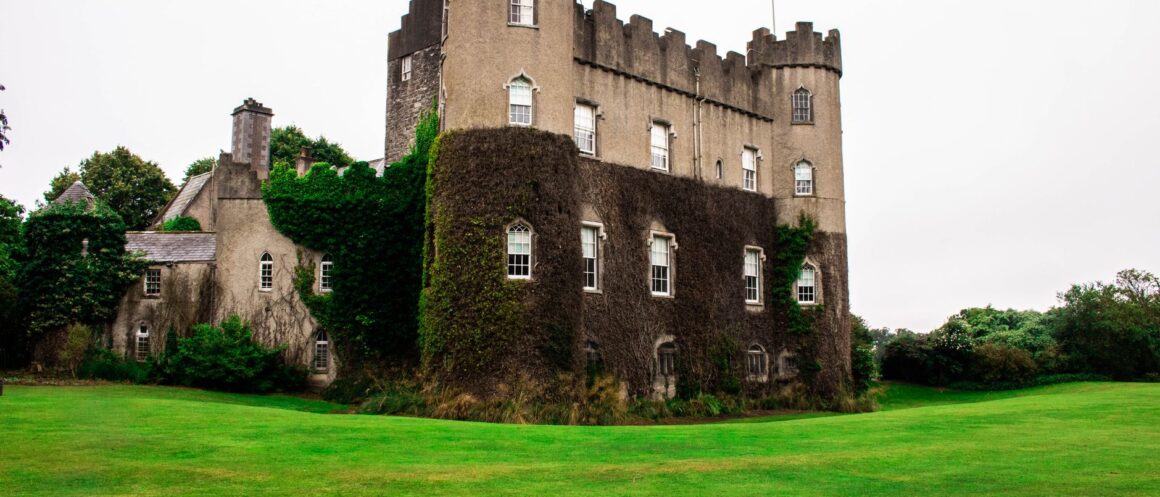
Ar an gComhartha Seo — On this sign
- Quick Answer: Is Malahide Castle Worth Visiting?
- Getting There from Dublin
- Tickets and What the Price Actually Buys
- The Talbots: 791 Years in One House
- The Gardens, the Butterflies and the Fairy Trail
- Malahide Village: Do Not Skip It
- What the Tour Actually Shows You
- The Beach, the Coast Walk and the Marina
- Where to Eat
- Can You Do Malahide and Howth in One Day?
- How Long to Allow, and When to Go
- Gotchas
- Malahide Castle FAQ
- Keep Planning
- Keep Reading
Twenty-five minutes on the DART from the middle of Dublin gets you to a village with a marina, a good main street and an 800-year-old castle sitting in 260 acres of parkland that you can walk into for nothing. That combination — genuinely easy to reach, genuinely worth reaching, and free unless you want the inside of the castle — is why Malahide is the half-day trip Dublin visitors most often wish they had known about sooner. It is not a spectacular castle. It is a very good day out, which is a different and more useful thing.
This guide covers Malahide Castle properly: what the tour actually costs and what the ticket includes, how to get there and how long to allow, what is free and what is not, whether the Talbot Botanic Gardens justify the walk, what to do in the village afterwards, and whether you can combine it with Howth in a single day. It is written for people with a spare morning in Dublin and no interest in wasting it.
Quick Answer: Is Malahide Castle Worth Visiting?
Yes, particularly if you have children, a spare half-day, or an interest in one family holding one house for nearly eight centuries. Admission is €16 for an adult and includes the guided castle tour, the Walled Garden, the Butterfly House and the Fairy Trail — that bundling is what makes the price reasonable rather than steep. The tour runs about 45 minutes to an hour and the whole visit fills three to four hours comfortably.
The most important thing to know is that the parkland and demesne are free. If you only want a walk, a playground, a coffee and a look at the outside of a castle, you can have all of that without buying anything. The €16 buys you the interior, the guide and the gardens. Decide which trip you are taking before you go, because families in particular can have an excellent day at Malahide for the cost of the DART fare.
| Adult | €16.00 |
|---|---|
| Senior / Student | €11.00 |
| Child | €8.50 |
| Family (2 adults, 2 children) | €46.00 |
| Ticket includes | Guided castle tour, Walled Garden, Butterfly House, Fairy Trail |
| Opening | Daily 09:30–17:30; closed 24–26 December |
| Tour length | 45 minutes to an hour, daily year-round |
| Parkland and demesne | Free |
| Getting there | DART from Connolly or Pearse, about 25 minutes |
| Time needed | Three to four hours, or a full day with the village |
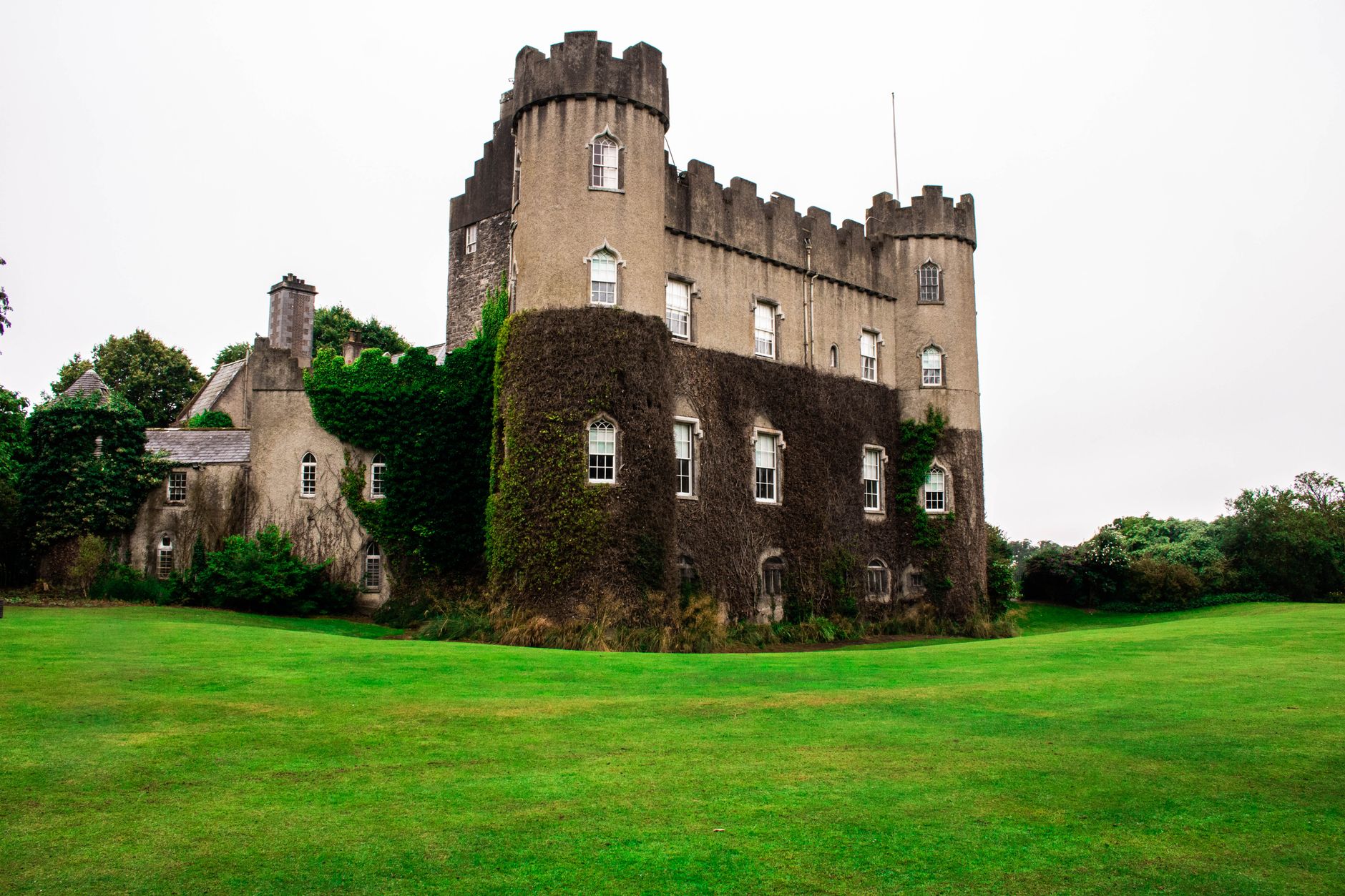
Getting There from Dublin
The DART is the answer and it is an unusually pleasant one. Trains run from Dublin Connolly and Pearse to Malahide in roughly 25 minutes along the north side of the bay, and the station sits in the village itself. From there it is a short walk to the demesne gates, or you can take the seasonal road-train that shuttles between station and castle if you have small legs in the party.
Use a Leap Card and check the current fare before you travel rather than relying on an old figure. Buses also run from the city centre and take longer; driving is straightforward with parking on site, but on a good weekend the car parks fill and the DART does not. Our DART guide covers the whole coastal line and getting around Dublin has the rest.

Tickets and What the Price Actually Buys
Adult admission to Malahide Castle is €16.00, with €11.00 for seniors and students, €8.50 for children, and €46.00 for a family ticket covering two adults and two children. Crucially, that single ticket covers four things: the guided castle tour, the Walled Garden, the Butterfly House and the Fairy Trail. There is no upselling once you are inside, which is a rarer virtue than it should be.
Guided tours run daily all year round, closing only for 24, 25 and 26 December, and last about 45 minutes to an hour. Book online in advance, particularly in summer, when tours fill and turning up can mean a long wait for the next slot or none at all. The site itself opens daily 09:30 to 17:30.
You cannot go through the castle unguided, and that is fine — the tour is the point. The rooms are furnished, the guides are good on the family, and a self-guided wander would leave you looking at portraits of people you have no reason to care about. On the value question: €16 is more than St Patrick’s Cathedral and rather less than the Guinness Storehouse, and unlike either it comes with 260 acres attached.
The Talbots: 791 Years in One House
The story is the reason to take the tour. The Talbot family was granted the lands in 1185 and held Malahide until 1975 — nearly eight centuries in the same house, broken only by a decade in the middle of the seventeenth century when Cromwell handed it to Miles Corbet, one of the men who signed Charles I’s death warrant. Corbet was hanged after the Restoration and the Talbots came back.
The story every guide tells, and which is worth hearing told properly, concerns the morning of 1 July 1690. Fourteen Talbot cousins breakfasted together in the Great Hall before riding out to fight for James II at the Battle of the Boyne. None of them came back. The table is still there. It is the kind of detail that turns a room full of furniture into something you actually remember.
The house passed out of the family in 1975 when death duties forced a sale, and the contents were auctioned before the state acquired the castle and demesne. That is why some rooms feel sparser than they should — a good deal of what you would want to see went to buyers around the world half a century ago. For the wider context, see Dublin’s history and Viking and medieval Dublin.
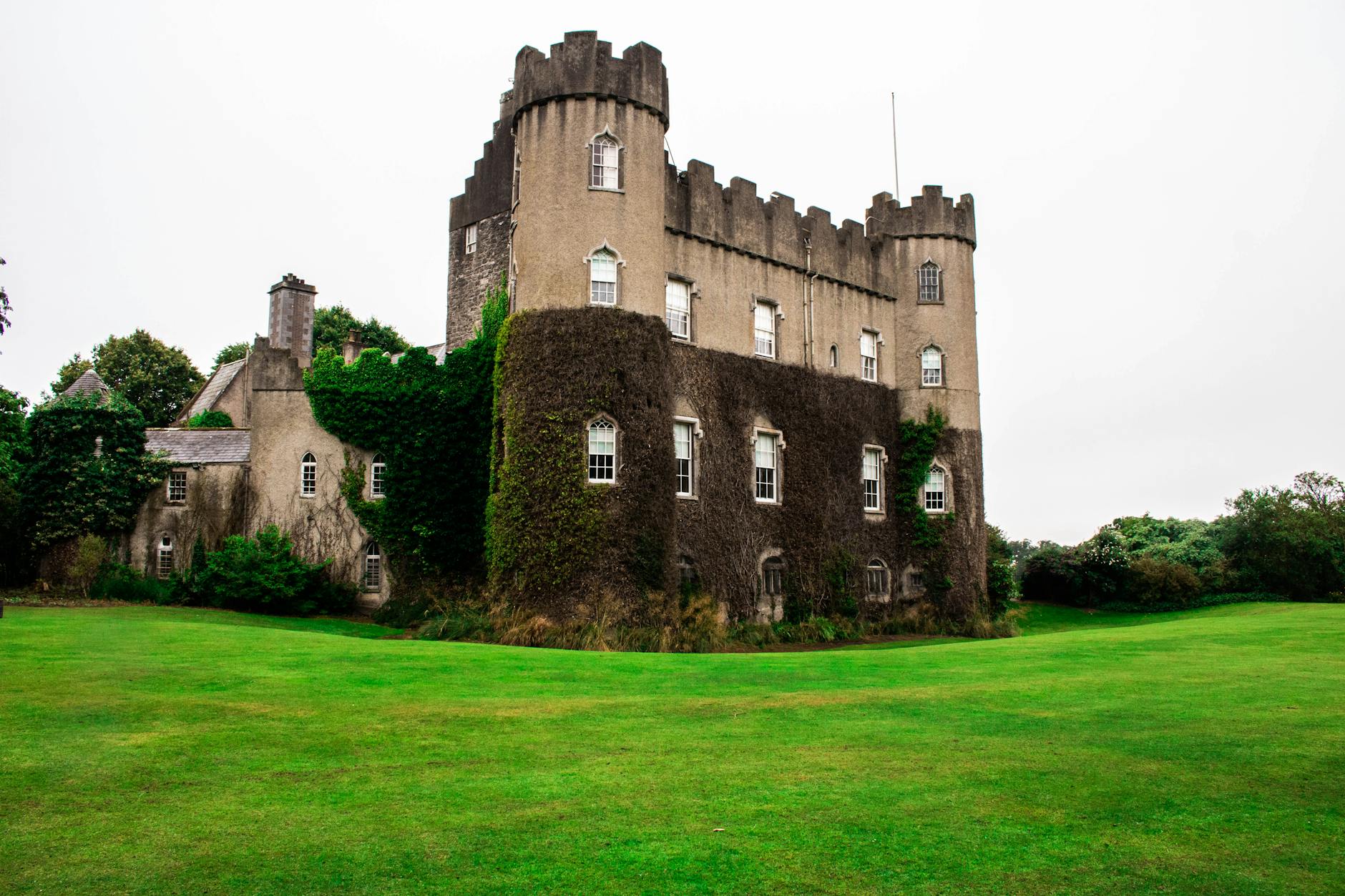
The Gardens, the Butterflies and the Fairy Trail
Behind the castle, the Talbot Botanic Gardens hold more than 5,000 plant varieties across a 1.6-hectare walled garden with seven glasshouses, including a Victorian conservatory and a house given over to primulas. They were largely the work of Lord Milo Talbot, the last Talbot to hold Malahide, who collected extensively in the southern hemisphere — which is why an Irish walled garden contains an unexpected quantity of Australian and Chilean planting. If you like gardens at all, this is the part of the ticket that surprises people.
The Butterfly House is small, warm and exactly what it sounds like, and it is included. The Fairy Trail through the woodland is aimed squarely at under-eights and does its job without embarrassment. Between those two, a playground and a great deal of grass, Malahide Castle is one of the better family days out within reach of the city — see day trips with kids and Dublin for families.
There is a café on site for the standard coffee-and-scone stop, and the demesne has cricket pitches, a nine-hole golf course and long wooded walks. On a dry day you could spend four hours here without going inside a single building.
Malahide Village: Do Not Skip It
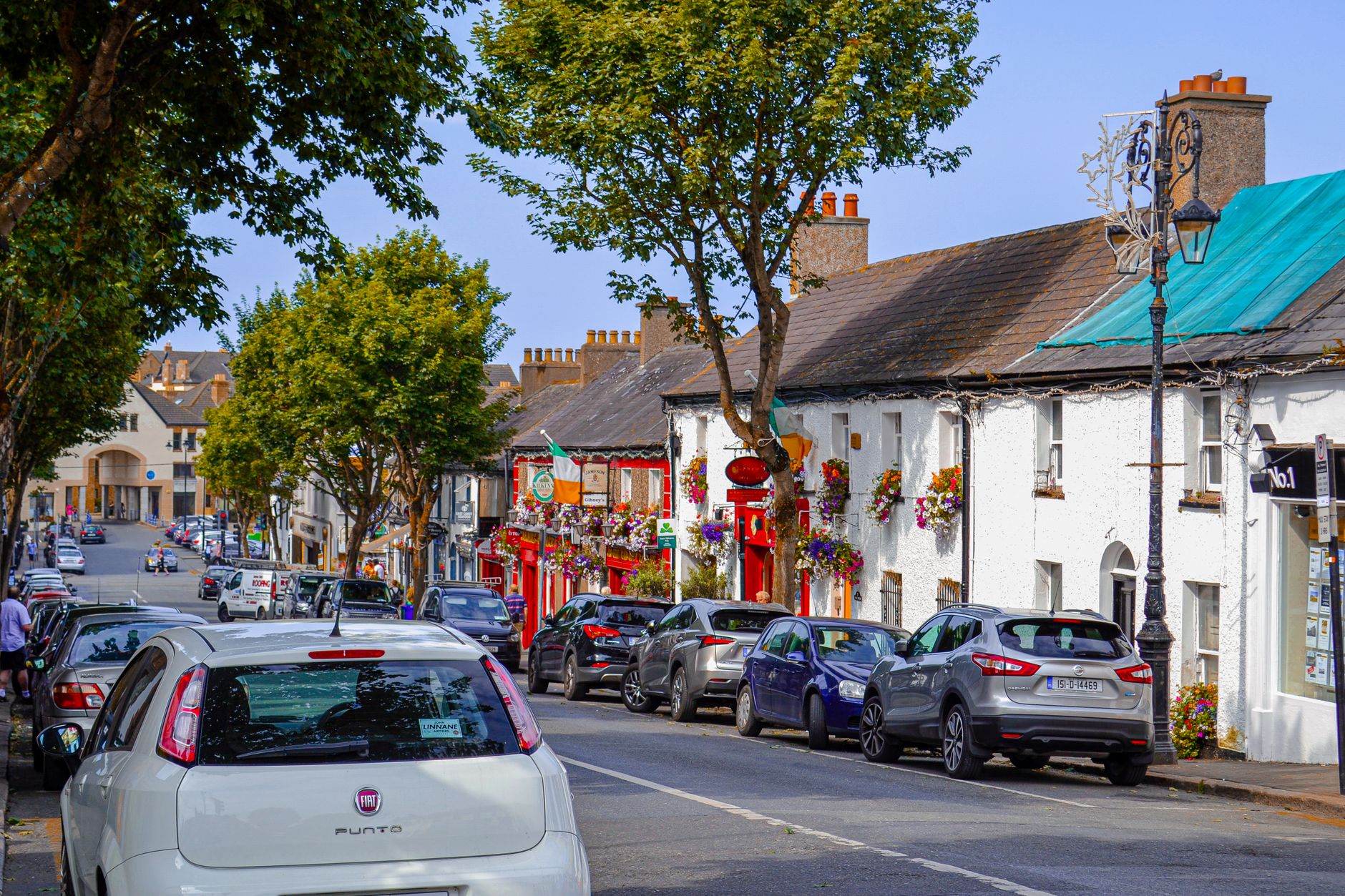
This is the half of the trip most guides ignore, and it is what turns a castle visit into a proper day. Malahide village is a well-off coastal suburb with a genuinely good main street, a marina full of boats, a long beach and an unusual concentration of decent restaurants for somewhere this small. Seafood is the local strength.
The walk from the demesne gates into the village takes a few minutes, and the marina and coast walk are both free. If your plan is castle in the morning and lunch afterwards, book somewhere — Malahide fills at weekends with Dubliners who have had the same idea, and the good places do not have spare tables at one o’clock on a Saturday.
What the Tour Actually Shows You
The guided route takes in the Great Hall, the oak room, the drawing rooms and the older medieval core, and the guides lean on the family rather than the furniture, which is the right decision. The Great Hall is the room everyone remembers: a long, high, dark space with the minstrels’ gallery above and the Talbot portraits round the walls, and the table the fourteen cousins ate at before the Boyne. It is the only room of its kind surviving substantially intact in an Irish house of this age.
The rest is a portrait collection and a set of rooms that show how a defensive tower became a comfortable family home over five hundred years — arrow slits at one end of the building and sash windows at the other. Expect a ghost story or two. Puck, the watchman said to have died at his post and to have appeared in the hall on the day the contents were auctioned in 1976, gets an airing on most tours, and the guides tell it with the right amount of scepticism.
What you will not get is a state-apartment spectacle. This is not Dublin Castle, which is in any case closed to visitors until January 2027, and it is not a great house stuffed with treasures, because most of the contents left in the 1976 auction. Go for the continuity of the story rather than the objects.

The Beach, the Coast Walk and the Marina
Malahide has a long sandy beach and an estuary, and both are free, uncrowded outside high summer, and a five-minute walk from the village. The marina is the prettiest part — a working harbour full of small boats with the coast walk running out along the estuary towards Portmarnock. If the weather is decent, an hour here after the castle is what turns the day from an attraction visit into a day at the seaside.
This also gives you a wet-weather fallback and a fine-weather upgrade in the same place, which is unusual for a Dublin day trip. Rain means castle, gardens, Butterfly House and a long lunch. Sun means parkland, beach and the coast path, and you can skip the ticket entirely. Either version works, which is a large part of why Malahide Castle is such a reliable recommendation.
Where to Eat
The demesne has a café for coffee, soup and a scone, and it is fine for what it is. The village is where you actually eat. Malahide has a concentration of good restaurants well out of proportion to its size, with seafood the local strength given the harbour at the end of the road, and a couple of solid pubs doing proper food rather than reheated pub grub.
Book at weekends. Malahide is a Dublin day out for Dubliners as much as for visitors, and the good tables go early on a Saturday. If you would rather eat in the city afterwards, the DART back takes 25 minutes and our Dublin restaurants guide and seafood guide cover the alternatives.
Can You Do Malahide and Howth in One Day?
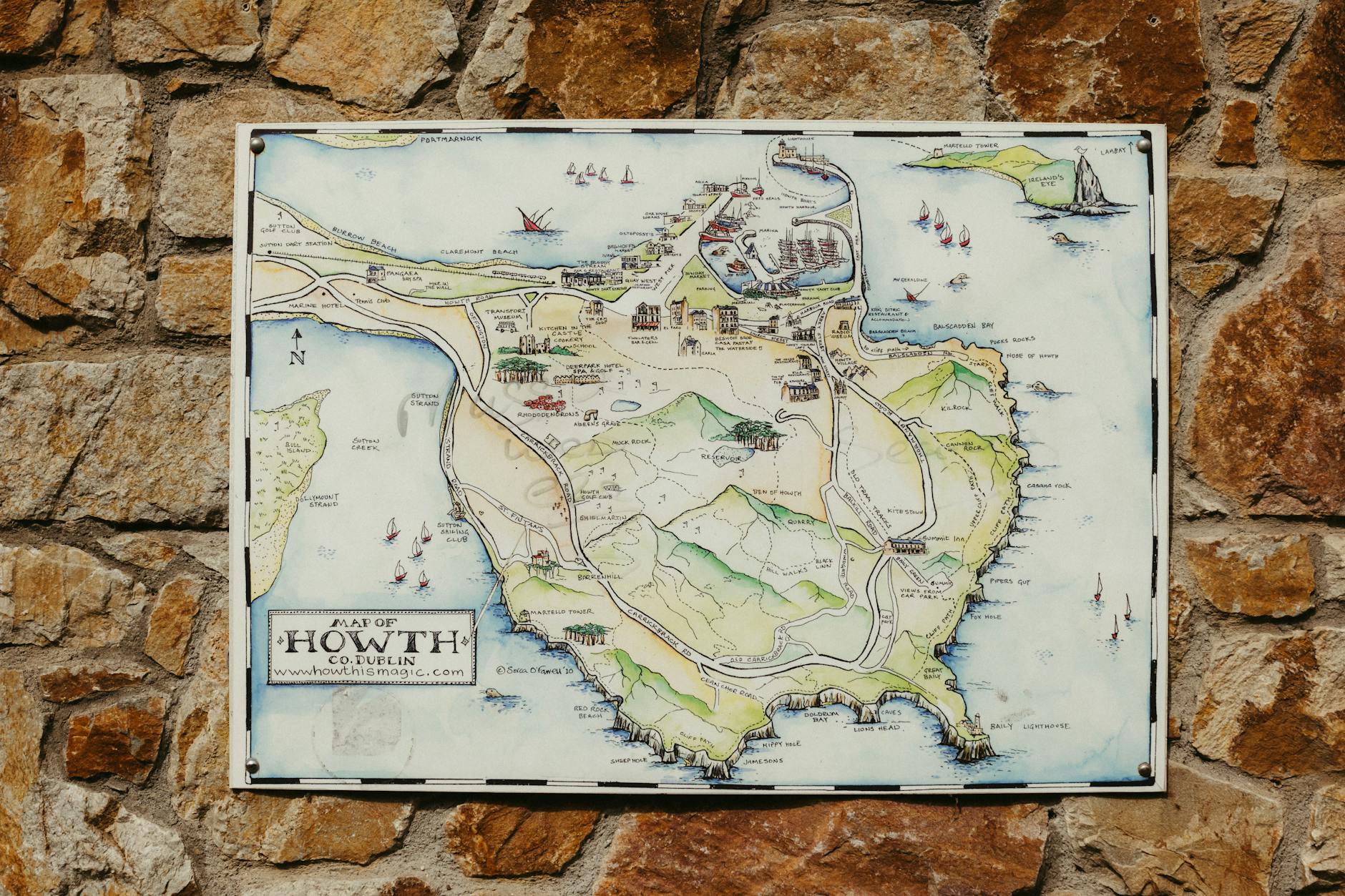
Technically yes, and mostly you should not. Both are on the northern DART network but on different branches, so going between them means changing at Howth Junction and adding a chunk of the day to the connection. You would end up with a rushed castle tour and a truncated cliff walk.
The exception is a long summer day with an early start and no interest in the castle interior. In that case: Howth first for the cliff walk in the morning, back on the DART, and Malahide in the afternoon for the parkland and the village without the tour. That works because the free half of Malahide needs no booking and no schedule.
Otherwise, treat them as two separate half-days. Howth is the better one if you want dramatic coast and a harbour; Malahide Castle is the better one if you want history, gardens and somewhere to sit down. Our day trips from Dublin guide ranks the whole field with journey times.

How Long to Allow, and When to Go
- Two hours — parkland and a coffee. Free, and a perfectly good use of a morning.
- Three to four hours — the tour, the gardens, the Butterfly House and a walk. The standard visit.
- A full day — all of the above plus lunch in the village and the marina walk. This is the version to take.
Go on a weekday morning if you can. Weekend afternoons bring Dublin families, the café queues and the tours fill. Spring and early summer are best for the walled garden, when the glasshouses and the borders are doing something; autumn is good for the demesne trees. Winter still works — the tours run all year and the parkland is at its emptiest — but the gardens are quiet and the light is gone by four, so check what November looks like before planning around it.

Gotchas
- The castle interior is guided-tour only. You cannot wander it yourself, and tours fill in summer — book online.
- The parkland is free. Do not buy a ticket if all you want is a walk, a playground and a coffee.
- Closed 24, 25 and 26 December, the only three days of the year.
- Malahide and Howth are on different DART branches. Combining them means changing at Howth Junction and losing time.
- Book lunch at weekends. The village restaurants are genuinely busy and genuinely small.
- The road-train between station and castle is seasonal. Do not count on it in winter — it is a walkable distance anyway.
- Car parks fill on fine weekends. The DART does not, and drops you in the village rather than a field.
- Much of the original contents were auctioned in 1976. Some rooms are sparser than a 791-year house should be; the guide explains why.
- Check current prices and hours before you go. These are the 2026 figures and they move.
Malahide Castle FAQ
Is Malahide Castle worth visiting?
Yes, especially as a half-day from Dublin. The €16 adult ticket includes the guided tour, the Walled Garden, the Butterfly House and the Fairy Trail, which is good value for a bundle. The parkland is free on top of that, so even without a ticket it is a worthwhile trip. It is a family home rather than a fortress, so go for the story rather than the battlements.
How do you get to Malahide Castle from Dublin?
Take the DART from Dublin Connolly or Pearse to Malahide, which takes about 25 minutes along the north side of the bay. The station is in the village, a short walk from the demesne gates, with a seasonal road-train shuttling between the two. Buses run from the city centre but take longer, and driving means competing for a car park on fine weekends.
Can you do Malahide and Howth in one day?
You can, but it is not the best use of a day. They sit on different branches of the northern DART network, so travelling between them means changing at Howth Junction and losing time. If you must, do Howth and the cliff walk in the morning and Malahide’s free parkland and village in the afternoon, skipping the castle tour. Otherwise treat them as separate half-days.
How much does Malahide Castle cost?
Adult admission is €16.00, seniors and students €11.00, children €8.50, and a family ticket for two adults and two children €46.00. That covers the guided castle tour, the Walled Garden, the Butterfly House and the Fairy Trail. The surrounding demesne parkland is free to enter, so a walk costs nothing beyond your transport.
How long do you need at Malahide Castle?
Three to four hours covers the tour, the gardens and a walk at a comfortable pace. Two hours is enough if you only want the free parkland and a coffee. Allow a full day if you are adding lunch in the village and the marina walk, which is the version most people enjoy most.
Do you need to book Malahide Castle in advance?
It is strongly recommended, especially in summer. The castle interior can only be seen on a guided tour, tours run on fixed slots, and they fill. Booking online in advance avoids turning up to find the next available tour is two hours away or gone entirely.
Are the gardens at Malahide Castle worth it?
More than most people expect. The Talbot Botanic Gardens hold over 5,000 plant varieties in a 1.6-hectare walled garden with seven glasshouses, including a Victorian conservatory and a primula house, and reflect Lord Milo Talbot’s southern-hemisphere collecting. They are included in the standard ticket, so there is no reason to skip them.
Is Malahide Castle good for children?
Very. The ticket includes the Butterfly House and a woodland Fairy Trail aimed at younger children, there is a playground, and the demesne is 260 acres of grass and trees to run around in. Add the beach and the village and it is one of the better family days within easy reach of the city centre.
How old is Malahide Castle?
The Talbot family was granted the lands in 1185 and held the castle until 1975 — around 791 years, interrupted only by a decade in the 1650s when Cromwell granted it to Miles Corbet. The building itself grew over centuries rather than being built at once, which is why it reads as a house with towers rather than a fortress.
Keep Planning
- Day trips from Dublin — every option ranked, with journey times.
- Howth village — the other northern DART trip, and how it compares.
- The DART explained — the coastal line and what is worth stopping at.
- Day trips with kids — which ones actually work with children.
- The Howth cliff walk — the best coastal walk near the city.
- Free things to do in Dublin — including the parkland here.
- Things to do in Dublin — the master list for the rest of the trip.
Keep Reading
Lean na Comharthaí — Keep following the signs